


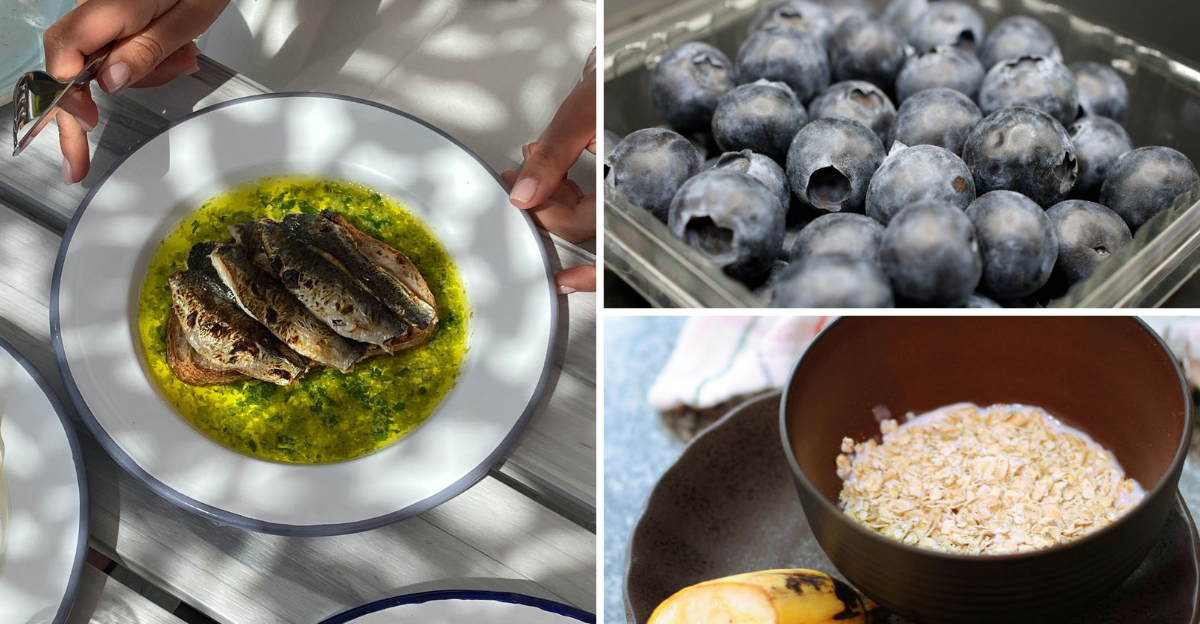
Small daily choices can make a big difference for your heart. If you want better cholesterol over time, the most powerful tools might already be in your kitchen.
These cardiologist-approved foods bring fiber, healthy fats, and antioxidants that work quietly behind the scenes. Use this list to build tasty meals that love you back.
Salmon Fillet
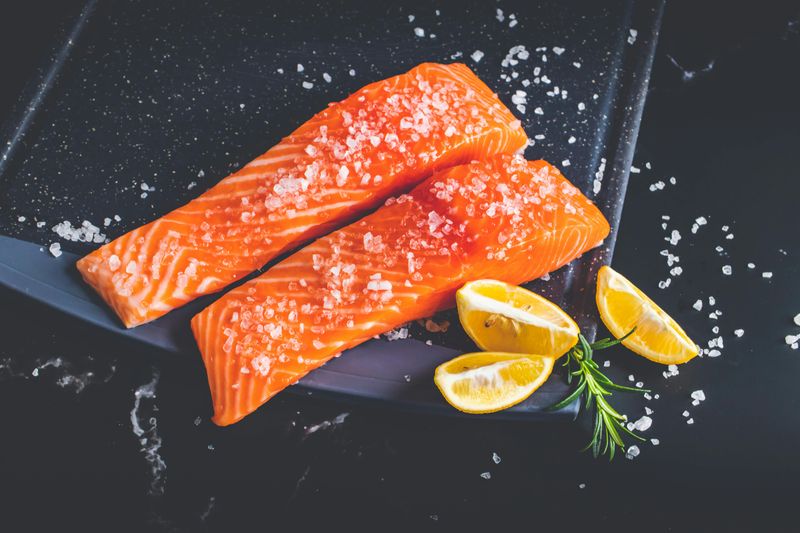
A simple salmon fillet supplies heart friendly omega-3 fats that can raise HDL while lowering triglycerides. Choose wild or responsibly farmed options and season with lemon, pepper, and herbs.
You get satisfying protein that pairs well with leafy greens, whole grains, or roasted vegetables for a balanced plate.
Bake or pan-sear in olive oil until just opaque to keep it tender. Add a side of barley or quinoa to boost fiber that supports healthy cholesterol.
If you prefer variety, rotate with trout, sardines, or mackerel, keeping portions palm-sized and meals colorful, fresh, and delicious week after week.
Walnuts Raw
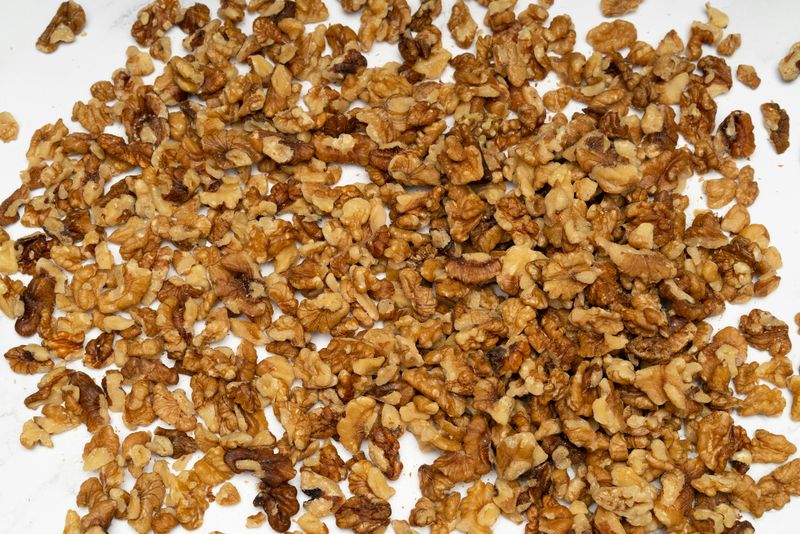
A handful of raw walnuts brings plant-based omega-3s, antioxidants, and fiber that support better cholesterol patterns. Their crunchy texture satisfies snack cravings without reaching for ultra-processed options.
You can sprinkle them over salads, stir into oatmeal, or blend into pesto for a rich, nutty boost your heart appreciates.
Portion about a small palm, since calories add up quickly. Pair with apple slices or Greek yogurt for a balanced mini meal.
If baking, toast lightly to enhance flavor, then cool before mixing into batter. Stash a small container in your bag so smart snacks are always within easy reach.
Olive Oil
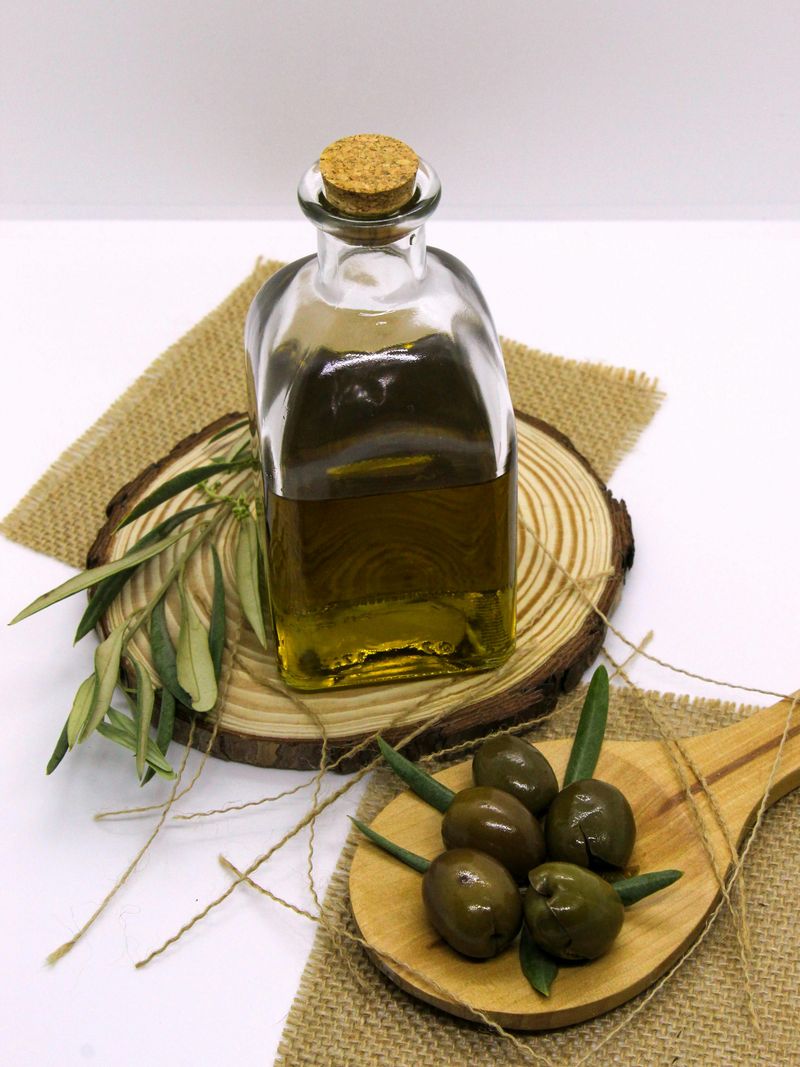
Extra virgin olive oil is rich in monounsaturated fats and polyphenols that can improve cholesterol ratios. Drizzle it over salads, roasted vegetables, or whole grains to replace butter or creamy dressings.
You get robust flavor with fewer saturated fats, helping support flexible arteries and steady, heart supportive eating habits.
Use it for low to medium heat cooking, and save delicate finishes for raw applications. Pair with tomatoes, garlic, and herbs for a Mediterranean profile.
If budget matters, keep a daily use bottle and a special bottle for finishing. Store away from heat and light to preserve freshness and aroma.
Avocado Toast
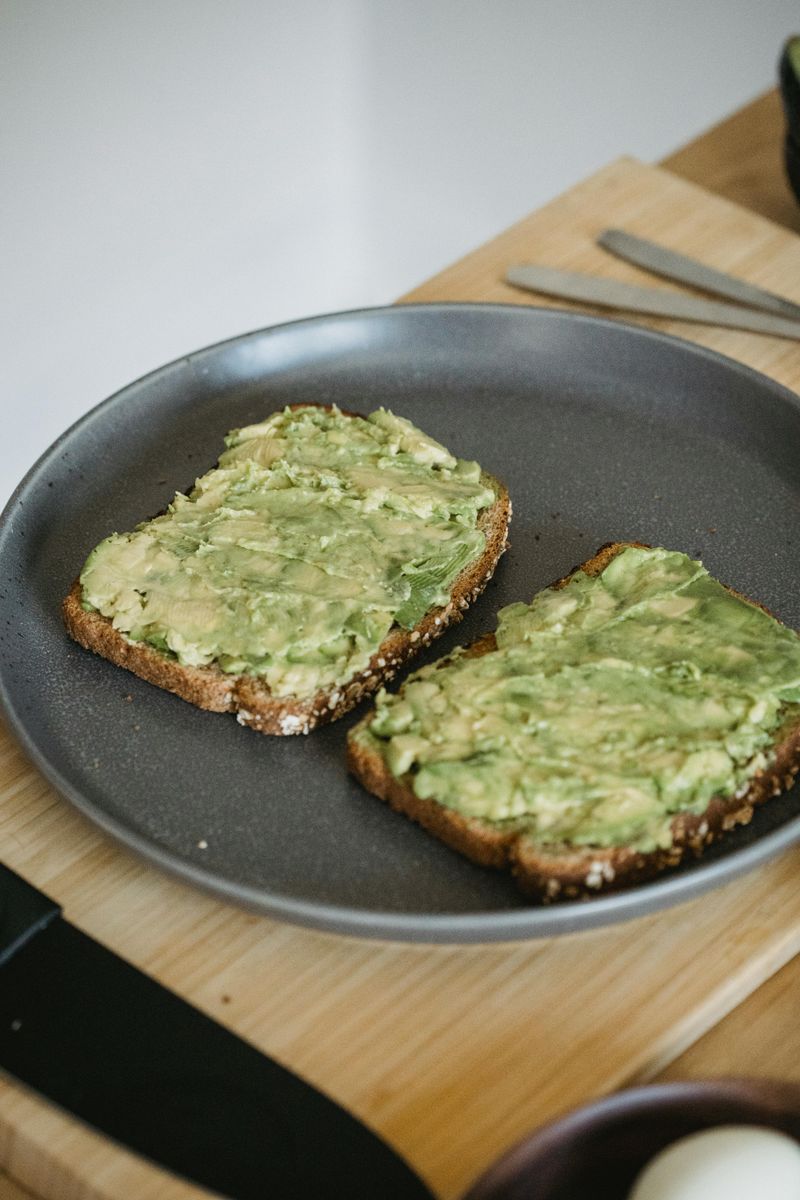
Avocado toast offers creamy monounsaturated fats that may help lower LDL while supporting HDL. Mash ripe avocado with lemon, salt, and chili flakes, then spread on whole grain bread for fiber.
Add toppings like tomato, radish, or a soft egg for extra protein and crunch that keeps you satisfied.
For a balanced plate, serve with berries or greens on the side. Choose sturdy bread with visible seeds or oats to maximize nutrition.
If dining out, request light oil and salt so flavors shine without excess. Keep avocados on the counter until they yield gently, then refrigerate to pause ripening.
Lentil Soup
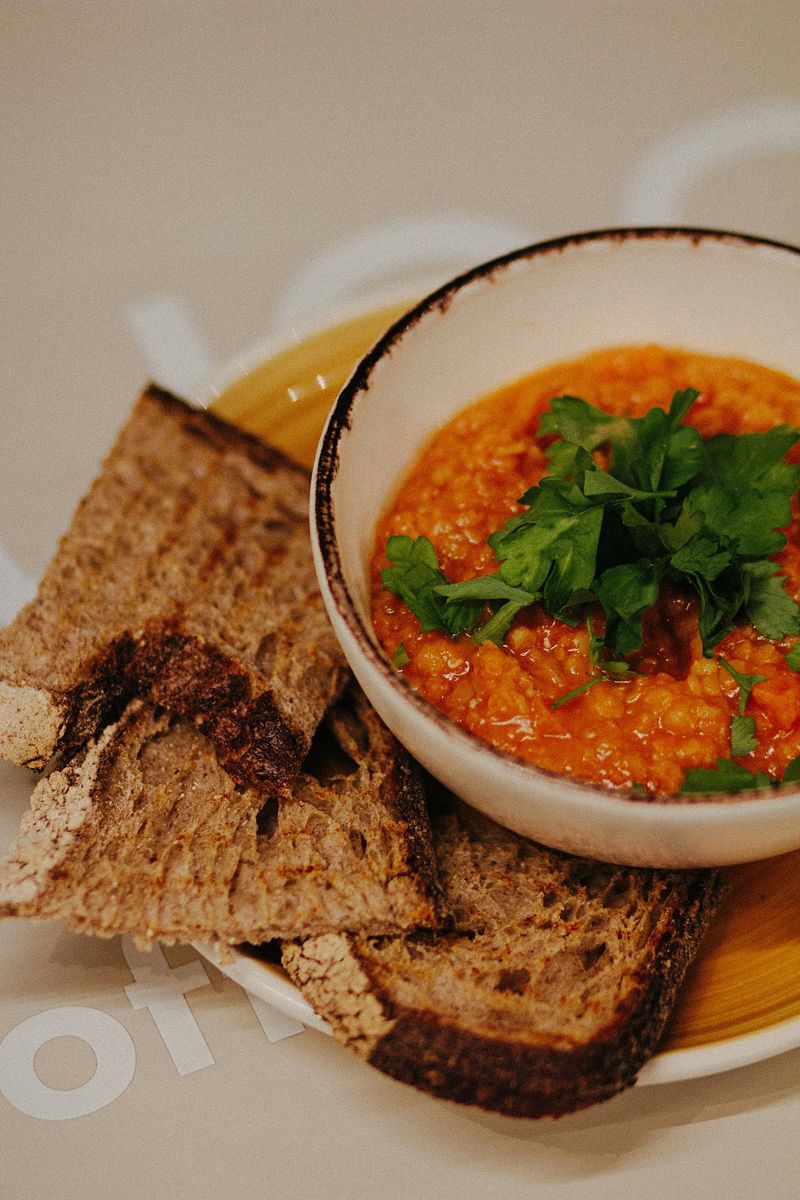
A hearty lentil soup brings plant protein and soluble fiber that help manage cholesterol and keep you full. Lentils cook quickly, absorb spices beautifully, and hold texture in meal prep.
Simmer with onions, carrots, tomatoes, and cumin for a cozy bowl that feels comforting yet light on busy nights.
For extra richness, add olive oil and a squeeze of lemon before serving. Stir in spinach or kale to boost antioxidants.
If you like heat, finish with chili, then enjoy with whole grain bread. Make a big pot Sunday, portion it into jars, and your weekday lunches are instantly handled.
Spinach Salad
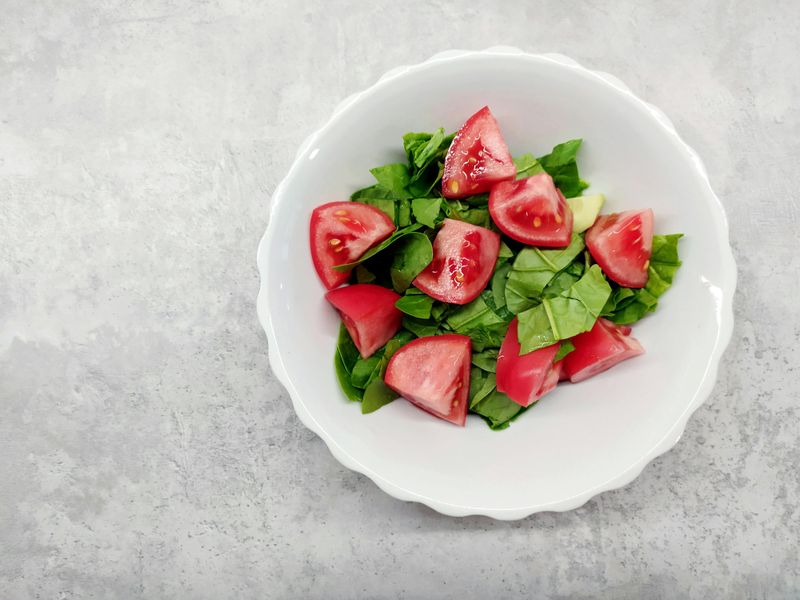
A fresh spinach salad supplies lutein, nitrates, and fiber that work alongside healthy fats to support cholesterol. Toss leaves with olive oil, lemon, and cracked pepper for a simple base.
Add beans, avocado, or salmon to build a satisfying meal that delivers protein, color, and crunch without weighing you down.
Keep dressings light and let herbs provide big flavor. Swap in arugula, kale, or romaine to mix textures across the week.
If prepping ahead, store components separately, then combine right before eating. Sprinkle seeds or nuts on top just before serving so they stay crisp and bring valuable heart-helping fats.
Garlic Cloves
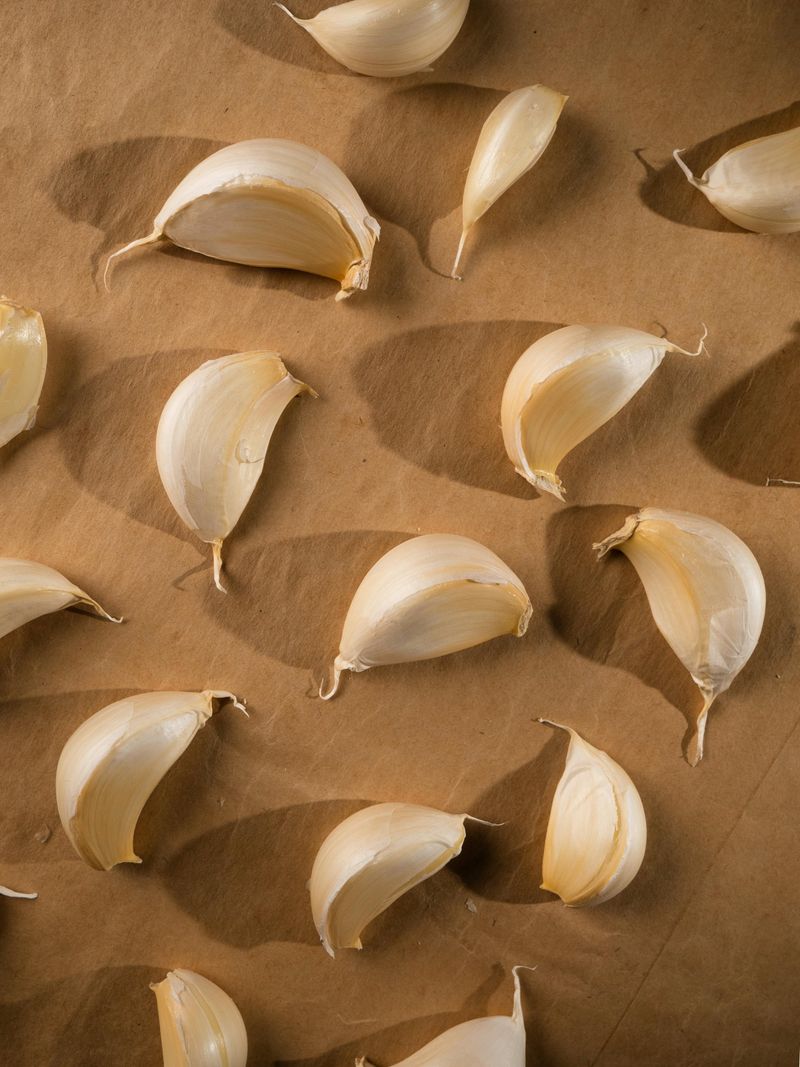
Garlic cloves add aroma and potential cholesterol-friendly compounds, especially when chopped and allowed to rest before cooking. That resting time lets allicin form, bringing savory punch.
Sauté gently in olive oil to start soups, sauces, and sautés, layering flavor so you need less salt while enjoying hearty home cooking.
If raw garlic feels harsh, roast whole heads until sweet and spreadable. Mash into avocado toast or whisk into vinaigrettes for depth.
Keep cloves in a cool, dry spot rather than the fridge to avoid sprouting early. You will quickly find that a little garlic transforms simple dishes into favorites.
Almond Snack
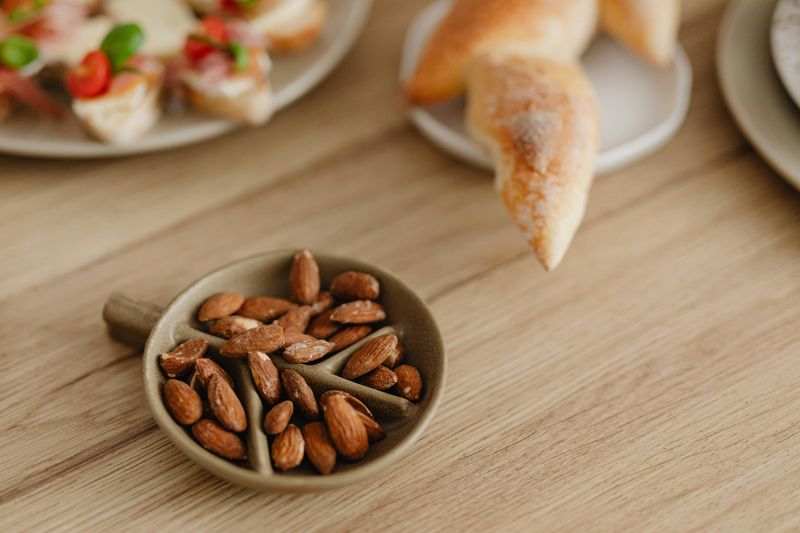
Almonds make a quick snack that supports cholesterol with monounsaturated fats, fiber, and plant sterols. A small handful satisfies hunger between meals without spiking blood sugar.
Choose dry roasted or raw versions without sugary coatings. Their crunch pairs beautifully with fruit, dark chocolate squares, or green tea for a simple break.
Portion about 1 ounce, roughly 23 almonds, to keep calories in check. For savory cravings, toss with smoked paprika and sea salt.
If you meal prep, divide servings into tiny jars so choices stay easy. Mix with pumpkin seeds and walnuts for a robust trail blend you can carry anywhere.
Chia Pudding

Chia pudding is an easy make-ahead breakfast loaded with soluble fiber and omega-3s that support cholesterol. Stir chia seeds into milk, add vanilla, and refrigerate overnight.
In the morning you get a creamy base to top with berries, walnuts, or cocoa nibs for texture, antioxidants, and staying power through busy hours.
For sweetness, mash ripe banana or drizzle a little honey. If you prefer extra protein, mix in Greek yogurt.
Adjust thickness by adding more liquid and whisking well. Portion into small jars to grab and go.
You will love how this simple ritual keeps breakfast calm, colorful, and nourishing all week.
Dark Chocolate
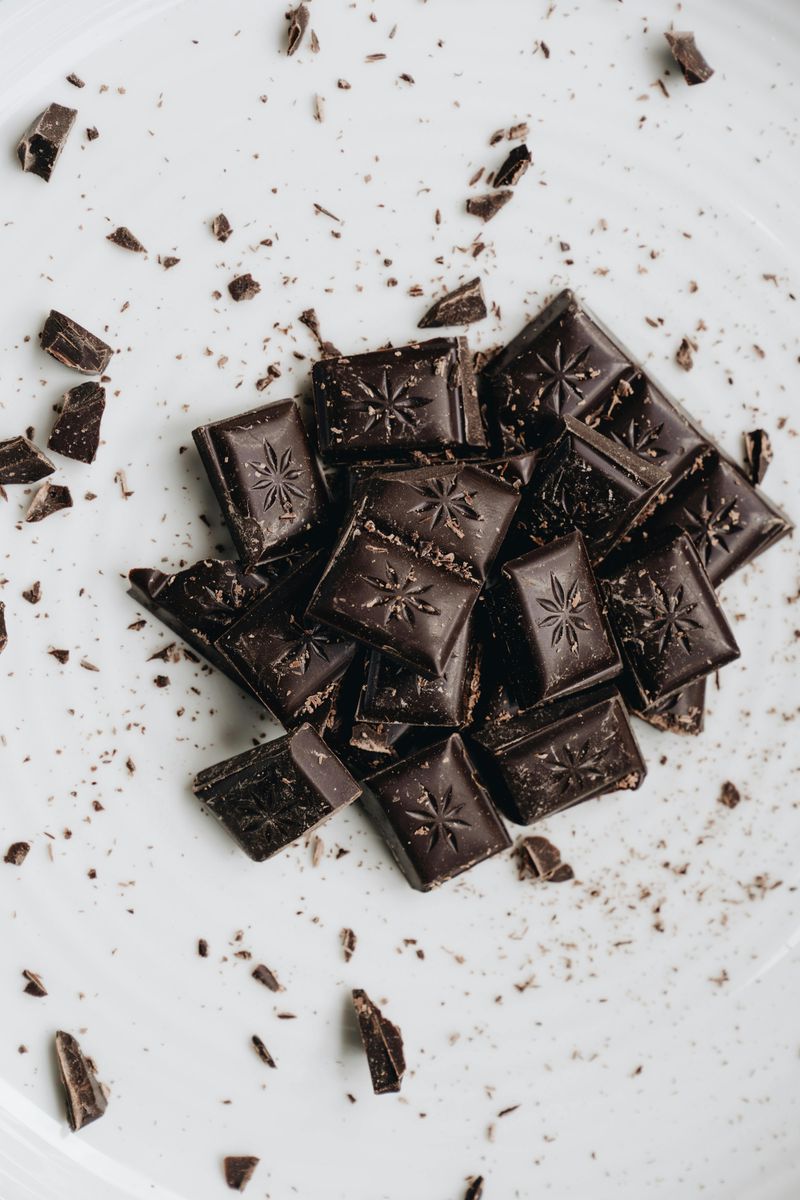
Dark chocolate with a high cacao percentage brings flavanols that may support vascular function. Choose bars around 70 percent cacao or higher to limit added sugar.
A couple squares can finish dinner on a satisfying note. Pair with berries or almonds to balance richness while keeping portions thoughtful and enjoyable.
Melt into oatmeal or a smoothie for a subtle mocha vibe. If you bake, swap part of the chocolate chips for chopped dark chocolate so flavors pop.
Store bars in a cool cabinet to avoid bloom. Savor slowly, letting each bite linger, and you will notice complex notes far beyond sweetness.
Green Tea

Green tea offers catechins and gentle caffeine that may improve cholesterol markers and focus. Brew with hot, not boiling, water to avoid bitterness.
Enjoy plain or with a squeeze of lemon to highlight delicate flavors. You can sip it warm or iced, making it easy to weave into everyday routines.
If you want variety, rotate sencha, jasmine, and matcha across the week. Steep briefly, then taste, adjusting time until flavors feel balanced.
For a snack, pair with almonds or a square of dark chocolate. Keep tea away from light and moisture, and you will preserve those fragile aromatic compounds.
Tomato Sauce
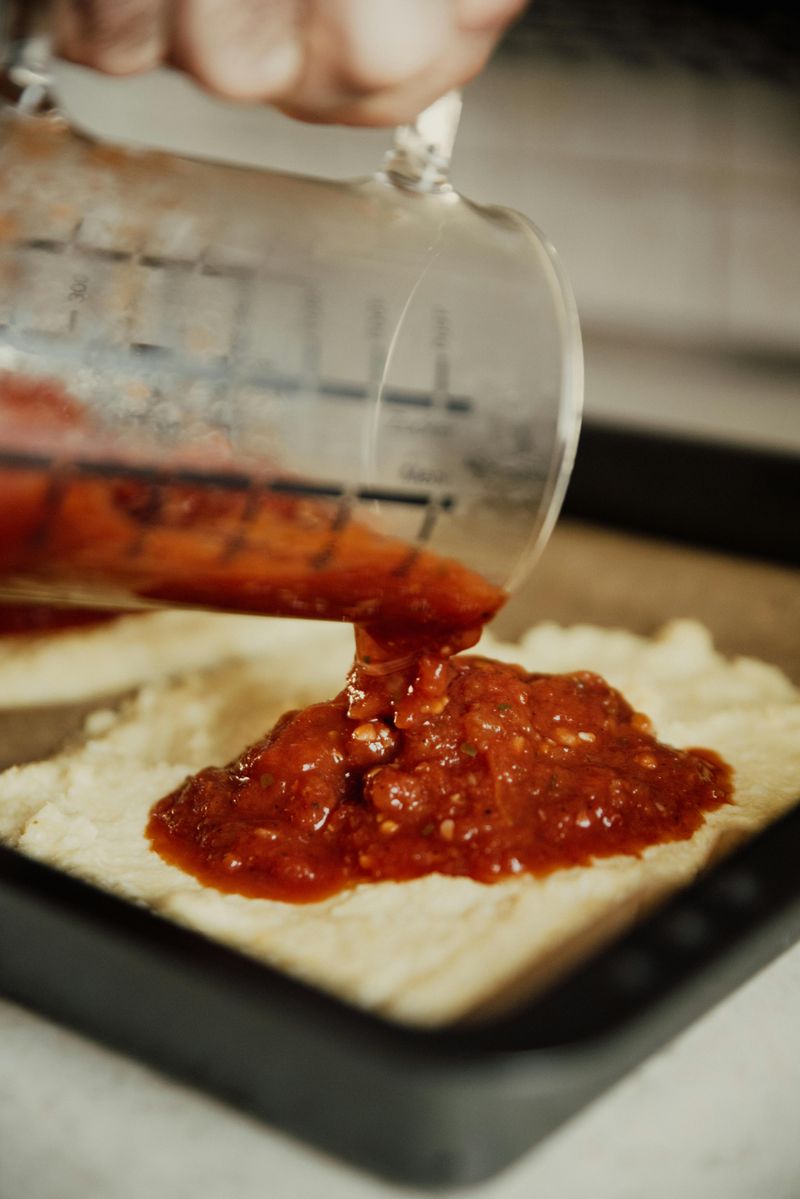
Tomato sauce provides lycopene, an antioxidant that concentrates when tomatoes are cooked with olive oil. That combination supports heart health while delivering deep, savory flavor.
Simmer with garlic, basil, and a pinch of chili. Pour over barley, whole grain pasta, or beans to create hearty meals that satisfy and nourish.
Choose low sodium cans or simmer fresh tomatoes to control seasoning. Add chopped mushrooms or lentils for extra body and fiber.
If you batch cook, cool sauce quickly and freeze flat in bags for easy stacking. Thaw overnight in the fridge, then reheat gently and finish with fresh herbs.
Beans Black
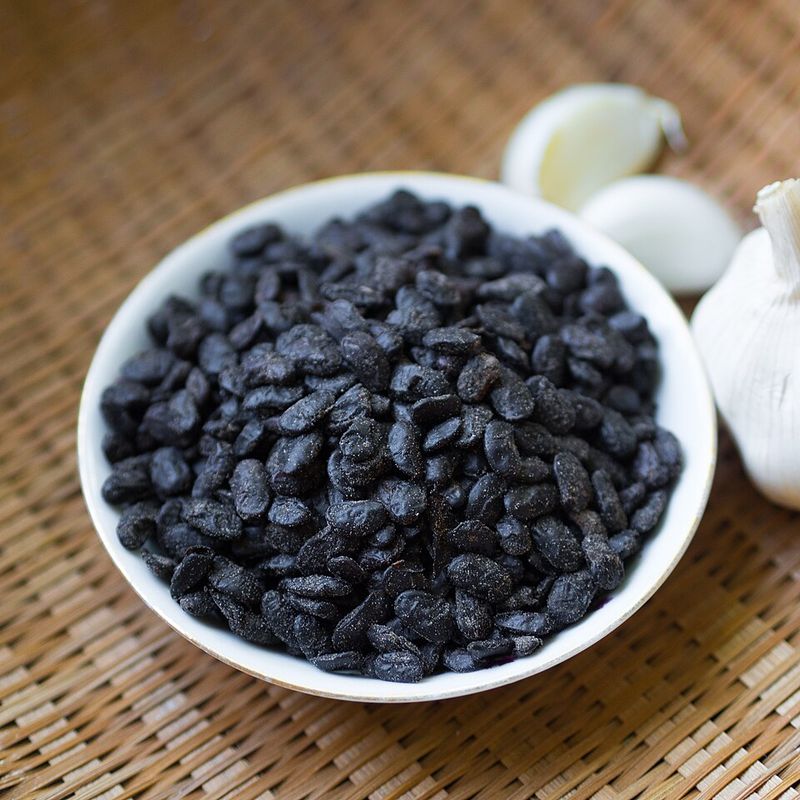
Black beans deliver soluble fiber, plant protein, and minerals that can improve cholesterol over time. Rinse canned beans to reduce sodium, or cook from dry for budget friendly control.
Fold into salads, tacos, and grain bowls for satisfying texture. Their earthy flavor plays well with citrus, cilantro, cumin, and garlic.
For a fast meal, warm beans with tomato sauce and serve over brown rice. Top with avocado and crunchy cabbage.
If you like soup, puree some beans to thicken the broth without cream. Batch-cook a pot on Sunday, then season different portions through the week so dinners stay fresh and fun.
Whole Oats
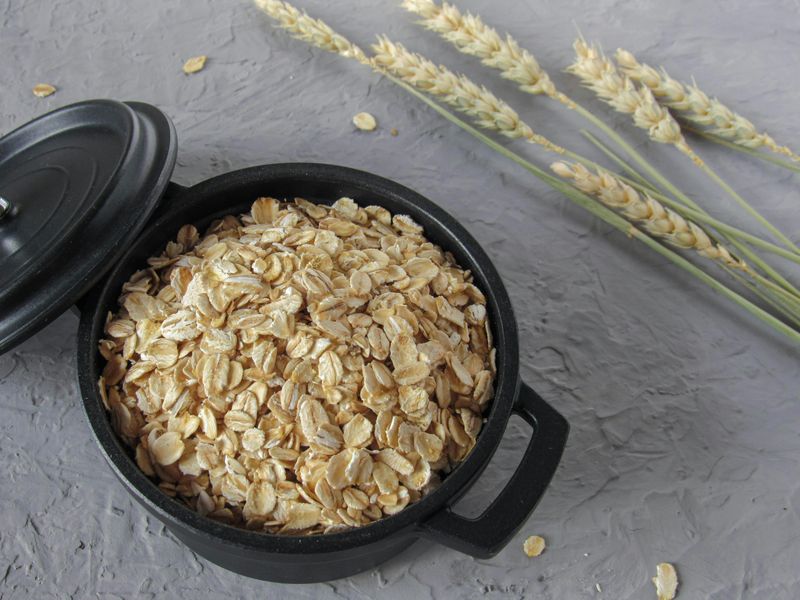
Whole oats are a budget friendly fiber powerhouse that helps trap cholesterol in the digestive tract. Choose steel-cut, rolled, or oat groats and keep portions flexible.
Cook into porridge, bake into bars, or blend into smoothies for extra creaminess. The beta-glucan fiber works reliably when eaten consistently over time.
To streamline mornings, soak oats overnight with milk, spices, and chia. Reheat gently and finish with fruit and nuts.
If gluten concerns arise, look for certified gluten free labels. Store oats in an airtight container away from heat and light so flavor stays toasty and the natural oils remain fresh.
Barley Soup
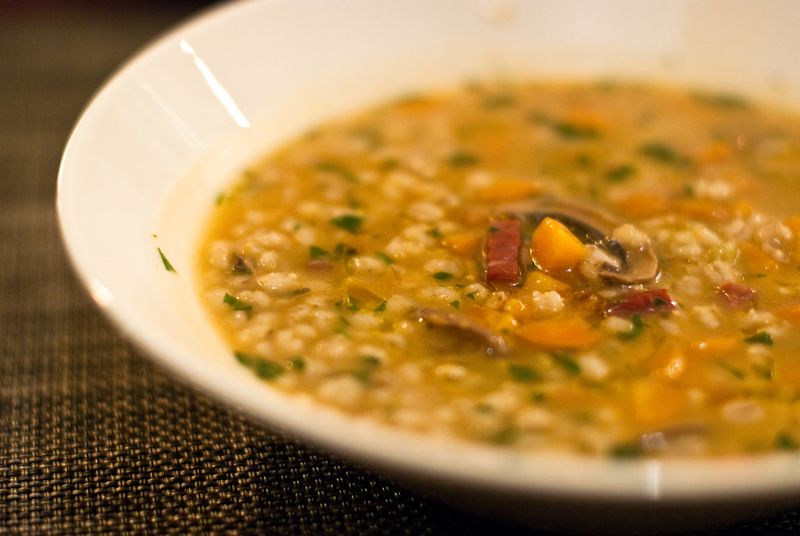
Barley soup brings chewy texture and beta-glucan fiber that can lower LDL when enjoyed regularly. Simmer pearl or hulled barley with onions, carrots, celery, and tomatoes.
Add beans or chicken for protein, and finish with parsley and lemon. The result is cozy, satisfying, and kind to your cholesterol goals.
For deeper flavor, brown mushrooms first in olive oil, then layer in aromatics. If time is short, a pressure cooker speeds everything along.
Swap in vegetable stock to keep it plant forward. Make a big batch on a cold afternoon and you will have easy lunches that feel nourishing all week.
Broccoli Steam
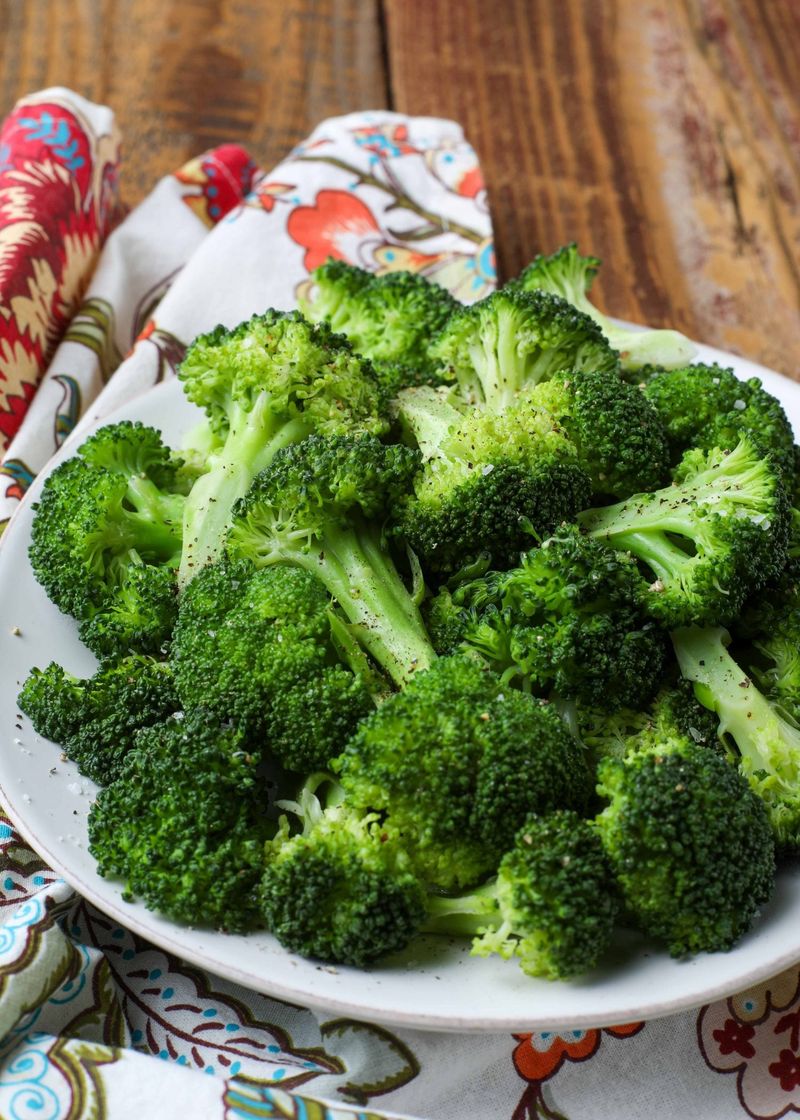
Steamed broccoli offers fiber, vitamin C, and sulforaphane compounds that support overall cardiovascular wellness. Keep cooking short so florets stay bright and crisp-tender.
Squeeze lemon and drizzle olive oil to finish. You can pair broccoli with salmon, beans, or whole grains for a plate that tastes fresh, filling, and balanced.
For picky eaters, chop finely and fold into tomato sauce or omelets. Add toasted almonds for crunch and extra heart-helping fats.
If meal prepping, cook lightly and reheat briefly to preserve texture. Season simply with garlic, chili, and sea salt, or toss with miso for savory depth without heavy sauces.
Flax Seeds
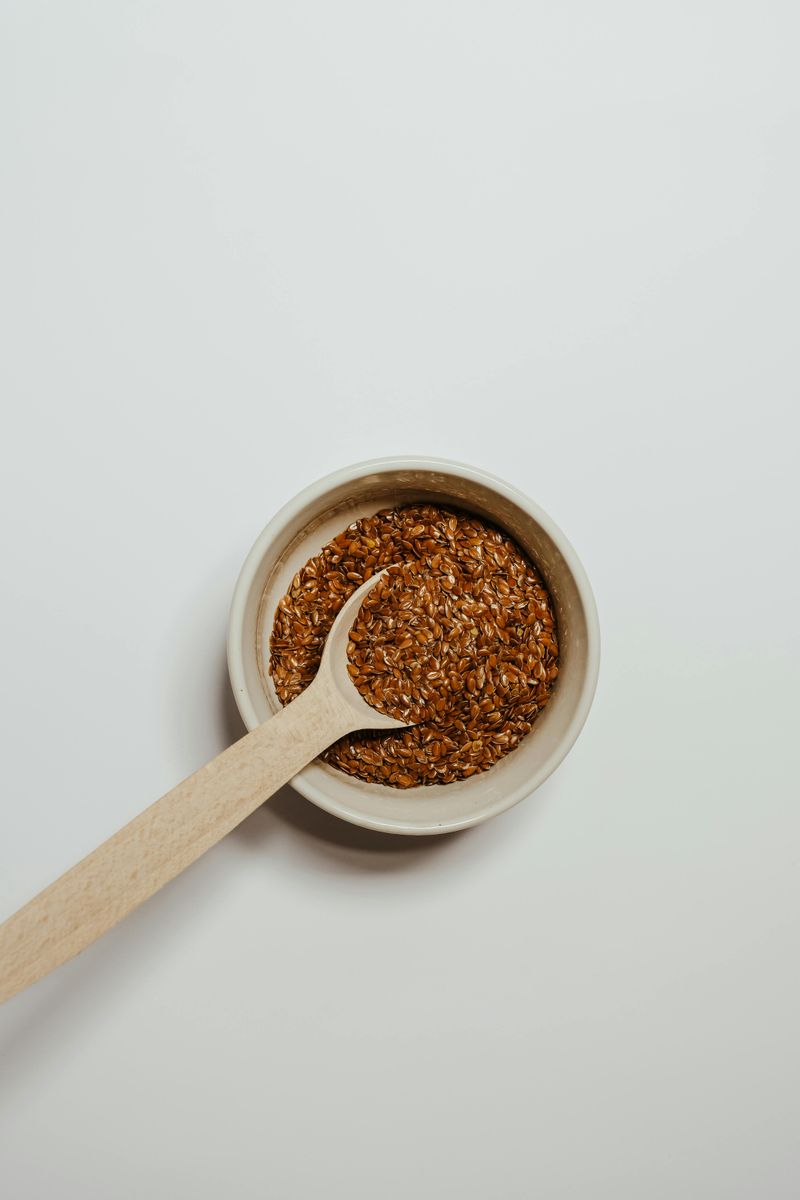
Flax seeds deliver lignans, fiber, and plant omega-3s that contribute to healthier cholesterol. Grind seeds just before using to unlock nutrition.
Sprinkle into oatmeal, smoothies, or yogurt, or whisk into pancake batter. Their gentle nuttiness blends easily, making it simple to add heart-friendly benefits without changing your favorite meals much.
Store ground flax in the fridge or freezer so the oils stay fresh. If baking, substitute part of the fat with ground flax mixed with water.
For a quick egg alternative, combine 1 tablespoon flax and 3 tablespoons water, then rest. You will barely notice the swap while fiber quietly climbs.
Apple Slices
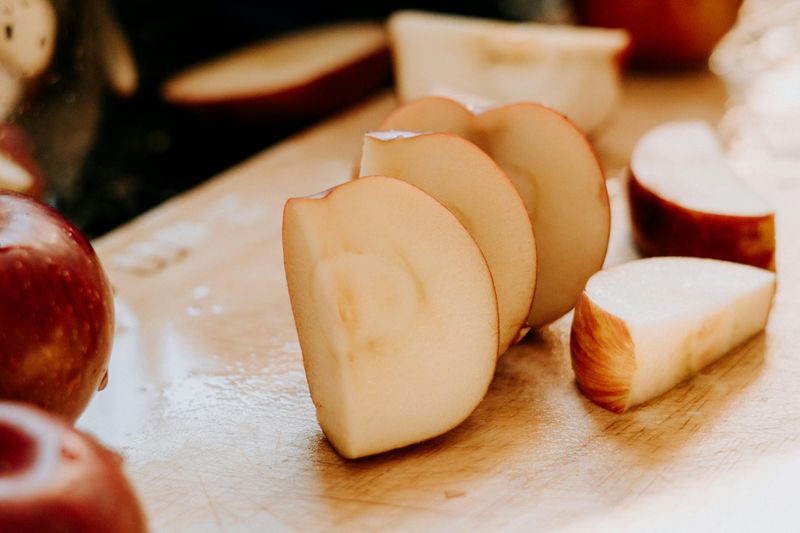
Crisp apple slices bring soluble fiber and polyphenols that may help lower LDL over time. Leave the peel on for maximum nutrients and color.
Pair with a smear of peanut butter or a few almonds for sustained energy. The sweet tart bite satisfies dessert cravings without heavy syrups or pastries.
For lunch boxes, toss slices with lemon so they do not brown. If you want warmth, sauté apples with cinnamon and oats for a quick breakfast crumble.
Add thin slices to green salads with walnuts and goat cheese. That mix of fiber, fat, and protein keeps you full and your heart happy.
Greek Yogurt
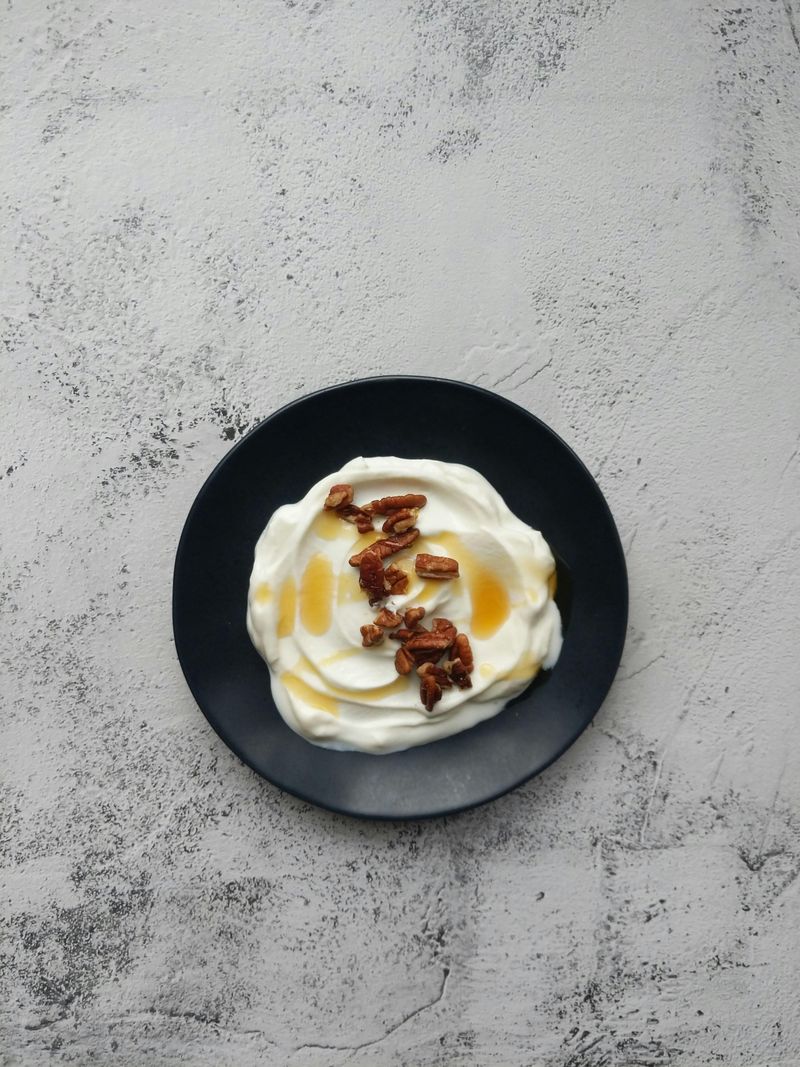
Greek yogurt supplies protein and probiotics that support fullness and a balanced microbiome, which can influence cholesterol. Choose plain, unsweetened tubs and add your own fruit for control.
The creamy texture makes a great base for parfaits, dips, and smoothies. You get versatility that keeps healthy choices exciting and satisfying.
For savory meals, mix yogurt with garlic, lemon, and dill as a sauce for salmon or beans. If you enjoy sweetness, swirl in cinnamon and cocoa, then top with blueberries.
Look for lower fat options if calories matter, or full fat for extra satiety. Keep it cold for the best texture.
Sardine Plate
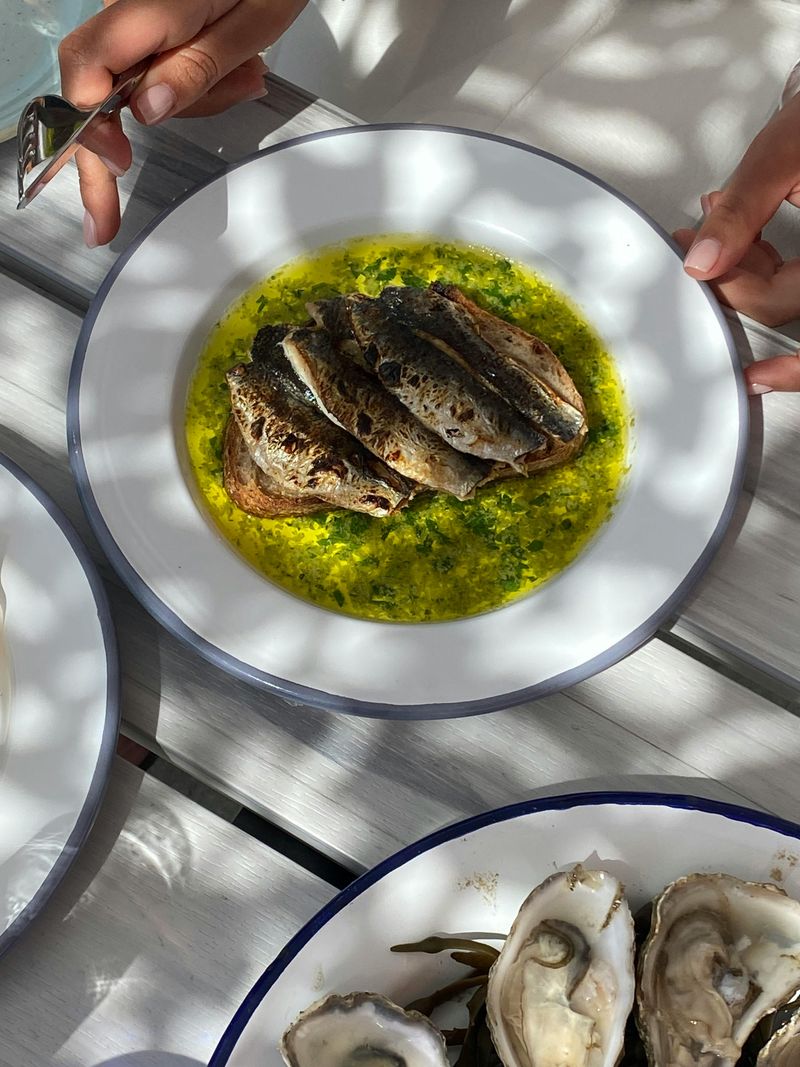
A simple sardine plate delivers omega-3s, calcium, and vitamin D, supporting heart and bone health together. Choose canned sardines packed in olive oil or water, then add lemon and herbs.
Serve with whole grain crackers, tomatoes, and olives. The flavors are bold, satisfying, and perfect when you want minimal cooking.
If sodium worries you, rinse lightly and pat dry. Pair with a crisp salad and fruit for balance.
For variety, rotate with mackerel or trout. Keep a couple tins in your pantry, and a fast, heart-supportive meal appears whenever schedules slip, travel runs long, or energy feels especially low.
Oatmeal Bowl
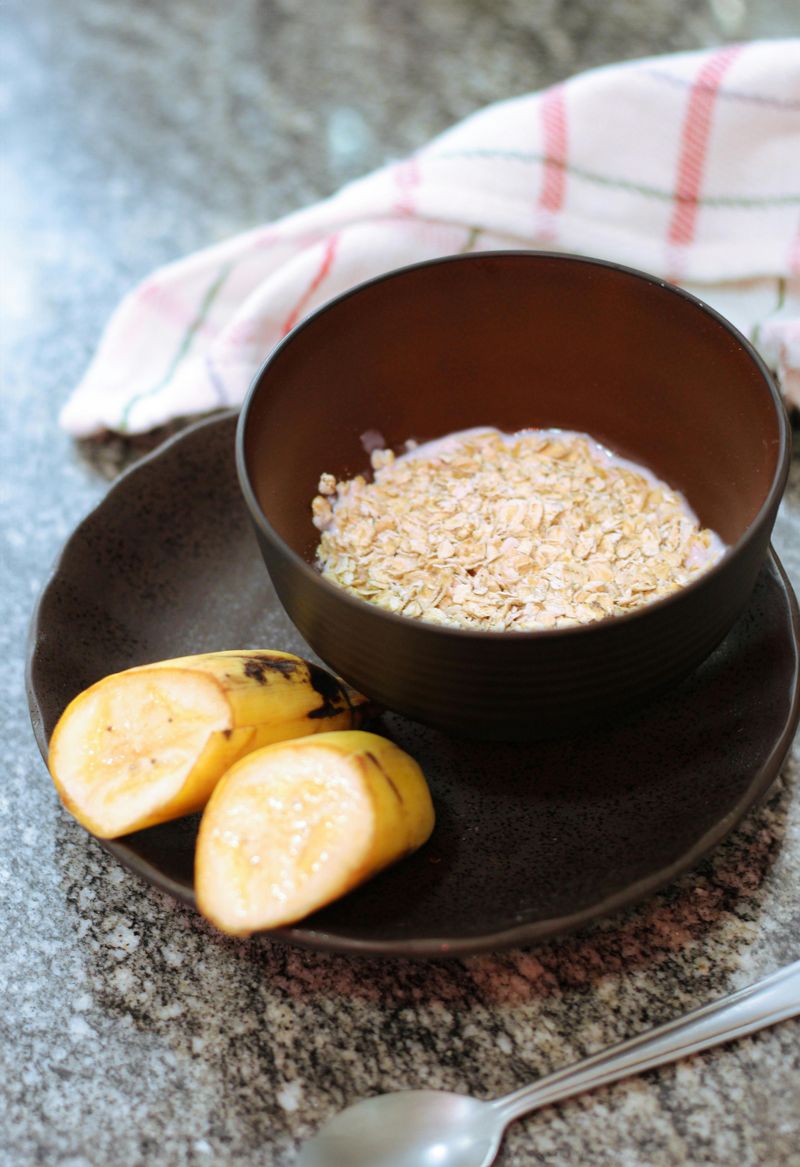
A warm oatmeal bowl delivers soluble fiber that helps trap cholesterol in your gut so it exits before reaching your bloodstream. Top it with sliced banana, berries, and a sprinkle of cinnamon for natural sweetness without added sugar.
You get slow-digesting carbs that keep you full and steady.
To maximize benefits, choose whole rolled or steel-cut oats and cook with water or unsweetened milk. Stir in chia or flax for extra omega-3s, and add walnuts for satisfying crunch.
If mornings are hectic, batch-cook portions, then reheat and finish with a swirl of yogurt for creamy protein.
Blueberries Fresh
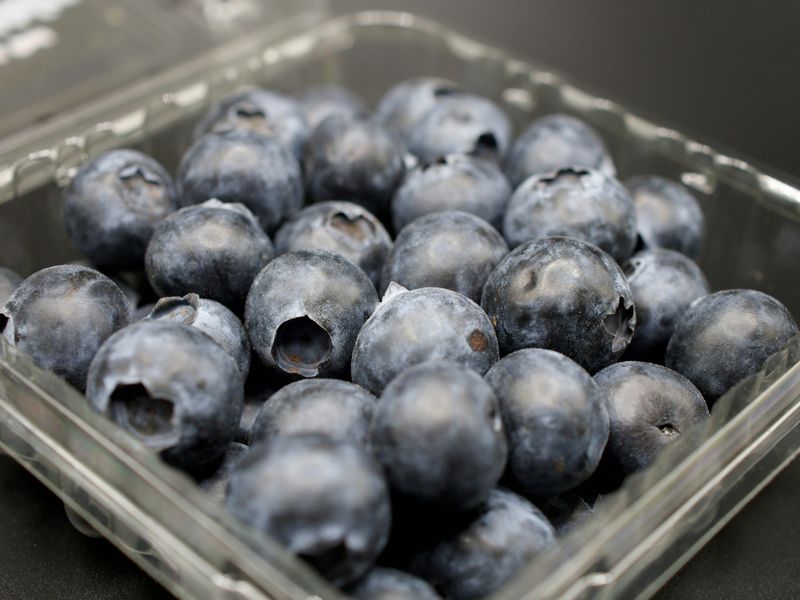
Fresh blueberries pack anthocyanins and fiber that can help reduce oxidative stress and support healthy arteries. Their natural sweetness makes snacking easy without syrupy desserts.
Sprinkle over yogurt, fold into oatmeal, or blend into smoothies for color and balance you will actually look forward to eating every single day.
For best value, buy in season and freeze extras on a tray before bagging. That way the berries stay separate and pourable for months.
Pair with walnuts or almonds for a smarter dessert. If you enjoy savory twists, toss blueberries with spinach, goat cheese, and balsamic for a bright, heart-loving salad.
Enjoyed this story?
Add Fast Food Club as a preferred source to see more of our reporting on Google.