


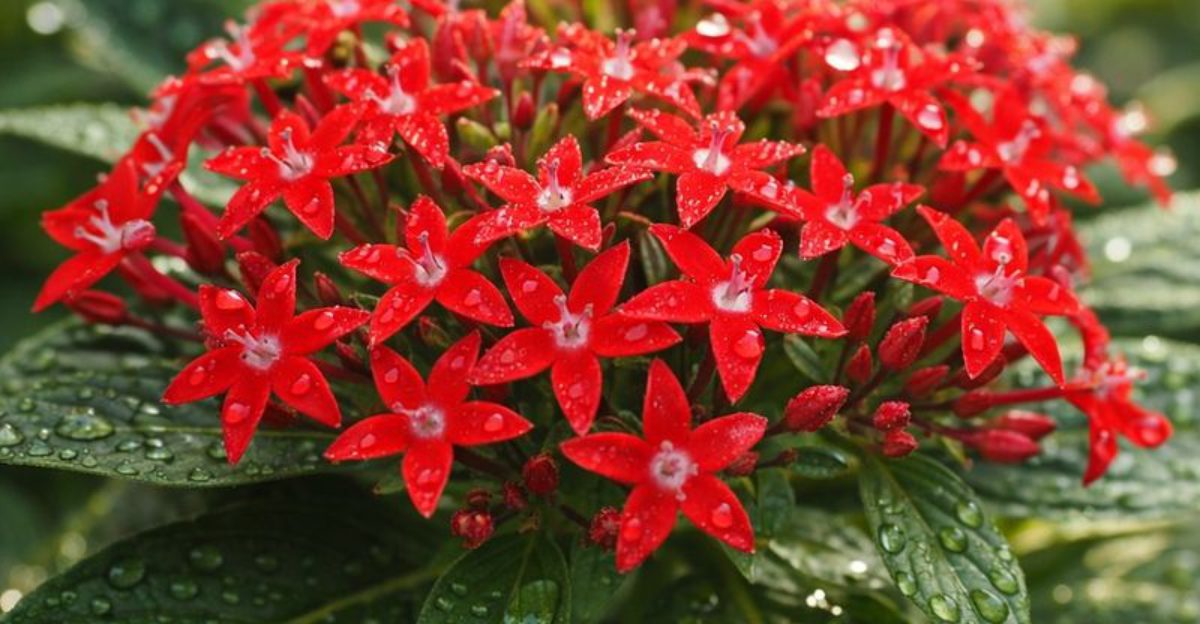
Florida gardeners are lucky to have a long growing season that lets colorful flowers thrive almost year-round. Choosing the right plants makes all the difference between a garden that struggles and one that dazzles from spring through fall.
The flowers on this list are tough, heat-tolerant, and known for blooming for months at a time. Whether you are a beginner or a seasoned gardener, these reliable bloomers will keep your yard looking vibrant and full of life.
Pentas
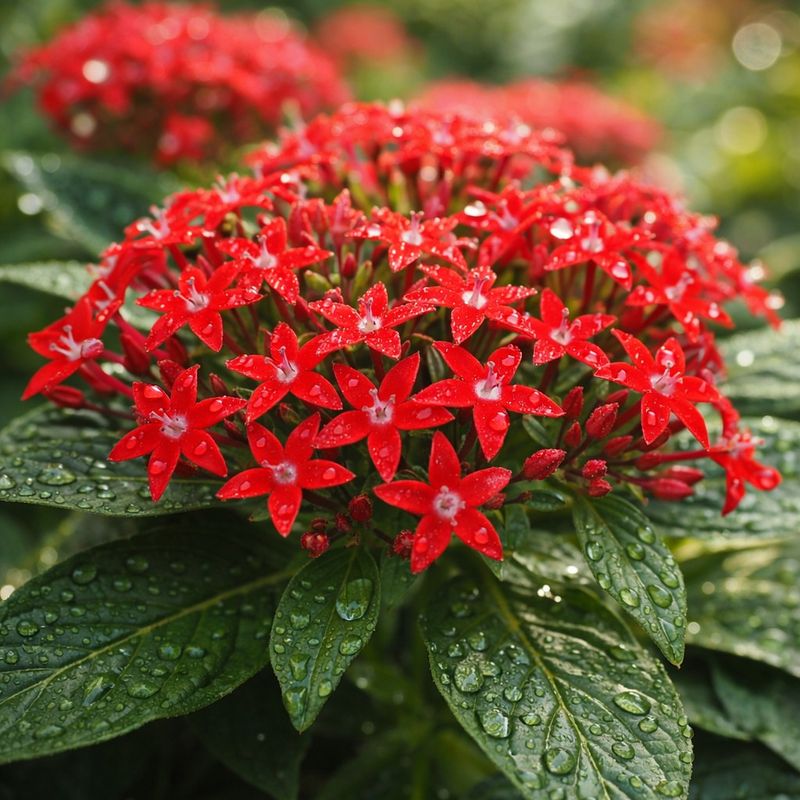
Butterflies and hummingbirds practically line up when pentas is in bloom. This star-shaped flower comes in shades of red, pink, white, and lavender, and it blooms from spring all the way through fall in Florida.
Plant it in a sunny spot and give it regular water to keep it going strong.
Pentas handles Florida heat like a champ. It works well in containers or garden beds and stays compact enough for small spaces.
Deadheading spent blooms encourages even more flowers throughout the season.
Vinca
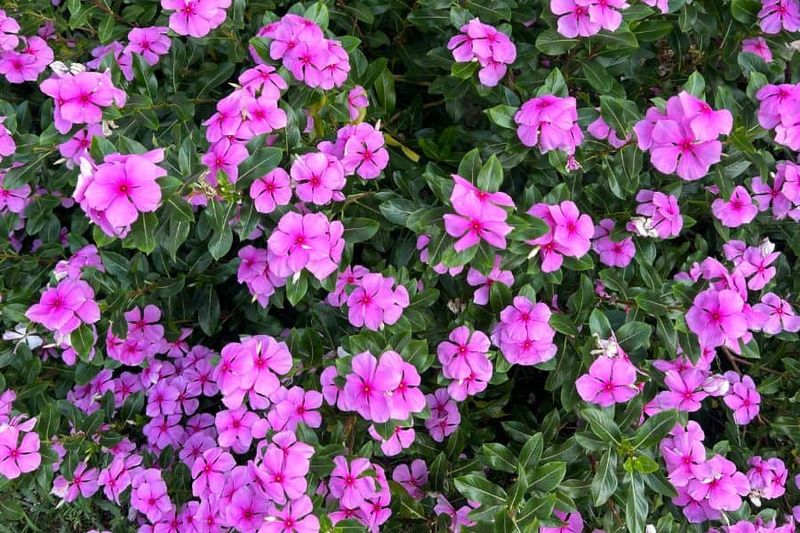
Few flowers are as no-nonsense as vinca when it comes to surviving Florida summers. Also called periwinkle, this tough little plant shrugs off heat, humidity, and even drought once established.
It blooms continuously from late spring through fall without much fussing from the gardener.
Vinca comes in a wide range of colors, from deep magenta to soft white with a contrasting eye. Plant it in full sun for the best flowering.
It is one of the most reliable annual flowers available in Florida nurseries.
Angelonia
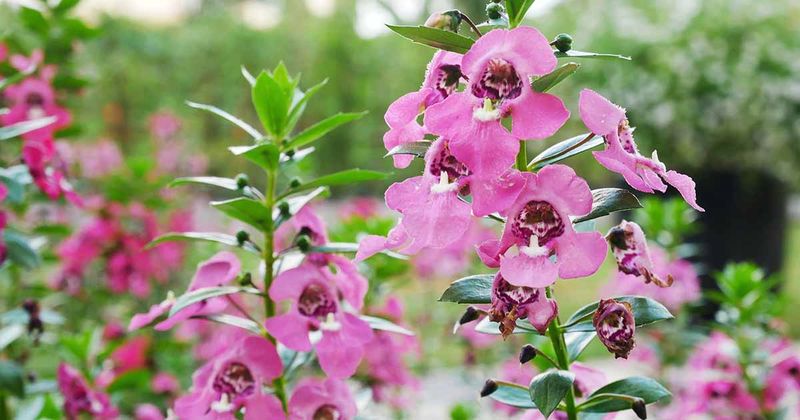
Sometimes called summer snapdragon, angelonia blooms all season long even when temperatures soar past 90 degrees. Its tall, slender flower spikes come in purple, pink, white, and bicolor varieties that add vertical interest to garden beds.
The blooms have a light, sweet fragrance that makes them even more appealing.
Angelonia thrives in full sun and well-drained soil. It rarely needs deadheading, which makes it a low-maintenance favorite among Florida gardeners.
Pair it with vinca or pentas for a colorful, heat-proof combination.
Lantana
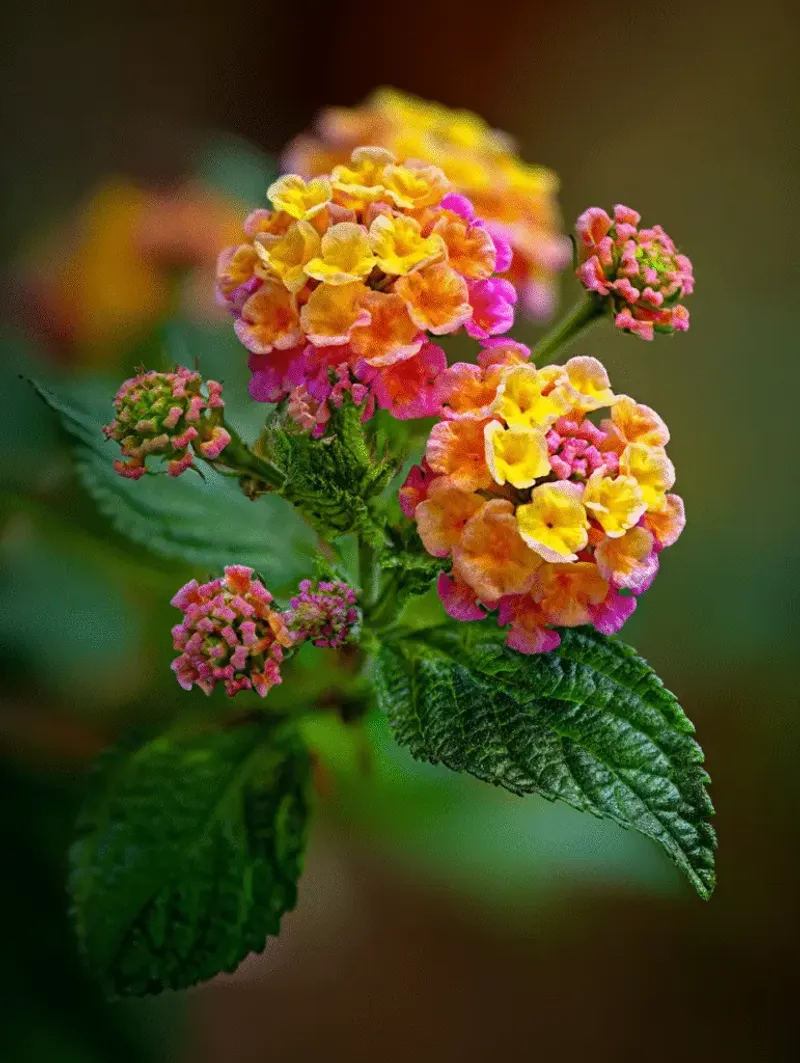
Lantana might just be the hardest-working flower in any Florida garden. Its clusters of tiny blooms shift color as they age, creating a stunning multicolored effect on a single plant.
Butterflies absolutely love it, making your yard feel like a living nature exhibit throughout the warm months.
This plant thrives in full sun and tolerates dry spells surprisingly well. It can grow quite large if left unpruned, so trim it back occasionally to keep it tidy.
Both spreading and upright varieties are available at most Florida garden centers.
Firebush
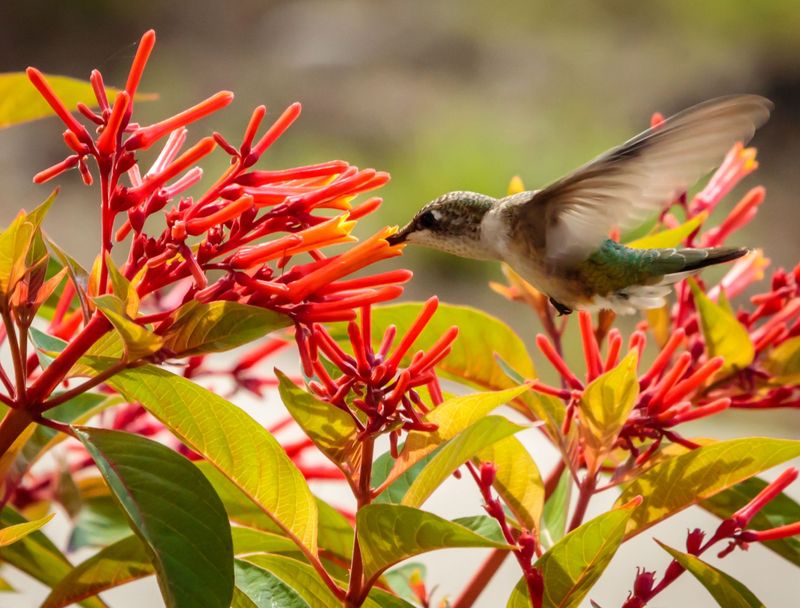
Firebush earns its name with blazing orange-red tubular flowers that seem to glow in the Florida sun. Hummingbirds and butterflies are drawn to it constantly, making it one of the best wildlife-friendly plants you can add to your yard.
It blooms from spring through fall and even into winter during mild years.
As a Florida native, firebush is naturally adapted to the heat and humidity here. It can grow into a large shrub, so give it room to spread.
Plant it in full sun to partial shade for best results.
Blue Daze
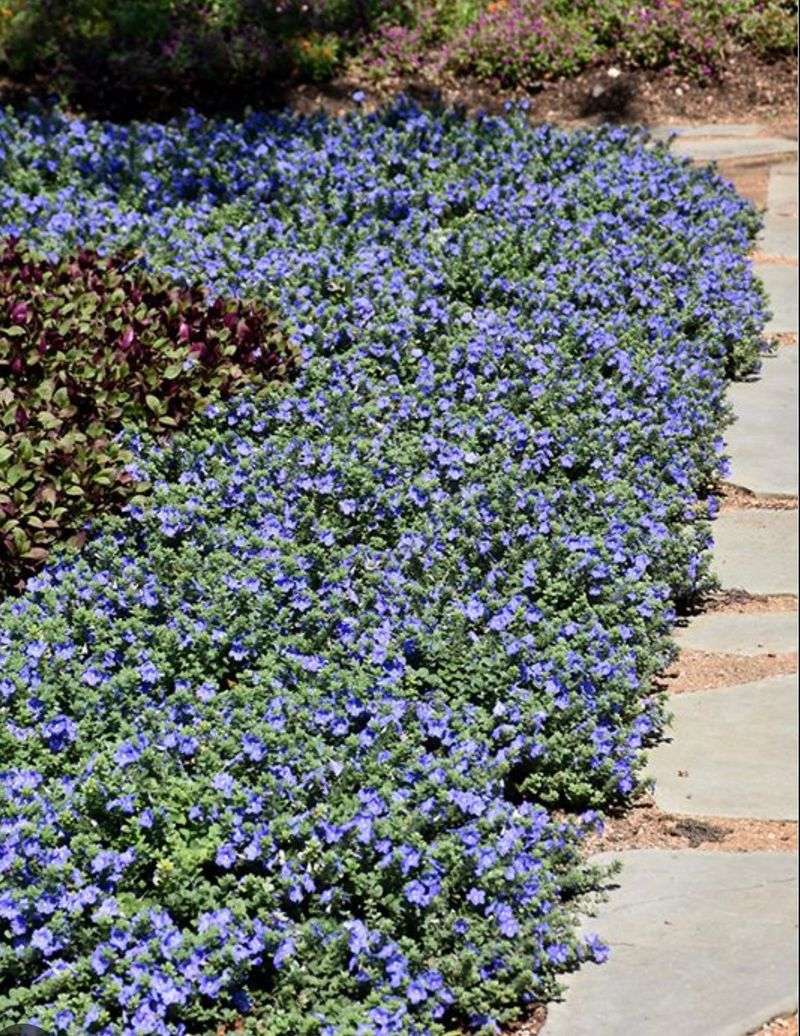
That soft, sky-blue color is rare in the garden world, which is exactly what makes blue daze so special. This low-growing ground cover produces a steady stream of small blue flowers from spring through fall, creating a gorgeous carpet effect in sunny beds and borders.
The silver-green foliage looks attractive even when the flowers take a break on cloudy days.
Blue daze loves full sun and well-drained soil. It handles Florida heat and humidity with ease and works beautifully as an edging plant or in hanging baskets.
Water regularly until established.
Mexican Heather
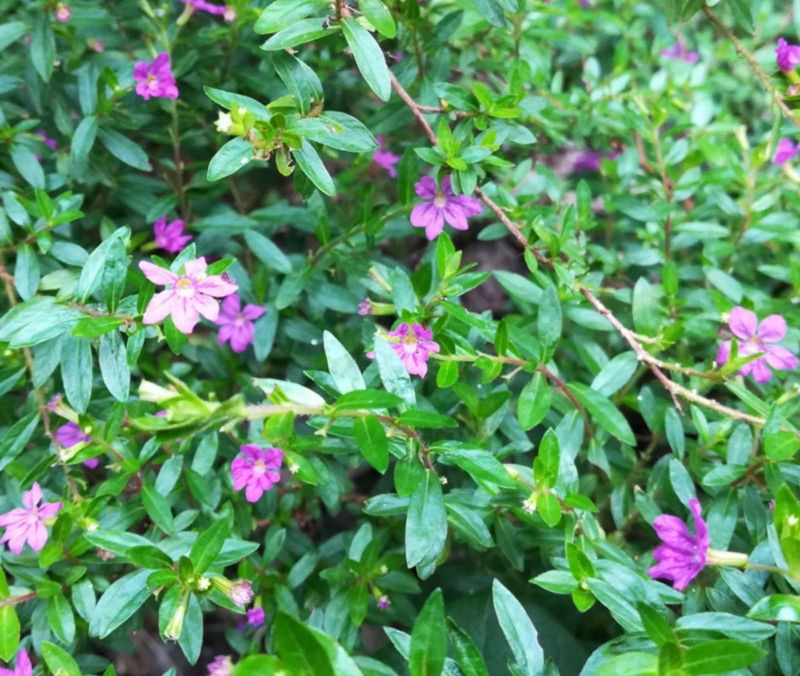
Mexican heather looks delicate, but do not let its dainty appearance fool you. This fine-textured plant is surprisingly tough and blooms almost nonstop throughout Florida’s warm months.
Its tiny purple or pink flowers cover the plant so thickly that the foliage is barely visible at peak bloom.
It performs well in both full sun and partial shade, which gives gardeners a lot of flexibility. Mexican heather works great as a border plant, in containers, or as a low-growing filler between taller plants.
It also attracts butterflies and small bees.
Bulbine
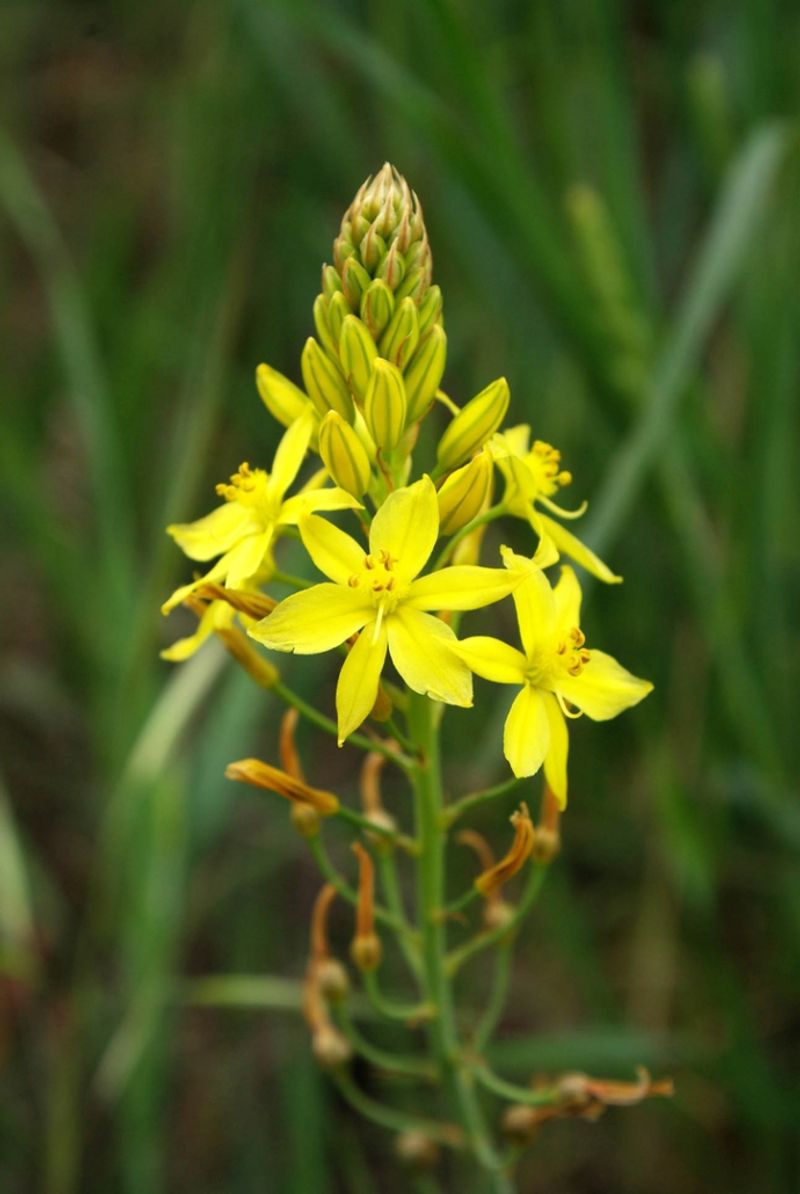
Bulbine is one of those underrated plants that deserves far more attention in Florida gardens. Its cheerful yellow or orange star-shaped flowers bloom on slender stalks above fleshy, grass-like foliage for months on end.
It is incredibly drought-tolerant once established, making it ideal for low-water landscapes.
Plant bulbine in full sun or light shade and well-drained soil. It spreads slowly to form attractive clumps that look great along walkways or in rock gardens.
The blooms attract bees and small butterflies, adding life and movement to the garden.
Scaevola
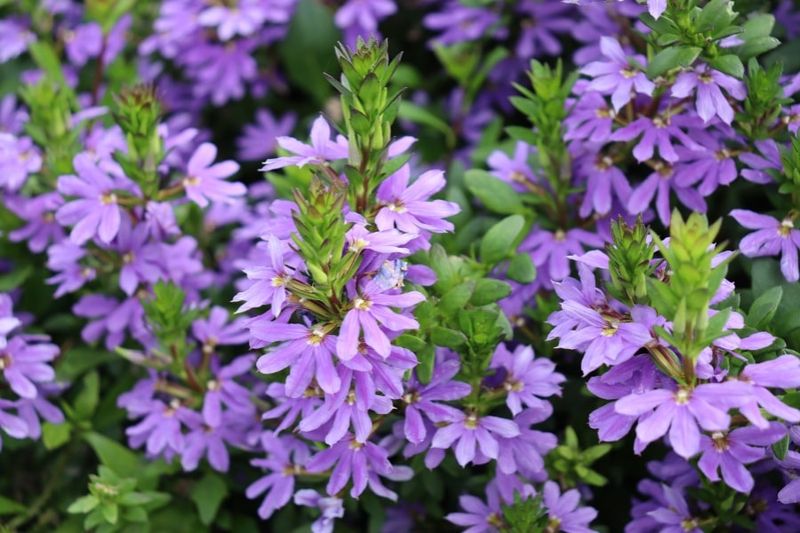
Originally from Australia, scaevola has found a second home in Florida gardens and never seems to want to stop blooming. Each flower has a unique fan shape that looks almost like a half-flower, which gives it a quirky, tropical personality.
It blooms from spring through fall and handles coastal conditions extremely well.
Scaevola thrives in full sun and tolerates salt spray, making it a top pick for beachside gardens. It cascades beautifully from hanging baskets and window boxes.
Keep it well-watered during dry spells for continuous flowering.
Plumbago
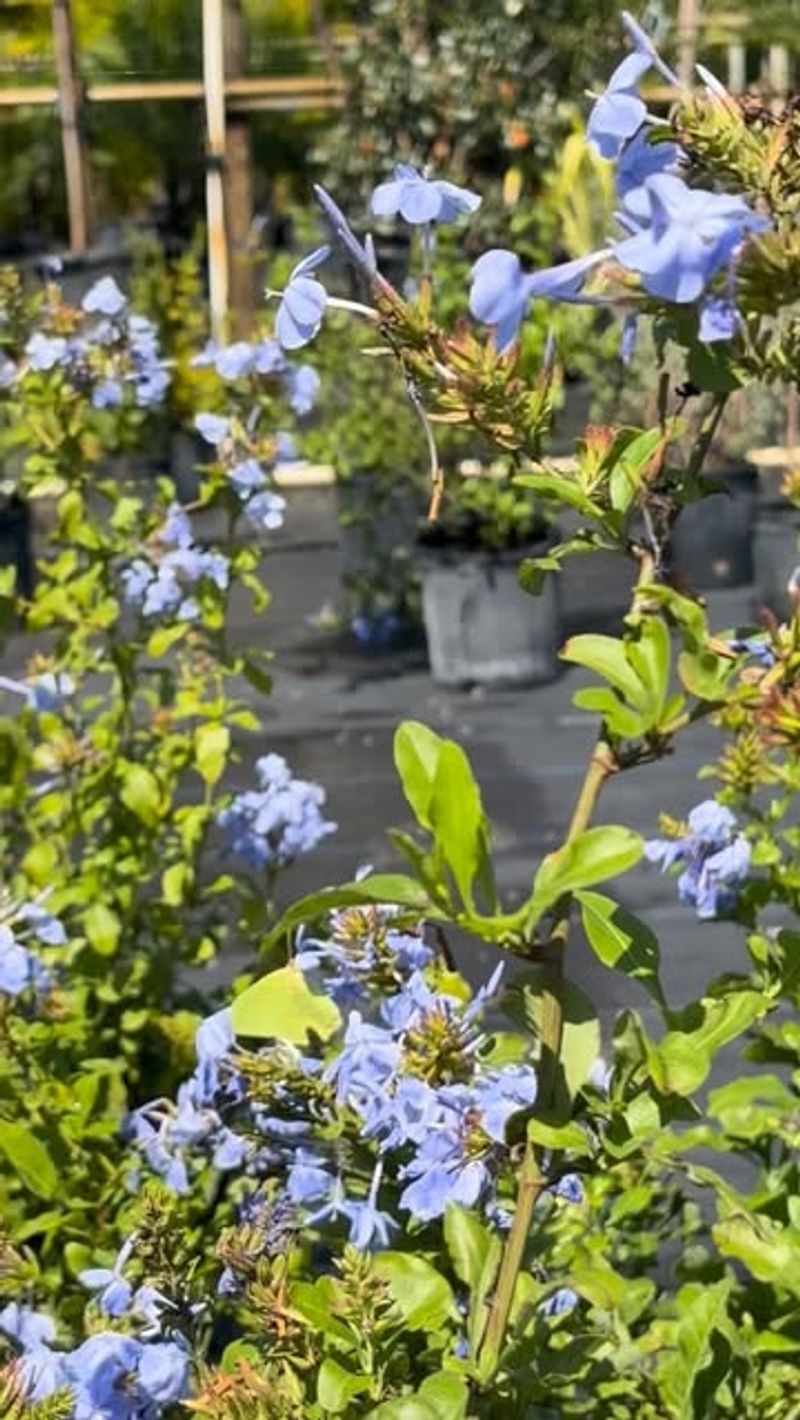
Plumbago brings a cool, breezy feel to any Florida garden with its clusters of powder-blue flowers. It blooms heavily from spring through fall and can be trained as a sprawling shrub, a hedge, or even a climbing vine-like plant along a fence.
The soft blue color pairs beautifully with warm-toned flowers like lantana or firebush.
Full sun brings out the best blooms on plumbago. It is drought-tolerant once established and grows vigorously in Florida’s warm climate.
White-flowered varieties are also available for gardeners who prefer a softer look.
Salvia
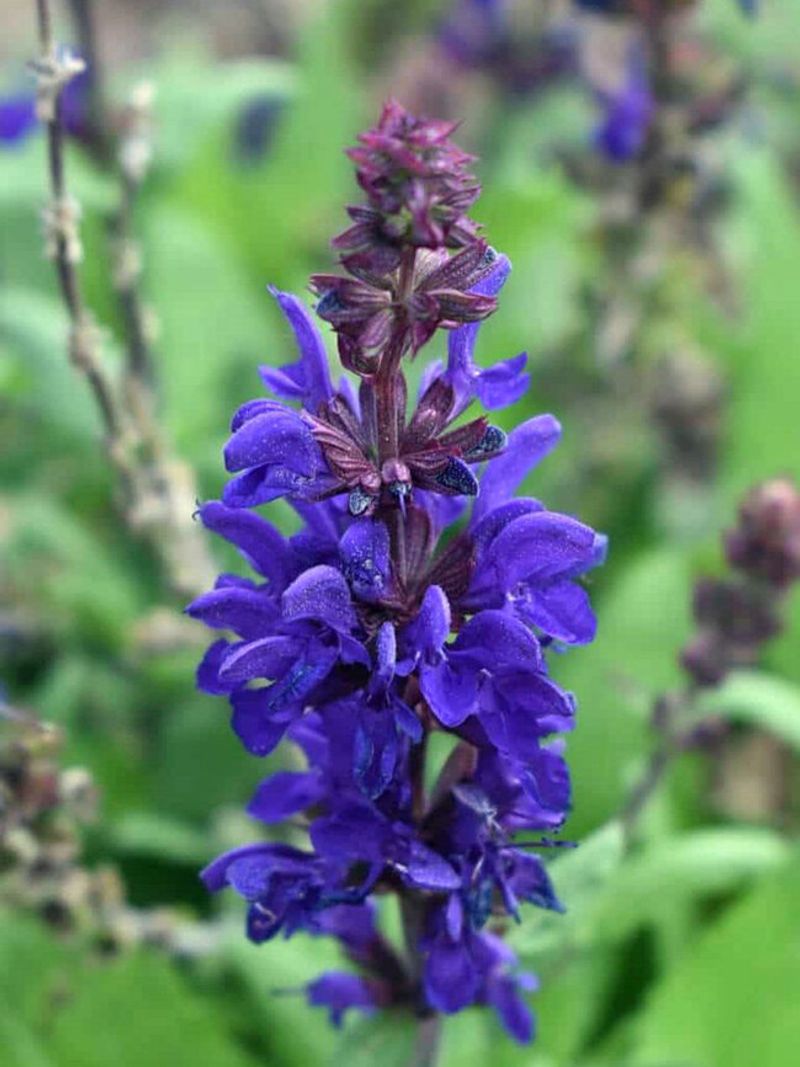
Salvia is a powerhouse in the Florida garden, offering long bloom spikes in fiery reds, purples, blues, and pinks that attract pollinators by the dozens. Many species are well-adapted to Florida’s heat, and they bloom reliably from spring through fall with minimal care.
The upright flower spikes add bold structure to mixed beds.
Plant salvia in full sun for maximum flowering. Cutting back spent spikes encourages fresh new growth and more blooms.
With so many species and varieties available, there is a salvia suited for nearly every spot in the Florida garden.
Porterweed
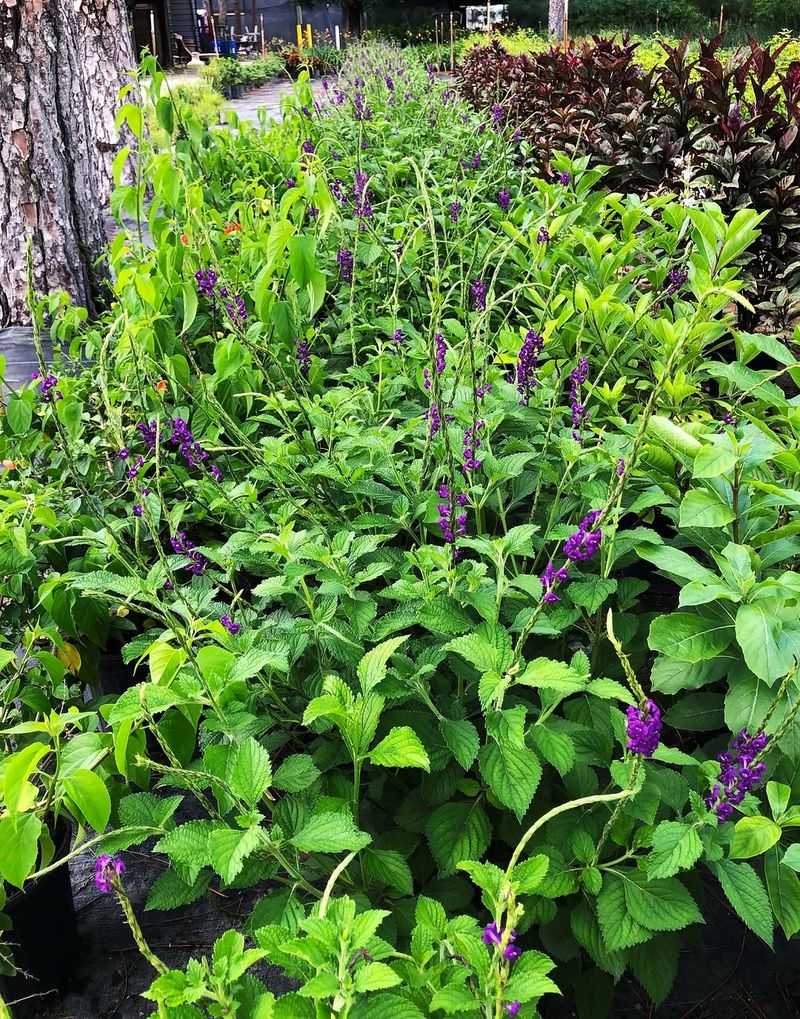
Porterweed is practically a butterfly magnet, and once you plant it, you will understand why. Its long, arching flower spikes are dotted with tiny purple or blue blooms that open progressively from the base upward, giving butterflies a reason to visit again and again.
It blooms almost year-round in South Florida and through the warm months in Central and North Florida.
This plant loves full sun and grows fast, often spreading enthusiastically. Regular pruning keeps it from taking over the garden.
Both native and tropical varieties are available and worth growing.
Crossandra
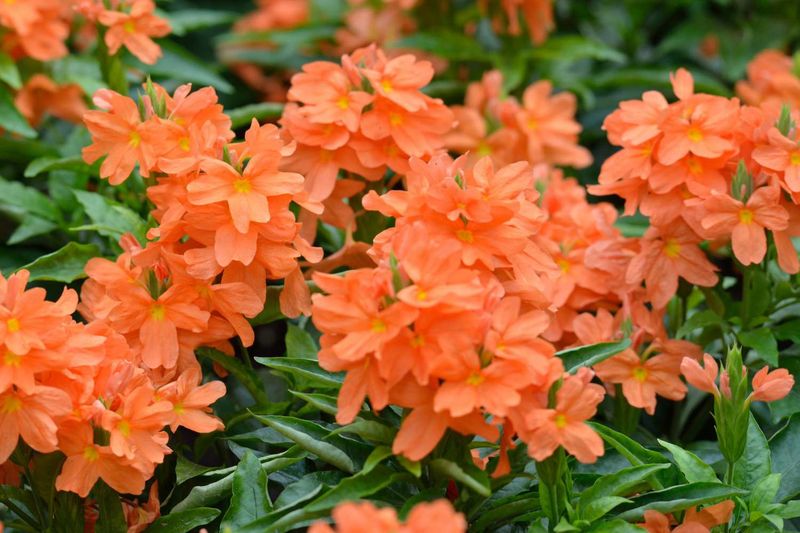
Crossandra brings a tropical pop of orange to shaded and semi-shaded spots where many flowering plants struggle to perform. Known as the firecracker flower, it produces salmon-orange blooms on upright spikes from spring through fall and loves Florida’s warm, humid climate.
It is one of the few flowering plants that truly thrives in partial shade.
Plant crossandra in rich, moist soil and keep it well-watered. It works beautifully under trees or along shaded patios where bright colors are most welcome.
Container growing is also an excellent option for this compact, tidy plant.
Blanket Flower
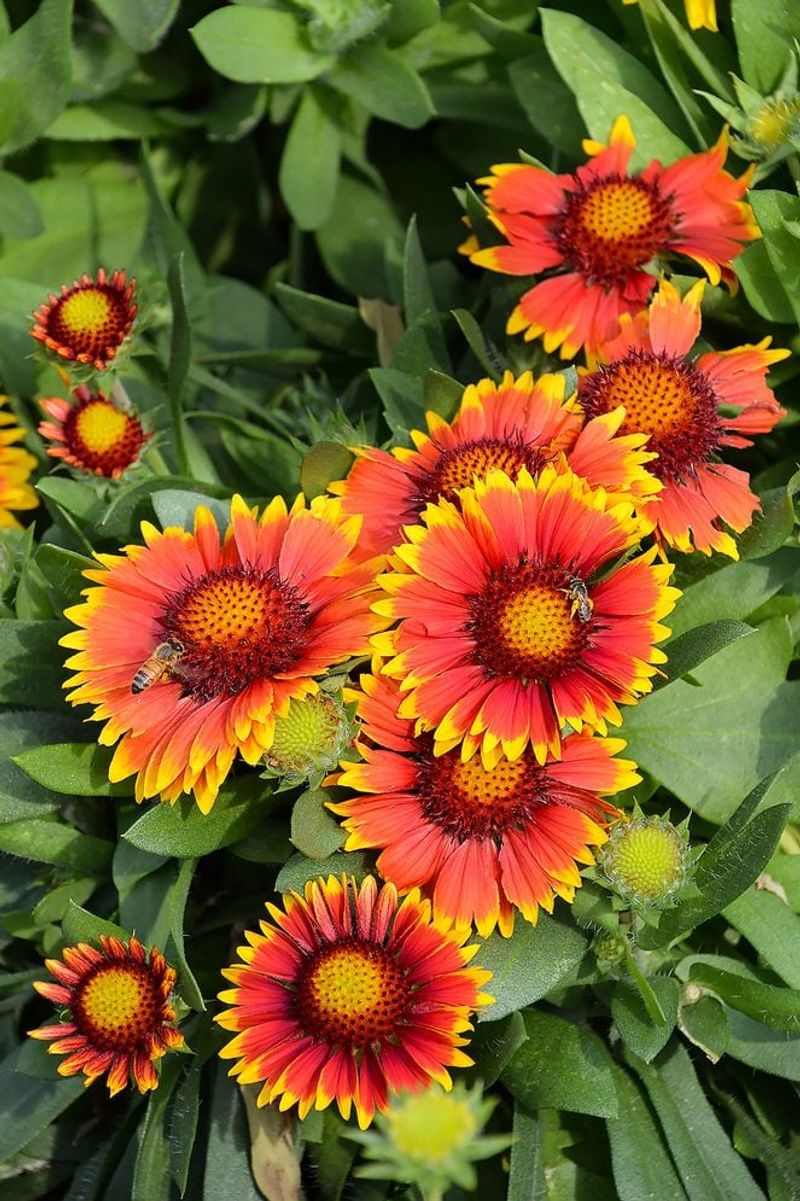
Blanket flower looks like a little firework frozen in petal form, with its bold red and yellow bicolor blooms that seem to radiate energy. It is a Florida native that handles sandy soil, heat, and drought like it was born for it, which of course it was.
Blooming from late spring through fall, it adds vivid color with almost no extra effort.
Full sun and excellent drainage are the keys to keeping blanket flower happy. It reseeds itself readily, so you may find new plants popping up nearby each season.
Deadheading extends the blooming period nicely.
Coreopsis
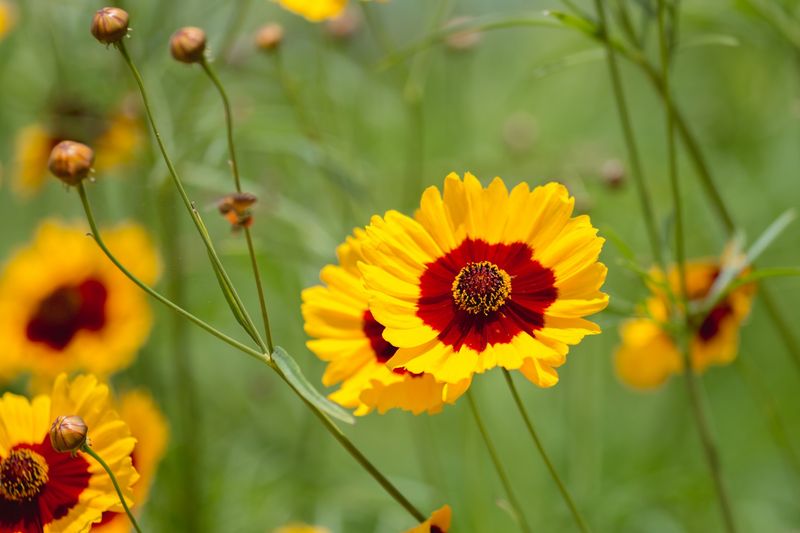
Coreopsis is Florida’s state wildflower, and it wears that title proudly by blooming in cheerful golden waves across roadsides and gardens throughout the state. The bright yellow daisy-like flowers appear in spring and often rebloom in fall, covering the plant so densely that the foliage nearly disappears.
It is a native plant that thrives in Florida’s challenging conditions without much help.
Plant coreopsis in full sun and well-drained soil. It tolerates dry conditions and poor soil remarkably well.
Cutting plants back after the first bloom flush often encourages a strong second round of flowering.
Society Garlic
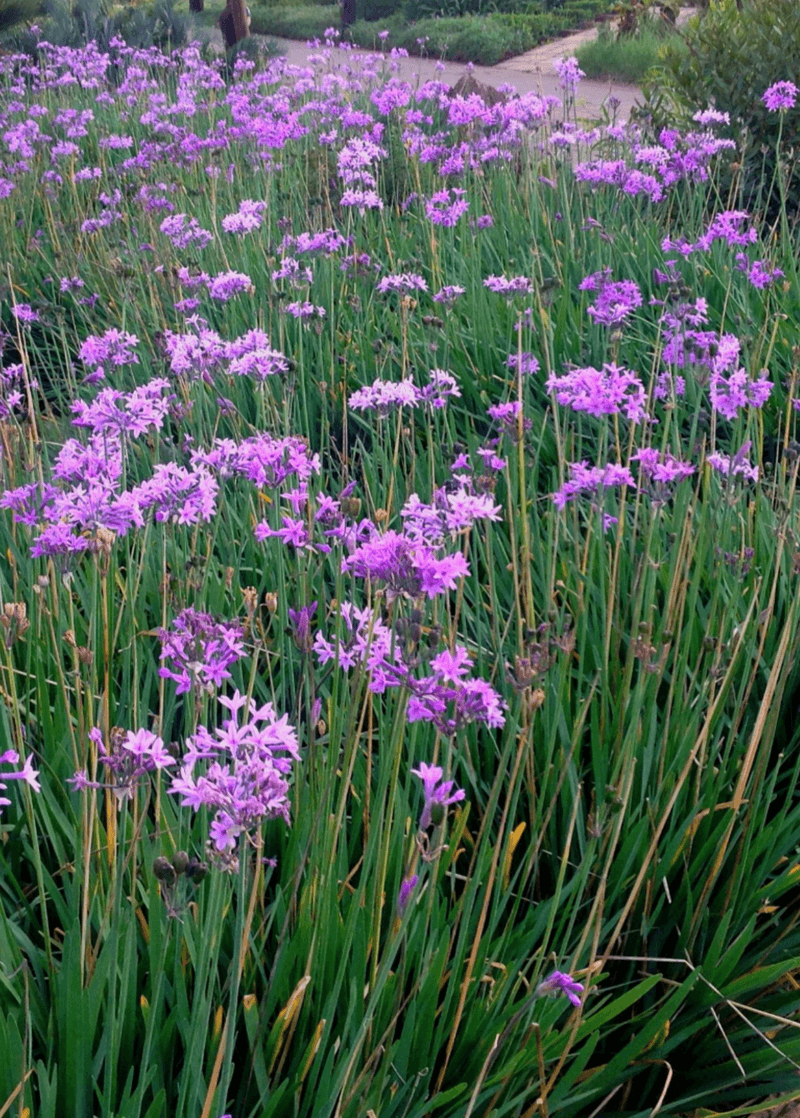
Society garlic has a funny name, but its performance in the Florida garden is no joke. Clusters of small lavender flowers bloom atop tall, slender stalks for months, and the strap-like foliage stays attractive even when the plant is not in peak bloom.
The leaves smell faintly of garlic when crushed, which is how it got its memorable name.
It grows well in full sun to partial shade and tolerates drought once established. Society garlic works great as a border plant or accent along walkways.
It is also known to repel certain garden pests naturally.
Ruellia
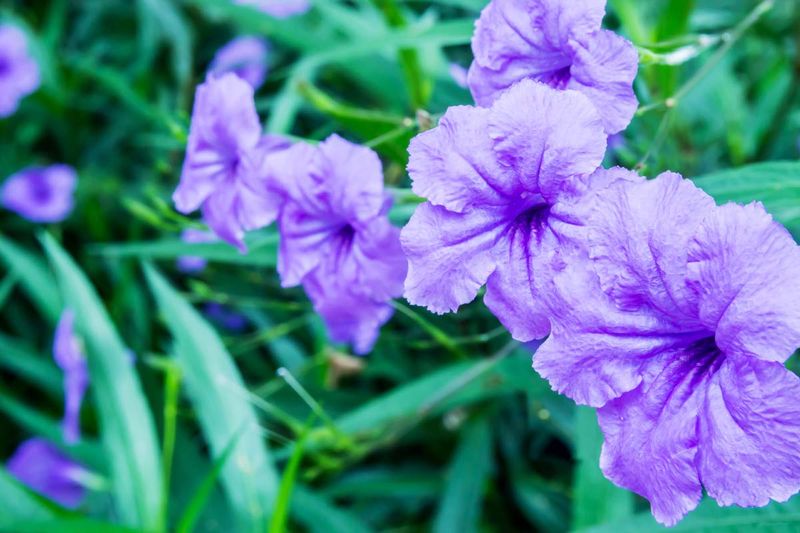
Ruellia, also called Mexican petunia, is one of those plants that blooms so freely it sometimes becomes a little too enthusiastic about spreading. Its purple trumpet-shaped flowers open fresh each morning from spring through fall, creating a constant show of color in the garden.
Hummingbirds and butterflies visit the blooms regularly throughout the season.
It grows in full sun to partial shade and tolerates wet or dry soil, making it very adaptable. Sterile varieties are strongly recommended to prevent it from spreading into natural areas.
Regular trimming also helps keep this vigorous plant in check.
Tropical Sage
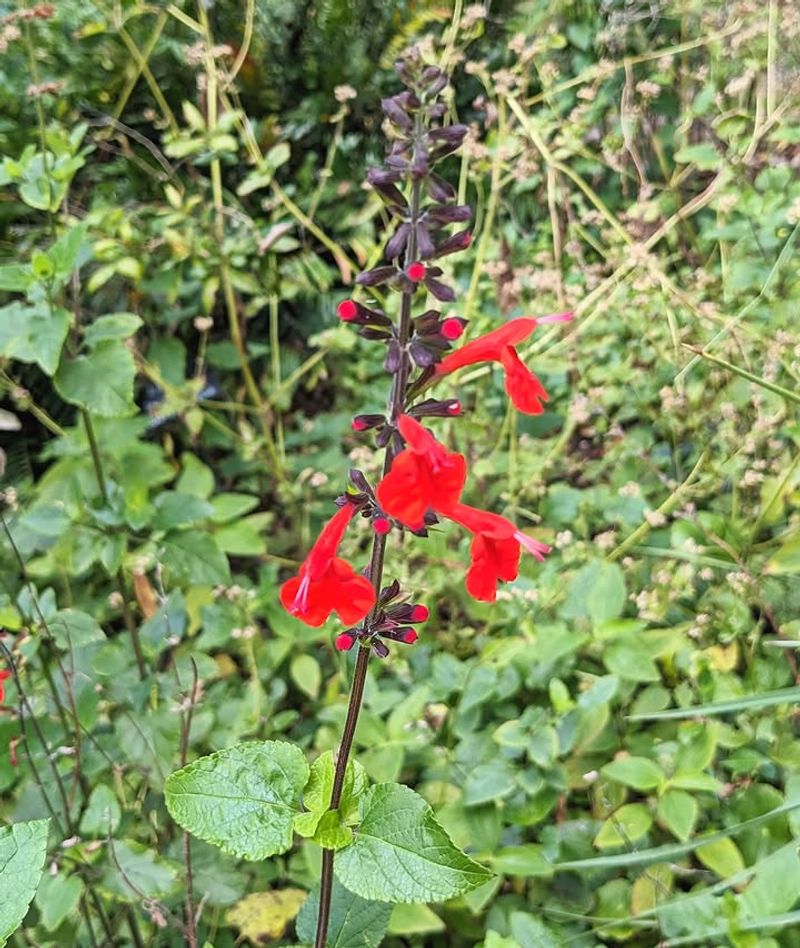
Tropical sage is a Florida native with fiery red flower spikes that hummingbirds simply cannot resist. It blooms from spring through fall and even into winter during warm years, making it one of the longest-blooming native plants available for Florida gardens.
The tubular red flowers are perfectly shaped for hummingbird feeding.
It grows in full sun to partial shade and adapts to a range of soil types. Tropical sage spreads by seed and rhizomes, forming attractive colonies over time.
Cutting it back after each bloom cycle encourages fresh, vigorous new growth and more flowers.
Purslane
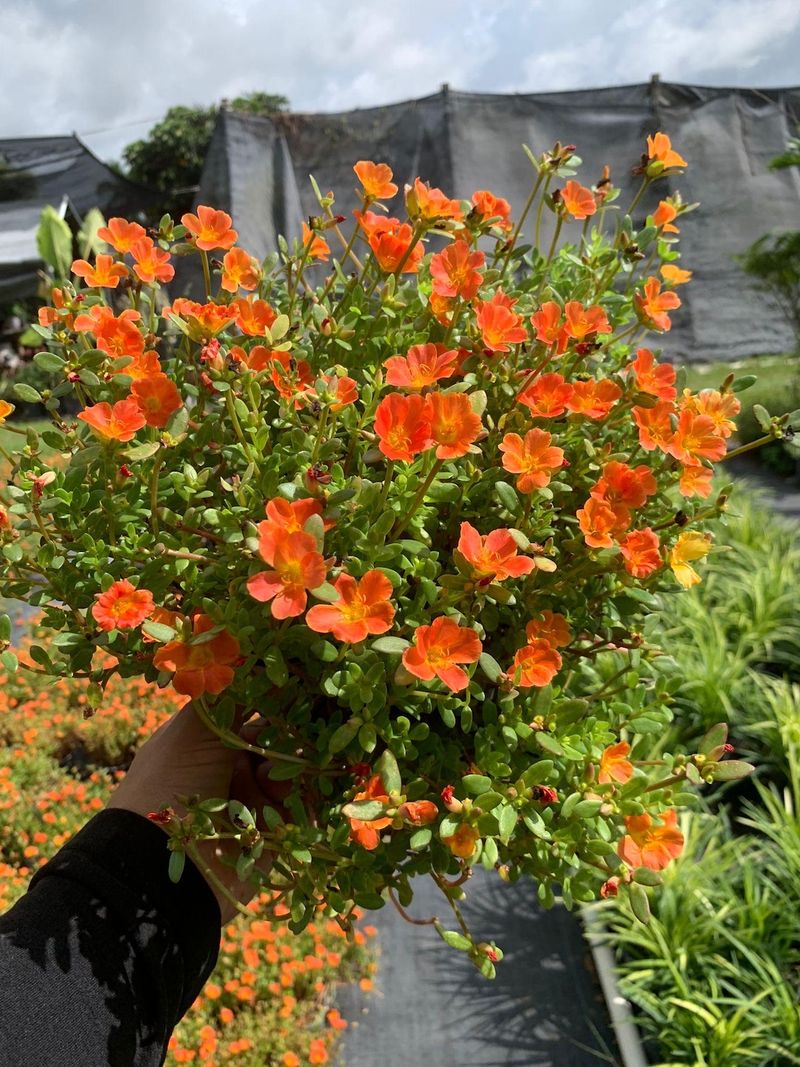
Purslane is the flower that actually gets better when you forget to water it. This succulent-stemmed plant stores moisture in its thick leaves and stems, allowing it to thrive in hot, dry conditions where other flowers wilt and give up.
Its jewel-toned flowers in pink, orange, yellow, and red bloom all day in full sun.
It is perfect for containers, hanging baskets, and sunny garden beds with well-drained soil. Purslane grows quickly and fills in bare spots with cheerful color throughout the summer.
It is one of the most heat-proof flowering plants you can grow in Florida.
Coneflower
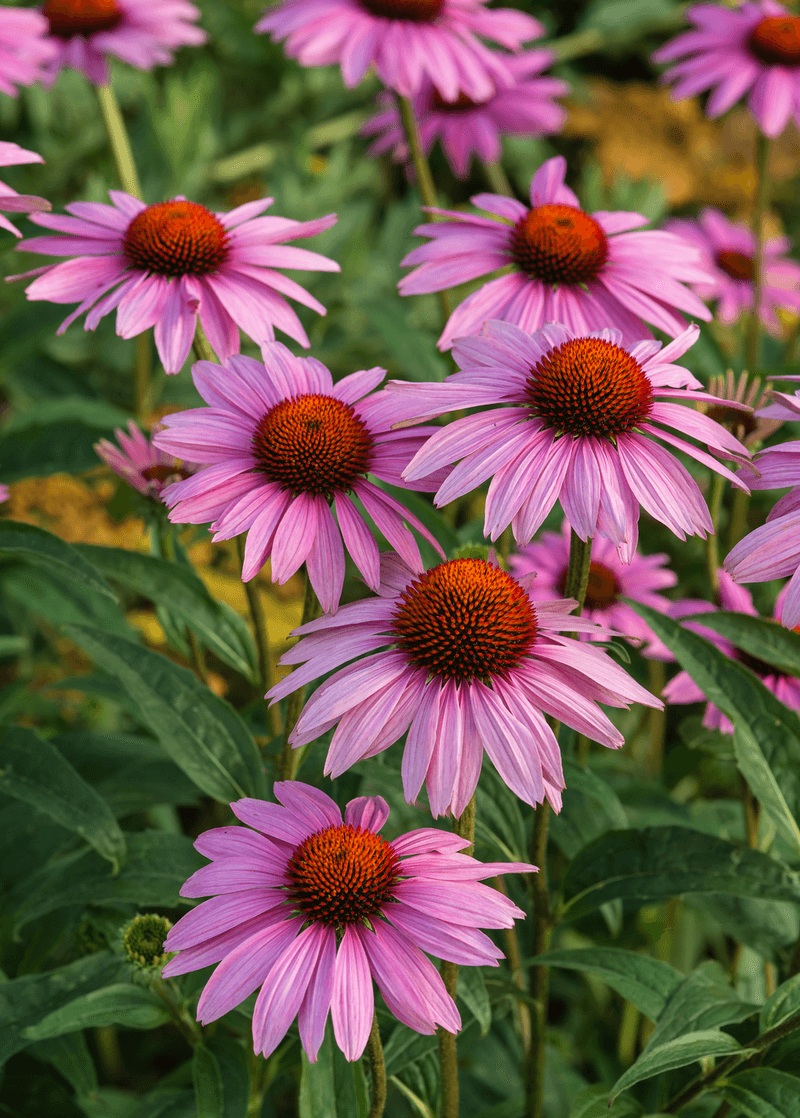
Coneflower brings a classic cottage garden look to Florida landscapes while also pulling double duty as a wildlife plant. Its bold purple-pink petals surround a spiky orange-brown center cone that birds love to pick at for seeds once the blooms fade.
It blooms from late spring through summer and returns each year as a reliable perennial.
Plant coneflower in full sun and well-drained soil. It handles Florida heat reasonably well, especially in North and Central Florida.
Leaving the seed heads standing through fall and winter provides food for birds and a natural, rustic look to the garden.
Black-eyed Susan
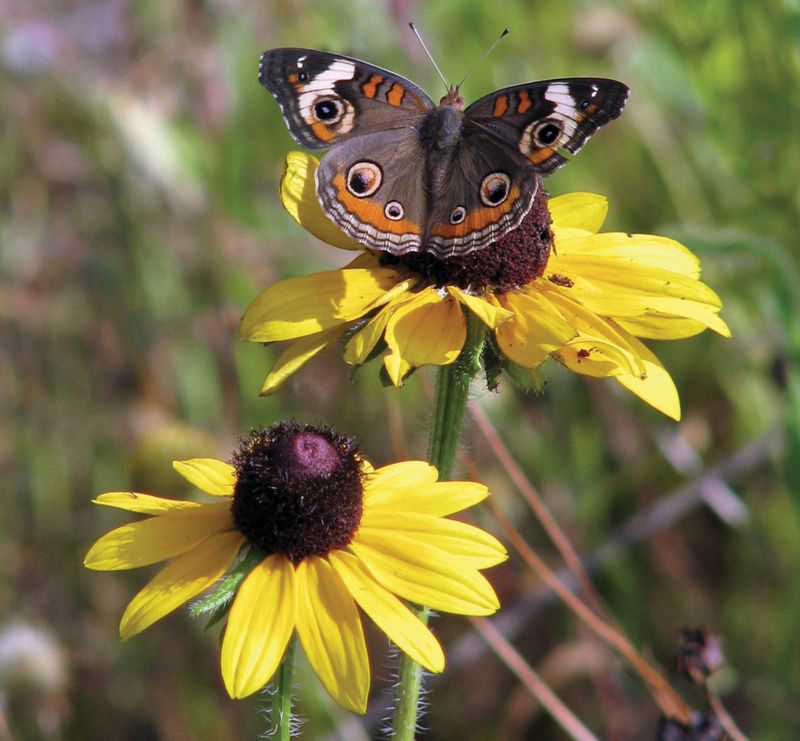
Black-eyed Susan is one of those flowers that just makes people smile. Its golden-yellow petals surrounding a rich brown center are instantly recognizable and bring a warm, sunny energy to any garden space.
It blooms from late spring through fall and is a magnet for bees, butterflies, and other beneficial insects.
As a Florida native, it thrives in full sun and tolerates drought and poor soil with ease. It reseeds freely, so expect new plants to appear year after year without any extra effort.
Mixing it with coreopsis or coneflower creates a stunning wildflower display.
Verbena
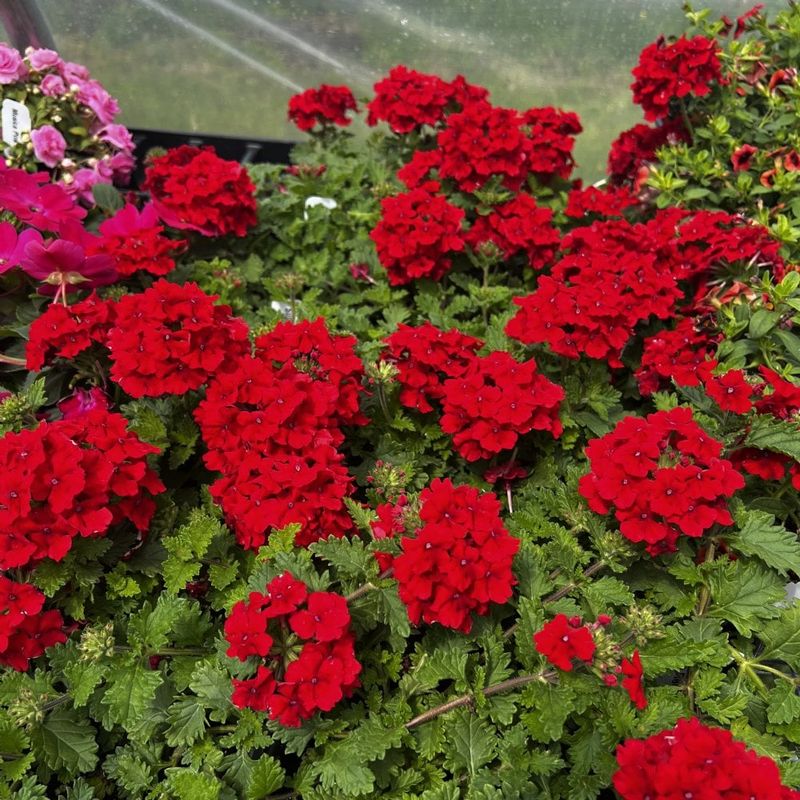
Verbena is one of the most cheerful, long-blooming flowers you can tuck into a Florida garden. Its rounded clusters of small flowers come in purple, red, pink, white, and bicolor varieties that bloom from spring through fall with impressive consistency.
Trailing varieties spill beautifully from containers and hanging baskets, while upright types fill in garden borders nicely.
Full sun and good air circulation keep verbena performing at its best. It can be prone to powdery mildew in humid conditions, so avoid overhead watering when possible.
Pinching back leggy stems encourages bushier growth and more blooms throughout the season.
Enjoyed this story?
Add Fast Food Club as a preferred source to see more of our reporting on Google.