


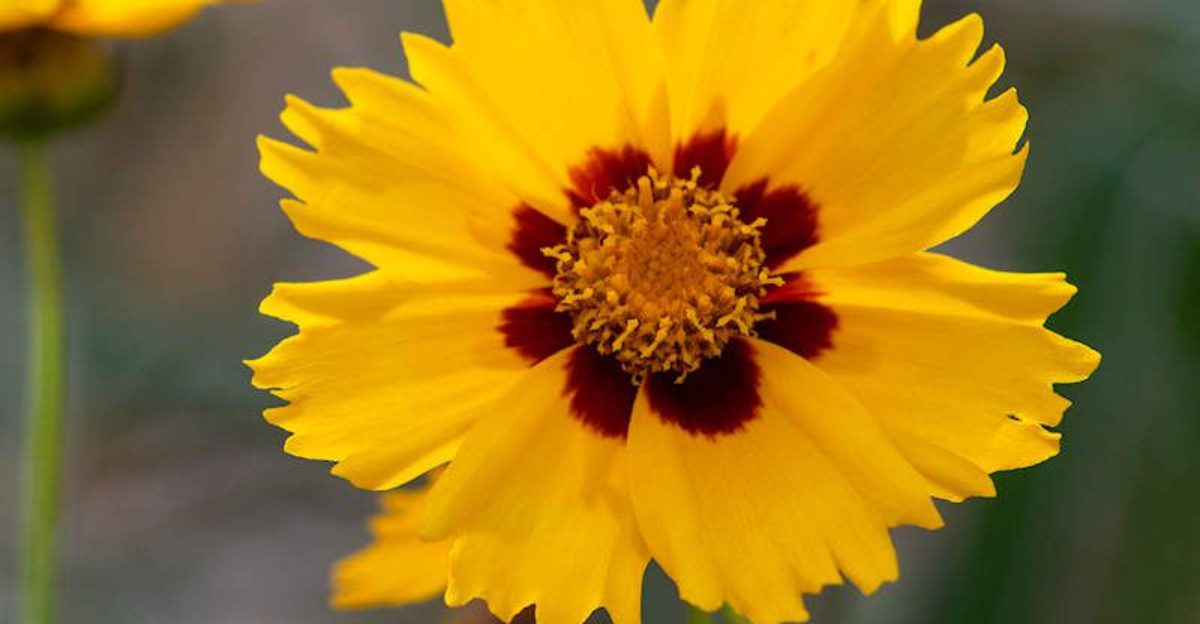
Growing a beautiful garden in Florida does not have to be a constant battle against heat, humidity, and sandy soil. Native flowers have already adapted to Florida’s unique climate, meaning they need far less water, fertilizer, and care than non-native plants.
Choosing the right native blooms can save you time, money, and a lot of frustration. Here are 22 stunning native Florida flowers that will keep your garden thriving all year long.
Coreopsis (Tickseed)
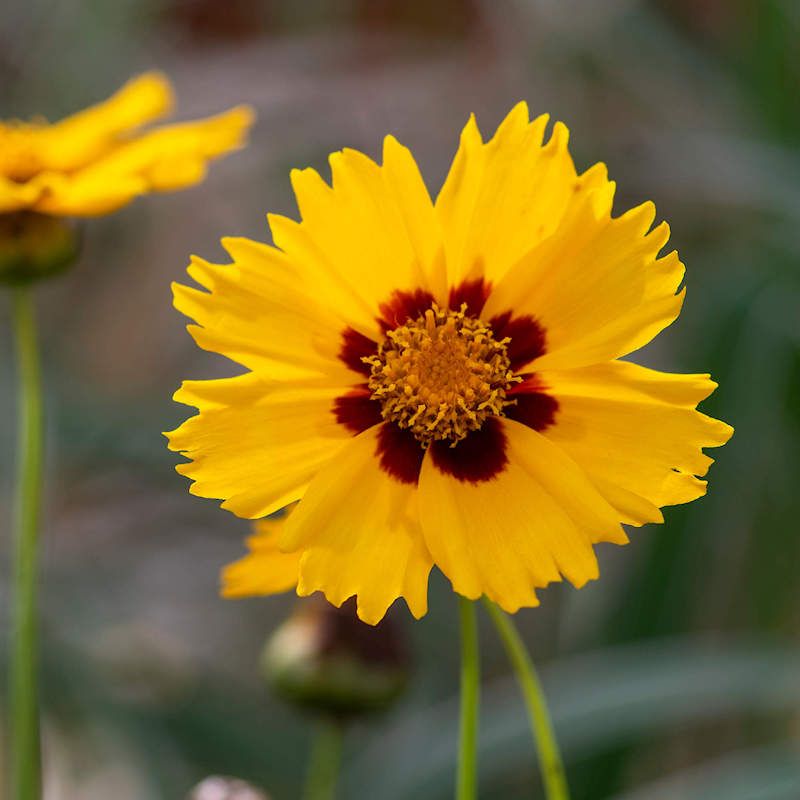
Florida’s official state wildflower earns that title for good reason. Coreopsis bursts into waves of golden-yellow blooms that can light up any yard from spring through summer.
It thrives in poor, sandy soil where other plants struggle.
You barely need to water it once established, making it a dream for busy gardeners. Deadheading spent blooms encourages even more flowers.
Plant it in full sun and watch pollinators swarm to your yard almost immediately.
Blanket Flower (Gaillardia pulchella)
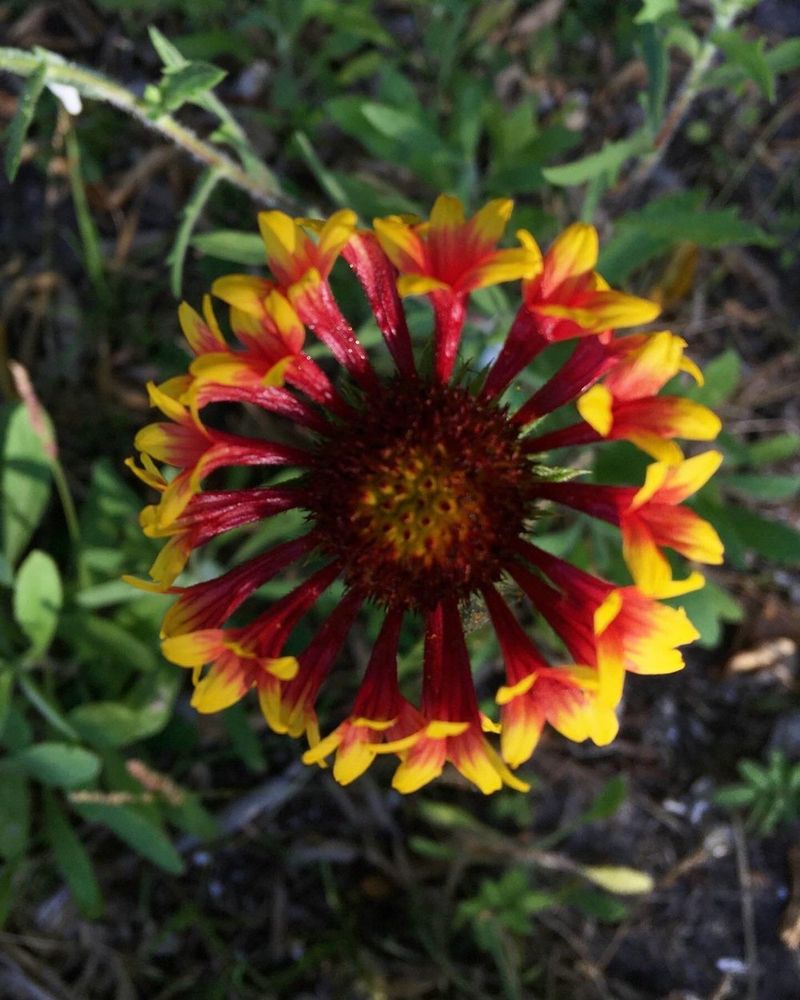
Picture a flower that looks like a tiny sunset sitting in your garden. Blanket Flower shows off bold red and yellow petals that attract butterflies and bees all season long.
It handles Florida’s heat and dry spells without flinching.
Sandy, well-drained soil is where this plant truly shines. Overwatering is actually the biggest mistake gardeners make with this species.
Give it full sun and minimal fuss, and it rewards you with months of color.
Spiderwort (Tradescantia ohiensis)
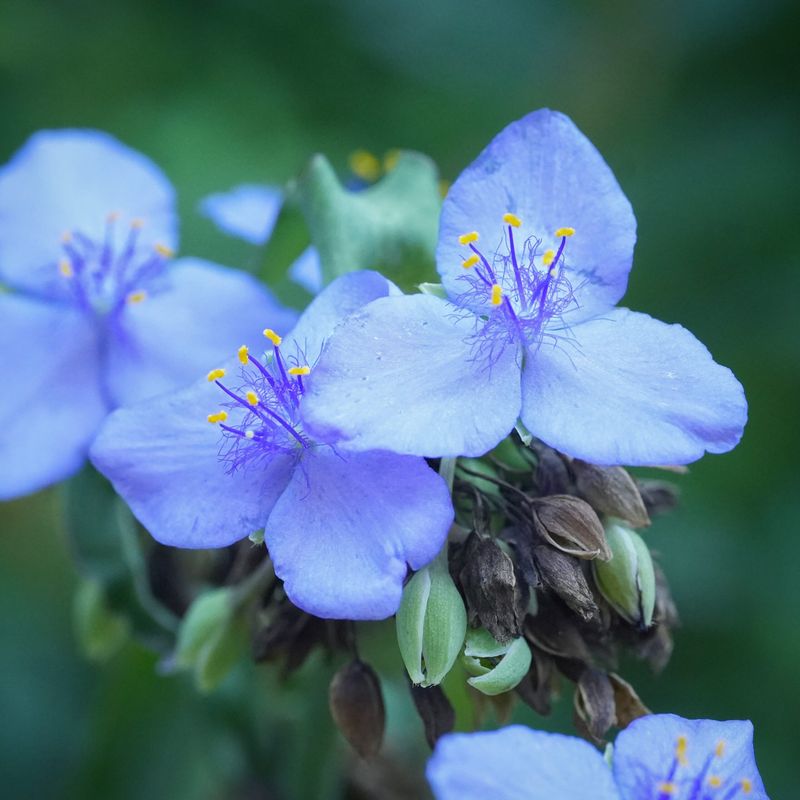
Early risers get a special treat with Spiderwort, because its vivid purple blooms open in the morning and close by afternoon. This quirky little plant thrives in both sun and partial shade, giving you flexible planting options.
It spreads naturally, filling gaps in garden beds without much help from you.
Spiderwort handles Florida’s rainy season exceptionally well. It also tolerates drought once roots are established.
Hummingbirds and small bees absolutely love visiting its cheerful flowers.
Black-Eyed Susan (Rudbeckia hirta)
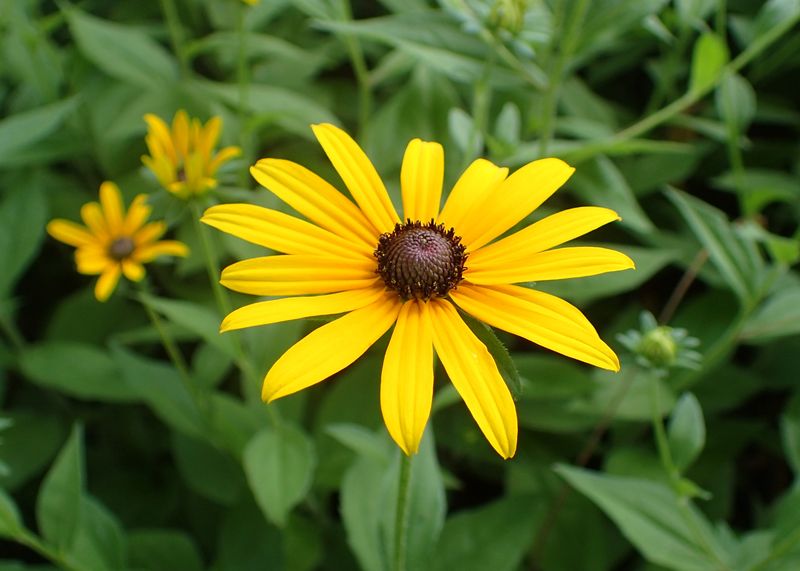
Few flowers say “summer” quite like the Black-Eyed Susan, with its sunny yellow petals surrounding a rich chocolate-brown center. This Florida native is incredibly tough, handling heat, humidity, and occasional drought without skipping a beat.
It blooms from late spring all the way into fall.
Goldfinches and other songbirds feed on the seed heads in late season, so consider leaving them standing. It self-seeds freely, meaning your garden gets better every year with zero effort.
Firebush (Hamelia patens)
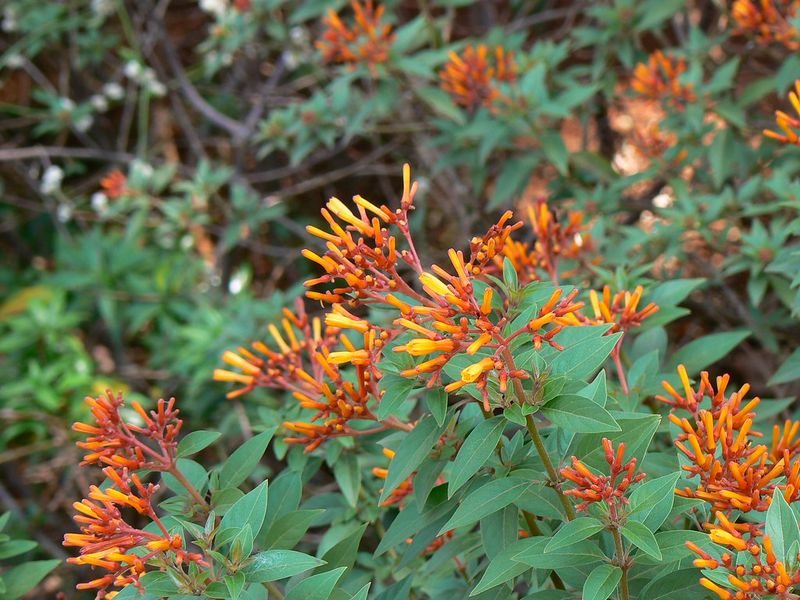
Hummingbirds practically race to reach Firebush first. This fast-growing native shrub produces clusters of vivid orange-red tubular flowers almost continuously throughout the warm months.
It can grow quite large, making it excellent for hedges or privacy screens.
Firebush is incredibly heat-tolerant and thrives in full sun to partial shade. Butterflies and bees join the hummingbirds in feasting on its nectar.
Even better, it is naturally resistant to most pests, so you spend less time troubleshooting problems.
Coral Honeysuckle (Lonicera sempervirens)
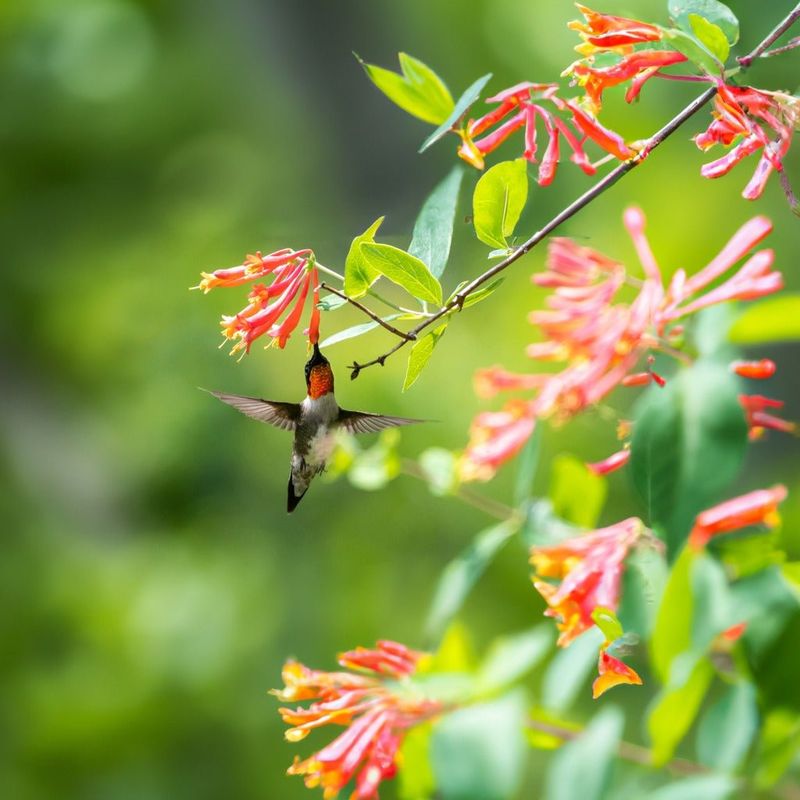
Not all vines are garden troublemakers. Coral Honeysuckle is a well-behaved Florida native that climbs beautifully on fences and trellises without the invasive tendencies of its Japanese cousin.
Its red tubular flowers are a magnet for ruby-throated hummingbirds during migration season.
It blooms heavily in spring and continues sporadically through the year. This vine tolerates poor soil and moderate drought once established.
Plant it where you want to add vertical interest without constant maintenance headaches.
Blue Porterweed (Stachytarpheta jamaicensis)
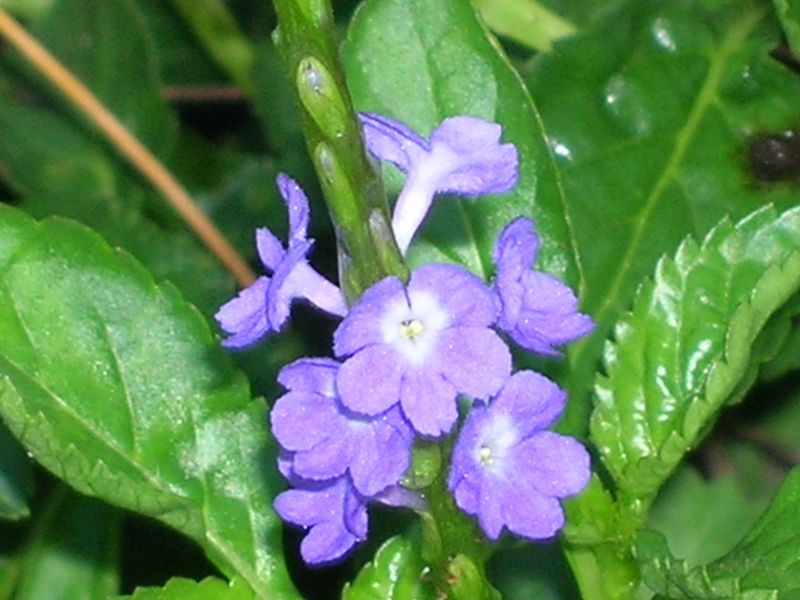
Butterflies cannot get enough of Blue Porterweed. This low-growing Florida native produces slender spikes of tiny violet-blue flowers that serve as a nonstop butterfly buffet throughout warm months.
It thrives in full sun and sandy, well-drained soil.
Once established, it rarely needs supplemental watering and handles Florida’s dry winters with ease. It also reseeds itself, so your butterfly garden practically replenishes itself each season.
Zebra longwing and gulf fritillary butterflies are especially fond of this plant.
Scarlet Sage (Salvia coccinea)
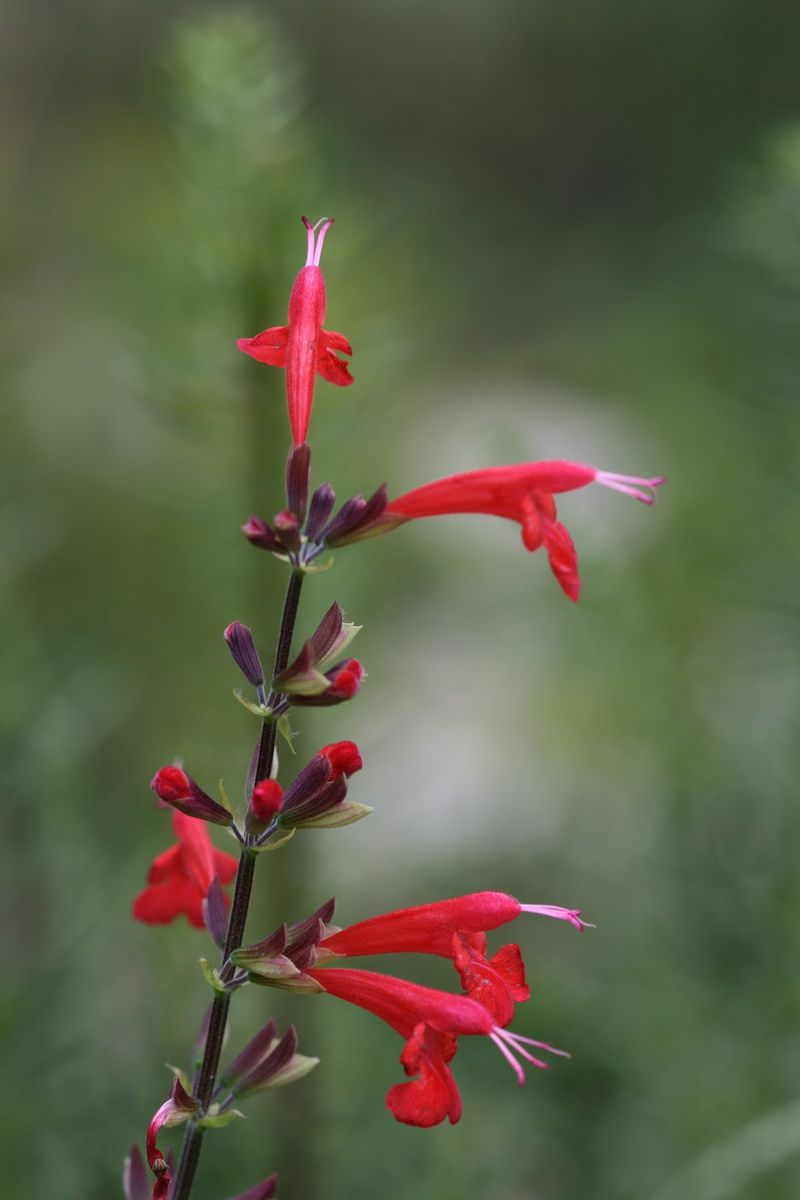
Bold, brilliant, and practically indestructible, Scarlet Sage is one of Florida’s most dependable native bloomers. Its tall spikes of flame-red flowers attract hummingbirds, butterflies, and bees from spring through fall.
It grows happily in full sun or light shade.
This plant self-seeds prolifically, so once you plant it, it tends to return year after year without any effort. It handles Florida’s sandy soils and humid summers without complaint.
Gardeners who plant it once rarely need to plant it again.
Passionflower (Passiflora incarnata)
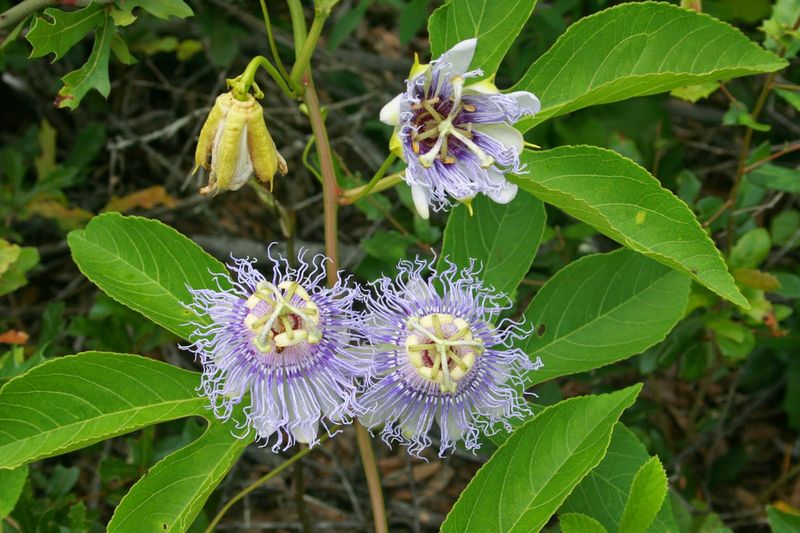
Few flowers in Florida look as exotic and otherworldly as the native Passionflower. Its intricate purple and white blooms look like something from a science fiction movie, yet this plant grows wild throughout the state.
It is also the host plant for several species of butterfly caterpillars.
Gulf fritillary and zebra longwing butterflies depend on it to raise their young. The vine spreads vigorously, so give it room to roam on a fence or trellis.
Edible yellow fruits follow the flowers in late summer.
Swamp Sunflower (Helianthus angustifolius)
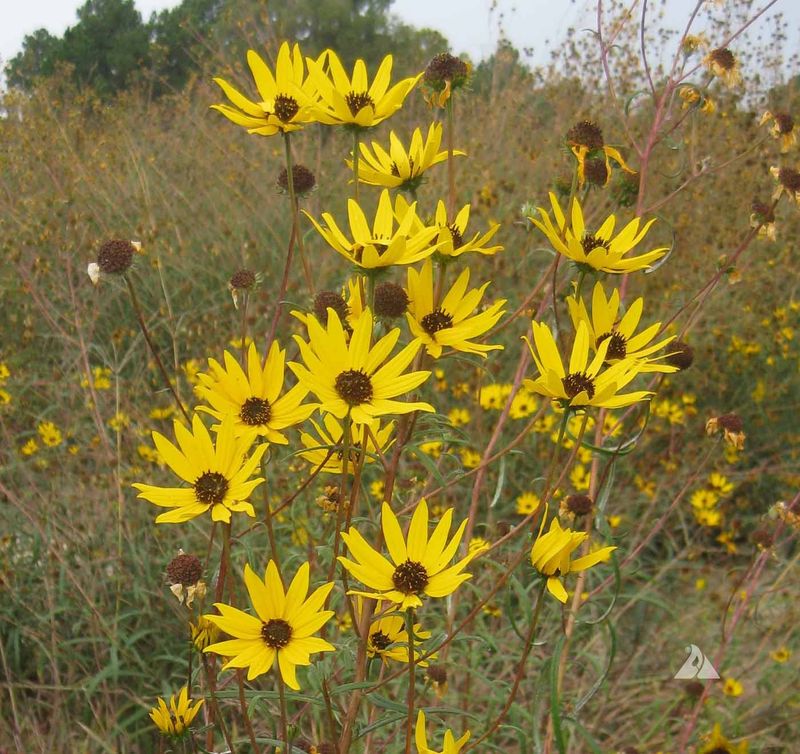
When most Florida gardens start looking tired in autumn, Swamp Sunflower steps up with a spectacular show of golden blooms. This tall native wildflower can reach six feet or more, creating a dramatic backdrop in garden beds.
It thrives in moist areas that other plants find too wet.
Rain gardens and low-lying spots in your yard are perfect for this plant. Goldfinches feast on the seeds throughout winter.
Its sheer height and late-season color make it an unexpected star of the fall garden.
Pentas (Pentas lanceolata)
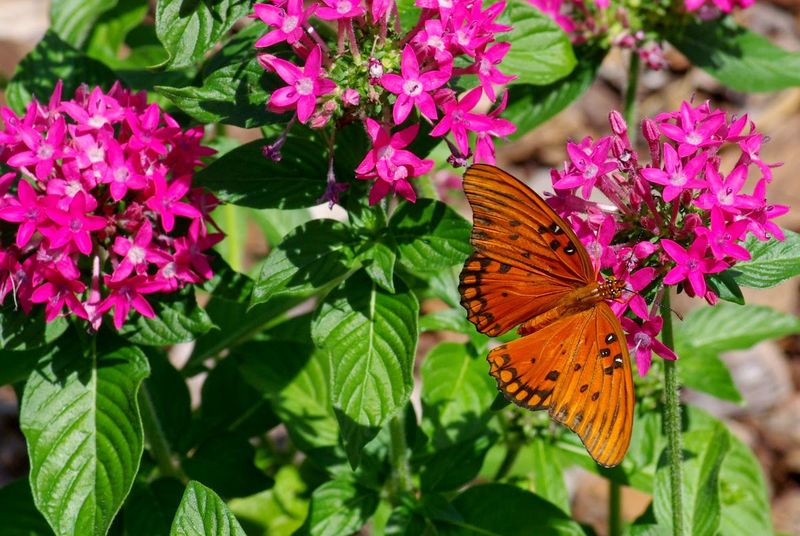
Star-shaped clusters of flowers in shades of pink, red, and white make Pentas one of the most cheerful plants you can add to a Florida garden. Butterflies treat it like an all-you-can-eat buffet, hovering over it from morning until dusk.
It blooms almost nonstop from spring through late fall.
Pentas loves full sun and handles Florida heat without wilting. It works beautifully in containers, garden beds, and borders alike.
Minimal watering is needed once the roots settle in.
Wild Blue Indigo (Baptisia australis)
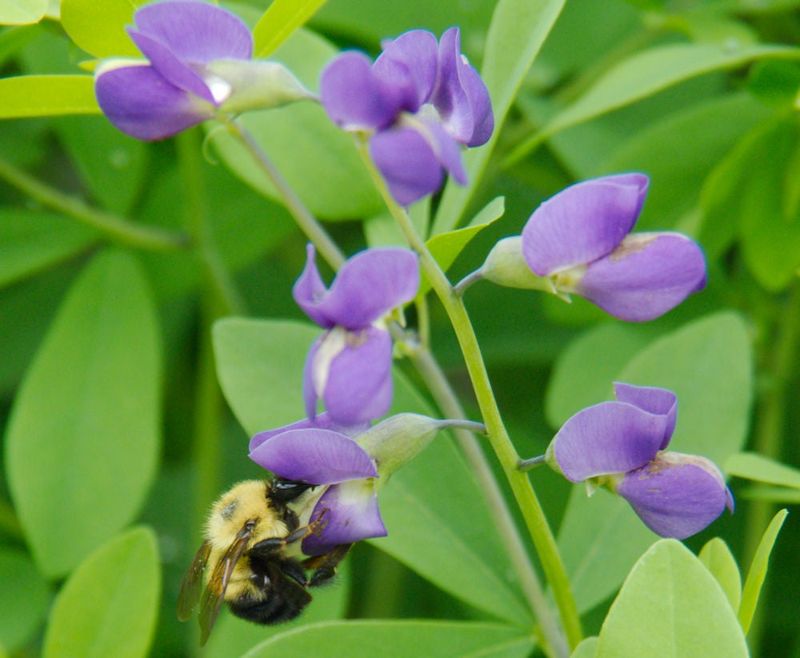
Wild Blue Indigo brings a touch of elegance to native Florida gardens with its tall spikes of deep blue-purple blooms. It is one of those rare plants that actually improves your soil by fixing nitrogen, making nearby plants healthier too.
Bumblebees are its number-one fan.
It is slow to establish but rewards patient gardeners with decades of low-maintenance beauty. Drought tolerance kicks in after the first year.
The dark seed pods that follow the flowers add interesting texture throughout fall and winter.
Ironweed (Vernonia gigantea)
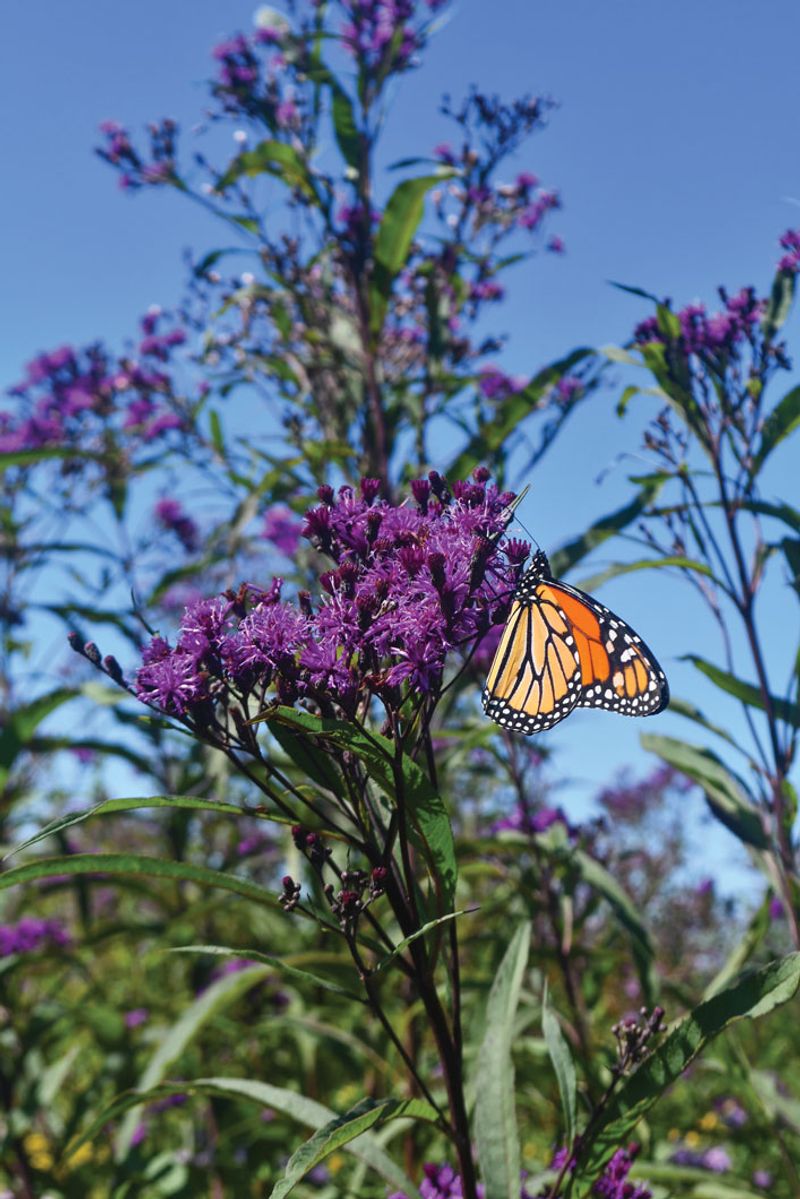
Ironweed earns its name from its incredibly sturdy stems that stand upright through Florida’s summer storms without staking. Its clusters of vivid magenta-purple flowers are some of the most intensely colored blooms you will find in any native garden.
Monarch butterflies and swallowtails are especially drawn to it.
It thrives in moist to average soils and tolerates partial shade better than many native wildflowers. Plants can reach six feet tall, creating real visual impact.
Cutting it back by half in early summer keeps it compact and bushier.
Florida Paintbrush (Carphephorus corymbosus)
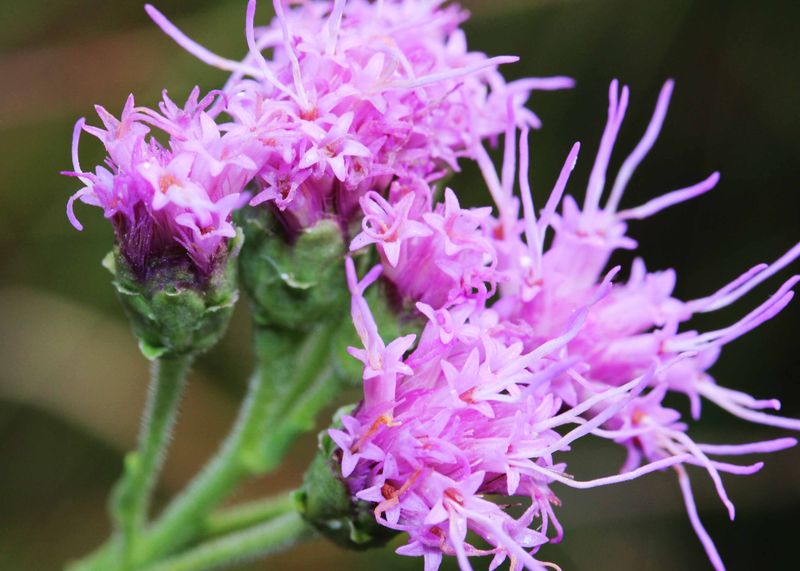
Rarely seen in nurseries but absolutely worth tracking down, Florida Paintbrush is a native wildflower that blooms in soft shades of lavender-pink during fall when color is hard to find. It grows naturally in Florida’s flatwoods and scrub habitats, making it perfectly suited for dry, sandy soils.
Pollinators swarm to its blooms late in the season when other flowers have faded.
It grows best in full sun with excellent drainage. Once established, it virtually takes care of itself.
This is a true Florida original that few gardeners know about.
Lyreleaf Sage (Salvia lyrata)
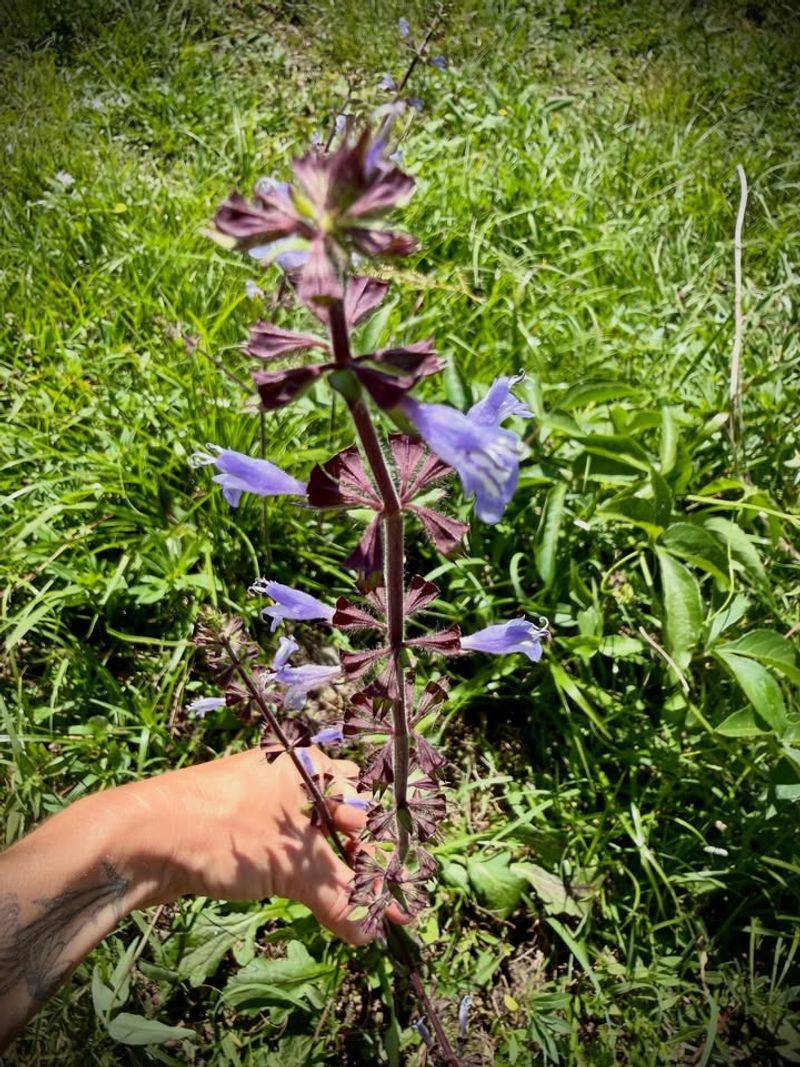
Lyreleaf Sage is the quiet overachiever of the Florida native plant world. It forms attractive low rosettes of dark green leaves and sends up tall spikes of pale blue-purple flowers in spring.
Unlike most sages, it actually prefers partial shade, making it ideal under trees or along shaded borders.
It spreads by seed and fills in bare spots naturally over time. Bees love the flowers, and the foliage stays attractive year-round.
It is also surprisingly tolerant of clay-heavy soils that frustrate other natives.
Sunshine Mimosa (Mimosa strigillosa)
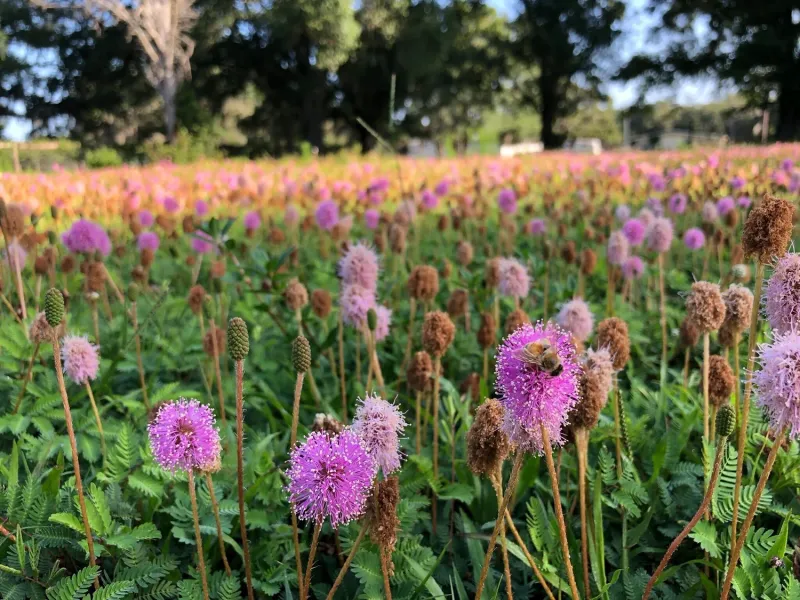
Touch its leaves and watch them fold inward like tiny green hands closing. Sunshine Mimosa is famous for its touch-sensitive leaves, making it one of the most interactive plants you can grow.
As a ground cover, it produces cheerful pink pom-pom flowers that bees adore.
It grows flat along the ground, crowding out weeds naturally and reducing your need to mow. It tolerates foot traffic better than most ground covers and fixes nitrogen in the soil.
Kids absolutely love touching the leaves and watching them respond.
Dotted Horsemint (Monarda punctata)
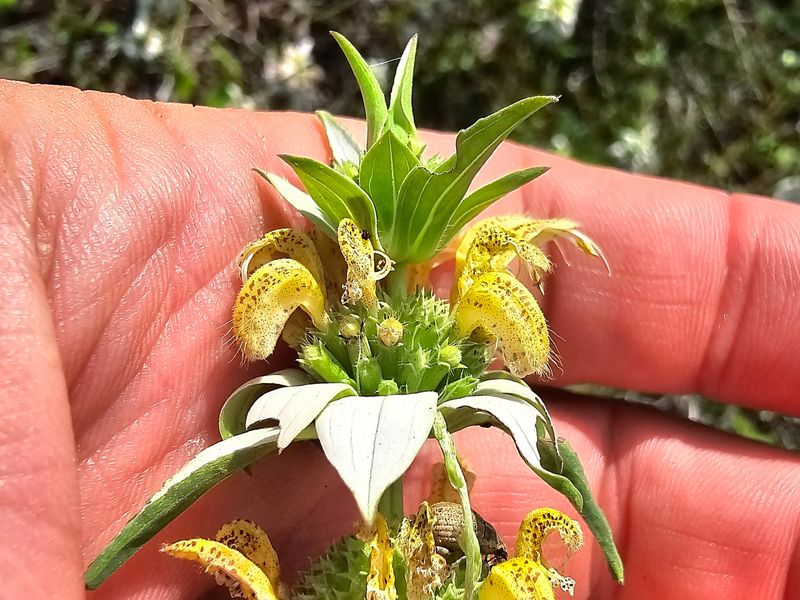
Dotted Horsemint might just be the most architecturally fascinating wildflower native to Florida. Its layered whorls of pink bracts and spotted yellow tubular flowers look more like a work of art than a garden plant.
It also smells strongly of oregano, which is a pleasant surprise when you brush against it.
Bees and wasps are its primary pollinators, visiting the blooms in high numbers. It thrives in poor, dry, sandy soils with full sun.
Once established, this plant is essentially self-sufficient.
Elliott’s Aster (Symphyotrichum elliottii)
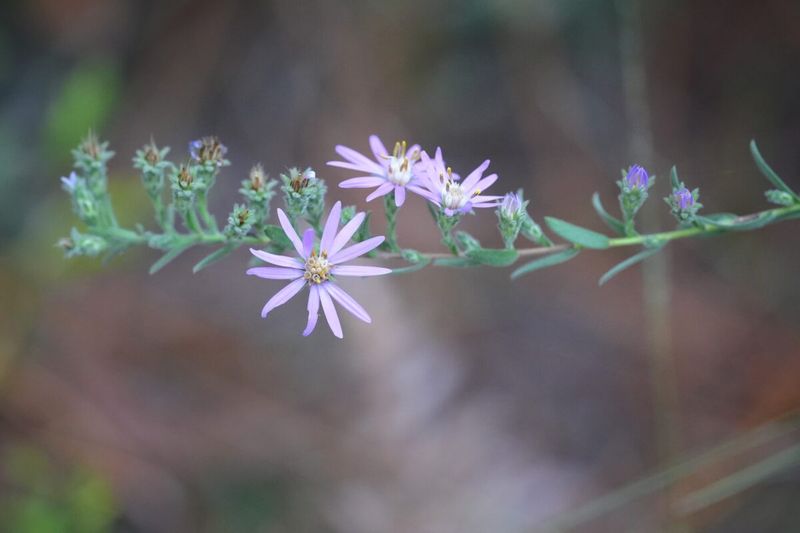
When October arrives and most gardens go quiet, Elliott’s Aster explodes into a cloud of lavender-purple blooms that can cover an entire plant. This Florida native is a fall pollinator powerhouse, feeding migrating monarch butterflies and dozens of native bee species.
It grows naturally in moist, low-lying areas.
Rain gardens and areas near water features are ideal planting spots. It can reach four feet tall and spreads slowly to form attractive clumps.
Few plants offer as much late-season value for pollinators as this one does.
Standing Cypress (Ipomopsis rubra)
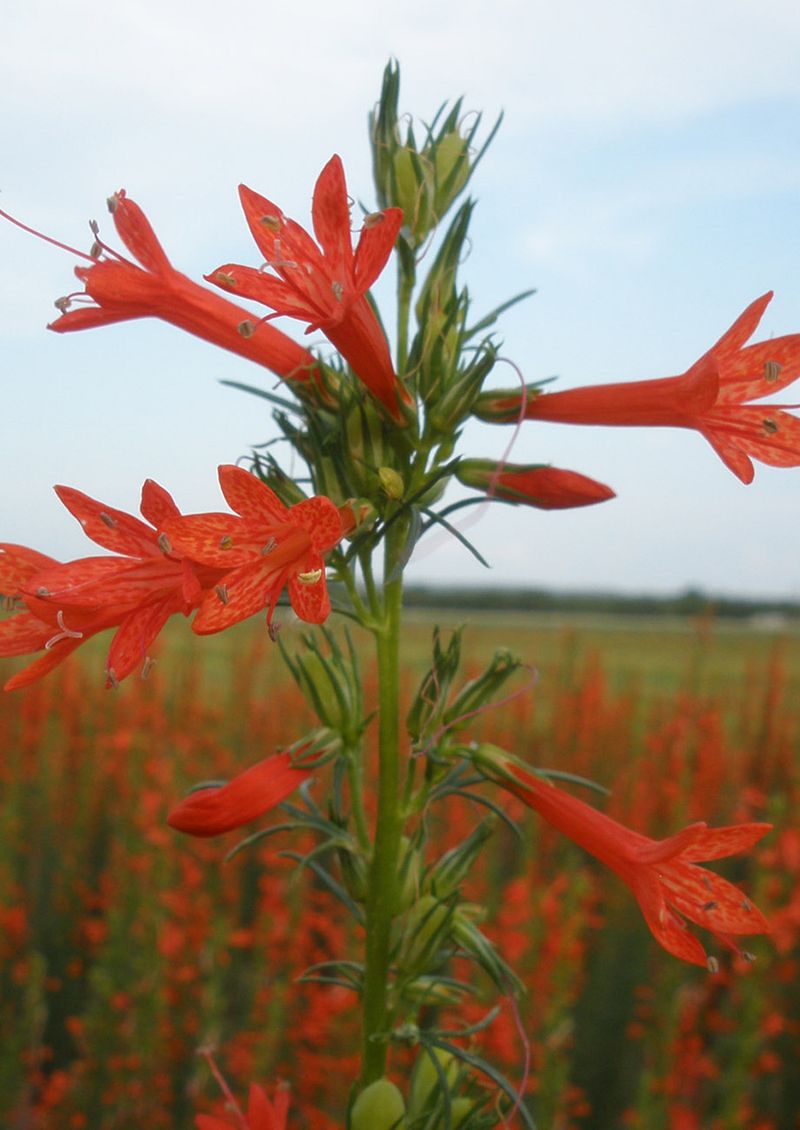
Standing Cypress is the garden showstopper that stops neighbors in their tracks. Growing up to six feet tall, its dramatic spikes are covered in bright red tubular flowers that hummingbirds find absolutely irresistible.
Despite its showy appearance, it is surprisingly low-maintenance.
It is a biennial, forming a ferny rosette the first year before sending up its spectacular flower spike the second year. Sandy, well-drained soil in full sun is all it needs.
It self-seeds reliably, so your display continues year after year.
Tropical Sage (Salvia coccinea ‘Lady in Red’)
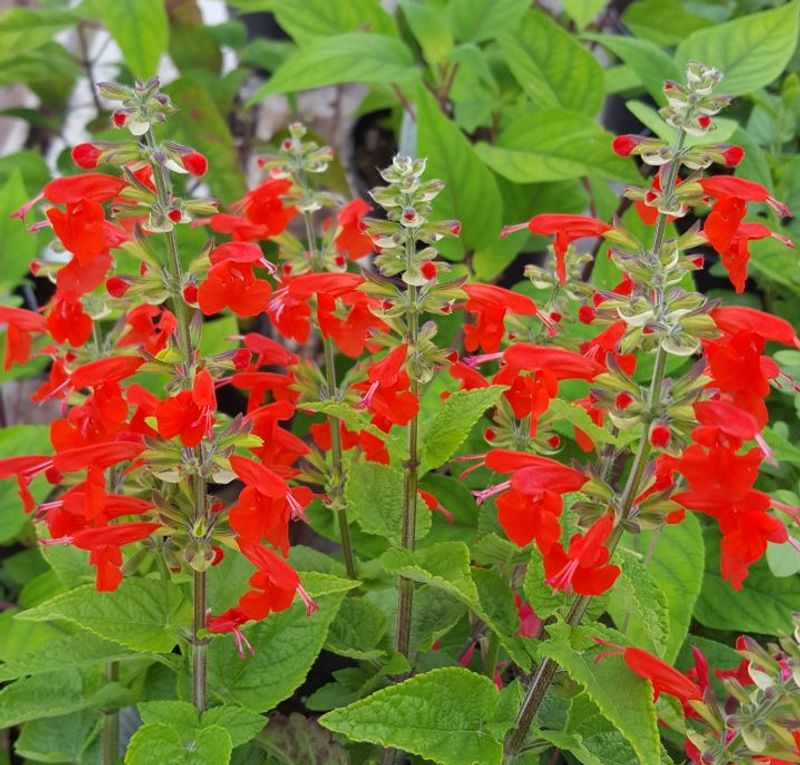
A close relative of Scarlet Sage, Tropical Sage ‘Lady in Red’ is a cultivated selection of a true Florida native that has won national recognition for its garden performance. Its vivid red flower spikes bloom for months on end, creating a reliable ribbon of color through even the hottest summers.
Hummingbirds and swallowtail butterflies visit it constantly.
It handles humidity, heat, and occasional drought with remarkable ease. Full sun brings out the most blooms.
This plant works equally well in formal garden beds and informal cottage-style plantings.
Pineywoods Dropseed (Sporobolus junceus) with Meadow Beauty (Rhexia virginica)
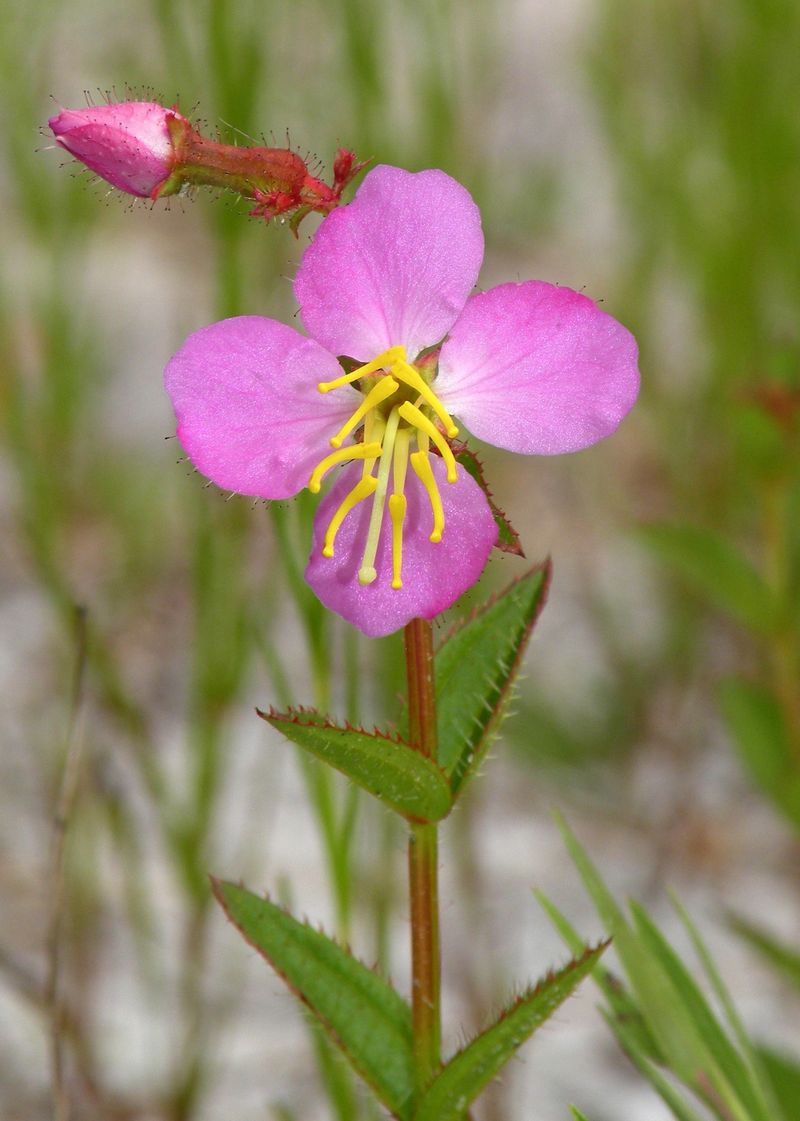
Meadow Beauty is one of Florida’s most underappreciated native wildflowers, producing delicate four-petaled blooms in shades of rose-pink that seem almost too pretty to be this easy to grow. It thrives in moist, acidic soils near wetland edges, making it perfect for rain gardens or low spots in your yard.
Bumblebees are its primary pollinators and use a special buzzing technique to release its pollen. It dies back in winter and returns reliably each spring.
Pairing it with native grasses creates a beautiful naturalistic meadow effect.
Muhly Grass with Blazing Star (Liatris spicata)
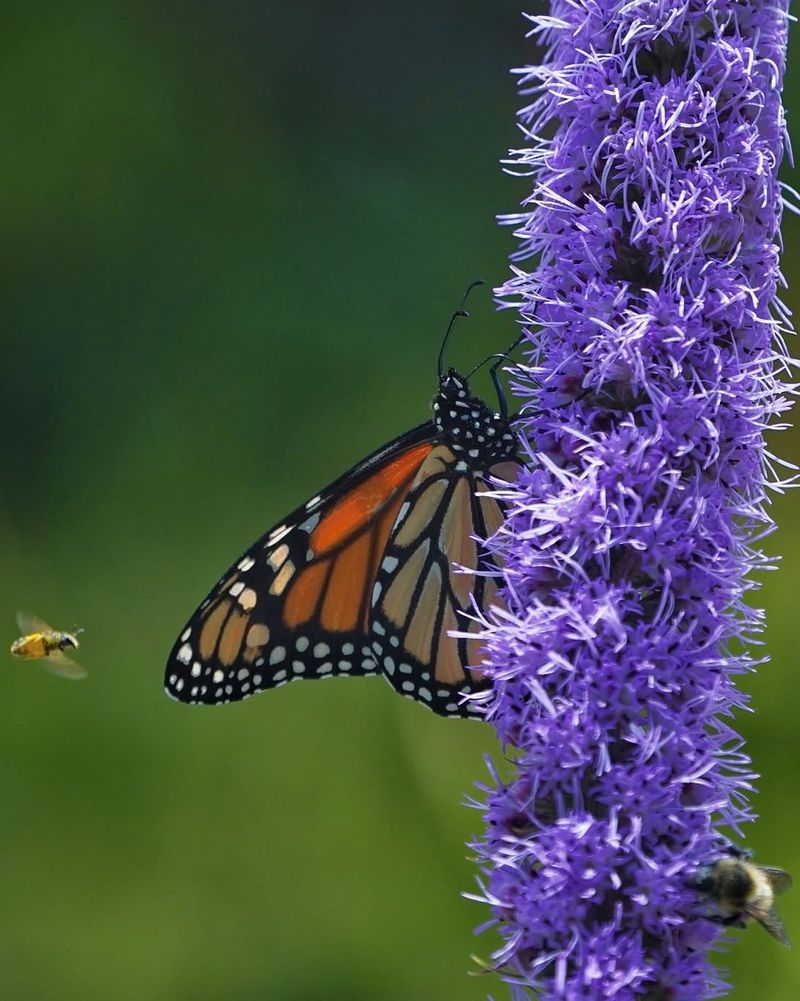
Blazing Star is one of those plants that makes you do a double-take the first time you see it. Its tall, dense spikes of vivid magenta-purple flowers bloom from the top down, which is unusual in the plant world.
Monarch butterflies migrating through Florida in fall rely on it heavily for nectar fuel.
It grows from a corm and thrives in well-drained, sandy Florida soils with full sun. Once planted, it multiplies into larger clumps over time.
Pairing it with Muhly Grass creates a spectacular fall garden combination that practically manages itself.
Enjoyed this story?
Add Fast Food Club as a preferred source to see more of our reporting on Google.