


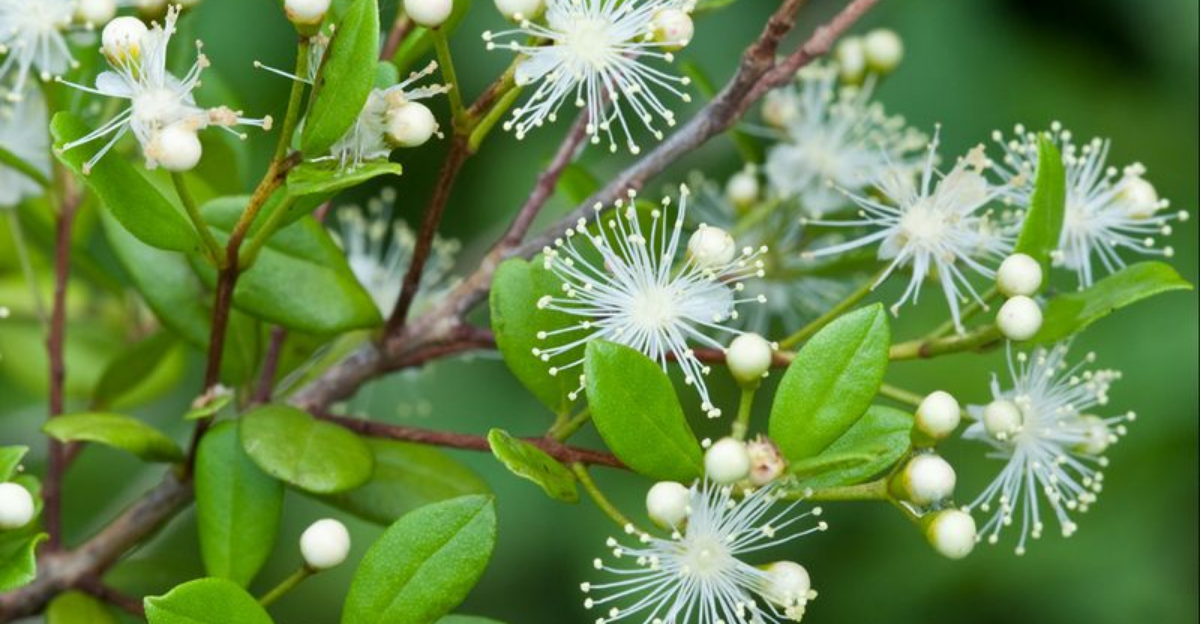
Florida’s sticky, sweltering humidity can feel like the enemy of a beautiful garden, but the right plants actually thrive in those conditions. Many gardeners are surprised to discover just how many colorful, low-maintenance options flourish when the heat and moisture crank up.
Whether you’re a seasoned green thumb or just getting started, these tough plants can turn a challenging Florida yard into a lush, vibrant space. Get ready to meet 22 remarkable plants that laugh in the face of humidity.
Firebush
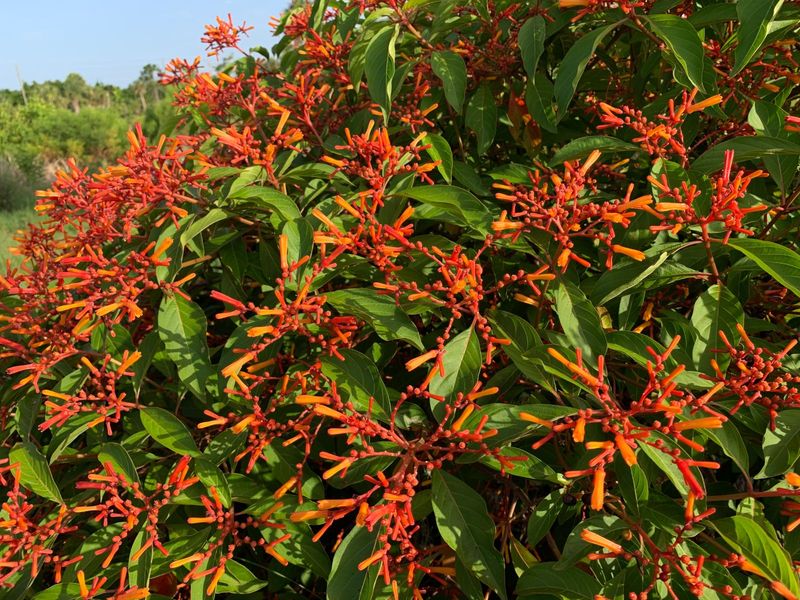
Firebush earns its fiery name with clusters of blazing orange-red tubular flowers that practically glow in the summer sun. Native to Florida, it handles heat and humidity like a champ while attracting butterflies and hummingbirds to your yard.
It can grow into a large shrub if left unpruned, making it great for creating natural privacy screens. Plant it in full sun or partial shade, and watch it reward you with color nearly year-round.
Pentas
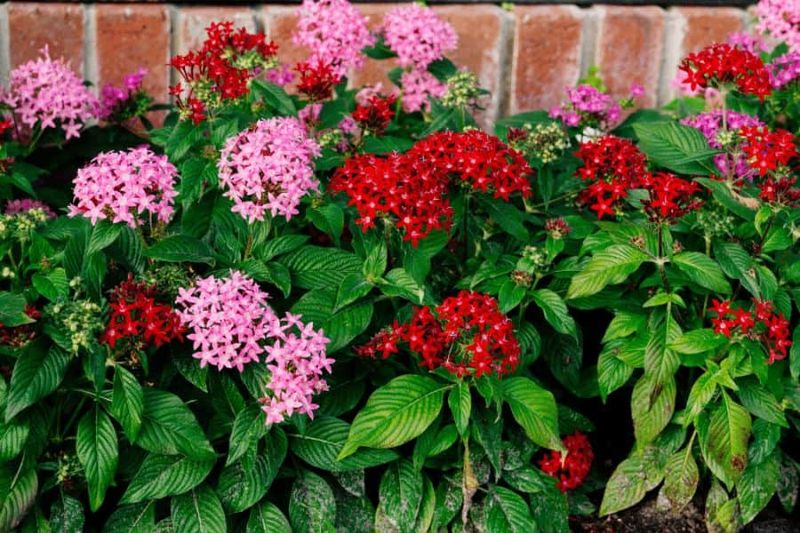
Pentas is one of those cheerful workhorses that blooms non-stop even when the Florida heat feels absolutely relentless. Its star-shaped flower clusters come in shades of red, pink, white, and lavender, adding serious color to any garden bed.
Butterflies absolutely adore it, so planting pentas is like setting up a welcome sign for pollinators. It handles soggy soil and high humidity with ease, asking for very little in return for all that beauty.
Vinca
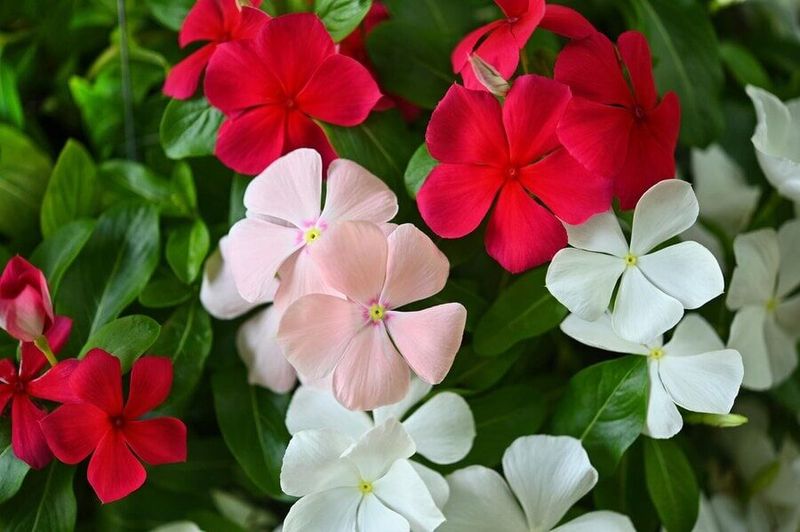
Few plants can match Vinca when it comes to shrugging off Florida’s brutal combination of heat, humidity, and occasional drought. Also called Catharanthus, this plant pushes out cheerful blooms in shades of pink, white, purple, and red all season long.
It thrives in full sun and well-drained soil, making it a go-to choice for flower beds, borders, and containers. Vinca is tough, low-maintenance, and absolutely stunning — a triple win for Florida gardeners.
Angelonia
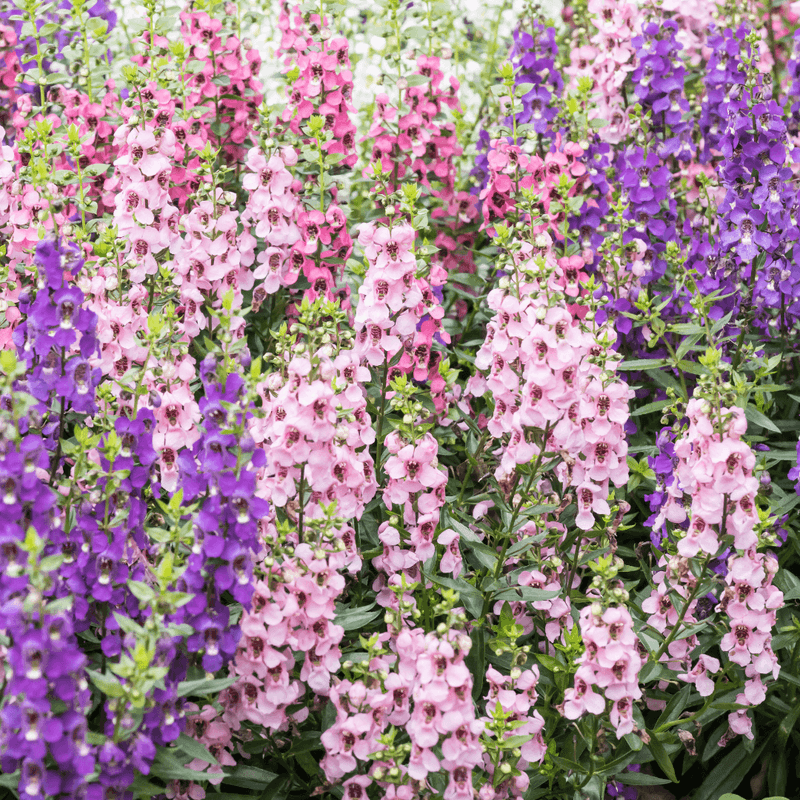
Sometimes called the summer snapdragon, Angelonia produces delicate spikes of purple, pink, or white flowers that hold up beautifully in Florida’s muggy summers. Unlike many flowers that wilt and sulk in the heat, Angelonia keeps on blooming without missing a beat.
An interesting bonus: the leaves give off a faint apple-like fragrance when brushed. It grows best in full sun and is surprisingly drought-tolerant once established, making it a smart, stylish choice for Florida landscapes.
Crossandra
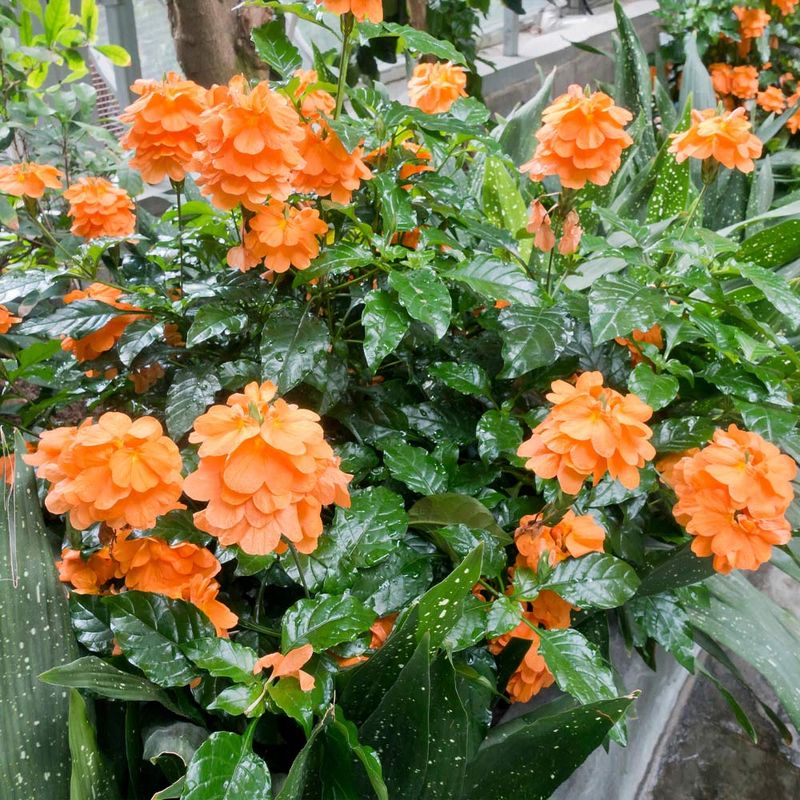
Crossandra might not be as well-known as some garden favorites, but this tropical gem deserves a spot in every Florida yard. Its salmon-orange blooms are eye-catching, and it thrives in the kind of shady, humid spots where other flowers simply give up.
Originally from India, Crossandra is built for tropical conditions, so Florida’s steamy summers feel like home to it. It stays compact, looks tidy, and produces flowers over a remarkably long growing season.
Ixora
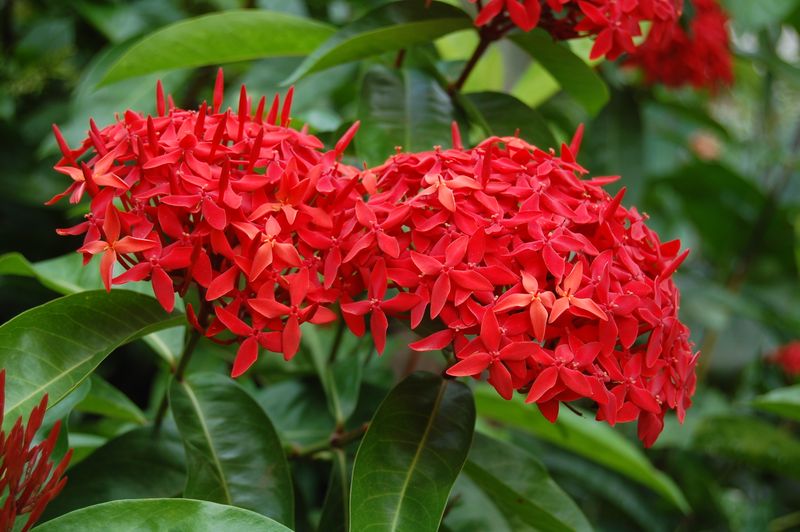
Walk through almost any Florida neighborhood and you will likely spot Ixora’s bold clusters of tiny red, orange, yellow, or pink flowers. This tropical shrub is practically built for Florida living, thriving in full sun and high humidity without complaint.
Ixora also works beautifully as a hedge or border plant, giving landscapes a neat, polished look. It does prefer acidic soil, so a little fertilizer designed for acid-loving plants goes a long way toward keeping it happy and blooming.
Plumbago
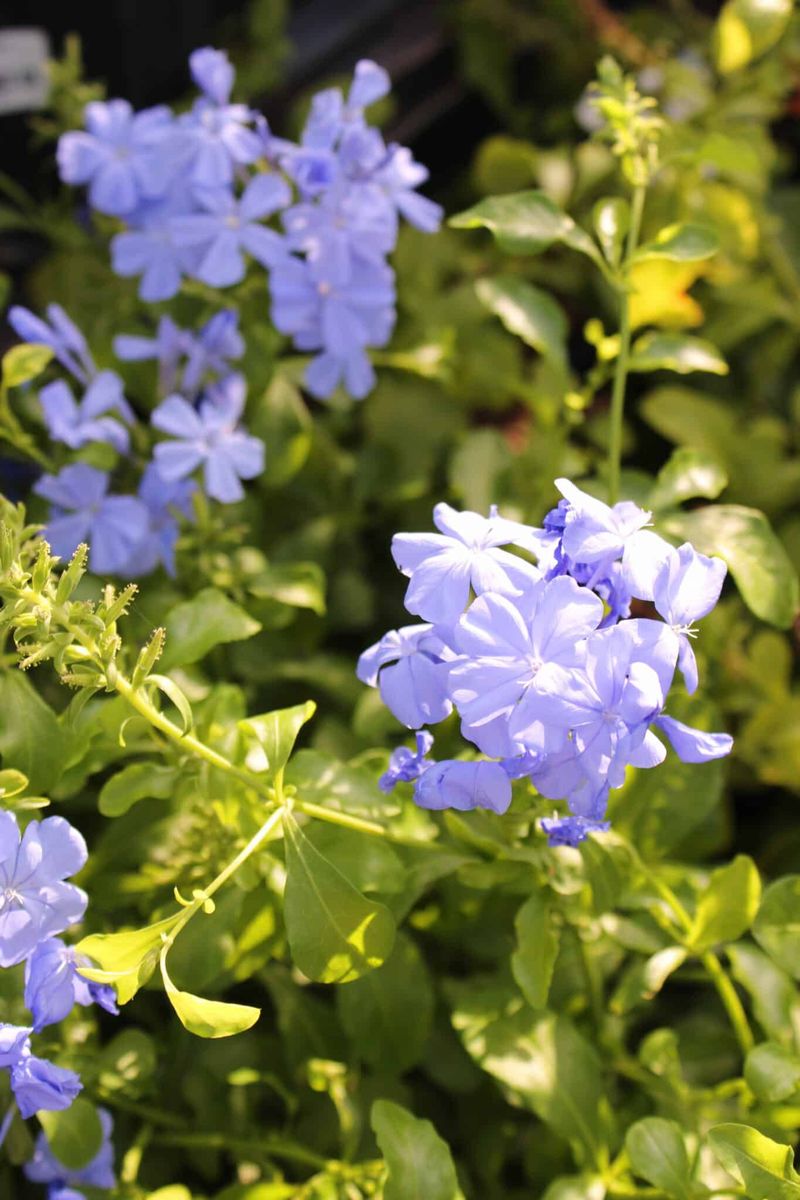
Plumbago is one of those plants that makes people stop and stare, thanks to its dreamy clusters of sky-blue or white flowers that bloom almost non-stop in Florida. It spreads enthusiastically and can be trained as a sprawling shrub or a climbing vine on fences.
Heat and humidity don’t slow it down at all — in fact, warm weather seems to push it into overdrive. Butterflies love it too, making your garden feel like a peaceful, living work of art.
Blue daze
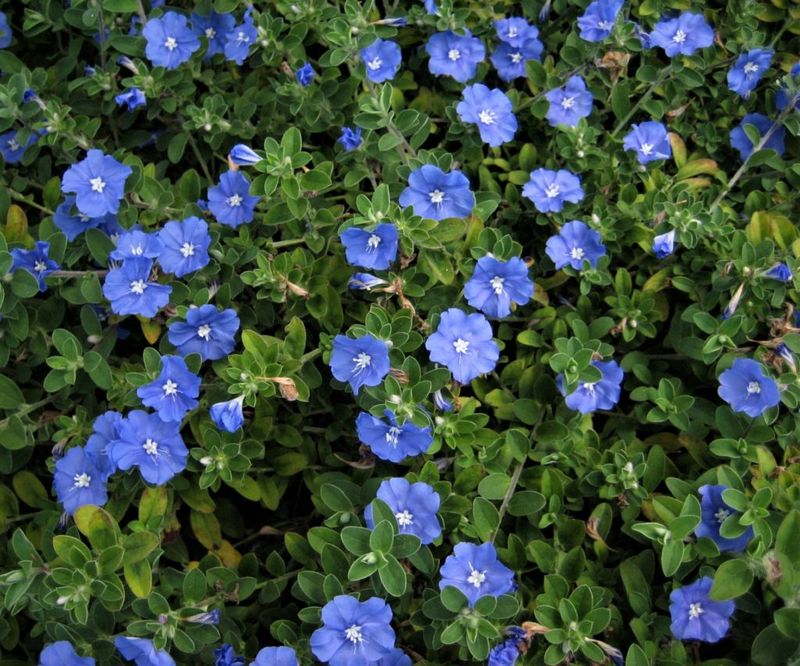
Blue daze earns its spot on this list by doing something many plants refuse to do in Florida: it covers the ground with soft blue blooms even during the steamiest months of the year. Each flower closes up at night and reopens fresh each morning, which is a quirky little habit that makes it extra charming.
It loves full sun and handles drought reasonably well once established. Use it as a ground cover or trailing plant in containers for a relaxed, coastal Florida feel.
Porterweed
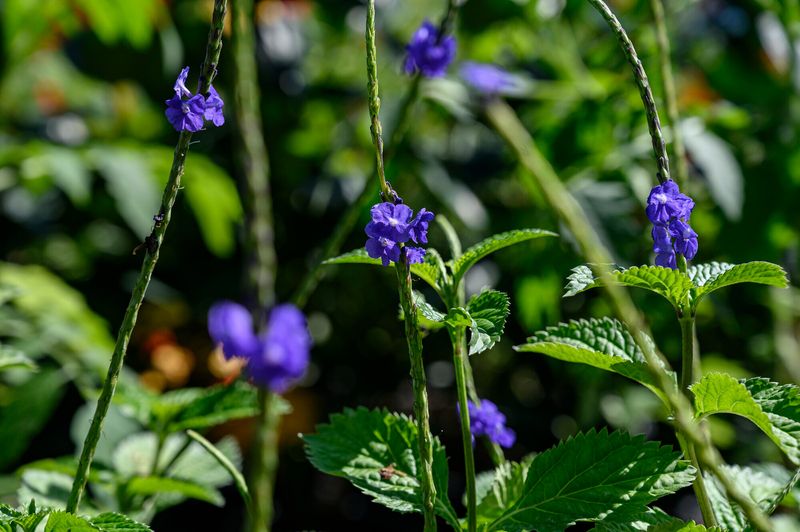
Porterweed is a butterfly magnet that thrives in Florida’s humid, sunny conditions with almost zero fuss. Its tall spikes of tiny purple or blue flowers are constantly visited by swallowtails, skippers, and other pollinators throughout the warm months.
Native blue porterweed is a Florida native, which means it is already adapted to local soils and rainfall patterns. It grows quickly, reseeds itself, and fills in garden spaces with a wild, naturalistic beauty that feels right at home in a Florida landscape.
Ruellia
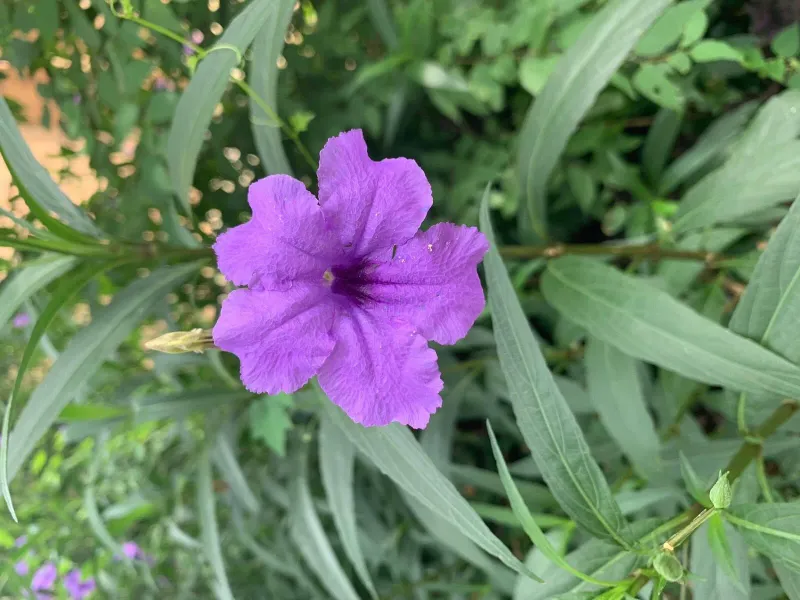
Ruellia, often called wild petunia, is tougher than it looks. Its delicate purple trumpet-shaped flowers might seem fragile, but this plant handles Florida heat, humidity, and even occasional flooding without batting an eye.
It spreads readily, which makes it excellent for filling in large areas quickly, though some gardeners prefer to keep it contained. Butterflies and hummingbirds visit the blooms regularly.
Mexican Ruellia is popular but slightly invasive, so native species like Ruellia caroliniensis are a better choice for Florida gardens.
Bulbine
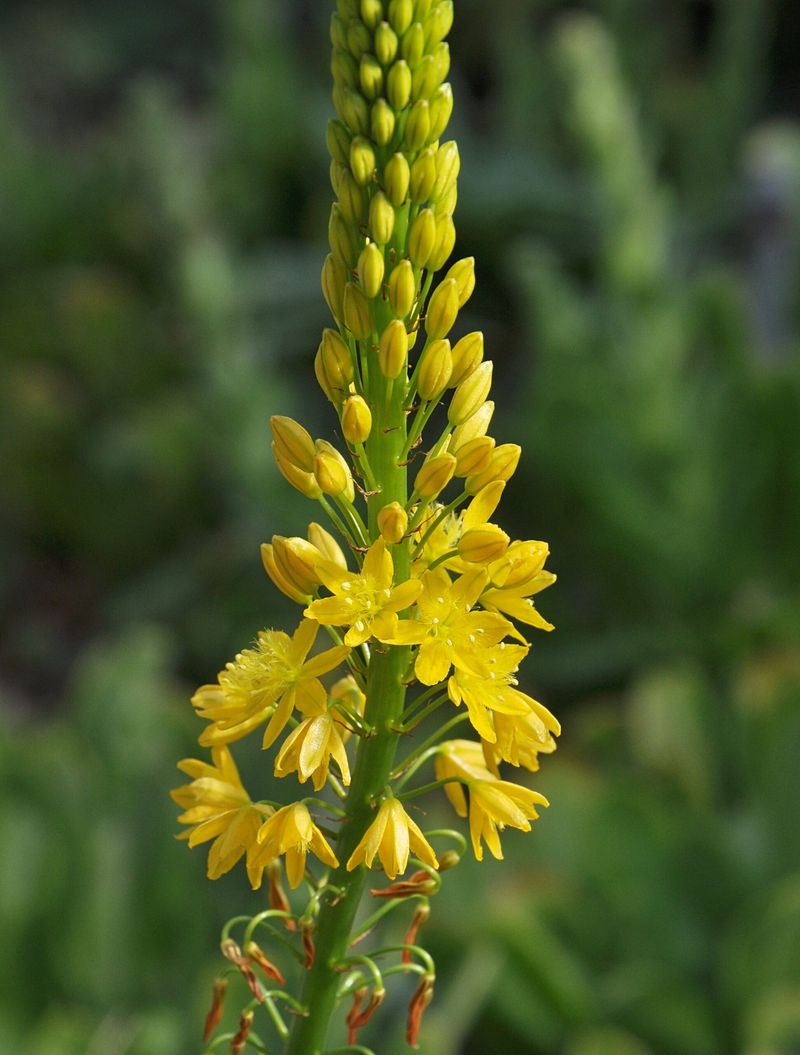
Bulbine looks like it belongs in a fancy botanical garden, but it is actually one of the most easygoing plants you can grow in Florida. Its cheerful yellow or orange star-shaped flowers rise above succulent-like foliage and bloom for months at a time.
Originally from South Africa, Bulbine is built for warm, sunny conditions and handles Florida’s humidity surprisingly well for a succulent-type plant. It works beautifully in borders, rock gardens, or mixed beds and requires very little watering once established.
Society garlic
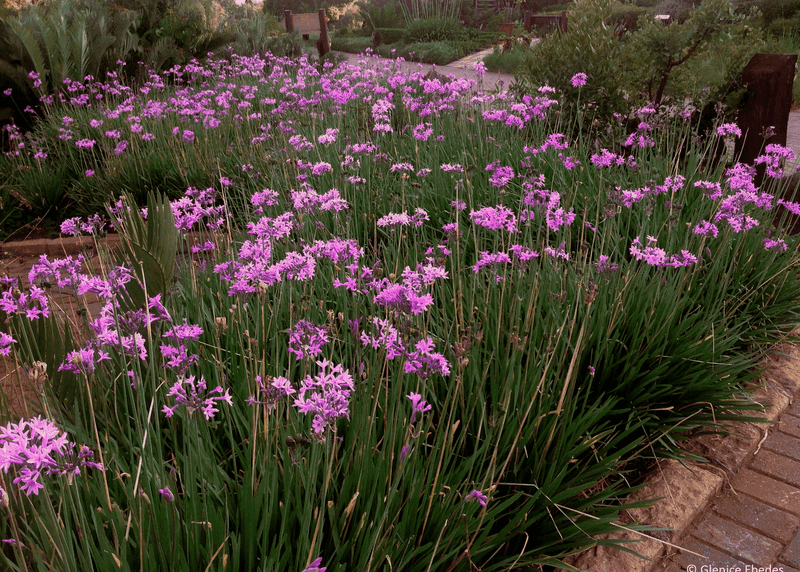
Society garlic has a funny name with a perfectly logical story behind it — the flowers smell lovely, but the leaves carry a distinct garlic scent that keeps most pests away. It produces clusters of soft lavender flowers on tall stems, creating an airy, elegant look in the garden.
Florida’s humidity does not bother it at all, and it is notably drought-tolerant once established. As a bonus, it is deer-resistant, which makes it extra valuable in areas where deer browsing is a problem.
Thryallis
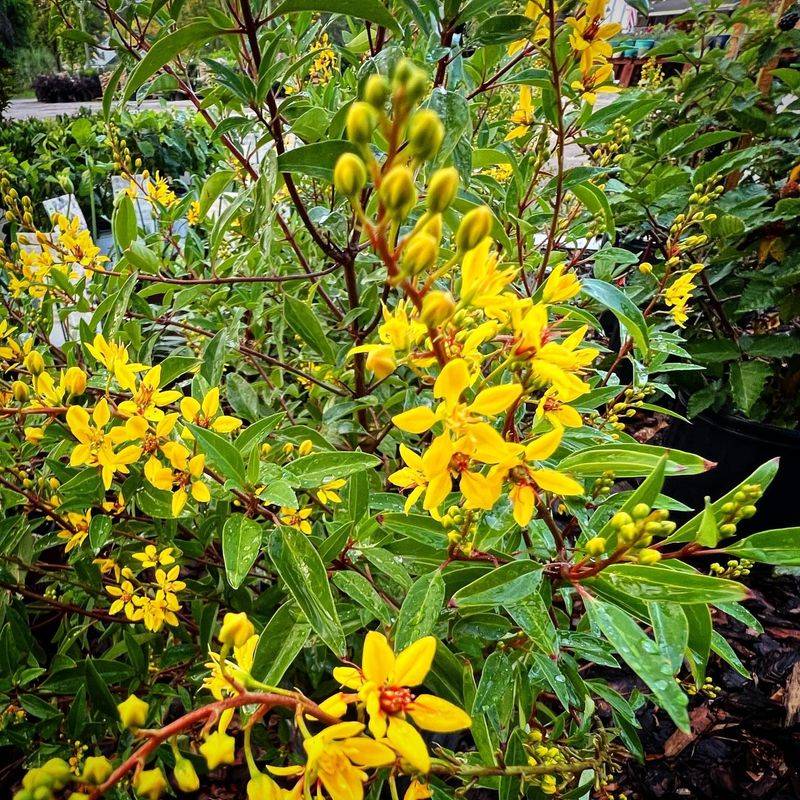
Thryallis is a showstopper that pumps out cheerful yellow blooms from spring all the way through fall, barely pausing even during the hottest, most humid stretches of a Florida summer. The flowers are small but appear in such abundance that the whole shrub glows golden.
It grows into a rounded, medium-sized shrub that works well as a foundation plant or garden accent. Thryallis is low-maintenance, drought-tolerant once established, and absolutely thrives in the full-sun conditions that are so common across Florida.
Walter’s viburnum
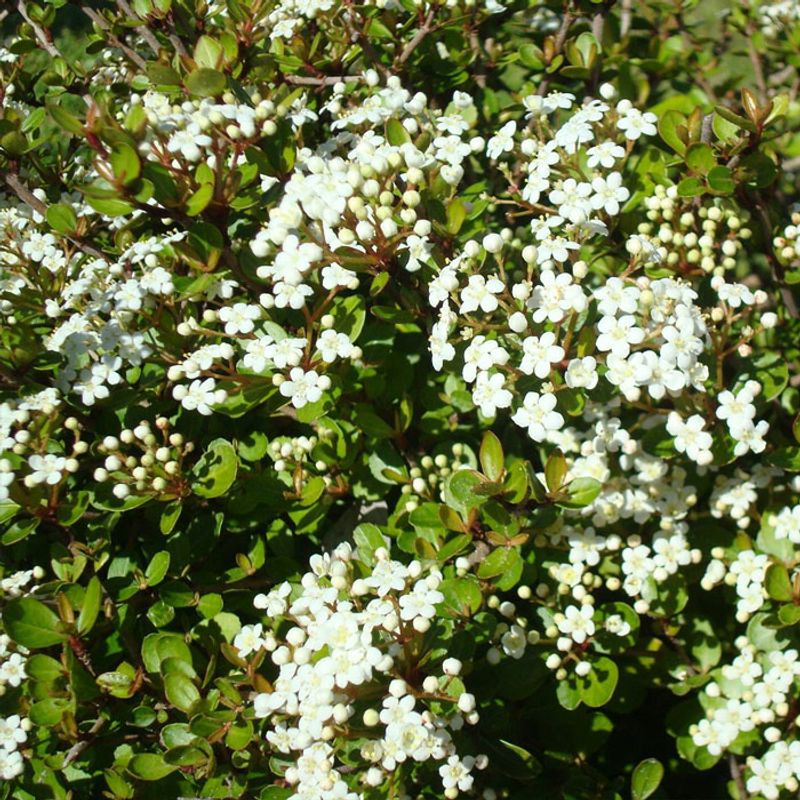
Walter’s viburnum is a Florida native that has been quietly thriving in the state’s forests and gardens for centuries, long before anyone called it resilient. It produces clusters of small white flowers in spring, followed by dark berries that birds absolutely love.
This shrub handles full sun, partial shade, humidity, and even occasional flooding without missing a step. It is a fantastic choice for wildlife-friendly landscaping, and its dense growth habit makes it useful as a privacy screen or natural hedge.
Cocoplum
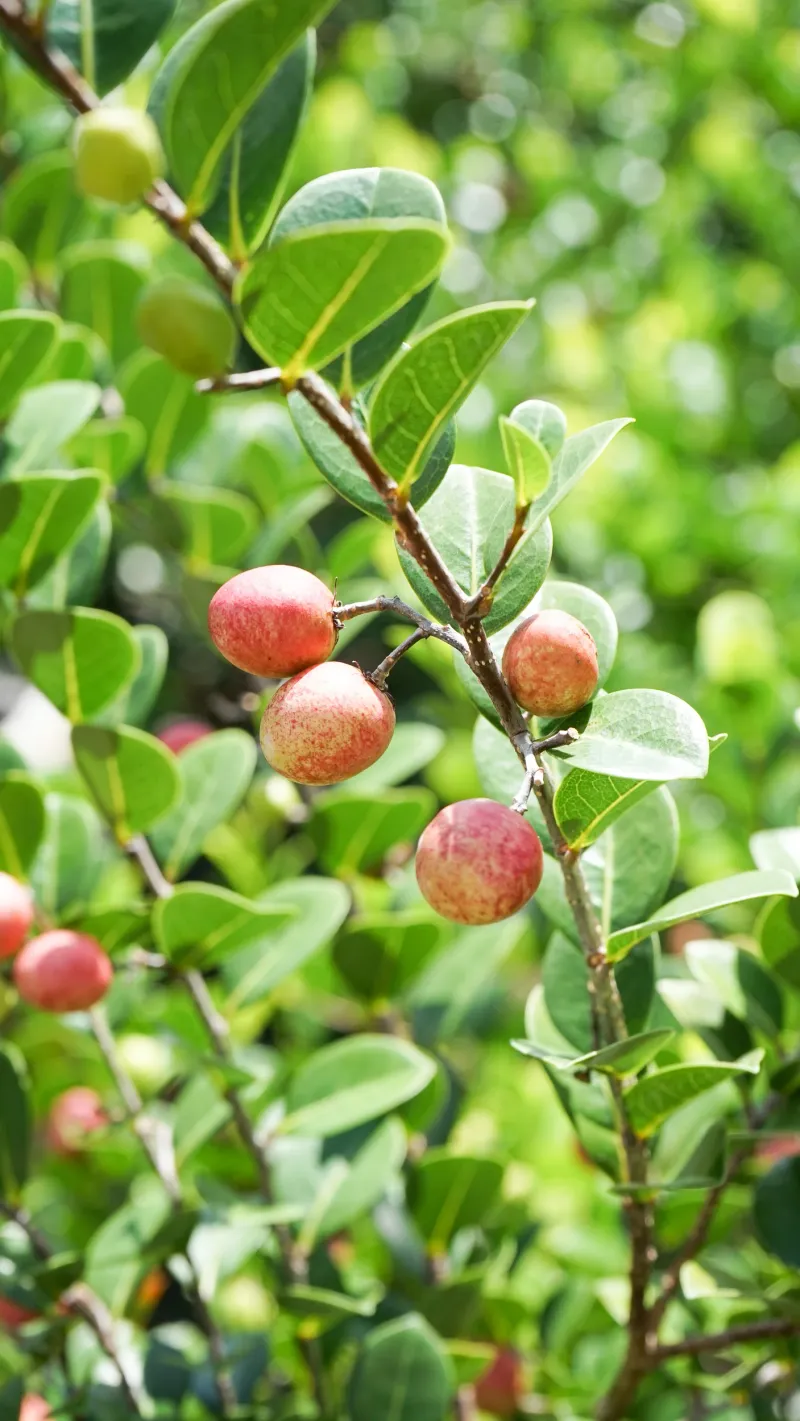
Cocoplum is a Florida native coastal plant that handles salt spray, humidity, and heat with remarkable ease. Its glossy, rounded leaves give it a clean, tropical look that works well in both formal and casual landscapes.
The plant produces small edible fruits that range from white to deep purple, attracting birds and wildlife to the garden. Cocoplum grows densely, making it one of the best natural hedge options available for South Florida homeowners who want beauty and function in one tough package.
Simpson’s stopper
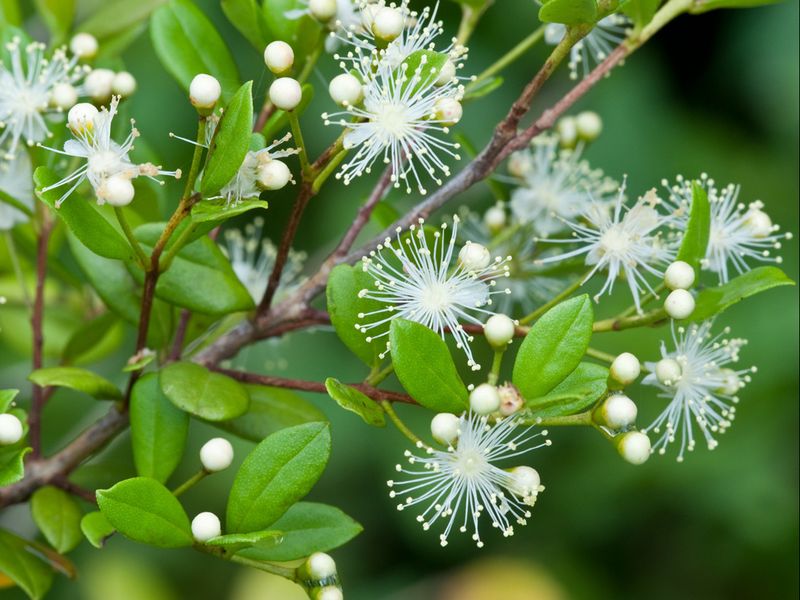
With a name that sounds like it belongs in a mystery novel, Simpson’s stopper is actually one of Florida’s most underrated native plants. It produces clusters of tiny white flowers with a sweet fragrance, followed by bright red berries that birds eagerly snatch up.
This shrub handles Florida’s humidity, sandy soils, and coastal conditions without any drama. It can be kept neatly trimmed as a hedge or allowed to grow naturally into a small tree, offering flexibility that most gardeners really appreciate.
Coontie
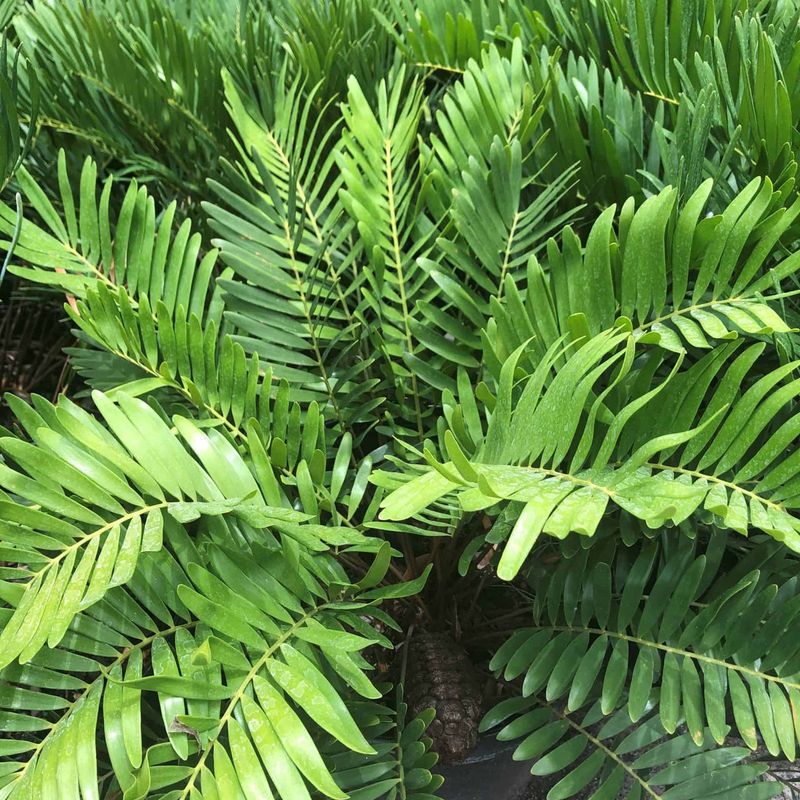
Coontie is technically not a palm or a fern — it is actually a cycad, one of the oldest plant groups on Earth, and it has been growing in Florida long before humans arrived. Its dark green, feathery fronds give it an elegant, prehistoric look that adds texture to any garden.
It thrives in shade or partial sun and is extremely drought-tolerant once established. Coontie is also the sole host plant for the Atala butterfly, making it an irreplaceable part of Florida’s native ecosystem.
Muhly grass
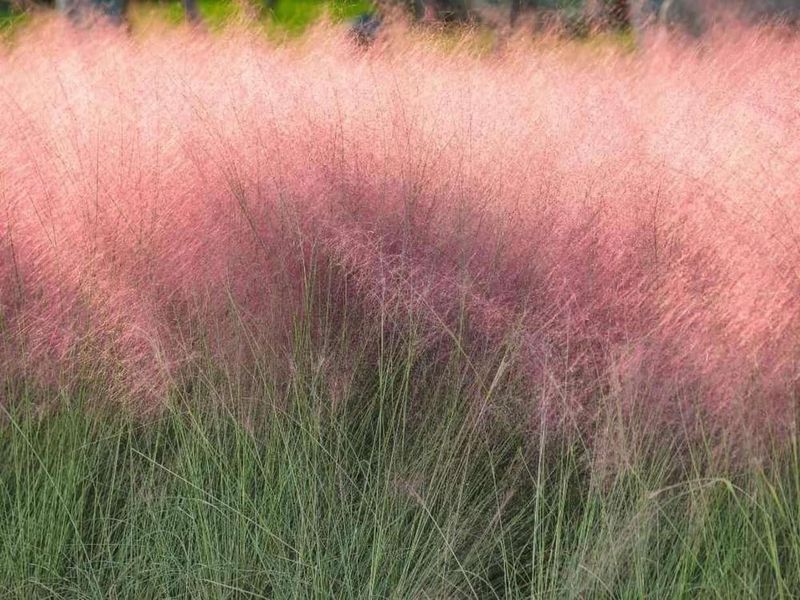
Every fall, Muhly grass puts on one of Florida’s most breathtaking natural shows, erupting in clouds of feathery pink-purple plumes that look almost too beautiful to be real. During the rest of the year, it stays as tidy clumps of fine green grass that blend easily into any landscape.
It is a Florida native that handles heat, humidity, drought, and poor sandy soils without complaint. Plant it in full sun for the most dramatic fall display, and watch it steal the spotlight every single year.
Lantana
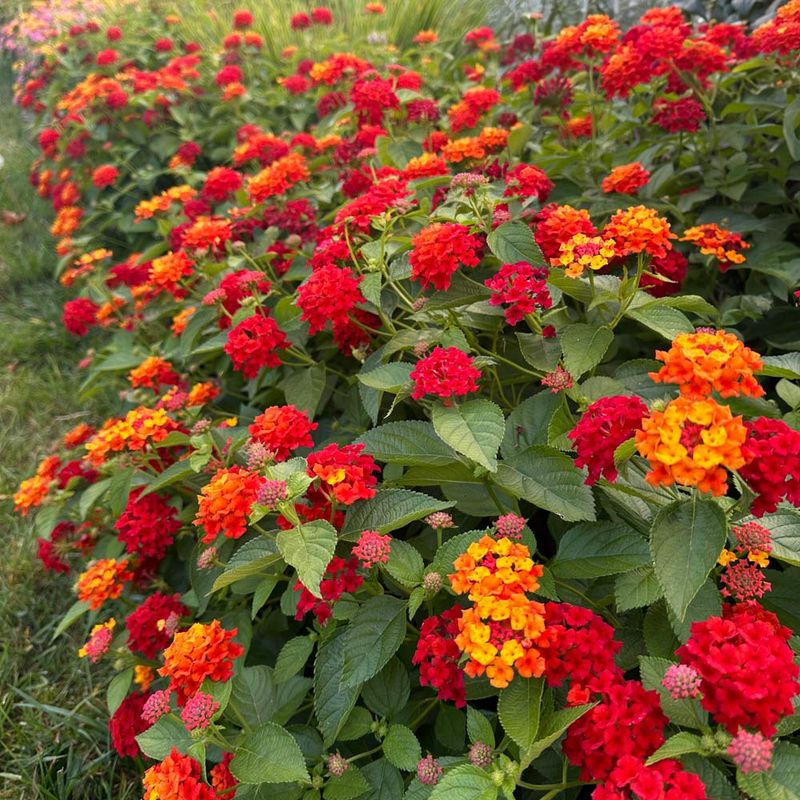
Lantana is practically unstoppable in Florida, producing endless clusters of tiny multicolored flowers in shades of yellow, orange, pink, red, and purple throughout the warm months. Butterflies flock to it in droves, and it keeps blooming even when other plants have thrown in the towel.
It thrives in full sun and handles drought and humidity with equal ease. Florida-friendly native varieties are available and are a better ecological choice than some of the non-native cultivars, which can spread aggressively in natural areas.
Tropical sage
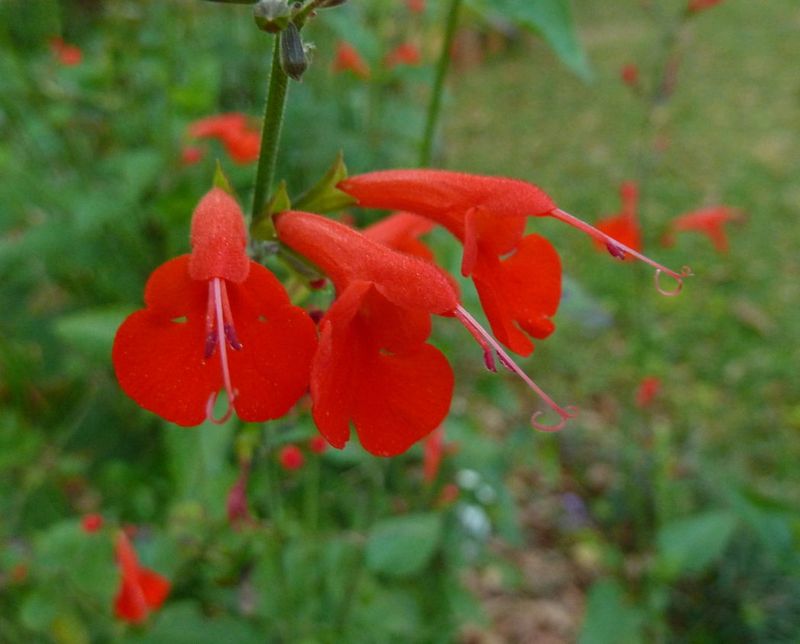
Tropical sage, also known as Salvia coccinea, blazes with scarlet-red flowers on tall, elegant spikes that hummingbirds and butterflies simply cannot resist. It is a Florida native wildflower that self-seeds generously, meaning once you plant it, it tends to keep returning season after season.
It handles heat, humidity, and even periods of drought with impressive resilience. Tropical sage looks fantastic in naturalistic garden designs and works especially well when planted in large drifts for a bold, dramatic burst of red color.
Firespike
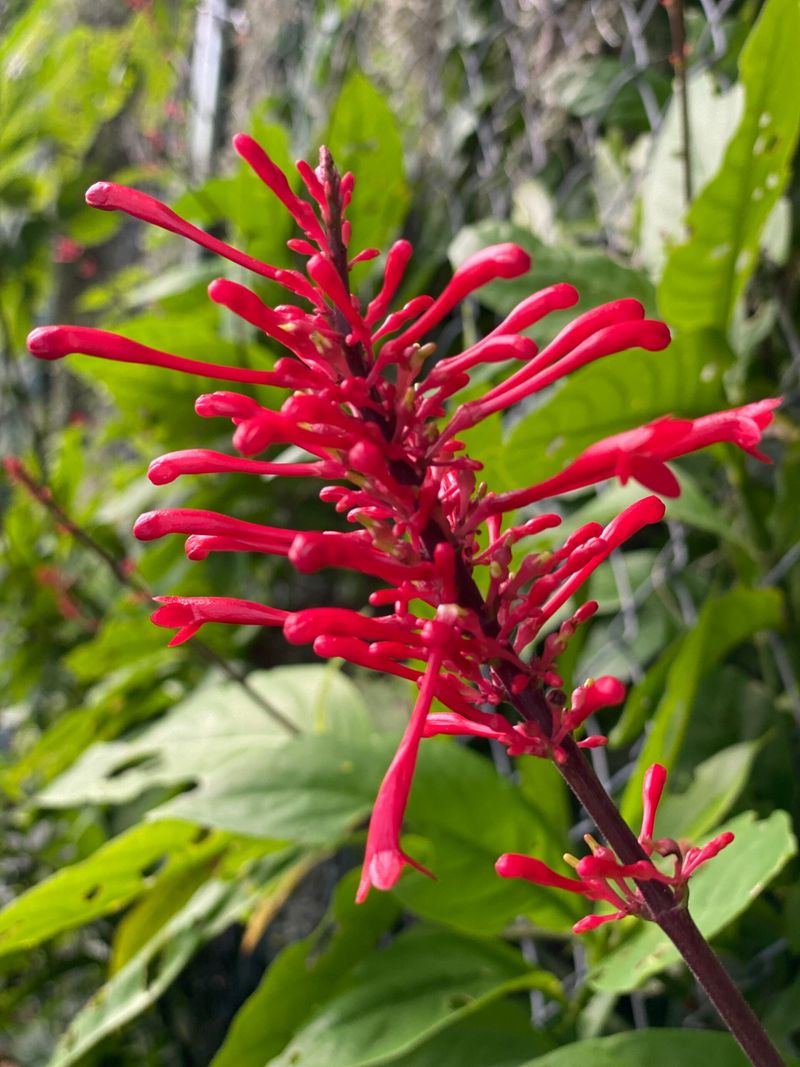
Firespike lives up to its dramatic name by producing tall spikes of vivid red tubular flowers that seem to glow in shaded garden corners. Hummingbirds are absolutely obsessed with it, and during migration season, a single Firespike plant can become a non-stop hummingbird feeding station.
Unlike many flowering plants, Firespike actually prefers partial to full shade, making it a perfect solution for those tricky dark spots in a Florida yard. It handles humidity beautifully and grows into a full, lush shrub over time.
Shell ginger
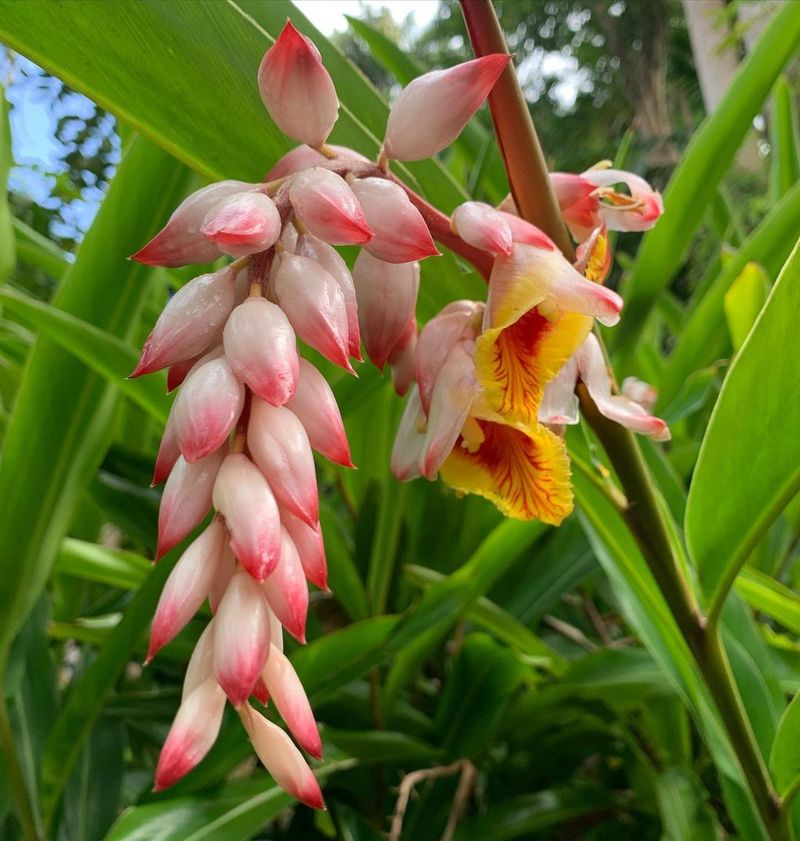
Shell ginger is the kind of plant that makes visitors to a Florida garden stop and ask, “What on earth is that?” Its large, glossy tropical leaves arch gracefully, and its drooping clusters of pink-and-white shell-shaped flowers are genuinely stunning up close.
Originally from Asia, Shell ginger is perfectly at home in Florida’s warm, humid climate. It grows in partial shade and spreads slowly into impressive clumps.
The leaves even release a pleasant gingery fragrance when brushed, adding an extra sensory layer to the garden experience.
Enjoyed this story?
Add Fast Food Club as a preferred source to see more of our reporting on Google.