


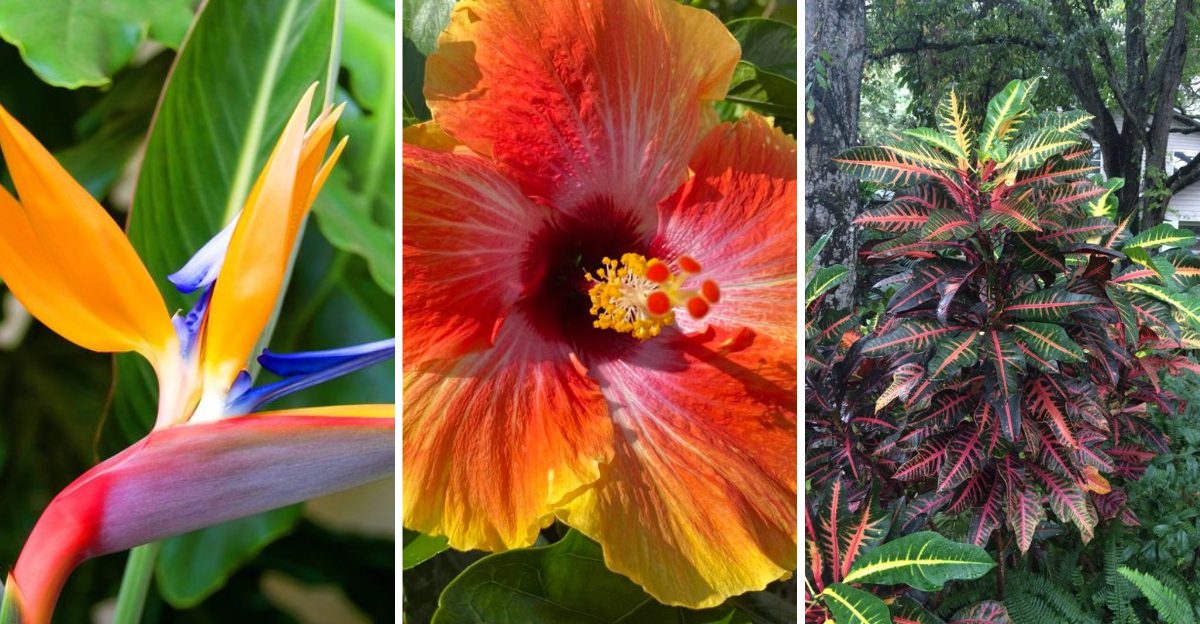
Florida is basically a tropical paradise, and the best part is that you can bring that lush, exotic look right into your own backyard. Whether you want bold colors, giant leaves, or flowers that look like they belong on a postcard, there are plenty of stunning plants that thrive in the Sunshine State.
You do not have to be an expert gardener to pull it off. These 22 plants look like they require a lot of work, but they are actually surprisingly easy to grow.
Bird of Paradise
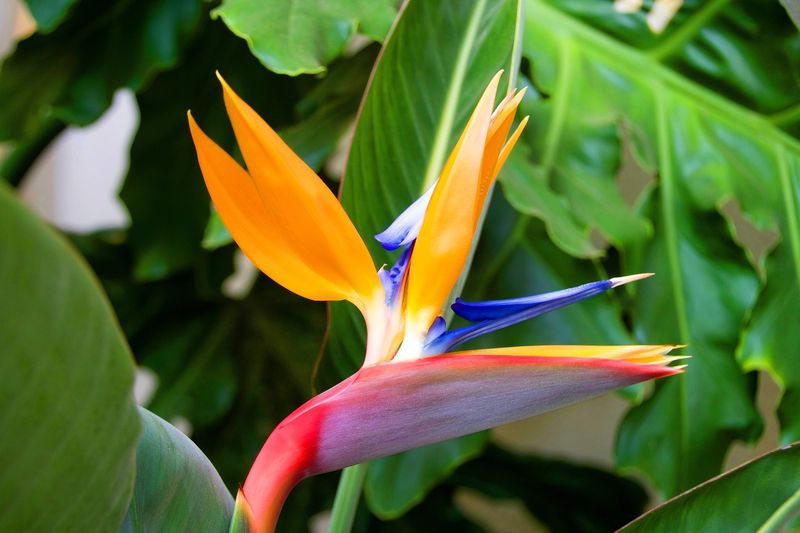
Few plants make a statement quite like the bird of paradise. Those bold orange and blue blooms look like something out of a nature documentary, yet this plant is remarkably low-maintenance in Florida’s warm climate.
Plant it in a sunny spot with well-draining soil and water it regularly until it gets established. After that, it practically takes care of itself.
It also works beautifully as a container plant on a patio or porch.
Hibiscus
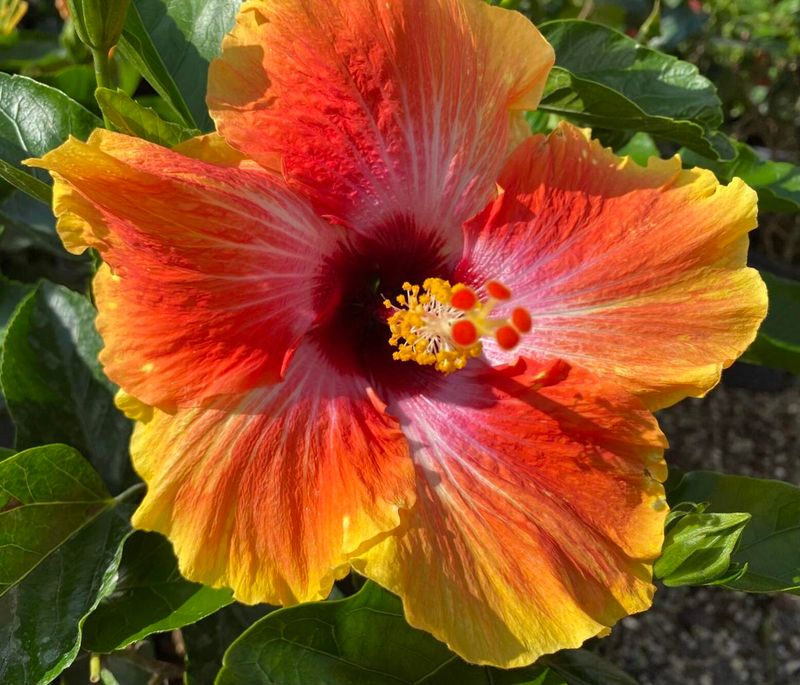
Hibiscus is practically the mascot of tropical gardening, and Florida is one of the best places in the country to grow it. The flowers come in every shade imaginable, from deep red to soft peach, and they bloom almost year-round in warmer zones.
Tropical hibiscus loves full sun and regular watering. A little fertilizer goes a long way in keeping those blooms coming.
It also attracts hummingbirds and butterflies, making your yard feel alive.
Croton
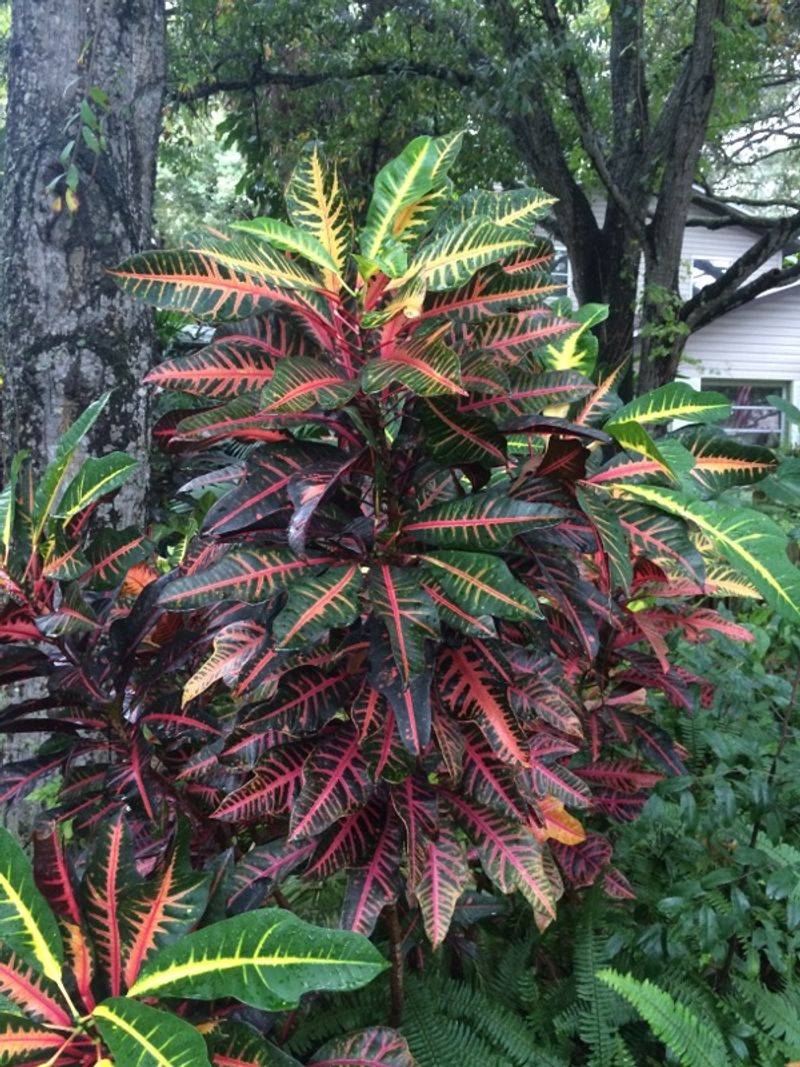
If you want a plant that looks like it was painted by an artist, croton is your answer. The leaves come in wild combinations of yellow, orange, red, and green, making it one of the most eye-catching plants you can grow in Florida.
Croton thrives in full sun to partial shade and handles Florida’s heat and humidity like a champ. The more sunlight it gets, the more vivid those colors become.
It is a fantastic choice for borders or container gardens.
Ti Plant
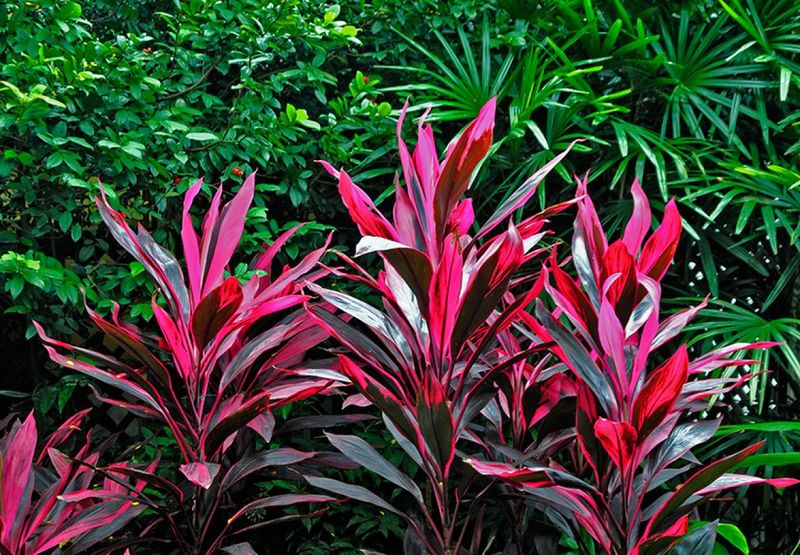
The ti plant has been considered a symbol of good luck in Hawaiian and Polynesian culture for centuries, and it brings serious tropical drama to any Florida garden. Its long, arching leaves come in shades of deep red, purple, green, and pink.
It grows well in full sun or partial shade and handles Florida’s rainy season without complaint. Once established, it needs very little attention.
Plant a few together for a bold, lush privacy screen that neighbors will definitely notice.
Areca Palm
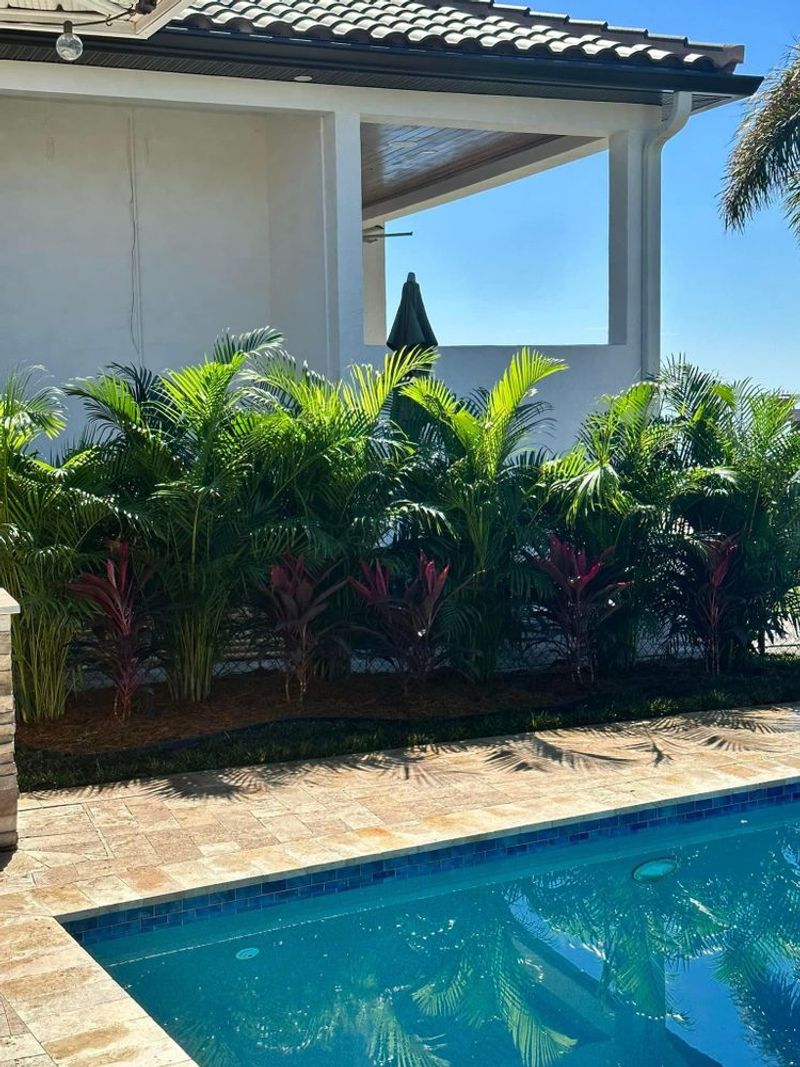
Want to feel like you are relaxing at a resort without leaving home? The areca palm delivers that vibe instantly.
Its feathery, golden-green fronds sway gently in the breeze, and it grows quickly enough to create real privacy in just a couple of seasons.
Areca palms love full sun and moist, well-draining soil. They are also one of the best air-purifying plants around, which is a bonus if you keep them indoors too.
Florida’s climate is basically their dream home.
Lady Palm
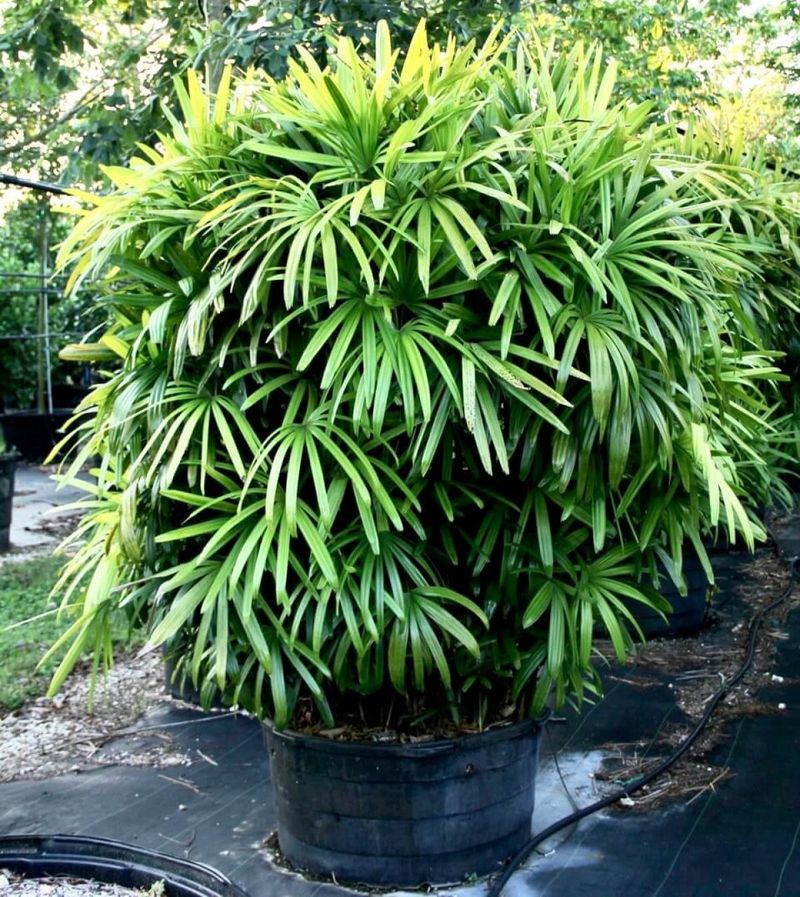
Not every corner of a Florida yard gets blazing sunshine, and that is exactly where the lady palm shines. This elegant, slow-growing palm tolerates shade better than almost any other palm variety, making it perfect for covered patios, entryways, or dense garden beds.
Lady palms are also surprisingly cold-tolerant compared to other tropical palms, which means they hold up well even during Florida’s occasional chilly nights. They stay neat and compact, rarely needing pruning.
It is a low-drama plant with high-style results.
Philodendron
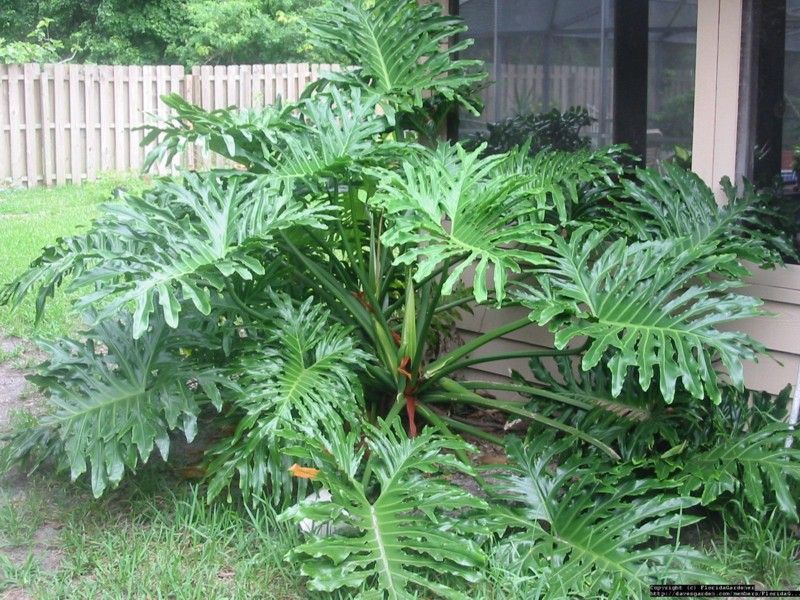
Philodendrons are practically bulletproof in Florida, and they bring that deep jungle energy to any shaded corner of your yard. The glossy, heart-shaped leaves grow large and lush in humid conditions, which Florida has in abundance.
You can grow them in the ground as a sprawling ground cover or let them climb a trellis for a vertical tropical look. They prefer indirect light and consistent moisture.
Honestly, they are one of the easiest plants you can grow here, indoors or out.
Monstera
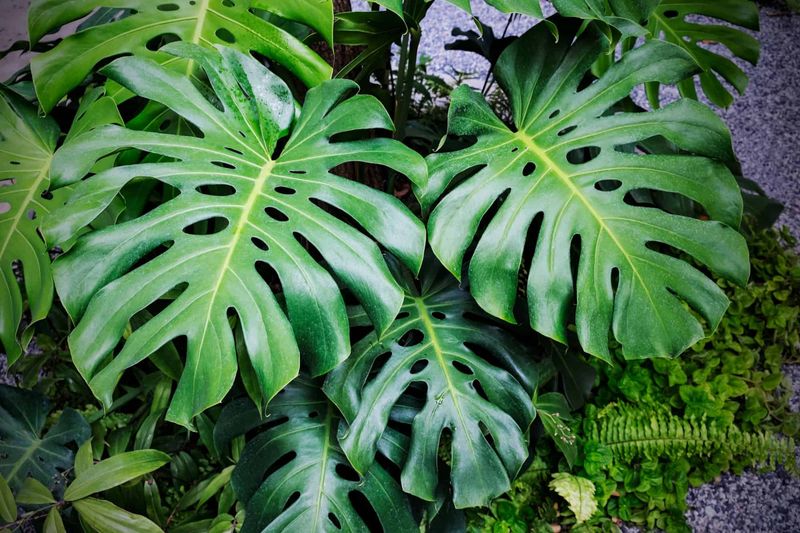
Social media made monstera famous, but Florida gardeners have known about this showstopper for years. Those dramatic, split leaves give any space an instant jungle makeover, and the plant grows surprisingly fast when it is happy and warm.
Monstera does best in bright, indirect light and well-draining soil. In Florida, it can grow outdoors year-round in most zones, reaching sizes indoors plants could never dream of.
Give it a sturdy support to climb and watch it go absolutely wild.
Shell Ginger
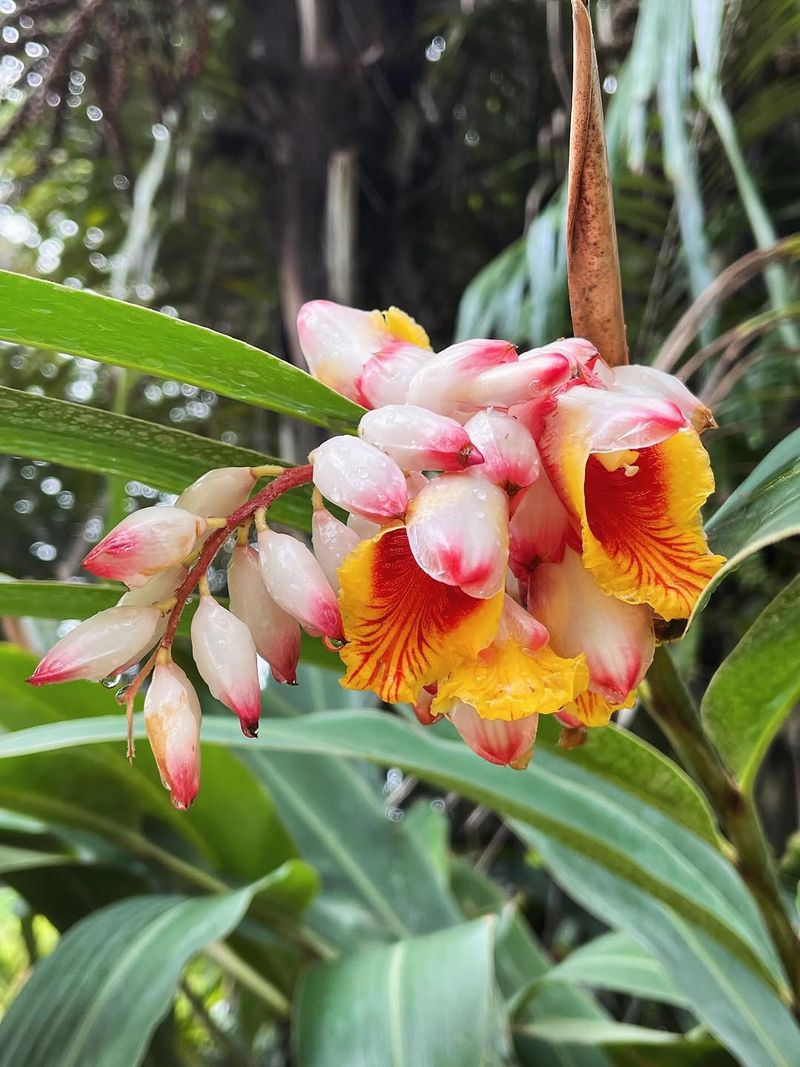
Shell ginger is one of those plants that makes people stop and stare. The drooping clusters of white and pink flowers look like tiny porcelain shells, and the fragrance is light and sweet.
It is genuinely one of Florida’s most underrated tropical plants.
It grows best in partial shade with regular watering and rich, organic soil. Once established, it spreads into beautiful clumps that fill in garden beds naturally.
The large, glossy leaves also add texture even when the plant is not in bloom.
Variegated Ginger
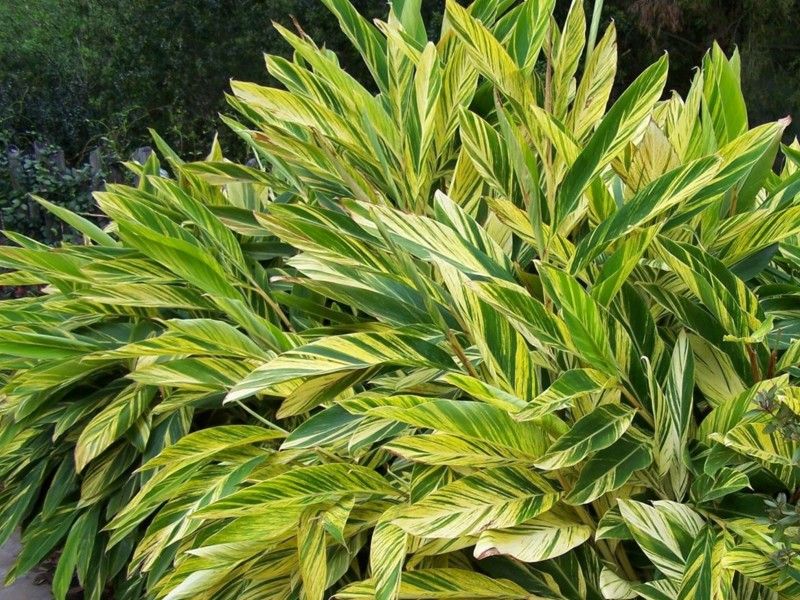
Variegated ginger is like the shell ginger’s flashier cousin, and it earns every bit of attention it gets. The leaves are boldly striped in green and creamy white, creating a pattern so vivid it almost looks artificial.
It thrives in partial shade, which makes it ideal for spots under trees or along shaded fence lines. Regular moisture and good mulching keep it looking lush all year long.
Because it spreads gradually, it fills in bare spots in the landscape without becoming invasive or overwhelming.
Cordyline
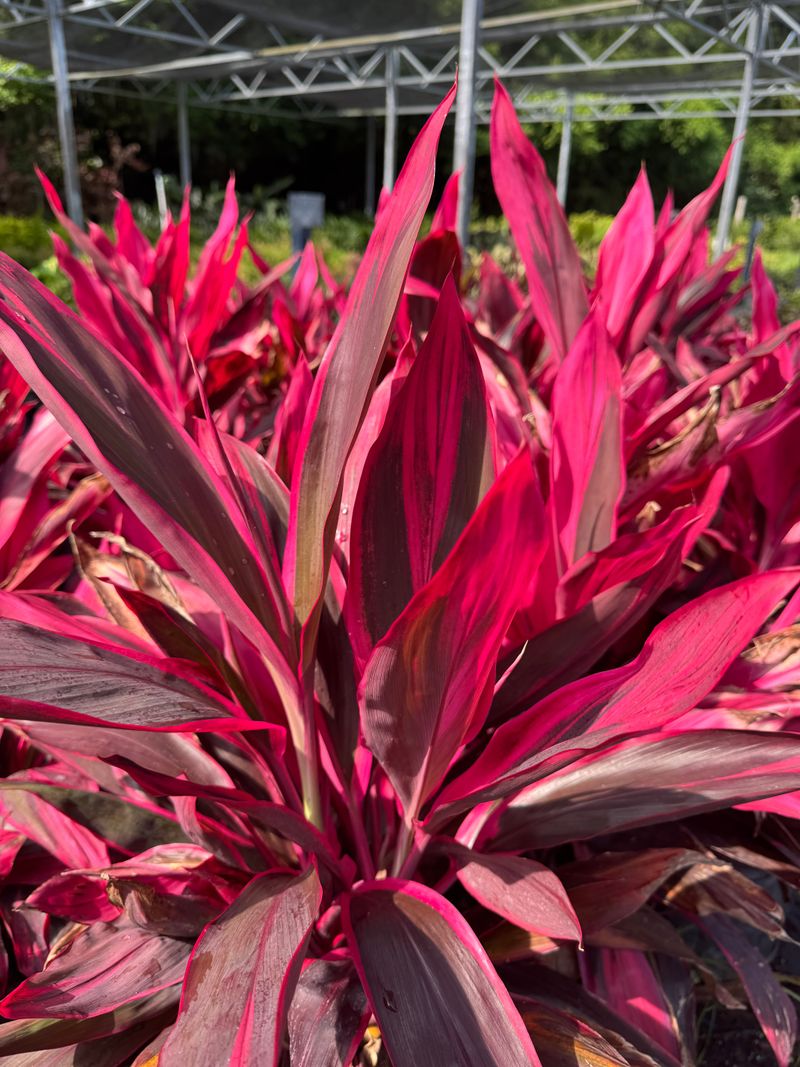
Sometimes called the Hawaiian ti plant or cabbage palm, cordyline is a versatile tropical beauty that fits into almost any Florida landscape. The upright, sword-shaped leaves come in rich shades of purple, red, pink, and green, adding bold color without flowers.
Full sun brings out the most vibrant leaf colors, though it handles partial shade well too. Cordyline is drought-tolerant once established and rarely suffers from serious pest problems.
It works great as a focal point in a mixed bed or as a striking container plant.
Elephant Ear
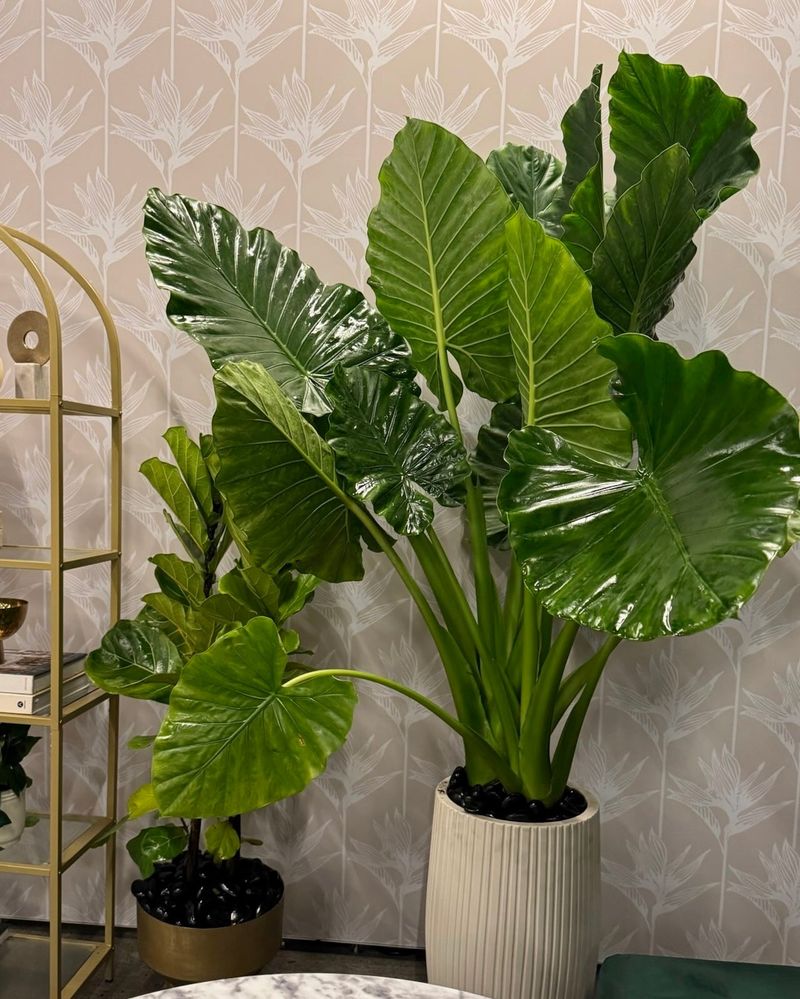
There is something almost prehistoric about elephant ears. Those enormous, heart-shaped leaves can grow several feet across, turning an ordinary backyard into something that feels wild and untamed.
They love Florida’s heat and moisture, especially near water features or in low-lying areas.
Elephant ears grow fast and make a huge visual impact in a short amount of time. They prefer partial shade to prevent leaf scorch and need consistent watering.
Black or purple-leafed varieties add an especially dramatic, moody look to tropical garden designs.
Cannas
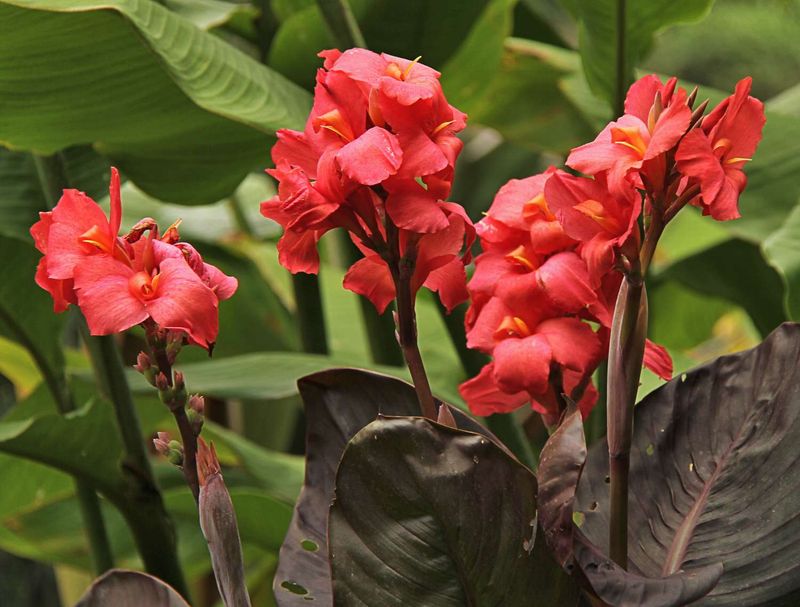
Cannas bring the heat in every sense of the word. The bold, tropical-looking flowers in fiery reds, oranges, and yellows shoot up on tall stalks, and the broad, paddle-shaped leaves look lush and full even between bloom cycles.
They thrive in full sun and love Florida’s warm, humid summers. Plant the rhizomes in rich soil and they will multiply year after year without much fuss.
Cannas also work well in containers or near water features, making them one of Florida’s most flexible garden plants.
Bromeliads
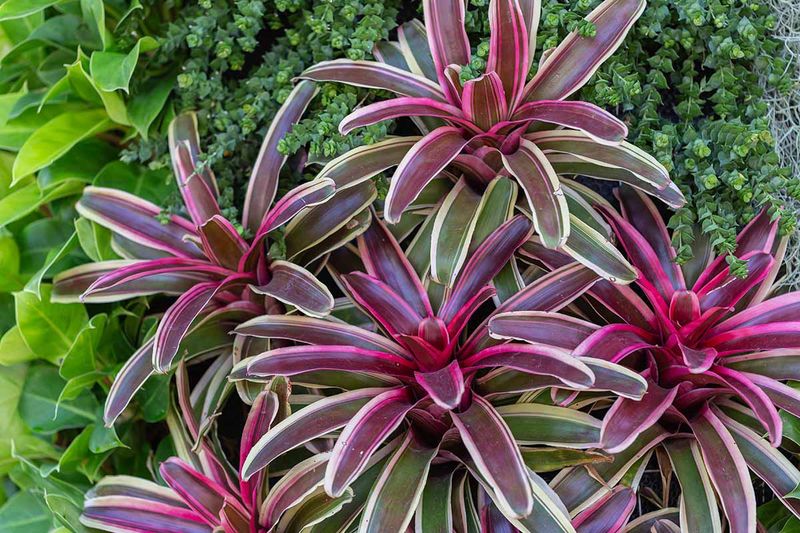
Bromeliads are like little works of art tucked into the garden. Their rosette shapes and vivid colors in hot pink, electric red, and sunny orange make them look exotic, yet they are among the easiest plants to grow anywhere in Florida.
Most bromeliads prefer bright, indirect light and need very little soil or fertilizer. Many varieties are epiphytic, meaning they can even grow mounted on trees or driftwood.
They also hold water in their central cup, which means they are surprisingly forgiving if you forget to water occasionally.
Plumeria
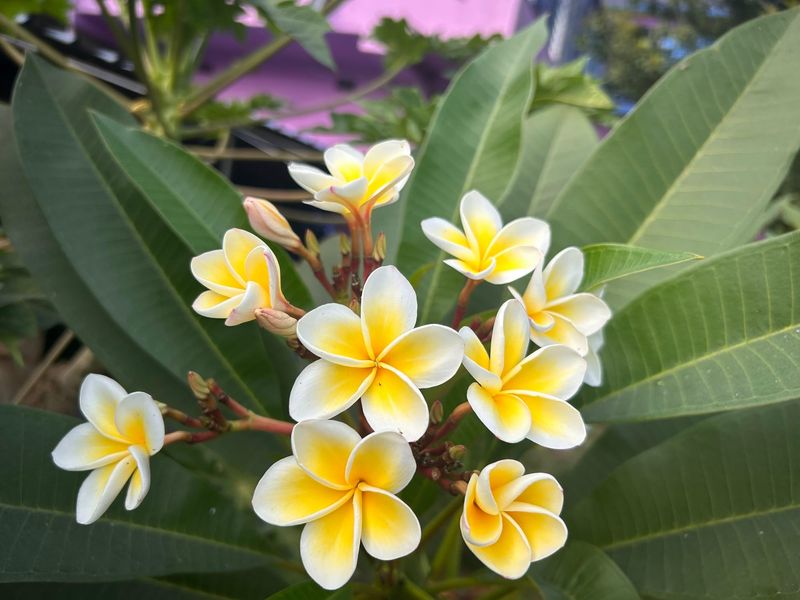
One whiff of a plumeria flower and you are mentally transported to a Hawaiian beach. These iconic tropical trees produce clusters of waxy, intensely fragrant flowers in white, yellow, pink, and red, and they perform beautifully in Florida’s sunny climate.
Plumeria loves heat and full sun, and it actually prefers to dry out between waterings, so it is forgiving for gardeners who sometimes forget. The branches are bare in winter but burst back to life with flowers every spring.
Growing one feels like a genuine tropical reward.
Heliconia
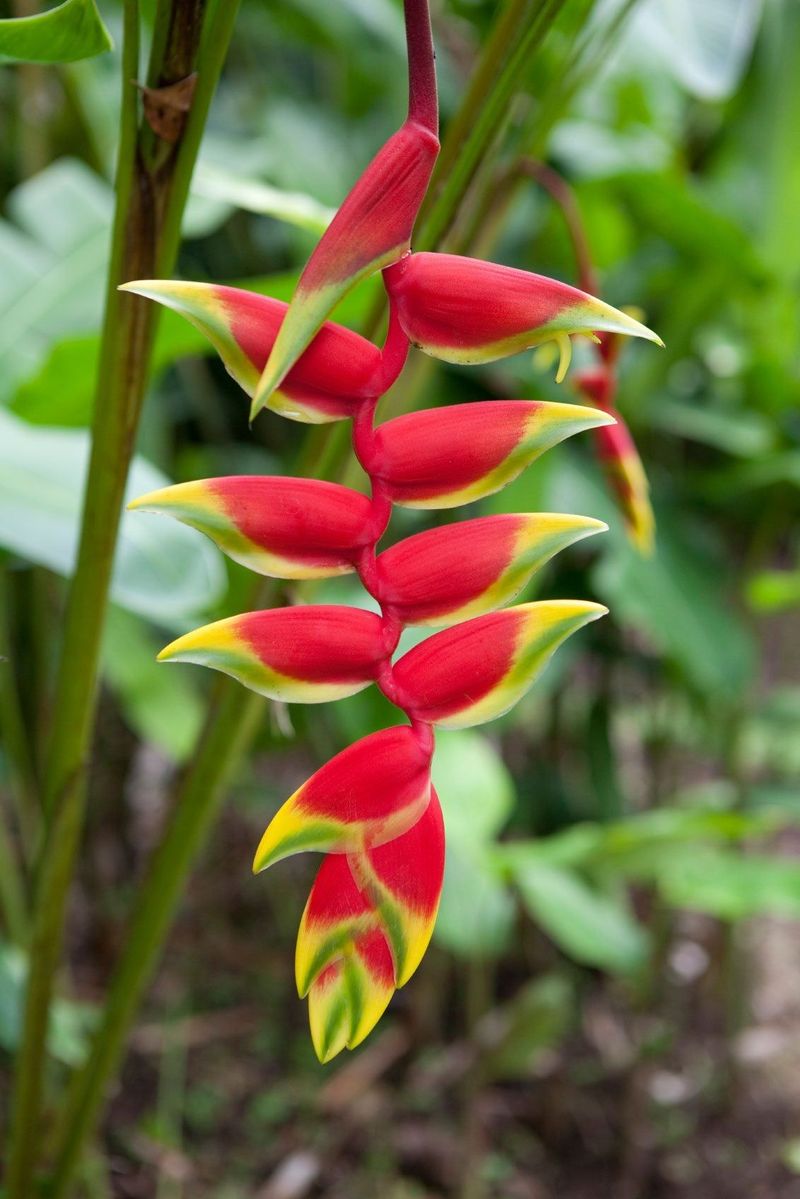
Heliconia is the plant that makes people pull over and take photos. The waxy, lobster-claw-shaped flower bracts in blazing reds, yellows, and oranges look almost too vivid to be real, and they last for weeks as cut flowers too.
It grows best in partial shade with rich, moist soil and plenty of humidity, which Florida provides naturally. Heliconia spreads by underground rhizomes, so it fills in beautifully over time.
Hummingbirds absolutely love it, so plant a clump near a window and enjoy the wildlife show.
Jatropha
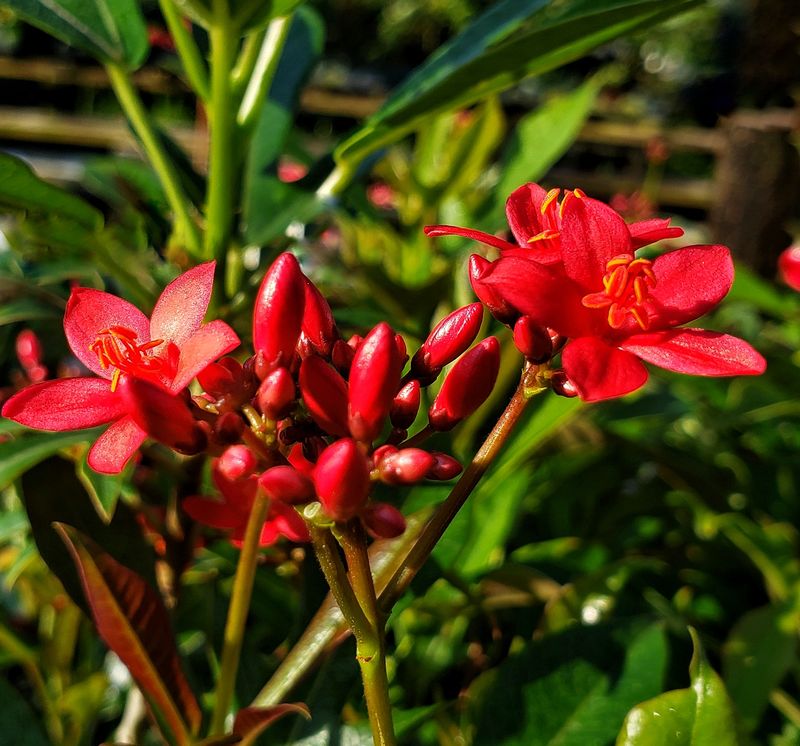
Jatropha does not get nearly enough credit in Florida gardens, and that is a shame. This underrated tropical shrub produces cheerful clusters of tiny, coral-red flowers nearly year-round, and it handles heat, drought, and poor soil far better than most plants.
It grows quickly into a rounded, attractive shrub that works well as a standalone specimen or mixed into a tropical border. Butterflies and hummingbirds visit the flowers regularly.
Give it full sun and well-draining soil, and jatropha will basically reward you with blooms nonstop.
Firespike
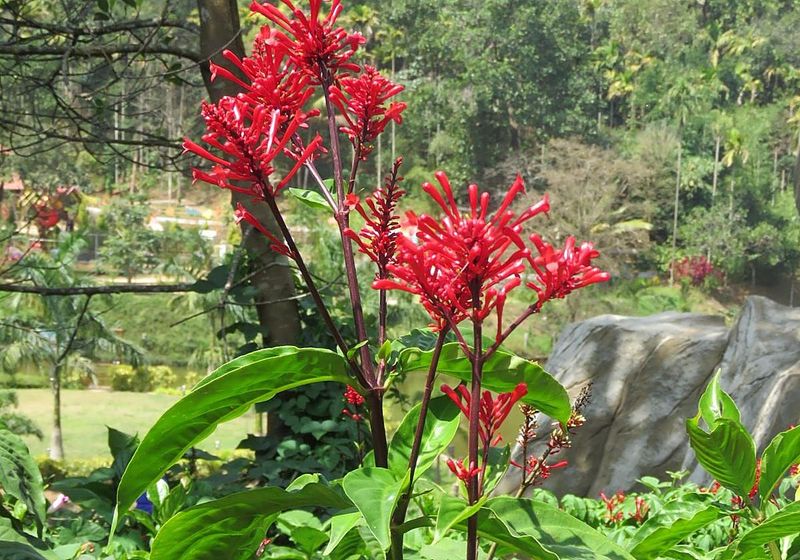
Firespike earns its name with those long, blazing red flower spikes that shoot up like flames from the foliage. It is one of the best plants you can grow in Florida if you want to attract hummingbirds and butterflies without putting in much effort.
It thrives in partial shade to full sun and tolerates both wet and dry conditions once established. Firespike blooms heavily in fall and winter when most other plants are quiet, making it an invaluable source of color and wildlife activity during the cooler months.
Ixora
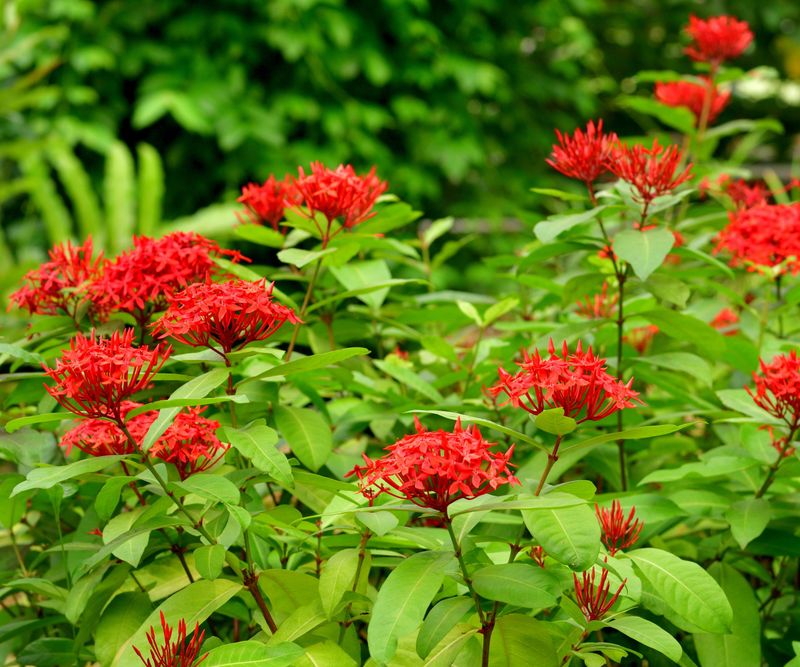
Ixora is a Florida landscape staple for good reason. Those tight, rounded clusters of tiny flowers in brilliant orange, red, yellow, and pink bloom almost continuously in warm weather, giving hedges and borders a constant pop of tropical color.
It loves full sun and slightly acidic soil, which is common throughout much of Florida. Regular fertilizing with an acidic fertilizer keeps the foliage dark green and the flowers coming strong.
Ixora also makes an excellent low hedge or foundation planting, staying neat with minimal pruning needed.
Selloum Philodendron
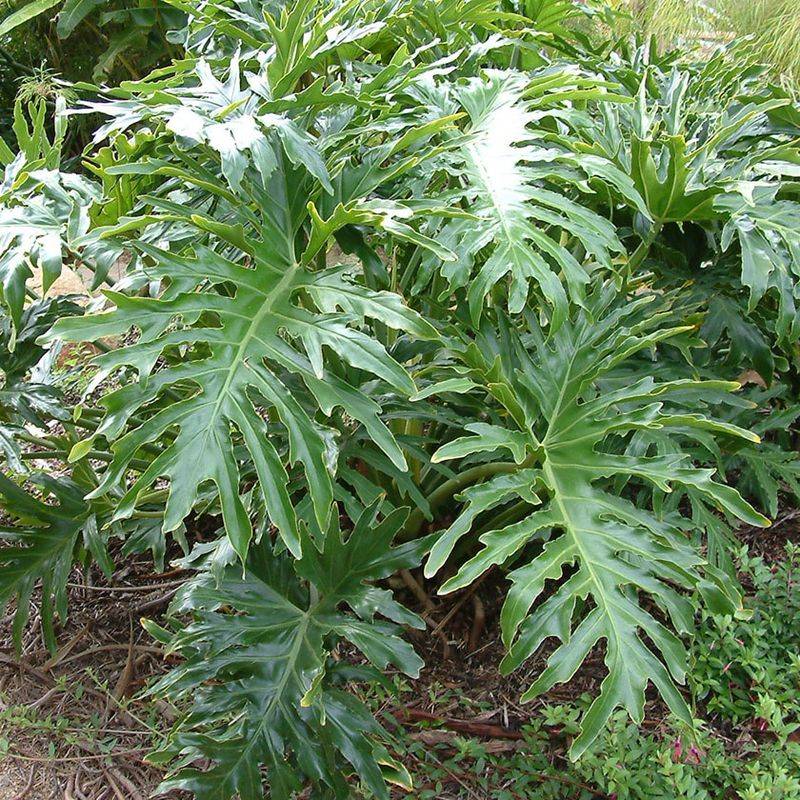
The selloum philodendron is what happens when a houseplant decides to go big. Outdoors in Florida, this beauty transforms from a modest pot plant into a sprawling, dramatic landscape specimen with deeply lobed leaves that can span several feet across.
It grows in sun or shade and tolerates brief dry spells once established. The deeply ruffled leaf edges give it a sculptural, almost architectural quality that pairs well with palms and other tropical plants.
Over time, it develops a thick, textured trunk that adds even more character.
Dwarf Palmetto
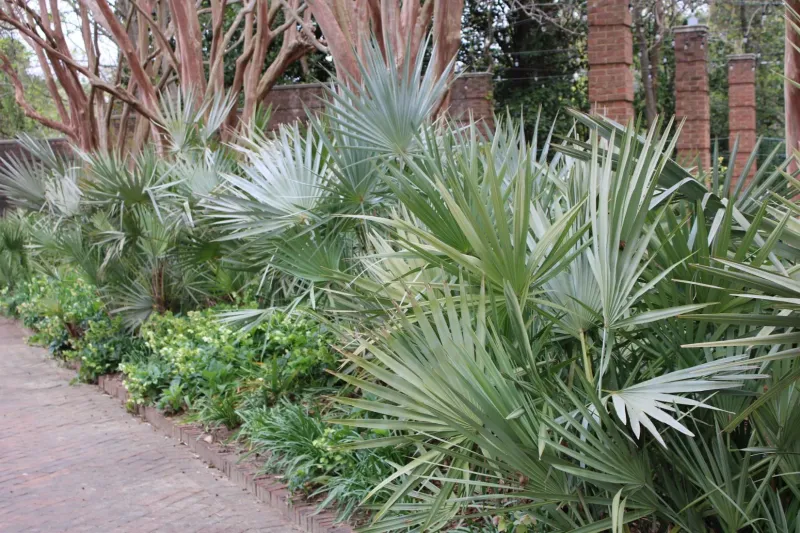
Florida actually has its own native palms, and the dwarf palmetto is one of the toughest and most beautiful of the bunch. Its fan-shaped, blue-green fronds grow in a low, spreading clump that looks naturally tropical without any fuss or maintenance.
Because it is native, it is perfectly adapted to Florida’s sandy soils, summer rains, and drought periods. It rarely needs fertilizing or irrigation once established.
Wildlife loves it too, since birds and small animals use the dense fronds for shelter. Planting natives is always a smart choice.
Coontie
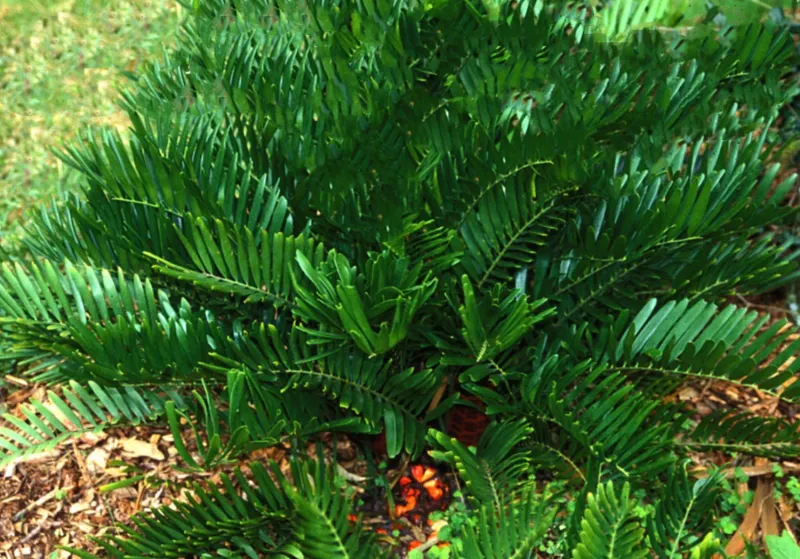
Coontie might just be Florida’s most ancient garden plant. This tough little cycad is actually a prehistoric species that has been growing in Florida for thousands of years, and it looks like a miniature palm or fern with its glossy, dark green fronds.
It thrives in full sun to deep shade and handles drought, poor soil, and even occasional flooding without complaint. Coontie is also the only host plant for the Florida atala butterfly, which makes planting it an act of conservation.
Small plant, enormous ecological impact.
Enjoyed this story?
Add Fast Food Club as a preferred source to see more of our reporting on Google.