


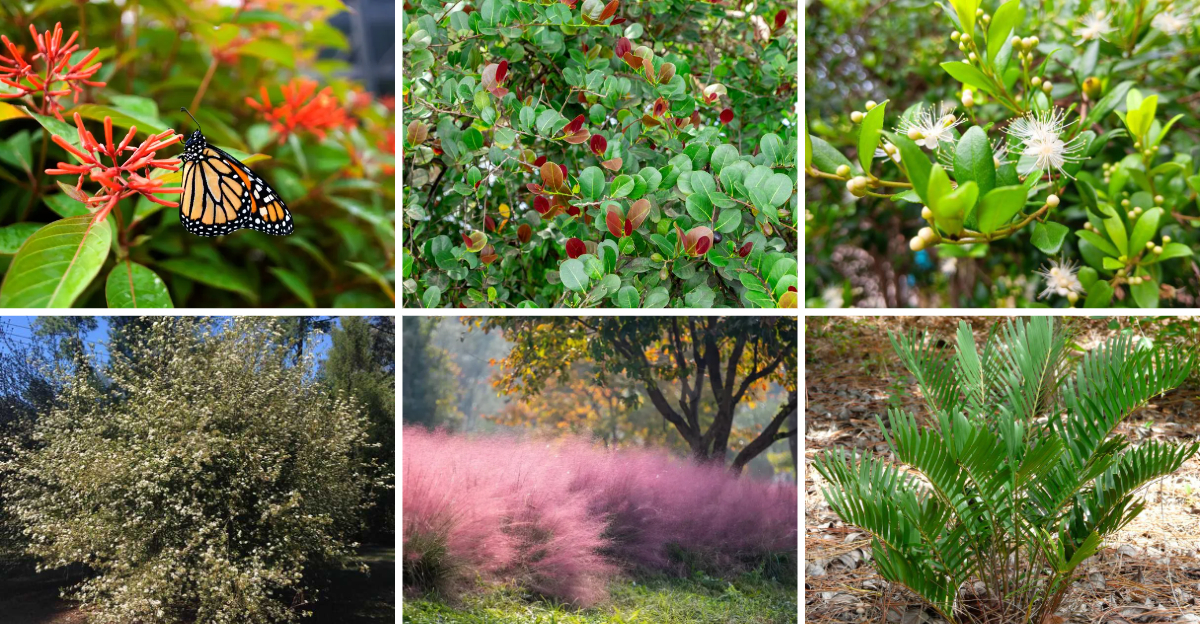
Florida rain can turn a tidy garden into a soggy mess overnight, but the right plants recover like they were built for it. If you deal with downpours, standing water, splashy storms, and sudden humidity spikes, choosing resilient shrubs, flowers, grasses, and groundcovers makes all the difference.
These plants are the ones I would keep on a short list when you want color, structure, and low drama after a heavy soaking. Use them to build a garden that looks refreshed instead of flattened after the clouds clear.
Firebush
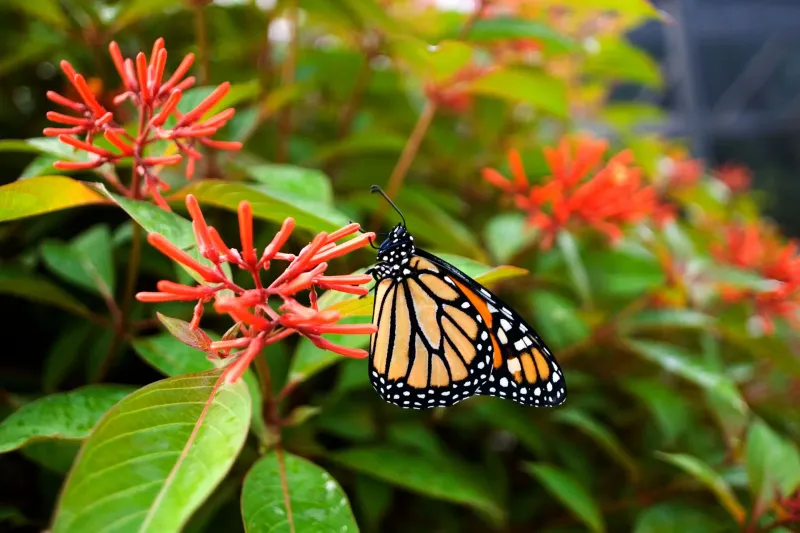
Firebush is one of those Florida plants that seems to enjoy a storm more than resent it. After heavy rain, its flexible stems and glossy leaves usually perk back up quickly, and the orange-red blooms keep hummingbirds and butterflies interested.
You can use it as a loose hedge, backdrop shrub, or wildlife-friendly accent in a sunny bed. It handles heat, humidity, and seasonal downpours without needing constant fuss, which makes it a dependable choice for busy gardeners.
Give firebush well-drained soil when possible, but do not panic if it gets soaked during summer rains. A light pruning after flushes of growth keeps it shapely, full, and ready for the next round of Florida weather.
Cocoplum
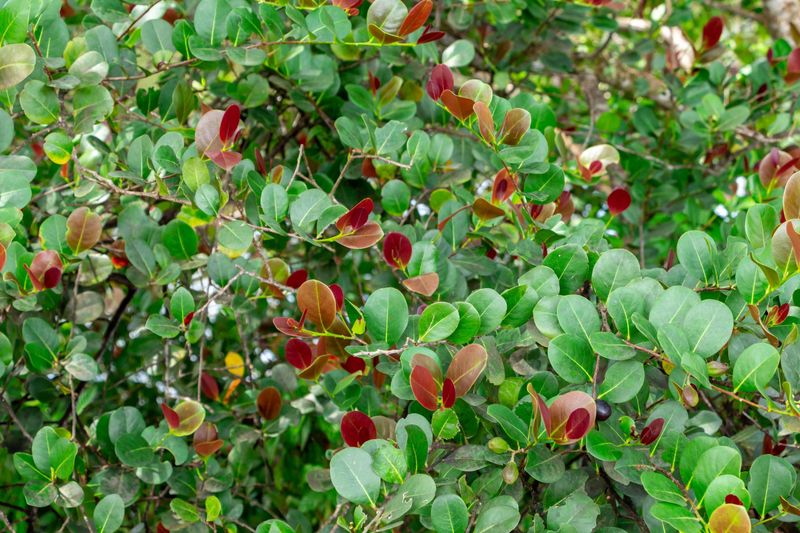
Cocoplum is a strong, handsome shrub that works beautifully when your garden needs structure after a hard rain. Its thick, rounded leaves shed water well, and the plant rarely looks battered for long once the storm has passed.
You can grow cocoplum as a hedge, screen, foundation shrub, or informal border. It tolerates salt, humidity, wind, and periodic wet conditions, especially once established, which makes it useful in many coastal and inland Florida landscapes.
The reddish new growth adds color even when flowers are not the main attraction. Trim it for a crisp look, or let it grow naturally for a softer, wildlife-friendly planting that bounces back with impressive patience.
Simpson’s stopper
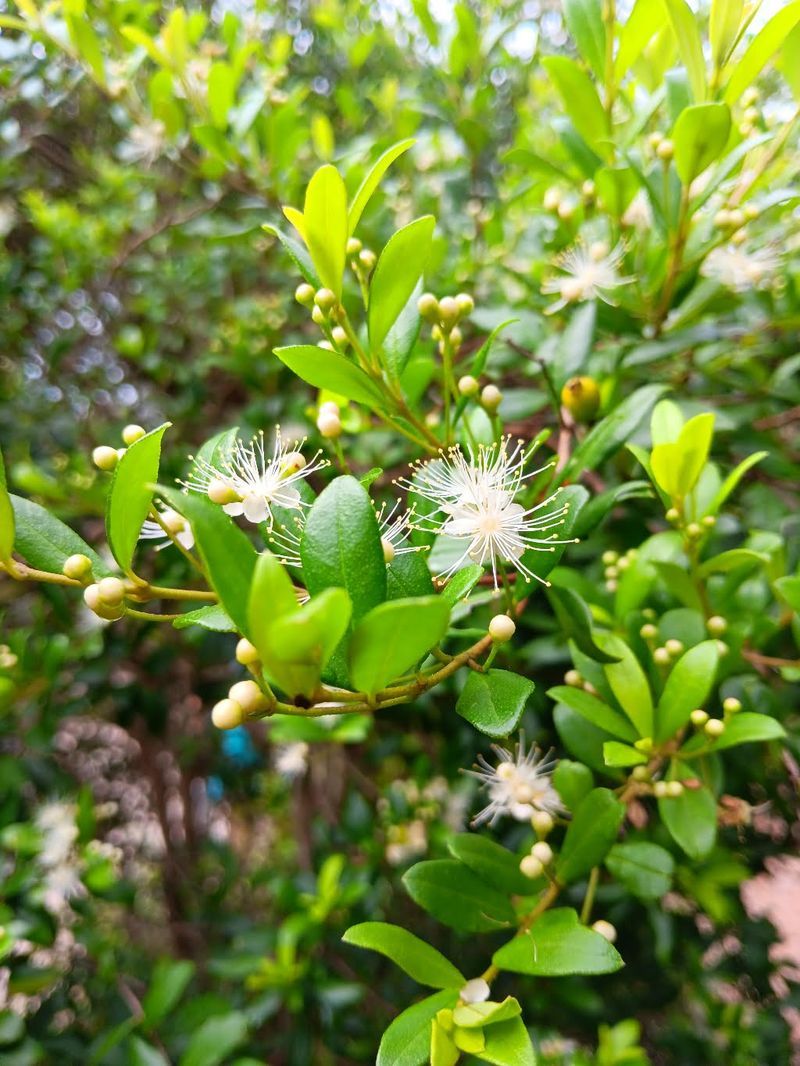
Simpson’s stopper is a Florida native shrub that keeps its composure when the weather gets loud and wet. Heavy rain may rinse it clean, but it usually rebounds fast with glossy foliage, delicate white flowers, and colorful berries.
This plant is a smart pick if you want beauty without a high-maintenance routine. It can be grown as a small tree, hedge, or mixed border shrub, and it supports birds and pollinators in a natural way.
Plant it in sun or partial shade, then let it settle in with regular water at first. Once established, Simpson’s stopper handles typical Florida rain patterns gracefully and brings a quiet, polished look to storm-tested gardens.
Walter’s viburnum
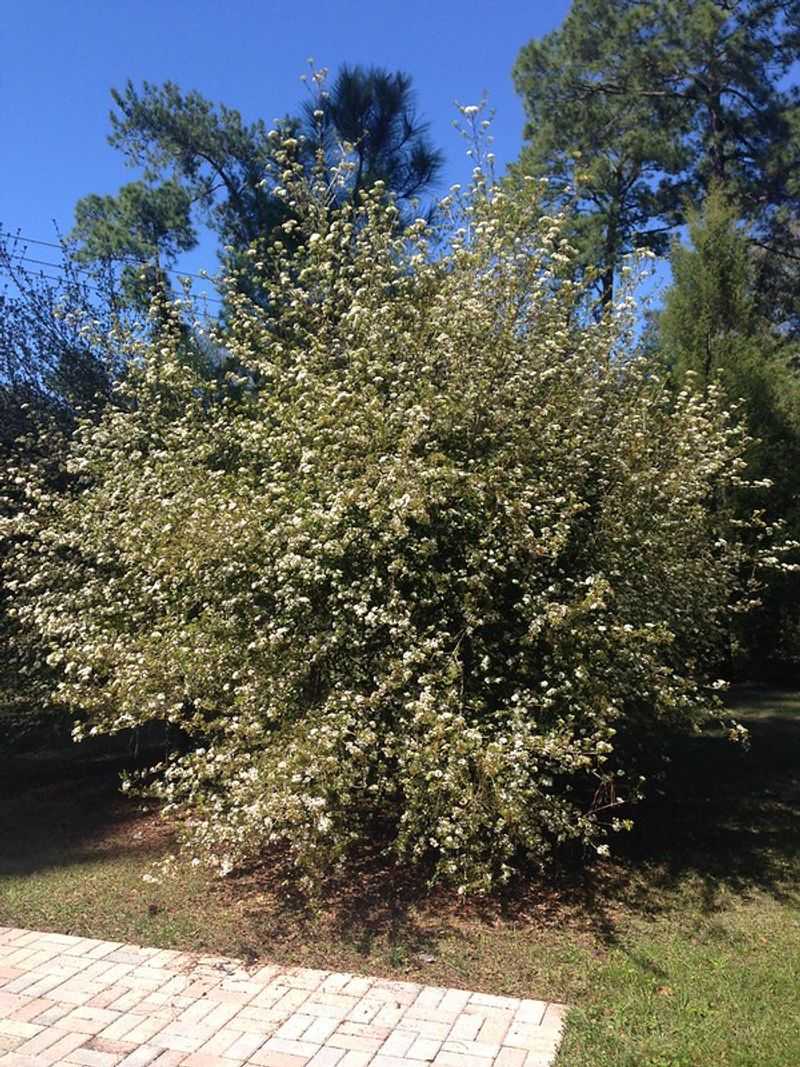
Walter’s viburnum is a dependable native shrub that feels right at home in Florida’s wet seasons. After a downpour, its dense branching and small leaves tend to recover neatly, so the garden still looks intentional.
You can keep it clipped as a formal hedge or let it grow into a looser wildlife shrub. It offers white flowers, berries for birds, and year-round greenery, giving you more than simple rain resilience.
Walter’s viburnum prefers moist, well-drained soil, but it can manage brief soggy periods better than many fussier ornamentals. Use it where you want privacy, habitat, and structure that does not collapse every time summer storms roll through.
Muhly grass
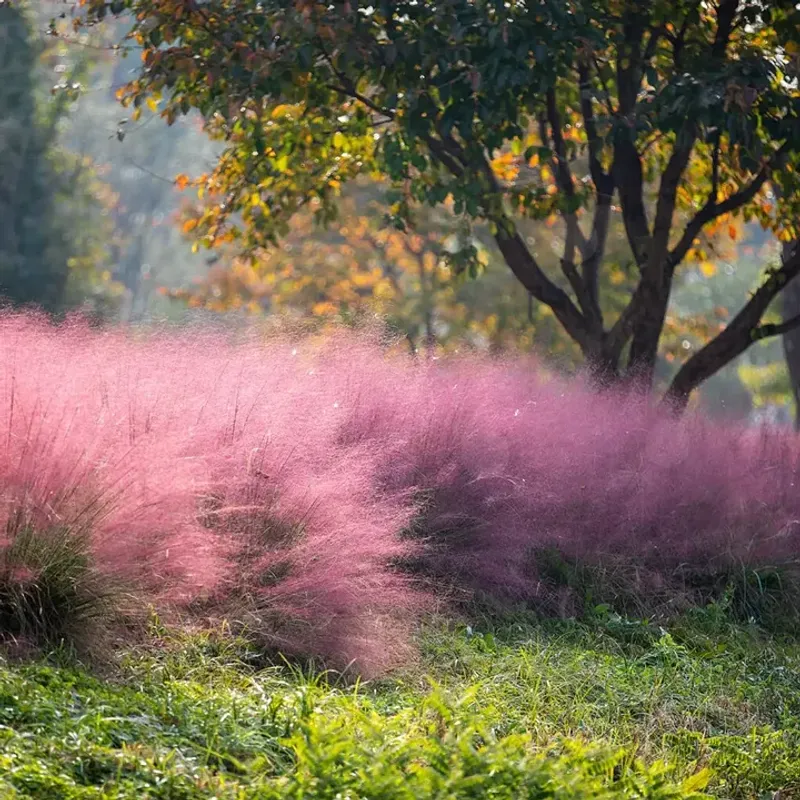
Muhly grass is a graceful choice when you want movement, texture, and quick recovery after heavy rain. Its fine blades may bend during a storm, but the clumps usually spring back and dry with a soft, airy look.
In fall, the pink plumes create that dreamy haze gardeners love, especially when sunlight catches leftover raindrops. Muhly grass is also drought tolerant once established, so it can handle Florida’s swing between soaking wet and blazing dry.
Plant it in full sun with good air circulation for the best shape. Avoid crowding it too tightly, and cut it back seasonally so fresh growth returns clean, upright, and ready for another rainy stretch.
Coontie
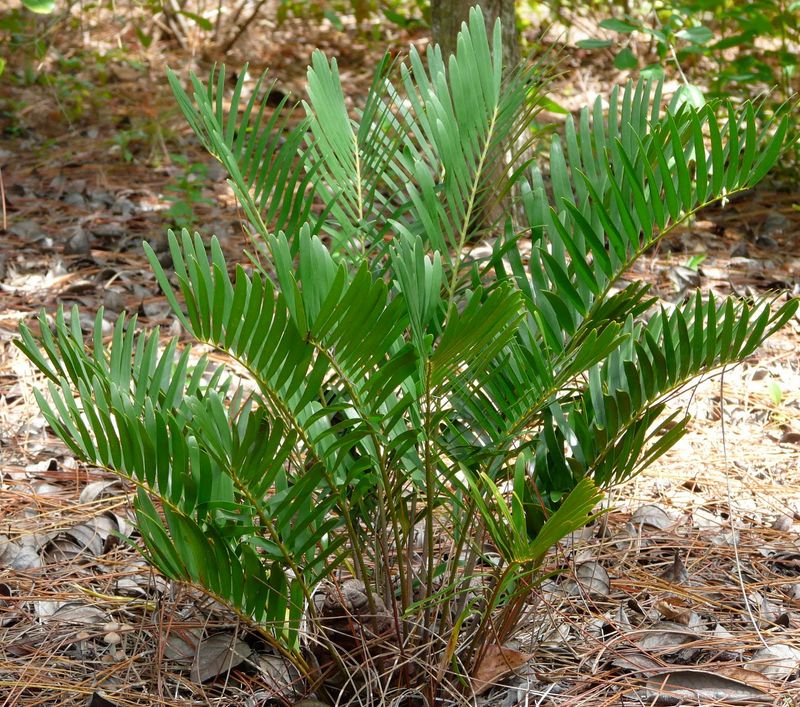
Coontie is a tough Florida native that brings a lush, fernlike look without acting delicate. Heavy rain can wash over the stiff, arching fronds, and the plant generally looks fresh again as soon as the water drains.
It works well in foundation beds, shade gardens, palm understories, and native plantings where you need low-growing structure. Coontie is also famous as a host plant for the atala butterfly, adding real wildlife value.
Give it well-drained soil and avoid burying the crown too deeply. Once established, it handles heat, humidity, and ordinary storm cycles with very little attention, making it a reliable anchor for Florida gardens that get soaked often.
Society garlic
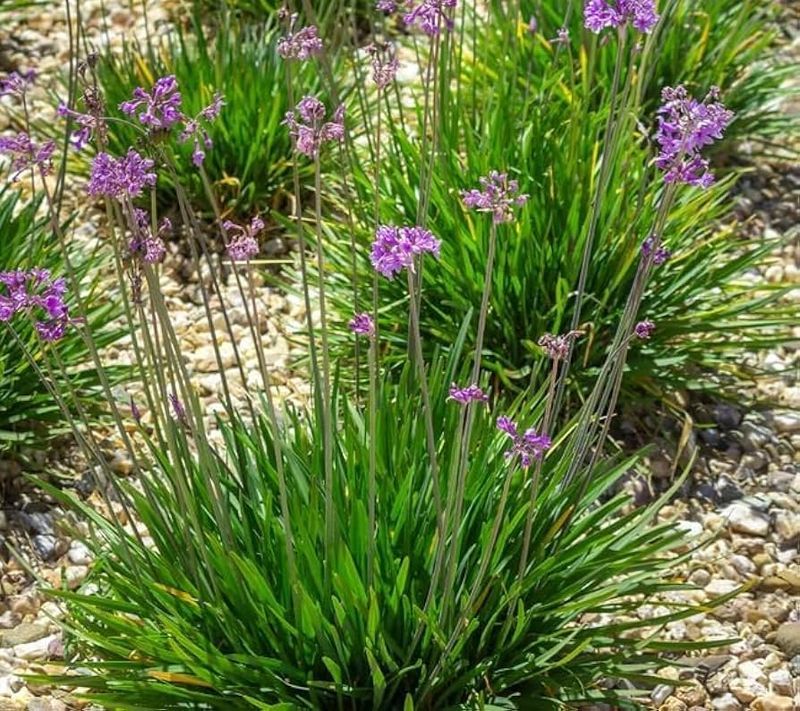
Society garlic is a cheerful, practical perennial that keeps blooming through plenty of Florida weather. After heavy rain, the narrow leaves drain quickly, and the purple flower clusters often stand back up with little help.
You can tuck it along walkways, borders, herb gardens, and sunny mixed beds for a tidy, repeat-blooming accent. The garlic scent may even help deter some nibbling pests, though you will still want good garden habits.
It prefers sun and well-drained soil, but short wet spells usually do not ruin it. Divide clumps when they get crowded, trim tired stalks, and you will have a resilient plant that gives color without demanding constant rescue.
Bulbine
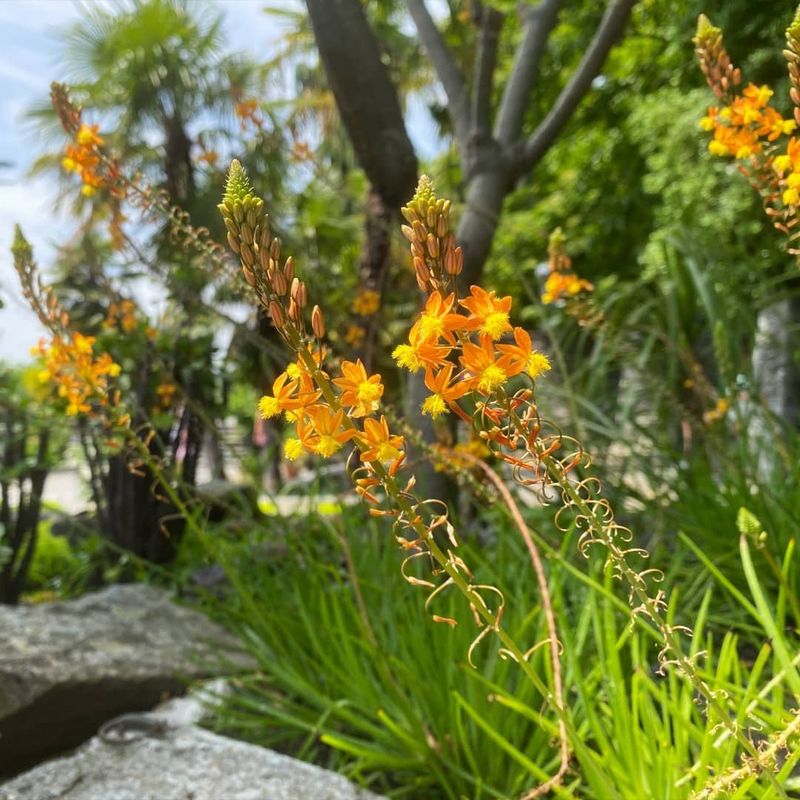
Bulbine is a sunny, low-growing perennial that handles Florida’s quick weather changes surprisingly well. Its succulent foliage stores moisture, while the slender flower stalks usually recover after rain instead of staying flattened and sad.
The yellow or orange blooms appear over a long season, making it useful near paths, rock gardens, borders, and dry-looking beds that still get drenched in summer. It pairs nicely with grasses, coontie, and other easy-care plants.
Bulbine likes good drainage, so avoid planting it where water sits for days. If rain makes it sprawl, a simple trim freshens it fast, and the plant usually responds with new growth and more bright flowers.
Porterweed
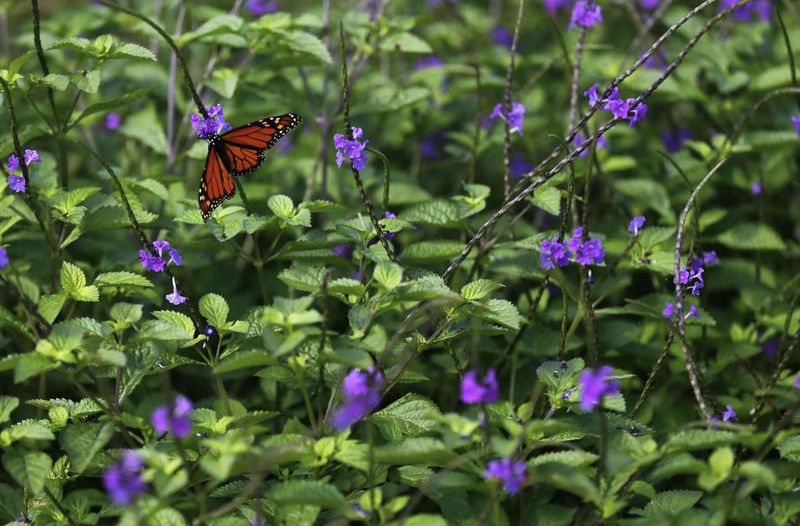
Porterweed is a butterfly magnet that does not sulk for long after a Florida downpour. Its leafy stems may bend under heavy water, but new growth comes quickly, and the flower spikes keep drawing pollinators.
You can use blue porterweed or native species in sunny butterfly gardens, informal borders, and wildlife corners. It has a relaxed shape, so it looks best where a natural, slightly loose planting style feels welcome.
Give porterweed sun, decent drainage, and occasional pruning to keep it full rather than leggy. After storms, remove broken stems if needed, then let the plant do what it does best: rebound, bloom, and feed butterflies.
Plumbago
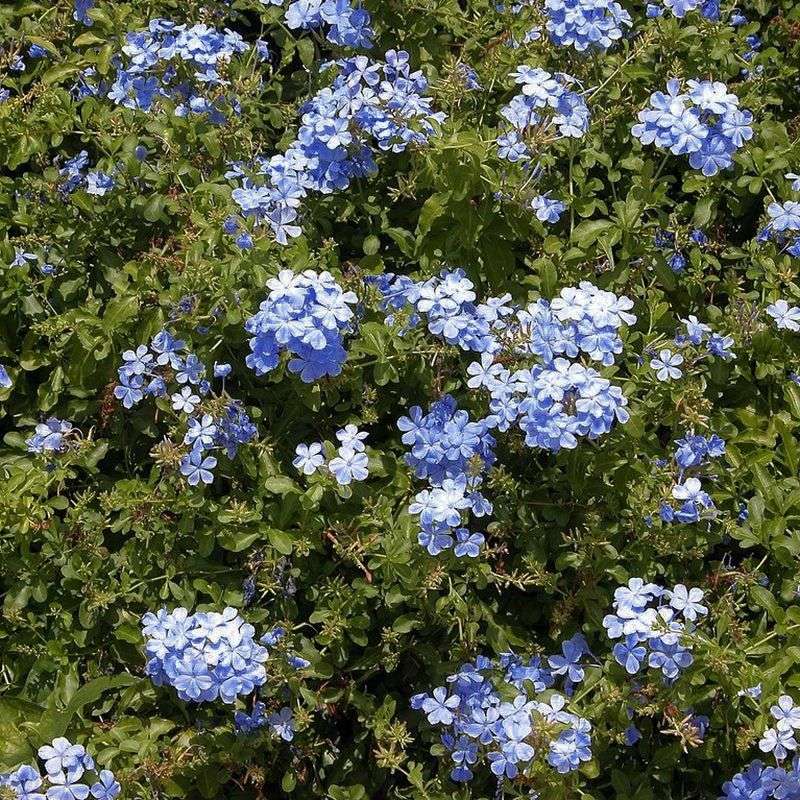
Plumbago brings soft blue color to Florida gardens and usually recovers nicely after rain. The loose stems may look messy right after a storm, but the plant responds well to trimming and pushes fresh blooms quickly.
It is useful as a sprawling shrub, informal hedge, bank cover, or bright companion to yellow and orange flowers. In warm climates, plumbago can bloom for much of the year, giving you color without complicated care.
Plant it in sun to light shade and give it room to spread. If rain knocks flowers loose, do not worry much, because new clusters appear readily, and a simple cleanup restores the plant’s breezy charm.
Ruellia
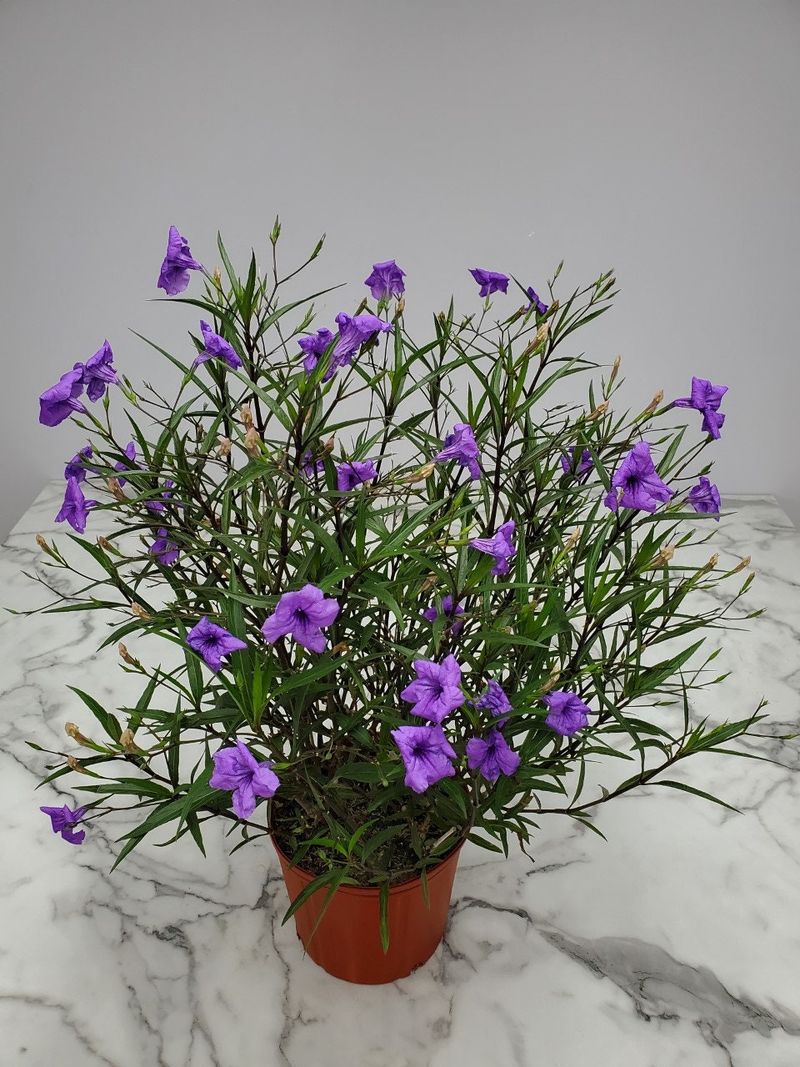
Ruellia, often called Mexican petunia, is famous for shrugging off rough weather and blooming again fast. Heavy rain may knock open flowers to the ground, but fresh purple blooms usually appear the next morning.
This plant can be very vigorous, so choose sterile or less aggressive varieties when you want better control. It works well in contained beds, damp edges, and tough spots where more delicate flowers keep failing.
Give ruellia sun or partial shade and expect it to spread if conditions suit it. After storms, cut back floppy growth if needed, and it will usually return fuller, greener, and ready to flower through another humid week.
Blue daze
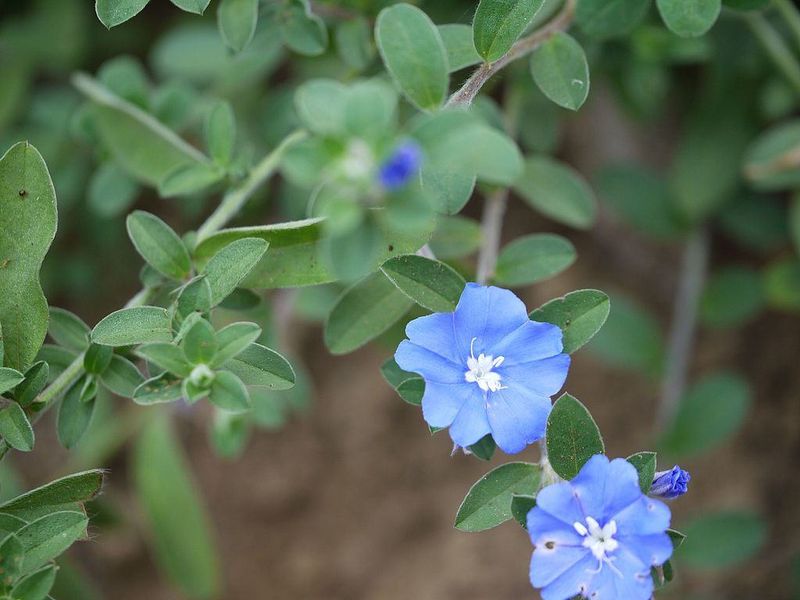
Blue daze is a pretty groundcover for gardeners who want true blue flowers and quick post-rain recovery. Its small blooms may close or drop during wet weather, but the silvery foliage usually dries quickly.
Use it along sunny borders, spilling over low walls, or softening the front of a planting bed. It loves heat, handles humidity, and gives a relaxed carpet of color when the site drains reasonably well.
Blue daze does not like sitting in water for too long, so raised edges or sandy soil are helpful. Trim it lightly after heavy growth or storm damage, and it will respond with fresh stems and another wave of flowers.
Crossandra
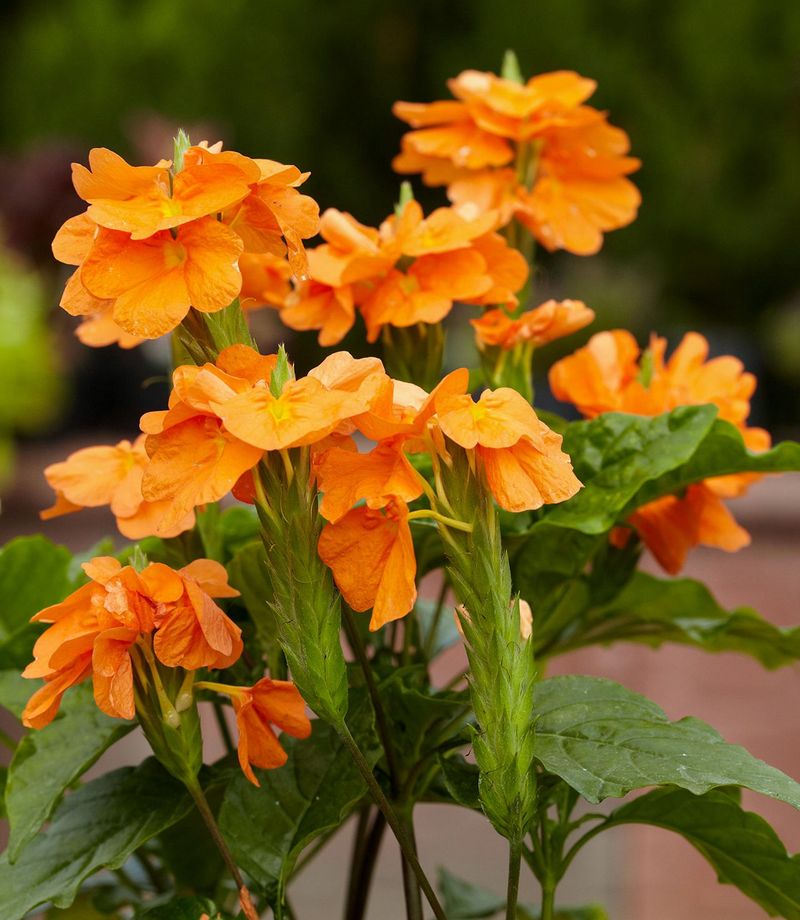
Crossandra gives you tropical color without needing a giant footprint, and it often looks refreshed after rain. The glossy leaves handle humidity beautifully, while the orange blooms bring warmth to shaded patios and garden beds.
It performs best in bright shade or filtered sun, especially in hotter parts of Florida. Use it near entries, containers, borders, and small courtyards where you can appreciate the flowers up close after a storm.
Crossandra prefers moist but well-drained soil, so it appreciates rain as long as roots are not constantly flooded. Pinch or trim lightly to encourage branching, and remove spent blooms to keep the plant neat, colorful, and eager.
Ixora
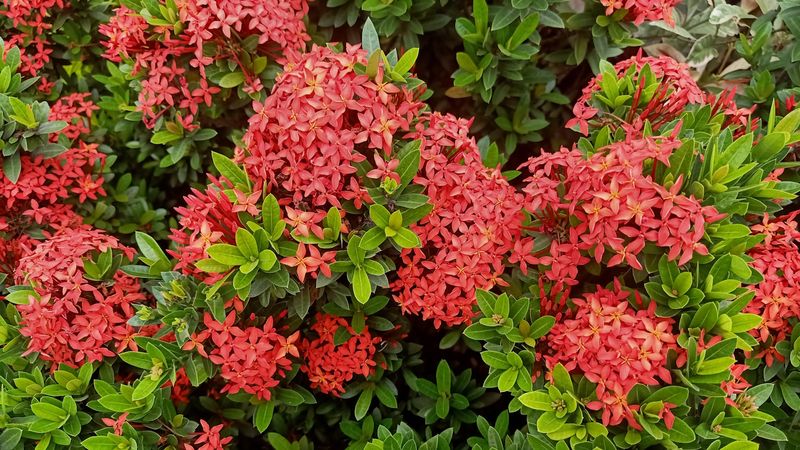
Ixora is a classic Florida shrub because it brings bold color and handles warm, wet weather well. After heavy rain, its dense leaves and clustered flowers usually recover quickly, especially when the plant is healthy.
You can use ixora as a hedge, foundation shrub, container specimen, or tropical accent in sunny beds. Red, orange, yellow, and pink varieties make it easy to match the mood of your landscape.
Ixora likes acidic soil, regular moisture, and good drainage, so avoid planting it in alkaline trouble spots without amendments. Feed it appropriately, prune lightly after bloom cycles, and it will keep giving bright color through steamy, rainy months.
Thryallis
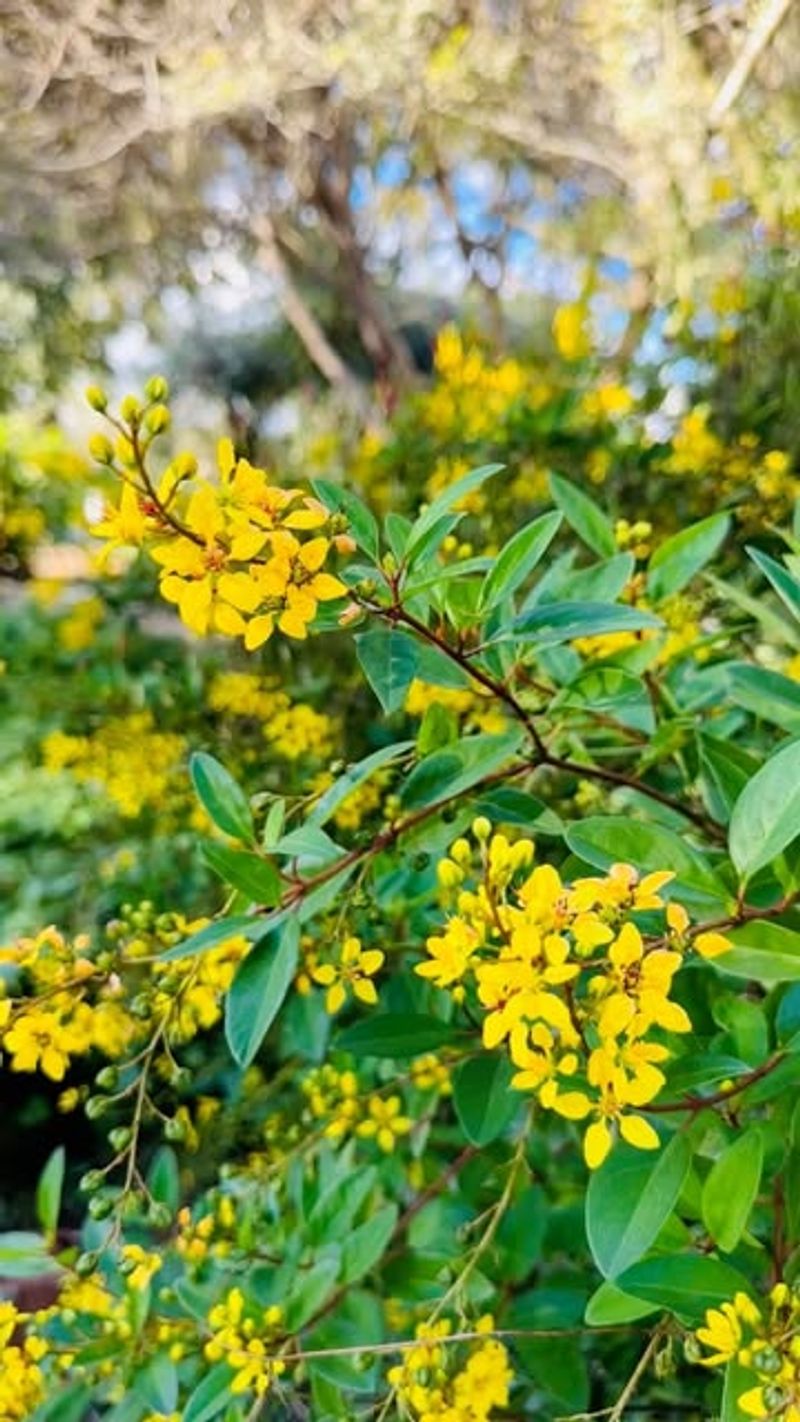
Thryallis is a sunny yellow bloomer that handles Florida’s rainy season with an easygoing attitude. Its airy branches may sway in storms, but established plants usually bounce back and keep producing cheerful flower clusters.
This shrub works well in informal hedges, mixed borders, and bright corners that need reliable color. It likes heat, tolerates humidity, and adds a soft, tropical look without becoming as bulky as some larger shrubs.
Plant thryallis in full sun for the strongest bloom show and best shape. If a heavy rain makes it look uneven, prune lightly, let the soil drain, and you will usually see fresh growth and flowers return quickly.
Lantana
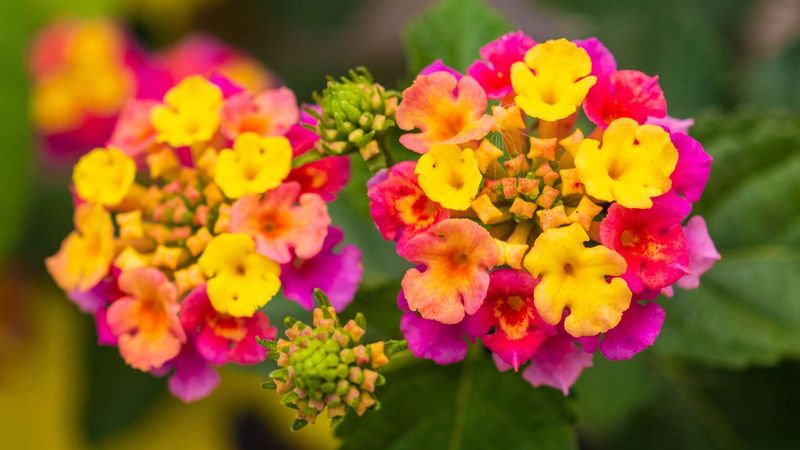
Lantana is one of the most forgiving flowering plants for hot, stormy Florida gardens. Rain may knock off a few blooms, but the plant usually dries fast and returns to flowering with very little encouragement.
Its colorful clusters attract butterflies, bees, and other pollinators, making it useful in sunny wildlife-friendly beds. Compact varieties fit borders and containers, while larger types can fill tough spaces where delicate annuals struggle.
Choose noninvasive varieties suited to your area, and give lantana plenty of sun. Trim after flushes of bloom or stormy weather to keep it dense, and avoid overwatering once established because it prefers resilience over pampering.
Pentas
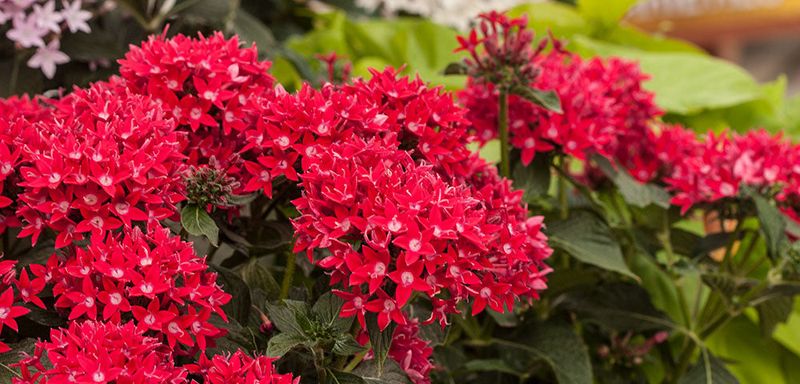
Pentas are dependable bloomers when you want butterfly activity and steady color after summer rain. Their starry flower clusters may get weighed down briefly, but healthy plants usually stand up again as the day warms.
They fit beautifully in containers, borders, cottage-style beds, and pollinator gardens. Red, pink, lavender, white, and purple varieties let you create a soft palette or a bright tropical mix that lasts through humid weather.
Pentas appreciate sun, regular moisture, and well-drained soil, making them a natural match for Florida’s rainy growing season. Deadhead if you like a tidy look, and trim lightly when plants stretch so they stay bushy and floriferous.
Angelonia
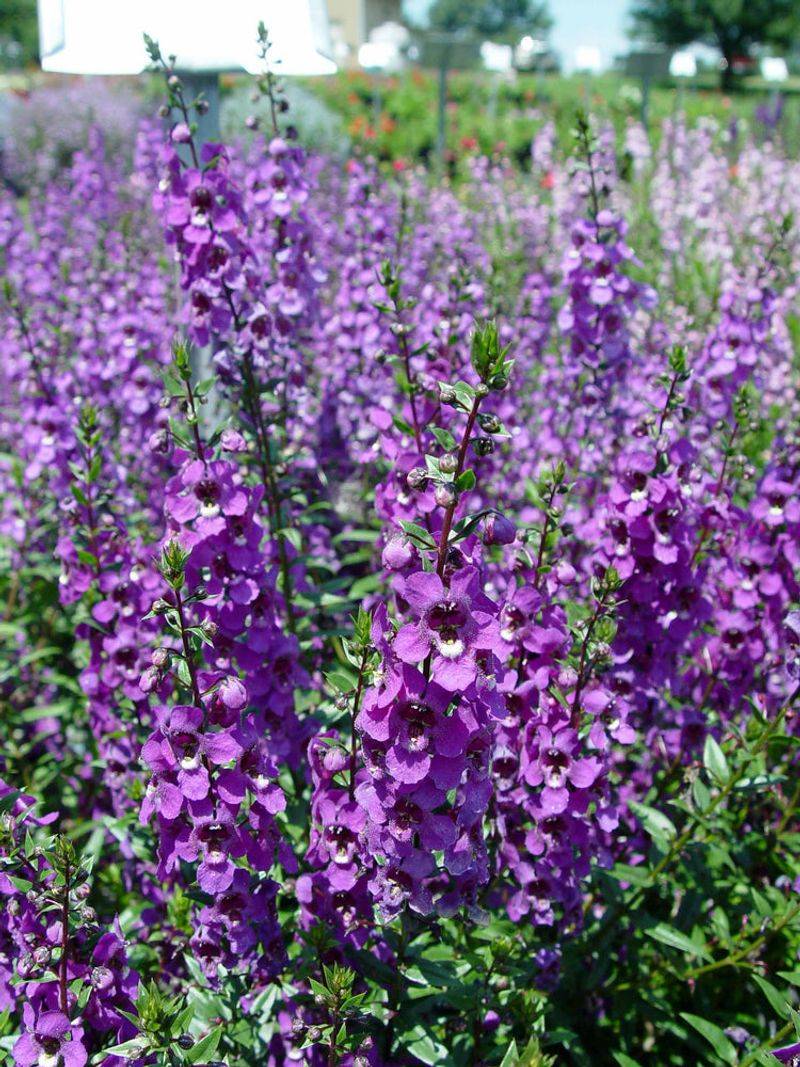
Angelonia is a sturdy flowering annual or tender perennial that keeps a neat shape through heat and rain. Its upright flower spikes shed water better than many softer blooms, so the plant rarely looks ruined after storms.
Use angelonia in containers, walkway borders, mass plantings, or mixed flower beds where you want vertical color. Purple, pink, white, and bicolor varieties give you plenty of options without sacrificing easy care.
It prefers sun and soil that drains well, but it can handle regular rainy-season watering when roots are not submerged. If plants stretch or lean, a light trim encourages branching, fresh spikes, and a clean look after rough weather.
Vinca
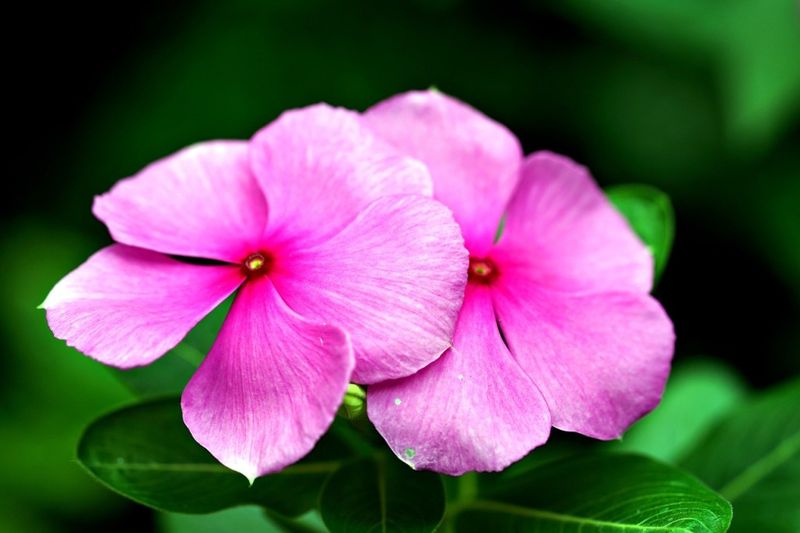
Vinca, also called Madagascar periwinkle, is a heat lover that can look surprisingly composed after rain. Its glossy leaves shed water easily, and the simple flowers are quickly replaced when a storm knocks some away.
This plant shines in sunny beds, containers, mailbox gardens, and low-maintenance borders. It handles Florida heat beautifully, but it performs best when planted in well-drained soil rather than constantly soggy ground.
Good spacing is important because airflow helps prevent disease during humid, rainy stretches. Water at the base when needed, avoid overcrowding, and choose healthy plants, then vinca will reward you with steady color through challenging summer weather.
Beach sunflower
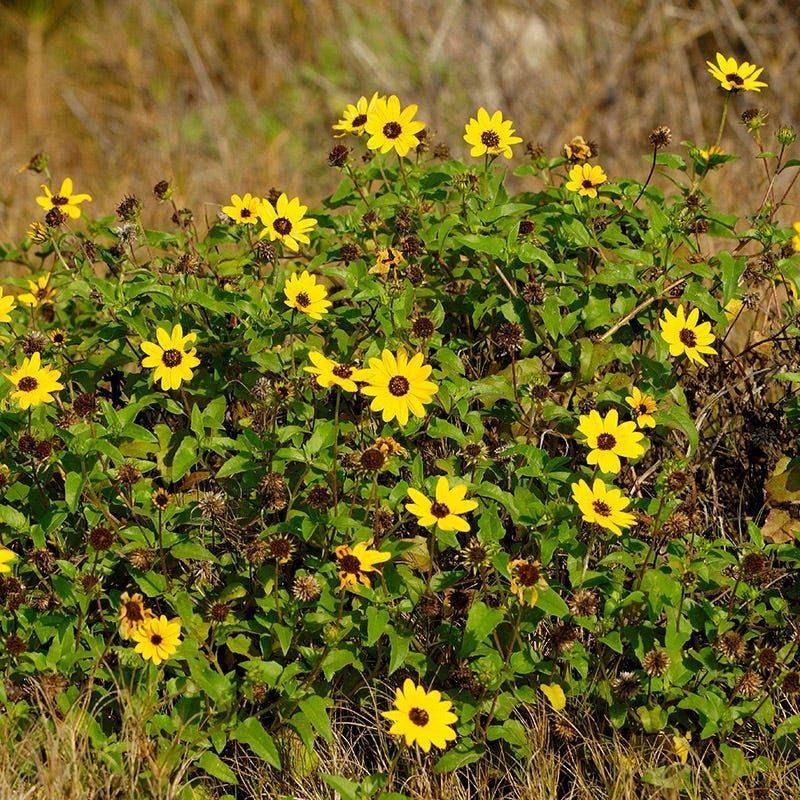
Beach sunflower is a cheerful Florida native groundcover that handles coastal weather and rain with confidence. Its yellow daisy-like flowers may look delicate, but the plant spreads and rebounds quickly after being drenched.
Use it in sunny beds, sandy areas, slopes, pollinator gardens, and casual coastal landscapes. It attracts butterflies and bees while creating a bright, natural carpet that helps soften hard edges and bare soil.
Beach sunflower prefers well-drained soil and full sun, so do not place it where water lingers for days. Trim it back when it gets rangy, and it will usually thicken up fast with fresh foliage and new flowers.
Railroad vine
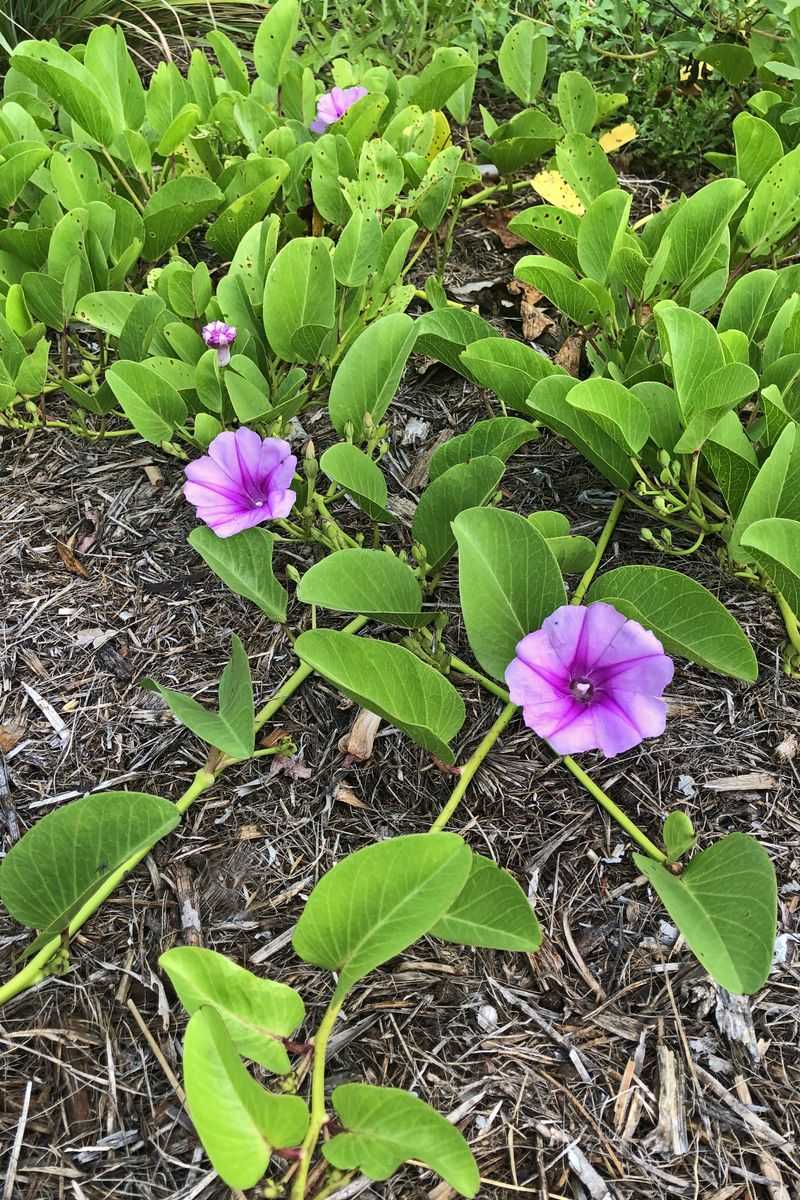
Railroad vine is built for tough coastal conditions, which makes heavy rain seem fairly ordinary to it. This native groundcover has trailing stems, rounded leaves, and purple morning glory-like flowers that return after wet weather.
It is especially useful for sandy areas, dune plantings, beachside gardens, and hot open spaces where many plants fail. The spreading habit helps cover ground quickly while giving a relaxed, natural coastal look.
Railroad vine needs excellent drainage and plenty of sun, so it is not the right choice for soggy inland clay. In the right sandy spot, though, it handles salt, wind, rain, and heat with impressive confidence.
Sea grape
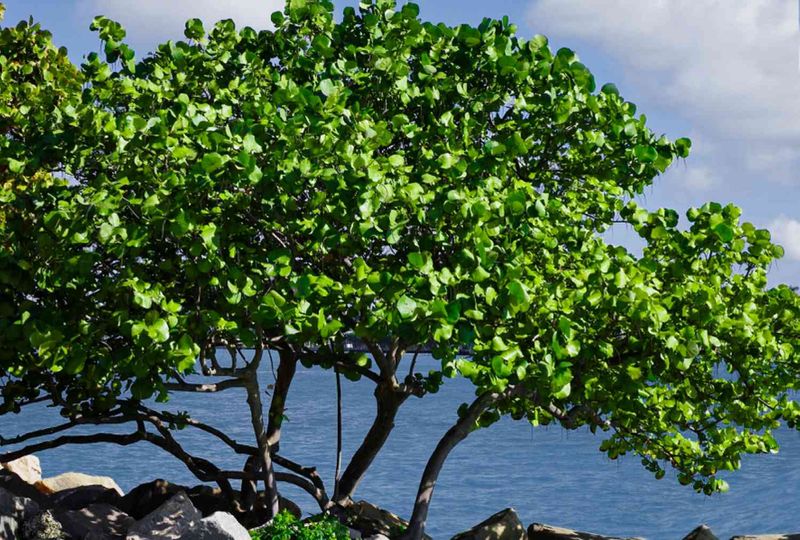
Sea grape is a bold coastal plant with large round leaves that look beautiful after a rain rinse. The foliage is thick and leathery, helping it handle salt spray, wind, humidity, and heavy showers.
You can grow sea grape as a shrub, screen, small tree, or dramatic tropical accent. It is especially useful near beaches and open sites where more delicate plants are shredded by weather.
Give it room, because sea grape can become broad and sculptural with age. Prune thoughtfully to shape it, not constantly, and enjoy a plant that brings shade, wildlife value, and serious storm-tested presence to the Florida landscape.
Wax myrtle
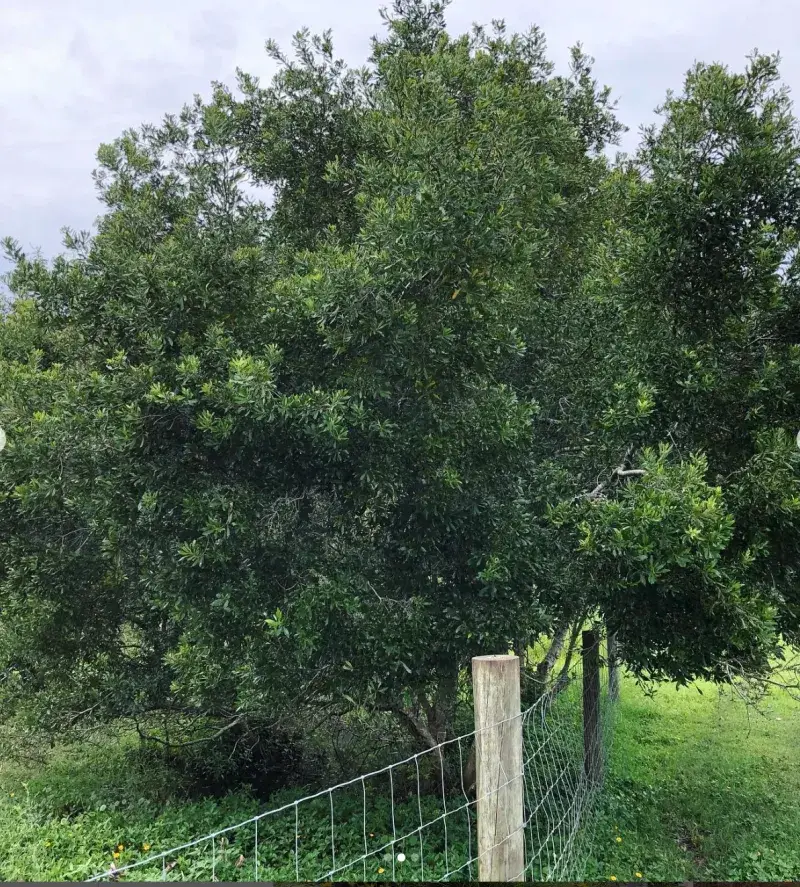
Wax myrtle is a rugged native shrub that belongs on any list of rain-ready Florida plants. Its narrow evergreen leaves and flexible branches handle wet, windy weather well, then settle back into a natural screen.
Use it for privacy, wildlife habitat, informal hedges, wetland edges, or mixed native borders. Birds appreciate the berries, and gardeners appreciate how quickly wax myrtle fills space without needing a polished, fussy routine.
It tolerates moist soils better than many ornamental shrubs, though good establishment care still matters. Prune selectively to keep airflow and shape, and wax myrtle will give you dependable greenery after storms, summer downpours, and humid spells.
Enjoyed this story?
Add Fast Food Club as a preferred source to see more of our reporting on Google.