



Open any old cookbook and you will find dishes that once ruled family tables but now barely appear on menus. These foods shaped budgets, holidays, and memories, yet many younger eaters have never tasted them.
Give them a second look and you might find comfort, craft, and surprising flavor hiding in plain sight. Let curiosity lead the way, one bite at a time.
Aspic
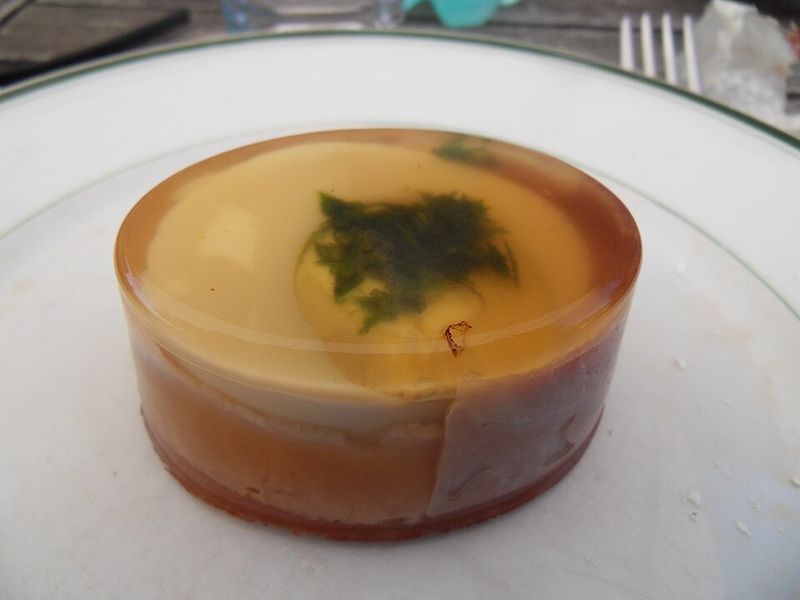
Imagine a shimmering mold on the table, savory and clear, holding vegetables and meat in a glossy embrace. Aspic used to signal careful cooking, the kind that saved scraps and showcased technique.
You might wrinkle your nose, but it tells a story about thrift, texture, and celebration.
Today, you rarely see it outside vintage cookbooks or adventurous delis. If you try it, start with a small slice beside mustard, pickles, and rye.
The chill concentrates flavor, and the wobble grows oddly satisfying. You may not crave it weekly, yet you will remember that gleaming slice.
Liver spread
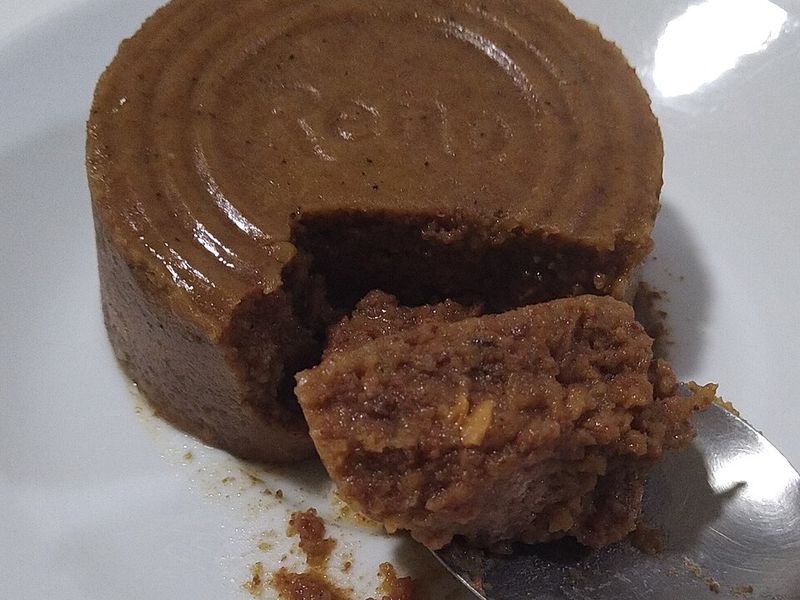
Grandparents kept a tin of liver spread ready for quick sandwiches and sturdy breakfasts. It was creamy, mineral rich, and seasoned with pepper, onion, and sometimes brandy.
You would smear it thick on toast, then crown it with pickles for brightness. It smelled like Sunday kitchens and long, slow mornings.
Younger eaters often avoid the strong flavor, but it rewards curiosity. Start with a thin layer and lots of crunchy bread.
Add a squeeze of lemon, and the taste becomes surprisingly elegant. Once you feel that silky heft, you might understand why earlier generations called it real food.
Tripe soup
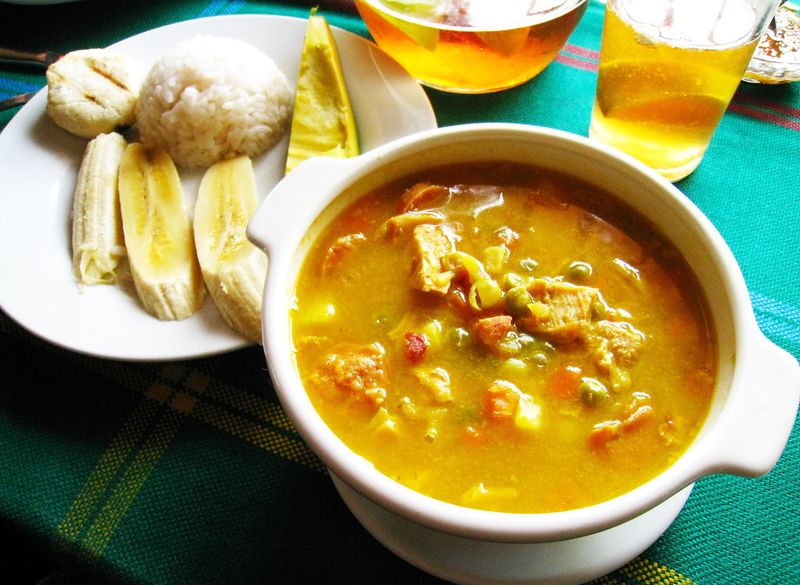
Tripe soup once comforted late shift workers and market vendors greeting dawn. The broth turned milky from collagen, scented with garlic, vinegar, and hot pepper.
You might flinch at the thought of stomach lining, yet the result tastes gentle, like a hug after rough weather.
Many younger diners skip it, assuming tough textures. The trick is a long simmer and a bright shot of acid.
Add crusty bread, and the bowl feels restorative. Try it on a chilly evening, and you may discover why so many cultures swear by this humble medicine.
Leftovers improve overnight.
Blood pudding
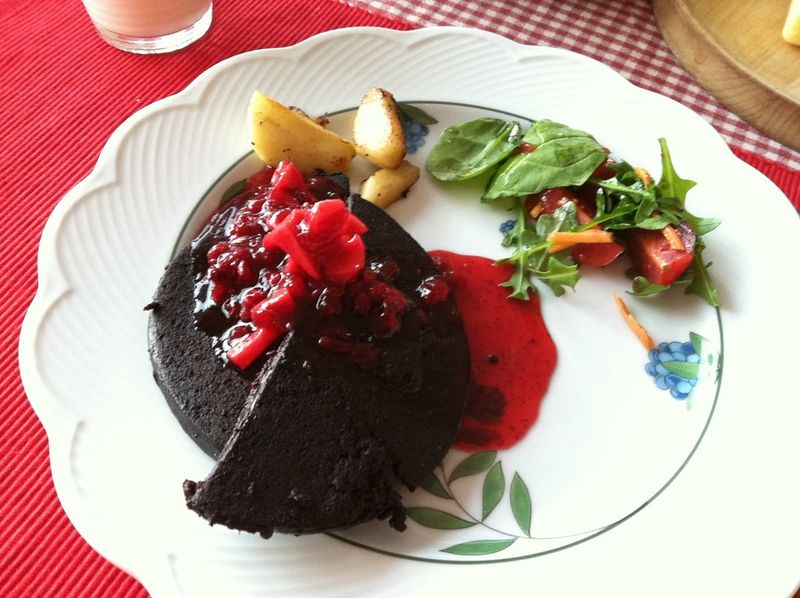
Once a breakfast staple, blood pudding put iron on the plate without fanfare. Sliced and fried until crisp at the edges, it smells warm and spicy.
You might worry about the name, but think of it as a rich grain sausage, balanced with oats and onions.
Serve it beside apples, mustard, and eggs, and you taste savory sweetness. Younger crowds rarely order it, yet the flavor is honest and comforting.
Start with thin slices. If the texture surprises you, keep chewing, because the spices bloom and the crisp bits carry delightful toasty notes.
Try syrup.
Pickled eggs
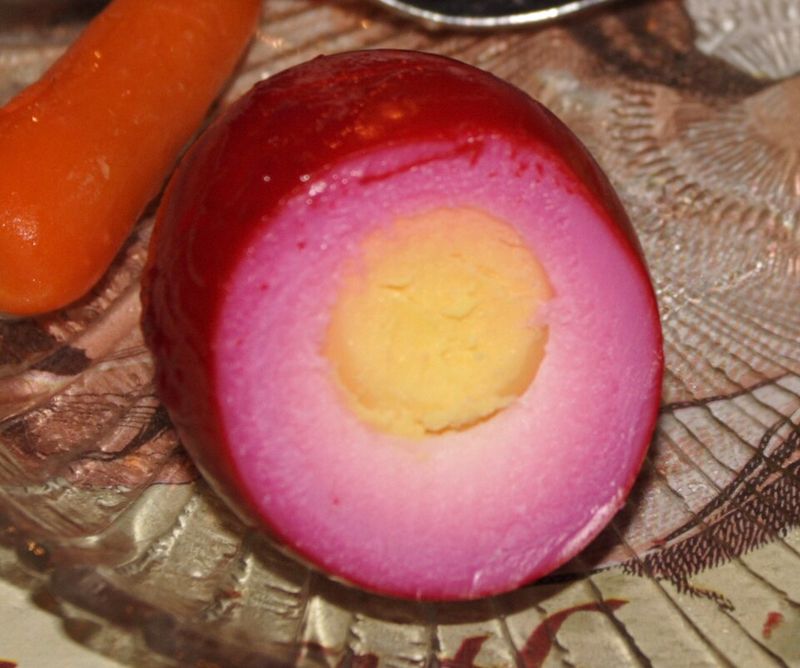
Glowing in jars behind bar counters, pickled eggs were practical protein with attitude. Vinegar turned them punchy, while beet brine painted shocking pink halos.
You would fish one out, sprinkle salt and pepper, and chase it with a cold beer.
Now they feel retro, yet they still hit the spot after a long day. Make a batch, and you will snack better all week.
Add chili, garlic, or dill to customize. The yolk gets creamy, the whites stay bouncy, and that bracing tang wakes up everything nearby.
They travel well in lunches and disappear at picnics.
Beef tongue
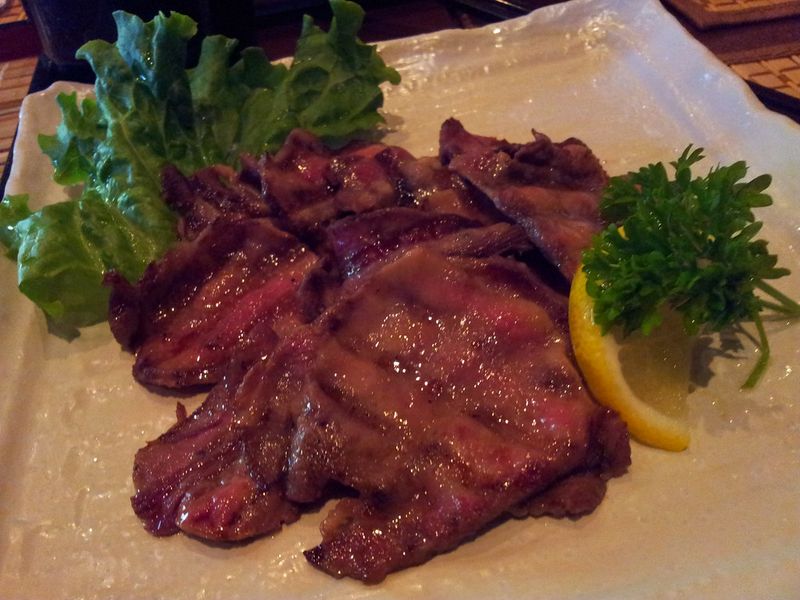
Beef tongue used to be a clever cook’s secret, turning cheap cuts into celebration. Simmered until tender, it slices like roast beef and tastes deeper.
You peel the skin, fan the pieces, and serve with horseradish, mustard, or salsa verde.
Younger diners hesitate, yet the flavor is friendly and beefy. Try tacos de lengua, and the fear fades fast.
The texture is lush, not rubbery, when cooked patiently. Fold warm slices into tortillas, add onions and cilantro, and suddenly this old fashioned cut feels modern and generous.
Leftovers make incredible sandwiches with crunchy pickles inside.
Salt pork
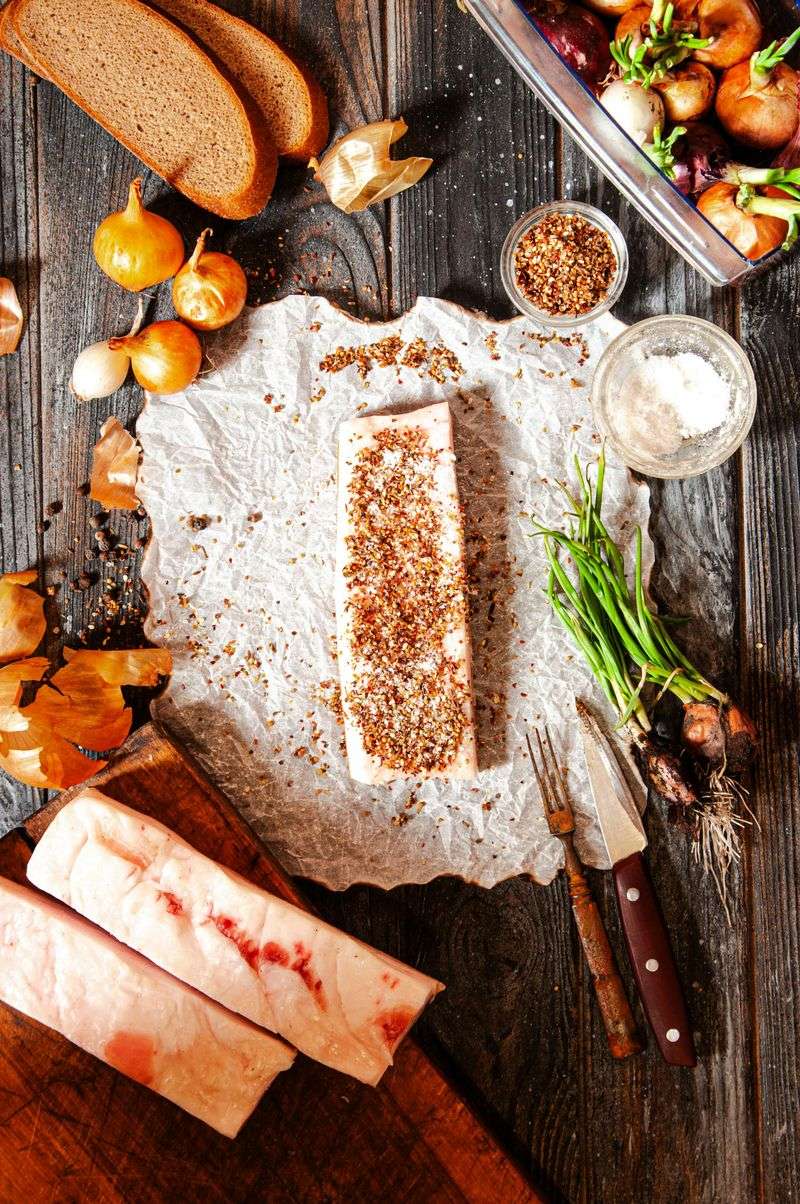
Salt pork hung in pantries before refrigerators, saving dinners through winter. It is fatty, salty, and deeply flavorful, the backbone of beans and chowders.
You render cubes in a skillet, and suddenly simple vegetables taste smoky and rich.
People now reach for bacon instead, but salt pork brings different magic. It seasons from within, softening harsh edges and boosting depth.
Keep a slab in the freezer for emergencies. When soups taste flat, a little dice wakes them up like a friendly lighthouse on stormy nights.
You can blanch it first to control salt and balance dishes.
Homemade sausage
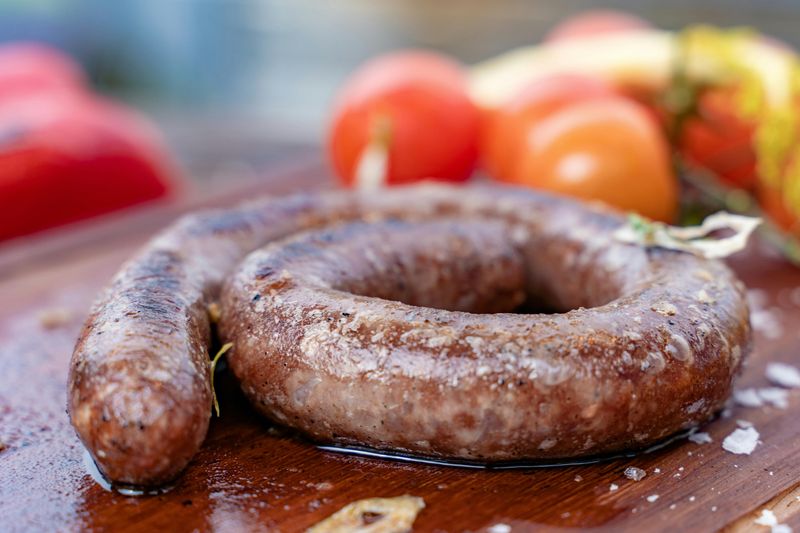
Before supermarkets standardized everything, homemade sausage captured family spice memories. You would grind meat, mix herbs, and test tiny patties in a pan.
The kitchen smelled cozy, and everyone argued happily about fennel versus garlic.
Store links are fine, but making your own teaches balance and patience. You control fat, salt, and texture, then you appreciate humble ingredients again.
Invite friends to help stuff casings. With laughter, music, and sizzling samples, the day becomes a tiny festival, and dinner tastes earned, personal, and unforgettable.
Freeze extras for quick meals when life tilts chaotic at home during weekdays.
Cultured milk
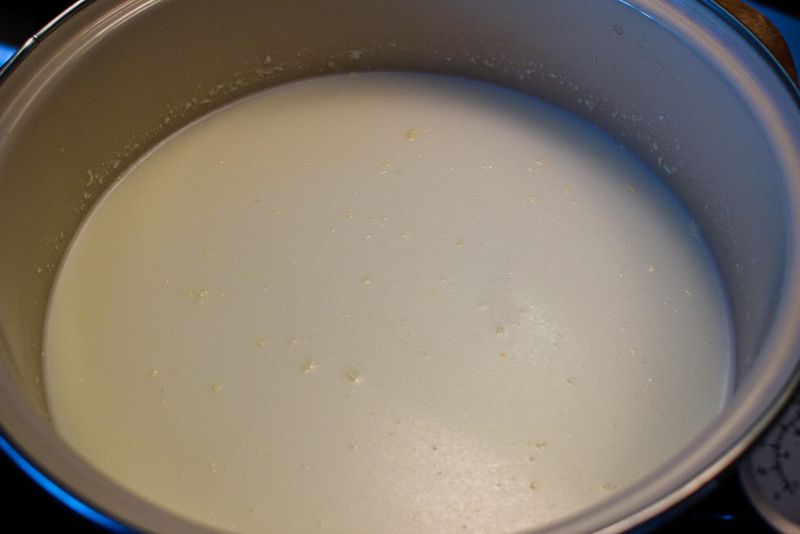
Cultured milk sat on counters, tangy and alive, before ultra filtration and shelf stable cartons. Think kefir, clabbered milk, or buttermilk from real churning.
You would sip it cold, or bake with it for tender biscuits and pancakes.
Some younger folks avoid the sour edge, yet that twang refreshes. It supports gut health, calms spicy food, and tenderizes meat.
Start with smoothies sweetened by fruit and honey. Soon you may crave that pleasant tang, like a friendly nudge telling you breakfast can be simple, nourishing, and bright.
Grandma knew this secret for soft cakes and peaceful stomachs.
Cornmeal porridge
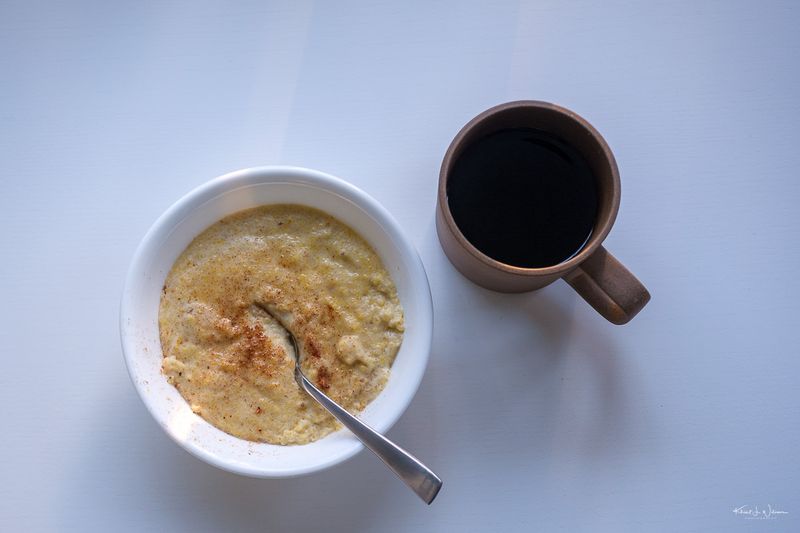
A warm bowl of cornmeal porridge stretched paychecks and fueled hard mornings. It cooks into a creamy pool that loves butter and cinnamon.
You might drizzle molasses, scatter bananas, or grate nutmeg until the steam smells like home.
Kids chase cereal boxes now, but porridge keeps you full and steady. Try coconut milk for island vibes, or sharp cheddar for savory style.
Stir patiently, then cover and rest a minute. The grains relax, the texture evens out, and breakfast turns kind, thrifty, and surprisingly luxurious.
Leftover squares fry beautifully for golden edges and crispy comfort.
Barley stew
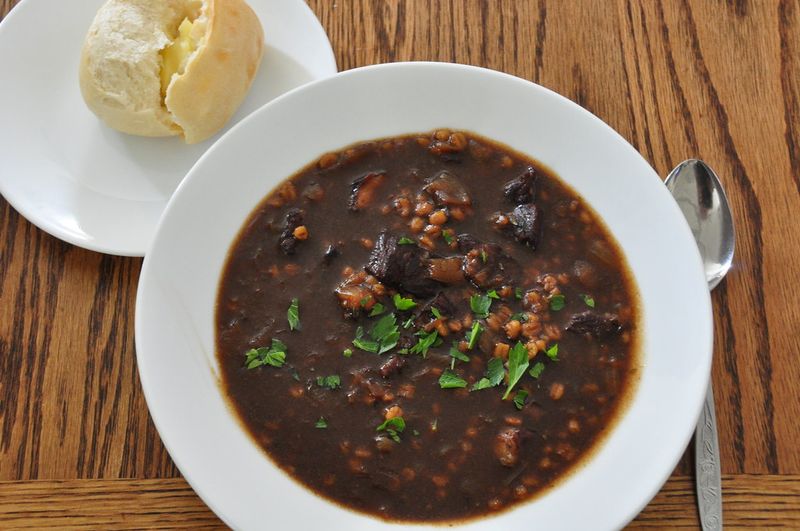
Barley stew once anchored farmhouse suppers with quiet strength. The grains swell into tender pearls, thickening broth around carrots, onions, and beef.
You feel full in a calm, lasting way, not the quick spike of noodles.
Barley fell out of fashion, but it deserves a comeback. It is affordable, resilient, and friendly to leftovers.
Add mushrooms for earthiness or miso for depth. When the pot burps gently, the house smells safe, and you realize dinner can be modest, nourishing, and exactly what you needed.
Grandpa packed thermoses, steaming and sturdy, for long winter chores today.
Buckwheat porridge
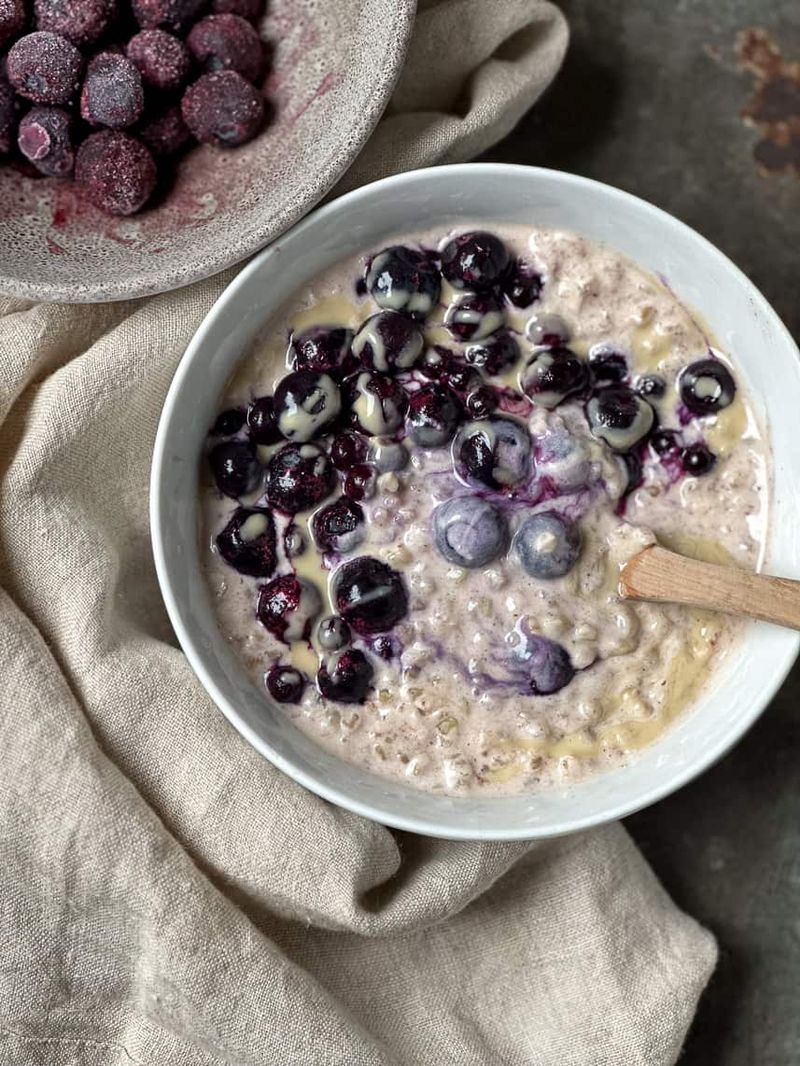
Buckwheat porridge carries a toasty aroma that feels like woodsmoke and honey. In the bowl, it is nutty, slightly earthy, and deeply satisfying.
You can make it savory with mushrooms or sweet with berries and cream.
Many skip it because the name sounds heavy, but it cooks quickly. Toast the groats first for flavor.
Then simmer gently until they bloom and loosen. A pat of butter and a pinch of salt turn everything silky, and you suddenly taste warmth that sticks around without weighing you down.
Leftovers chill firm and pan fry into crispy breakfast cakes.
Dried meat
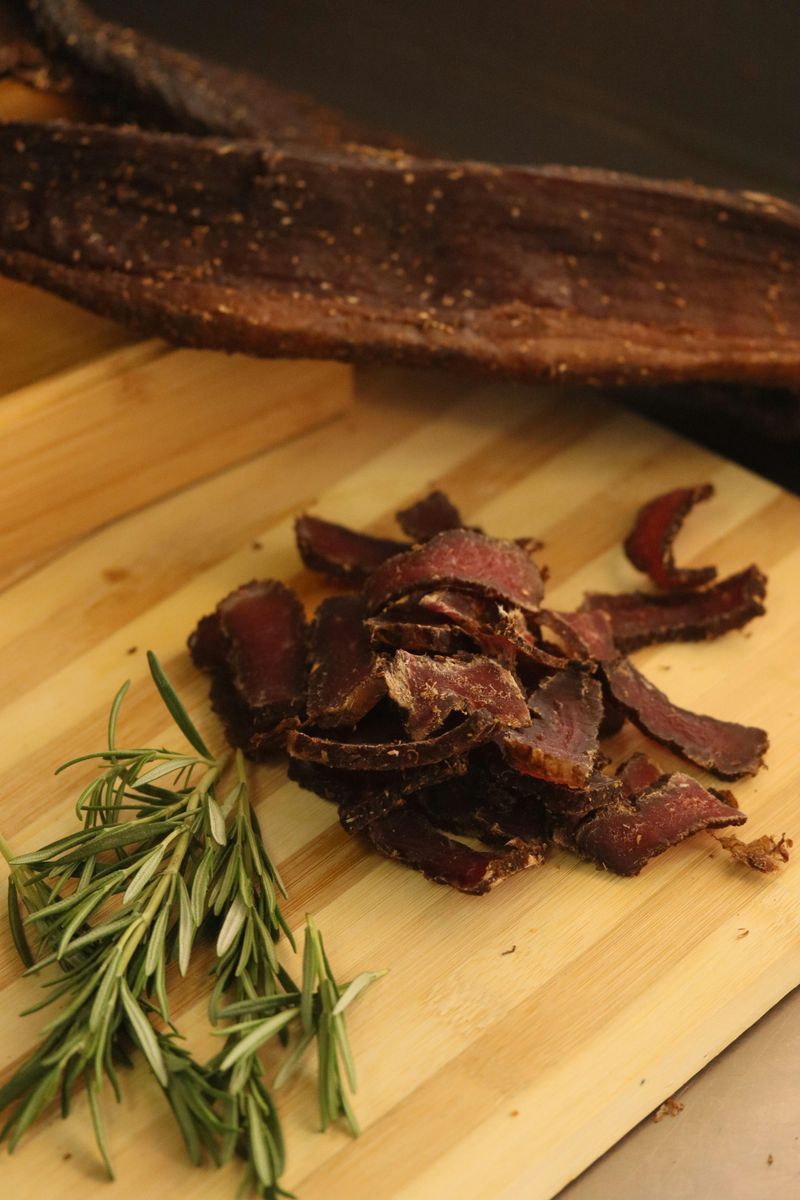
Before freezers, dried meat meant survival, travel, and salty treats for children. Thin strips hung over smoke, losing water and gaining chew.
You would gnaw thoughtfully, tasting sun, wood, and time.
Modern jerky exists, but old methods were simpler and less sweet. Try making a small batch at home.
Season boldly, slice thin across the grain, and dry low and slow. When hikes run long or afternoons sag, a pocket piece restores focus, like trail magic you made yourself.
Store it wrapped in paper, not plastic, so it breathes and keeps during camping trips too.
Fish jelly
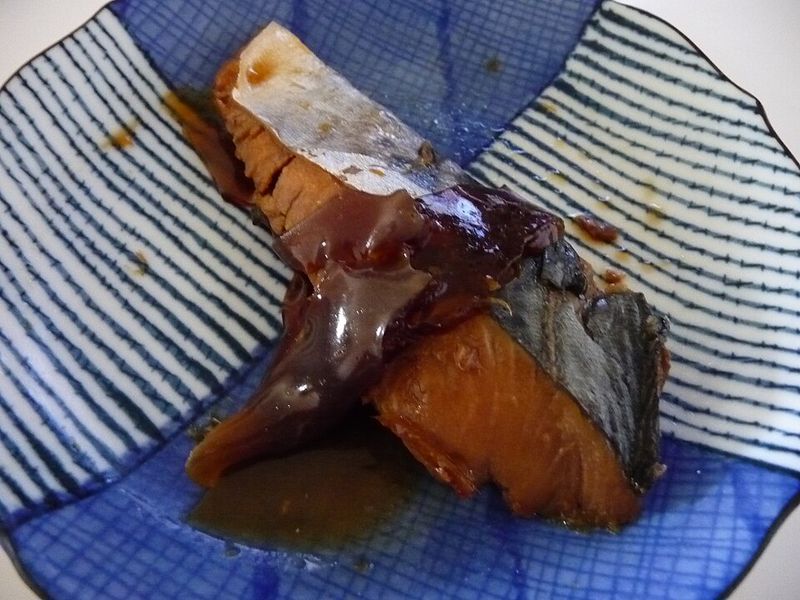
Fish jelly sounds frightening, yet it once headlined holiday tables. Made from simmered bones and heads, the broth sets clear and delicate.
You slice it cold and serve with lemon, horseradish, and herbs.
The texture scares people, but the flavor whispers ocean and marrow. Think of it as concentrated seafood stock you can cut.
If curiosity nudges, take a tiny piece. The chill makes it refreshing, and the garnish adds spark, turning fear into a bright, memorable bite from another era.
Grandmothers plated it with jeweled carrots, parsley, and shiny aspic glazes for big celebrations in springtime too.
Cabbage soup
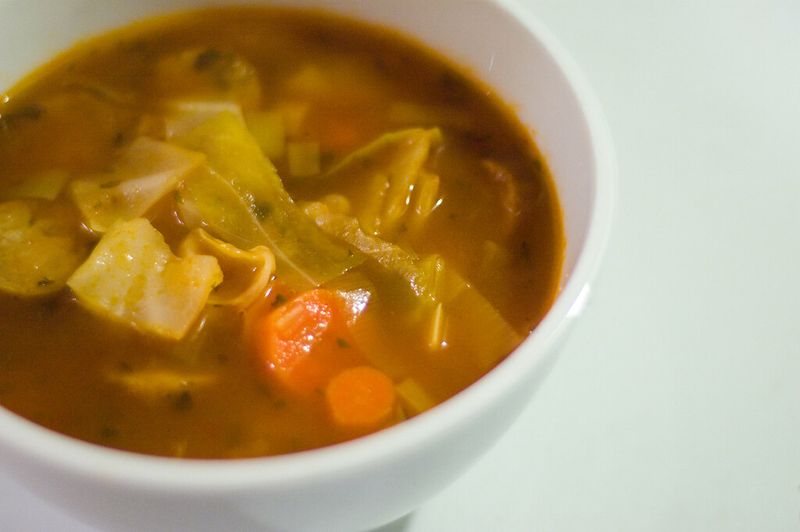
Cabbage soup kept families warm when money was thin. It softens into sweetness, turning broth silky around potatoes and carrots.
Add a spoon of tomato, and you suddenly have brightness without shopping.
Few younger eaters crave it, but the bowl comforts like a sweater. Try dill, garlic, and black pepper for snap.
Serve with rye bread and butter. After a long day, the steam fogs glasses, worries melt, and a humble head of cabbage feels like quiet abundance you can actually taste.
Leftovers taste better tomorrow, especially with extra vinegar and heat. Keep simmering gently.
Potato dumplings
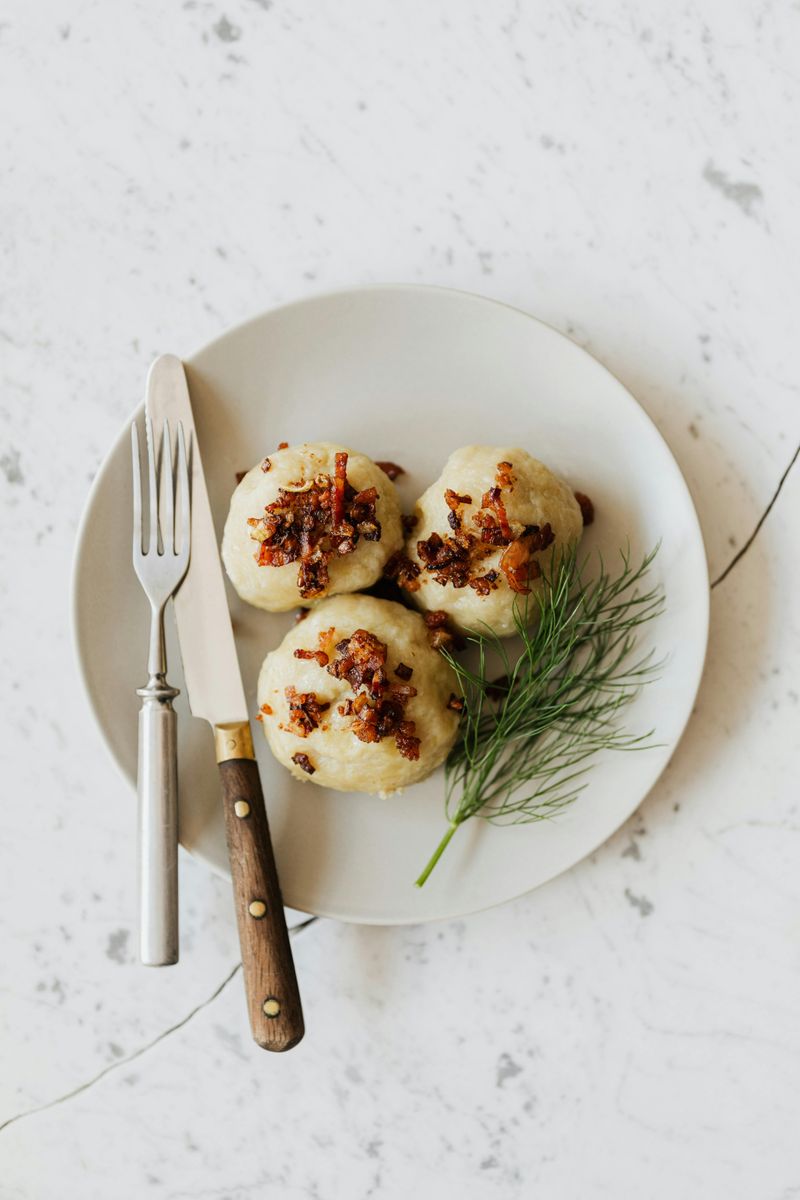
Potato dumplings were stretching food, turning leftovers into satisfying bites. Grated or mashed potatoes meet flour and salt, then bob in boiling water.
You spoon them with buttered onions, gravy, or sauerkraut.
Some find them heavy, but seasoning and sauce lift them. Fry leftovers for crisp edges and tender centers.
Add herbs, cheese, or bacon bits for fun. On cold nights, these chewy clouds stick with you kindly, offering warmth, thrift, and the cozy feeling that someone planned ahead for your hunger.
Grandma called them belly pillows and served them swimming in butter on Sundays.
Meat jelly
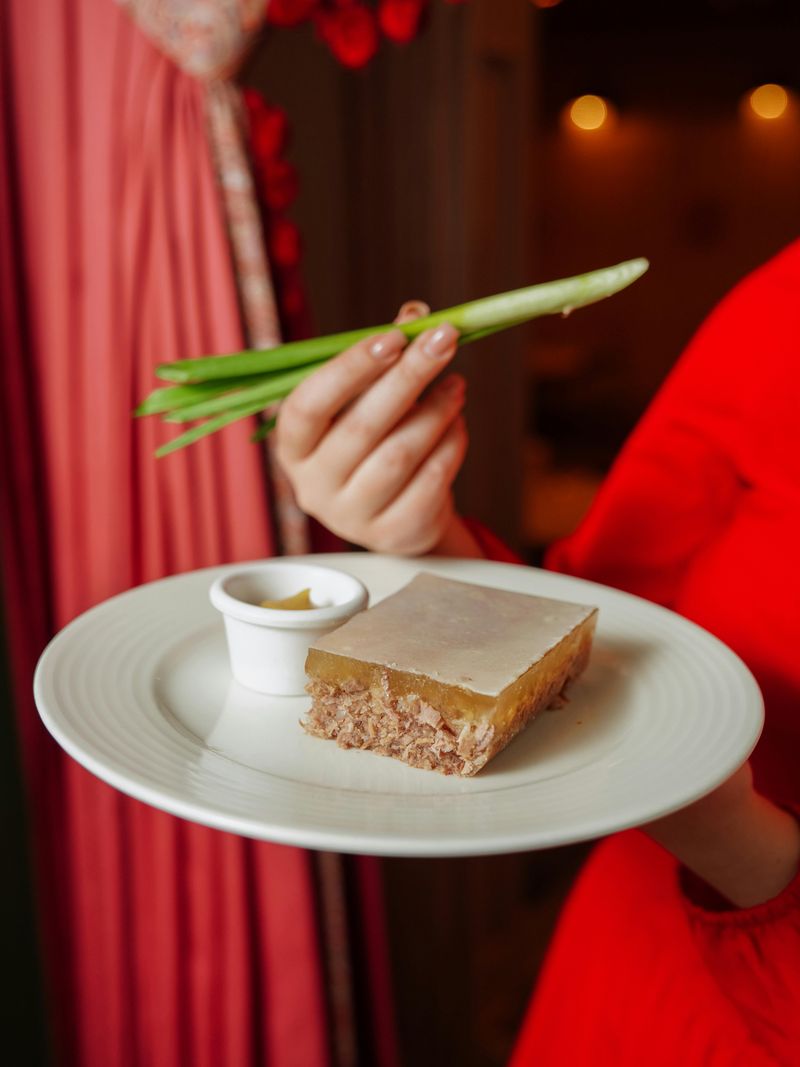
Meat jelly feels old fashioned until you taste the concentrated savor. Bones, skin, and aromatics simmer long, then cool into a sliceable loaf.
You serve it cold with vinegar, pickles, and crisp bread.
You might think of dog food, but give it a chance. The broth turns glossy, the seasoning sings, and the texture becomes dreamy.
Cut thin, pair with mustard, and sip something bright. Suddenly you understand why thrifty kitchens treasured scraps that transformed into festive platters people gathered around.
A quick flash of lemon and fresh dill lifts every bite beautifully for spring tables.
Bone marrow
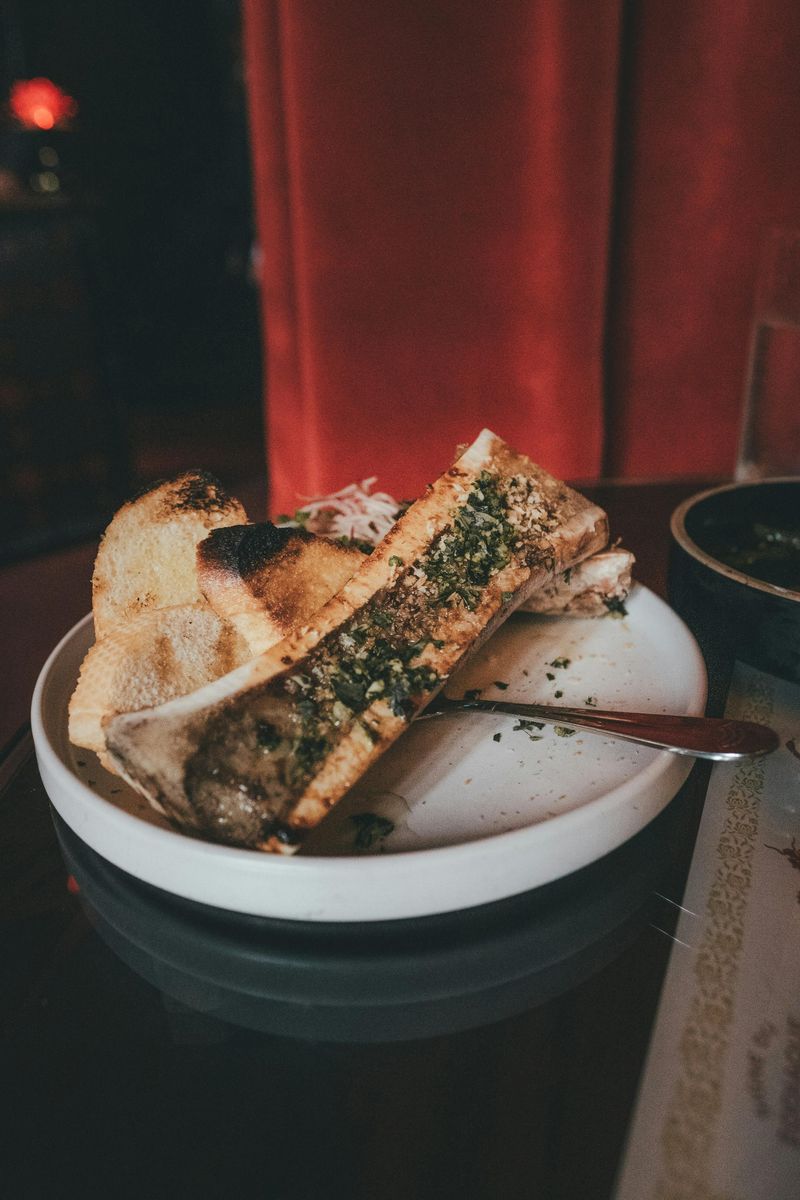
Bone marrow used to be a poor cook’s butter, then became a chef’s darling. Roasted until it quivers, it spreads silkily on toast.
You sprinkle salt, squeeze lemon, and feel a velvet wave.
Some younger eaters avoid the richness, but small portions shine. Pair with parsley salad or sharp pickles.
The contrast keeps everything lively. When you scoop the last glimmer from the bone, you will understand why frugal kitchens and fancy bistros agree on this tiny, unforgettable luxury.
Roast extra bones for broth later, because waste feels wrong on cold nights especially. Serve with pepper too.
Smoked fish

Smoked fish perfumed markets, from whitefish and mackerel to trout and herring. The flesh turns firm, salty, and fragrant, perfect with dark bread.
You flake it into salads, dips, or warm potatoes.
Many avoid it fearing bones and boldness. But a squeeze of lemon and fresh herbs tame the smoke.
Start with a small bite on buttered toast. Suddenly the sea feels friendly, and you realize this old fashioned staple delivers protein, character, and convenience in one tidy, satisfying package.
Try it with pickles, mustard, and cold beer for instant dinner. Weeknights feel solved.
Truly.
Homemade vinegar
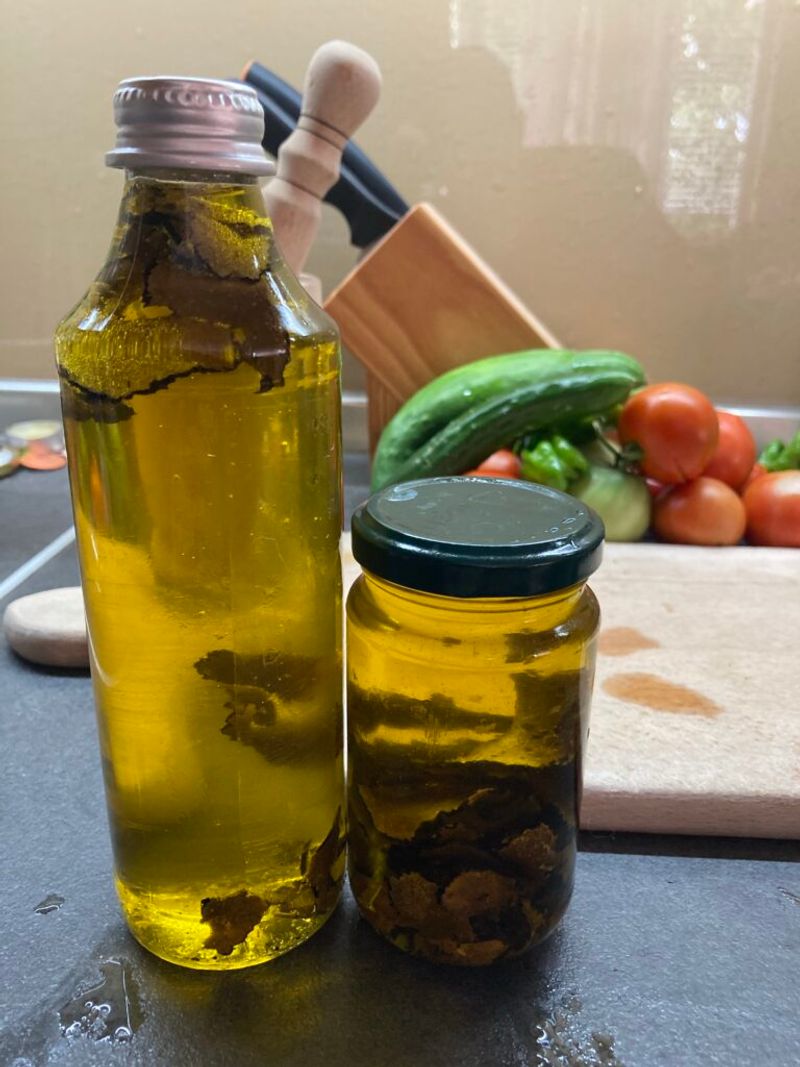
Homemade vinegar bubbled quietly in pantry corners, transforming scraps into brightness. A mother culture turned wine, cider, or rice wash into sharp magic.
You would splash it on greens, soups, and stews.
Store bottles are fine, but your own carries place and memory. Start a jar with peels and leftover wine, then wait patiently.
Strain, taste, and adjust with fruit or herbs. Suddenly dressings sing, pan sauces sparkle, and you see how waste shrinks when curiosity turns leftovers into something lively and bright.
A drizzle on strawberries or fries changes everything instantly. Try it today.
Beet drink
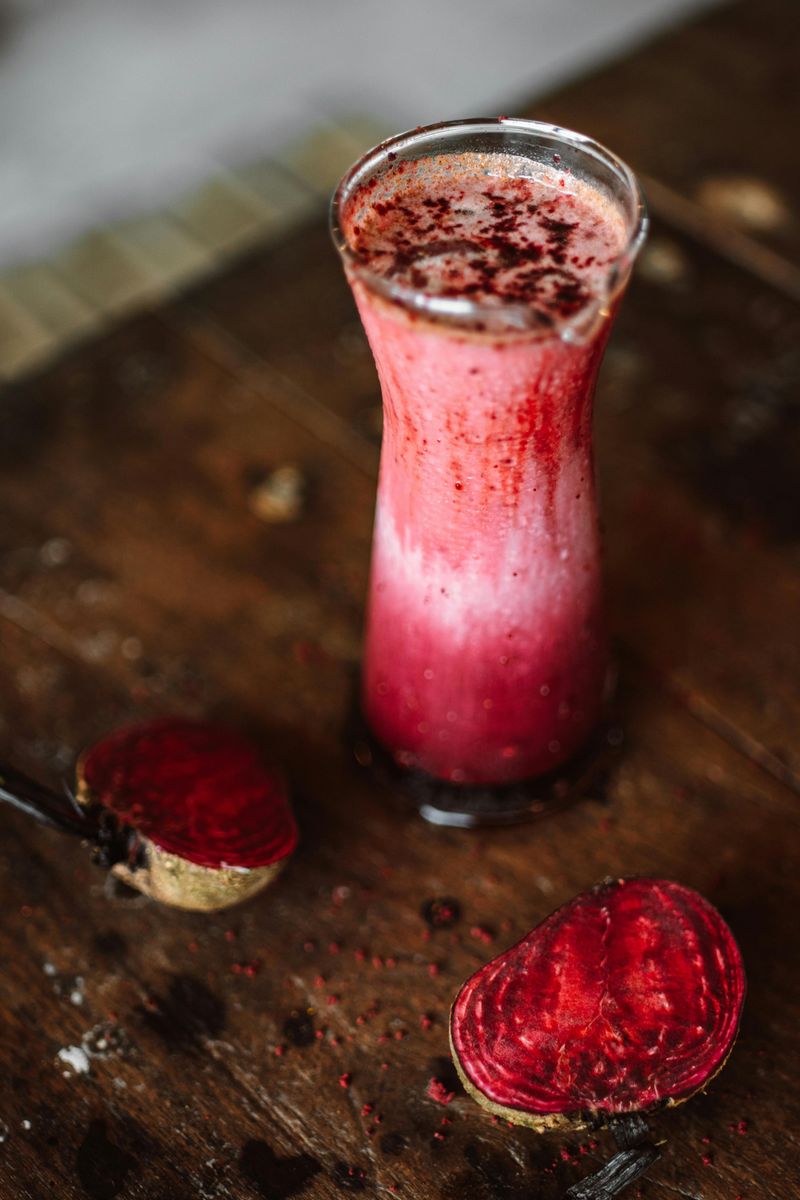
Beet drink once filled pitchers on farmhouse tables, refreshing and strangely energizing. Sometimes fermented, sometimes sweetened, it glows like rubies in sunlight.
You sip, and earthy sweetness meets gentle acidity.
You might expect dirt, but the flavor feels clean when chilled. Add lemon, mint, or ginger for sparkle.
After workouts or long afternoons, it revives kindly. Give it a chance, and you may find this old fashioned cooler delivers vibrant color, minerals, and focus without leaning on caffeine or syrup.
Serve with salt on the rim and fizz for summer parties. Friends will ask questions.
Goose fat
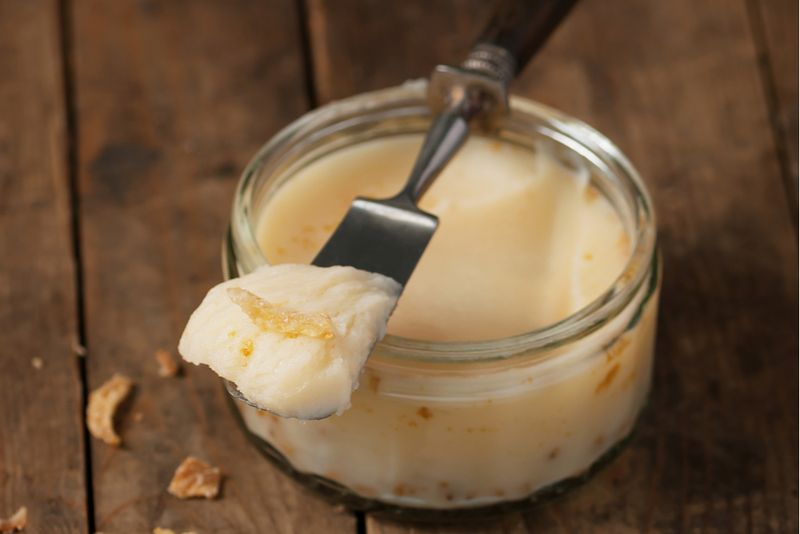
Goose fat once sat like treasure in pantry jars. A spoonful turns potatoes golden and gives vegetables movie star flavor.
You heat it gently, inhale, and feel holidays arrive.
People reach for olive oil now, but goose fat fries cleaner and tastes deeper. Save drippings after roasting, then render and strain.
Spread a thin layer on toast with salt and pepper. Suddenly a bleak morning becomes indulgent, and simple ingredients glow brighter than they have any right to.
Roast carrots or cabbage in it and watch skeptics vanish. Keep a jar chilled for emergencies.
Always.
Fried liver

Fried liver challenged many childhoods, yet it built iron and grit. Sliced thin, dusted in flour, and kissed by a hot pan, it browns quickly.
You add onions and butter so sweetness meets minerality.
The trick is not overcooking. Pink centers stay tender, while grey turns chalky fast.
So start brave, take a bite, and breathe. With lemon, herbs, and lots of onions, liver becomes friendly, and you might suddenly remember that hunger fades when food tastes like something, not nothing.
Serve with creamy potatoes or polenta to catch the juices on busy weeknights too.
Enjoyed this story?
Add Fast Food Club as a preferred source to see more of our reporting on Google.