



Want to feel better, age gracefully, and stack the odds in your favor for a longer life? The foods you choose every day make a bigger difference than any quick fix.
Small, practical swaps can reduce inflammation, support your heart, and protect your metabolism. Let’s walk through common foods you probably love and learn how to enjoy smarter versions without feeling deprived.
Sugary drinks

Sugary drinks flood your system with quick glucose that your body struggles to manage. That spike can inflame blood vessels, raise triglycerides, and push insulin into overdrive.
Over time, that pattern raises risks for diabetes, fatty liver, and heart disease.
Swap soda for sparkling water with citrus, or brew iced tea without added sugar. If you love flavor, add muddled berries, mint, or a splash of 100 percent juice.
Keep portions small, read labels, and treat sweet drinks like occasional desserts, not daily staples. Hydration should primarily come from water, herbal tea, or black coffee.
Deep-fried foods

Deep-fried foods soak up unstable oils that oxidize under high heat, producing compounds that inflame your arteries. Those crunchy bites may taste great, but they nudge cholesterol and blood pressure upward.
Over time, that combo strains your heart and metabolism.
Use an air fryer, roast at high heat, or pan-sear with minimal oil for satisfying crunch. Choose avocado or olive oil for cooking, and blot excess oil from foods.
Pair crispy textures with fiber-rich sides to tame blood sugar. You can still enjoy crisp comfort, just with techniques that protect your long-term health.
Refined grains
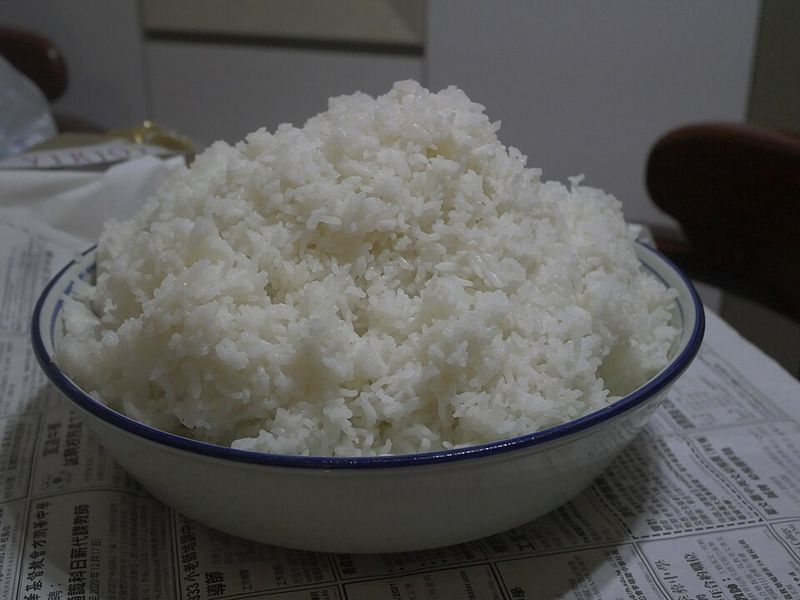
Refined grains lose fiber and key nutrients during processing, so they digest fast and spike blood sugar. Those swings leave you hungrier and more tired, pushing you to overeat.
Over time, that pattern can increase insulin resistance and belly fat.
Choose intact grains like oats, quinoa, farro, and brown rice. If you love pasta or bread, look for 100 percent whole grain and keep portions reasonable.
Balance your plate with protein, healthy fats, and colorful vegetables. Your energy will feel steadier, your cravings calmer, and your body more resilient to everyday stress.
Candy
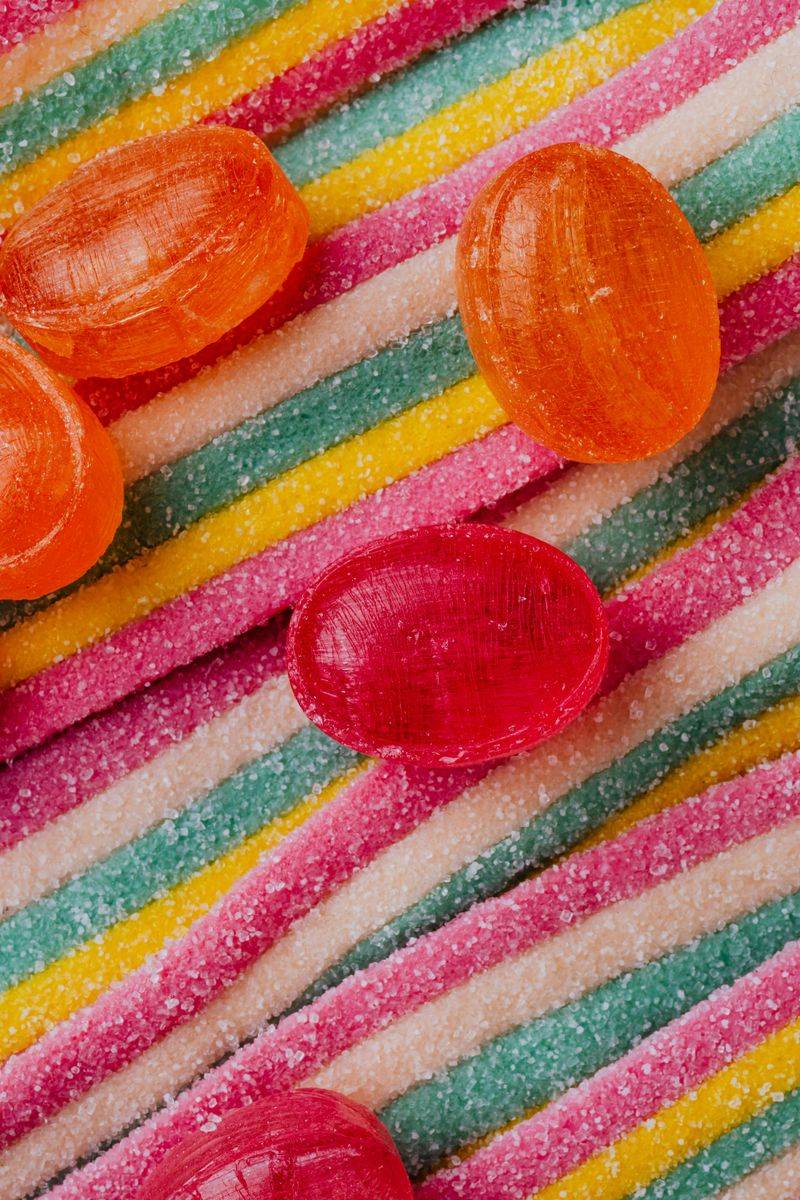
Candy delivers a fast blast of sugar without fiber, protein, or healthy fat to slow absorption. That means quick spikes, quick crashes, and a cycle that keeps you reaching for more.
Over time, frequent hits can inflame your gums, dull your skin, and stress your heart.
When a sweet tooth strikes, choose a small square of dark chocolate with nuts or berries. Keep portions tiny and savor slowly.
Pair treats with a meal to cushion blood sugar. You do not need to quit sugar entirely, just make it a thoughtful choice and not a habit.
Pastries

Pastries typically combine refined flour, sugar, and butter or shortening, creating a triple hit for blood sugar and cholesterol. That combo is delicious yet leaves you hungry again soon.
Over time, it nudges weight upward and crowds out more nourishing breakfast options.
Try Greek yogurt with berries and seeds, or overnight oats with cinnamon. If you love a bakery treat, split it, choose a mini, or enjoy it on special occasions.
Add protein to keep energy steady. A little planning makes mornings satisfying without the crash that pastries often deliver.
Margarine
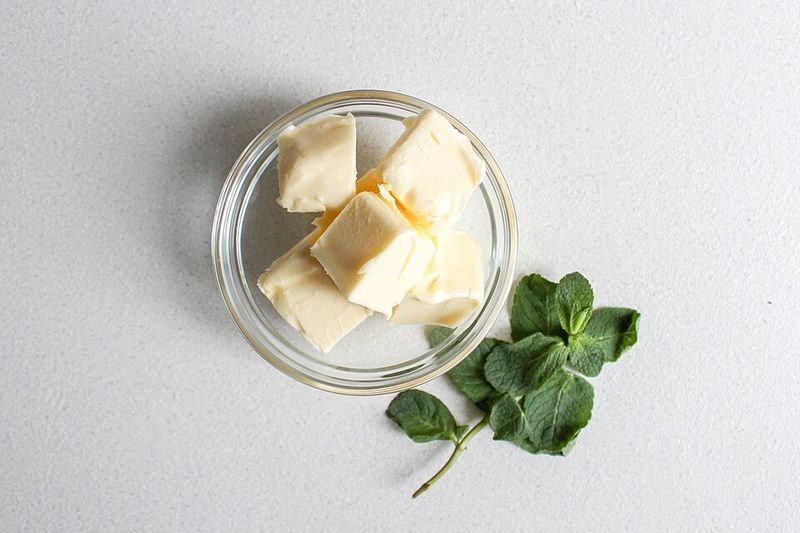
Older margarines contained trans fats that raise LDL and lower HDL, a harmful one-two punch for heart health. Many newer spreads removed trans fats, but some still rely on refined oils and additives.
Even without trans fats, highly processed spreads are not the most heart-friendly choice.
Choose extra virgin olive oil, avocado, or a small amount of real butter. Look for spreads with olive oil and no hydrogenated oils if you want convenience.
Read labels closely, keep portions modest, and prioritize minimally processed fats. Your arteries will appreciate the upgrade every single day.
Packaged snacks
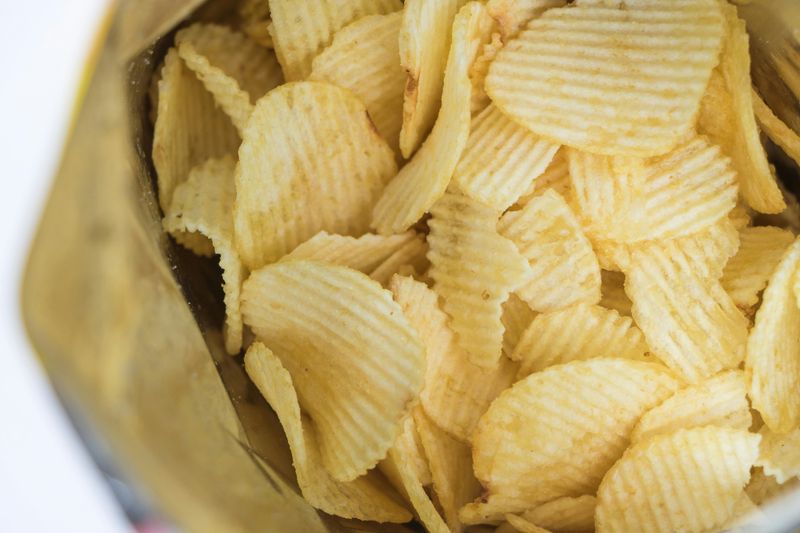
Packaged snacks are engineered to be irresistibly crunchy, salty, and sweet, encouraging mindless eating. They often carry refined oils, starches, and artificial flavors that do little for long-term health.
Portions creep up quickly, and satiety rarely follows.
Stock your bag with nuts, roasted chickpeas, fruit, or veggie sticks with hummus. If you want chips, portion them into a small bowl and savor slowly.
Seek short ingredient lists and whole foods. You will enjoy snacks more when they actually satisfy you, rather than chasing flavor dust at the bottom of a bag.
Fast food burgers
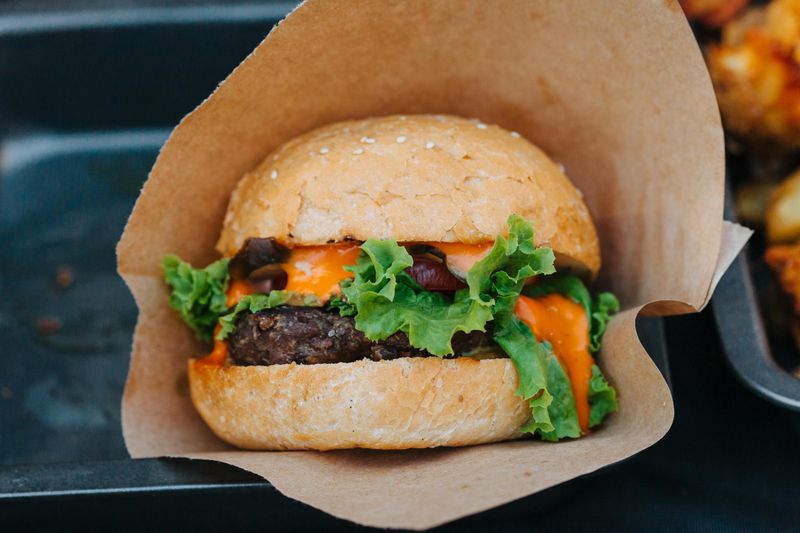
Fast food burgers often pack refined buns, high-sodium sauces, and industrial oils. The patties may be high in saturated fat, and portions are huge.
Regularly relying on them can push weight, blood pressure, and cholesterol higher than you want.
Build burgers at home with lean beef, turkey, or a bean patty, and use a whole grain bun. Load on tomatoes, onions, greens, and pickles.
Keep sauces light and salty sides minimal. When you do grab drive-thru, choose smaller sizes, skip extra cheese, and add a side salad to balance the meal.
French fries
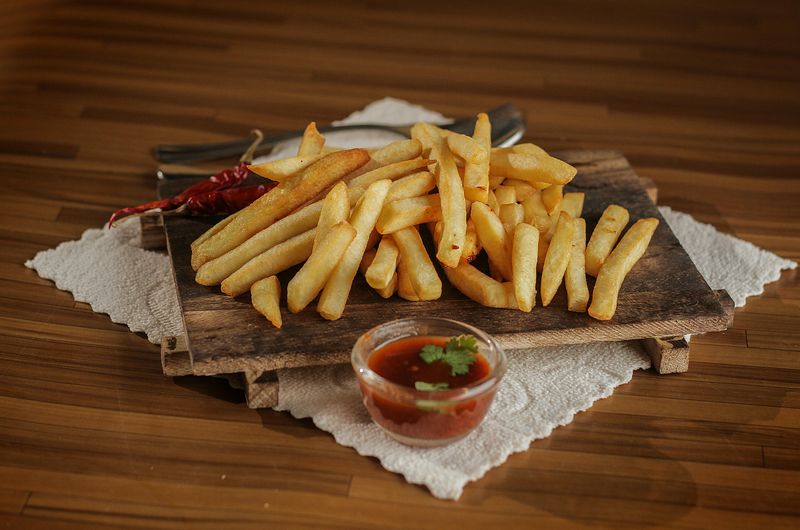
French fries combine refined starch with high-heat oils, delivering calories that add up fast. Acrylamide can form during frying, and sodium usually piles on.
That trio is tough on your heart and waistline if it becomes a routine.
Bake or air fry potato wedges or try roasted sweet potatoes for more fiber. Season with paprika, garlic, and rosemary, and use a modest drizzle of olive oil.
Portion your fries on a plate, not out of the bag. You still get the comfort, minus the heavy hit to metabolic health.
Frozen dinners
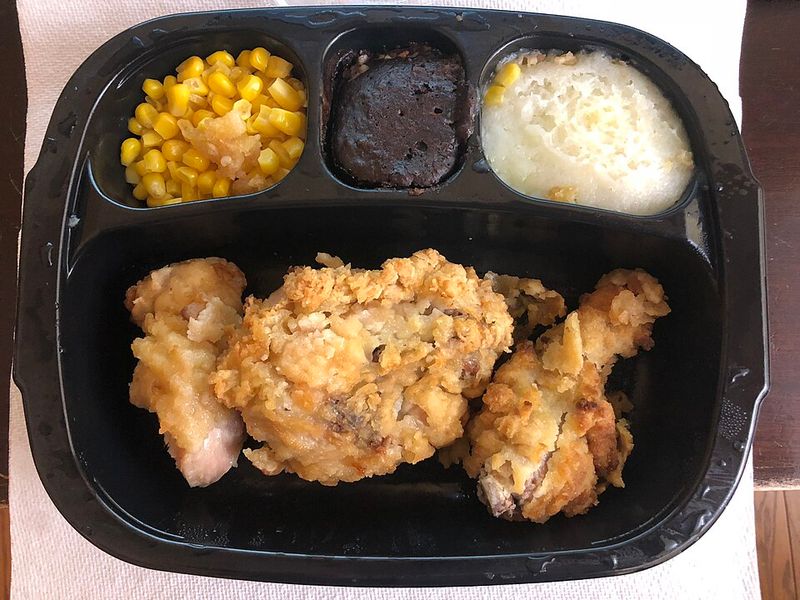
Many frozen dinners are packed with sodium, refined starches, and small portions of vegetables. They are convenient, but that convenience can build blood pressure and leave you undernourished.
Sauces often hide sugar and low-quality oils.
Look for options with short ingredients, at least 20 grams of protein, and plenty of vegetables. Even better, batch-cook and freeze your own balanced meals.
Add a side salad and fruit to round things out. Convenience can absolutely fit a long-life plan when you choose carefully and bolster each plate with colorful produce.
Instant noodles
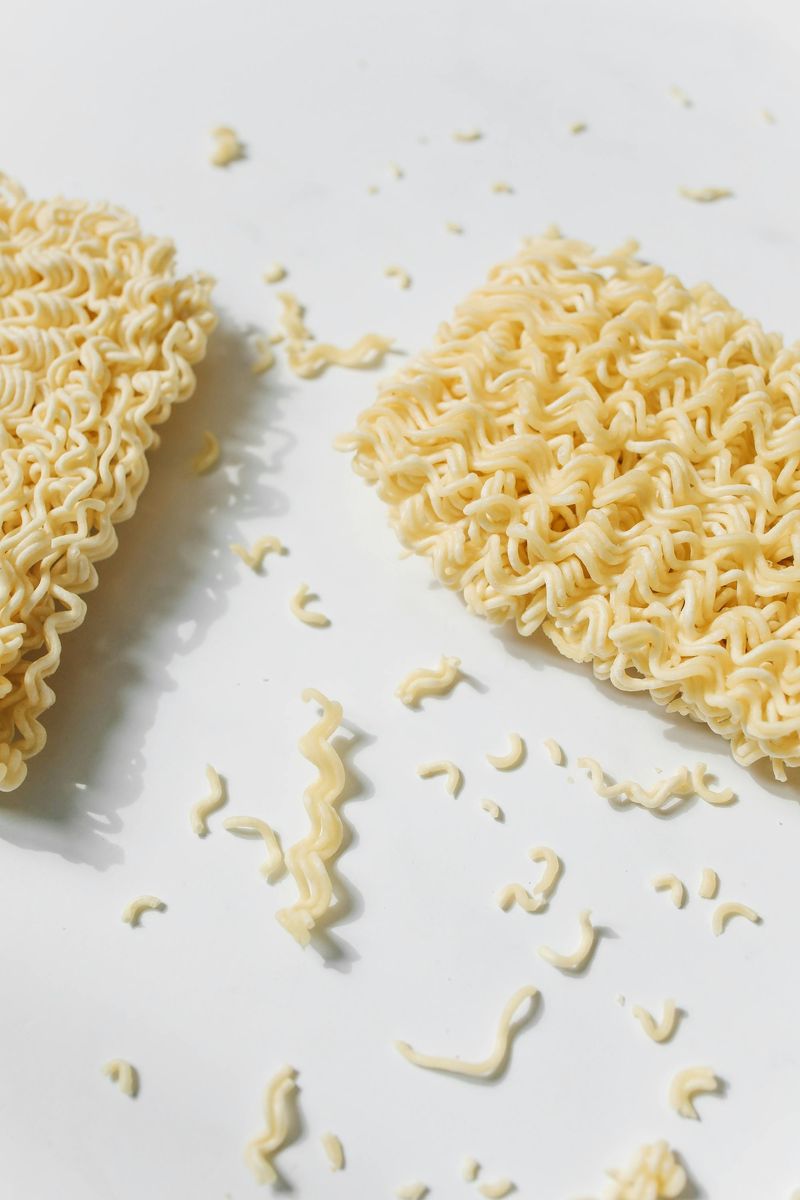
Instant noodles often bring high sodium packets and refined noodles that spike blood sugar without lasting fullness. The flavor enhancers can push you to overeat later.
As a staple, they crowd out nourishing meals your body needs.
Upgrade with whole grain or buckwheat noodles, miso or bone broth, and lots of vegetables. Crack in an egg or add tofu for protein.
Keep the seasoning light and use sesame oil sparingly. When you crave comfort, this simple bowl gives you warmth, flavor, and steady energy without the bloated, thirsty feeling many instant cups leave behind.
High-sodium soups
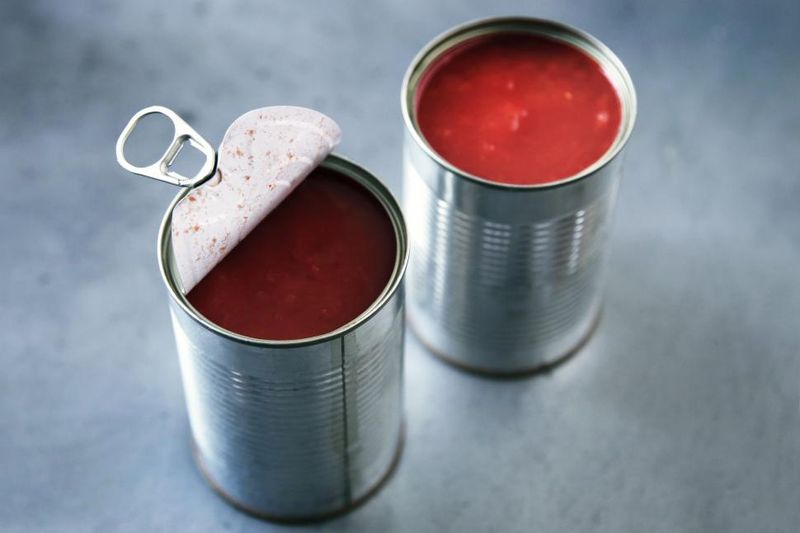
High-sodium soups can silently push blood pressure higher, stressing your heart and kidneys over time. One can often exceeds half a day’s sodium target, and you barely notice.
The salt masks bland ingredients and keeps you reaching for more.
Choose low-sodium labels, rinse canned beans, and add herbs, garlic, and acid for bright flavor. Homemade soups freeze beautifully, so make big batches.
Finish bowls with olive oil and greens for extra nutrients. With a few tricks, you will not miss the salt, and your blood vessels will stay calmer day to day.
Sugary cereals
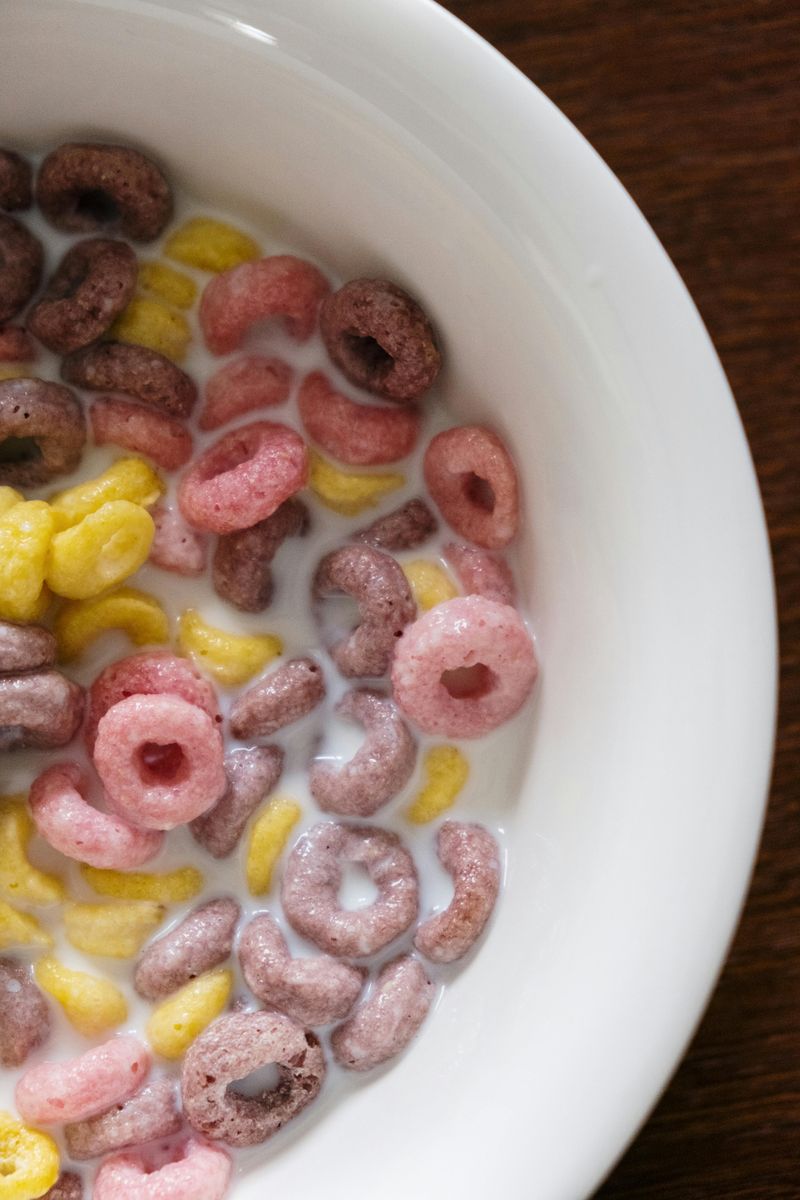
Sugary cereals turn breakfast into dessert, spiking blood sugar and leaving you hungry by midmorning. Many lack fiber and protein, so they do not keep you satisfied.
That roller coaster can fuel cravings all day.
Pick cereals with at least 5 grams of fiber and under 6 grams of added sugar per serving. Better yet, choose oats, chia pudding, or yogurt bowls with seeds.
Add cinnamon, nuts, and fruit for sweetness and crunch. You will feel steadier, think clearer, and be less tempted by the office snack stash later.
Energy drinks

Energy drinks slam you with caffeine and sugar or artificial sweeteners, often alongside stimulatory additives. That surge can rattle sleep, raise blood pressure, and magnify anxiety.
Over time, poor sleep alone can undercut longevity and metabolic health.
Swap to green tea, black coffee, or a small cold brew with water. If you need fizz, try unsweetened yerba mate or sparkling water with citrus.
Protect your sleep window and hydrate well. Real energy comes from balanced meals, movement, sunlight, and consistent rest, not a can that makes your heart race and your focus jittery.
Alcohol

Alcohol can disrupt sleep, elevate blood pressure, weaken immunity, and burden your liver. Even moderate intake carries cancer risk, especially for breast and digestive cancers.
It also tempts extra snacking and derails workouts the next day.
If you drink, keep it light, slow, and infrequent, and always with food. Explore alcohol-free spirits, bitters with soda, or kombucha in a wine glass.
Set a weekly cap and plan alcohol-free days. You deserve social rituals that leave you clear-headed, well-rested, and aligned with your long-life goals.
Ice cream

Ice cream blends sugar and saturated fat in a package that is easy to overeat. It spikes cravings and rarely satisfies for long, especially after dinner.
Regular bowls add up quickly in calories without much nutrition.
Try frozen banana or Greek yogurt blended with cocoa, berries, or peanut butter. Portion your scoop into a small dish, add nuts for texture, and eat slowly.
Save it for weekends or celebrations. You get the joy without turning dessert into a nightly habit that slowly nudges health markers the wrong way.
Flavored coffee drinks
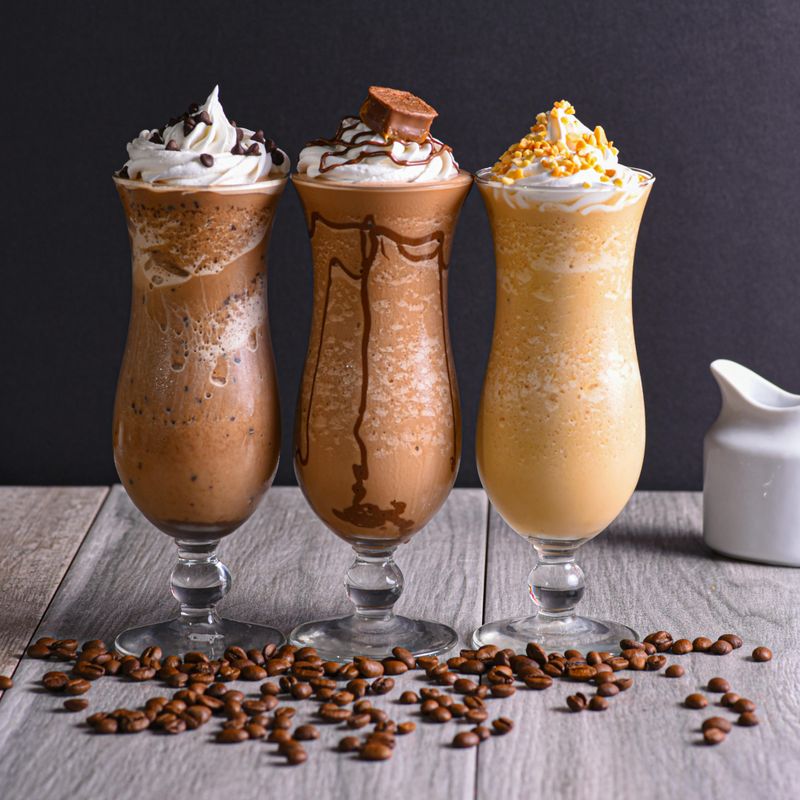
Flavored coffee drinks can hide more sugar than a dessert, plus syrups, cream, and oversized portions. That morning treat quickly erases a careful breakfast.
Regular indulgence can drive weight gain and raised triglycerides.
Order a smaller size, choose unsweetened, or ask for one pump and extra cinnamon. Try a cappuccino, Americano, or cold brew with a splash of milk.
If sweetness feels essential, pair it with protein and keep it occasional. You still get the ritual and comfort, without the daily sugar dump sabotaging your energy and focus.
White bread
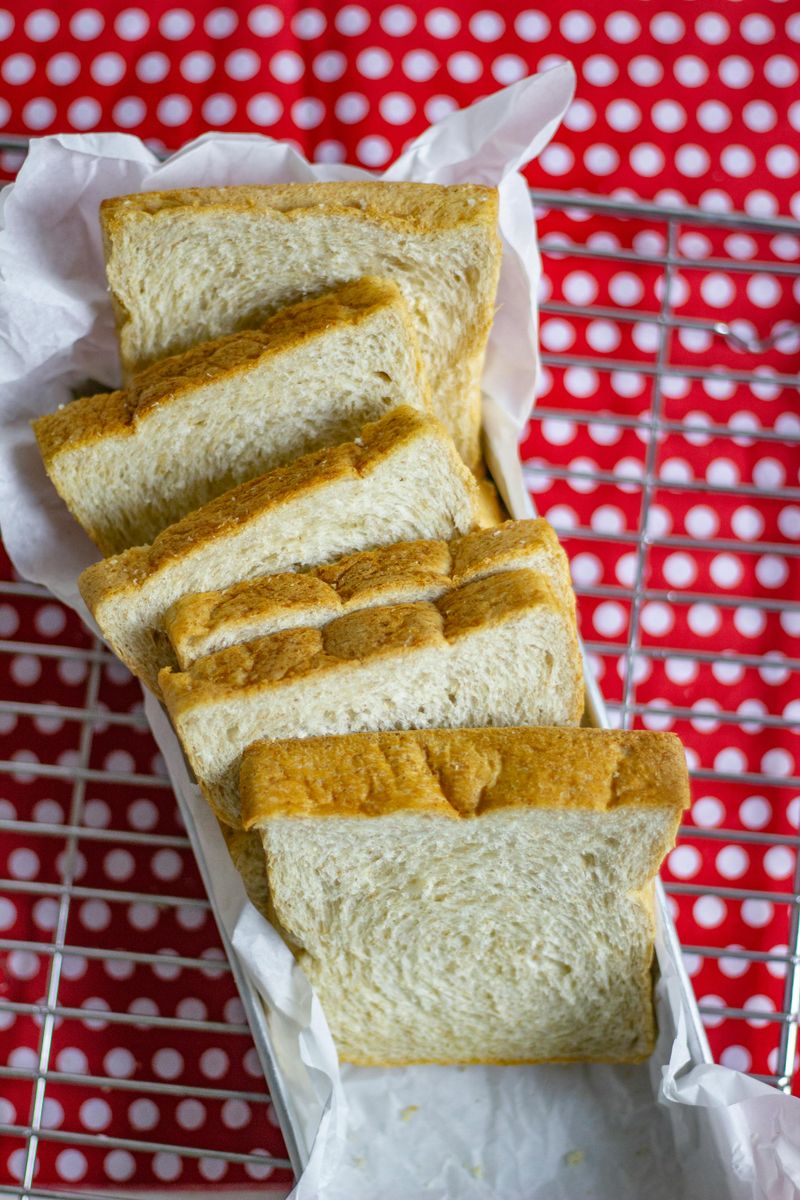
White bread digests quickly, spiking blood sugar and leaving you hungry again soon. It lacks the fiber, vitamins, and minerals that whole grains deliver.
Over time, those rapid swings can encourage insulin resistance.
Switch to 100 percent whole grain, sprouted, or seeded breads with at least 3 grams of fiber per slice. Check ingredients for whole grain as the first word.
Build sandwiches with lean protein, greens, and healthy fats. Your sandwiches will taste heartier, keep you full longer, and support a steadier metabolism throughout your day.
Processed cheese
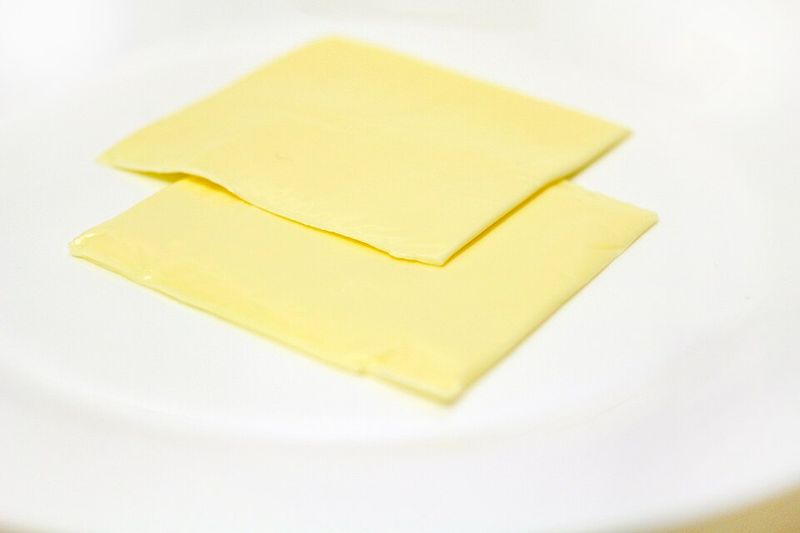
Processed cheese often includes emulsifiers, fillers, and added sodium that do little for nutrition. Texture is melty, but flavor can be flat and salty.
Regular use can crowd out more nutrient-dense dairy or plant options.
Choose real cheese in small amounts, like sharp cheddar or Parmesan, and savor it. Pair with apples, whole grain crackers, or vegetables.
If dairy is not your thing, try hummus or avocado for creaminess. Quality over quantity keeps taste high and saturated fat lower overall, and your body benefits from fewer additives.
Artificial sweeteners

Artificial sweeteners cut calories, but they can keep your palate hooked on intense sweetness. Some studies suggest they may affect gut bacteria and glucose responses in certain people.
They also make plain, wholesome foods seem less appealing.
Train your taste buds downward by using less over time. Choose whole fruit, cinnamon, or vanilla to flavor foods.
If you use sweeteners, keep them minimal and rotate types. Water, tea, and coffee without sweeteners become pleasantly simple once your senses reset, helping you enjoy real flavors that support long-term health.
Snack cakes
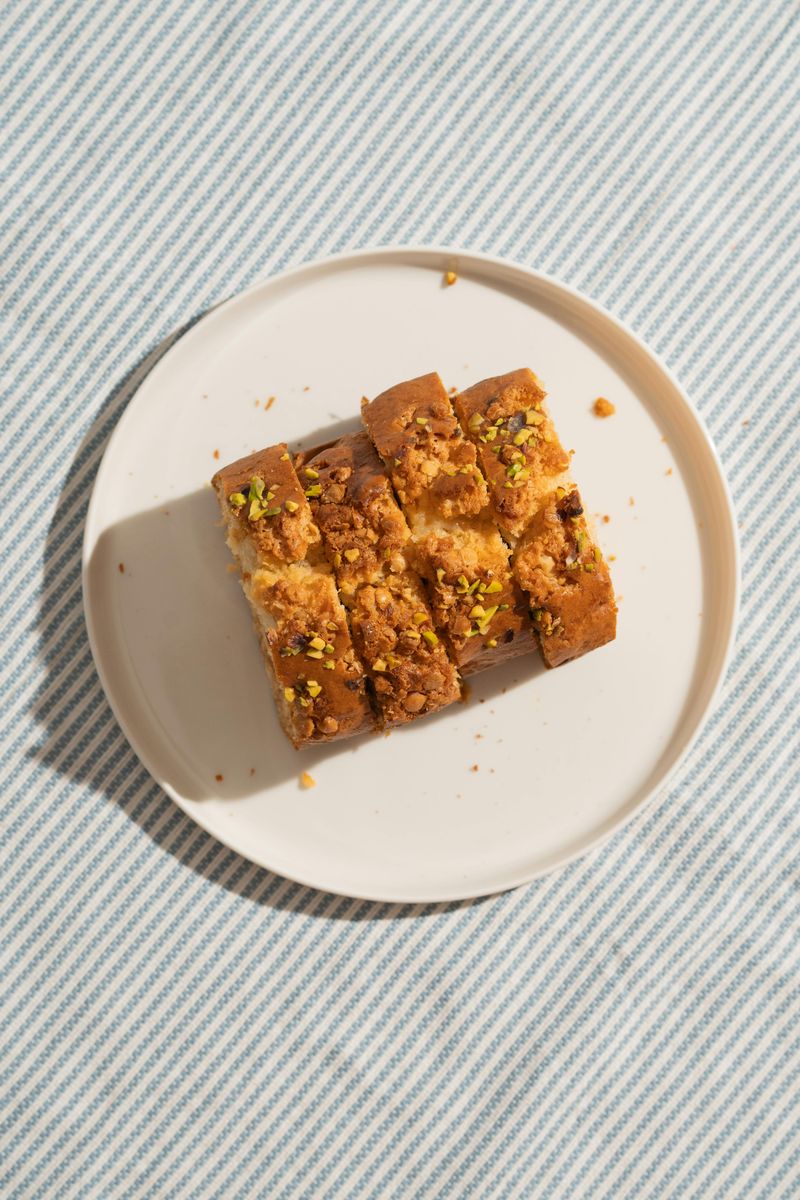
Snack cakes bundle refined flour, sugar, and industrial oils in a portable package that invites constant nibbling. They deliver quick energy, then a slump, and rarely satisfy.
Over time, this pattern can inch weight and triglycerides upward.
Keep them out of sight and stock better options. Make oat bars with nuts, seeds, and a touch of dark chocolate.
If you want a treat, portion one piece, sit down, and enjoy it. Turning snacks into intentional moments helps you eat less and feel more satisfied, which supports better health markers over time.
Sugary sauces
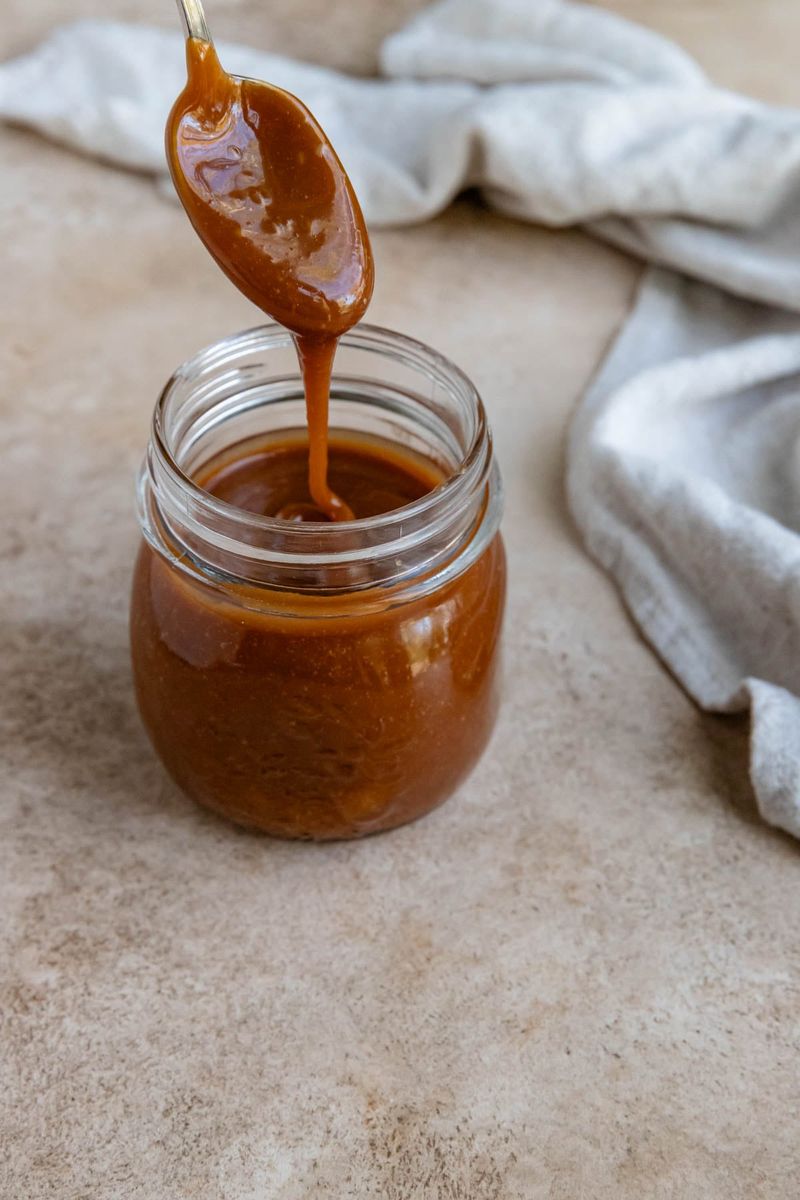
Sugary sauces sneak extra teaspoons into meals you think are savory. Ketchup, teriyaki, and many glazes add up fast, especially with generous pours.
Those hidden sugars drive blood sugar swings and cravings later.
Scan labels and choose versions with less than 4 grams of added sugar per serving. Make quick sauces with olive oil, lemon, garlic, herbs, and chili.
Use vinegar, citrus, and umami like tamari or miso for depth. Flavor stays big while sugar stays small, helping your meals support the energy and longevity you are after.
Processed meats

Processed meats often carry high sodium, nitrates, and preservatives that can damage blood vessels and raise blood pressure. Regular intake is linked with higher risks of heart disease, colorectal cancer, and type 2 diabetes.
The saturated fat and additives make your body work harder than it should.
Choose lean poultry, fish, beans, or tofu instead, and season generously with spices. If you enjoy charcuterie, limit frequency and portion size, and prioritize minimally processed options.
Build sandwiches with roasted chicken you cook at home. Your gut and heart will thank you for every mindful swap.
Enjoyed this story?
Add Fast Food Club as a preferred source to see more of our reporting on Google.