


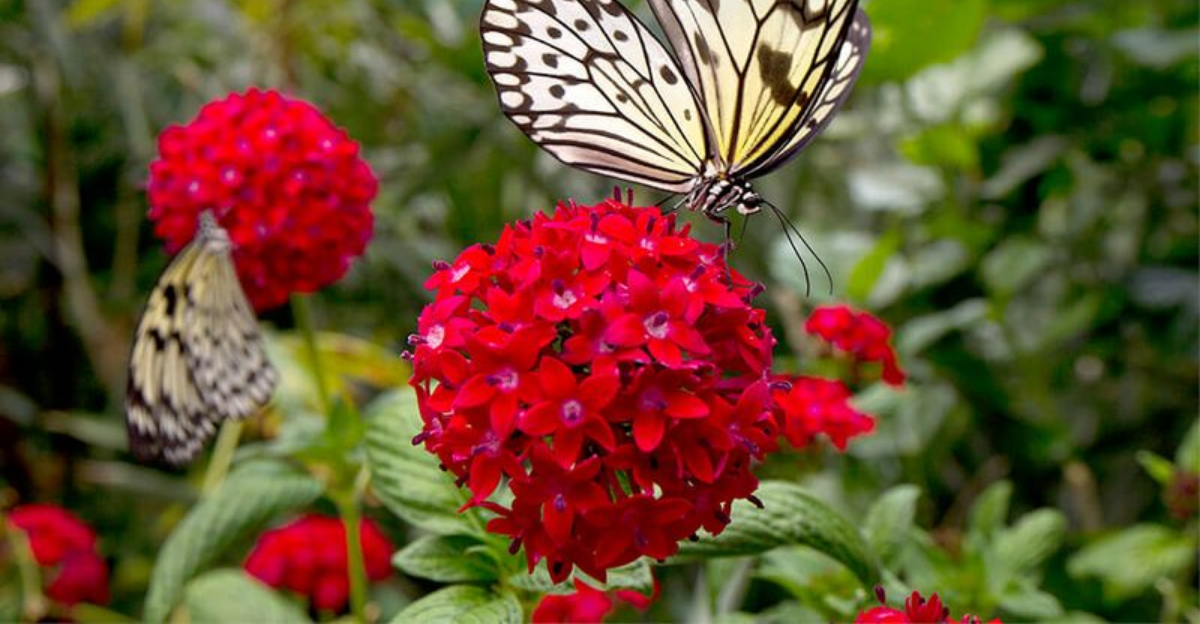
Florida gardening has a secret weapon: the right plants can keep your yard lush and colorful no matter the season. Between the blazing summers, occasional cold snaps, and unpredictable rain, choosing plants that can handle it all makes a huge difference.
The good news is that Florida’s climate actually supports a wide variety of tough, beautiful plants that thrive with minimal fuss. Whether you’re a beginner or a seasoned gardener, these 23 plants are worth every square foot of your garden.
Podocarpus
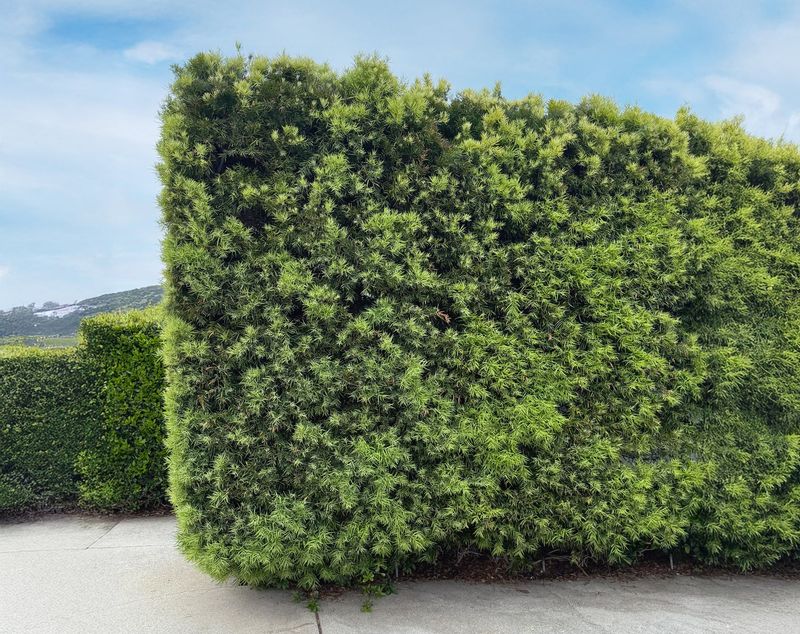
If you want a plant that plays the role of privacy screen, windbreak, and ornamental shrub all at once, Podocarpus is your go-to. This evergreen grows steadily into a tall, dense wall of dark green needles that stay attractive year-round.
It tolerates full sun and partial shade, making it flexible for almost any yard layout. Podocarpus is also resistant to pests and drought once established, which means less work for you and more beauty for your garden.
Clusia
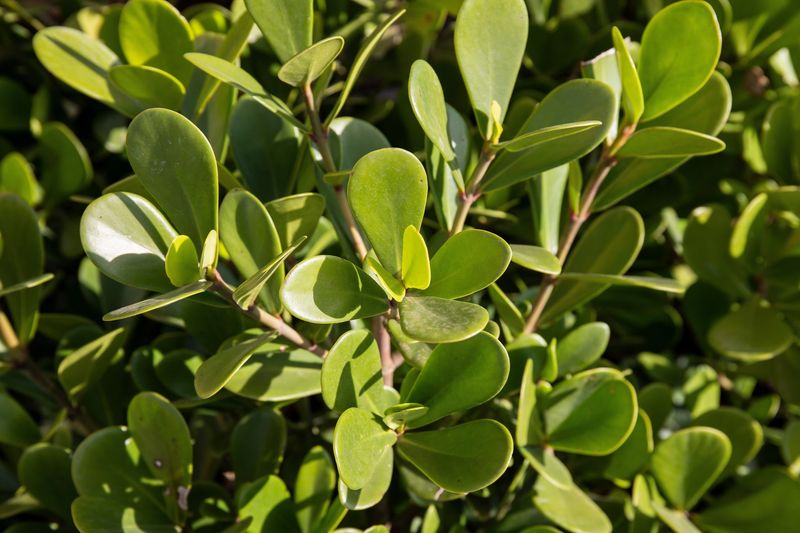
Clusia is one of those plants that seems almost too good to be true for Florida yards. Its thick, waxy leaves shrug off salt air, drought, and even occasional flooding without missing a beat.
Nicknamed the “autograph tree” because you can actually scratch words into its leaves, it brings a fun personality to any space. Clusia grows into a solid, rounded hedge or standalone shrub that looks polished without needing constant trimming or special care.
Cocoplum
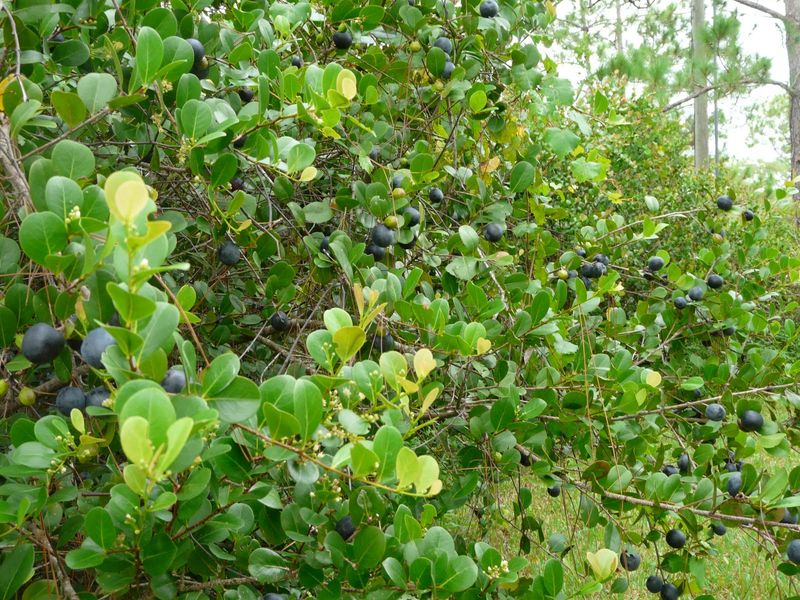
Cocoplum is a Florida native that earns its keep in more ways than one. Its glossy, rounded leaves stay vibrant all year, and in season it produces small edible fruits that wildlife absolutely loves.
Birds, butterflies, and other pollinators flock to it regularly. It handles both wet and dry conditions surprisingly well and can be shaped into a formal hedge or left to grow naturally.
For gardeners who want beauty and ecological value, Cocoplum checks every box.
Coontie
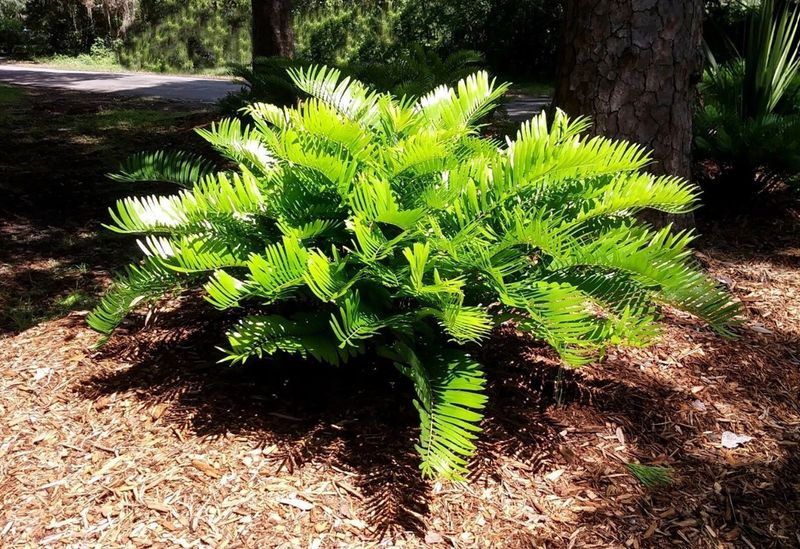
Ancient and nearly indestructible, the Coontie is a cycad that has been growing in Florida for thousands of years. Its dark, feathery fronds give gardens a tropical look without demanding tropical amounts of water or attention.
It thrives in sandy, well-drained soil and tolerates drought like a champion. Coontie is also the only host plant for the rare Atala butterfly, making it a powerhouse for supporting local wildlife.
Small but mighty, it earns a permanent spot in any Florida yard.
Muhly grass
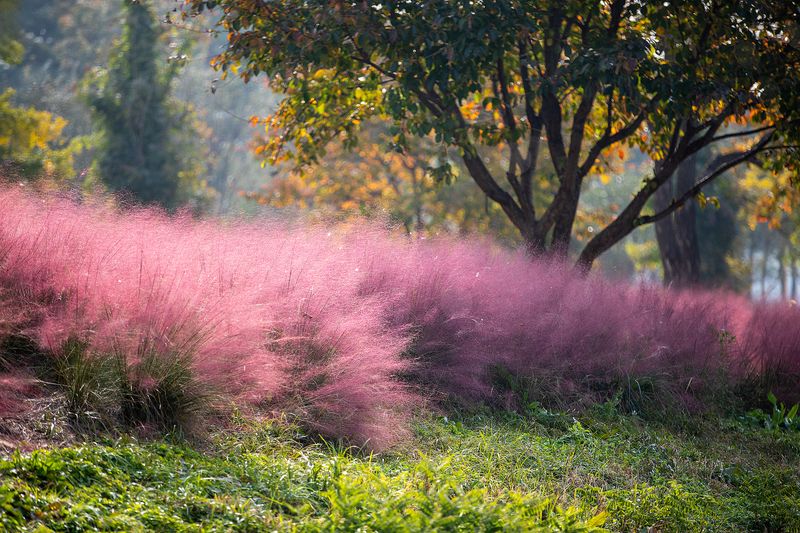
Every fall, Muhly grass puts on one of the most jaw-dropping shows in the Florida garden world. Clouds of soft, rosy-pink plumes rise above the slender green blades, turning ordinary landscapes into something almost magical.
Outside of its blooming season, the grass stays tidy and green with almost zero maintenance required. It thrives in full sun and sandy soil, tolerates drought well, and even handles occasional saltwater spray.
Few plants offer this level of drama for so little effort.
Firebush
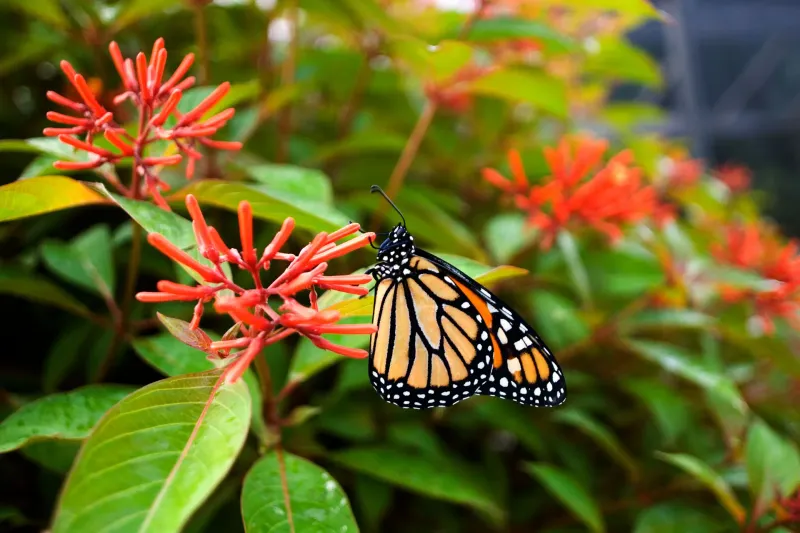
Want to attract hummingbirds and butterflies without doing much work? Firebush is basically a living welcome sign for pollinators.
Its clusters of fiery red-orange tubular flowers bloom almost continuously through the warm months, and the foliage turns a brilliant red in cooler weather.
This Florida native handles heat and humidity like a pro. It grows quickly, fills in bare spots with ease, and rewards low-maintenance gardeners with nonstop color and wildlife activity throughout the year.
Pentas
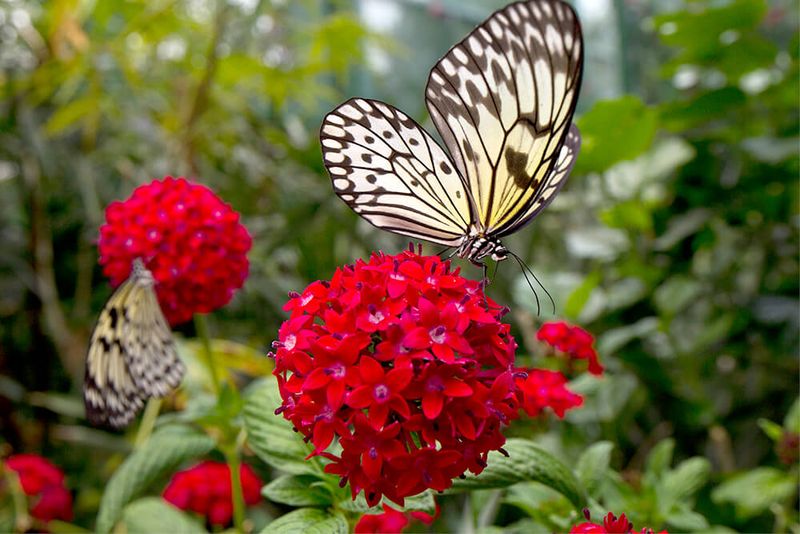
Pentas might just be the hardest-working flowering plant in Florida. Its star-shaped blooms come in shades of red, pink, white, and lavender, and they keep going from spring all the way through fall without much encouragement.
Butterflies treat it like a favorite restaurant, returning again and again for nectar. Pentas loves full sun and warm temperatures, making it perfectly suited for Florida’s long growing season.
Plant it in containers or garden beds for reliable, eye-catching color that practically takes care of itself.
Lantana
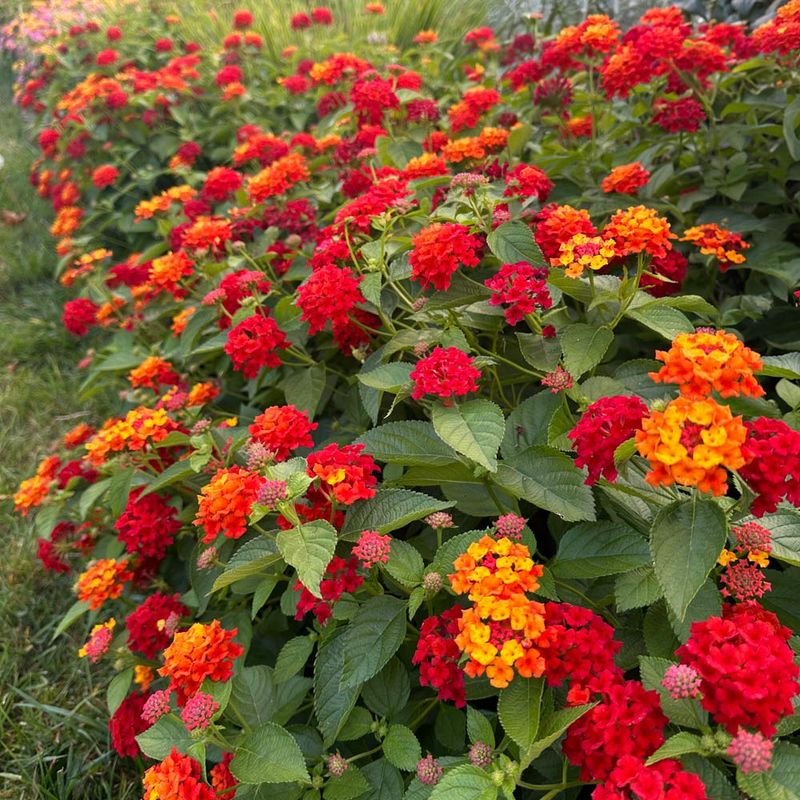
Lantana is the kind of plant that laughs at Florida’s brutal summer heat. While other flowers wilt and fade, Lantana keeps pumping out clusters of cheerful blooms in combinations of yellow, orange, pink, and red that shift color as they age.
It spreads wide and low, making it excellent for ground cover or cascading over walls. Butterflies swarm it constantly.
Once established, it needs very little water and thrives in full sun, sandy soil, and even coastal conditions. Tough and stunning.
Plumbago
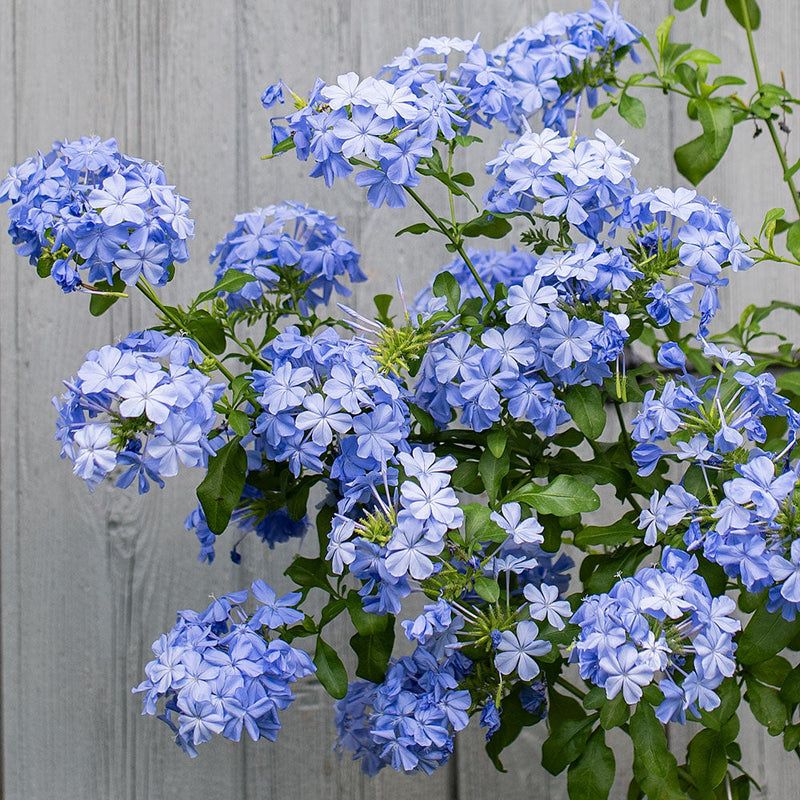
Few plants bring the kind of cool, breezy blue that Plumbago delivers in the Florida heat. Its clusters of sky-blue flowers bloom almost nonstop from spring through fall, creating a soft, flowing look wherever it’s planted.
It spreads generously, making it perfect for filling in large spaces or softening garden borders. Plumbago handles drought well once it gets settled and thrives in full to partial sun.
Butterflies love it, and the color pairs beautifully with Florida’s warm, golden tones.
Ixora
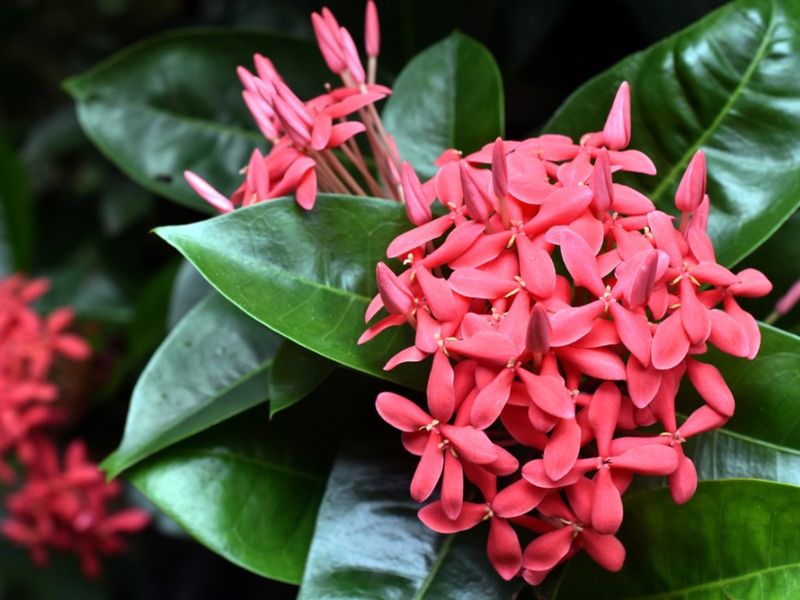
Ixora brings a burst of tropical energy to Florida gardens with its tight, rounded clusters of flowers in shades of red, orange, pink, and yellow. It blooms heavily in warm weather and stays evergreen year-round, keeping the garden looking full even when other plants take a break.
It prefers acidic soil and full sun, which Florida yards naturally provide in many areas. Ixora also works beautifully as a low hedge or border plant, giving landscapes a neat, colorful edge.
Croton
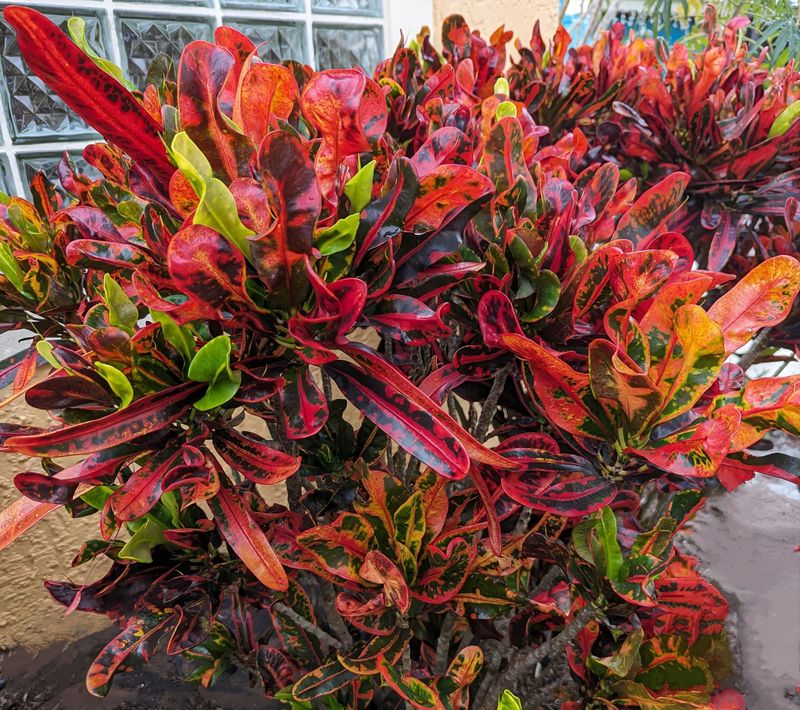
If a plant could be described as a walking art piece, Croton would be it. Its large, leathery leaves explode with combinations of red, yellow, orange, green, and purple that look almost too vivid to be real.
No two Croton plants look exactly alike, which makes every one feel like a unique addition to your garden. It thrives in Florida’s heat and humidity, prefers full sun for the boldest color, and works beautifully as a specimen plant or colorful hedge.
Cordyline
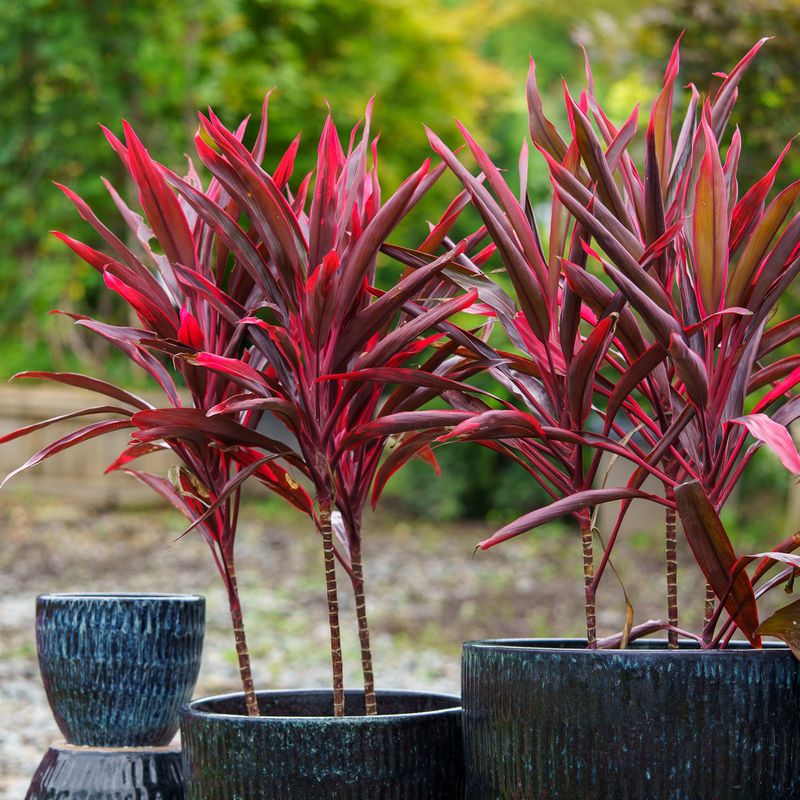
Cordyline brings bold, architectural drama to Florida gardens with its long, sword-shaped leaves in shades of burgundy, red, green, and pink. It stands tall and confident, making it a natural focal point in any planting design.
It handles Florida’s heat, humidity, and sandy soil without complaint and stays colorful all year. Use it as a striking accent plant among lower-growing shrubs or in containers on patios and entryways.
The visual impact it creates is hard to match with anything else.
Bird of paradise
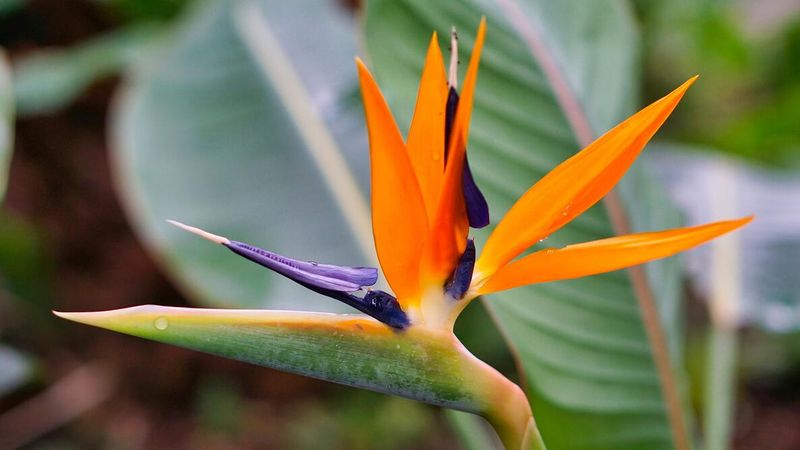
There is something almost theatrical about a Bird of Paradise in full bloom. Its flowers, shaped like the head of an exotic bird with bright orange petals and deep blue tongues, stop people in their tracks every single time.
In Florida, this South African native thrives in the heat and blooms repeatedly throughout the year. It grows into a large, clumping plant with broad, paddle-like leaves that look impressive even when not flowering.
Full sun and good drainage keep it at its best.
Areca palm
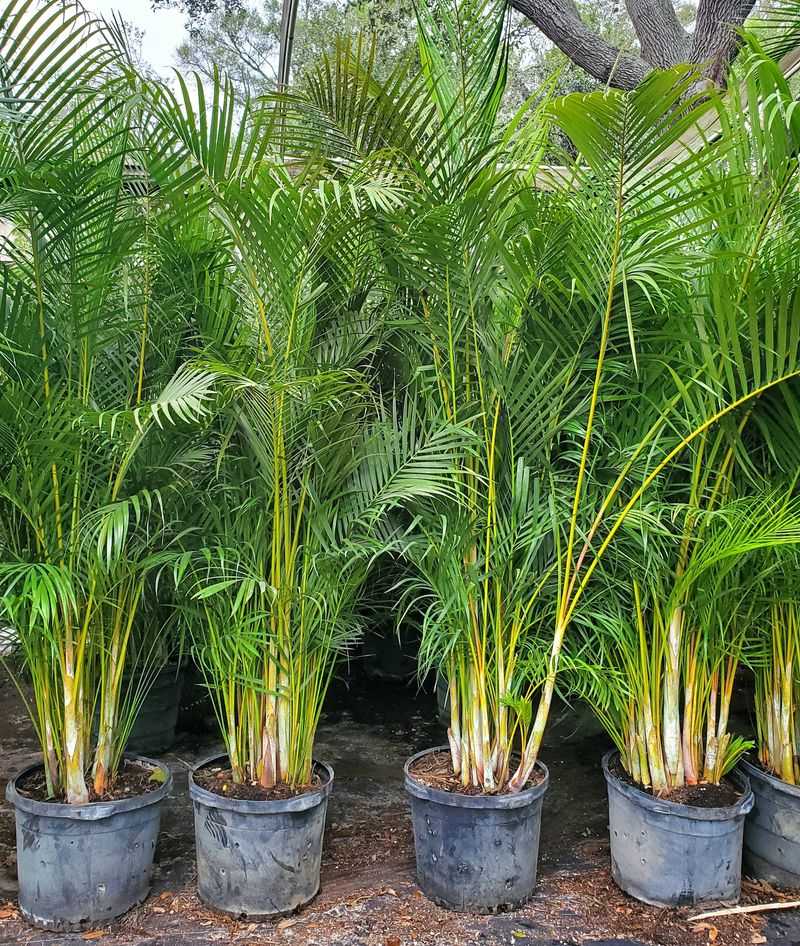
Walking past a row of Areca palms feels like stepping into a tropical resort, which is exactly why so many Florida homeowners plant them along fences and driveways. Their feathery, arching fronds create a lush, layered canopy that moves beautifully in the breeze.
Areca palms grow quickly into dense privacy screens and stay green and full all year. They prefer full sun to partial shade and regular watering when young.
Once established, they become remarkably self-sufficient and visually stunning.
Bromeliad
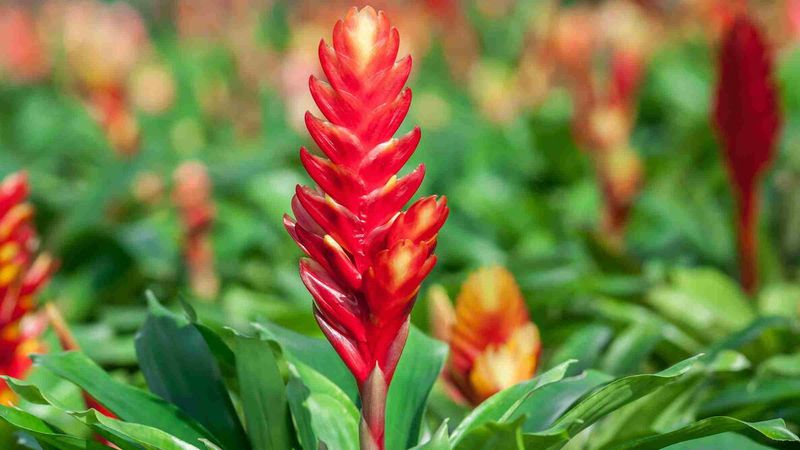
Bromeliads are the low-maintenance showstoppers of the shade garden. Their rosette-shaped forms come in an almost endless variety of colors and patterns, from deep burgundy to electric pink to striped green, bringing life to spots where other plants struggle.
They need very little soil and even less watering, since they collect moisture in their central cups. Florida’s warm, humid climate suits them perfectly.
Tuck them under trees, along fences, or in containers for pops of long-lasting color with barely any effort.
Society garlic
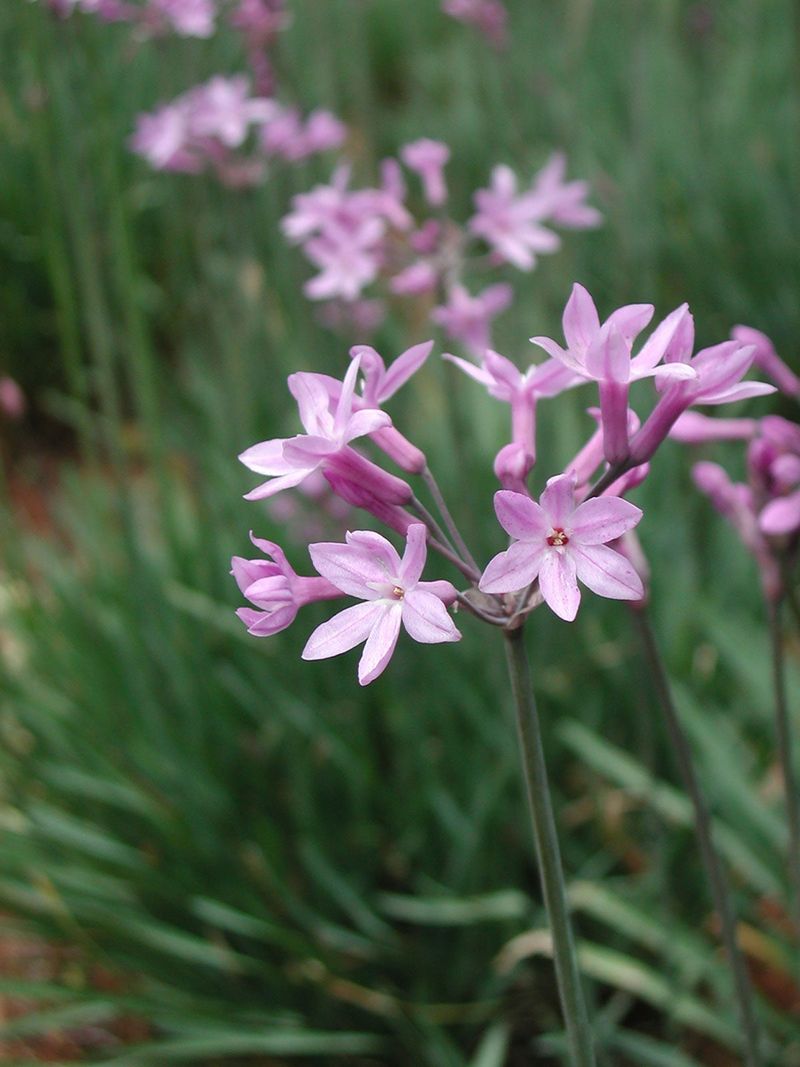
Society garlic earns its quirky name honestly: it smells like garlic when the leaves are crushed but is perfectly pleasant to be around in polite company. Its slender, upright stems are topped with clusters of soft lavender-pink flowers that bloom reliably through warm months.
It thrives in full sun and handles drought and poor soil with ease, making it one of the most forgiving plants in the Florida garden. Use it as a border plant, along pathways, or in mass plantings for consistent soft color.
Bulbine
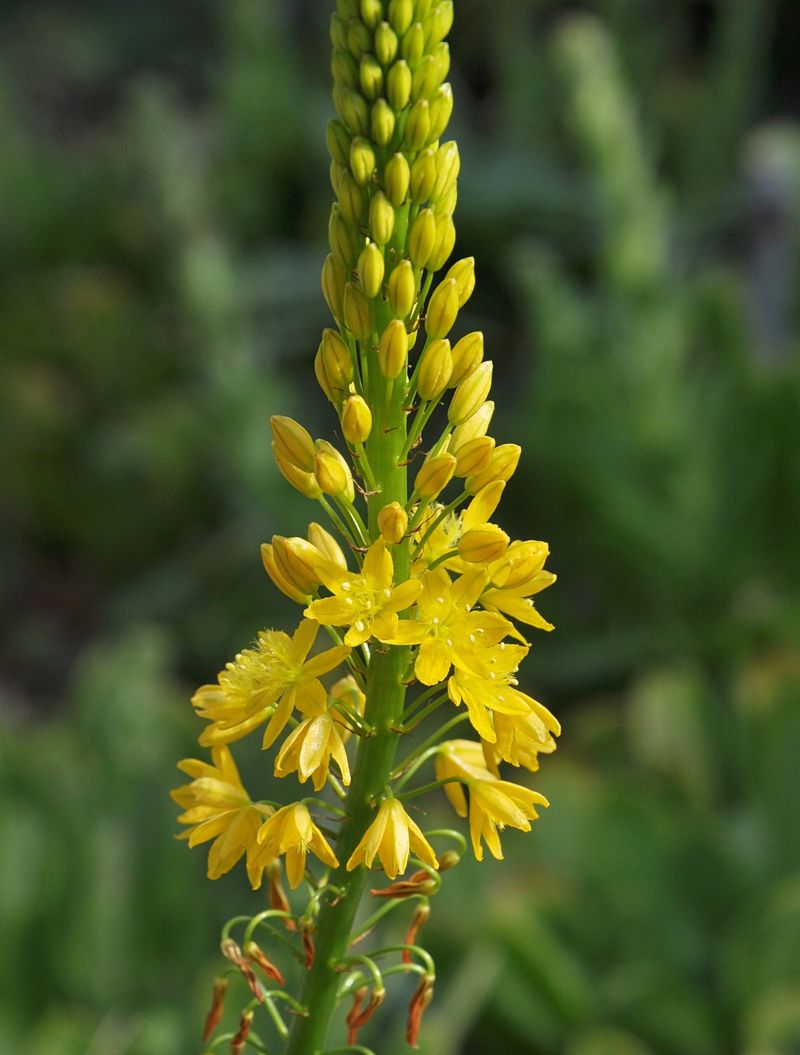
Bulbine is one of those quiet overachievers that gardeners discover and never stop planting. Its cheerful yellow or orange star-shaped flowers rise on tall spikes above succulent-like foliage, blooming generously from fall through spring in Florida.
It handles drought, sandy soil, and full sun without breaking a sweat, making it a top pick for water-wise landscapes. The fleshy leaves have a gel similar to aloe that can soothe minor skin irritations.
Compact and colorful, it earns its space in any yard.
Simpson’s stopper
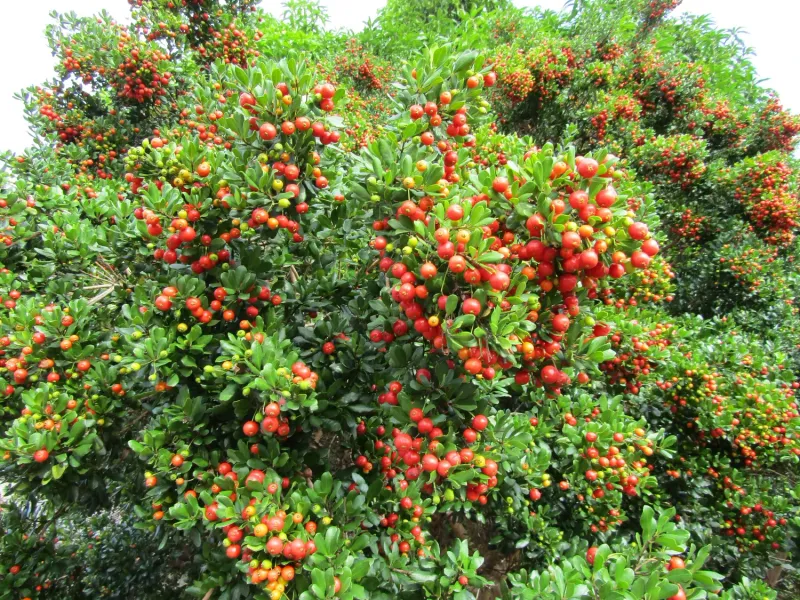
Simpson’s stopper is a Florida native that rarely gets the attention it deserves. This evergreen shrub produces fragrant clusters of tiny white flowers followed by bright orange-red berries that birds find irresistible throughout the year.
It grows well in sun or shade, tolerates drought once established, and stays dense and attractive with minimal pruning. Use it as a hedge, a specimen shrub, or a wildlife garden anchor.
For gardeners who want native plants that genuinely perform, Simpson’s stopper is a standout choice.
Walter’s viburnum
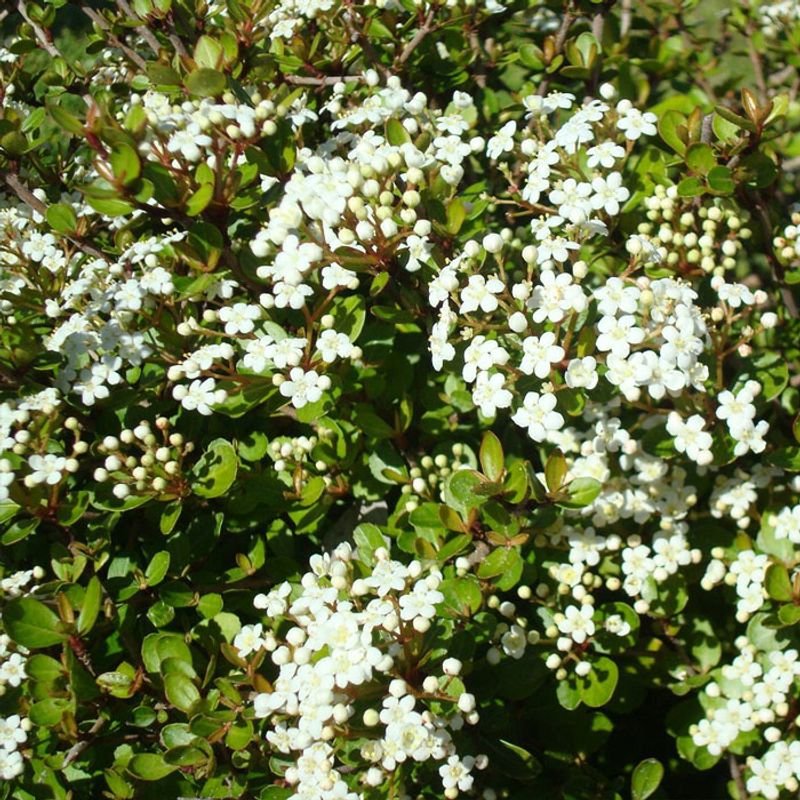
Walter’s viburnum is the kind of dependable native shrub that makes every gardener look like they know exactly what they are doing. It produces clusters of small white flowers in late winter and spring, followed by dark berries that birds devour enthusiastically.
The glossy green leaves stay on the plant year-round, keeping the garden looking full even in cooler months. It adapts to sun or shade, handles a range of soil types, and resists pests naturally.
Tough, beautiful, and wildlife-friendly.
Wax myrtle
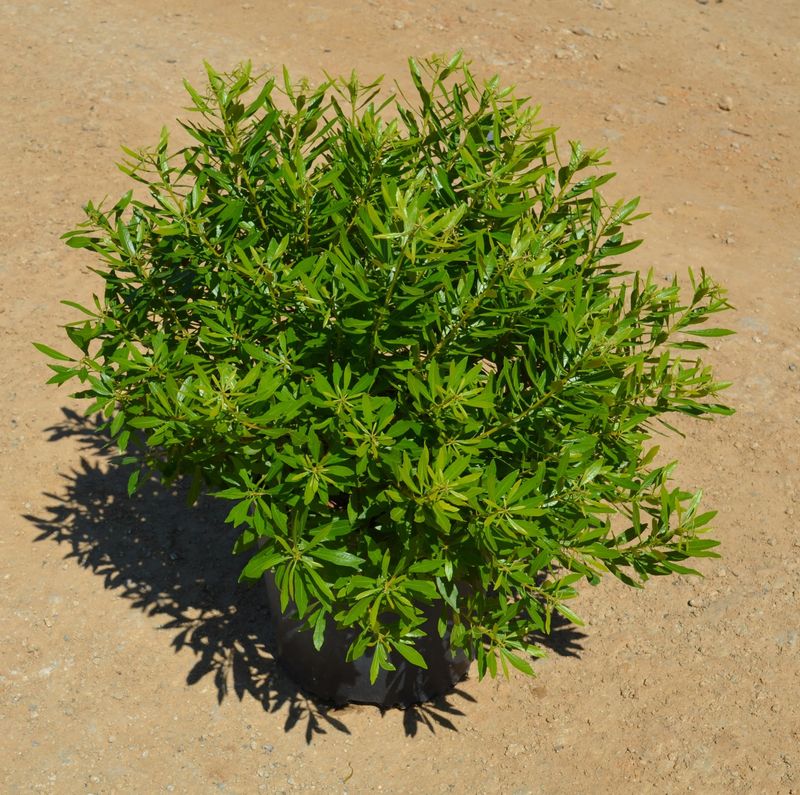
Wax myrtle is a Florida native that has been doing the heavy lifting in landscapes long before native plant gardening became trendy. Its aromatic gray-green leaves stay on the plant all year, and its waxy blue-gray berries are a magnet for songbirds, especially yellow-rumped warblers.
It grows quickly into a large shrub or small tree and handles wet or dry conditions with equal ease. Wax myrtle also works beautifully as a tall privacy screen or windbreak in coastal and inland gardens alike.
Dwarf yaupon holly
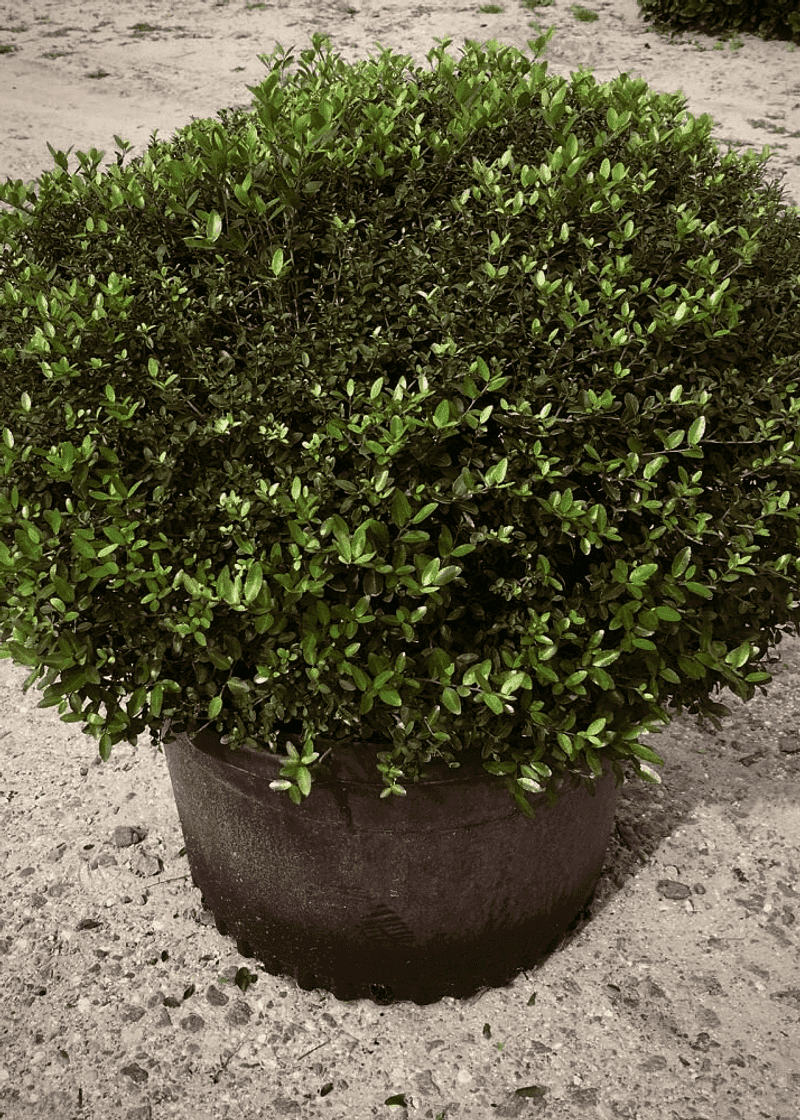
Small but seriously tough, Dwarf yaupon holly is one of the most versatile plants in the Florida gardener’s toolkit. Its tiny, glossy leaves stay rich green through every season, and the plant holds its compact, rounded shape with minimal pruning.
It tolerates drought, salt spray, poor soil, and even light freezes without complaint. Use it as a low border hedge, foundation planting, or mass ground cover for a neat, polished look that requires almost no effort to maintain through the year.
Indian hawthorn
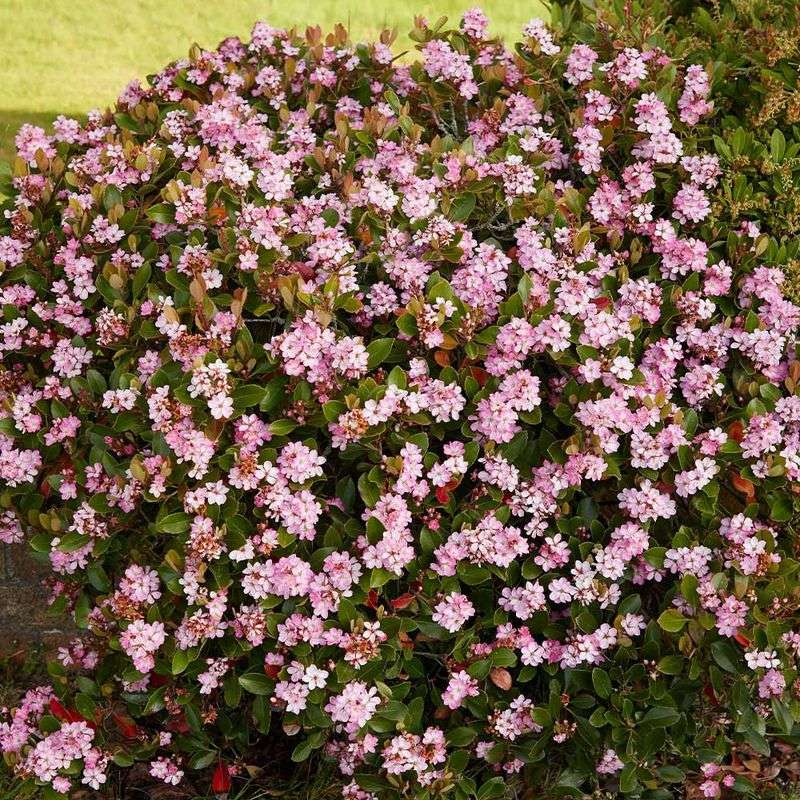
Indian hawthorn has a quiet elegance that fits perfectly into Florida landscapes. In early spring it bursts into clusters of delicate pink or white flowers that cover the entire plant, followed by small blue-black berries that linger through the cooler months.
The dark, glossy leaves stay attractive all year and turn slightly reddish in cooler weather, adding seasonal interest. It tolerates heat, drought, and salt spray well and works beautifully as a low hedge or foundation planting throughout Florida’s varied growing zones.
Natal plum
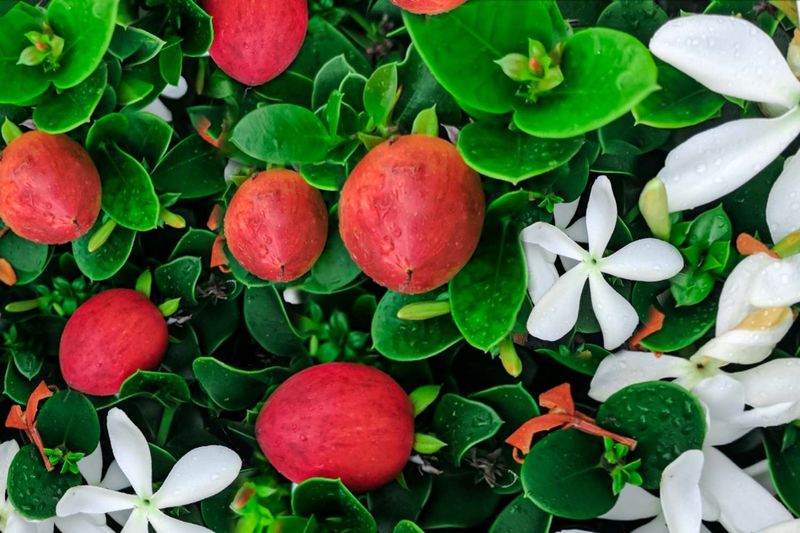
Natal plum brings a rare combination of beauty, fragrance, and edible fruit to Florida gardens. Its glossy, deep green leaves set off fragrant white star-shaped flowers that bloom repeatedly, filling nearby air with a jasmine-like scent that is genuinely hard to forget.
The bright red, plum-shaped fruits that follow are actually edible and sweet. It handles salt air, drought, and heat exceptionally well, making it a top pick for coastal gardens.
Sharp thorns also make it a natural security hedge that looks far too pretty to take seriously.
Enjoyed this story?
Add Fast Food Club as a preferred source to see more of our reporting on Google.