


Ever ordered a tiny upgrade that somehow doubled your bill? Restaurants are masters at dressing up simple add ons to feel luxurious, even when the value barely changes.
Once you spot the patterns, it is hard not to see the markup everywhere. Let us walk through the most common traps so you can keep the flavor and skip the nonsense.
Truffle oil
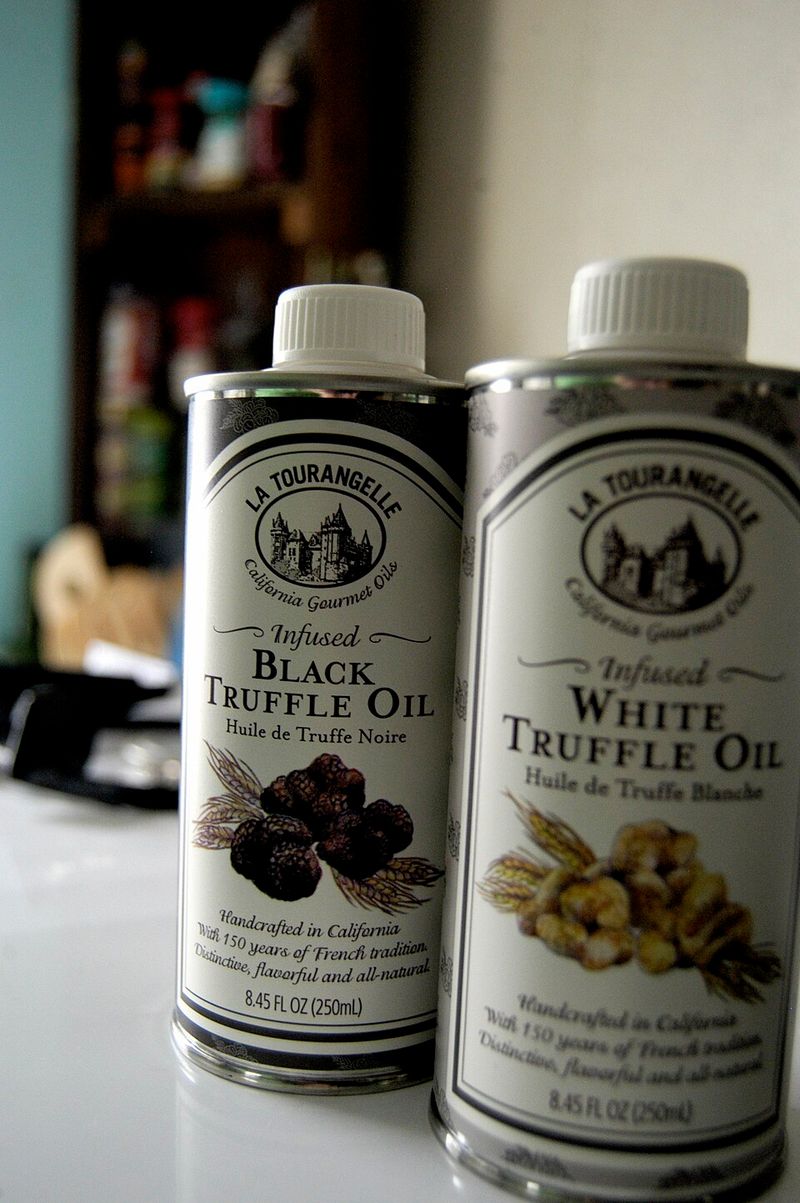
That truffle aroma feels luxurious, but it usually comes from synthetic flavor, not real fungi. A few drops can mask mediocre ingredients while adding an eye popping surcharge.
You think earthy decadence, but you are paying for perfume.
If you love the taste, cool, but know what you are buying. Real truffles are shaved and seasonal, not bottled.
Ask whether the kitchen uses actual truffle or truffle flavored oil, then decide if that dash is worth it.
Gold flakes
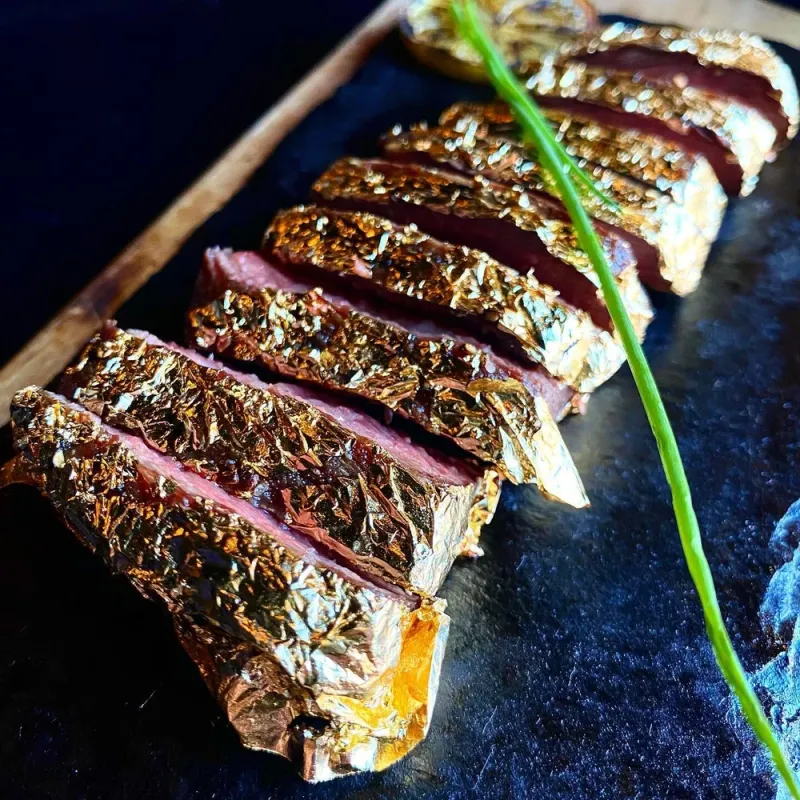
Edible gold looks glamorous, but it tastes like nothing and adds zero texture. It is pure optics, an Instagram tax that sticks to your bill instead of your palate.
You are buying a selfie, not flavor.
If presentation matters to you, fine, but do not confuse sparkle with quality. Great food does not need jewelry.
Skip the gold and spend on ingredients that actually taste amazing, like peak season fruit or real vanilla.
Fancy salt
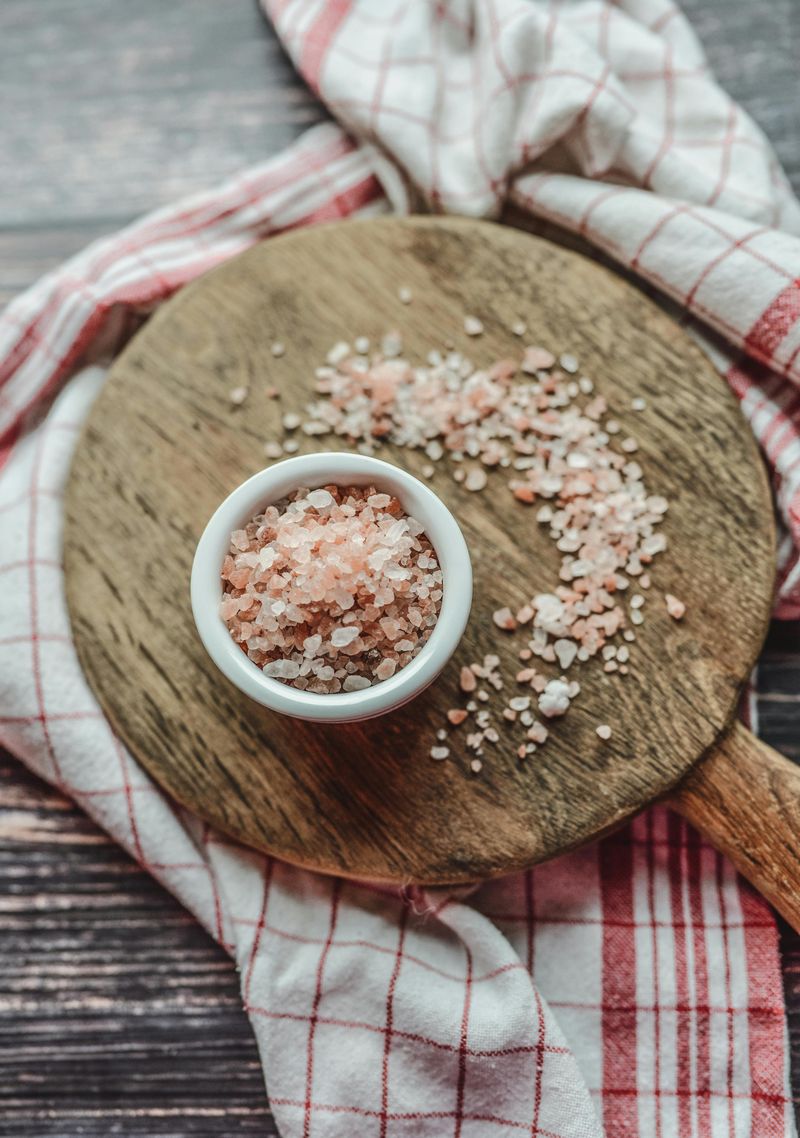
Servers hype volcanic or Himalayan salt like secret magic. Truth is, salt is mostly salt.
Texture can change perception, but those crystals rarely justify a steep markup.
If you want crunch, flaky sea salt at home costs far less. Restaurants selling a sprinkle as an upgrade are cashing in on mystique.
Ask for regular seasoning and judge the dish, not the mineral origin story.
Small portions
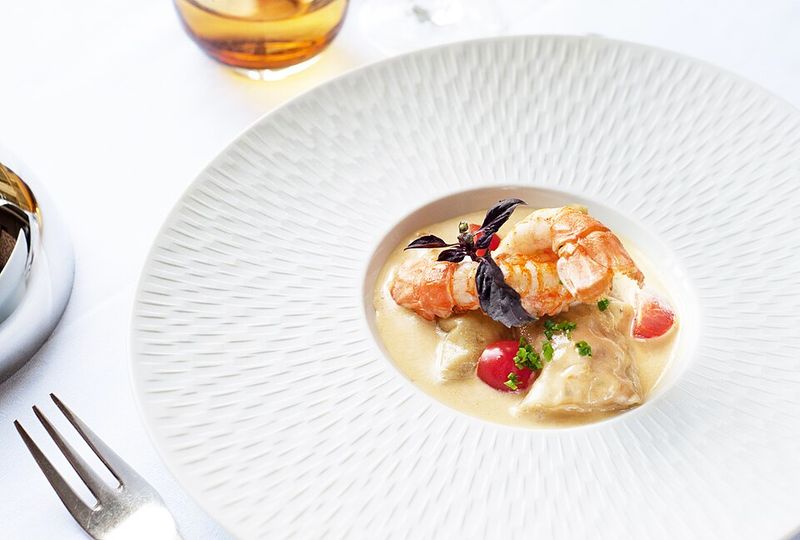
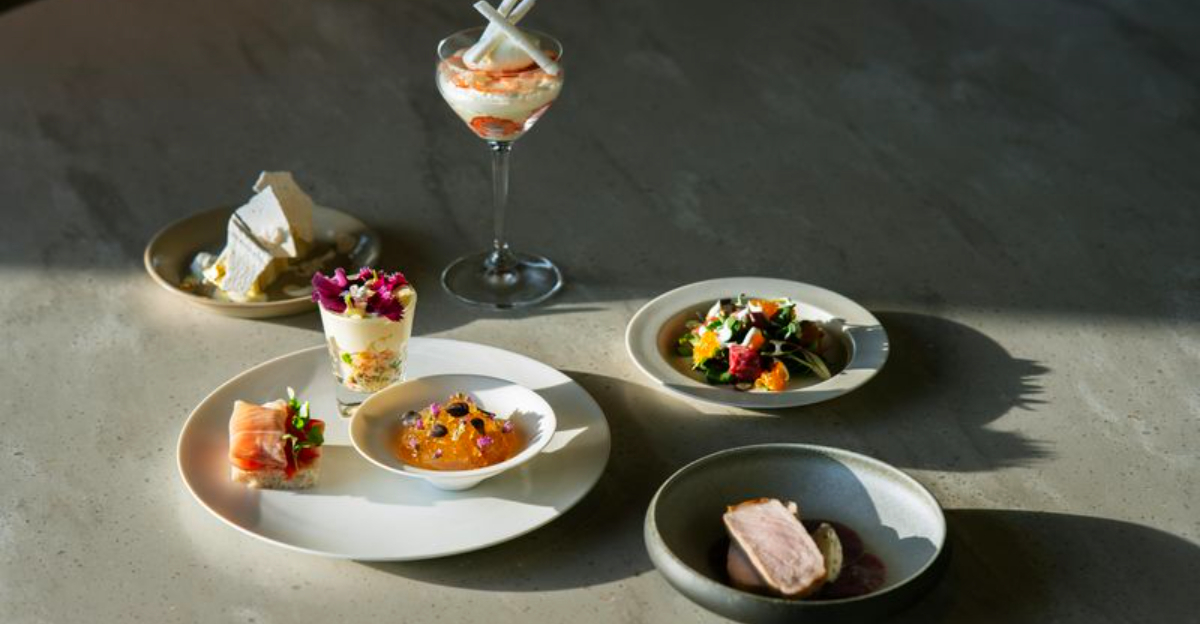
Minimalist plating can look elegant, but shrinking portions while raising prices is spin. You are paying for whitespace and tweezers, not necessarily better ingredients.
Pretty presentations should not replace value.
Consider the actual protein weight and sides. If you leave hungry and need a second stop, that fancy course just became two meals priced as one.
Order appetizers strategically or share, and question whether minimalism equals worth.
Add avocado
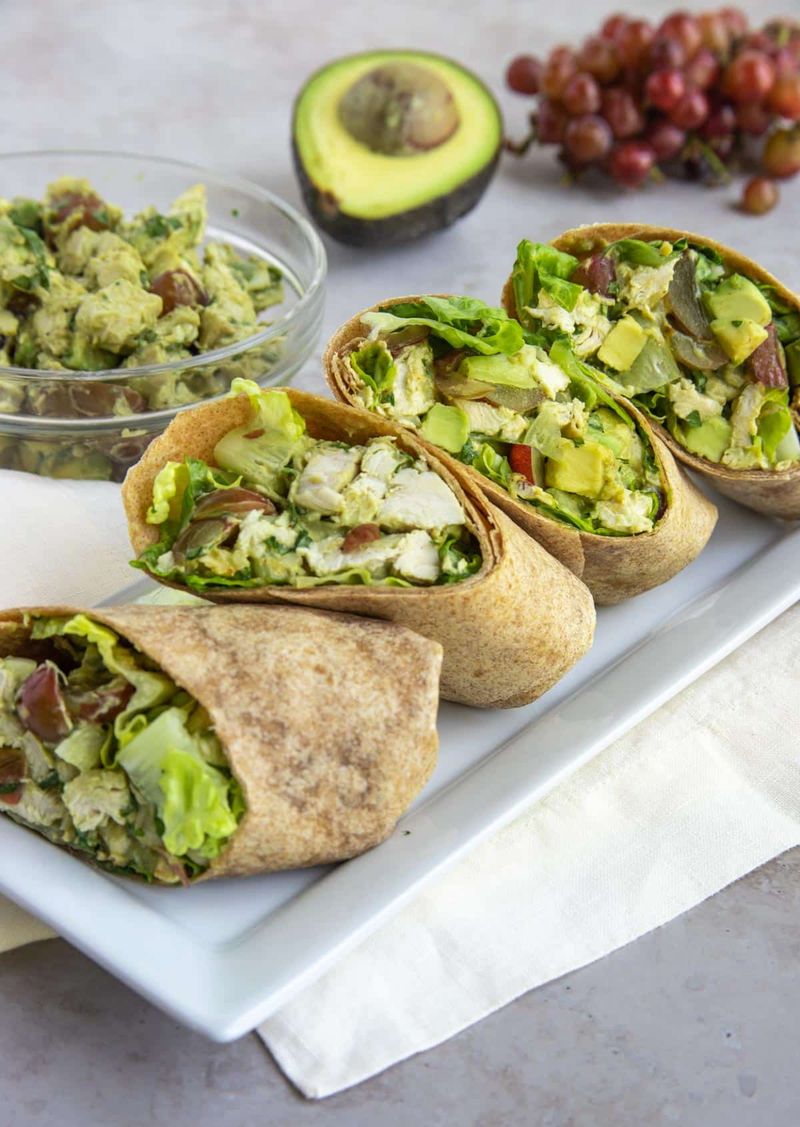
Avocado gets marked up like green gold. Slicing a half and fanning it on a burger rarely costs the kitchen what you are charged.
The creamy vibe is nice, but the upcharge often is not.
Consider ordering a dish already built around avocado to dodge the add on tax. Or skip it and ask for a different spread.
Your wallet will thank you, and the burger will still slap.
Extra cheese
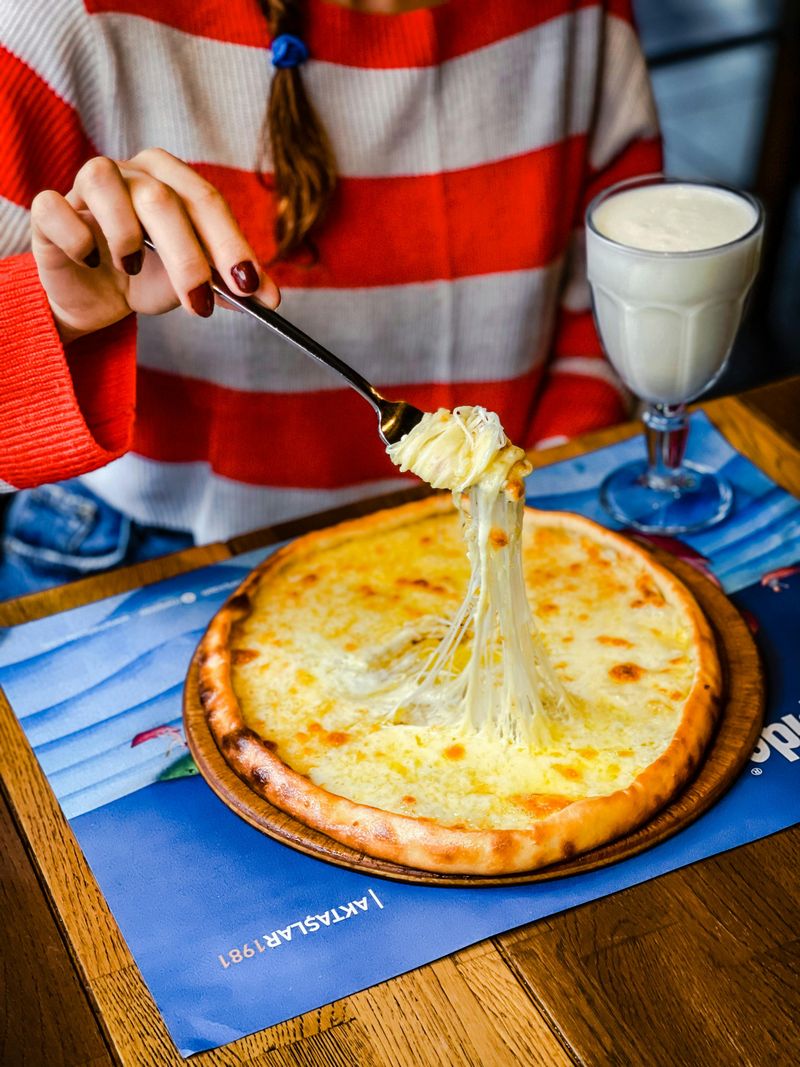
Extra cheese sounds indulgent, but it can smother balance and inflate costs. Restaurants price by the sprinkle, not the block.
You pay premium, they add a handful, and flavor often turns flat.
If you want richness, consider a sharper cheese or a drizzle of olive oil instead. Ask what kind they use and whether it changes the profile.
Sometimes less cheese delivers more taste and better value.
Premium fries
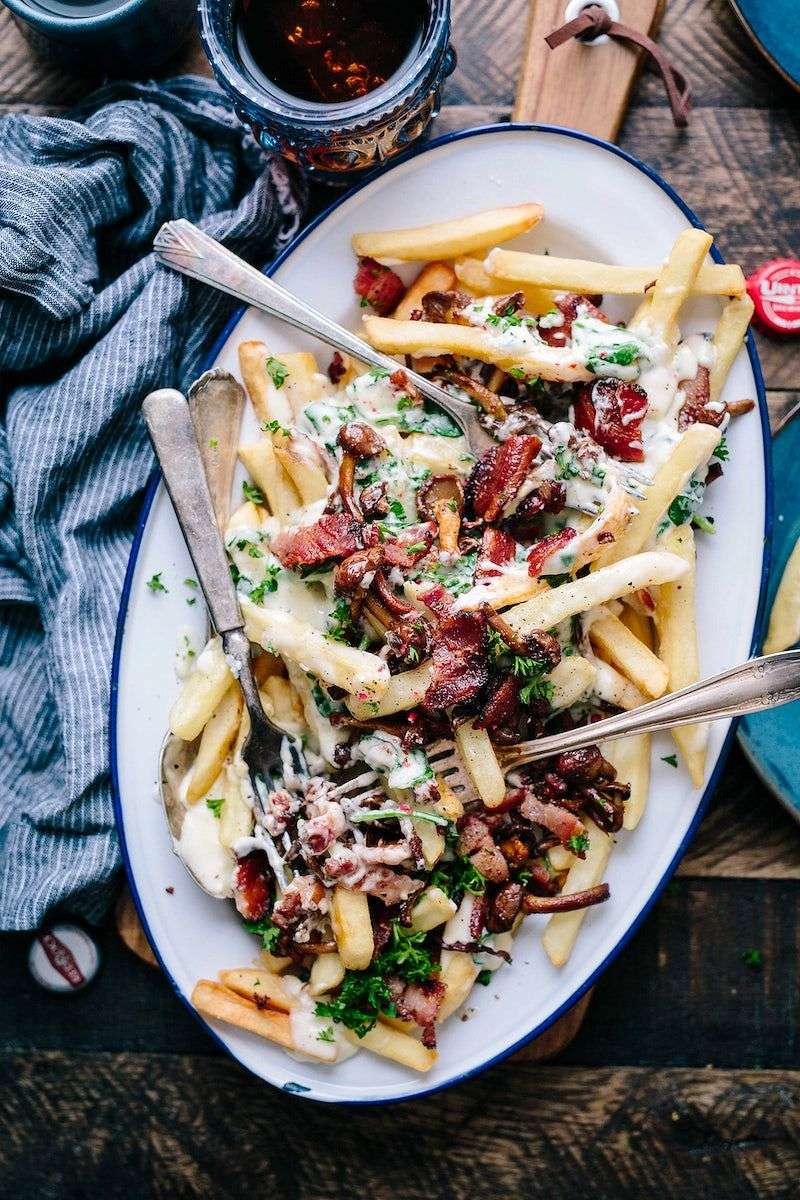
Upgraded fries arrive with parmesan dust and herb confetti, then a surprise surcharge. The base potato is the same.
You are paying for toppings that cost pennies.
Instead, order plain fries and request sauces on the side. Season at the table and keep the crispy texture intact.
Your taste buds get control, and your budget dodges the premium potato tax.
Bottled water

Servers offer still or sparkling like tap is not an option. Bottled water carries hotel minibar pricing and piles onto the bill quietly.
Hydration should not feel like a wine pairing.
Ask for tap upfront, no hesitation. Most cities have safe, tasty water, and restaurants filter anyway.
Save the money for something memorable, not a label on H2O.
Service charge
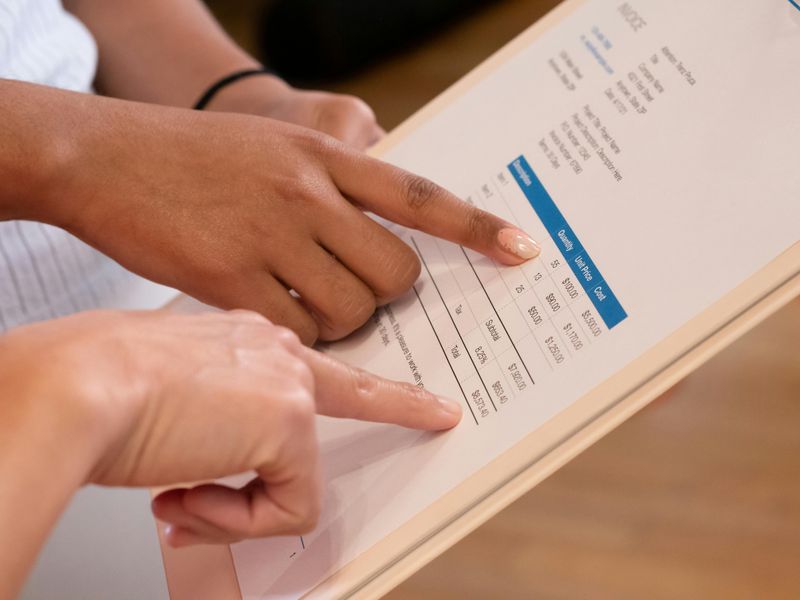
Service charge sounds official, but it often replaces transparent tipping without clarity. You think the staff benefits, yet policies vary wildly.
It can also stack with suggested tips, doubling costs.
Ask whether it substitutes for gratuity. If it does, adjust your tip accordingly.
Clear communication keeps you generous without paying twice. No shame in seeking transparency before signing.
Kitchen fee
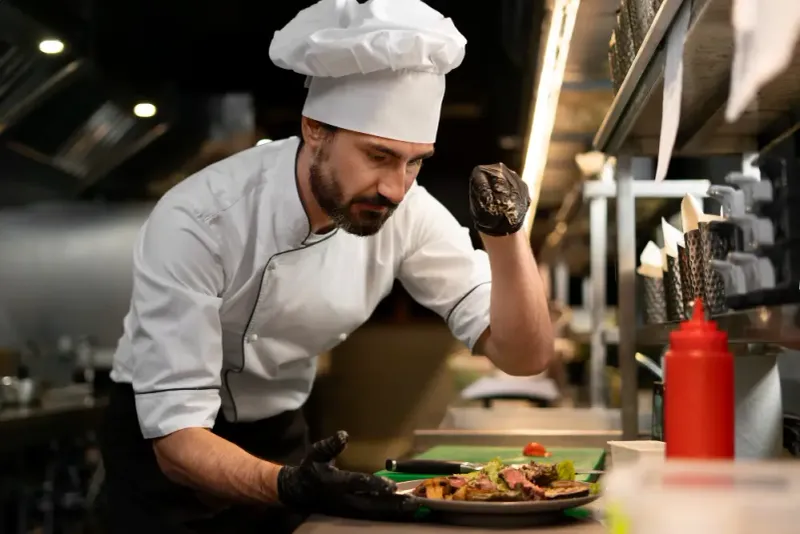
Some spots add a kitchen fee to fund back of house wages. The goal is noble, but the rollout can be murky.
Guests end up covering payroll while menu prices stay glossy.
Request clarity before ordering. If the fee exists, factor it into value comparisons.
Support fair wages, but ask for honesty on pricing so there are no surprises at checkout.
Wine markup
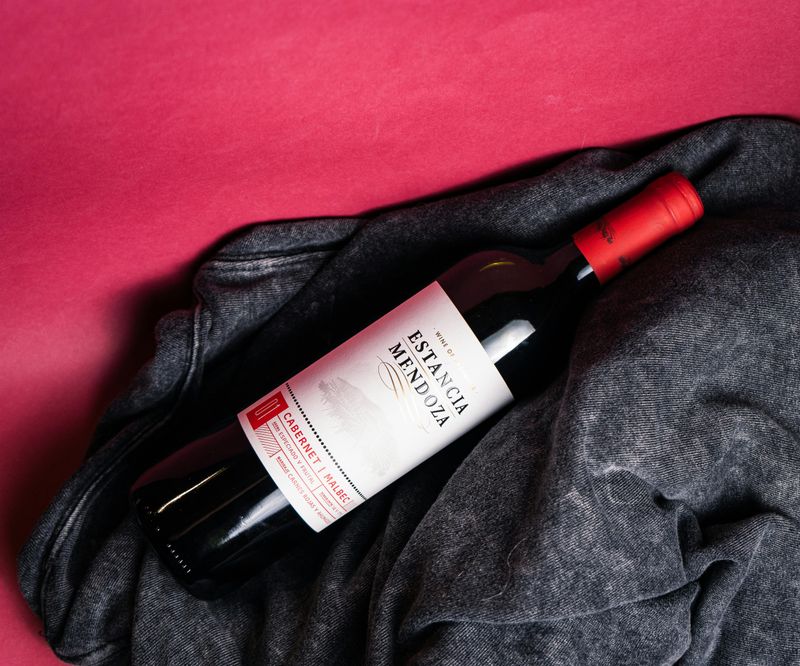
Restaurant wine often carries 200 to 300 percent markup. That quiet bottle becomes a loud bill.
You are paying for storage, glassware, and vibe more than grapes.
Ask about house pours or lesser known regions. A knowledgeable server can steer you to value.
Or enjoy a good glass instead of a whole bottle. The food pairing still sings without a financial aria.
Cocktail ice
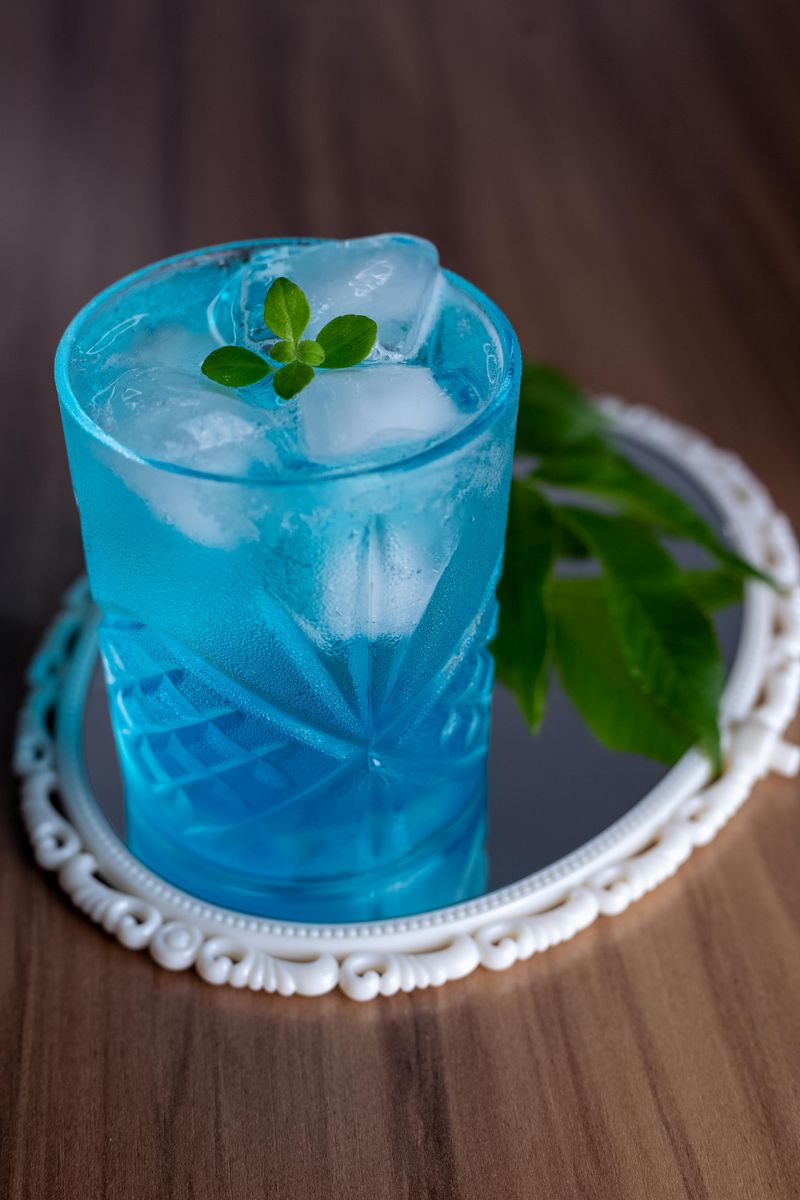
That crystal clear cube looks premium, but it is frozen water with a price tag. Bars charge extra for specialty ice while calling it craft.
Slower melt helps, yet the cost rarely matches value.
Order the same cocktail without the fancy cube and compare. Taste should come from spirits, balance, and technique, not ice theater.
Save the upgrade for a truly spirit forward drink.
Chef’s special
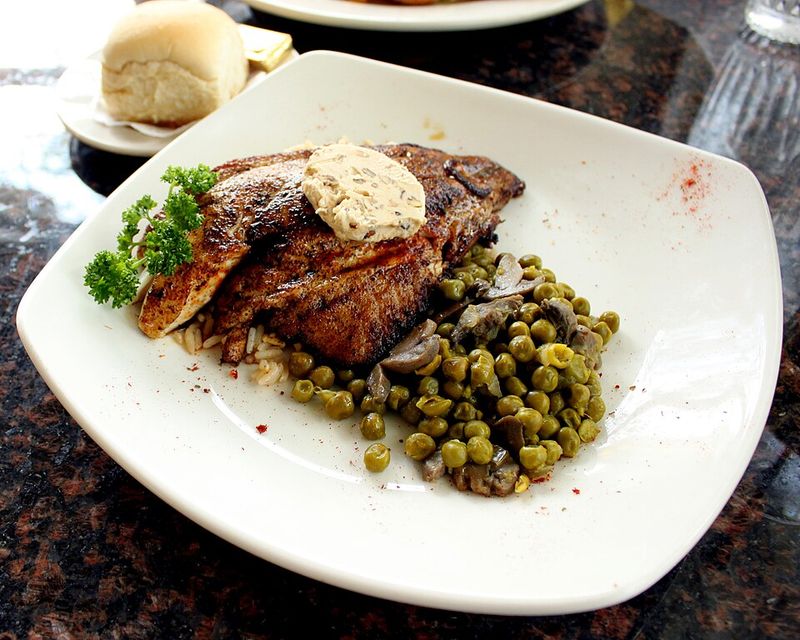
Specials sound exclusive, but sometimes they move slow inventory at high margins. Without a price listed, you gamble.
You might get a gem or a bill shocker.
Ask the price and specifics before committing. A great special should feel seasonal and clear, not mysterious.
You deserve transparency as much as creativity on the plate.
Market price
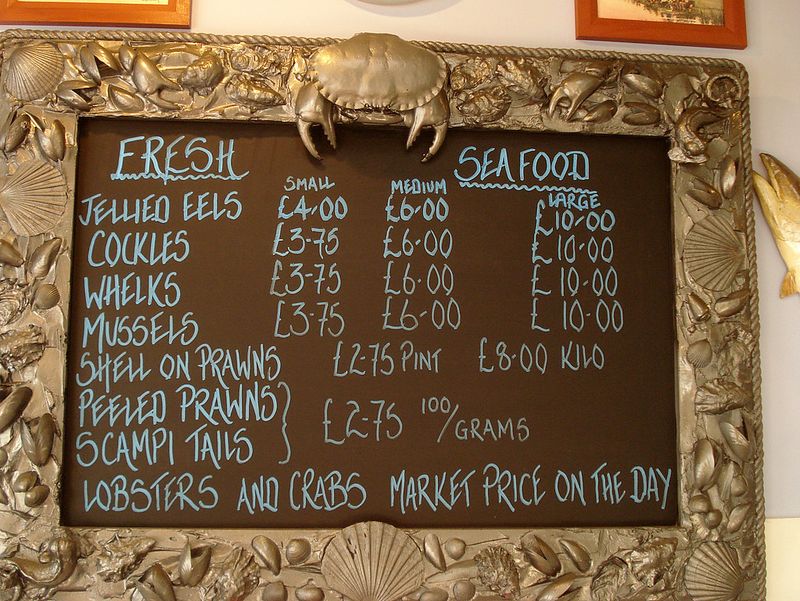
MP can be fair for seasonal seafood, but it also hides sticker shock. Without asking, you may anchor low and get burned.
Restaurants know the psychology.
Always ask the number before ordering. No one minds, and you will feel smarter for doing it.
If the price seems wild, pivot to a fixed cost dish and enjoy without anxiety.
Bread charge
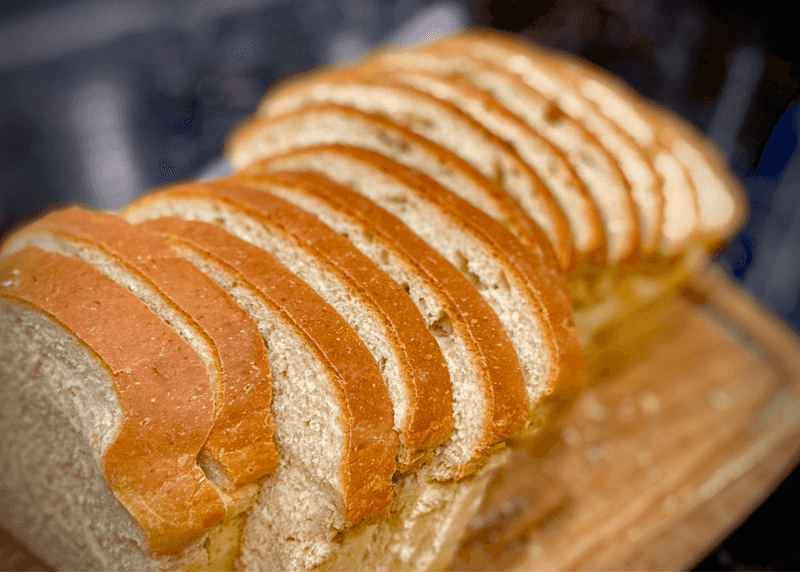
Charging for bread flips an old hospitality gesture into revenue. Sometimes it is baked in house, but often it is standard fare with a boutique price.
Butter swirls do not make it a bargain.
If you love bread, fine, but consider whether you need it. Save room for the main event, and skip a fee that adds little joy.
Plenty of places still include it graciously.
Sauce upgrade
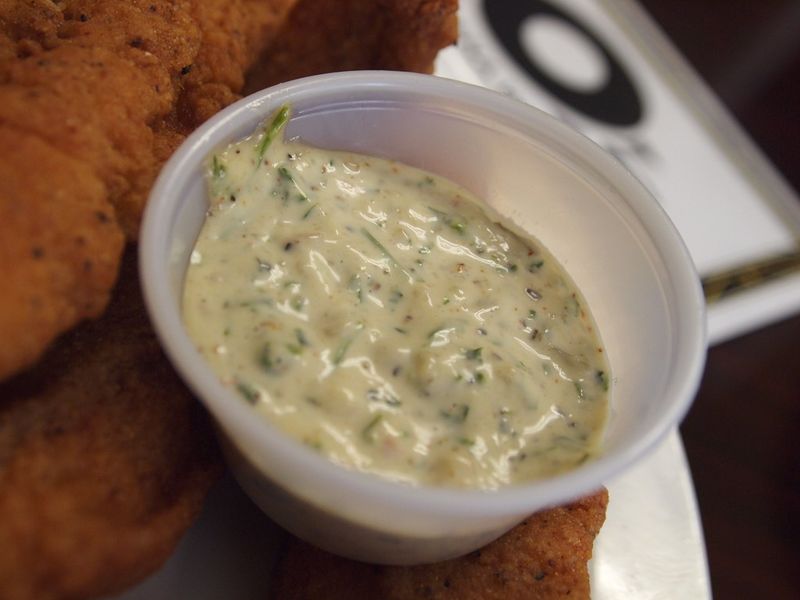
Paying extra for a fancy sauce sounds minor until the bill stacks. Often it is mayo plus herbs with a luxury name.
You are funding branding, not culinary wizardry.
Ask for a taste first or request a simple side of the house sauce. Many kitchens will accommodate.
Keep the dish balanced and your costs grounded.
Side salad upgrade
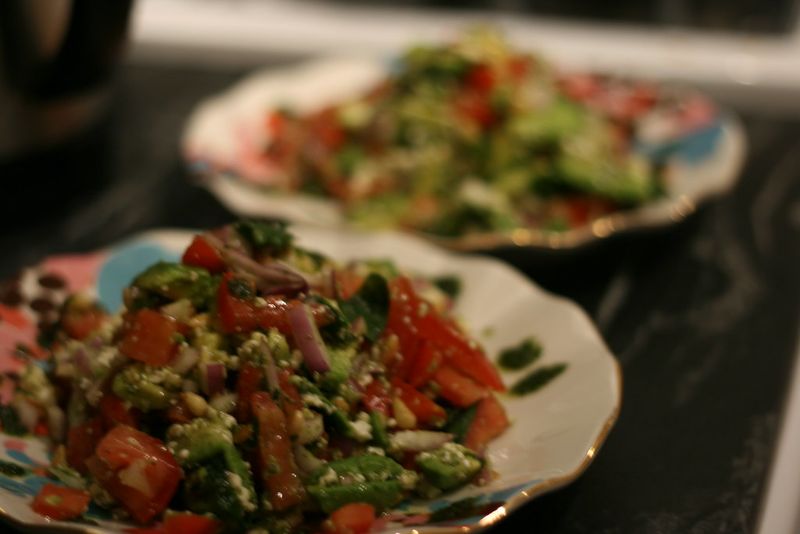
Swapping fries for a side salad often costs more despite smaller ingredients. A handful of greens and vinaigrette should not rival an actual side.
Health halo, meet markup.
Ask for the salad as a separate small plate price and compare. Sometimes the standard sides are better value.
Choose based on hunger, not guilt baked into pricing.
Protein upgrade
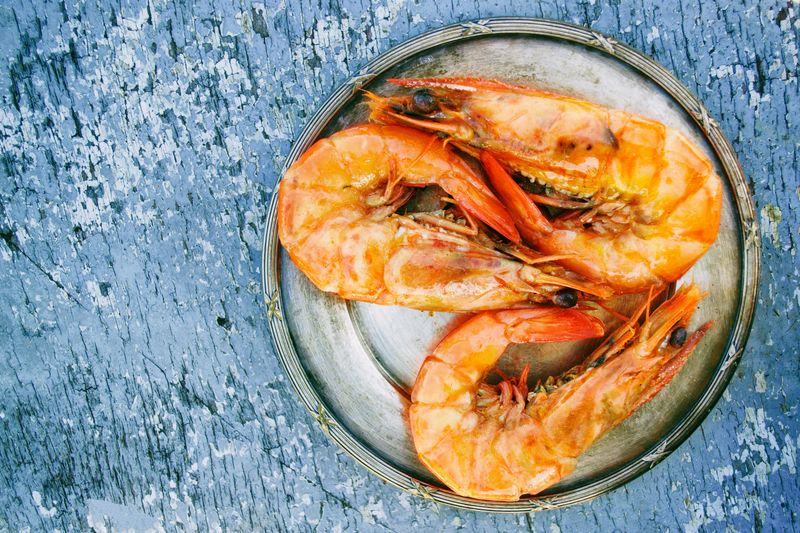
Upsizing to shrimp or steak sounds smart, but portion counts can be laughable. You get four shrimp and a regret.
The base dish would have satisfied for less.
Ask for the weight or number before agreeing. If it is skimpy, double the base protein instead.
You will likely get more substance for your money.
Dessert add on
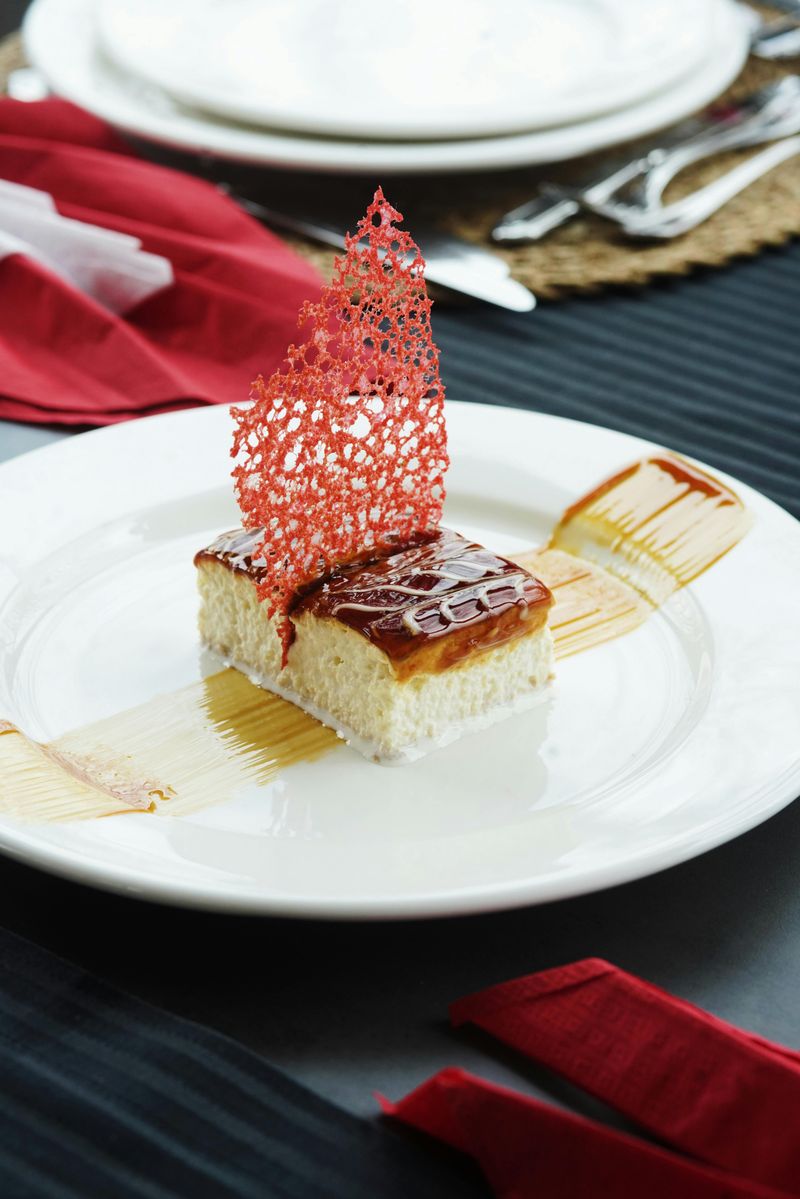
Prix fixe menus lure you with a small dessert add on that feels harmless. But that tiny flourish often equals a full pastry elsewhere.
You pay for closure, not quality.
Share one dessert or grab something sweet nearby after. Leave room for value instead of routine.
The meal can end beautifully without an automatic sugar tax.
Happy hour trick
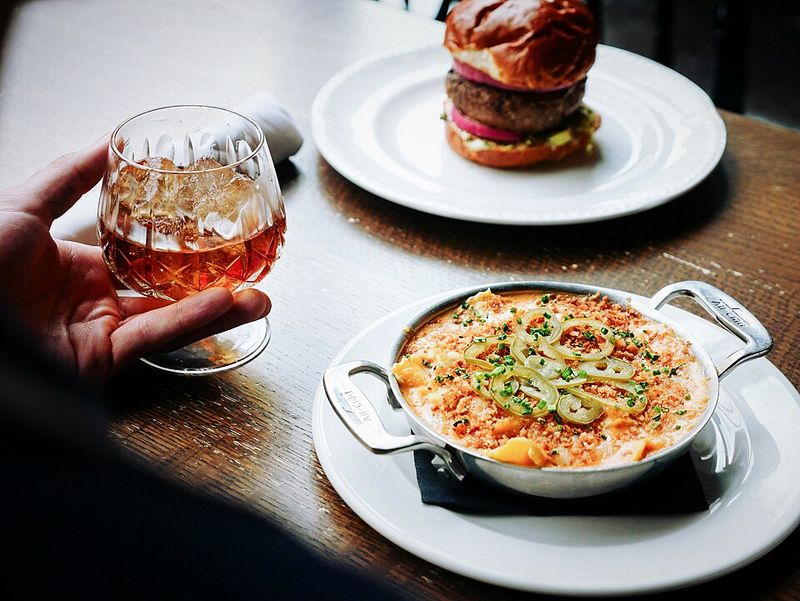
Happy hour looks cheap until you notice smaller pours, restricted menus, or required food purchases. Discounts apply to the least exciting items while regular prices hold elsewhere.
It is a bait and switch vibe.
Read the fine print. Order what truly saves you money, not just what flashes on the board.
Real deals withstand scrutiny.
Reservation fee
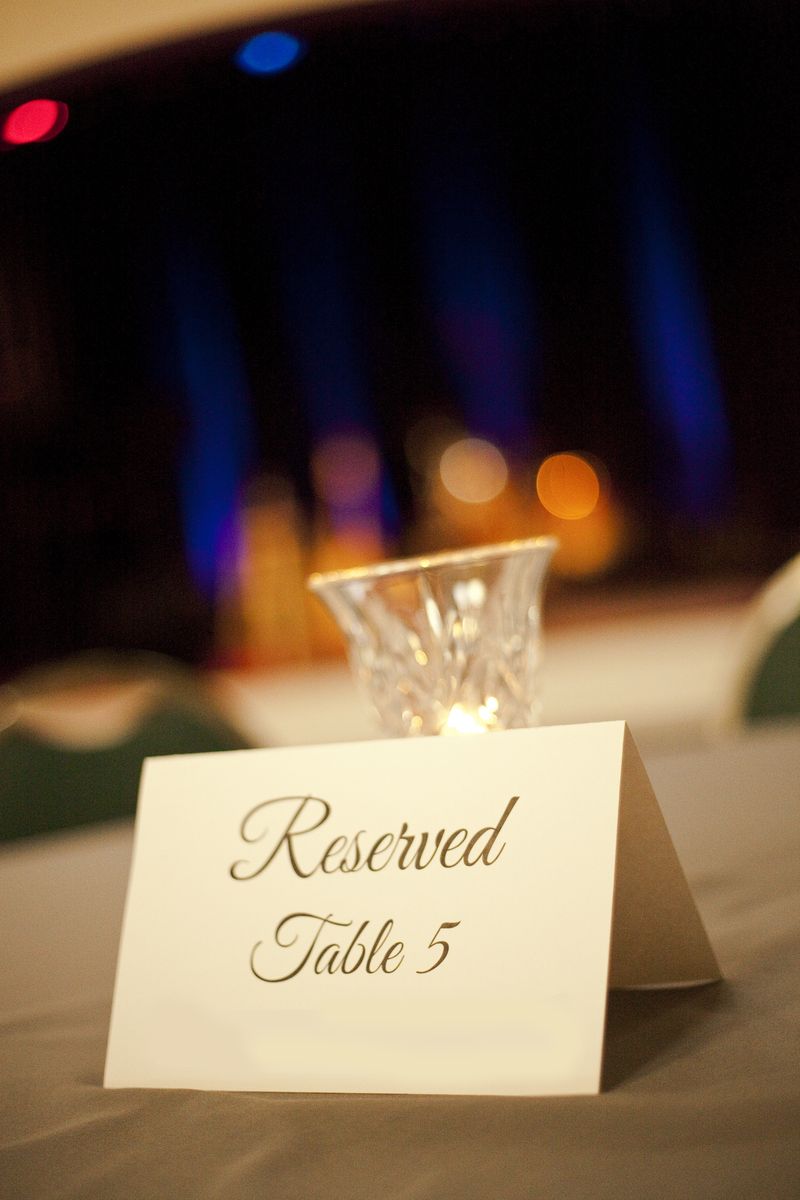
Prepaid deposits make sense for no shows, but some places tack on booking fees you never fully see back. It turns access into a toll.
Convenience should not feel like a penalty.
Confirm refund policies and what the fee covers. If it is nonrefundable or separate from the bill, reconsider.
Plenty of excellent spots still book without extra hurdles.
Tip screen
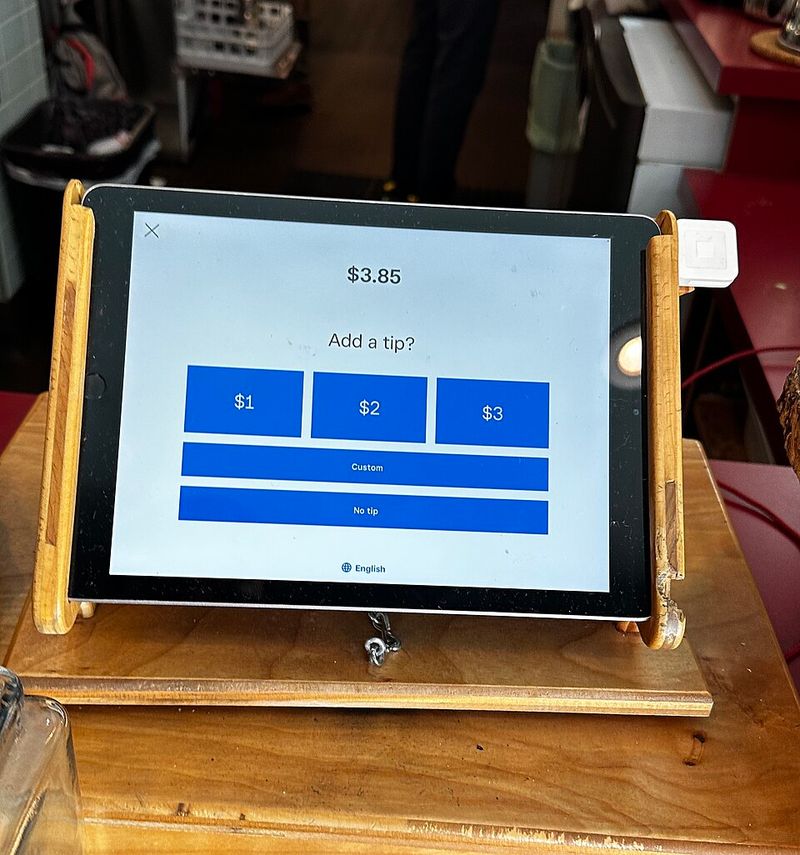
Default tip screens push 22 percent and up for counter service, weaponizing guilt. You might not receive table service, yet the social pressure is real.
This nudging turns gratitude into optics.
Adjust the amount to reflect actual service. Tip well for genuine hospitality, not a screen prompt.
You control the final number, not the preset buttons.
Tasting menu
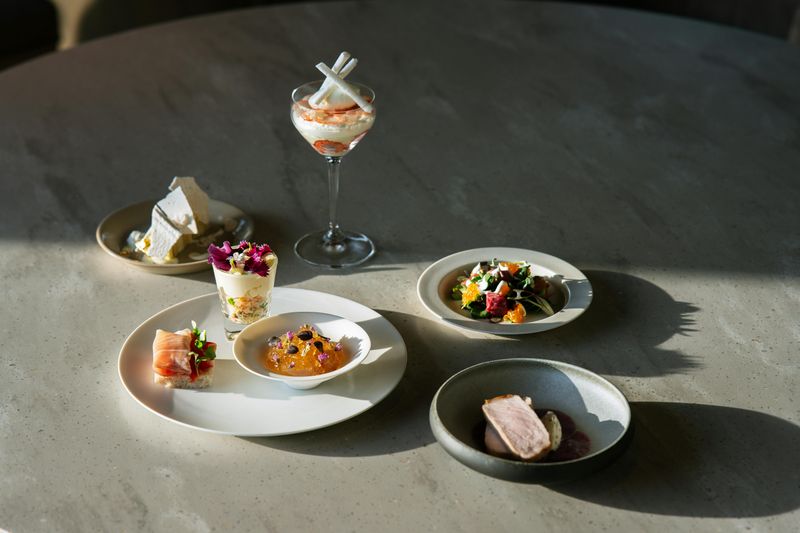
Tasting menus promise storytelling, but they also lock you into a pricey ride. You cannot avoid the weak courses and must pay for the whole arc.
Add a pairing and watch costs soar.
If you want control, order a la carte and build your own journey. Share a couple adventurous plates instead.
You get variety without the mandatory spend.
Enjoyed this story?
Add Fast Food Club as a preferred source to see more of our reporting on Google.