


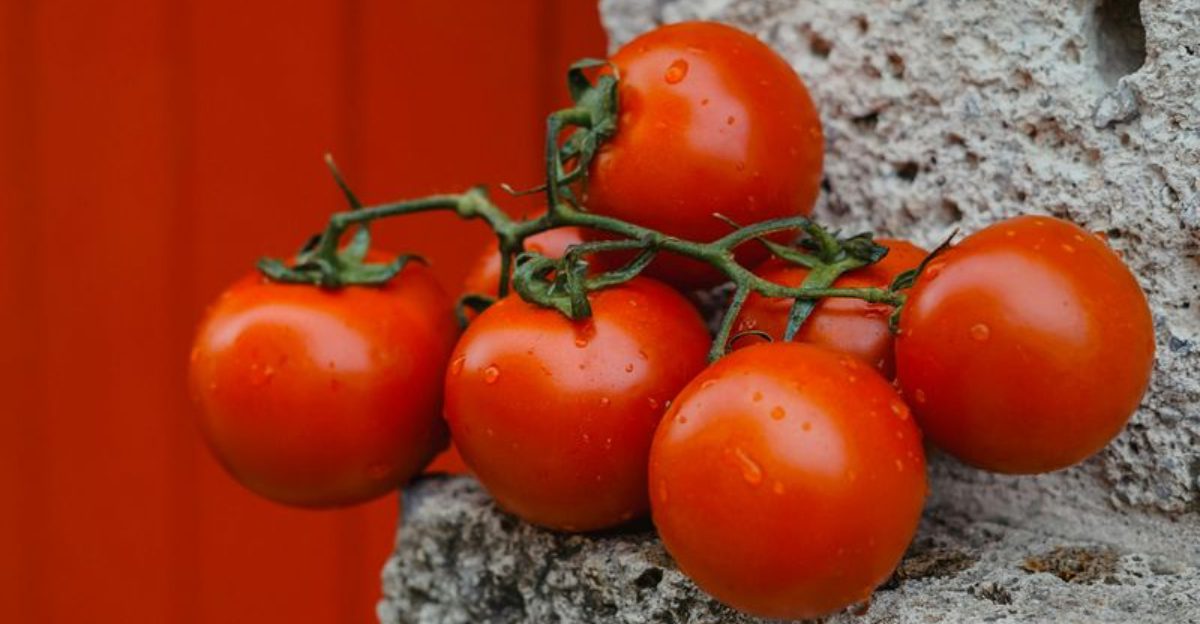
So many pantry staples feel timeless, yet they quietly shifted under our noses. Farming, processing, and global supply chains have nudged flavors, textures, and even colors into something new.
If your toast, tea, or chocolate tastes different than you remember, you are not imagining it. Here is how everyday favorites changed, plus small tweaks to bring the magic back.
White bread

White bread today tastes familiar, but it is not the loaf your grandparents knew. Modern wheat strains, high extraction milling, and aggressive bleaching create ultra soft slices that stay pliable for days.
Added enzymes, emulsifiers, and conditioners like DATEM help dough rise faster and prevent staling, so texture beats flavor most days.
Look closer at the label and you will often see sugar, soybean oil, and calcium propionate. You still get convenience for toast and sandwiches, but less character.
If you want that old bakery vibe, try slow-fermented loaves or partial whole grain blends, and freeze slices to keep freshness.
Whole milk

Whole milk has the same creamy look, yet the journey changed. Industrial herds, standardized fat levels, and ultra high temperature processing reshape flavor and shelf life.
Homogenization breaks fat globules so the cream never rises, giving consistent texture but muting that farm fresh nuance.
You might notice sweetness and a cooked note, especially in shelf stable cartons. Fortification adds vitamins A and D, which is helpful, but the terroir disappears.
If you miss complexity, try low heat pasteurized, non homogenized bottles from local dairies. Shake gently before pouring, and store cold in smaller containers to keep aroma lively and bright.
Cheddar cheese

Cheddar feels familiar, but production moved toward speed and uniformity. Many blocks are made with pasteurized milk, standardized cultures, and abbreviated aging, trading farmhouse tang for mild meltability.
Color often comes from annatto, giving that iconic orange even when milk varies through seasons.
Pre shredded bags add starch and cellulose so pieces do not clump, which dulls sharpness and melt. You still get dependable burgers and grilled cheese, but less complexity.
For deeper bite, choose clothbound or longer aged wheels, cut fresh at the counter. Let slices warm slightly before serving, and your taste buds will thank you so much.
Salted butter
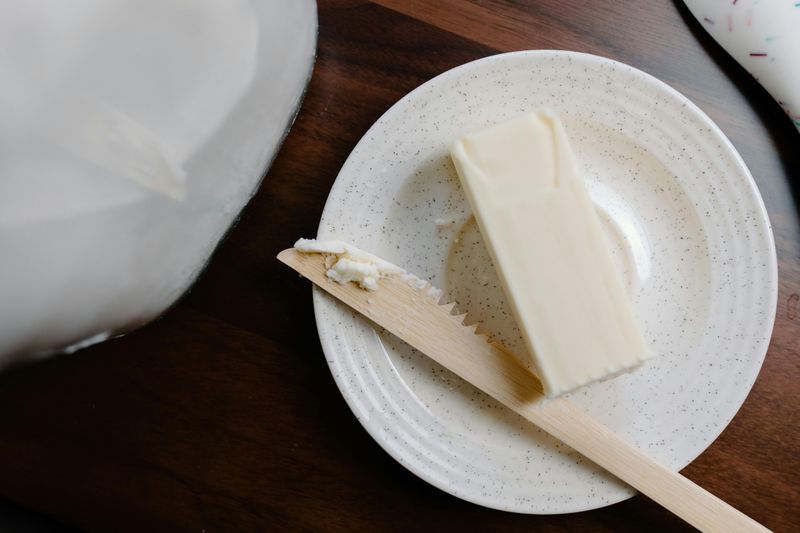
Salted butter seems timeless, yet it has shifted quietly. Standardized fat percentages, cultured or sweet cream choices, and varying salt crystals change spreadability and snap.
Many sticks are now wrapped for light protection, but extended cold storage smooths aromas and can mute that fresh churned note.
You still get reliable browning for eggs, toast, and sauces, though water content can spatter. Check the butterfat on European style bricks if you crave richer pastry.
Soften briefly on the counter, then chill portions you will not use. A pinch of flaky salt on top restores sparkle without over salting your dish today.
Eggs
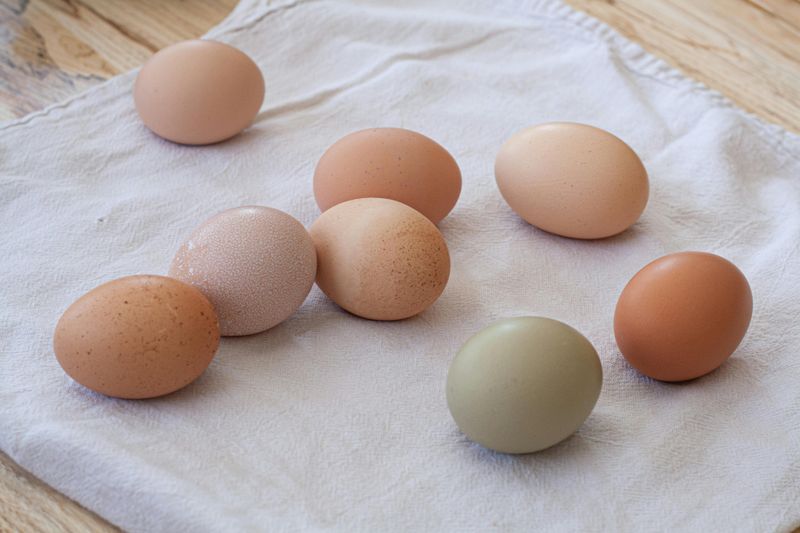
Eggs look identical in the carton, but farming and feed changed flavor, color, and texture. Year round production, controlled lighting, and calcium fortified diets create sturdy shells and consistent size.
Washed eggs in many countries lose their natural bloom, so refrigeration becomes essential and aroma evolves differently.
You still crack them for scrambles, bakes, and jammy yolks, yet notice paler centers sometimes. For richer color and taste, seek pasture raised or omega 3 fed hens.
Store pointed end down, and use older eggs for peeling. Steam instead of boil, then chill fast, and peeling becomes a calm ritual at home.
Chicken breast
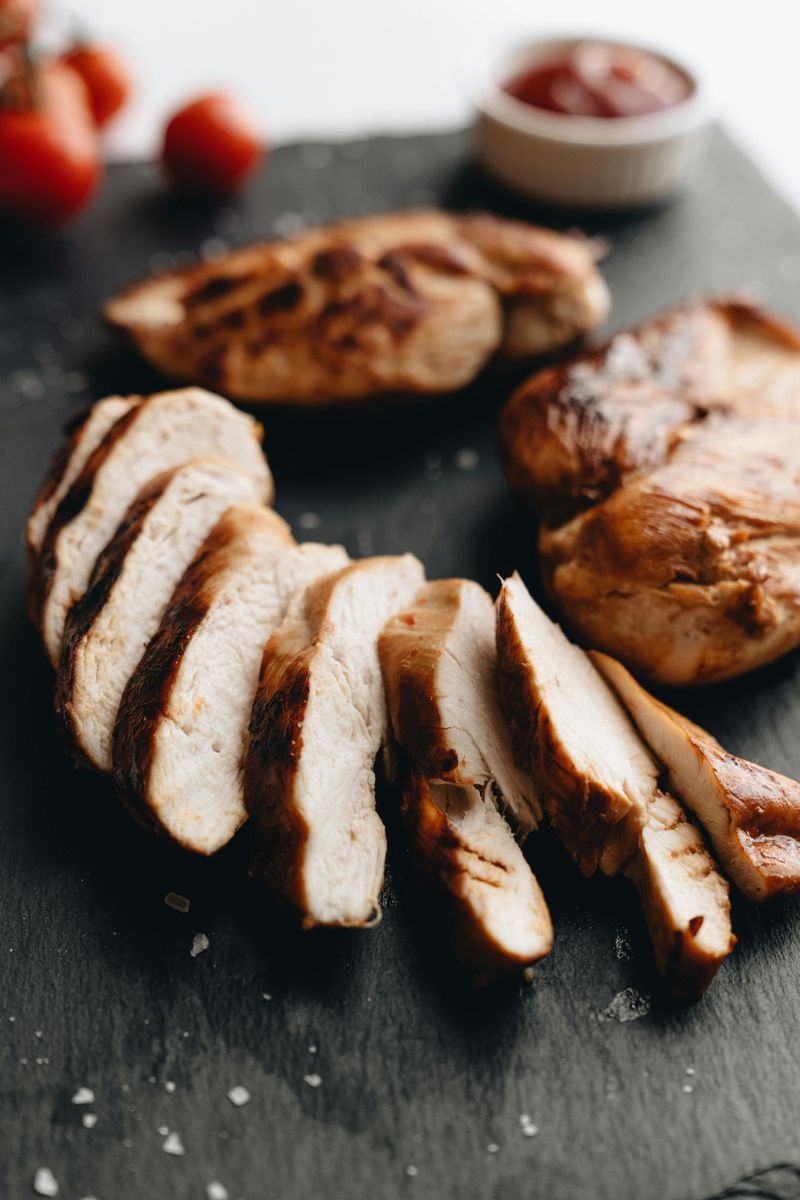
Chicken breast got leaner and larger with selective breeding. Quick growth and water chilling keep cuts juicy but reduce inherent chickeny flavor.
Many packages are injected with saline to boost weight and tenderness, so you may see hissing and excess moisture in the pan.
For better taste, dry brine with salt, then cook to 160 and rest. A short marinade with acid and umami helps, while pounding to even thickness prevents dry edges.
Try bone in roasting for more flavor. Slice across the grain, save the juices, and you will upgrade weeknight salads, bowls, and sandwiches without much effort today.
Ground beef
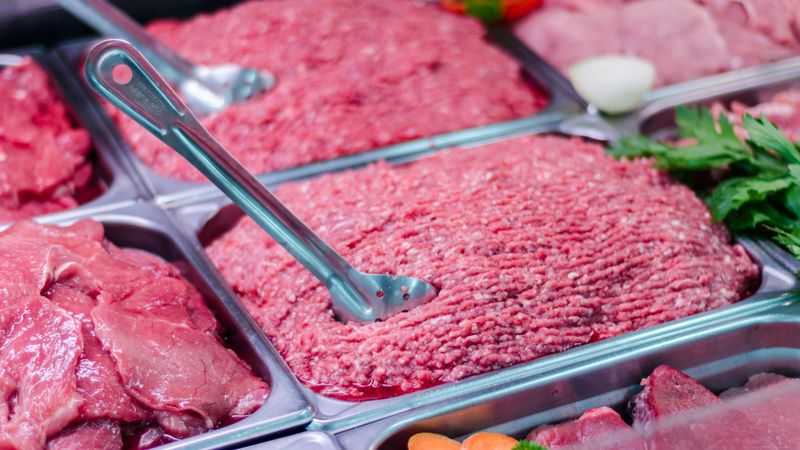
Ground beef shifted with larger processing plants and precision grinding. Fat ratios are standardized, trimmings travel farther, and fine textures dominate.
Preformed patties and modified atmosphere packaging keep color bright, even while flavor fades if air sneaks in.
You can still make killer burgers, chili, and tacos, but choose fresh grind when possible. Ask for a coarser plate and a specific cut blend for better browning.
Salt right before cooking, and avoid pressing the patty. Let it rest, capture the drippings, and toast the buns in that fat.
Suddenly dinner tastes like a roadside classic from your favorite diner tonight.
White rice
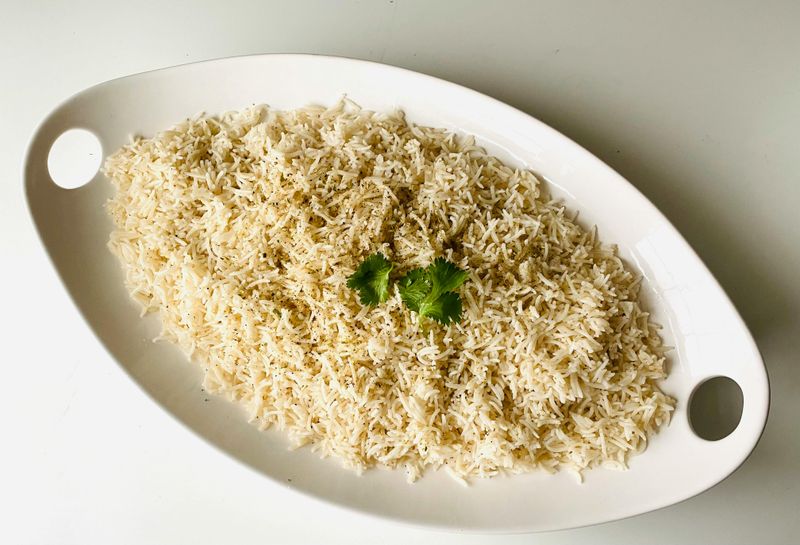
White rice feels unchanged, yet milling and storage shaped what you taste. Polished grains lose aromatic oils quickly, and many bags are parboiled for resilience.
Import routes and aging warehouses affect moisture, so cooking water needs have drifted from family lore.
You still get fluffy bowls, but rinse thoroughly and rest the pot. Try varieties thoughtfully, because jasmine, basmati, and sushi rice behave differently.
Toast in a slick of oil for nuttiness, and use a 1 to 1.25 ratio when unsure. Let steam finish the job, then fluff with a fork, and watch the shine return in your rice bowl.
Dry pasta
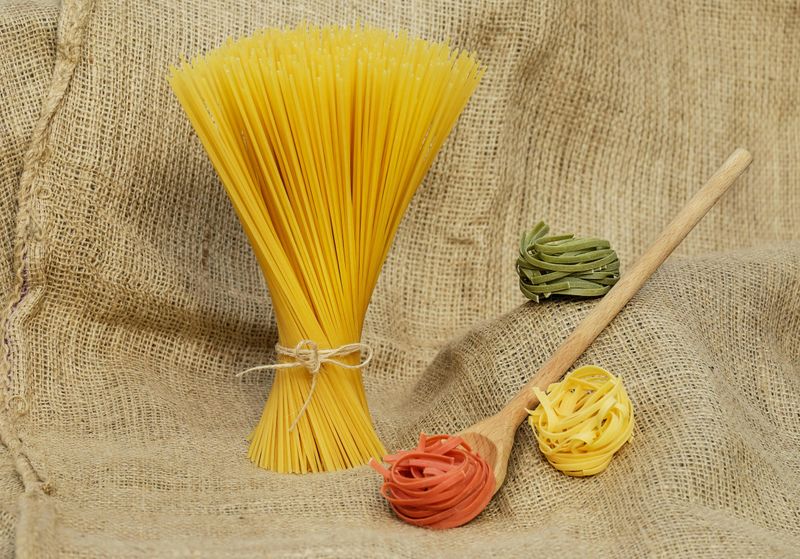
Dry pasta has gotten stronger and more uniform. High extraction durum, steel dies, and controlled drying produce sturdy noodles that hold al dente well.
Many budget brands switched from bronze to Teflon dies, which smooths the surface and grabs less sauce.
You still twirl satisfying bowls, but reserve pasta water for silky emulsions. Undercook by a minute, finish in sauce, and add butter or oil thoughtfully.
Seek bronze cut shapes for better cling, and do not rinse. Store in airtight containers away from heat, and your pantry pasta nights will taste far more Italian restaurant good on a busy weeknight.
Potatoes
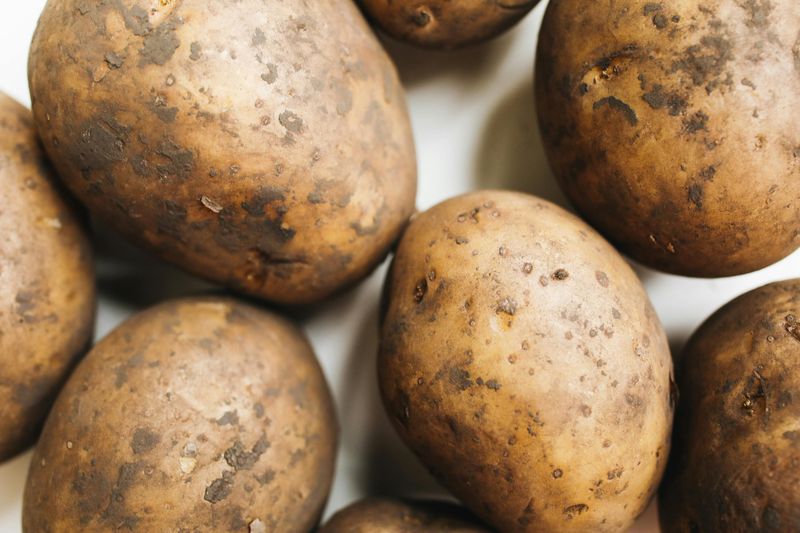
Potatoes seem classic, yet supply chains stretched seasons and varieties. Many spuds are treated to inhibit sprouting, stored for months, and bred for uniform frying color.
Texture swings from waxy to floury depending on cultivar, so your mash might shift batch to batch.
You still bake, roast, and mash them often. Choose the right type for the job, and you will love the results.
Russets for fluffy fries, Yukons for creamy mash, and reds for salads keep things simple. Rinse cut potatoes to remove surface starch, start in cold water, and season the water like soup for flavor at home.
Apples
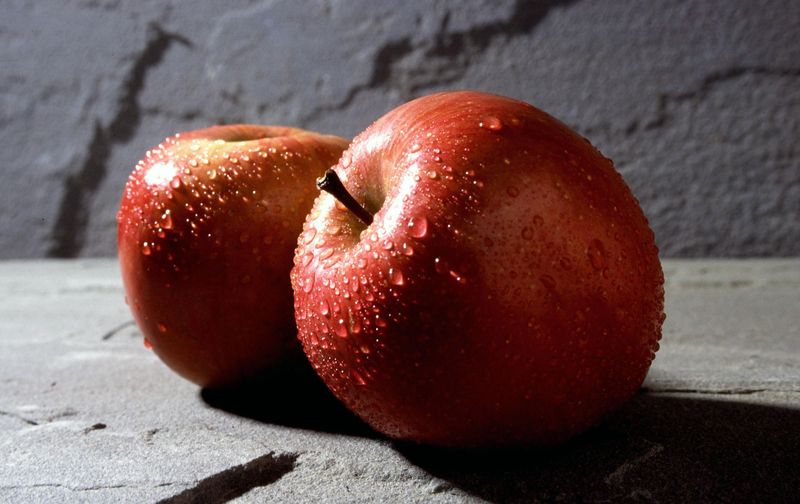
Apples look classic, but storage technology changed their character. Controlled atmosphere rooms hold fruit for months, slowing ripening and softening aromatics.
Breeding favors crunch and shipability, so sweetness often outpaces nuanced perfume.
You still slice them into lunches and pies, but variety matters more now. Seek local or in season picks like Honeycrisp, Pink Lady, and heirlooms for flavor.
Keep them cold in the crisper, away from leafy greens that dislike ethylene. Add a squeeze of lemon when prepping, and roast wedges with butter and cinnamon for a warm dessert that tastes like memory on a chilly fall night beautifully.
Bananas
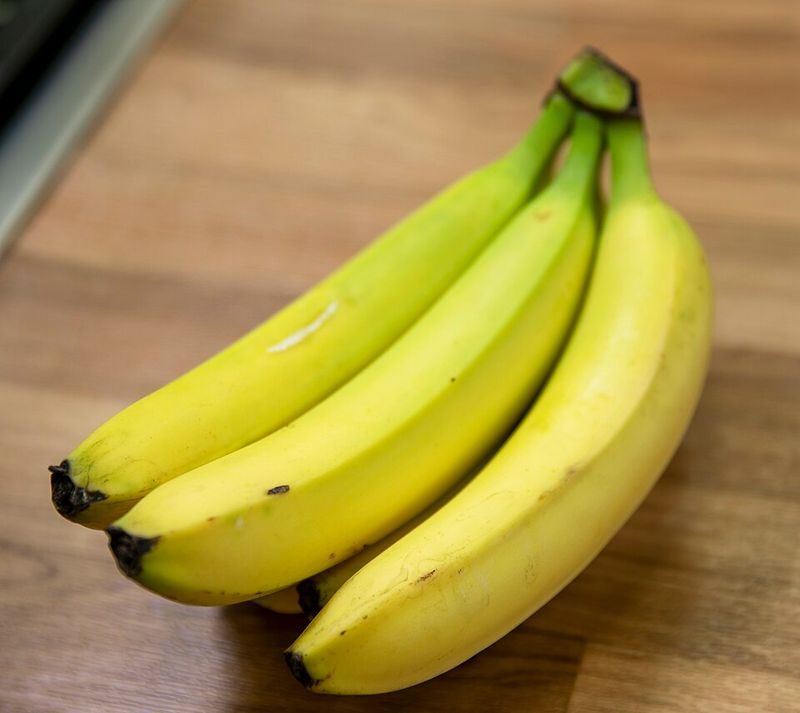
Bananas are the same shape, but not the same story. Global supply narrowed to Cavendish, prized for shipability yet vulnerable to disease.
Fruit is picked green, gassed for ripening, and often waxed, which smooths texture but trims those floral notes you remember.
You can coax more flavor at home. Let bananas speckle, freeze chunks for smoothies, and caramelize slices in butter.
For bread, brown them deeply in a skillet first. Store away from apples, wrap stems with plastic, and buy a few stages of ripeness at once.
Your breakfasts and snacks will suddenly taste more tropical on gray weekday mornings.
Ground coffee
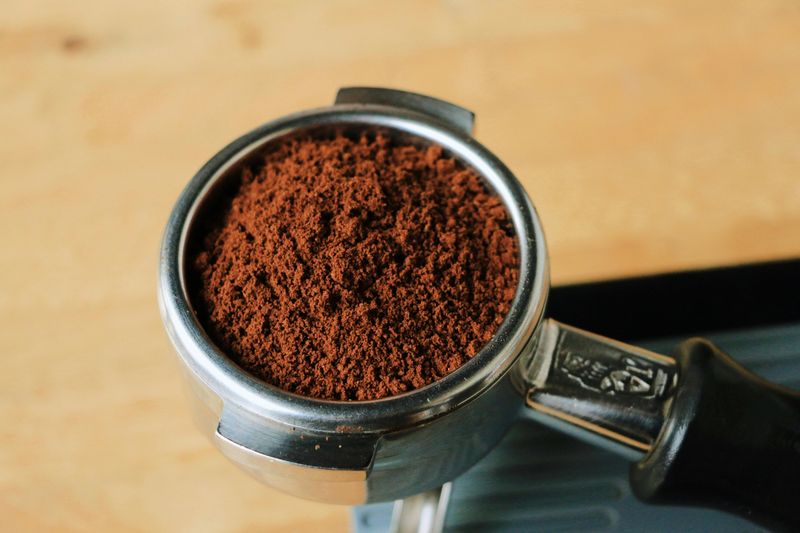
Ground coffee shifted as beans went global and roasting scaled up. Darker profiles hide defects, nitrogen flushed bags hold gases, and preground options lose aroma fast.
Grind size uniformity helps drip machines, but you sacrifice those wild, fleeting top notes.
You can bring them back. Buy whole beans, grind right before brewing, and store in a sealed, cool place.
Use a scale and a burr grinder, then adjust grind until the cup tastes balanced. Bloom with hot water to release trapped gas.
Suddenly your kitchen smells like a tiny cafe, and your morning feels upgraded in the best way possible.
Black tea

Black tea seems steady, but leaf grades and harvest timing changed. Many bags use finely cut leaves or dust for speed, giving fast color and bitterness without layered aroma.
Blends chase consistency across seasons, smoothing peaks that once marked origin.
You can still brew a comforting cup. Use fresh water off the boil, steep two to three minutes, and taste as you go.
Try loose leaf for more nuance, and mind the ratio. Warm the mug, splash in milk only after tasting, and skip boiling the tea to death.
Your afternoon break will feel civilized again even on busy days.
White sugar
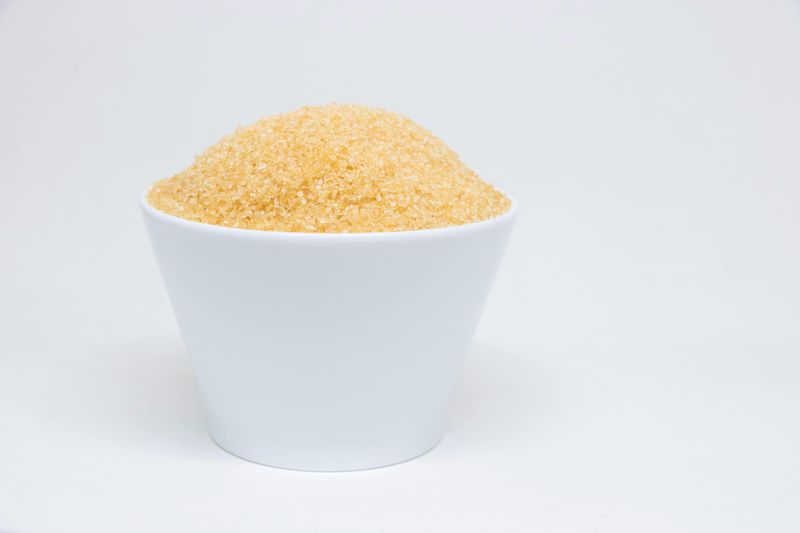
White sugar looks identical, yet refinement and sources vary widely. Beets and cane arrive with different trace flavors, then get processed to the same bright crystals.
Anti caking agents and moisture shifts change how it packs, so baking can surprise you.
You still sweeten coffee and cookies without thinking, but measure with care. Aerate before spooning, weigh for accuracy, and store airtight to avoid clumps.
For deeper flavor, swap a portion for light brown or raw sugar. Caramelize patiently, resist stirring, and deglaze with cream for sauce.
Those small habits restore the character industrial sameness slowly erased in many kitchens.
Table salt

Table salt got cleaner and sharper, but also more treated. Anti caking agents keep it flowing, iodine adds nutrition, and ultra fine grains dissolve fast.
That speed changes seasoning, so a pinch today tastes saltier than your memory.
You can still rely on it. Use table salt for boiling water and baking, but reach for kosher or flaky finishing salts when texture matters.
Learn the differences by salting tomato slices side by side. Store salt dry, crush clumps with a spoon, and taste as you cook.
Your food will land where you want it almost every single time at home today.
Olive oil

Olive oil labels got busier while flavors got flatter. Blends from multiple countries, filtered clarity, and long transport soften peppery bite.
Even extra virgin can be older than you think, so that grassy pop goes missing.
You can still get fireworks in a drizzle. Buy harvest dated bottles, choose dark glass, and finish them within months.
Taste before committing to cooking, and keep a cheaper refined oil for high heat. Store away from light and the stove.
When you splash vibrant oil over tomatoes, beans, or soup, the dish suddenly wakes up and smiles on your weeknight kitchen table beautifully.
Breakfast cereal
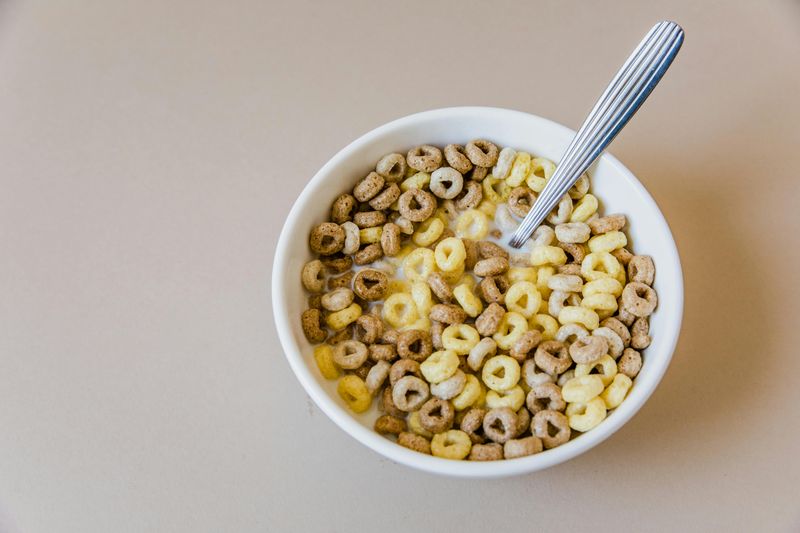
Breakfast cereal evolved under health claims and sugar swings. Extrusion tech shapes airy loops and flakes that stay crisp longer in milk.
Sweeteners now include syrups and concentrates, while added vitamins aim to replace what processing stripped.
You can still enjoy a bowl that crunches. Scan the label for fiber, whole grains, and realistic portions.
Mix a simple unsweetened cereal with a favorite sugary one to keep balance. Add sliced fruit and nuts, and sip the milk slowly at the end.
That small ritual makes a rushed morning feel a little more cared for even on workday chaos at home today.
Frozen vegetables
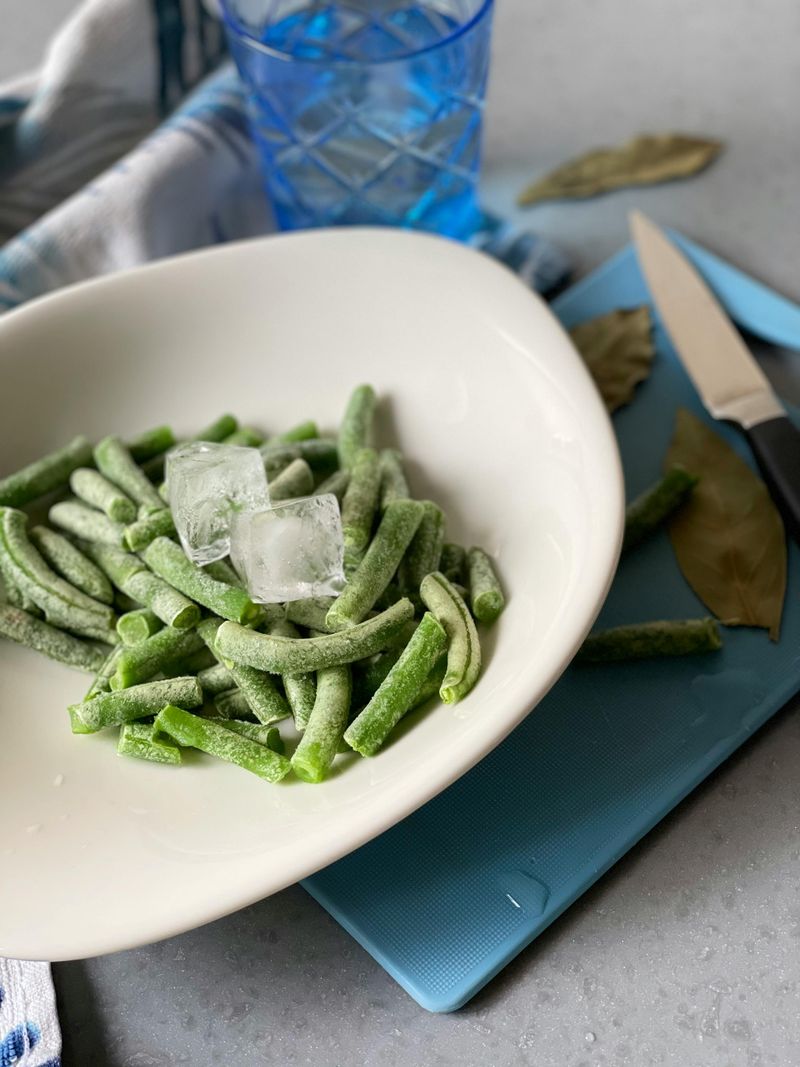
Frozen vegetables used to feel like a compromise. Now flash freezing near fields locks in color, nutrients, and bite, but sauces and seasonings sometimes add sugar or salt.
Cuts are uniform and quick cooking, great for weeknights but easy to overcook.
You can make them taste fresh. Spread on a hot sheet pan, roast from frozen, and finish with butter or olive oil.
Season after roasting, not before, and add herbs or acid for lift. Keep a few varieties on hand for emergencies.
Dinner goes from empty fridge to colorful plates in minutes, without sacrificing much flavor on hectic nights.
Canned soup
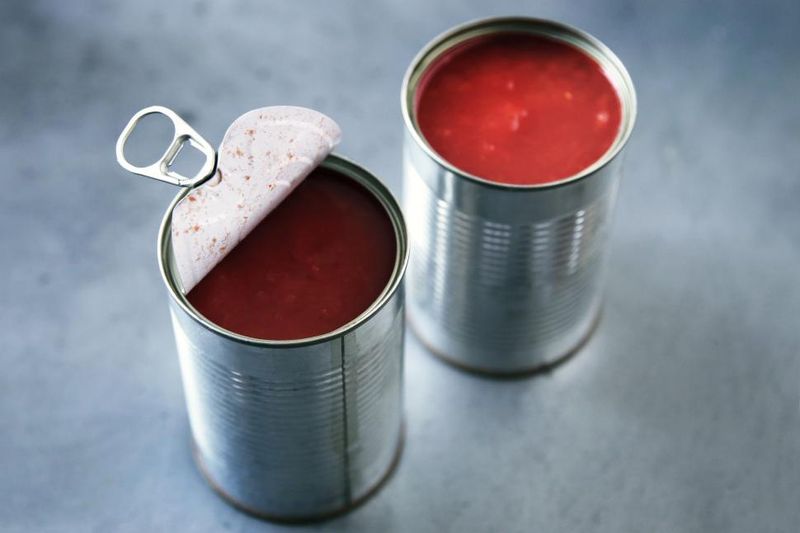
Canned soup now favors comfort and consistency. Formulas rely on starches for body, high heat sterilization for safety, and flavor bases that lean salty.
Vegetables hold shape but lose brightness, and meats are tender yet a little anonymous.
You can turn a can into dinner you feel good about. Add fresh herbs, lemon, or a knob of butter, and simmer with extra vegetables.
Pour over cooked rice or noodles to stretch portions. Taste before adding salt, and keep good crackers on the side.
Suddenly that shelf stable staple becomes a warm, real meal on demand at your cozy table tonight.
Milk chocolate

Milk chocolate has softened and sweetened over decades. Cocoa percentages dipped in many bars, vegetable fats and lecithin smooth the melt, and vanilla becomes the main aroma.
Mass conches longer for uniformity, so edges blur while texture turns silky.
You still get that nostalgic snap. Read labels for cocoa content and real cocoa butter if you want more depth.
Try smaller makers or single origin bars, and let squares melt slowly on your tongue. Pair with fruit or coffee to amplify nuance.
Suddenly a simple square after dinner feels luxurious without needing a special occasion at all in your week.
Tea biscuits

Tea biscuits look the same, but formulas evolved. Shortening and leavening choices shifted, wheat varieties changed, and sugar types morphed, all to maintain that exact bite with longer shelf life.
Packaging keeps them crisp, yet some of the butteriness faded.
You can coax charm back with simple moves. Warm biscuits briefly in a low oven, and pair with good jam.
Dip into hot tea for three seconds, then pause to catch the aroma before chewing. Add a sprinkle of flaky salt on top.
Suddenly a humble biscuit with tea becomes a tiny moment of comfort you needed this rainy afternoon.
Plain yogurt

Plain yogurt used to be tart, thick, and simple. Now many tubs are spun through high tech separators, stabilized with pectin, and standardized for consistent protein.
Ultra filtered options raise protein while skimming lactose, shifting the tang toward a milder, pudding like vibe.
Even unsweetened cups can hide milk powders that change body. You still get a great base for fruit, savory dips, and overnight oats, but pay attention to labels.
Choose active cultures and minimal thickeners if you love that lively tang. Stir gently, add a pinch of salt, and a drizzle of honey to balance at home too.
Tomatoes

Tomatoes today travel farther and ripen differently. Greenhouse hybrids focus on yield and firmness, then ripening gas evens color without deepening sweetness.
Even canned tomatoes vary, with calcium chloride for shape and different acidity levels that affect sauces.
You can still chase that summer taste. Buy in season, sniff for fragrance, and salt early to draw juices.
Roast or pan blister off season tomatoes to concentrate flavor, then finish with olive oil. For cans, choose whole peeled for versatility, crush by hand, and add a pinch of sugar if needed.
Suddenly sauces sing again at your stove every time beautifully.
Enjoyed this story?
Add Fast Food Club as a preferred source to see more of our reporting on Google.