


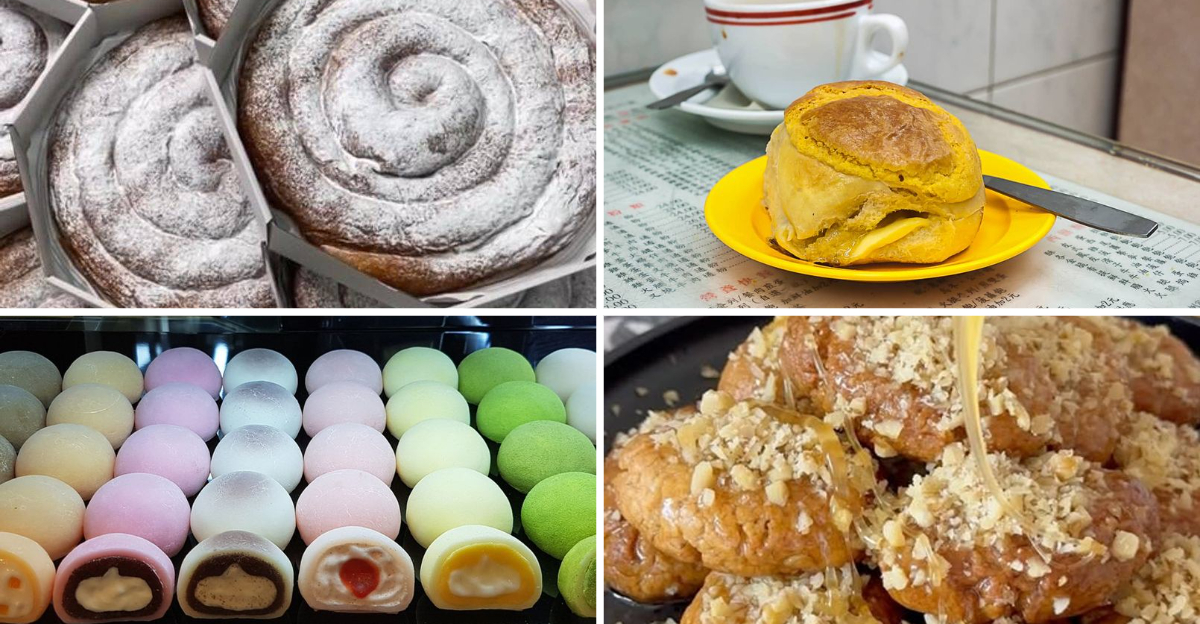
Food has an incredible way of telling the story of a culture, and nowhere is that more true than in the world of sweet pastries. From flaky, buttery layers to syrup-soaked bites and cream-filled delights, every country has its own version of something special.
Whether you’re a passionate baker or just someone who loves a good treat, this list will take your taste buds on a global adventure. Get ready to discover 25 of the most irresistible sweet pastries our world has to offer.
Croissant
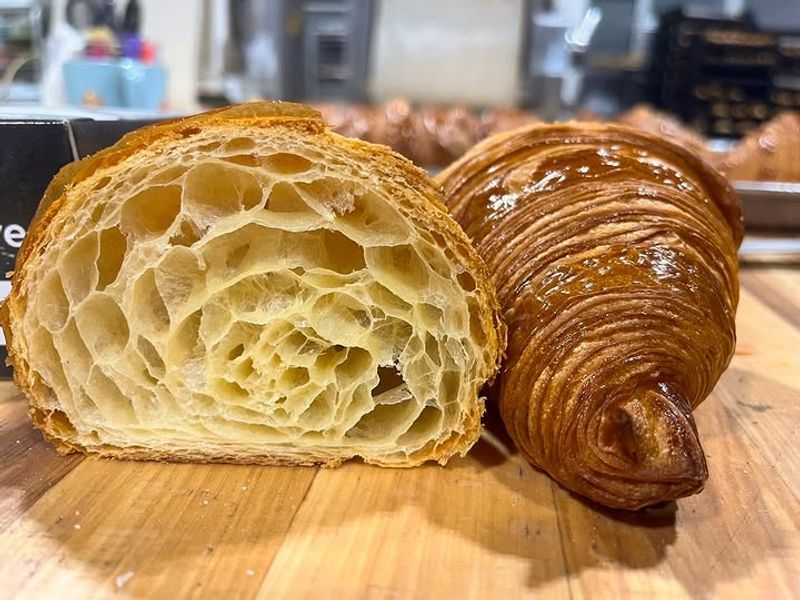
Few things in life feel as luxurious as biting into a perfectly baked croissant. Originating in France, this crescent-shaped pastry is made by folding butter into dough dozens of times, creating those iconic paper-thin, flaky layers.
The outside shatters with a satisfying crunch while the inside stays soft and airy. Croissants are best enjoyed warm, straight from the oven, maybe with a little jam on the side.
Bakers spend years perfecting the technique, and one taste makes it easy to see why the effort is absolutely worth it.
Pain au Chocolat
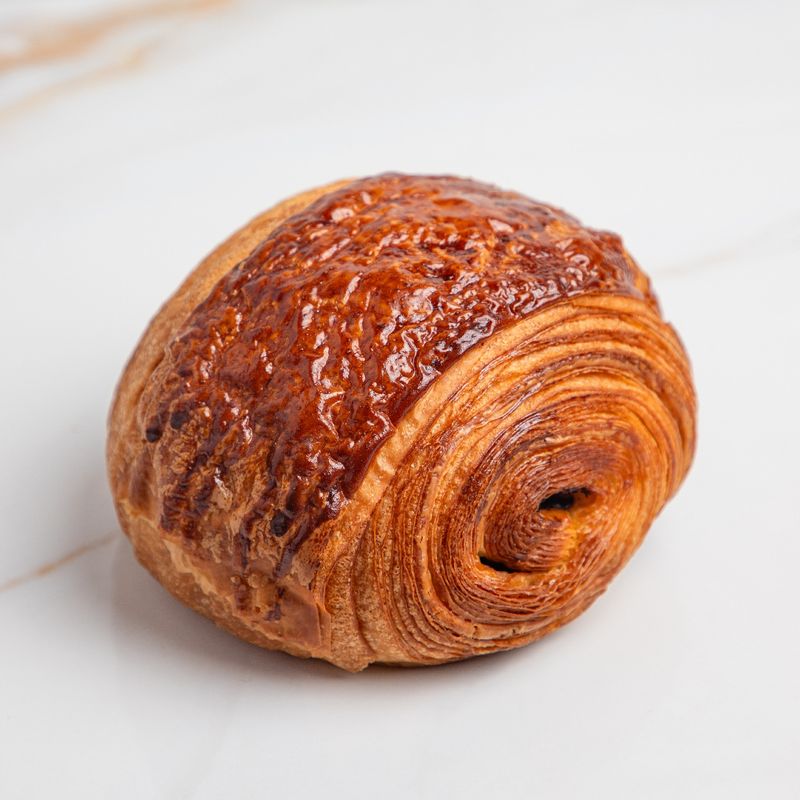
Imagine everything you love about a croissant, then add a rich strip of dark chocolate tucked right in the middle. That’s pain au chocolat, one of France’s most beloved breakfast pastries.
The name literally means “bread with chocolate,” and it delivers exactly on that promise. Kids and adults across France grab these from boulangeries every single morning.
The chocolate melts slightly from the warmth of the freshly baked dough, creating a gooey, buttery combination that honestly feels like a little celebration before the day even begins.
Baklava
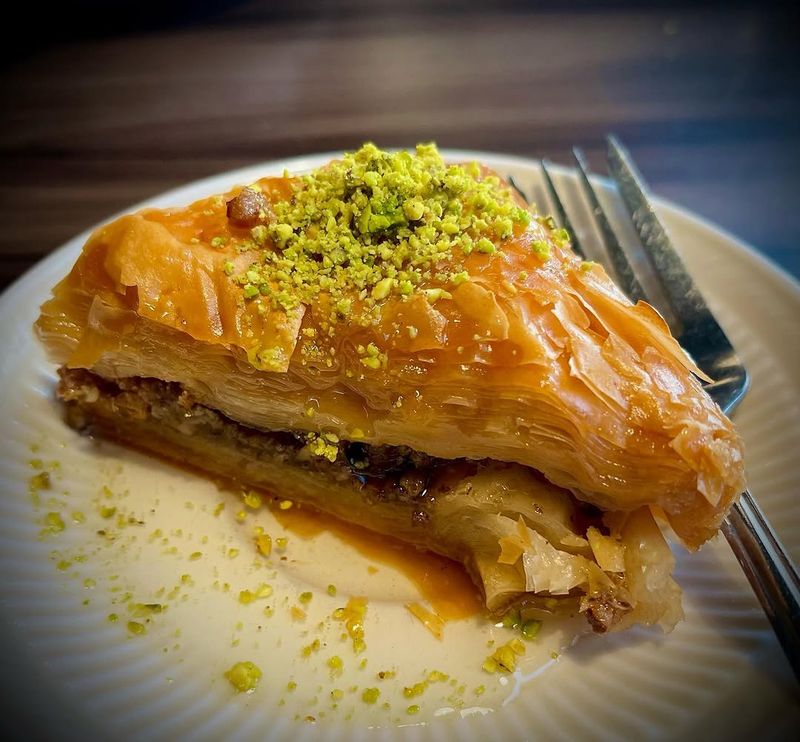
Sticky, sweet, and absolutely unforgettable, baklava has been satisfying sweet tooths for centuries. This Middle Eastern and Mediterranean pastry is made from layers of thin phyllo dough, filled with chopped nuts, and drenched in honey or sugar syrup.
Every bite crackles and melts at the same time. Turkey, Greece, and Lebanon all claim it as their own, and honestly, the debate just adds to its charm.
Pistachios, walnuts, or almonds are the most popular fillings. It’s the kind of treat you always reach for just one more piece of.
Cannoli
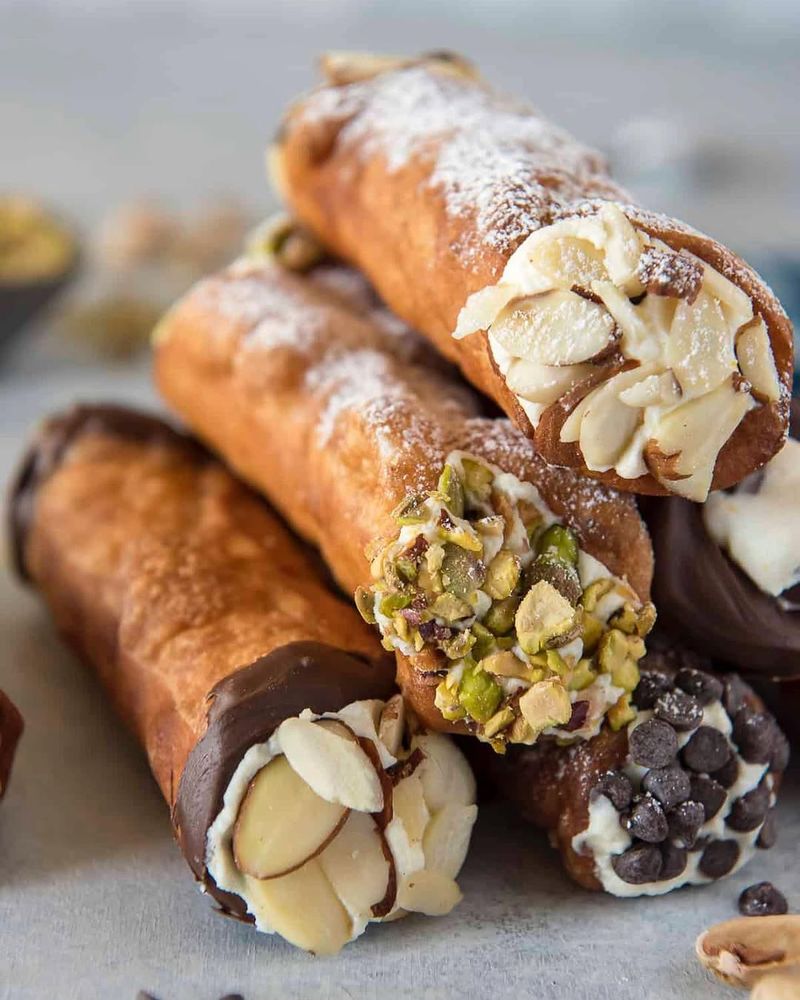
“Leave the gun, take the cannoli” — even if you haven’t seen The Godfather, you’ve probably heard that line. Cannoli are Sicilian pastry tubes fried to a crisp, then filled with sweetened ricotta cheese and often studded with chocolate chips or candied fruit.
They originated in Sicily, Italy, and have become one of the most recognizable Italian-American desserts in the world. The shell stays crunchy for only a short time after filling, so the best cannoli are always made fresh.
One bite and you’ll completely understand the hype.
Sfogliatella
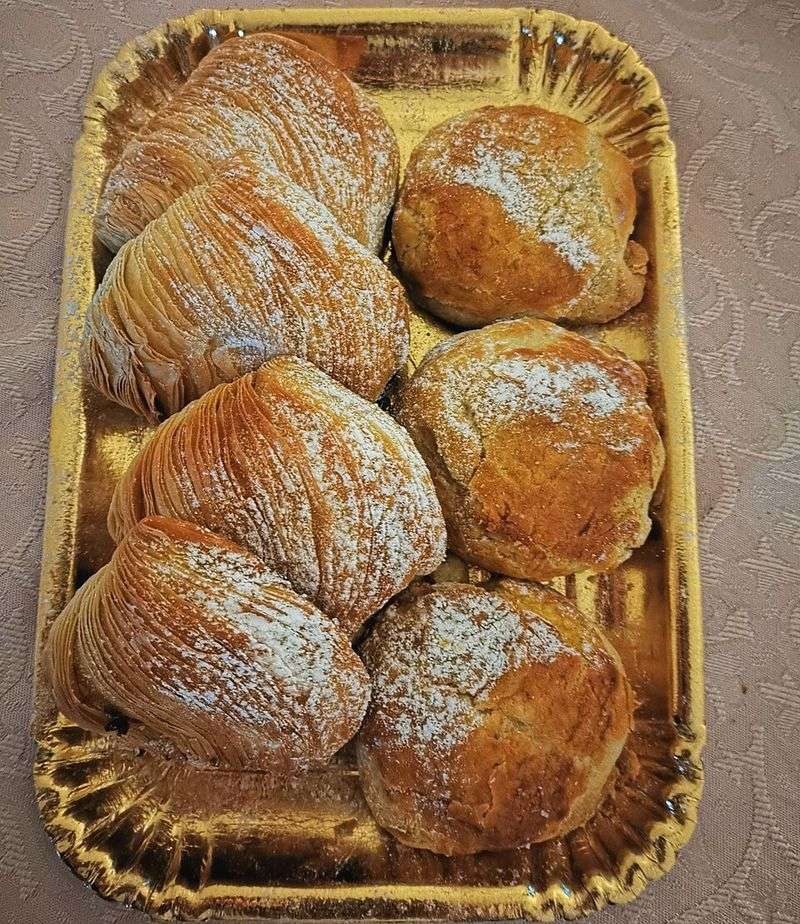
Sfogliatella looks like a seashell that decided to become a pastry, and somehow it pulls it off perfectly. This Neapolitan classic from southern Italy features dozens of razor-thin pastry layers that fan out like a shell when baked, creating an almost architectural appearance.
Inside, a filling of sweetened ricotta, semolina, and citrus zest waits to surprise you. It takes serious skill to make, which is why the best ones come from old-school Neapolitan bakeries.
Eating one feels like discovering a hidden gem tucked inside an edible work of art.
Pastel de Nata
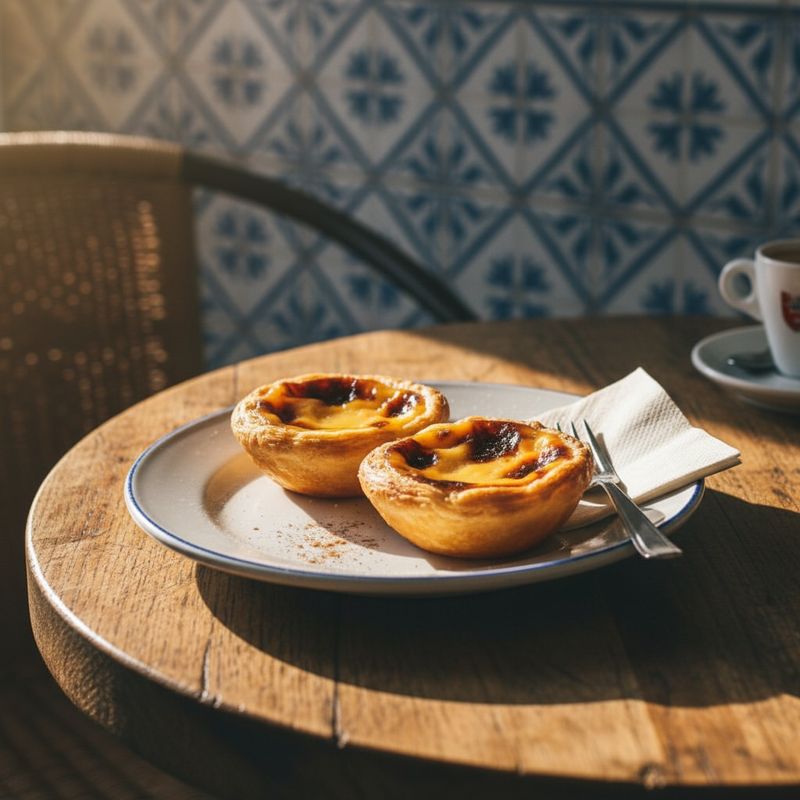
Walk into any cafe in Lisbon, Portugal, and the warm, caramel-scented smell of pastel de nata will stop you in your tracks. These small, cup-shaped tarts have a buttery, flaky pastry shell cradling a silky custard filling with slightly charred, caramelized tops.
The recipe was originally created by Catholic monks in the 18th century. Today, the famous Pasteis de Belem bakery in Lisbon still guards the original recipe as a closely kept secret.
A sprinkle of cinnamon on top is the traditional finishing touch that ties everything together beautifully.
Churros
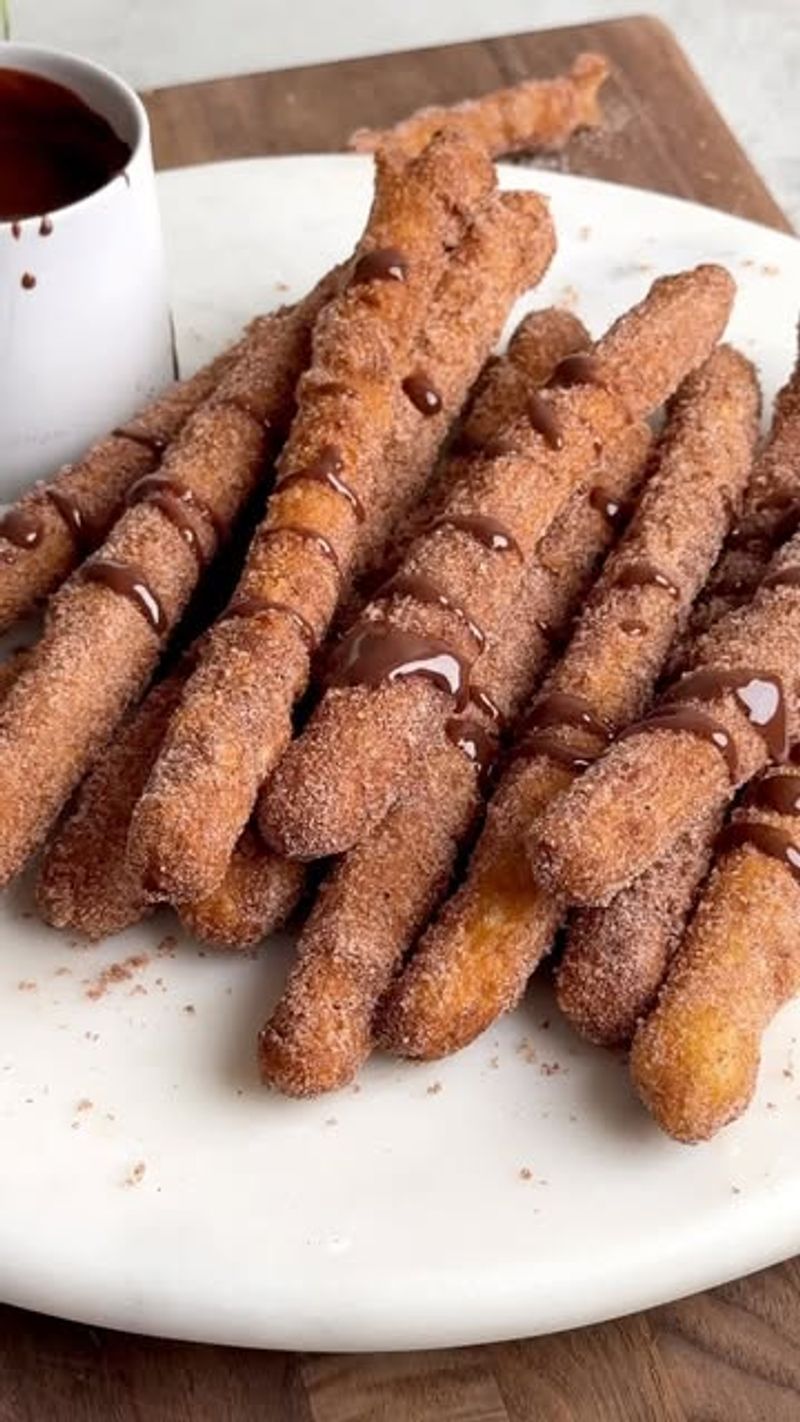
Crispy on the outside, soft and doughy on the inside, churros are the kind of street food that makes you stop whatever you’re doing and just enjoy the moment. These deep-fried dough sticks are coated in cinnamon sugar and are a staple in Spain, Mexico, and much of Latin America.
The classic pairing is a cup of thick, rich hot chocolate for dipping. Spanish churros tend to be thinner and crispier, while Mexican versions are often thicker and fluffier.
Either way, sharing a plate with friends is basically mandatory.
Ensaimada
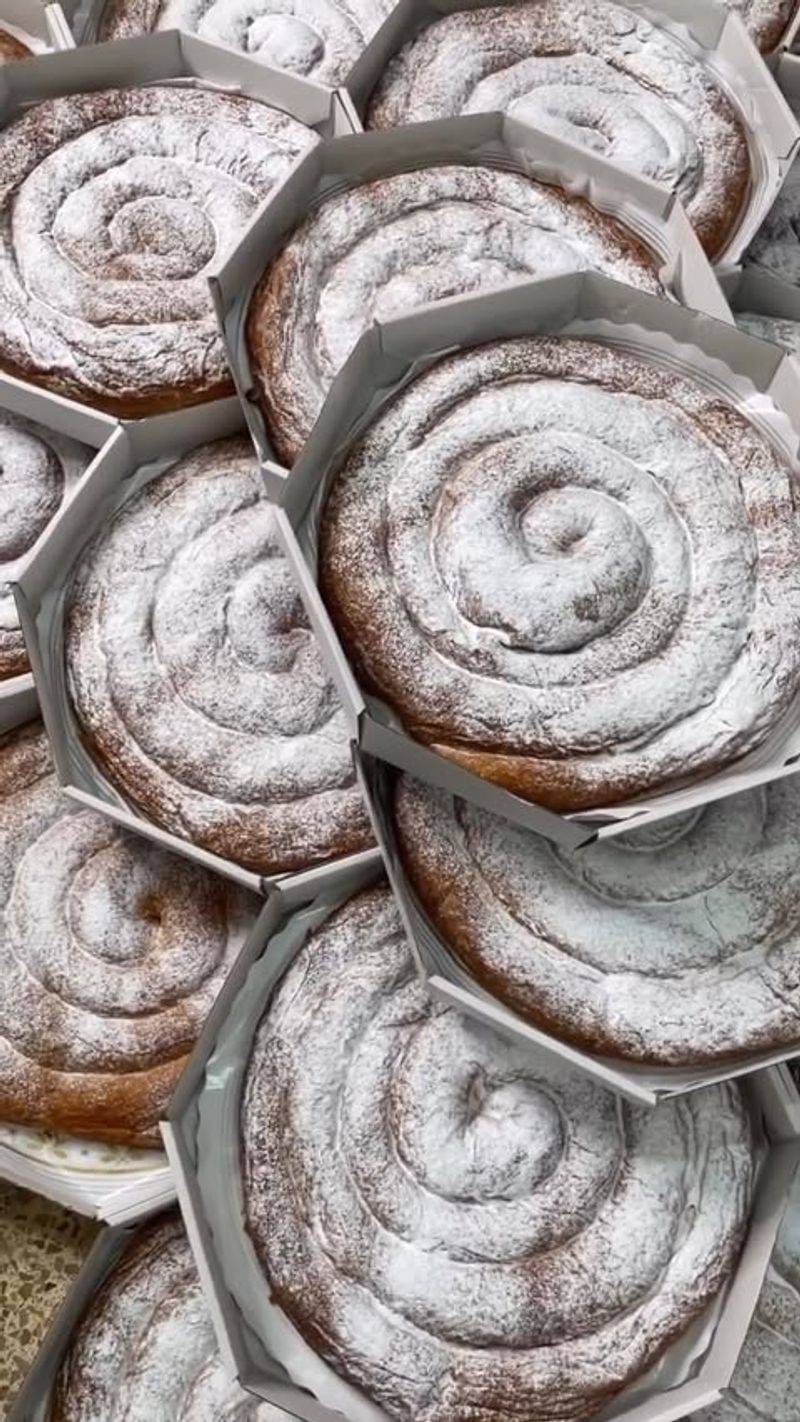
Soft, pillowy, and dusted with a snowfall of powdered sugar, ensaimada is the pride of Mallorca, Spain. This coiled pastry gets its name from “saim,” the Catalan word for lard, which gives it that uniquely tender, melt-in-your-mouth texture.
It’s been baked in Mallorca for centuries, and today it carries a protected geographical indication, meaning only pastries made in Mallorca can officially carry the name. Fillings like cream, pumpkin jam, or sobrassada are popular, but the plain version dusted with powdered sugar is a timeless classic that never disappoints.
Strudel (Apfelstrudel)
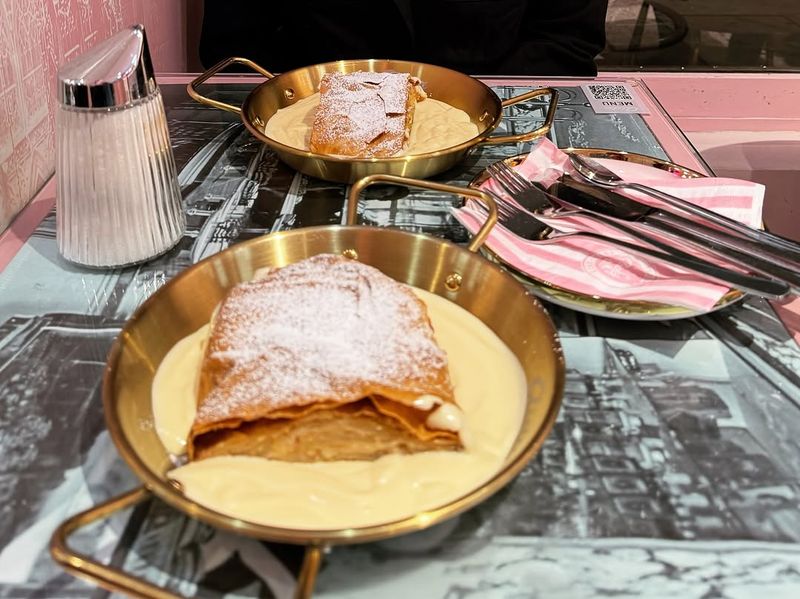
Austria’s most beloved pastry tells a story of warmth, family kitchens, and generations of bakers stretching dough so thin you could read a newspaper through it. Apfelstrudel, or apple strudel, wraps a spiced apple and raisin filling in delicate, tissue-thin pastry layers before being baked to golden perfection.
Traditionally served with vanilla sauce or a dollop of whipped cream, it’s a comforting dessert that feels like a warm hug on a cold day. The Viennese take their strudel seriously, and tasting a proper one in an old Viennese coffeehouse is a bucket-list experience worth chasing.
Kouign-Amann
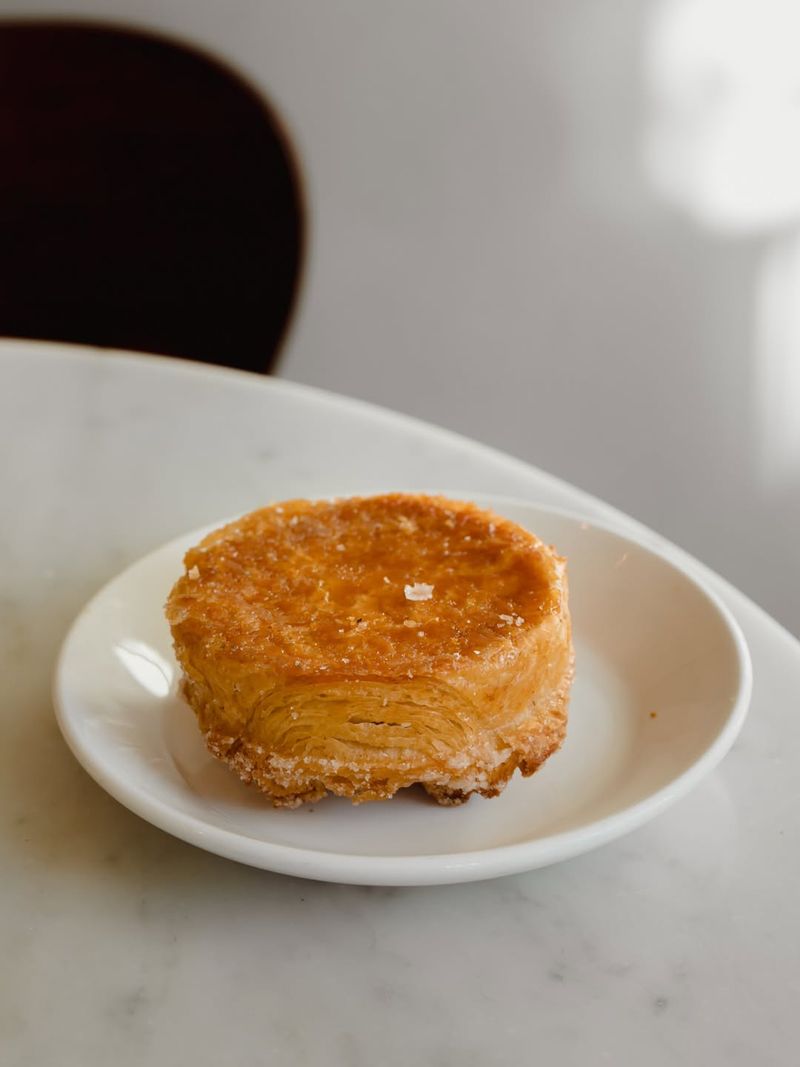
Kouign-amann (pronounced “KWEEN ah-MAHN”) has one of the most satisfying textures in the entire pastry world. Created in Brittany, France, in 1860 by a baker named Yves-René Scordia who reportedly ran out of ingredients, this round pastry is made from bread dough layered with butter and sugar, then baked until the sugar caramelizes into a crackling, amber crust.
The edges turn gloriously crispy while the center stays soft and slightly chewy. Its name means “butter cake” in Breton, and every single bite justifies that bold description with no argument needed.
Berliner (Jam Doughnut)
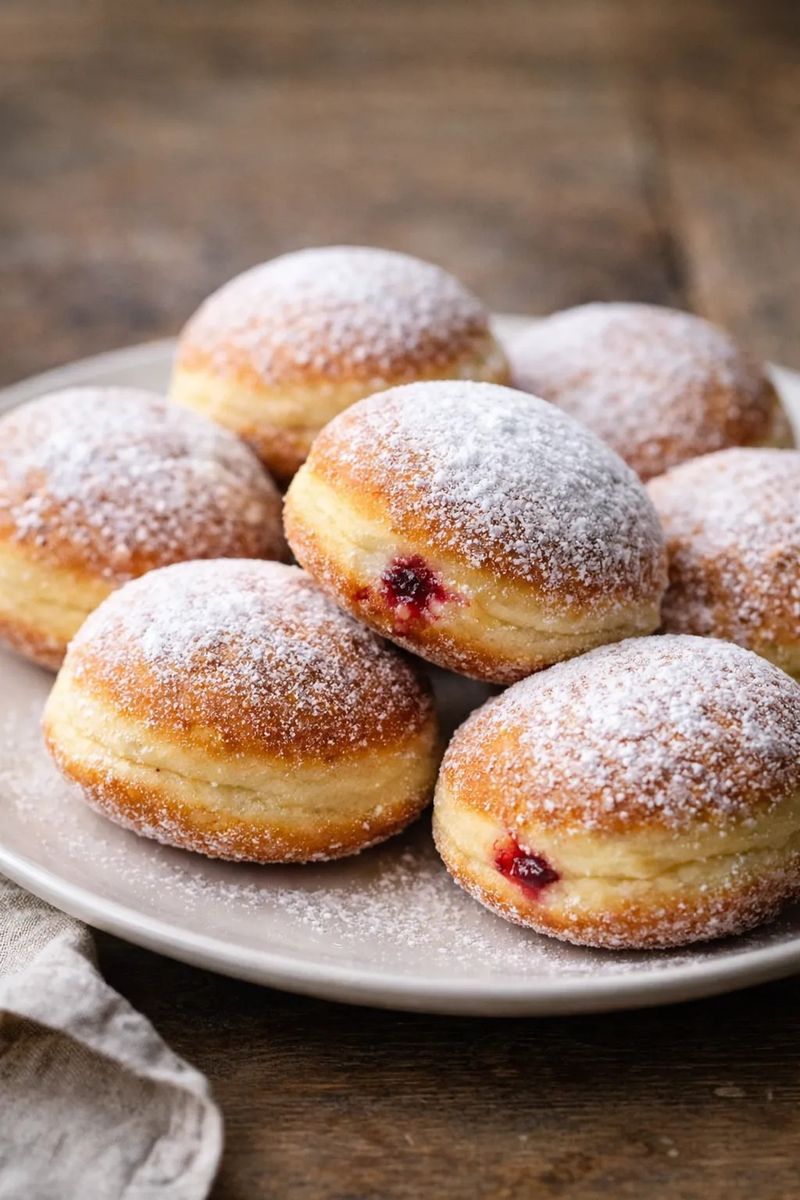
Legend has it that a Berlin baker in 1756 tried to enlist in the Prussian military but was turned away, so he baked doughnuts for the troops instead. Whether true or not, the Berliner doughnut has been a German favorite ever since.
These round, deep-fried pastries are puffed to perfection, filled with jam, and rolled in powdered sugar or granulated sugar.
Raspberry and plum jam are traditional favorites. Berliners are especially popular during Carnival season, when bakeries can barely keep up with demand from eager customers.
Krapfen
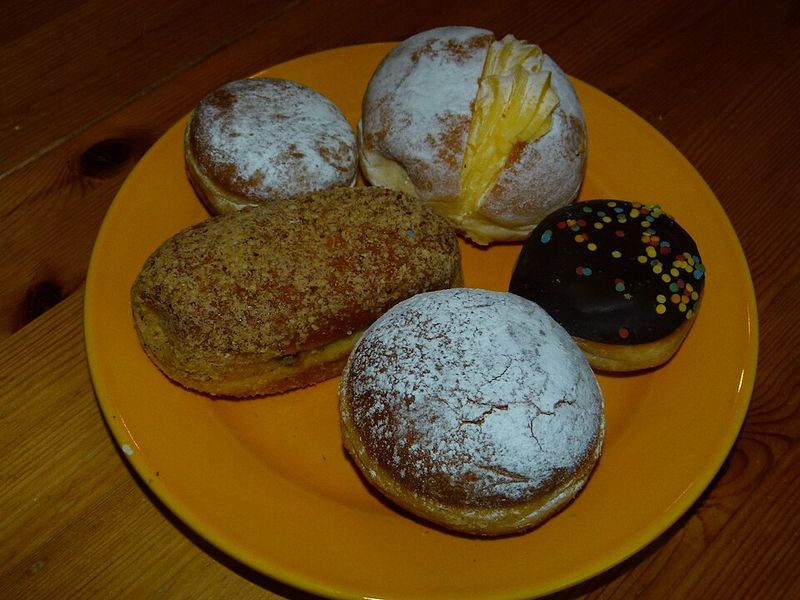
Austria’s answer to the jam doughnut, Krapfen are lighter, airier, and arguably even more indulgent than their German cousins. These deep-fried, yeast-leavened pastries are traditionally filled with apricot jam and generously dusted with powdered sugar on top.
They’re especially popular during Fasching, Austria’s version of Carnival, when bakeries sell them by the thousands. The key to a great Krapfen is the pale band around the middle, called the “Kragen” or collar, which shows the pastry was fried at just the right temperature.
Bakers consider that ring a badge of honor.
Melomakarona
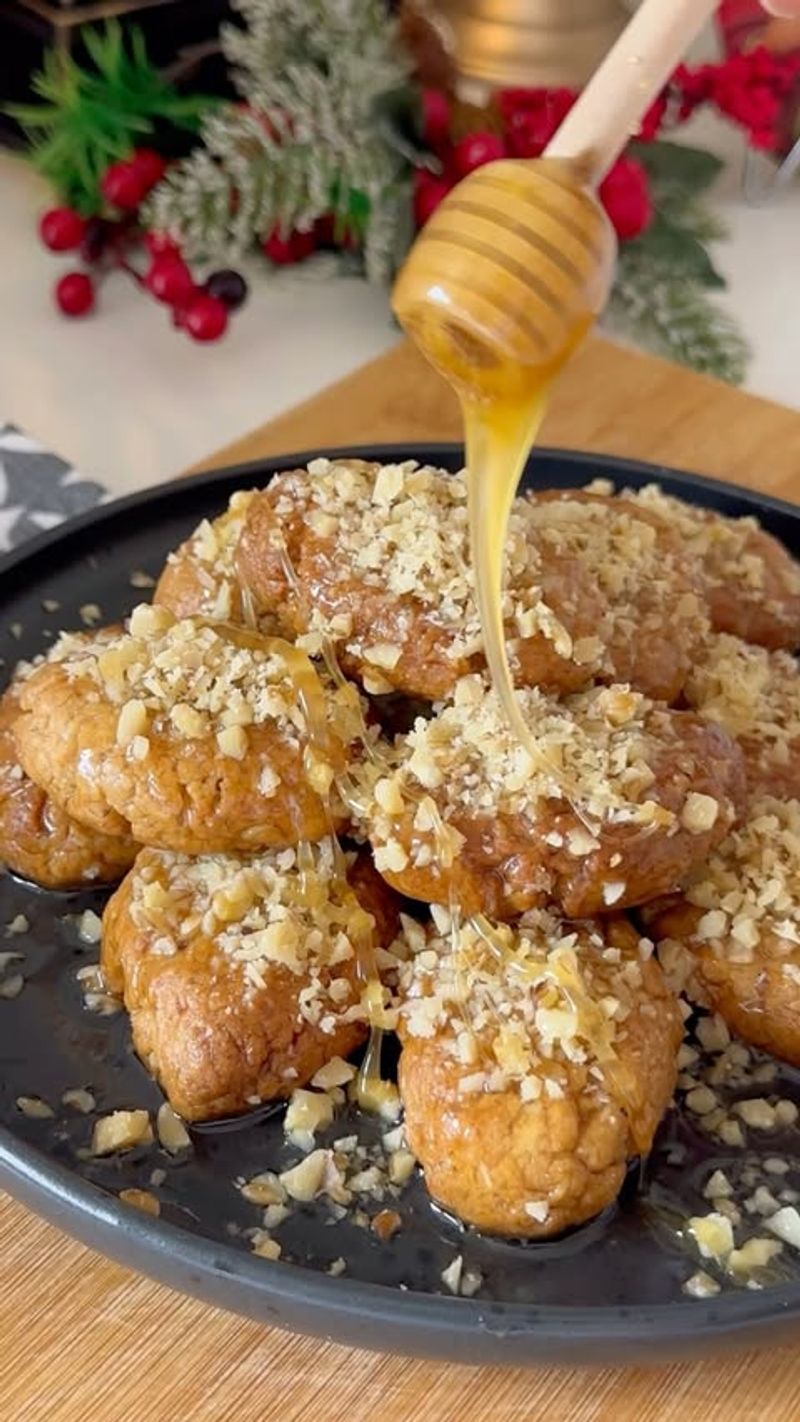
Christmas in Greece wouldn’t feel complete without a plate of melomakarona sitting on the table. These oval-shaped cookies are made with olive oil, orange zest, and warm spices, baked until golden, then soaked in honey syrup while still hot.
A generous topping of crushed walnuts finishes them off. The name comes from the Greek words for honey and a type of funeral cake, though today they’re purely a celebration treat.
Every Greek family has their own recipe passed down through generations, and each one insists theirs is the definitive version.
Loukoumades
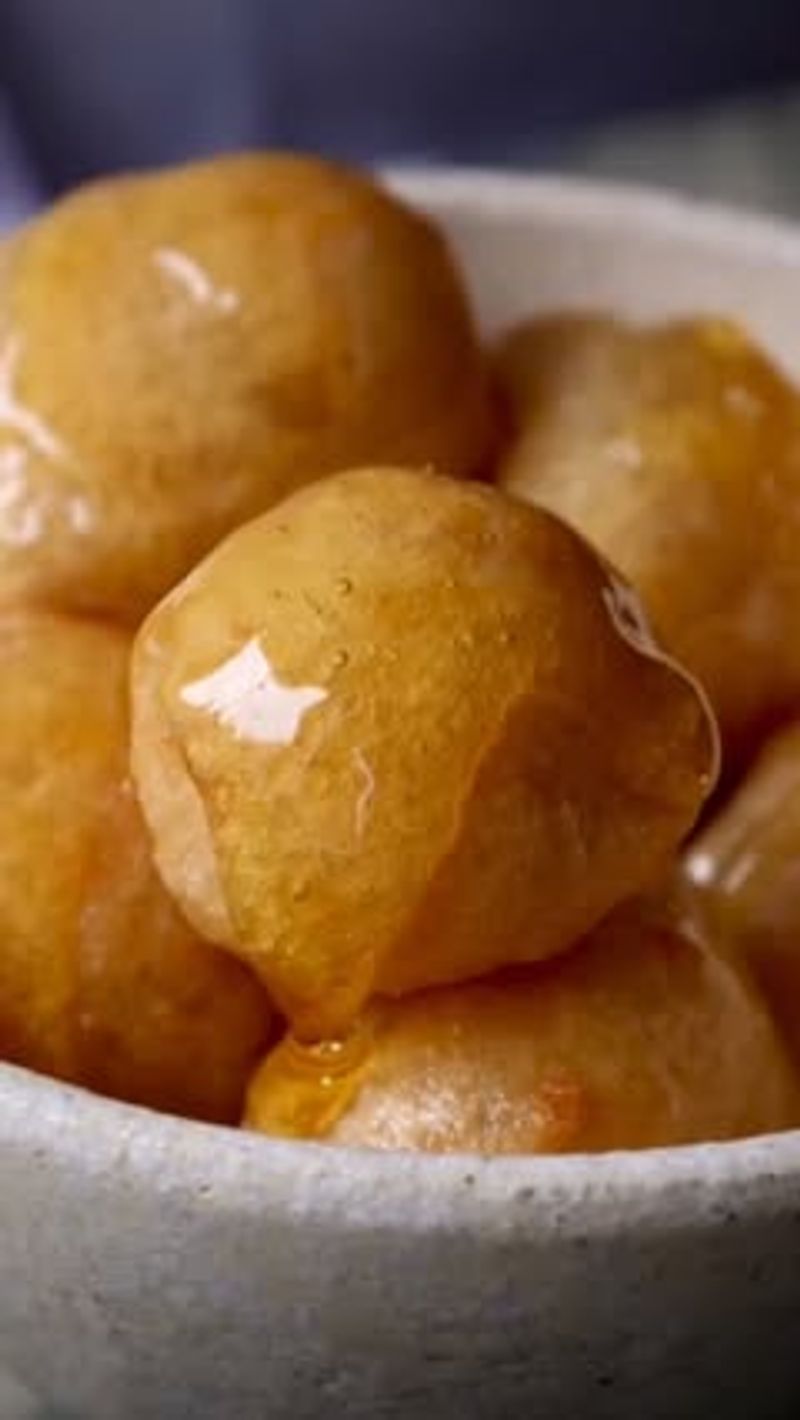
Hot, golden, and dripping with honey, loukoumades might just be the world’s oldest recorded dessert. Ancient Greeks served these deep-fried dough puffs to Olympic winners as far back as 776 BC, calling them “honey tokens.”
Today, they’re a beloved street food found at Greek festivals, markets, and dedicated shops across the country. Fresh out of the fryer, they’re drizzled with thyme honey, dusted with cinnamon, and sometimes topped with crushed walnuts or sesame seeds.
Eating them warm is non-negotiable — they lose their magic the moment they cool down.
Mochi
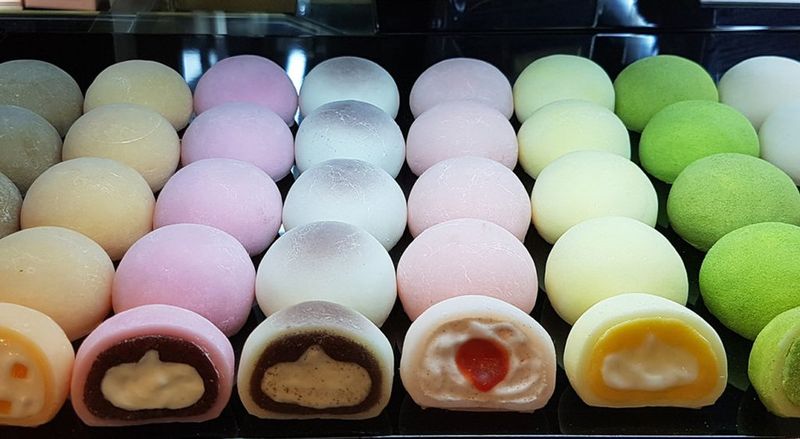
Soft, chewy, and endlessly customizable, mochi is one of Japan’s most iconic sweet treats. Made from glutinous rice that’s been pounded into a smooth, stretchy dough called mochiko, these round confections have a uniquely satisfying, almost bouncy texture unlike anything else in the pastry world.
Traditional fillings include sweet red bean paste, but modern versions come stuffed with ice cream, strawberries, or matcha cream. Mochi holds deep cultural significance in Japan, especially during the New Year celebration, where making mochi together — called mochitsuki — is a cherished family tradition.
Taiyaki
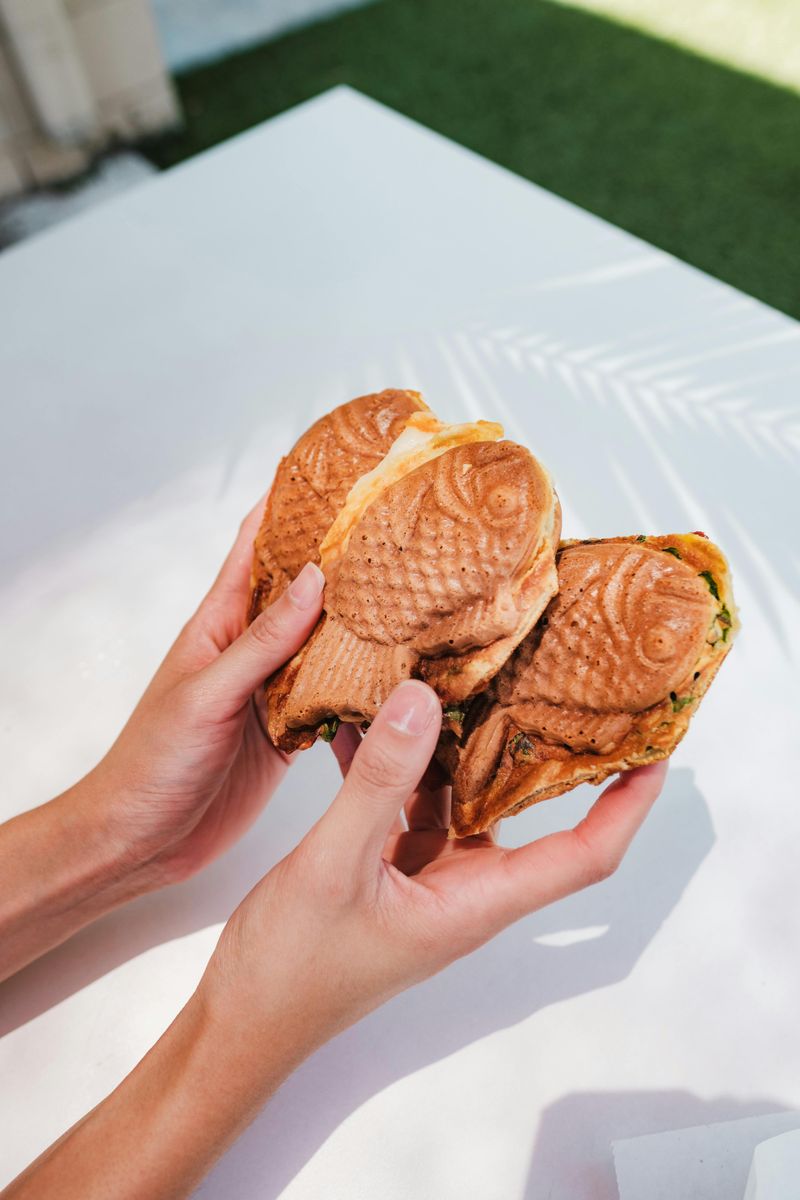
Shaped like a sea bream fish and crispy on the outside, taiyaki is one of Japan’s most charming street foods. The fish shape comes from the Japanese word “tai” (sea bream), a fish associated with good luck and celebration.
The batter is similar to a pancake or waffle mix, poured into a fish-shaped iron mold and filled before baking.
Classic red bean paste is the traditional filling, but custard, chocolate, and even cheese have become popular modern options. Watching them get made fresh at a street stall is half the fun of eating them.
Pineapple Bun (Bolo Bao)
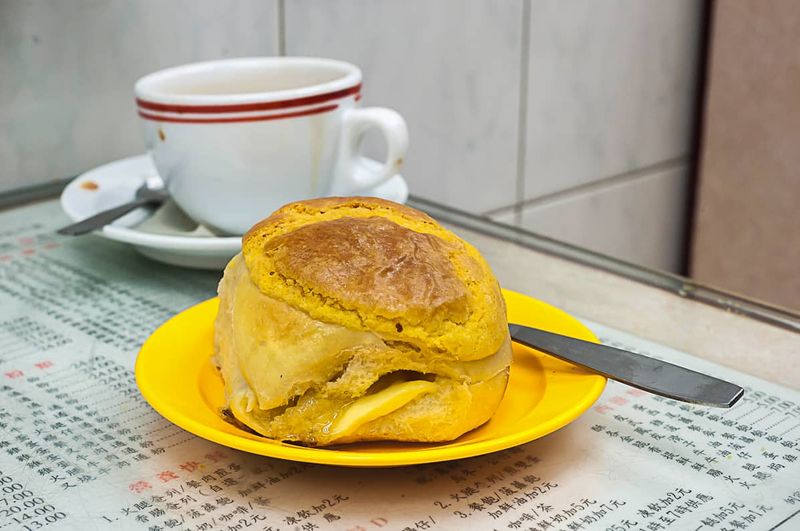
Here’s a fun twist: despite the name, pineapple buns contain absolutely no pineapple. The “pineapple” refers to the crackled, golden sugar crust on top that resembles the texture of a pineapple’s skin when baked.
Bolo bao is a Hong Kong institution, sold in every cha chaan teng (Hong Kong-style cafe) across the city.
The bun itself is soft and slightly sweet, making it the perfect contrast to that crispy topping. The classic way to eat it is with a thick slab of cold butter pushed inside while the bun is still warm — pure, simple perfection.
Egg Tart
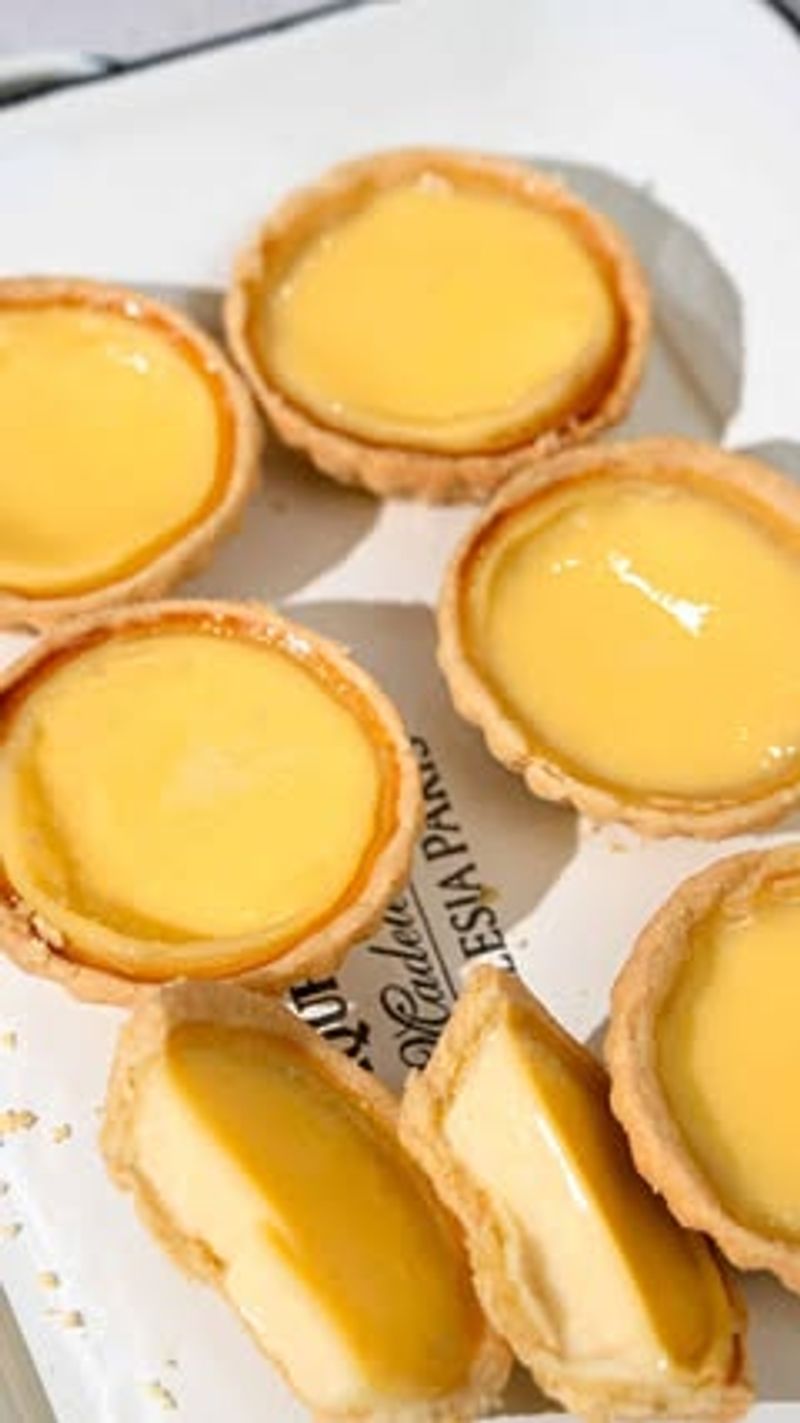
Hong Kong’s egg tart is a beautiful blend of East and West, born from the city’s unique culinary history. A buttery, crumbly pastry shell cradles a silky-smooth, lightly sweetened egg custard that barely wobbles when you pick it up.
Portuguese-style egg tarts use puff pastry and have a slightly caramelized top, while the Hong Kong version uses a shortcrust shell and a paler, more delicate custard.
Fresh from the oven is the only way to truly appreciate one. Egg tarts have earned a permanent place in dim sum menus worldwide, and for very good reason.
Alfajores
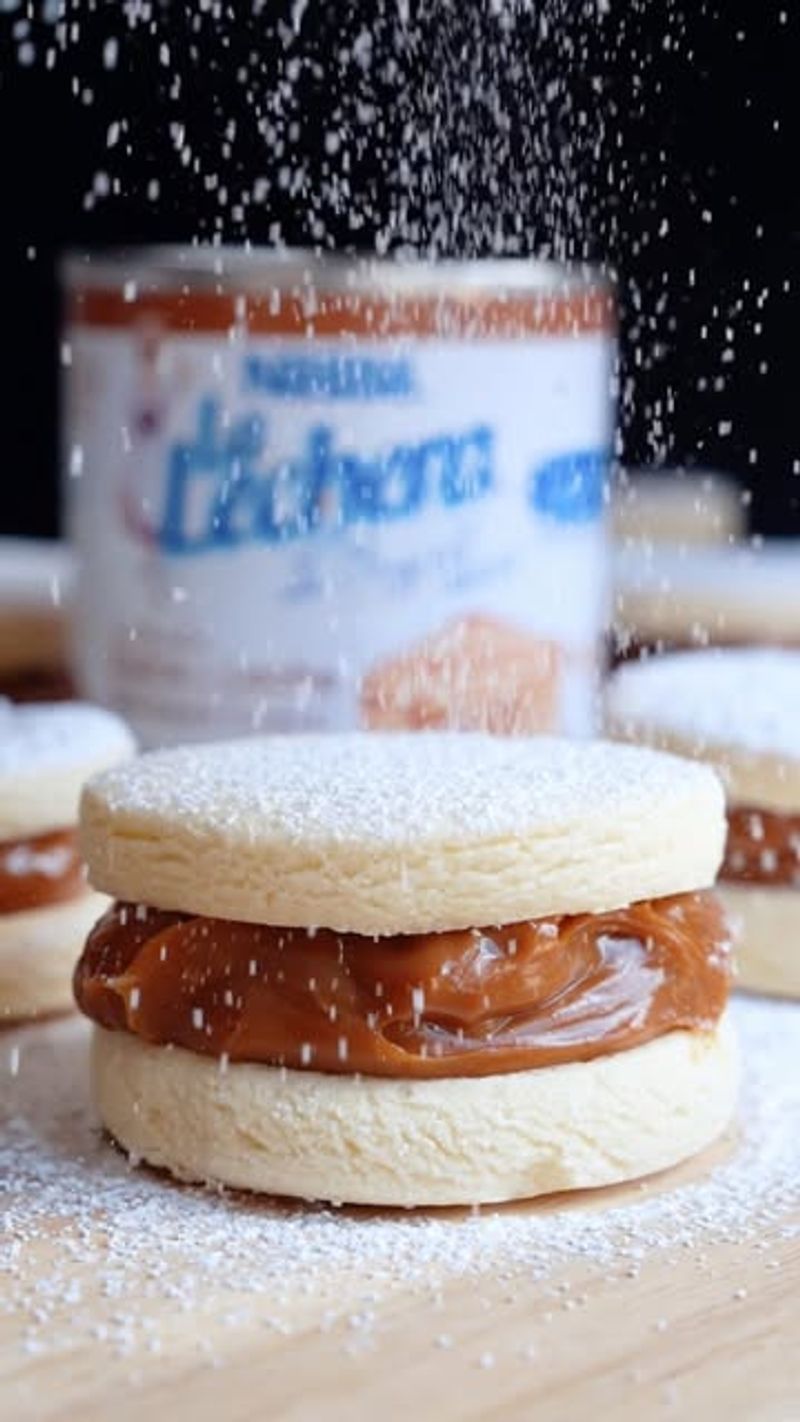
Alfajores are the kind of cookies that turn ordinary afternoons into something worth remembering. Two soft, crumbly, cornstarch-based cookies are sandwiched around a thick layer of dulce de leche — a rich, caramel-like spread made from slow-cooked sweetened milk — then rolled in shredded coconut or dipped in chocolate.
They’re wildly popular across Argentina, Uruguay, and Peru, with each country putting its own spin on the classic. Argentinian alfajores tend to be the most famous, and brands like Havanna have turned them into beloved national treasures enjoyed by people of all ages.
Brigadeiro-Filled Pastries
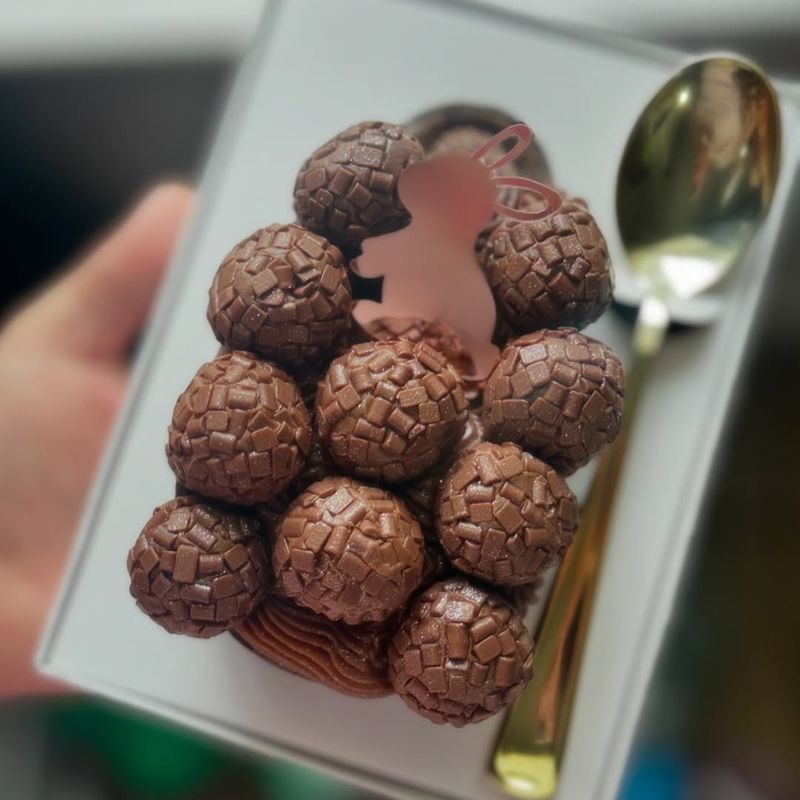
Brazil’s most beloved candy, the brigadeiro, gets even better when it’s tucked inside a pastry. Brigadeiros are made from sweetened condensed milk, cocoa powder, and butter, cooked until thick and fudgy, then rolled in chocolate sprinkles.
When used as a pastry filling, that same rich chocolate mixture gets piped or spooned into light choux puffs or soft dough shells.
The result is a dessert that’s simultaneously familiar and exciting. Brigadeiros originated in the 1940s and were named after a Brazilian Air Force general.
Today, no birthday party in Brazil is complete without them on the table.
Samosa (Sweet Version)
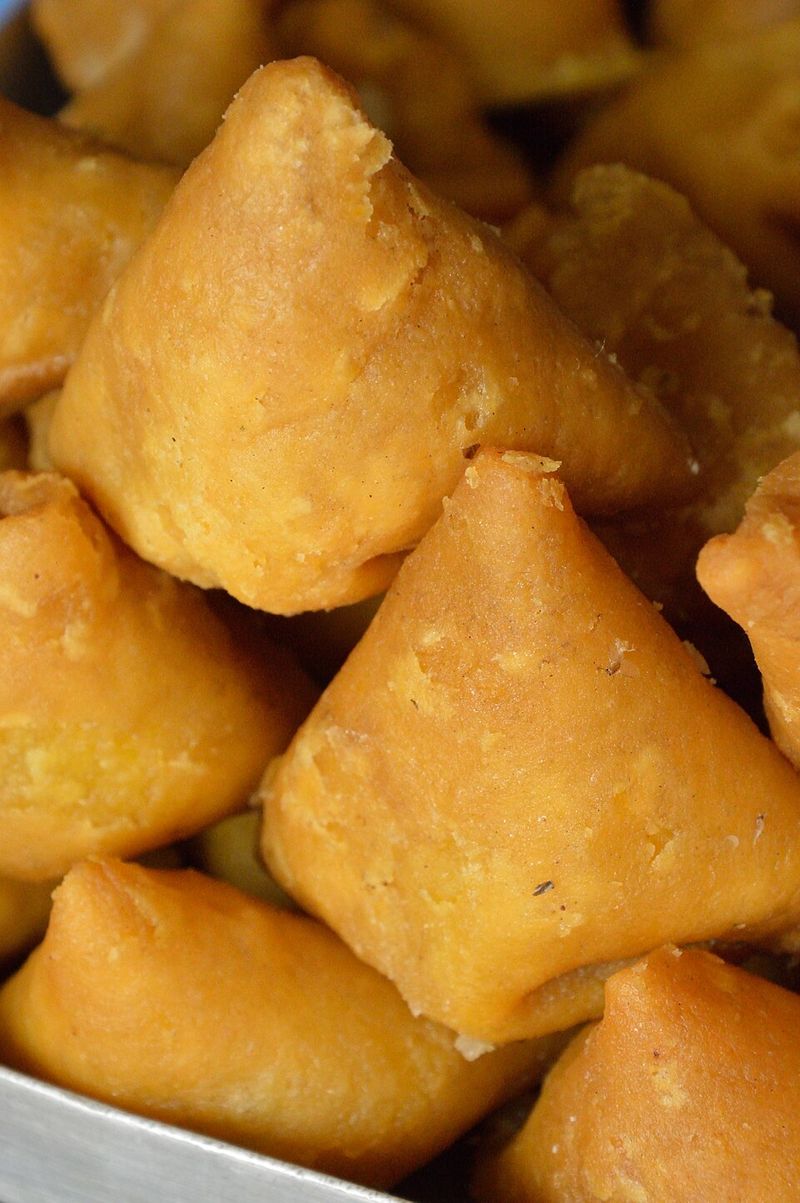
Most people know samosas as savory, spiced potato snacks, but the sweet version is a hidden gem worth seeking out. Sweet samosas are filled with combinations like coconut and jaggery, sweetened lentils, khoya (reduced milk), or even dry fruits and nuts, then deep-fried until perfectly golden and crispy.
Popular across India and parts of South Asia, these sweet treats are often made during festivals like Diwali and Holi. The contrast between the crunchy, thin pastry shell and the warm, fragrant sweet filling inside creates a deeply satisfying bite that feels both festive and comforting.
Gulab Jamun Pastries
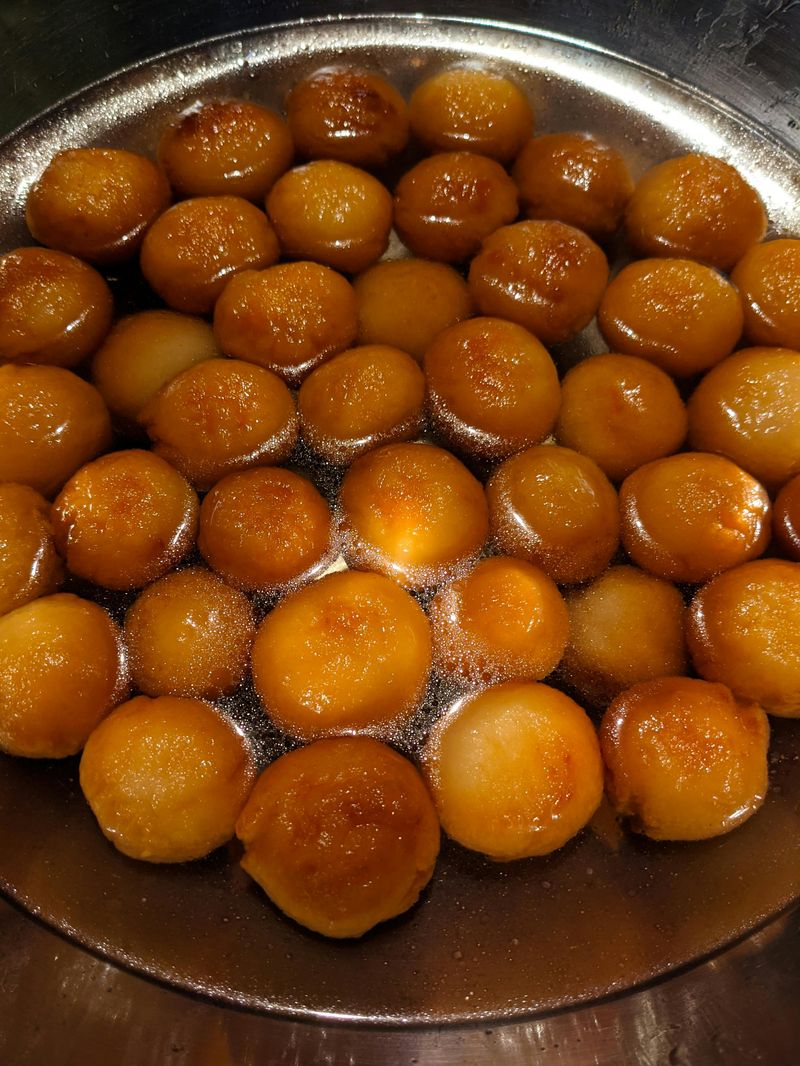
Warm, syrup-soaked, and fragrant with cardamom and rose water, gulab jamun is one of South Asia’s most iconic desserts. Traditionally, soft dough balls made from milk solids are fried until golden, then dropped into warm sugar syrup flavored with cardamom, saffron, and rose water.
When shaped or served in pastry form, that same intoxicating filling becomes the star of the show. The name comes from Persian words meaning rose and plum.
Served at weddings, festivals, and family gatherings across India, Pakistan, and Bangladesh, gulab jamun pastries represent celebration, generosity, and pure sweet joy in every single bite.
Malva Pudding Tart
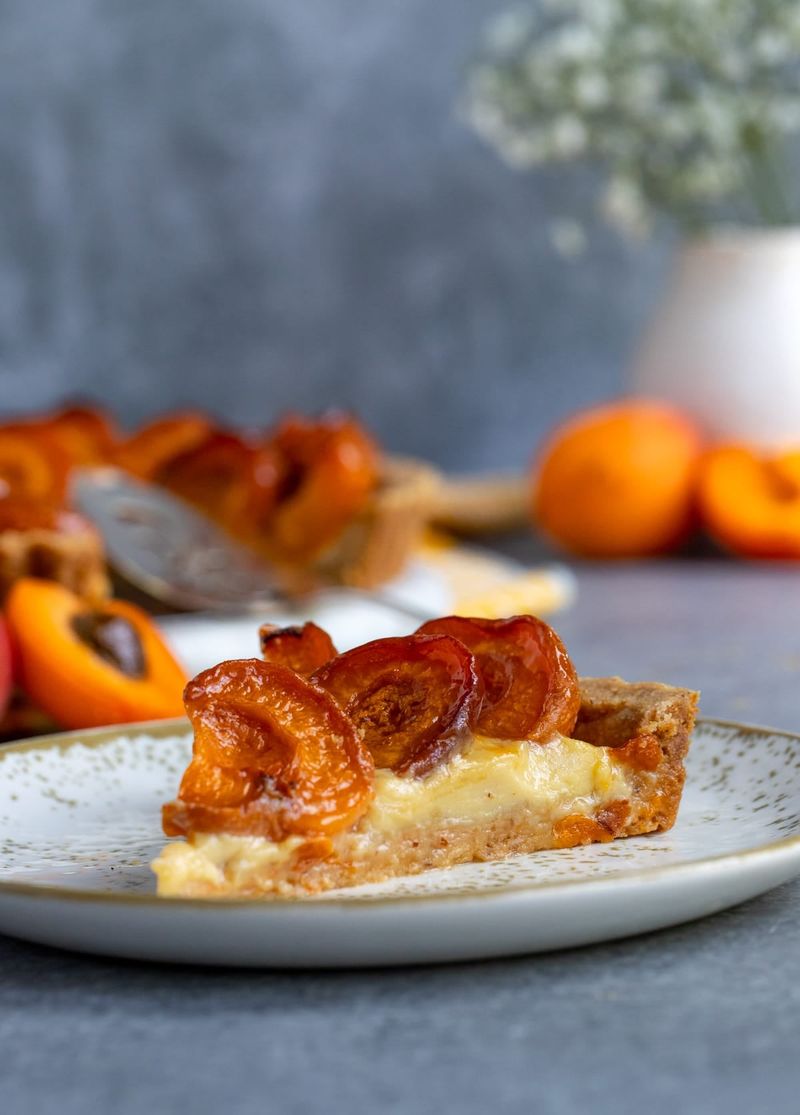
South Africa’s malva pudding is the ultimate comfort dessert, and when baked into tart form, it becomes something truly extraordinary. This sticky, spongy baked pudding gets its distinctive flavor from apricot jam and a touch of vinegar mixed into the batter, creating a deep, caramel-like richness that’s impossible to describe until you’ve tasted it yourself.
A warm cream and butter sauce is poured over the tart the moment it comes out of the oven, soaking right in for maximum indulgence. Served with custard or vanilla ice cream, malva pudding tart is South African hospitality on a plate.
Beignet
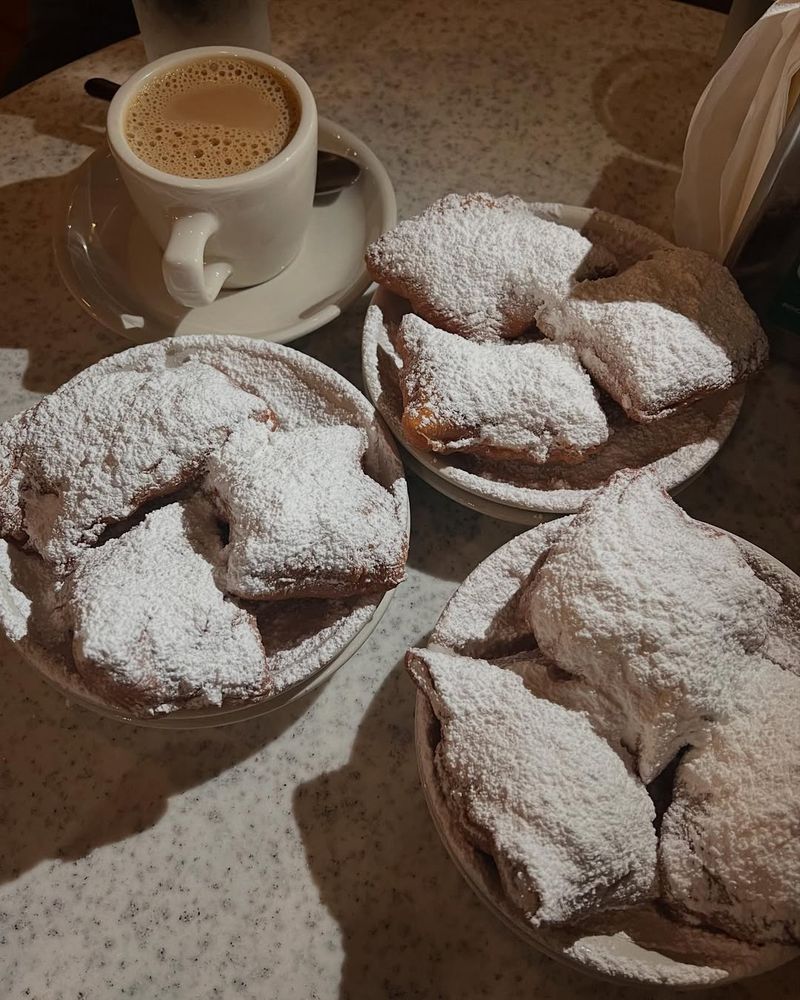
New Orleans runs on beignets and chicory coffee, and honestly, that sounds like a pretty great way to run a city. These square, deep-fried dough pillows are buried under a mountain of powdered sugar and served piping hot, creating a cloud of sweet white dust with every bite.
French settlers brought the recipe to Louisiana in the 18th century, and Cafe Du Monde in the French Quarter has been serving them since 1862. Fair warning: the powdered sugar will absolutely get on your clothes.
Every local will tell you that’s part of the beignet experience.
Maple Butter Tart
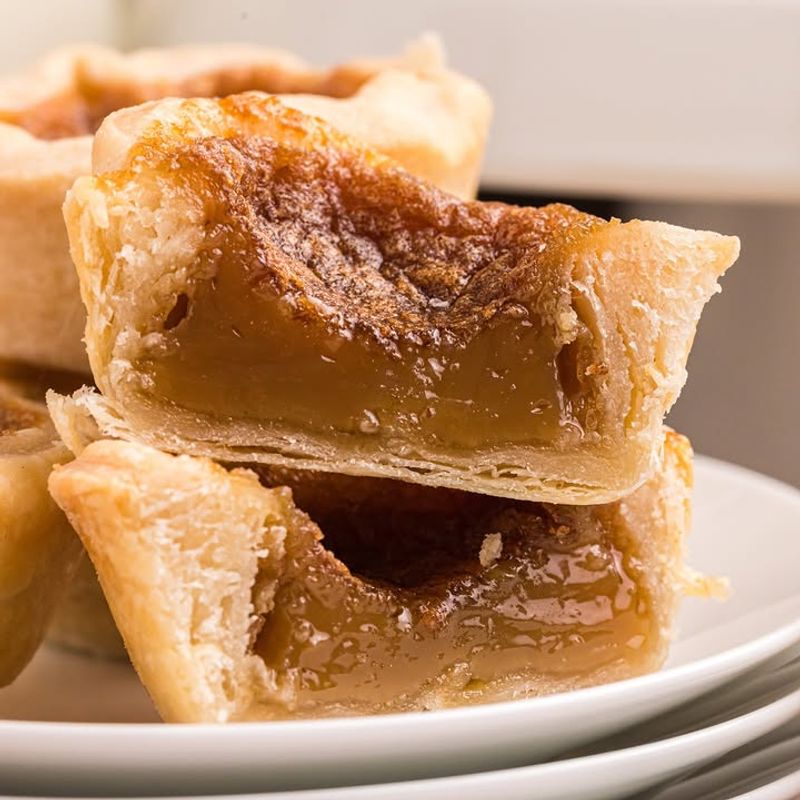
Canada’s most iconic baked treat is small, unpretentious, and absolutely addictive. The butter tart is a simple pastry shell filled with a gooey mixture of butter, sugar, eggs, and — in the best versions — pure Canadian maple syrup.
The filling is slightly runny in the center, firming up around the edges where it caramelizes against the pastry.
Debates rage across Canada over raisins versus pecans versus plain fillings, and everyone has a strong opinion. First documented in a Canadian cookbook in 1900, this humble tart has grown into a national symbol that food lovers travel across provinces just to taste.
Enjoyed this story?
Add Fast Food Club as a preferred source to see more of our reporting on Google.