


The Midwest has a rich food tradition built on hearty, comforting meals that bring families together around the table. From creamy casseroles to slow-cooked roasts, these dishes have been passed down through generations and still hold a special place in kitchens across the region.
Whether you grew up eating them or are discovering them for the first time, these recipes are worth trying. Get ready to explore 33 classic Midwestern dishes you can make right at home.
Tater tot casserole
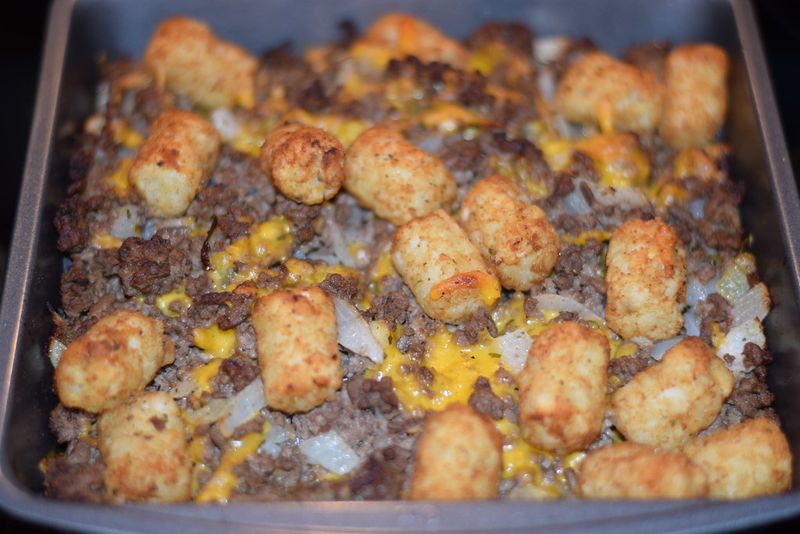
Nothing says Midwestern comfort quite like a bubbling tater tot casserole fresh out of the oven. This crowd-pleaser layers seasoned ground beef, creamy soup, and crispy tater tots into one satisfying dish.
It comes together quickly, making it perfect for busy weeknights. Kids and adults both love it.
Try adding shredded cheddar on top for extra richness. A bag of frozen tater tots is all you need to get started.
Hotdish
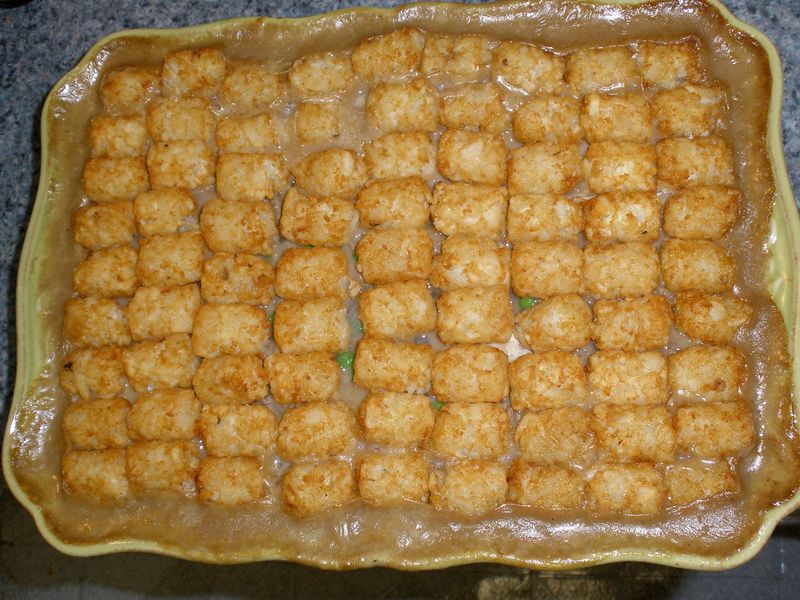
Hotdish is basically the Midwest’s answer to the casserole, and Minnesota claims it with serious pride. It usually combines a protein, a starch, a vegetable, and a creamy binder all cooked together in one dish.
Every family has their own version, which makes it wonderfully personal. Some use tater tots, others use rice or noodles.
The beauty of hotdish is that you can adapt it to whatever you have on hand, making it both practical and delicious.
Meatloaf with mashed potatoes
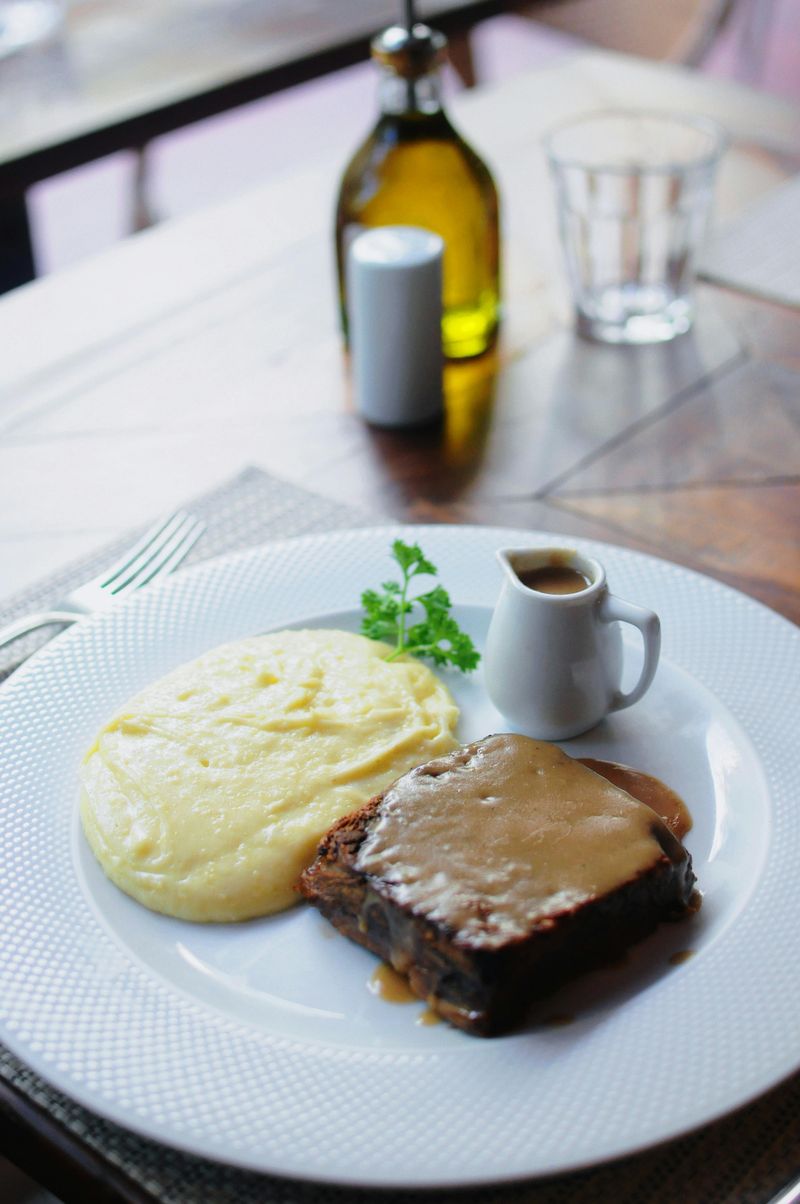
Meatloaf with mashed potatoes is the ultimate Midwestern weeknight dinner, and it has earned that title fair and square. The meatloaf is savory and tender, often topped with a sweet ketchup glaze that caramelizes in the oven.
Paired with fluffy, buttery mashed potatoes, this meal feels like a warm hug. Leftovers make incredible sandwiches the next day.
Use a mix of ground beef and pork for the best flavor and texture in your loaf.
Chicken and dumplings
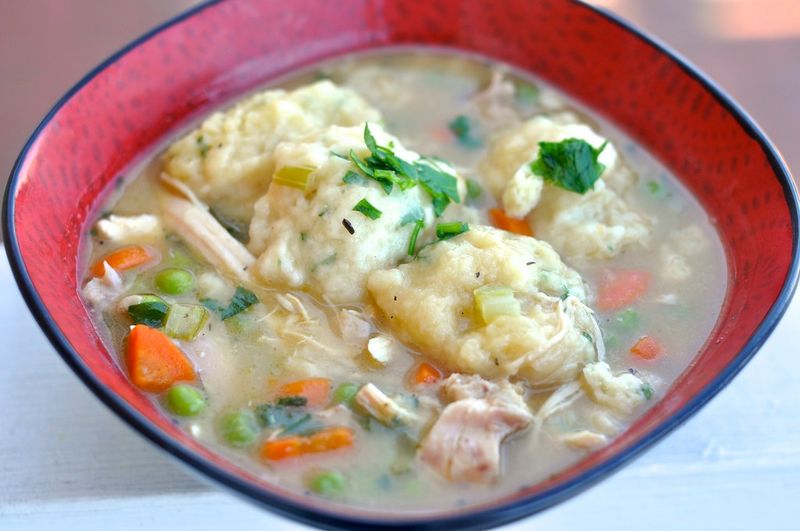
Thick, pillowy dumplings bobbing in rich chicken broth make this dish one of the most comforting things you can eat on a cold day. Chicken and dumplings has roots in rural Midwestern cooking, where nothing went to waste.
Using a whole chicken gives the broth incredible depth of flavor. Drop dumplings are the easiest style to make at home.
Just mix flour, baking powder, milk, and butter, then spoon the batter right into the simmering pot.
Pot roast
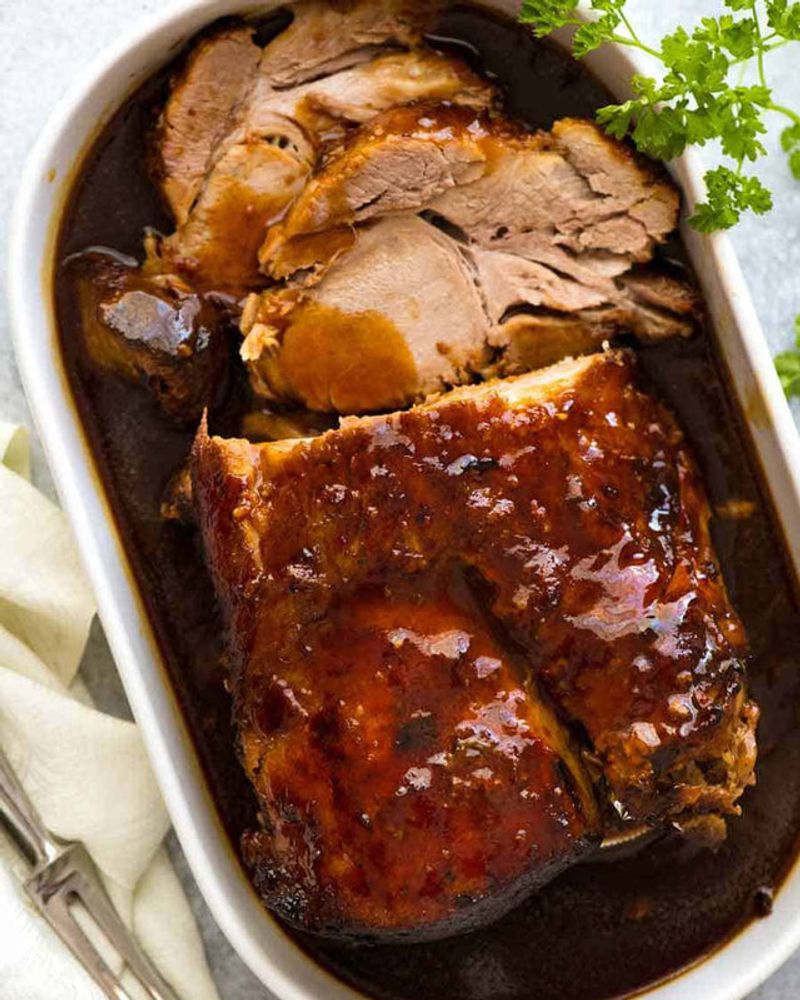
Sunday pot roast is a Midwestern tradition that turns a tough cut of beef into something incredibly tender and flavorful. Low and slow cooking is the secret, whether you use a Dutch oven or a slow cooker.
Chuck roast is the most popular choice because the fat melts into the meat as it cooks. Surround it with carrots, potatoes, and onions for a full one-pot meal.
The leftover braising liquid becomes a rich, savory gravy you will want on everything.
Beef and noodles
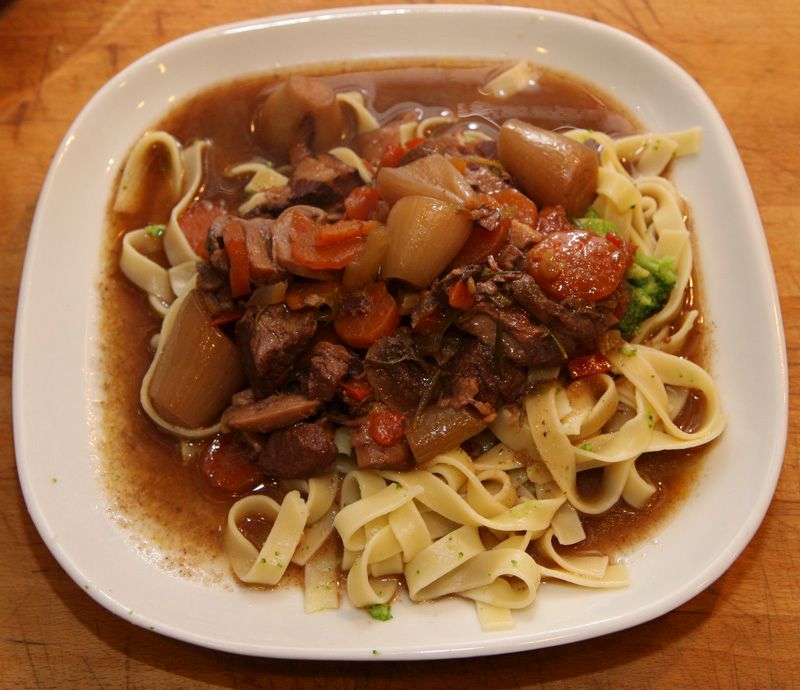
Beef and noodles is a dish that Midwesterners grow up eating and never stop craving. Tender shredded beef gets simmered in a rich, beefy broth and then tossed with thick egg noodles for a meal that sticks to your ribs.
It is often served over mashed potatoes, which might sound like carb overload but is absolutely worth it. Homemade egg noodles make the dish extra special, though store-bought work just fine.
This recipe is pure, unpretentious Midwestern soul food.
Sloppy joes
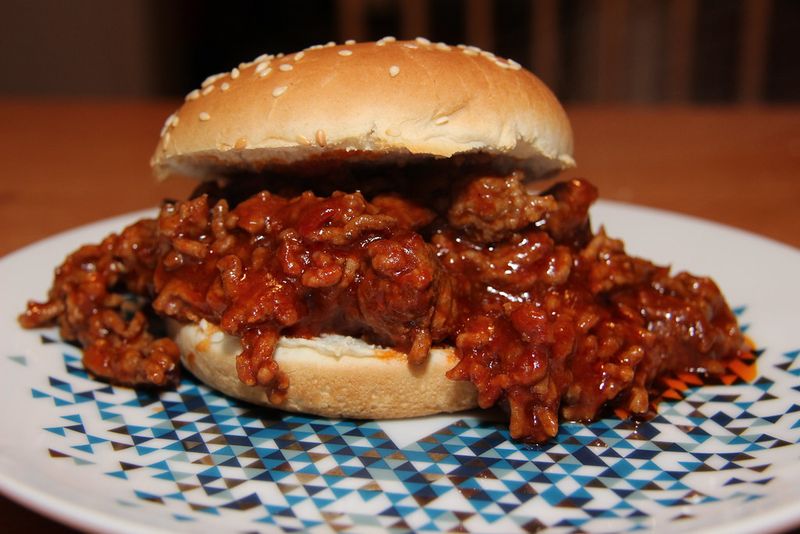
Sloppy joes have been a staple at Midwestern school cafeterias, church potlucks, and family dinners for decades. The messy, saucy sandwich is made from ground beef cooked in a tangy, slightly sweet tomato-based sauce.
Making them from scratch is surprisingly easy and tastes far better than the canned version. Brown your beef, add onion, garlic, ketchup, mustard, and brown sugar, then let it simmer.
Pile it high on soft hamburger buns and have plenty of napkins ready.
Chicken pot pie
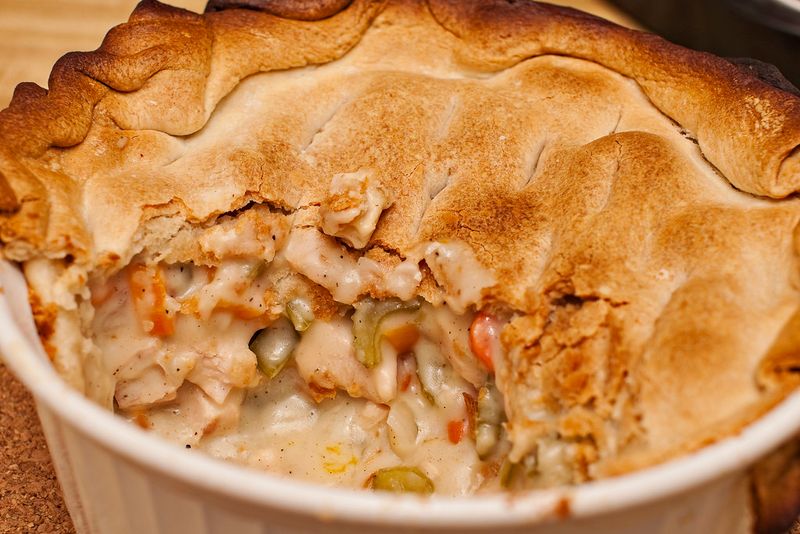
Chicken pot pie is the kind of dish that makes a house smell amazing the moment it goes into the oven. Beneath that buttery, golden crust is a creamy filling packed with chicken, peas, carrots, and celery.
Making your own crust from scratch takes the dish to another level, but store-bought pie crust works great too. Rotisserie chicken is a smart shortcut for the filling.
This recipe is a wonderful way to use up leftover chicken and vegetables.
Tuna noodle casserole
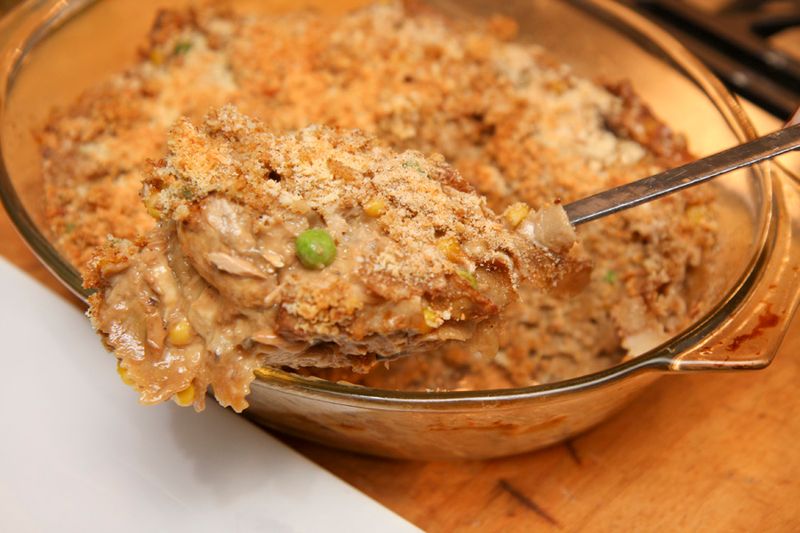
Tuna noodle casserole has fueled Midwestern families on tight budgets for generations, and it remains a genuinely satisfying meal. Egg noodles, canned tuna, cream of mushroom soup, and frozen peas come together in one baking dish.
A crunchy topping of crushed crackers or breadcrumbs adds the perfect contrast to the creamy interior. It bakes up in about 30 minutes, making it an easy weeknight option.
Adding a squeeze of lemon brightens the whole dish considerably.
Swedish meatballs
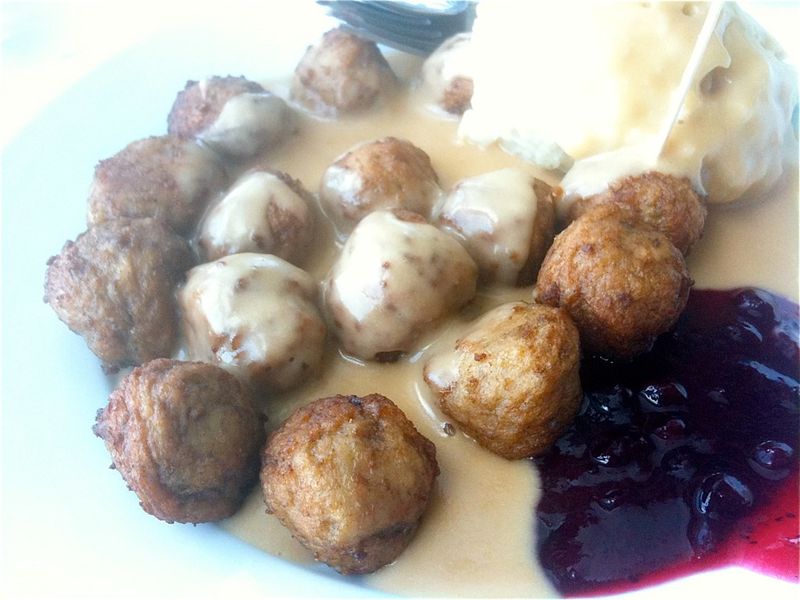
Swedish immigrants brought their meatball traditions to the Midwest, and the region adopted them wholeheartedly. These meatballs are smaller and more delicately spiced than Italian-style ones, with warm notes of allspice and nutmeg.
The real star is the creamy, savory brown gravy they swim in. Serve them over egg noodles or mashed potatoes for a full meal.
Making a big batch and freezing half is one of the smartest meal-prep moves you can make.
Salisbury steak
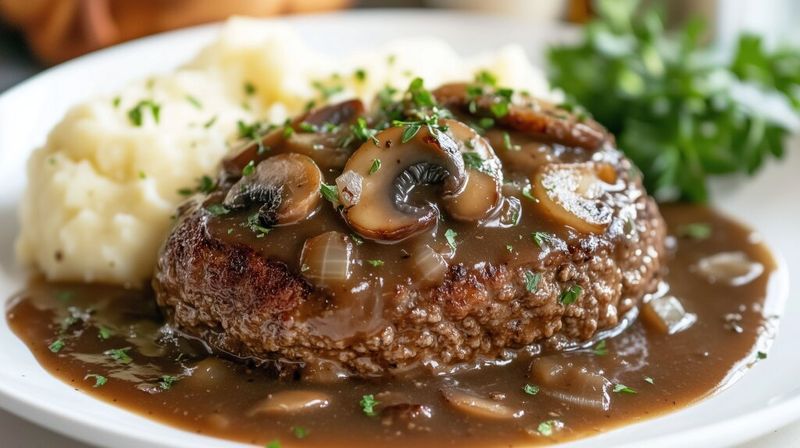
Salisbury steak sits right at the intersection of meatloaf and hamburger, and it is better than both when done right. Seasoned ground beef patties get pan-seared and then simmered in a rich mushroom and onion gravy until tender.
It was a staple of mid-century Midwestern home cooking and still deserves a regular spot on the dinner table. Serve it over mashed potatoes so the gravy soaks into every bite.
Worcestershire sauce is the secret ingredient that makes the gravy sing.
Ham and bean soup
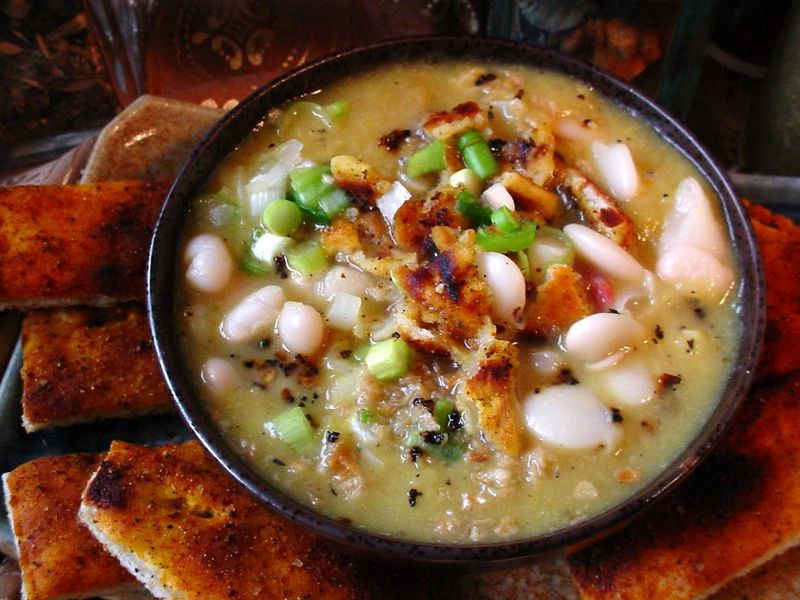
After a holiday ham, Midwestern cooks never let the bone go to waste. That leftover ham bone gets dropped into a pot with white beans, onions, carrots, and celery to create a deeply flavorful, filling soup.
It simmers low and slow until the beans are tender and the broth is rich and smoky. A pinch of smoked paprika adds extra depth if you are starting without a bone.
Serve it with cornbread for a meal that feels like home.
Stuffed cabbage rolls
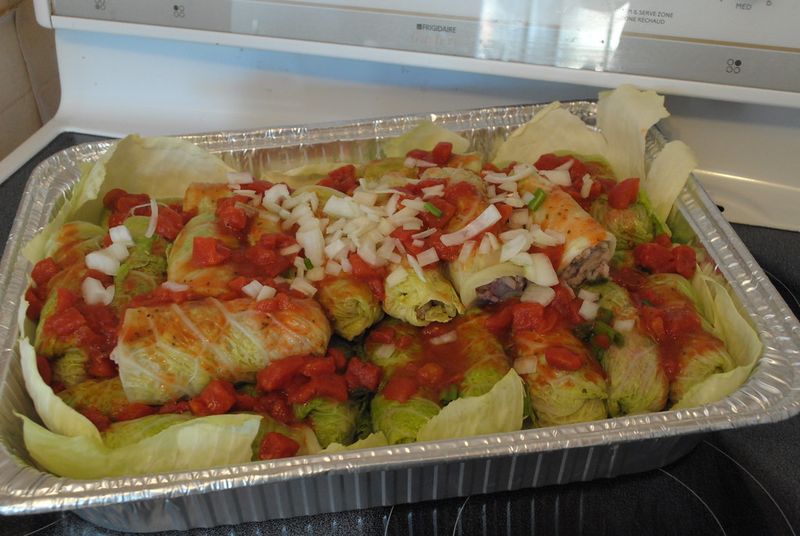
Eastern European immigrants who settled across the Midwest brought stuffed cabbage rolls with them, and the dish became a regional treasure. Tender cabbage leaves are wrapped around a seasoned mixture of ground beef and rice.
They get baked in a tangy tomato sauce that soaks into every layer as they cook. The process takes some time, but the result is absolutely worth the effort.
Blanching the cabbage leaves first makes them pliable and easy to roll without tearing.
Baked mac and cheese
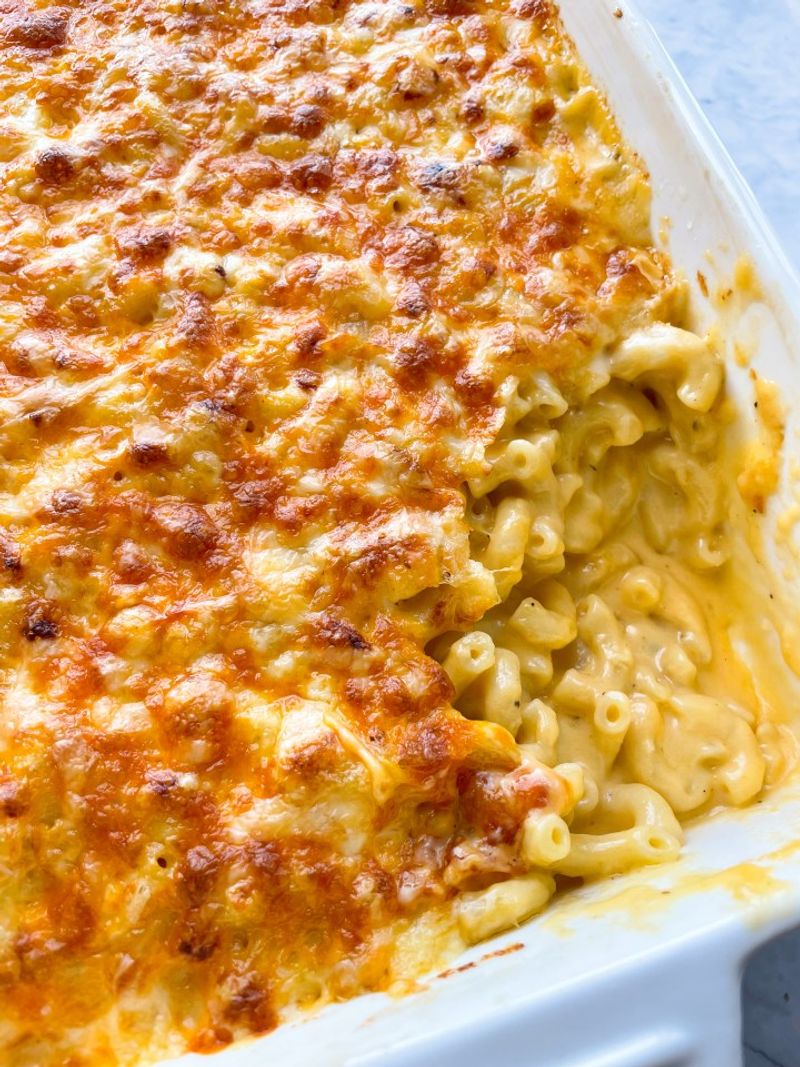
Forget the blue box. Baked mac and cheese made from scratch is a completely different experience, and Midwestern church cookbooks are full of legendary recipes for it.
A roux-based cheese sauce gets mixed with cooked macaroni and poured into a baking dish.
Sharp cheddar is the classic choice, but mixing in Gruyere or Gouda adds sophistication. The breadcrumb topping gets golden and crunchy in the oven.
Let it rest for a few minutes after baking so the sauce can thicken up perfectly.
Cornbread
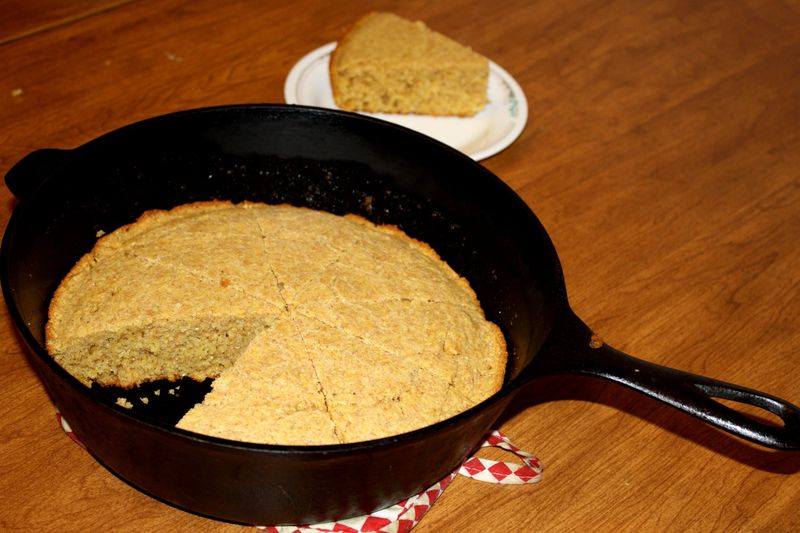
A well-made skillet of cornbread is one of the simplest, most satisfying things to come out of a Midwestern oven. Cast iron is the preferred vessel because it creates that irresistible crispy crust on the bottom and sides.
Midwestern-style cornbread tends to be slightly sweeter than Southern versions, which sparks endless friendly debate. Buttermilk adds a subtle tang and keeps the crumb tender.
Slather a warm slice with real butter and a drizzle of honey for the full experience.
Fried chicken
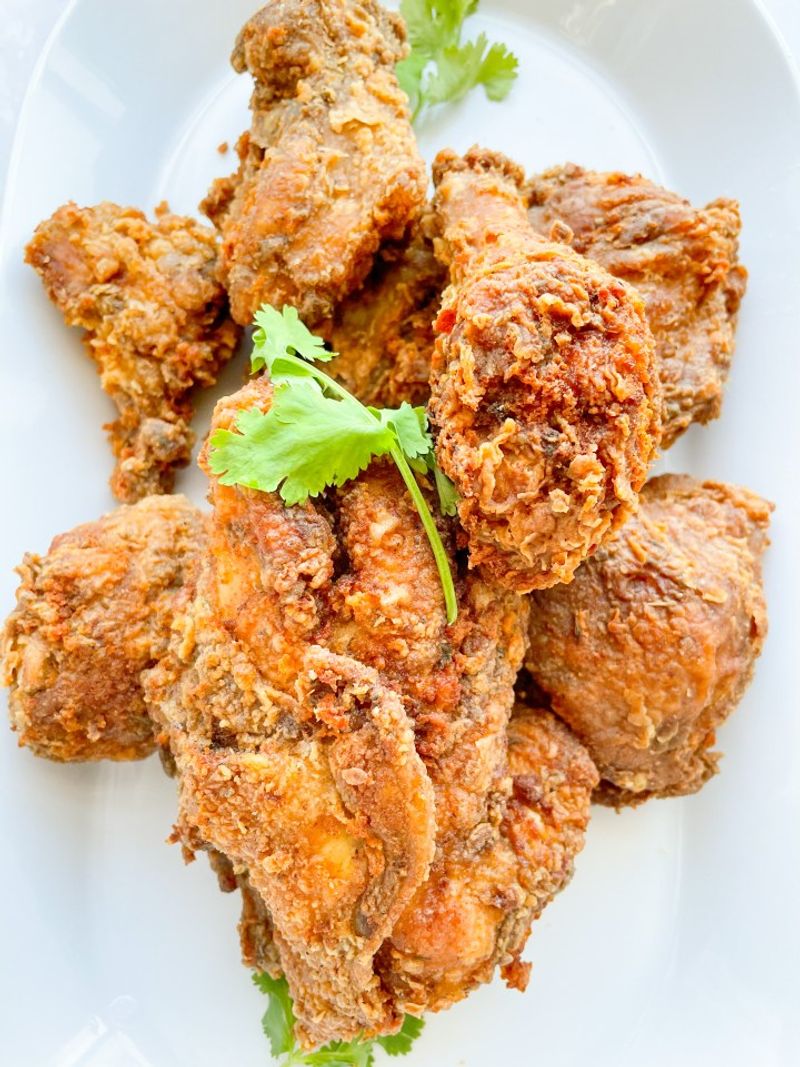
Few things in life are as satisfying as biting through a shatteringly crispy fried chicken crust into juicy, well-seasoned meat. Fried chicken has long been a centerpiece of Midwestern family gatherings and Sunday suppers.
Soaking the chicken in buttermilk overnight is non-negotiable for maximum tenderness and flavor. Season your flour generously with garlic powder, paprika, and black pepper.
Frying in a cast-iron skillet with enough oil gives you even heat and that signature golden color.
Biscuits and gravy
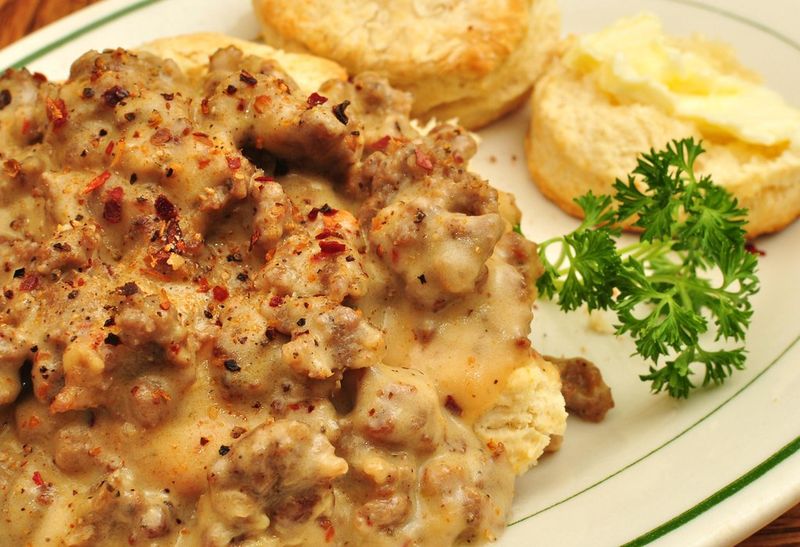
Biscuits and gravy is the kind of breakfast that makes you want to sit at the table for a long time and not rush anywhere. Fluffy, flaky biscuits split open and drowned in peppery sausage gravy is a Midwestern morning ritual.
The gravy comes together in minutes using the drippings from browned breakfast sausage, flour, and whole milk. Do not skimp on the black pepper.
Homemade buttermilk biscuits are worth the extra effort, but canned biscuits make this a quick and doable weekday breakfast too.
Pork chops with applesauce
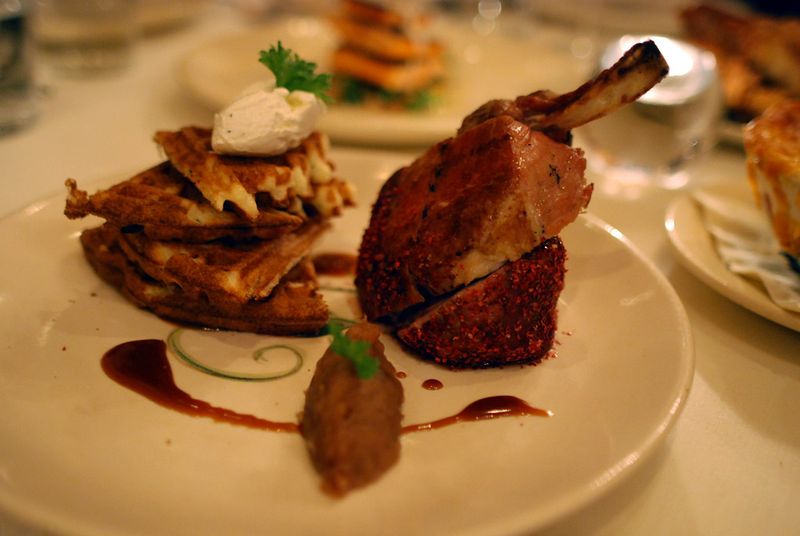
Pork and apples are a classic pairing that Midwestern cooks have relied on for centuries, and the combination never gets old. Pan-seared or oven-baked pork chops paired with sweet-tart homemade applesauce is a dinner that feels both simple and special.
Bone-in chops stay juicier than boneless during cooking, so they are worth seeking out. Making your own applesauce is easier than most people think.
Just simmer peeled apples with a little sugar, cinnamon, and lemon juice until they break down into a chunky sauce.
Creamed corn
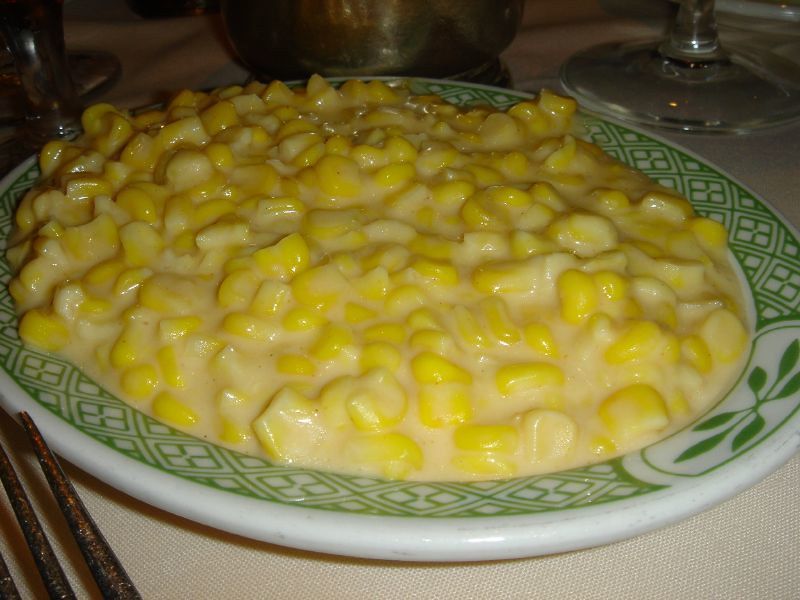
Creamed corn made from fresh summer corn is a revelation compared to the canned version most people grew up with. Sweet corn kernels get scraped from the cob and cooked down in butter and cream until thick and luscious.
The starchy corn milk that comes from scraping the cob is what makes the sauce naturally thick without needing cornstarch. A pinch of sugar and a little black pepper round out the flavor beautifully.
This side dish is a Midwestern summer essential.
Green bean casserole
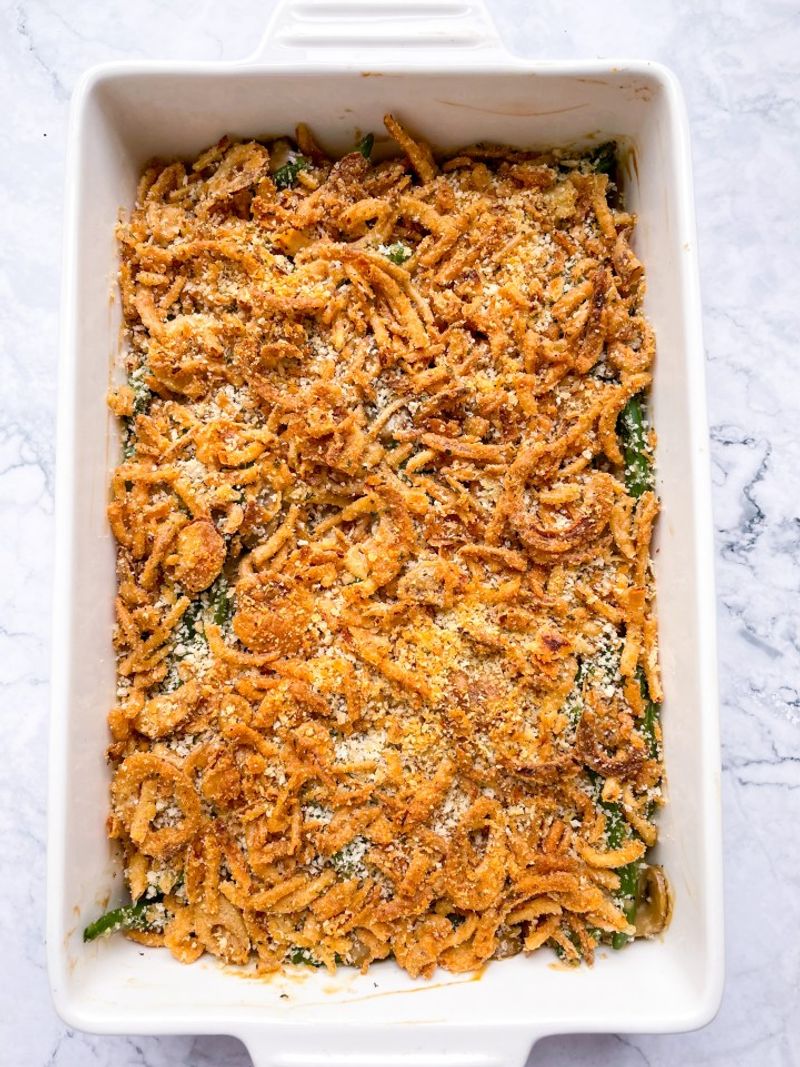
Green bean casserole is the undisputed king of the Midwestern holiday side dish table. Created in 1955 by a Campbell’s Soup test kitchen, it became an instant classic that shows up at nearly every Thanksgiving dinner in the region.
The combination of tender green beans, creamy mushroom sauce, and crunchy fried onion topping is genuinely hard to beat. Using fresh green beans instead of canned takes the texture up a notch.
Make it in a big dish because people always go back for seconds.
Deviled eggs
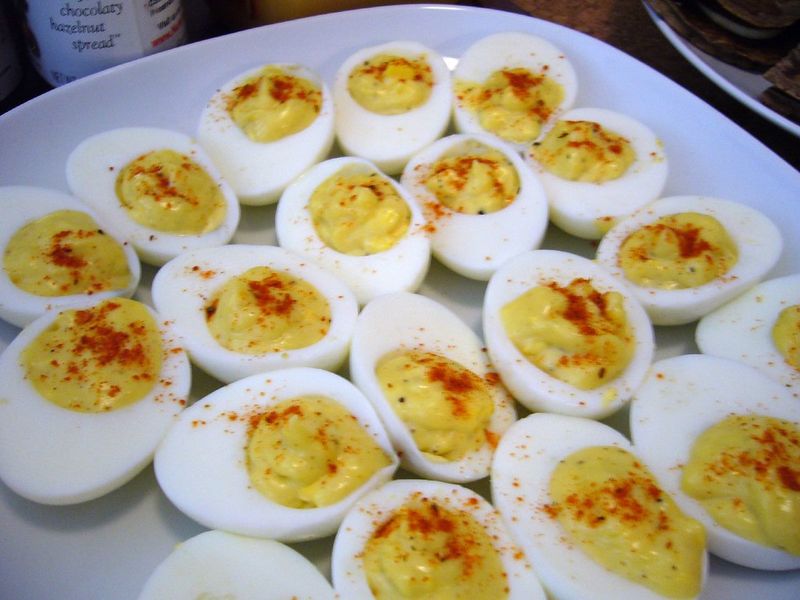
No Midwestern potluck, picnic, or holiday gathering is complete without a tray of deviled eggs. They disappear faster than almost anything else on the table, which means you should always make more than you think you need.
The filling is a creamy blend of egg yolks, mayonnaise, mustard, and a splash of pickle juice for tang. A dusting of paprika on top is the classic finishing touch.
Hard-boiling eggs in an Instant Pot makes peeling them dramatically easier and less frustrating.
Potato salad
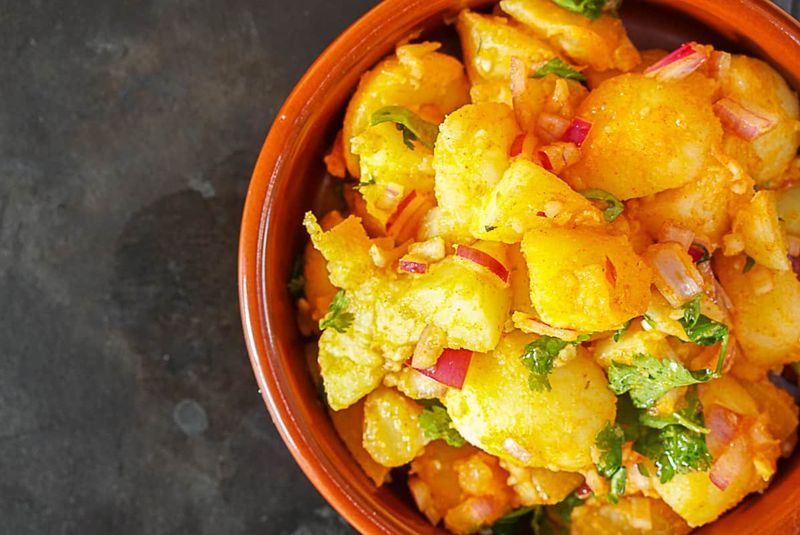
Potato salad is serious business at Midwestern cookouts, and everyone thinks their family recipe is the best one. The classic version uses waxy potatoes, hard-boiled eggs, celery, onion, and a creamy mayo-mustard dressing.
Yellow mustard gives it that signature tang and a slight golden color that looks beautiful in the bowl. Making it a day ahead actually improves the flavor because the dressing soaks into the potatoes overnight.
Serve it cold alongside grilled burgers and brats for the full summer experience.
Coleslaw
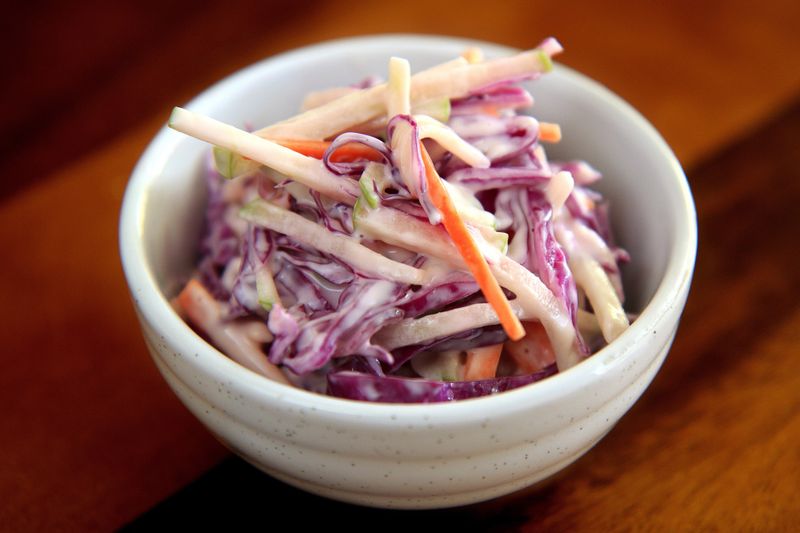
Creamy coleslaw is the cool, crunchy counterpart to all the rich, warm foods that dominate Midwestern cooking. Shredded cabbage and carrots get tossed in a sweet-tangy dressing made from mayonnaise, vinegar, sugar, and celery seed.
Letting it sit in the fridge for at least an hour before serving allows the flavors to meld and the cabbage to soften slightly. It pairs perfectly with pulled pork, fried chicken, or bratwurst.
A little apple cider vinegar in the dressing adds a bright, refreshing lift.
Chili
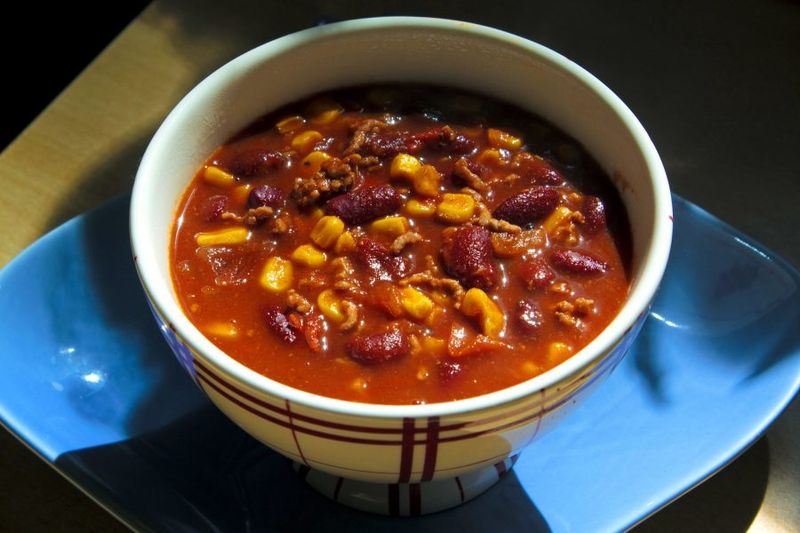
Midwestern chili is a bold, hearty bowl that is meant to warm you from the inside out on a cold winter day. Unlike some regional styles, Midwestern chili almost always includes beans and is thick enough to eat with a spoon that stands up on its own.
A chili cook-off is a beloved community tradition across the region, with everyone convinced their recipe is unbeatable. Toppings like shredded cheese, sour cream, and crackers are non-negotiable.
Letting it simmer for at least an hour deepens all the spices beautifully.
Bratwurst with sauerkraut
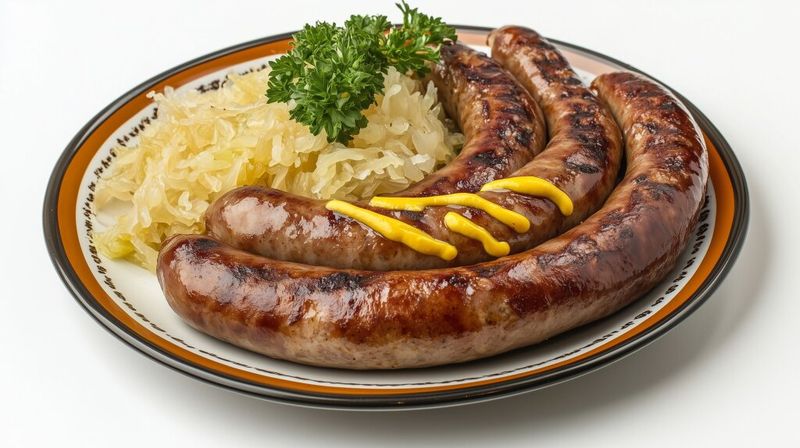
German immigrants planted deep roots across the Midwest and brought bratwurst with them, and Wisconsin in particular turned brat-eating into an art form. Grilling brats over charcoal and then finishing them in a bath of beer and onions is the classic method.
Piled into a bun with tangy sauerkraut and spicy brown mustard, a brat is one of the most satisfying things you can eat at an outdoor gathering. Never boil them before grilling or you will lose all the flavor and texture that makes them special.
Pierogi
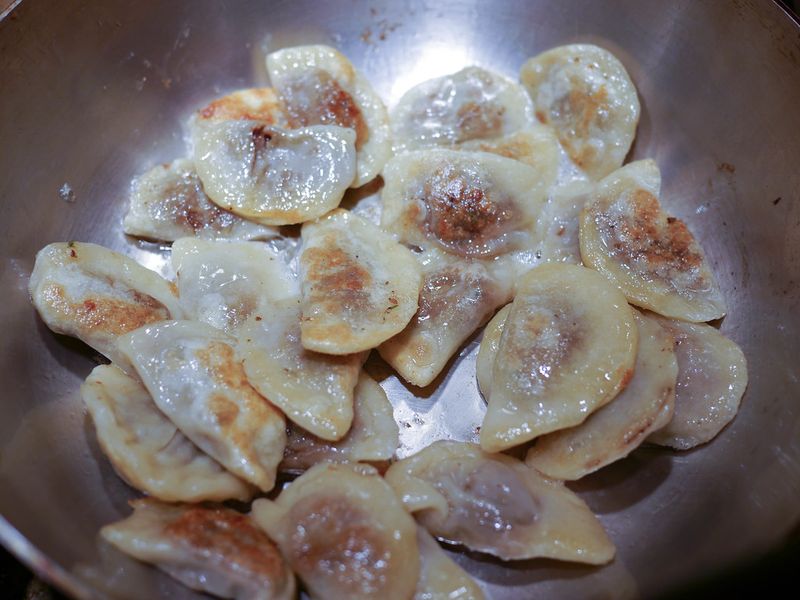
Polish and Ukrainian communities that settled in Midwestern cities like Chicago, Cleveland, and Detroit brought pierogi with them, and the doughy dumplings became beloved across the region. Potato and cheddar is the most popular filling, though sauerkraut and mushroom is a close second.
Pan-frying boiled pierogi in butter with onions until they are golden and slightly crispy is the move that takes them from good to unforgettable. Sour cream on the side is mandatory.
Making a big batch and freezing them is a tradition worth keeping alive.
Reuben sandwich
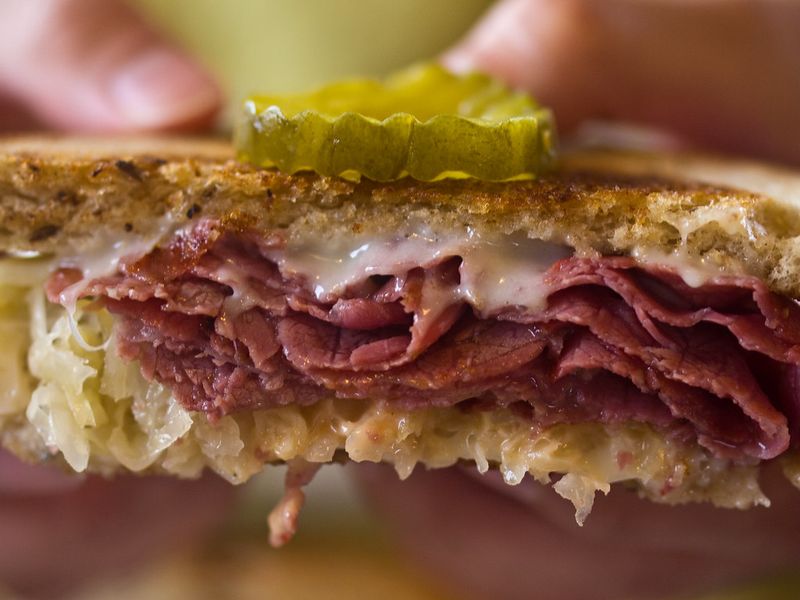
The Reuben sandwich has a disputed origin story, with both Omaha, Nebraska and New York City claiming credit for its creation. Regardless of where it started, the Midwest has embraced it completely and makes it exceptionally well.
Layers of thinly sliced corned beef, Swiss cheese, sauerkraut, and Thousand Island dressing get pressed between slices of rye bread and griddled until golden and melty. The key is using good deli-quality corned beef and not skimping on the sauerkraut.
This sandwich rewards generosity.
Cheese curds
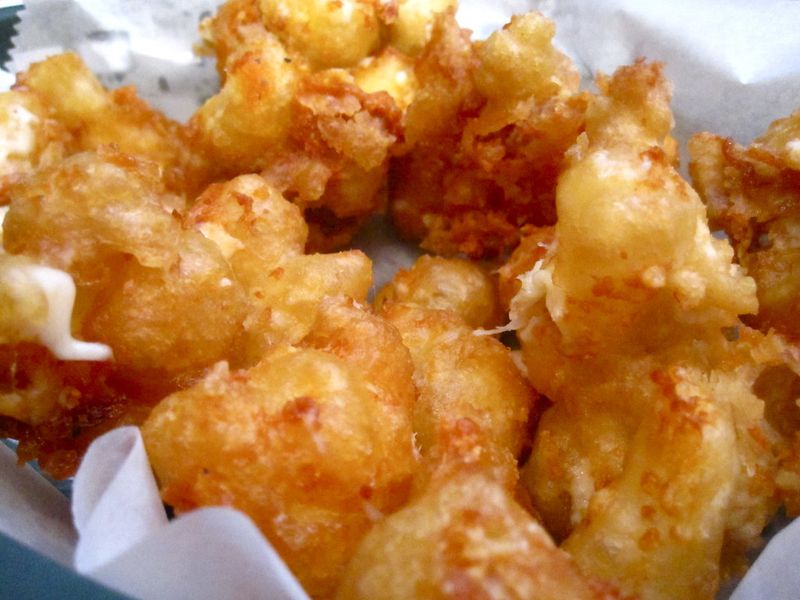
Fresh cheese curds are a Wisconsin obsession, and if you have ever bitten into a squeaky, just-made curd, you understand exactly why. Fried cheese curds take things to another level entirely, coating them in a light, crispy batter and dropping them in hot oil.
They should be eaten immediately while the cheese inside is still gooey and stretchy. State fairs across the Midwest serve mountains of them every summer.
Making them at home requires a thermometer to keep the oil at the right temperature for that perfect crunch.
Buttered noodles
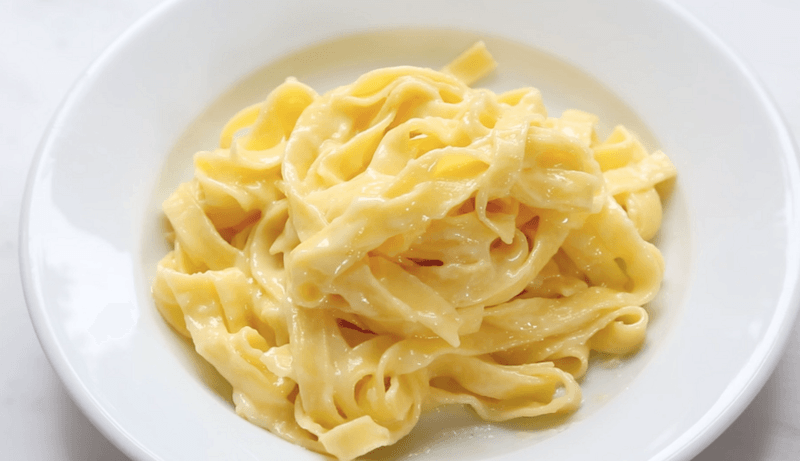
Buttered noodles might be the most humble dish on this list, but Midwestern kids and adults alike have a deep, unwavering affection for them. Egg noodles tossed with real butter and a good pinch of salt is a meal that requires almost no effort and delivers pure comfort.
Some people add garlic powder or a handful of Parmesan to dress it up slightly. Others keep it completely plain and that is perfectly valid.
Using thick egg noodles and good quality butter makes all the difference in such a simple dish.
Rice pudding
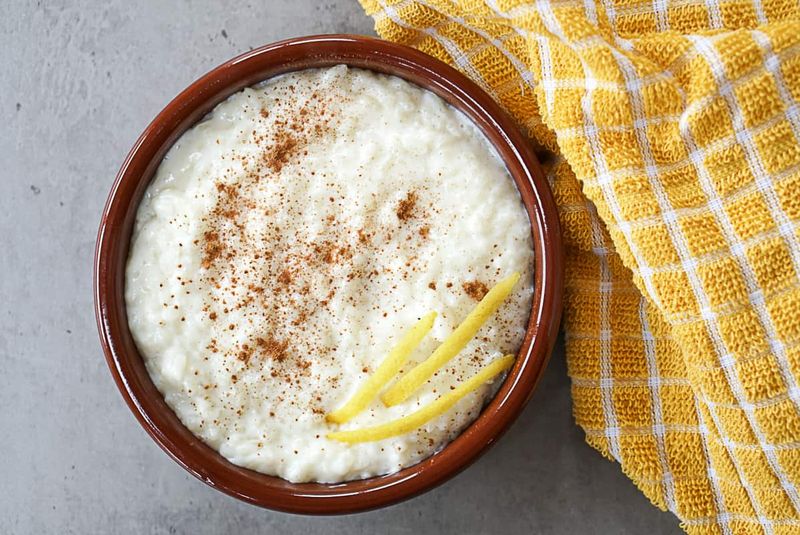
Rice pudding is the kind of old-fashioned dessert that feels like it belongs in a grandmother’s recipe box, and that is exactly what makes it so endearing. Scandinavian settlers brought their version of rice pudding to the Upper Midwest, where it became a beloved holiday tradition.
Slow-cooked on the stovetop with whole milk, sugar, and vanilla, it develops a thick, creamy texture that no instant version can replicate. A generous dusting of cinnamon on top is the finishing touch.
Serve it warm in winter or cold in summer.
Apple pie
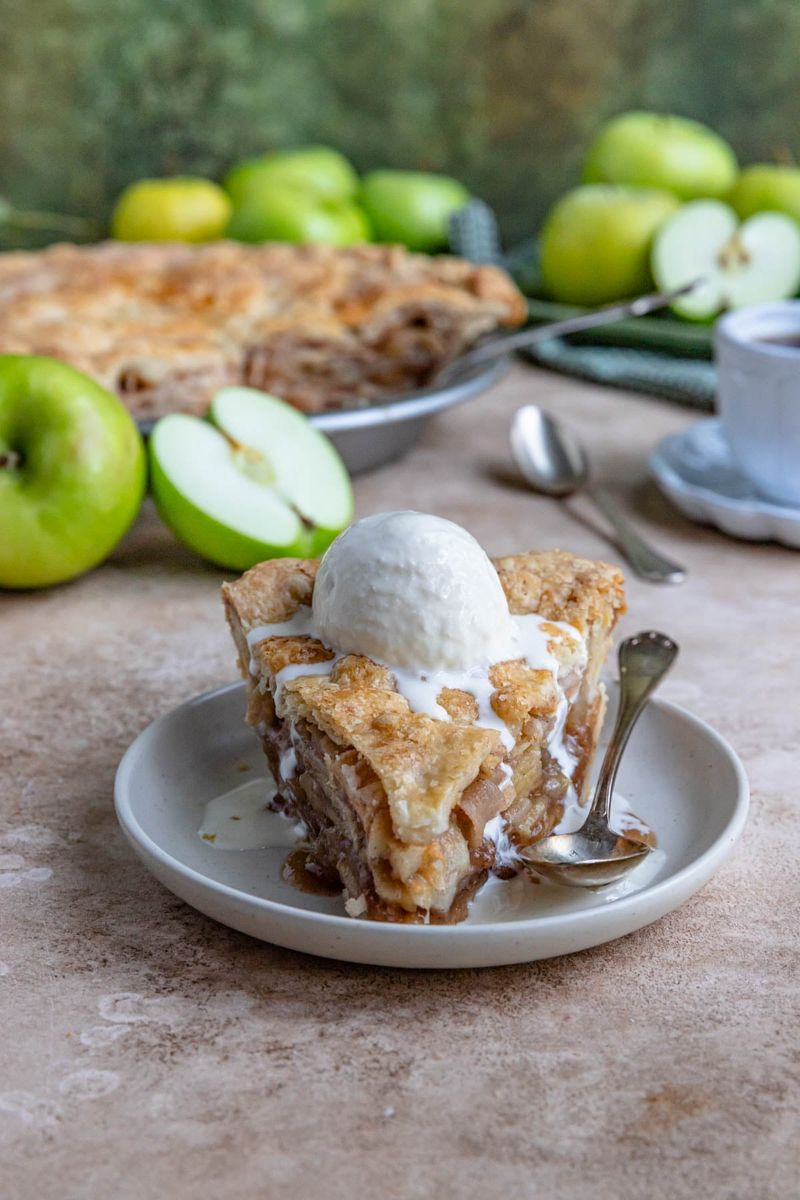
Apple pie is arguably the most American dessert there is, and the Midwest produces some of the country’s finest apples to fill them with. A well-made apple pie has a flaky, buttery crust and a filling that is tender but not mushy, spiced with cinnamon and a hint of nutmeg.
Granny Smith apples hold their shape beautifully during baking, while Honeycrisp adds sweetness and complexity. Mixing two varieties is always a good idea.
Serve it warm with a scoop of vanilla ice cream for the classic American experience.
Cherry pie
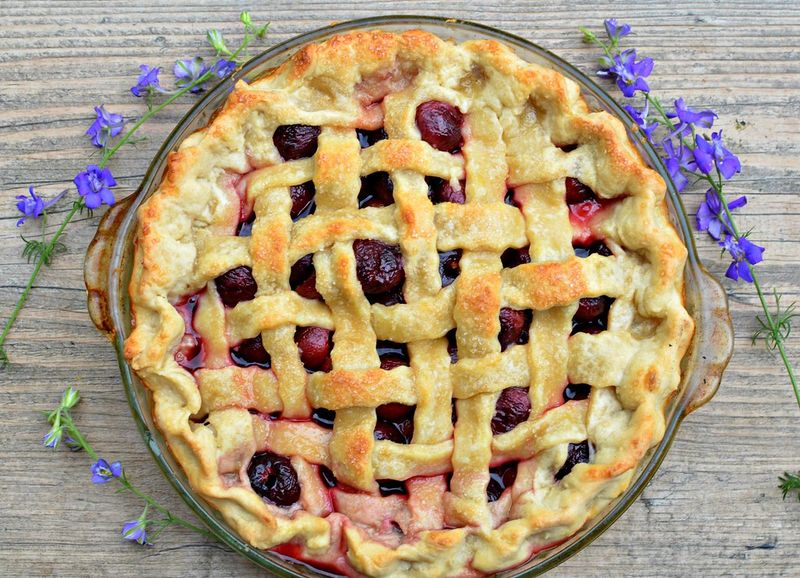
Michigan is one of the top cherry-producing states in the country, which means cherry pie holds a particularly special place in Midwestern baking culture. Tart cherries make the best pie filling because their natural acidity balances the sugar perfectly.
A lattice crust lets the ruby-red filling bubble up through the top as it bakes, creating a visually stunning pie. Using fresh or frozen tart cherries rather than canned filling makes a noticeable difference in flavor.
A little almond extract in the filling adds a lovely, subtle depth.
Rhubarb crisp
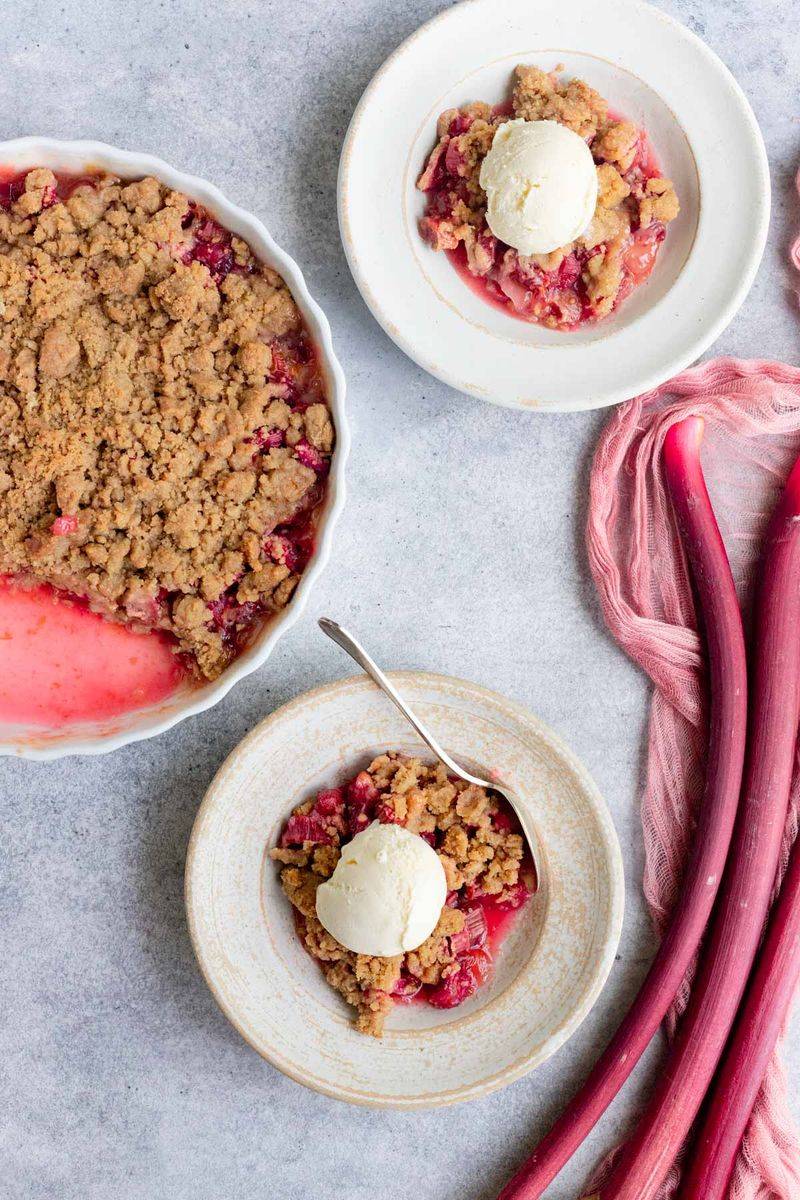
Rhubarb is one of the first plants to emerge in Midwestern gardens each spring, and baking it into a crisp is one of the most anticipated rituals of the season. The tart, rosy stalks get tossed with sugar and a little cornstarch, then topped with a buttery oat crumble.
As it bakes, the rhubarb softens into a jammy, bright pink filling that contrasts beautifully with the crunchy topping. Adding strawberries to the filling is a popular variation.
A scoop of vanilla ice cream melting over a warm crisp is the perfect spring dessert.
Enjoyed this story?
Add Fast Food Club as a preferred source to see more of our reporting on Google.