


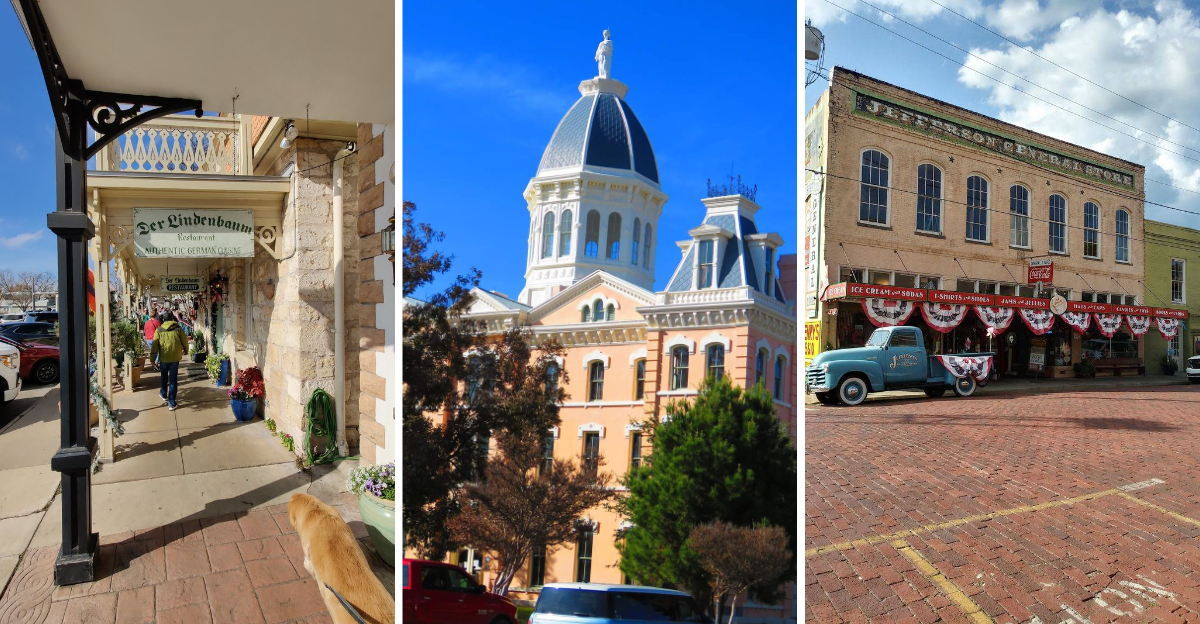
Texas is huge, and some of its best towns are the ones most people zoom right past on the highway. If big-city prices and constant traffic have worn you down, these smaller spots offer a calmer pace and a whole lot more room to breathe.
Housing tends to cost less here, small businesses still run Main Street, and the surrounding scenery ranges from Hill Country hills to Piney Woods forests. This list gathers seven tiny Texas towns where your money stretches further and the days feel a little longer.
Each one has its own personality, so grab a coffee and see which one sounds like your kind of slow.
1. Fredericksburg, Texas
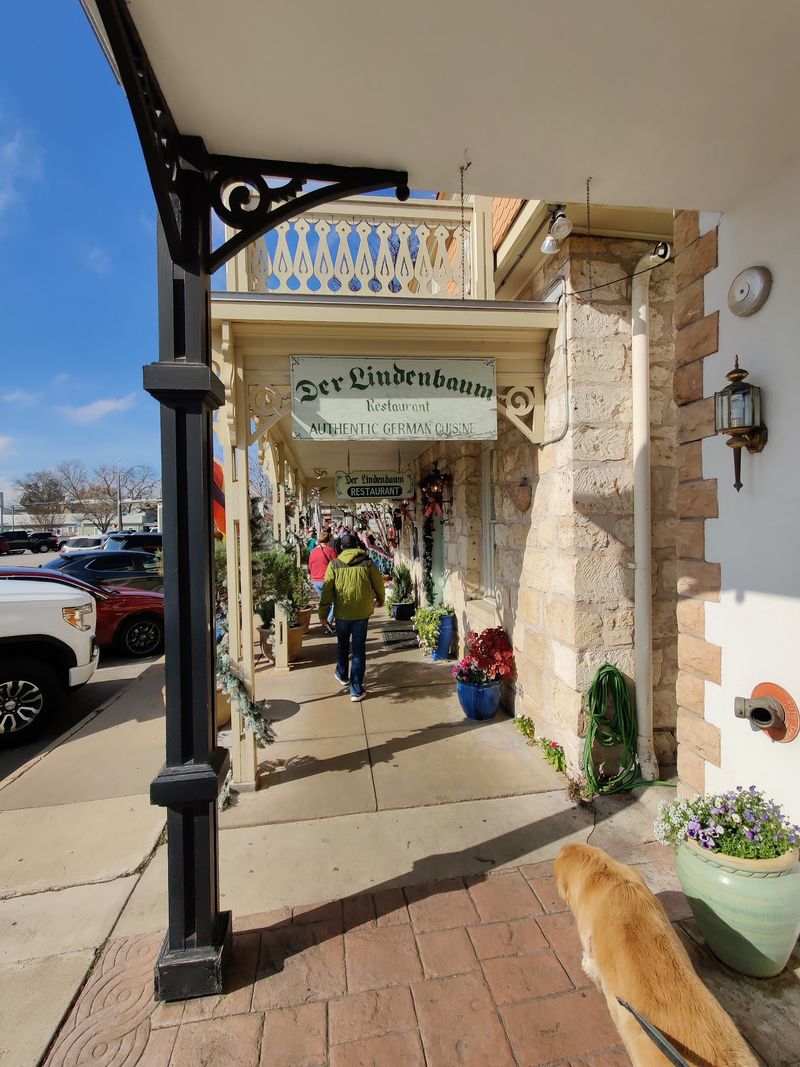
German settlers put down roots here in 1846, and you can still see that heritage in the historic limestone buildings along Main Street.
Fredericksburg sits in the heart of the Texas Hill Country, surrounded by peach orchards and rolling ranch land. Roadside stands sell fresh peaches in the summer, and the downtown is packed with shops, bakeries, and small museums you can walk between easily.
The National Museum of the Pacific War is one of the biggest draws, since Fleet Admiral Chester Nimitz was born in town. It is a large complex with galleries, outdoor exhibits, and a peaceful Japanese garden.
Enchanted Rock State Natural Area is a short drive away, where a huge pink granite dome offers a solid hike and wide views for anyone willing to climb. I like this town because you can spend a full day here without ever getting in your car again.
It draws crowds on weekends, so a weekday visit feels much calmer and easier on the wallet.
2. Marfa, Texas
Art lovers know this remote high-desert town for something you cannot fully explain: the Marfa Lights.
These mysterious glowing orbs appear on the horizon at night, and there is a free public viewing area east of town on Highway 90 where people gather to watch for them.
Marfa sits way out in West Texas, closer to the Big Bend region than to any major city. Artist Donald Judd moved here in the 1970s and turned the town into an unlikely art destination, and the Chinati Foundation now displays large-scale installations across a former army post.
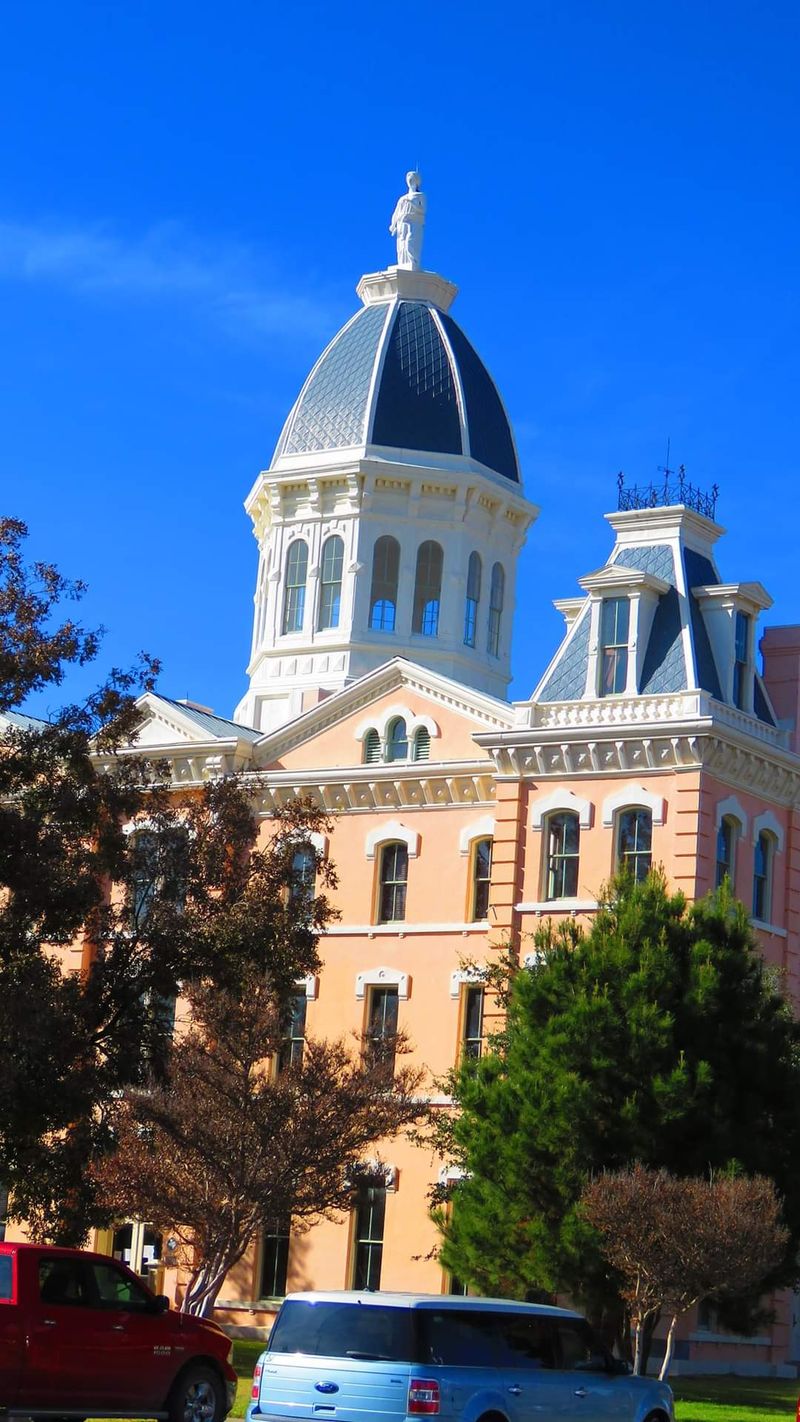
The town itself is tiny, with a walkable downtown, independent shops, and the striking Presidio County Courthouse you can climb for a rooftop view. I would save this one for a road trip when you want quiet nights and open skies.
The drive out here is long, but that isolation is exactly what keeps the pace slow and the crowds thin.
3. Jefferson, Texas
Back in the 1800s, this East Texas town was one of the busiest inland ports in the state, thanks to steamboat traffic on Big Cypress Bayou.
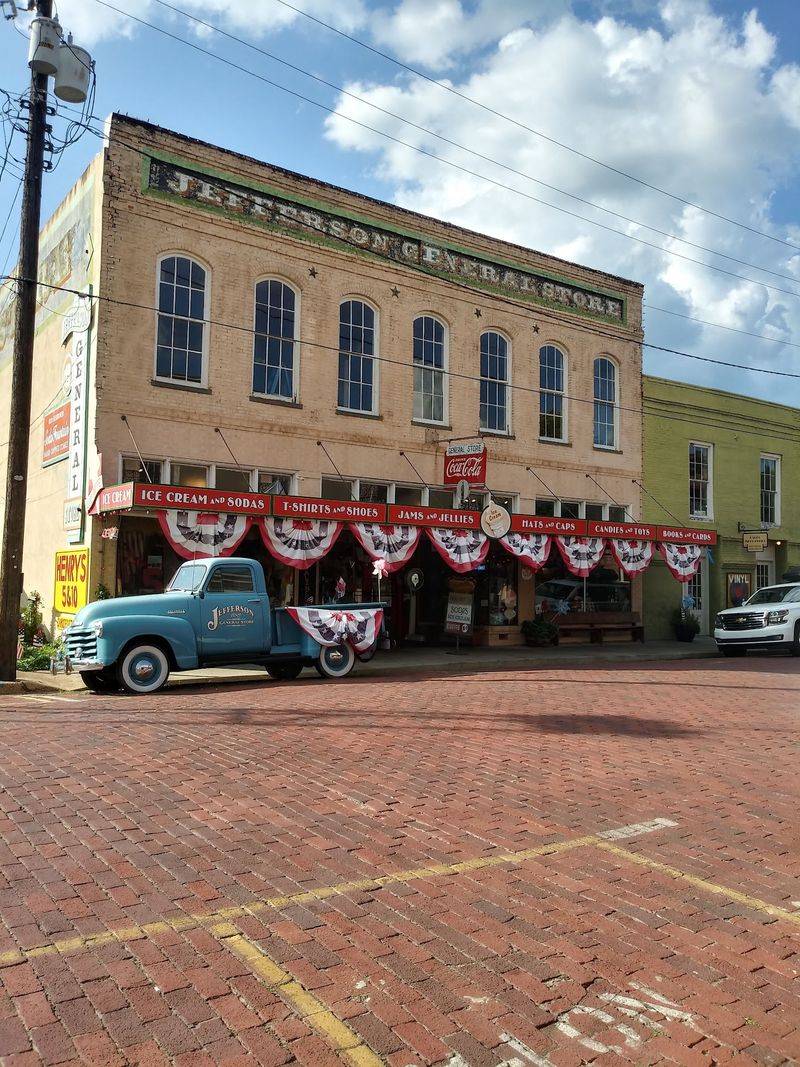
Jefferson leaned into that history, and today the downtown is full of preserved 19th-century brick buildings, antique shops, and bed-and-breakfast inns set in old homes.
You can ride the Historic Jefferson Railway on a narrated trip along the bayou, or take a horse-drawn carriage tour past the old storefronts. Boat tours on the bayou pass cypress trees draped in Spanish moss, which is about as Southern as scenery gets.
The Jefferson General Store still operates downtown, selling candy, old-fashioned goods, and a five-cent cup of coffee that has become a local tradition. I like this stop for anyone who enjoys history without the museum stiffness, since the whole town works like a living exhibit.
Because it sits in the Piney Woods, the surrounding lakes and forests give you plenty of outdoor options nearby.
4. Wimberley, Texas
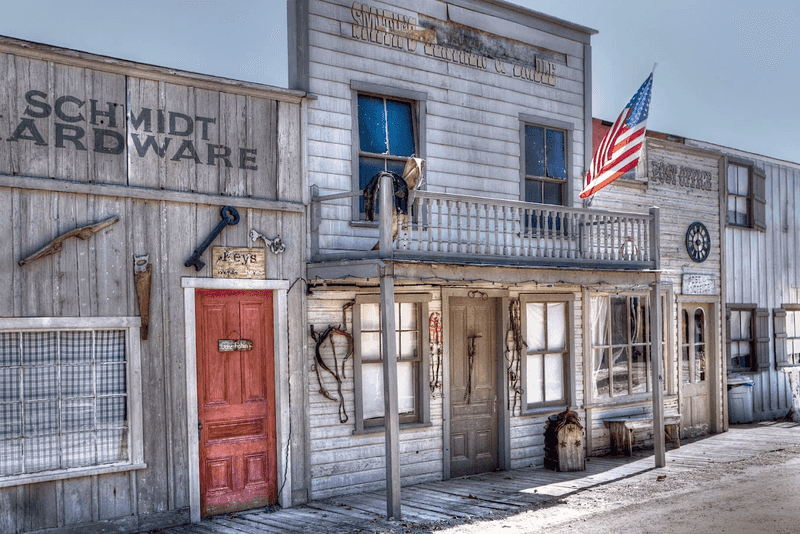
Cypress Creek and the Blanco River run right through this Hill Country village, and the swimming holes are the main reason people keep coming back.
Blue Hole Regional Park is the famous one, a spring-fed swimming area shaded by tall cypress trees, with a reservation system in the summer to keep the crowds manageable.
Wimberley Market Days runs on the first Saturday of most months from spring through fall, drawing hundreds of vendors selling crafts, food, and antiques to Lions Field.
The small downtown square is easy to stroll, with local galleries, gift shops, and cafes clustered together. Jacob’s Well Natural Area, just outside town, is a striking artesian spring with crystal-clear water and a required reservation for swimming.
I like Wimberley because it blends water, art, and a laid-back square without feeling overbuilt. It works well as a weekend base for exploring the wider Hill Country while keeping your spending in check.
5. Marble Falls, Texas
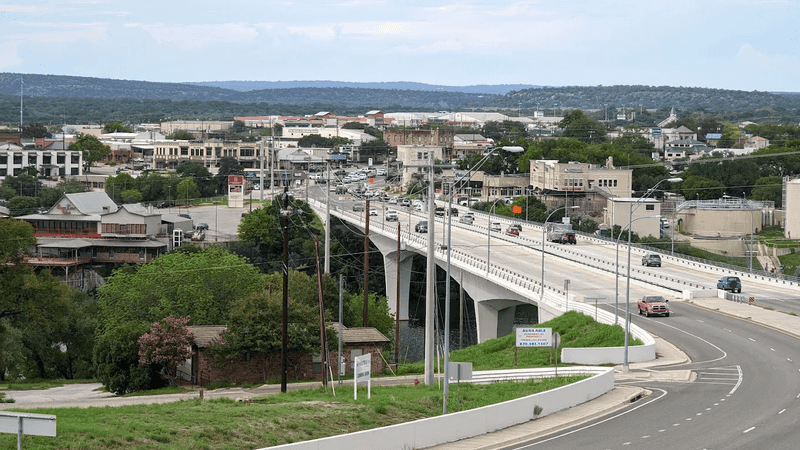
A granite dome and a chain of lakes shaped the identity of this Highland Lakes town in central Texas.
Marble Falls sits on Lake Marble Falls, part of the Colorado River chain, so boating, fishing, and lakeside parks are woven into everyday life here.
The Blue Bonnet Cafe has served the community since 1929 and is known for its pies, with a longstanding Pie Happy Hour that keeps regulars coming back for slices at a set time each weekday afternoon.
Downtown Marble Falls has a walkable Main Street with local shops and eateries, and nearby you can visit the massive pink granite dome at Enchanted Rock or explore Longhorn Cavern State Park underground.
Spring brings fields of Texas bluebonnets to the surrounding countryside, which draws photographers to the roadsides. I would recommend this town for anyone who wants lake access without paying resort-town prices, since it stays practical and family friendly year-round.
6. Gruene, Texas
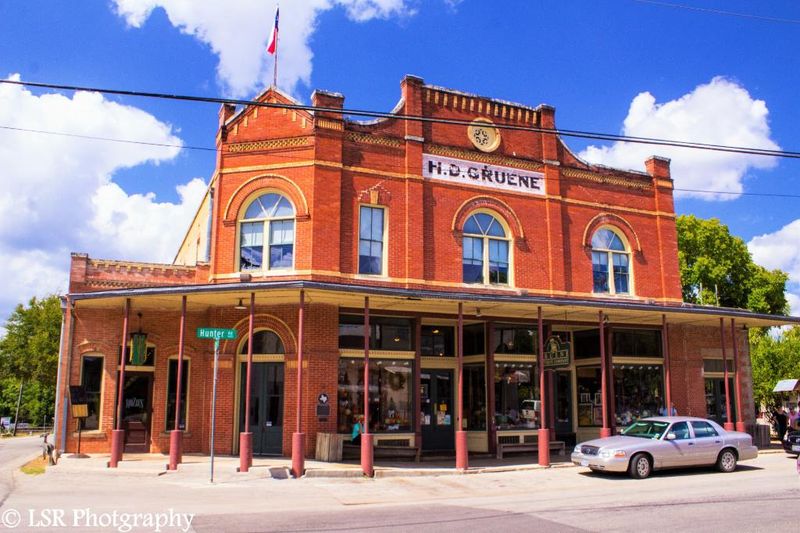
Technically part of New Braunfels now, this tiny historic district feels like its own world frozen in the late 1800s.
Gruene Hall, built in 1878, holds the title of the oldest continually operating dance hall in Texas and still hosts live music with an open, no-frills interior.
The district sits along the Guadalupe River, which means tubing and rafting are hugely popular here in the warmer months, with outfitters ready to send you down the water.
Old buildings house the Gruene General Store, antique shops, and small eateries, and the whole area is compact enough to explore on foot in an afternoon.
The Gristmill River Restaurant occupies a former cotton gin overlooking the river, giving diners a view of the water below. I like Gruene as a quick escape because you get history, music, and river access packed into a few short blocks.
Parking fills up fast on summer weekends, so arriving early makes the visit smoother.
7. Salado, Texas
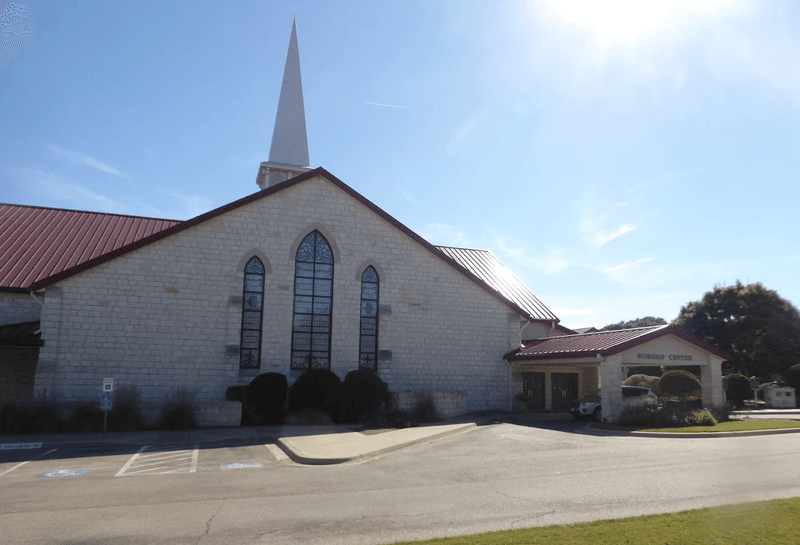
Sculptures and stone bridges greet visitors in this small village along Salado Creek in central Texas.
Salado has built a reputation as an arts community, with galleries, studios, and public sculptures scattered around the walkable center.
The clear waters of Salado Creek run through the village, and the Pace Park area gives visitors a spot to cool off and relax by the water.
Main Street is lined with local shops, boutiques, and eateries set in historic buildings, making it an easy town to wander without a plan. The Stagecoach Inn is one of the oldest continuously operating inns in Texas, tied to the town’s roots along the old Chisholm Trail route.
I would point families and slow travelers here because it feels unhurried and the shops stay independent rather than chain-driven. Located right off Interstate 35 between Austin and Waco, it makes an easy detour that rewards you with a quieter, cheaper afternoon than either big city.
Enjoyed this story?
Add Fast Food Club as a preferred source to see more of our reporting on Google.