


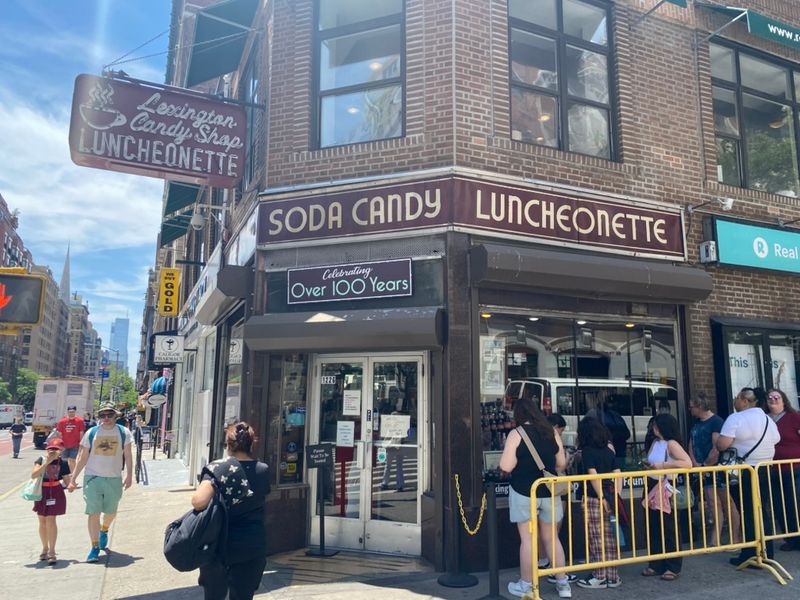
Some shops on the Upper East Side open and close before the paint dries. One tiny counter on Lexington Avenue has stayed put for about a hundred years, and it still makes its shakes on a machine built in the 1960s.
People line up on the sidewalk just to grab a stool, and plenty of them come for one thing: a classic cola float. The place is small, old-school and a little bit stubborn, which is exactly why it has a following.
It also has critics, and the stories about tipping, prices and grumpy moments are part of the legend. Stick around to learn where it is, what makes it special, what to order, what to skip and how to plan a visit that matches your expectations.
By the end, you will know if this Manhattan time capsule deserves a spot on your list.
A Lexington Avenue Address With a Long Memory
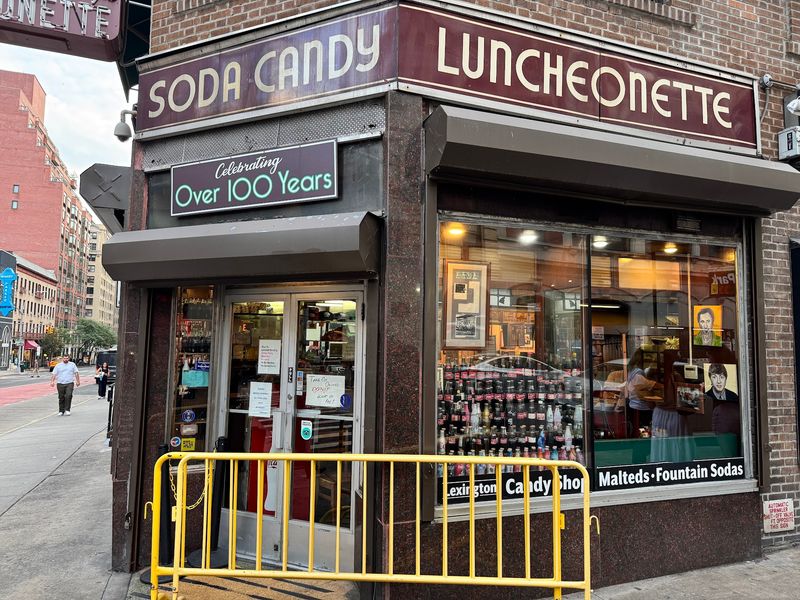
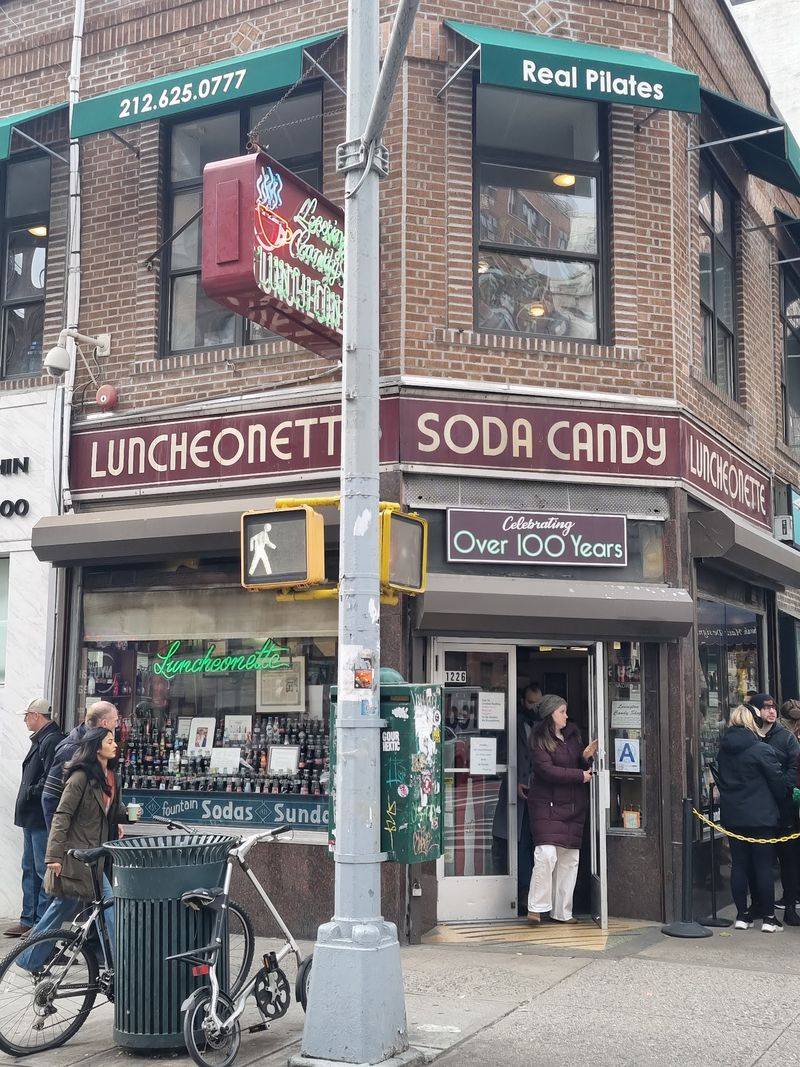
Blink while walking up Lexington Avenue and the storefront could slip right past. That would be a shame, because Luncheonette Soda Candy has been holding down this corner of the neighborhood for roughly a century.
The official address is 1226 Lexington Ave, New York, NY 10028. That puts it squarely on the Upper East Side of Manhattan, in New York State, a short stroll from the museums and brownstone blocks that define the area.
On paper, it is listed as a dessert shop. In practice, it works as a classic luncheonette, with a counter, a compact dining room and a short menu of diner staples.
The name says a lot on its own. Luncheonette, soda and candy were the three pillars of the old neighborhood fountain shop, and this spot still leans on all three ideas.
Plenty of locals have walked past it for years without going in. Others travel across the city specifically to sit down for a float.
Either way, the address has become something of a pilgrimage stop for fans of vintage New York, and the next few sections explain exactly why the line keeps forming.
One Hundred Years Behind the Counter
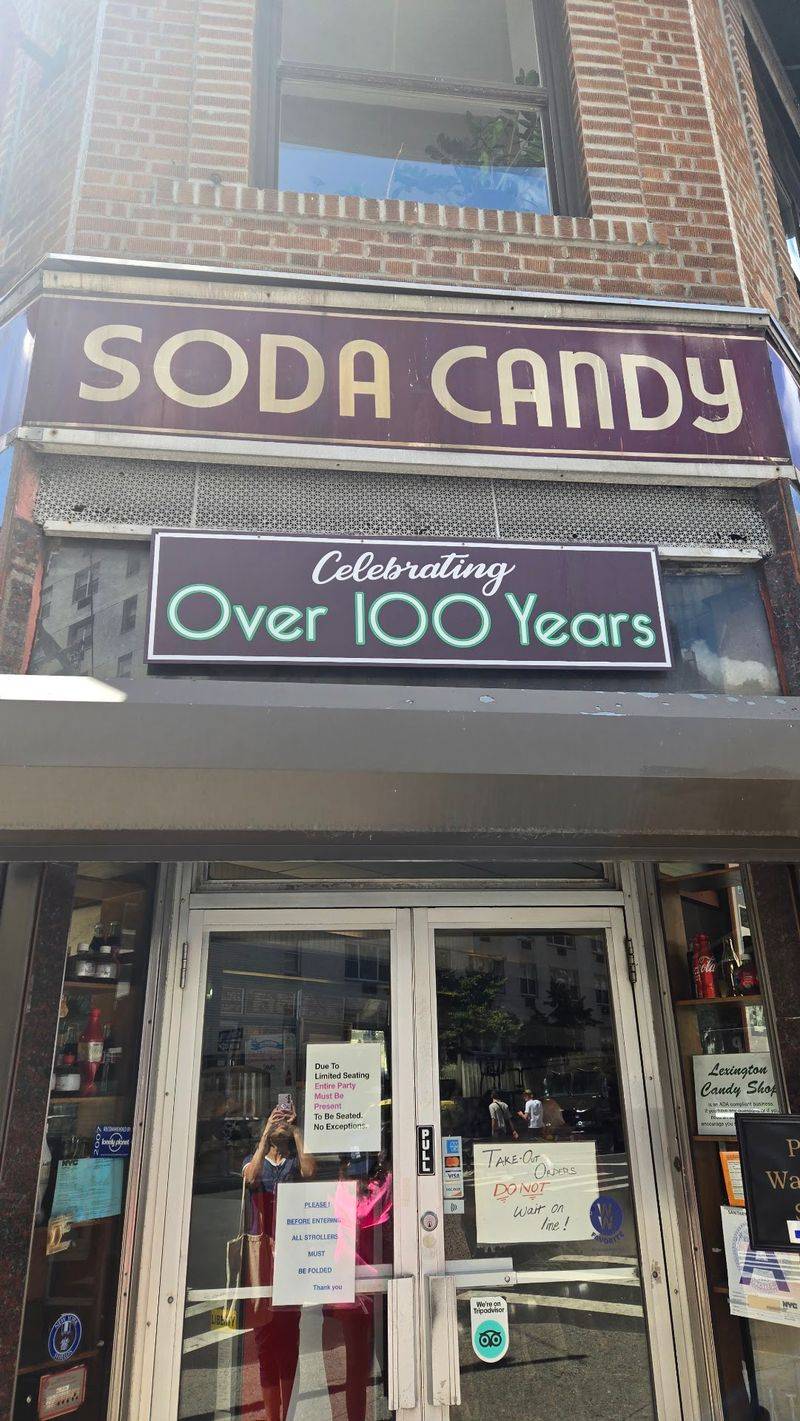
A hundred years is a long run for any business in Manhattan, where rents climb and trends change by the season. This luncheonette has outlasted many of them.
The shop has been in business for about a century, and it wears that age openly. Nothing about the room tries to look brand new.
That honesty is part of the appeal. Guests often describe the experience as a trip back in time, with the furniture, fixtures and layout reflecting an earlier era of New York dining.
Neighborhood fountain shops like this one were once common across the city. People stopped in for a quick lunch, a soda or a scoop of something sweet, then went on with their day.
Most of those places have faded away. This one remains, still serving the same kind of simple fare to a mix of longtime neighbors and curious newcomers.
For history fans, the age alone is worth noting. The room offers a working example of a format that shaped how New Yorkers grabbed a bite for generations, and that kind of survival story tends to earn a little respect.
The 1960s Shake Machine Still on Duty
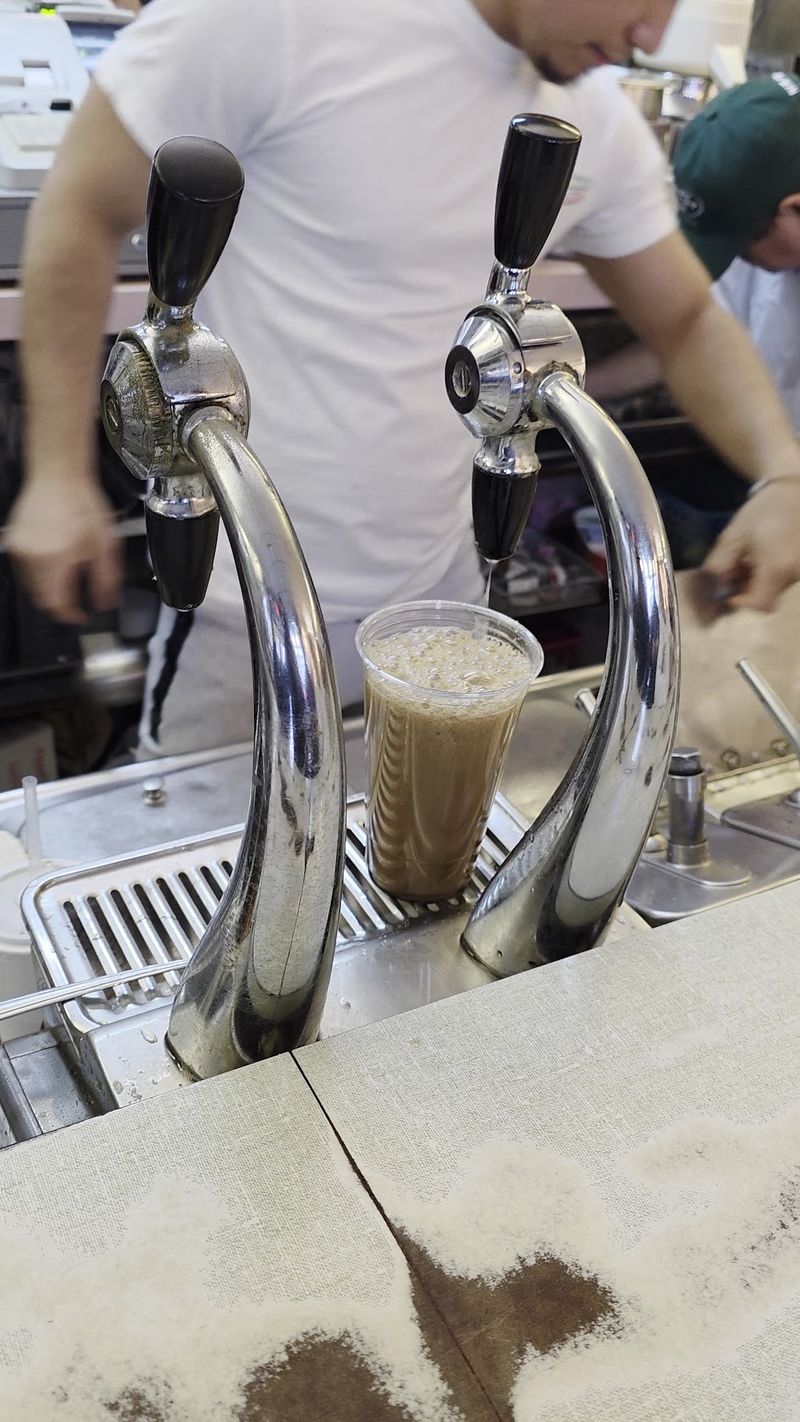
Here is a fun bit of trivia: the shakes at this counter are still made on a machine from the 1960s. In a city full of gleaming new equipment, that detail stands out.
The machine has become a small celebrity in its own right. Guests mention it as one of the reasons to visit, especially those who love vintage gear.
Keeping old equipment running takes effort. Parts wear down, and modern replacements are often easier, yet the shop has stuck with what it knows.
That choice fits the overall identity of the place. The menu, the room and the tools all point toward the same era.
For anyone curious about how fountain shops worked decades ago, watching the machine in action is a little lesson in food history. No screens, no apps, just a mixer doing the job it was built for.
Shakes here are less about novelty flavors and more about tradition. Expect the classic approach rather than a trendy twist.
It may not be the flashiest gadget in Manhattan, but few machines in the city can claim this kind of job security.
The Famous Cola Float Craze
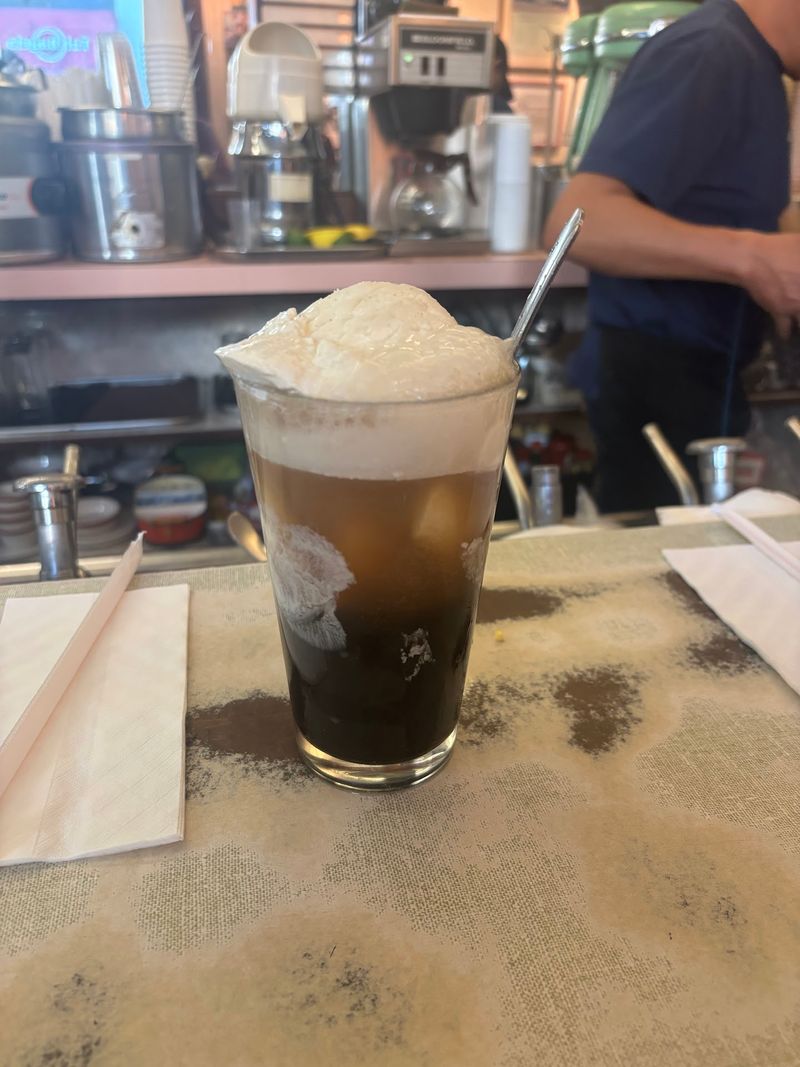
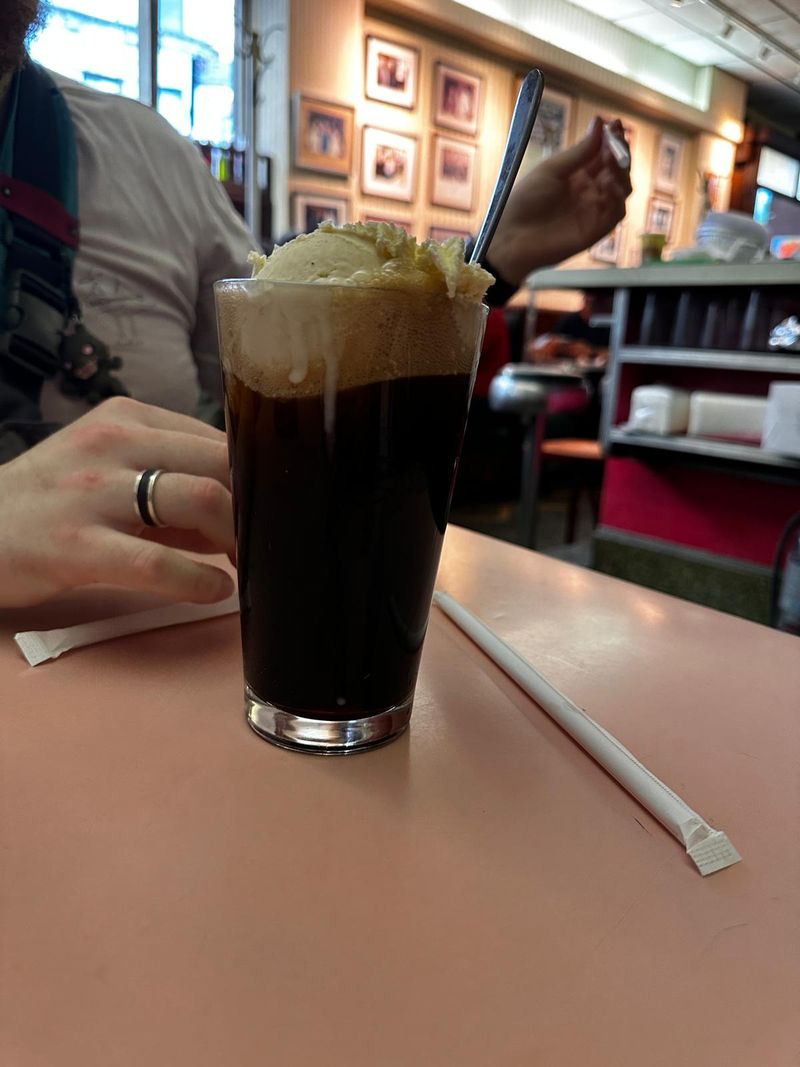
Ask around about this shop and the conversation quickly turns to one drink. The cola float is the headline act.
Many people come in solely for the original Coca-Cola and the float made with vanilla ice cream. Videos of the drink being prepared have circulated online, which has helped draw a younger crowd and plenty of influencers.
Fans call the cola a must and say it is worth the trip even at a higher price. Others feel it did not live up to the online buzz, describing it as flat or not cold enough on their visit.
That split is worth keeping in mind. Results seem to vary from day to day, so a little flexibility in expectations goes a long way.
Prices have come up often too. One float was listed at around $11.95 a couple of years ago, and current prices may be different.
Still, the float remains the symbol of the shop. For many, sitting at a century-old counter with a classic soda in hand is the whole point, and the drink is the ticket to that experience.
A Window Full of Cola History
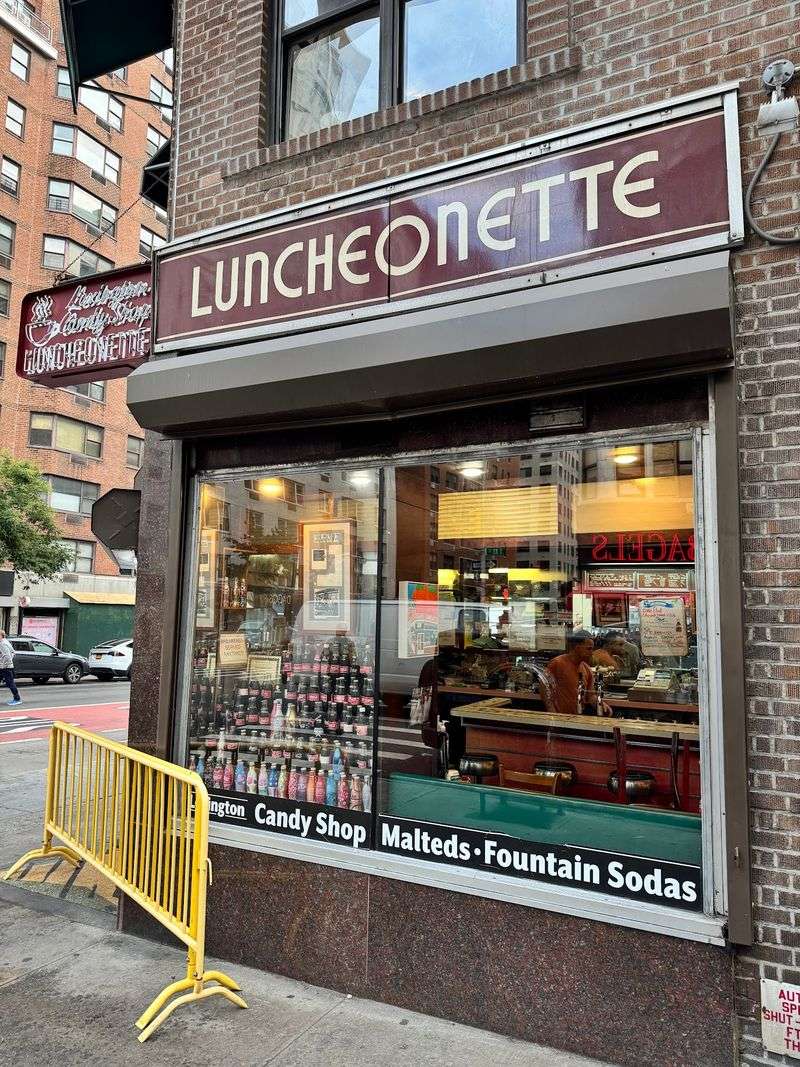
Before even stepping through the door, there is something to look at. The front window holds a collection of Coca-Cola bottles and cans in many different styles.
The display has its own fans. It shows off a wide range of designs, making it a quick stop for anyone who enjoys brand history or retro packaging.
For those waiting in line outside, the window offers a welcome distraction. It also hints at what the shop cares about most.
Collections like this tell a story without a single sign. Each bottle or can reflects a different period, and together they connect the shop to decades of soda culture.
It is a smart bit of visual branding too. Passersby who have never heard of the place often slow down to take a closer look.
Photographers and social media fans tend to linger here. The window makes an easy backdrop for a quick snapshot, even for those who end up grabbing a seat inside.
Consider it the shop’s free museum exhibit, open to anyone strolling down Lexington Avenue.
Small Room, Big Line
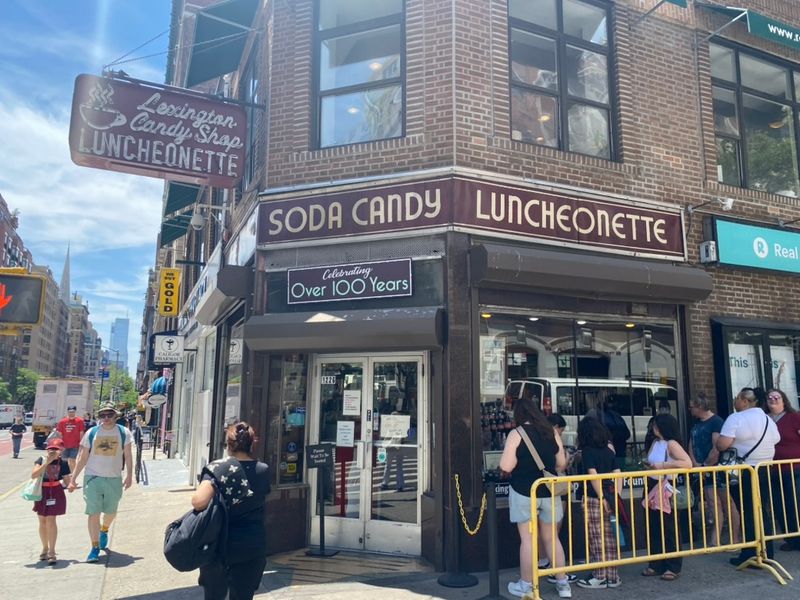
Space is the scarcest item on the menu. The dining room is tiny, and seating fills up fast.
A sign asks guests to wait outside until they are seated. Ignoring it is one of the quickest ways to start a visit on the wrong foot, so reading the door is a smart first move.
Lines are common, especially when the shop has been trending online. Wait times come up often, and some guests admit the experience feels much better when there is no queue at all.
Locals have a simple trick. Weekday visits tend to be calmer, and some regulars mention slipping in with no line on a quiet weekday.
Weekends and peak afternoon hours may be busier, though patterns can shift. Building some buffer time into the day is a good idea.
The small size also shapes the vibe inside. Tables sit close, the staff moves quickly and turnover matters.
Patience is the unofficial entry fee here, and those who bring it usually have a smoother time once they finally claim a seat.
Diner Plates Beyond the Fountain
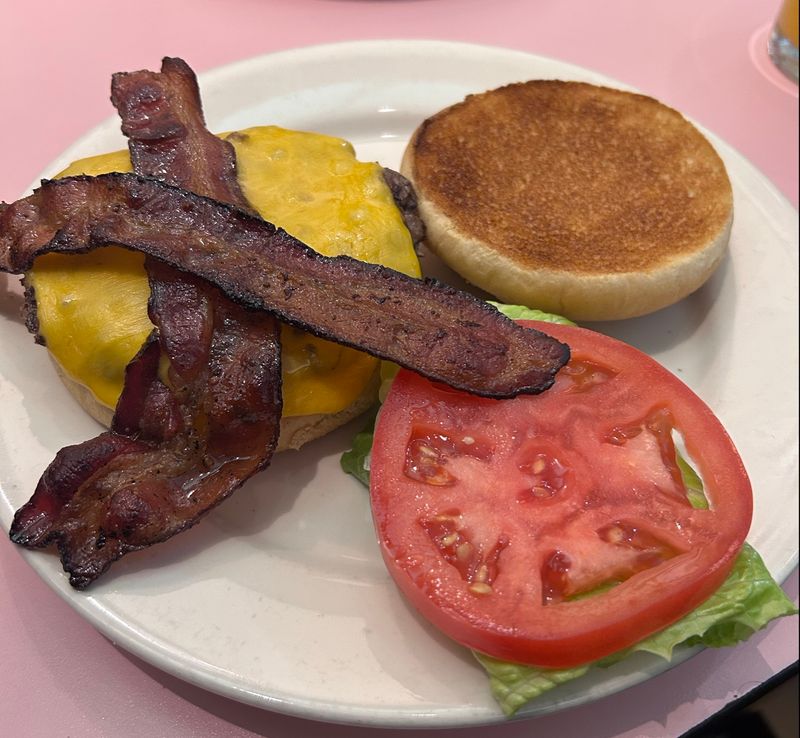
Floats may grab the spotlight, yet the kitchen also turns out a short list of diner staples. Breakfast sandwiches, burgers, soups and simple plates round out the menu.
Opinions on the food vary widely. Some call it good but nothing unique, while others describe it as a filling, satisfying meal in a one-of-a-kind setting.
Regular-size portions can feel small to some guests, and there is a jumbo option for bigger appetites. The fries earn praise from some diners and criticism from others, depending on the day.
A few guests have mentioned items that came out uneven, especially near the end of the day when the kitchen was closing. Arriving earlier may help.
On the brighter side, local fans have raved about the burgers and desserts on their visits. The menu is not about invention, it is about familiar comfort.
Think of the food as a supporting cast. It works best for those who want a quick, classic lunch inside a historic room rather than a culinary adventure.
Set the bar there, and the plates tend to fit the setting just fine.
Cake Slices With a Cult Following
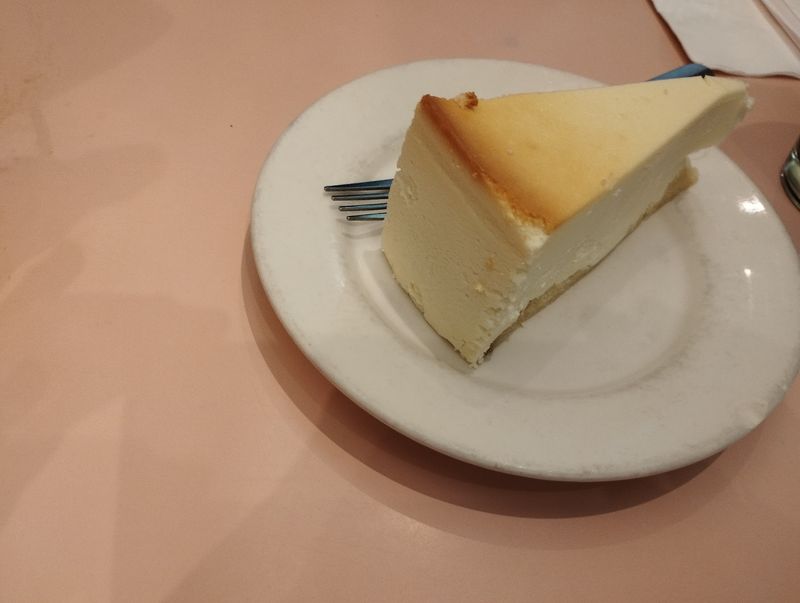
Dessert might be the sleeper hit. Listed as a dessert shop, the luncheonette keeps a few sweet options ready for anyone with room left over.
Cheesecake gets a surprising amount of love. Even some guests who left unhappy with other parts of their visit admitted the cheesecake was excellent, though they suspected it was not baked in-house.
Coconut cake has fans as well. One local described it as possibly the best slice of their life, which is high praise in a city packed with bakeries.
Pairing a slice with a float or shake is a natural move. It turns a quick stop into a proper old-fashioned dessert break.
The selection may change, so it helps to ask what is available that day. Small shops often rotate what they carry.
For anyone unsure about committing to a full meal, dessert offers an easy middle ground. It delivers the vintage experience without the bigger bill of a full lunch.
Sometimes the best plan is simply to skip straight to the sweet part.
Vintage Vibes and Old-School Character
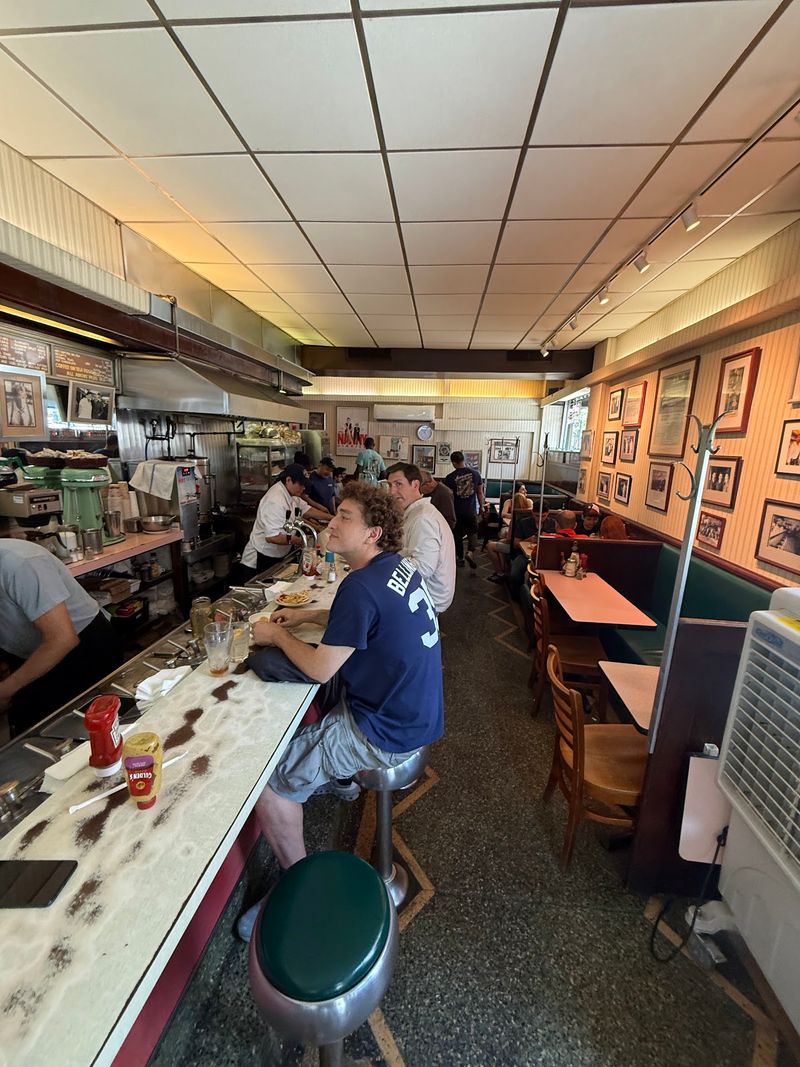
Some places add retro decor to look old. This one simply is old, and the difference shows.
Guests frequently call it authentic and praise the restaurant vibes. The room reflects decades of use, with classic fixtures and a layout that has not been chasing trends.
Many describe the feeling of being taken back to a simpler time. That nostalgia is a big part of why people seek it out.
The space suits those who appreciate history over polish. It is not sleek or modern, and it does not try to be.
Some guests have pointed out cleanliness concerns, including the restroom. Expectations should match a century-old room that sees heavy traffic.
Still, the overall character is hard to fake. From the counter to the window display, everything ties back to the era of the neighborhood fountain shop.
Photo lovers, history buffs and fans of classic New York will likely find plenty to appreciate. Those craving a shiny new cafe might want to look elsewhere.
Character, after all, rarely comes with fresh paint.
Staff Moods and House Rules
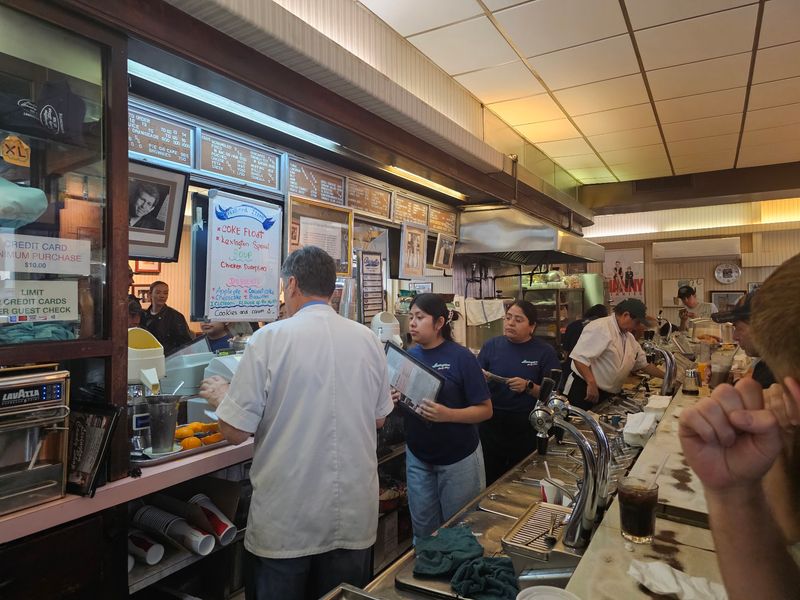
Service at this luncheonette is a topic that sparks strong feelings. Some guests describe the staff as friendly and welcoming, while others report a brusque, unwelcoming attitude.
A few patterns appear. Seating rules matter, and some guests ordering only a drink were asked to move tables during busy periods.
The house style is old-school and no-nonsense. Those who expect a chatty, laid-back hangout may find the pace surprising.
Some guests have reported trouble paying by card for small orders. Bringing cash is a sensible backup plan, and it is wise to ask about payment before ordering.
On the friendlier side, several people have praised warm, helpful staff during their visits. Experiences clearly vary by day and time.
A little courtesy helps. Following the wait-outside sign, ordering promptly and respecting the small space can set a better tone.
Every long-running shop develops its own personality, and this one has plenty. Going in with realistic expectations makes it easier to enjoy the history without getting caught off guard by the attitude.
What the Bill Might Look Like
Manhattan prices meet vintage charm here, and the combination surprises some people. Costs come up in many conversations about the shop.
Past examples give a rough idea. A single-egg breakfast sandwich was listed around $7.50, a cup of soup around $9.50 and a float around $11.95, though prices may have changed since.
Some guests have reported totals above $20 for a small order, and a couple once paid around $30 for a float and a lemonade. Others feel the cost is a fair trade for the authentic setting.
Tipping has been a sore spot. Some guests mention being pushed toward a 20 percent tip, and tipping in New York is customary but remains the diner’s choice.
Checking the menu before sitting down is a smart move. That way, the total does not come as a surprise.
Treating the visit as a special outing rather than a quick bargain lunch helps set the right frame. Many people order just a float or a slice to keep things reasonable.
A little planning keeps the sticker shock from stealing the show.
Locals, Tourists and Trend Seekers
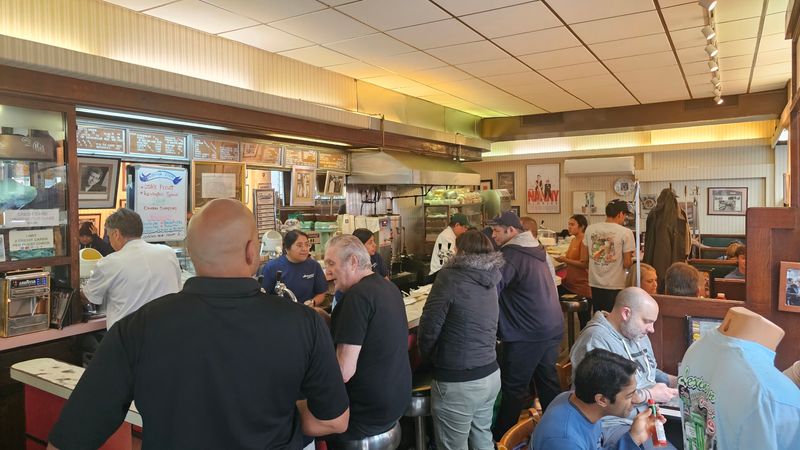
Who actually comes here? The answer is a lively mix.
Neighborhood residents stop in for a quick bite, often choosing quiet weekdays. Some have passed the storefront for years before finally giving it a try.
Tourists make up a large share of the crowd. The shop has become a stop for travelers chasing classic New York experiences.
Social media has added another layer. Influencer videos about the cola have drawn new fans eager to recreate what they saw online.
That mix shapes the experience. Busy times can feel rushed, while calm moments feel more like a neighborhood fountain shop.
Families, couples and solo explorers can all find a place here, as long as they are comfortable with a tight room. Large groups may struggle to find seating.
The spot suits people who value history and nostalgia. Diners focused purely on value or a big menu might be happier elsewhere in Manhattan.
Knowing which camp you fall into is half the battle in deciding whether this stop belongs on the itinerary.
Smart Timing for a Smoother Visit
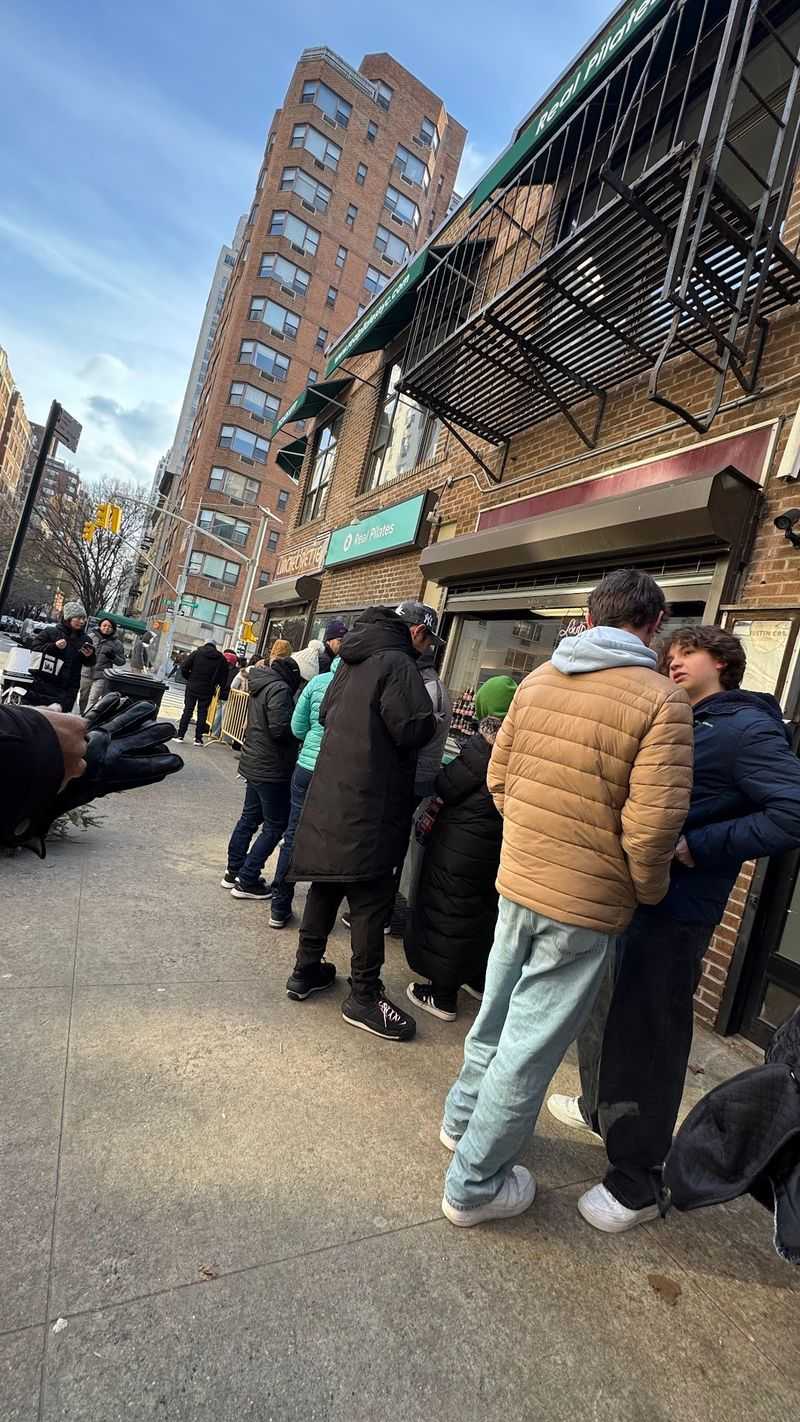
Timing can make or break a trip to this tiny counter. A little planning helps.
Weekdays are generally the best bet for skipping the line. Locals mention walking right in on calmer days.
Avoid showing up right before closing if a full meal is the goal. Some guests reported rushed or uneven food when the kitchen was winding down.
Hours may vary, so checking current times before heading over is wise. Small independent shops sometimes adjust schedules without much notice.
Getting there is simple. The shop sits on Lexington Avenue on the Upper East Side, an area well served by subway and bus lines running through Manhattan.
Bringing cash, reading the posted sign and ordering promptly can all help. These small steps make a busy room easier to navigate.
It also pairs well with a broader Upper East Side outing. A float after a stroll through the neighborhood makes for a nice break.
With the right timing, the visit can feel less like a scramble and more like a relaxed slice of old Manhattan.
Worth the Wait for the Right Crowd
So, is it worth it? That depends on what you are hoping to find.
Luncheonette Soda Candy is not a modern dessert bar or a budget diner. It is a century-old fountain shop that still makes shakes on a 1960s machine and serves a famous cola float in a tiny, historic room.
Those who love nostalgia, vintage details and New York history often walk away happy. The window display, the old equipment and the authentic setting deliver something rare in Manhattan.
Others leave frustrated by prices, service or a drink that did not match the hype. Those concerns are real and worth weighing.
The best approach is a light one. Go on a quiet weekday, order a float or a slice of cake and enjoy the room for what it is.
Keep expectations grounded, bring patience and treat it as a living piece of neighborhood history. In that frame, the shop can be a memorable stop.
After a hundred years on Lexington Avenue, this little counter is still pouring, still mixing and still giving New Yorkers something to talk about.
Enjoyed this story?
Add Fast Food Club as a preferred source to see more of our reporting on Google.