


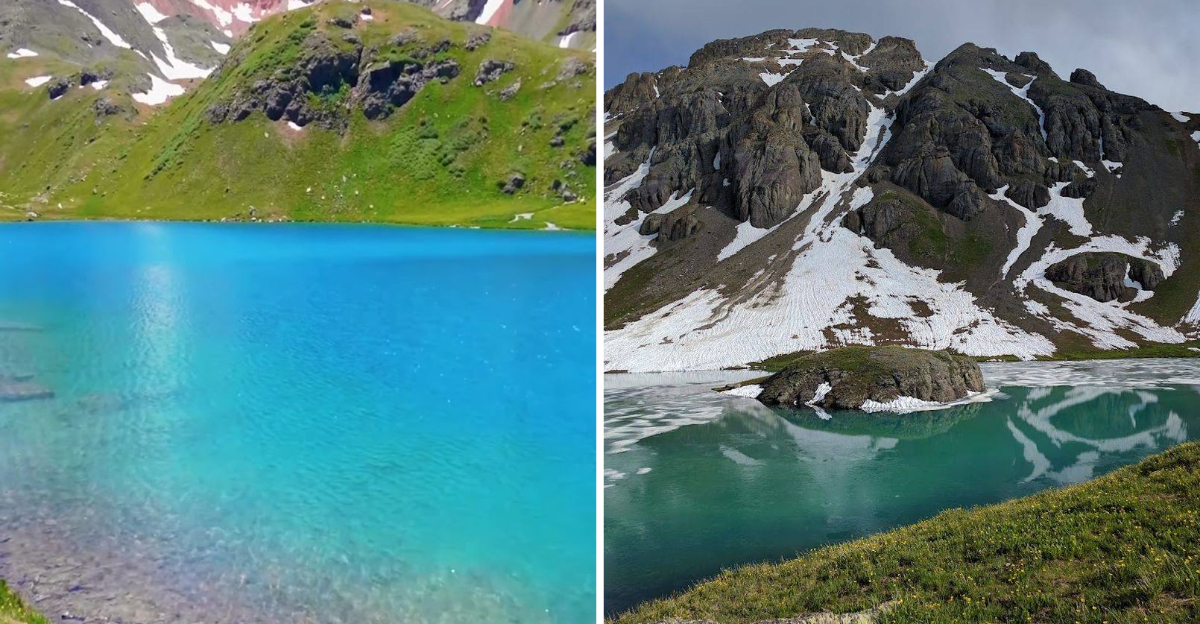
Tucked high in the San Juan Mountains near Silverton, Colorado, Ice Lake Basin holds one of the most strikingly blue lakes you will ever see. The water is so vivid and electric that first-time visitors often pull out their phones to check if their camera settings are off.
Spoiler: the color is completely real. From the wildflower-covered meadows to the glacier-carved basin, this place feels like something straight out of a fantasy novel.
The Unbelievable Blue Color of Ice Lake
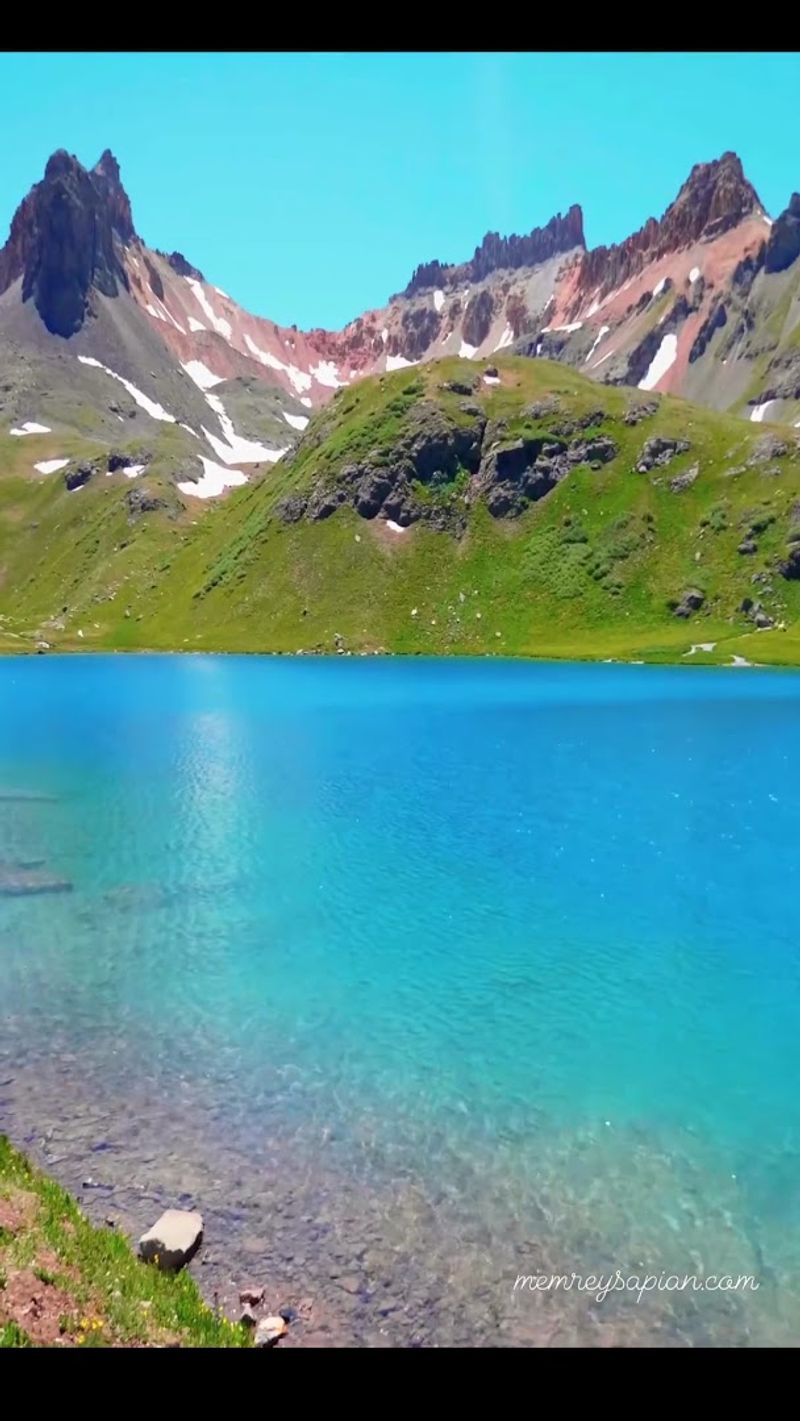
Some places earn their reputation through hype. Ice Lake earns it through sheer, jaw-dropping color.
The water is a shade of electric turquoise-blue that looks digitally enhanced in every single photo, yet no filter is ever needed.
The color comes from glacial rock flour, which is ultra-fine sediment ground down by ancient glaciers. When suspended in water, these tiny particles scatter sunlight in a way that produces that signature surreal blue glow.
Scientists call it glacial milk, but hikers call it magic.
Standing at the shoreline for the first time is a genuinely disorienting experience. Your brain keeps insisting the color cannot be natural.
Many visitors post photos online only to be accused of heavy editing. Once you see it in person, you completely understand why people make the long, exhausting trek up to this remote alpine gem year after year.
Where Exactly Ice Lake Basin Is Located
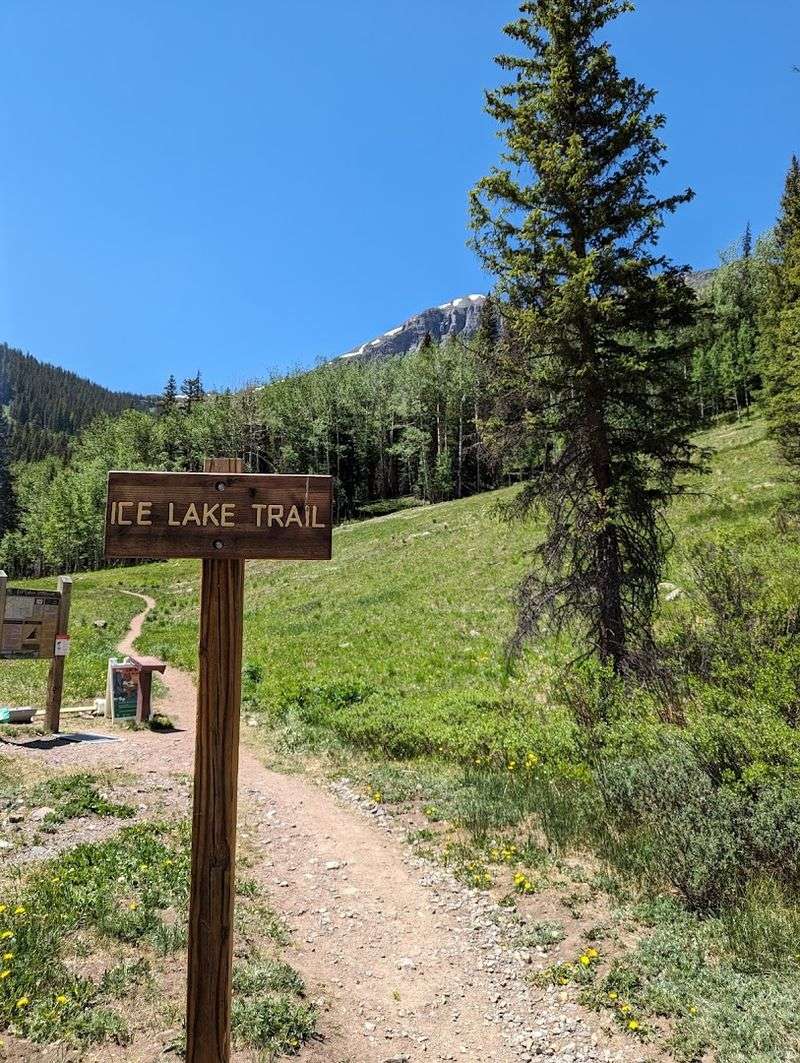
Finding Ice Lake Basin requires a bit of planning, but the directions are straightforward once you know where to look. The trailhead sits near Silverton, Colorado, a small historic mining town nestled deep in the San Juan Mountains at about 9,300 feet elevation.
From Silverton, you take South Mineral Creek Road, a well-known dirt road that winds through aspen groves and alongside a rushing creek. The trailhead parking area is roughly five miles down that road and fills up fast on summer weekends.
Getting there before 7 a.m. is strongly recommended.
The basin itself sits at over 12,000 feet above sea level, which means you are already starting at altitude before you even lace up your boots. Silverton is about four hours southwest of Denver and about 50 miles north of Durango, making it a classic Colorado mountain road trip destination.
How Difficult the Hike Really Is
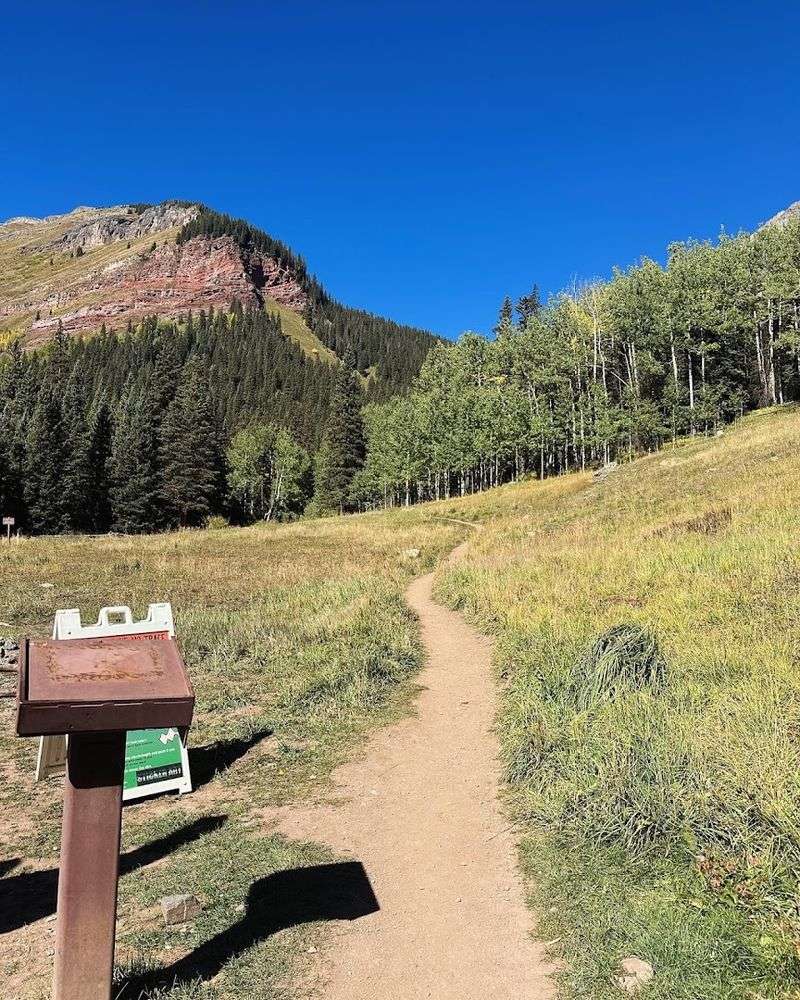
Nobody should walk into this hike expecting a casual stroll. The Ice Lake Trail gains nearly 2,600 feet of elevation over roughly 3.8 miles one way, and that last mile into the upper basin is brutally steep.
Multiple reviewers described the third mile as taking a full hour just to complete.
The trail starts with a gradual incline through pine forest, which feels manageable at first. Then the switchbacks kick in, the trees thin out, and suddenly you are scrambling over rocks with your lungs burning at altitude.
People of all fitness levels attempt this trail, but many turn around before reaching the upper lake.
One hiker who was recovering from a respiratory infection still completed the eight-hour round trip and called it the most rewarding hike of her life. That kind of determination says everything about what waits at the top.
Push through the hard parts.
The Elevation Gain and Altitude Challenge
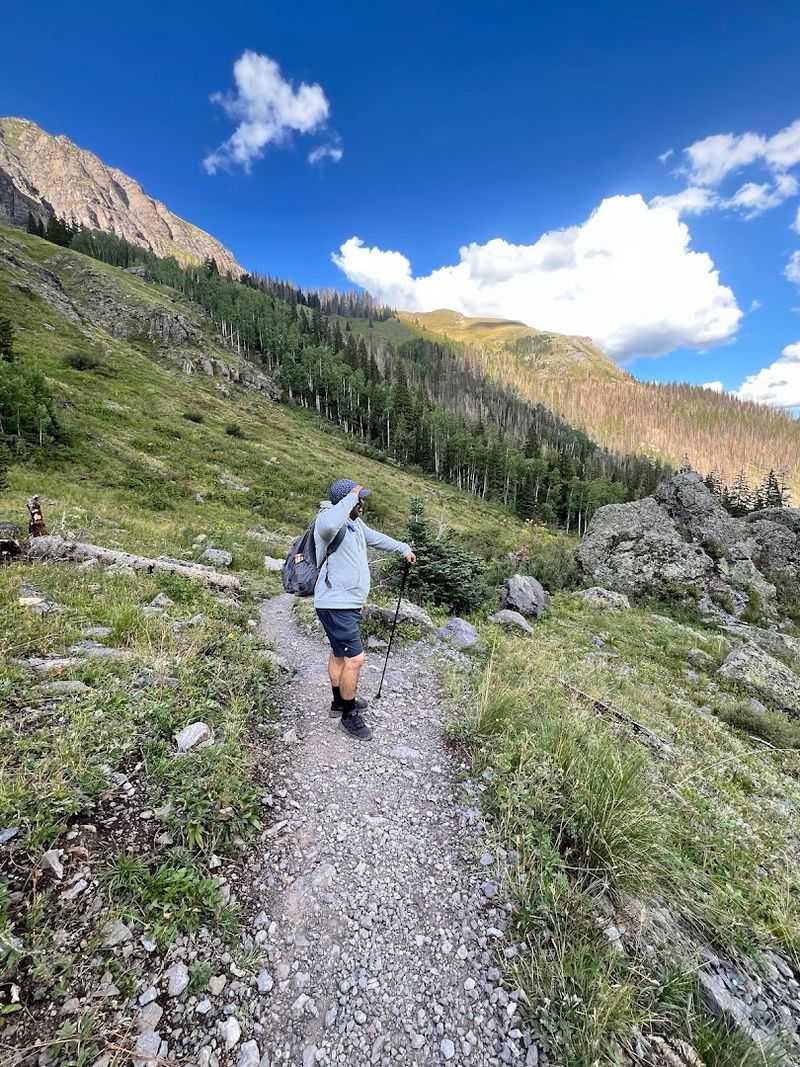
Altitude is the quiet villain of the Ice Lake experience. The trailhead begins around 9,840 feet, and the upper lake sits at approximately 12,257 feet.
That nearly 2,400-foot altitude difference is felt in every single step, especially during the final push into the basin.
At that height, the air holds significantly less oxygen than at sea level. Even physically fit hikers slow down dramatically, breathing harder than expected and feeling their legs turn to jelly.
Visitors from low-elevation states like Texas or Florida often find the altitude shock more challenging than the actual trail steepness.
Spending a night in Silverton before hiking gives your body time to begin adjusting. Staying hydrated, moving at a steady pace, and eating salty snacks like peanuts or pretzels helps your body manage the altitude stress.
Multiple reviewers went through 2.5 liters of water each, so pack more than you think you need.
What to Pack for the Ice Lake Trail
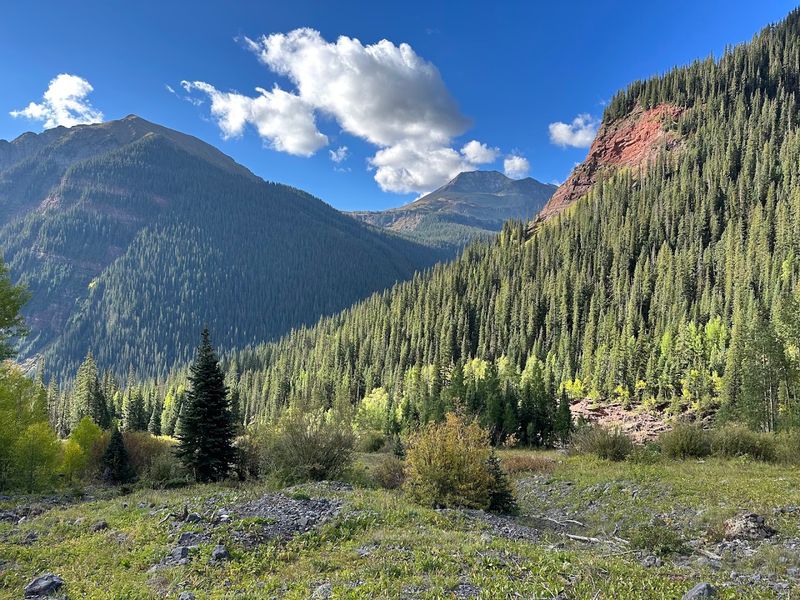
Packing smart can be the difference between a miserable struggle and an unforgettable adventure. Reviewers who completed the hike successfully all mentioned a few non-negotiable items: plenty of water, electrolyte packets, salty snacks, sunscreen, and a windproof jacket.
Hiking poles are genuinely useful here, not just for climbing but for protecting your knees on the steep descent. The trail involves stream crossings, rocky scrambles, and uneven terrain, so sturdy waterproof hiking boots are a must.
Mid-calf-height boots work especially well when crossing the larger runoff streams.
Bug spray is another item hikers wish they had brought more of. The basin has plenty of insects during summer months, and they are relentless.
A sun hat matters too since you are above treeline for a large portion of the hike with zero shade. Toss in a granola bar stash and some ibuprofen for good measure.
The Wildflowers That Line the Trail
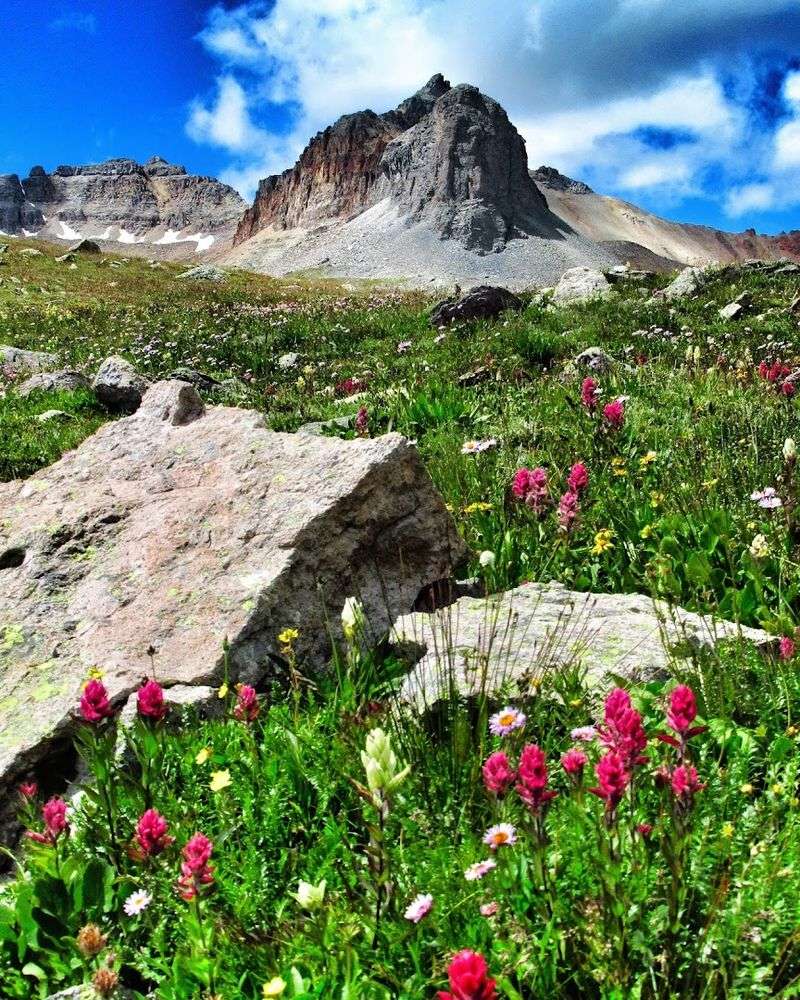
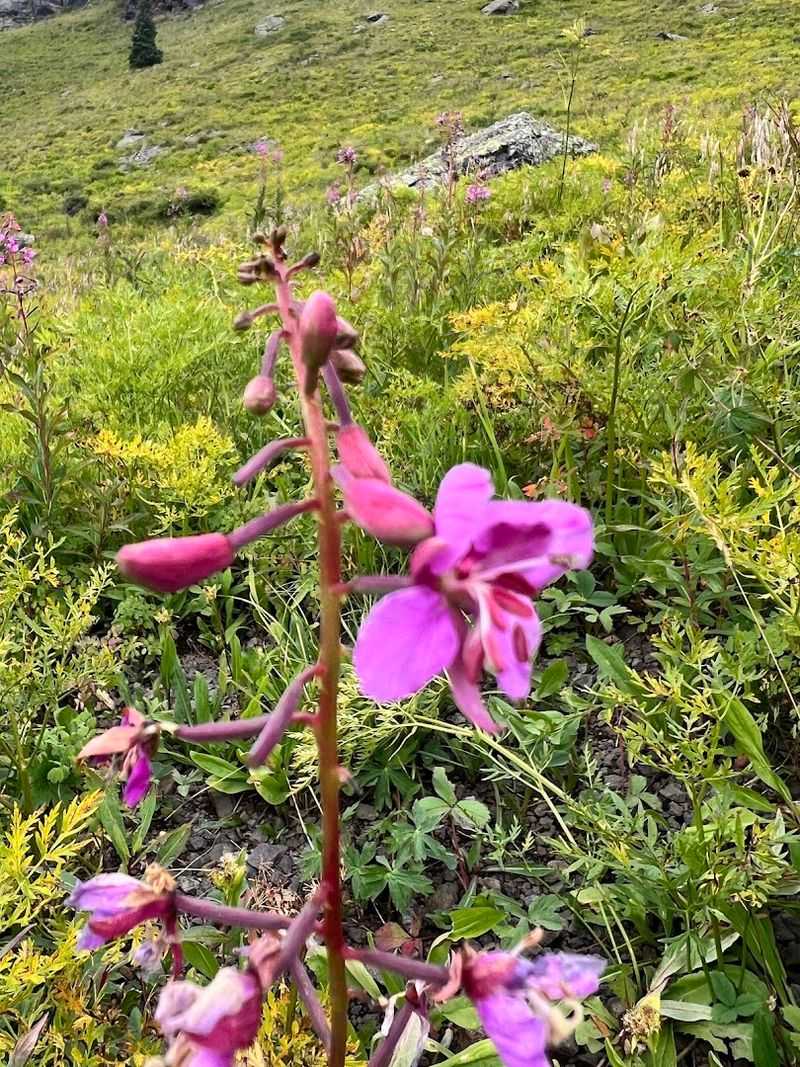
One of the most underrated parts of the Ice Lake experience is not the lake itself but the wildflower explosion you walk through to get there. During peak summer months, especially July and August, the meadows along the trail burst into color with columbines, paintbrush, asters, and dozens of other species.
The contrast of vivid orange and purple wildflowers against the rocky gray peaks is genuinely breathtaking. Many hikers stop repeatedly just to photograph the meadows, which honestly rival the lake itself for sheer beauty.
The trail description even specifically mentions fields of summer wildflowers as one of its defining features.
This floral display is not accidental. The alpine environment creates short but intense growing seasons, and plants take full advantage of the brief warm months.
Visiting in mid-to-late July typically offers the most dramatic wildflower show, though the exact timing shifts slightly depending on winter snowpack and spring temperatures each year.
Upper Ice Lake vs. Lower Ice Lake: Know the Difference
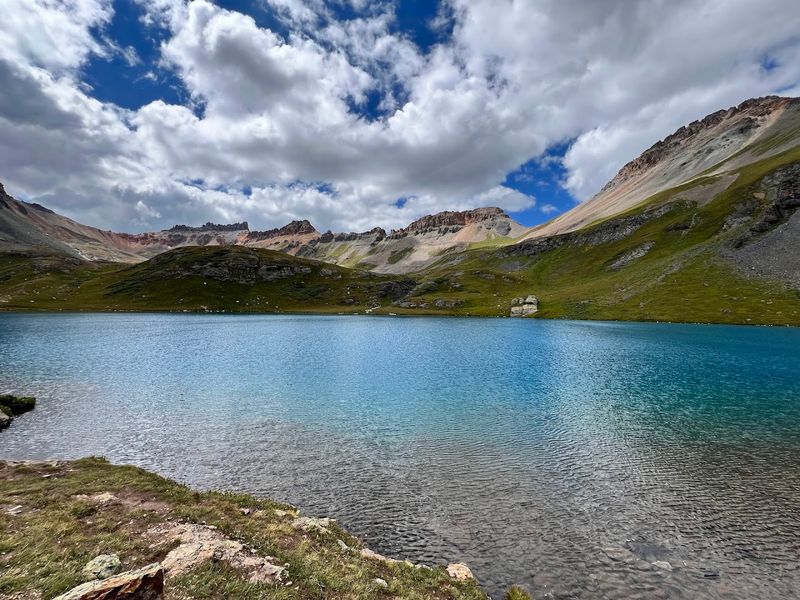
Here is a detail that trips up first-timers: there are actually two lakes on this trail, and they are very different. Lower Ice Lake is small, calm, and honestly a bit unremarkable compared to its famous sibling.
Many hikers reach it and assume they have arrived, only to feel slightly underwhelmed.
Upper Ice Lake is the one that breaks the internet. Sitting in a wide glacially carved basin above treeline, it is the electric blue gem that inspired the trail’s legendary reputation.
One reviewer put it plainly: you are only two-thirds of the way there when you reach the lower basin. Keep climbing.
The extra effort required to push from the lower lake to the upper basin is significant, but every single person who makes it describes the payoff as worth every ounce of struggle. Upper Ice Lake sits at over 12,000 feet and delivers views that genuinely defy description.
The Lollipop Loop Route and Island Lake
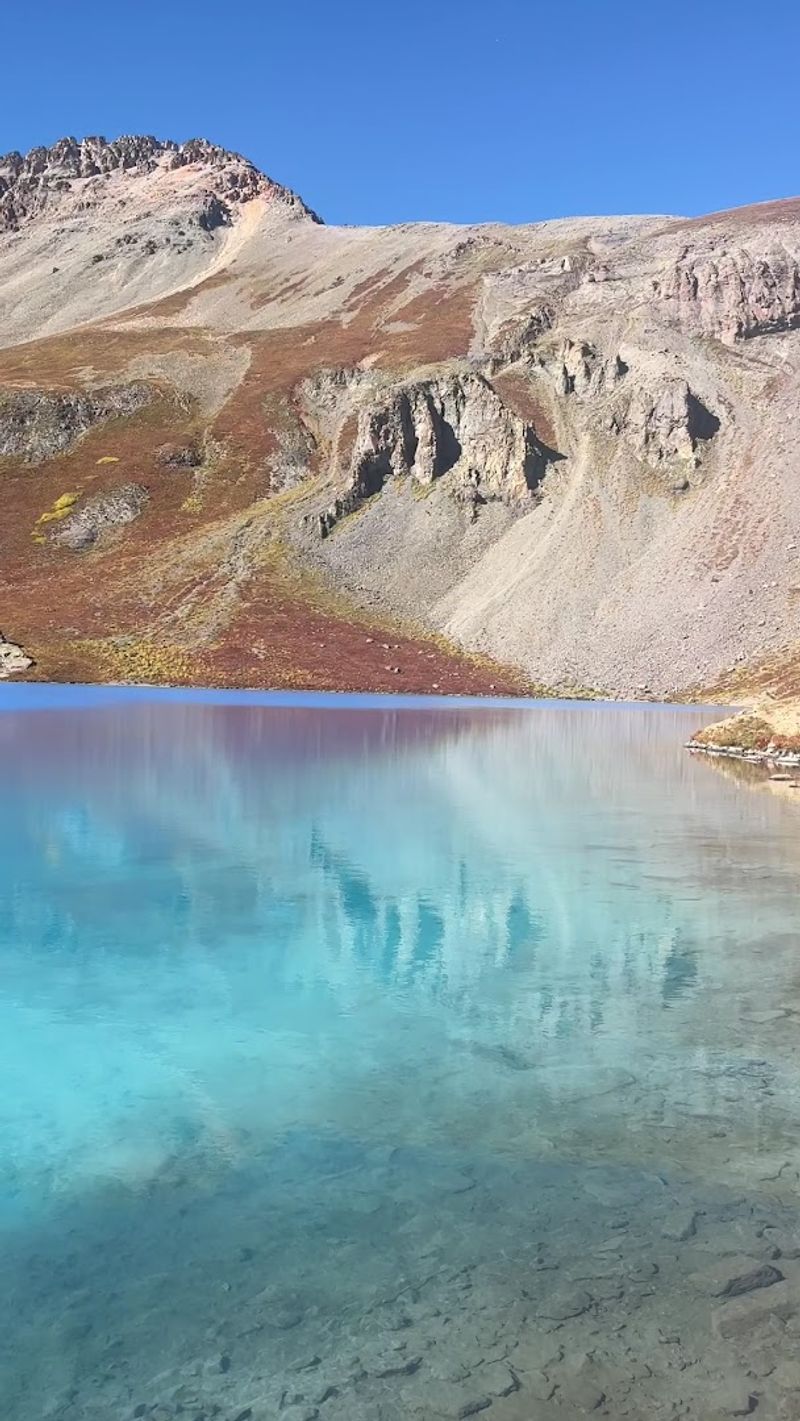
Experienced hikers looking to maximize their adventure often choose the lollipop loop route, which adds Island Lake to the itinerary. This variation turns a straightforward out-and-back hike into a scenic loop that rewards you with two stunning alpine lakes in a single trip.
The trick, according to seasoned hikers, is to go counterclockwise. Approaching Ice Lake from the Island Lake direction gives you a sweeping, dramatic reveal of the blue water that simply cannot be matched coming from the opposite direction.
It is one of those moments where the approach genuinely shapes the experience.
Be aware that the loop includes a short section of rocky scrambling where you need to use your hands for about 30 feet. It is described as sketchy but manageable for most hikers who are comfortable on uneven terrain.
Total mileage for the full lollipop loop lands around 7.7 miles with spectacular views throughout.
Wildlife You Might Spot Along the Way

The trail to Ice Lake Basin is not just a visual feast for landscape lovers. Wildlife enthusiasts have plenty to look forward to as well.
Marmots are the most commonly reported animal sighting, and they are absolutely everywhere in the rocky upper sections of the trail.
These chunky, dog-sized rodents are surprisingly bold. They often sit on boulders watching hikers pass by with complete indifference, making for adorable photo opportunities.
Their loud warning whistles echo across the rocky terrain and become a soundtrack to the upper basin experience.
Beyond marmots, the trail passes through forest and meadow habitats that support a wide range of bird species, small mammals, and occasionally larger wildlife. Deer and elk have been spotted in the lower forested sections of the trail during early morning hours.
Keeping your voice low and moving quietly through the forest increases your chances of memorable wildlife encounters.
Camping and Overnight Backpacking Options
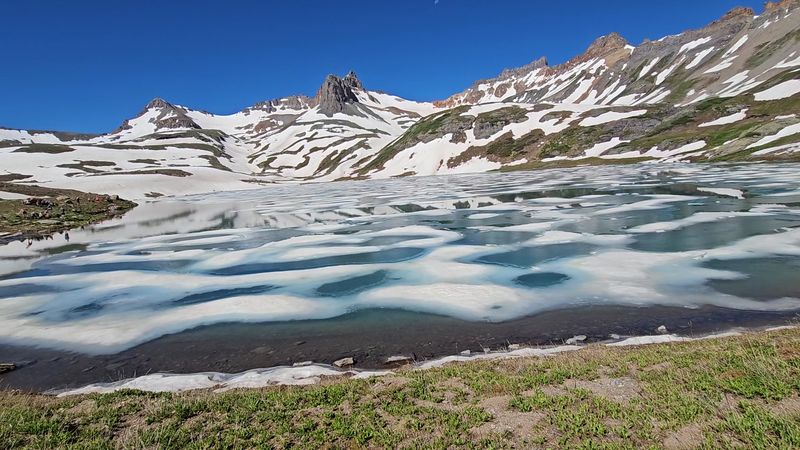
Day hiking gets most of the attention, but spending a night at Ice Lake Basin is an experience in a completely different league. Several reviewers who turned the trip into a two-day backpacking adventure described it as far less stressful and deeply rewarding.
Waking up in the basin as the morning light hits the water is unforgettable.
The best camping spots are found in the flat valley just below the final ascent into the upper basin. This area has trees for wind protection, flat ground for tent pitching, and enough space for multiple groups.
One adventurous hiker even set up a hammock slightly higher among the last trees and enjoyed stunning views despite a bit of wind.
No permits or registration fees are required for overnight camping as of recent visits, which makes spontaneous backpacking trips very accessible. Pack out everything you bring in and follow Leave No Trace principles to protect this fragile alpine environment.
Best Time of Year to Visit Ice Lake
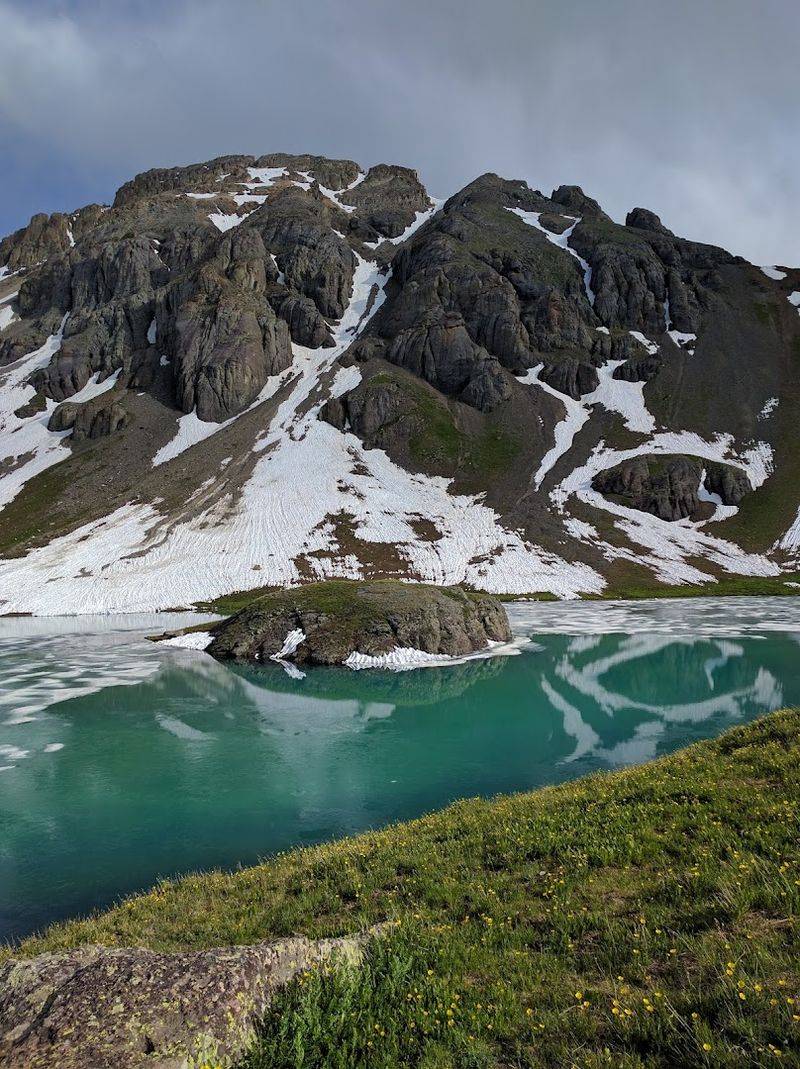
Timing your visit to Ice Lake Basin matters more than most people realize. The trail is typically accessible from late June through early October, but conditions vary wildly depending on annual snowpack.
In early July, some areas near the upper basin can still have a foot of snow in certain years.
Mid-July through mid-August is widely considered the sweet spot. Wildflowers are at their peak, most snow has melted from the trail, and the lake is fully thawed and showing off that impossibly vivid blue color.
One reviewer noted the lake was still frozen in early July during their visit, which is a good reminder to check trail conditions before heading out.
Fall visits in September offer fewer crowds and stunning golden aspen color on the lower trail sections, though afternoon thunderstorms become more unpredictable. Starting early in the morning regardless of season is always the wisest strategy in Colorado mountain terrain.
Trailhead Parking and Crowd Management Tips
Ice Lake has become wildly popular, and the parking situation reflects that. The trailhead lot fills up fast on summer weekends, sometimes overflowing by mid-morning.
One reviewer arrived at 6:15 a.m. and found the lot already half full, with it completely overflowing by the time they returned around 1 p.m.
Arriving before 7 a.m. is not just a suggestion, it is basically a requirement if you want a parking spot anywhere near the trailhead. Overflow parking lines South Mineral Creek Road for quite a distance on busy days, adding extra walking time before you even hit the official trail.
Weekday visits dramatically reduce the crowd experience. If your schedule allows a Tuesday or Wednesday trip, you will encounter far fewer people on the trail and have a much better chance of having the basin to yourself for at least a few peaceful minutes.
The solitude up there is worth every bit of extra planning.
Why Ice Lake Basin Rivals the Most Famous Alpine Lakes in Colorado
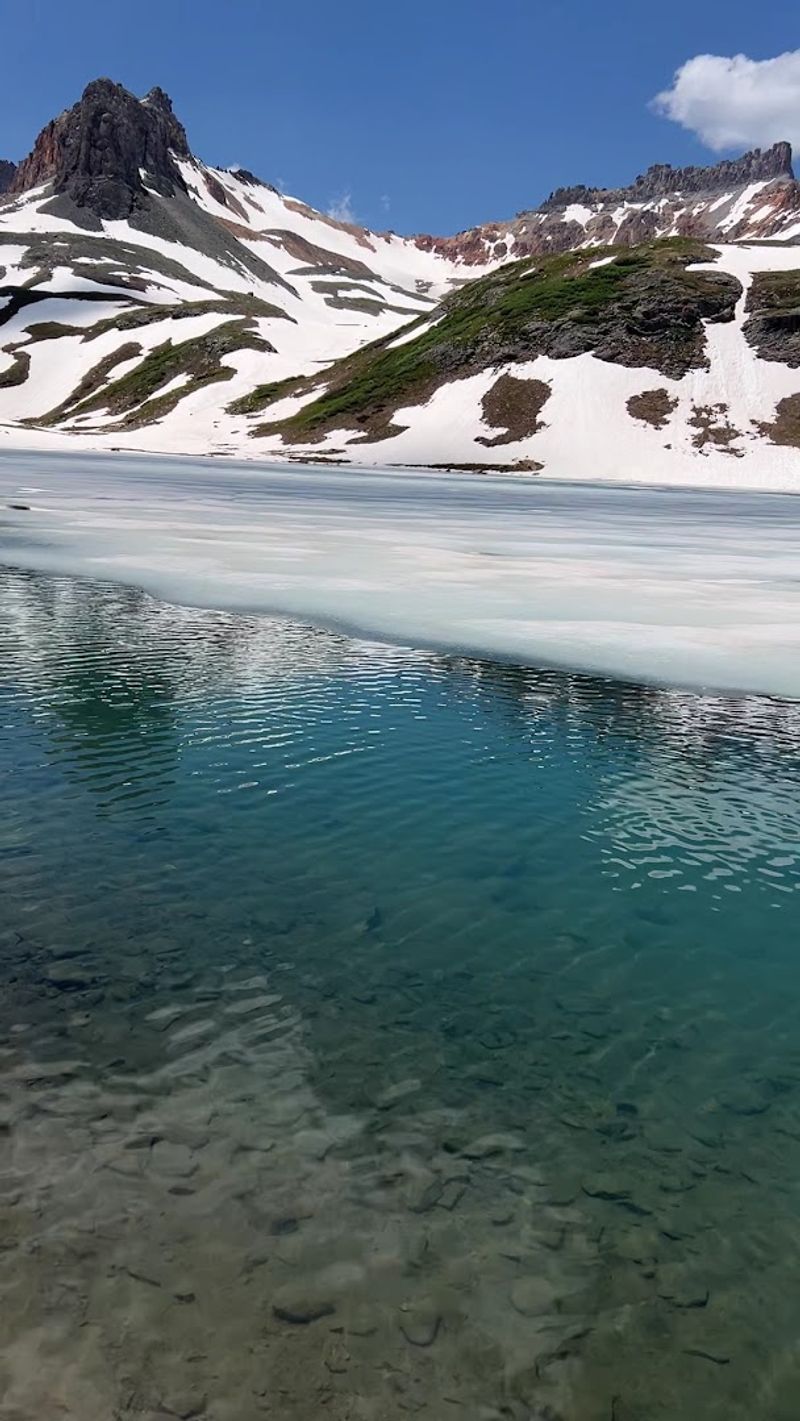
Colorado is absolutely packed with gorgeous alpine lakes, from the famous Sky Pond in Rocky Mountain National Park to the iconic Hanging Lake near Glenwood Springs. Yet Ice Lake Basin consistently holds its own against every single one of them.
One reviewer boldly stated it challenges Sky Pond for the title of most awe-inspiring place in the entire state.
What sets Ice Lake apart is the combination of factors working together: the surreal blue water, the sweeping open basin above treeline, the wildflower-covered approach, and the dramatic San Juan Mountain backdrop. No single element dominates.
Everything works together like a perfectly composed photograph.
The trail earns a 4.9-star rating from visitors, which is almost unheard of for any destination. People from Wyoming, Texas, and across the country list it among their all-time favorite hikes.
For a lake that looks fake, Ice Lake Basin delivers the most genuine, goosebump-inducing natural beauty Colorado has to offer.
Enjoyed this story?
Add Fast Food Club as a preferred source to see more of our reporting on Google.