


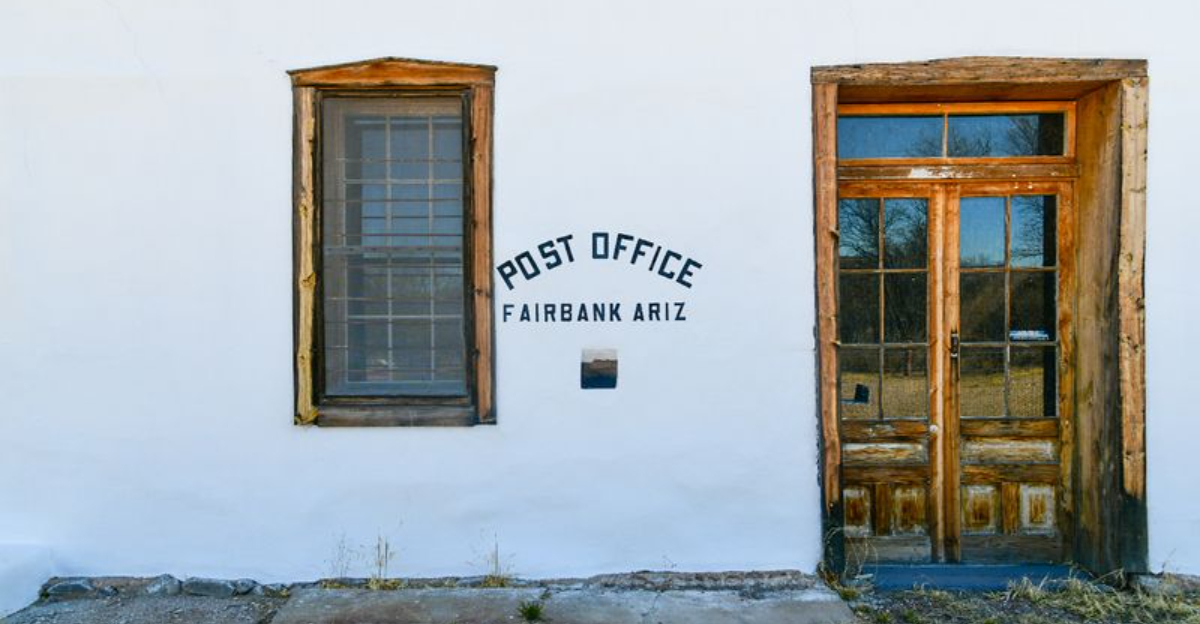
Tucked between Huachuca City and Tombstone, Arizona, the Fairbank Historic Townsite sits quietly along the San Pedro River like a place frozen in time. Once a thriving railroad and river stop during the 1880s mining boom, this ghost town now draws curious visitors with its crumbling buildings, silent streets, and a cemetery full of weathered crosses.
The Bureau of Land Management preserves this hauntingly beautiful site, keeping its eerie charm alive for history lovers and adventure seekers alike. Whether you are a hiker, a history buff, or just someone looking for something truly off the beaten path, Fairbank has a story that will stay with you long after you leave.
The Ghostly Silence of Fairbank Town Buildings
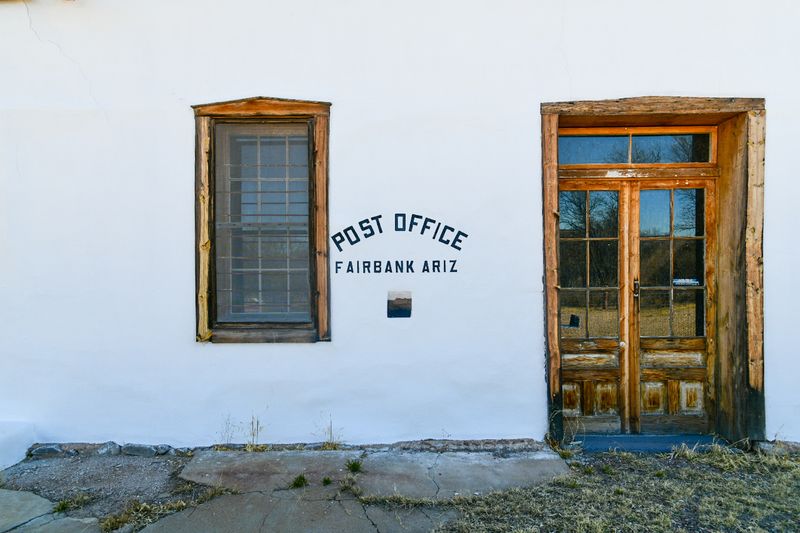
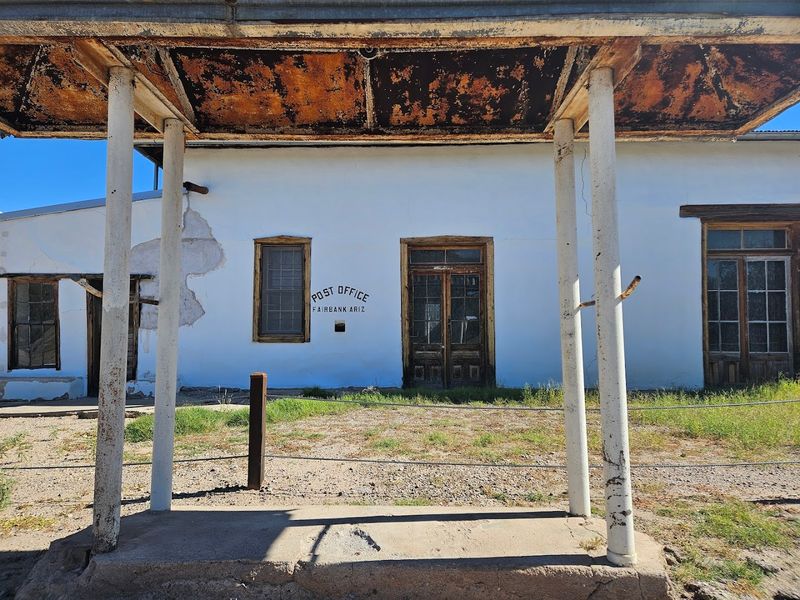
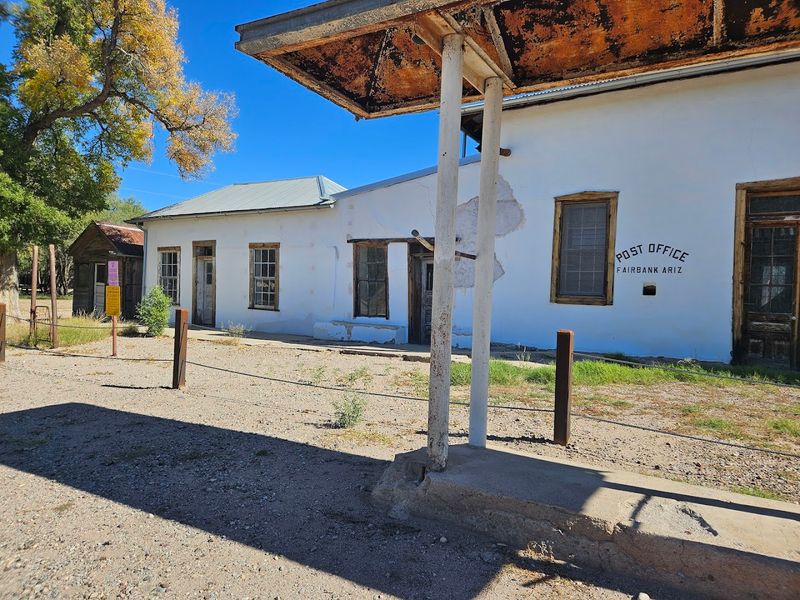
Walking into Fairbank feels like stepping through a door that time forgot to close. The remaining original buildings stand like hollow sentinels, their walls cracked and darkened by over a century of Arizona sun and desert wind.
Empty window frames stare out like hollow eyes, and the quiet is the kind that makes you listen harder.
About six structures still dot the townsite, each one telling a different chapter of Fairbank’s busy past. During the 1880s mining boom, this was a lively stop where goods and people moved between Tombstone and Bisbee.
Now, the buildings carry that history in every weathered plank and crumbling adobe brick.
Visitors can walk right up to the exteriors and peer through windows for a fascinating look inside. The Bureau of Land Management maintains the site carefully, making sure the ghostly scene remains both safe and strikingly authentic for every visitor who arrives.
Fairbank Cemetery: Where the Past Rests Uneasy
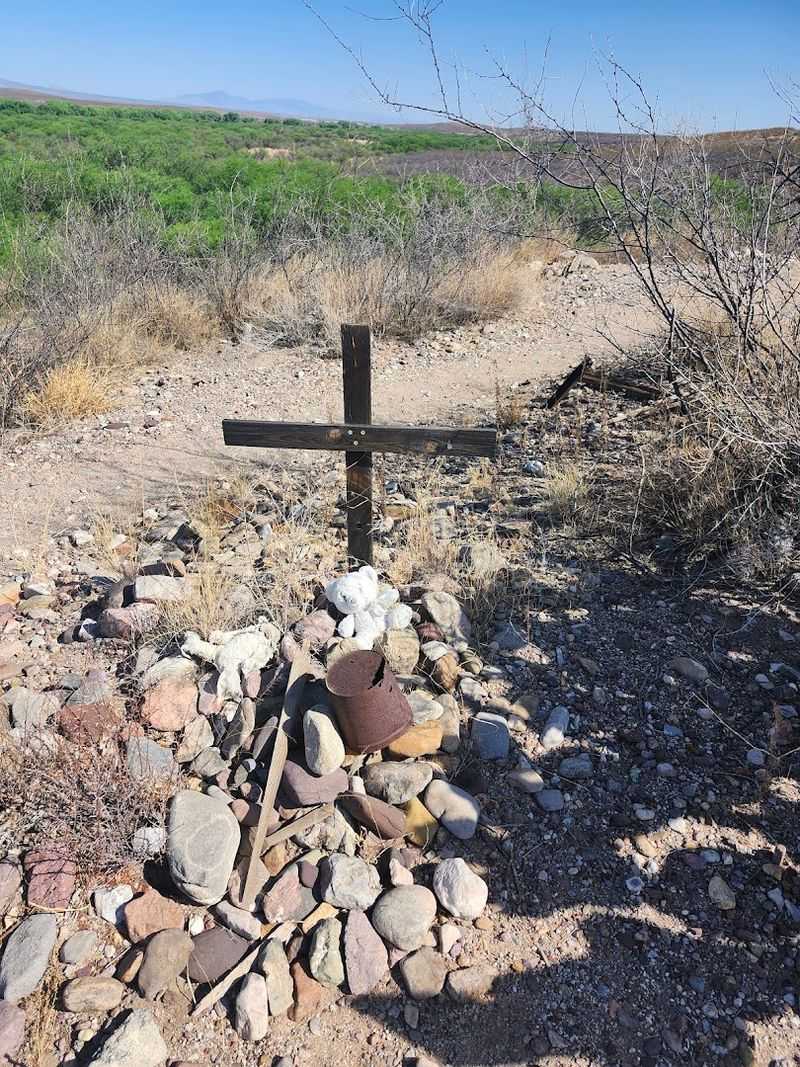
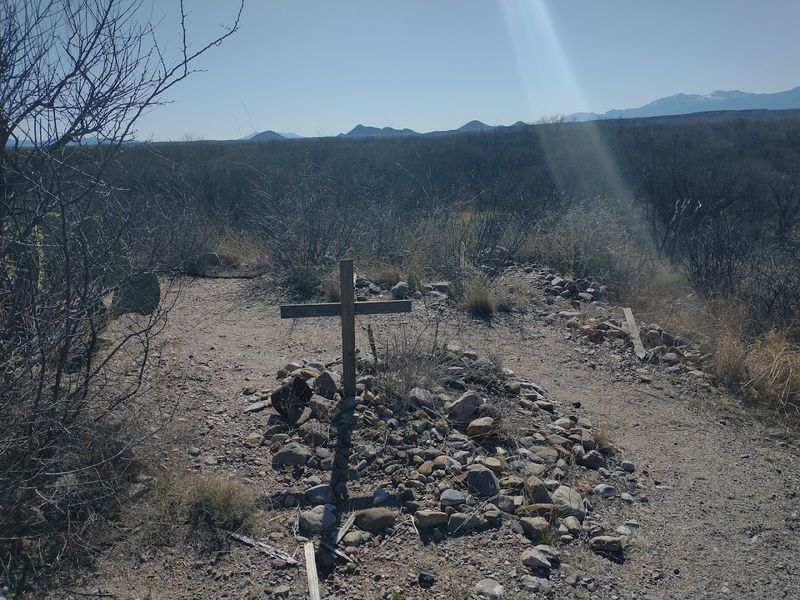
Few places at Fairbank send a chill down your spine quite like the cemetery perched above the trail. Rock pile graves mark the resting spots of miners, settlers, and railroad workers who shaped this corner of Arizona during a rough and rugged era.
Aged wooden crosses lean at odd angles, worn thin by time and desert weather.
Someone has placed white artificial flower blossoms on several of the graves, a small and touching gesture that somehow makes the scene feel even more haunting. The path leading up to the cemetery is the only rocky stretch of the entire trail, adding a bit of dramatic effort before you arrive.
Visitors consistently describe the cemetery as one of the most memorable stops on the whole Fairbank loop. History buffs will want to linger here, reading what remains of the inscriptions and imagining the lives that once filled this now-silent town.
The Grand Central Mill: A Looming Industrial Ruin
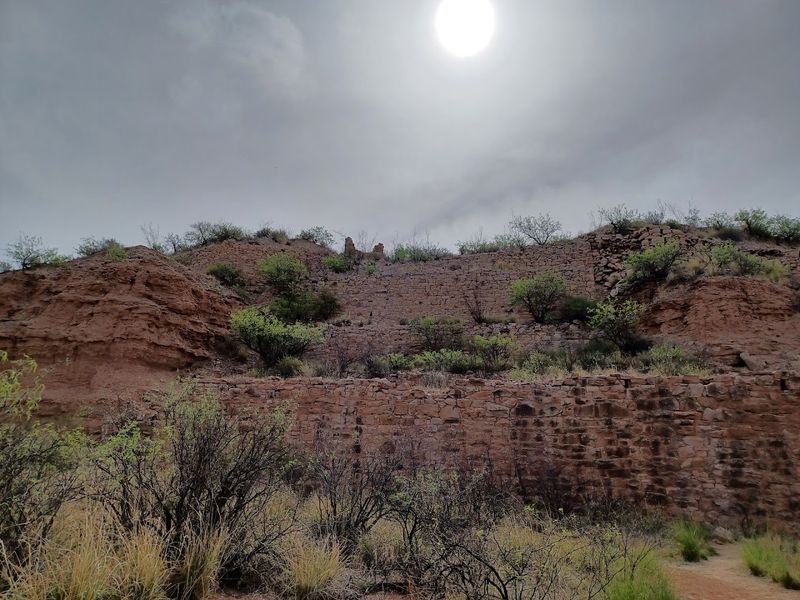
Looming in the distance as you hike the trail, the Grand Central Mill is one of those sights that genuinely stops you in your tracks. Its massive remaining walls rise from the desert floor like the skeleton of some enormous forgotten machine, casting long shadows across the scrubby landscape.
This stamping mill once processed ore from the silver-rich mines of nearby Tombstone.
Getting right up to the walls is allowed, and standing next to them gives you a real sense of just how industrious and ambitious this region once was. Old railroad spikes, a rusted metal trough, and barrel remnants scatter the area nearby, adding texture to the scene.
Photographers especially love this spot, particularly on partly cloudy days when shifting light plays across the stone and creates moody, dramatic contrasts. The mill is a powerful reminder that Fairbank was not just a quiet town but a serious economic hub in its prime.
The Restored Schoolhouse and Its Haunting Teacher Contract
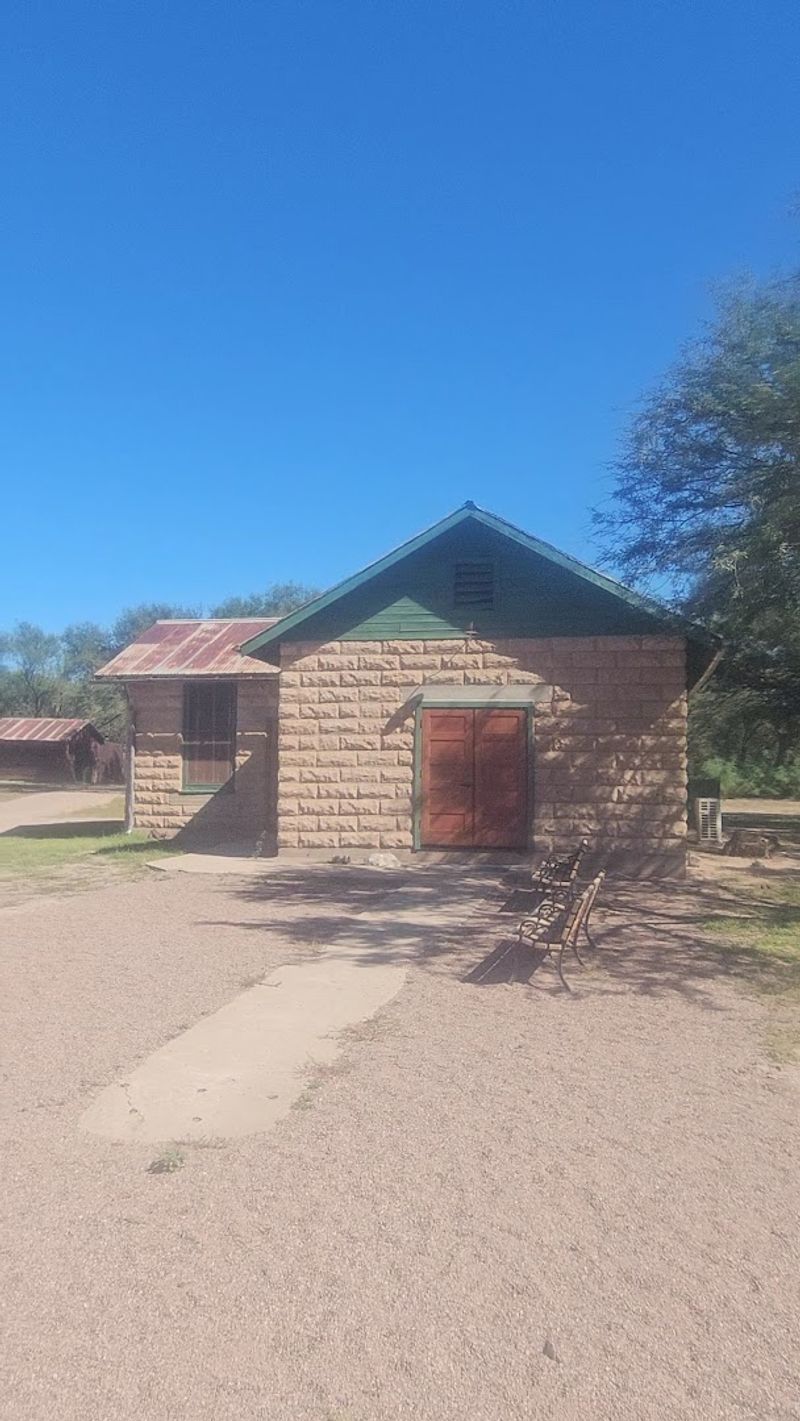
Imagine being hired to teach in a one-room desert schoolhouse with rules that controlled nearly every part of your personal life. The restored schoolhouse at Fairbank does more than display old furniture; it includes a reproduction of an actual teacher contract that lays out just how strict and unusual those working conditions were.
Former educators who visit often say reading that contract alone made the whole trip worthwhile.
The schoolhouse itself has been thoughtfully reconstructed to give visitors a real feel for frontier education in the late 1800s. Friendly volunteers are sometimes on hand to share stories and answer questions during open hours, which run on Fridays, Saturdays, and Sundays from 9:30 AM to 4:30 PM.
Keep in mind the schoolhouse is not always open, so checking ahead with the BLM at (520) 439-6400 is a smart move. When it is open, the experience is genuinely eye-opening and well worth the stop.
The Fairbank Trail Loop: Hiking Through a Haunted Landscape
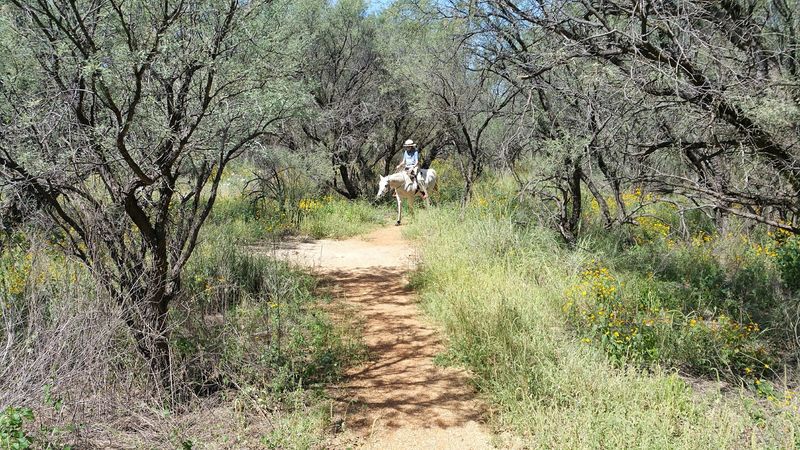
A roughly 3.6 to 4-mile loop trail winds through some of the most varied and fascinating terrain in the San Pedro Riparian National Conservation Area. The route passes through Blackland Prairie, riparian forest, sandy river washes, and the ghost town itself, giving hikers a little bit of everything in a single outing.
Trail signs guide the way clearly, making it easy even for first-timers to navigate without worry.
Walking the trail counterclockwise is the direction most signs suggest, and that approach puts shaded sections in the first half of the hike. Benches are scattered along the way, and the path is mostly flat with only the cemetery climb offering a real workout.
Bug spray is strongly recommended, especially in warmer months when insects buzz persistently around the trail.
Sunscreen and plenty of water are absolute must-haves. Avoid summer hikes during peak heat; late autumn through early spring offers the most comfortable and rewarding experience at this roughly 4,000-foot elevation.
Wildlife Encounters Along the Eerie San Pedro River Walk
Not everything at Fairbank is about old buildings and silent streets. The trail along the San Pedro River is surprisingly alive with wildlife that can appear without warning, adding an exciting and sometimes startling energy to the hike.
Deer have been known to crash through the brush and bound right across the path in front of surprised hikers.
Small lizards dart between rocks, butterflies drift over wildflowers, and in lucky moments, you might spot tracks pressed into the dry riverbed from animals that crossed overnight. During wetter seasons, the river itself carries flowing water, which makes the riparian forest feel lush and almost otherworldly compared to the surrounding desert.
Bird watchers will find the riparian corridor especially rewarding, as the San Pedro River is one of the most important migratory bird corridors in North America. Bring binoculars and keep your eyes open; nature here has a habit of showing up when you least expect it.
Free Admission and Easy Access for All Visitors
Here is something that makes Fairbank stand out from many other historic sites: it costs absolutely nothing to visit. Free parking is available right at the site, and the layout is thoughtfully designed to welcome visitors of all abilities.
Handicap parking and a drop-off area are located right where the buildings begin, so no one has to walk far to start exploring.
A clean pit toilet sits near the parking area by the schoolhouse, which reviewers consistently mention as a welcome and well-maintained convenience. The walk from the parking lot into the main town area is just a couple hundred yards, making it accessible even for those who prefer a short stroll over a long hike.
An information kiosk near the entrance provides maps and details about each section of the trail system. A small but thoughtfully curated bookstore is also on site for those who want to take a piece of Fairbank history home with them.
Photography Heaven: Capturing the Eerie Desert Beauty
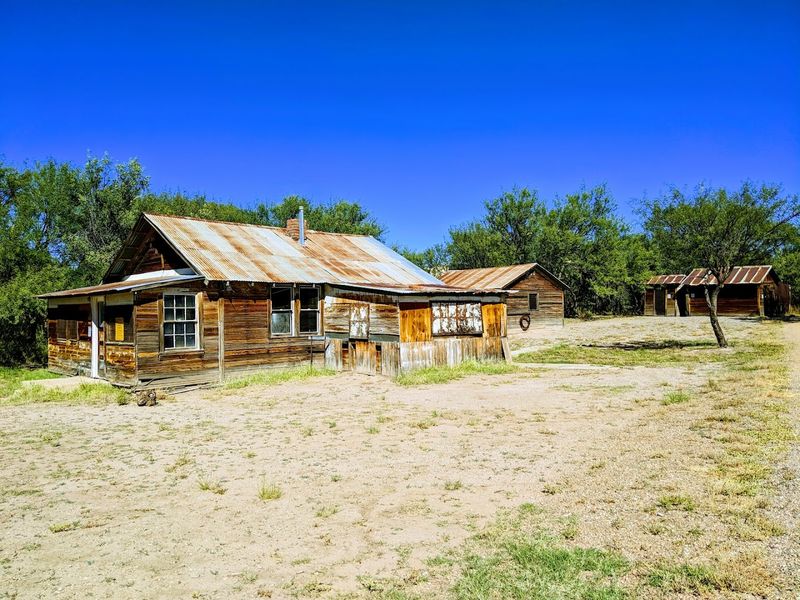
Fairbank is the kind of place that makes photographers forget how much time has passed. The combination of weathered structures, open desert skies, and riparian greenery creates a visual contrast that is hard to find anywhere else.
Partly cloudy days are considered ideal, when the shifting light plays off the ruins and the sky fills with texture and drama.
Early morning and late afternoon visits reward photographers with warm golden tones that make the adobe walls glow and the cemetery crosses cast long, moody shadows. The Grand Central Mill ruins, the dry riverbed with its animal tracks, and the rows of wooden crosses in the cemetery each offer compelling compositions that range from quietly melancholy to strikingly dramatic.
Even smartphone photographers come away with stunning shots here. The site is compact enough to explore thoroughly in a few hours, giving you plenty of time to revisit your favorite spots for different lighting conditions throughout the visit.
The Old Railroad Stop That Connected a Booming Region
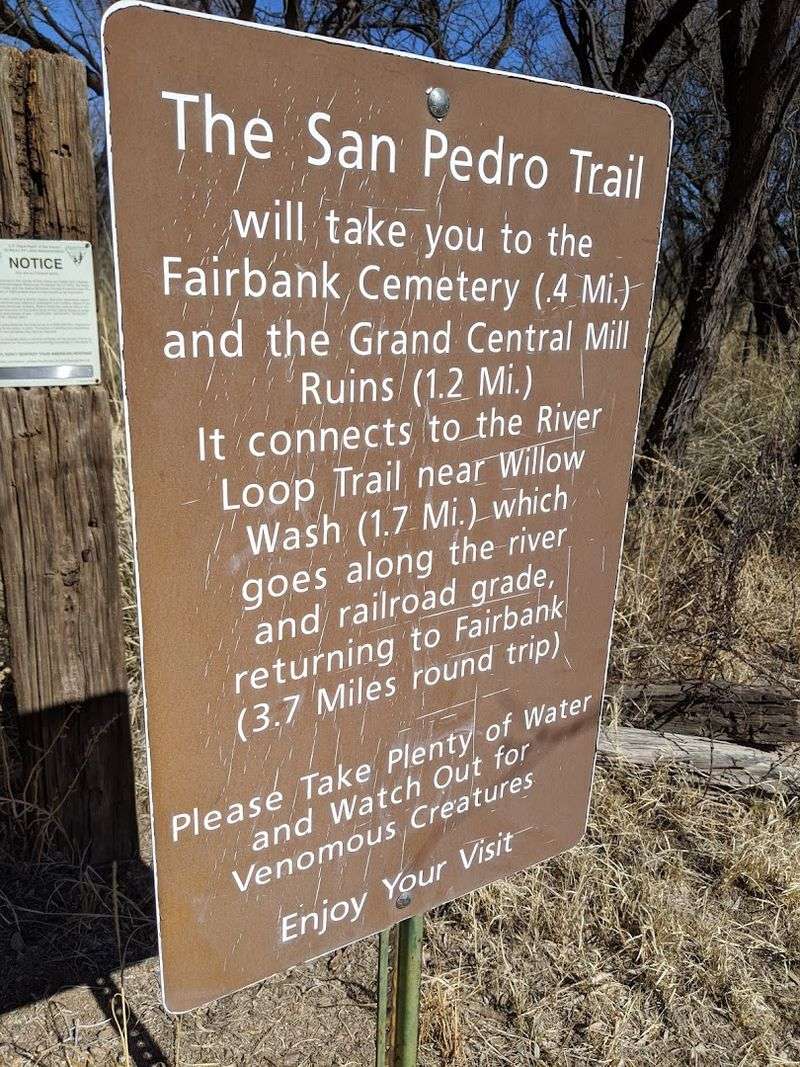
Back in the 1880s, Fairbank was not a sleepy backwater but a critical transportation hub connecting the silver mines of Tombstone and Bisbee to the wider world. Trains rolled through regularly, carrying ore, supplies, and passengers, making the town an essential link in a very profitable chain.
The old rail tracks are still visible on the trail, offering a tangible connection to that booming era.
Standing near those rusted rails today, it is easy to imagine the noise and energy that once filled this now-hushed landscape. Interpretive plaques placed throughout the site help fill in the story, explaining how the railroad shaped daily life and commerce in Fairbank during its peak years.
History enthusiasts often say the railroad context is what makes Fairbank feel different from other ghost towns. Rather than just a collection of abandoned buildings, the site tells a complete story about industry, ambition, and the rise and fall of a frontier economy.
Visiting the Old Dump: Relics of Everyday Frontier Life
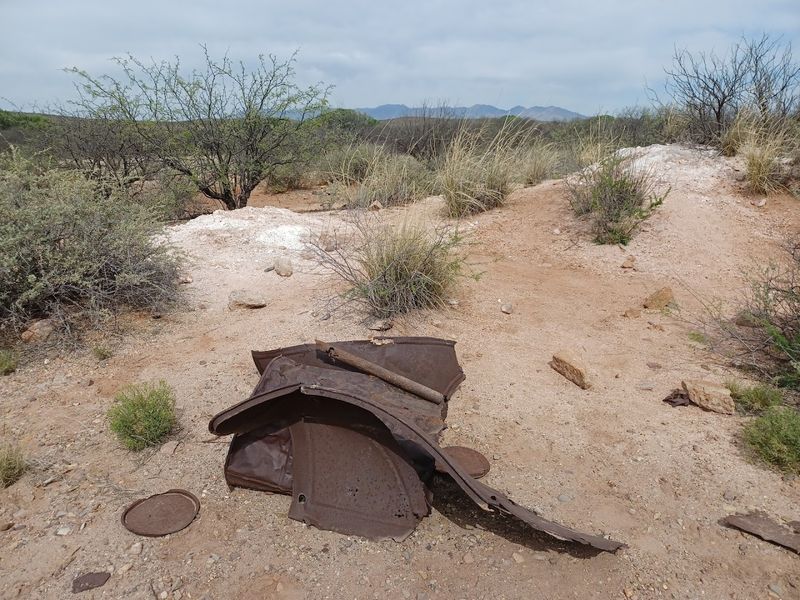
Not far from the main townsite, some visitors have stumbled upon an old dump where fragments of everyday frontier life lie half-buried in the desert soil. Bits of old glass, rusted metal, and remnants of household items hint at the ordinary routines of the people who once called Fairbank home.
It is the kind of discovery that makes history feel suddenly personal and immediate.
One visitor described arriving on a quiet Tuesday and finding themselves completely alone at the site, which made stumbling across the old dump feel even more like a genuine adventure. The BLM asks that visitors leave artifacts where they find them, preserving the site’s integrity for future explorers.
This kind of unscripted discovery is part of what makes Fairbank so compelling. Unlike polished tourist attractions, the site still holds surprises for those willing to look carefully and wander just a little beyond the main trail markers.
Seasonal Tips: When to Visit for the Best Experience
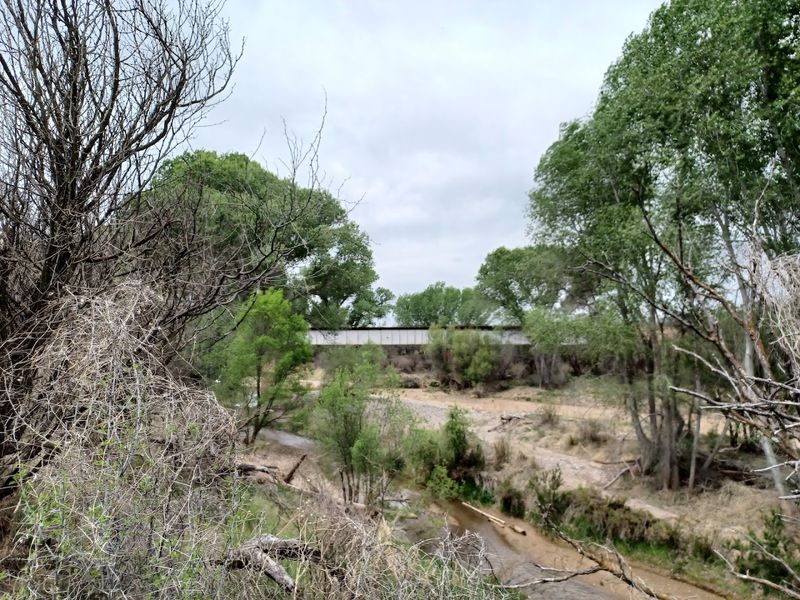
Timing your visit to Fairbank can make a huge difference in how much you enjoy the experience. Late autumn, all of winter, and early spring offer the most comfortable hiking conditions at the site’s approximate 4,000-foot elevation.
One seasoned visitor described a beautiful 60-degree winter day with breezes and clouds as absolutely perfect for exploring the trails and ruins.
Summer visits are strongly discouraged by experienced hikers who know the Arizona desert well. Temperatures can climb dangerously high before noon, and the exposed sections of the trail offer little relief.
Spring brings wildflowers blooming along the trail and greenery throughout the riparian forest, making it arguably the most visually stunning time of year to visit.
Mid-February hikers have even reported flowing water in the San Pedro River, which adds a lively and unexpected element to the hike. No matter when you go, sunscreen, bug spray, and plenty of water are non-negotiable essentials for any visit to Fairbank.
Interpretive Plaques and the Self-Guided History Tour
One of the smartest things the BLM has done at Fairbank is scatter informative plaques throughout the site so visitors can learn at their own pace. Each plaque covers a different aspect of Fairbank’s history, from its role as a railroad hub to the lives of the miners and families who settled here during the boom years.
Reading them in order turns a casual walk into a genuinely absorbing history lesson.
The self-guided tour is free, flexible, and works perfectly for groups of any size or interest level. Families with kids, solo travelers, and serious history buffs all find something valuable in the interpretive materials spread across the site.
An information kiosk near the parking area also provides trail maps and additional background on each section of the loop.
Visitors who skip the plaques often say they wish they had taken the time to read them. The written history adds depth and meaning to every crumbling wall and rusted artifact you encounter along the way.
The San Pedro River: A Living Contrast to the Ghost Town
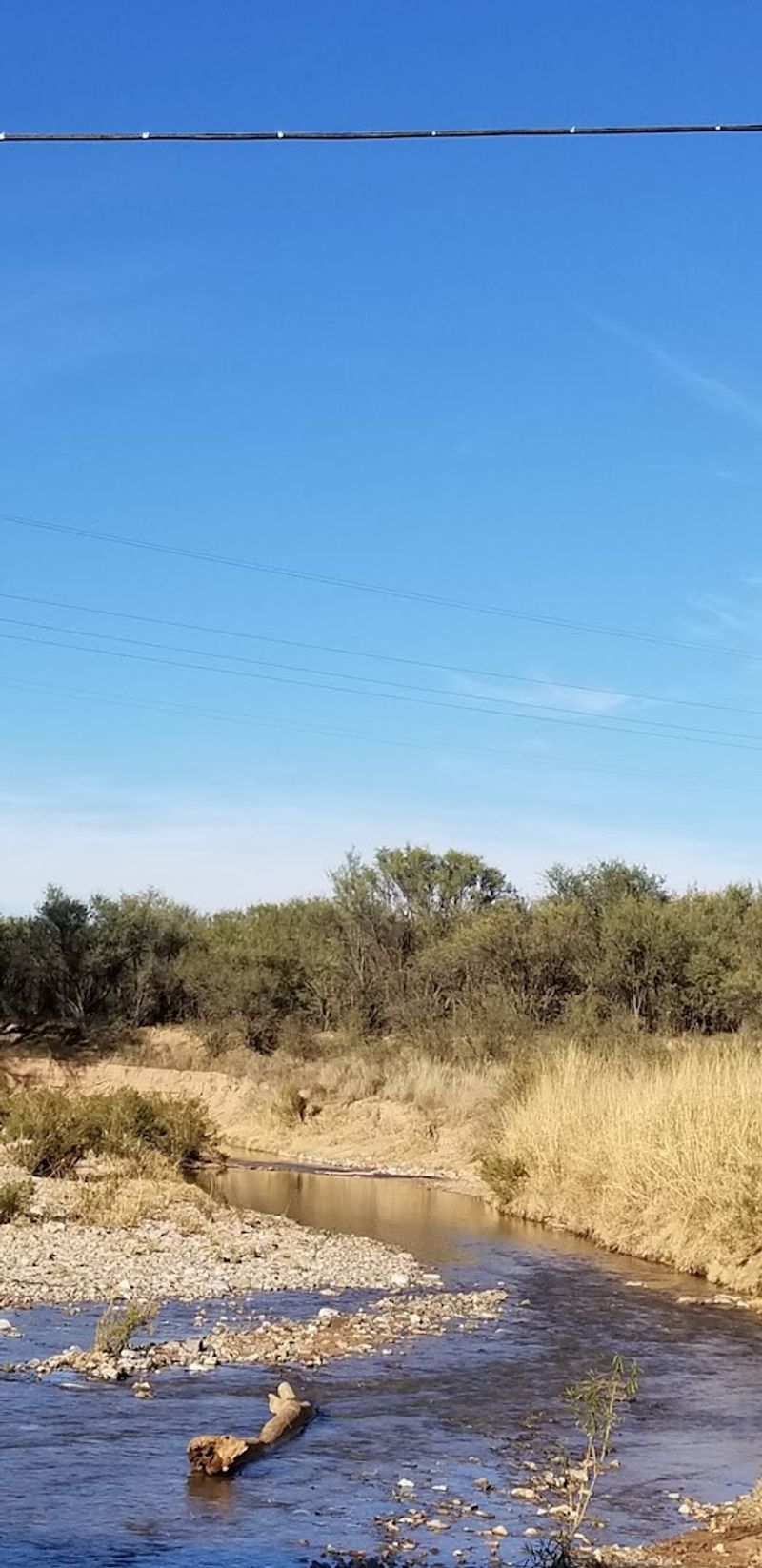
Right next to a ghost town frozen in the past, the San Pedro River pulses with life in a way that feels almost surreal. Cottonwood trees line the banks, and in wetter seasons the water flows clearly enough to splash around in, which at least one reviewer did happily during a mid-February hike.
The contrast between the silent ruins and the living river creates an atmosphere that is both peaceful and deeply atmospheric.
Even when the riverbed runs dry, it remains fascinating to explore. Animal tracks pressed into the sand tell quiet stories of nocturnal crossings, and the sandy texture of the dry wash makes for a different and interesting walking surface.
The riparian forest along the banks provides welcome shade on warmer days.
The San Pedro is recognized as one of the last free-flowing rivers in the American Southwest and one of the most important bird migration corridors on the continent. Experiencing it alongside Fairbank makes for a visit that is both historically rich and naturally rewarding.
Enjoyed this story?
Add Fast Food Club as a preferred source to see more of our reporting on Google.