


Southeast Ohio hides a winter hike that most people drive right past. Tall sandstone cliffs line a quiet trail system near Jackson, and when the cold months arrive, the views open up in a big way.
Hemlock trees cling to rock ledges, wooden boardwalks guide you over damp ground, and a small waterfall tucks itself into the hillside. Crowds are rare here, which means you can often hike for long stretches without passing another soul.
The trails are well marked, the maps are easy to follow, and the scenery has a way of looking like a movie set. Keep reading to learn where this spot is, which trails to try, what to wear on your feet, and why cooler weather might be the smartest time to plan your trip.
A Quiet Preserve Outside Jackson
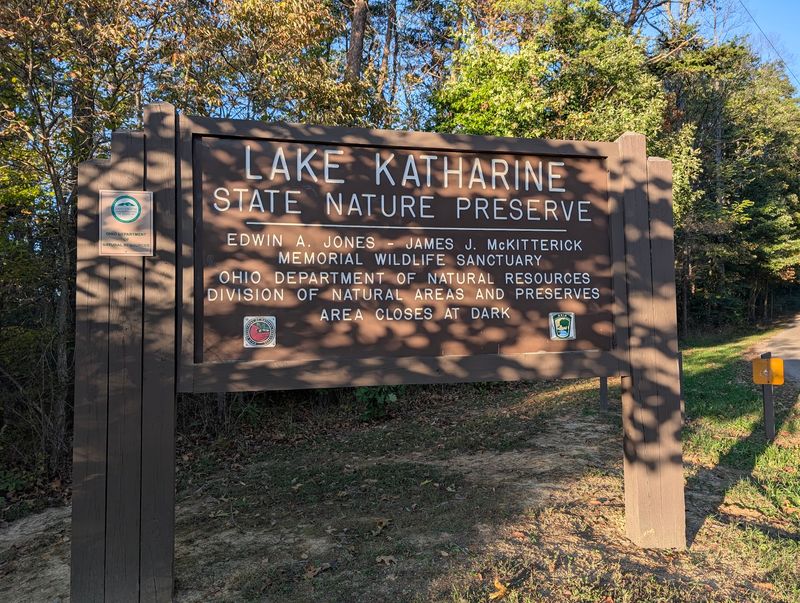
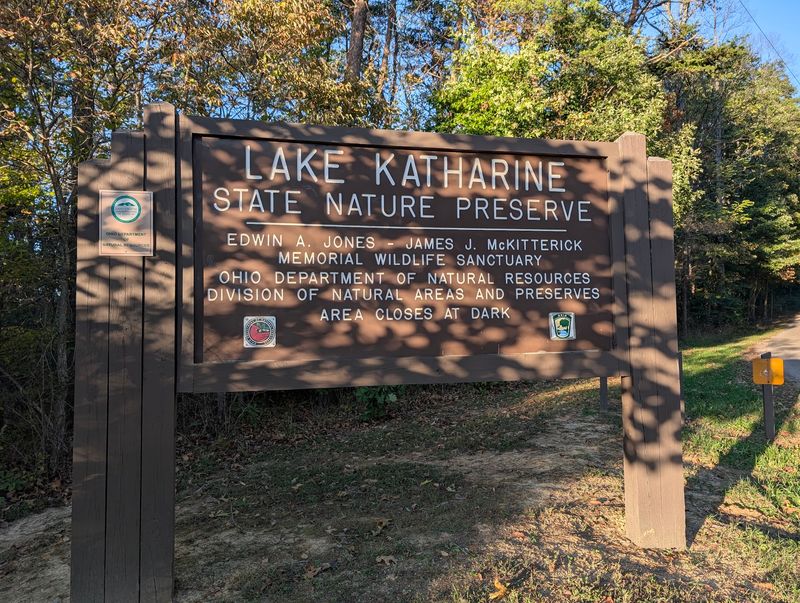
Some of the best trails in Ohio do not come with big parking lots or long lines. Lake Katharine State Nature Preserve sits at 1703 Lake Katharine Rd, Jackson, OH 45640, in the southeast corner of the state.
The property is a state nature preserve managed through the Ohio Department of Natural Resources. That status matters, because preserves focus on protecting plants, rock formations, and wildlife habitat first.
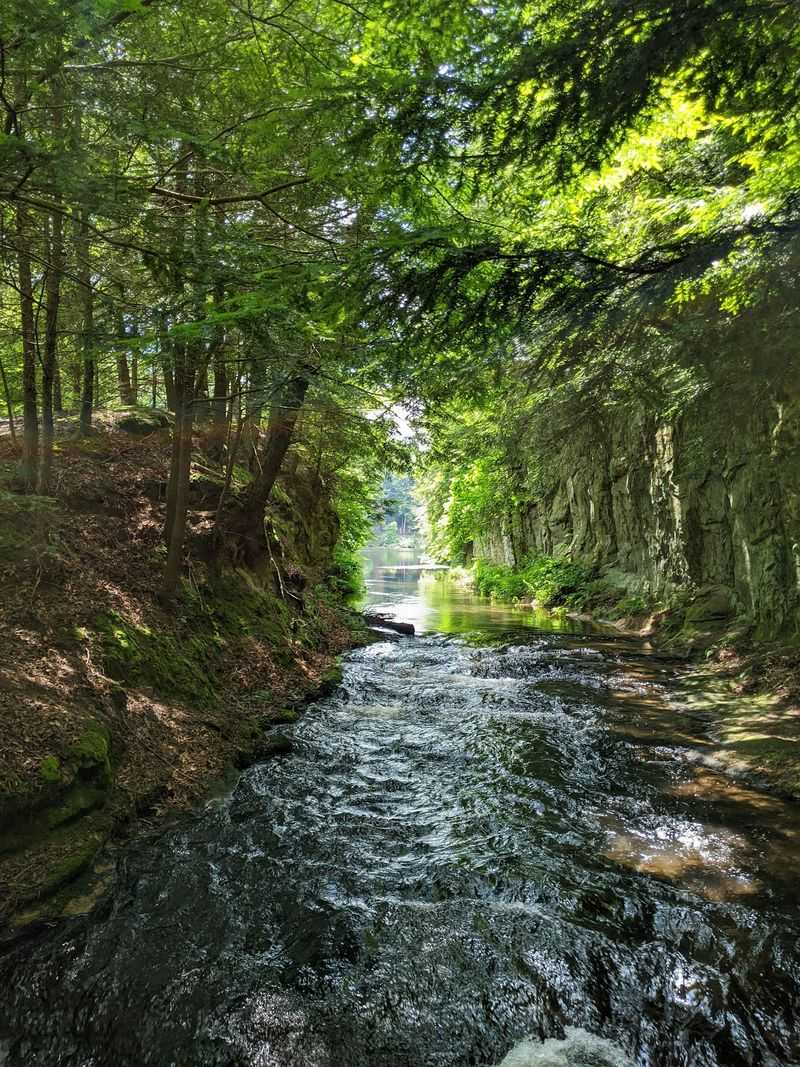
Hikers get a front row seat to all of it. The trail network winds past sandstone cliffs, hemlock groves, a floodplain forest, and a small waterfall.
Jackson is a small city, and the preserve feels tucked away from it. Folks who know the Hocking Hills region often compare the two, and some say this spot earns a place on the same list.
The big difference is foot traffic. Hikers describe it as one of the quieter trail systems in the southeast part of Ohio, which is a rare thing near such dramatic rock.
So if busy overlooks and packed parking areas wear you out, this preserve offers a calmer alternative. The cliffs are waiting, and they do not mind a little company.
Why Cold Months Steal the Show
Summer gets most of the attention in Ohio parks, but winter quietly wins here. Hikers point to the cooler months as the time when the views at this preserve are at their best.
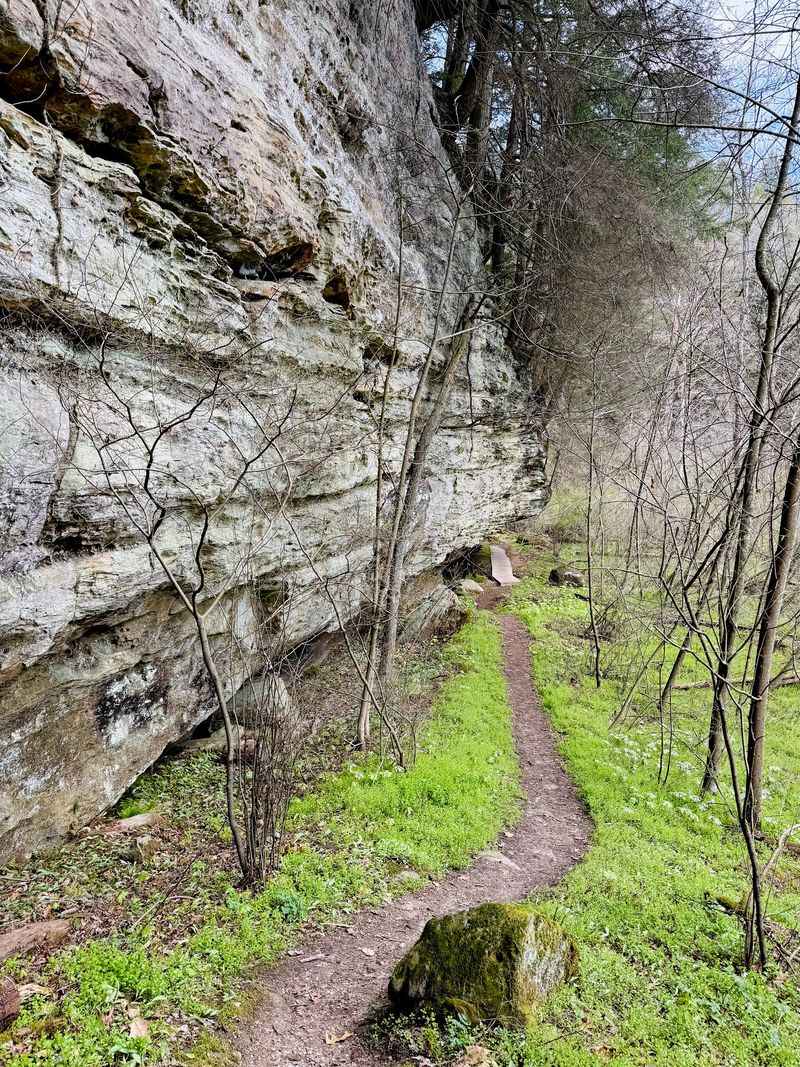
The reason is simple. Once the leaves drop, the sandstone walls are no longer hidden behind thick green growth.
Cliff faces, rock ledges, and the shape of the valley all come into clear view. That is when the mile of rock along the trails becomes the main attraction.
Hemlock trees stay green all year, so the forest never looks completely bare. They stand out against the rock and give the hillsides some color even in deep winter.
Early spring works well too. Some hikers have covered every trail in early March and planned a return trip for summer.
Cold weather does call for planning. Layers, gloves, and solid boots make the trip more enjoyable, and shorter daylight means starting early is a smart move.
A winter visit here is less about braving the cold and more about catching the cliffs with nothing in the way.
Calico Bush Trail and Its Rock Walls
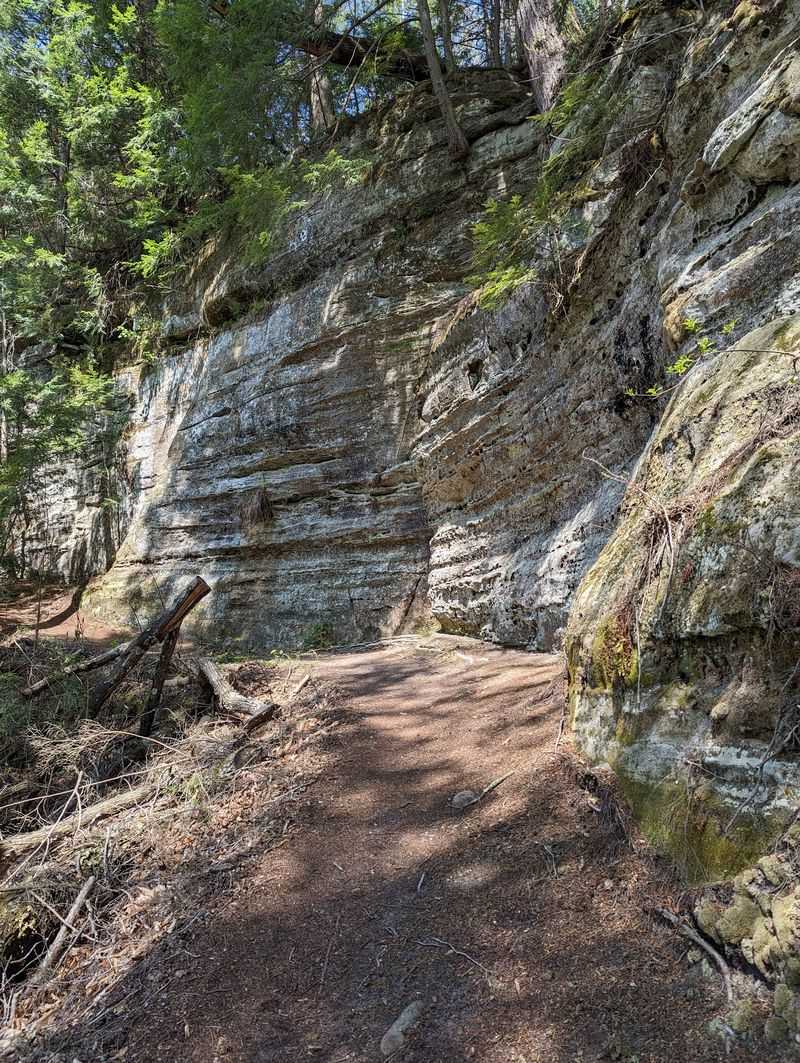
Rock fans, this one is for you. The Calico Bush Trail is known for its sandstone formations and stands of hemlock trees.
The trail follows the base of the rock, so hikers get a close look at the cliffs that make the preserve famous. Overhangs, ledges, and layered stone line much of the route.
Hemlocks thrive in the cool, shaded areas around sandstone. Their dark green branches fill the gaps between rock walls and keep the scenery interesting in every season.
Wooden boardwalks, stairs, and bridges help hikers move through tricky stretches. Those built features make the path easier to navigate, even where the ground gets uneven.
It is a great first trail for anyone new to the preserve. You get the signature cliffs right away without committing to a long day.
Take your time on this route. The rocks are not going anywhere, but you will want to stop and look at them more than once.
Salt Lick Trail Through the Floodplain
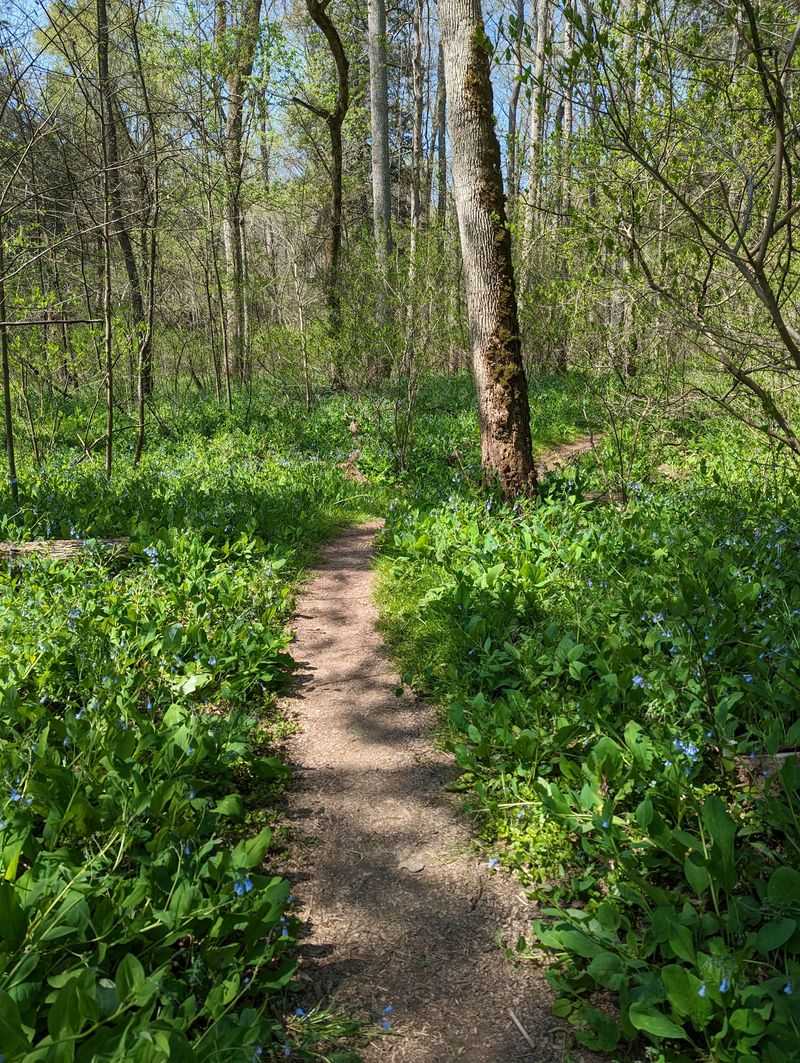
Flat ground and wildflowers make a nice change of pace after the cliffs. The Salt Lick Trail heads through a floodplain forest, a different setting from the rocky sections of the preserve.
Floodplain forests grow on low ground near streams. The soil stays damp, and that moisture supports plants you will not find on the dry ridges.
In spring, Virginia Bluebells bloom along this route. Those blue wildflowers carpet the forest floor and draw photographers and plant lovers.
The trail pairs well with Calico Bush. One group combined the two and covered about 3.2 miles total, a solid half day of hiking.
Expect some mud here, since low ground holds water after rain. Good footwear makes a real difference.
For contrast, nothing in the preserve beats this pairing: towering rock on one trail, quiet bottomland on the next.
Ridge Loops Above the Lake
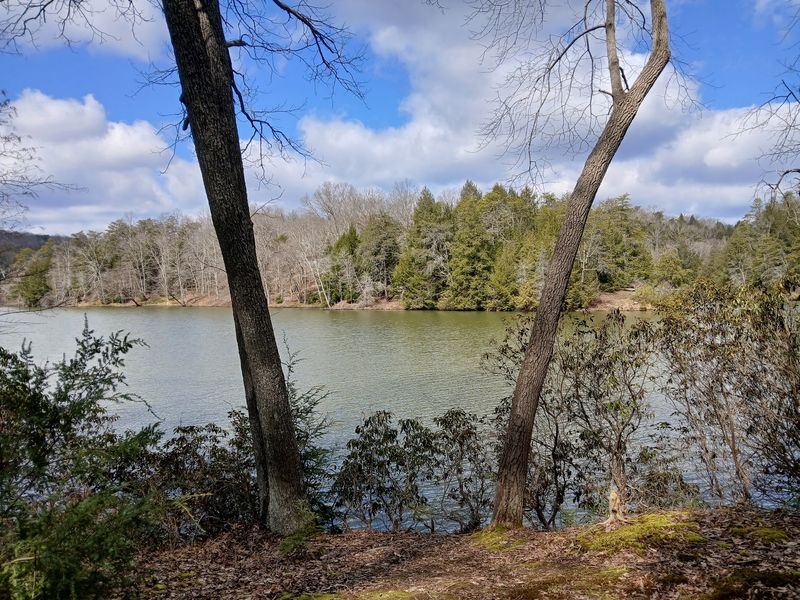
Higher ground has its own appeal. The Pine Ridge and Lake View Trail loops take hikers up onto the ridges of the preserve.
These loops were closed for a time, with a reopening date set for December 2023. Some hikers who missed them during the closure made plans to come back just for the ridge routes.
As the names suggest, the trails offer a different angle on the property. Pine Ridge climbs into the upland forest, and Lake View points toward the lake that gives the preserve its name.
Trail conditions can change, so checking the Ohio Department of Natural Resources website before a trip is a good habit. Closures for maintenance or repairs do happen at nature preserves.
Combining the ridge loops with the lower trails lets hikers see the whole range of the property. Cliffs, forest, floodplain, and lake all fit into a single day.
Save some energy for the climb. The ridges reward anyone who still has a little gas in the tank.
A Small Waterfall Worth the Detour
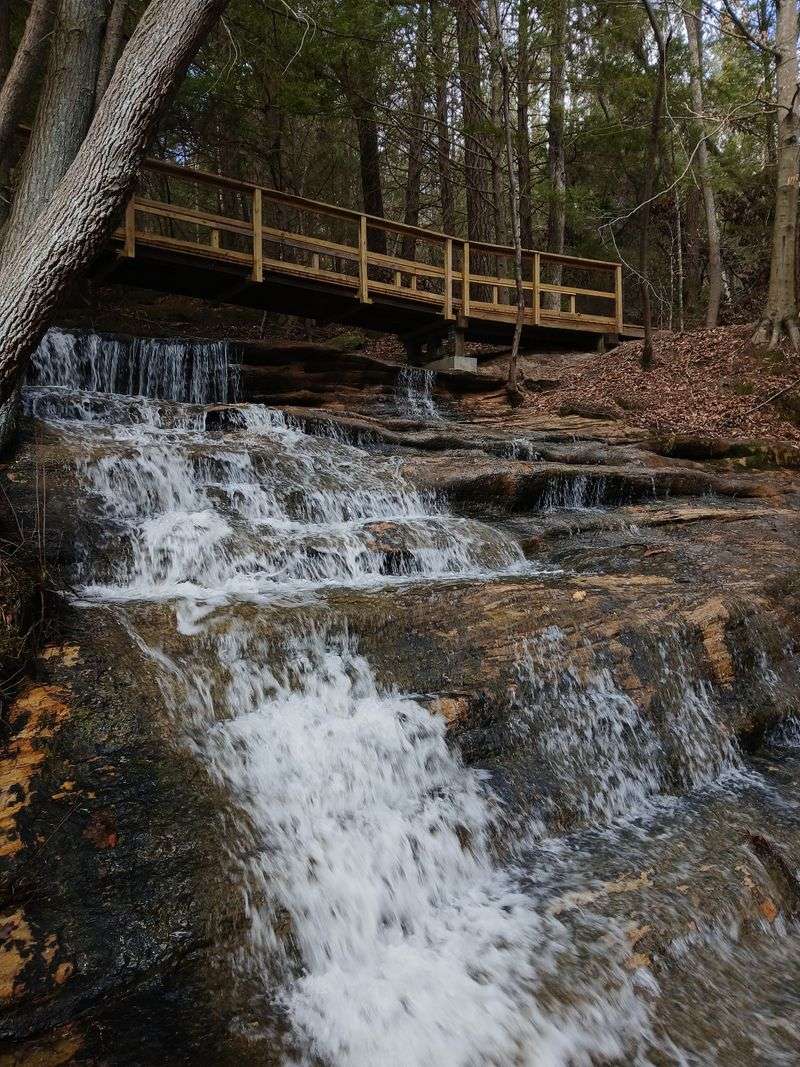
Not every waterfall needs to be huge to earn a stop. The preserve has a small falls tucked along its trails, and hikers call it gorgeous despite its size.
Sandstone country tends to produce falls like this. Water slips over a rock ledge and drops into the valley below.
Flow depends on recent weather. After rain or snowmelt, there is usually more water moving over the edge.
In deep cold, small falls in this part of Ohio can partly freeze. That adds another reason to bring a camera on a winter hike.
Do stay on the trail while looking for the best photo angle. Wet rock near falling water can be slick, and the preserve has real drop offs.
Think of the waterfall as a bonus rather than the headliner. It is a pleasant surprise that makes the walk feel complete.
Boardwalks, Bridges, and Stairs
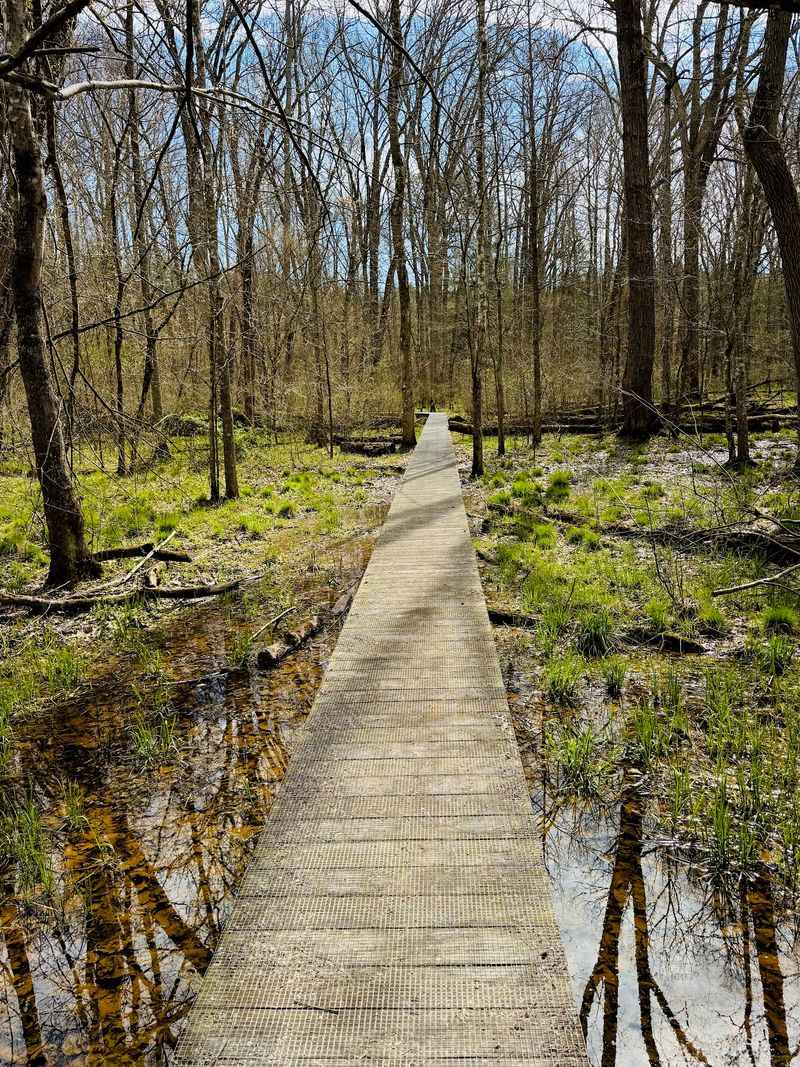
Good trail building rarely gets credit, but it deserves some here. Boardwalks, stairs, and bridges help carry hikers through the tougher parts of the preserve.
These features keep feet out of the worst mud and protect fragile plants along the route. They also make steep or uneven areas much easier to handle.
Hikers describe the trails as well maintained. That care shows up in the clear paths and sturdy structures along the way.
Trail markers and maps are another strong point. Plenty of signs help keep people on track, so getting turned around is less likely.
Wooden surfaces can get slick when wet or icy. In winter, it helps to slow down on stairs and bridges.
All that infrastructure lets you focus on the cliffs instead of your next step. The trail does the hard work, and you get the views.
Drop Offs and Smart Hiking
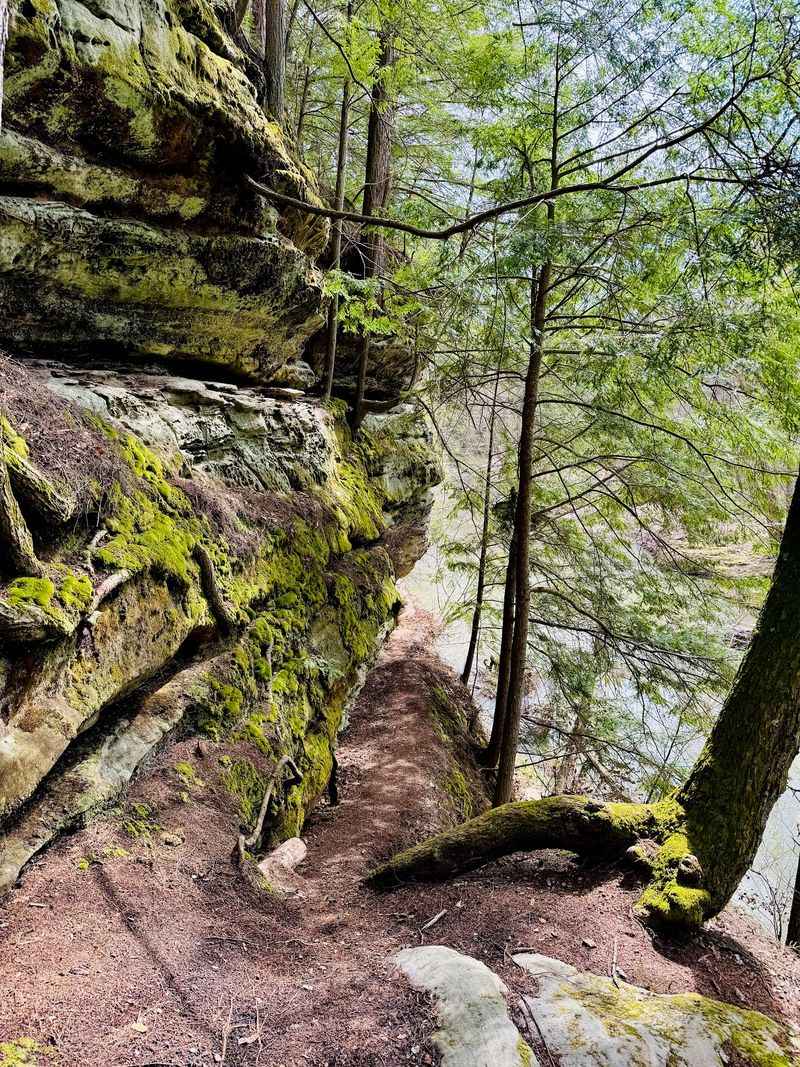
Cliffs make great scenery, and they also call for respect. Hikers note that some spots have big drop offs.
Most of the route has plenty of flat ground with only short elevation changes. Still, a few sections may feel uncomfortable for some people.
Families with small kids should keep a close eye on little ones. Staying together near the edges is the simplest way to keep the day fun.
Young, active hikers tend to have no trouble with the terrain. Others may want to take it slower or skip the steeper parts.
In winter, ice can form on rock and wood. Traction devices for boots can help on frozen sections.
A little caution goes a long way here. Watch your footing, enjoy the edge from a safe distance, and let the view come to you.
Mud, Boots, and Leaves of Three
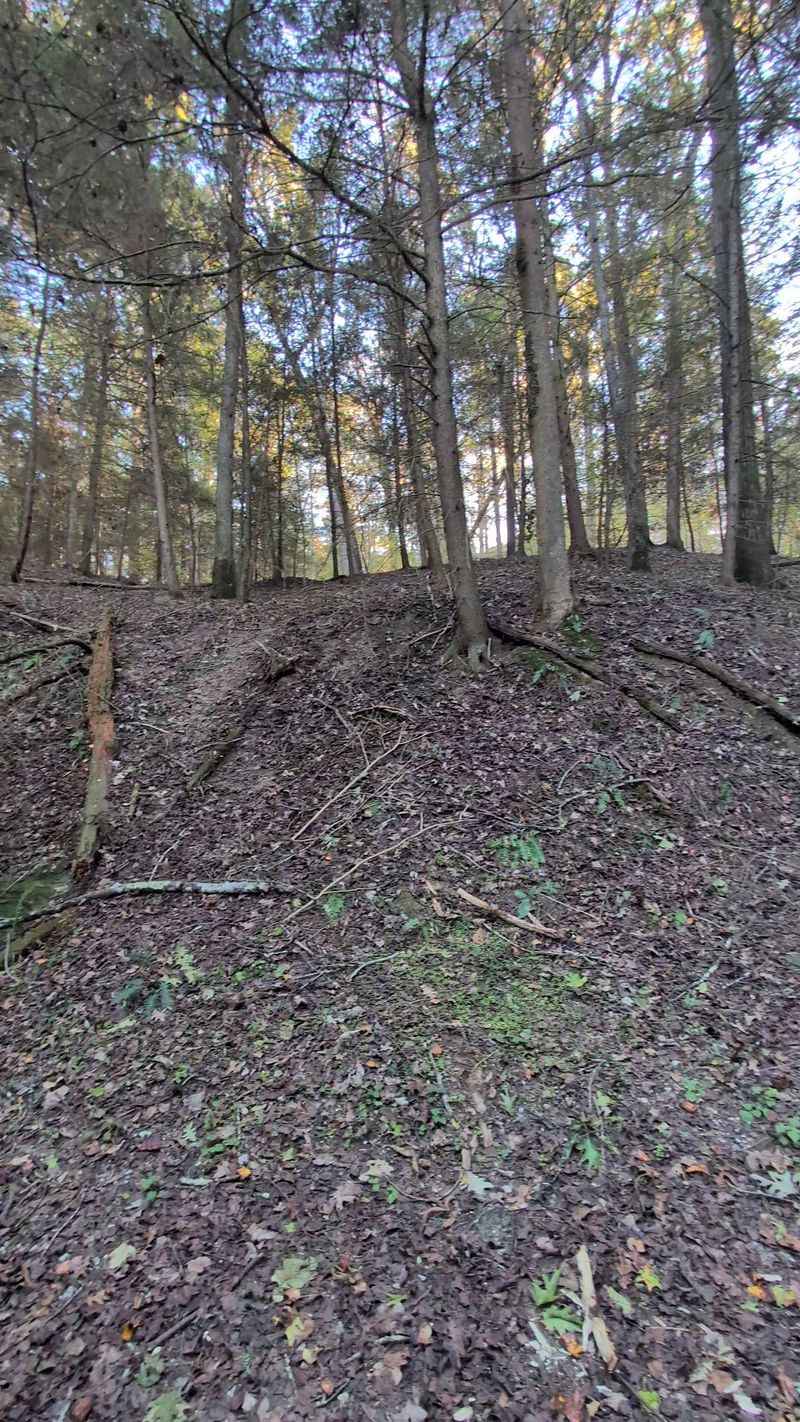
Leaves of three, let them be. That old rhyme applies here, since poison ivy grows in abundance at the preserve.
The good news is that staying on the trail avoids most of the problem. The plants mostly sit off the path, so wandering into the brush is what causes trouble.
Mud is the other thing to plan for. Some areas get pretty muddy, especially low spots and stretches near water.
Waterproof boots with good grip are the best choice. Sneakers can work on dry days, but they tend to lose the battle with mud.
Long pants help too, both for brush and for cold winter mornings. Packing a spare pair of socks in the car is never a bad idea.
Gear up right, and the trail becomes a lot more fun. Clean shoes are optional, but dry feet are worth it.
Room to Breathe on Quiet Trails
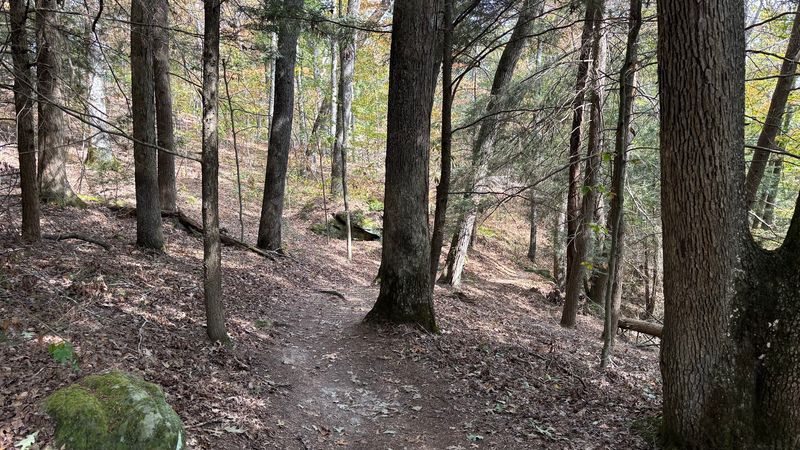
Solitude is getting harder to find at popular Ohio parks. Here, it is part of the deal.
Hikers describe the trails as quiet, with not a lot of foot traffic. That makes the preserve one of the calmer options in southeast Ohio.
Fewer people means more space at viewpoints. You can stop at a rock wall or bridge without feeling rushed.
The setting suits hikers who want a slower day. Photographers, birders, and plant lovers all benefit from fewer interruptions.
Since it is a nature preserve, the focus stays on the land. The experience centers on trails and scenery rather than busy amenities.
Some hikers from the Hocking Hills area say they truly adore it. Sometimes the best trail is simply the one nobody else is crowding.
Hours and Planning Your Trip
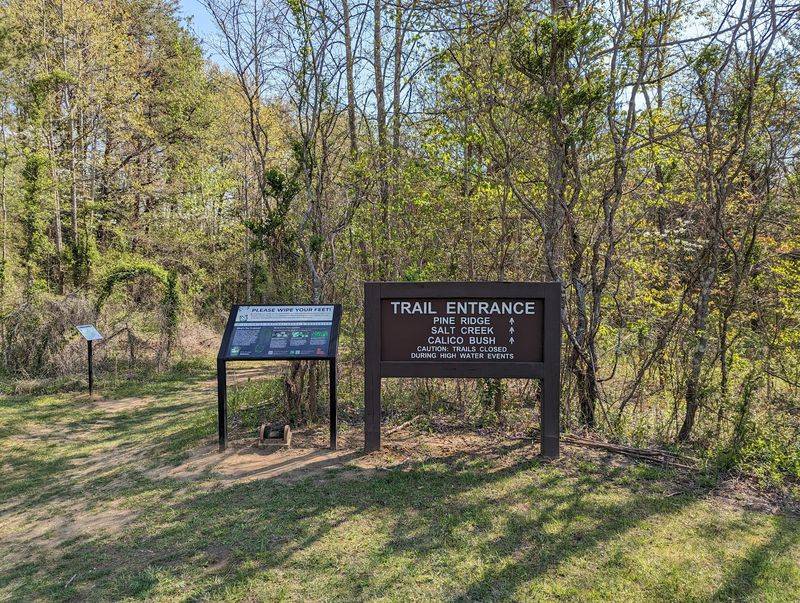
Early birds are welcome. The preserve is open daily from 6:30 AM to 8 PM, seven days a week.
Winter daylight is short, so the posted closing time is not the only clock to watch. Starting in the morning gives you plenty of light for the longer trail combinations.
A loop of about 3.2 miles covering Calico Bush and Salt Lick makes a good baseline. Adding the ridge trails stretches the day further.
For current trail updates, the Ohio Department of Natural Resources website lists the preserve. Checking before you leave helps avoid surprise closures.
Bring water, snacks, and layers. The preserve is focused on nature, so pack what you need for the hike.
Maps at the trailhead are handy, but a quick photo of one on your phone works as a backup. Smart prep turns a good hike into a great one.
Worth the Drive to Jackson
Big rock, small crowds, and well kept trails make a strong combination. Lake Katharine delivers all three without much fuss.
The sandstone cliffs are the star, especially in the cooler months. Hemlocks, wildflowers, a small waterfall, and a floodplain forest round out the cast.
The preserve fits hikers who want variety in a manageable distance. A few hours is enough to see a lot, and a full day lets you cover every loop.
It does ask for some effort in return. Muddy stretches, poison ivy, and a few drop offs mean good boots and careful steps matter.
Hikers who come once often plan a second trip for another season. That might be the clearest sign that this place leaves an impression.
Pack your layers and point the car toward Jackson. A mile of frozen sandstone is not going to hike itself.
Enjoyed this story?
Add Fast Food Club as a preferred source to see more of our reporting on Google.