


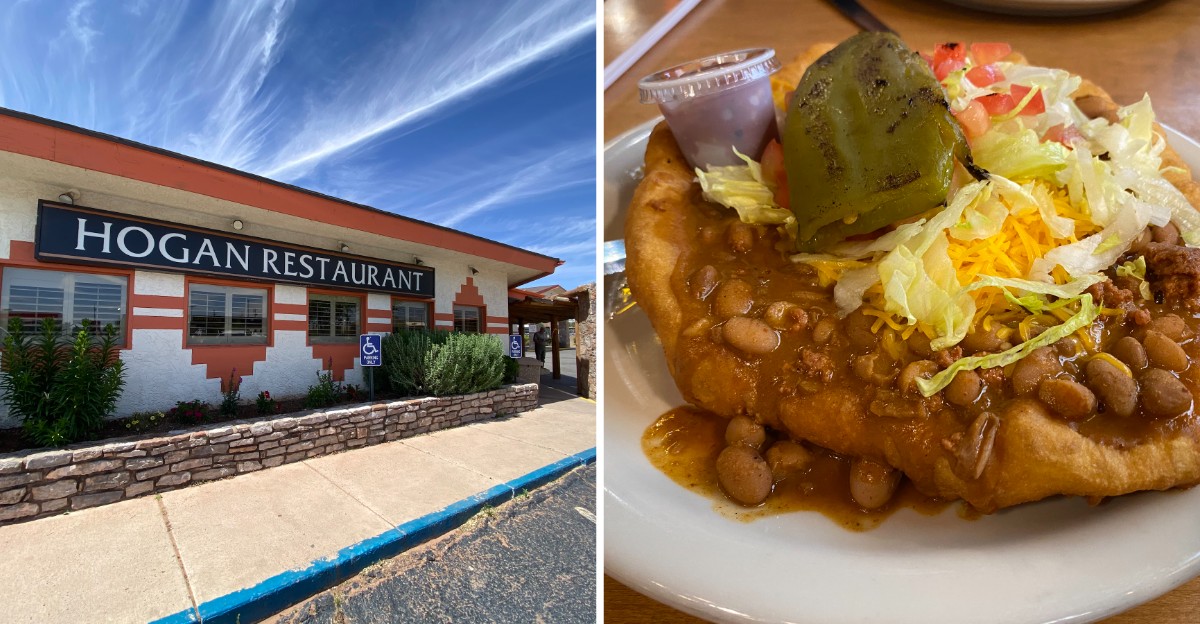
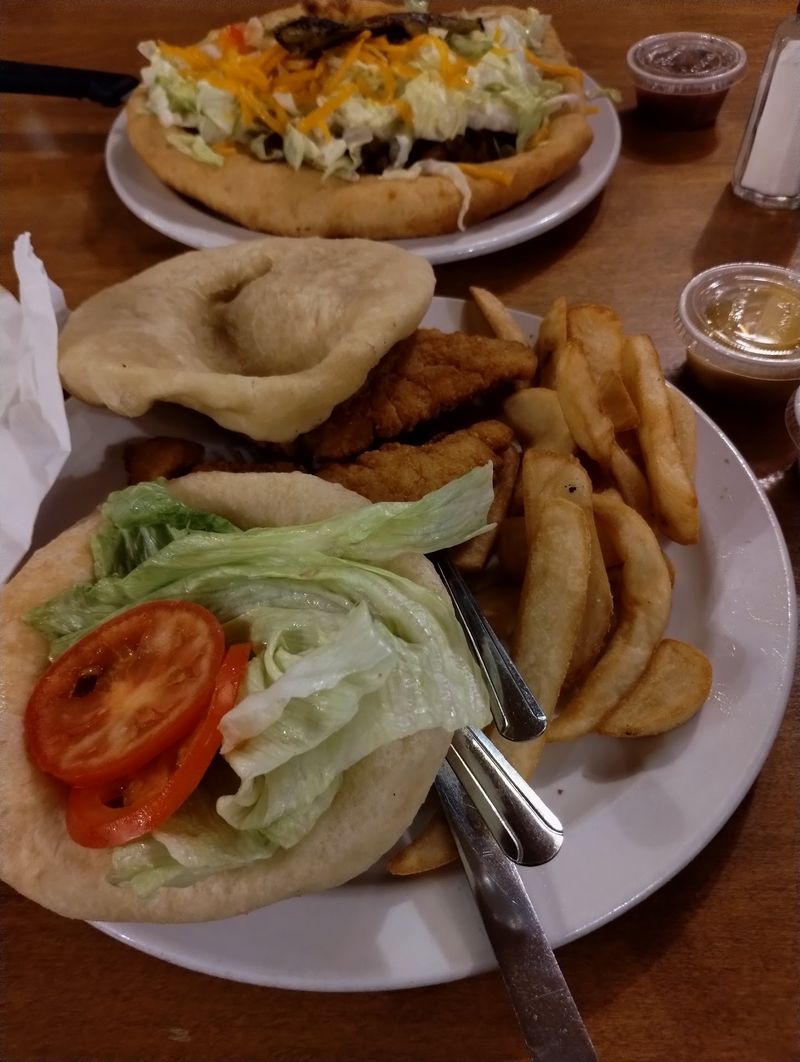
Somewhere between the Grand Canyon and the long, open highways of northern Arizona, a plate built on fry bread has been turning quick pit stops into planned detours. The town is Tuba City, on the Navajo Nation, and the plate is the Navajo taco, a stack of homemade beans, lettuce, cheese, and tomatoes piled onto a round of fry bread with roasted chili served on the side.
Plenty of drivers spot a billboard on the highway, take the exit, and end up in a wood paneled dining room that seems to have skipped a few decades on purpose. The restaurant behind this plate comes with a few quirks, a surprise gift shop, and doors that open at 6 AM every single day.
Keep reading for the address, the honest ups and downs, and the timing tips that help the trip pay off.
A Main Street Stop on the Navajo Nation
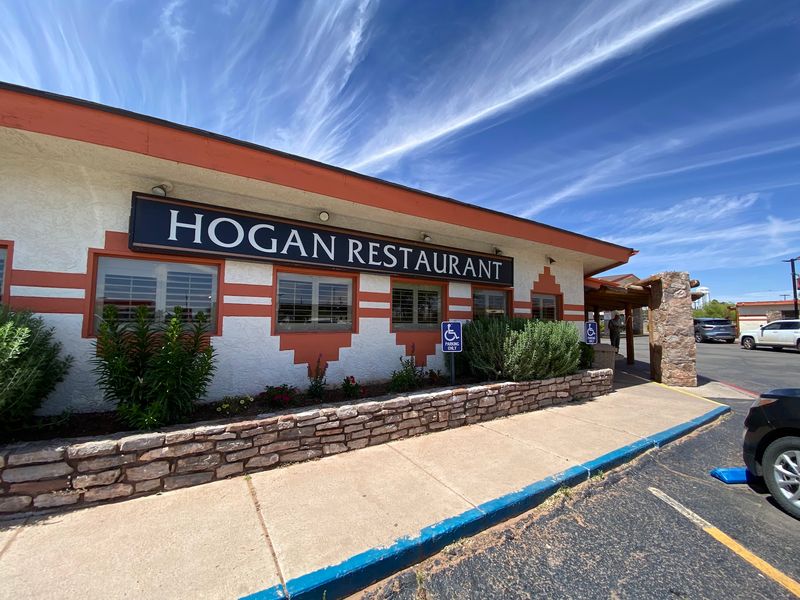
Tuba City sits on the western side of the Navajo Nation in northern Arizona. Many road trippers roll through it on the way to somewhere else, and Hogan Restaurant gives them a solid reason to hit the brakes.
The address is 10 Main St, Tuba City, AZ 86045, in the United States. Officially, it is listed as an American restaurant, yet the plate that pulls people through the door carries a strongly regional identity.
That plate is the Navajo taco. It starts with fry bread instead of a tortilla and gets built up from there, which puts it in a category all its own.
The restaurant belongs to the NavajoLand Hotel property. As a result, it works as a dining room for overnight guests and as a pit stop for drivers at the same time.
Tuba City also counts as part of the wider Grand Canyon area. That explains why so many tables are filled with travelers carrying maps, cameras, and long itineraries.
A meal here often becomes a planned break rather than a random one. Some people even see the highway billboard miles ahead and start planning their order before they reach town.
So the real question is a simple one. Does this Main Street spot deliver enough to justify the miles, and what should a hungry traveler know before sitting down?
Wood Paneling and a 1950s Time Capsule
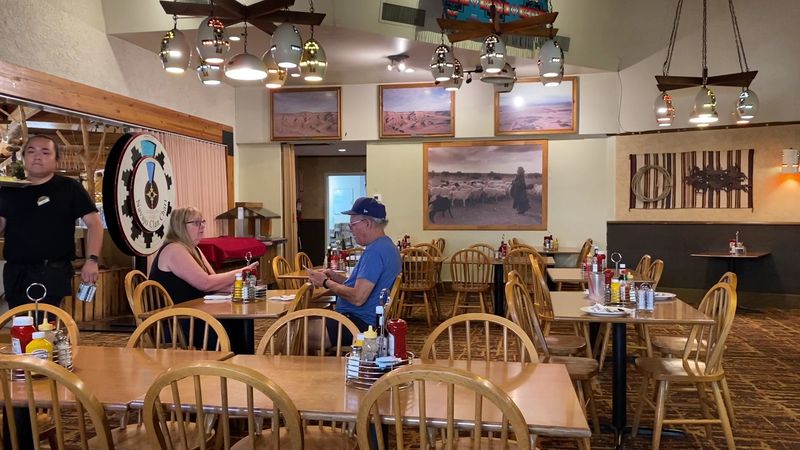
Some restaurants chase trends every few years. Hogan Restaurant seems perfectly content to let the decades roll past the front window.
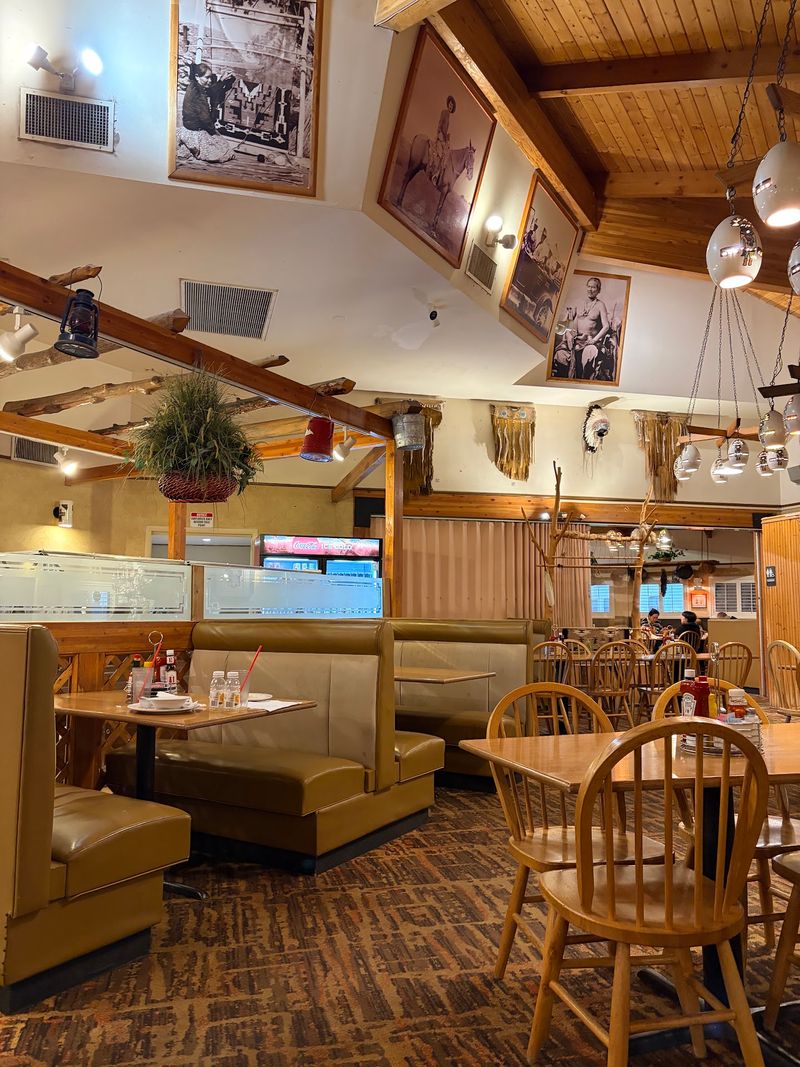
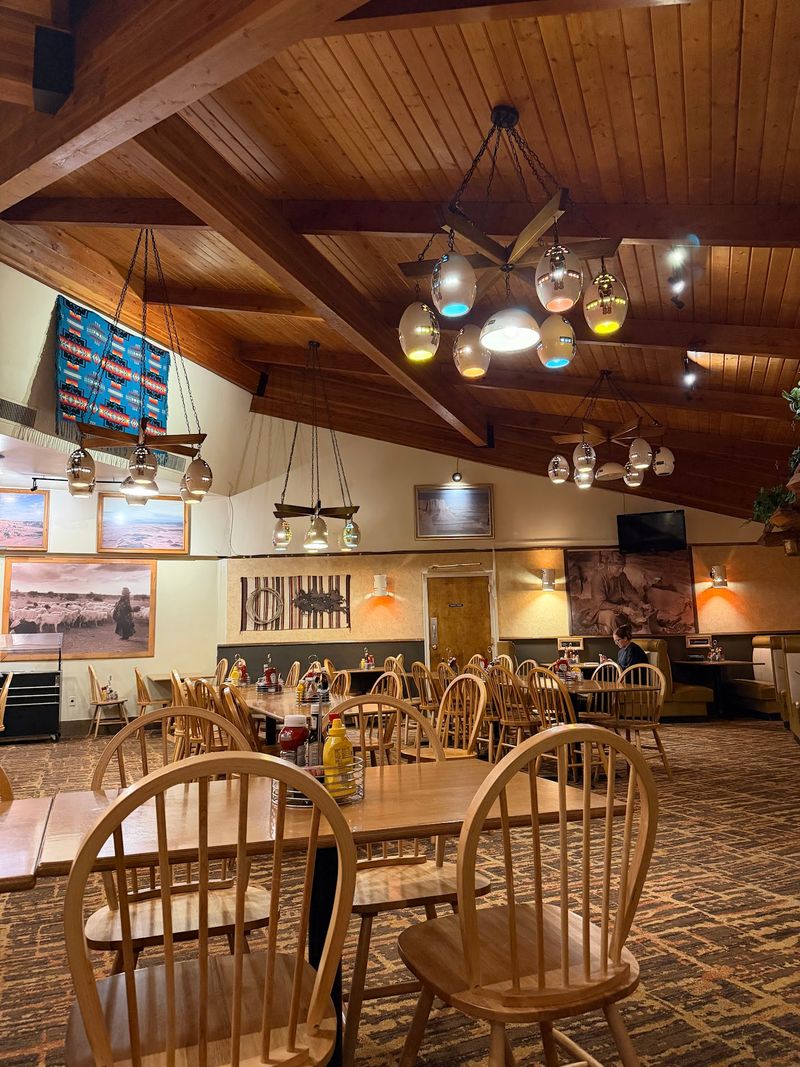
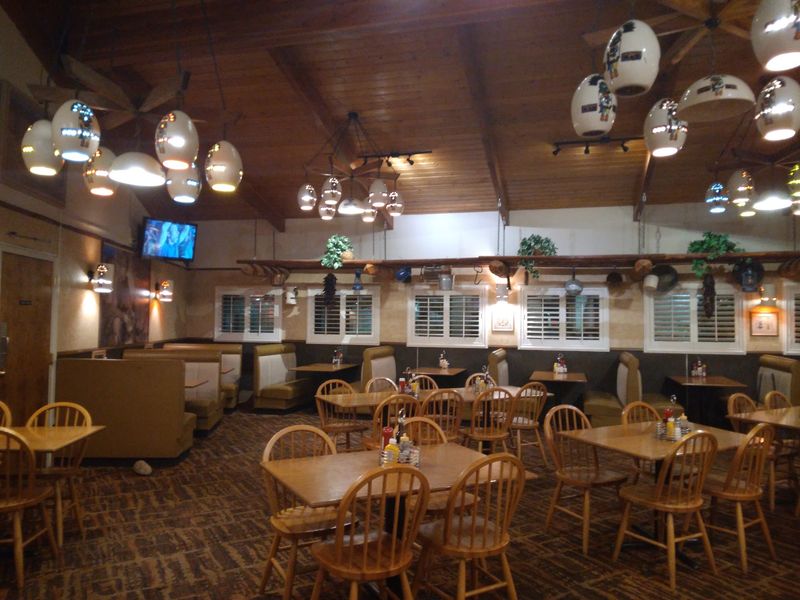
The dining room has the feel of a 1950s time capsule, with wood paneled walls and booths lining the space. The menu carries a reputation for barely changing in decades, which is either comforting or curious, depending on who is ordering.
That old-school character gives the place an identity that newer highway chains cannot copy. It blends roadside nostalgia with local culture, and the pairing works better than expected.
The space is known for staying clean and tidy. The decor gets frequent compliments, and the decorative lighting tends to show up in plenty of phone photos.
Air conditioning is another quiet win here. Northern Arizona desert weather can be tough on travelers, so a climate-controlled booth makes a welcome spot to regroup.
Mornings often run calm and unhurried. That pace suits anyone who wants a slow start before a long day behind the wheel.
The setting will not win awards for flash or polish. It wins on personality, and personality matters a great deal in a place built around a dish with deep regional roots.
The Hotel Next Door Connection
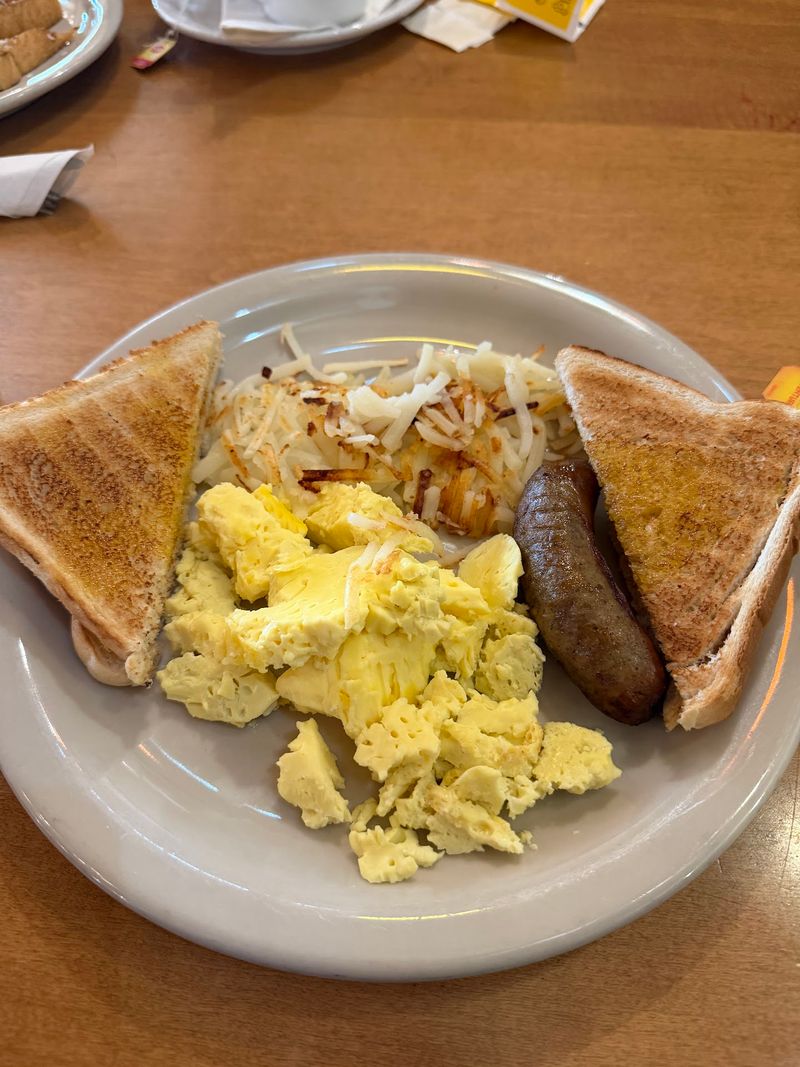
Here is a little-known perk for overnight travelers. A night’s stay at the NavajoLand Hotel can come with breakfast vouchers for the restaurant attached to it.
That arrangement makes Hogan Restaurant the default morning stop for many hotel guests. Some families have eaten here every day of a week-long stay, which says plenty about how convenient the setup is.
The voucher breakfasts include a set list of choices. Several people who started with a free meal have said they would happily pay for the same plate on another visit.
Not every voucher meal lands the same way, though. A few diners feel the included breakfast is fine for free but would not order it again with their own money.
The hotel link also shapes the dining room crowd. Tour groups and travel companies often bring their passengers here, so large parties are a regular sight.
For drivers who are not staying overnight, the connection still helps. The hotel and restaurant sit together on Main Street, which makes the building easy to find and parking simple to sort out.
Breakfast may be the hotel crowd’s favorite hour. Dinner, however, is when the Navajo taco really gets its moment in the spotlight.
Fry Bread, the Real Headliner
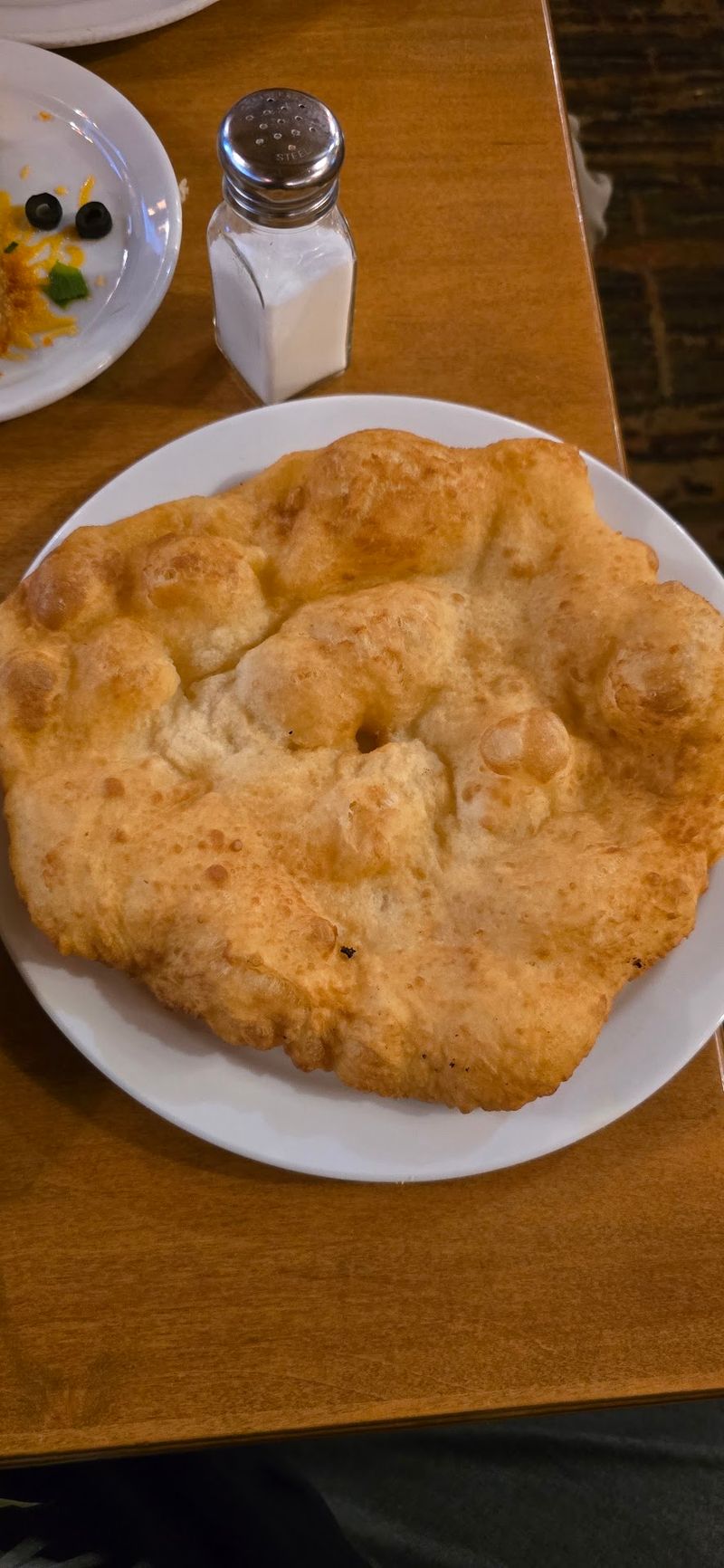
Fry bread is the most talked-about item at Hogan Restaurant by a wide margin. It comes up in conversation far more than anything else on the menu.
That makes sense, since fry bread forms the base of the Navajo taco. Without a strong foundation, the rest of the plate would have nothing to stand on.
Fry bread holds a meaningful place in Navajo cooking and community gatherings. Seeing it front and center on a restaurant menu in Tuba City connects a simple meal to the culture of the surrounding land.
Many diners call the fry bread here authentic and describe it as perfect for the job. It is often mentioned first when people explain why they would return.
Opinions are not unanimous, and that is part of the fun of regional food. A few people believe the version here uses yeast and prefer the style sold by roadside vendors across the Navajo Nation.
That debate is actually a good reason to order it. Trying the restaurant version gives travelers a reference point for comparing other fry bread they find along the highway.
Fry bread done well turns a taco into a full meal. Here it clearly carries the weight, and the toppings are where the plate starts to show off.
Homemade Beans and Roasted Chili on Top
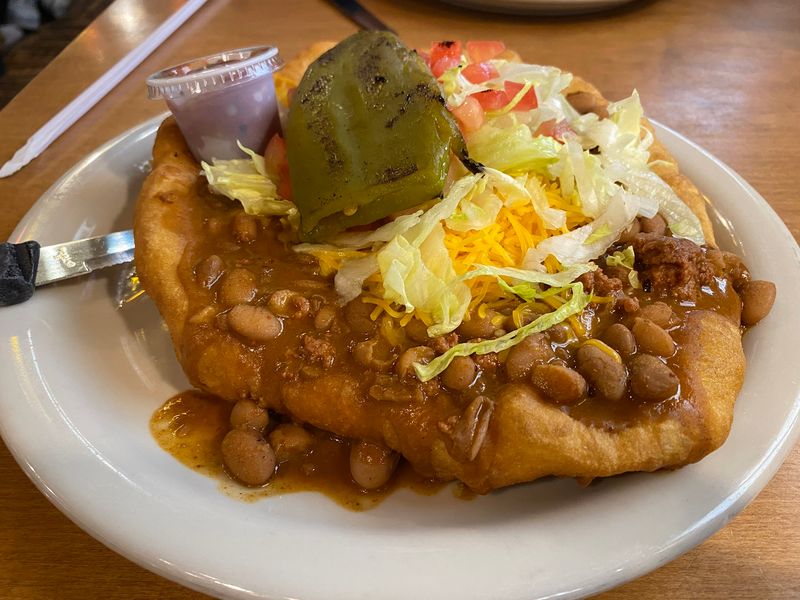
Stacking a taco is an art, and this one is built tall. The Navajo taco at Hogan Restaurant arrives with homemade beans, lettuce, cheese, and tomatoes layered over the fry bread.
The beans get special attention in conversations about this plate. Their homemade status is a point of pride and one of the details that sets the dish apart from a quick-service version.
Roasted chili comes on the side. That choice lets each diner decide how much to add, which is handy for families where heat tolerance varies from seat to seat.
Green chili sauce also shows up among the most frequently mentioned items. For anyone who likes a little extra kick, it is worth asking about.
The toppings are classic rather than fancy. There are no trendy additions or complicated sauces, just the familiar lineup that has defined Navajo tacos across the region for generations.
That simplicity is the point. The plate is meant to be hearty, filling, and straightforward, which suits travelers who need real fuel between long stretches of desert highway.
A plate like this can feel like a regional introduction on a single dish. The next question for most hungry drivers is how much of it actually lands on the table.
Portions Built for the Open Road
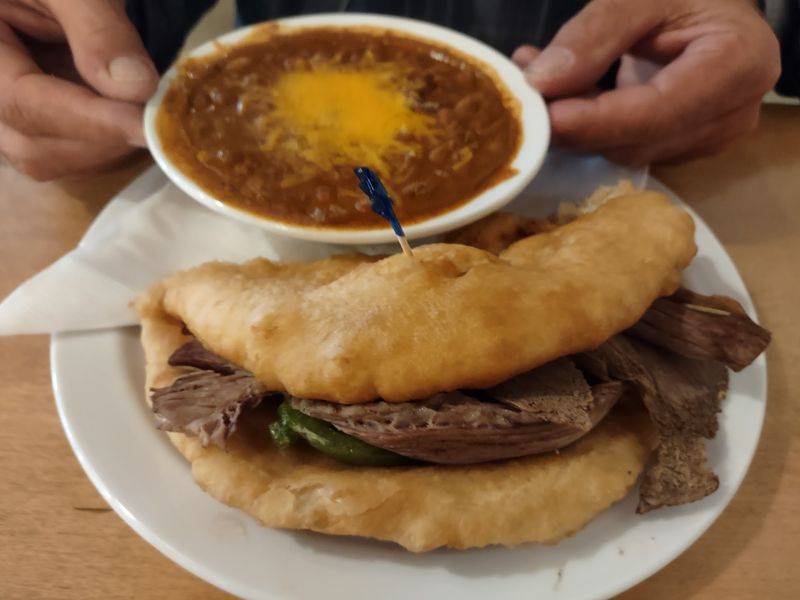
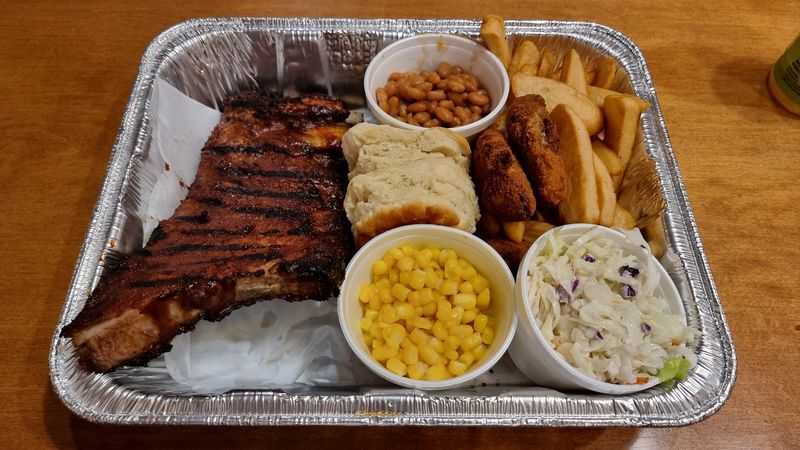
Nobody drives across northern Arizona hoping for a dainty snack. Hogan Restaurant generally agrees, and plates often leave the kitchen with generous portions.
Many diners describe the servings as large, with several dishes big enough to share between two adults. Some people have left without finishing their meals simply because of the size.
That makes the Navajo taco a smart pick for anyone planning a long afternoon of driving. One plate can carry a traveler well past the next few towns.
Portion sizes are not perfectly consistent, however. A handful of diners have received smaller servings than expected, especially on certain side items and voucher breakfasts.
Families can use the big portions to their advantage. Splitting a plate between younger kids is a practical way to manage costs without leaving anyone hungry.
The general word on the food itself leans toward bountiful and fun. It fits the roadside setting, where comfort and quantity usually matter more than presentation.
Of course, a full stomach is only part of the experience. A surprising little shopping stop waits just a few steps from the booths.
A Gift Shop Hiding in the Dining Room
Few restaurants let diners shop for handmade art while waiting on an order. Hogan Restaurant does exactly that, with a gift shop right inside the building.
The shop features Native-made items and arts and crafts available for purchase. It gives the wait between ordering and eating a useful purpose.
Browsing the shelves has become a habit for many diners. The space is described as a cool place to look around, which helps the minutes pass quickly.
The location offers even more to explore beyond the dining room. The restaurant sits next door to a trading post and museums, so a meal can easily turn into a longer cultural stop.
That setup is a bonus for travelers heading toward the Grand Canyon. It adds depth to a lunch break and offers a chance to learn more about the Navajo Nation before hitting the road again.
Budget a little extra time if souvenirs are on the list. Handmade pieces tend to reward patient browsing rather than a quick glance.
With a plate on the way and art on the shelves, the stop starts feeling like a mini outing. The next piece of the puzzle is figuring out who this place suits best.
Who Feels Right at Home Here
Road-trip families make up a big share of the crowd, and for good reason. The booths, the relaxed pace, and the sharable portions all work in their favor.
Hotel guests are another natural fit. Breakfast vouchers and a short walk from the room make it an easy choice for anyone staying overnight in Tuba City.
Travelers passing through for a single meal also find plenty to like. The Navajo taco gives them a taste of the region without a detour far off the main route.
Quiet mornings suit solo travelers and early risers. The calm atmosphere makes it easy to plan the day’s drive or just take a breather before the next stretch.
Large groups should manage expectations a bit. Parties of a dozen or more have sometimes been split across different tables and rooms, which can disrupt a shared meal.
Fans of retro diners will feel especially comfortable. The wood paneling, booths, and long-standing menu create a nostalgic mood that fits a classic road trip perfectly.
Friends catching up over a leisurely lunch will also appreciate the unhurried feel. The pace here rewards anyone willing to slow down, and that brings up the topic of timing at the table.
Patience at the Table
Good things sometimes take a minute, and at Hogan Restaurant they occasionally take a few more. Wait times are the most common trade-off here.
A typical wait for food runs roughly 10 to 15 minutes. Some meals take longer, even when the dining room is not busy.
Plenty of diners say the wait was worth it once the plates arrived. Others found the delay frustrating, especially when traveling with tired kids late in the day.
The staff often earns praise for friendliness and attention. Multiple team members may stop by the same table to check on drinks and make sure everything is going well.
One dinner server became known for showing off his knowledge of French and Italian along with other languages. Personalities like that add a memorable touch to an ordinary meal.
Consistency is where things wobble. Some diners have dealt with slow seating, mixed-up orders, or brusque moments at the host stand.
The takeaway is simple. Arrive with a little time in the schedule and a relaxed mindset, and the experience tends to go much smoother, which makes the clock worth watching before arrival.
Hours, Costs, and Smart Timing
Early birds and late arrivals both get a fair shot here. Hogan Restaurant opens at 6 AM and closes at 9 PM, seven days a week.
That schedule covers breakfast, lunch, and dinner without any gaps. It also means drivers do not need to worry about a surprise closing day during the week.
Mid-afternoon can be a smart window for a Navajo taco. A stop around 3 PM tends to be quieter, with attentive staff and fewer people competing for tables.
Mornings are often calm as well. Evenings may bring more travelers checking into the hotel, so a little extra patience can help.
Costs are generally considered fair for the area. Several menu items land at around 13 dollars, which many diners see as reasonable for the portion size.
Families should note that some people consider the children’s meals pricey. Sharing a larger plate can be a budget-friendly workaround.
Finding the place is easy, thanks to its Main Street address and a billboard on the highway pointing toward good food ahead. The official dining page on the NavajoLand Tuba City website is a handy place to check details before setting out.
The Verdict on Those Extra Miles
Every road trip needs a meal that becomes part of the story. For many travelers crossing northern Arizona, the Navajo taco in Tuba City fills that role.
The appeal goes beyond a single plate. It comes from the combination of regional fare, a retro dining room, a built-in gift shop, and a location next to a trading post and museums.
Hogan Restaurant is not flawless. Waits can stretch, the host stand can have off days, and opinions on the fry bread range from authentic to debatable.
Still, the core promise holds up well. A generous Navajo taco with homemade beans, classic toppings, and roasted chili on the side makes a strong case for pulling off the highway.
The best results come from a little planning. Arrive during a quieter hour, leave room in the schedule, and spend a few minutes browsing the handmade crafts while the kitchen works.
Hotel guests get an easy win with breakfast vouchers. Drivers heading to or from the Grand Canyon get a meal rooted in the Navajo Nation rather than another generic chain stop.
So is it worth the long drive? For anyone who values character, culture, and a hearty plate built on fry bread, the answer leans firmly toward yes.
Enjoyed this story?
Add Fast Food Club as a preferred source to see more of our reporting on Google.