


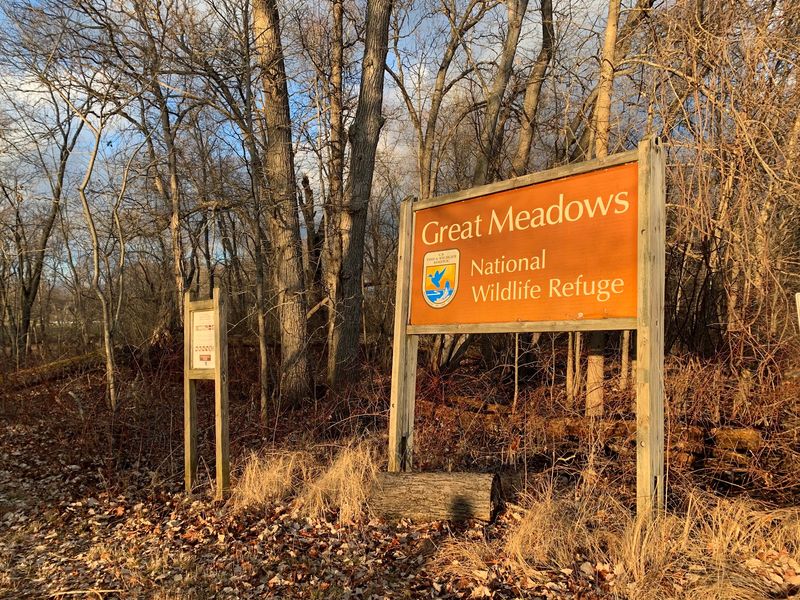
Tucked between two ordinary houses in Concord, a single-lane road leads to one of the most loved wild spaces in eastern Massachusetts. Most drivers pass the turnoff without a second glance, and that might be the best part.
Past a small parking lot waits a flat trail that runs right across the middle of a big marsh, with an observation tower, river views, and a long list of wildlife that keeps people coming back for decades. Some regulars have been walking here for more than 50 years.
Winter brings ice to the ponds and a hush to the trail, but the herons, hawks, and beavers still have plenty going on. Keep reading to learn how to find the hidden entrance, what it costs, when to go, and which way to turn when the trail splits.
A Refuge Hiding on Monsen Road
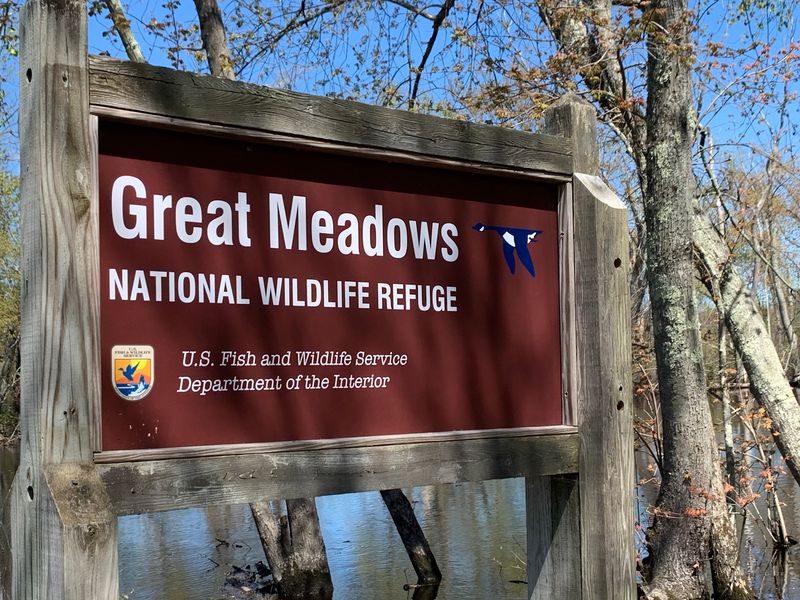
The front door to this refuge looks more like a neighbor’s driveway than a gateway to a national wildlife area.
Great Meadows National Wildlife Refuge – Concord Unit sits at Monsen Rd, Concord, MA 01742, in the United States. It is managed as a wildlife refuge, and its website lives under the U.S.
Fish and Wildlife Service.
The entrance is set in a residential neighborhood. It is tucked between two houses, and plenty of first-timers drive right past it.
A narrow, single-lane road leads in from the street. Oncoming cars heading out can appear at any moment, so slow and patient driving pays off here.
Signs do mark the turn, though some people still find it tricky to spot. Checking a good map before leaving home is a smart move.
Once through that narrow lane, the setting opens up into woods, marsh, ponds, and the edge of the Concord River. The contrast between suburban lawns and wide wetland is part of the fun.
So the first adventure at Great Meadows is simply finding it, and the reward starts right after the turn.
Fifty Years of Return Trips
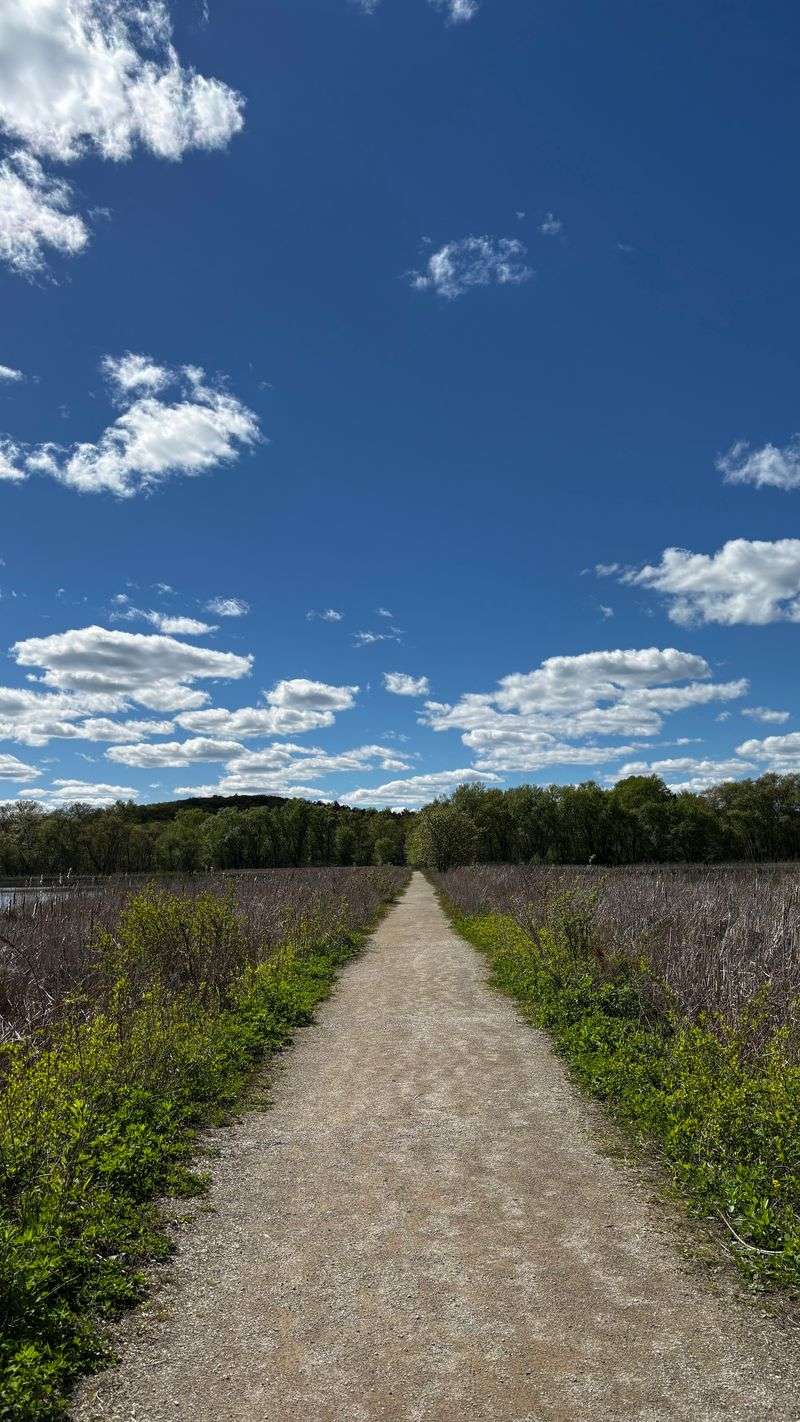
Some places earn a spot on a weekend list. Others earn a spot in a life story, and this refuge falls in the second group.
Regulars describe it as one of their favorite places to get outside. One longtime walker has been coming here for over 50 years, which says a lot about its staying power.
The appeal is not flashy. It comes from flat trails, open water, and wildlife that shows up for anyone willing to slow down.
People who bring friends along often find that everyone they take ends up loving it too. That kind of track record turns a casual walk into a habit.
The refuge holds a 4.8 star standing from more than 500 people who have shared their take online. For a wetland at the end of a residential road, that is quite a following.
Part of the charm is that the visit changes every time. A trip in spring looks nothing like one in summer or deep winter.
Many describe it as a stress reliever, the kind of spot that resets a busy week. It works for a solo walk, a run, or a family outing.
Five decades of loyalty is a strong hint that the marsh still has more to share.
The Dike Trail Down the Middle
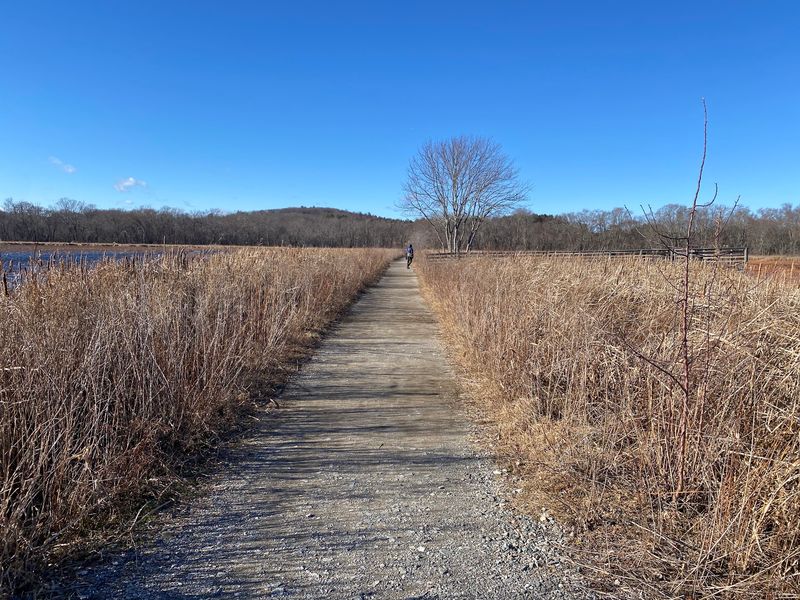
Right through the heart of the water runs the star of the show: the Dike Trail.
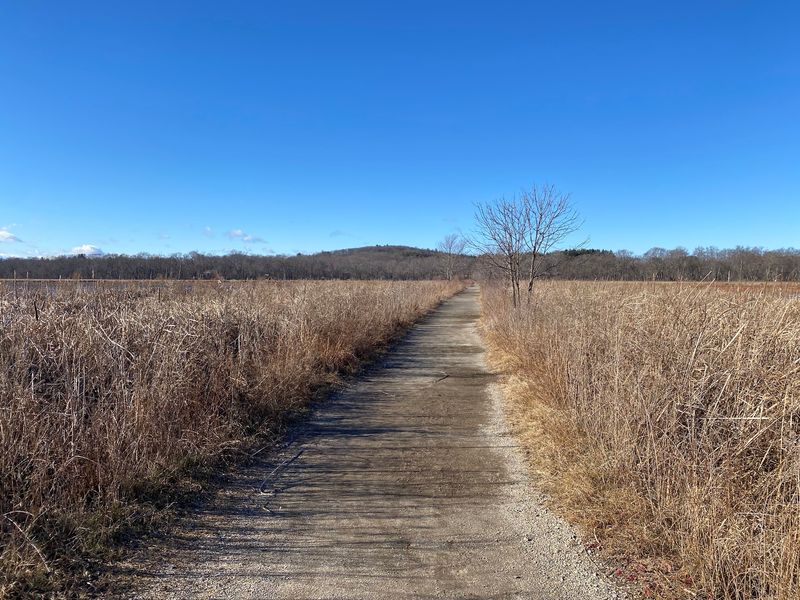
This flat path loops around a large pond and crosses a dike over its center. Many consider that crossing the best stretch of the whole refuge.
The loop measures roughly 1.8 miles, with some walkers logging closer to 2 miles. It is easy going the whole way.
Here is a key tip. From the parking lot, cross over the water and head right, moving clockwise, to follow the loop.
The other direction leads toward private properties. Taking the wrong turn will not ruin the day, but it will not complete the circle either.
Walking the dike means water on both sides and a wide open view across the marsh. In winter, those ponds can freeze over, turning the scene into a quiet sheet of ice and frozen reeds.
Plenty of spots along the way offer a place to rest. That makes the loop friendly for slower walkers or anyone who likes to pause and watch.
Short, simple, and right in the middle of the action, the dike is where most memorable moments here begin.
Woods, Ponds, and a River Next Door
Two miles is just the warm-up for those who want more.
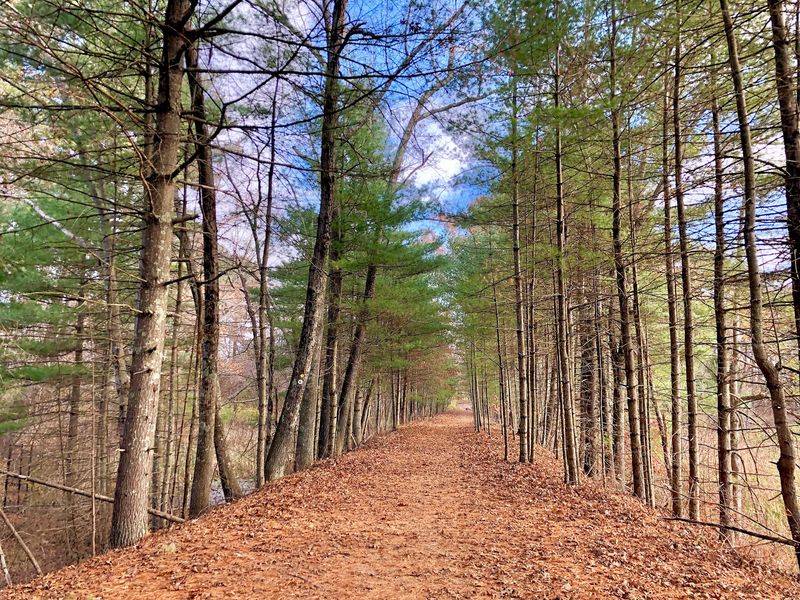
Beyond the main loop, several miles of trails wind through the refuge. All of them stay flat, which keeps the effort low and the distance flexible.
These paths pass through stretches of woods before opening up to multiple marsh areas. The adjacent Concord River also comes into view along the way.
Some walkers stick with a 2-mile loop. Others stretch it to about 2.5 miles or more by adding side trails.
The mix of habitats is a big reason the wildlife list runs so long. Smaller ponds and larger ponds sit side by side, each drawing different creatures.
Trails are described as well maintained, even through changing seasons. That helps on chilly, blustery days when footing matters.
A cold and windy outing still counts as a pleasant one here, with wildlife sightings to make up for the chill. Dressing in layers is a sensible plan for winter trips.
Pick a short loop or a long ramble, and the map has room for either mood.
A Tower for the Long View
Height changes everything in a flat landscape, and a small tower near the water proves it.
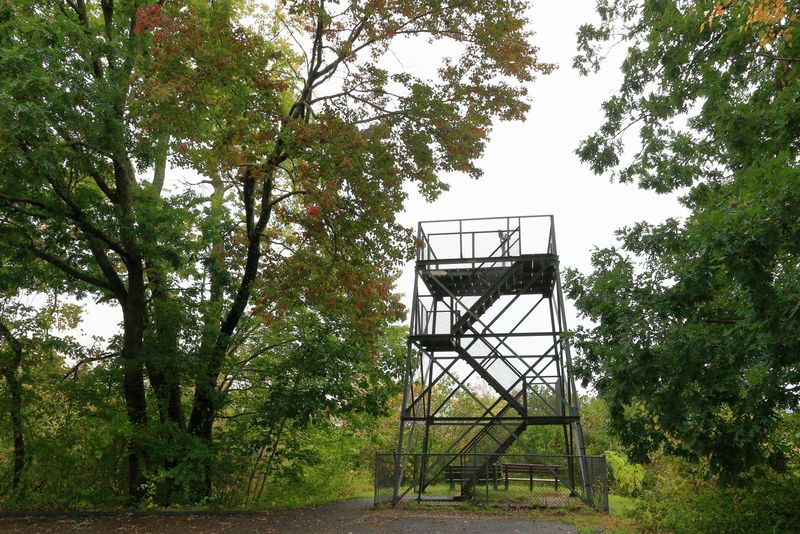
The refuge has an observation tower that people can climb to look out over the ponds. From up there, the marsh spreads out in a way the trail alone cannot show.
It is not a giant structure. Think modest and practical, built for watching rather than showing off.
Many people still say the trail is even better than the tower. That is no knock on the tower, just a sign of how good the walk is.
The best plan is to use both. Climb up for the big picture, then head down to the dike for close-up encounters.
Binoculars make a real difference from the platform. Distant birds on the open water turn from specks into identifiable species.
Sunrise and sunset come highly recommended for a stop here. Low light over the water makes for memorable photos.
A quick climb, a wide view, and then back to ground level for the next surprise.
Herons, Eagles, and a Birder’s Wish List
Bird watching is the top reason people head down that narrow lane, and the numbers back it up.
Great herons show up often, standing patiently along the water. Bald eagles have been spotted hovering around the ponds too.
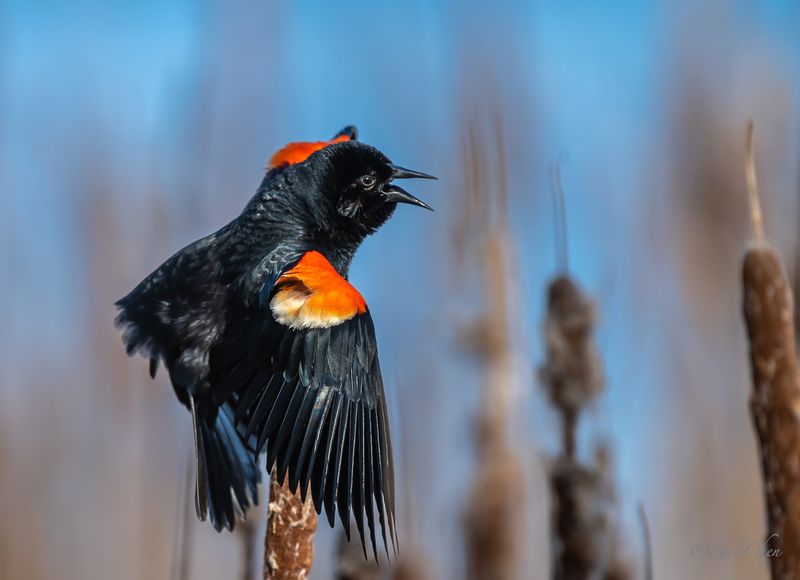
Swans, ducks, and geese use the open water. Hawks circle overhead, and red-winged blackbirds claim the marsh edges.
That variety makes the refuge a favorite for birders and wildlife photographers alike. There is always something interesting to see, especially for those who take their time.
Binoculars are a frequent recommendation. Many birds keep their distance, and a good pair turns a maybe into a definite.
Winter can be a rewarding season for patient watchers. With leaves down and ice on the ponds, some birds become easier to pick out against the open marsh.
A quick bonus for aviation fans: private planes often fly into the nearby airport in Bedford. Feathered and metal fliers share the same sky here.
Bring a checklist, a lens, or just curiosity, and the birds will handle the rest.
Beavers, Muskrats, and Shy Neighbors
Not every resident here has wings, and some of the best sightings come from the water line.
Muskrats are a regular part of the scene. Watchful walkers often catch them moving through the marsh.
Beaver activity shows up around the refuge as well. Even when the builders stay hidden, their work tends to give them away.
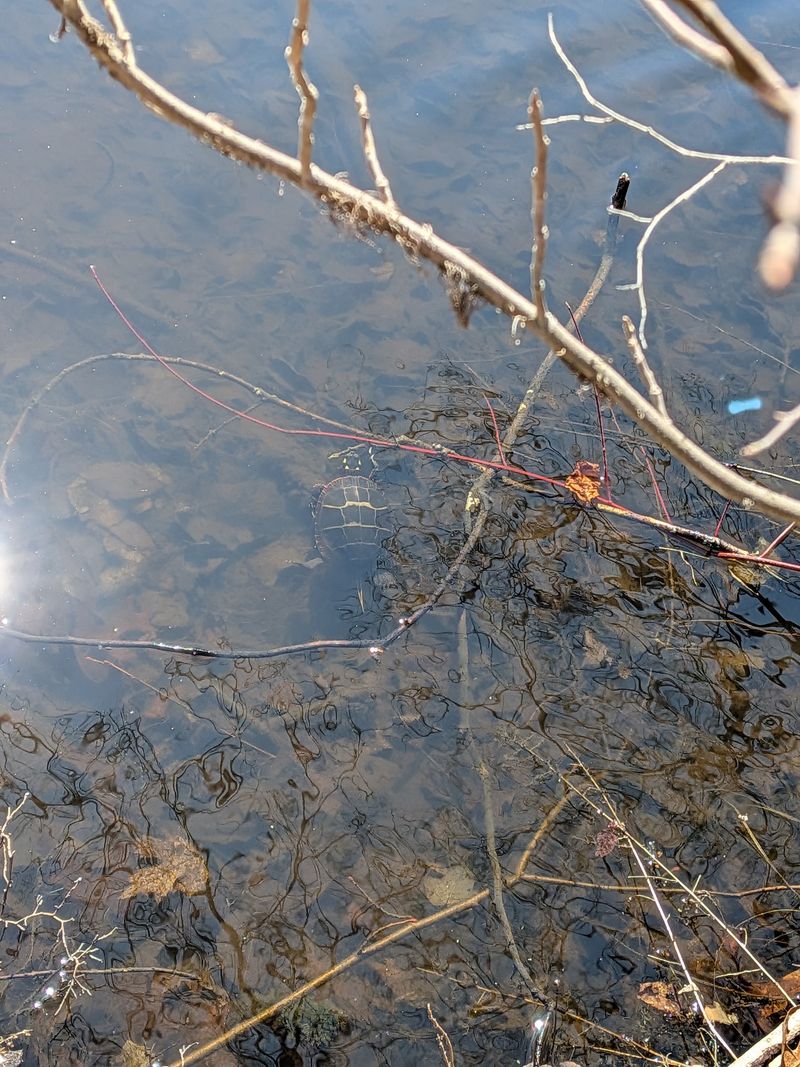
Turtles appear in warmer months, and frogs make their home along the edges. Catfish live in the ponds too.
Snakes sometimes rest beside the path. They are easy to miss, so a careful look along the trail edge can pay off.
Butterflies join the cast during the warmer season. The marsh truly supports a wide range of life.
The secret is patience. Quiet and slow observers tend to see an extraordinary variety of animals.
Rushing the loop might mean missing the muskrat right beside the dike, so take it at a stroll and let the wildlife come into view.
Seasons That Rewrite the Marsh
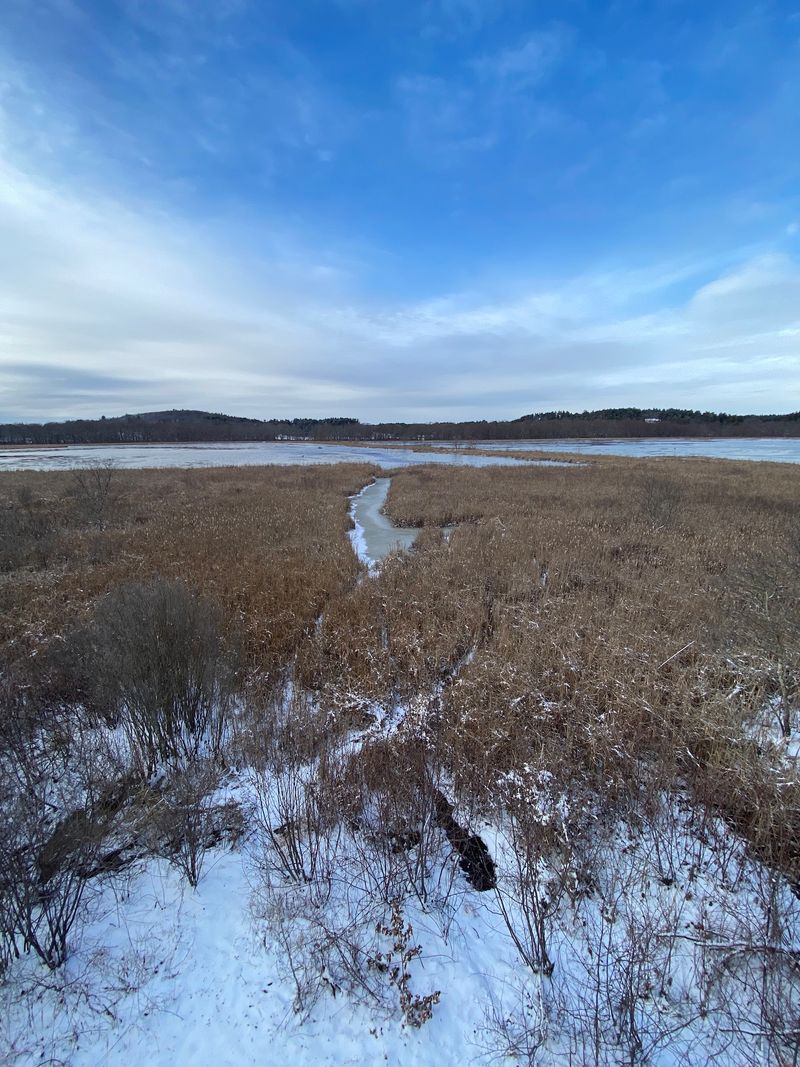
Ice in January, lotus flowers in summer, and a fresh look every few months: the calendar runs this place.
Winter turns the ponds icy and the trails peaceful. Crowds stay light, and the open views stretch far across the frozen marsh.
Spring is a favorite for many regulars. The marsh looks especially lovely before the plants fill in too much, which keeps sightlines clear for birding.
Summer brings wildflowers everywhere along the trails. Lotus flowers also earn plenty of attention in the warm months.
Hot afternoons call for planning. Bringing enough water is a must, since parts of the walk look out across sunny, open meadows.
Even drizzly days hold up well. A light rain can still mean a pleasant walk around the loop.
Sunrise and sunset get top marks in any season. The ponds and sky do much of the work for photographers.
Each visit becomes a new chapter, which is why one trip rarely feels like enough.
Parking, Fees, and House Rules
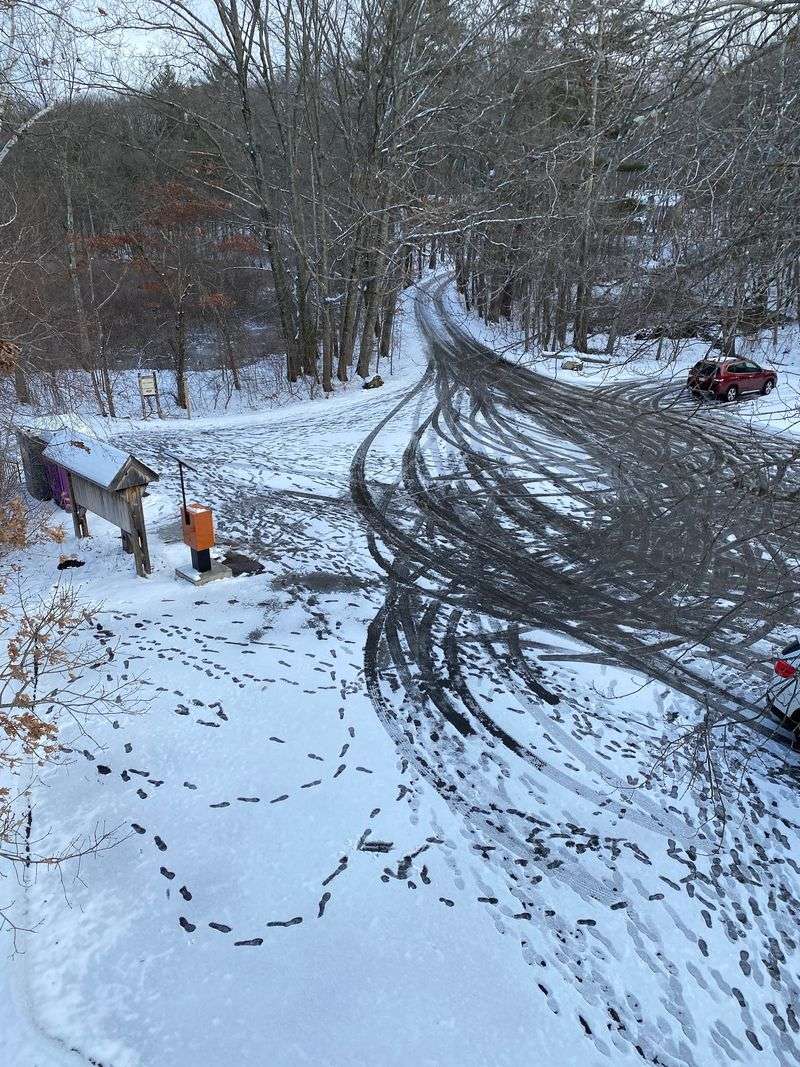
Practical details matter here, because the parking lot is small and the rules are firm.
The refuge is open daily from 7 am to 7 pm. That schedule holds every day of the week.
Parking is limited to roughly 20 spaces. Arriving early can help, especially on nice weekends.
An automated fee station handles payment. Recent figures point to $2 per person, with the receipt displayed on the dashboard, while earlier notes mention $4 per car, so checking the current rate is wise.
Other fee options exist for seniors, pass holders, and military. A National Parks pass also works.
Here is a firm rule: no dogs allowed in the refuge area. Pets need to stay home for this one.
Two rustic bathrooms are available onsite. Bring water, binoculars, and layers for colder months.
For questions before a trip, the U.S. Fish and Wildlife Service website for Great Meadows is the best source.
A little prep makes the narrow lane much less of a puzzle.
Worth the Hunt for the Hidden Turn
Few local outings deliver so much for a couple of dollars and a short drive down a side street.
The refuge offers flat, easy trails that suit nearly every walking pace. Families, solo walkers, runners, and serious birders all find a reason to come.
It is described as peaceful and not too crowded. That calm is a big part of its pull, especially on a quiet winter morning.
The Dike Trail across the pond remains the headliner. The tower, the woods, and the river views fill out the supporting cast.
Wildlife keeps the visit lively in every season. Herons, eagles, muskrats, and beavers all call this marsh home.
There are a few quirks to plan around. The entrance is easy to miss, the lot is small, and dogs must sit this one out.
None of that dims the appeal. If anything, the hidden entrance adds to the feeling of finding something special in Concord.
Bundle up, pack binoculars, and take that turn between the houses, because the frozen marsh is ready when the walkers are.
Enjoyed this story?
Add Fast Food Club as a preferred source to see more of our reporting on Google.