


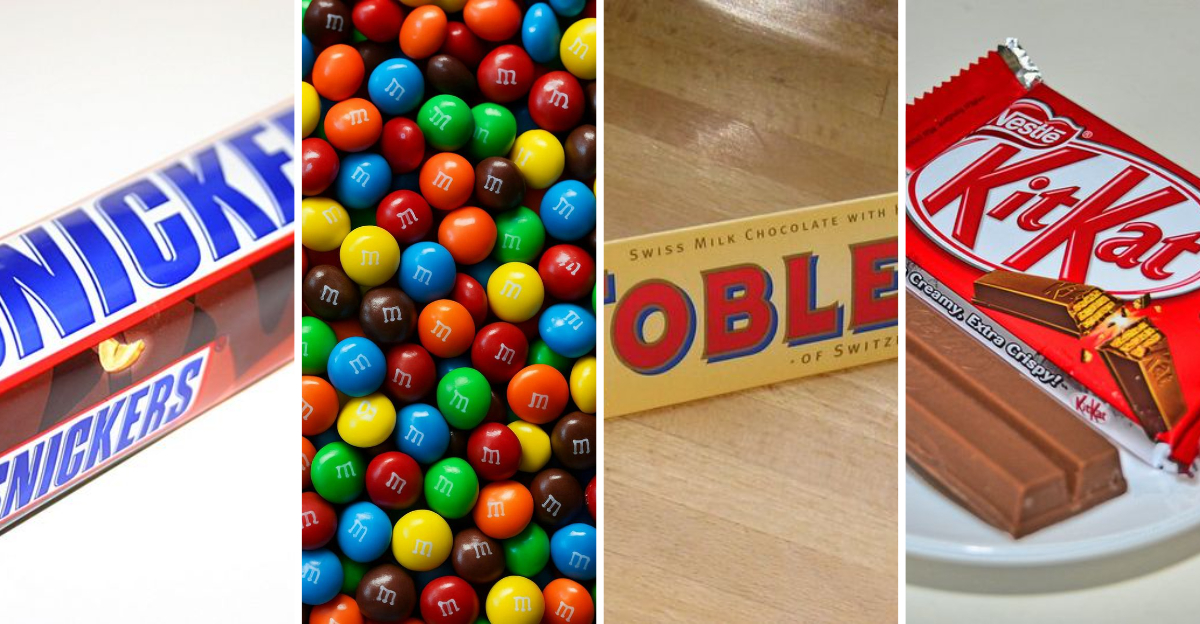
Candy has been making people smile for over a century, and some treats have stood the test of time better than others. From chewy caramels to crunchy chocolate bars, the world of candy is packed with flavors that bring back memories and keep us coming back for more.
Whether you grew up raiding a Halloween bag or sneaking sweets from the pantry, these iconic candies have shaped the way we celebrate, share, and enjoy life’s sweetest moments. Here is a look at 30 of the most beloved candies from the last 100 years, ranked for your reading pleasure.
Hershey’s Milk Chocolate Bar
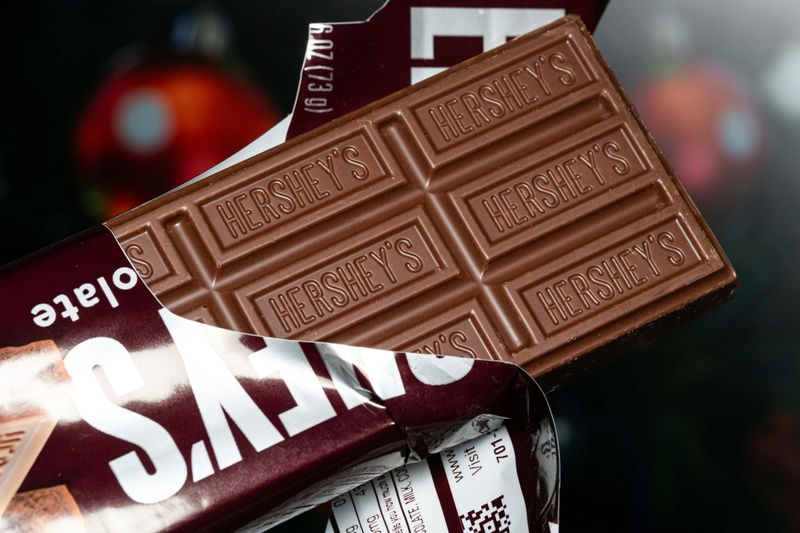
Few candies carry as much American nostalgia as the Hershey’s Milk Chocolate Bar. Milton Hershey started producing it in 1900, making it one of the oldest mass-produced chocolate bars in U.S. history.
It became so essential during World War II that it was included in soldiers’ ration kits.
The creamy, slightly tangy flavor is unmistakable. Breaking a Hershey bar into segments around a campfire for s’mores is a tradition millions of families still enjoy today.
It is simple, reliable, and completely classic in every way.
Twix
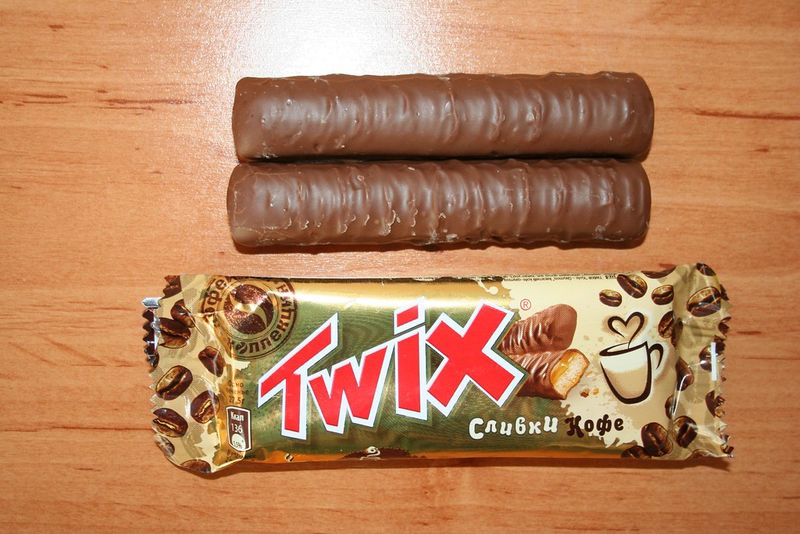
Twix came onto the scene in the UK in 1967, and by the time it reached American shelves in 1979, candy lovers were hooked. The combination of a crunchy biscuit base, creamy caramel, and smooth milk chocolate creates a texture experience unlike any other candy bar.
One of the cleverest things about Twix is that it comes in two pieces, sparking the famous “left Twix vs. right Twix” debate in its ads. Whether you eat them together or save one for later, Twix always delivers a satisfying, layered bite.
Milky Way
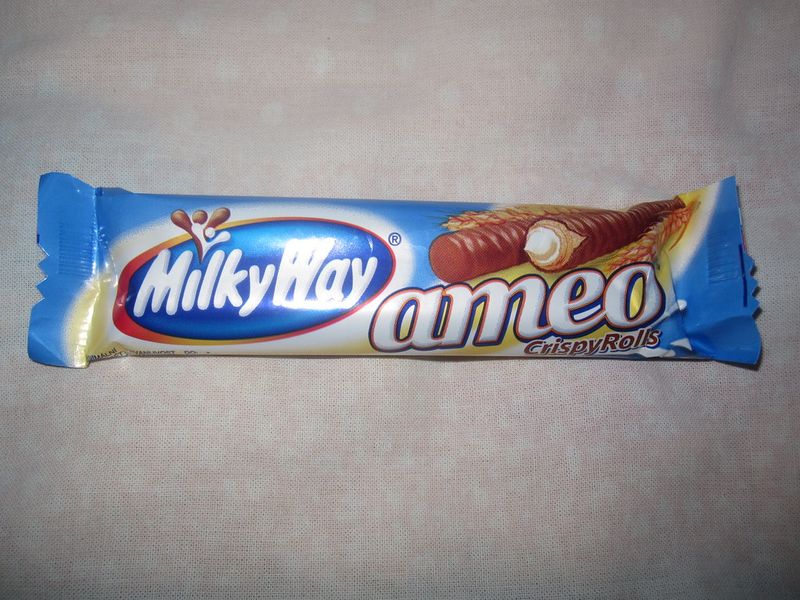
Named after a popular malted milk drink of the 1920s, not the galaxy, the Milky Way bar was introduced in 1923 and became an instant hit. Its light, fluffy nougat center topped with caramel and wrapped in chocolate made it feel like a luxurious treat for its time.
Milky Way has a softer texture than many other candy bars, which gives it a uniquely airy bite. The Mars and U.S. versions differ slightly in recipe, but both are beloved worldwide.
It remains a go-to choice for anyone craving something sweet and smooth.
Skittles
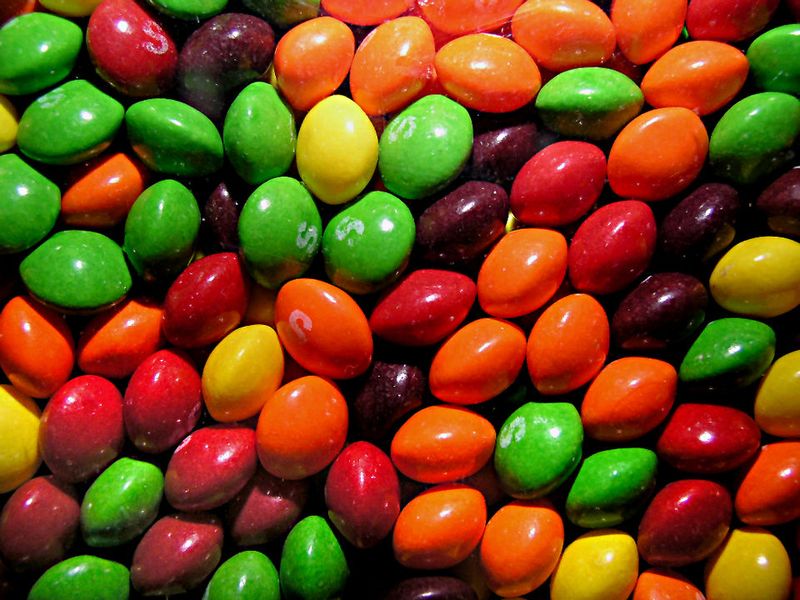
Skittles burst onto the American candy scene in 1979 after being imported from the UK, and their “Taste the Rainbow” campaign made them a cultural phenomenon. The chewy, fruit-flavored shells with a sugary center became a playground favorite almost immediately.
What makes Skittles so fun is the variety. Each color delivers a different fruity punch, and fans have passionate opinions about which flavor is best.
Limited edition flavors like Tropical and Wild Berry have kept the brand exciting for decades, proving that colorful candy never goes out of style.
Starburst
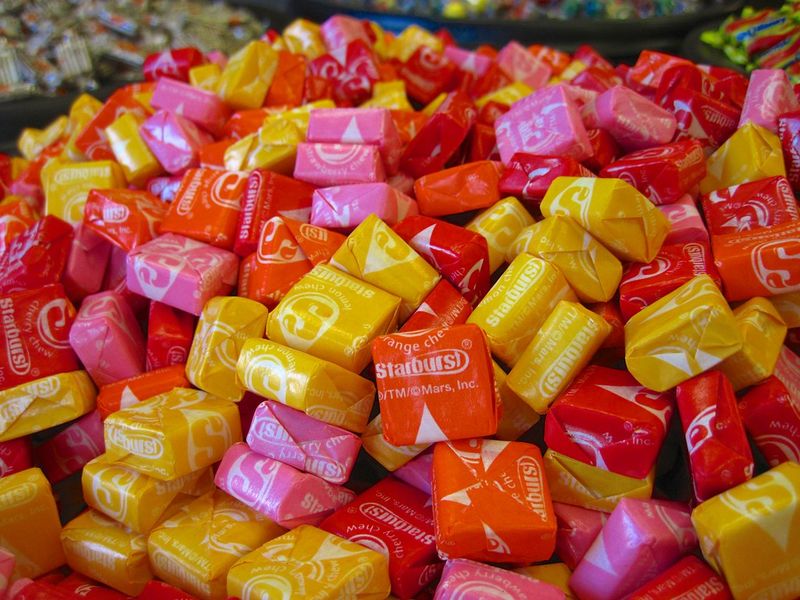
Originally called Opal Fruits when they launched in the UK in 1960, Starburst hit U.S. shelves in 1967 and quickly became one of the most recognizable chewy candies around. The square-shaped, fruit-flavored chews have a juicy, almost burst-in-your-mouth quality that feels unlike any other candy.
Pink Starburst is widely considered the fan favorite, and Mars even sold bags of only pink ones in response to the demand. Starburst’s bold fruit flavors and soft, chewy texture make them endlessly snackable, whether you’re sharing or keeping the whole pack to yourself.
Mars Bar
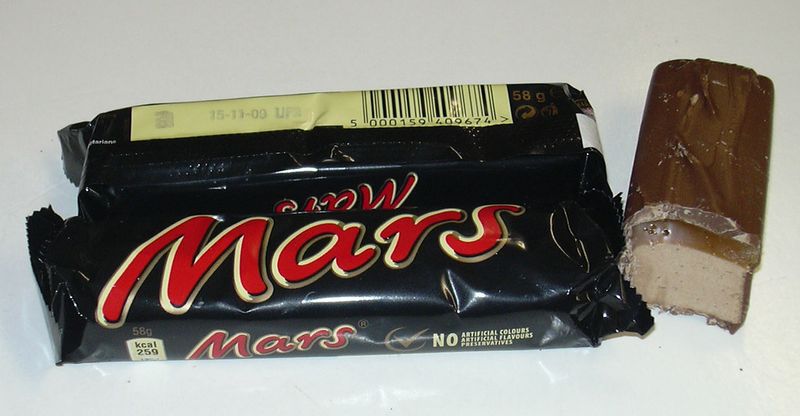
The Mars Bar is the candy that started an empire. Forrest Mars Sr. created it in 1932 in the UK, and it quickly became one of the best-selling chocolate bars in Europe.
The combination of nougat, caramel, and milk chocolate set the template for countless candy bars that followed.
Interestingly, the Mars Bar sold in the UK differs slightly from the Milky Way bar sold in the U.S., which often confuses international candy fans. Regardless of which version you try, the Mars Bar delivers a rich, indulgent experience that has stood the test of time beautifully.
Butterfinger
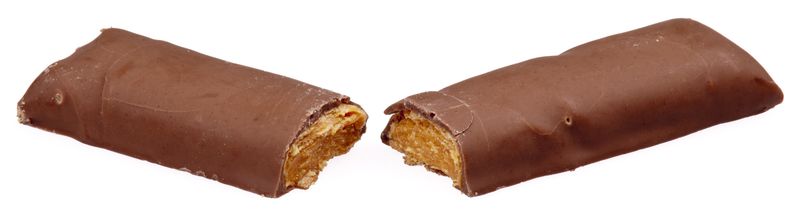
Butterfinger has one of the most distinctive textures in candy history. The crumbly, flaky, peanut butter-flavored crisp center coated in chocolate is completely unlike anything else on the market.
It was introduced in 1923 by the Curtiss Candy Company in Chicago.
The candy became even more famous when Bart Simpson started appearing in its commercials during the early 1990s, sending sales through the roof. Butterfinger’s bold flavor and satisfying crunch have kept it in the top tier of American candy bars for over a century, with fans who are fiercely loyal.
Toblerone
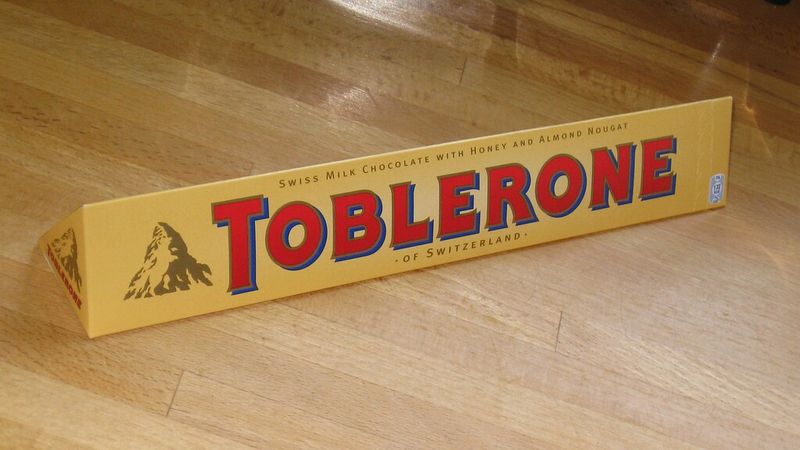
Shaped like the Swiss Alps, Toblerone is one of the most recognizable candy bars in the world. Created in Bern, Switzerland, in 1908 by Theodor Tobler, this bar blends milk chocolate with honey and almond nougat in a way that feels genuinely sophisticated and special.
The triangular shape is not just for looks. It was specifically designed to be broken off in neat peaks and shared.
Toblerone is a classic airport gift and holiday staple in many families, offering a little taste of Swiss luxury that feels like a treat every single time.
Snickers
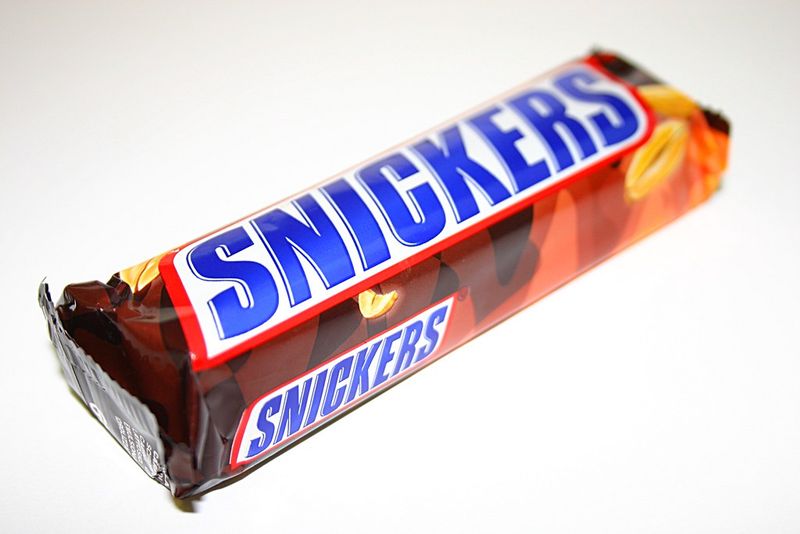
Snickers has a legendary reputation for a reason. Introduced in 1930, this bar packs peanuts, caramel, and nougat under a thick coat of milk chocolate, making it one of the most satisfying candy bars ever made.
It even became the world’s best-selling candy bar for decades.
People love Snickers because it actually fills you up. The combination of protein from peanuts and sweetness from caramel hits just right.
No wonder its classic slogan, “You’re not you when you’re hungry,” became iconic worldwide.
Cadbury Dairy Milk
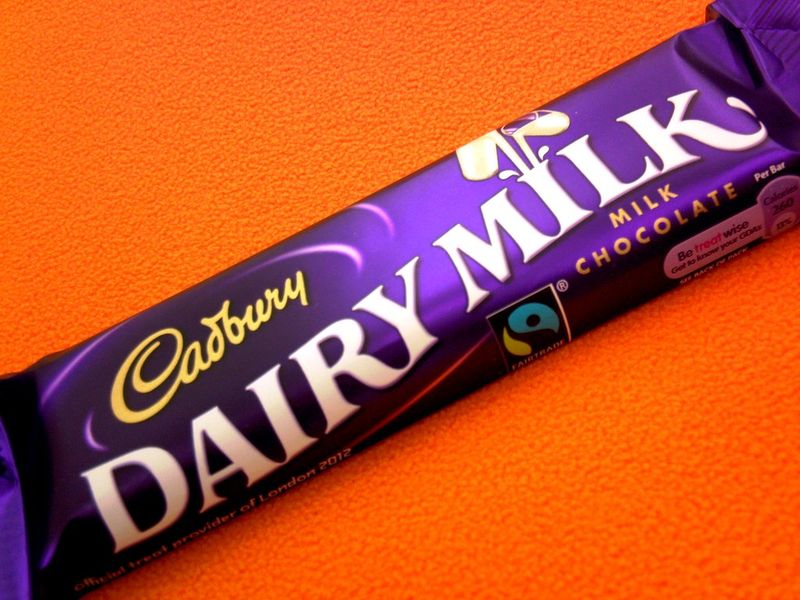
Cadbury Dairy Milk changed the chocolate game when it launched in 1905 by using more milk than any other chocolate bar at the time. The result was a creamier, smoother chocolate that felt almost luxurious compared to what people were used to eating.
In the UK, Cadbury Dairy Milk is practically a national treasure. It comes in dozens of varieties, from Fruit and Nut to Caramel, and it tops chocolate sales charts year after year.
The deep purple wrapper is instantly recognizable, and one bite explains exactly why this bar has lasted over a century.
Nerds
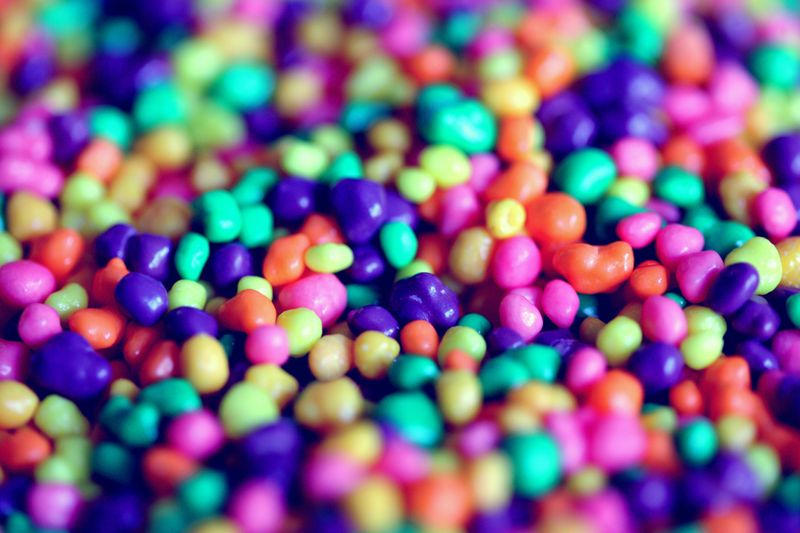
Nerds arrived in 1983 with a completely unique concept. Tiny, pebble-shaped, and intensely tart, these little candies come in a split box with two separate flavors, inviting you to mix them or eat them one side at a time.
They quickly became a 1980s candy aisle staple.
The satisfying crunch of a handful of Nerds is oddly addictive. Their tangy flavor and rough texture make them stand out from every other candy on the shelf.
Nerds Rope later expanded the brand even further, proving that even the quirkiest candy ideas can build a lasting legacy.
Sour Patch Kids
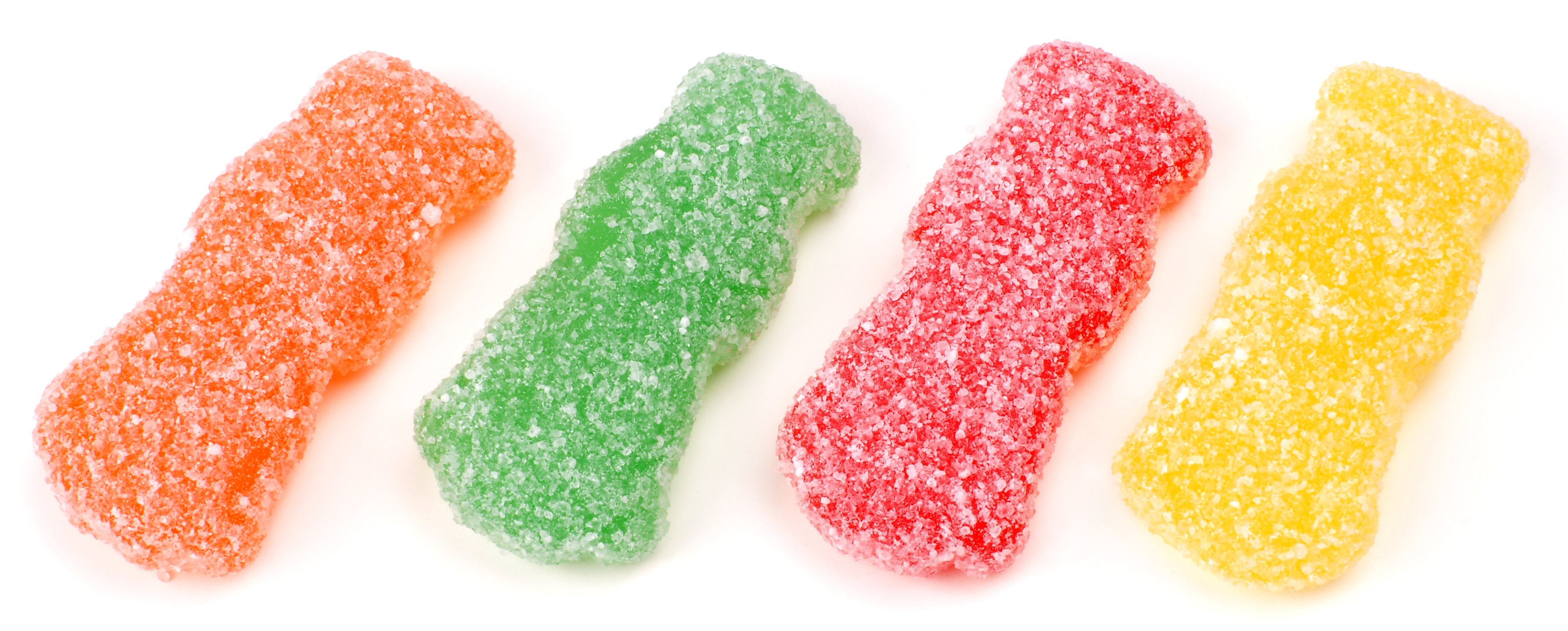
First sour, then sweet. That two-step flavor experience is what makes Sour Patch Kids so wildly addictive.
Originally called Mars Men when they launched in Canada in the 1970s, they were rebranded as Sour Patch Kids in the U.S. in 1985 and took off like a rocket.
The combination of a sour sugar coating dissolving into a sweet gummy base is genuinely clever candy engineering. Sour Patch Kids have since expanded into watermelon, tropical, and even frozen varieties.
They remain a top seller at movie theaters and Halloween, beloved by anyone who enjoys a flavor adventure.
Jelly Belly Jelly Beans
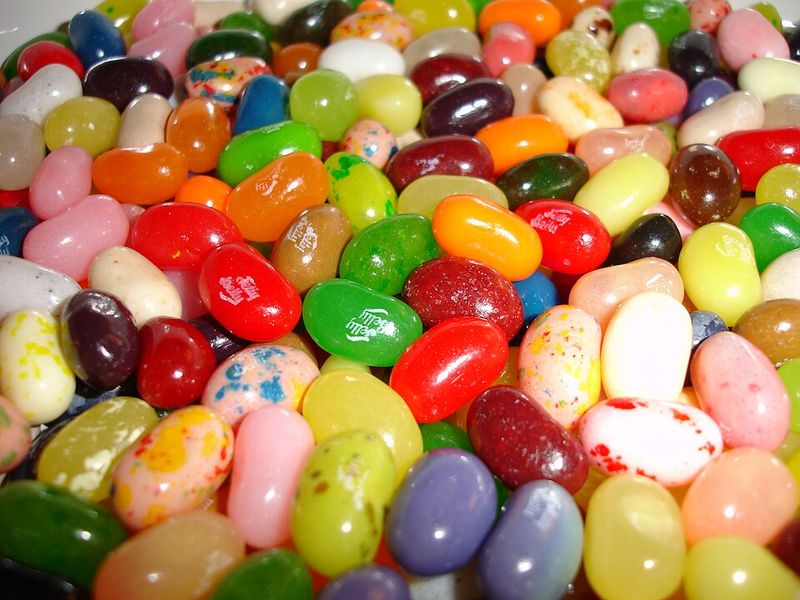
Jelly Belly changed everything people thought they knew about jelly beans. Launched in 1976, these small, intensely flavored beans were a huge step up from the generic jelly beans that came before them.
President Ronald Reagan famously loved them, keeping jars of them in the White House.
What sets Jelly Belly apart is the sheer variety. With over 100 official flavors, including buttered popcorn, watermelon, and toasted marshmallow, every handful is a mini adventure.
The brand has also embraced quirky limited editions and BeanBoozled challenge flavors that keep younger generations entertained and engaged.
Haribo Goldbears
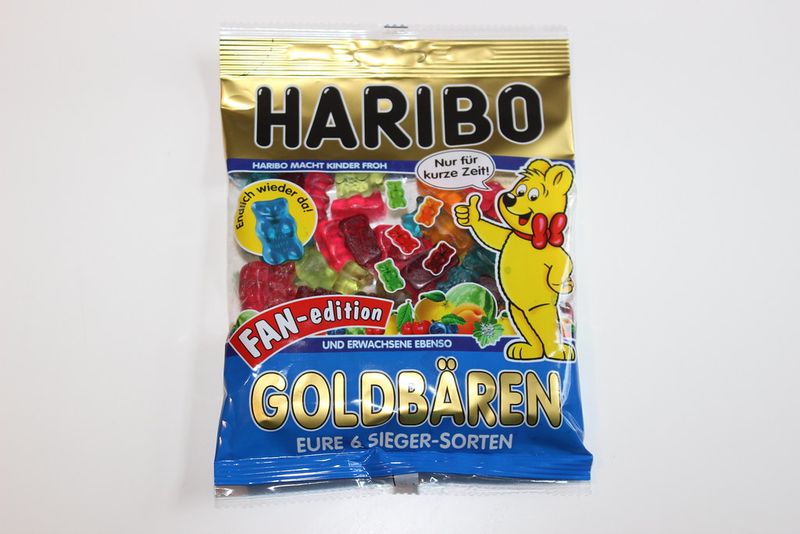
Haribo Goldbears are the original gummy bear. Hans Riegel invented them in Bonn, Germany, in 1922, and they became a worldwide sensation that launched an entire gummy candy industry.
The chewy, fruit-flavored bears are simple in concept but impossible to put down once you start eating them.
Each color represents a different fruit flavor, from raspberry red to lemon yellow. Haribo’s secret recipe has barely changed in over a century, which says everything about how perfect they got it the first time.
These little bears are a cross-generational candy loved by kids and adults equally.
Tootsie Roll
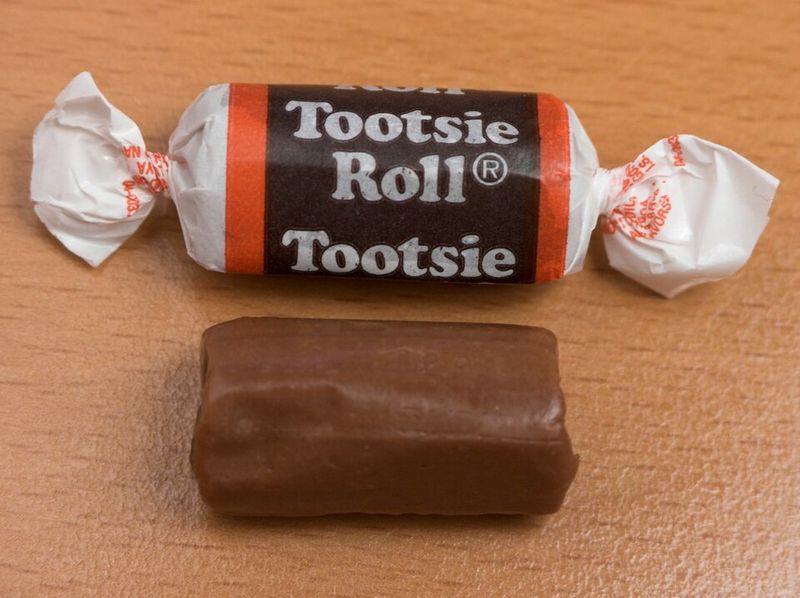
Tootsie Rolls have been around since 1907, making them one of the oldest continuously produced candies in American history. Leo Hirschfield created them in New York, naming the candy after his daughter’s nickname, Tootsie.
They were also one of the first penny candies to be individually wrapped.
During World War II, Tootsie Rolls were included in soldiers’ rations because they could survive extreme temperatures. The chewy, chocolatey flavor is mild and comforting rather than intense.
Generations of kids have grown up counting on them for Halloween, and that tradition shows no signs of stopping anytime soon.
Werther’s Original
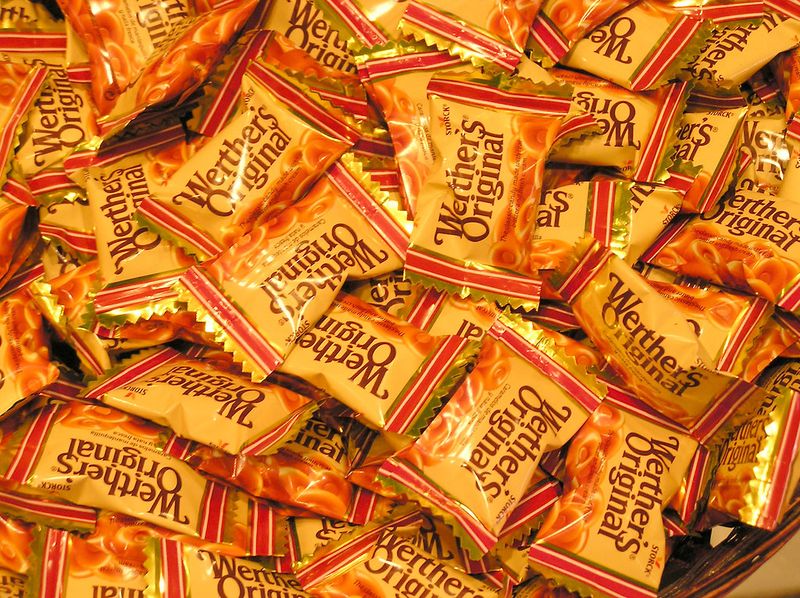
Werther’s Original carries a warm, nostalgic charm that few other candies can match. Made in Germany since 1909, these smooth, buttery caramel hard candies became globally famous through their emotional advertising campaigns featuring grandparents sharing them with grandchildren.
The recipe relies on real butter and fresh cream, which gives Werther’s a richness that cheap caramel candies simply cannot replicate. Unwrapping that golden foil and letting one slowly melt on your tongue feels like a small, luxurious moment.
They have since expanded into soft caramels and caramel popcorn, but the original remains king.
Ferrero Rocher
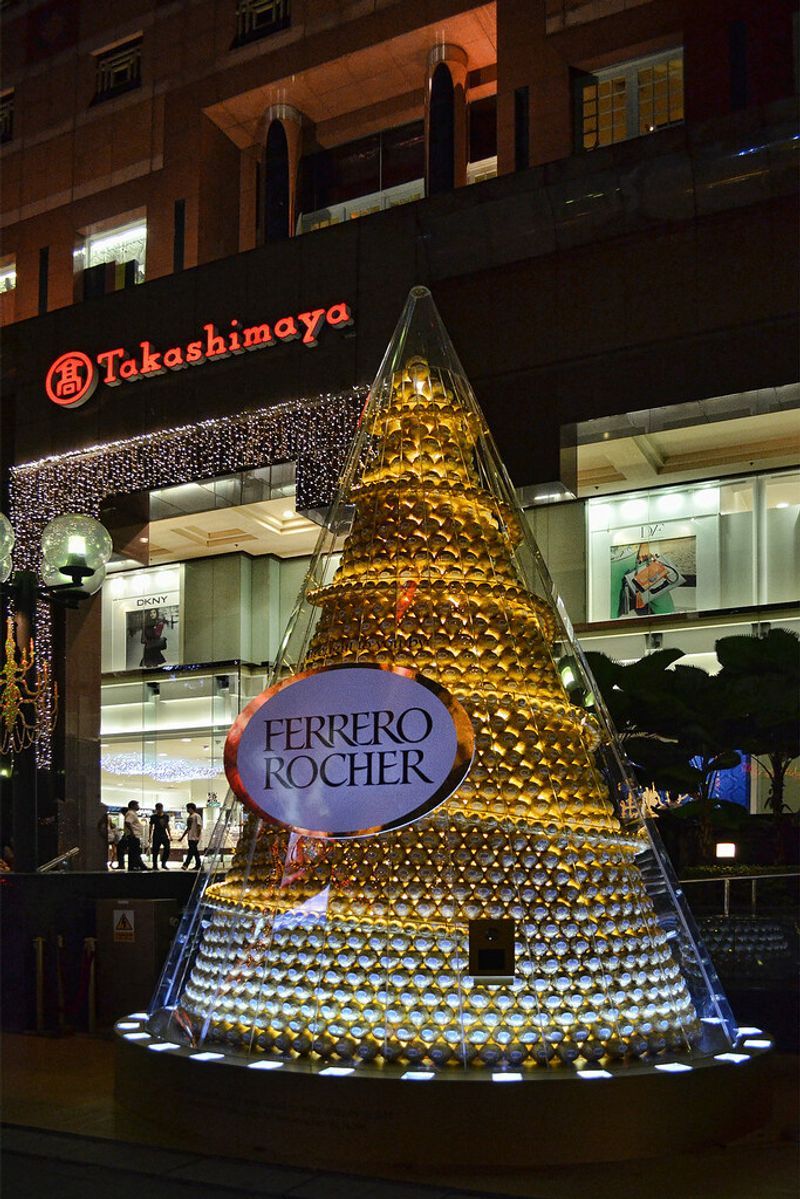
Ferrero Rocher feels like a gift even when you buy it for yourself. Launched in Italy in 1982 by Michele Ferrero, these golden-wrapped chocolates combine a whole hazelnut, creamy filling, crispy wafer shell, and a coating of chopped hazelnuts and chocolate.
Every layer adds something special.
The elegant gold foil wrapping made Ferrero Rocher synonymous with luxury gifting, especially during the holidays. They are often piled into pyramid-shaped displays at parties and celebrations.
Despite being a relatively newer candy compared to others on this list, Ferrero Rocher has quickly become a globally beloved classic.
Rolo
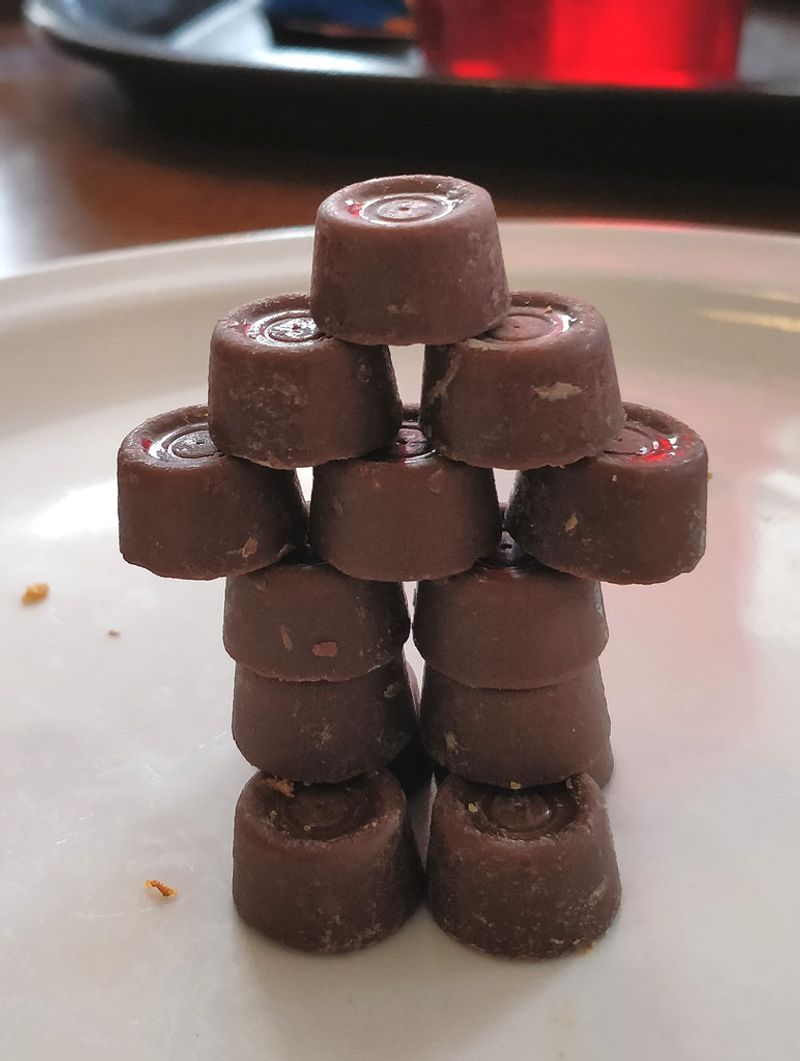
“Do you love anyone enough to give them your last Rolo?” That classic advertising question perfectly captures the appeal of this beloved candy. Rolos were first created by Mackintosh’s in the UK in 1937, featuring smooth milk chocolate shells filled with soft, flowing caramel inside.
The individual pieces make Rolo easy to share, though fans admit it is hard to part with even one. The caramel inside is noticeably softer and more buttery than many other caramel candies.
Rolos remain a staple in movie theaters and candy aisles, especially popular around Valentine’s Day and the holiday season.
M&M’s
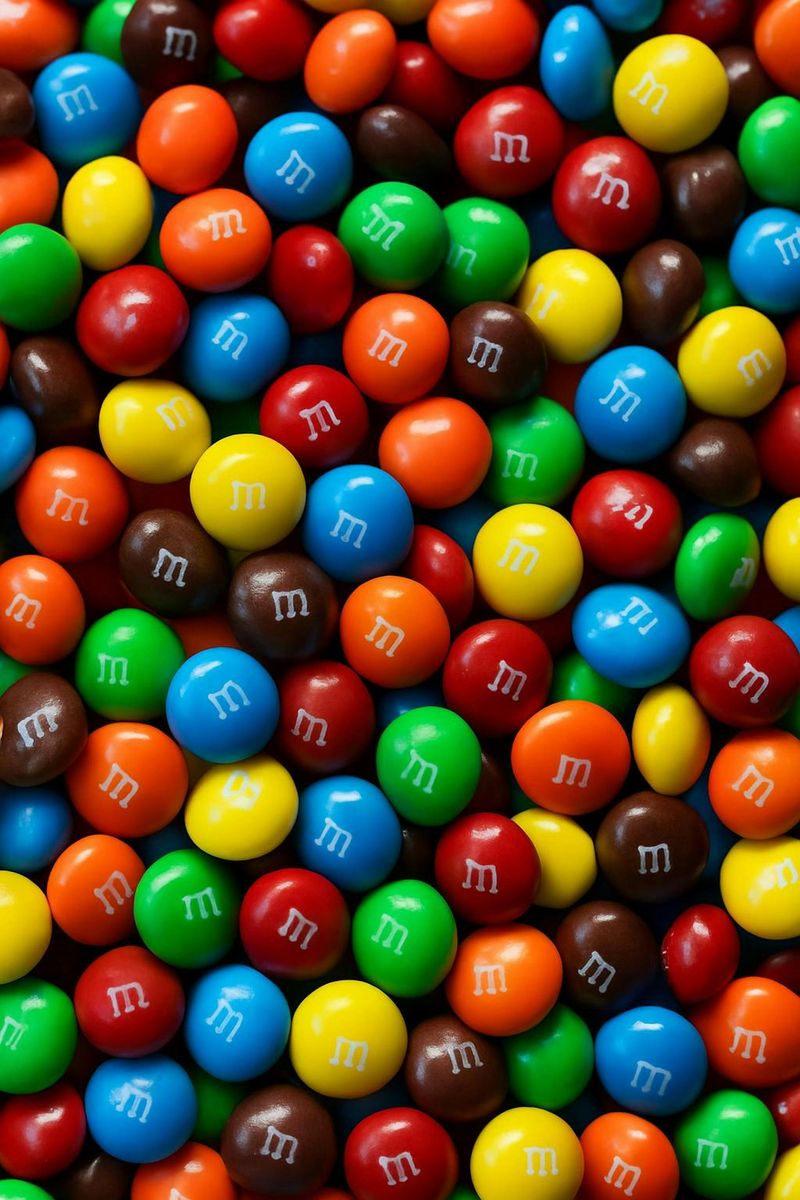
M&M’s were born in 1941, inspired by soldiers who needed chocolate that wouldn’t melt in their hands during World War II. The hard candy shell was the brilliant solution, and it launched one of the most recognized candies on the planet.
Today, M&M’s come in dozens of flavors and colors, from peanut butter to pretzel. They are a movie-night staple and a party-bowl favorite.
The little round pieces with the iconic “m” stamped on them are practically impossible to eat just one handful of.
Almond Joy
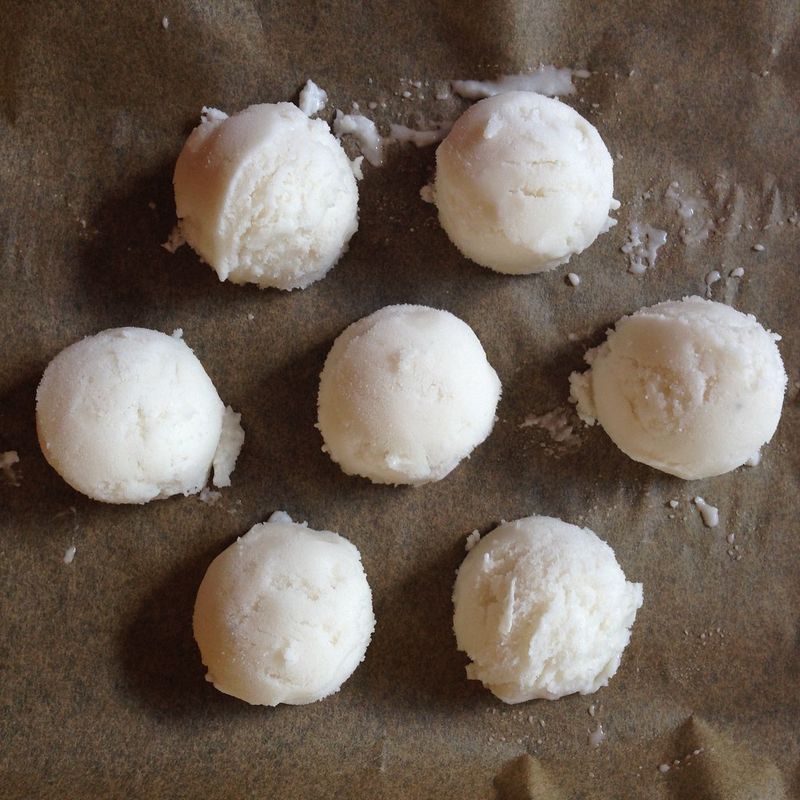
Almond Joy is one of those candies that people either love completely or skip entirely, and that passionate divide is part of its charm. Introduced by Peter Paul in 1946, it features a sweet coconut filling topped with whole almonds and covered in rich milk chocolate.
The tropical coconut flavor gives Almond Joy a unique identity in a sea of peanut and caramel bars. Its sister candy, Mounds, skips the almonds and uses dark chocolate instead.
Both have devoted fan bases. If you have never tried Almond Joy, the combination of coconut and almond might just surprise you.
Baby Ruth
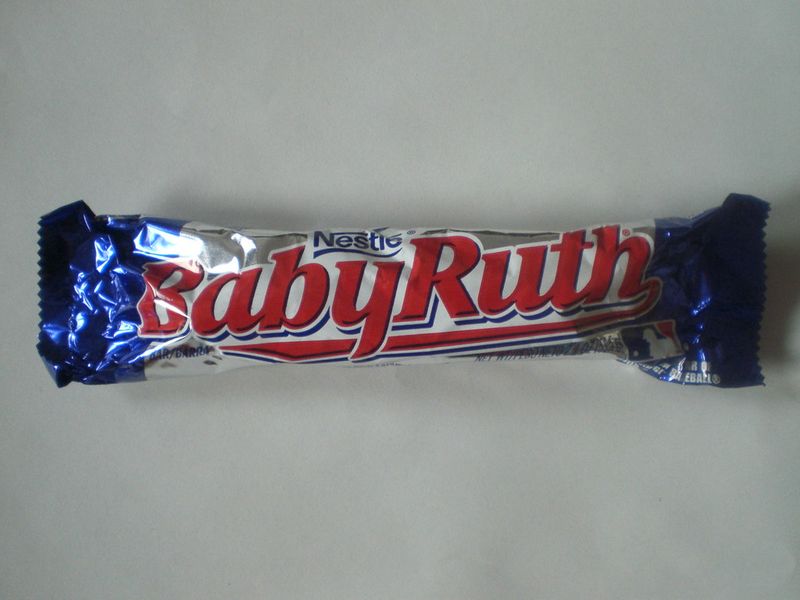
Baby Ruth has one of the most debated origin stories in candy history. Launched in 1921 by the Curtiss Candy Company, many assumed it was named after baseball legend Babe Ruth, but the company always insisted it was named after President Grover Cleveland’s daughter, Ruth.
Whatever the true story, the candy itself is undeniably delicious. Packed with chunky peanuts, caramel, and nougat all coated in chocolate, Baby Ruth delivers a dense, hearty bite.
It became even more famous after appearing in the movie Caddyshack, cementing its place in American pop culture history.
Kit Kat
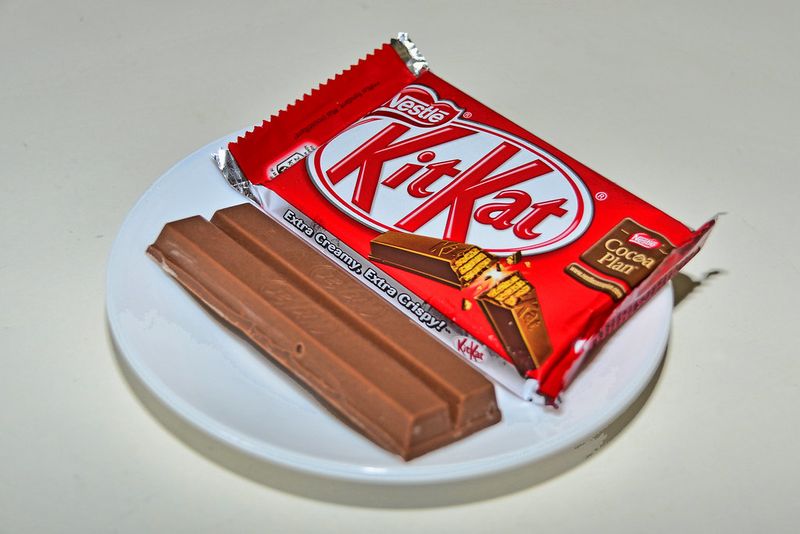
“Give me a break” is more than just a slogan for Kit Kat fans. Since its UK debut in 1935, this crispy wafer bar covered in chocolate has earned devoted fans on every continent.
The satisfying snap when you break off a finger is practically a ritual.
Kit Kat has also embraced creativity like few other candy brands. Japan alone offers hundreds of unique flavors, from matcha to strawberry cheesecake.
Back home in the U.S., the classic milk chocolate version remains a top seller year after year.
Charleston Chew
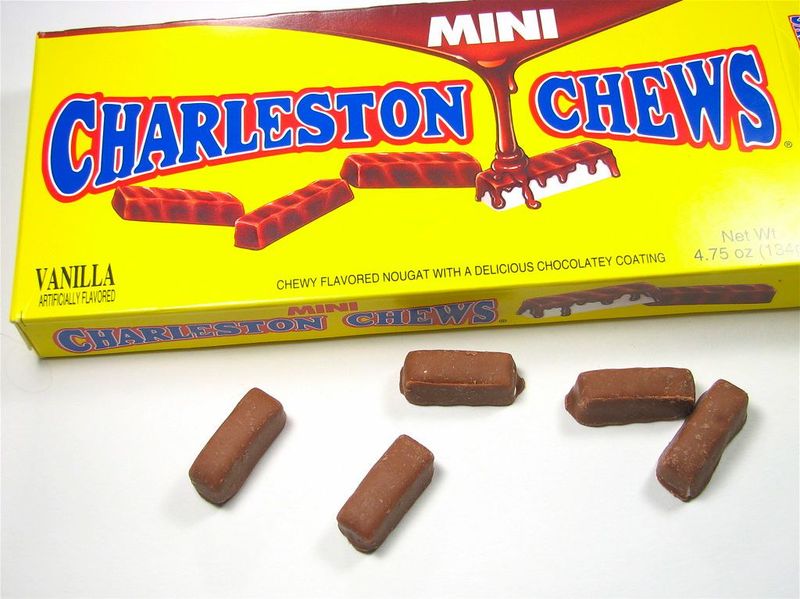
Charleston Chew has a quirky charm all its own. Created in 1925 and named after the popular Charleston dance of the era, this long, chewy nougat bar covered in chocolate has a devoted following that has lasted for a century.
It comes in vanilla, chocolate, and strawberry flavors.
One of the best tricks Charleston Chew fans swear by is freezing the bar and then smashing it into bite-sized pieces. The frozen version shatters into satisfying chunks that are completely different from the chewy room-temperature experience.
Either way, it is a fun and underrated classic worth rediscovering.
Airheads
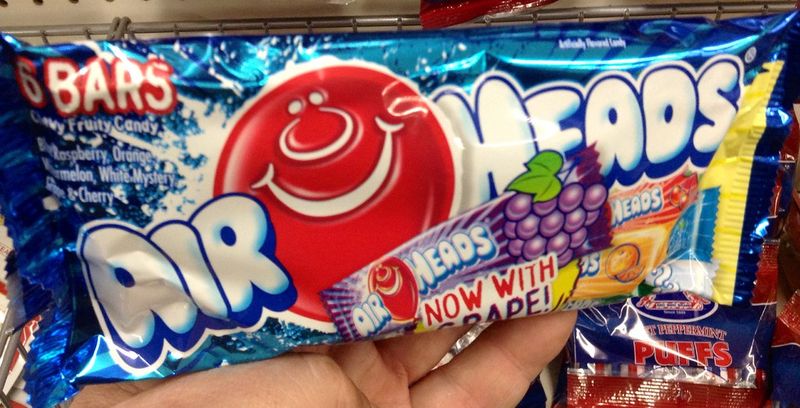
Airheads showed up in 1985 with a bold, tangy personality that immediately set them apart from other taffy-style candies. Stretchy, chewy, and intensely flavored, these flat strips of candy became a lunchbox favorite and an after-school snack staple for kids across America throughout the late 1980s and 1990s.
White Mystery Airheads became a cult phenomenon because the flavor was always a surprise, keeping kids guessing and buying more. Airheads Bites and Airheads Xtremes have expanded the lineup in recent years.
The brand’s playful attitude and affordable price point have helped it stay relevant with each new generation of candy fans.
Swedish Fish
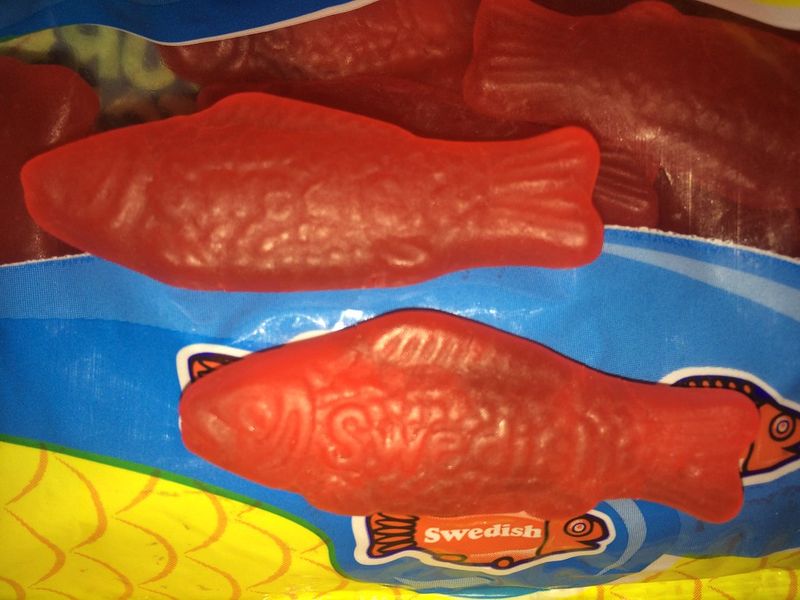
Swedish Fish look like something you’d find in a candy shop in Stockholm, and that is basically where the story starts. Created by Swedish candy maker Malaco in the late 1950s for the North American market, these chewy, fish-shaped gummies have a flavor that is uniquely their own, somewhere between berry and cherry.
The texture is firmer than most gummy candies, giving Swedish Fish a satisfying chew that lasts. Red is the classic color and flavor, though other varieties exist.
They became a beloved movie theater candy and remain a top pick at bulk candy bins in stores everywhere.
Reese’s Peanut Butter Cups
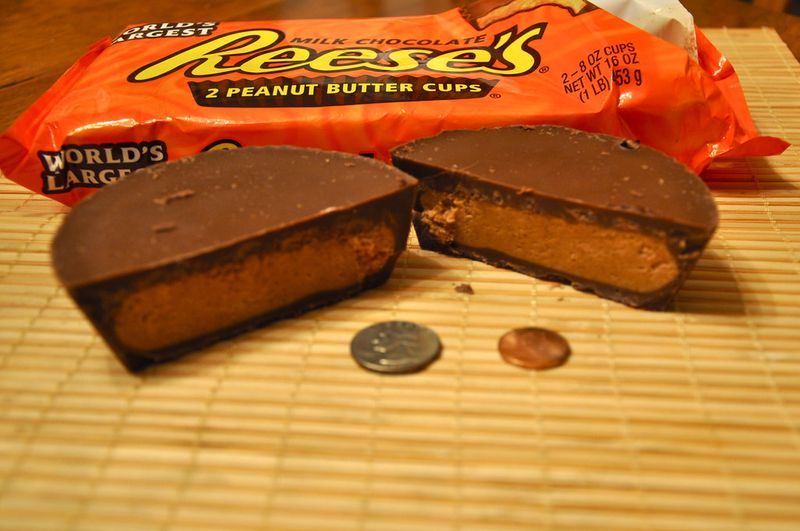
Chocolate and peanut butter is one of the greatest flavor combinations ever created, and Reese’s Peanut Butter Cups proved it to the world. H.B.
Reese invented them in 1928, and they quickly became a must-have Halloween candy across America.
The magic is in the balance. The slightly salty peanut butter filling perfectly offsets the sweet milk chocolate shell.
Reese’s consistently rank among the top-selling Halloween candies every year, proving that some combinations are simply timeless and impossible to resist.
Mike and Ike
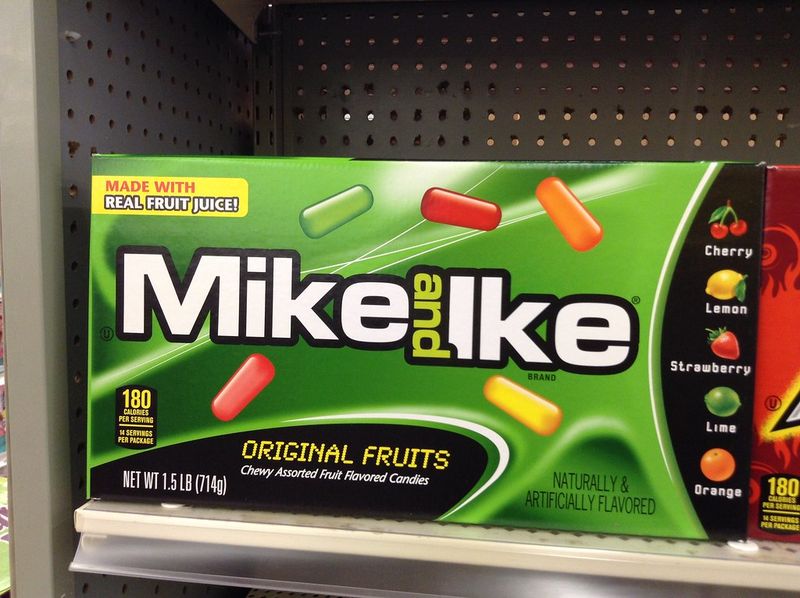
Mike and Ike have been around since 1940, and their chewy, fruit-flavored oblong pieces have built a quiet but loyal following over the decades. Made by Just Born, the same company behind Peeps and Hot Tamales, these candies strike a balance between soft chewiness and bold fruity flavor.
Nobody is entirely sure who Mike and Ike actually are, and the brand has had fun with that mystery over the years. The original fruit flavors remain the most popular, though tropical and berry varieties have also found fans.
They are a reliable, no-fuss candy that delivers consistent satisfaction every time.
Jolly Rancher
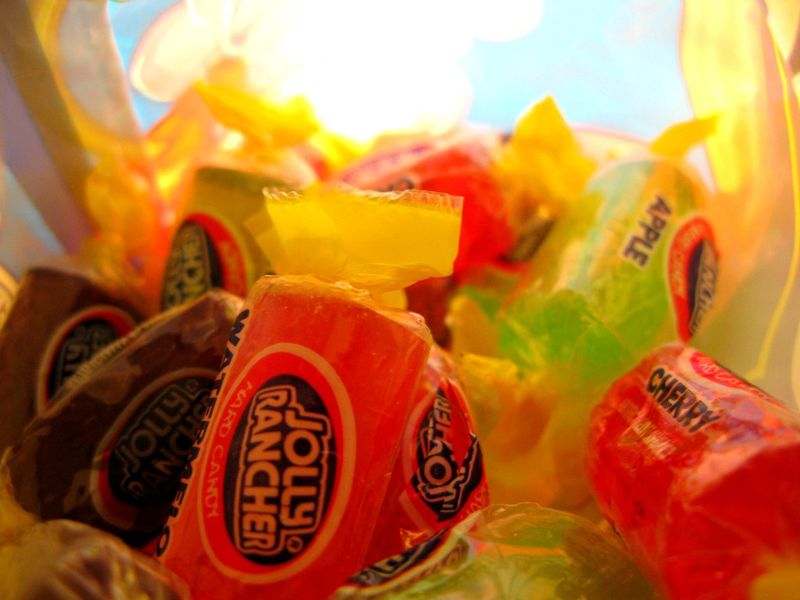
Jolly Rancher hard candies pack an enormous amount of flavor into a small, flat piece of candy. Founded in Colorado in 1949, the brand originally sold chocolate and hard candies from a small shop before the intensely fruity hard candies became their signature product and nationwide sensation.
The watermelon flavor is arguably the most iconic, though cherry, blue raspberry, and green apple all have fierce defenders. Jolly Ranchers take a while to finish, which is part of their appeal.
They are also a popular ingredient in cocktails and homemade candy-infused treats, showing how versatile a simple hard candy can be.
Pez
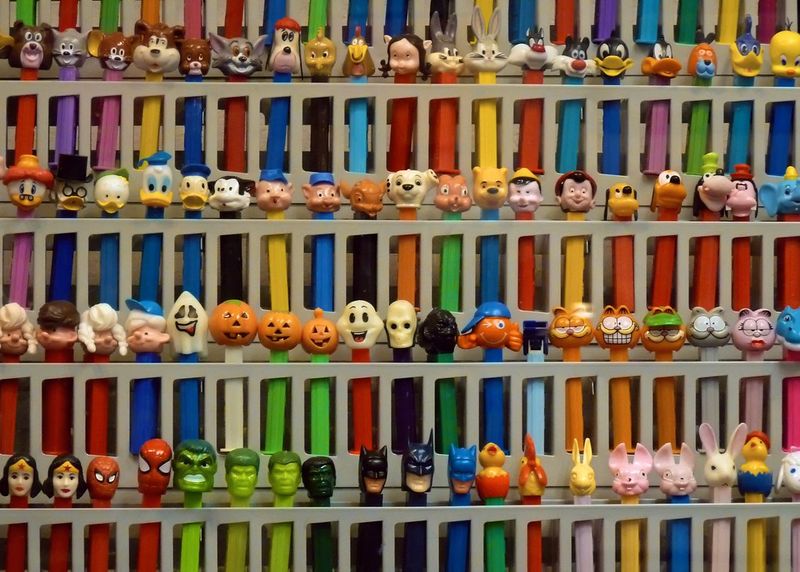
Pez is as much a toy as it is a candy, and that dual identity is exactly what has kept it relevant since 1927. Invented in Austria as a peppermint breath mint for adults, Pez transformed into a children’s phenomenon in the 1950s when the iconic character-head dispensers were introduced.
Collecting Pez dispensers became a serious hobby, with rare dispensers selling for hundreds of dollars among enthusiasts. The candy itself is sweet and mild, almost secondary to the fun of the dispenser.
From Star Wars to Disney characters, Pez dispensers capture pop culture moments in a way no other candy brand does.
Laffy Taffy
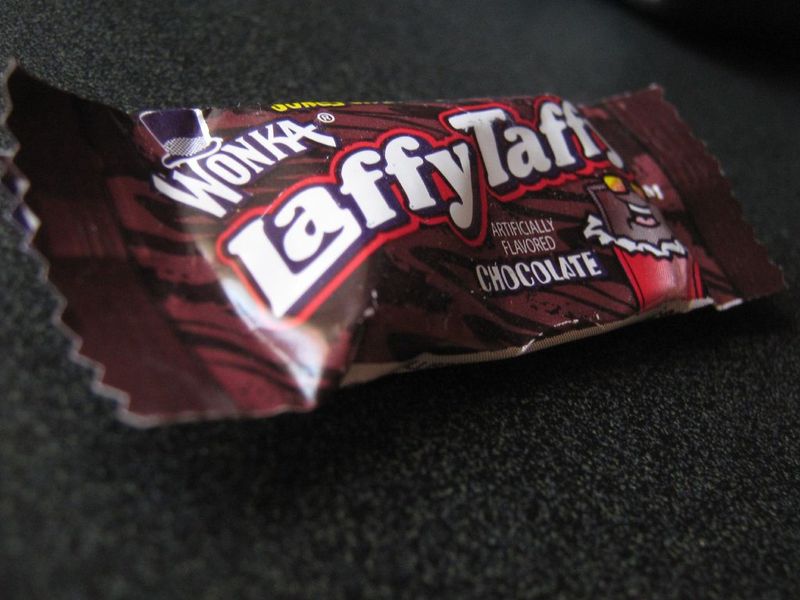
Laffy Taffy is the candy that makes you groan twice: once from the jokes on the wrapper and once from how good it tastes. Introduced in the 1970s by Willy Wonka Candy Company, these soft, stretchy taffy pieces come in bold fruit flavors that are hard to put down once you start chewing.
Banana is the flavor that divides people the most, with passionate fans and equally passionate critics. The silly kid-submitted jokes printed on every wrapper became a beloved tradition that kids still look forward to today.
Laffy Taffy is playful, affordable, and genuinely fun in a way that few other candies manage to pull off.