


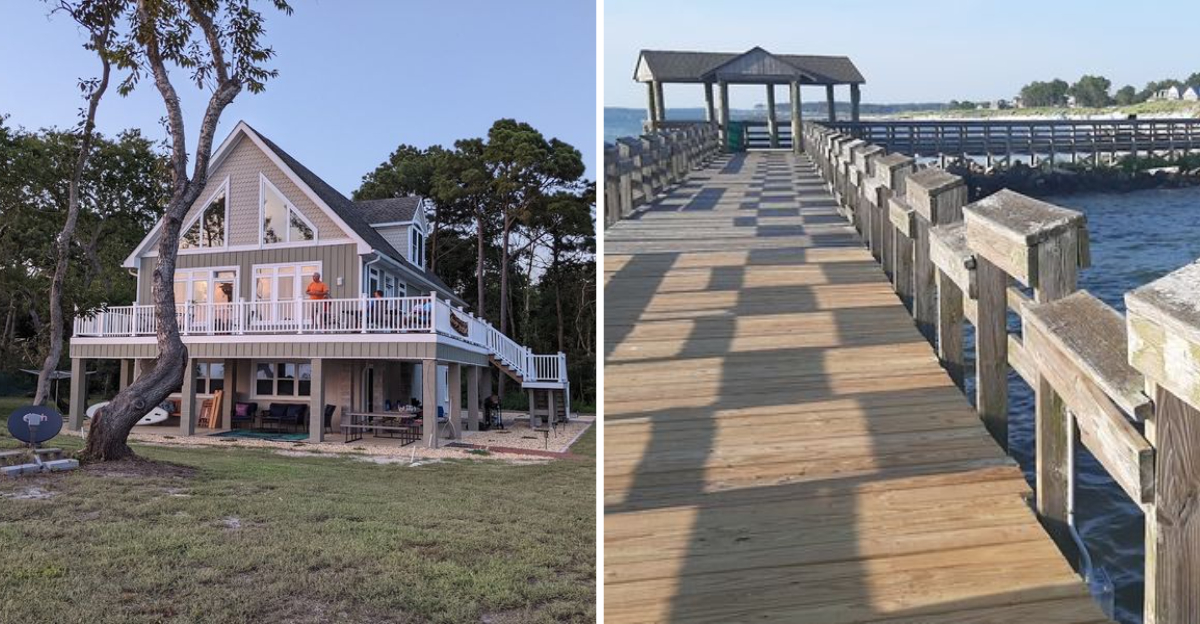
Tucked away on Virginia’s Eastern Shore, Cape Charles is a small, charming town that feels like a world apart from busy city life. With only about 1,178 residents, this peaceful community sits near the Chesapeake Bay and offers something truly rare — the chance to slow down, unplug, and live on your own terms.
From solar-powered homes to fresh local seafood and wide open skies, Cape Charles makes off-grid living look incredibly appealing. If you have ever dreamed of escaping the daily grind, this tiny Virginia gem just might be the place you have been looking for.
Solar Energy Living in Cape Charles
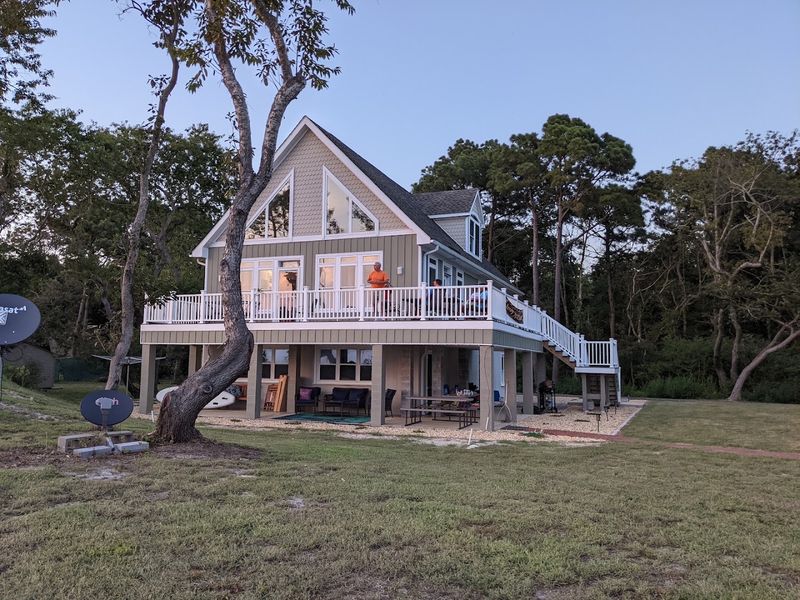
Sunshine is basically free in Cape Charles, and smart residents are putting it to good use. The town receives generous sunlight throughout the year, making solar panel installation a practical and rewarding investment for homeowners who want to cut ties with traditional power companies.
Many Cape Charles homes, including its historic Victorian properties, have been retrofitted with modern solar systems that quietly power everything from refrigerators to air conditioners. Local contractors familiar with the area make the installation process surprisingly smooth.
Going solar here is not just about saving money — it is about joining a community that values sustainability and independence. State tax incentives from Virginia make the upfront cost more manageable.
Once your panels are up, your monthly electric bill can drop to nearly zero, giving you real financial freedom alongside your off-grid lifestyle goals.
Rainwater Harvesting Systems
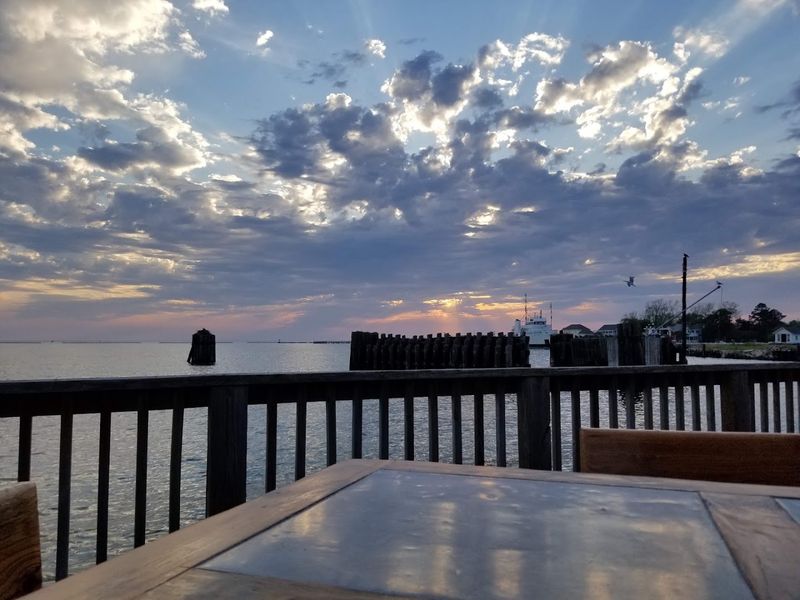
Water independence is one of the most satisfying parts of off-grid living, and Cape Charles residents have figured out how to make it work beautifully. Rainwater harvesting systems collect precipitation from rooftops and store it in large tanks for household use, gardening, and even toilet flushing.
Virginia law allows residential rainwater collection, which gives Cape Charles homeowners a legal and eco-friendly way to reduce reliance on municipal water supplies. With the area receiving around 45 inches of rainfall annually, the resource is plentiful.
Setting up a basic system does not require a huge budget. A few collection barrels, some gutters, and a basic filtration setup can get you started.
More advanced systems include underground cisterns and multi-stage purification for drinking water. Either way, harvesting rain here feels less like a chore and more like a satisfying partnership with nature itself.
Cape Charles Historic District and Affordable Homes
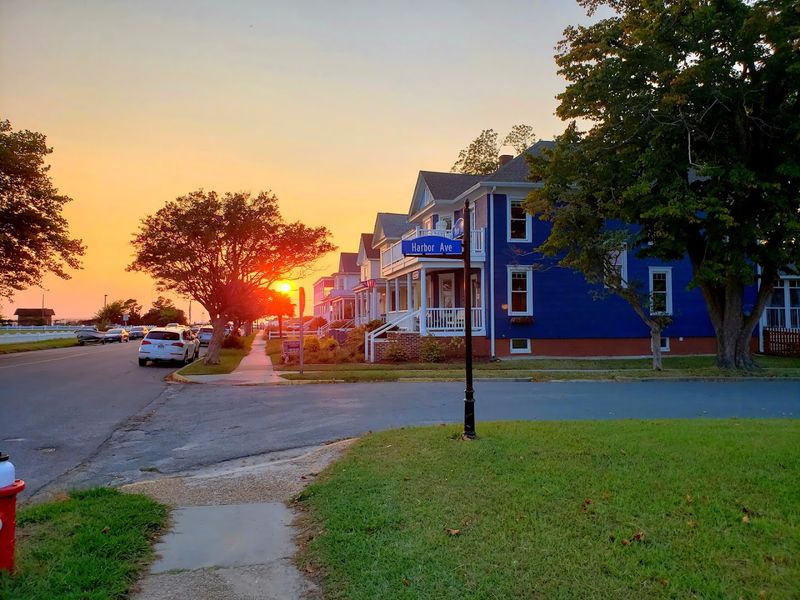
Here is something that surprises most people the first time they hear it — Cape Charles has gorgeous, historic homes that are genuinely affordable compared to most coastal towns in America. The Historic District features well-preserved Victorian, Colonial Revival, and Craftsman-style houses that ooze character.
Because the town is still relatively undiscovered, property prices remain reasonable. Many buyers find spacious homes with large yards, perfect for gardens, solar setups, or small hobby farms, at prices that would be unthinkable in more popular beach communities.
Owning a historic home here also connects you to a rich architectural legacy. The entire downtown area was built largely between 1884 and 1920, giving it a cohesive, storybook appearance.
For off-grid dreamers who also love history and charm, Cape Charles offers a rare combination — beauty, affordability, and the space to build a truly self-sufficient lifestyle.
Growing Your Own Food with Local Soil
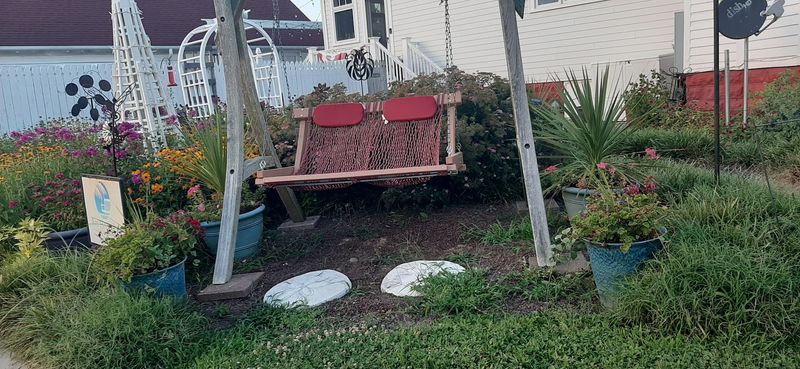
The Eastern Shore of Virginia has some of the most fertile agricultural land on the East Coast, and Cape Charles residents benefit enormously from that rich soil. Growing your own vegetables, herbs, and fruit here is not just possible — it is practically encouraged by the landscape itself.
Community members often swap seeds, share growing tips, and collaborate on larger garden projects. The mild coastal climate extends the growing season compared to many inland Virginia locations, meaning you can harvest fresh produce from spring well into late fall.
Backyard chickens are also popular among Cape Charles homeowners, adding fresh eggs to the self-sufficient lifestyle. Local farmers markets provide anything you cannot grow yourself, and most vendors are just a short drive away.
Living this close to your food source changes your relationship with eating in the most grounding, rewarding way imaginable.
Off-Grid Composting and Waste Reduction
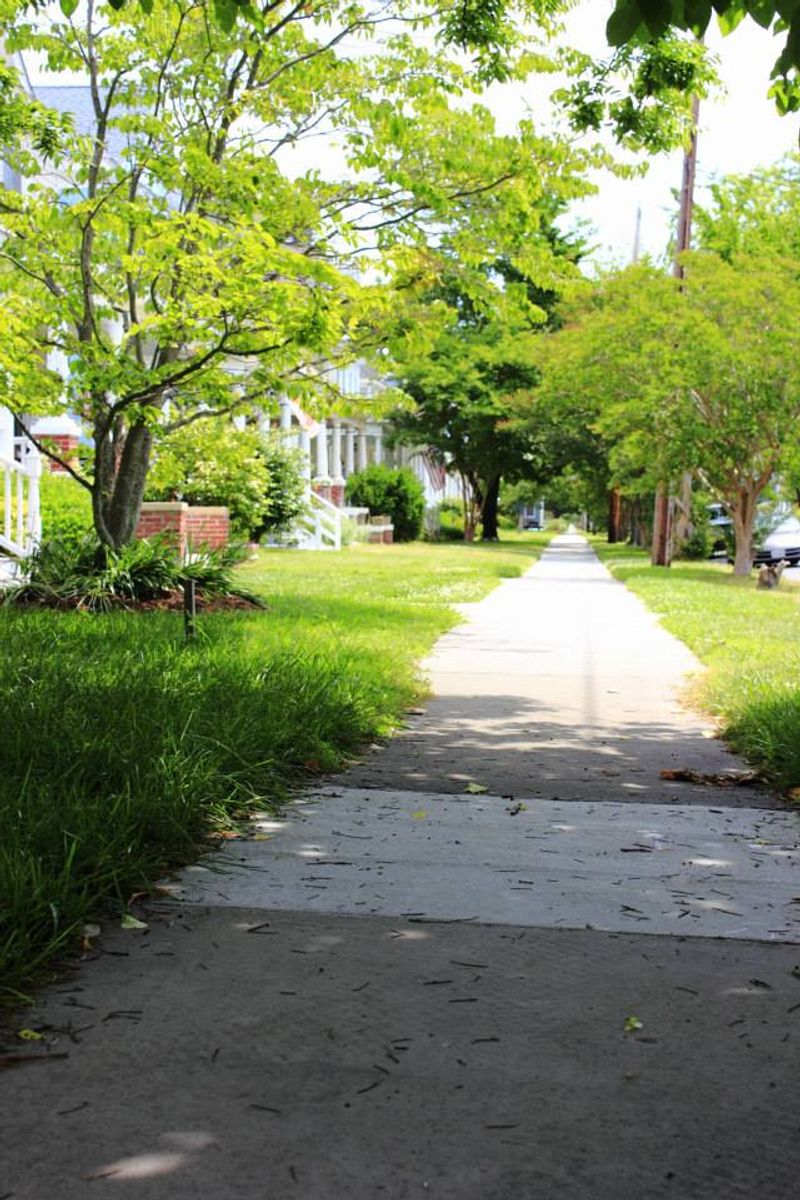
Composting is one of those habits that sounds complicated until you actually start doing it — and then you wonder why you waited so long. Cape Charles residents who are serious about off-grid living have embraced composting as a cornerstone of their waste-reduction strategy.
Kitchen scraps like vegetable peels, coffee grounds, and eggshells transform into rich, dark compost that feeds garden beds without any store-bought fertilizer. The process reduces household trash significantly and closes the loop between what you eat and what your garden produces.
The town’s small size and community-minded culture make it easy to learn composting from neighbors who have already mastered it. Some residents even run worm bins indoors during colder months for year-round compost production.
Reducing what you throw away feels empowering here, especially when your garden starts thriving on what used to be considered garbage.
Chesapeake Bay Fishing for Fresh Seafood
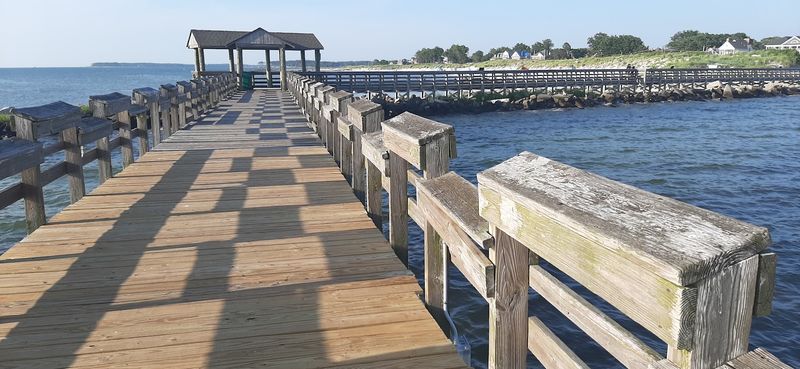
Forget the grocery store seafood aisle — when you live in Cape Charles, the Chesapeake Bay is practically your personal pantry. The bay teems with blue crabs, striped bass, flounder, and oysters, making fishing and crabbing a genuinely practical way to supplement your food supply.
Residents with even basic fishing skills can regularly pull in enough catch for a full family dinner. Virginia fishing licenses are affordable and easy to obtain, and the local fishing community is welcoming to newcomers who want to learn the ropes quickly.
Crabbing with a simple hand line and a piece of chicken neck is a beloved local tradition that costs almost nothing. The experience of catching your own seafood, cooking it fresh, and sharing it with neighbors captures everything that makes Cape Charles feel so different from the modern world.
Self-sufficiency rarely tastes this good.
Wind Energy Potential on the Eastern Shore
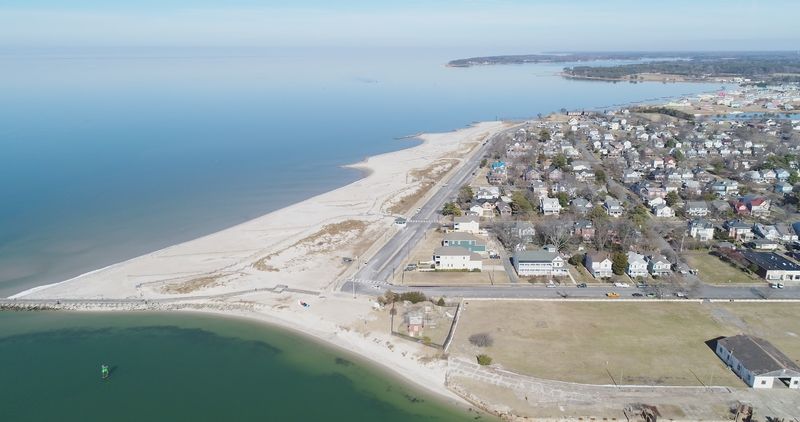
Cape Charles sits on the tip of Virginia’s Eastern Shore, a flat, open peninsula where coastal winds blow steadily and reliably. That wind is not just refreshing on a hot summer day — it is a legitimate energy resource for residents interested in going fully off the grid.
Small residential wind turbines can complement solar panel systems, generating power on cloudy or stormy days when sunlight is limited. The combination of wind and solar creates a more consistent, year-round energy supply that reduces dependence on battery storage alone.
Virginia has been expanding its renewable energy infrastructure, and the Eastern Shore is central to that growth. Offshore wind projects near the region signal a broader cultural shift toward clean energy that aligns perfectly with Cape Charles values.
For residents committed to energy independence, the steady bay breeze is not just pleasant — it is practically a utility waiting to be tapped.
Cape Charles Beach and Natural Surroundings
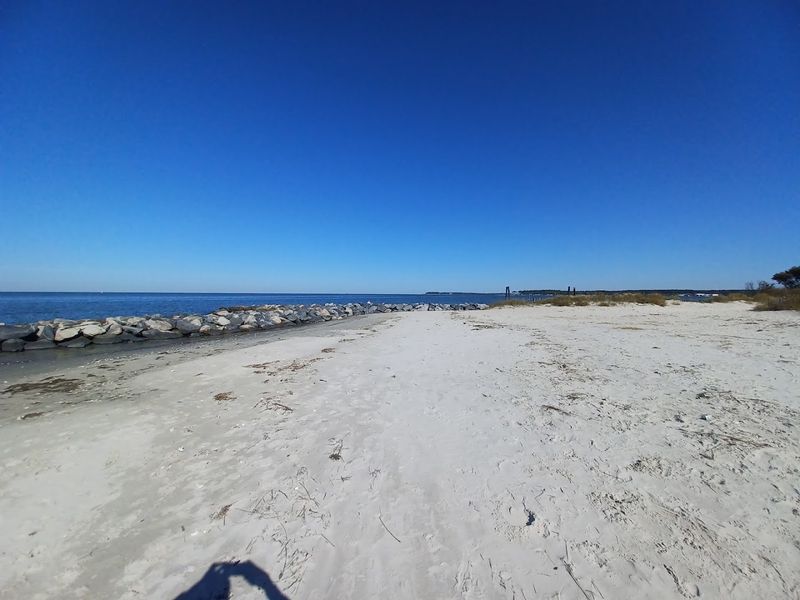
Most people picture crowded boardwalks and loud beach bars when they think of Virginia beach towns. Cape Charles is the complete opposite — its beach is calm, clean, and wonderfully uncrowded, stretching along the gentle Chesapeake Bay rather than the rough Atlantic Ocean.
The bay waters here are warmer and calmer than ocean beaches, making swimming safe and enjoyable for all ages. Kayaking, paddleboarding, and birdwatching are popular activities that connect residents with the natural environment without requiring expensive gear or memberships.
The surrounding landscape includes marshes, pine forests, and wildlife refuges that are home to hundreds of bird species, making Cape Charles a well-known destination among birdwatching enthusiasts. Living so close to this kind of natural beauty rewires how you spend your free time.
Instead of scrolling through screens, you find yourself watching herons glide across still water at dusk.
Small-Town Community and Neighborly Culture
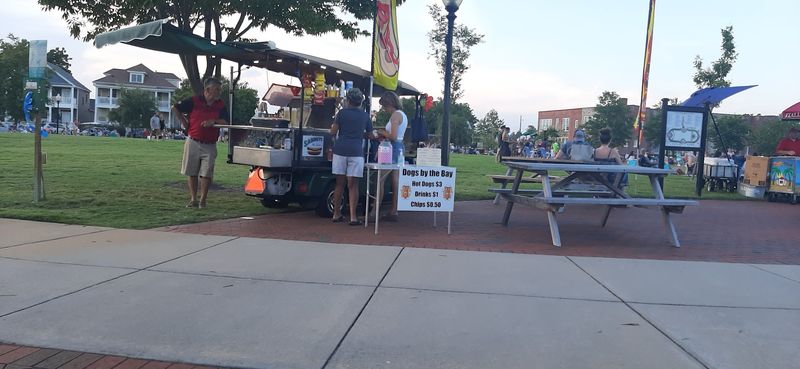
There is something almost old-fashioned about the way people treat each other in Cape Charles, and that is meant as the highest compliment. With fewer than 1,200 residents, the town operates more like a large, extended family than a typical municipality.
Neighbors genuinely look out for one another. If your garden produces more tomatoes than you can eat, you leave a basket on the porch for anyone passing by.
If you are new to town and struggling with a home repair, someone with the right skills almost always shows up to help.
This tight-knit culture is especially valuable for people transitioning to off-grid living, where the learning curve can feel steep. Having experienced, generous neighbors shortens that curve dramatically.
Community events, shared resources, and informal skill exchanges make Cape Charles not just a place to live, but a place where living actually feels meaningful and connected.
Low Cost of Living and Property Taxes
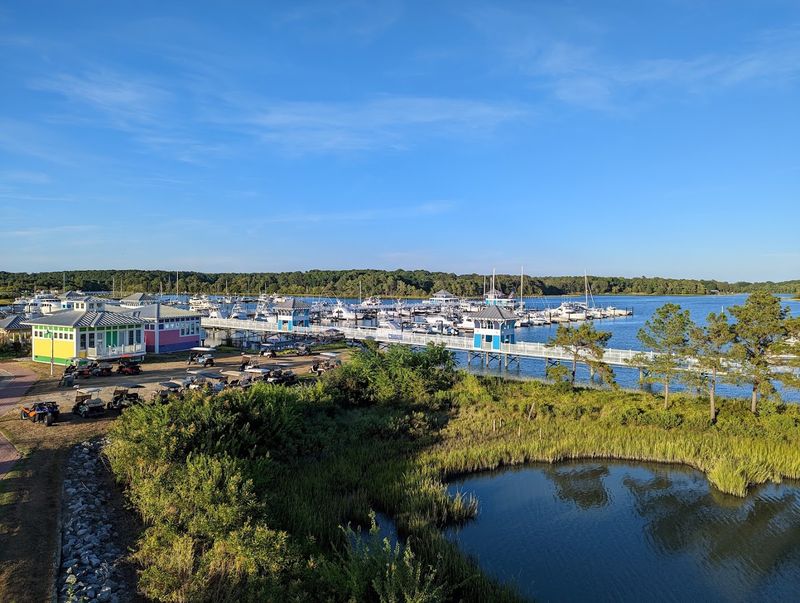
One of the most practical reasons people choose Cape Charles for off-grid living is simply the math. Property taxes in Northampton County are among the lowest in Virginia, and the overall cost of living sits well below the national average for coastal communities.
Lower costs mean your savings stretch further, giving you more financial room to invest in solar panels, rainwater systems, garden infrastructure, or whatever else your off-grid setup requires. You are not spending half your income just to keep a roof over your head.
For people leaving expensive cities like Washington D.C. or Northern Virginia, the financial contrast is almost shocking. A home that would cost over a million dollars in a trendy suburb can be found in Cape Charles for a fraction of that price.
That financial breathing room is what turns the dream of self-sufficient living from a fantasy into a very achievable reality.
Stargazing and Dark Skies Above Cape Charles
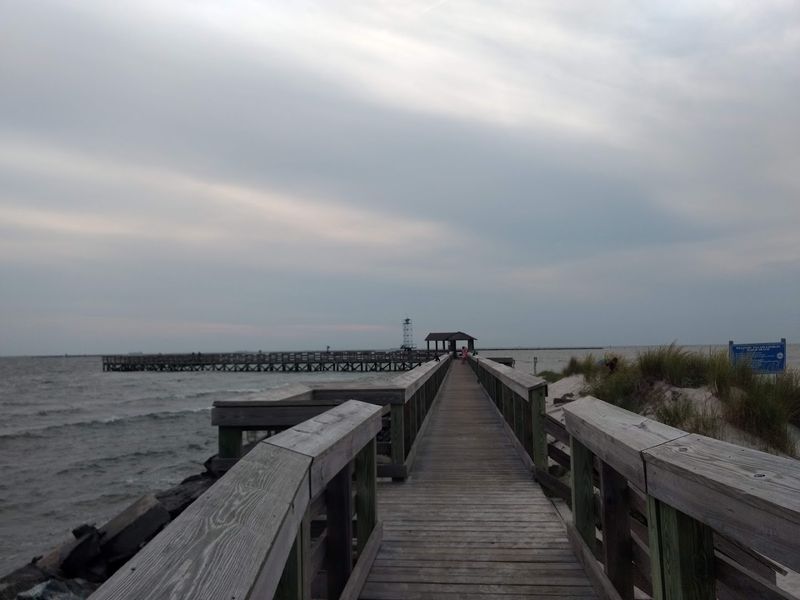
Step outside on a clear night in Cape Charles and look up — what you see will genuinely take your breath away. Far from the light pollution of major cities, the skies above this small Eastern Shore town are remarkably dark and clear, revealing stars, planets, and even the Milky Way with stunning clarity.
Stargazing here is not a special occasion. It is just Tuesday night.
Residents regularly set up telescopes in their backyards or simply lie on the grass and watch meteor showers pass overhead without any special equipment at all.
That kind of simple, free, awe-inspiring experience is central to what off-grid living is really about — reconnecting with the natural world in ways that modern life tends to block out. Cape Charles gives you back the night sky, and once you have experienced it regularly, returning to a light-polluted city feels genuinely difficult.
Biking and Walking as Primary Transportation
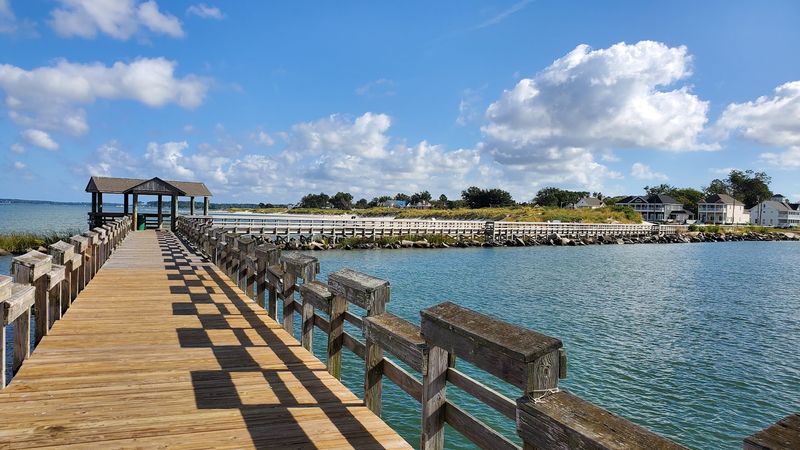
Car-free days are not a challenge in Cape Charles — they are just a natural part of daily life. The town is compact and flat, making bicycles and walking the most sensible ways to get around.
Most errands, social visits, and recreational trips can be handled without ever turning a key in an ignition.
The streets are quiet, traffic is minimal, and the infrastructure is genuinely friendly to cyclists and pedestrians. Kids ride bikes to the beach.
Adults pedal to the coffee shop. Nobody is in a rush, and nobody expects you to be either.
Choosing human-powered transportation eliminates a significant chunk of your carbon footprint and your transportation budget simultaneously. No gas bills, no parking stress, no road rage.
For off-grid enthusiasts, ditching the car as much as possible is a natural extension of the lifestyle — and in Cape Charles, the town itself makes that choice remarkably easy.
Remote Work Opportunities from Cape Charles
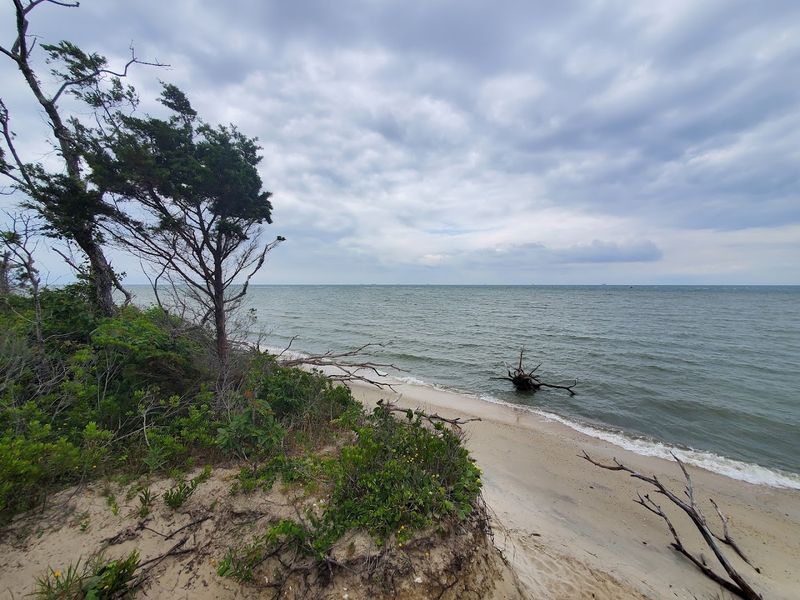
Living off the grid does not have to mean living without income. Cape Charles has quietly become a destination for remote workers who want coastal beauty, low costs, and a slower pace without sacrificing professional ambitions or internet connectivity.
Broadband internet access has improved significantly in Northampton County in recent years, making reliable remote work from Cape Charles a realistic option for professionals in technology, writing, design, education, and countless other fields. Several local cafes and the public library offer solid Wi-Fi as backup options.
The mental clarity that comes from living in a calm, beautiful, low-stress environment often translates directly into higher productivity and more creative thinking. Many remote workers who relocated to Cape Charles report that they get more done in fewer hours than they ever did in a busy office.
The town rewards the kind of focused, intentional living that remote work genuinely thrives on.
Enjoyed this story?
Add Fast Food Club as a preferred source to see more of our reporting on Google.