


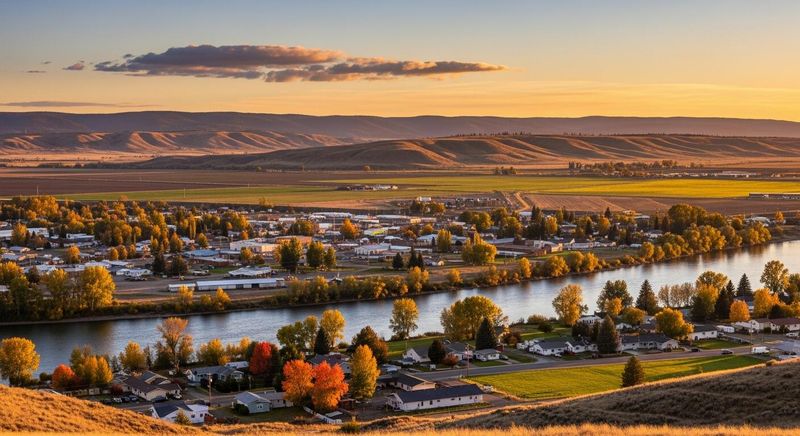
A retirement listicle making the rounds online describes a small Washington town as an affordable, slow-paced haven where retirees can stretch their savings and trade city traffic for river views and mountain scenery. That town appears to be Tonasket, a rural community in north-central Okanogan County.
Before packing any moving boxes, though, prospective retirees deserve a clearer picture of what the data actually show – and what still needs personal investigation.
Tonasket is the town behind a retirement-listicle claim, not a verified migration boom
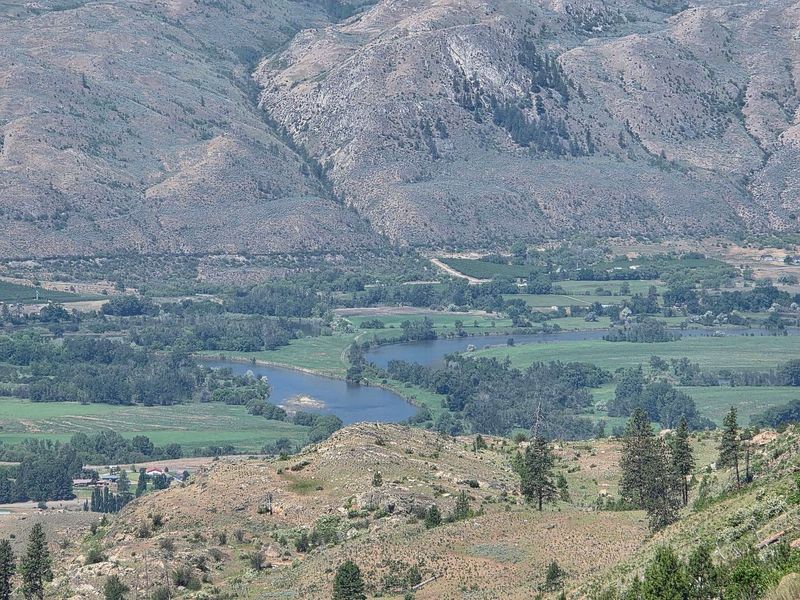
A retirement-focused listicle published at Family Destinations Guide names Tonasket among Washington towns where retirees might live on Social Security, citing its slower pace, Okanogan River scenery and comparatively modest housing costs. That media mention is worth understanding clearly: a listicle recommendation is not the same as documented evidence of a retiree migration wave.
The headline framing that retirees are “flocking” to Tonasket goes further than the available facts support.
Tonasket sits on the eastern bank of the Okanogan River in north-central Okanogan County, roughly 280 miles east of Seattle. According to the city’s own community description, North Valley Hospital is both a local healthcare anchor and the city’s largest employer, which gives some sense of the town’s scale and economic character.
The surrounding county is largely agricultural and forested, with public land and river access defining much of the region’s daily geography.
Population data tell a quieter story than the headline suggests. Washington’s Office of Financial Management 2025 population trends report estimates Tonasket’s population declined slightly from 1,103 residents in 2020 to approximately 1,090 in 2025.
Those figures cover the total population, not age-specific migration, so they neither confirm nor rule out some retiree arrivals. What they do rule out is any verified retiree boom.
Readers evaluating Tonasket should treat it as a small community that may genuinely appeal to some retirees, while setting aside the inflated claim that large numbers of people are already moving there.
The Okanogan setting supplies the town’s scenic appeal
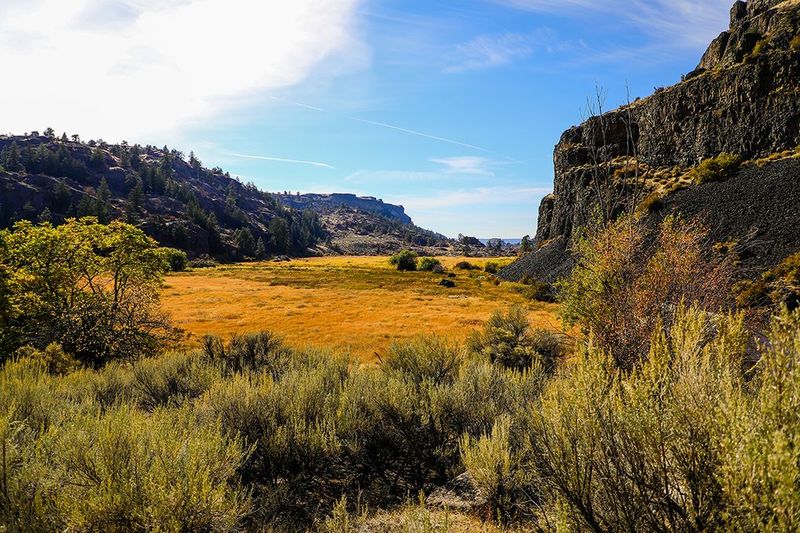
Spend a morning along the Okanogan River and the appeal becomes easy to understand. The region surrounding Tonasket offers river corridors, open range land, forested highlands and access to public recreation areas that many urban retirees simply cannot find within a reasonable drive of major metro areas.
Washington’s official tourism program describes the Okanogan Trails Scenic Byway as passing through small communities, open landscapes, lakes, the Okanogan River and outdoor-recreation areas, which captures the general character of the corridor fairly well.
For retirees who value hiking, fishing, birdwatching or simply sitting outside without city noise, the Okanogan region can offer genuine variety. The Washington DNR’s regional profile describes the Okanogan as a landscape shaped by the Okanogan Highlands, forested terrain and river systems that have drawn outdoor enthusiasts for generations.
Access to that kind of public land is a real and measurable amenity, not just marketing language.
A few honest qualifications belong here. “Peaceful” and “slow-paced” are subjective descriptions that fit many people’s experience of rural north-central Washington, but they are not guarantees. Agricultural traffic, seasonal highway congestion and the practical rhythms of a working rural community mean the area is not uniformly quiet at all hours.
Mountain and river views also vary considerably by neighborhood and property; a home on the valley floor has a different sightline than one on a ridge. Prospective buyers and renters should visit specific properties rather than assuming any particular setting based on regional descriptions alone.
Washington’s tax structure helps some retirees, but it is not tax-free
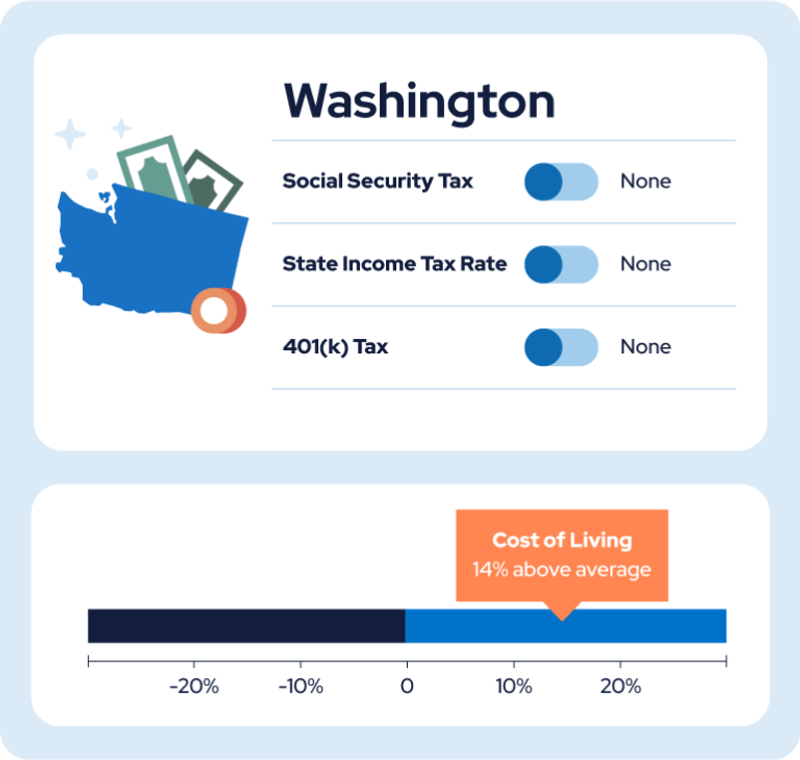
One genuine financial advantage Tonasket shares with every other Washington community is the absence of a state individual income tax. The Washington Department of Revenue confirms that the state does not levy an individual income tax, which means pension income, IRA withdrawals and Social Security benefits are not taxed at the state level.
For retirees moving from states that do tax retirement income, that difference can be meaningful over a decade or more of retirement.
The important distinction is between “no state income tax” and “no taxes.” Washington residents pay state and local sales taxes, property taxes and various fees. Federal income taxes still apply to Social Security benefits above certain income thresholds, and Medicare premiums are deducted from benefits before the check arrives.
A retiree household’s real tax picture depends on their specific income sources, property ownership status and spending habits, not on a single line about income tax.
Social Security benefit figures are useful as general context, not as household budget templates. The SSA’s 2026 COLA fact sheet pegged the average retired-worker benefit at $2,071 per month as of January 2026.
A couple receiving two average benefits would bring in roughly $3,208 monthly before Medicare Part B premiums and other deductions. Whether that amount covers housing, utilities, insurance, vehicle expenses, prescriptions and the occasional trip to a larger city for medical care depends entirely on that couple’s specific costs, which vary by property type, health status and lifestyle.
The national average is a starting point for your own math, not a promise that Tonasket is affordable for every household that moves there.
Housing may look less expensive, but limited supply changes the calculation
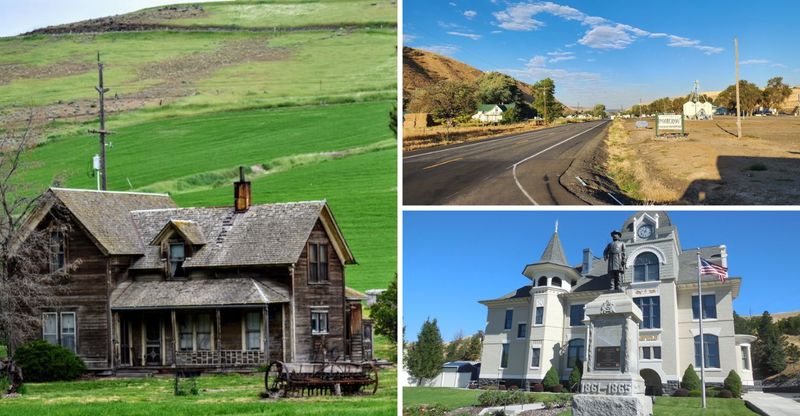
At first glance, a median listing price of around $335,000 looks considerably more manageable than prices in the Seattle metro area or popular resort markets like Leavenworth. A Realtor.com market snapshot for Tonasket showed that figure as a current median listing price, which is a point-in-time estimate of asking prices, not a confirmed sale price and not a guarantee that homes at that level are readily available.
The same snapshot showed only one active rental listing, which is a number that should immediately catch the attention of anyone who plans to rent before buying or who is not yet ready to purchase.
County-level housing data reinforce the caution. Okanogan County’s 2025 community health assessment identifies a shortage of housing, and specifically a shortage of affordable housing, as a recognized local challenge.
Available rentals can carry rents that do not reflect the region’s rural character or the incomes of residents trying to live there. For a retiree on a fixed income who needs to rent while exploring the area or waiting for the right purchase, that thin inventory is a practical obstacle, not a minor footnote.
A lower purchase price also does not automatically mean a lower ongoing cost of living. Rural properties in north-central Washington may involve expenses that urban or suburban buyers are not accustomed to factoring in: private well maintenance, septic system upkeep, heating fuel costs for cold winters, private road maintenance and wildfire mitigation around structures.
Home insurance in rural eastern Washington can be more expensive than in urban markets, and some properties may face coverage limitations depending on their location relative to fire risk zones. Each of those costs is property-specific, meaning readers need to investigate the actual numbers for any home they are considering rather than assuming they apply uniformly across the area.
Local hospital services do not replace specialized medical planning
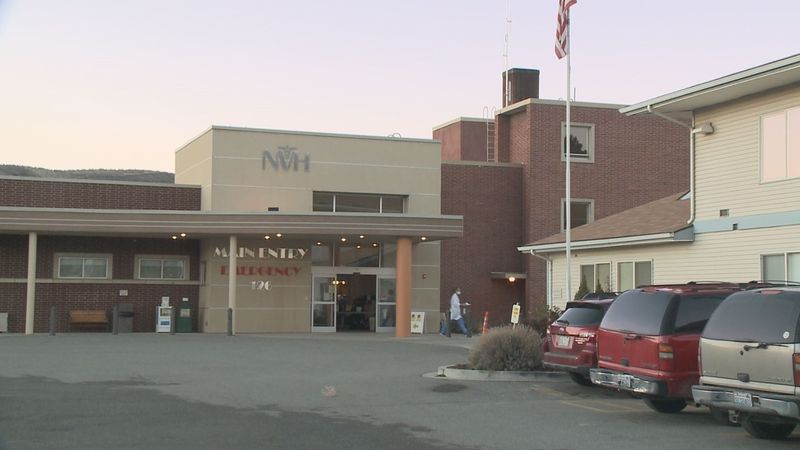
Having a hospital in a town of roughly 1,100 people is a genuine asset, and North Valley Hospital functions as exactly that for Tonasket. North Valley Hospital’s website describes an acute-care facility providing emergency services, primary care and a range of outpatient services, which covers the kind of medical situations that come up most frequently in daily life.
For routine care, minor emergencies and preventive services, having that infrastructure locally removes the burden of driving long distances for every appointment.
The realistic boundary around that coverage matters just as much as the coverage itself. Acute-care hospitals in small rural communities typically do not house every specialty.
Cardiology, oncology, neurology, orthopedic surgery and other specialized services often require referral to larger regional or urban medical centers. Retirees managing chronic conditions or those who anticipate needing specialist care should ask specific questions: Which specialists visit the Tonasket facility, and how often?
Where are patients transferred for complex procedures or overnight surgical care? How far is the nearest tertiary care center, and what does that drive look like in winter?
Insurance participation is another item that requires direct verification. Medicare Advantage plans, Medigap policies and supplemental insurance products each have their own provider networks, and a plan that works well in a retiree’s current location may have limited or no in-network coverage at North Valley Hospital or with the specialists who serve the area.
Calling the hospital’s billing office and your insurance carrier before relocating, rather than after, can prevent expensive surprises. Emergency-transfer procedures and the protocols for moving a patient to a larger facility are also worth asking about directly, since that information rarely appears in online summaries.
Rural logistics and smoke exposure belong in the decision
Getting around in Tonasket requires a car, and that reality shapes daily life in ways that retirees accustomed to urban transit or walkable neighborhoods may not immediately anticipate. Grocery options, hardware stores, clothing retailers and specialty services are limited in a town of this size, meaning regular trips to larger communities are part of the routine.
The distance to those communities, the condition of roads in winter and the cost of maintaining a reliable vehicle are all expenses and logistics that belong in any honest budget calculation. Cell coverage and broadband internet quality also vary across rural Okanogan County and are worth verifying at a specific property address before committing to a move.
Winter conditions in north-central Washington are real and variable. Snow, ice and reduced daylight affect driving safety, access to services and general mobility in ways that matter more as people age.
Snow removal on private roads or driveways may be the homeowner’s responsibility, adding both cost and physical demands. A summer visit to Tonasket can feel genuinely appealing; a January visit gives a more complete picture of what daily life actually looks like during the harder months.
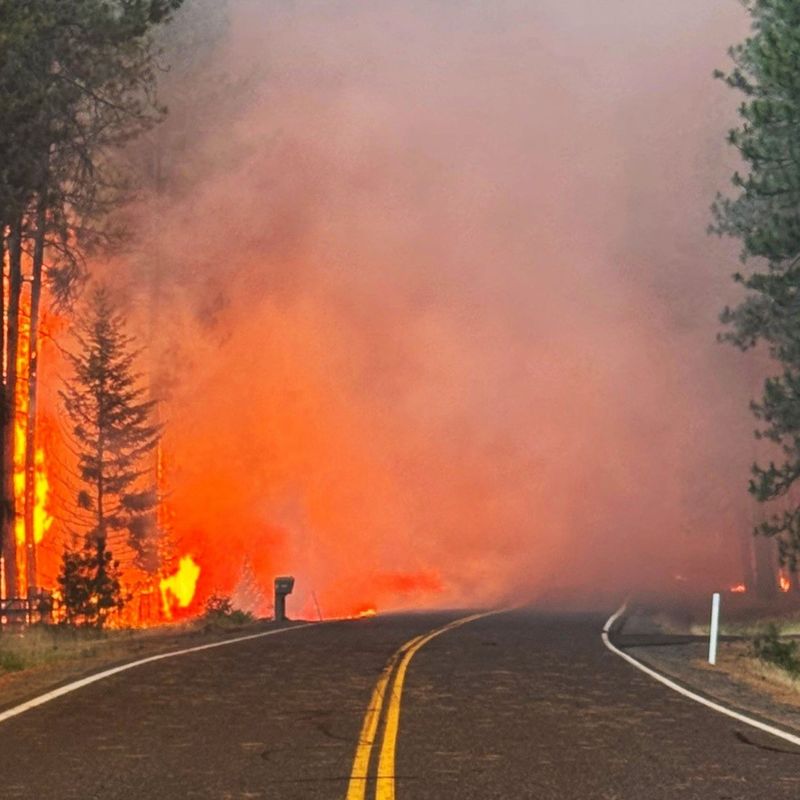
Wildfire smoke is a separate but related concern for this region. NOAA’s Washington climate and disaster summary documents significant drought and wildfire events affecting the state, and eastern Washington has experienced some of the heaviest smoke exposure during active fire seasons.
The CDC’s guidance on wildfire smoke health risks specifically identifies older adults and people with heart or lung disease as higher-risk groups who face greater danger from smoke exposure. That warning is general medical context, not a prediction about any specific Tonasket summer, but it is a reason for retirees with cardiopulmonary conditions to obtain written insurance quotes, ask about air quality patterns locally and plan a visit during fire season before making a final decision.
A personal budget and verification checklist matters more than the headline

No retirement destination works the same way for every household, and Tonasket is no exception. The most useful thing a prospective retiree can do is build a line-by-line monthly budget that reflects their actual income, health needs and lifestyle preferences, then test it against the real costs of living in this specific community.
That means going beyond the median listing price and looking at property taxes on specific homes, utility estimates from local providers, heating costs for the type of structure being considered, vehicle insurance rates and the likely frequency and cost of driving to larger cities for shopping or medical appointments.
Housing inventory in a market this small can shift quickly. Online listing snapshots are useful starting points, but they can be weeks out of date by the time a buyer acts on them.
Calling local real estate agents directly, asking about off-market properties and verifying what is actually available for rent or purchase at a given moment gives a far more accurate picture than any aggregated figure. The county’s housing assessment flagging limited affordable rentals is a reminder that thin inventory can make even a reasonably priced market difficult to enter on a fixed income.
Medical planning deserves the same rigor. Contact North Valley Hospital directly to ask about which services are available locally, how specialist referrals work and what emergency-transfer procedures look like.
Verify that your Medicare plan has in-network coverage at the facility. Check regional environmental data for context on wildfire and smoke patterns, then visit during fire season and during a winter month before making a final commitment.
Getting written insurance quotes for any property you are seriously considering, rather than relying on general estimates, rounds out the due diligence that separates an informed decision from an optimistic one.
Tonasket may fit some retirees, but the evidence supports a possibility—not a promise
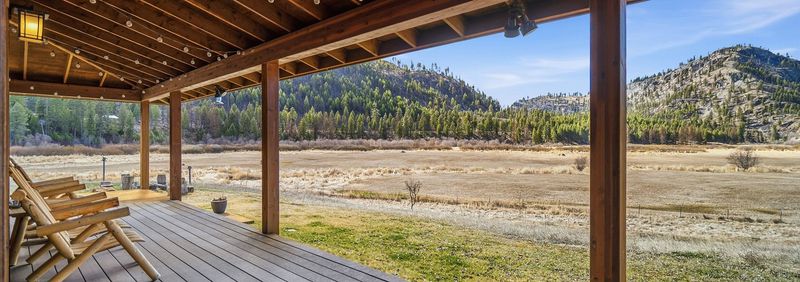
Tonasket has real attributes worth considering. The Okanogan River setting, access to public land, a quieter daily environment and housing prices that are potentially lower than some of Washington’s most expensive markets add up to a combination that may genuinely suit certain retirees.
Those who value small-community life, outdoor access and distance from urban congestion have reasonable grounds to put Tonasket on a shortlist for further investigation.
The weight of available evidence, including population data showing a slight overall decline, a rental market with extremely thin inventory, a county-level housing shortage, the scope of local medical services and CDC-documented smoke risks for older adults, points toward a possibility rather than a proven retirement solution. Whether Tonasket works for any particular household depends on that household’s income, health, housing status and tolerance for rural tradeoffs.
The listicle found something worth looking at; your own research determines whether it is worth moving to.
Enjoyed this story?
Add Fast Food Club as a preferred source to see more of our reporting on Google.