


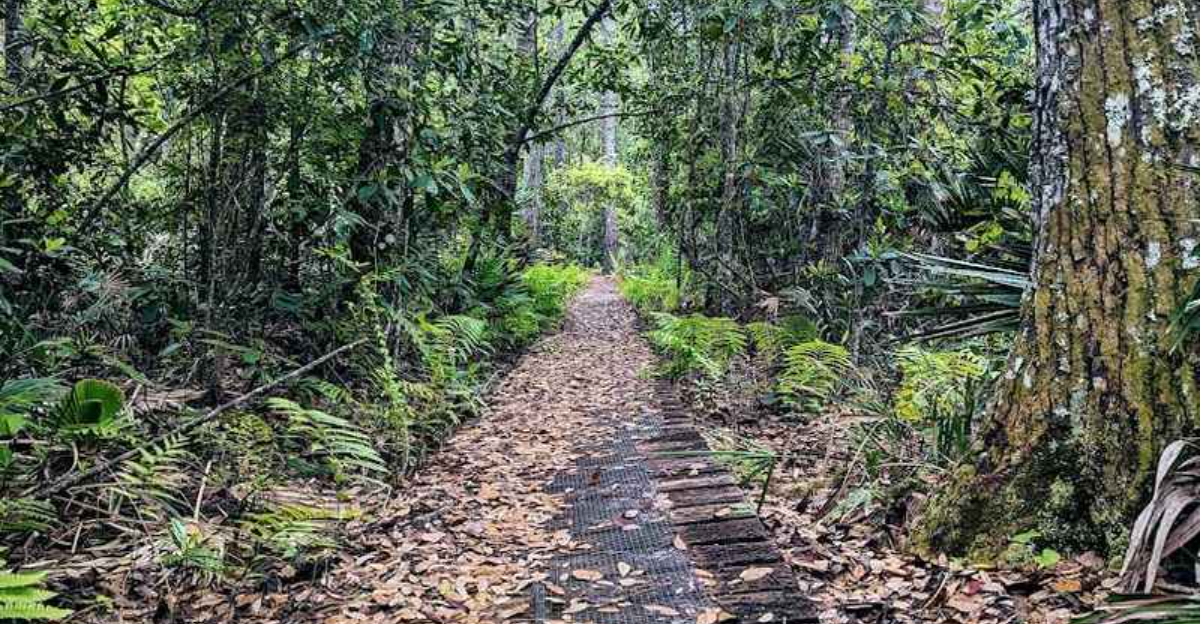
Tucked away in the Ocala National Forest near DeLand, Florida, the St. Francis Yellow Trail is one of the state’s best-kept secrets. This nearly 8-mile loop winds through wild Florida landscapes and leads hikers to the site of St. Francis, a ghost town that vanished long ago.
Whether you love history, nature, or just a good adventure, this trail has something special waiting for you. Pack your gear, lace up your boots, and get ready to explore a hidden piece of Florida history.
The Ghost Town of St. Francis
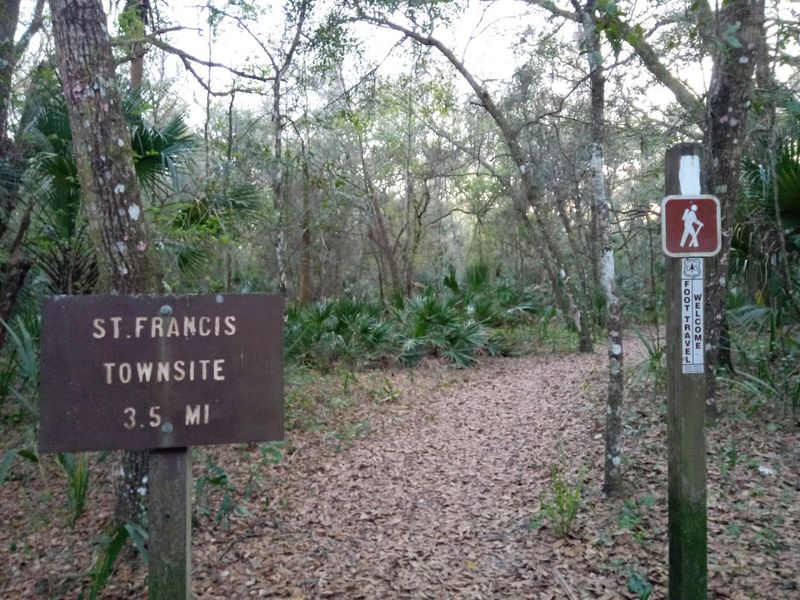
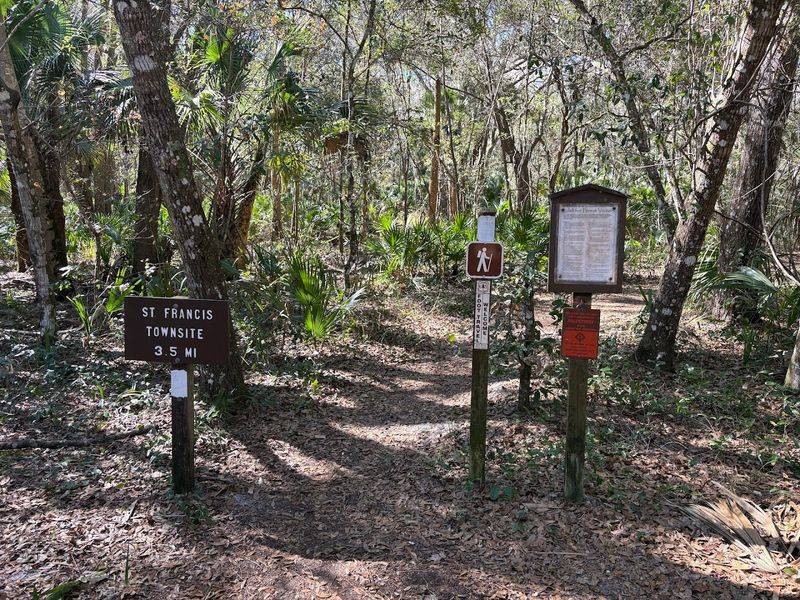
Somewhere along this winding trail, a whole town once stood — and then disappeared. The ghost town of St. Francis sits about 3.5 miles from the trailhead, marked only by a sign pointing toward its former location.
When you arrive, there are no crumbling buildings or dramatic ruins to photograph, just the quiet forest where a community once lived.
That mysterious emptiness is actually what makes it so fascinating. St. Francis was a small settlement that thrived in the 1800s before fading into history.
Today, nature has completely reclaimed the land, making it feel like the town never existed at all.
Reaching the site feels like solving a puzzle — you hike miles through beautiful wilderness only to find peaceful silence as your reward. For history lovers and curious explorers, that feeling is absolutely worth the journey.
The Yellow Trail Blazes That Keep You on Track
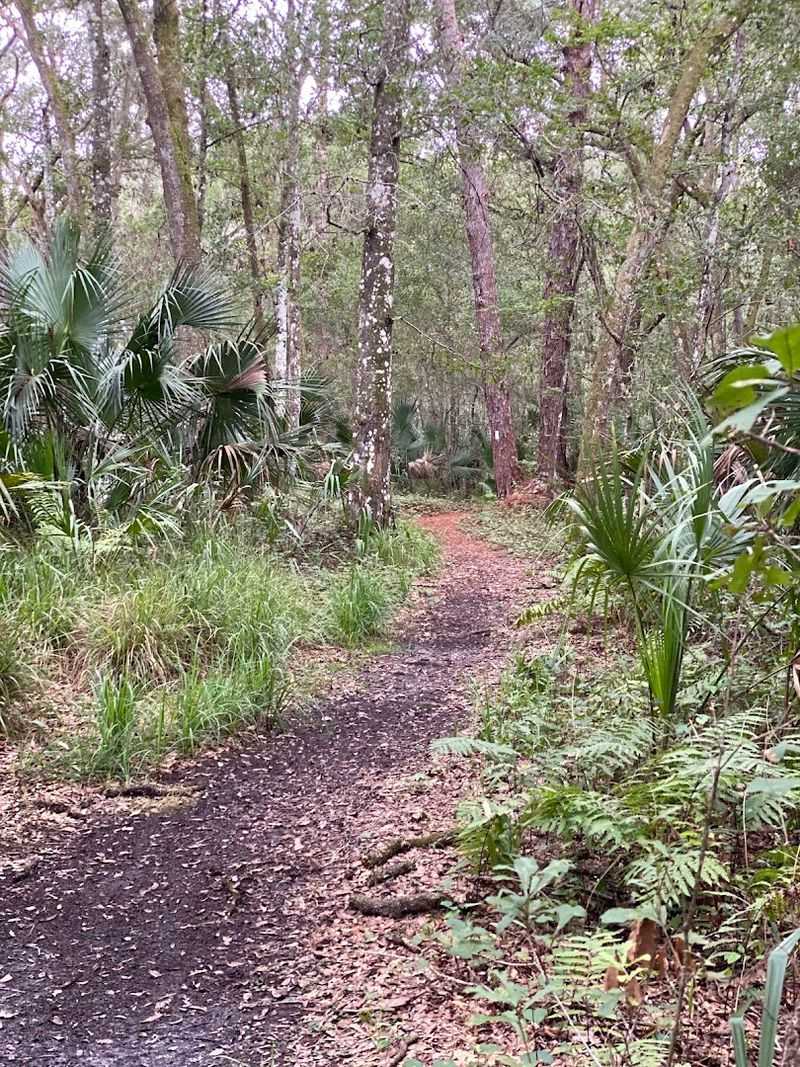
Getting lost in a Florida forest is nobody’s idea of a good time, but the yellow blazes on the St. Francis Yellow Trail make sure that rarely happens. These painted markers appear regularly on tree trunks, guiding hikers through the winding route with confidence.
Reviewers consistently praise how well-marked the trail is, even through its more overgrown sections.
One important tip from experienced hikers: if you stop seeing white blazes at intersections, you have taken a wrong turn. Paying close attention at every fork in the path is key to staying on course.
The trail connects with the Florida National Scenic Trail, adding extra navigational options for those wanting a longer adventure.
Yellow and white together create a reliable system that most hikers find easy to follow. Just slow down at every junction, look carefully for your next blaze, and the trail will take care of the rest.
The St. Johns River Views
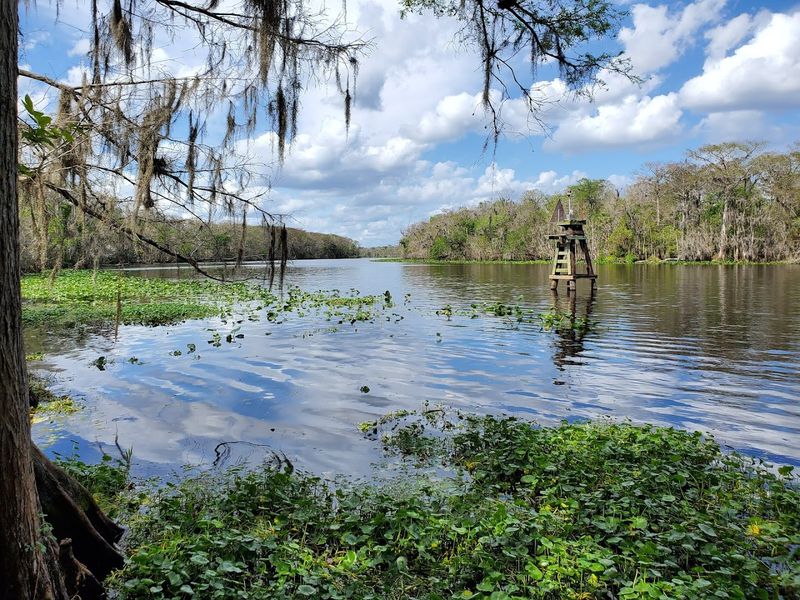
After miles of forest hiking, catching your first glimpse of the St. Johns River feels like a well-earned reward. The river view comes at the northernmost section of the trail, accessible along a service road rather than the main path itself.
Hikers who have made it this far describe the spot as peaceful, open, and completely worth the effort.
Some adventurous visitors have even camped along the riverbank, calling it the best spot to pitch a tent on the entire trail. The combination of shade, river breeze, and total quiet creates an atmosphere unlike anything you will find at a typical campground.
Bring a snack, sit on the bank, and take it all in before heading back.
The Dead River, a quieter tributary nearby, is also reachable with a short detour. Both water views add a scenic payoff that makes the long hike feel completely worthwhile.
Boardwalks and Log Bridges Over Creeks
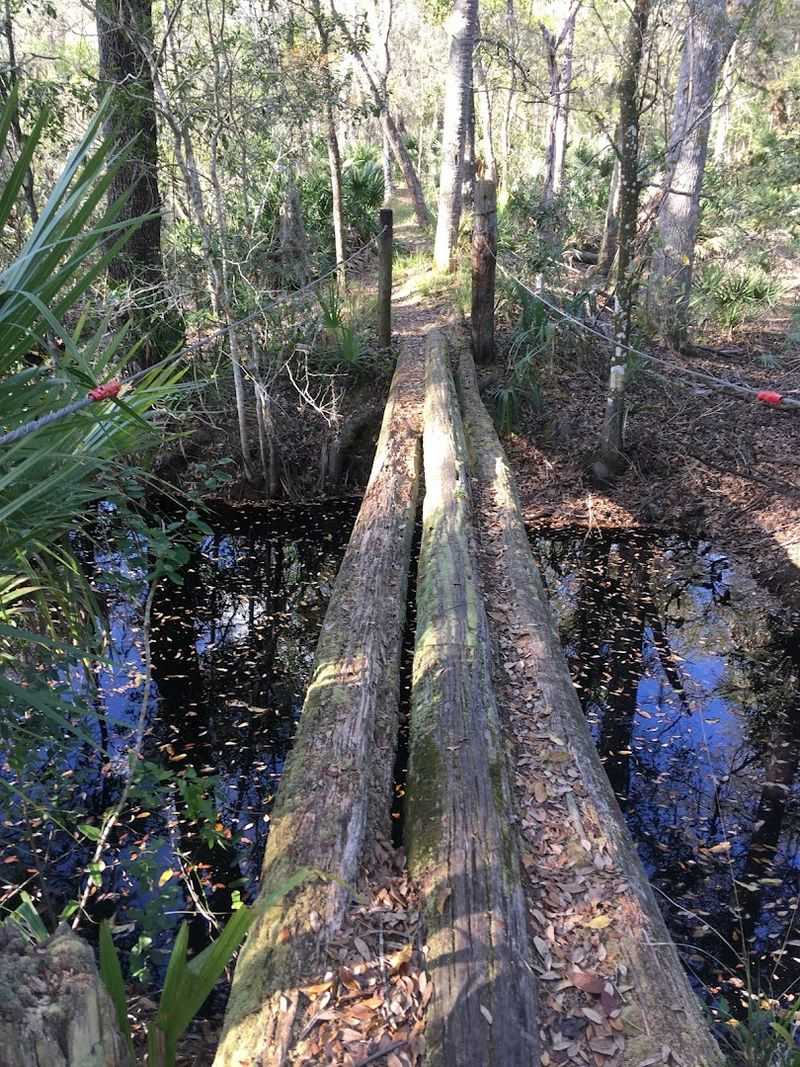
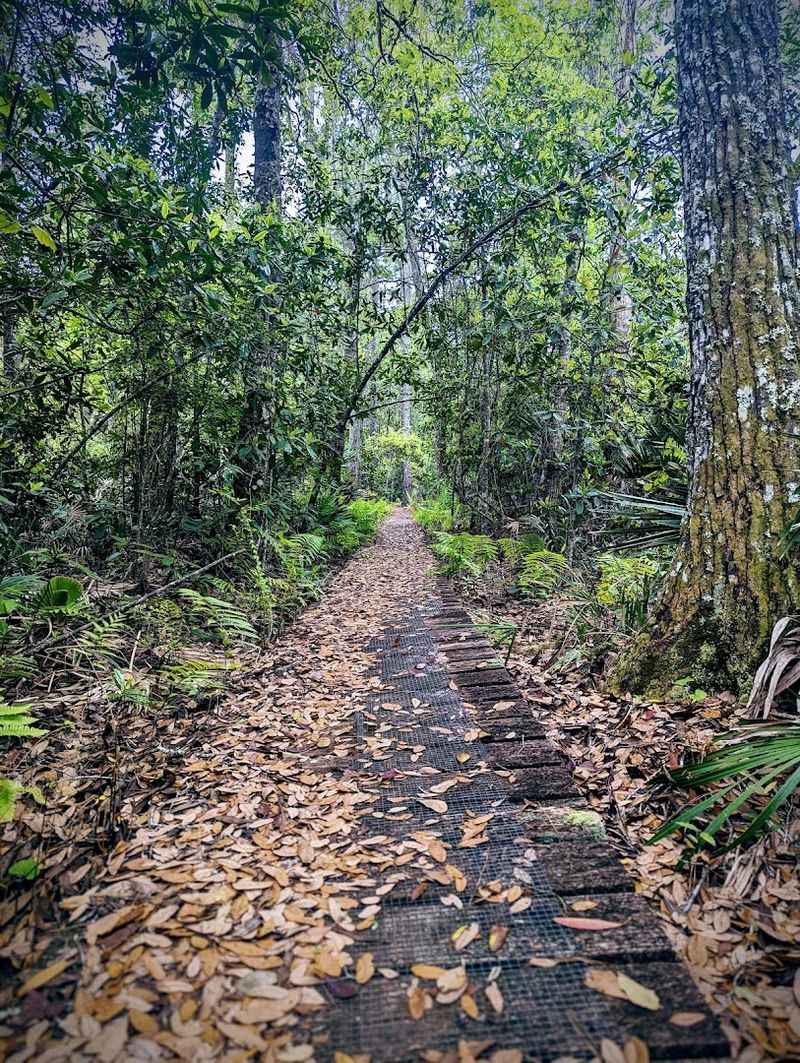
One of the most charming features of the St. Francis Yellow Trail is the series of wooden boardwalks and log bridges scattered throughout the route. These structures carry hikers over muddy patches, small creeks, and wet lowland areas that would otherwise make the path difficult to pass.
They add a fun, adventure-park quality to the hike that many visitors find memorable.
A word of caution, though: some of the boards are loose or slippery, especially after rain. Experienced hikers recommend walking in the center of plank bridges and taking your time rather than rushing across.
Wet boots and a twisted ankle can turn a great hike into a rough day fast.
Despite the occasional maintenance issues, most reviewers agree the boardwalks are one of the trail’s coolest features. Crossing a mossy log bridge deep in a Florida forest feels genuinely wild and adventurous, like something out of a nature documentary.
The Dense Tree Canopy and Shade Cover
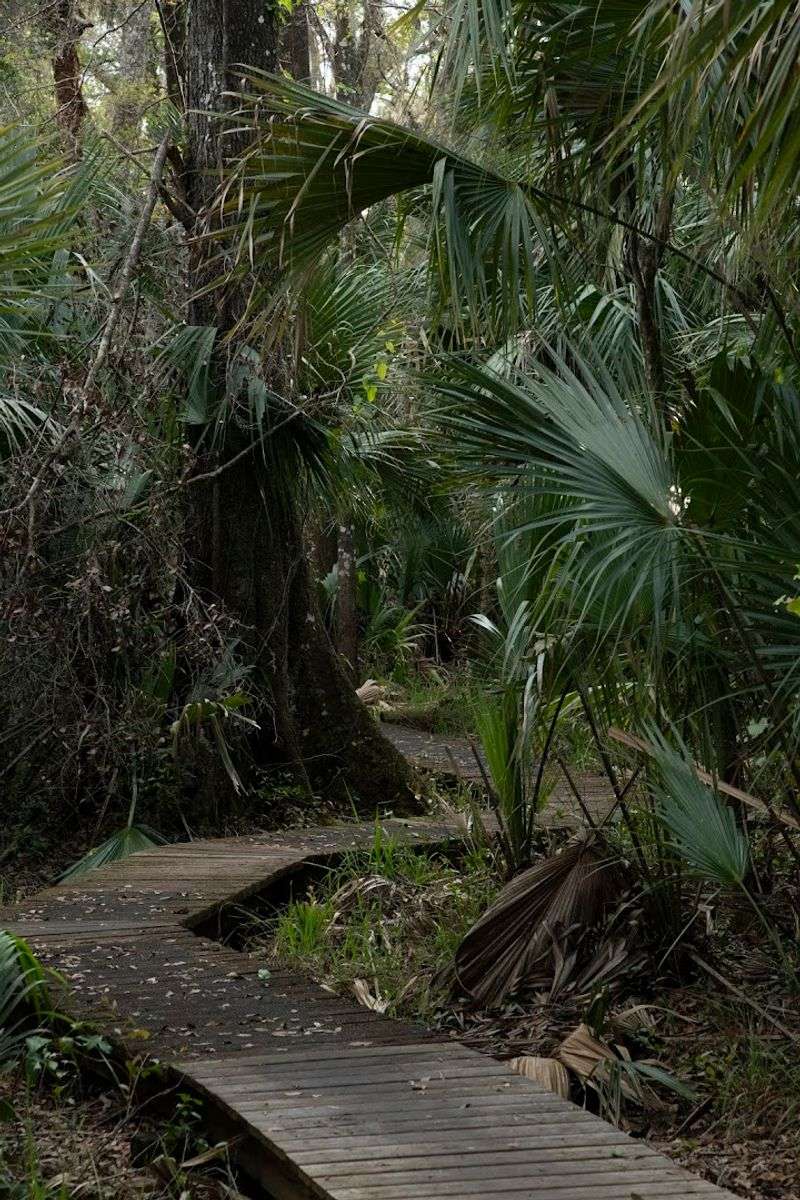
Hiking in Florida under a blazing summer sun can be brutal, but the St. Francis Yellow Trail offers generous relief thanks to its thick, continuous tree canopy. Tall oaks, pines, and subtropical vegetation form a natural roof over much of the trail, keeping temperatures noticeably cooler than open terrain.
One reviewer described the feeling as being somewhere in the jungle, which is honestly not far off.
The shaded sections are especially appreciated during warmer months when direct sunlight makes outdoor activity exhausting. Spring and fall are widely considered the best seasons to visit, but even summer hikers find the canopy cover makes the experience manageable.
Sunscreen is still a smart idea for open stretches near the river.
Beyond comfort, the canopy creates a magical atmosphere. Sunlight filters through the leaves in golden patches, birds call from the branches above, and the whole forest feels alive and ancient in the best possible way.
Tick Awareness and Bug Protection
Here is the honest truth about the St. Francis Yellow Trail: ticks are a real and serious concern. Dozens of reviewers have reported finding ticks — sometimes in alarming numbers — on their legs, shoes, and clothing during hikes.
Both tiny seed ticks and larger deer ticks have been spotted, and they can latch on quickly even with repellent applied.
Preparation is everything. Wear long pants tucked into your socks, apply a strong DEET-based insect repellent before you start, and check yourself thoroughly at the trailhead before getting in your car.
Bringing a lint roller or tape for a quick sweep of your clothes is a smart move. Dogs are particularly vulnerable, so many experienced hikers advise leaving pets at home.
Visiting during cooler months — late fall through early winter — significantly reduces tick activity on the trail. Timing your trip wisely can make a big difference in your overall experience.
Trail Length and Loop Options
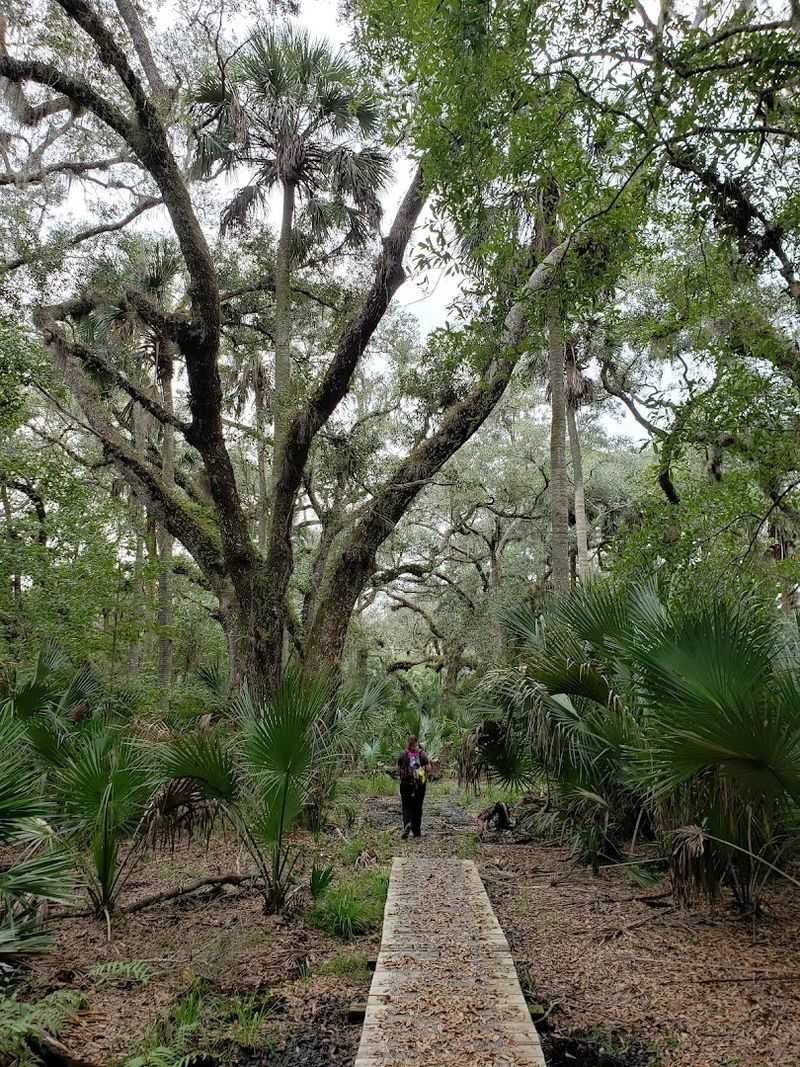
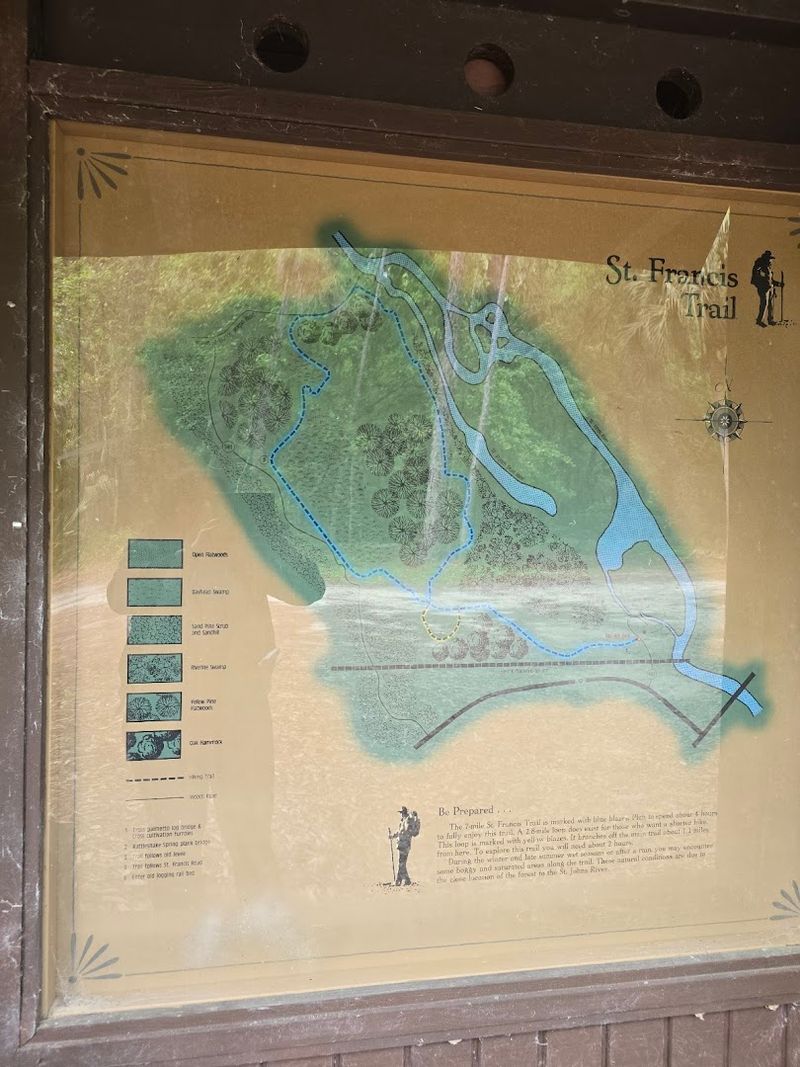
At nearly 8 miles for the full loop, the St. Francis Yellow Trail is a solid half-day or full-day commitment depending on your pace. Most hikers complete the yellow loop in combination with the St. Francis Trail, logging between 7.8 and 8.6 miles total.
That distance makes it more suitable for intermediate to experienced hikers rather than casual walkers looking for a short stroll.
Shorter options exist if the full loop feels too ambitious. Several reviewers mention turning back at the yellow loop section, which still provides a satisfying forest experience without the full mileage commitment.
The trail also connects northward to the Florida National Scenic Trail for those wanting an even longer adventure.
Whatever distance you choose, plan your turnaround point before you start. The trail is linear in many sections, meaning every mile you walk in is a mile you walk back out.
Know your limits and plan accordingly.
Wildlife and Nature Along the Path
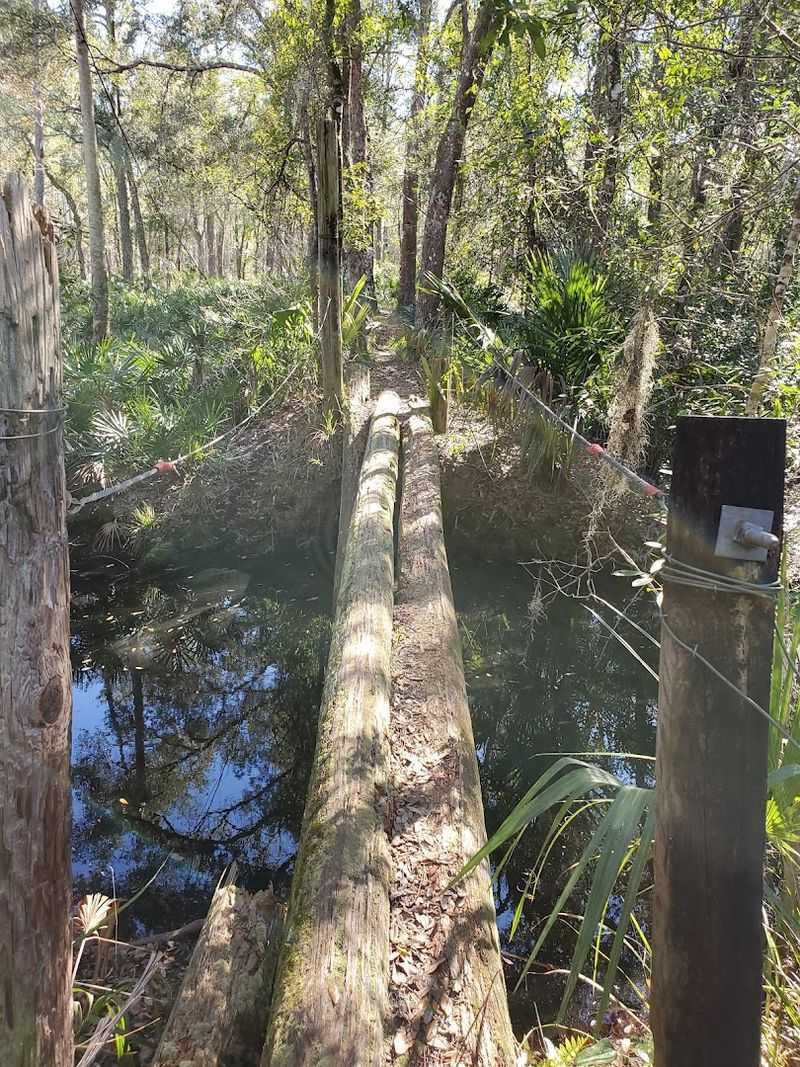
Wild Florida has a way of surprising you when you least expect it, and the St. Francis Yellow Trail passes through several distinct ecosystems that support a wide range of wildlife. The route winds through flatwoods, floodplain forests, and riverside habitats — each one home to different plants and animals.
Even when wildlife stays hidden, the variety of environments keeps the scenery constantly changing.
Not every hiker spots animals on the trail. Several reviewers mention completing the full loop without seeing any wildlife at all, while others have encountered birds, deer, and other forest creatures.
The chances of wildlife sightings improve during quieter morning hours and cooler months when animals are more active.
Poison ivy and poison oak grow near the trail in certain sections, so staying on the marked path protects you from more than just getting lost. Eyes open, trail respect in mind, and a little patience go a long way out here.
Parking and Trailhead Access
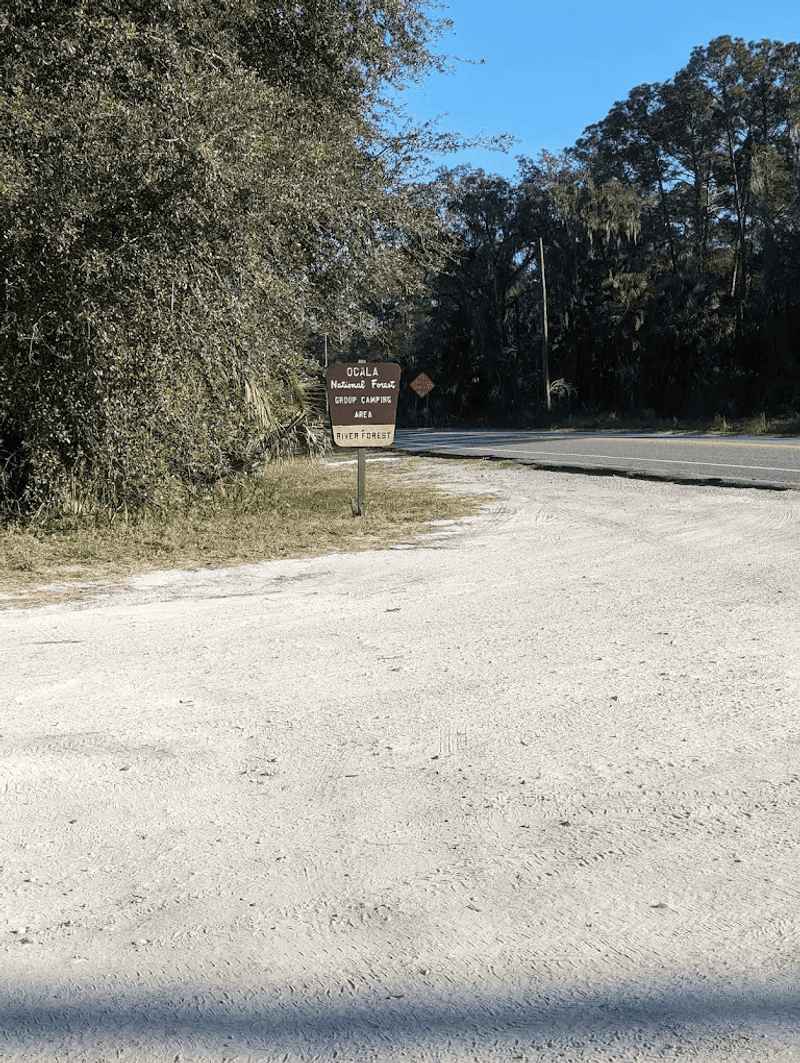
Getting to the St. Francis Yellow Trail is straightforward, and the trailhead setup makes a solid first impression. The parking area is described by multiple hikers as spacious and safe-feeling, with room for several vehicles even on busier days.
Finding a spot is rarely a problem, which is a welcome change from many popular Florida outdoor destinations.
The address at 45914 River Forest Boulevard in DeLand puts you right at the edge of the Ocala National Forest. No entry fees are typically required, making this an accessible option for hikers on a budget.
There are no bathroom facilities or water sources at the trailhead, so arriving prepared with plenty of water and a restroom stop beforehand is essential.
Cell service can be unreliable in this area, so downloading an offline map before you leave home is a practical move. Starting early in the morning also helps you beat the heat and enjoy the trail at its most peaceful.
Muddy Patches and Seasonal Trail Conditions
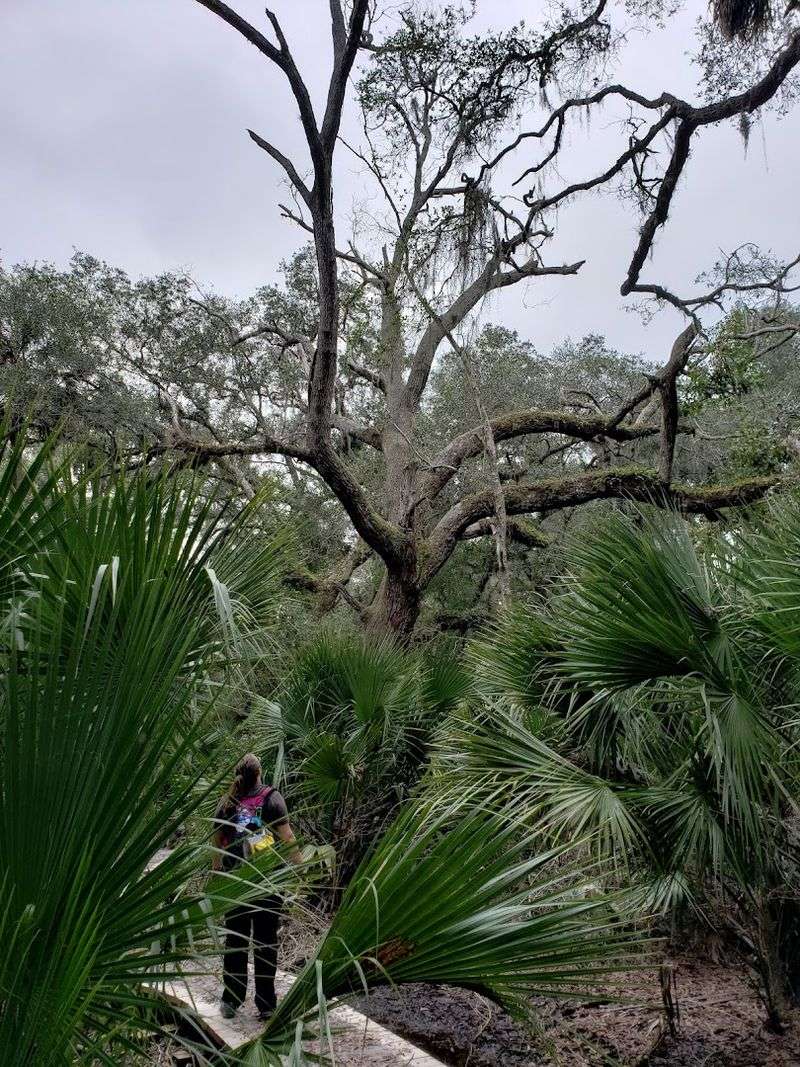
Rain transforms the St. Francis Yellow Trail in ways both beautiful and challenging. After a good downpour, sections of the path become muddy and slick, and some low-lying areas can flood temporarily.
The boardwalks help, but they do not cover every wet section, meaning waterproof boots are a genuinely smart investment for this trail rather than an optional luxury.
Interestingly, several reviewers say the trail holds up surprisingly well even after heavy rain. One hiker noted minimal flooding despite recent storms, crediting the forest floor’s natural drainage for keeping conditions manageable.
That said, timing matters — visiting a day or two after significant rainfall means muddier, wetter conditions throughout.
Winter months offer the most consistently dry and comfortable hiking conditions in this part of Florida. Cooler temperatures, lower humidity, and reduced insect activity combine to make December through February a sweet spot for visiting the St. Francis Yellow Trail.
Connecting to the Florida National Scenic Trail
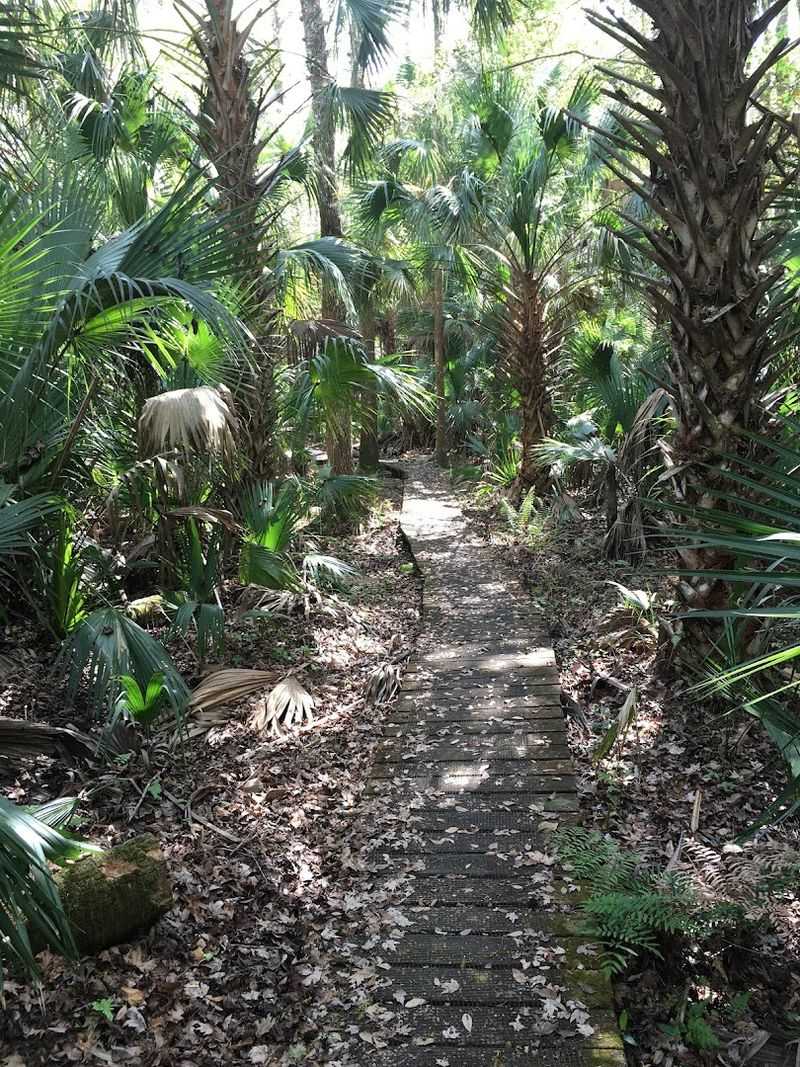
For hikers who want more than 8 miles, the St. Francis Yellow Trail offers a gateway to something much bigger. At its northern end, the trail connects to the Florida National Scenic Trail, a long-distance route that stretches over 1,300 miles across the entire state.
Even a short extension onto the Florida Trail adds a completely different character to your hike.
This connection makes the St. Francis Yellow Trail a valuable access point for thru-hikers and section hikers exploring the broader Florida Trail system. Day visitors can sample a portion of the Florida Trail and return, while more ambitious hikers can plan multi-day trips with proper camping gear.
The riverside camping spots near the St. Johns River make overnight stays especially appealing.
Just remember that heading north onto the Florida Trail significantly increases your total distance. Plan your turnaround point carefully and make sure you have enough water, food, and daylight to complete your chosen route safely.
Best Times to Visit the Trail
Timing a visit to the St. Francis Yellow Trail can make the difference between an amazing adventure and a miserable one. Winter — specifically December through February — earns the strongest praise from experienced hikers.
Cooler temperatures, lower tick activity, and reduced humidity create ideal conditions for covering the full 8-mile loop comfortably. Multiple reviewers specifically call out the cooler months as the best window for this trail.
Spring and fall are also popular choices, offering mild weather and beautiful forest colors. Summer visits are possible thanks to the heavy tree canopy, but heat, humidity, and aggressive insects make the experience significantly harder.
Early morning starts help beat the worst of the heat during warmer months.
Weekday visits tend to offer more solitude than weekends. The trail sees relatively light traffic overall, but arriving early on any day of the week almost guarantees a peaceful, crowd-free experience deep in the Florida wilderness.
What to Pack for the St. Francis Yellow Trail
Heading out on an almost 8-mile forest hike without the right gear is a recipe for a rough day. Water is the most critical item — there are absolutely no water sources on the trail, so carrying at least 2 to 3 liters per person is non-negotiable.
Snacks with good energy density, like trail mix or energy bars, help keep your legs moving through the longer stretches.
Strong DEET insect repellent is practically mandatory given the tick situation. Long pants, long socks, and closed-toe hiking boots provide an extra layer of protection that makes a real difference.
A small first aid kit, a fully charged phone with an offline map downloaded, and a headlamp round out the essentials nicely.
Trekking poles are optional but helpful on muddy or slippery boardwalk sections. Bringing a change of clothes to leave in the car means you can strip off tick-exposed clothing right at the trailhead before heading home.
Enjoyed this story?
Add Fast Food Club as a preferred source to see more of our reporting on Google.