


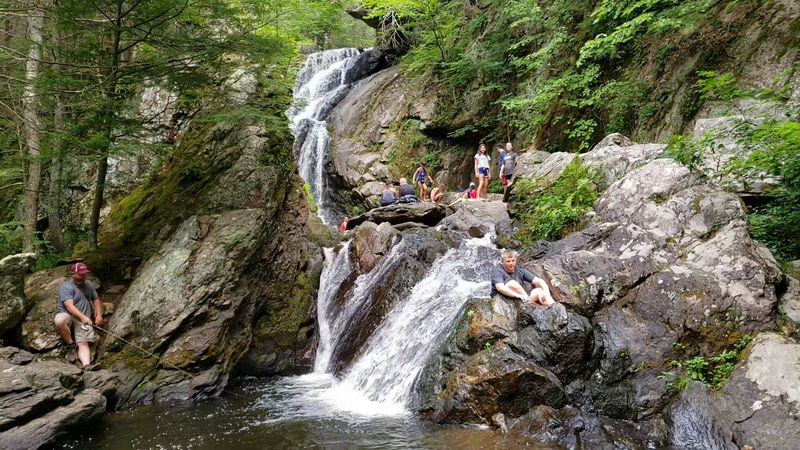
Some of the best rewards come from the shortest efforts, and this quiet corner of northwestern Connecticut proves it. A brief walk through shaded woods, a stone marker at a state border, and then the ground drops away to reveal water tumbling nearly 100 feet over rugged rocky ledges.
It sits near the town of Norfolk, tucked into the rolling Litchfield Hills, where the crowds thin out and the forest takes over. Families arrive with kids, photographers hunt for angles, and dog owners bring leashed companions along for the stroll.
What follows is a full look at what makes this spot worth the drive, how to find the trailhead, where to park, and the small details that turn a quick outing into a memorable one. Read on before you lace up your shoes.
Where the Falls Hide in the Litchfield Hills
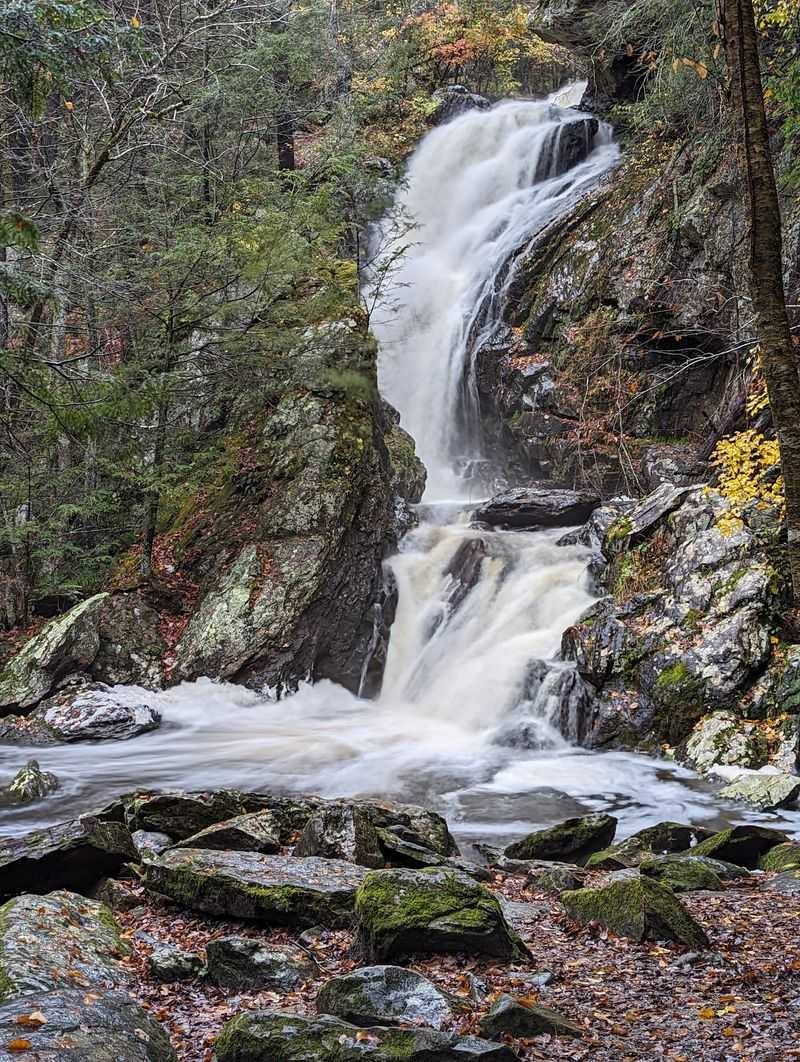
Tucked along Old Spaulding Road in Norfolk, Connecticut, with the postal code 06058, this state park reserve keeps a fairly low profile for a place that ends in such a dramatic drop of water.
The park straddles the border between Connecticut and Massachusetts, split into two halves that sit on opposite ends of the Whiting River. That layout gives visitors more than one way to reach the same reward.
Norfolk itself belongs to the Litchfield Hills, a rolling stretch of forested northwestern Connecticut known for quiet roads and small-town calm. The park fits right into that mood.
Managed by the state’s environmental agency, the reserve stays open around the clock, every day of the week. That means early risers and late-afternoon wanderers both get their chance.
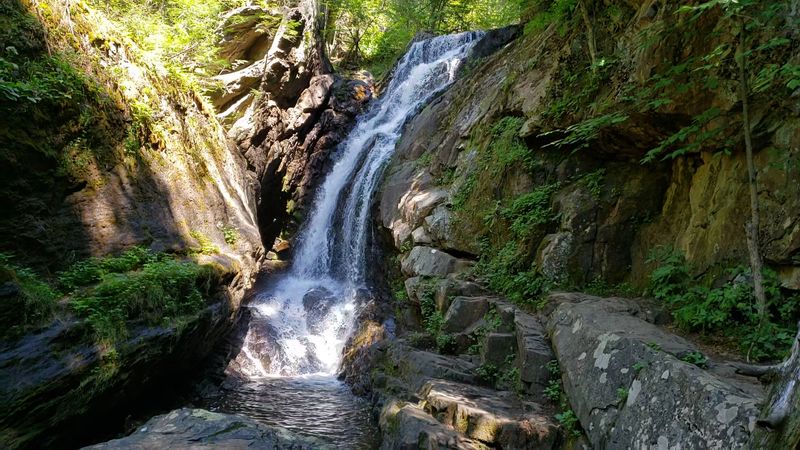
The centerpiece is a waterfall that spills roughly 100 feet over rocky ledges into a clear pool below. Everything else in the park orbits around that single, striking feature.
Finding it takes a little attention, since the setting is genuinely rural. Once you arrive, though, the payoff more than justifies the search.
A Border Straddling Two States
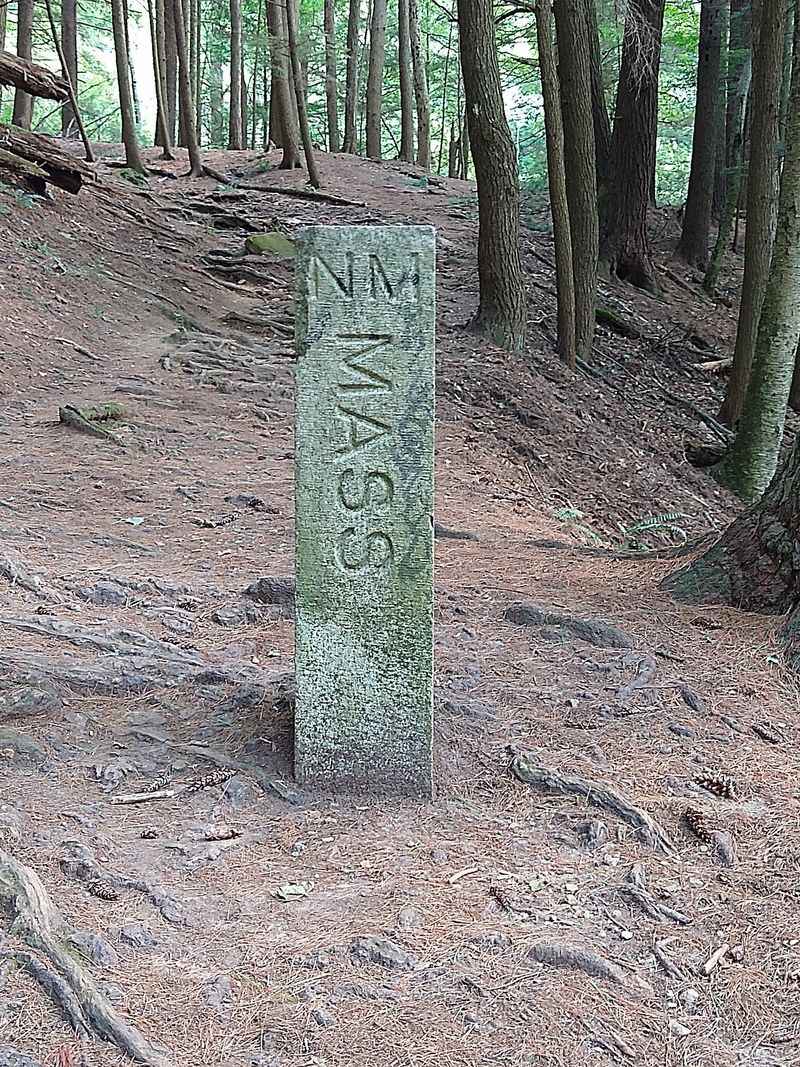
Not every waterfall comes with a geography lesson attached, but this one does. The reserve sits directly on the line dividing Connecticut and Massachusetts, and the trail actually crosses that boundary as you walk.
Along the way, hikers pass a stone border marker roughly halfway to the falls, often about five minutes from the closer parking lot. Spotting it adds a small sense of discovery to the walk.
There are two of these markers erected in the southern half of the park, and part of the fun is searching them out among the trees. They quietly remind you that you are stepping between two states in a single afternoon.
The park’s two sections rest on opposite ends of the Whiting River, which gives the place a divided-yet-connected character. One side leans into Connecticut, the other into Massachusetts.
For families, the markers turn into a mini scavenger hunt. For history-minded walkers, they offer a tangible piece of old surveying work still standing in the woods.
Little touches like these make the short hike feel richer than its length suggests.
The 100-Foot Cascade Over Rocky Ledges
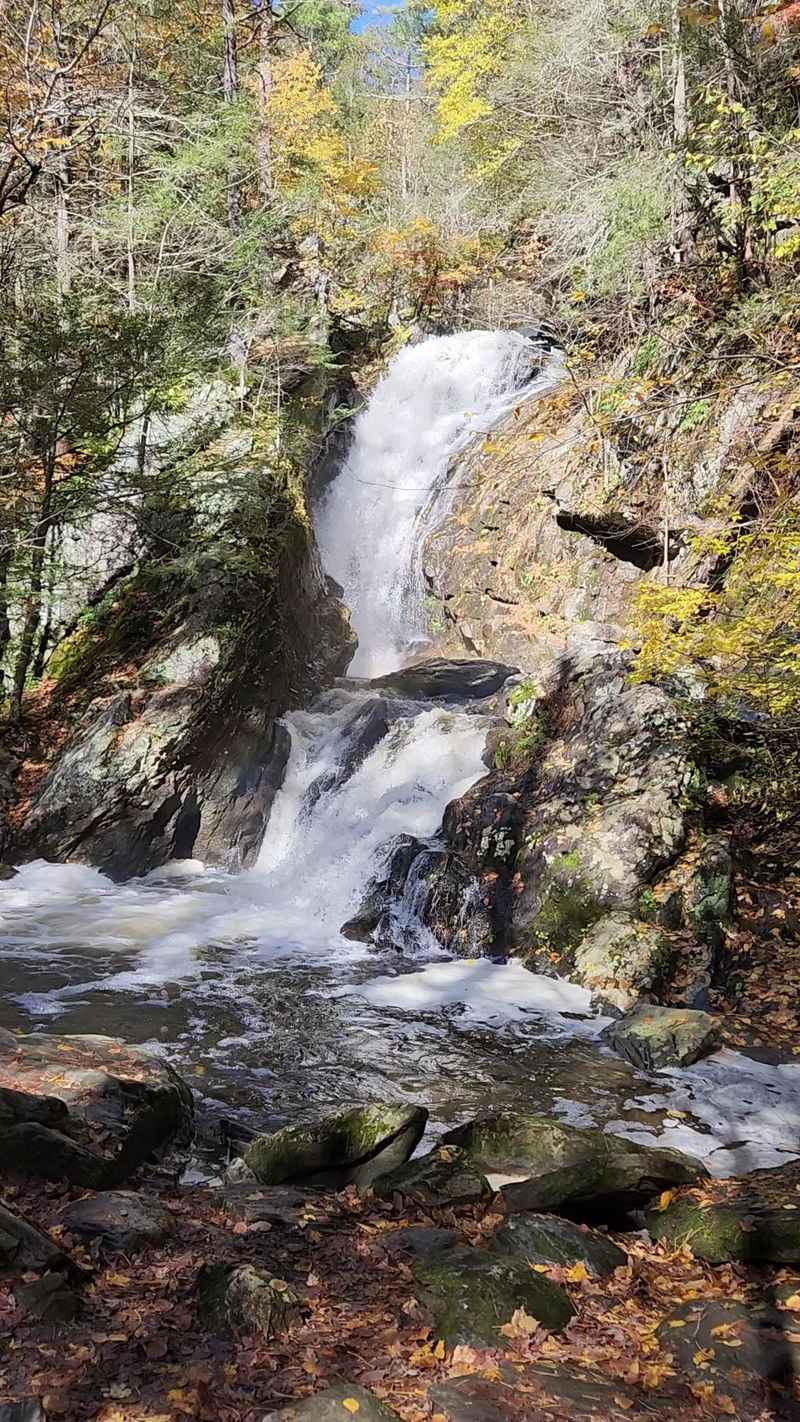
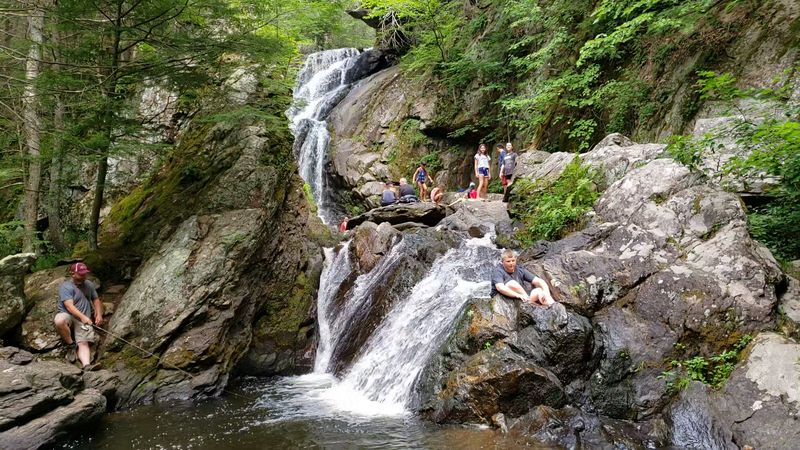
Everything builds toward this moment. The main attraction is a waterfall that drops close to 100 feet, tumbling in stages over a series of rugged rocky ledges before settling into a clear pool at the base.
Photographs, by many accounts, simply do not capture the full scale of it. The layered rock and steady flow give the falls a presence that has to be seen up close.
Even during dry stretches and drought conditions, the water has been known to keep flowing strong. That reliability makes it a safer bet than some seasonal cascades that shrink to a trickle.
Interesting rock formations frame the drop, adding texture to an already striking scene. The ledges create the stepped shape that gives the falls its character.
The clarity of the pool below rounds out the picture, catching the water as it finishes its long descent. It is the kind of natural finale that rewards the walk many times over.
Regulars describe it plainly as gorgeous, and standing before it, the reason is obvious.
A Trail Short Enough for Almost Anyone
Length is a big part of the appeal here. The out-and-back path runs somewhere between half a mile and a mile round trip, depending on which lot you start from.
From the Connecticut side, the walk covers about half a mile, while the Massachusetts side trims it down to roughly a quarter mile. Either way, this is a quick outing rather than an all-day trek.
Many describe the walk as easy and pretty, a gentle descent toward the falls that most people can handle without much trouble. It is often called the perfect short hike.
Timing tends to land around 20 minutes to the base, which some measure at roughly 2,000 steps. That makes it manageable even for casual walkers.
The reward-to-effort ratio is what keeps drawing people back. Minimal walking, maximum payoff at the end.
For anyone wanting nature without a demanding commitment, this trail fits the bill neatly.
Finding the Trailhead Without Getting Turned Around
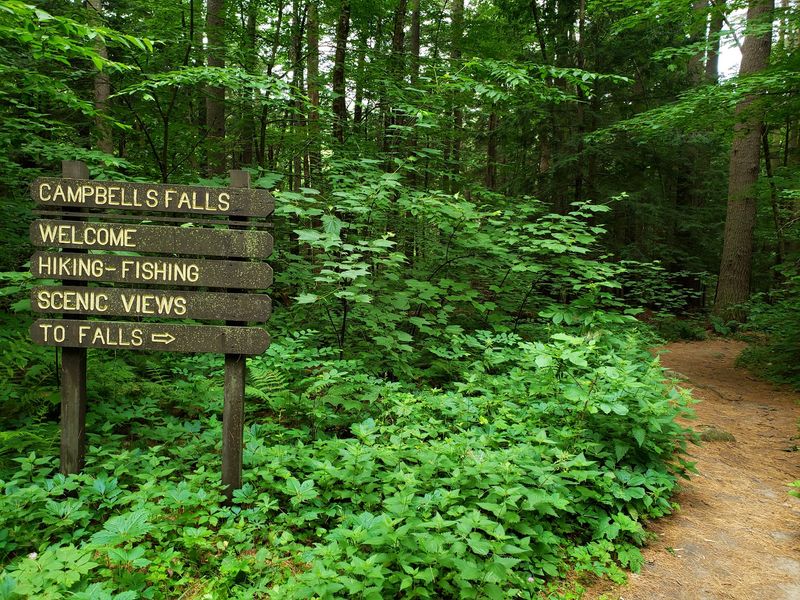
A word of honesty helps here: the trail markings can trip people up. More than one person has spent extra time figuring out which direction to head.
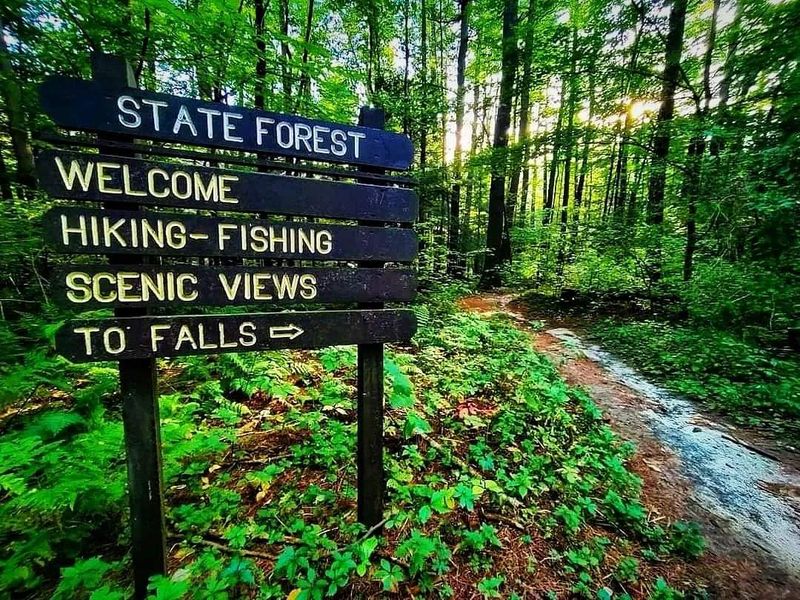
From the small parking lot, the trail entrance sits to the left of the lot. Knowing that ahead of time saves a bit of wandering at the start.
The path is not always obvious, and clearer signs would help, so keep your eyes open for the well-trodden footpaths. Once you catch the correct route, the walk unfolds smoothly.
GPS reliability can also be spotty in the area, with signals sometimes dropping out entirely. Coming prepared with directions in advance is a smart move.
In a pinch, flagging down a passing car for directions has worked for people who lost their bearings. The rural setting means help may be closer than it feels.
A little patience at the trailhead pays off quickly. The moment the falls come into view, any early confusion fades fast.
Two Parking Lots and the Smarter Choice
Deciding where to leave the car shapes your whole visit. The park offers two parking lots, and the difference between them matters.
One lot sits fairly close to the falls, while the other rests another half mile or so away. Picking the closer one shortens the walk considerably.
The first parking lot is generally the closest to the waterfall, making it the go-to for those who want the quickest route down. Many people are pointed toward it for exactly that reason.
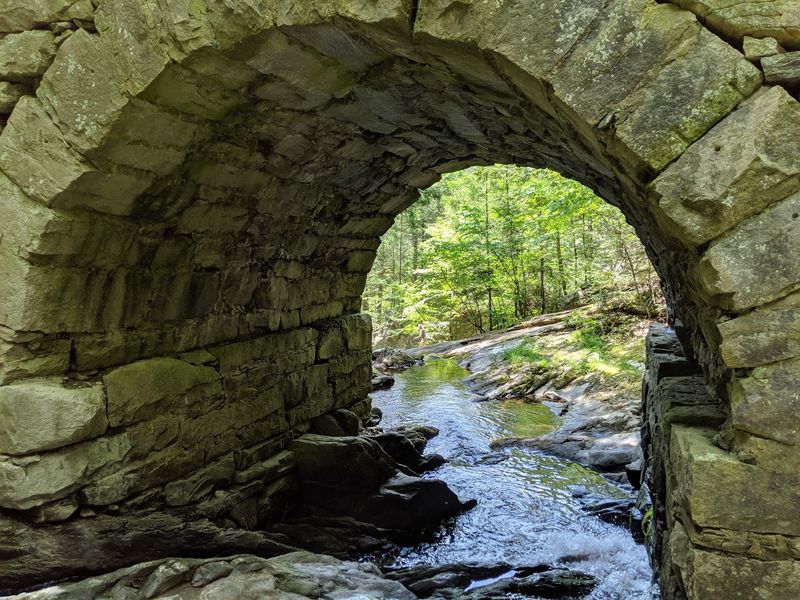
The second lot, by the fence, has its own perk. Parking there and walking over the overpass leads to a small opening where a short path takes you to the top of the falls.
On weekdays, the small lots tend to have no wait, which is a bonus for anyone hoping to skip the crowds. Mid-week visits stay refreshingly uncrowded.
Whichever lot you choose, knowing your options beforehand keeps the day running smoothly.
A Peek From the Top of the Falls
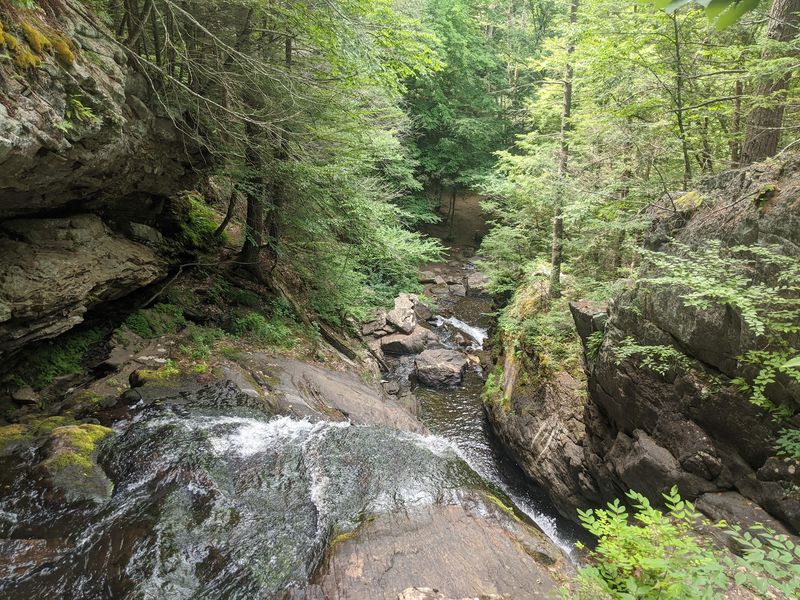
Not everyone realizes there are two very different views to enjoy here. Beyond the classic look up at the falls from the base, you can also peer down from above.
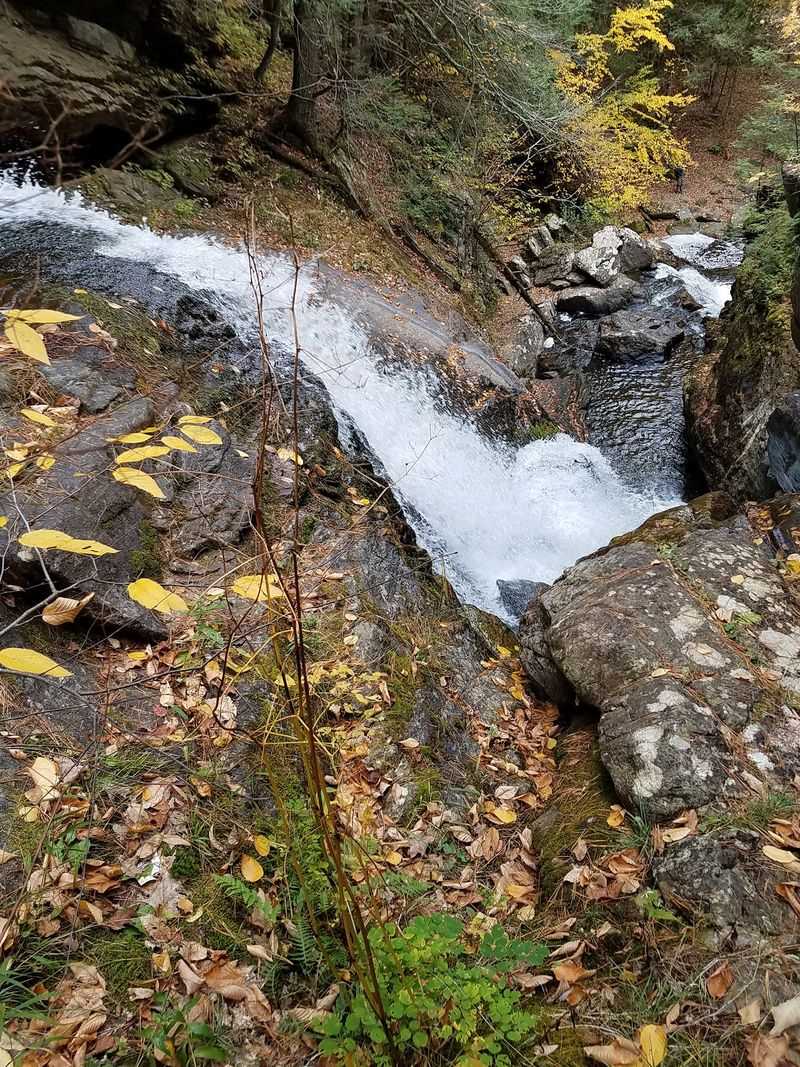
A gravel road overlooks the top of the falls, offering a completely different angle on the same cascade. It is an easy addition to the trip.
Reaching the top can be as simple as a quick walk down the road to the bridge. That gives visitors a fast option when the descent to the base feels like too much.
From the second lot, crossing the overpass reveals a small opening where a short path leads to the crest of the falls. It is a handy shortcut worth knowing.
Seeing both the top and the bottom rounds out the experience, letting you appreciate the full scale of the drop. Each vantage point tells its own part of the story.
For those short on time or energy, the top-side view delivers plenty on its own.
Muddy Patches and Rocky Footing
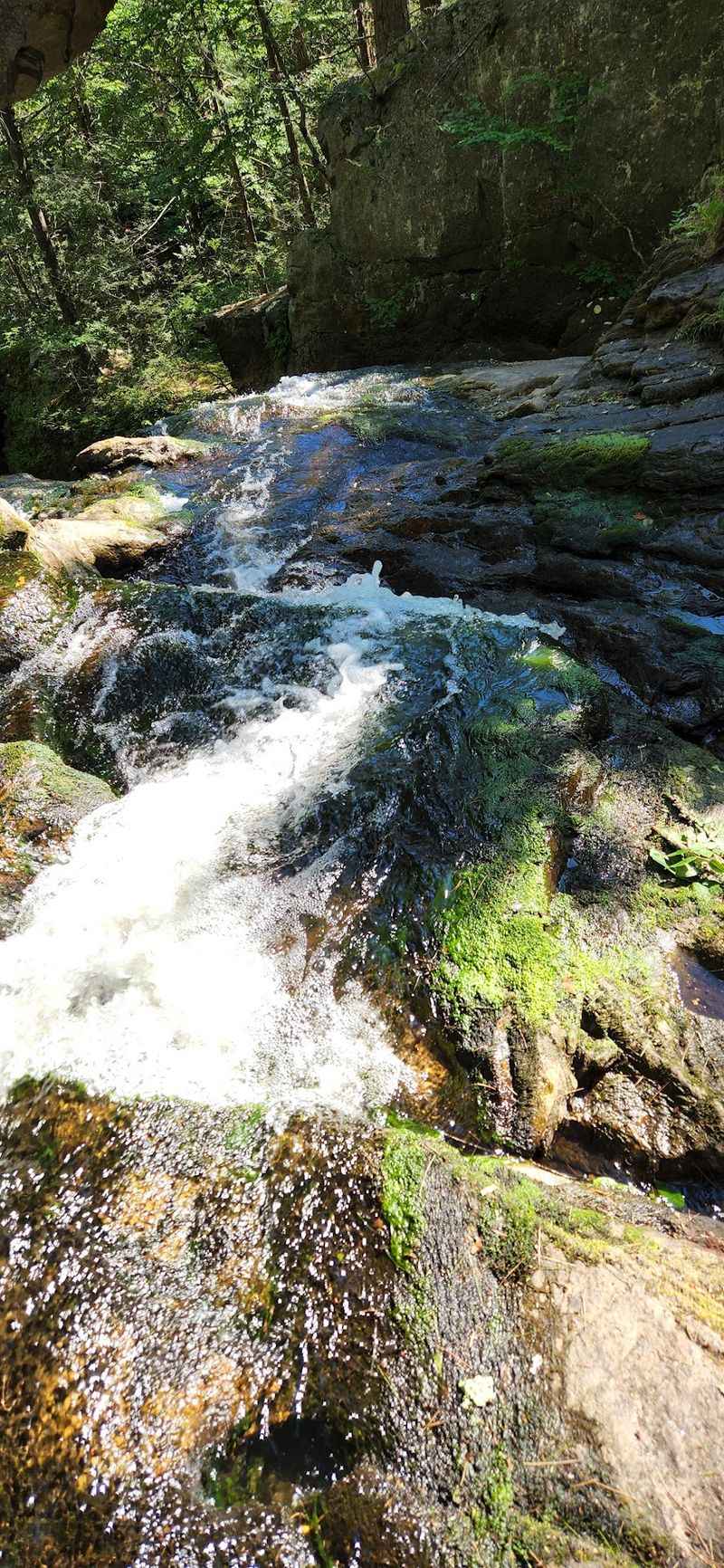
Comfort on this trail comes down to footwear. Sections of the path can turn genuinely muddy, especially after rain, so proper shoes make a real difference.
The route is threaded with tree roots, rocks, and a few hills that keep it from being entirely flat. Good hikers or sturdy shoes earn their keep here.
Traction is helped along by pine needles strewn across the footpaths, whether laid down by hand or dropped naturally. They give the ground a bit of grip.
Caution matters most around the falls themselves, where the rocks can be slippery. A careless step near the water could lead to trouble.
Some light rock jumping may be part of the walk, adding a small dose of adventure for those who enjoy it. It stays manageable for most.
Dressing for the conditions turns a potentially messy walk into a pleasant one. Plan for damp ground and uneven footing, and the trail treats you well.
Wildlife and Woodland Surprises
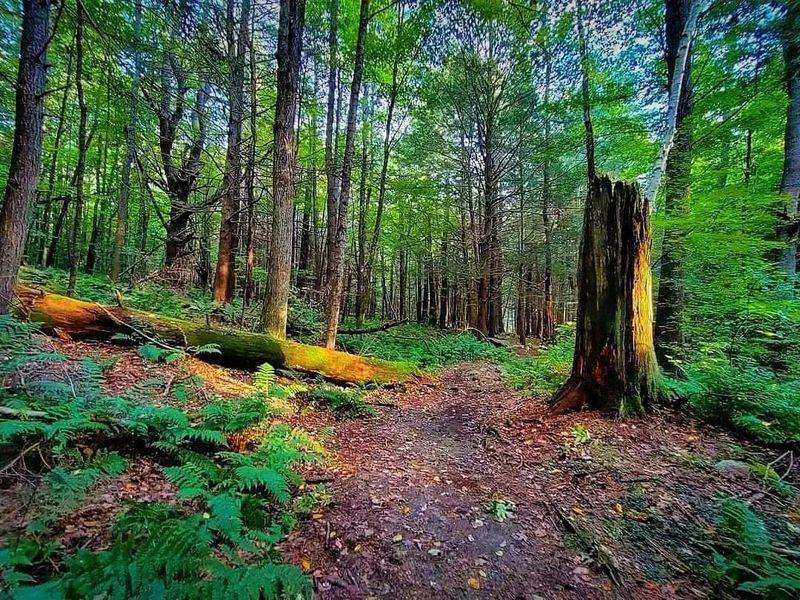
The forest here offers more than just the main event. Along the way, keen eyes might spot wildlife that adds an unexpected layer to the outing.
Crows have been seen keeping watch over the trees, a common but characterful presence in the woods. They lend the place a lively feel.
One of the more surprising sightings involved an oriole spotted near the park, a bird not often seen in central Connecticut. That kind of moment turns a simple walk into a small thrill.
Interesting rock formations dot the terrain as well, giving hikers plenty to notice besides the birds. The details reward those who slow down and look around.
The setting sits deep in nature, described by many as pristine and untouched. Streams and the flowing river add movement throughout the woods.
Autumn brings its own bonus, with fall colors layering the forest in warm tones. Seasonal timing can transform an already scenic walk into something even richer.
Quiet That Actually Feels Quiet
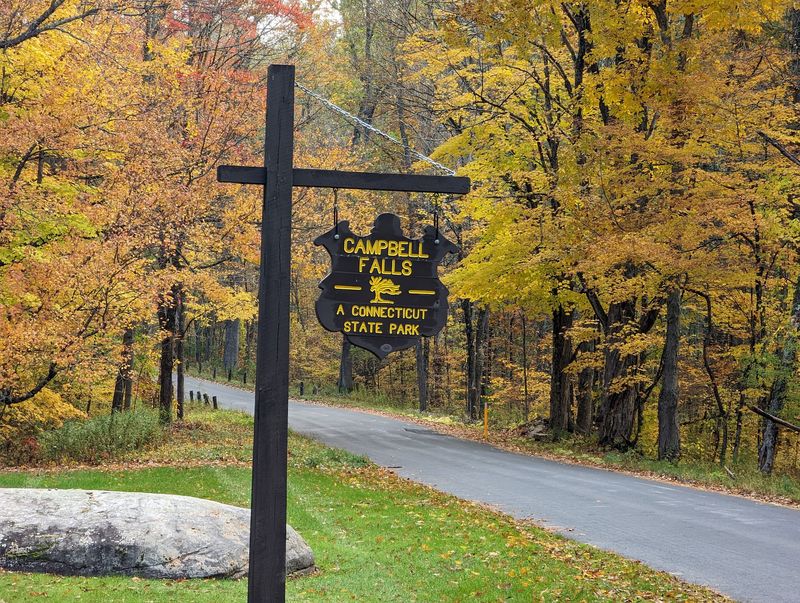
Peace is a genuine selling point here. The reserve carries a reputation for being incredibly peaceful, the kind of place where the loudest thing is the water in the distance.
Mid-week visits amplify that calm, with minimal crowds leaving the trail feeling almost private. A quiet weekday can mean just a couple of other people around.
The setting sits in the heart of the woods, well-kept and serene, offering a real break from busier destinations. Many treat it as a spot for a bit of quiet time outdoors.
Even during a late-October weekday, some have found the park nearly empty, with only the rush of the falls breaking the stillness. That solitude is part of the charm.
The shaded path adds to the restful mood, keeping the walk cool and calm. It is an easy place to slow your pace.
For anyone craving a low-key escape into nature, this park delivers exactly that kind of unhurried atmosphere.
A Spot Built for Photographers
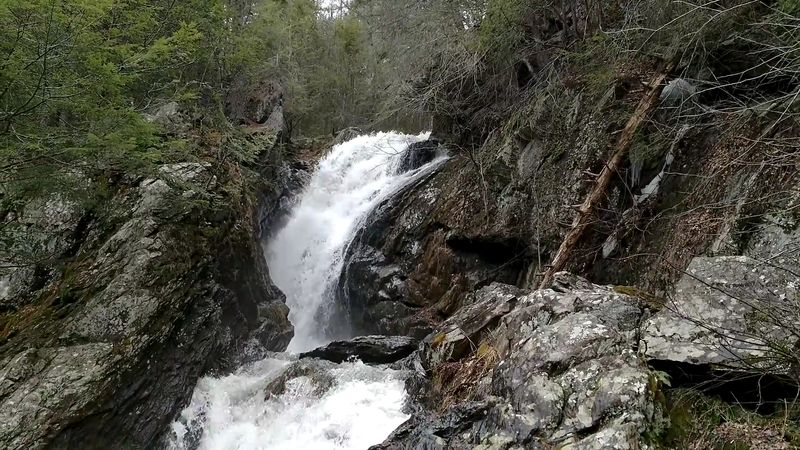
Camera lovers find plenty to work with here. The falls offer great views and angles that make for striking pictures, and the setting practically invites you to slow down and frame a shot.
The stepped rocky ledges give the water a layered look, creating natural depth in every photo. Photo enthusiasts often single out the variety of vantage points.
The clear pool at the base adds a clean foreground, while the surrounding forest fills in the frame with greenery. Together they make composing a shot feel easy.
Both the top and bottom viewpoints supply different perspectives, doubling the creative options. Each angle captures a distinct piece of the cascade.
Still, many admit that images fall short of the real thing, since the scale simply does not translate to a screen. That gap is part of why people recommend seeing it in person.
Whether you carry a serious camera or just a phone, the falls give you something worth capturing. It is a reliable stop for anyone who loves a good picture.
Bringing the Kids and the Dog
Family outings fit this park well. The short, gentle walk makes it a good place to take the kids and spend part of the day outdoors without overwhelming little legs.
Dogs are welcome too, as long as they stay on a leash. That makes it an easy choice for households that like to bring their four-legged companions along.
Picnic tables sit nearby, giving families a place to pause and enjoy a snack before or after the walk. It is a convenient touch for a longer visit.
The manageable distance means kids can reach the falls and back without a struggle, keeping everyone in good spirits. The payoff at the end tends to hold their attention.
Because the park stays primitive, there are no restrooms or playground, so planning ahead helps. Coming prepared keeps the trip smooth for the whole group.
With a little foresight, the outing works nicely for mixed groups of all ages. It strikes a friendly balance between easy and rewarding.
Hours, Access, and What to Know Before You Go
Planning a trip here is refreshingly simple. The reserve stays open 24 hours a day, every day of the week, so you can time your visit to suit your schedule.
It is a primitive park, which means no restrooms and no playground on site. Setting expectations for basic facilities helps avoid surprises.
The setting is rural, and cell or GPS signals may drop out nearby, so downloading directions in advance is wise. A little preparation goes a long way here.
You can drive into portions of the park, with areas to leave your car and trails branching off into the woods. That flexibility suits different comfort levels.
Water flow can look smaller during dry seasons, and the trail gets rocky or muddy after rain, so timing around the weather improves the experience. Spring runoff and post-rain days tend to show the falls at their fullest.
For more details, the state’s park website offers the official information. A quick check before heading out keeps things easy.
Why This Quiet Stop Earns Its Reputation
Adding it all up, the appeal becomes clear. A short, easy walk that ends at a nearly 100-foot cascade over rocky ledges is a rare bargain in the world of outdoor outings.
Holding a 4.8-star average across more than 300 marks, the park has clearly landed with the people who make the trip. That consistency speaks to how well the place delivers.
The mix of a manageable trail, striking scenery, and genuine quiet gives it broad appeal, from families to photographers to solo wanderers. There is a little something for nearly everyone.
The state-line markers, the top-and-bottom views, and the pristine woods all layer extra interest onto the main attraction. Small details keep the visit from feeling one-note.
Come prepared with sturdy shoes and downloaded directions, and the park rewards you generously for very little effort. It is the kind of stop that rewards curiosity.
Next time you find yourself near Norfolk in the Litchfield Hills, this quiet reserve makes a worthy detour. The falls are waiting at the end of a short walk.
Enjoyed this story?
Add Fast Food Club as a preferred source to see more of our reporting on Google.