


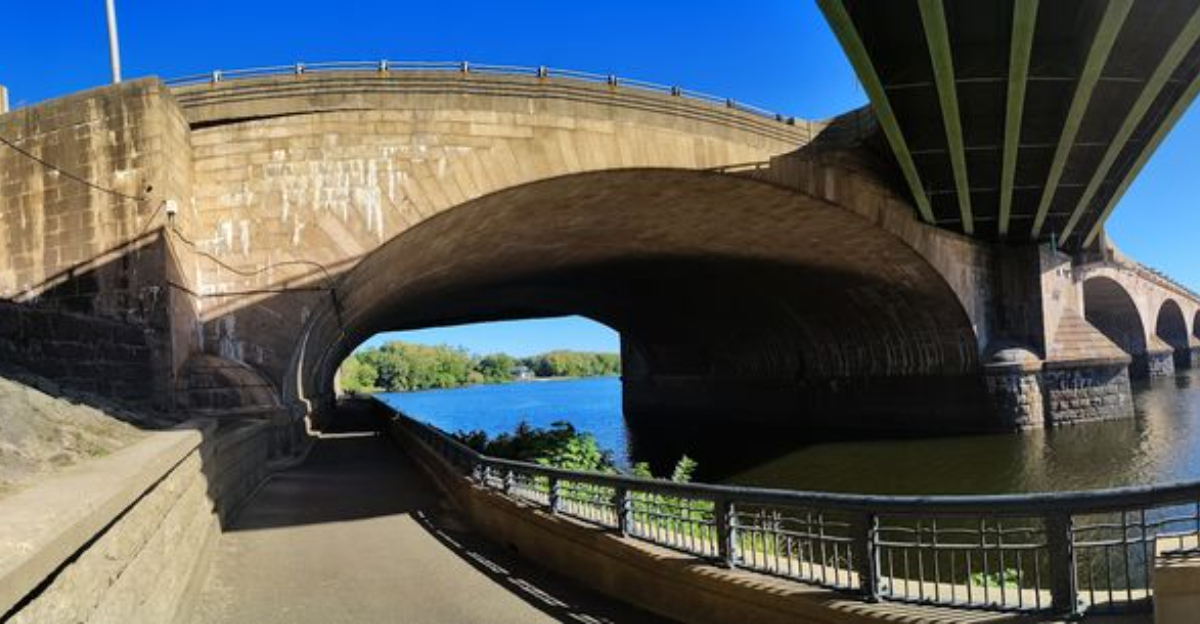
Standing tall over the Connecticut River between Hartford and East Hartford, the Bulkeley Bridge is one of the most historically significant structures in the state. Built in the early 1900s, this massive stone arch bridge has carried millions of people across its span for over a century.
Whether you are a history lover, a curious traveler, or just someone looking for a great view of the Hartford skyline, this bridge has something special to offer. Walking across it truly does feel like stepping back into another era.
The Remarkable History Behind the Bulkeley Bridge
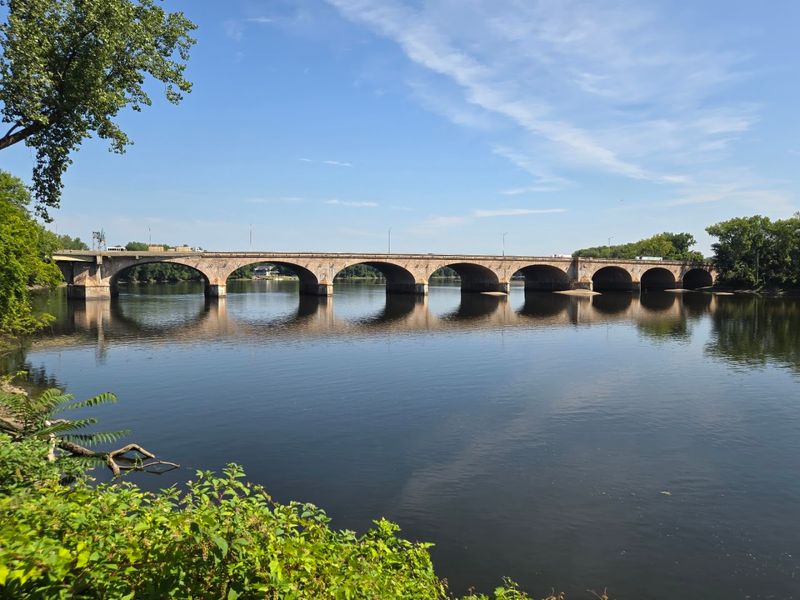
Few bridges in New England carry as much historical weight as the Bulkeley Bridge. Completed in 1908, it was named after Morgan G.
Bulkeley, a former Hartford mayor and Connecticut governor who championed its construction. At the time it opened, it was considered one of the longest and most impressive stone arch bridges in the entire United States.
The bridge stretches over 1,100 feet across the Connecticut River, connecting Hartford on the west side to East Hartford on the east. Its construction took years of careful planning and skilled labor, using enormous granite and limestone blocks that were fitted together with remarkable precision.
Today, the bridge carries Interstate 84, making it one of the busiest historic bridges still in active use in the country. Understanding its past makes every crossing feel more meaningful and connected to Connecticut’s proud engineering heritage.
Massive Stone Arches That Will Leave You Speechless
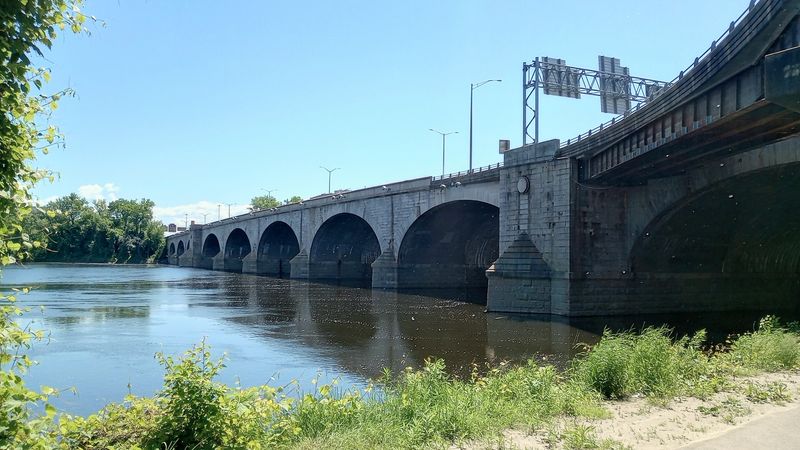
Standing beneath one of the Bulkeley Bridge’s arches is a jaw-dropping experience that most people never forget. The arches are built from enormous stone blocks that were cut and fitted together so tightly that barely any gap exists between them.
Reviewers who have walked through Riverside Park on the Hartford side consistently describe the feeling of awe when looking up at the structure from below.
The engineering behind these arches was cutting-edge for its era. Without modern machinery, workers relied on skilled craftsmanship and detailed blueprints to assemble each section.
The result is a structure that has stood firm through floods, heavy traffic, and over a century of harsh New England winters.
Seeing those arches up close gives you a real appreciation for what human hands and minds can accomplish. It is the kind of craftsmanship that simply does not exist in modern bridge construction anymore.
Breathtaking Views of the Hartford Skyline
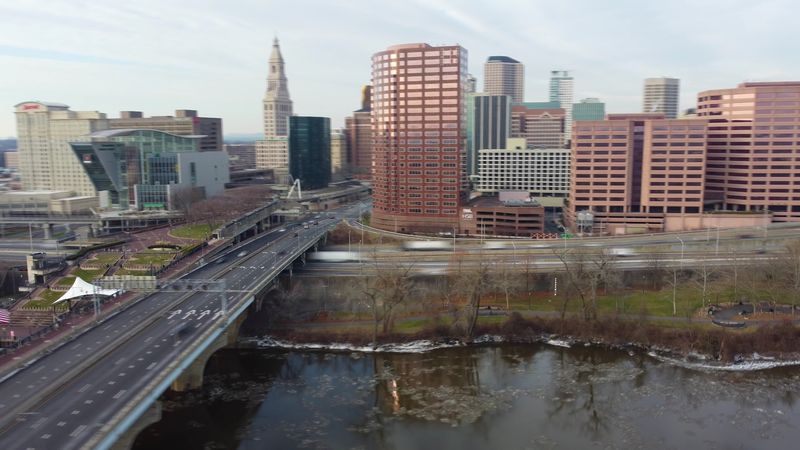
One thing nearly every visitor agrees on is that the views from the Bulkeley Bridge are genuinely spectacular. Looking westward toward Hartford, you get a wide-open panorama of the city skyline rising above the Connecticut River.
Several reviewers have called it one of the best urban vantage points in all of Connecticut, and it is hard to argue with that.
The view is especially striking in the early morning when the light bounces off the river, or in the evening when the Hartford skyline begins to glow. Photography enthusiasts will find plenty of angles worth capturing, from the graceful curves of the arches to the reflection of the city in the water below.
Even if you are just passing through on Interstate 84, glancing out at the skyline is a rewarding moment. For pedestrians, the experience is even richer and more immersive than a quick drive-by could ever offer.
Walking the Pedestrian Pathway: What to Expect
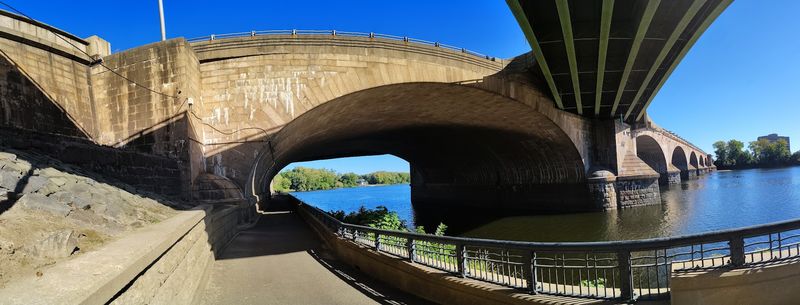
If you plan to walk across the Bulkeley Bridge, knowing what to expect ahead of time will help you enjoy the experience more. The pedestrian walkway runs along the side of the bridge and is notably narrow.
Traffic noise from Interstate 84 is loud, so do not expect a quiet, peaceful stroll like you might find on a trail in the woods.
Graffiti covers portions of the walkway walls, giving it a gritty urban character that some visitors find interesting and others find off-putting. On the East Hartford side, the underpass area is generally more pleasant for pedestrians, while the Hartford side underpasses have had issues with homeless encampments in the past.
Despite these challenges, the walk still offers unique perspectives of the river and the bridge itself that you simply cannot get from a car. Going in with realistic expectations makes the whole adventure far more enjoyable and worthwhile.
Flood Markers Along the Connecticut Riverwalk
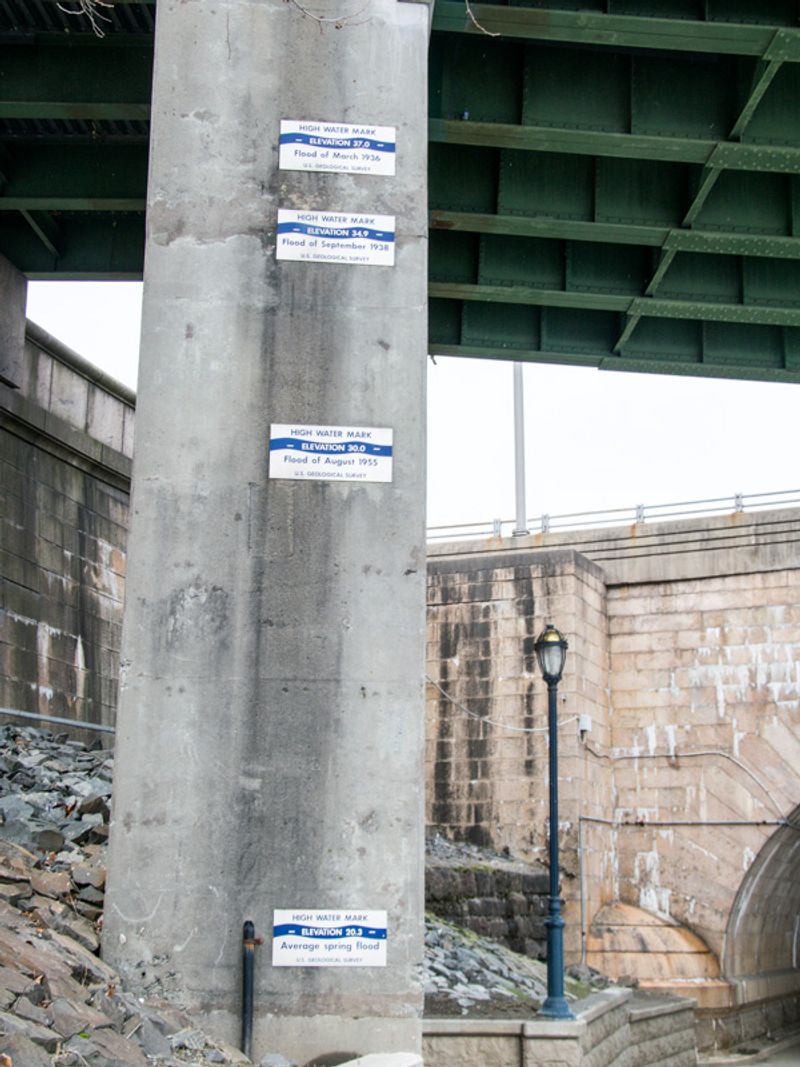
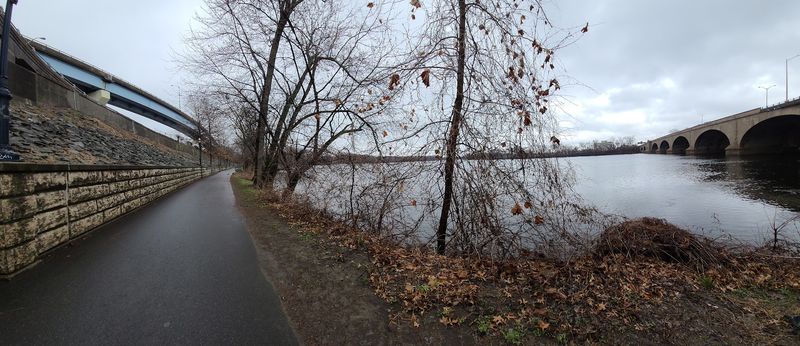
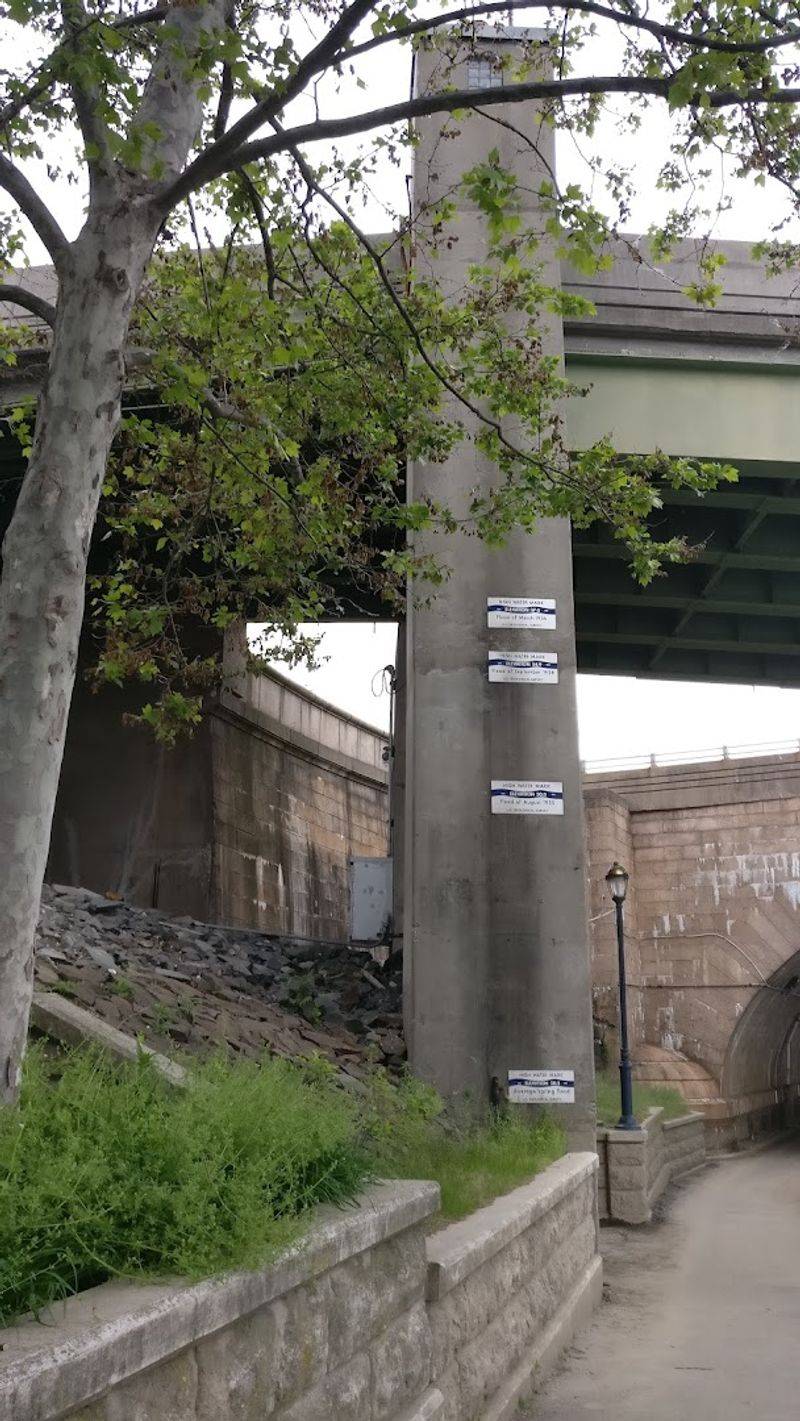
History lovers will find an extra layer of fascination along the Connecticut Riverwalk, which runs along the western bank of the river near the Bulkeley Bridge. Scattered throughout the path are signs and markers that record the heights of past floods from the Connecticut River.
Some of these floods reached staggering levels that are difficult to imagine when you are standing there on a calm day.
These markers serve as a vivid reminder of how powerful and unpredictable the Connecticut River can be. The river has flooded significantly multiple times throughout history, and the Bulkeley Bridge has endured every one of those events.
Seeing the water levels marked on signs makes the bridge’s durability even more impressive.
Keep in mind that the Riverwalk pathway under the bridge can flood during spring, so check conditions before visiting if you plan to walk the full route. Timing your visit for summer or fall is usually the safest bet.
The Best Spot to See the Bridge: Riverside Park
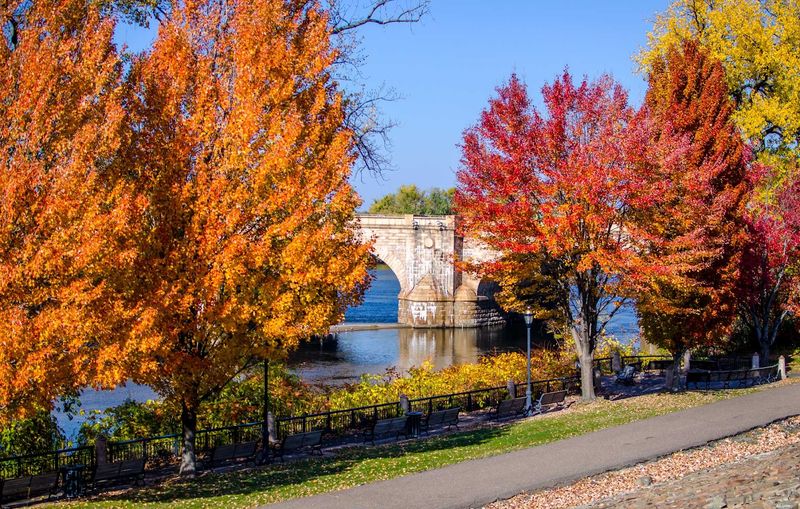
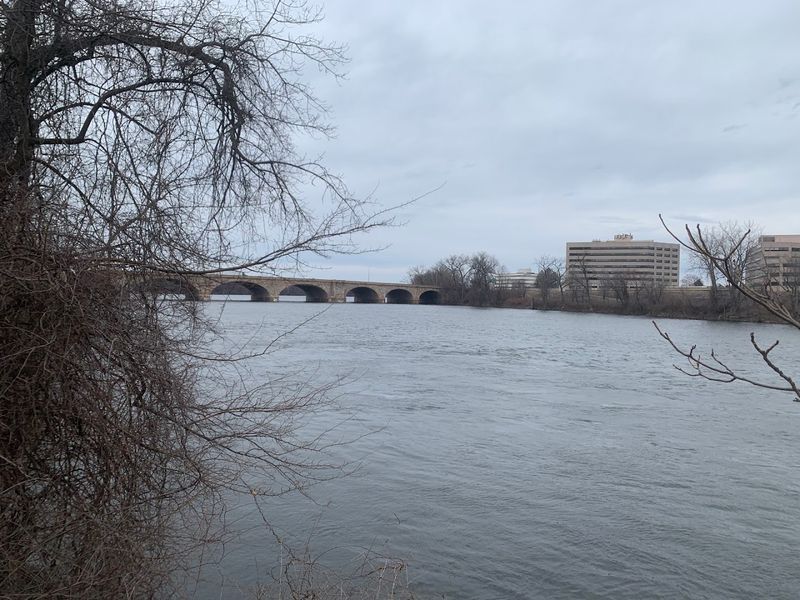
Want to see the Bulkeley Bridge in all its glory? Head to Riverside Park on the western bank of the Connecticut River in Hartford.
From here, you get a full, unobstructed view of the entire bridge spanning across the water, and the sight is genuinely impressive. Many visitors say this is the single best angle for appreciating the bridge’s scale and beauty.
The park itself is a pleasant place to spend time, with walking paths that follow the river’s edge. You can stroll along the Riverwalk, snap photos of the bridge’s reflection in the water, and read the flood markers that tell stories of the river’s powerful past.
It feels like a mini history lesson wrapped inside a nature walk.
Early morning visits offer soft golden light that makes the stone arches glow warmly. Bring a camera, because the view from Riverside Park is absolutely worth capturing and sharing.
How the Bridge Connects Two Communities
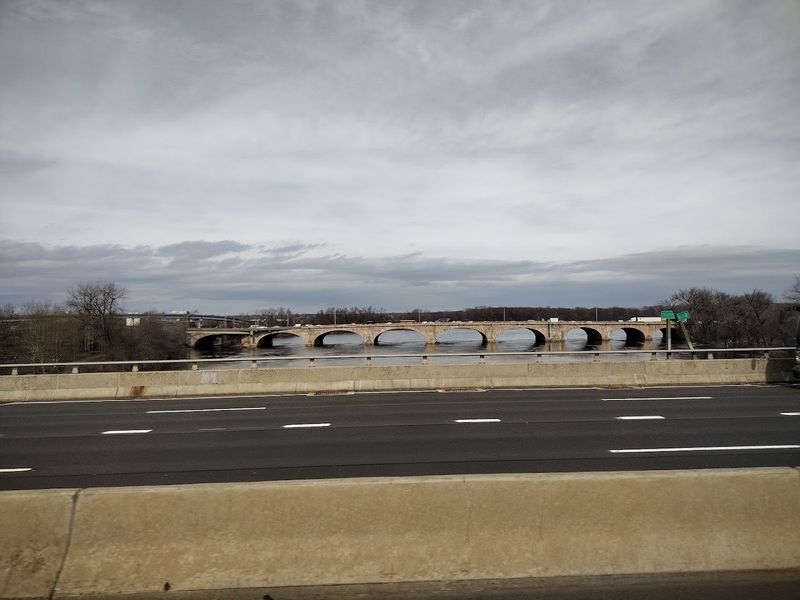
Geography can sometimes divide communities, but bridges have a way of bringing them together. The Bulkeley Bridge has been linking Hartford and East Hartford for well over a century, serving as a vital connection between two distinct communities that share the Connecticut River as their natural border.
Without it, daily life for thousands of commuters and residents would look very different.
Before the bridge was built, crossing the river required ferries or other slower, less reliable methods. The completion of the Bulkeley Bridge in 1908 transformed how people moved between the two cities and helped fuel economic growth on both sides of the river.
It became a symbol of progress and cooperation between Hartford and its eastern neighbor.
Today, Interstate 84 runs over the bridge, carrying tens of thousands of vehicles every single day. That daily flow of traffic is a testament to how essential this historic structure remains to the entire greater Hartford region.
Rush Hour Reality: Traffic on the Bulkeley Bridge
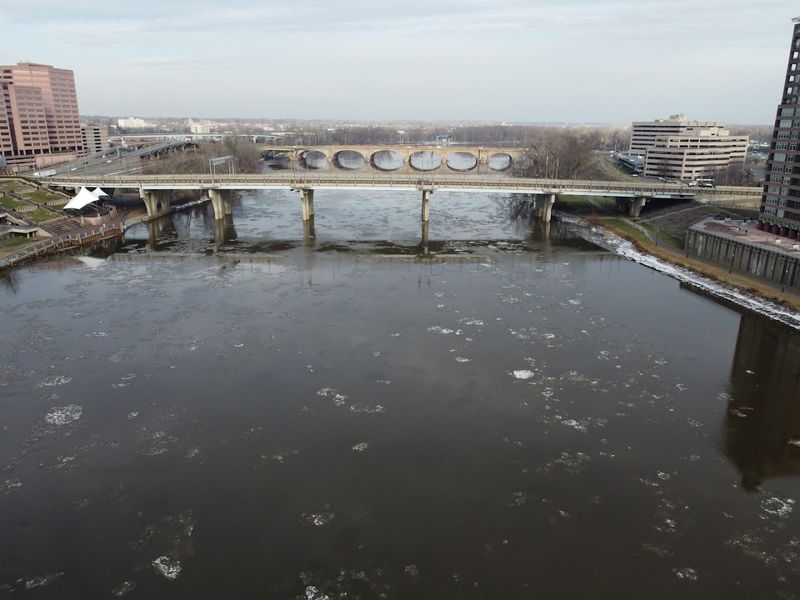
Here is something every frequent traveler through Hartford knows all too well: rush hour on the Bulkeley Bridge is no joke. Multiple reviewers have pointed out that traffic backs up significantly during morning and evening commute hours, turning what should be a quick river crossing into a frustrating crawl.
The bridge carries Interstate 84, one of the busiest highways in Connecticut, so high traffic volume is simply part of the deal.
Past construction projects have made things even worse at times, with lane closures stretching delays far beyond what commuters consider reasonable. The phased repair approach used during some renovation periods drew sharp criticism from drivers who felt the process was unnecessarily drawn out and disruptive.
If you are visiting the bridge as a pedestrian or sightseer, plan your trip outside of peak commute hours. Not only will you avoid the gridlock, but you will also get a much more relaxed and pleasant experience exploring the area around the bridge.
Engineering Marvel: How It Was Built
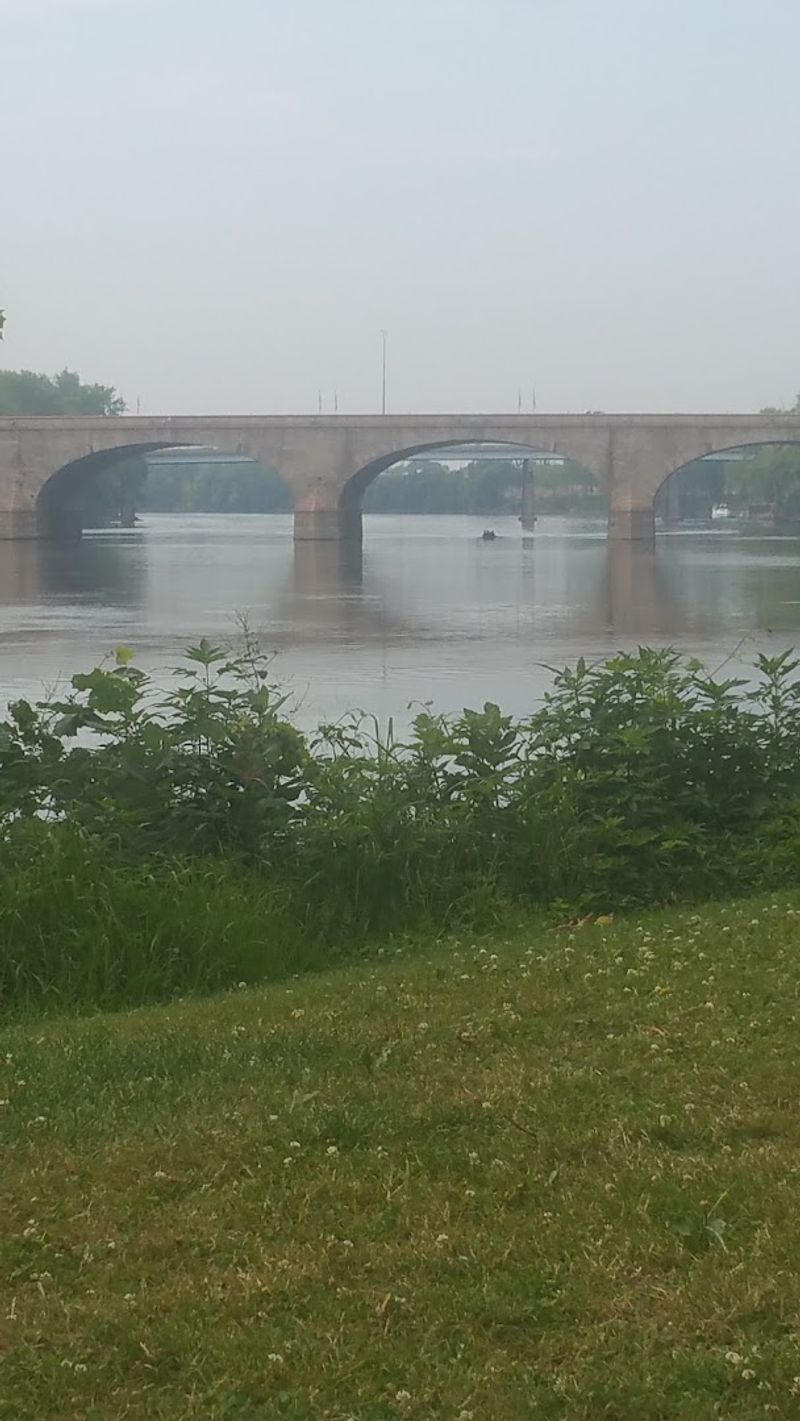
Building a bridge like the Bulkeley Bridge in the early 1900s was an extraordinary feat of human ingenuity. Without the benefit of modern cranes, computer modeling, or power tools, construction crews had to rely on manual labor, horse-drawn equipment, and precise hand calculations to erect each of the massive stone arches.
The project took years to complete and required a workforce of hundreds of skilled laborers.
The bridge features multiple barrel arches made from carefully quarried stone. Each block had to be cut to exact dimensions and placed with extreme care to ensure structural integrity.
The tightness of the stone joints, which visitors still marvel at today from below the arches, is a direct result of that painstaking attention to detail during construction.
Learning about how the bridge was built adds a whole new layer of respect when you walk across it or look up at those arches. It is a masterclass in old-school engineering that still holds up more than 115 years later.
Named After a Connecticut Legend: Morgan G. Bulkeley
Morgan G. Bulkeley was not just a politician; he was one of Connecticut’s most influential figures of the late 19th and early 20th centuries.
Born in 1837, he served as Hartford’s mayor and later as Connecticut’s governor, leaving a lasting mark on the state’s development. He was also the first president of the National League in professional baseball, making him a figure celebrated far beyond Connecticut’s borders.
Naming the bridge after him was a fitting tribute to someone who dedicated so much of his life to Hartford’s growth and prosperity. Bulkeley understood the importance of infrastructure in connecting communities and driving economic progress, so having a bridge bear his name feels especially appropriate.
When you cross the Bulkeley Bridge today, you are traveling across a structure that carries both the weight of modern traffic and the legacy of a man who helped shape Connecticut into what it is today. That is a pretty cool thing to think about mid-crossing.
Seasonal Visits: The Best Times to Explore
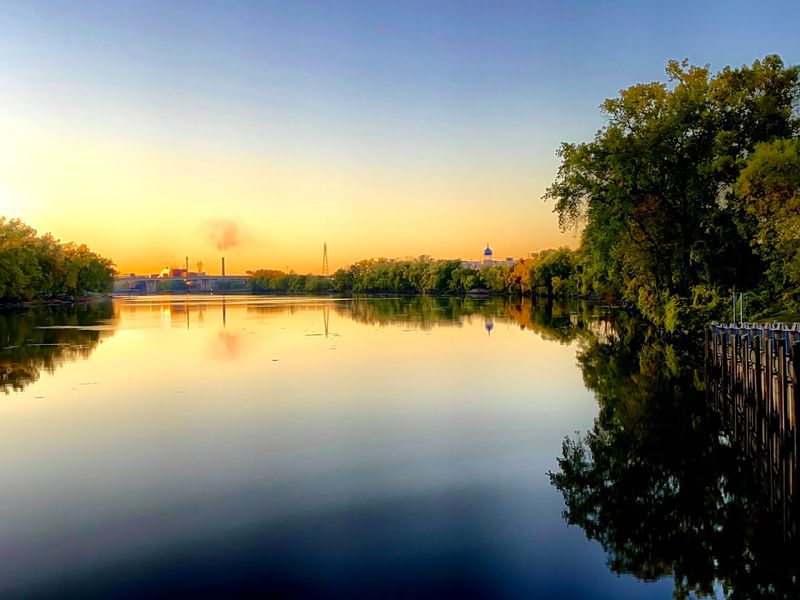
Timing your visit to the Bulkeley Bridge can make a big difference in what you experience. Summer and early fall are generally the most popular and pleasant times to explore the area.
The Riverwalk is fully accessible, the weather is comfortable for walking, and the foliage along the Connecticut River creates a beautiful natural backdrop for the historic stone structure.
Spring can be tricky because the Connecticut River is prone to flooding during snowmelt season. The walkway beneath the bridge on the Riverwalk side can become submerged, cutting your stroll short without warning.
Always check local conditions before heading out in April or May.
Winter visits offer a quieter, more solitary experience, though cold temperatures and icy conditions make walking near the river less comfortable. If you want the full picture-perfect experience with golden light, colorful leaves, and calm water reflections, aim for a visit in late September or early October.
Graffiti, Grit, and Urban Character
Not everything about the Bulkeley Bridge experience is polished or picture-perfect, and honestly, that is part of what makes it so real. The pedestrian walkway is covered in layers of graffiti that have accumulated over many years.
Some of it is crude tagging, while other pieces show genuine artistic effort and creativity. It gives the bridge a raw, urban edge that contrasts sharply with its elegant stone architecture.
For some visitors, the graffiti adds to the bridge’s character, making it feel alive and connected to the city around it. Others find it distracting or off-putting, especially when combined with the narrow walkway and the constant roar of highway traffic overhead.
Either way, the contrast between the century-old craftsmanship of the stone arches and the modern street art layered on top of it tells its own story about how cities evolve over time. Hartford is a city with deep history and complex present realities, and the bridge reflects both honestly.
Why the Bulkeley Bridge Still Matters Today
Over a century after it was built, the Bulkeley Bridge remains one of the most important and recognizable landmarks in greater Hartford. It carries one of the busiest stretches of Interstate 84 in Connecticut, handling tens of thousands of vehicles every single day without fail.
The fact that a stone arch bridge from 1908 is still doing that job is nothing short of remarkable.
Beyond its practical function, the bridge serves as a living monument to Connecticut’s engineering heritage and its commitment to building things that last. Preservation efforts over the years have kept the structure sound, though ongoing maintenance is always a challenge for a bridge of its age and traffic load.
For residents of Hartford and East Hartford, the Bulkeley Bridge is more than just a way to cross the river. It is a shared landmark, a piece of collective identity, and a daily reminder that some things built with care and craftsmanship truly do stand the test of time.
Enjoyed this story?
Add Fast Food Club as a preferred source to see more of our reporting on Google.