


Bloated after a salad and wondering why your belly feels like a balloon? Even the healthiest raw vegetables can ferment fast, trap air, and leave you uncomfortably puffy.
The good news is you can still enjoy crunch with a few smart tweaks. Here is exactly what might be causing the issue and how to feel lighter after you eat.
Cauliflower
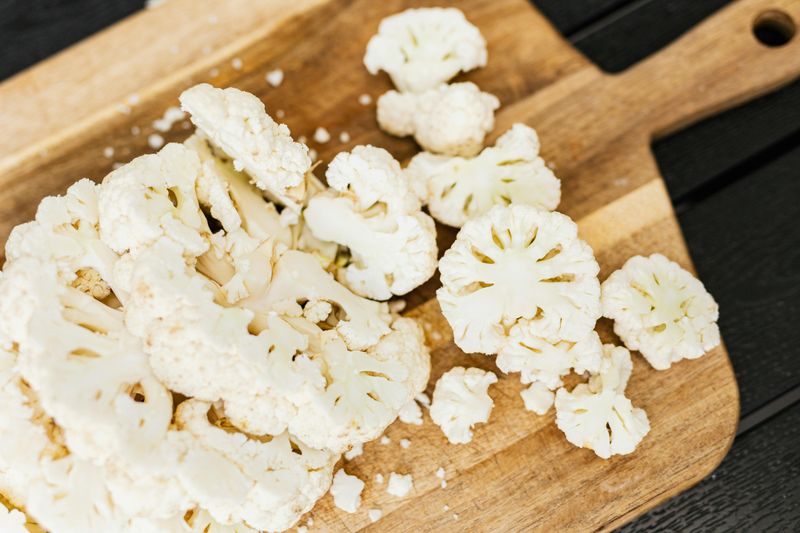
Raw cauliflower contains raffinose and sulfur compounds that can ferment quickly in your colon. When bacteria feast on these carbs, gas production rises and pressure builds, leading to that tight bloated feeling.
Sensitive folks may notice rumbling, distention, and extra trips to the bathroom after big crunchy portions.
Start with smaller servings and combine with protein or fat to slow digestion. Light steaming or quick sautéing reduces tough fibers while preserving flavor and snap.
Season with caraway, cumin, or lemon, and take a relaxed walk after eating to help gas move. Digestive enzymes may support comfort during higher fiber meals.
Cabbage
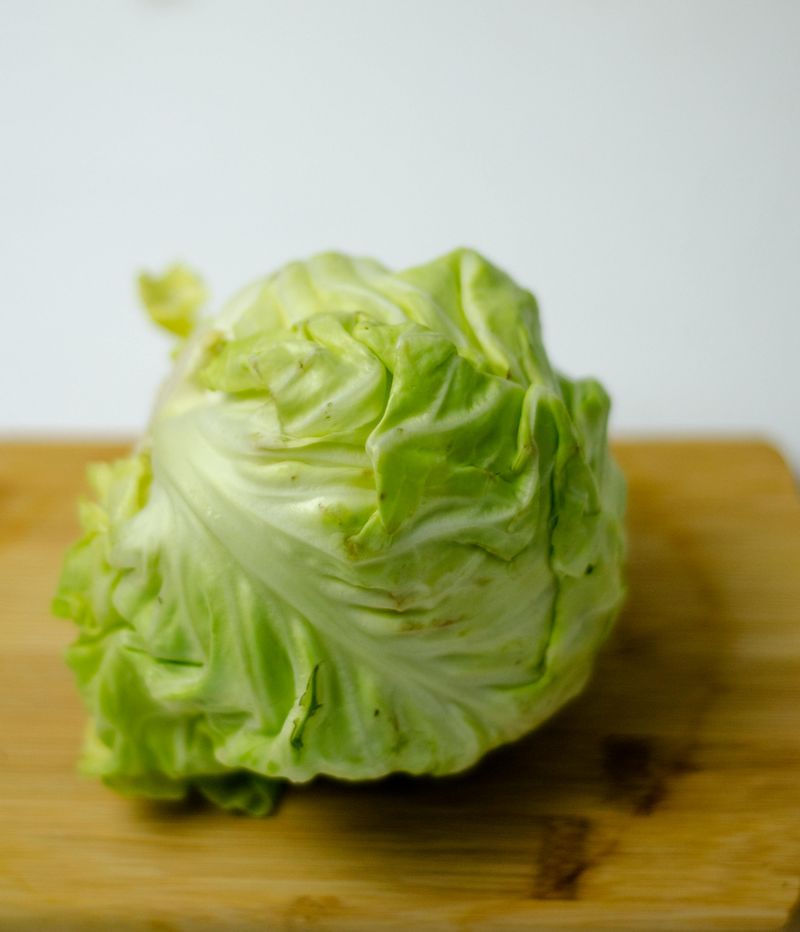
Cabbage is famous for fueling gas because it is rich in fermentable fibers. Raw shreds deliver crunch but can overwhelm sensitive guts with volume and speed.
If you notice tight waistbands, gurgling, or sharp cramps after slaws, you are likely meeting its FODMAP load head on.
Toss smaller portions with vinegar and salt to lightly wilt and pre tenderize. Letting slaw rest ten minutes can reduce bite and bloating risk.
Pair with carminative spices, chew thoroughly, and drink warm water or peppermint tea to ease post salad pressure. If needed, cook briefly or choose napa, which tends to digest gentler.
Kale
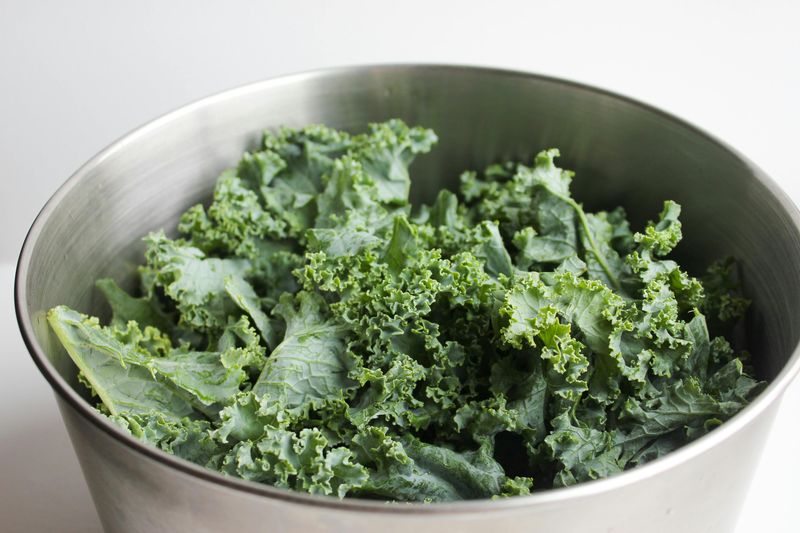
Raw kale brings dense fiber and sturdy cellulose that resist quick breakdown in your gut. That toughness can trap gas, especially when salads are piled high with ribbons.
You might feel pressure, a stretched belly, or hear hollow echoes after chewing through large bowls.
Massage kale with olive oil, lemon, and salt to soften fibers before eating. Slice thinly, mix with tender greens, and keep portions modest at first.
A short steam makes kale kinder, and adding ginger, avocado, or tempeh can balance digestion and keep you comfortable. Sip warm tea and walk after meals to release trapped gas gently.
Brussels sprouts
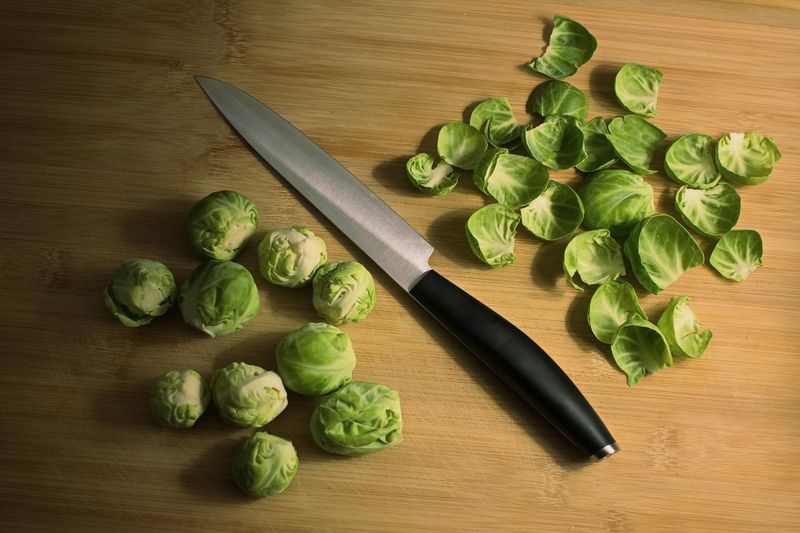
These tiny cabbages are potent fermenters thanks to raffinose and sulfur containing compounds. Raw shavings are delicious but can balloon your midsection if portions climb.
Expect rumbling, pressure, and extra gas as microbes celebrate the fiber party you just served.
Shave sparingly, pair with citrus, and chew slowly to limit swallowed air. A quick blanch or steam softens fibers without losing all crunch.
Add caraway or mustard, sip warm water, and take a gentle stroll to move gas along and ease discomfort. Digestive enzymes and mindful portions make raw preparations feel lighter for sensitive eaters during higher fiber salad days.
Onions
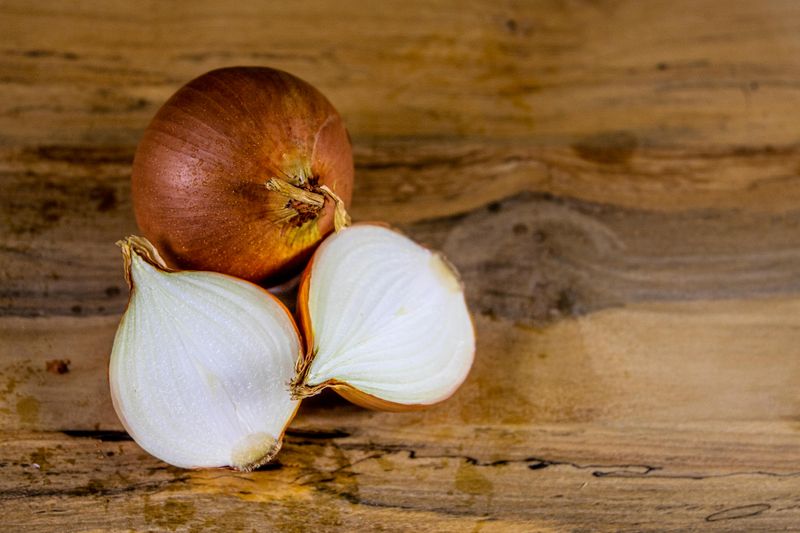
Raw onions are high in fructans, a FODMAP that easily ferments and pulls water into the gut. That combo often means gas, pressure, and a bloated feeling after crunchy slices.
Red onions can be especially punchy, leaving you burpy and uncomfortable when salads are heavy handed.
Soak sliced onions in cold water or vinegar to mellow bite and reduce load. Use smaller amounts, mince finely, and pair with fat or protein.
If discomfort persists, try green tops only, or cook briefly to tame fructans and improve post meal comfort. Peppermint tea and a short walk help move trapped gas gently.
Garlic
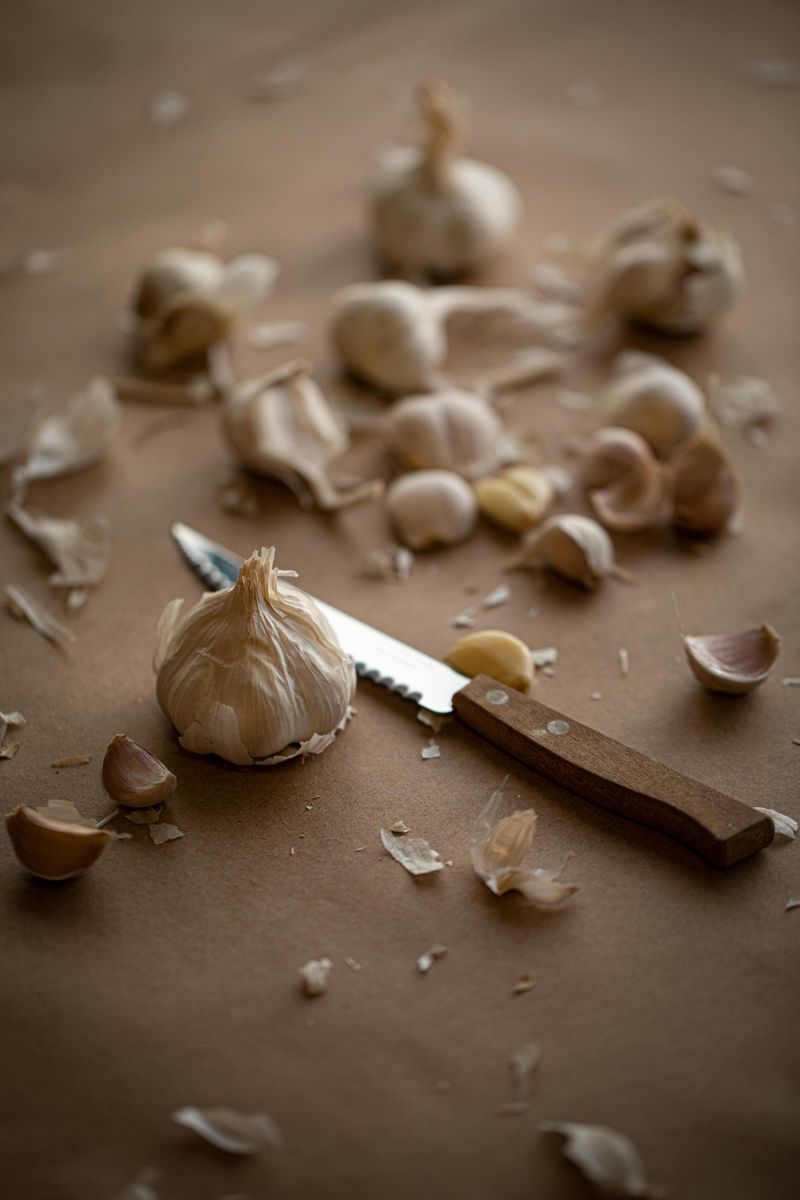
Garlic is another fructan rich allium that can bloat when eaten raw. A single clove minced into salads or dips may ignite fermentation quickly.
Expect burping, pressure, and a tight waistband if your gut is sensitive to FODMAPs or you chew fast.
Infuse oil with crushed garlic for flavor without the same fructan hit. Use micro amounts, pair with herbs, and add citrus to brighten while keeping portions friendly.
If symptoms continue, cook it lightly, choose garlic powder, or try asafetida for a similar savory note. Breathe slowly while eating and walk after meals to ease pressure and encourage motility.
Radishes
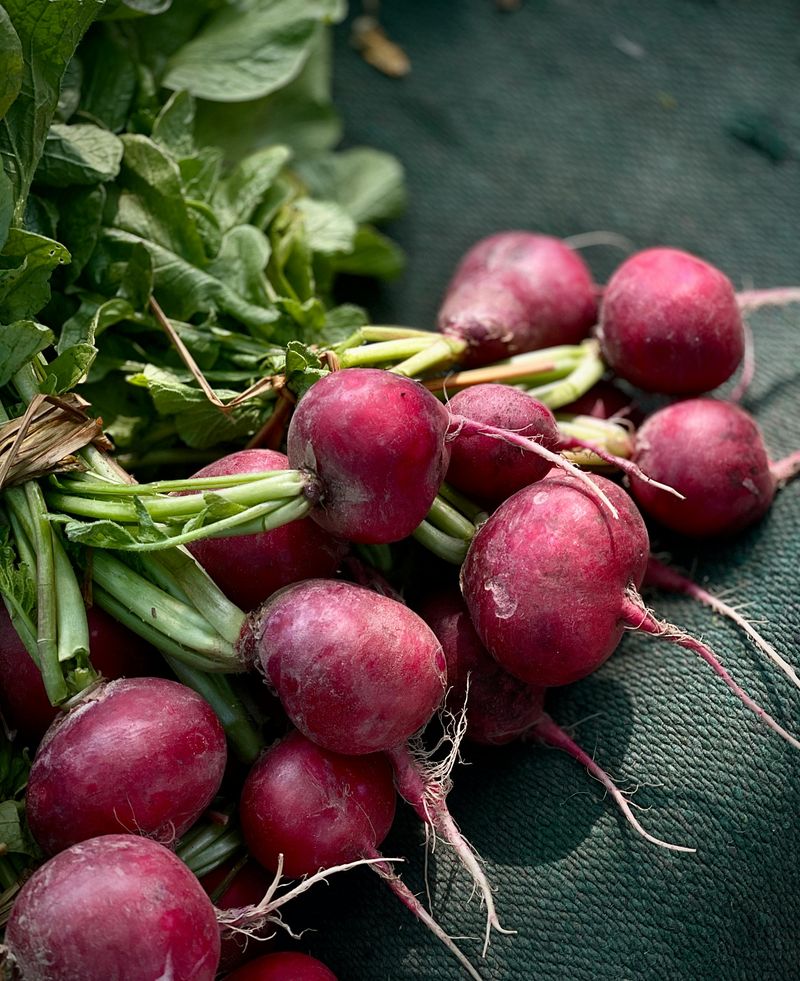
Peppery radishes are crisp and refreshing, yet their sulfur compounds and roughage can spark gas. Crunching lots quickly may overload a sensitive gut and trap air.
You might notice burps, a tight waistband, or pressure if salads lean heavy on raw rounds.
Slice thinly, salt lightly, and let them rest to soften edges before eating. Pair with avocado or yogurt dressing to temper bite and slow digestion.
A brief roast works wonders, and a post meal stroll or warm tea helps move gas along comfortably. Mindful portions keep crunch enjoyable without the uncomfortable aftermath many people report on busy days.
Celery
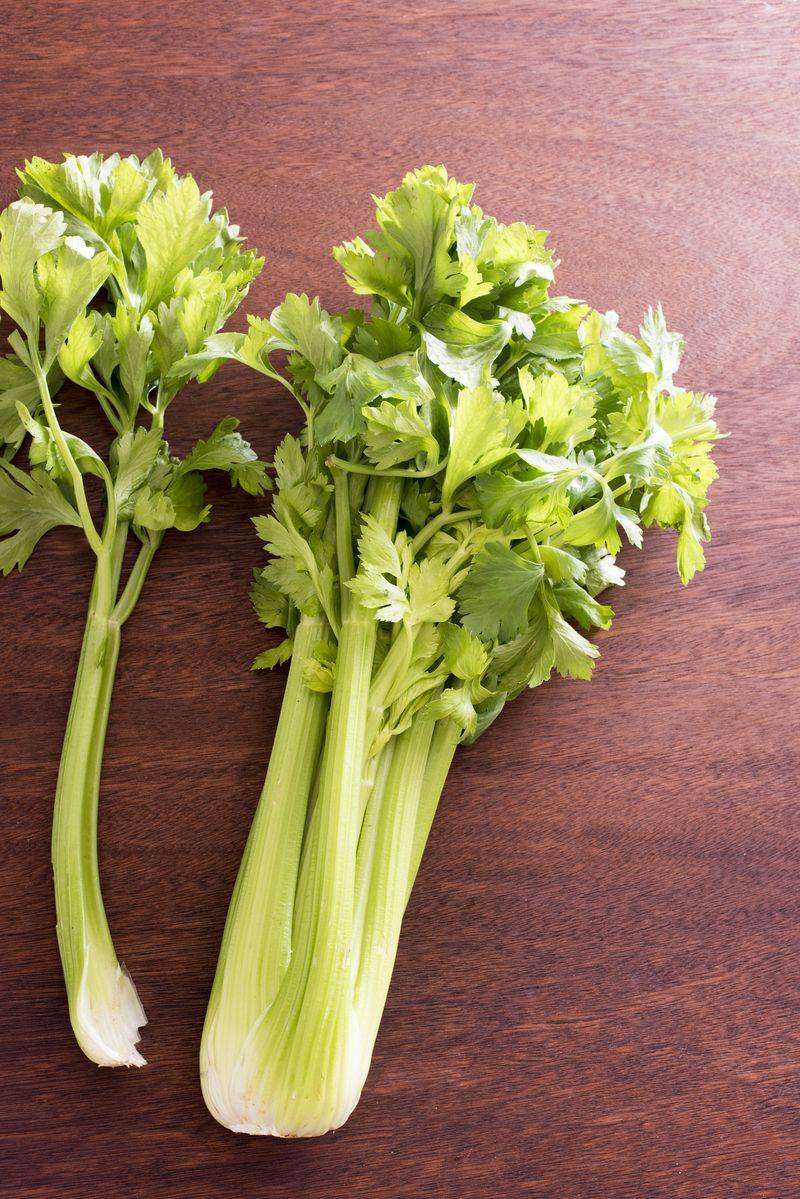
Celery is mostly water, but its stringy insoluble fibers can trap air when chewed quickly. Those strings resist breakdown and may shuttle gas through your gut with a squeaky feeling.
Big crunchy snacks sometimes leave you puffed and burpy despite the low calorie halo.
Peel tough strings, slice small, and chew thoroughly to reduce swallowed air. Combine with nut butter or hummus to slow digestion and improve comfort.
If bloating lingers, blanch briefly, choose hearts, or swap in cucumber sticks while you rebuild tolerance gradually. A gentle walk and warm water can help release trapped pockets of gas after snacking.
Carrots
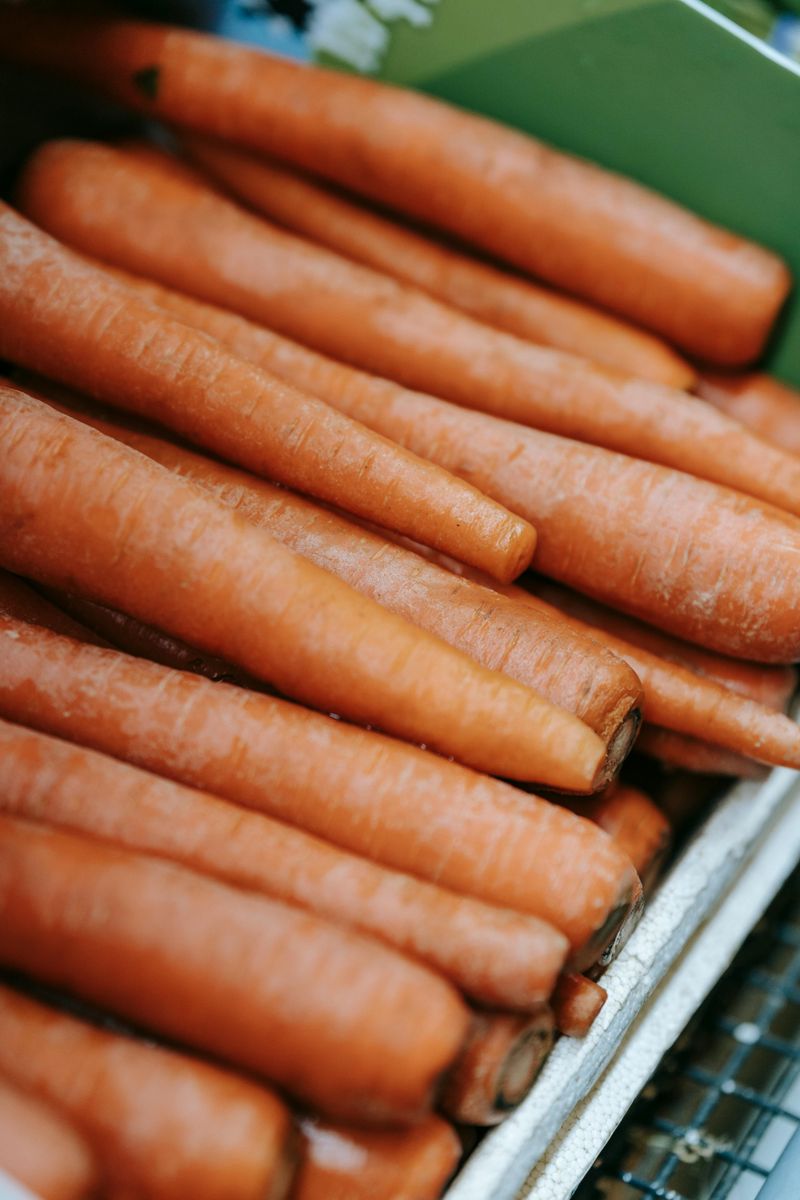
Raw carrots are fibrous and crunchy, which can encourage speedy chewing and extra air swallowing. Their insoluble fiber moves quickly, sometimes dragging gas along and creating pressure.
Heaping handfuls from a snack bag may leave your belly tight even though carrots feel incredibly healthy.
Cut into matchsticks, eat slowly, and pair with protein or fat to balance digestion. Lightly steaming before chilling preserves crunch while softening fibers.
If bloating shows up, sip peppermint tea, walk a few minutes, and scale portions back until comfort returns reliably. Caraway or ginger dip adds flavor and may calm tricky snack times for you.
Spinach
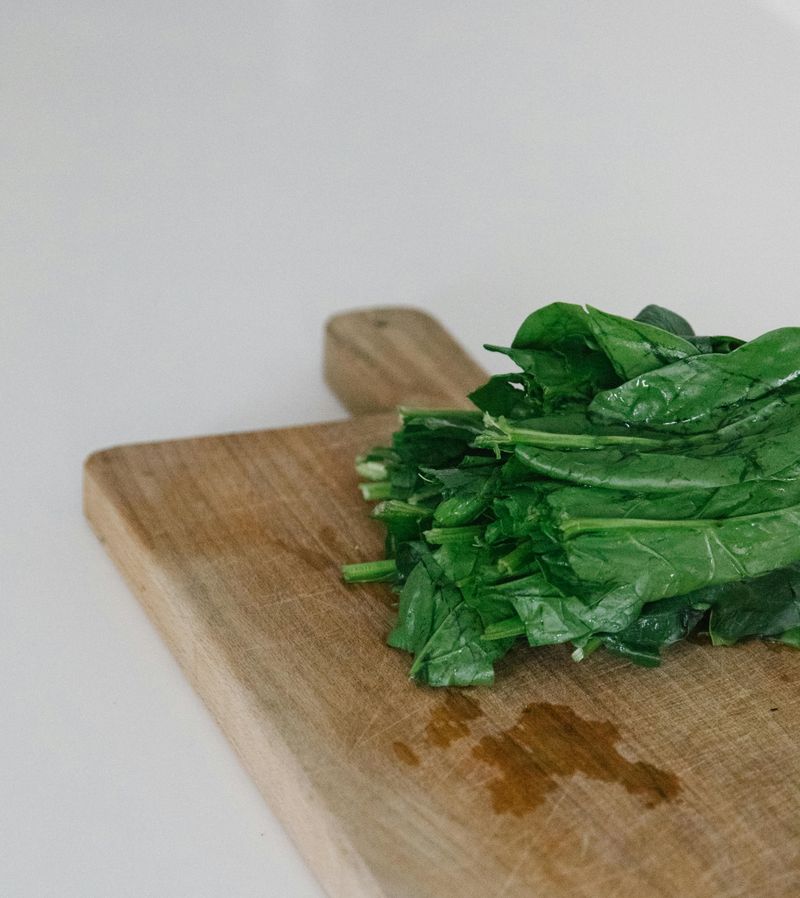
Tender spinach seems gentle, yet oxalates and fiber can still bloat sensitive bellies when raw. Large salads can pack surprising volume that expands in the stomach and traps air.
You might feel gassy, pressured, or notice quick bathroom trips after enthusiastic spring mixes.
Tear leaves small, chew thoroughly, and pair with warm toppings to temper chill. Lightly wilting with lemon and olive oil keeps freshness while easing digestion.
Add avocado, seeds, or grilled chicken for balance, then sip warm tea and stroll to move gas gently. Smaller bowls first help gauge tolerance before building bigger, breezier salads on busy days.
Bell peppers
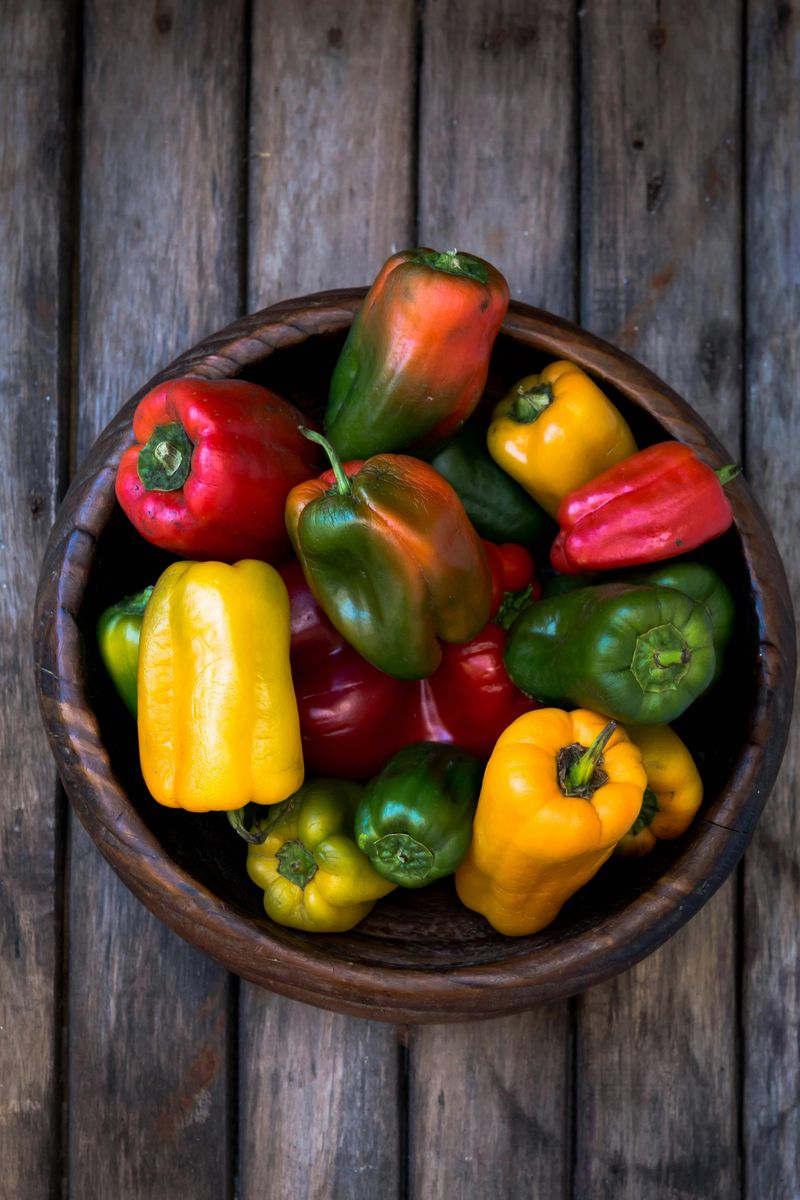
Raw bell peppers have firm skins and seeds that can irritate sensitive digestion. Their crisp walls resist breakdown, trapping air and encouraging burps after crunchy snacks.
The green ones are slightly less ripe, which some people find gassier than sweeter red or yellow.
Peel thin skins with a peeler, remove membranes, and slice very thin. Chew slowly, pair with hummus or olive oil, and keep portions moderate.
If bloating persists, roast briefly to soften and sweeten, then enjoy cool. A gentle walk afterward helps move stubborn gas.
Tea with mint or fennel can further soothe and settle your belly nicely.
Cucumbers
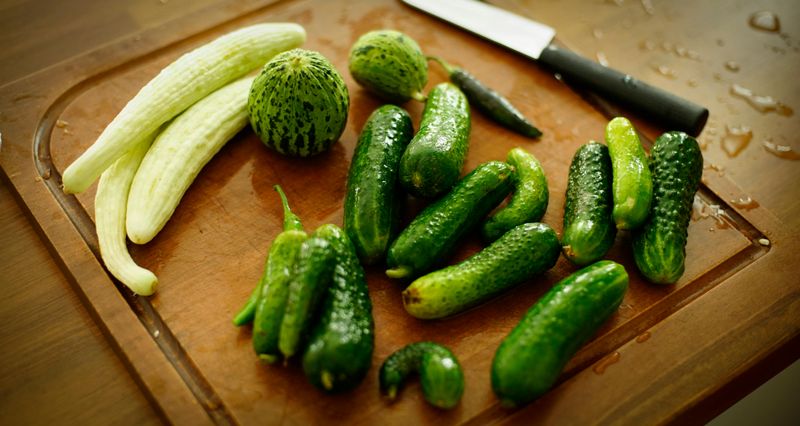
Cucumbers seem harmless, yet their skins, seeds, and high water can still bloat some people. Rapid snacking may add swallowed air, while the chill slows stomach emptying.
You might feel sloshy, burpy, and tight if you pile on spears without mindful chewing.
Peel, deseed, and slice thin, then season with salt and lemon to reduce bite. Pair with protein, chew thoroughly, and avoid chugging water while you snack.
If bloating lingers, marinate briefly or try warm soups, then reintroduce small portions to test tolerance. A short walk after eating helps move gas and eases that sloshy fullness for many people.
Lettuce
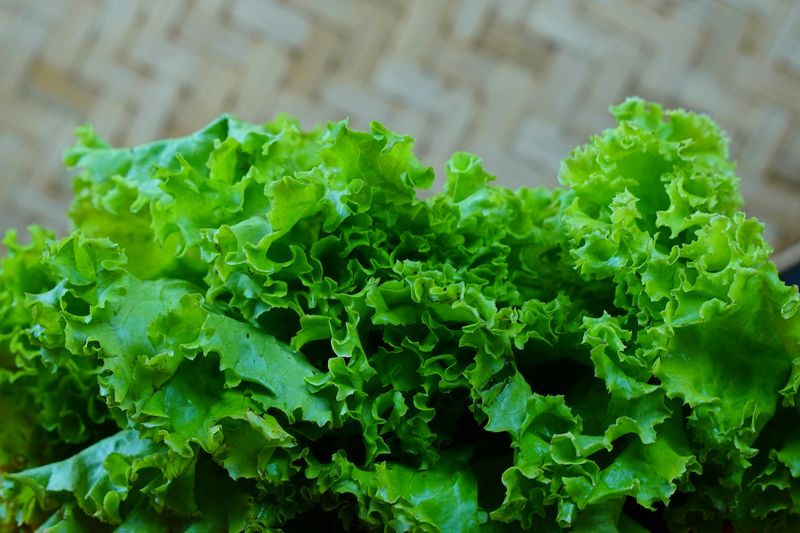
Even lettuce can bloat because volume matters and cold greens slow stomach emptying. Big bowls can trap air between leaves and encourage quick chewing that swallows more.
You might feel airy, pressured, and gurgly after towering salads with crunchy toppings piled high.
Mix tender leaves with warm components and chew thoughtfully. Dress with olive oil and lemon, add avocado, and consider smaller bowls to start.
If discomfort continues, try butter lettuce, wilt gently, and sip peppermint tea before a short stroll to release gas. Portion awareness makes salads satisfying while avoiding that floating balloon feeling afterward on busy lunch days.
Asparagus
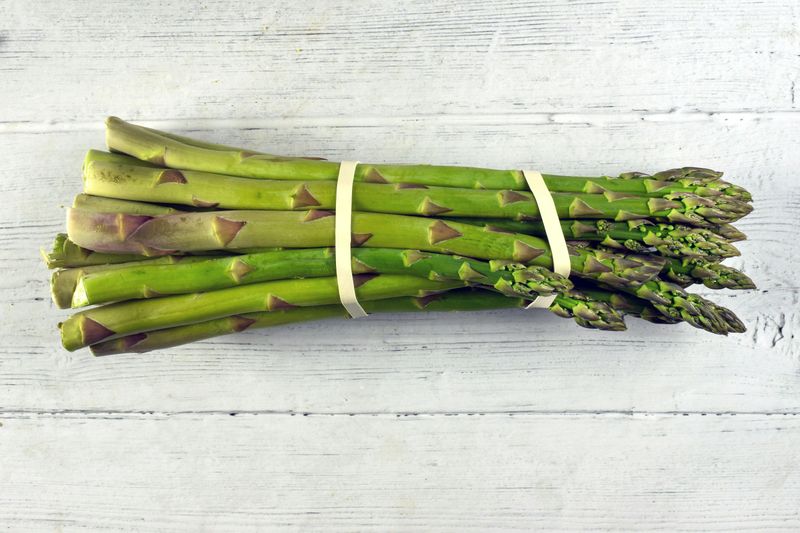
Raw asparagus contains fructans and fibrous stalks that challenge digestion for many people. The crunch is great, yet gas can build quickly as microbes feast.
If your belly feels tight, gurgly, and pressured after shaved spears, you are likely reacting to those carbs.
Shave thinly, mix with softer greens, and add lemon to brighten while moderating portions. Lightly blanching makes a big difference without sacrificing flavor.
Pair with eggs, avocado, or salmon for balance, then sip warm tea and walk a bit to move gas. Enzymes may help, and mindful chewing reduces swallowed air that worsens pressure for some people.
Mushrooms
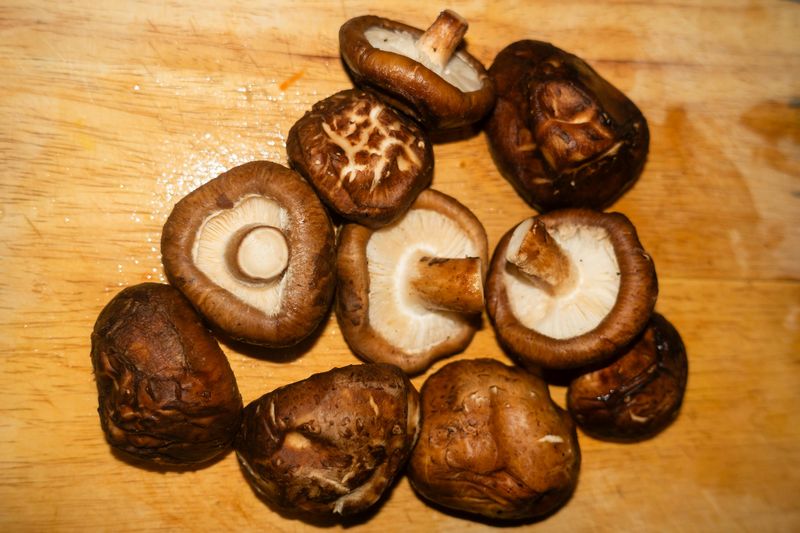
Raw mushrooms contain polyols, a FODMAP group that can draw water into the gut. Combined with fiber, that can lead to gas, pressure, and belly distention after salads.
Some varieties feel heavier, leaving you burpy and uncomfortable if portions are generous and chewing is rushed.
Slice very thin, marinate briefly with acid and salt, and pair with warm components. Choose smaller servings, chew thoroughly, and consider searing quickly to relax fibers.
A calming tea, slow breathing, and a short walk after meals can help gas pass gently. If symptoms persist, cook fully and reintroduce tiny amounts to test tolerance gradually.
Broccoli
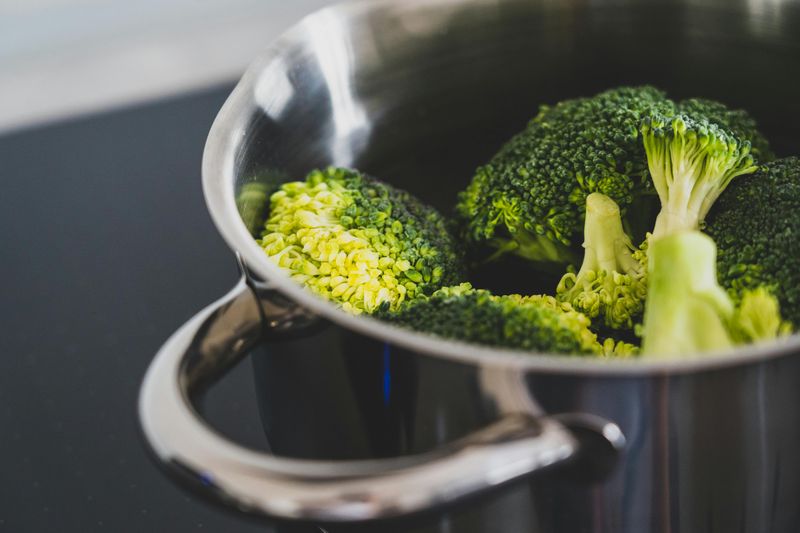
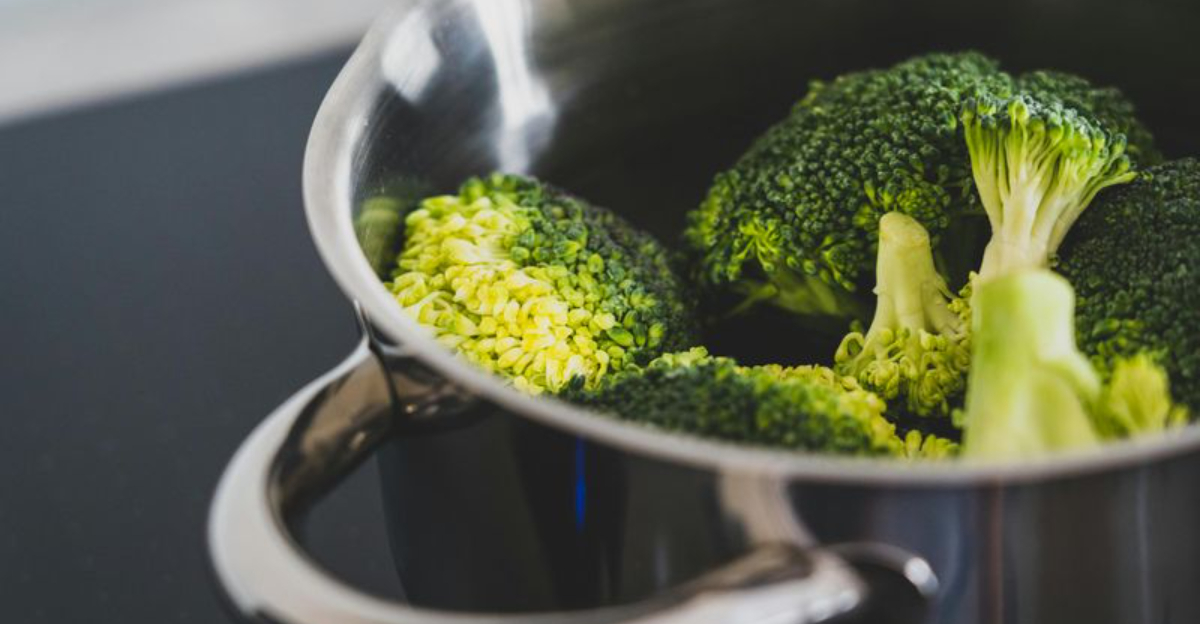
Raw broccoli is packed with fiber and sulfur containing compounds that your gut bacteria love to ferment. That fermentation can trap gas and leave you feeling puffy, especially if you eat it fast.
You might notice tightness under your ribs, a hard belly, and more burping than usual.
Try smaller portions and chew thoroughly to reduce swallowed air. Lightly steaming breaks down some fibers and can be kinder on sensitive digestion while keeping crunch.
Pair broccoli with ginger, fennel tea, or a walk after meals to move gas along. Consider digestive enzymes or a probiotic if discomfort lingers for relief.
Enjoyed this story?
Add Fast Food Club as a preferred source to see more of our reporting on Google.