


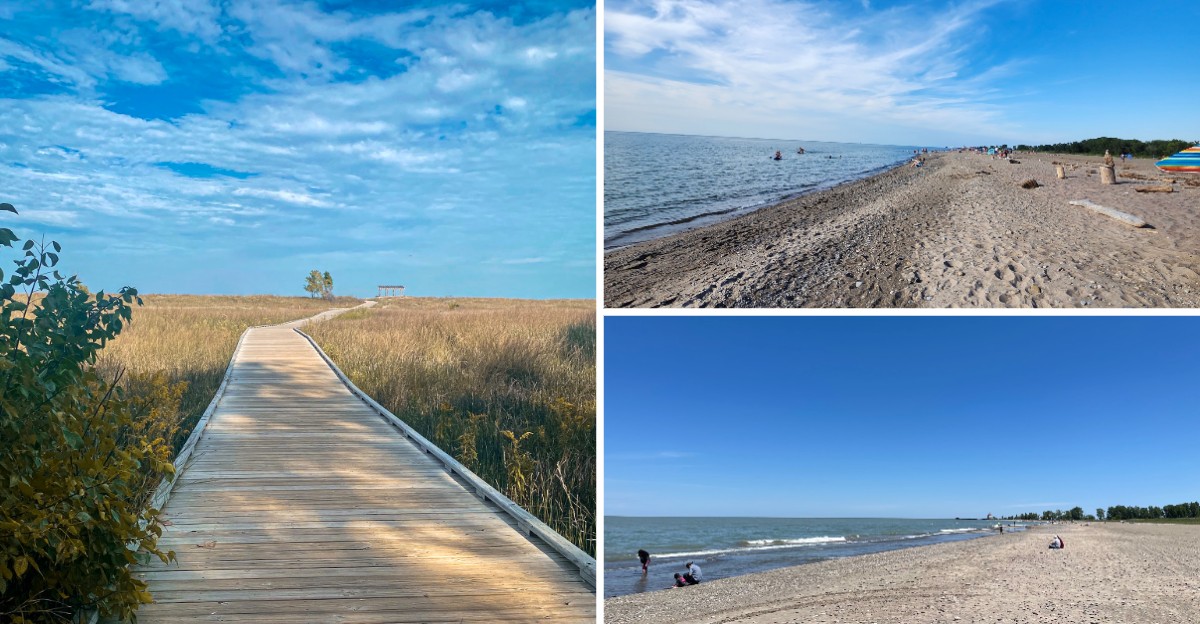
Ohio does not usually come up when people talk about big beach days. Lake Erie has a way of changing that opinion fast, especially along a stretch of shoreline in the city of Mentor.
Here, a state park holds a full mile of natural sand that local families have trusted for generations, with enough room to spread a blanket even on a busy Saturday. There is a lighthouse at the end of a long walk, dunes shared with rare nesting birds, and a shoreline dotted with beach glass for anyone patient enough to look down.
The sections ahead cover the story, the trails, the quirks of getting into the water, and the practical tips that make a day here run smoothly. Pack the water shoes, because they come up more than once.
A Mile of Sand in Mentor
Some of the best beach days in the Midwest start with a simple Ohio address. Headlands Beach State Park sits at 9601 Headlands Rd, Mentor, OH 44060, United States, right on the shore of Lake Erie.
The park is a state property overseen by the Ohio Department of Natural Resources. Its official page on the ODNR website is the best place to check for current updates before heading out.
Mentor is in northeast Ohio, and the park makes a handy stop for road-trippers. Travelers moving between western Pennsylvania and east central Ohio often find it an easy detour.
Beachgoers from the Presque Isle area in Erie even make the drive of about an hour and a half to compare shorelines. That says plenty about its reputation along the lake.
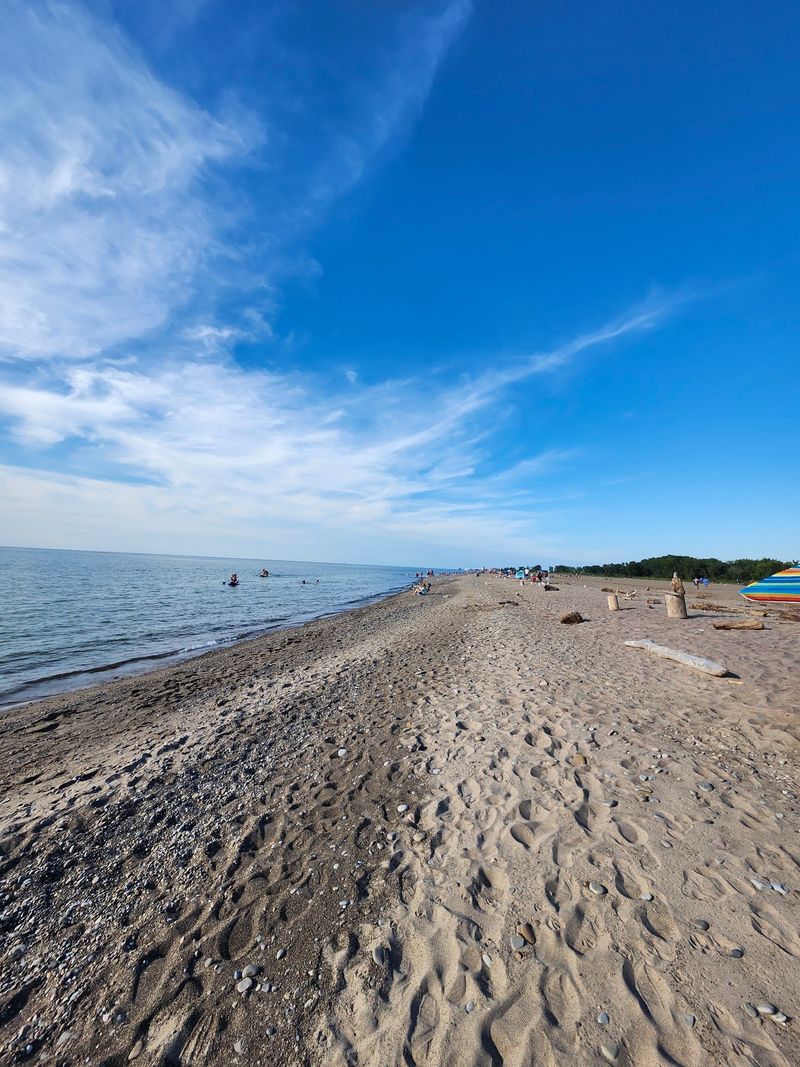
What draws people is not an arcade or a row of souvenir shops. The main event is the shoreline itself, a long and open strip of natural sand that stretches farther than most expect from a Great Lake.
Many first-timers arrive unprepared for the scale of Lake Erie. The water runs all the way to the horizon, and more than a few newcomers admit they could be fooled into thinking it was an ocean.
Some families have been returning since the 1960s, when today’s grandparents came here as kids. That kind of loyalty tells a story before anyone even reaches the sand.
Ohio’s Biggest Natural Beach
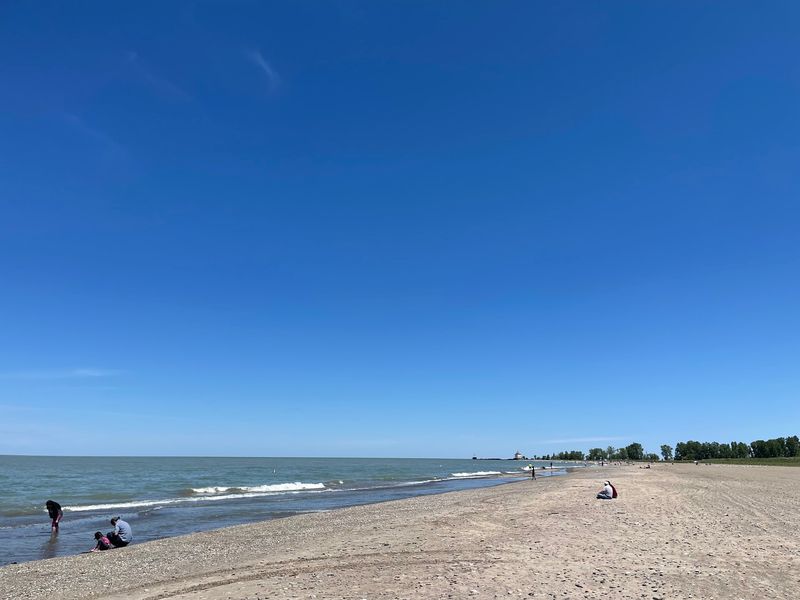
Bragging rights matter, and this park holds a big one. Its mile-long stretch of shoreline is the largest natural sand beach in the entire state of Ohio.
The word natural carries real weight in that sentence. The beach is a Lake Erie shoreline backed by dunes, pebbles, and wild patches of native plants rather than a manicured resort strip.
Size changes the whole experience. Even when the beach gets a little crowded, there is so much room that groups can spread out without sitting elbow to elbow.
The layout feels vast and open, with a short trek from the dry sand to the water’s edge. Kids get space to run, and adults get space to set up camp well away from the next umbrella.
Plenty of beach fans drive an hour or more just to spend the day here, passing other Lake Erie beaches along the way. Many of them rank it well above better-known spots closer to Cleveland, including Huntington and Edgewater.
The park is open year-round, so the sand is not only a summer story. Each season offers a different reason to show up, and the later sections get into those.
For a Midwestern state, a full mile of natural beach is a claim worth a road trip. The next question is how to get down to it.
The Boardwalk and the Easy Route Down
Getting to the water can be half the battle at some beaches. Here, the park has put real thought into making the trip from car to shoreline simple.
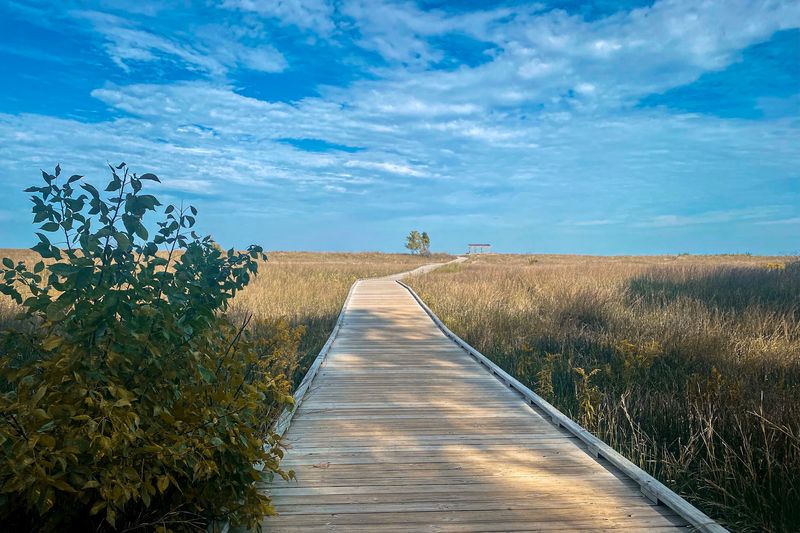
A boardwalk leads down to the beach, and it has become a favorite feature in its own right. Many people mention it as one of the details that makes the park feel well cared for.
There is also a flat walkway that runs from the parking lot to a spot very close to the water. For anyone hauling coolers, chairs, strollers, or a pile of beach toys, that smooth route is a genuine relief.
Accessibility gets attention too. A beach wheelchair has been available for public use, which opens up the sand to people who might otherwise stay on the pavement.
Paved walking paths wind through other parts of the park, adding options beyond the beach itself. They make it easy to stretch the legs without getting sand in every pocket.
Parking is plentiful, so the day does not start with circling the lot. That combination of space and easy access explains why so many families treat the park as a reliable go-to.
Once the boardwalk gives way to sand, the dunes come into view. They deserve a closer look of their own.
Dunes With Tiny, Important Neighbors
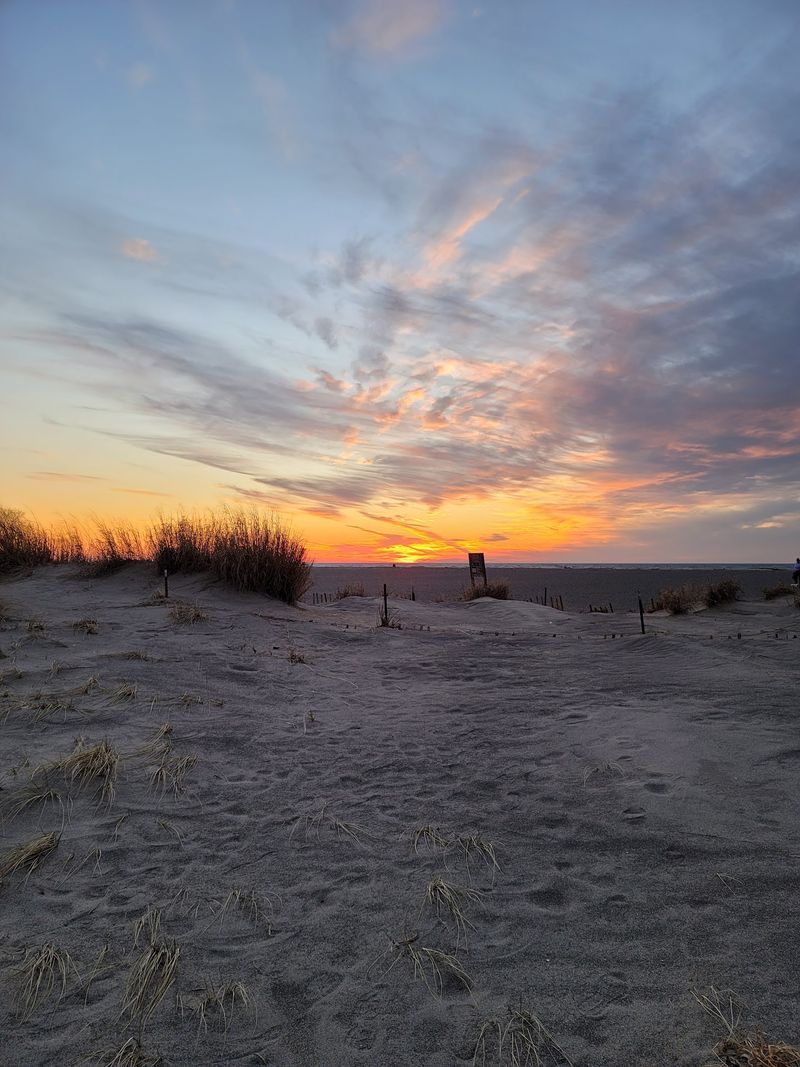
Not every part of the shoreline belongs to beach towels. Behind the main stretch of sand, a system of dunes rises up, and many people find them just as impressive as the beach.
Wild areas of native grasses and flowers fill the spaces around the dunes. The mix gives the park a natural feel that sets it apart from more developed lakefront spots.
Here is a fun fact worth sharing with the kids. The dunes and beach serve as nesting grounds for endangered plovers in spring.
To protect them, the park ropes off sections of the beach during breeding season. Those closures are a big part of why the birds keep coming back.
The rule is simple: when a section is roped off, it stays off limits. Some people still wander into the closed areas, which is exactly the behavior the protections are meant to prevent.
Respecting those boundaries takes almost no effort, and there is still plenty of open sand elsewhere. A mile of shoreline leaves lots of room for both people and birds.
The dune areas also line the route to the park’s most talked-about landmark. That landmark sits at the far end of a longer walk than most people expect.
The Long Walk to the Lighthouse
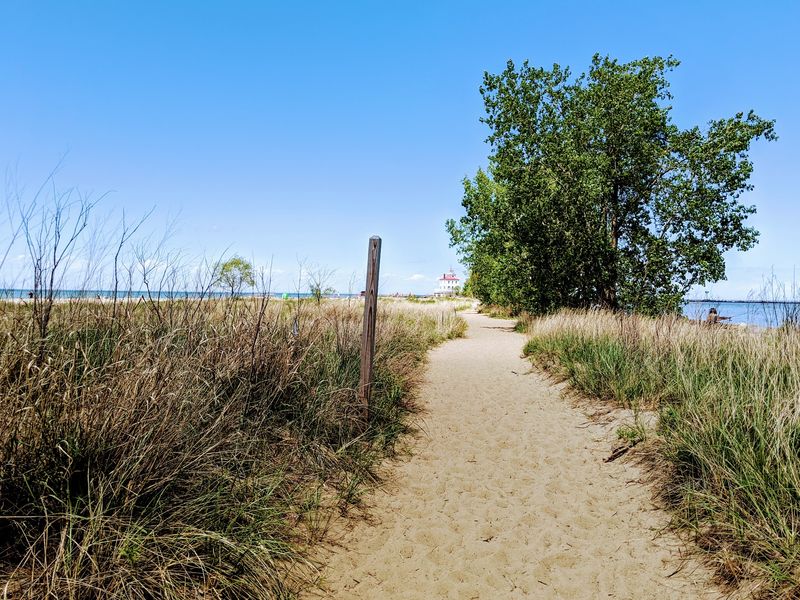
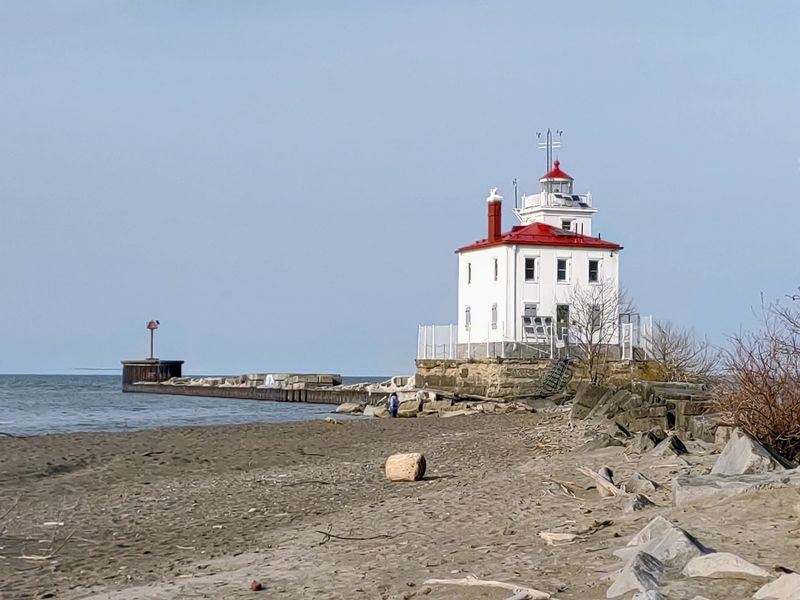
Few things get people talking at this park more than the lighthouse. It sits at the far end of the shoreline, and the walk out to it has become a tradition for many families.
Fair warning: the trip takes longer than it looks from the beach. Most people who make it do not mind, since the path passes wild stretches of native grasses and flowers along the way.
Families with toddlers have completed the hike, taking breaks at shady spots along the route. Then they head back and hunt for rocks on the sand, turning one outing into two.
Expectations need a little adjusting once the lighthouse comes into view. There are no tours, and the building is not open for people to go inside.
The pier leading toward it has been gated off as well. A few people have been spotted climbing the fence, but that is a poor choice and not worth the risk.
The best approach is to treat the lighthouse as a scenic goal rather than an attraction to enter. The walk itself is the reward.
Keep an eye on the sky while making the trek. The dunes and shoreline near the lighthouse attract some remarkable wildlife, along with a few less welcome guests.
Beach Glass and White Stones
Some people come for the swimming. Others spend the whole afternoon staring at the ground, and they leave just as happy.
Beach glass is one of the park’s biggest draws for collectors. Pieces of clear glass turn up along the shoreline, rounded by years in the lake.
Luck plays a role, and so does timing. Serious hunters tend to recommend early mornings, when the shoreline has had the night to reset and fewer people have combed through it.
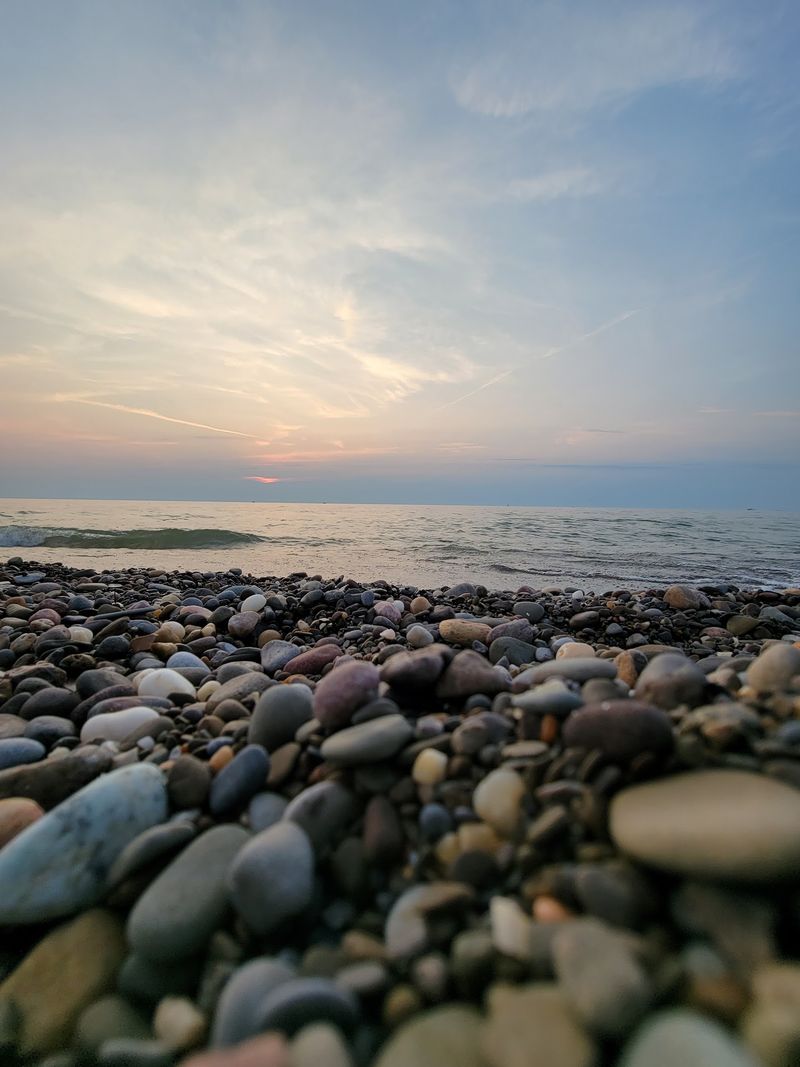
The rocks are part of the appeal too. The shoreline holds a wide mix of pebbles, including white stones that stand out among the rest.
Much of the lake edge is made up of rounded pebbles rather than fine sand. That can be a nuisance for swimmers, but it is great news for anyone who likes to collect.
Kids especially love the hunt, since it turns a beach day into a treasure search. Adults tend to get hooked just as quickly once they find a first piece.
A small bag or container makes the search easier. Just remember to leave the dune areas and roped-off nesting zones alone, since the best finds are along the open waterline anyway.
Those same pebbles have a big impact on what happens next, when it is time to get in the water.
Eagles, Ospreys and a Rare Flyby
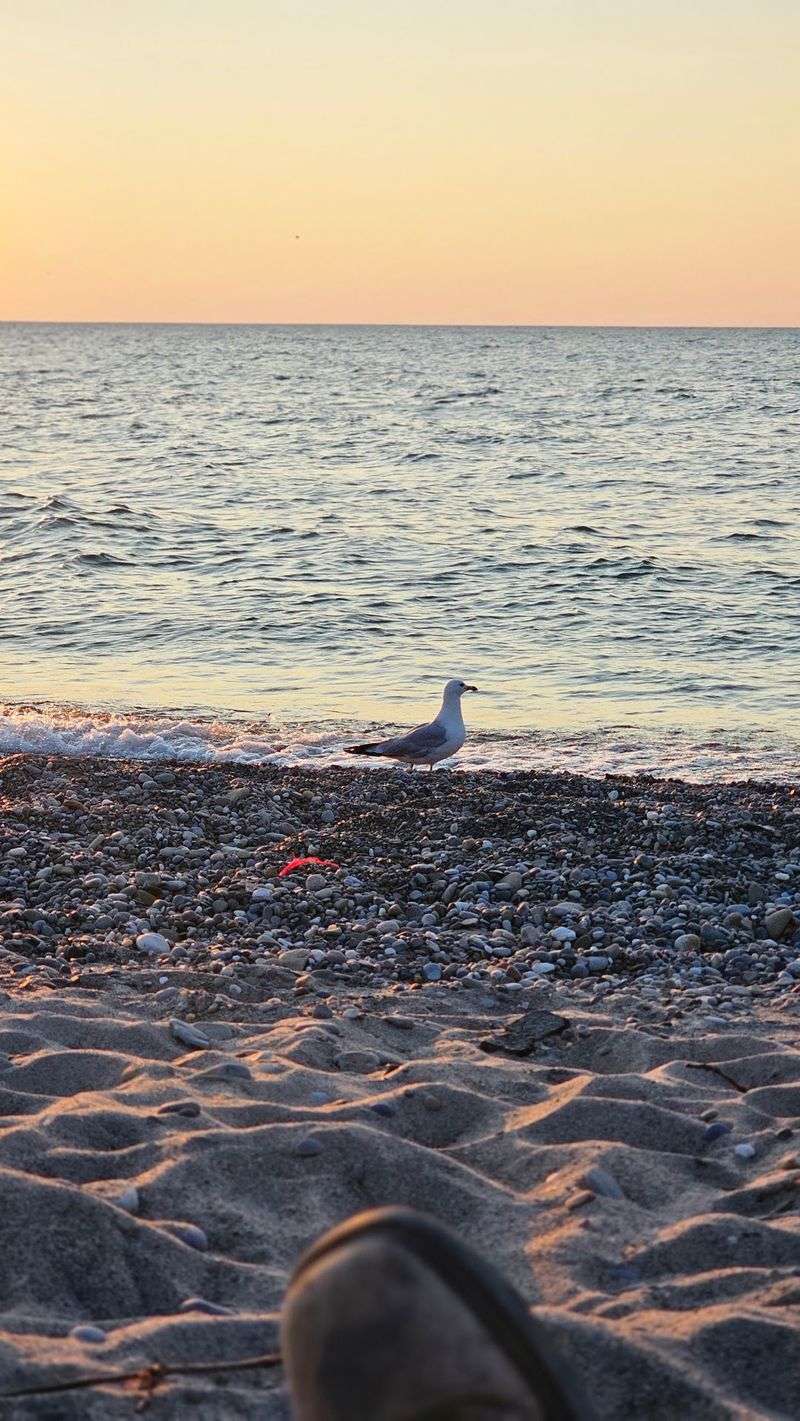
Bird lovers, bring binoculars. The park draws a surprising amount of wildlife, and the sky is often as busy as the sand.
Bald eagles have been spotted here, sometimes more than one in a single outing. Ospreys also patrol the area, fishing along the lake.
Every so often, something unusual passes through. A rare Black Scoter, a type of sea duck, has been seen flying by during a walk toward the lighthouse.
The protected plovers add to the list during nesting season. Between the dunes, the native plants, and the open water, the park offers a lot of habitat in one place.
Not all the wildlife is quite as charming. Biting flies can gather near the dunes on the way to the lighthouse, and they seem to treat hikers as a snack bar.
Insect repellent is a smart addition to the beach bag, especially for the lighthouse walk. A quick spray can keep a pleasant hike from turning into a swatting session.
The flies aside, the wildlife is one of the park’s quiet strengths. It adds another layer to a beach that already has plenty going for it.
Next up is the part of the day everyone asks about: the water itself.
What to Know Before Wading In

The sand may be soft, but the lake bottom tells a different story. Just past the waterline, the floor is mostly rounded pebbles instead of sand.
The first ten feet or so into the water can be rough on bare feet. The single most repeated tip about this beach is to bring water shoes.
Depth changes quickly too. Once people get into the water, the bottom drops off faster than many expect.
There are no lifeguards on duty, so swimmers are on their own. Parents need to keep a close eye on children at all times.
Lake Erie can also kick up rough waves here. On some days, conditions are simply not safe for kids to swim, so checking the water before anyone runs in is a good habit.
A helpful bit of local wisdom: the shoreline seems to get less rocky the farther west one goes. That makes the western end a better bet for easier entry.
None of this stops the park from being popular with swimmers. It just means a little preparation goes a long way.
On days when the waves are too wild, there is still plenty to do without getting wet. The sand offers its own entertainment.
Sandcastles, Kites and Volleyball Nets
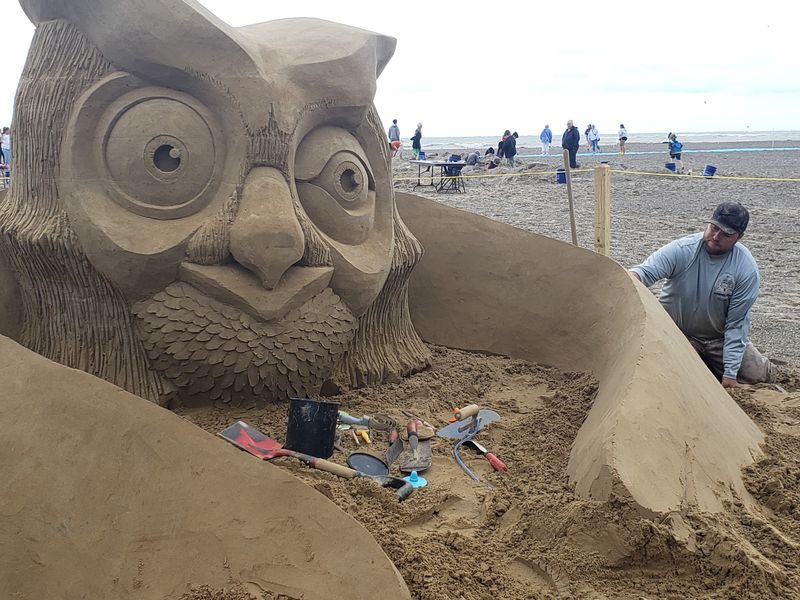
With a mile of sand to work with, creativity tends to take over. The beach has room for projects big and small.
Sand sculptures show up here and are a popular sight on a stroll. They give the shoreline a bit of an art gallery quality on the right day.
Families with smaller ambitions will find a clever setup waiting. A take a sand toy, leave a sand toy box lets kids borrow a bucket or shovel and pass along one they no longer need.
There is plenty of sand for building sandcastles, even on days when the lake is too rough for swimming. It is an easy way to salvage a beach day when the waves do not cooperate.
The wide open layout is ideal for kites and boomerangs. There is enough space that flyers do not have to worry about tangling with the neighbors.
Volleyball nets are set up on the beach for anyone ready to bump, set, and spike. Groups looking for friendly competition can easily fill an afternoon.
All that activity works up an appetite and a need for shade. Fortunately, the park has thought about that too, with spaces tucked away from the sand.
Picnic Shelters, Shade and a Playground
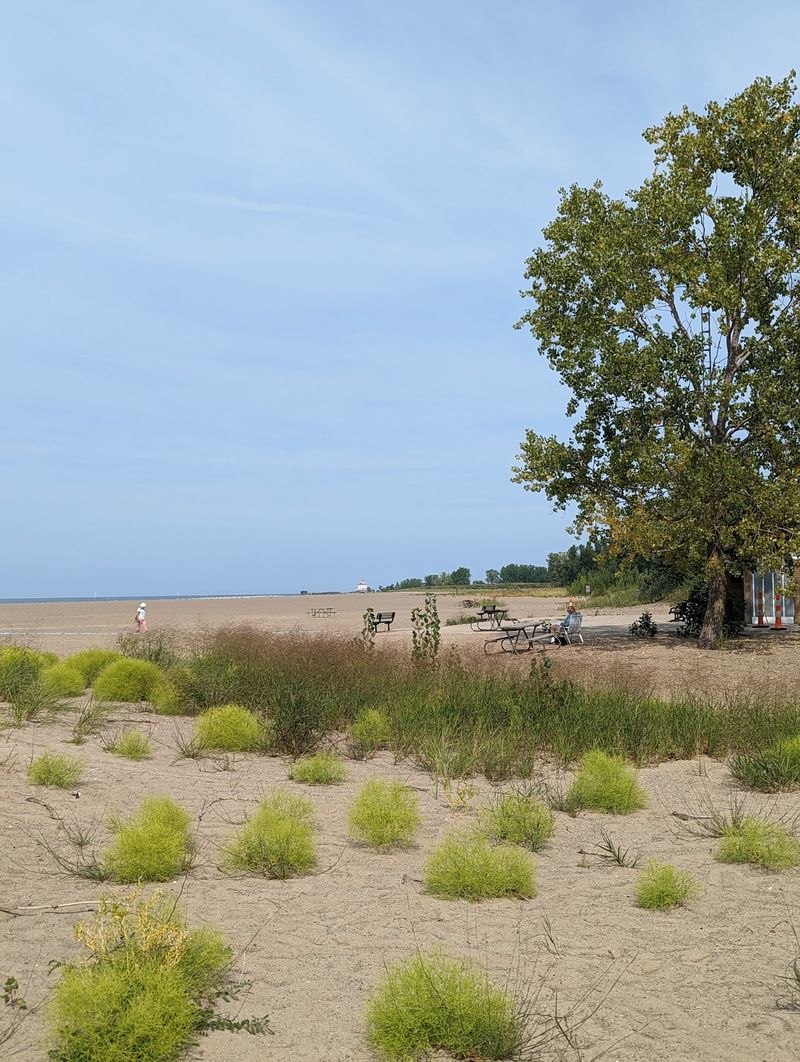
Beach days are better with a home base. The park offers several, and picnickers have long counted it among their favorite spots on the lake.
Picnic tables are spread around the grounds, and many sit in shaded areas. That shade becomes valuable real estate by midafternoon in summer.
Shelter houses give larger groups a place to gather. They work well for family reunions, birthday outings, or any crowd that needs more than a single table.
Playground equipment adds another option for kids who need a break from the sand. It is a handy way to burn off energy without another trip down to the water.
Walking trails connect different parts of the park as well. They offer a change of scenery and a chance to explore beyond the beach.
The overall setup encourages people to stay a while. Many plan on spending the entire day, and the facilities make that easy.
Families often return the very next day after a first trip, eager to explore the parts they missed. That kind of instant repeat visit says a lot.
A full day on the beach depends on one more thing people care about deeply: how clean the place stays.
A Beach That Stays Tidy
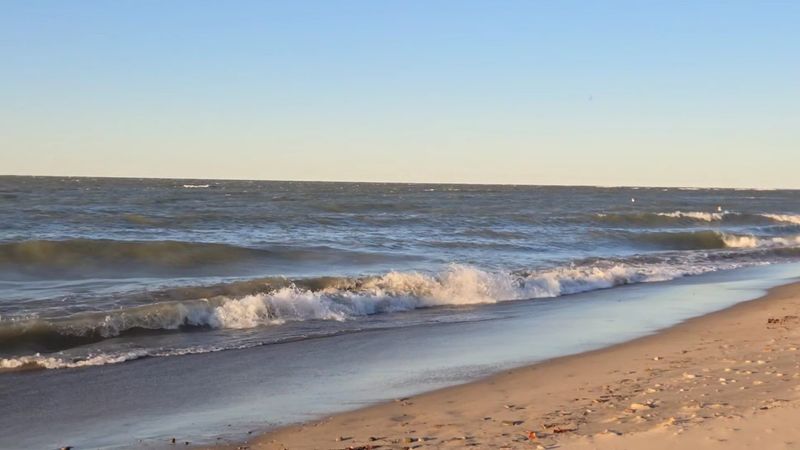
Cleanliness might be the most common compliment this beach receives. Again and again, people describe the shoreline and the grounds as well kept.
A clever program helps keep it that way. Buckets are available for picking up trash on the beach, paired with a QR code to scan.
Plenty of families grab a bucket and join in, turning a walk into a small good deed. It is a simple idea that gives everyone a stake in the park.
Restrooms get plenty of praise too, with many describing them as clean. Showers and a foot wash help rinse off sand before the ride home.
To be fair, not every restroom visit is spotless. Some have described them as just average, and new bathrooms have been under construction, which should help.
The atmosphere matches the upkeep. Crowds tend to be polite and friendly, and many parents say they feel comfortable here while still keeping a watchful eye on their kids.
The water itself is often described as clean as well. For a busy public beach on a Great Lake, that consistent care stands out.
Clean sand is great at noon, but some of the best moments here happen later in the day.
Sunsets, Quiet Hours and Winter Walks
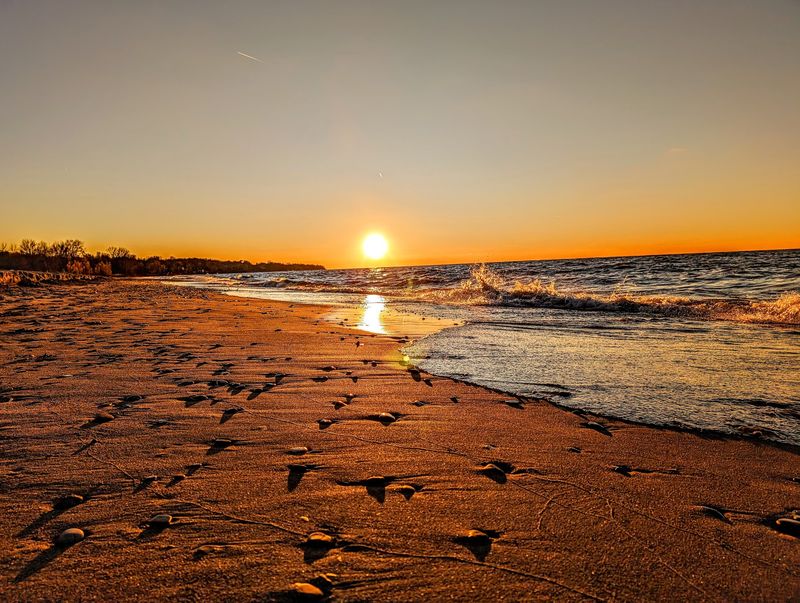
Timing can transform a trip here. The park looks very different depending on the hour and the season.
Sunset is a favorite time for many regulars. With open water to the horizon, the evening show over Lake Erie is a big part of the park’s appeal.
Late afternoon can also bring a calmer beach. Around 4 p.m., the crowds often thin out, leaving plenty of space to relax.
Even weekends can surprise people. Some families have found the beach not very crowded on a Saturday, and others have arrived to find only a handful of people on the sand.
Many describe the mood as calm and serene. That quiet quality is a big reason people make the park a regular habit.
Summer is not the only season worth considering. The park is open year-round, and locals point to winter as an amazing time to visit.
A cold-weather walk along an empty mile of shoreline offers a completely different side of the park. It is the same sand, just with a lot more elbow room.
Once the timing is settled, a few practical details will help the day go smoothly.
Smart Planning and a Soft Verdict
A little planning pays off here. The park is easy to reach at 9601 Headlands Rd in Mentor, and parking is plentiful once there.
Hours and fees can change, so the official Ohio Department of Natural Resources page for the park is the place to confirm details before the trip. It is the most reliable source for any seasonal updates or closures.
Pet owners should take note of one firm rule. Pets are not allowed on the beach, so four-legged friends will need to sit this one out.
The packing list is short but important. Water shoes top it, followed by insect repellent for the dunes and lighthouse walk.
A bag for beach glass is a nice extra. So is a spare sand toy to add to the swap box.
Remember that there are no lifeguards, and waves can get rough. Checking conditions before swimming keeps everyone safe.
So is it worth the drive? For a mile of natural sand, a lighthouse walk, protected dunes, and a shoreline full of treasures, the answer leans strongly toward yes.
It is not a flashy resort beach, and that is exactly the point. Headlands rewards anyone who shows up ready to explore, and it tends to turn first-timers into regulars.
Enjoyed this story?
Add Fast Food Club as a preferred source to see more of our reporting on Google.