


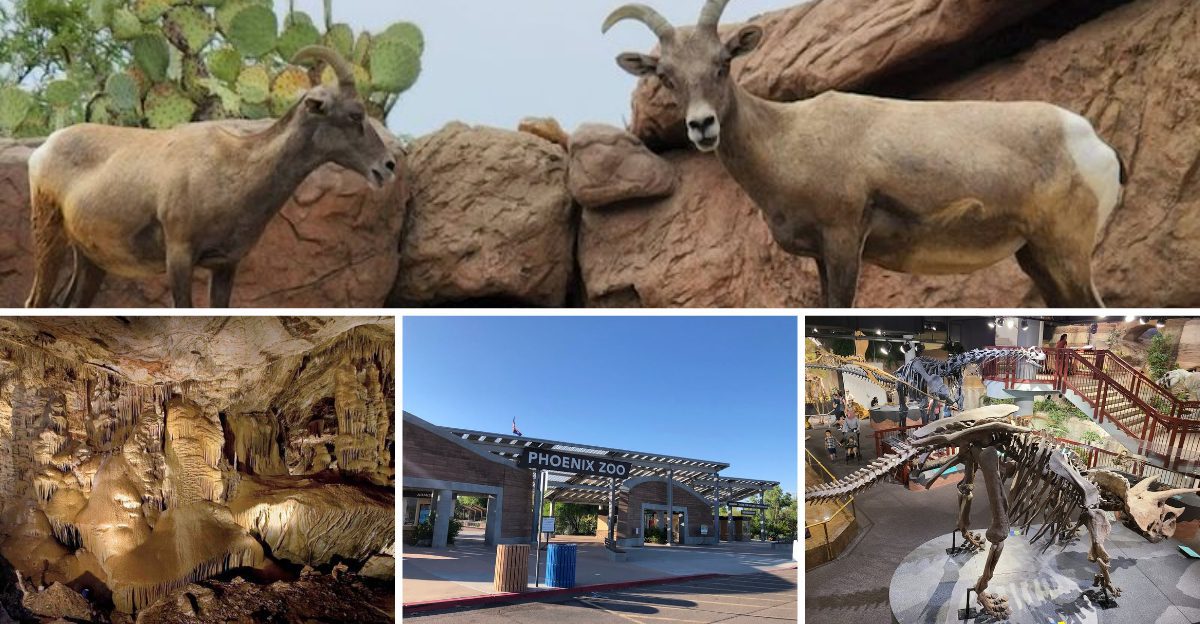
Arizona is one of those places that feels almost too incredible to be real. From towering cacti and ancient cliff dwellings to living museums and wild animals roaming open desert habitats, the state packs an enormous variety of experiences into one sun-soaked landscape.
Whether you love outdoor adventures, hands-on history, or fascinating wildlife, Arizona has something that will genuinely surprise you. Get ready to explore 17 spots that prove the desert is anything but empty.
Saguaro National Park – Arizona
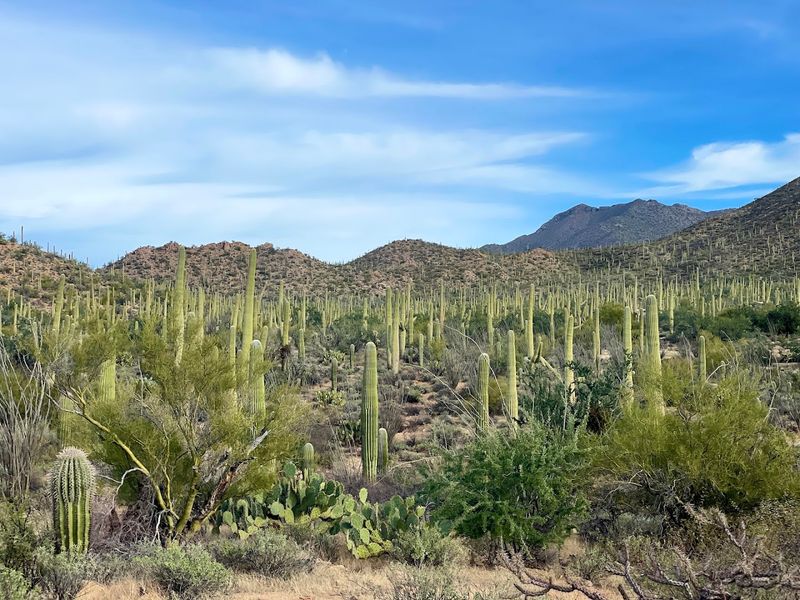
Standing face-to-face with a 40-foot saguaro cactus is a humbling experience you won’t forget. Saguaro National Park protects thousands of these iconic giants, which can live over 150 years and only grow their first arm after 75 years.
The park is split into two districts near Tucson, offering scenic drives, hiking trails, and wildlife spotting.
Javelinas, roadrunners, and Gila woodpeckers call this park home. Visiting at sunrise or sunset rewards you with stunning golden light filtering through the cacti.
Petrified Forest National Park – Arizona
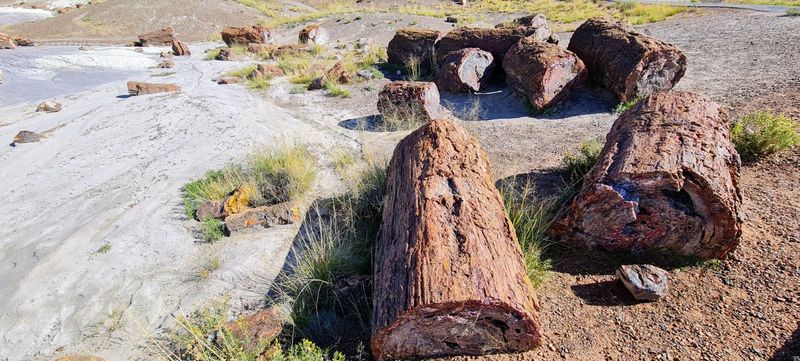
Millions of years ago, massive trees fell in a prehistoric forest and slowly turned to colorful stone. Petrified Forest National Park in northeastern Arizona preserves those ancient logs alongside stunning Painted Desert badlands striped in shades of purple, red, and orange.
Walking among them feels like stepping onto another planet entirely.
The park also contains ancient petroglyphs carved by Indigenous peoples centuries ago. Rangers lead free programs that help visitors connect with both the geology and the human history woven through this remarkable landscape.
Chiricahua National Monument – Willcox, Arizona
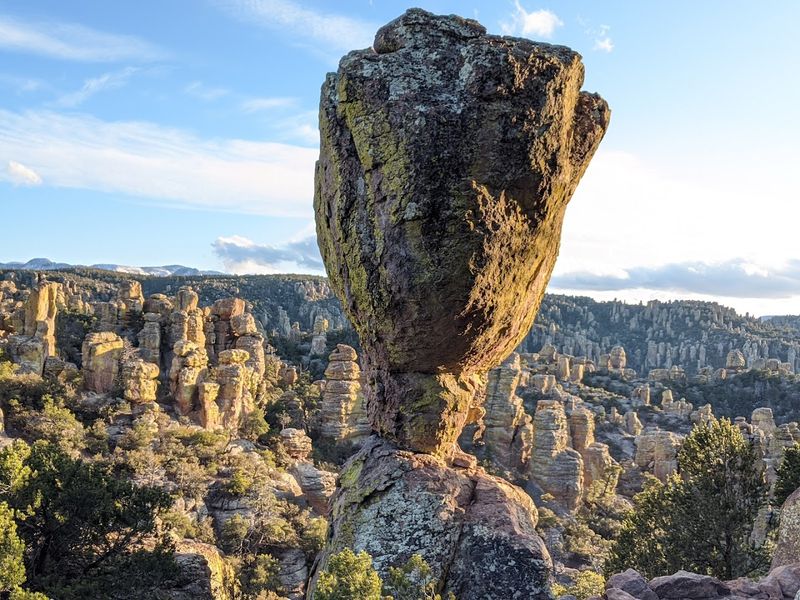
Some locals call it the “Land of Standing-Up Rocks,” and once you see it, the nickname makes perfect sense. Chiricahua National Monument near Willcox features thousands of bizarre volcanic rock columns and balanced boulders formed by an ancient eruption millions of years ago.
Trails wind through forests of pine and oak tucked between these towering stone formations.
This area was once home to the Chiricahua Apache people, and the surrounding mountains hold deep cultural significance. Birdwatchers also flock here because the region is one of the top birding spots in North America.
Montezuma Castle National Monument – Camp Verde, Arizona
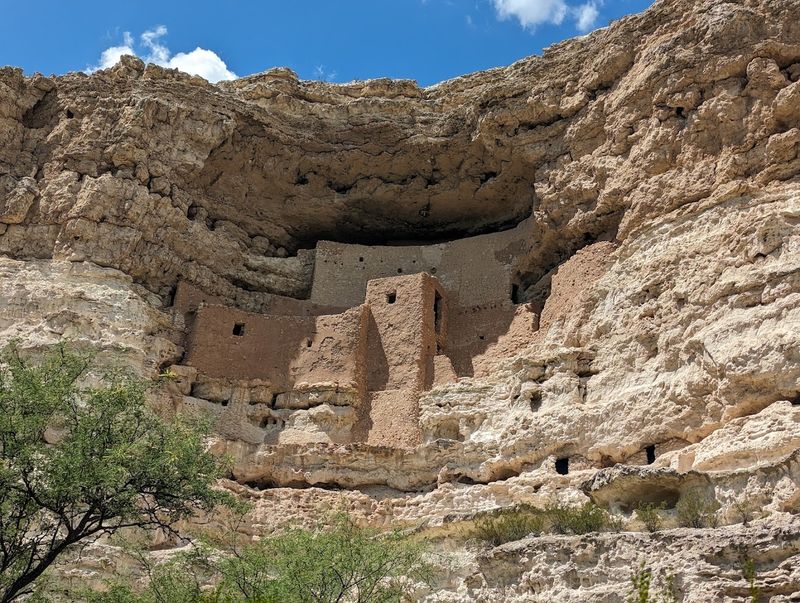
Tucked 90 feet up into a limestone cliff, this five-story stone dwelling is one of the best-preserved prehistoric structures in North America. Despite the name, the Aztec ruler Montezuma had nothing to do with it.
The Sinagua people built this remarkable home around 700 years ago, using it as shelter above the Verde Valley floor below.
A short paved trail loops past the base of the cliff, offering close-up views without climbing. The nearby Beaver Creek adds a peaceful, shady atmosphere that makes the visit feel refreshingly cool even in summer.
Walnut Canyon National Monument – Arizona
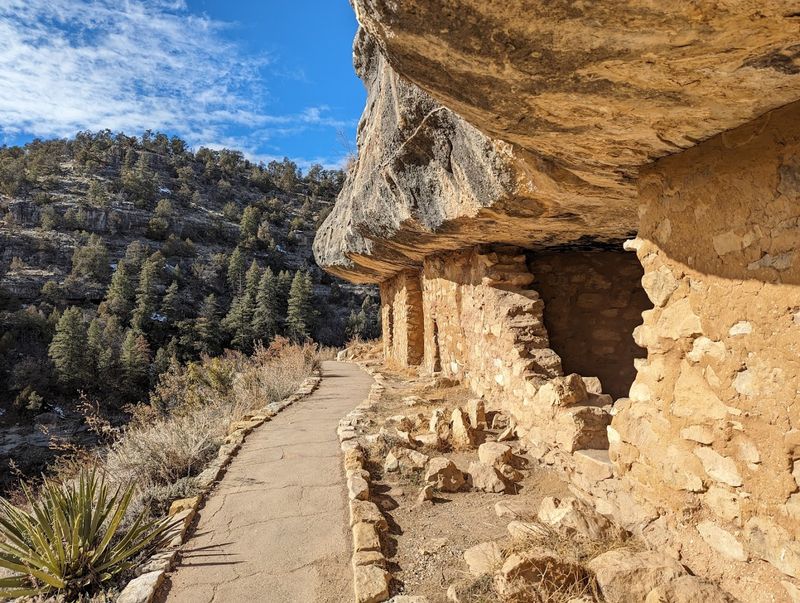
Imagine building your home inside a canyon wall, using the rocky overhang as your ceiling. That is exactly what the Sinagua people did at Walnut Canyon near Flagstaff over 800 years ago.
Visitors can walk the Island Trail, a one-mile loop that passes directly by 25 cliff rooms still standing remarkably intact after all these centuries.
The canyon itself is beautiful, filled with Douglas fir, ponderosa pine, and a creek winding below. The combination of lush vegetation and ancient architecture makes Walnut Canyon feel completely different from the open desert just miles away.
Arizona-Sonora Desert Museum – Tucson, Arizona
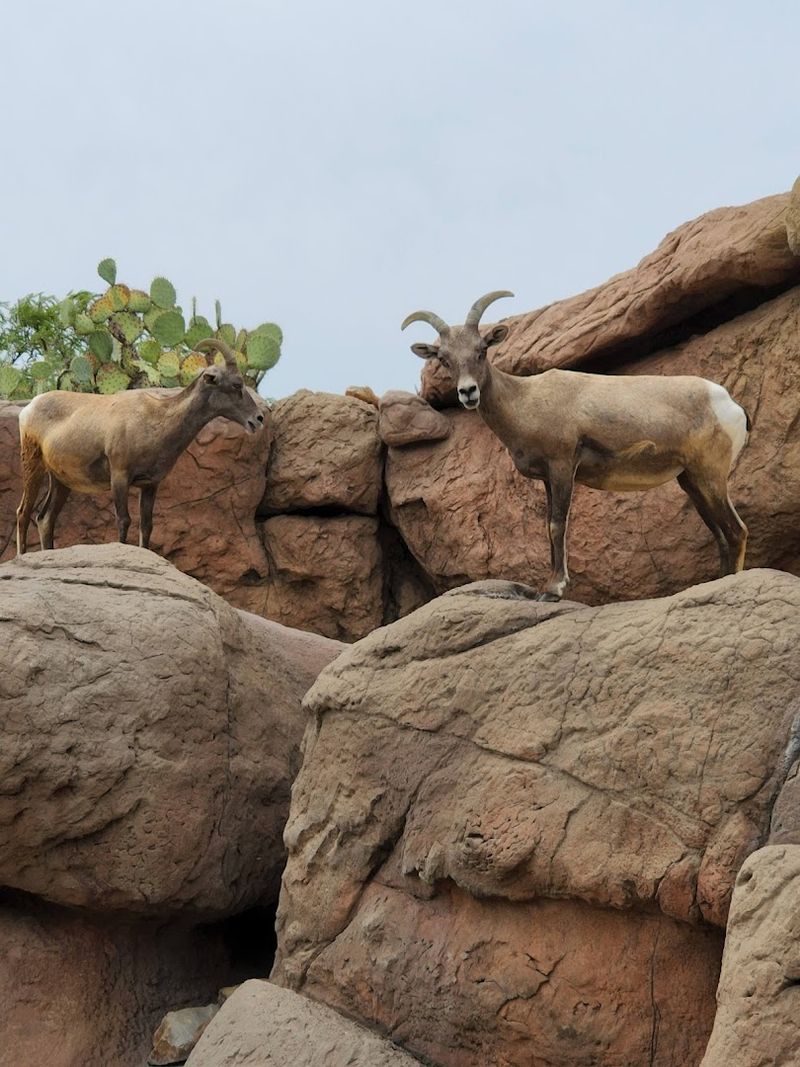
Part zoo, part botanical garden, part natural history museum – the Arizona-Sonora Desert Museum outside Tucson refuses to be put in just one box. More than 300 animal species and 1,200 plant varieties live here in naturalistic outdoor habitats that mirror the real Sonoran Desert surrounding them.
Mountain lions, prairie dogs, hummingbirds, and rattlesnakes all have a home here.
The raptor free-flight demonstrations are crowd favorites, with hawks and owls swooping just overhead. Plan to spend at least half a day because there is far more to discover than most visitors expect.
Phoenix Zoo – Phoenix, Arizona
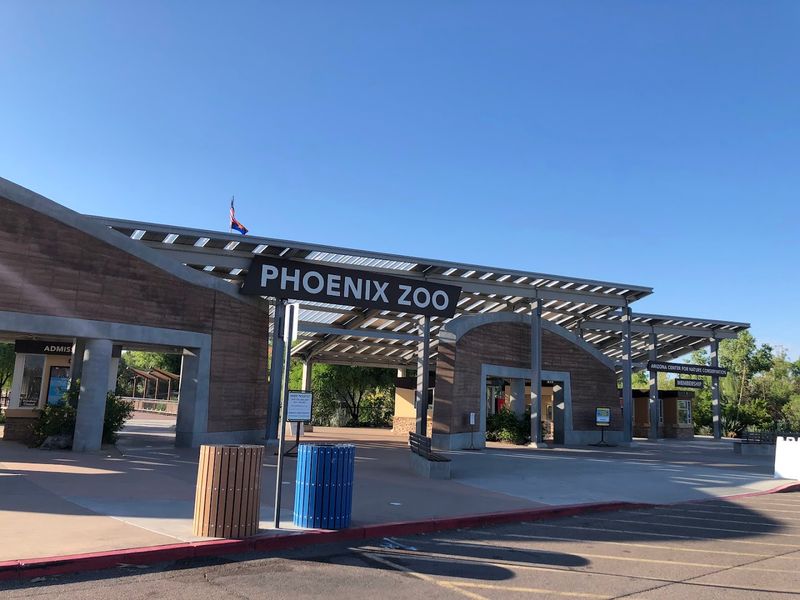
With over 3,000 animals across 125 acres, the Phoenix Zoo is one of the largest private non-profit zoos in the entire country. Four distinct trails take visitors through African savanna, a tropical rainforest area, an Arizona desert habitat, and a children’s section packed with hands-on fun.
Giraffes, orangutans, lions, and Komodo dragons are just a few of the residents you can meet.
The zoo actively participates in conservation breeding programs for endangered species. Evening events like ZooLights during the holidays transform the grounds into a magical experience for the whole family.
Reid Park Zoo – Tucson, Arizona
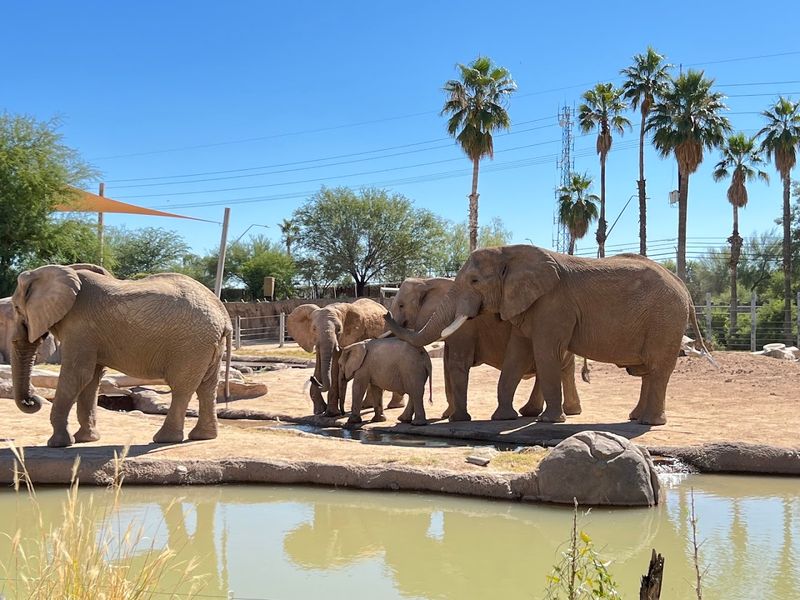
Reid Park Zoo might be smaller than some big-city zoos, but it punches well above its weight in charm and animal variety. Tucked inside a lovely city park in Tucson, this zoo is home to elephants, polar bears, flamingos, giant anteaters, and a growing list of endangered species.
The elephant habitat expansion has made headlines for its thoughtful, animal-centered design.
Kids especially love the South America section, where capybaras and giant anteaters roam freely in spacious enclosures. Admission prices stay refreshingly affordable compared to larger zoos, making it a smart stop for budget-conscious families.
Heard Museum – Phoenix, Arizona
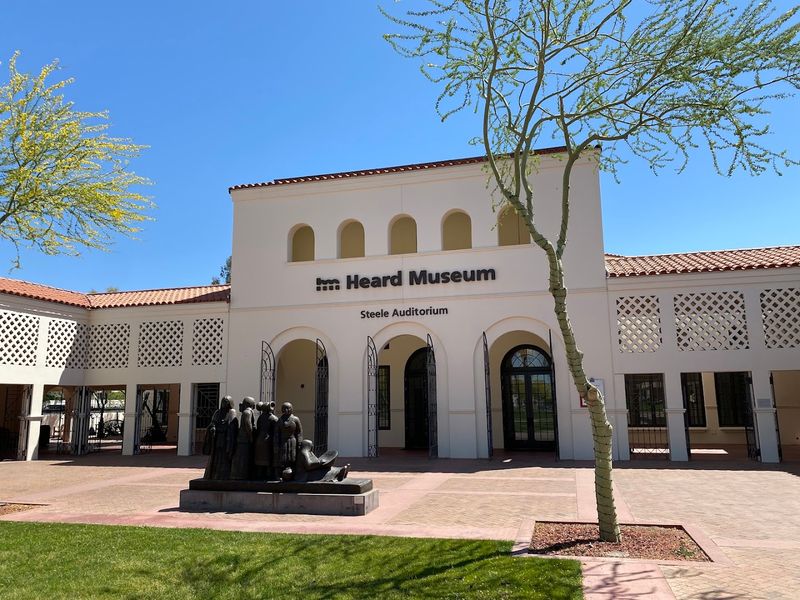
Few museums in the country tell the story of Native American cultures with the depth and respect found at the Heard Museum in downtown Phoenix. Founded in 1929, the museum holds an extraordinary collection of Indigenous art, jewelry, pottery, katsina dolls, and historical artifacts from tribes across the Southwest.
It is one of the most celebrated Native American cultural institutions in the world.
The museum never lets the art feel distant or dusty. Regular events, live demonstrations, and community programming keep Indigenous voices and traditions at the very center of the experience.
Arizona Museum of Natural History – Mesa, Arizona
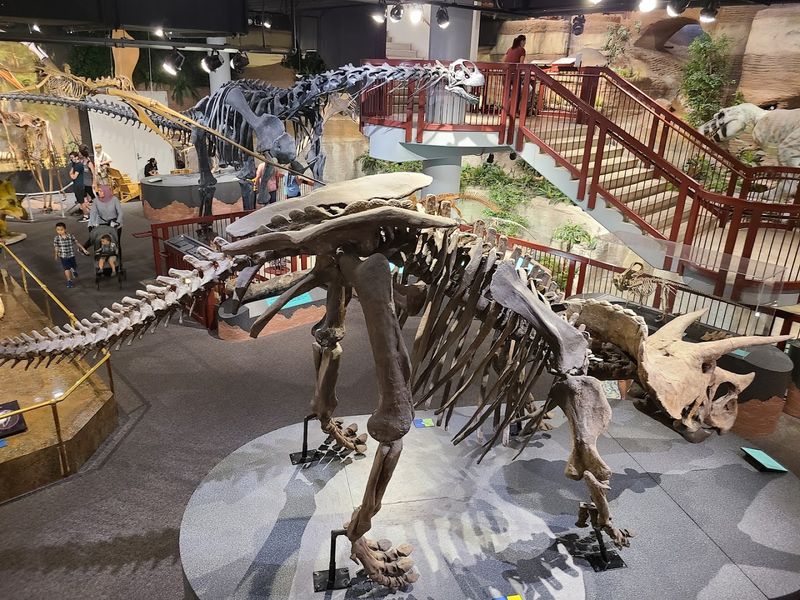
Walk past a life-size Spinosaurus and you will know immediately that this museum means business. The Arizona Museum of Natural History in Mesa covers everything from dinosaurs and Ice Age mammals to the Indigenous cultures and Spanish colonial history that shaped the region.
The multi-level dinosaur hall alone is worth the trip, featuring casts and real fossils displayed in dramatic poses.
A recreated territorial jail and a hands-on paleontology dig area keep younger visitors thoroughly entertained. History and science blend together here in ways that feel engaging rather than overwhelming for all ages.
Desert Botanical Garden – Phoenix, Arizona
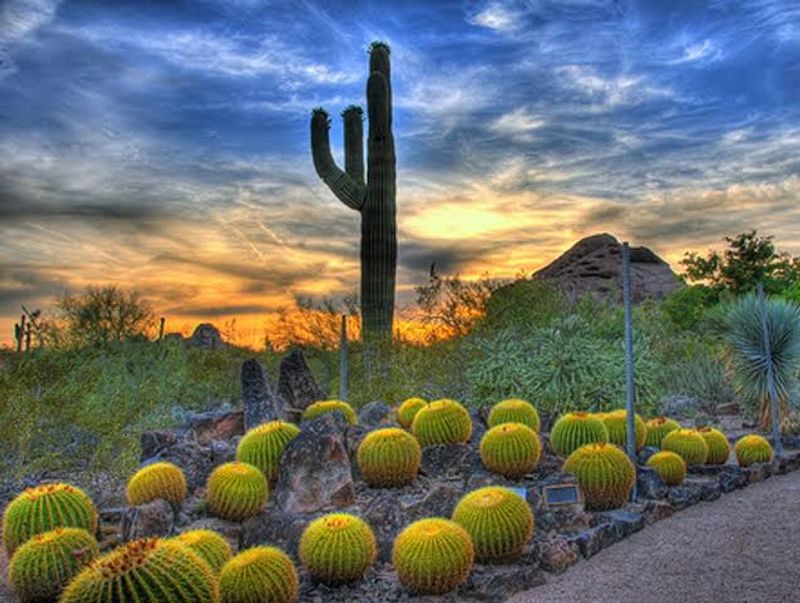
Over 50,000 desert plants from around the world grow across 140 acres in the heart of Phoenix, making the Desert Botanical Garden one of the most impressive collections of arid-land flora anywhere on Earth. Five themed trails wind through habitats featuring plants from the Sonoran Desert, Australia, Africa, and the Americas.
Spring wildflower season turns the paths into rivers of yellow and purple blooms.
Evening events like Las Noches de las Luminarias bring a warm, festive atmosphere to the garden. Hummingbirds, butterflies, and coyotes frequently wander through, adding unexpected wildlife sightings to any visit.
San Xavier del Bac Mission – Tucson, Arizona
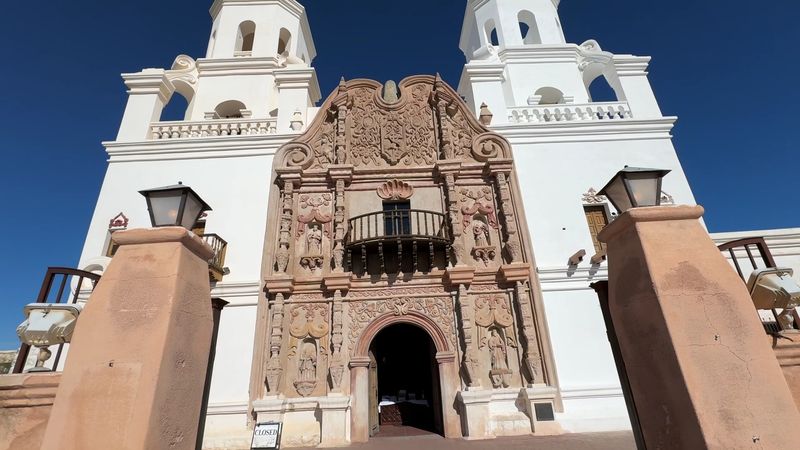
Known as the “White Dove of the Desert,” San Xavier del Bac is arguably the finest example of Spanish colonial architecture still standing in the United States. Built by Franciscan missionaries in the late 1700s on Tohono O’odham tribal land south of Tucson, the mission is still an active Catholic parish serving the community today.
The hand-painted interior murals and carved altarpieces are breathtaking up close.
Visitors are welcome to enter respectfully and explore the church. A small museum nearby shares the layered history of the mission, the missionaries, and the Indigenous community whose land it stands on.
Lowell Observatory – Flagstaff, Arizona
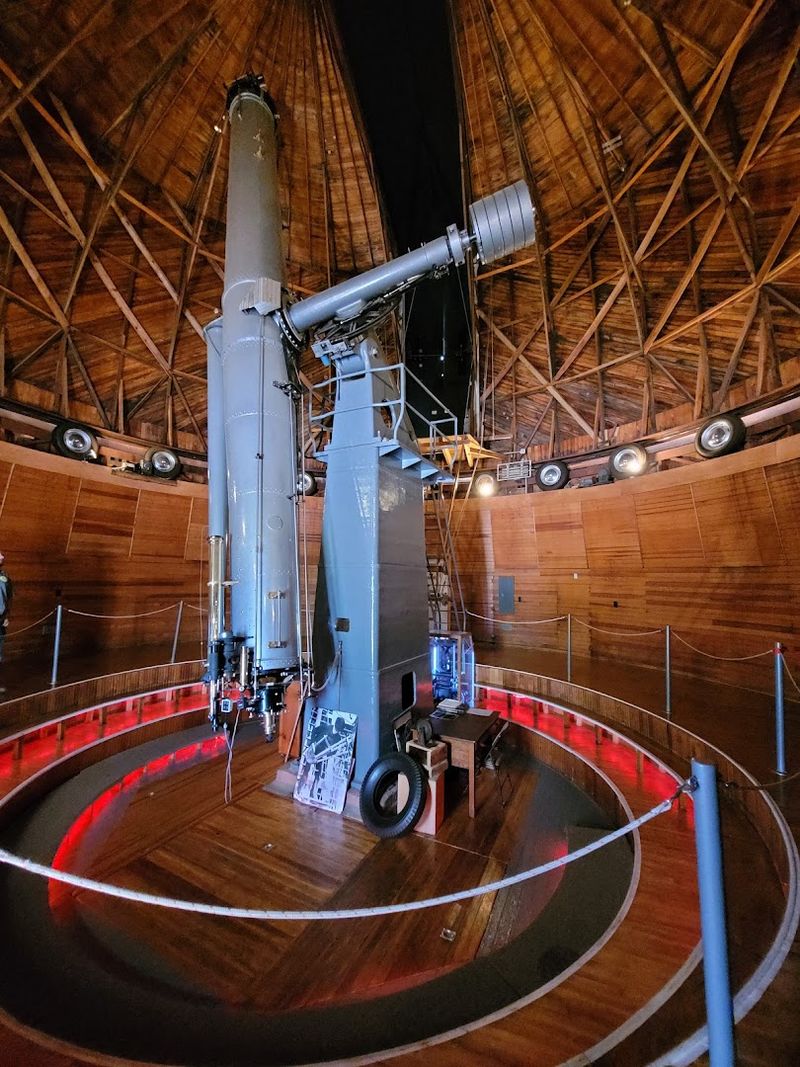
In 1930, a young astronomer at Lowell Observatory made one of the most famous discoveries in modern astronomy – the detection of Pluto. Perched on Mars Hill above Flagstaff, this observatory has been studying the cosmos since 1894 and remains one of the most historic research facilities in the country.
Daytime tours include the original Clark Telescope used by Percival Lowell himself.
Night programs let visitors peer through powerful telescopes at planets, star clusters, and distant galaxies. Flagstaff’s dark sky designation means the views here are genuinely spectacular on clear evenings.
O.K. Corral – Tombstone, Arizona
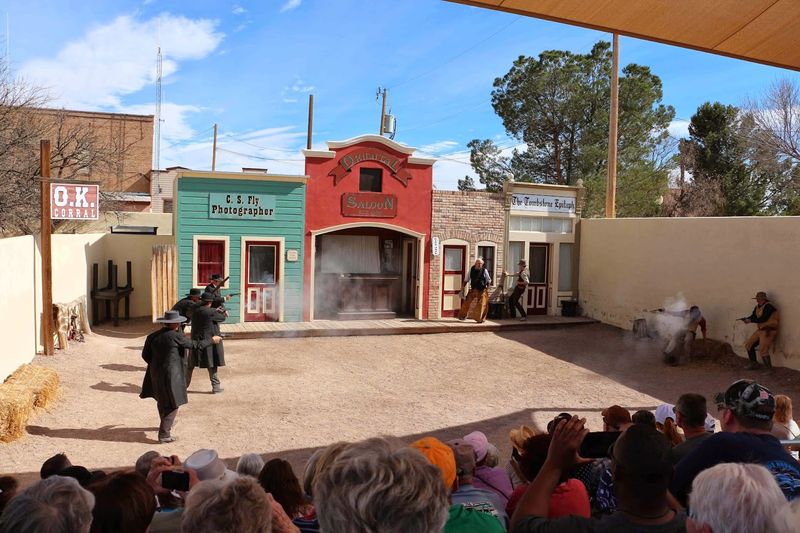
On October 26, 1881, thirty seconds of gunfire in a Tombstone back lot became the most legendary showdown in American frontier history. The O.K.
Corral gunfight between the Earp brothers and the Clanton-McLaury gang has been retold in countless films and books, but visiting the actual site hits differently. Daily reenactments in Tombstone bring the drama to life with costumed actors and theatrical flair.
The surrounding town still feels authentically Wild West, with saloons, the Bird Cage Theatre, and Boothill Graveyard all within walking distance. History enthusiasts will find hours of exploration packed into just a few square blocks.
Tonto Natural Bridge State Park – Pine, Arizona
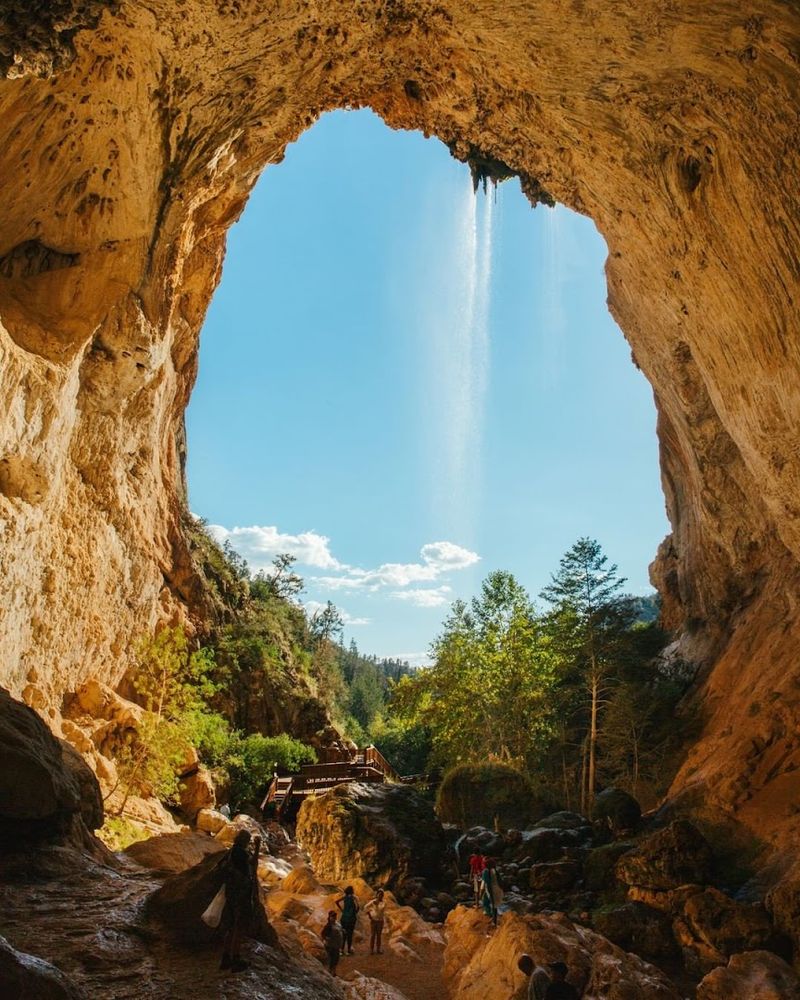
Hidden among the pine forests and creek canyons of central Arizona sits what is believed to be the largest natural travertine bridge in the world. Tonto Natural Bridge stretches 183 feet high and spans 150 feet across a stunning turquoise pool carved by Pine Creek below.
Getting to the water requires hiking steep trails, but the reward is one of the most jaw-dropping swimming spots in the state.
The park stays refreshingly cool even in summer thanks to the canyon shade and flowing water. Waterfall views, cliff overhangs, and the echo of rushing water make this feel like a secret oasis.
Kartchner Caverns State Park – Benson, Arizona
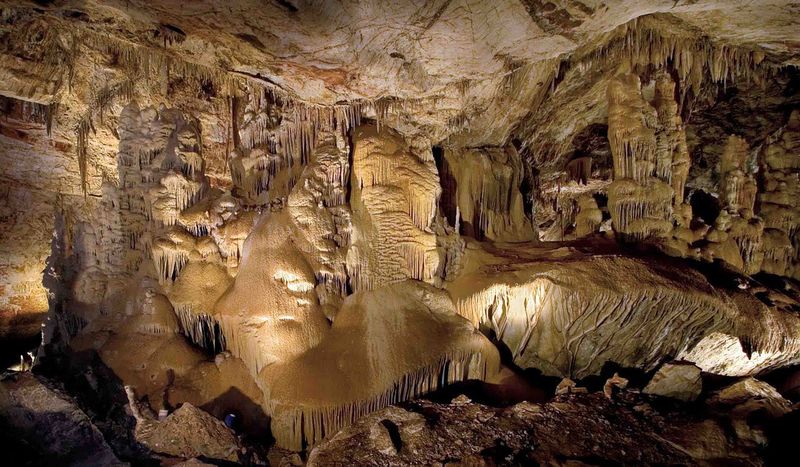
Discovered in 1974 by two cavers who kept the location secret for 14 years to protect it, Kartchner Caverns is one of the most extraordinary living caves in the world. Stalactites, stalagmites, soda straw formations, and rare cave bacon all grow slowly inside this wet limestone cave near Benson.
Tours are carefully managed to preserve the humidity and fragile formations inside.
The Rotunda Room holds one of the longest soda straw stalactites in the United States at nearly 21 feet long. Reservations are strongly recommended, especially during peak seasons, since tour groups are small and spaces fill up fast.
El Tovar Dining Room – Grand Canyon Village, Arizona
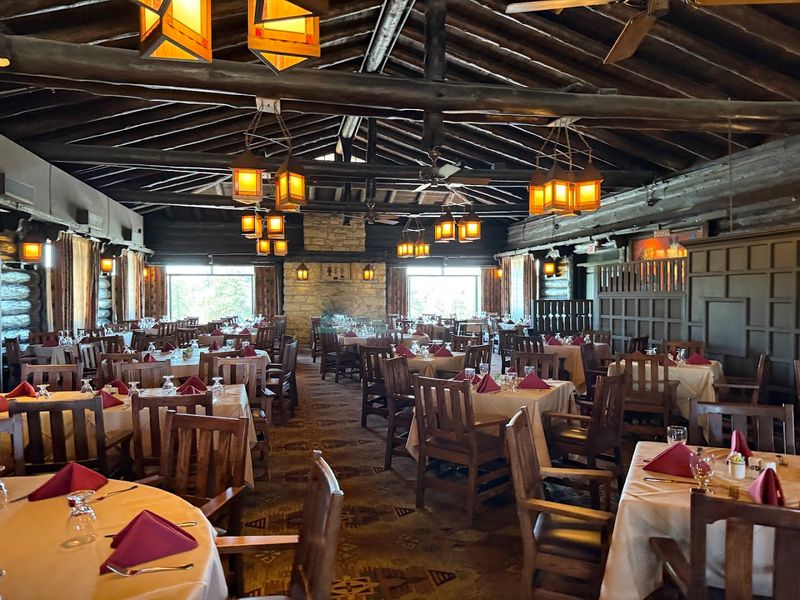
Perched right on the South Rim of the Grand Canyon, El Tovar Hotel has been welcoming guests since 1905, and its dining room remains one of the most atmospheric restaurants in the American West. The rustic log-and-stone interior features mounted elk heads, handcrafted woodwork, and a menu that showcases Southwestern flavors alongside classic American dishes.
Eating here feels like dining inside a piece of history.
Reservations are highly recommended since tables with canyon views book up quickly. Breakfast, lunch, and dinner are all served, making it easy to plan a meal around your canyon exploration schedule.
Enjoyed this story?
Add Fast Food Club as a preferred source to see more of our reporting on Google.