


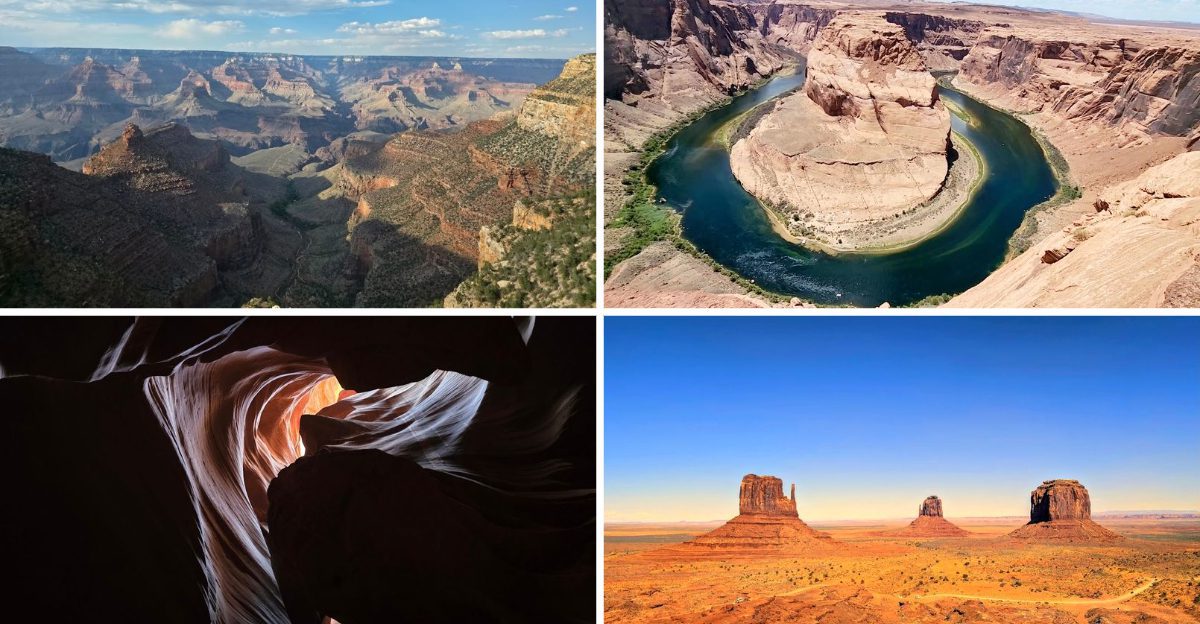
Arizona is home to some of the most jaw-dropping landscapes on the planet, and many of them look like they belong in a science fiction movie rather than real life. From towering red rock formations to ancient cliff dwellings carved into canyon walls, the desert Southwest has a way of making your eyes do a double-take.
Whether you are planning a road trip or just looking for some serious inspiration, these landmarks will remind you that nature is the greatest artist of all. Get ready to be amazed by places that are 100% real, even when they do not look like it.
Grand Canyon South Rim – Grand Canyon Village, Arizona
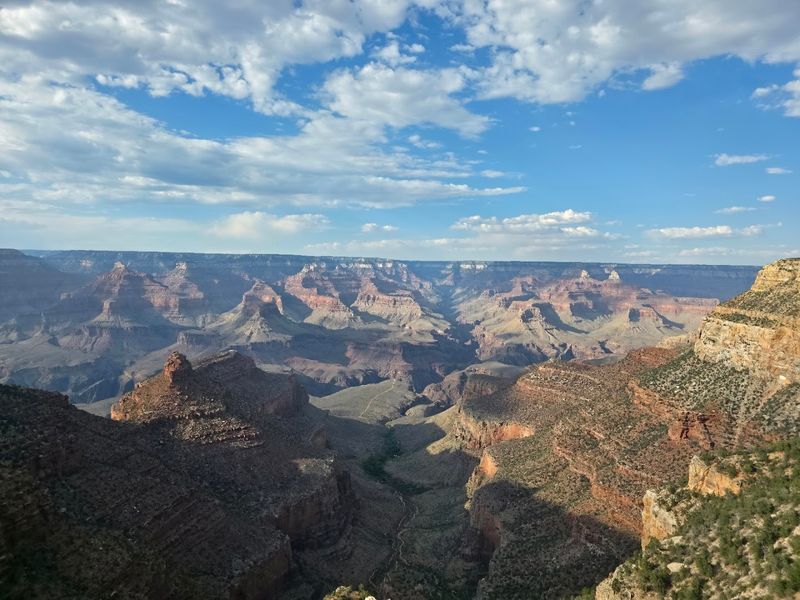
Standing at the edge of the Grand Canyon South Rim feels like the earth simply swallowed itself whole. The canyon stretches over 277 miles long and plunges more than a mile deep, leaving most first-time visitors completely speechless.
The South Rim is open year-round and offers the most accessible viewpoints, including Mather Point and Yavapai Observation Station. Sunrise and sunset visits reward you with colors that seem almost too vivid to be natural.
Horseshoe Bend – Page, Arizona
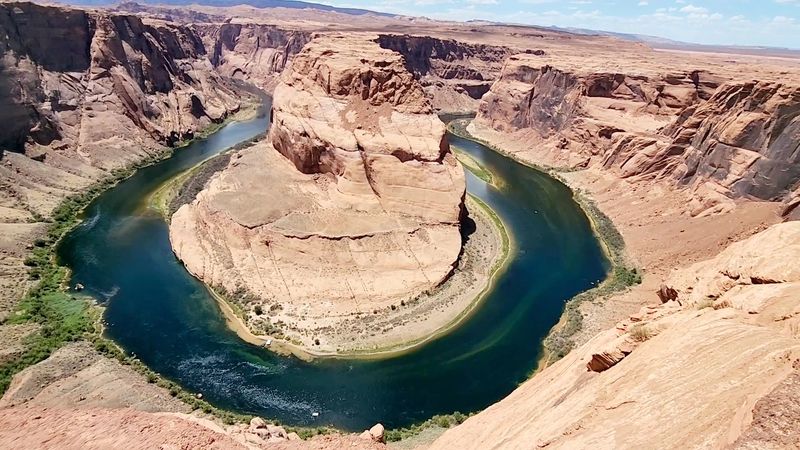
Few sights in the American Southwest stop people in their tracks quite like Horseshoe Bend. The Colorado River wraps around a towering sandstone butte in a near-perfect horseshoe curve, creating one of the most photographed views in the entire country.
Getting there requires a 1.5-mile round-trip hike from the parking area. There are no guardrails at the overlook, so watch your step and keep young children close.
Early morning visits mean fewer crowds and softer light.
Antelope Canyon Tours – Page, Arizona
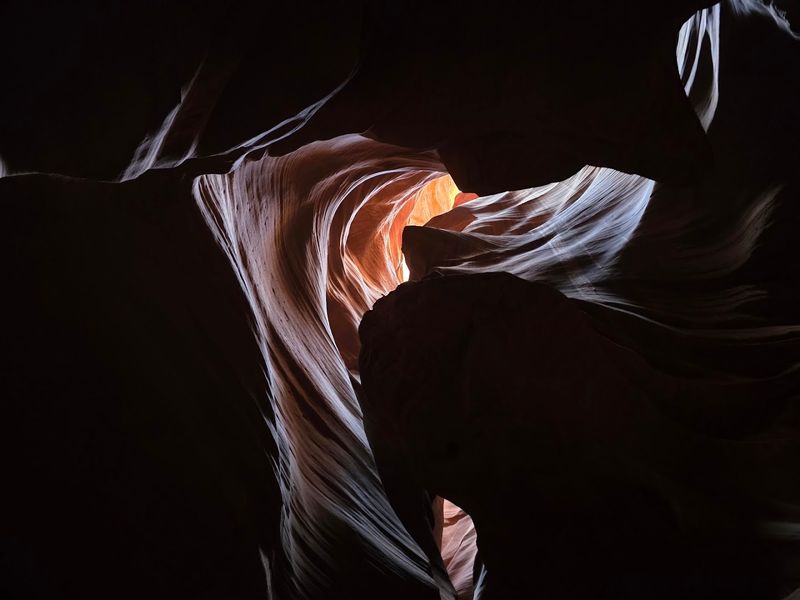
Antelope Canyon is the kind of place that makes photographers forget to breathe. Narrow slot canyon walls twist and glow in shades of orange, crimson, and violet, shaped over thousands of years by flash floods carving through Navajo sandstone.
You must book a guided Navajo Nation tour to visit, and tours fill up fast during peak season. Midday visits between 11 a.m. and 1 p.m. offer the best light beams streaming through the canyon ceiling.
It is genuinely magical.
Monument Valley Tribal Park Visitor Center – Oljato-Monument Valley, Utah
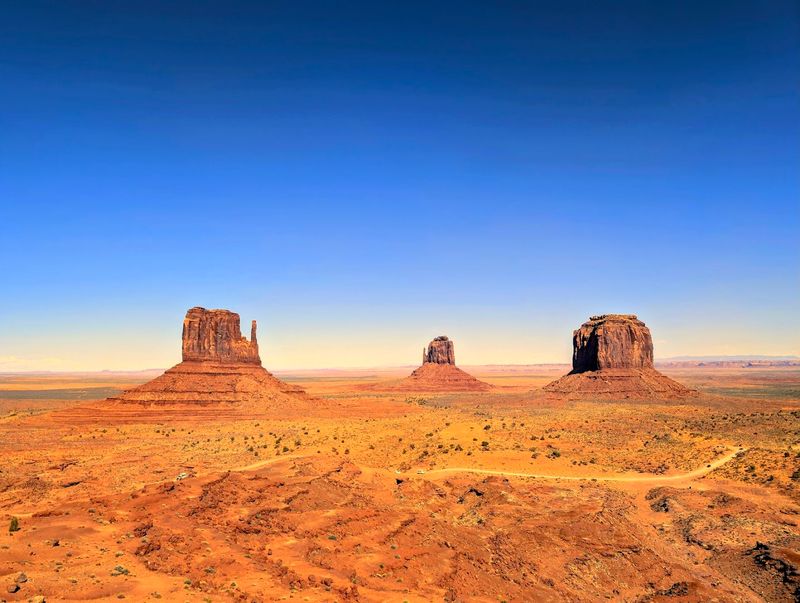
Monument Valley is the landscape that defined the classic American Western film, and seeing it in person hits differently than any movie screen. The iconic sandstone mittens and buttes rise dramatically from the flat desert floor, some reaching over 1,000 feet high.
The Visitor Center sits right on the Arizona-Utah border and offers sweeping overlooks. A 17-mile scenic drive through the valley lets you explore from your car.
Navajo-guided tours provide deeper cultural and historical context that makes the visit unforgettable.
Saguaro National Park – Arizona
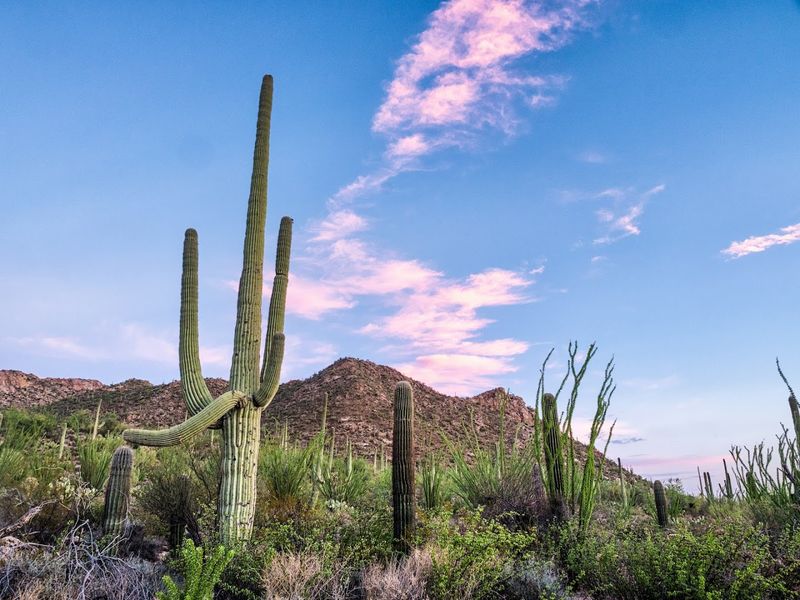
Nowhere else on Earth do saguaro cacti grow the way they do in this park, and that alone makes it extraordinary. These slow-growing giants can reach 40 feet tall and live over 150 years, becoming entire ecosystems for birds, bats, and insects.
Saguaro National Park is split into two districts on either side of Tucson, making it easy to combine with a city visit. Spring brings gorgeous wildflower blooms alongside the cacti.
The Rincon Mountain District offers excellent hiking trails for all skill levels.
Canyon de Chelly National Monument – Arizona
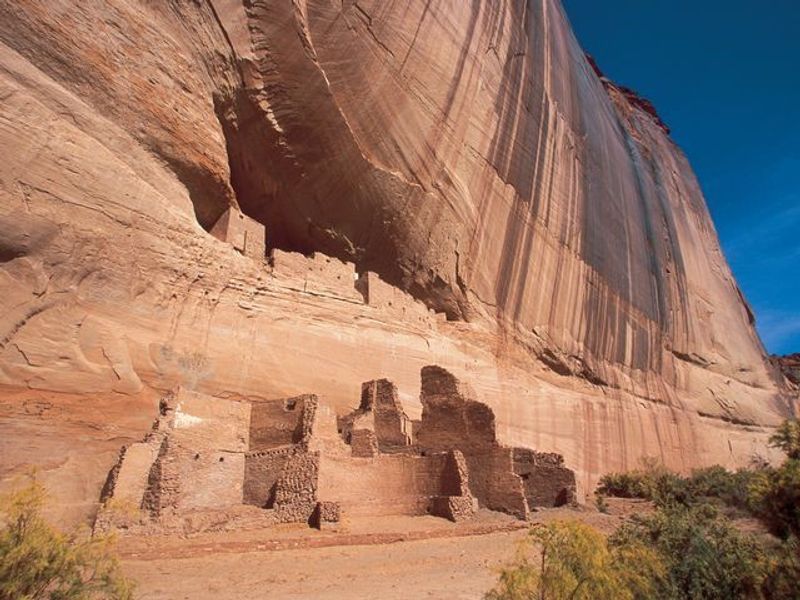
Canyon de Chelly holds a rare distinction: it is both a national monument and an actively inhabited Navajo community, making it unlike any other park in the U.S. Ancient cliff dwellings built by Ancestral Puebloans cling to the canyon walls, some dating back nearly 5,000 years.
Access into the canyon requires a Navajo guide, which adds richness to the experience. The White House Ruin Trail is the one exception, allowing self-guided hiking.
Standing on the rim overlooks gives you a perspective that feels borrowed from another era entirely.
Petrified Forest National Park – Arizona
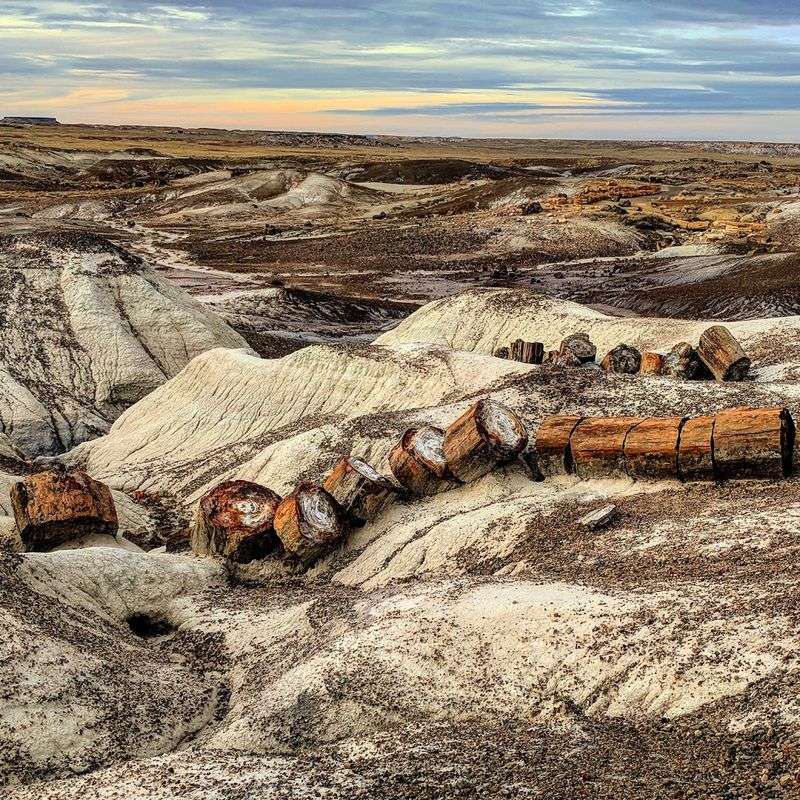
Imagine a forest where every single tree has turned to sparkling, multicolored crystal over 225 million years. That is exactly what you get at Petrified Forest National Park, where ancient logs have transformed into stone that glitters with quartz, amethyst, and jasper.
The park also overlaps with the Painted Desert, adding swirling badland colors to the already unreal scenery. Rangers lead free programs and the 28-mile scenic drive covers the park’s major highlights.
Taking petrified wood is illegal, so leave the sparkly souvenirs behind.
Chiricahua National Monument – Willcox, Arizona
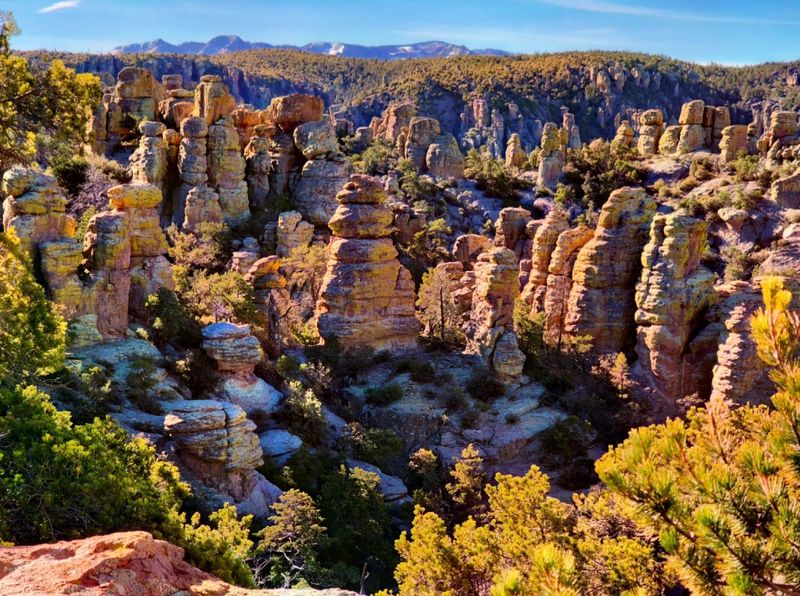
Locals sometimes call Chiricahua the “Wonderland of Rocks,” and once you see it, you will understand why immediately. Millions of years ago, a massive volcanic eruption deposited ash that slowly compressed and eroded into thousands of towering rock columns and balanced boulders.
Unlike busier Arizona landmarks, Chiricahua often feels refreshingly uncrowded. The Massai Point overlook is a great first stop for a sweeping introduction to the formations.
Hikers of all levels can explore trails winding among the eerie, stacked spires up close.
Tonto Natural Bridge State Park – Pine, Arizona
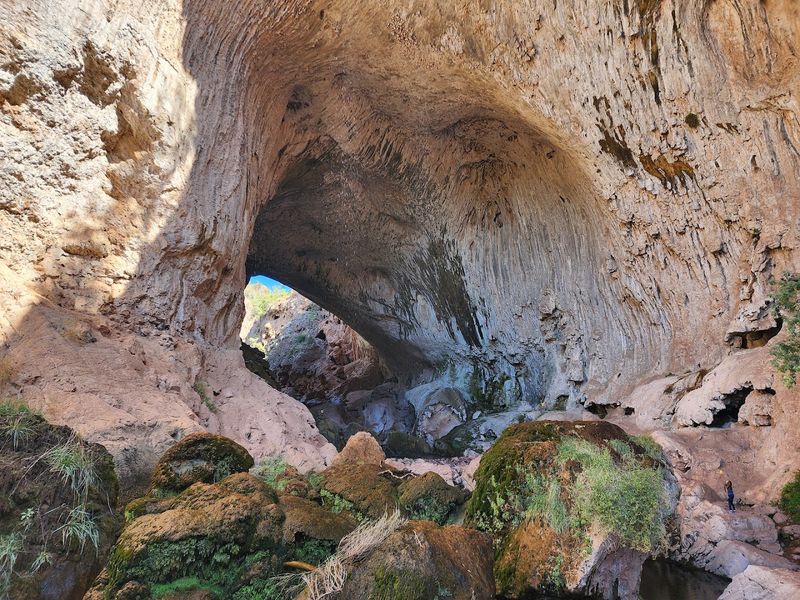
Hidden in Arizona’s Tonto Natural Bridge State Park is the largest known natural travertine bridge in the world, and it looks like something straight out of a fantasy novel. The bridge stretches 183 feet high and spans 400 feet across a lush, water-fed canyon.
Travertine formed the bridge over thousands of years as mineral-rich water deposited layer upon layer of stone. Several trails lead down to the creek and even under the bridge itself.
Swimming in the natural pools is allowed seasonally, making it a beloved summer escape.
Organ Pipe Cactus National Monument – Ajo, Arizona
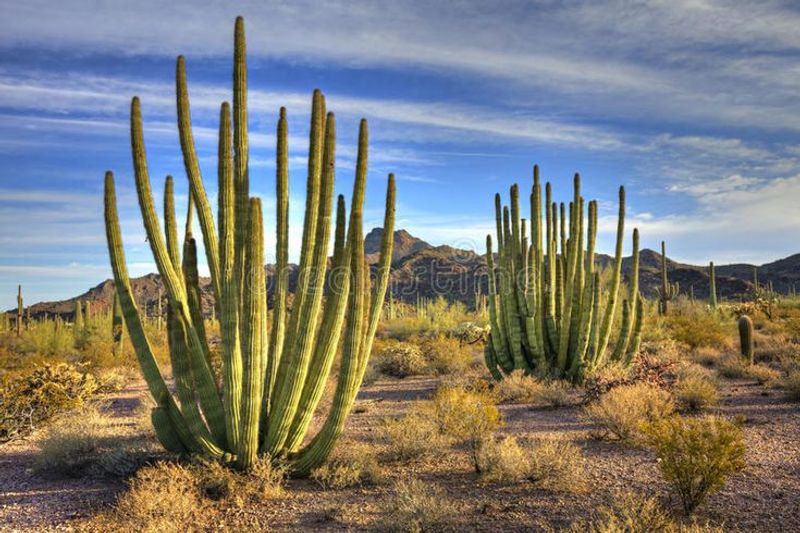
The organ pipe cactus grows almost nowhere else in the United States outside this remote monument near the Mexican border. Unlike the saguaro, organ pipe cacti grow multiple arms from the base, resembling the pipes of a massive church organ rising from the desert floor.
This is one of Arizona’s most undervisited gems, which means peaceful trails and genuine solitude. The Ajo Mountain Drive is a 21-mile scenic loop perfect for spotting wildlife at dawn or dusk.
Spring blooms here are absolutely spectacular and worth the drive.
Vermilion Cliffs National Monument – Marble Canyon, Arizona
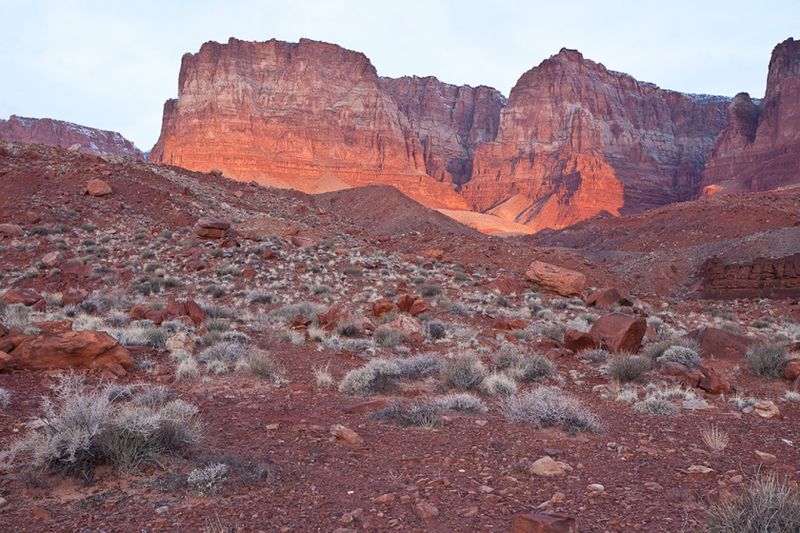
The Vermilion Cliffs are a 3,000-foot wall of ancient sandstone that blazes in shades of red, orange, and pink depending on the time of day. Hidden within the monument is The Wave, a swirling sandstone formation so popular that permits are awarded by lottery only.
Even without a Wave permit, the monument offers staggering scenery along Highway 89A. California condors, reintroduced here in the 1990s, soar above the cliffs regularly.
Watching those massive birds ride thermals above the red rock is a humbling and unforgettable experience.
Havasu Falls – Arizona
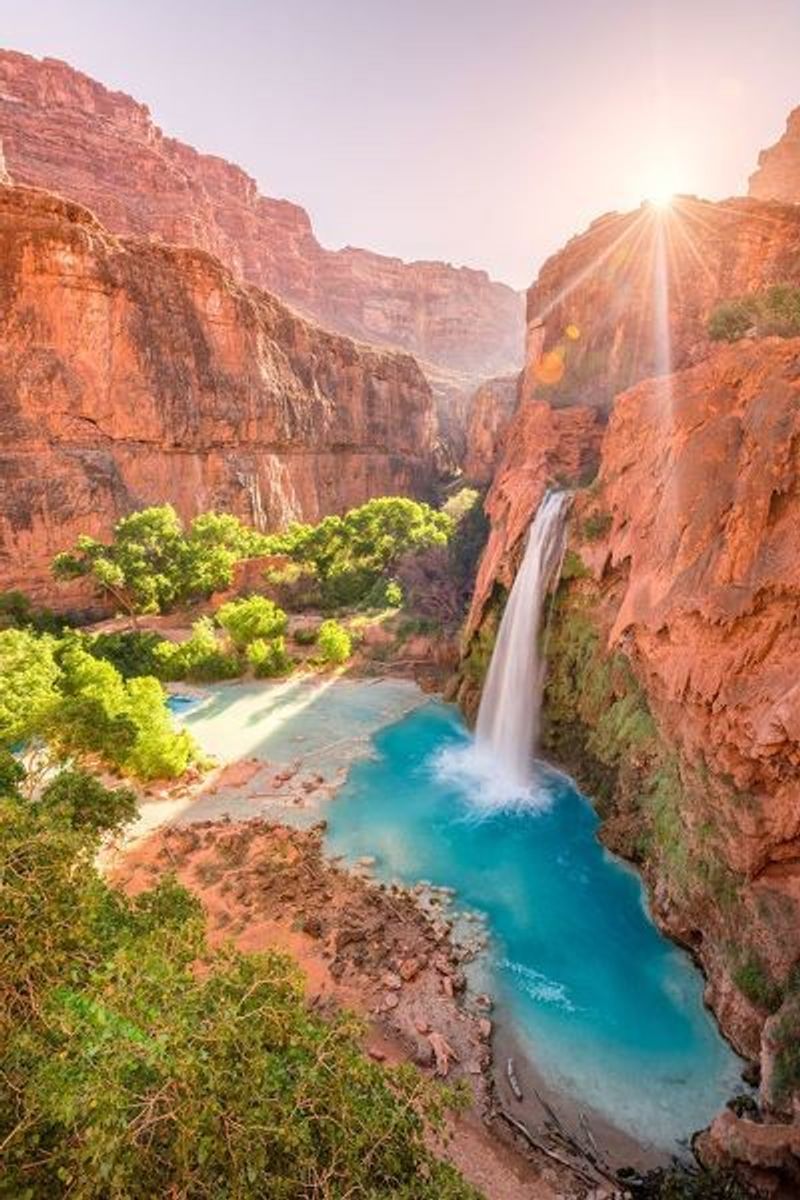
Turquoise water pouring over red canyon walls sounds like something from a painting, but Havasu Falls is completely real and completely breathtaking. Located within the Havasupai Tribe’s reservation deep in a Grand Canyon side canyon, it requires a 10-mile hike or mule ride to reach.
Permits are required and sell out almost instantly, so planning well ahead is essential. The blue-green color comes from high mineral content in the water.
Camping near the falls for multiple nights lets you fully soak in the surreal atmosphere at your own pace.
Cathedral Rock Trail – Sedona, Arizona
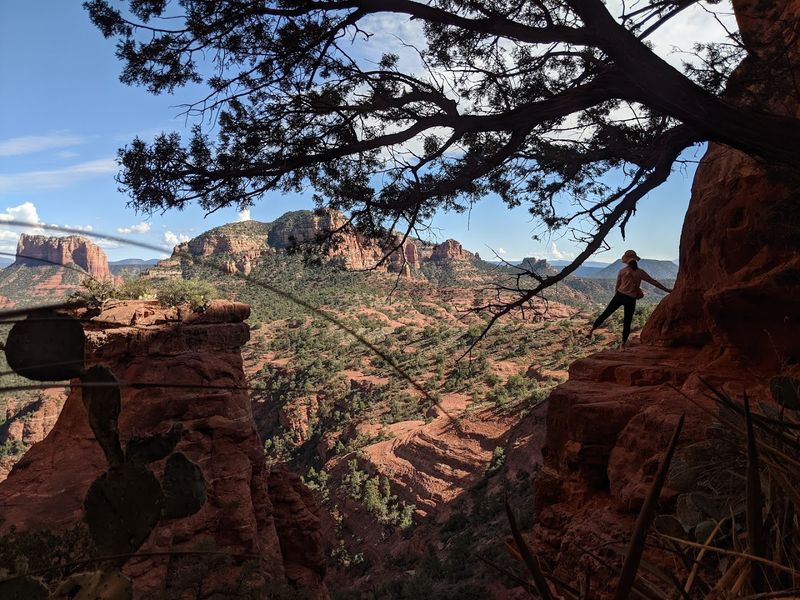
Cathedral Rock is arguably the most photographed landmark in all of Sedona, and the view from Oak Creek below is simply stunning at any hour. The butte rises sharply from the desert floor in a formation that looks hand-sculpted by some ancient, artistic force.
The trail to the saddle is short but steep, covering about 1.5 miles round trip with some scrambling over red rock near the top. Sunset casts the rock in deep crimson and gold tones that feel almost theatrical.
Many visitors also consider this spot a powerful spiritual vortex site.
Superstition Mountains – Apache Junction, Arizona
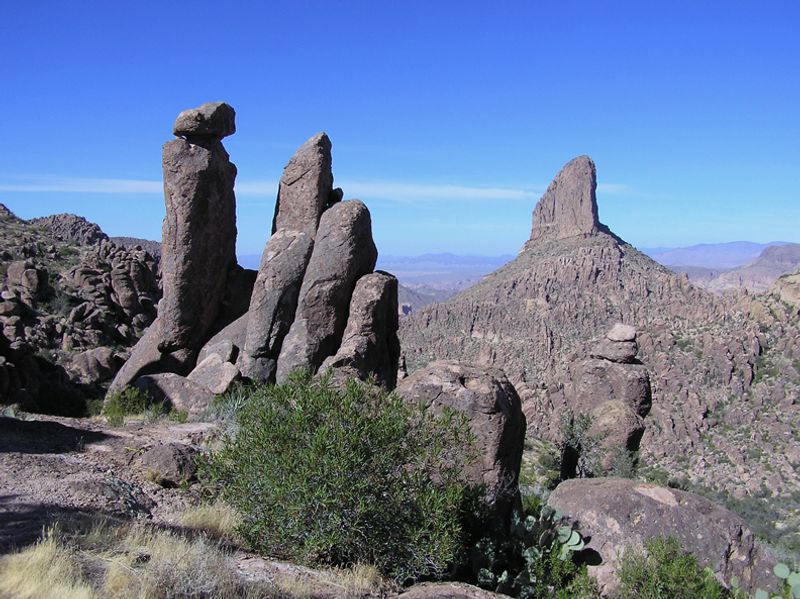
Few mountain ranges in America carry as much mystery and legend as the Superstition Mountains east of Phoenix. According to local lore, a fabled “Lost Dutchman’s Gold Mine” is hidden somewhere in these rugged volcanic peaks, and treasure hunters have searched for it for over a century.
The Superstition Wilderness offers over 160 miles of trails ranging from easy strolls to challenging backcountry routes. Weaver’s Needle, a distinctive volcanic spire, is a popular hiking destination within the range.
The mountains glow deep purple and orange at dusk in a way that feels genuinely otherworldly.
Meteor Crater Rd – Arizona
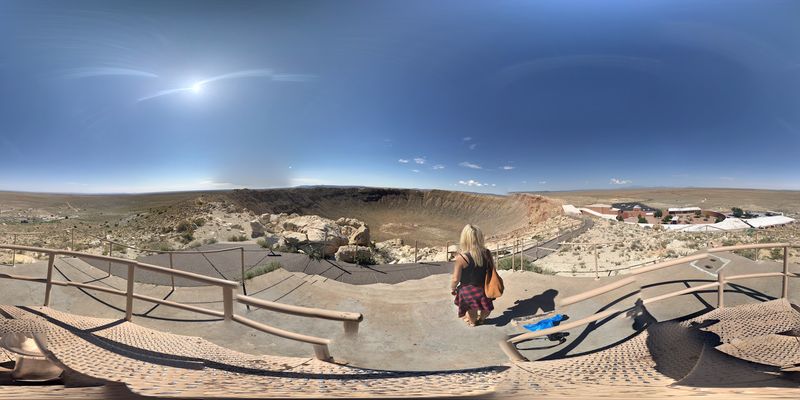
About 50,000 years ago, a nickel-iron meteorite slammed into the Arizona desert at roughly 26,000 miles per hour, leaving behind the best-preserved impact crater on Earth. The result is a bowl nearly a mile wide and 550 feet deep that still looks fresh by geological standards.
The privately operated Barringer Meteor Crater sits just off Interstate 40 and includes a well-designed museum explaining the science of impacts. Rim tours with a guide are available and highly recommended.
Standing at the edge and staring down into that massive hole is genuinely humbling.
Walnut Canyon National Monument – Arizona
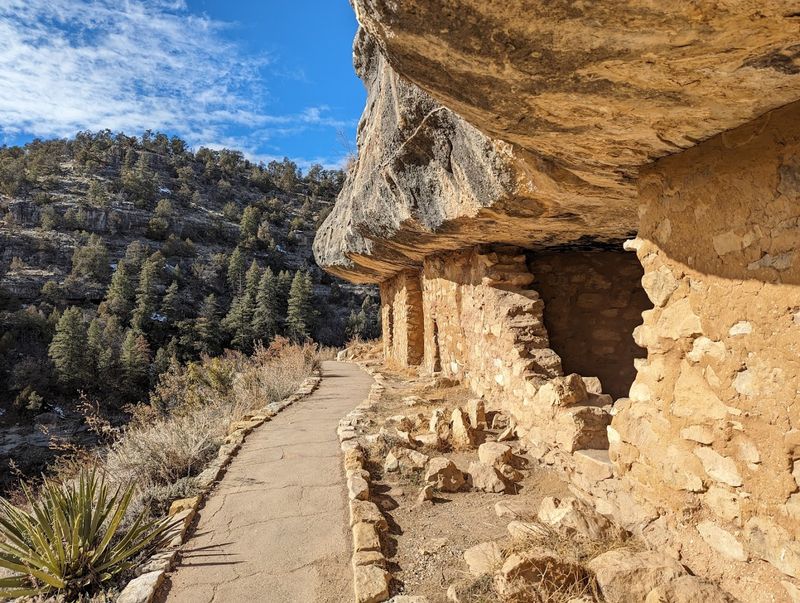
Tucked into a forested limestone canyon just outside Flagstaff, Walnut Canyon feels like a secret that history almost forgot. The Sinagua people built over 80 cliff dwellings into the natural limestone ledges here roughly 800 years ago, and many still stand remarkably intact.
The Island Trail descends 185 feet into the canyon and loops past 25 cliff rooms you can peer directly into. It is a short but steep hike that rewards you with incredible up-close views.
The canyon setting, filled with pine and juniper trees, adds a lush contrast to typical desert scenery.
Montezuma Castle National Monument – Camp Verde, Arizona
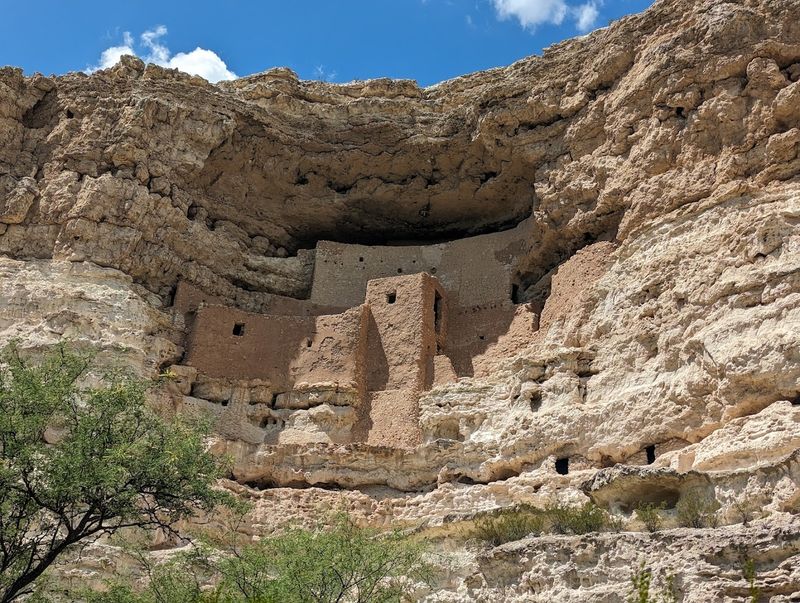
Perched 70 feet up in a limestone cliff above the Verde Valley, Montezuma Castle is one of the best-preserved ancient cliff dwellings in North America. The five-story, 20-room structure was built by the Sinagua people around 1100 AD, long before European explorers ever reached the continent.
Despite the name, Montezuma the Aztec emperor had absolutely nothing to do with it. Early settlers named it incorrectly, and the misnomer stuck.
A short, flat trail leads to the base of the cliff for excellent viewing. Nearby Montezuma Well, a natural limestone sinkhole, is also worth a visit.
Enjoyed this story?
Add Fast Food Club as a preferred source to see more of our reporting on Google.