


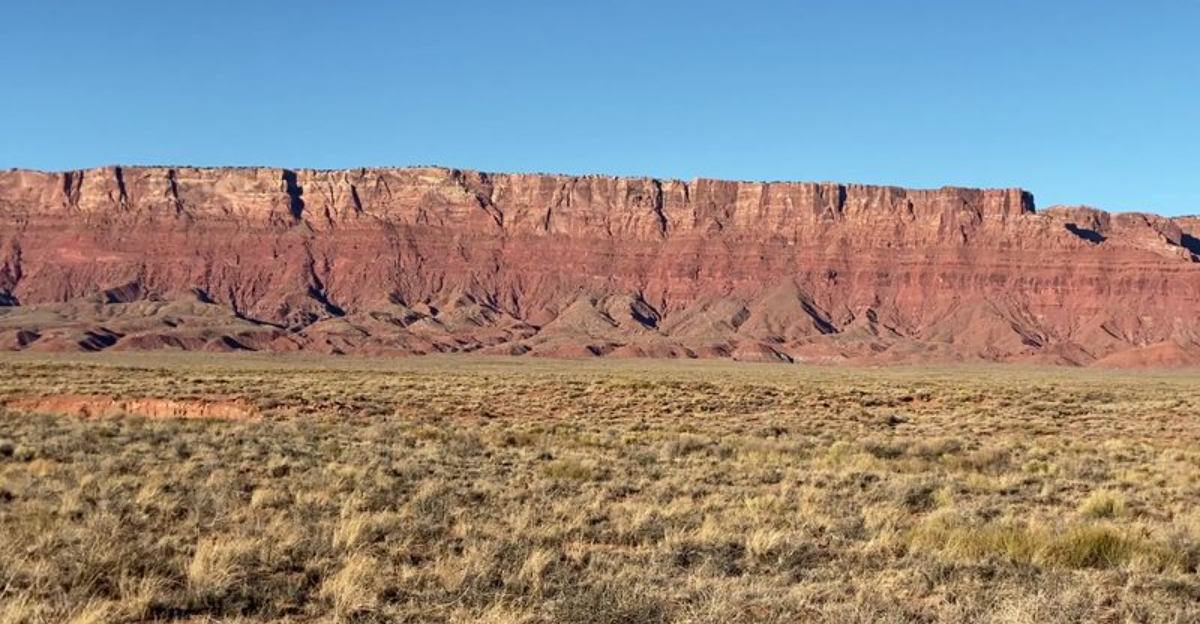
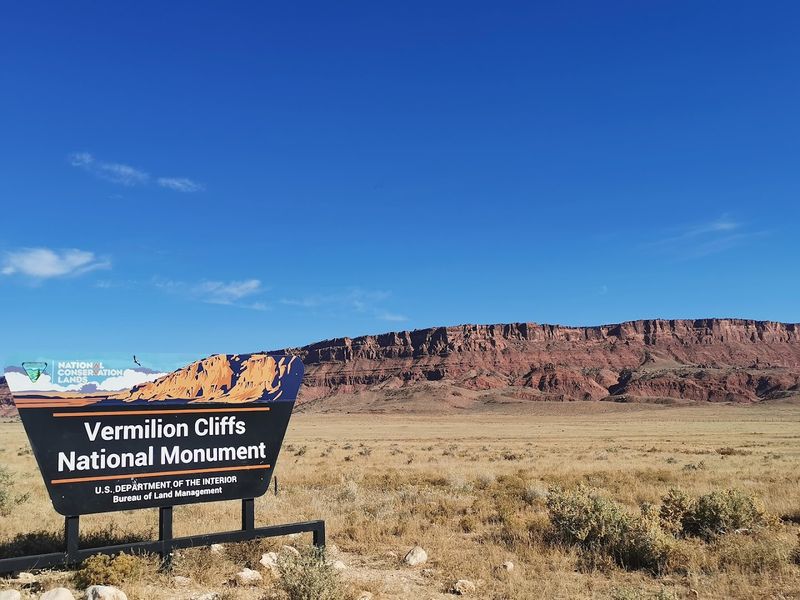
Tucked away in the remote northern corner of Arizona, Vermilion Cliffs National Monument is a place that makes you feel like you’ve landed on another planet. Spanning an incredible 280,000 acres near Marble Canyon, this national monument is packed with jaw-dropping rock formations, sweeping canyon views, and colors that seem almost too vivid to be real.
Whether you’re a road tripper, a hiker, or just someone who loves breathtaking scenery, this place has something that will stop you in your tracks. Get ready to explore one of the most spectacular and underrated landscapes the American Southwest has to offer.
The Vermilion Cliffs Themselves
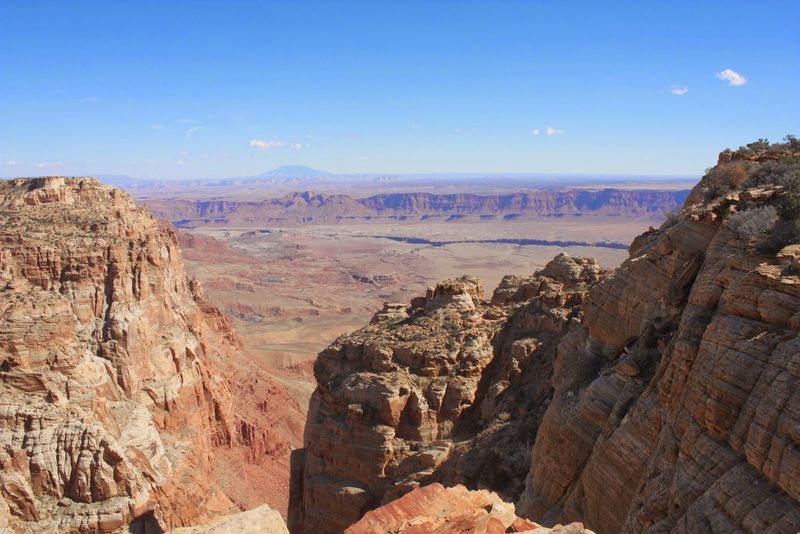
Standing up to 3,000 feet tall, the Vermilion Cliffs are the kind of sight that makes your jaw drop before you even get out of the car. These massive sandstone, siltstone, and shale escarpments glow in shades of deep red, burnt orange, and dusty pink — especially around sunrise and sunset.
Millions of years of erosion have carved hundreds of colorful rock layers into the cliff faces, creating a living timeline of Earth’s history. You’re not just looking at rocks; you’re reading a geological story written over hundreds of millions of years.
Even just driving along U.S. Highway 89A rewards you with uninterrupted views of these towering cliffs stretching for miles.
Many visitors say photos simply don’t do them justice. Seeing them with your own eyes is a completely different experience.
The Wave — A Lottery Worth Trying
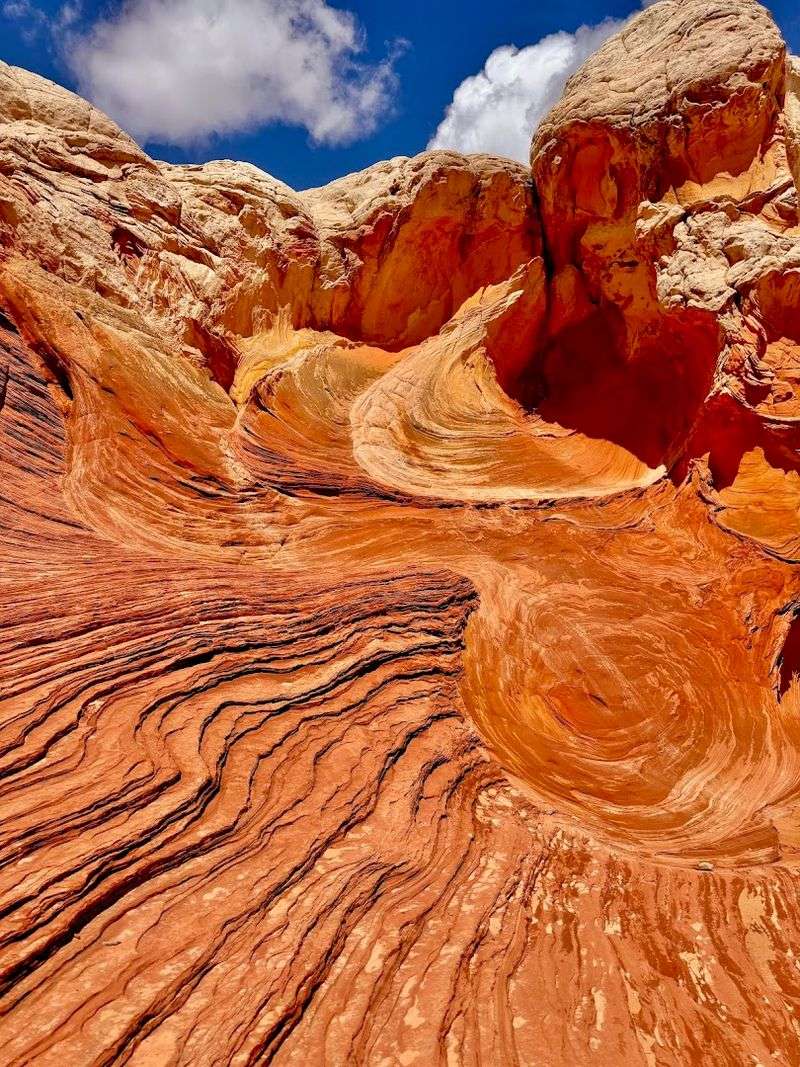
Few natural formations on Earth look as surreal as The Wave. Located within the Paria Canyon-Vermilion Cliffs Wilderness, this swirling sandstone masterpiece features smooth, rolling curves of red and orange rock that look like frozen ocean waves.
Because of its fragile beauty, access is strictly limited. You’ll need to win a permit through a daily or advance lottery system managed by the BLM.
Competition is fierce, but many visitors say the anticipation makes finally getting there even more rewarding.
If the lottery doesn’t go your way on this trip, don’t be discouraged — plenty of other stunning hikes and viewpoints in the monument are just as memorable. Keep trying, because standing inside The Wave is one of those once-in-a-lifetime moments that travel stories are made of.
White Pocket — The Hidden Gem
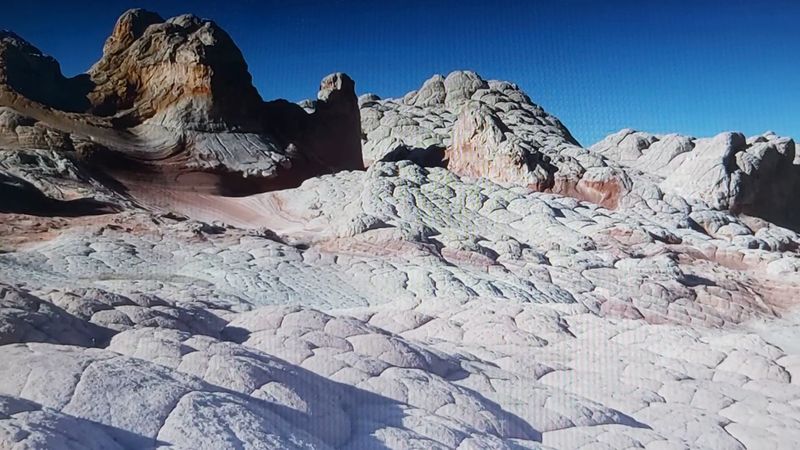
If The Wave is the monument’s superstar, White Pocket is its best-kept secret. Located deep in the backcountry, this area features bizarre, brain-like swirling sandstone formations in creamy white and vivid red tones that look like something from a science fiction movie.
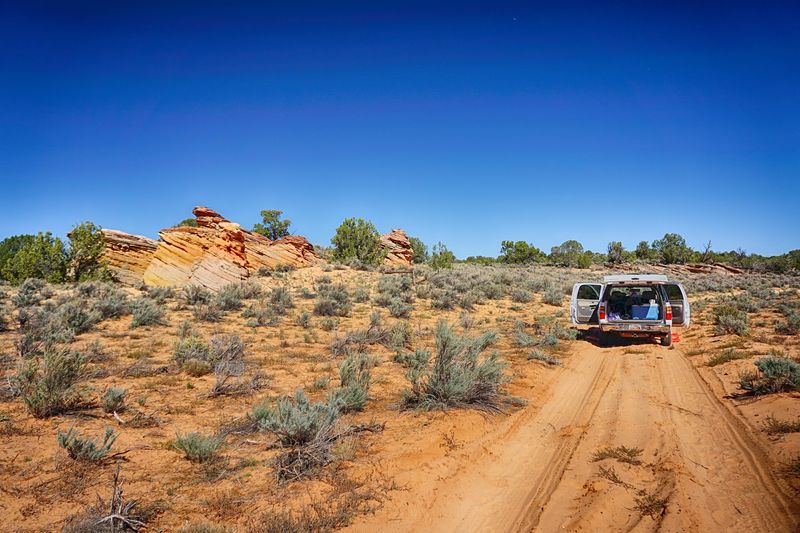
Getting there requires a high-clearance 4WD vehicle and some serious navigation skills since roads are unpaved and sandy. But travelers who make the effort consistently rave about how absolutely worth it the journey is.
Unlike The Wave, White Pocket doesn’t require a permit, making it a fantastic alternative for those who want equally dramatic scenery without the lottery stress. Go early in the morning for the best light and to avoid the midday heat.
Bring extra water, snacks, and a full tank of gas — services out here are essentially nonexistent.
Buckskin Gulch — The World’s Longest Slot Canyon
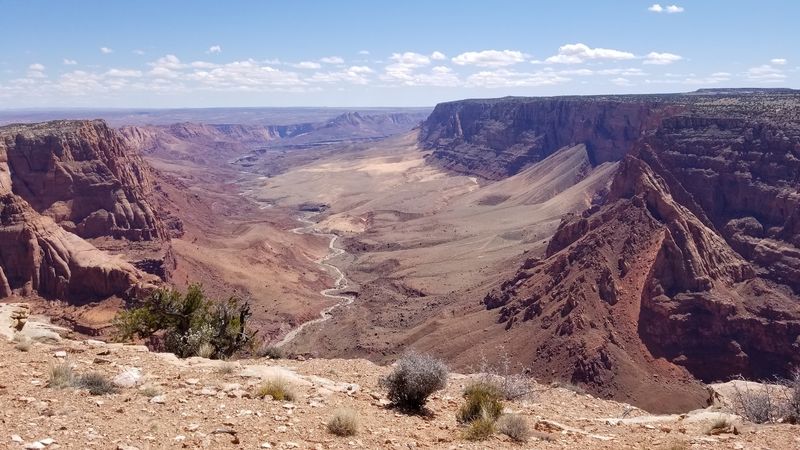
Stretching over 13 miles, Buckskin Gulch holds the title of the longest slot canyon in the world. The canyon walls twist and narrow to just a few feet wide in some sections, with smooth sandstone rising hundreds of feet on either side.
It’s both humbling and exhilarating.
Hikers who have completed the full trail describe it as one of the most scenic and peaceful experiences in the Southwest. Because this monument doesn’t attract the same crowds as some nearby parks, you often get long stretches of the canyon completely to yourself.
Flash flooding is a real danger here, so always check weather forecasts before heading in. The canyon can fill with water rapidly even if rain is falling miles away.
Proper planning, sturdy hiking shoes, and a sense of adventure are your three most important items to pack.
Wire Pass Trail — A Slot Canyon Surprise
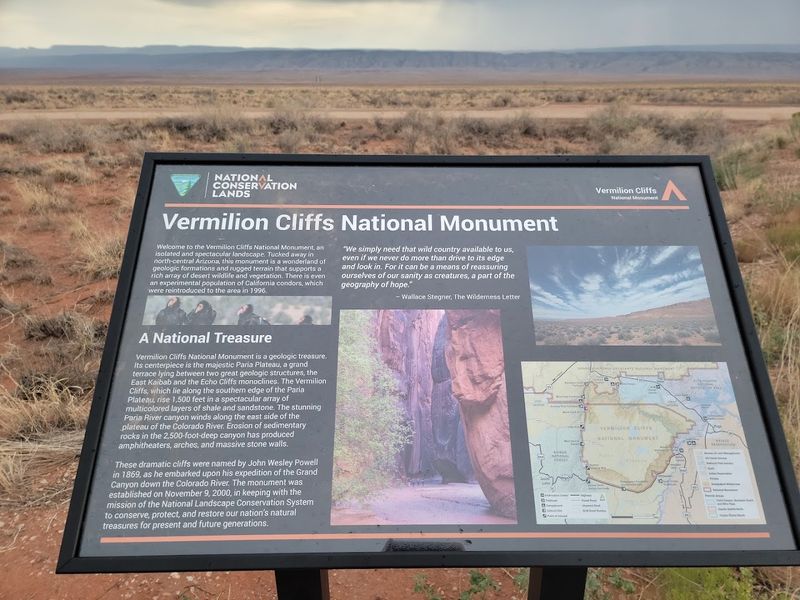
Wire Pass Trail is the kind of hike that sneaks up on you. Starting as a wide, flat desert walk, it quickly funnels into a breathtaking slot canyon with walls so close you can touch both sides at once.
The contrast is thrilling.
One reviewer noted that just off the Wire Pass trail, there’s a hidden area filled with teepee-shaped rock formations that most visitors completely miss. That kind of secret reward makes exploring this monument feel like a real adventure rather than a tourist checklist item.
The trail connects to Buckskin Gulch, so ambitious hikers can combine both into one epic outing. Wire Pass is roughly 1.7 miles one way, making it manageable even for casual hikers.
A permit is required, so grab one from the BLM trailhead kiosk before you set off into the canyon.
Paria Canyon Wilderness — Solitude at Its Finest
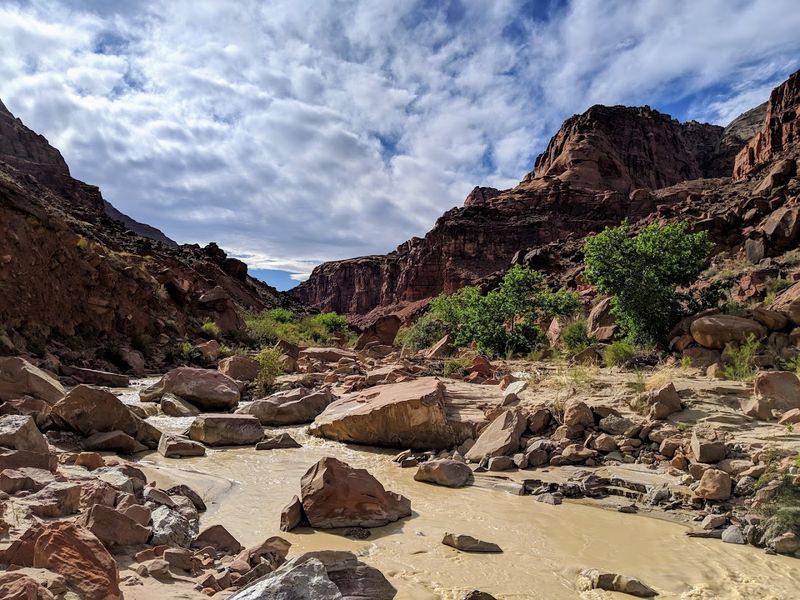
Paria Canyon is the kind of place where silence feels like a gift. Carved by the Paria River over millions of years, this wilderness corridor stretches nearly 38 miles from the Utah border down into Arizona, offering multi-day backpacking trips through some of the most remote terrain in the country.
The canyon walls display stunning layers of red, pink, and cream-colored rock, and the trail often follows a shallow stream that winds through the canyon floor. Wildlife sightings — including deer, foxes, and various birds — are common along the route.
Permits are required for overnight trips, and group sizes are limited to protect the fragile ecosystem. Most hikers complete the full route over three to four days.
If you want to truly disconnect from the modern world and reconnect with something ancient and wild, Paria Canyon is your destination.
California Condors — Rare Wildlife Encounter
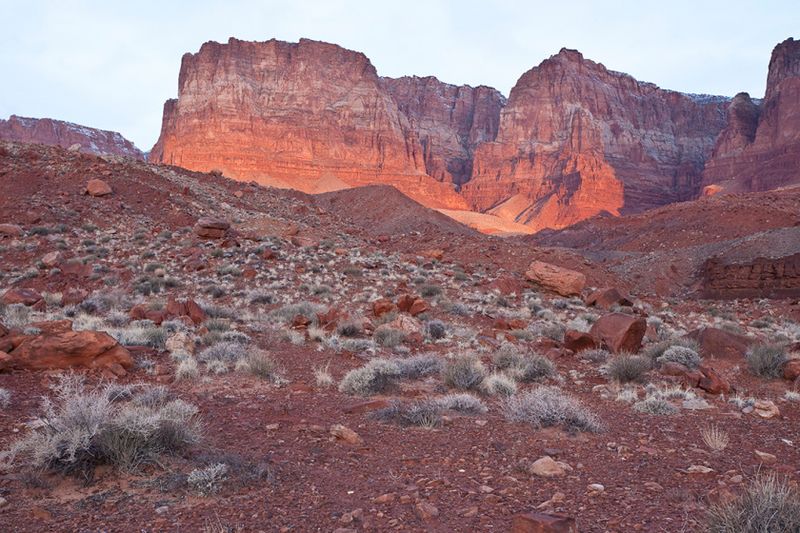
Here’s something truly remarkable: Vermilion Cliffs National Monument is one of the few places in the world where you can spot California condors soaring overhead in the wild. With a wingspan stretching nearly 10 feet, these birds are North America’s largest flying land birds — and they were once on the brink of extinction.
Thanks to a dedicated captive breeding and release program, condors are released here each year as part of ongoing conservation efforts. Spotting one gliding above the cliffs is an emotional and unforgettable experience for many visitors.
Look for them early in the morning near cliff edges where thermal air currents help them gain altitude. Binoculars are a great tool to bring along.
Seeing a condor wheel across the vast Arizona sky above these ancient cliffs is the kind of moment that sticks with you for years.
Lee’s Ferry and Marble Canyon — History Meets Beauty
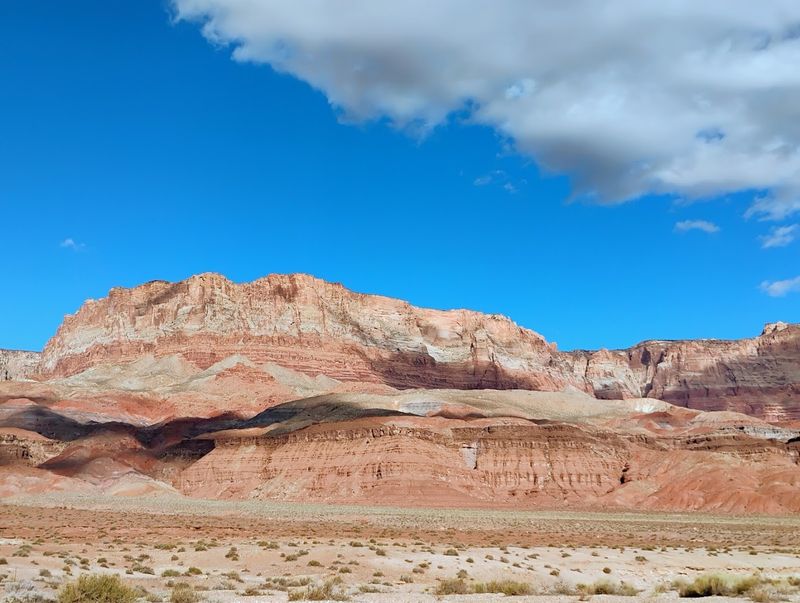
Long before road trips existed, Lee’s Ferry was one of the only places to cross the Colorado River for hundreds of miles. Today, it’s a fascinating historical landmark sitting at the edge of Marble Canyon, where the Colorado River begins its legendary journey through the Grand Canyon.
One reviewer who stayed at the Lees Ferry Lodge described the area as hauntingly beautiful — a place where little has changed in over a century. The Navajo Bridge nearby offers spectacular views of the river cutting through the canyon far below, and it’s free to walk across.
Anglers love Lee’s Ferry for its world-class trout fishing in the cold, clear waters below Glen Canyon Dam. Whether you come for history, fishing, photography, or simply a quiet moment by the river, this spot delivers an experience that feels both timeless and deeply moving.
Driving Route 89A — The Most Scenic Road Trip in Arizona
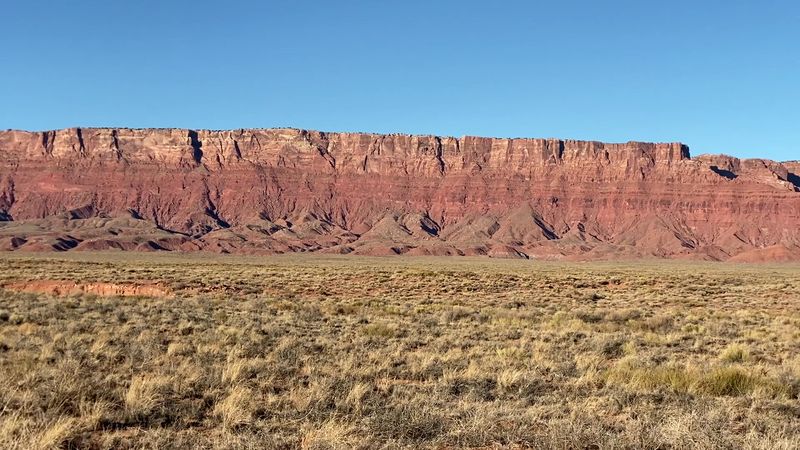
One motorcyclist described the drive along Route 89A from Kanab to the junction with Route 89 as the best ride of his life — and it’s easy to understand why. The road carves through one of the most dramatic desert landscapes in the entire American Southwest, with the Vermilion Cliffs towering on one side and wide-open canyon views on the other.
Even in a regular car, this drive is absolutely spectacular. Pull over at any of the informal viewpoints along the highway and you’ll be rewarded with sweeping panoramas that rival anything you’d see in a national park.
Sunrise and sunset transform the cliffs into something almost supernatural, painting the rocks in deep golds, reds, and purples. Pack a picnic, charge your camera, and give yourself plenty of extra time on this road — you will absolutely want to stop frequently.
Cathedral Wash Trail — A Climb Worth Every Step
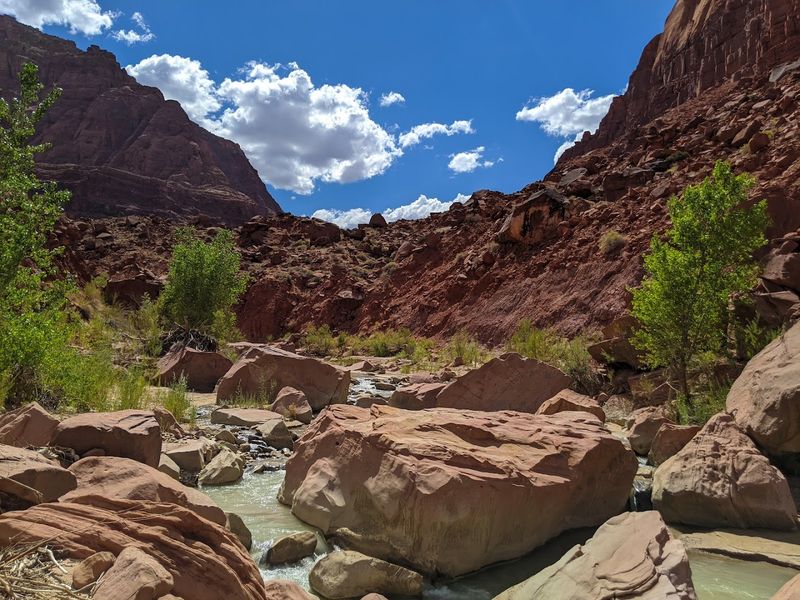
Cathedral Wash is not your average stroll in the park. Located near Lee’s Ferry, this trail involves as much scrambling and climbing as it does walking — and that’s exactly what makes it so exciting.
The route winds through a narrow canyon filled with boulders, ledges, and dramatic rock walls.
The payoff at the end is a stunning view of the Colorado River and the surrounding canyon landscape. Experienced hikers rate it as one of the most rewarding short hikes in the monument, despite — or perhaps because of — its physical demands.
Wear sturdy, closed-toe shoes with good grip, and bring plenty of water. The trail is roughly 2.5 miles round trip, but the terrain makes it feel longer.
Go early in the day during warmer months to avoid the intense desert heat that builds quickly in this exposed canyon environment.
Geology on Full Display — Earth’s Ancient Story
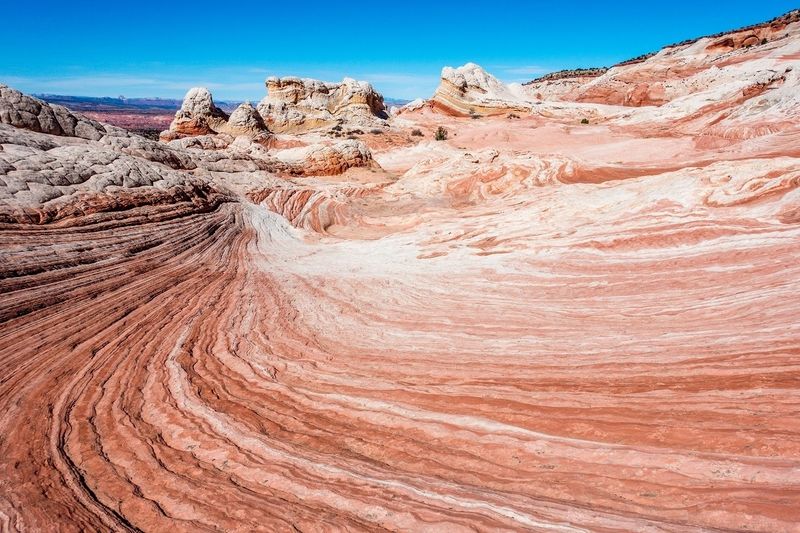
Nowhere else in the Southwest makes Earth’s geological history quite so visible and accessible. The Vermilion Cliffs expose hundreds of distinct rock layers — each one representing a different chapter in our planet’s past, stretching back hundreds of millions of years.
Sandstone, limestone, siltstone, and shale all appear in vivid bands of color, stacked like pages in a history book. Scientists and geology enthusiasts travel from around the world specifically to study these formations.
You don’t need a science degree to appreciate how mind-blowing it all is, though.
Elevations across the monument range from 3,100 to 7,100 feet, creating a fascinating variety of environments within a single protected area. Mesas, buttes, large tablelands, and steep canyons all coexist here.
Every formation you see tells a story — you just have to slow down long enough to read it.
Sunrises and Sunsets — Nature’s Greatest Light Show
Ask anyone who has visited Vermilion Cliffs at golden hour and they’ll tell you the same thing: the colors are absolutely unbelievable. As the sun rises or sets, the cliffs transform from their daytime reds into something almost supernatural — deep purples, glowing golds, and fiery oranges that seem to pulse with light.
Photographers specifically plan trips around this window of time, and it’s easy to see why. The low-angle light brings out every texture and layer in the rock face, turning the entire landscape into a living painting.
Even a basic smartphone camera can capture something stunning here.
Find a pullout along Highway 89A or hike to a higher viewpoint before the sun goes down. Bring a jacket — temperatures can drop quickly once the sun disappears behind the cliffs.
Watching the colors fade from the monument as stars begin to appear overhead is an experience you simply won’t forget.
Practical Tips for Visiting Vermilion Cliffs
Vermilion Cliffs National Monument is open 24 hours a day, seven days a week, and there is no entrance fee — which makes it one of the best free outdoor destinations in the entire country. However, the remoteness of the area means you need to come seriously prepared.
Bring far more water than you think you’ll need, fill up your gas tank before leaving the highway, and pack snacks for the day. Cell service is extremely limited throughout most of the monument, so download offline maps before you go.
The BLM website at blm.gov is your best resource for current road conditions, permit information, and trail updates.
Some roads require high-clearance 4WD vehicles, especially routes leading to White Pocket and other backcountry areas. Always tell someone your plans before heading off the main highway.
Respecting this wild, unspoiled landscape ensures it stays beautiful for every future visitor who follows in your footsteps.
Enjoyed this story?
Add Fast Food Club as a preferred source to see more of our reporting on Google.