


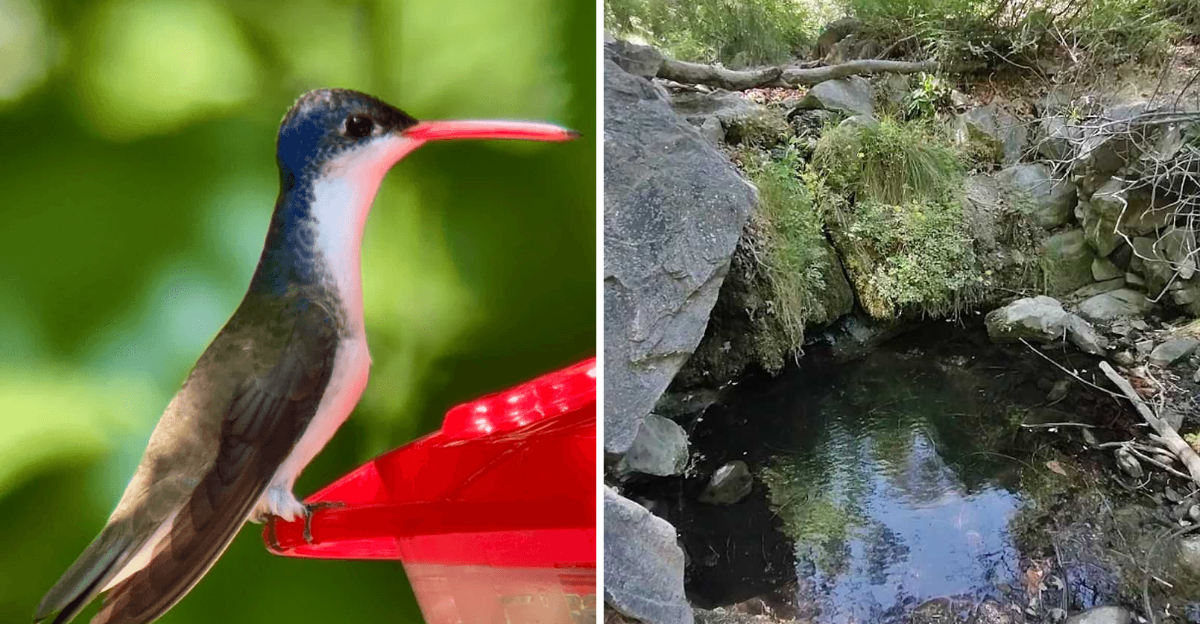
Tucked away in the rolling hills of southeastern Arizona, Sierra Vista is a city that surprises nearly every visitor who arrives. Known as the Hummingbird Capital of the United States, this charming destination draws nature lovers, birdwatchers, and adventure seekers from across the country.
With its mild climate, stunning mountain views, and rich cultural history, Sierra Vista offers way more than most people expect. Whether you are planning a weekend getaway or a longer trip, this hidden gem in Cochise County is absolutely worth adding to your travel list.
The Hummingbird Capital Title — What It Really Means
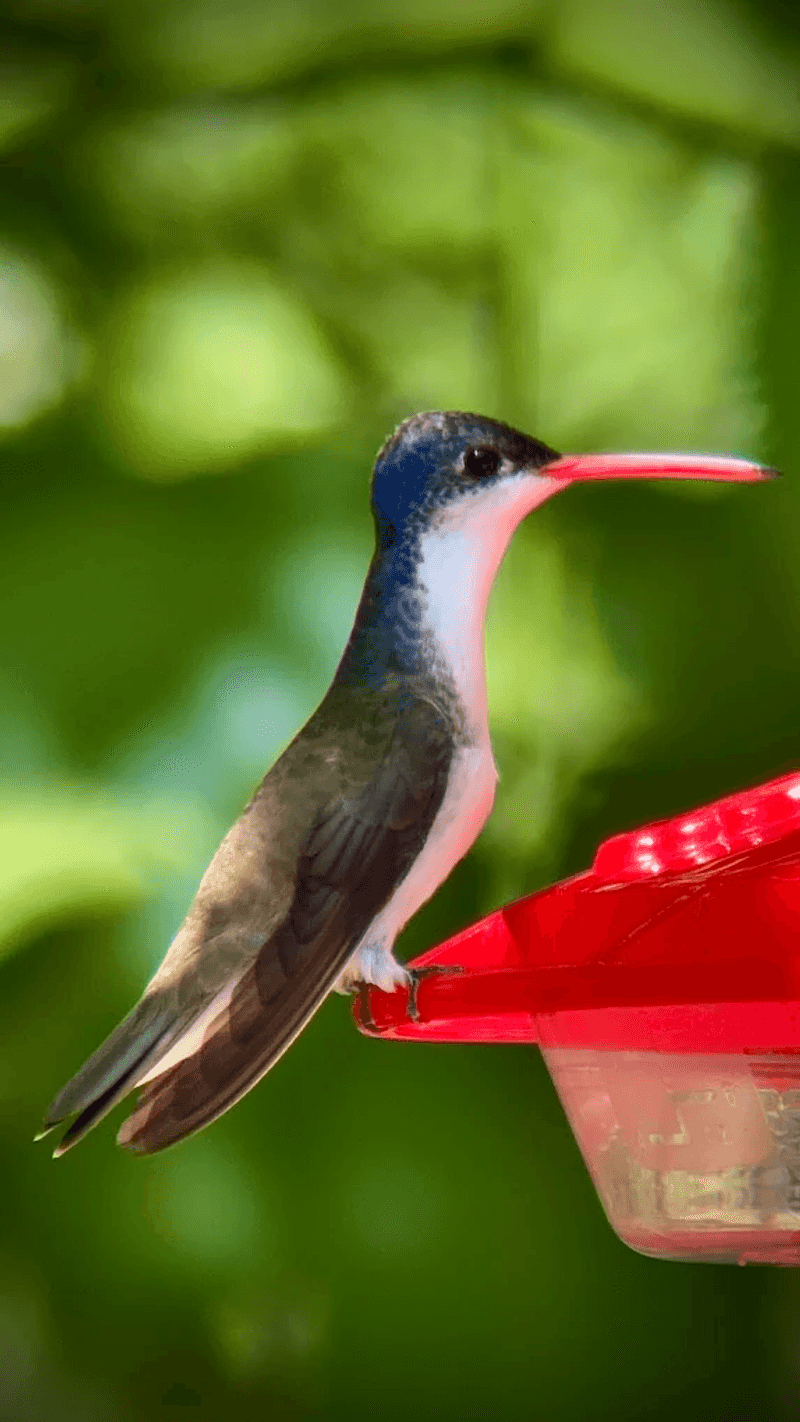
Sierra Vista holds a title that makes bird lovers stop in their tracks — it is officially recognized as the Hummingbird Capital of the United States. That is not just a fun nickname; it is a well-earned reputation built on geography, climate, and an incredible variety of species.
More than a dozen hummingbird species pass through or live near Sierra Vista each year, which is more than almost anywhere else in the country. The surrounding Huachuca Mountains create a unique habitat that attracts these tiny, jewel-colored birds in stunning numbers.
Every summer, the skies around Sierra Vista practically hum with activity. Local feeders, gardens, and nature preserves fill up with colorful visitors that dart and hover like living gemstones.
For anyone who has never seen a hummingbird up close, Sierra Vista offers an experience that is genuinely unforgettable.
Ramsey Canyon Preserve — A Birdwatcher’s Dream
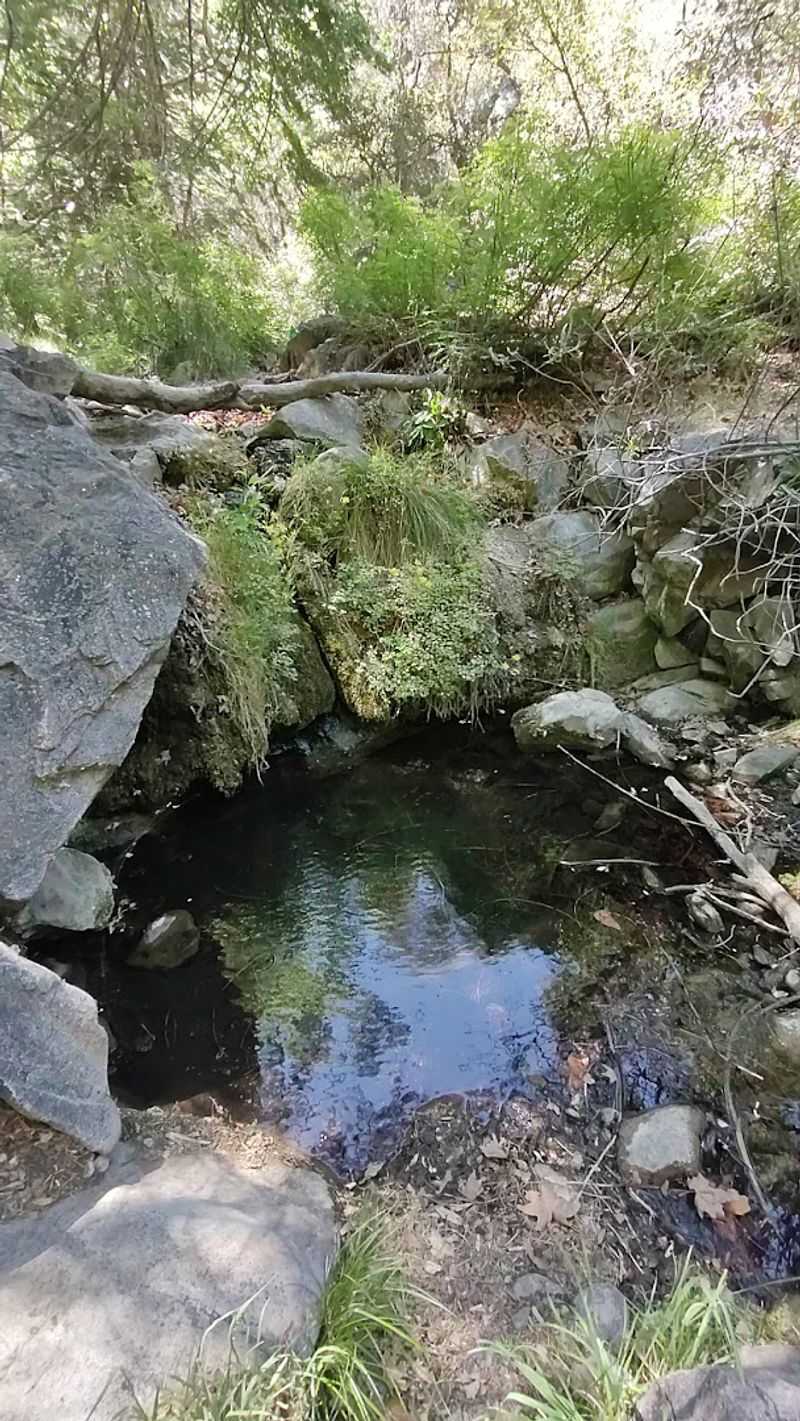
Ramsey Canyon Preserve is one of the most celebrated birding spots in the entire United States, and it sits just a short drive from downtown Sierra Vista. Managed by The Nature Conservancy, this 380-acre sanctuary feels like stepping into a completely different world the moment you walk through the gate.
Towering sycamore trees shade a sparkling creek, and the air is filled with the sounds of dozens of bird species calling back and forth. Hummingbirds are the main attraction, but warblers, trogons, and rare Mexican species also make regular appearances here.
Visiting during peak season — late spring through early fall — gives you the best chance of seeing the most variety. The preserve limits the number of daily visitors to protect the habitat, so booking your visit in advance is a smart move.
Bring binoculars and patience; the rewards are spectacular.
Fort Huachuca — History Hidden in Plain Sight
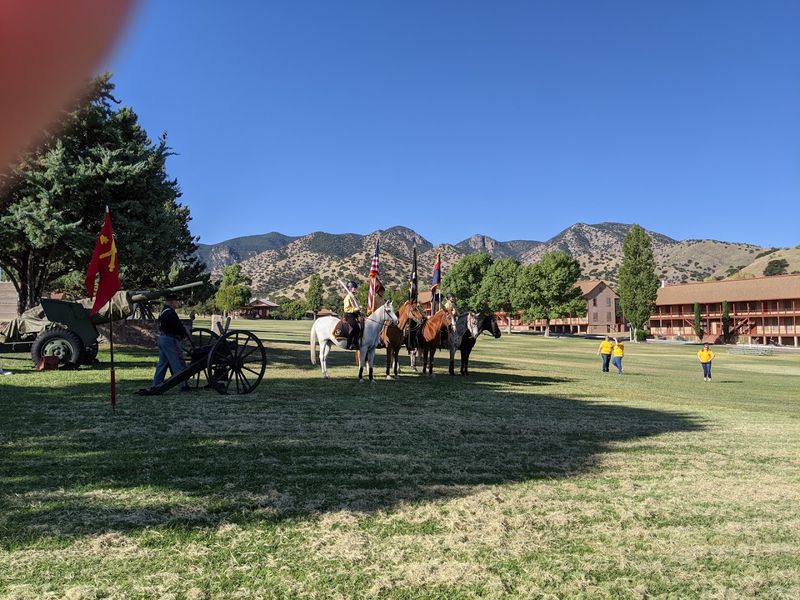
Fort Huachuca is one of the oldest active military installations in the United States, and it sits right inside Sierra Vista. Established in 1877, the fort played a legendary role in the campaigns of the American Southwest and was famously home to the Buffalo Soldiers — African American cavalry troops who served with distinction after the Civil War.
Today, Fort Huachuca is still an active U.S. Army post, but it also houses an outstanding military history museum that is open to the public.
Exhibits cover everything from the Buffalo Soldiers to modern Army intelligence operations.
Walking through the museum feels like flipping through a living history book. The preserved 19th-century buildings on the historic post give visitors a real sense of what frontier military life looked like.
History buffs will find this stop genuinely absorbing, and admission to the museum is completely free.
The Huachuca Mountains — Hiking Above the Clouds
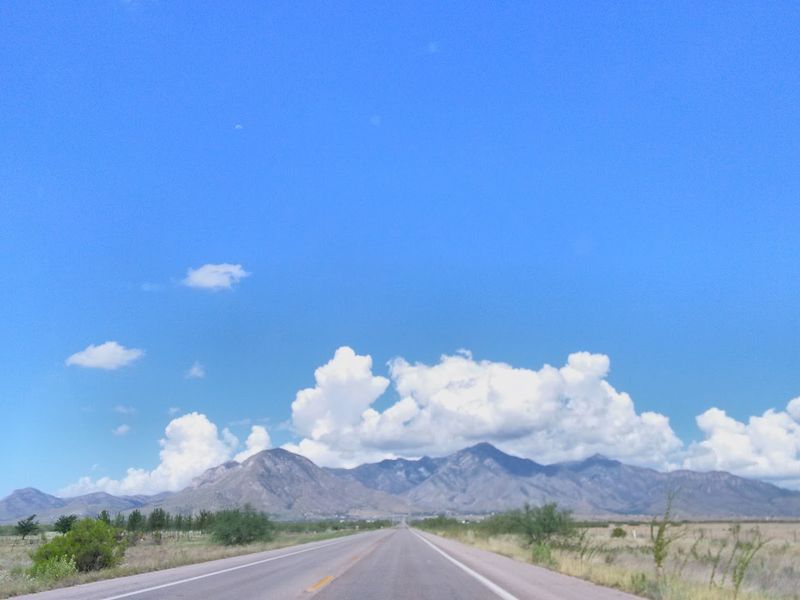
Rising dramatically above Sierra Vista, the Huachuca Mountains offer some of the most rewarding hiking in all of Arizona. The range peaks at nearly 9,500 feet at Miller Peak, and the trails leading up through pine forests and meadows feel a world away from the desert below.
What makes these mountains special is the incredible variety of ecosystems packed into a relatively small area. You can start a hike in desert scrub and end up walking through cool conifer forest within just a few miles.
Wildlife sightings along the trails are common — white-tailed deer, coatimundis, and even the occasional black bear call these mountains home.
Families with kids will find plenty of shorter, easier trails to enjoy, while experienced hikers can tackle the challenging Crest Trail for breathtaking panoramic views. The mountains are genuinely accessible from town, making them a perfect daily escape for Sierra Vista residents and visitors alike.
San Pedro Riparian National Conservation Area — A River Worth Celebrating
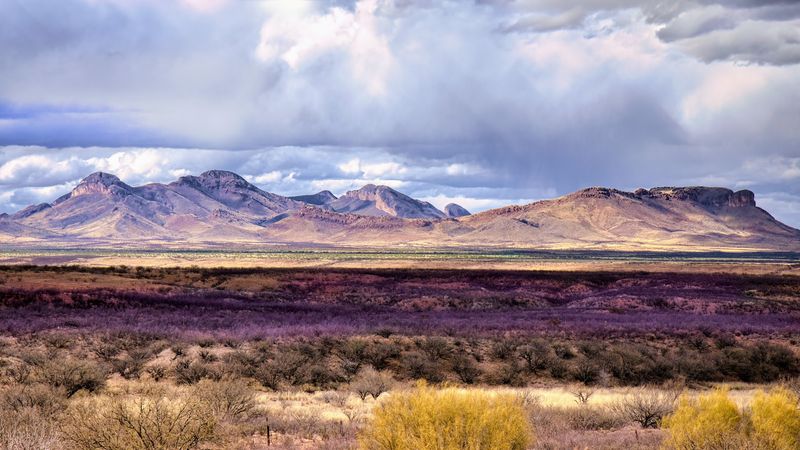
Just east of Sierra Vista flows one of the rarest things in the American Southwest — a free-flowing river. The San Pedro River runs through the San Pedro Riparian National Conservation Area, a 56,000-acre stretch of protected land that is considered one of the most biologically diverse places in North America.
The cottonwood and willow forests along the riverbanks support an astonishing 350-plus bird species throughout the year, making it a top destination for serious birders from around the world. Migratory birds use the San Pedro corridor as a critical flyway, so the variety of species changes dramatically with the seasons.
Beyond birding, the area offers peaceful walking trails, archaeological sites, and sweeping open skies that make for incredible photography. The Bureau of Land Management maintains the area well, and access is free.
Sunrise walks here are particularly magical, with mist rising off the water and birds singing from every direction.
Carr Canyon — A Sky Island Adventure
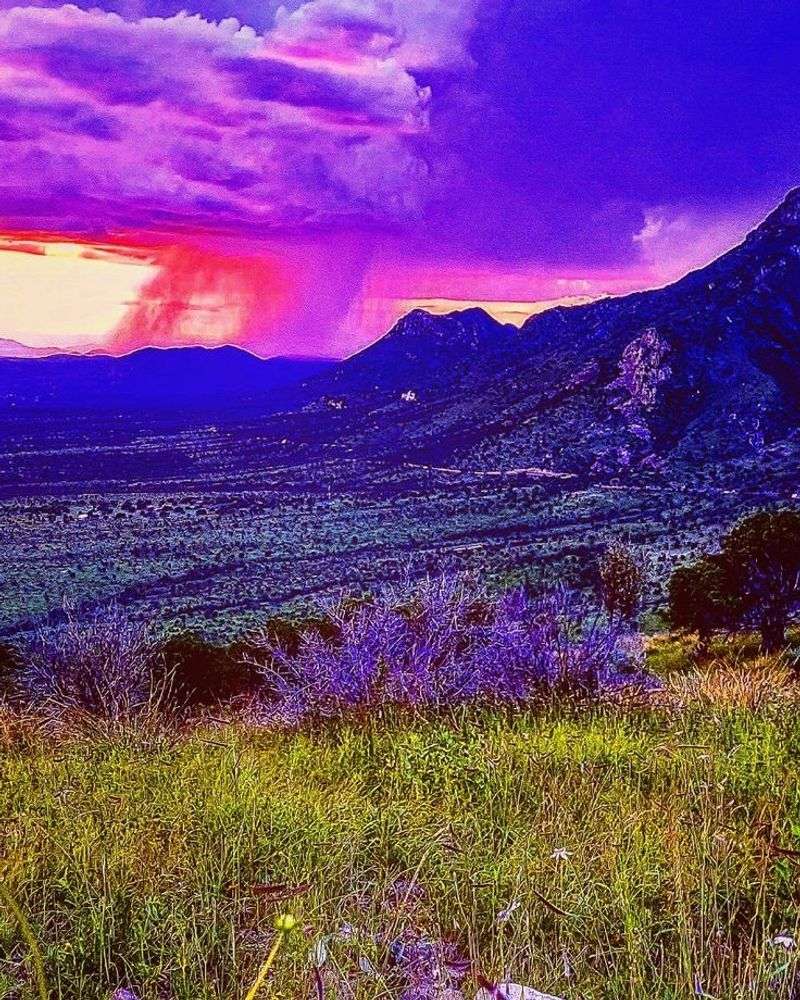
Carr Canyon Road is one of those drives that locals know about and visitors discover with pure delight. The narrow, winding road climbs steeply into the Huachuca Mountains, offering jaw-dropping views of the San Pedro Valley and the distant Dragoon Mountains as you ascend.
At the top, Ramsey Vista Campground provides a cool, shaded base for exploring the upper canyon trails. The area sits within what scientists call a Sky Island — an isolated mountain range surrounded by desert, creating a unique biological zone where Mexican and American wildlife species meet.
Birders flock to Carr Canyon specifically for the chance to spot the elegant trogon, a brilliantly colored bird rarely seen north of Mexico. Even if you are not a birder, the drive alone is worth every twist and turn.
Carr Canyon is best enjoyed slowly, with windows down and eyes wide open.
The Wings Over Willcox Festival — A Regional Celebration Worth the Drive
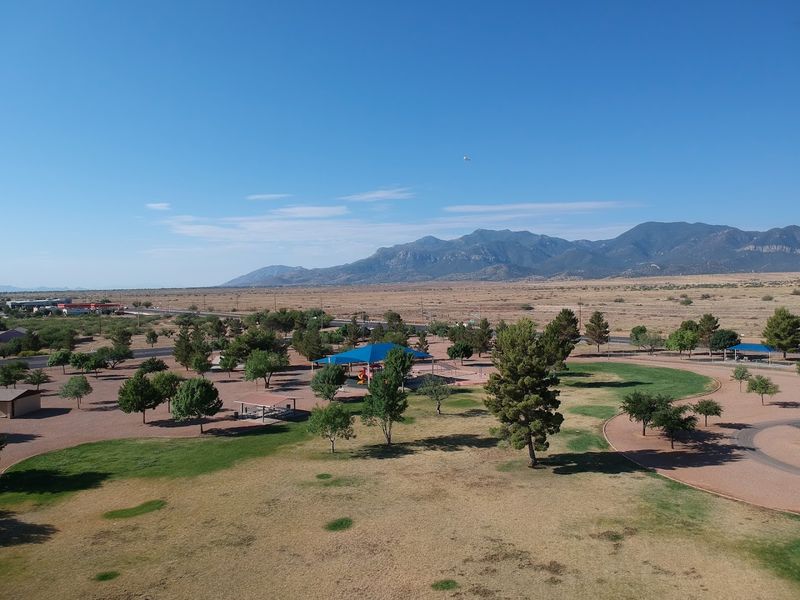
While not held directly in Sierra Vista, the Wings Over Willcox Sandhill Crane Festival is a beloved regional event that many Sierra Vista visitors make a point of attending. Held each January, the festival celebrates the massive flocks of sandhill cranes that winter in the Sulphur Springs Valley just north of Sierra Vista.
Watching tens of thousands of cranes lift off from the fields at dawn is one of the most breathtaking wildlife spectacles in the American Southwest. The sound alone — a rolling, prehistoric bugling — sends chills down the spine of even seasoned birdwatchers.
Sierra Vista serves as a convenient and comfortable base for the festival, with easy driving access to the crane viewing areas. Pairing a crane festival trip with hummingbird watching in Sierra Vista itself creates an incredible birding itinerary that covers two completely different ends of the avian world.
Plan ahead, as accommodations fill up fast.
Sierra Vista’s Weather — The Secret Advantage
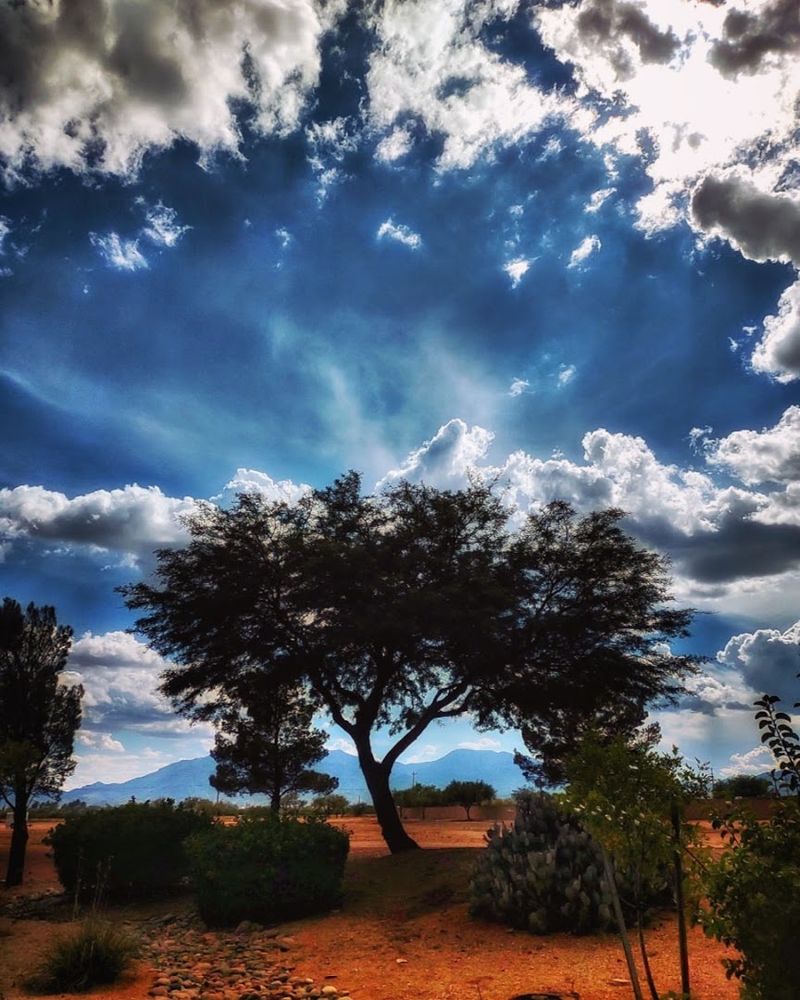
One of the most underrated things about Sierra Vista is its climate. Sitting at an elevation of roughly 4,600 feet, the city enjoys temperatures that are noticeably cooler than the scorching heat of Phoenix or Tucson during summer months.
Highs rarely push past the low 90s even in July and August.
Winters are mild and pleasant, with snowfall being rare and brief at city level, though the nearby mountains do get a proper dusting. Spring and fall are arguably the finest seasons, with warm sunny days, cool nights, and the kind of clear blue skies that make every outdoor activity feel perfect.
The summer monsoon season, which runs roughly from July through September, brings dramatic afternoon thunderstorms that cool the air and paint the sky with spectacular lightning. For outdoor lovers, Sierra Vista’s weather is genuinely one of its greatest attractions.
The city earns its reputation as a year-round destination with ease.
Coronado National Memorial — Where History Meets Wilderness
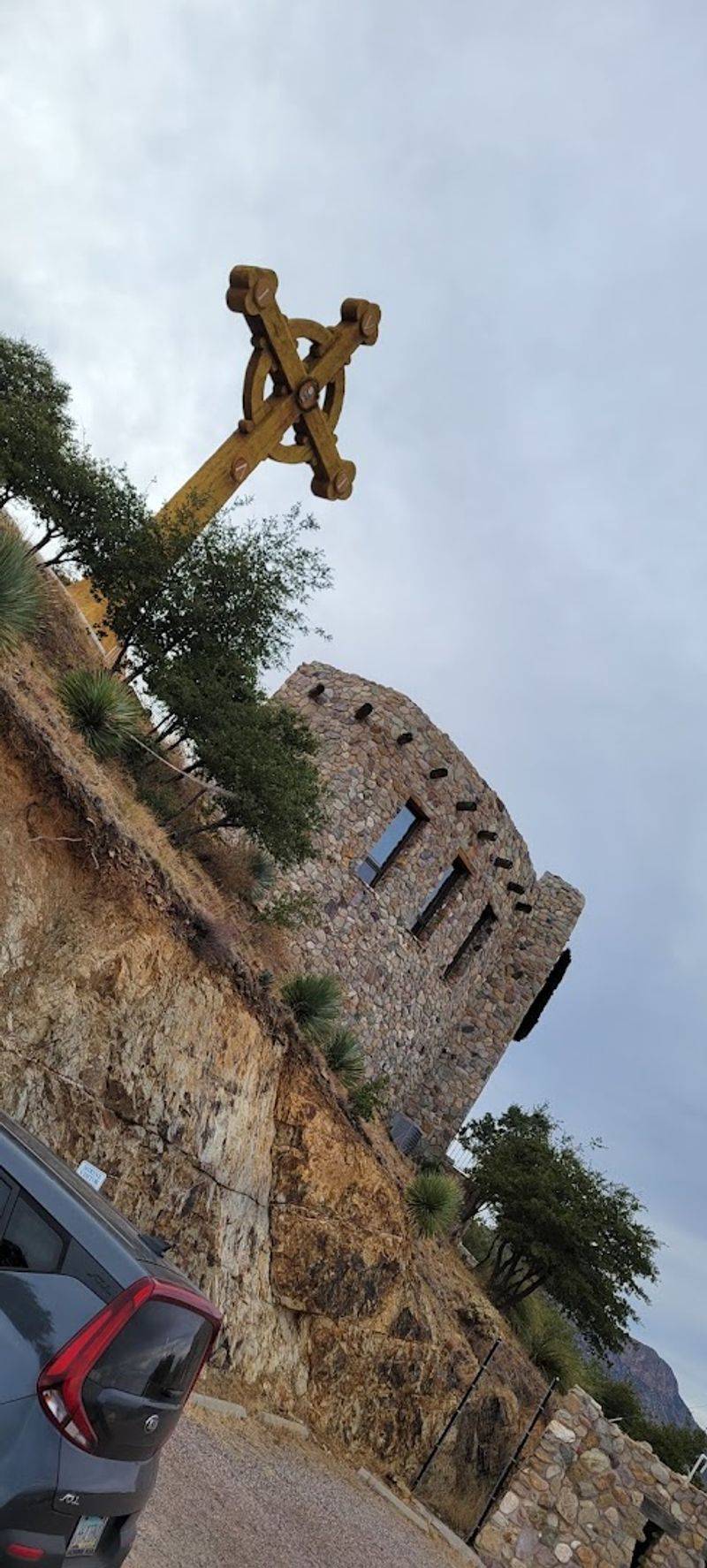
About 20 miles south of Sierra Vista sits Coronado National Memorial, a fascinating park that marks the approximate route taken by the Spanish explorer Francisco Vasquez de Coronado during his 1540 expedition into North America. The park straddles the U.S.-Mexico border, and the views from the ridgeline are absolutely stunning.
The memorial covers nearly 5,000 acres of Chihuahuan Desert grasslands and oak woodland, and it is packed with wildlife and hiking opportunities. Montezuma Pass, accessible by a scenic drive or on foot, offers one of the most dramatic panoramic views in all of southeastern Arizona.
A small visitor center tells the story of Coronado’s expedition through exhibits and ranger programs. The park is free to enter and rarely crowded, making it a refreshing alternative to more heavily visited national parks.
History, scenery, and solitude combine here in a way that feels genuinely rare and special.
Local Food Scene — Small City, Big Flavors
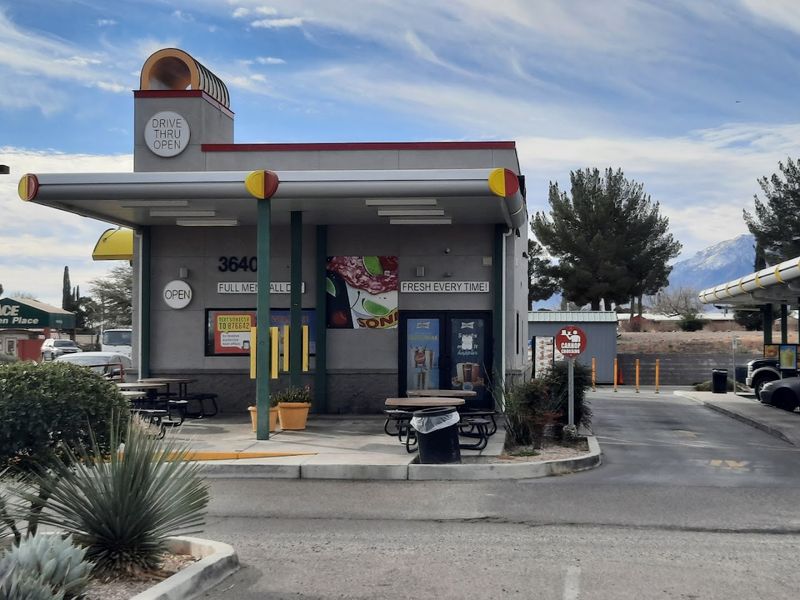
Sierra Vista may be a mid-sized city, but its food scene punches well above its weight. The proximity to the U.S.-Mexico border means that authentic Mexican cuisine is a real highlight here — think hand-rolled tamales, slow-cooked carne asada, and fresh salsas that actually taste homemade because they are.
Beyond Mexican food, the city has a surprisingly diverse dining landscape, with family-owned restaurants serving everything from hearty American comfort food to Asian-inspired dishes. Local favorites have loyal followings, and the casual, welcoming atmosphere in most spots makes eating out feel like a community event rather than just a meal.
Craft coffee shops and bakeries have also found a home in Sierra Vista, catering to the city’s growing population of young professionals and military families. After a long morning of birding or hiking, settling into a good meal at a local spot is one of the simple pleasures that makes Sierra Vista so livable and lovable.
Kartchner Caverns — An Underground Wonder Nearby
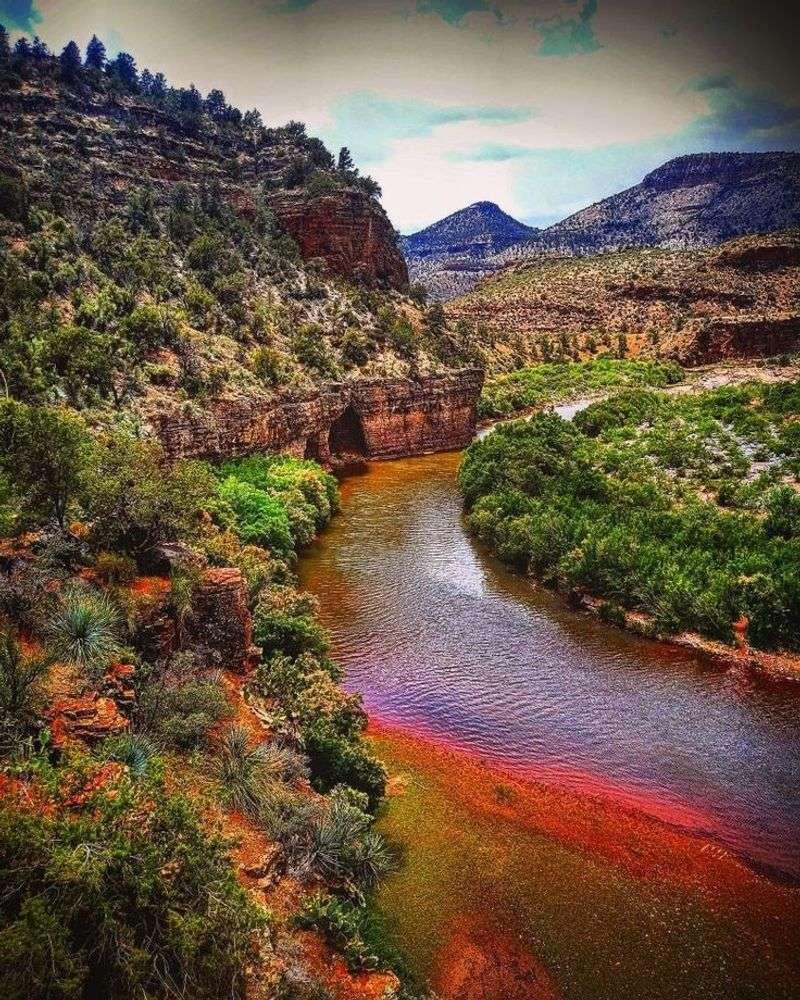
About an hour’s drive north of Sierra Vista lies one of Arizona’s most jaw-dropping natural treasures — Kartchner Caverns State Park. Discovered in 1974 by two spelunkers who kept their find secret for 14 years to protect it, the caverns were eventually developed into a world-class state park that opened in 1999.
Inside the cave system, the formations are still actively growing, fed by moisture seeping through the limestone above. Stalactites, stalagmites, and rare cave formations called soda straws create an otherworldly landscape that feels almost impossible to believe is real.
Tours are guided and tightly managed to preserve the delicate ecosystem inside the caverns. Temperatures inside hover around a cool 68 degrees year-round, making it a refreshing escape during hot summer days.
Adding Kartchner Caverns to a Sierra Vista trip creates a perfectly rounded itinerary that mixes outdoor adventure with underground wonder.
Birdwatching Community and Events in Sierra Vista
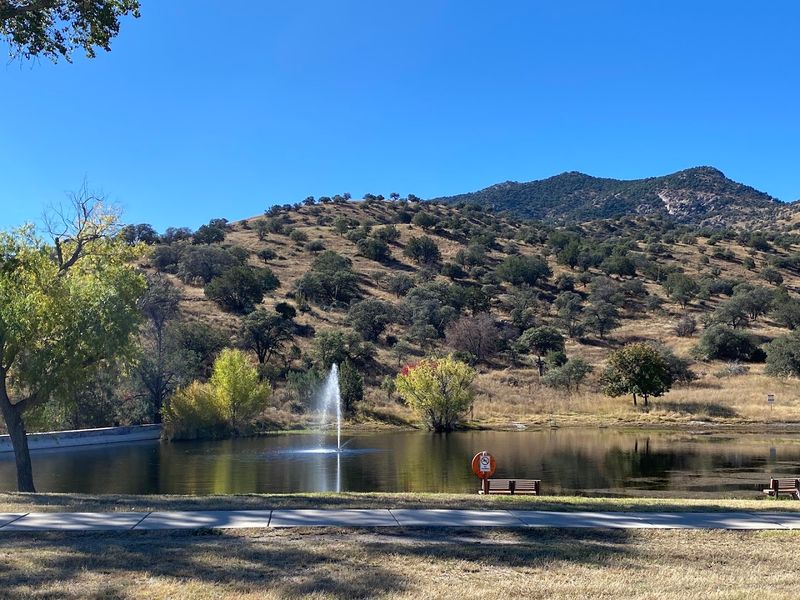
Sierra Vista has built one of the most welcoming birdwatching communities in the entire Southwest. The Southeast Arizona Birding Festival, held annually in August, draws hundreds of birders from across the country for guided field trips, workshops, and expert presentations on local species and conservation.
Local birding clubs meet regularly, and many longtime residents are happy to share their favorite spots and tips with newcomers. The community has a warm, inclusive culture that welcomes beginners just as enthusiastically as it celebrates expert listers chasing rare species.
The city itself supports this community actively, with informational signage, maintained birding trails, and partnerships with organizations like the American Birding Association. Whether you are a first-timer who just wants to see a hummingbird up close or a serious birder with a life list in the hundreds, Sierra Vista’s birding community will make you feel right at home from day one.
Planning Your Visit to Sierra Vista — Tips to Know Before You Go
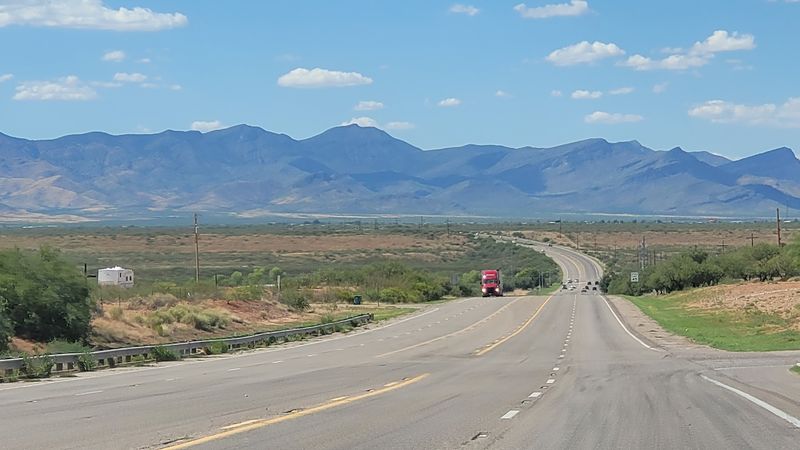
Getting to Sierra Vista is easier than many people expect. The city is about 75 miles southeast of Tucson, making it a smooth drive down Interstate 10 and then south on Highway 90.
Tucson International Airport is the closest major airport, with plenty of rental car options available for the rest of the journey.
The best time to visit for hummingbirds is mid-July through early September, when species diversity peaks during the summer monsoon season. Spring and fall are ideal for general birding and hiking, with comfortable temperatures and less crowding at popular spots.
Pack layers regardless of the season — mornings and evenings in the high desert can be surprisingly cool even in summer. Bring good walking shoes, a reliable water bottle, and a field guide to Arizona birds if you have one.
Sierra Vista rewards the prepared traveler with experiences that are genuinely hard to find anywhere else in the country.
Enjoyed this story?
Add Fast Food Club as a preferred source to see more of our reporting on Google.