


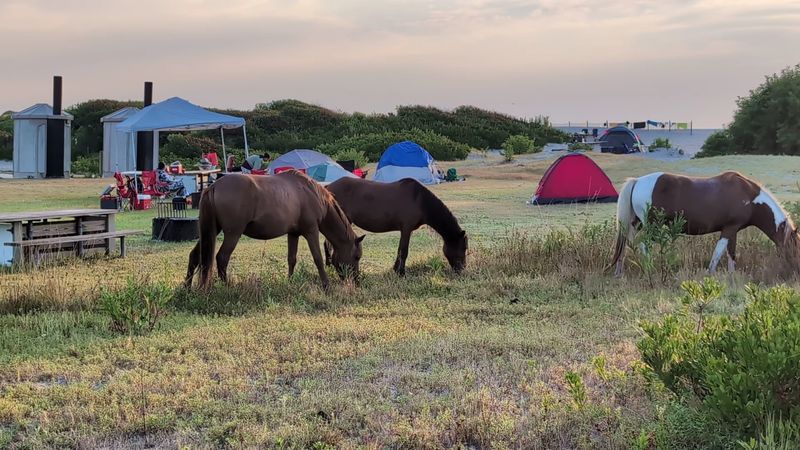
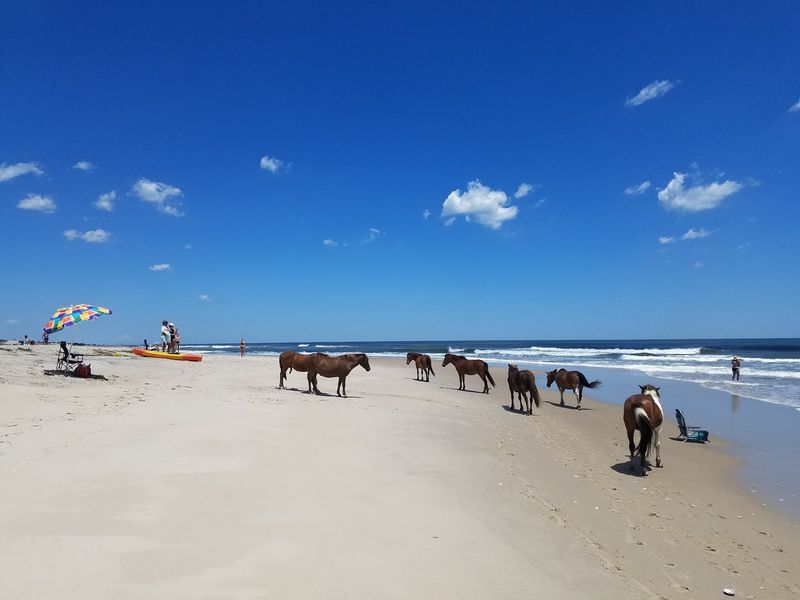
Summer crowds pack the Maryland coast, but once September rolls in, a certain barrier island turns into a quiet kingdom run by horses. Wild ponies graze along the road, stroll past campsites, and leave hoofprints on beaches with almost nobody on them.
The heat fades, the lines at the entrance vanish, and the place starts to feel like a private nature preserve. There is a catch or two, from cranky weather to sneaky sand flies, and a few rules that matter a lot.
Keep reading for where this island sits, what it costs to get in, which trails deliver pony sightings, and why the quiet months might be the smartest time to go.
A Barrier Island Just Past Berlin
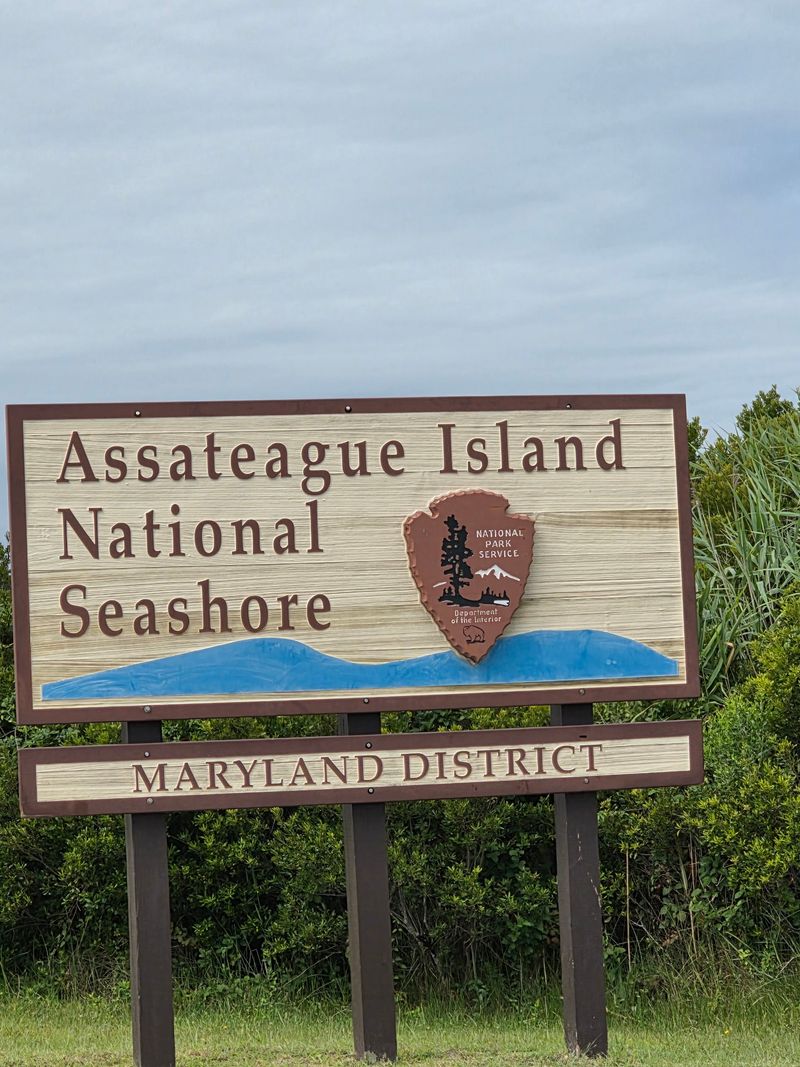
The address that unlocks all of this is 7206 National Seashore Lane, Berlin, MD 21811, in the United States. It belongs to Assateague Island National Seashore, a protected national reserve on the Maryland coast.
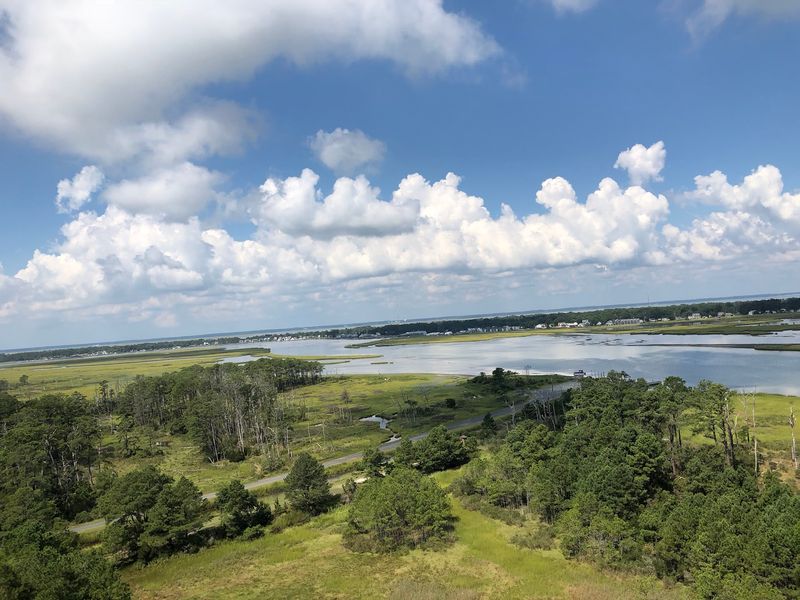
The island is a long, natural sand barrier between the Atlantic Ocean and the bay. It is famous for wild horses, and it also offers camping, trails, and plenty of outdoor recreation.
Getting there from the Ocean City side is simple. Route 611 leads toward the island, and a right turn onto Bayberry Drive, before the road ends, takes drivers into the national park.
Keep going straight on 611 instead, and the road ends at Assateague State Park. The two sit side by side, which confuses plenty of first-timers.
The state park has its own day-use beach, a bathhouse with hot and cold showers, and a restaurant. The national seashore has trails, campgrounds, bay swimming, crabbing, and a sandy over-the-sand vehicle area.
Knowing the difference saves time, money, and a bit of head-scratching at the gate. With the map sorted, the real stars of the show are waiting just down the road.
Horses With the Right of Way
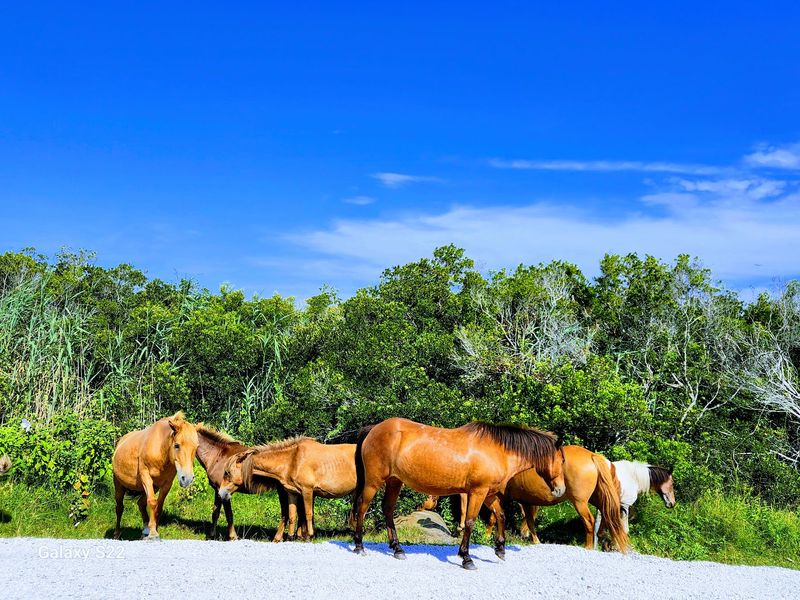
Traffic laws on this island come with a twist, because the horses do not read them. A pony walking down the yellow center line is a normal sight here.
Wild horses and ponies are by far the most talked-about feature of the seashore. They roam the beaches, the marshy land, and the roadsides, depending on the time of day.
Early morning and late evening tend to be the best windows for spotting them. Many trips end with a small herd grazing near the road on the drive out.
Drivers need patience and a slow foot on the pedal. A horse can step out from the bushes at any moment, so this is not a place for anyone in a rush.
The horses here are known for being out in the open and not especially shy. That boldness is part of the charm, but it also means they wander close to cars, picnic tables, and people.
Park guidance asks people to stay at least 40 feet away. The animals can get spooked and may charge or bite, so a good zoom lens beats a close encounter every time.
Think of the ponies as the island’s landlords, and act like a polite guest.
Where the Off-Season Quiet Begins
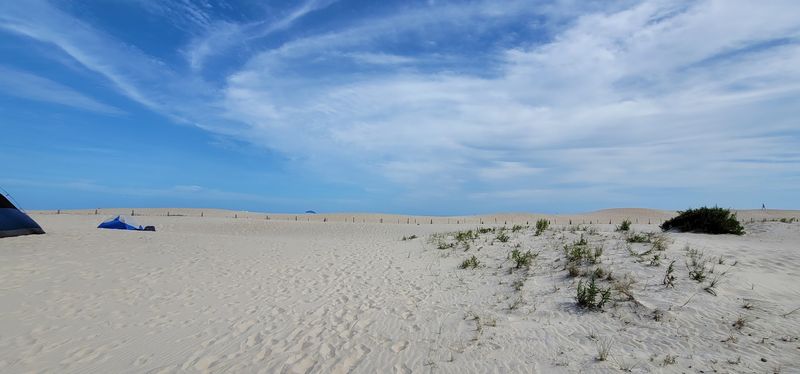
September flips a switch here. The beach that hosted crowded weekends in July suddenly feels like it has room for everyone and then some.
Warm, breezy days are common early in the fall season. The tide rolls out, the sand stays wide open, and the water can still be pleasant enough for wading.
Compare that with peak summer. A late-July Saturday can mean a 30-minute crawl just to cover the last 1.5 miles to the entrance, since only two lanes handle admission.
Later in the fall, the weather gets less predictable. Strong winds and offshore storms can sweep in for days at a time, so packing layers is a smart move.
Cool, windy conditions sometimes keep the horses off the dunes and beach. They often stay in more sheltered spots, which can make sightings a little more hit or miss.
Even so, the payoff is real. Less crowding is one of the most frequently praised things about the island, and the quiet months deliver it in full.
Trading a little warmth for a lot of elbow room feels like a fair deal.
Wide, Clean Sand on the Atlantic
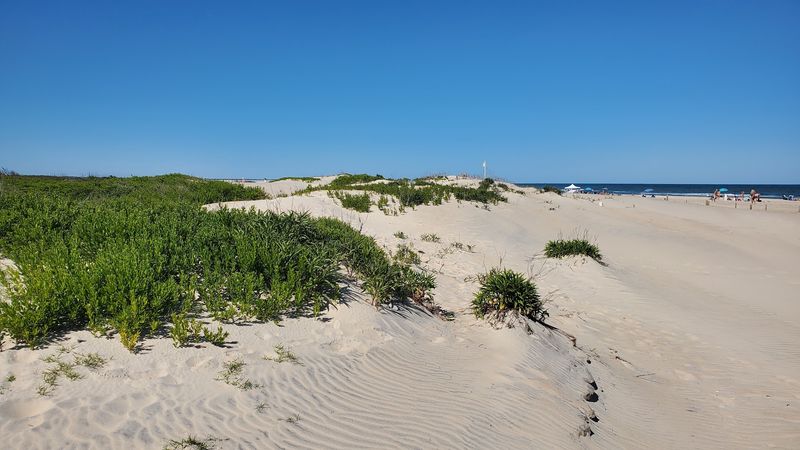
Ocean City has its boardwalk, but Assateague has breathing room. The beach here is known for being clean, wide, and far less packed than its famous neighbor.
The sand is fine and pale, and the water stays clean, though the waves can be lively. Kids tend to love playing in the surf.
Both beaches inside the park offer a generous amount of parking. Outdoor showers help rinse off sand before the drive home.
Beachcombing is a popular pastime, with seashells among the regular finds. Some lucky families even spot horseshoe crabs for the first time.
At night, people bring flashlights to watch crabs dart in and out of the sand near the waterline. It is a simple, free show that never seems to get old.
A word of caution for swimmers is worth repeating. There are no lifeguards on the camping beach, so staying alert in the water matters.
Horse droppings on the sand are also part of the deal. It is a wild beach, after all, and the locals have hooves.
Short Trails Through Forest and Marsh
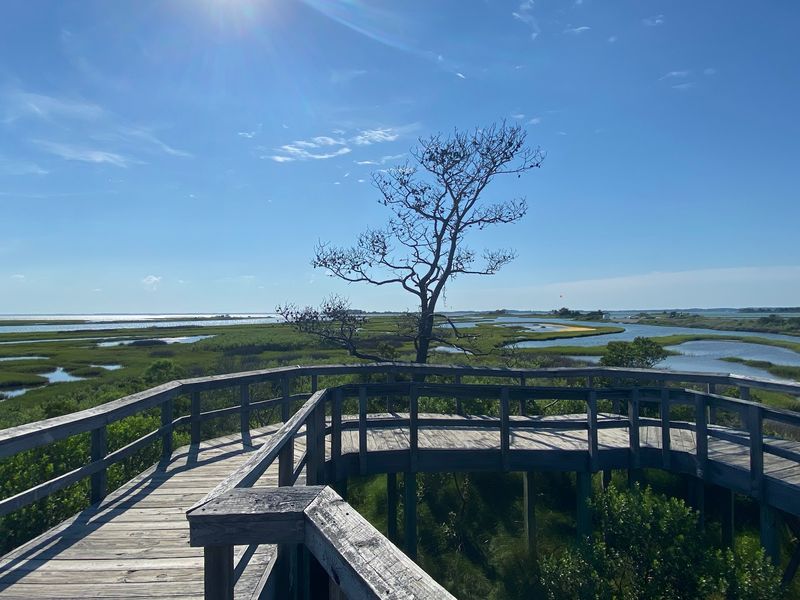
Some of the best pony sightings happen far from the waves. The island’s handful of nature trails are short, easy loops that pack in a lot.
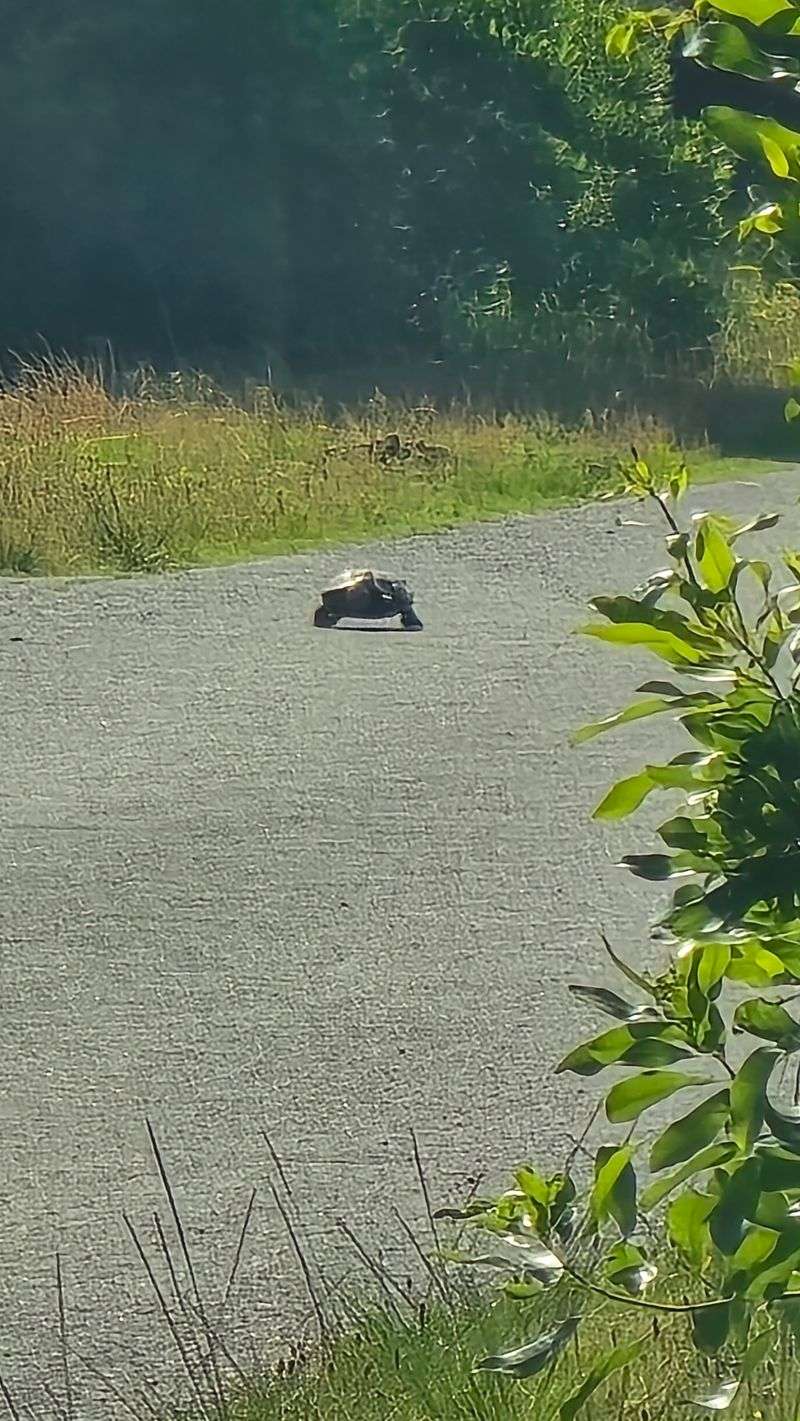
The Life of the Forest and Life of the Marsh trails stand out. Both are well-maintained and manageable for most walkers.
With a little luck, a couple of horses or even a whole herd can appear along the way. Boardwalk sections make parts of the walks especially easy going.
The Marsh Trail is a favorite for quick visits, since it covers the bay side of the island in a short time. A lookout near the visitor area adds a view over the water.
Insects are the big variable. Mosquitoes and flies can cut summer hikes short, which is one more point in favor of cooler months.
Bug spray belongs in every daypack regardless of season. Sunscreen should ride along with it.
These loops prove that small trails can still deliver big moments.
Bayside Paddles and Crabbing Afternoons
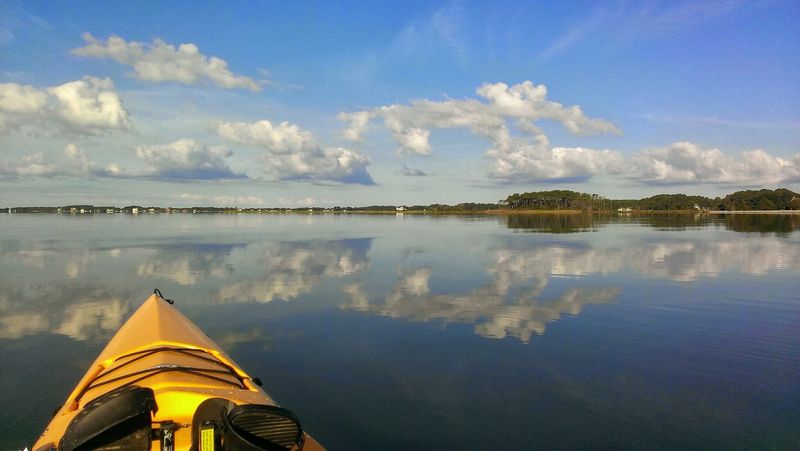
Turn away from the ocean and a calmer island appears. The bay side offers swimming, paddling, and the classic coastal pastime of crabbing.
Crabbing and fishing are both popular here. Anglers should be ready for toothy catches, and sharks are part of the local mix too.
At the end of Bayside Road, Assateague Outfitters rents bikes, kayaks, canoes, and paddleboards. Bikes are also available at the visitors center.
A bike is a smart way to cover ground at an unhurried pace. It also helps with spotting horses along the roadsides.
Scenic drives, kayaking, and hiking all reveal different corners of the island. Each one offers a fresh look at the marsh and its wildlife.
Wildlife is not limited to horses. The island draws plenty of attention as a place for watching all kinds of animals.
A calm bay and a full bucket of crabs make a pretty convincing argument for an afternoon well spent.
Camping Under a Wide Coastal Sky
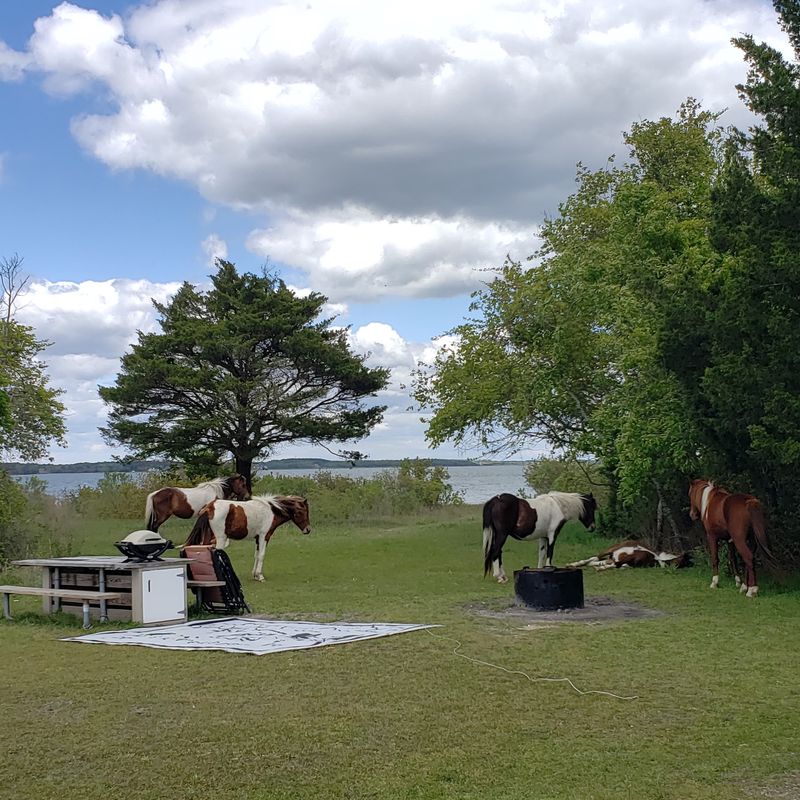
Few campgrounds come with four-legged neighbors that wander past the fire ring. Here, that is just a typical evening.
The national park has two campgrounds, one oceanside and one bayside. Loops such as the G loop sit close to the dunes and beach.
Picnic tables include built-in lock boxes for storing food. Horses are clever about snacks, so keeping food locked up or in the car is essential.
Facilities include dumpsters, cold showers, and pit toilets. Some shower spots show their age, while others are in better shape, and bringing hand sanitizer is a good idea.
One detail catches people off guard. Campers still pay the island entrance fee on top of the reservation cost.
Summer camping calls for sun shirts, sunglasses, and a shade shelter. Wind direction matters too, since a breeze from the wrong side can bring the bugs.
Sand flies tend to fade at night, which makes after-dark beach time a bonus. Prepared campers often call the whole experience magical.
Rangers, Films and a Helpful Visitor Center
A short stop indoors can make the whole trip smarter. The visitor center near the island offers orientation films about the park’s history and natural features.
Watching them first helps everything outside make more sense. The horses, the marsh, and the dunes all gain a bit of backstory.
Park rangers earn steady praise for being courteous and helpful. They are a good source for directions, since signage around the park can be thin in spots.
One outdated sign has pointed toward a camp store that was not there. Asking a ranger avoids that kind of wild goose chase.
Rangers also share the rules that protect the wildlife. Their message is simple and worth remembering: enjoy the animals from a distance and help keep them wild.
A lighthouse sits not far from the area as well. It makes a nice add-on for anyone exploring beyond the island.
Ten minutes of orientation can turn a quick visit into a far richer one.
Fees, Hours and Bug Survival Basics
Good news first: the seashore is open 24 hours a day, every day of the week. Early birds and sunset chasers both have plenty of options.
The most common entrance option for the national park is a $25 pass good for seven days. The park offers different fee levels, so checking the official NPS site before going is wise.
The neighboring state park runs its own system. Its day-use beach costs $5 per person in season and $5 per car off season.
That off-season car rate is another quiet perk of fall travel. A whole carload pays the same small fee.
Pack bug spray, sunscreen, and hand sanitizer. Sand flies can be fierce, and some restrooms are basic pit toilets.
Food should always be stored tightly. Car trunks, campers, and the lock boxes under picnic tables all work.
Bring patience for the drive in as well. The ponies set the speed limit, and they are never in a hurry.
Worth the Trip When Summer Fades
Thousands of people have weighed in on this island, and its 4.8-star standing says plenty. The quiet months give that reputation even more room to shine.
Wild horses, clean sand, and short, rewarding trails make up the core of the experience. Add bay paddling, crabbing, and campfire nights, and the list keeps growing.
Not everything is perfect. Bugs, basic restrooms, unpredictable fall weather, and sparse signage all come with the territory.
Still, the trade-offs feel small next to the rewards. Few places let people share a beach with free-roaming ponies and almost no crowds.
The nearby town of Berlin adds a charming small-town stop. Ocean City’s boardwalk is also a short drive away for anyone craving more bustle.
Families, horse lovers, campers, and anyone who simply wants space will find something here. Nature fans in particular tend to plan return trips before they leave.
When the summer rush fades, the island hands the keys back to the horses, and lucky travelers get to tag along.
Enjoyed this story?
Add Fast Food Club as a preferred source to see more of our reporting on Google.