


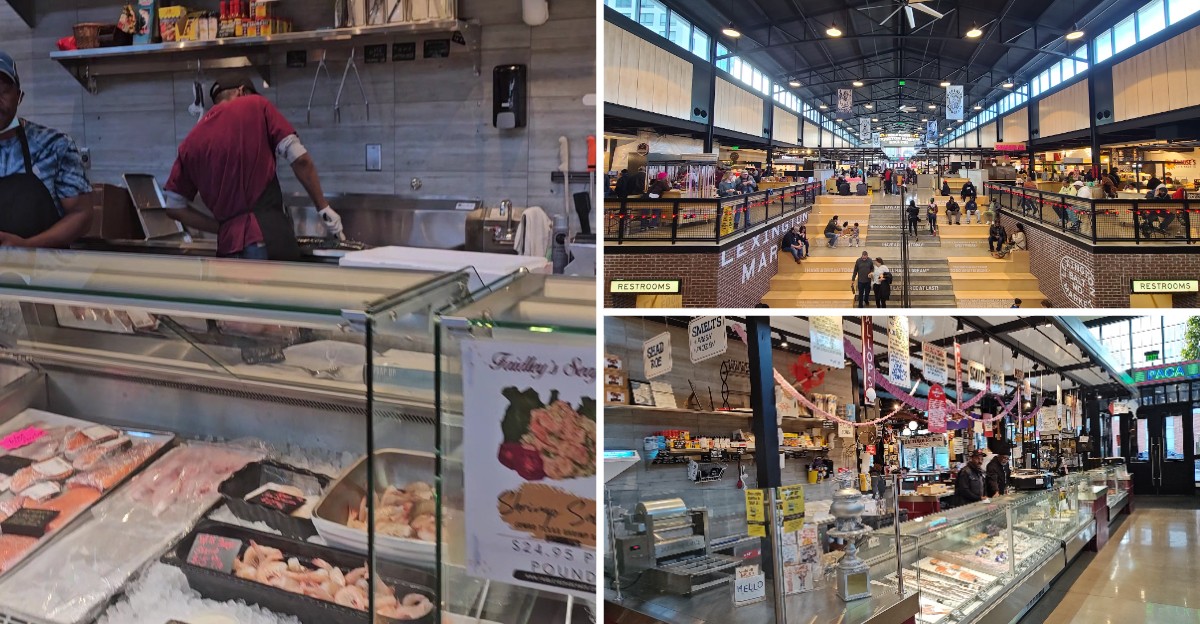
Some Baltimore traditions began before the United States had a working Constitution, and one of them still opens its doors six days a week. On the west side of downtown, a market founded in 1782 keeps doing what it has done for more than two centuries: feeding the city, one crowded lunch at a time.
The crab cakes here have earned a reputation that pulls in locals, hospital workers, and travelers who plan whole trips around a single platter. Keep reading to find out where this place sits, how its new building changed the experience, which counter draws the biggest crowds, and how to time a visit so the gates are not already closed when hunger arrives.
An Address Older Than the Nation’s Capital
Baltimore was a busy port town when this market first opened for business in 1782. More than two centuries later, it is still running, which makes it one of the longest continuously operating markets in the country.
Lexington Market sits at 112 N Eutaw St, Baltimore, MD 21201, in the United States. The location places it on the west side of downtown, within walking distance of several major city landmarks and medical campuses.
At its core, the place is a huge indoor market. Food stands share space with produce sellers, butchers, and seafood purveyors, all under one roof.
That mix is the whole point. The market was never meant to be a single restaurant or a fancy food hall with a narrow theme.
Instead, it works as a community hub where a quick lunch and a grocery run can happen in the same trip. Longtime Baltimoreans treat it as a classic city stop, and out-of-town guests often put it near the top of their must-see lists.
The market itself describes its mission as keeping local food and small, community-rooted businesses at the center. After 240-plus years, that promise is still the backbone of the building.
Knowing where it is only answers half the question, though. The bigger story is how an 18th-century institution ended up in a brand-new home.
Old Bones, New Building
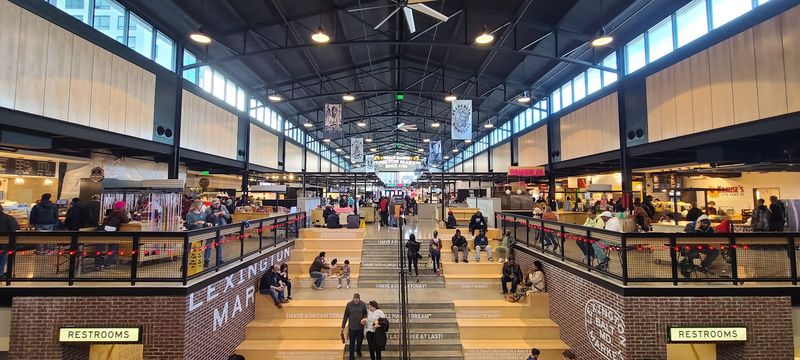
Anyone who last visited around 2010 is in for a surprise. The market has been remodeled, and the change is hard to miss.
The renovated space feels open, spacious, and welcoming. Many longtime fans say the new layout keeps the same spirit as before, just a little more organized.
Not every shift has been universally loved. Some regulars miss the old market building and wish for a stronger farmer’s market feel, with more fresh fruit, vegetables, and meat on display.
Others point out that the new setup can run a bit more expensive than the old days. Still, even the market’s most nostalgic fans tend to keep coming back.
Vendor lineups have also shuffled. Some familiar names returned to the new building, while others did not make the move.
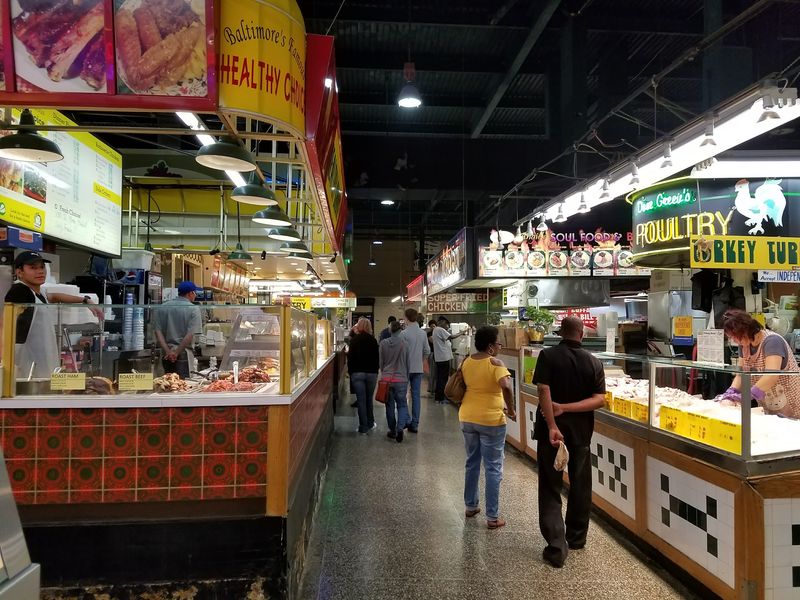
A few beloved businesses simply relocated nearby rather than disappearing. One longtime fried chicken spot, for example, now sits across Paca Street on the corner of Lexington, still drawing its loyal crowd.
For first-timers, none of that history gets in the way. The building is lively, easy to navigate, and packed with character.
For returning Baltimoreans, the new hall is a conversation starter. The debate over old versus new is practically a local pastime now, and it usually ends with someone suggesting lunch.
The Crab Cake That Earned Its Bragging Rights
Bold claims are easy to paint on a sign. Backing them up for decades is a different job entirely.
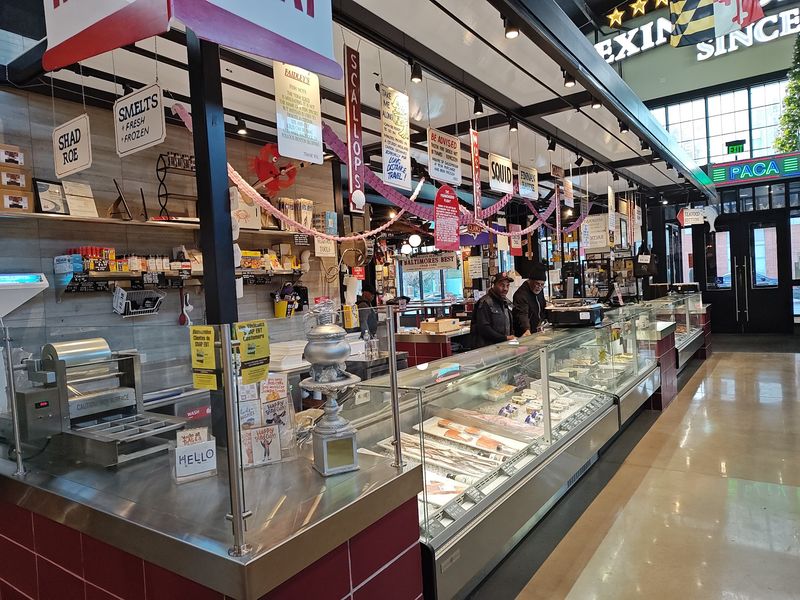
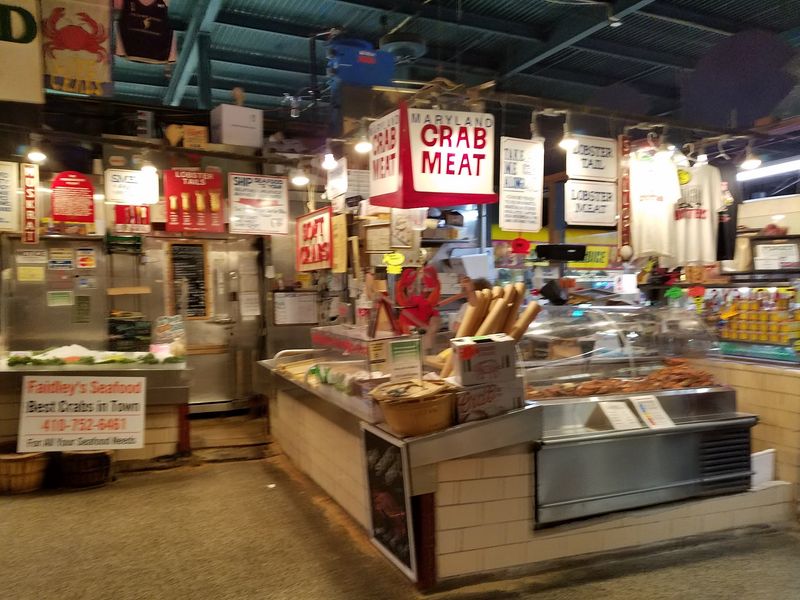
Faidley’s Seafood, one of the market’s most famous tenants, calls its crab cake the best around. Plenty of people who travel to Baltimore specifically for it walk away agreeing that the claim is no joke.
The jumbo lump crab cake platter is the order that comes up again and again. Crab cakes are easily the most talked-about item in the entire building, mentioned more than almost anything else people discuss about the market.
Eating here is a social sport. The counters get busy, and lunch often happens elbow to elbow with strangers who ordered the exact same thing.
That crowded, shoulder-to-shoulder style is part of the charm. Nobody comes for white tablecloths.
One practical tip is worth knowing before ordering. Seating areas near other vendors may belong to those businesses, so it is smart to check where eating is welcome before settling in with a Faidley’s plate.
Some shoppers treat the crab cake as the main event and build the rest of the visit around it. Others grab one first and then wander.
Either way, the line tells the story. A counter does not stay this popular in a 240-year-old market by accident, and the crab cake remains the market’s unofficial mascot.
Seafood Cases and Butcher Counters
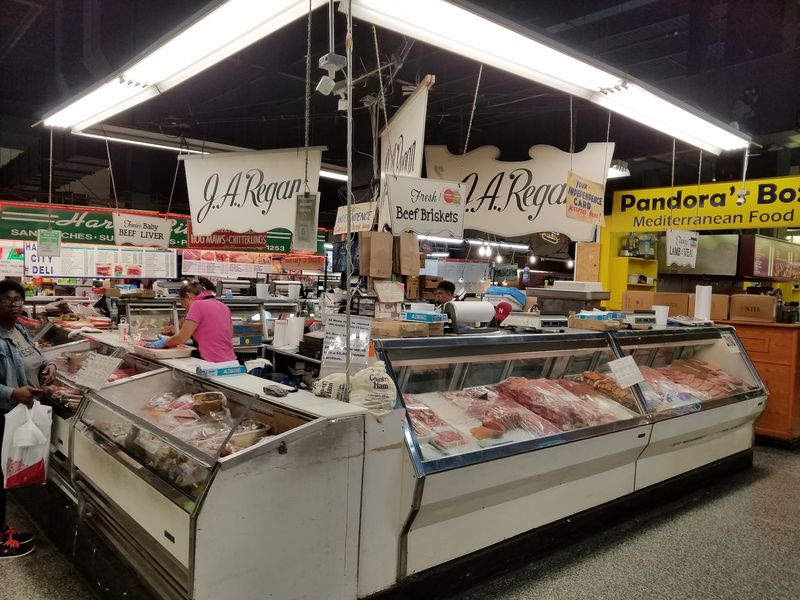
Long before food courts were trendy, this market was where Baltimore bought its groceries. That job has not gone anywhere.
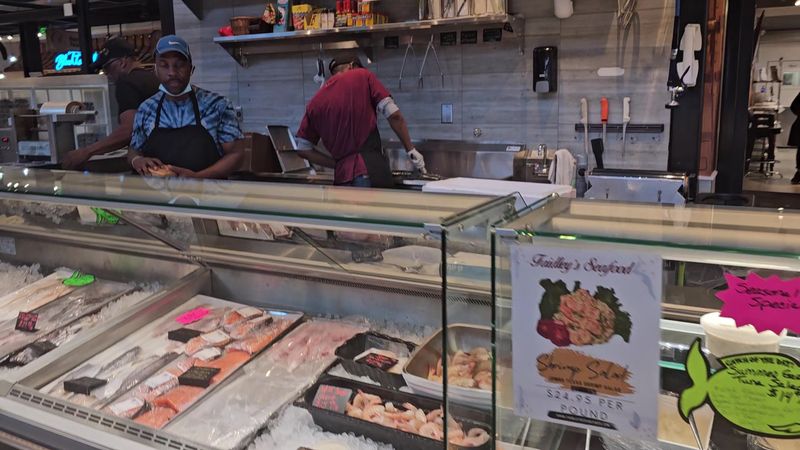
Meat and seafood purveyors remain a core part of the lineup. Seafood in general is one of the most discussed subjects among market regulars, right alongside the famous crab cakes.
Some of the seafood sellers are positioned right near the entrance, so it is one of the first things shoppers encounter. Oysters also show up among the offerings, adding to the market’s reputation as a place tied closely to the Chesapeake region.
The butcher side of the building has its own fans. Longtime shoppers appreciate being able to pick up fresh meats in the same trip as a quick lunch.
Produce stands round out the grocery options. Cut fruit and fresh vegetables can be found here, though some devoted locals would happily see even more of them.
That wish says something about how people view the place. For many Baltimoreans, the market is not just an attraction.
It is a working market, and they want it to stay that way. The balance between prepared food and raw ingredients is a big part of the identity.
Travelers staying somewhere without a kitchen may skip the raw goods. Locals, though, often leave with a bag or two, proving the grocery counters still earn their floor space.
A Passport’s Worth of Stalls
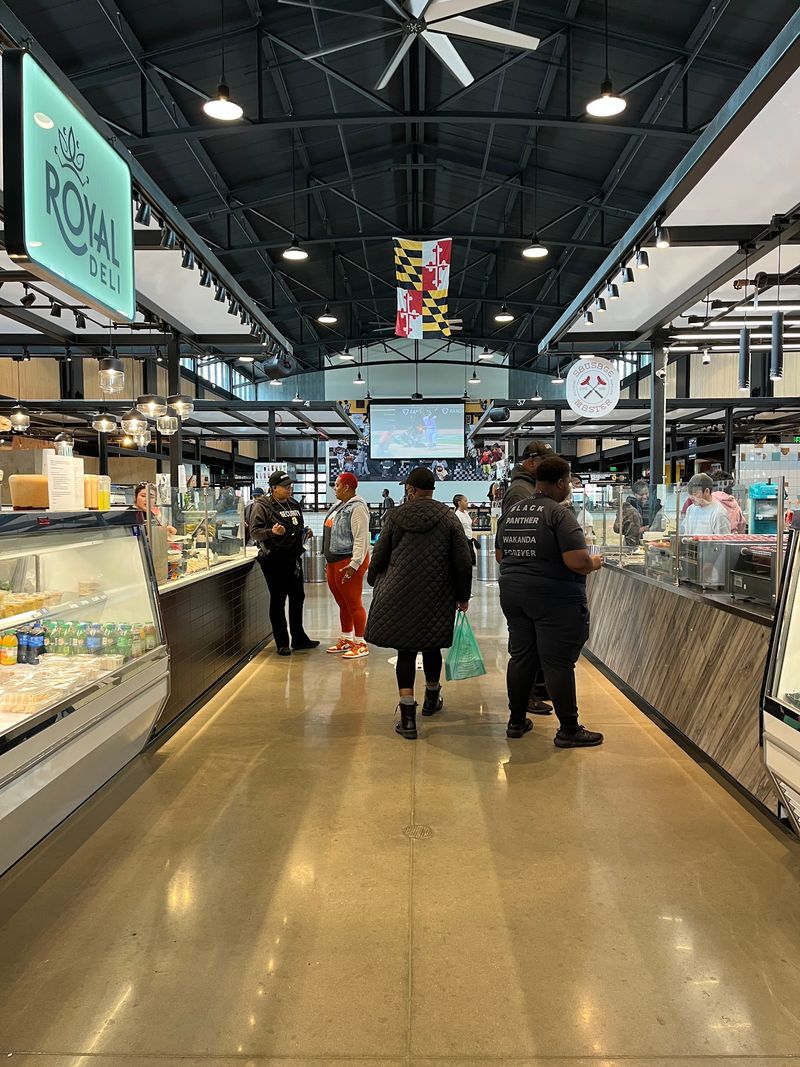
Variety might be the market’s second-biggest talking point after seafood. The range of vendors is wide enough to feel like a small tour of world cuisine packed into a single building.
Options stretch across many cultures, from African to Korean. Travelers who eat several meals here in one trip often cite that range as the reason they keep returning.
A short list of what shows up under this roof helps explain the appeal:
A large bakery, plus a mini donut stand with a devoted following. A fresh juice and smoothie shop, and a boba and coffee counter.
A candy shop sits among the food vendors. There is also a soul food kitchen, several fried chicken counters, a sandwich cafe, and a hot dog stand.
Beyond the edible side, a handful of shops sell cute gifts, small goods, and knick-knacks. One helpful vendor on the lower level has even been known to sell gloves and hats to shoppers caught off guard by cold weather.
Newer vendors now share the building with longtime names. That blend of old traditions and fresh faces gives the place a lively, evolving personality.
Not every stall will win every palate, and some offerings land better than others. The good news is that with this many choices, the next counter over is only a few steps away.
Busy Floors and Busy Crews
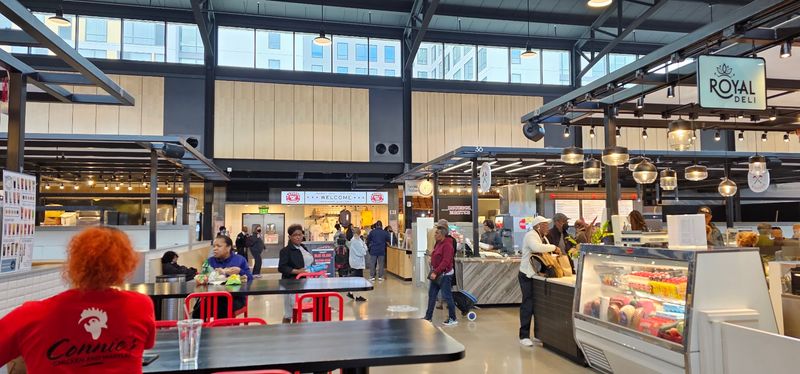
Cleanliness comes up almost as often as crab cakes when people talk about this market. That tells you something about how much the topic matters to shoppers.
The general picture is encouraging. Market workers are regularly seen cleaning floors, tables, steps, and restrooms throughout the day.
Each business tends to have plenty of employees on hand, which keeps lines moving. Security staff are also a visible presence inside the building.
Some describe the space as spotless, while others land on not super clean but not bad either. Most agree that the crew is actively working to keep up with the lunchtime rush.
The restrooms have earned credit for being clean, which is always welcome in a busy public building. Crowds can build, especially at peak hours, and the hall can feel a little packed.
Timing makes a difference. Some weekday visits feel noticeably calmer than the famously crammed markets in other big cities.
A word on the surrounding blocks is also fair to share. The area outside the market has a mixed reputation, and many locals recommend staying aware of surroundings, especially after dark.
Inside, the atmosphere is generally described as safe and friendly. With early closing hours, most visits naturally wrap up in daylight anyway, which neatly solves half the concern.
Who Feels at Home Here
Hospital staff, patients’ families, and medical students have a secret weapon nearby. The University of Maryland Medical Center sits about an eight-minute walk away.
That short stroll makes the market a welcome break from cafeteria trays. People spending long days at the hospital often treat it as their lunchtime escape.
Travelers are another big group. Folks who have eaten their way through Reading Terminal Market in Philadelphia or Pike Place in Seattle often come here to compare notes.
Many of them describe it as a slightly smaller, less overwhelming version of those famous halls. For anyone who dislikes shoving through massive crowds, that is a genuine plus.
Locals, of course, form the heart of the place. Some have been coming for decades and still call it a pleasure to visit, whether in the old building or the new one.
Families and groups do well here too. With so many cuisines in one space, nobody has to argue over where to eat.
Small business fans will find plenty to like as well. The market leans hard into supporting vendors who are rooted in Baltimore.
The friendly staff and proud shop owners help seal the deal. Many vendors clearly care about what they serve, and that attitude turns a quick errand into a small neighborhood ritual.
Clocks, Costs, and Parking Spots
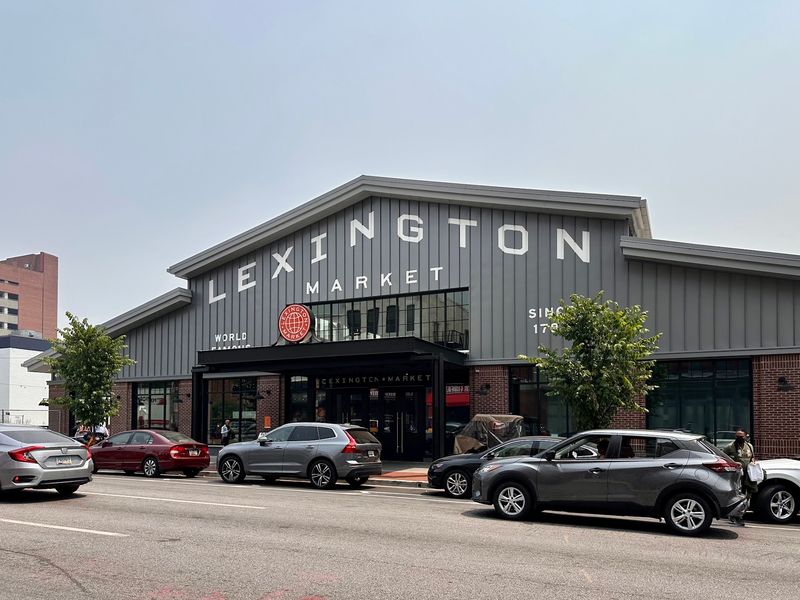
Timing is everything at a market that keeps early hours. Dinner plans here simply will not work.
The schedule runs Monday through Wednesday from 6 a.m. to 5 p.m. On Thursday and Friday, the doors stay open a little longer, from 6 a.m. to 6 p.m.
Saturday hours run from 7 a.m. to 6 p.m. Sunday is a day off, and the market is closed.
Arriving in the afternoon usually still leaves plenty of options, though not every vendor keeps the full schedule. Some shoppers have noticed several restaurants closed during their visit, so earlier is generally safer.
Prices are widely described as reasonable, with generous portions at many counters. Sandwiches, fried chicken, and bakery items tend to be good value.
A few longtime regulars feel costs have crept up since the renovation. That is worth keeping in mind for anyone expecting old-school bargain pricing across the board.
Getting there by car is manageable. Several parking garages and street parking options sit close to the market.
Free parking is another story, and it can be a challenge to find. Paying for a garage spot usually saves time and stress.
More details on vendors and events are available on the official website at lexingtonmarket.com, which makes a quick pre-trip check an easy win.
The Verdict From the Counter
Few places in America can say they were feeding customers when George Washington was still a general. Lexington Market can, and it still pulls a crowd on an ordinary weekday.
The appeal is not perfection. It is personality.
Crab cakes are the headliner, and Faidley’s continues to defend its famous reputation plate after plate. Around that star attraction, dozens of vendors fill in the rest of the story with global flavors, baked goods, groceries, and small shops.
The renovation brought a brighter, more organized hall. It also sparked plenty of friendly debate among locals who remember the old days.
There are small caveats to keep in mind. The hours are short, parking costs money, and the surrounding blocks call for some street smarts.
None of those details stop people from coming back again and again. Some travelers eat here four times in a single trip.
For a first visit, a simple plan works best. Arrive before the lunch rush, grab a crab cake, then wander the aisles with an open appetite and a little patience.
History buffs, hungry hospital workers, and curious travelers all find something worth the trip. After 240 years, the market still has one clear message for Baltimore: come hungry, come early, and save room for seconds.
Enjoyed this story?
Add Fast Food Club as a preferred source to see more of our reporting on Google.