


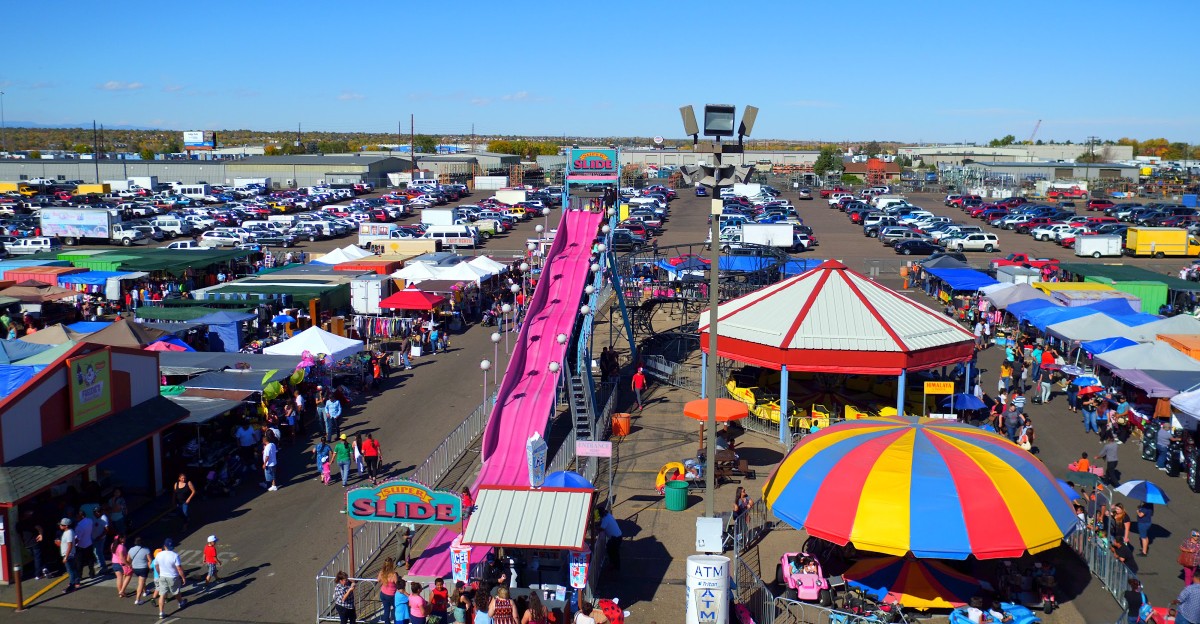
Somewhere north of Denver, a one-dollar pendant turned out to be 10k white gold with real diamonds, and the shopper who bought it only found out after getting home. Stories like that keep people coming back to one huge open-air market every weekend, armed with cash, comfy shoes, and a stubborn belief that the next table holds something amazing.
Hand tools, fresh produce, soccer jerseys, suitcases, plants, and carnival rides all share the same grounds, and a single visit can easily eat up an entire day. Keep reading to learn where it is, when to go, how to haggle, and what to pack so your treasure hunt pays off.
Where the Treasure Hunt Starts
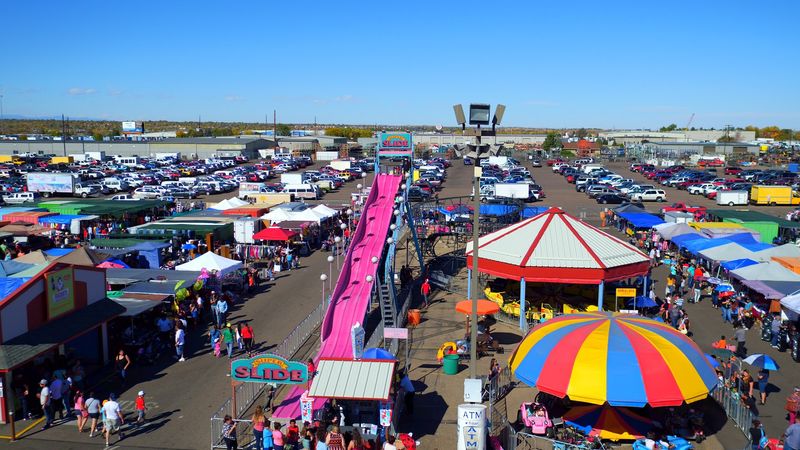
Just north of Denver sits a marketplace so large that a quick stop rarely stays quick.
Mile High Flea Market is located at 7007 E 88th Ave, Henderson, CO 80640, in the United States. It spreads across a wide stretch of land near the northern edge of the Denver metro area, and many locals simply call it the Denver flea market.
At its core, the place is an open-air market where hundreds of vendors set up shop. Food, antiques, clothes, bikes, and plenty more change hands here every weekend.
The easiest way to describe it is a giant garage sale shared by many sellers at once. Add a farmers market, a row of permanent retail stalls, some carnival rides, and snack carts, and you start to see why people plan entire days around it.
Newcomers often expect a small parking lot sale. What they find is closer to an outdoor mall with a swap meet attitude.
The mix changes depending on who shows up, so no two weekends look exactly alike. That unpredictability is part of the draw, since a booth that sold used electronics last week might be selling handmade goods or houseplants this time.
So where does all of this activity come from, and how does it keep running every season? The answer starts with a schedule built around the weekend.
A Year-Round Market on a Weekend Clock
Plenty of outdoor markets pack up when the leaves fall. This one keeps going.
Mile High Flea Market operates year-round as an outdoor flea and farmers market. Its gates open Friday, Saturday, and Sunday, from 7 am to 5 pm each day, and the grounds stay closed Monday through Thursday.
Each of the three days has its own personality. Friday tends to be the quiet warm-up, with only a fraction of vendors open, and shoppers hoping for the full spread may leave a little disappointed.
Saturday brings far more activity as sellers finish setting up. Some regulars like to arrive late in the morning while tables are still filling.
Sunday is widely considered the main event. The crowds are bigger, the vendor rows are fuller, and the energy hits its peak.
Since the market is outdoors in every season, the weather plays a big role in how a visit goes. Colorado summers can make the midday hours tough, and some shoppers prefer returning in the fall when temperatures ease up.
A few longtime fans have noted that things feel different than they used to, with more retail shops and fewer thrifted goods. Others point out that closing times on Saturday arrive sooner than they would like.
Timing, it turns out, shapes almost everything here. Next comes the question of who exactly is selling all this stuff.
Permanent Stalls Versus Parking Lot Wildcards
Two very different kinds of sellers share these grounds, and knowing the difference can save a lot of walking.
First come the permanent retail-style stalls. These booths often carry new or imported goods like clothes, hats, sunglasses, suitcases, blankets, and leather items.
Some shoppers find that many aisles carry similar merchandise from booth to booth. If brand-new items are the goal, these stalls make comparison shopping simple.
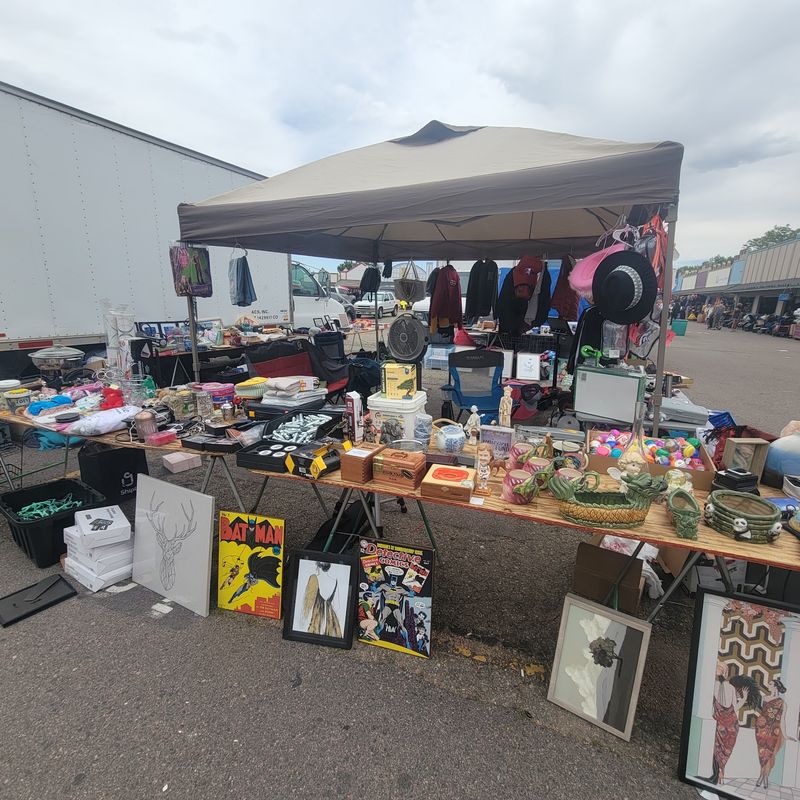
Then there are the parking lot vendors along the outer edges. Collectors tend to head straight here, because this is where the truly random stuff shows up.
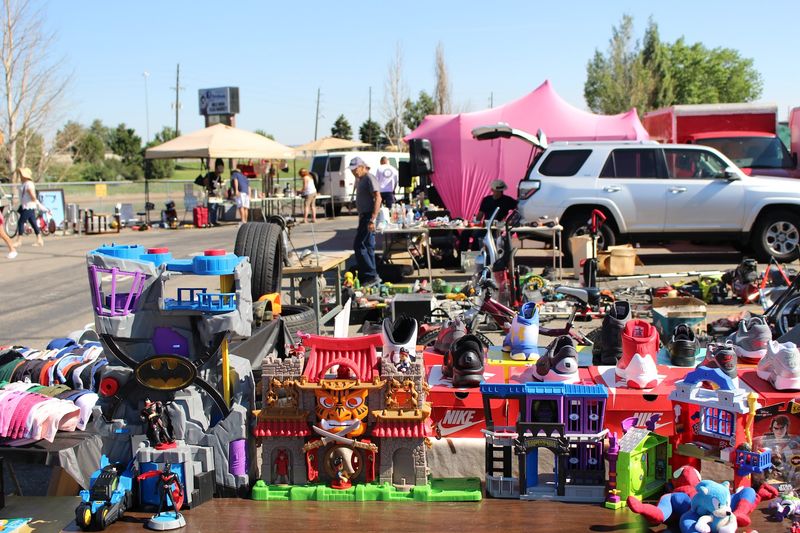
Think used tools, old electronics, toys, antiques, and odd little objects nobody planned to buy. The individuals working the perimeter are often the source of the most unique finds on the property.
Selection and quality can swing quite a bit from one seller to the next. Some sections feel neatly organized, while others lean toward happy chaos.
A smart plan is to walk the perimeter first, then circle into the main rows. That way the one-of-a-kind items get your attention before the repeat merchandise does.
Either way, the variety is huge, with hundreds of shops spread across the property. And tucked among all those tables is something many people do not expect at a flea market at all.
Fresh Produce Next to the Power Tools

Shopping for a socket wrench and a bag of vegetables in the same trip sounds odd until you try it here.
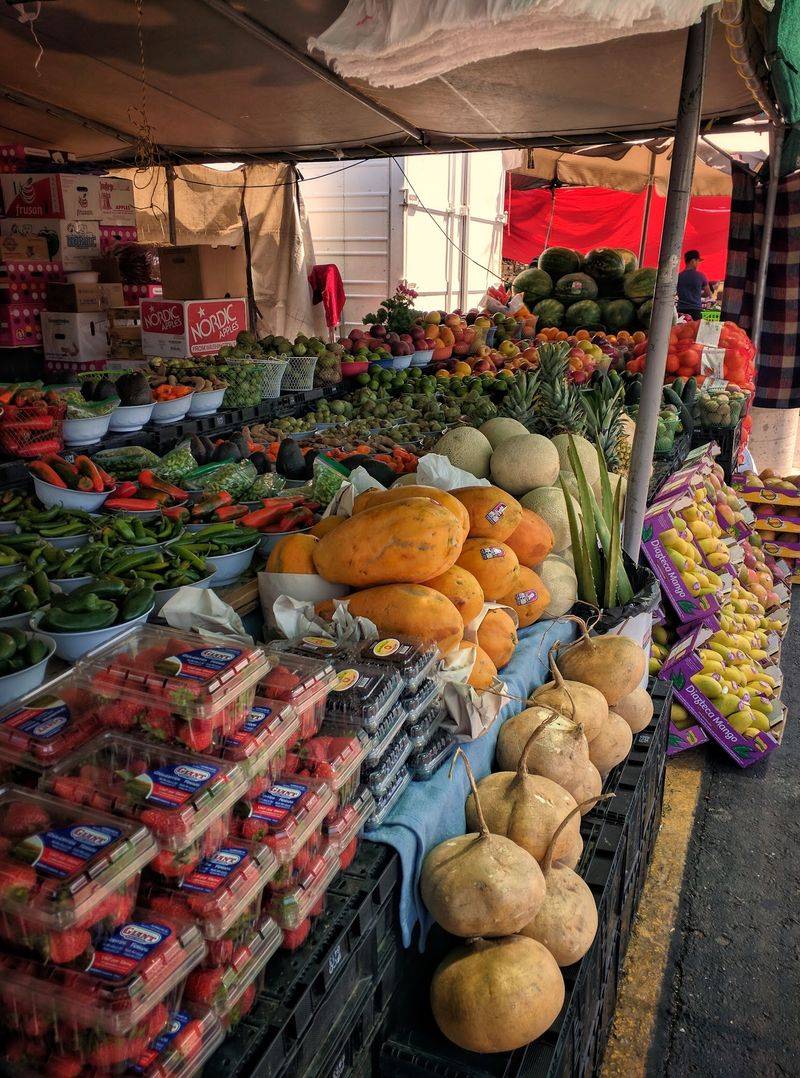
Along with the swap meet side, Mile High Flea Market runs a farmers market. Fresh fruits and vegetables are a regular part of the lineup, and many shoppers make produce a standard stop on every visit.
Some regulars buy their weekly vegetables here instead of at the grocery store. The produce is described as coming straight from the farm, and the prices tend to feel fair for the quality.
Right around the corner, the hardware hunt continues. Hand tools show up in large numbers and often sell for very little, which makes the market popular with DIY fans and weekend fixers.
Power tools, appliances, and plants round out the practical side of the grounds. It is the kind of place where a household shopping list can get checked off in a single loop.
A few tips help this part of the trip go smoothly:
Bring your own sturdy bag, since carrying loose items across a large property gets old fast. A cart or wagon helps even more if heavier tools are on the list.
Plan produce purchases near the end of the visit when possible. That way the goods do not ride around all day.
Of course, not every member of the family came for vegetables and wrenches. The younger crowd has its own destination in mind.
Ferris Wheels, Bumper Cars, and Small Thrills
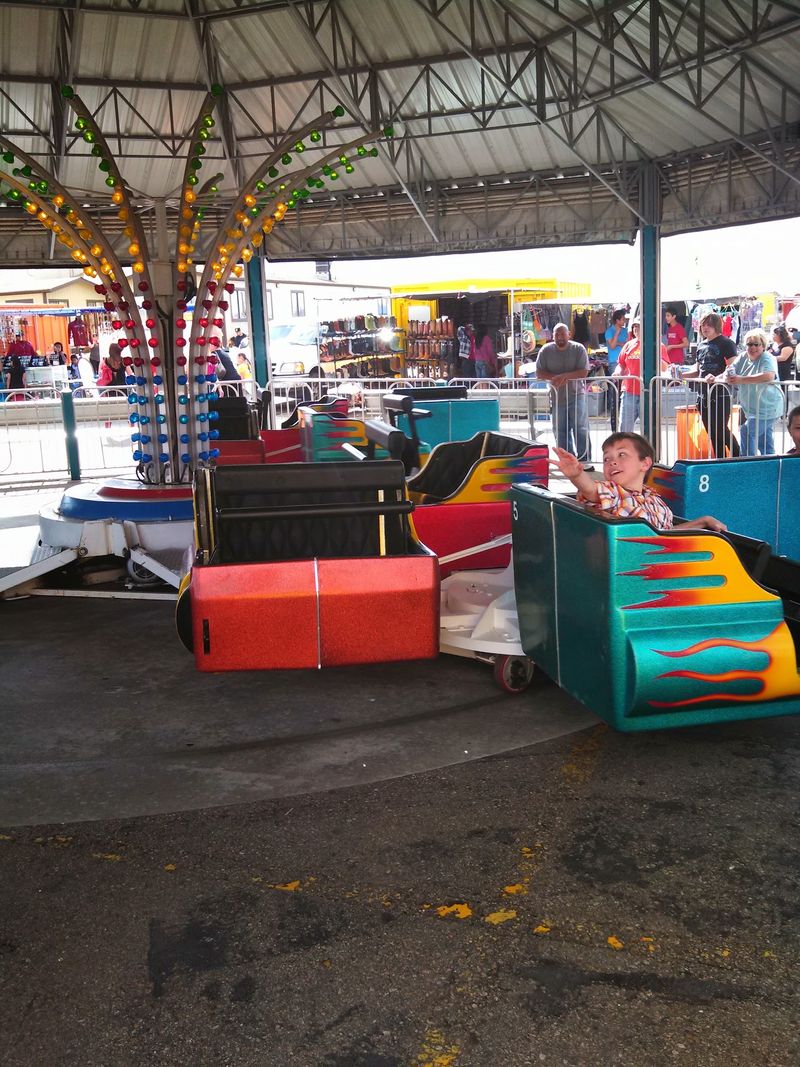
Few flea markets can say their customers get a ride on a roller coaster between purchases.
Mile High Flea Market includes a kids area with a playground and a collection of rides. A Ferris wheel, bumper cars, and a roller coaster are part of the mix, along with other smaller attractions.
The ride lineup has grown over the years. That expansion gives families a real reason to stay longer, since kids who get bored of browsing have somewhere to burn off energy.
Many parents describe the grounds as a true family outing. Children tend to enjoy running from booth to booth, checking out toys and oddities, and then heading over for a spin on the rides.
Kids toys are sold throughout the market too. Squishies, small gadgets, and budget-friendly playthings show up in plenty of booths.
A little planning keeps the family day fun for everyone:
Set a meeting spot near the rides in case anyone wanders off in the crowds. Sunday especially draws big numbers of people.
Build in breaks, because the property is large and little legs tire quickly. Shaded seating areas can help for a quick rest.
Food and drinks are available across the grounds, though some shoppers find them on the expensive side. Budgeting ahead avoids surprises.
With the kids happily occupied, the grown-ups can turn their attention to the real sport of the day. That sport is haggling.
The Early Bird Gets the Bargain
Five dollars bought a pair of snow goggles and a small pendant. The pendant, picked up for a single dollar, later turned out to be 10k white gold with real diamonds worth over $500.
Finds like that are rare, but they explain why serious bargain hunters plan their arrival carefully. Getting there right as vendors open at 7 am offers a few clear advantages.
First pick of the merchandise goes to the early crowd. Anything special tends to disappear once the morning rush arrives.
Sellers are also often eager to make their first sale of the day. That eagerness can translate into a real willingness to negotiate on price.
Showing up early also means skipping the hottest part of the afternoon. On a Colorado summer day, that alone makes a big difference.
Deals happen all day, though. A quality Messi Inter Miami jersey went for $35, and shoppers regularly leave with brand-new or used goods at prices that feel like a win.
Here are a few haggling habits that tend to work well:
Carry small bills so offers are easy to make and accept. Most shops take cash only.
Stay friendly and polite. Many merchants are welcoming, and a warm approach usually gets better results.
Know when to walk away, since similar items often appear a few rows over.
Once the shopping bags start filling up, many people slow down and simply enjoy the scene around them.
Carnival Energy With Cultural Roots
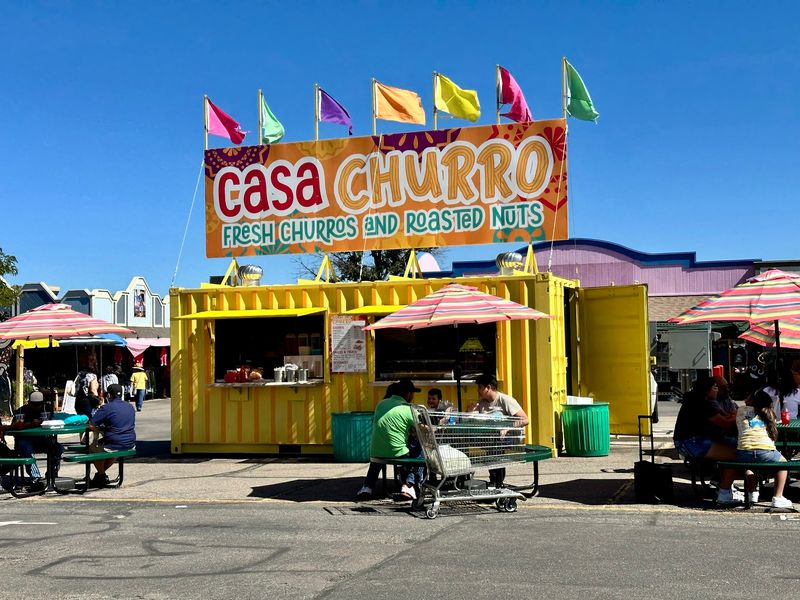
Part swap meet, part street festival, the atmosphere here is hard to pin into one category.
Live music often plays across the grounds on busy days. Combined with the rides and snack carts, it gives the whole property a carnival feel.
Mexican culture shapes much of the market’s identity. Many vendors, products, and traditions reflect that heritage, and wandering the rows feels like a chance to experience different cultures and vibes in one place.
Some sellers speak mostly Spanish. A little patience, a smile, and simple gestures usually bridge the gap just fine.
So who tends to love this place the most?
Families looking for an inexpensive day out are a natural fit. So are collectors who enjoy combing through random tables for something unexpected.
DIY fans hunting for cheap tools will feel right at home. Home cooks who value farm-fresh produce find plenty to fill their bags too.
Small business supporters appreciate that much of the money goes straight to independent sellers. Vendors also consider it a solid spot to grow their own businesses, with booth fees that are seen as reasonable.
Friends often run into other friends here, which adds a community element beyond the shopping. The market works as a social outing as much as a retail trip.
All that fun comes with a practical side, though. A little preparation separates a great day from a sweaty, sore-footed one.
Your Saturday Survival Kit
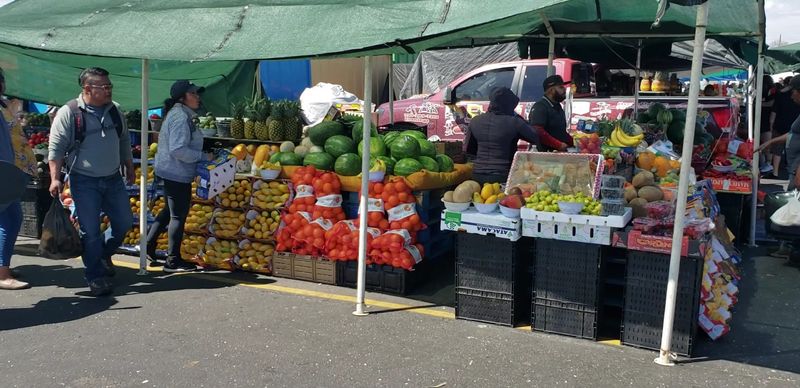
Nobody wants to leave a treasure behind because their feet gave out or their wallet only held a card.
Start with the basics. Mile High Flea Market is open Friday through Sunday from 7 am to 5 pm and closed the rest of the week.
Entry comes with a small admission fee, noted at around $3 per person. Most shoppers agree it is well worth that price for a full day of browsing.
Cash is king. Most shops do not accept cards, and while ATMs are on site, many people prefer to arrive with money already in hand.
Dress for the weather and wear truly comfortable shoes. The property involves a lot of walking, and shade can be limited in many areas.
A short packing list helps:
Sunscreen, a hat, and sunglasses for the Colorado sun. A refillable water bottle to stay hydrated.
Hand sanitizer for after digging through bins. A sturdy bag or cart for carrying finds.
On hot days, misters near the restrooms and a handful of shaded seating spots offer some relief. Still, staying cool can be tricky, so early arrival or a fall visit may be the smarter move.
If a lively crowd matters, aim for Sunday. For a calmer stroll with fewer open booths, Friday is the quieter option.
With the logistics sorted, one question remains. Is it really worth handing over an entire Saturday?
A Whole Day Well Spent
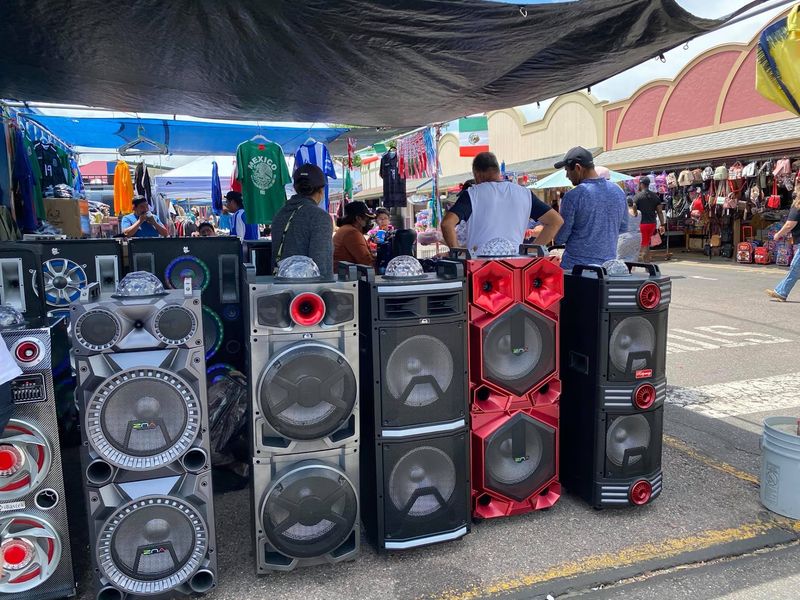
Some weekend plans fill a morning. This one has a habit of swallowing the whole day, and most people seem fine with that.
Mile High Flea Market is not a polished boutique experience. Some aisles repeat the same merchandise, prices on food can run high, and Friday visits may feel thin.
Yet the good far outweighs the quirks for the thousands who keep returning. Where else can a family ride a Ferris wheel, pick up fresh vegetables, score a cheap hand tool, and stumble onto a diamond pendant in the same afternoon?
The real appeal is the chase itself. Nobody knows exactly what will turn up, and that uncertainty makes every row worth checking.
Regulars describe it as a place with good prices, friendly merchants, and something different on every visit. First-timers often leave planning their next trip before they reach the parking lot.
For the best results, keep expectations flexible. Go early, bring cash, pack for the weather, and give yourself permission to wander without a strict plan.
Sunday offers the fullest version of the experience. Saturday strikes a nice balance for those who want activity without the biggest crowds.
Treasure hunting in Colorado does not require a map or a shovel. It just takes a free weekend, a few small bills, and a willingness to dig a little deeper at the next booth.
Enjoyed this story?
Add Fast Food Club as a preferred source to see more of our reporting on Google.