


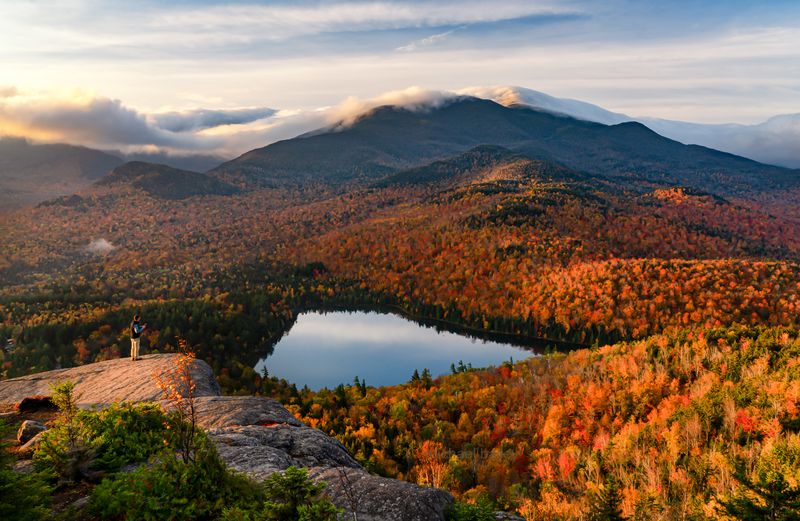
Some mountains make you earn every view with a full day of grinding uphill. This one hands over a sweeping look at a lake and a ring of famous Adirondack summits after roughly a mile of trail.
Some hikers reach the top in about 20 minutes, while others take their time and still call it one of the best payoffs in the region. The climb is short, but it is not a stroll, and that mix is exactly why so many first-timers and seasoned hikers keep coming back.
Keep reading for the two trail choices, the parking situation that catches people off guard, a hidden side viewpoint, and the timing tips that make a visit go smoothly. Autumn adds even more reason to go, since the fall colors here get plenty of attention.
By the end, you will know which route to take up and which to take down.
A Small Summit in High Peaks Country
Small mountains rarely get this much love. Mt Jo is a 2,876-foot peak in the Adirondacks, with its address listed as North Elba, NY 12946, in the state of New York.
It sits beside Heart Lake, and the trails begin from a base area tied to the Adirondack Mountain Club. That connection explains the education center, the visitor building, and the well-kept paths you will find there.
The mountain offers two scenic trails to the summit. One is short and steep, while the other is longer and more gradual.
Its 4.8-star standing across more than 160 opinions tells you plenty about how hikers feel once they reach the top. Few peaks this size carry that kind of reputation.
What makes it special is the ratio of effort to reward. The climb is modest by Adirondack standards, yet the summit looks out over Heart Lake and a lineup of the High Peaks.
That combination makes it a natural first stop for people new to the region. It also works for experienced hikers who want a quick outing between bigger trips.
Consider it a sampler plate of the Adirondacks, minus the all-day commitment. The real fun starts once you decide which trail gets your legs first.
Heart Lake at the Foot of the Trail
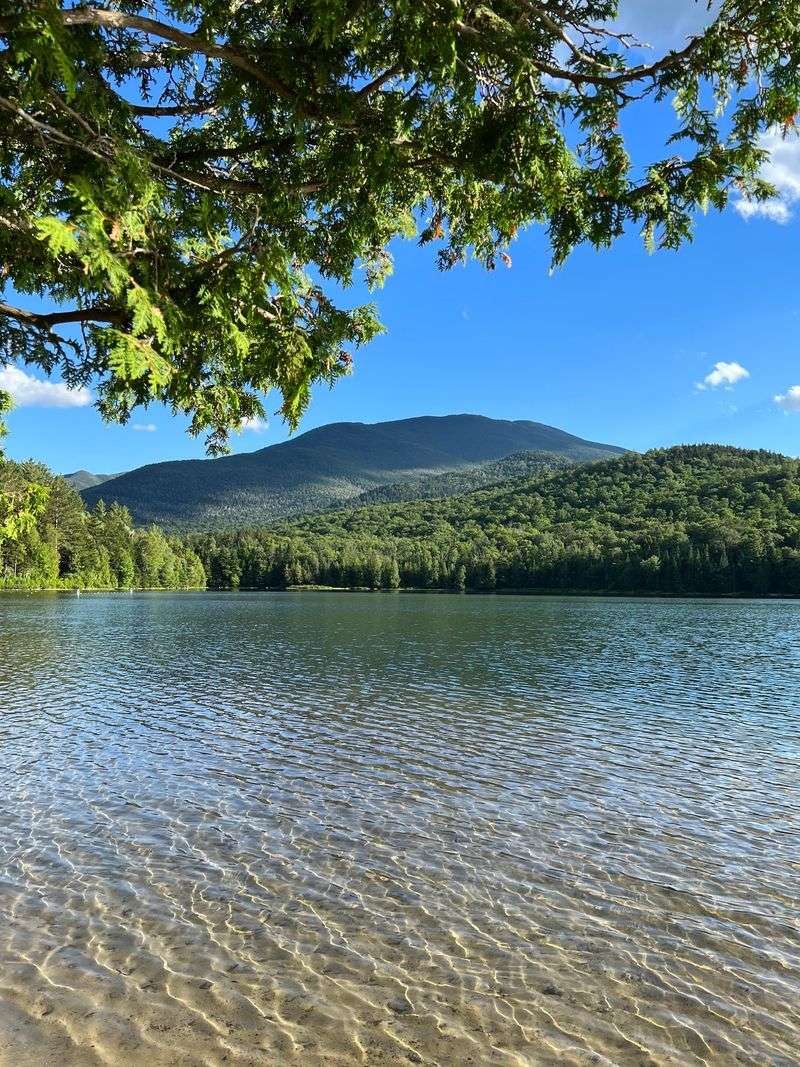
Every good story needs a starting point, and here it is a lake. Heart Lake sits at the base of Mt Jo, and the main path to the trailhead runs near its shore.
It is the single most talked-about feature connected to this hike. The lake shows up again and again as the star of the summit view.
Down at ground level, it is also a place to slow down. Some people come just to relax by the water and soak up the Adirondack scenery without climbing at all.
That makes the area a good fit for mixed groups. One person can hike while another stays near the lake.
From above, the lake takes on a whole new look. It becomes the centerpiece of the panorama, framed by the mountains rising beyond it.
Seeing the lake first from the shore and then from the summit gives the outing a satisfying shape. You start at the water and finish looking down on it.
Few hikes offer such a clear before-and-after moment. Heart Lake quietly sets the stage for everything that follows.
Parking Tags and the Early Bird Rule
Here is the part that surprises people most: the hike starts with a parking plan. Parking is paid, and there are several lots at the base area.
Recent figures put the full-day fee at $25, though a lower $18 rate was mentioned in earlier seasons. Prices may vary, so expect to pay something in that range.
Staff have explained that the money goes toward trail maintenance and the education center. That helps explain why the paths stay in such good shape.
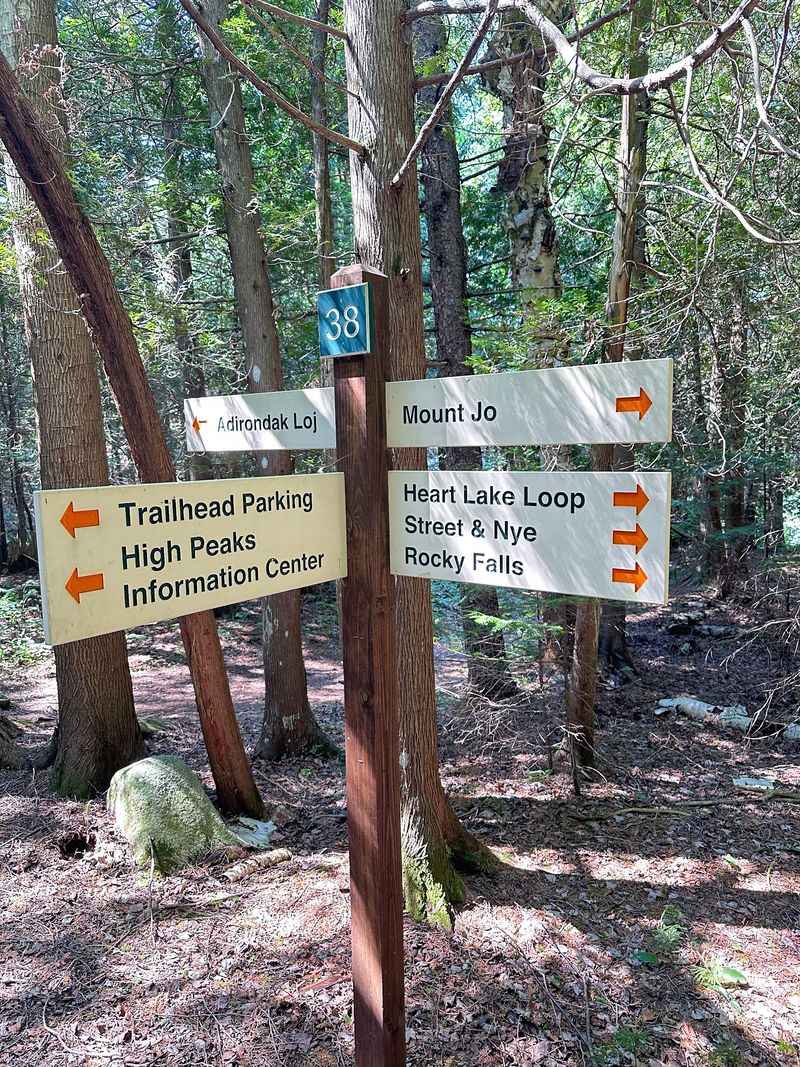
After you get your parking tag and pick a lot, directional signs guide you toward the summit trail. The setup is simple once you arrive.
The catch is space. The lots fill up fast, and parking can be tricky depending on the time of day.
Some hikers have ended up parking along the road and walking about 20 minutes just to reach the trailhead. That adds a warm-up nobody asked for.
The best advice is to arrive very early in the day. An early start buys you an easy parking spot and a calmer trail.
Visitor Center Comforts Before the Climb
Forgot something at home? The base area has your back.
The visitor center earns plenty of praise for being clean and well run. It offers bathrooms, snacks, drinks, and a small shop.
That shop sells and rents hiking and camping gear. For travelers who packed light, it can fill a gap before heading uphill.
It also makes the place easier for families and first-timers. A clean restroom and a quick snack before a climb can make a real difference in everyone’s mood.
The education center ties into the bigger mission of the area. Part of the parking fee supports it, along with trail upkeep.
Having these comforts close to the trail is not something every Adirondack peak can offer. Many trailheads are little more than a gravel pullout.
Here, you get a proper home base. Grab what you need, use the facilities, and then follow the signs toward the woods.
Sign In, Then Choose Your Path
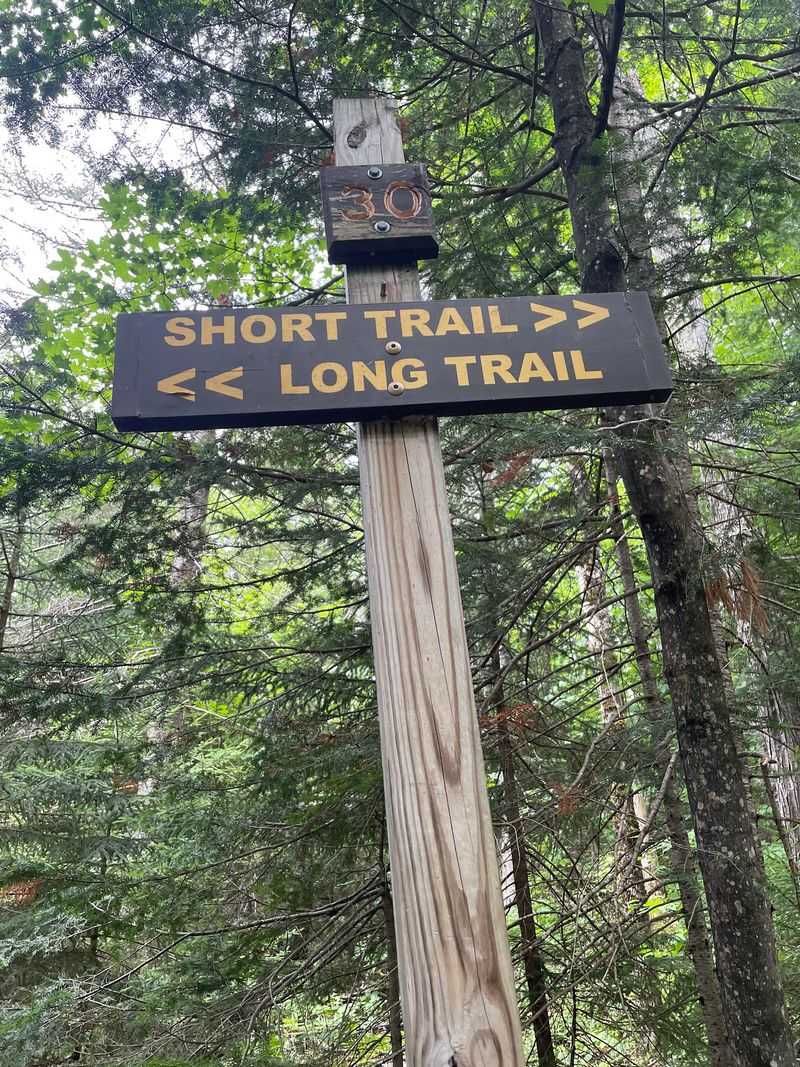
A wooden stand with a sign-in sheet marks the first real step of the hike. Hikers record their time in and out for safety purposes.
It takes only a moment, and it is a smart habit. Rangers and staff can then know who is on the mountain.
Shortly after the register comes the big decision. The trail splits into the short route and the long route.
The short trail is steeper and more difficult. The long trail is easier, with slight inclines and some boulders along the way.
Both routes reach the same summit. Both also get strong praise, so there is no wrong answer here.
Many hikers turn this junction into a loop. They go up one side and come down the other.
That loop option is part of what makes the mountain so popular. You see more terrain without adding much distance, and the next two sections break down exactly what each trail asks of you.
The Short Trail and Its Rocky Reputation
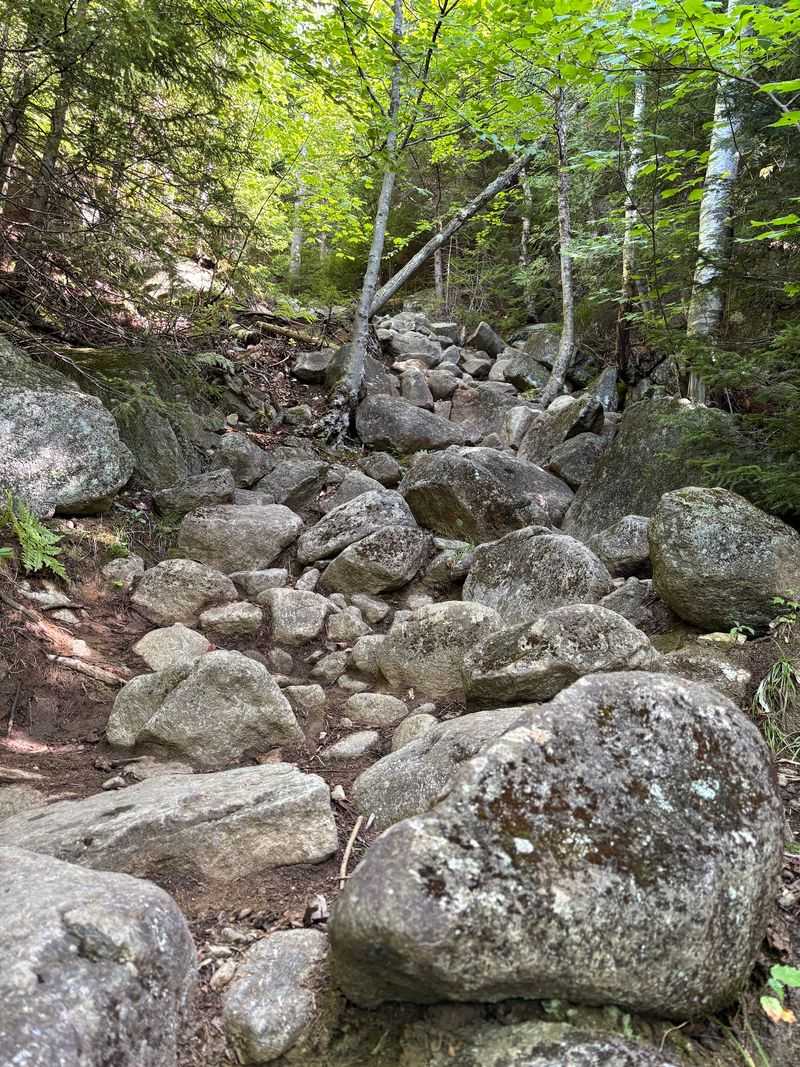
Short does not mean easy, and this trail makes that point quickly. The short route is just under a mile, but it is steep.
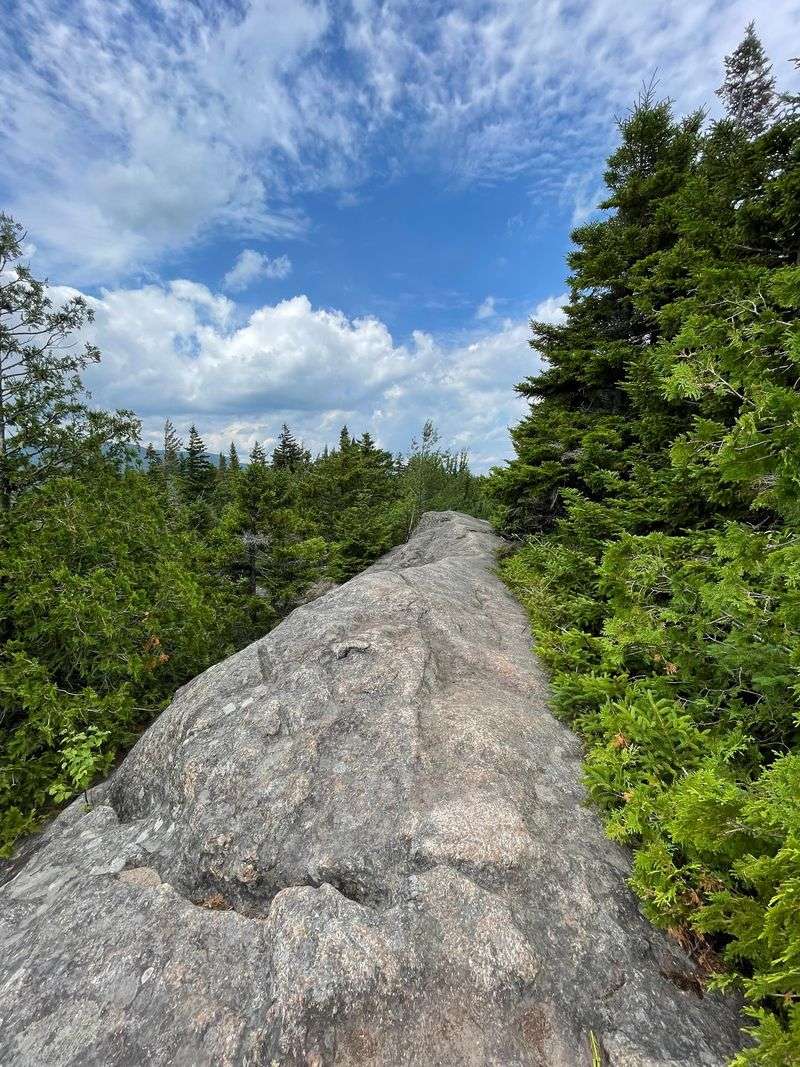
Much of it consists of boulders and rock scrambling. Some estimate the trail is around 80 percent rock.
Steep stairs appear near the peak, and the final push can feel demanding. Several hikers describe the last climb as tough but completely worth it.
Fit hikers have reached the summit in about 20 minutes. Others take around 45 minutes with a few short breaks.
Breaks between elevation jumps keep it in the moderate category. You climb, catch your breath, and climb again.
One note of caution: parts of the steep path are less clearly marked than the rest. Stay alert so you keep to the route.
For those who enjoy a quick, hands-on workout, this is the fun option. Think of it as the express elevator with a few extra steps.
A Gentler Route With Room to Rest
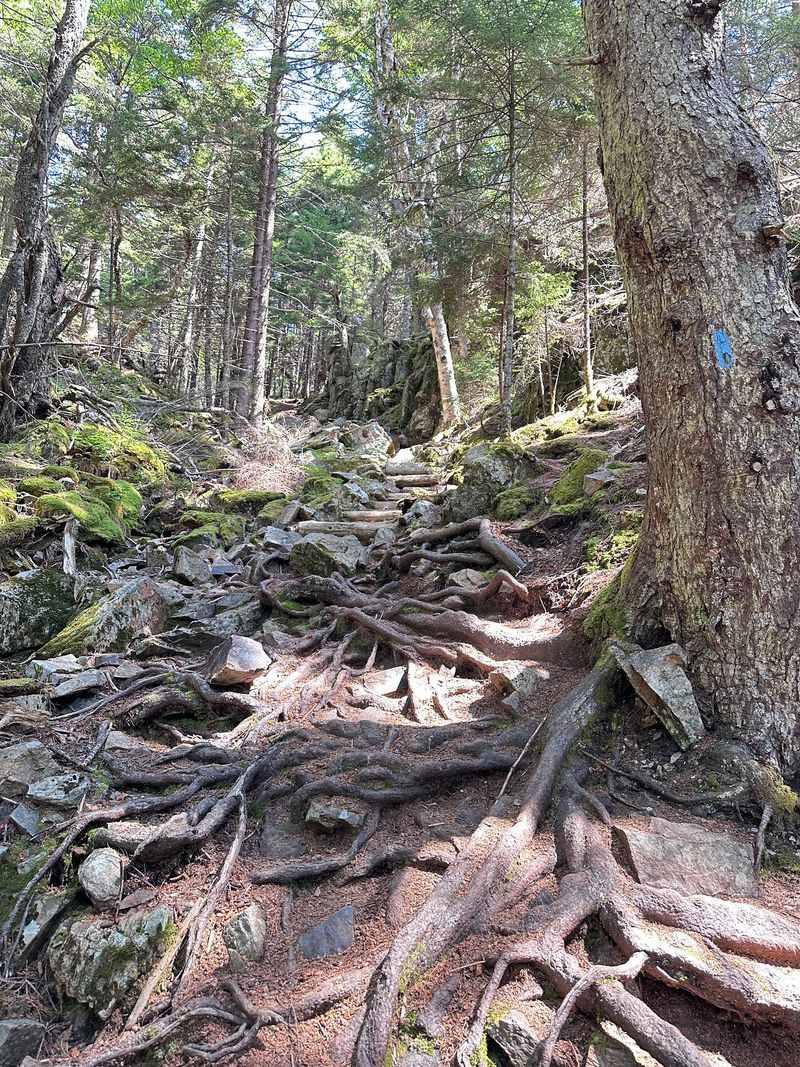
Patience gets rewarded on the long trail. It is more gradual and less steep than its shorter neighbor.
The route includes some flat areas where you can rest. That makes it a favorite ascent choice for less experienced hikers.
It still has challenges, though. Some spots are steep, with rock scrambles and roots to work around.
Distance-wise, it runs a bit longer, around 1.3 miles by one hiker’s watch from the main path by the lake. The extra length buys a friendlier grade.
Times vary widely. One group of beginners took about an hour and a half going up with breaks, while others have come down it in roughly 45 minutes.
Many people recommend going up the short trail and down the long one. Others prefer the reverse, saving their knees from a steep rocky descent.
Either way, the long trail turns a short hike into a full loop. It is the scenic route in the truest sense.
Markers, Bridges, and Wooden Steps
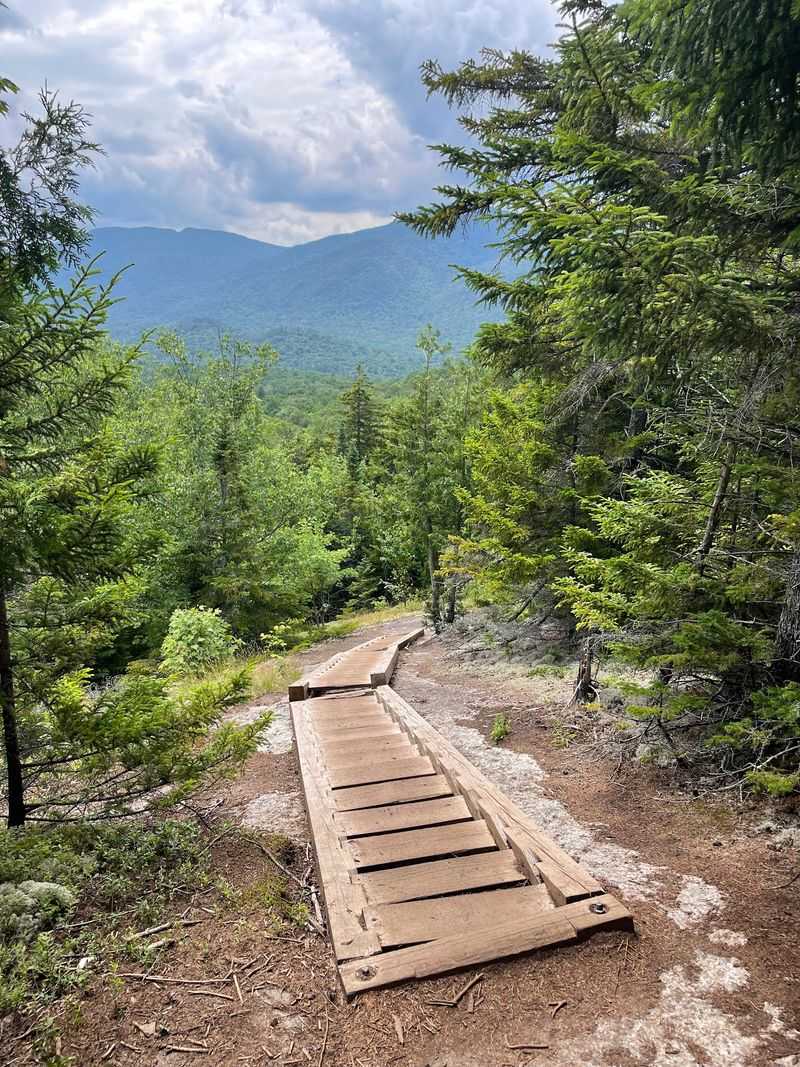
Good trails do not happen by accident. The paths on Mt Jo are known for being well maintained and clearly marked.
ADK markers are pinned to trees along the way. They help keep hikers on course through the forest.
Wooden plank bridges stretch across muddy terrain. Those planks keep feet drier and protect the trail from erosion.
Up near the top, wooden steps are laid across stable, flattened rock. They help hikers move across the steeper landscape with more control.
These details point straight back to the parking fee. Staff have shared that the money supports trail maintenance efforts.
That kind of care shows in how often hikers mention easy navigation. Many first-timers feel confident here because the route is so readable.
The one exception is the short trail, where some stretches feel less marked. Keep an eye out, and the infrastructure will handle much of the rest.
Mud, Footwear, and Water Bottles
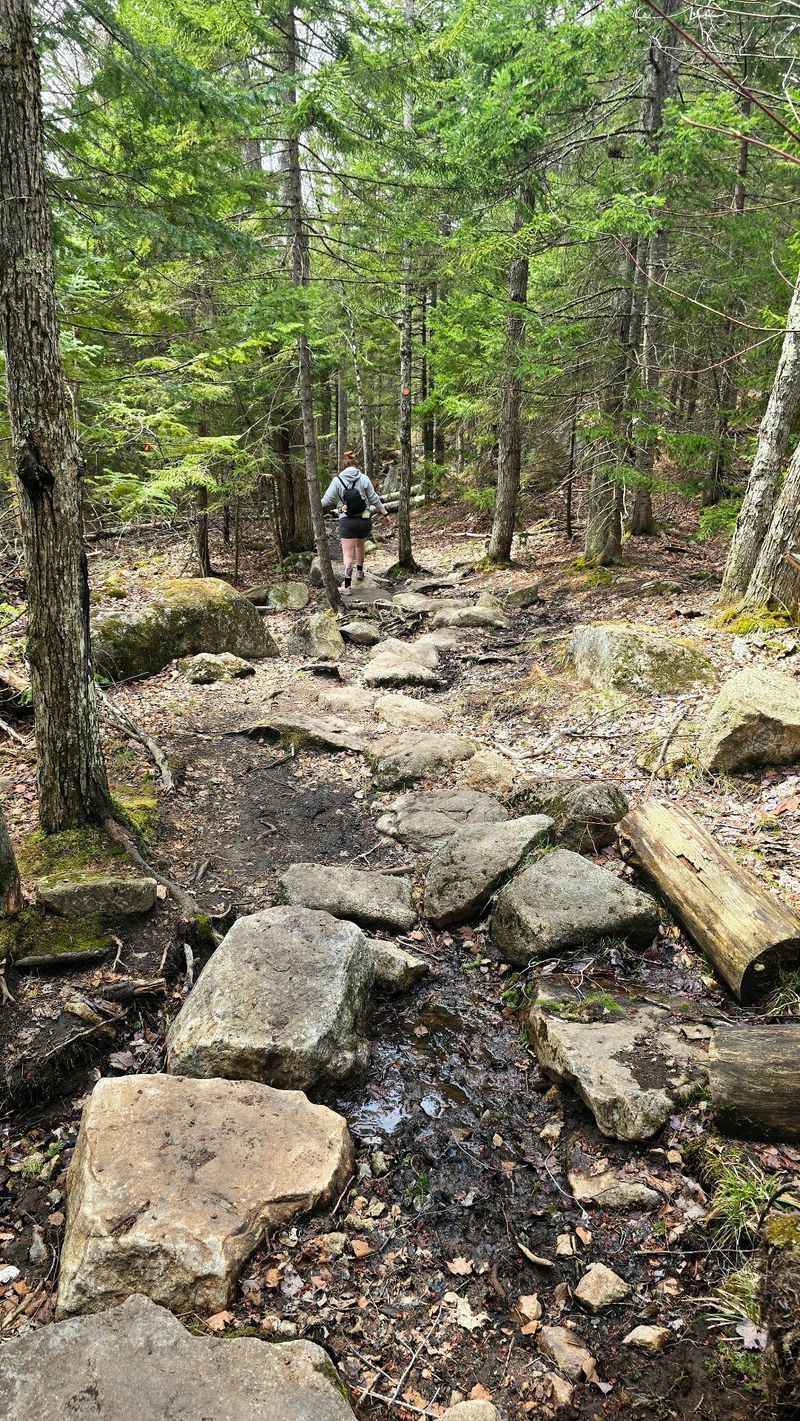
Mud is the uninvited hiking buddy on this mountain. Several sections can get pretty muddy, especially after wet weather.
Good hiking shoes come up again and again as essential. Slippery rocks and mud can slow your pace as you watch every step.
Inexperienced hikers have found the risk of slipping to be constant in places. Proper footwear makes the outing safer and more fun.
Water is the other must. Hot, humid days can turn a short climb into a real effort, and more than one first-timer has wished for an extra bottle.
Pack more than you think a mile of trail requires. The steep grades make you work harder than the distance suggests.
Some minor scrambles can also be hard on the knees. Trekking poles may help on the descent for anyone sensitive to that.
A little preparation goes a long way here. Show up ready, and the mountain becomes a pleasure rather than a slog.
The Summit Panorama Everyone Talks About
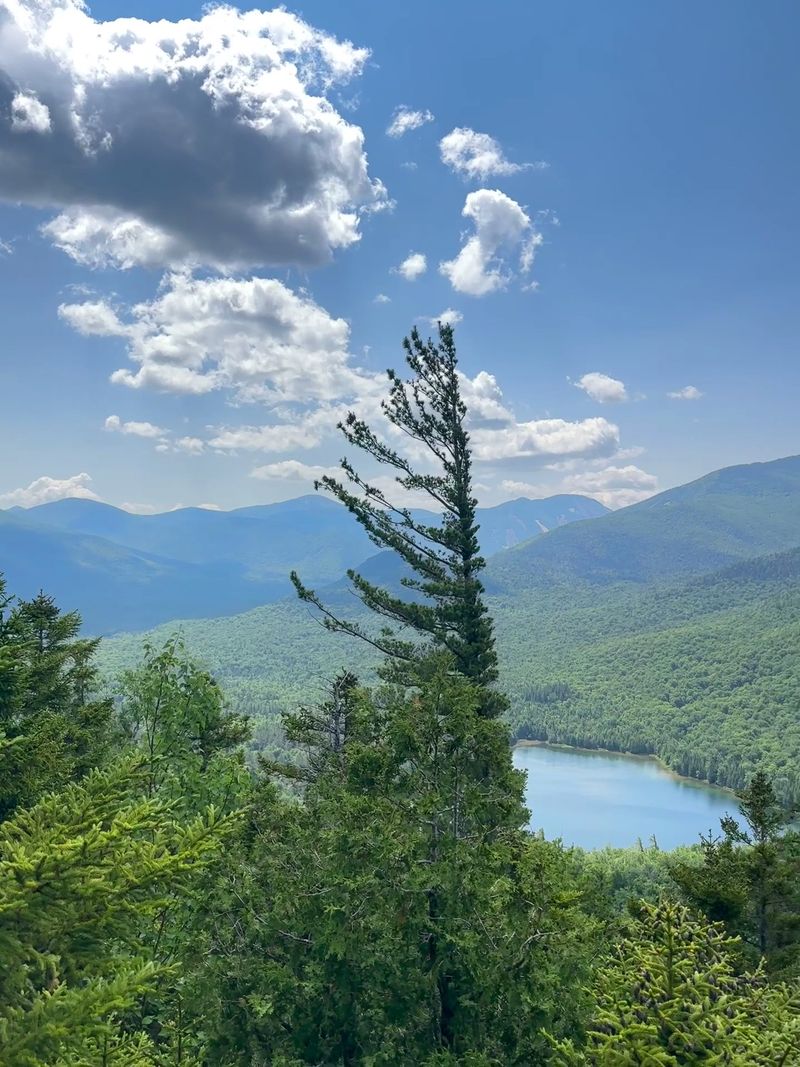
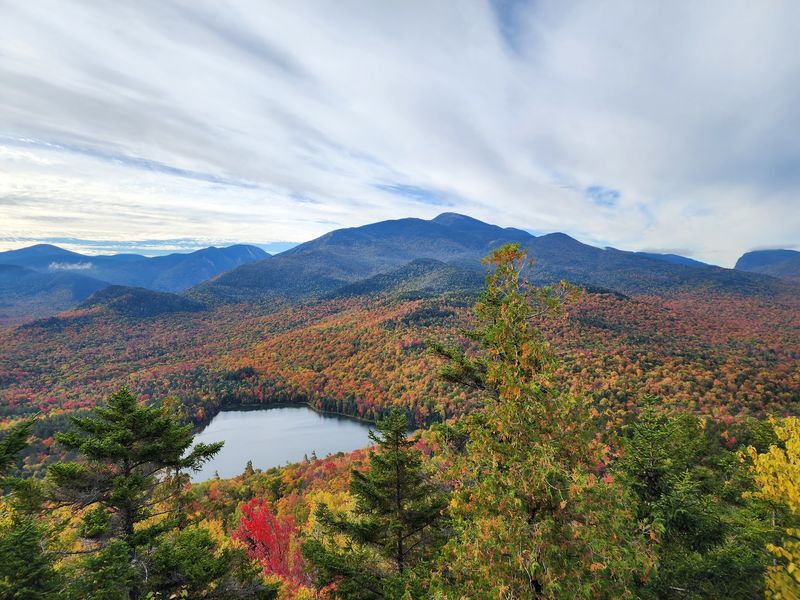
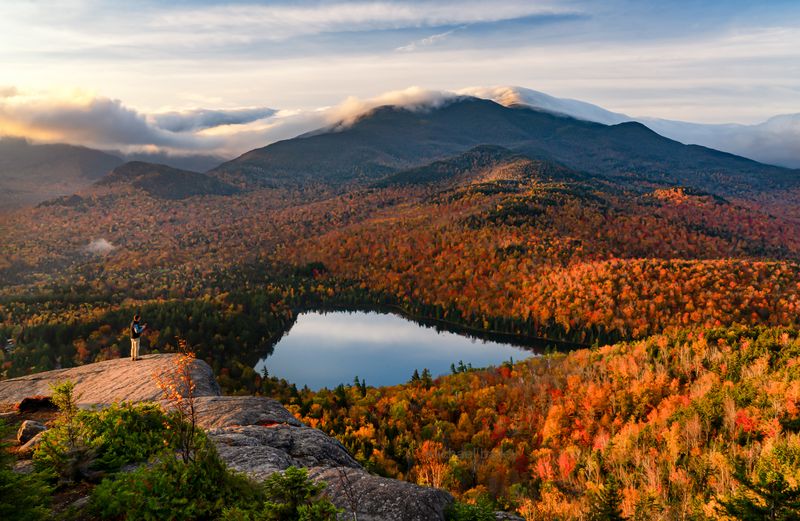
All that rock-hopping leads to one big moment. The summit opens to a clearing with a sweeping view of Heart Lake and the surrounding mountains.
The Adirondack High Peaks fill the horizon. Even on a cloudy day, hikers have spotted Mount Marcy, the tallest peak in New York, along with many other 46ers.
Many people say photos do not do it justice. Some simply sit for a while and take it in.
The view is often described as expansive and peaceful. That quiet payoff feels huge compared with the short distance traveled.
The open clearing makes for great photos. Bring a charged phone or camera so you do not miss the shot.
Plan to linger. Most hikers spend an hour or more on the whole outing, depending on pace and how long they stay on top.
Of all the reasons to climb Mt Jo, this one carries the most weight. It is the view that turns a quick hike into a lasting memory.
A Hidden Viewpoint Off the Beaten Path
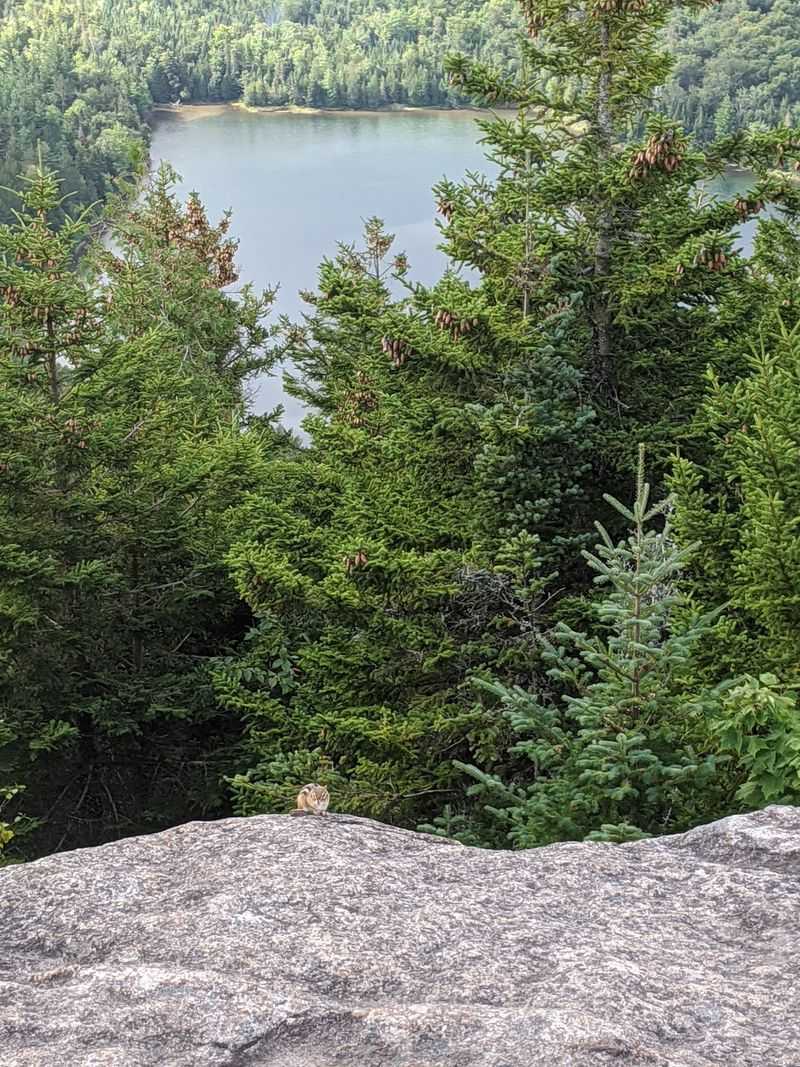
Some of the best views come with a little secret. Long-time hikers point to a side viewpoint that some prefer over the main summit.
One tip says to turn right off the trail at the first ladder. Another describes a path right in front of the bottom wooden stairs.
No signs seem to mark it. That is part of the charm, and also why many people walk right past.
The spot is said to offer an even better look at Heart Lake. For lake lovers, it may be the true highlight.
Some hikers also feel the views on the way up rival the summit itself. The mountain keeps handing out rewards before the finish line.
Stay respectful of the landscape if you go looking. Stick to established paths and avoid trampling vegetation.
Finding it feels like discovering a bonus level. Keep your eyes open near the stairs, and you might earn a private look at the lake.
First-Timers, Families, and Four-Legged Hikers
Plenty of hiking stories begin on this mountain. Many people have tackled their first real climb here, some with a parent cheering them on.
It works well for beginners because it is short and well marked. The difficulty is real, but manageable.
Adventurous kids tend to enjoy the scrambling. Older hikers can do it too, with care on the rocky stretches that may strain the knees.
Pets are welcome company on the trail as well. Many dog owners make this a regular outing.
The mountain also suits experienced hikers. It makes a quick warm-up or a relaxed day between longer High Peaks trips.
The atmosphere is upbeat and busy. It is a high-traffic trail, so expect company rather than solitude.
That social feel is part of the appeal. Few places welcome such a wide range of hikers to the same summit.
Autumn Color Over the Adirondacks
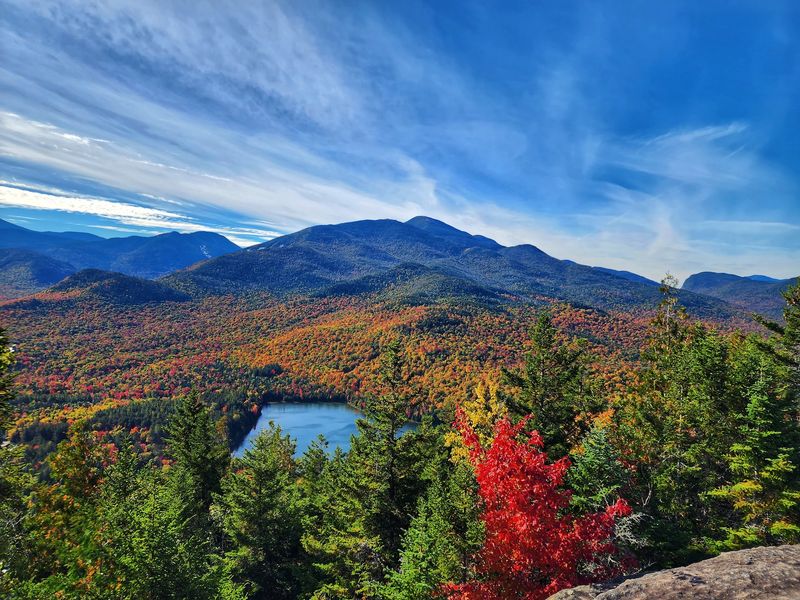
Fall turns this short climb into a seasonal must. Adirondack foliage is a big draw, and the view from Mt Jo frames it beautifully.
Hikers who have visited in autumn call the experience special. The forest around Heart Lake becomes a patchwork of color.
Foliage in the region typically peaks around late September into early October. Timing can shift each year, so check local reports before you go.
Autumn also brings busier weekends. That makes the early-arrival rule for parking even more important.
Trails can stay muddy after fall rain. Good boots remain non-negotiable in this season.
Cooler temperatures can make the steep climb feel easier than on a humid summer day. Layers help as conditions change on the way up.
For a short hike with a big seasonal payoff, autumn is hard to beat. It is the mountain dressed in its finest colors.
Why This Little Peak Is Worth the Trip
Big rewards do not always demand big miles. Mt Jo proves that in about a mile of rugged trail.
The checklist is simple. Arrive early for parking, wear solid boots, bring plenty of water, and decide which trail takes you up.
The visitor center handles the comforts. The well-marked paths handle the navigation.
Up top, Heart Lake and the High Peaks deliver the payoff. Many call it one of the best views for the effort anywhere in the area.
It suits first-time hikers, families, dog owners, and seasoned climbers alike. Each finds a slightly different version of the same great day.
Fall adds color, while any clear day adds distance to the view. Either way, the mountain keeps its promise.
Short climb, tall reward. That is a trade most hikers in North Elba are happy to make again and again.
Enjoyed this story?
Add Fast Food Club as a preferred source to see more of our reporting on Google.