


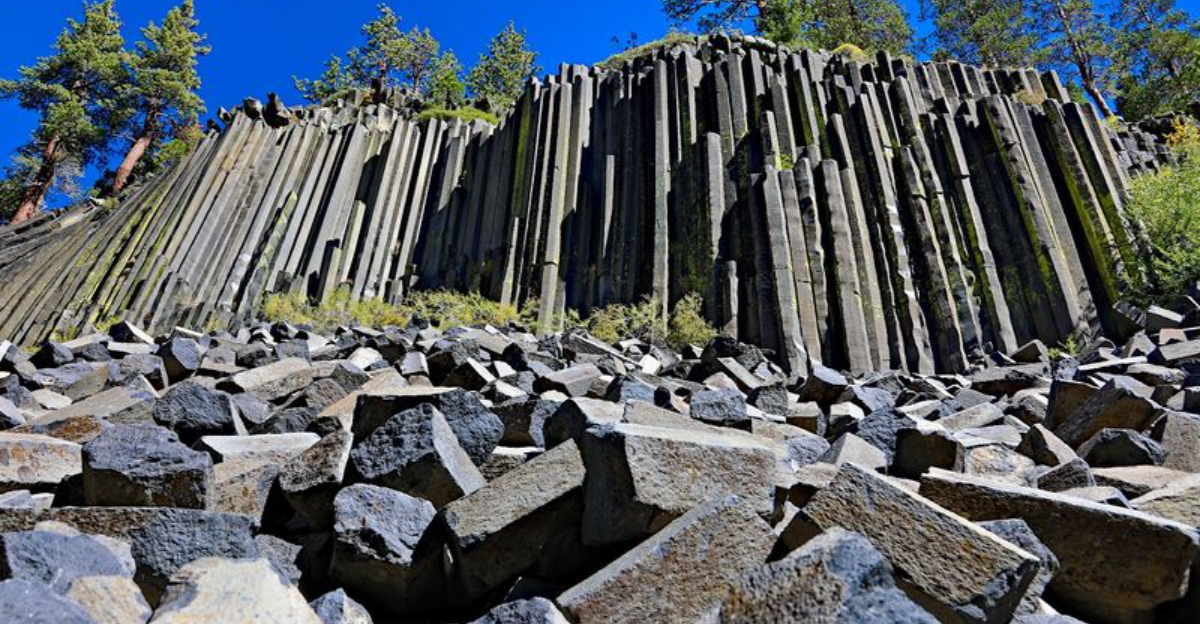
Tucked away in the Sierra Nevada mountains near Mammoth Lakes, California, lies one of the most jaw-dropping geological wonders you’ve probably never heard of. Devils Postpile National Monument is home to towering columns of basalt rock that look almost identical to Ireland’s famous Giant’s Causeway.
These perfectly shaped hexagonal pillars were formed over 100,000 years ago when lava slowly cooled and cracked into geometric shapes. If you love nature, adventure, and hidden gems, this place absolutely belongs on your bucket list.
The Incredible Basalt Columns That Started It All
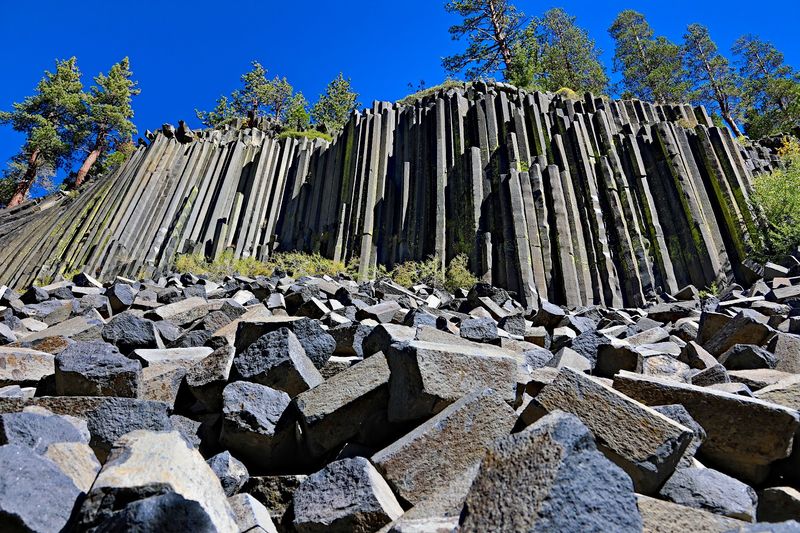
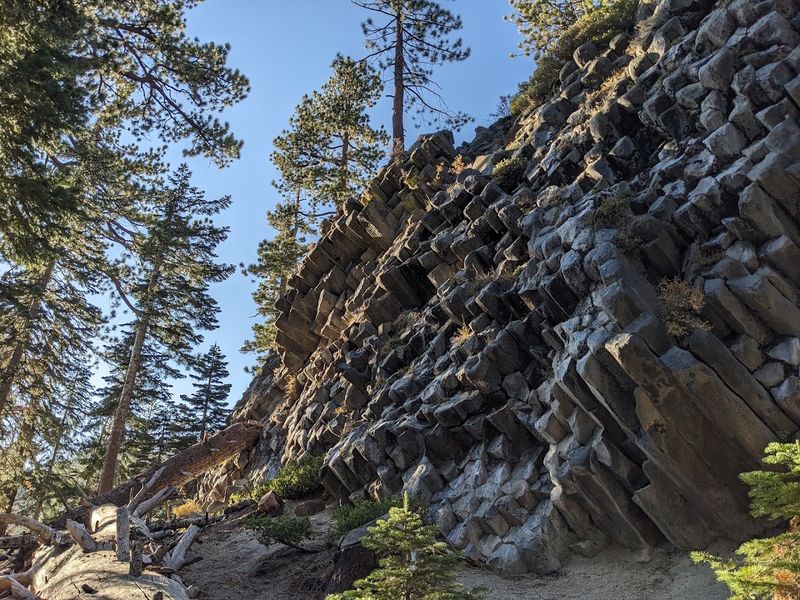
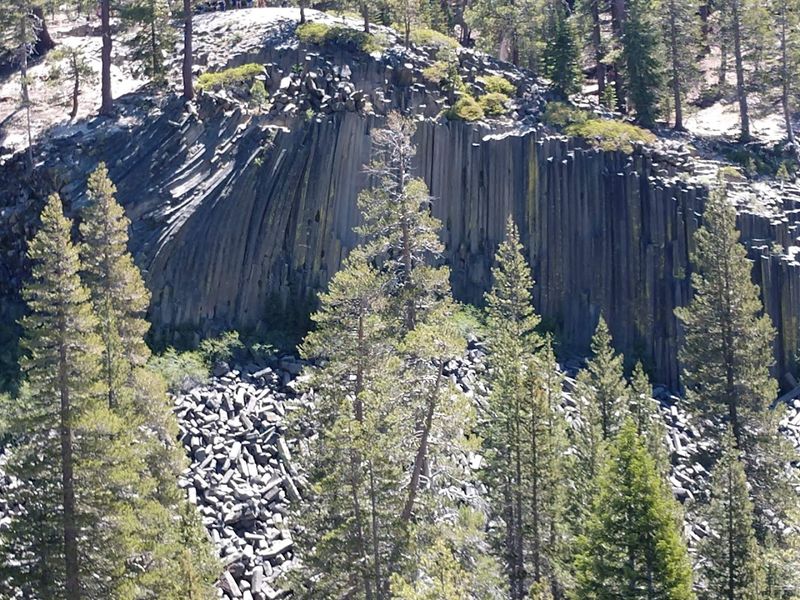
Picture standing in front of a wall of perfectly shaped stone pillars, each one fitting snugly against the next like a giant honeycomb. That is exactly what greets you at Devils Postpile National Monument.
These stunning basalt columns stretch up to 60 feet tall and were formed when a massive lava flow cooled very slowly about 100,000 years ago.
As the lava contracted during cooling, it cracked into these remarkably symmetrical six-sided shapes. Scientists call this process columnar jointing, and it happens in only a few places on Earth.
Ireland’s Giant’s Causeway is the most famous, but Devils Postpile rivals it in every way.
Most columns here are hexagonal, though some have four, five, or even seven sides. Seeing them in person feels like discovering a secret the rest of the world somehow missed.
Rated 4.7 stars by over 1,600 visitors, this place earns every bit of that praise.
How To Get There Without Getting Lost
Getting to Devils Postpile is part of the adventure, and knowing the logistics ahead of time makes everything smoother. Most visitors take a shuttle bus departing from the Mammoth Mountain Adventure Center.
The ride costs around $15 per day and makes about 10 stops, with stop number 6 being the closest to the monument.
The shuttle runs every 20 to 30 minutes and takes roughly 30 minutes to reach the visitor center. If you arrive before 7 AM, you can sometimes drive directly to the parking lot near the trailhead, which saves time.
Early arrivals also enjoy far fewer crowds, which makes the experience even more magical.
ADA placard holders can drive directly to the trailhead regardless of shuttle rules. The road is narrow and winding in spots, so cautious driving matters.
Plan your arrival time wisely and always check the park website at nps.gov/depo for updated access information before heading out.
Rainbow Falls: The Waterfall That Steals the Show
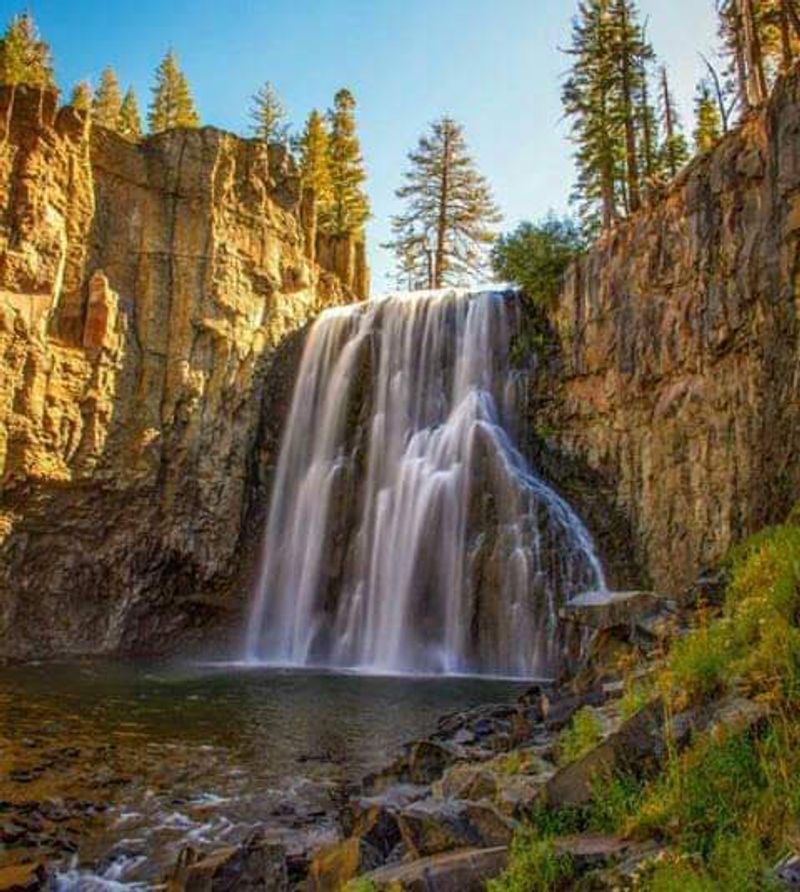
About 2.7 miles from the main monument sits one of California’s most breathtaking waterfalls, and it more than lives up to its name. Rainbow Falls drops 101 feet over a cliff of dark volcanic rock, and when sunlight hits the mist just right, a vivid rainbow appears.
Visitors consistently call it one of the highlights of their entire trip.
The trail to Rainbow Falls is well-marked and manageable for most fitness levels, though the return trip is uphill. Wear sunscreen, carry plenty of water, and wear a hat because the trail gets warm, especially in summer.
Kids who complete the hike usually feel a huge sense of accomplishment.
For an even quieter experience, continue past the main falls to Lower Rainbow Falls. Fewer people venture there, and the river makes a dramatic turn that creates stunning photo opportunities.
Bring a camera and expect to fill up your memory card quickly at this gorgeous spot.
The Hike That Anyone Can Actually Do
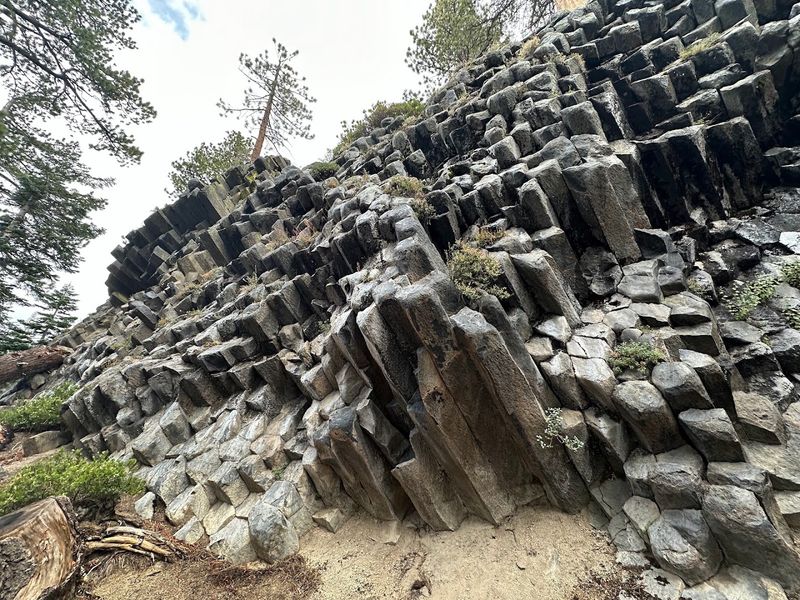
One of the best things about Devils Postpile is that you do not need to be an experienced hiker to enjoy it. From the shuttle drop-off near the ranger station, the walk to the monument is only about half a mile.
Most people find it easy, flat, and completely worth every step.
The loop trail around the base of the columns adds a little more distance but remains accessible for most visitors, including families with younger children. Multiple reviewers mention that their kids completed the hike with barely a complaint, which is high praise from any parent.
The trail offers shade from surrounding pine trees, which helps on warmer days.
Hiking to the top of the postpile is a different story. That section is steeper and more challenging, but the reward is incredible.
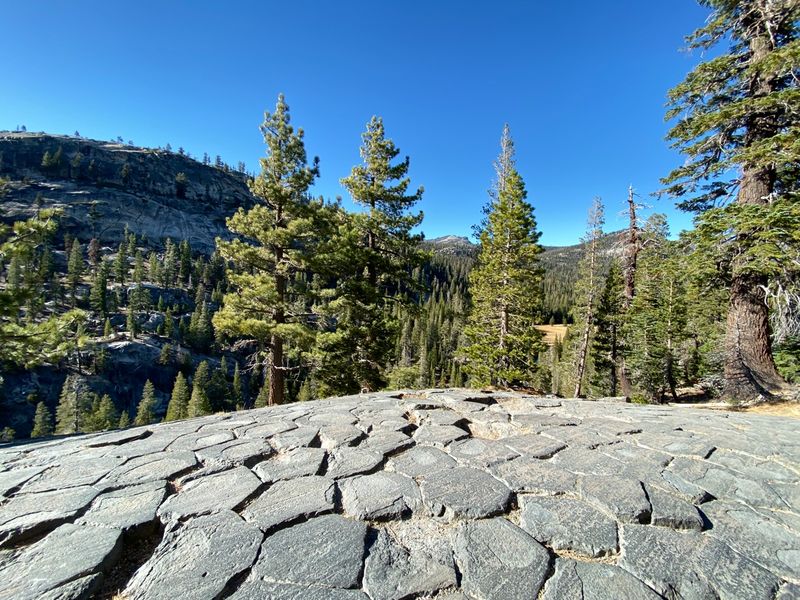
Standing on top and looking down at the mosaic of hexagonal column tops feels like walking on a giant tiled floor made by nature itself.
The Top of the Postpile: A View Worth Every Step
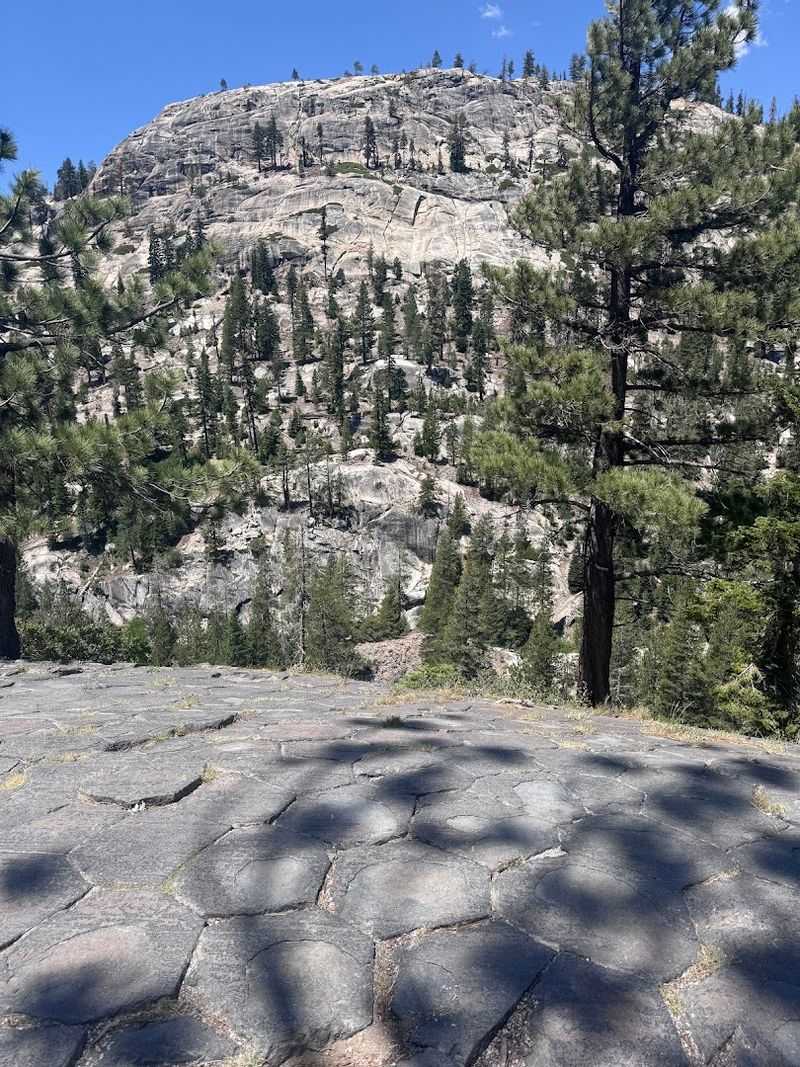
Standing on top of the postpile is one of those experiences that genuinely surprises people. From above, the tops of the columns look like a massive tiled floor, each polygon fitting perfectly against its neighbor.
It resembles something an architect might dream up, yet nature created every inch of it thousands of years ago.
Reaching the top requires a steeper climb than the loop trail below, and the high altitude around 7,600 feet can make breathing feel harder than expected. Take your time, rest when needed, and drink water frequently.
The effort pays off with sweeping views of the surrounding Sierra Nevada wilderness.
One visitor described the climb as difficult but absolutely worth it, noting that the perspective from above completely changed how they understood the formation. Bringing a wide-angle camera lens captures the full scale of the mosaic better than a standard phone camera.
Early morning light makes the stone glow in warm golden tones that afternoon sun cannot match.
The Fascinating Science Behind the Formation
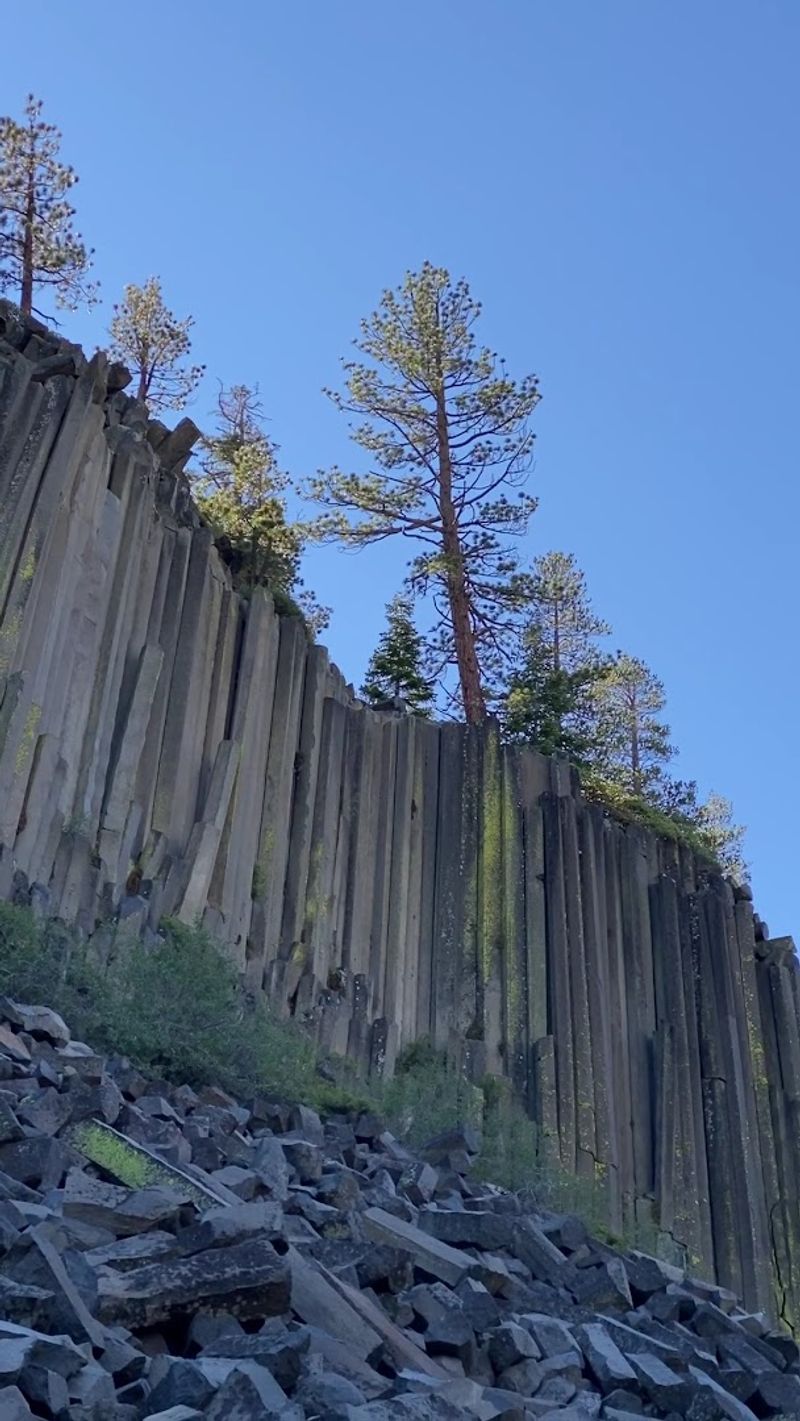
Around 100,000 years ago, a lava flow poured through the valley that is now part of Mammoth Lakes. As the molten rock began cooling from the surface downward, it contracted and cracked in a remarkably organized pattern.
The result was hundreds of nearly perfect geometric columns, most of them six-sided.
This process, called columnar jointing, happens when lava cools evenly and slowly enough for stress fractures to form at consistent angles. Think of it like mud cracking in the sun, but on a massive volcanic scale.
The more uniform the cooling, the more regular the columns become.
What makes Devils Postpile especially impressive is how well-preserved the columns are. Later glacial activity polished the tops of the columns smooth, which is why they look almost artificially perfect when viewed from above.
Scientists and geology enthusiasts travel from around the world to study this site, calling it one of the finest examples of columnar basalt found anywhere on the planet.
Why It Reminds Everyone of Ireland’s Giant’s Causeway
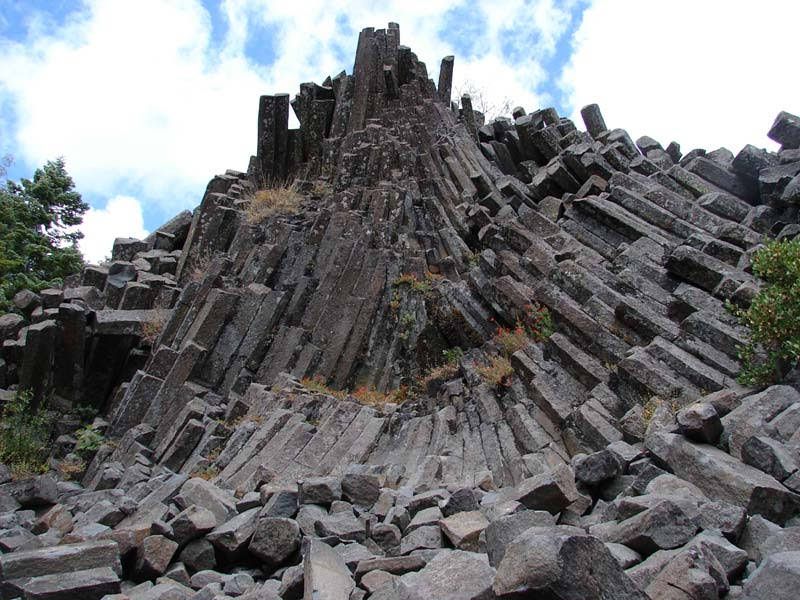
Ireland’s Giant’s Causeway draws millions of tourists every year, yet its California cousin sits quietly in the Sierra Nevada mountains with a fraction of the visitors. Both formations share the same origin story: volcanic lava that cooled into geometric basalt columns through the same natural process.
The visual similarity is genuinely striking.
The Giant’s Causeway sits along a dramatic ocean coastline, giving it a moody, windswept atmosphere. Devils Postpile, by contrast, rises among towering pine trees beside a clear mountain river, offering its own equally stunning setting.
Neither one is more impressive than the other; they are simply different chapters of the same geological story.
Geology fans who have visited both sites often say Devils Postpile feels more personal and less crowded, which adds to its charm. You can walk right up to the columns and touch them, something that feels almost unreal given how perfectly formed they are.
California’s version of this wonder deserves far more recognition than it currently receives.
The John Muir Trail Passes Right Through Here
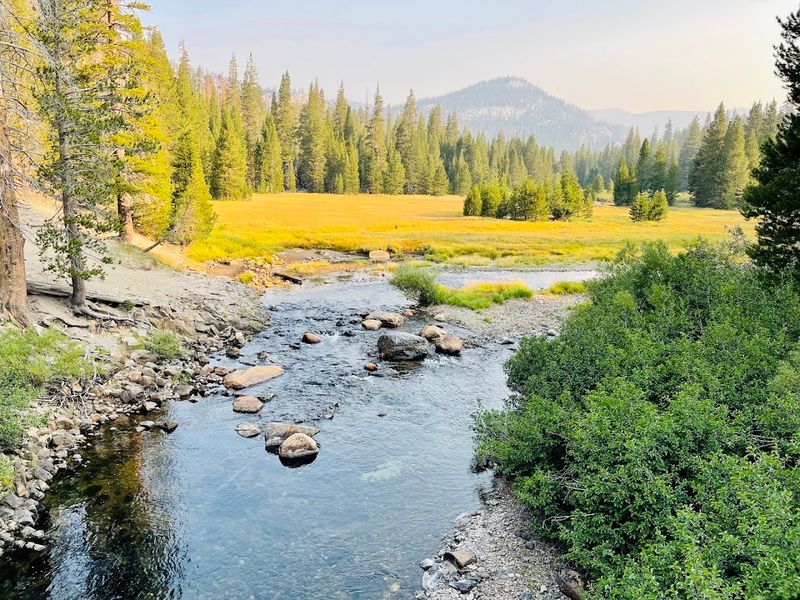
Here is something that surprises many visitors: two of the most legendary long-distance hiking trails in America pass directly through Devils Postpile National Monument. Both the John Muir Trail and the Pacific Crest Trail cut through this area, making it a beloved waypoint for serious backpackers.
Hiking even a short section of the John Muir Trail north from the ranger station rewards you with stunning views and almost complete solitude. One reviewer described this stretch as having beautiful scenery with almost no other hikers, a dramatic contrast to the busier postpile loop.
Day hikers can sample these iconic trails without committing to weeks of backcountry travel.
Knowing that legendary naturalist John Muir once walked through this same valley adds a layer of history to every step you take here. The trail named in his honor winds through some of California’s most spectacular wilderness, and Devils Postpile sits right in the middle of that breathtaking landscape.
That connection alone makes the visit feel meaningful.
Best Time To Visit For the Fewest Crowds
Timing your visit smartly can completely transform the experience at Devils Postpile. Early morning arrivals, especially those catching the first shuttle at 7:30 AM, often find themselves nearly alone among the towering columns.
By midday, crowds grow noticeably larger, particularly on summer weekends.
Weekdays in late summer or early fall offer a sweet spot of good weather and manageable visitor numbers. The monument typically operates from late spring through early fall, with exact dates depending on snowpack and road conditions.
Always check the NPS website before planning your trip since access can change due to weather or construction.
September is particularly magical. The crowds thin out, the air cools pleasantly, and the surrounding aspen trees begin showing hints of golden color.
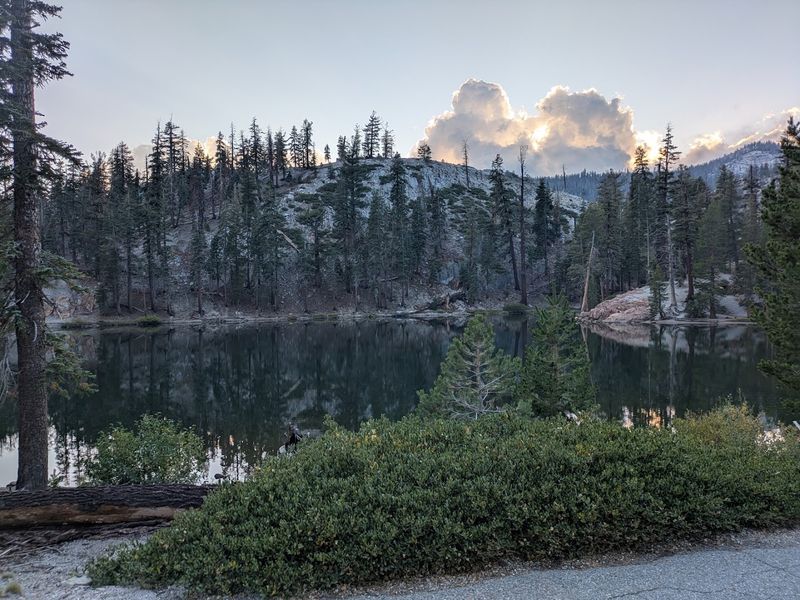
One visitor who arrived in September described finding the lake area completely empty and enjoying a spontaneous kayaking session in total peace. That kind of quiet, unhurried experience is exactly what this hidden gem offers.
What To Pack For a Day Trip
Packing smart for Devils Postpile can make the difference between a wonderful day and a miserable one. Water is the single most important thing to bring, especially if you plan to hike to Rainbow Falls and back.
The trail offers little shade in certain sections, and the high altitude speeds up dehydration faster than most people expect.
Sunscreen and a wide-brimmed hat are equally essential. Multiple visitors have noted that the sun feels intense even on cooler days because of the elevation.
Sturdy, closed-toe shoes handle the rocky terrain far better than sandals or flip-flops, which can become uncomfortable quickly.
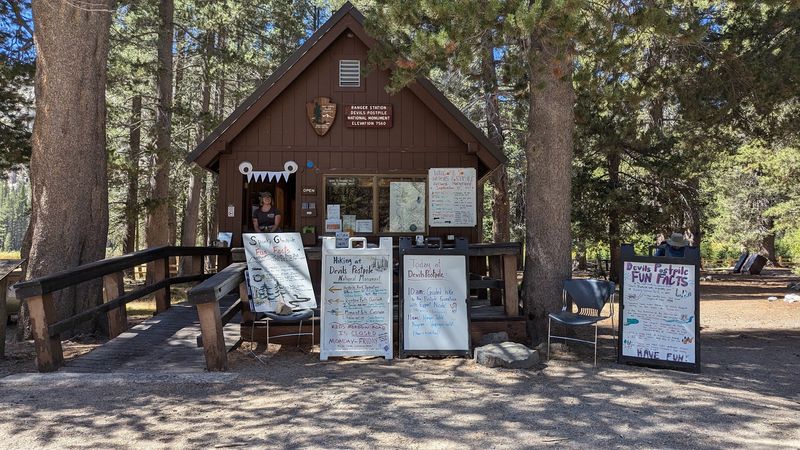
Snacks and a light lunch help sustain energy for longer hikes. The ranger station near the shuttle stop has a small store and a water fountain, but supplies are limited.
Packing a camera or ensuring your phone is fully charged guarantees you capture the incredible formations and waterfalls in all their glory. A portable battery pack is a smart addition to any day bag.
The Ranger Station and Visitor Center Experience
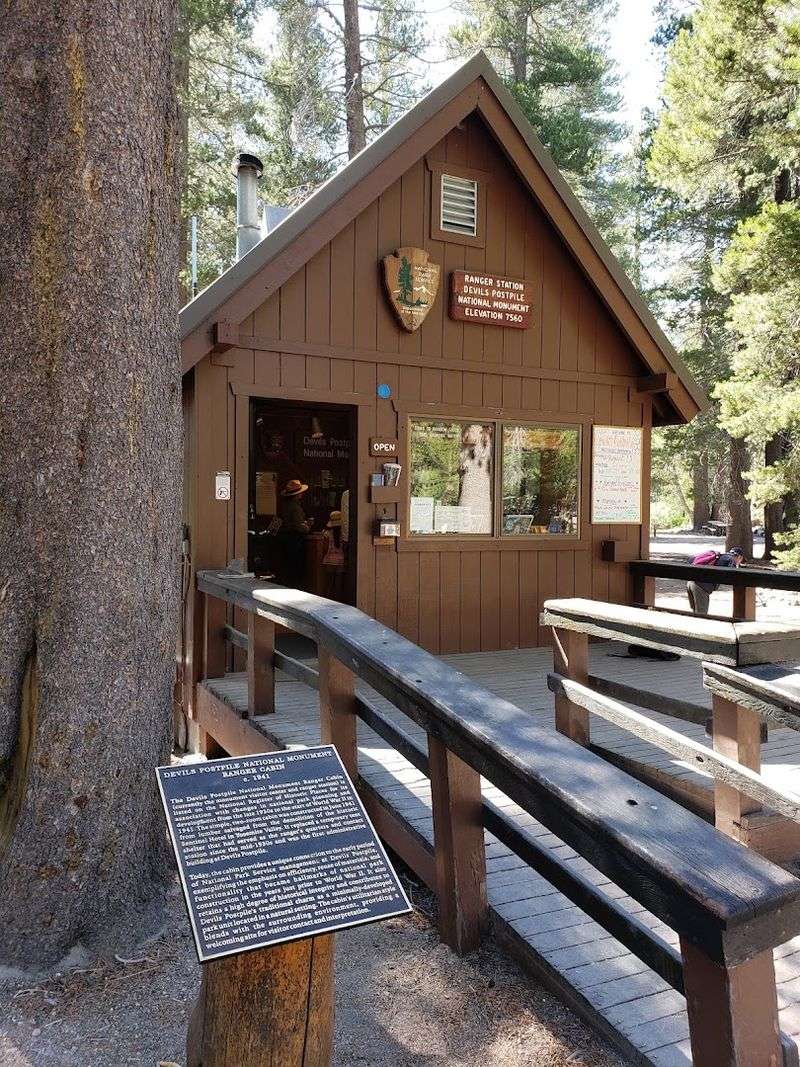
The visitor center at Devils Postpile punches well above its size when it comes to helpfulness. Rangers stationed there provide detailed trail information, answer questions about geology, and share safety tips for hiking at altitude.
One visitor called it one of the best visitor centers they had encountered anywhere in the national park system.
A water fountain and clean restrooms are available near the shuttle drop-off, which is genuinely appreciated after a 30-minute bus ride. Rangers also run an intern program that brings passionate young people into the world of outdoor conservation.
Meeting one of these enthusiastic interns on the trail can turn a regular hike into an impromptu nature lesson.
The small on-site store carries basic supplies, snacks, and souvenirs. Picking up a trail map at the visitor center before heading out helps you understand the layout of the monument and plan your route efficiently.
Rangers are known for being warm, knowledgeable, and genuinely excited to share the story of this remarkable place.
A Hidden Lake Perfect for Kayaking and Paddleboarding
Most people visiting Devils Postpile focus entirely on the rock columns and Rainbow Falls, completely overlooking one of the area’s quietest treasures. Tucked within the monument is a serene mountain lake that is perfect for kayaking or stand-up paddleboarding.
On many days, the water sits completely undisturbed, reflecting the surrounding pine forest like a mirror.
One visitor described arriving at the lake to find it entirely empty, a rare and wonderful surprise given how popular the monument can get during peak season. The water runs cold and crystal clear, fed by Sierra Nevada snowmelt.
Simply sitting beside it for a few minutes feels restorative in a way that busy tourist spots rarely manage.
Bringing your own inflatable kayak or paddleboard opens up this experience without the hassle of renting equipment. The peaceful atmosphere here contrasts beautifully with the more dramatic scenery of the postpile and waterfalls.
Consider adding the lake to your itinerary as a calm, reflective finale to an action-packed day in the monument.
Why This Place Deserves Way More Attention
With a 4.7-star rating from nearly 1,700 visitors, Devils Postpile is one of those rare places where the reality actually exceeds the expectations. Yet somehow, it remains one of California’s best-kept secrets.
Compared to overcrowded parks like Yosemite, this monument offers a deeply personal encounter with nature that feels almost like a private discovery.
The combination of geological wonder, accessible hiking, world-class waterfalls, historic trails, and mountain scenery packed into one small area is genuinely extraordinary. Few national monuments offer this much variety in such a compact and manageable footprint.
Families, solo adventurers, geology nerds, and waterfall chasers all find something to love here.
Spreading the word about Devils Postpile means more people get to experience something truly rare. At the same time, respecting the rules, staying on marked trails, and leaving no trace ensures that future generations can enjoy it just as much.
California’s answer to the Giant’s Causeway is waiting, and it is absolutely worth the trip.
Enjoyed this story?
Add Fast Food Club as a preferred source to see more of our reporting on Google.