


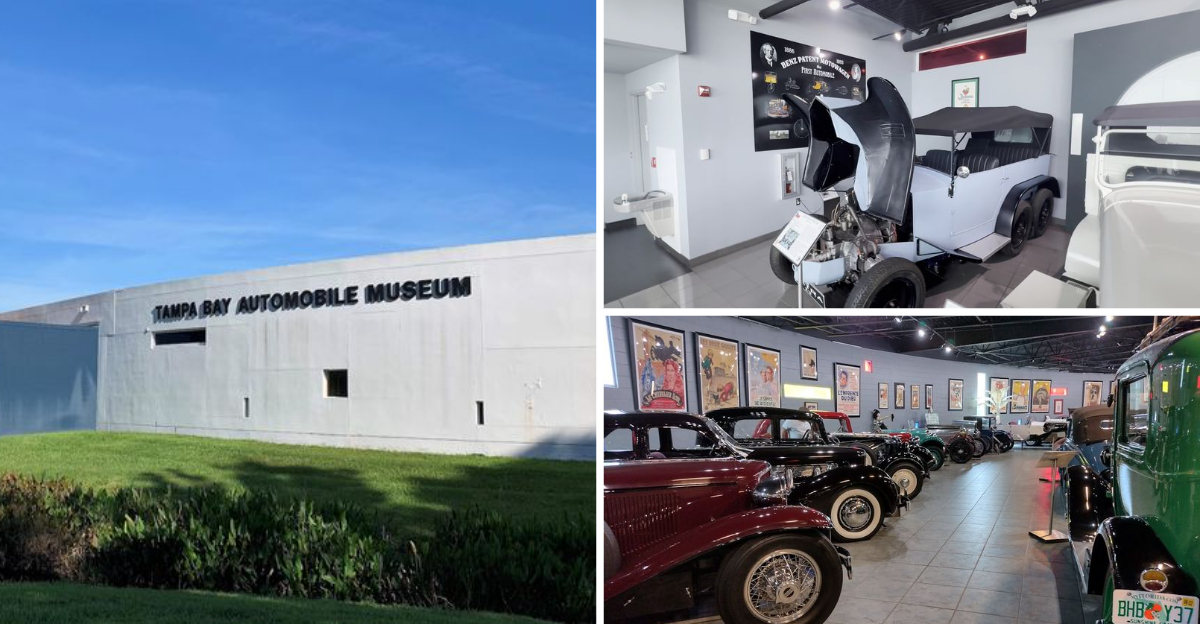
Tucked away in an industrial corner of Pinellas Park, Florida, the Tampa Bay Automobile Museum is one of the state’s best-kept secrets. With around 75 vintage vehicles on display and at least 13 cars that exist nowhere else on Earth, this place draws car lovers from all over Florida and beyond.
Whether you know everything about engines or simply appreciate beautiful machines, a visit here feels like stepping back through a century of human creativity. Get ready to discover what makes this museum so special.
A Private Collection Unlike Any Other
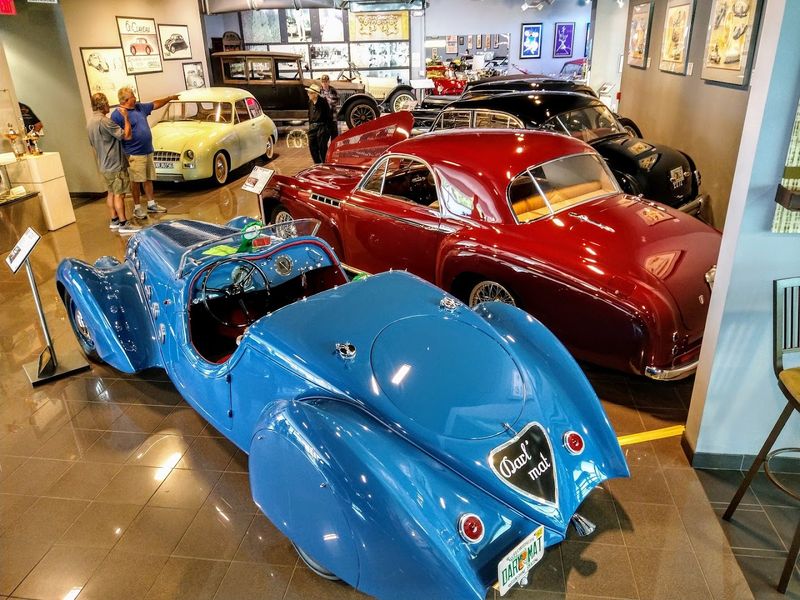
Some museums feel like textbooks. This one feels like a conversation with history.
The Tampa Bay Automobile Museum is a privately owned collection, meaning every vehicle here was chosen with genuine passion rather than a corporate checklist.
The museum houses roughly 75 cars, and the variety is staggering. You will find machines from France, Germany, England, and beyond, all gathered under one roof in Pinellas Park.
Many visitors say they walked in expecting a quick look and ended up staying for hours.
Because the collection rotates twice a year, returning visitors always discover something new. Annual members especially love this perk, since no two visits feel identical.
If you appreciate the kind of place where every exhibit has a heartbeat behind it, this museum delivers that feeling from the moment you walk through the door.
13 One-of-a-Kind Cars You Cannot See Anywhere Else
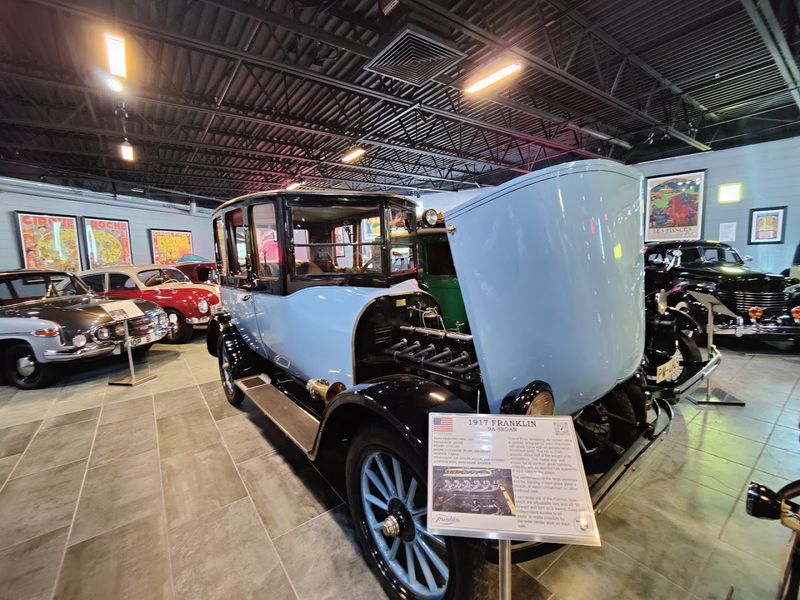
Thirteen. That is the number of cars inside this museum that literally do not exist anywhere else on the planet.
Not in another museum, not in a private garage, not in a warehouse overseas. Just here, in Pinellas Park, Florida.
That fact alone is enough to make any car enthusiast’s jaw drop. These are not replicas or restored lookalikes.
They are the last surviving examples of their kind, preserved and maintained in working condition for the world to see.
Visitors frequently mention that learning this detail mid-tour completely changes how they look at the vehicles around them. Suddenly, every car feels like a living artifact.
Staff members are happy to point out which ones carry that rare distinction and explain the story behind each. Knowing you are standing next to something truly irreplaceable makes the whole experience feel extraordinary.
Early Engineering From Around the World
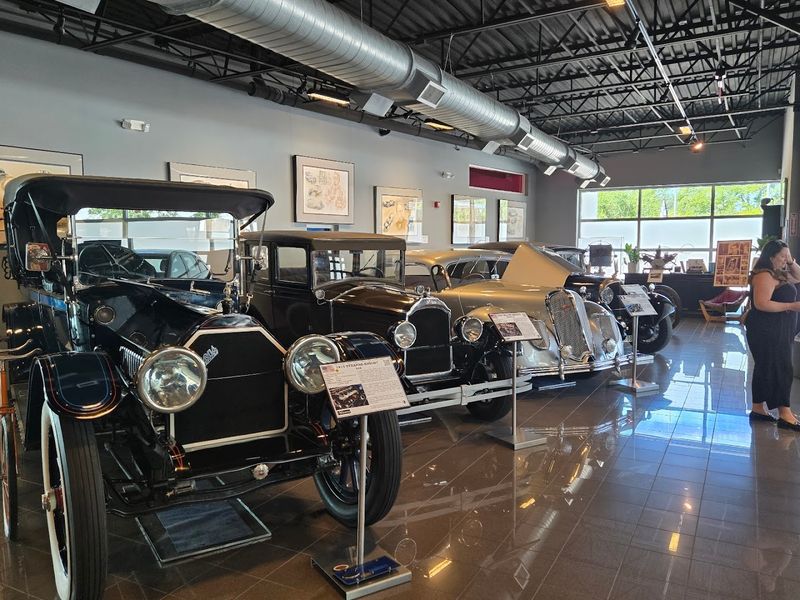
Most American car museums celebrate homegrown legends. The Tampa Bay Automobile Museum takes a wider view, spotlighting early engineering innovations from countries across the globe.
France, Germany, Britain, and others are all represented here.
One reviewer pointed out the oldest car on display is an 1800s French steam-powered vehicle, which puts the entire timeline of automotive history into sharp perspective. Seeing how different cultures approached the challenge of personal transportation is genuinely fascinating, even for people who are not traditional gearheads.
The museum also features educational stations that explain the technology used in early automobiles, so younger visitors and curious adults can understand what they are looking at. Think of it less like a showroom and more like a world tour through mechanical ingenuity.
Every corner of the building seems to represent a different country and a different solution to the same human problem: how do we move?
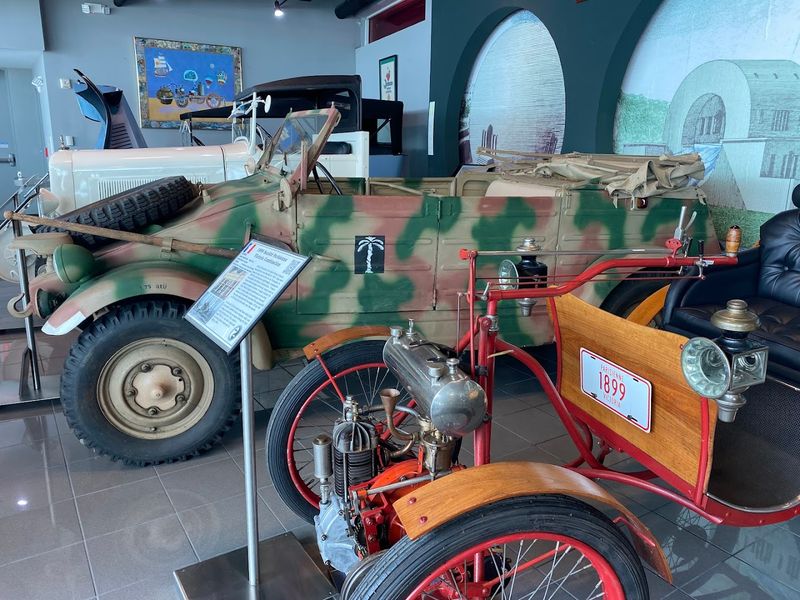
The Ford Model A Gasogene: A Wartime Wonder
During World War II, gasoline was rationed and scarce across Europe. Engineers responded with an ingenious solution: converting cars to run on wood gas.
The result was vehicles like the Ford Model A Gasogene, and the Tampa Bay Automobile Museum has one.
A gasogene system burns wood or charcoal to produce combustible gas that powers the engine. It sounds like science fiction, but it worked well enough to keep vehicles moving during one of history’s most difficult periods.
Seeing the actual hardware attached to a real car makes that wartime ingenuity feel very real.
Visitors who catch this car on their tour often call it one of the most thought-provoking exhibits in the building. It is not just a vehicle.
It is a survival story built from metal and wood. Staff members love explaining how it worked, and their enthusiasm makes the story come alive in the best way.
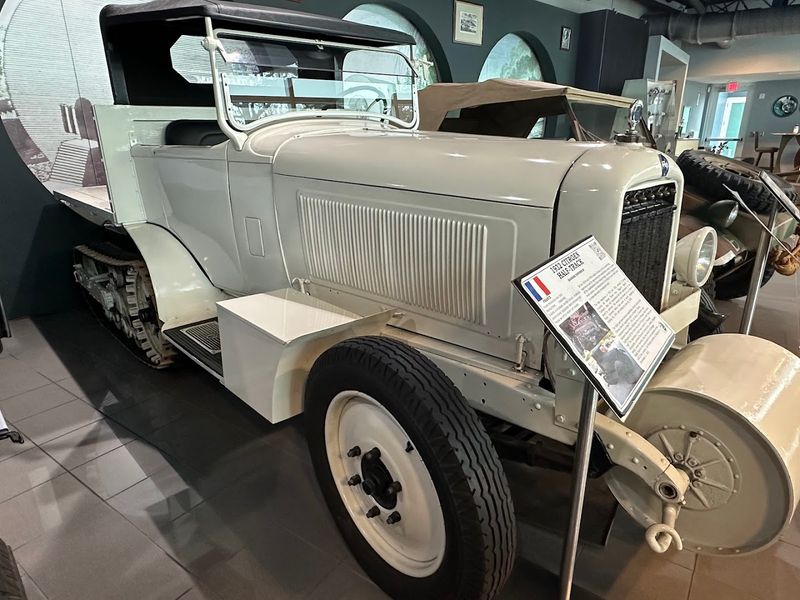
The Citroen Half-Track: Part Car, Part Tank
Picture the front end of a classic car fused with the rear treads of a military vehicle. That is exactly what the Citroen half-track looks like, and it is every bit as wild in person as it sounds on paper.
Citroen built these remarkable machines in the 1920s and 1930s to tackle terrain that regular cars simply could not handle. They were used in famous expeditions across the Sahara Desert and Central Asia, proving that French engineering had a seriously adventurous streak.
The Tampa Bay Automobile Museum proudly displays one of these expedition-ready legends.
Reviewers have called it a showstopper, and it is easy to understand why. Nothing else in the building quite prepares you for the sight of it.
Kids and adults alike tend to stop and stare, then immediately start asking questions. Luckily, the museum staff has great answers ready and waiting for curious minds.
The Mustang AWD: A Road Not Taken
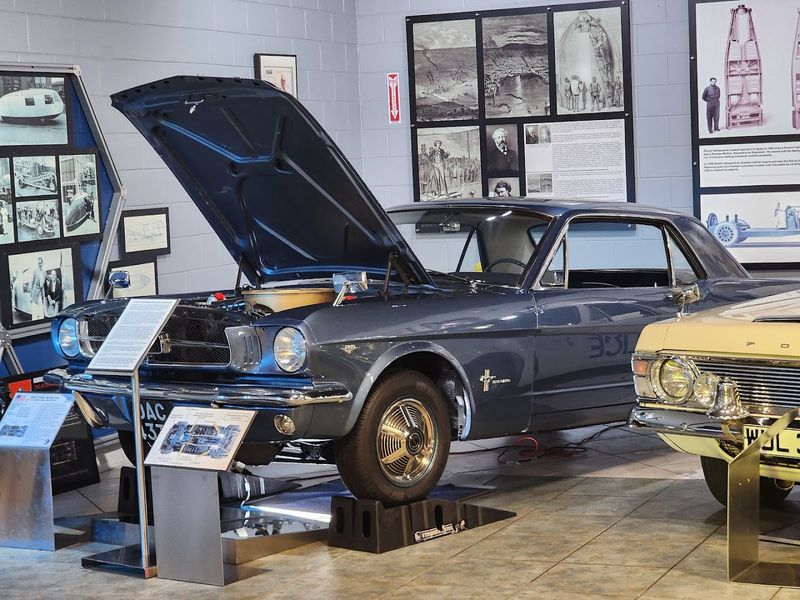
Ford built a Mustang with all-wheel drive. Most people have never heard of it, which makes the Tampa Bay Automobile Museum’s example one of the most surprising finds in the entire building.
Prototype and experimental vehicles rarely survive. Automakers typically destroy them once a project is cancelled, which makes preserved examples extraordinarily valuable to historians and enthusiasts alike.
This Mustang AWD represents a path that Ford chose not to take, frozen in time for visitors to puzzle over and appreciate.
Standing next to it raises fun questions. What if this version had gone into production?
How might it have changed the Mustang’s legacy? The staff encourages exactly that kind of thinking, turning a simple car exhibit into a genuine conversation about automotive history and the roads not taken.
For anyone who loves the Mustang brand, seeing this unusual cousin is a genuinely memorable moment worth traveling for.
All Vehicles Are in Working Condition
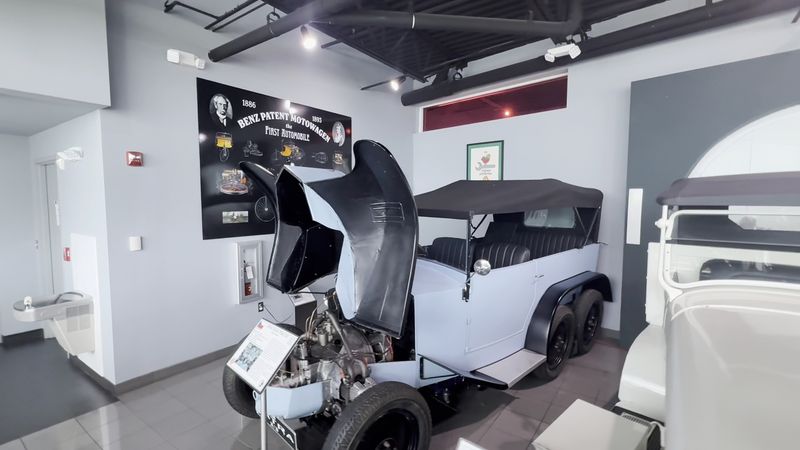
Here is something that sets this museum apart from many others: every single car in the collection actually runs. They are not dusty showpieces frozen behind velvet ropes.
They are maintained, operational machines that could theoretically drive off the floor today.
One visitor wrote that being able to see cars over 100 years old in working condition was something she did not know she needed in her life. That reaction is common here.
There is a huge difference between looking at a static display and knowing the engine in front of you still fires up on command.
Keeping vintage vehicles in running order requires serious dedication, skilled mechanics, and ongoing investment. The fact that the museum commits to this standard for every car in the collection speaks volumes about the ownership’s passion.
It transforms the visit from a history lesson into something that feels alive, warm, and genuinely connected to the machines on display.
Knowledgeable and Friendly Staff Who Bring History to Life
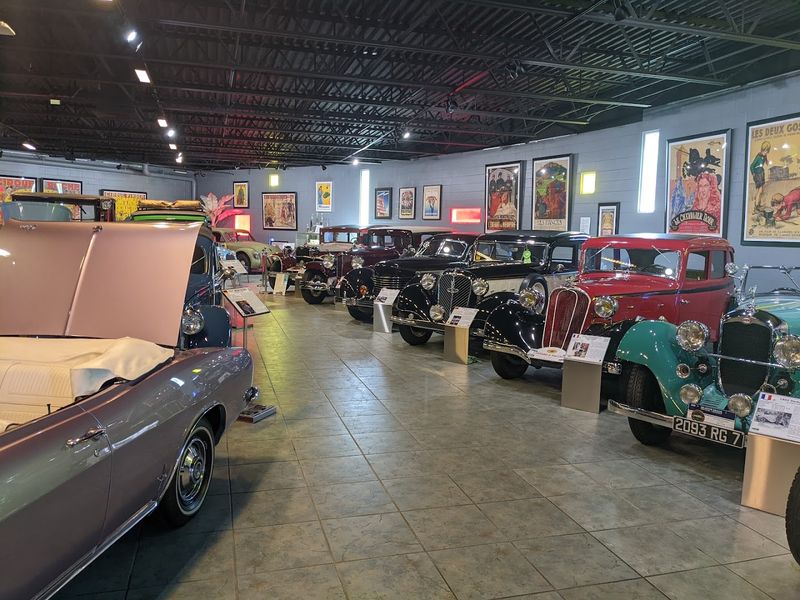
Wayne. Frank.
Thane. Ed.
Susan. Reviewers mention these staff members by name, which tells you everything you need to know about the kind of experience they deliver.
At the Tampa Bay Automobile Museum, the people working the floor are just as impressive as the cars on it.
These docents carry deep knowledge about every vehicle in the collection, including how each one ended up in Pinellas Park. Their stories transform a simple walk-through into something much richer and more memorable.
Even self-described non-car people have left saying the staff completely won them over.
Do not rush past the staff when you visit. Stop, ask a question, and let them run with it.
You will likely learn something that no placard could ever communicate on its own. Multiple reviewers mentioned running out of time because the conversations were simply too good to cut short.
That is a beautiful problem to have.
Incredible Art Displayed Throughout the Museum
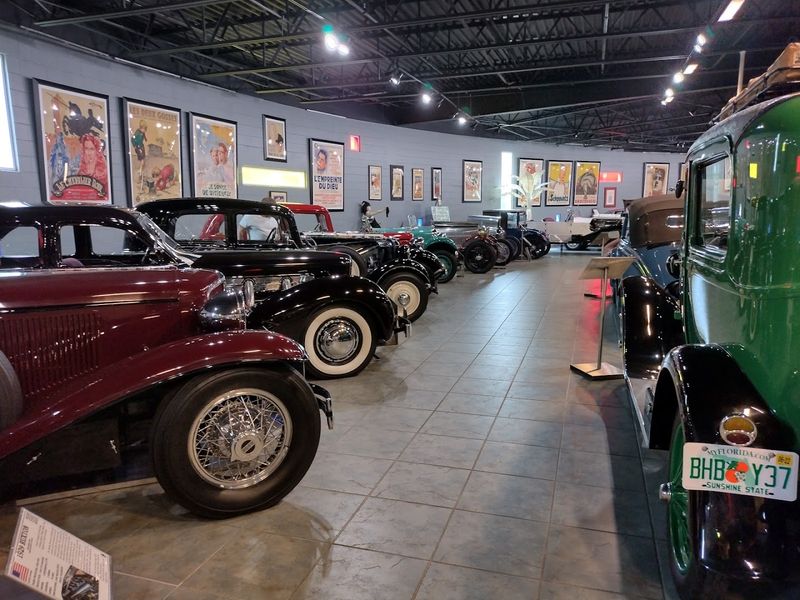
Cars are not the only things worth looking at here. Throughout the Tampa Bay Automobile Museum, visitors will find artwork and posters displayed alongside the vehicles, adding a visual richness that surprises many first-timers.
One reviewer specifically mentioned the posters on the walls as a highlight, while others described the overall atmosphere as beautiful and gallery-like. The combination of mechanical artistry and visual art creates an environment that appeals to people who might not consider themselves traditional car enthusiasts.
This thoughtful curation makes the museum feel less like a warehouse of vehicles and more like a carefully designed cultural space. Families with kids who are not yet sold on vintage cars often find themselves drawn in by the art, which then leads them to the cars.
It is a clever and welcoming approach to museum design that reflects the genuine creativity of the people behind this collection.
A Family-Owned Treasure With Real Heart
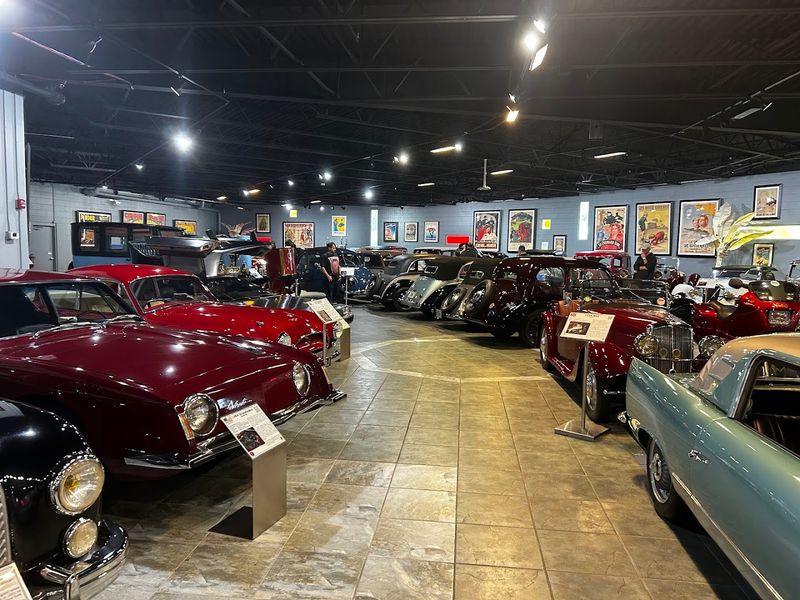
Corporate museums can feel polished but impersonal. The Tampa Bay Automobile Museum carries something different: the unmistakable warmth of a family passion project.
Visitors consistently pick up on this energy the moment they walk in.
The museum was built around a family legacy, and that story is woven into every exhibit. The staff speaks about the collection with genuine pride, not scripted enthusiasm.
Several reviewers described the experience as feeling like a personal invitation into someone’s lifelong love affair with automobiles.
That intimacy makes the visit feel special in a way that larger, more commercialized museums rarely achieve. You are not just a ticket number here.
You are a guest. The ownership clearly cares deeply about sharing these vehicles and their stories with the world, and that care radiates through every interaction.
Bring your own family, and you will likely leave feeling like part of theirs.
An Affordable Visit With Excellent Membership Value
Great museums do not have to break the bank, and the Tampa Bay Automobile Museum proves that point beautifully. Admission is described by multiple visitors as very inexpensive, making it an accessible outing for families, couples, and solo explorers alike.
The annual membership is available for just $50, which is an outstanding deal given how rich and rotating the collection is. Members get to return as often as they like, and since the display changes twice a year, there is always a reason to come back.
One loyal member mentioned bringing friends and family repeatedly, with everyone loving the experience every single time.
For the price of a casual dinner out, you can enjoy a full year of access to one of Florida’s most unique automotive collections. If you visit even twice, the membership pays for itself easily.
That kind of value is genuinely rare and worth celebrating on its own.
The Rotary Engine Exhibit and Educational Displays

Not everyone who visits a car museum arrives knowing how an engine works. The Tampa Bay Automobile Museum has thought about that, and the result is a set of educational displays designed to make automotive technology approachable and genuinely interesting for all ages.
The Rotary Exhibit is a standout feature, giving visitors a clear look at one of the most unusual engine designs in automotive history. Educational videos and interactive stations round out the experience, helping curious minds connect what they see with how it actually functioned on the road.
One reviewer specifically praised these stations, noting that they helped contextualize the vehicles in a way that simple placards cannot. Teachers, parents, and curious students will find these displays particularly rewarding.
Learning how a rotary engine differs from a traditional piston engine is the kind of knowledge that sticks with you long after you have driven home from Pinellas Park.
Plan Your Visit: Hours, Location, and Tips for First-Timers
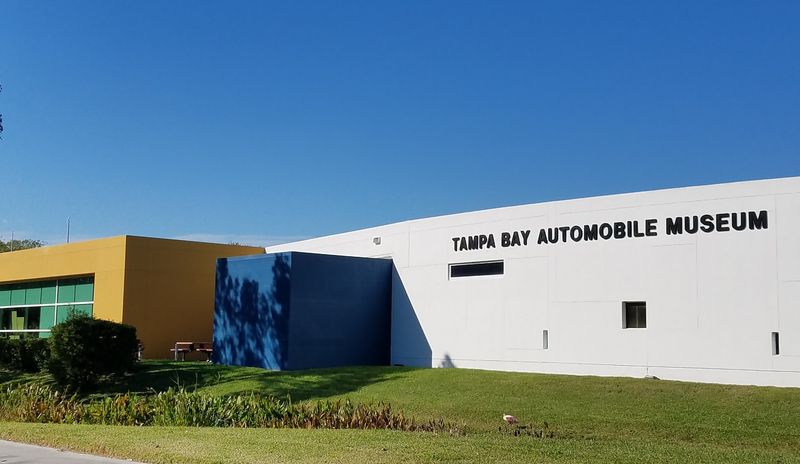
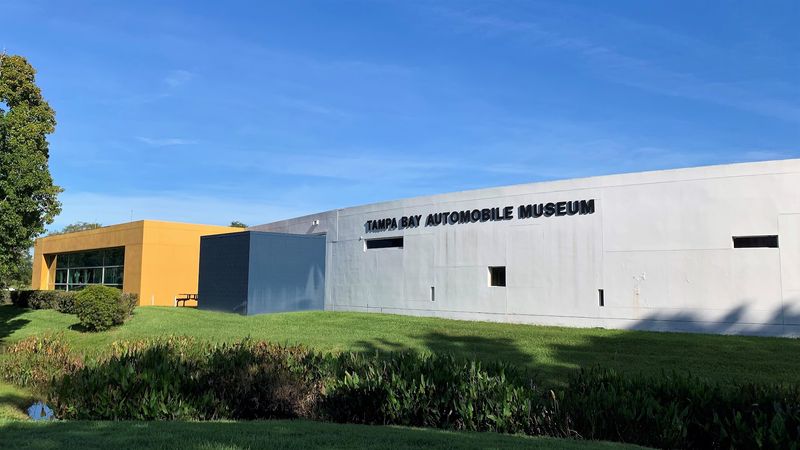
Finding the Tampa Bay Automobile Museum for the first time can feel a little unexpected. It sits inside an industrial area at 3301 Gateway Centre Blvd, Pinellas Park, FL 33782, and several visitors have described being pleasantly shocked by what they discovered inside such an unassuming exterior.
The museum is open Monday, Thursday, Friday, and Saturday from 10 AM to 4:30 PM, and Sunday from 12 PM to 4:30 PM. Tuesday is the only full closure day.
Give yourself at least two hours, because most visitors seriously underestimate how much there is to see and discuss.
You can reach the museum by phone at +1 727-579-8226 or visit their website at tbauto.org to plan ahead. Parking is easy, and the staff welcomes walk-ins warmly.
Pro tip from veteran visitors: arrive early, wear comfortable shoes, and do not hesitate to start a conversation with any staff member you meet along the way.
Enjoyed this story?
Add Fast Food Club as a preferred source to see more of our reporting on Google.