


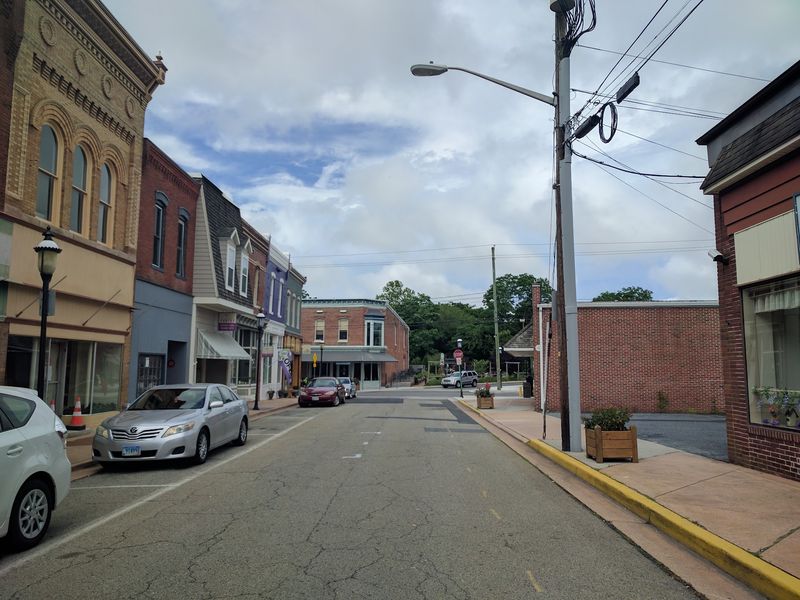
Some towns are loud about their seafood, and some just quietly hand you an oyster that was opened seconds ago. This small Maryland town on the Lower Eastern Shore belongs firmly in the second group.
The appeal is simple: Chincoteague Bay oysters, a shucking knife, and a counter where every step happens in plain view. There is no mystery about where your oyster came from or how long it waited, because the whole process takes place a few feet away.
The town itself adds plenty to the trip, with county seat history, a slower pace, and roots in a coastal region shaped by the water. Keep reading to learn where this oyster stop sits, why the bay matters, when to plan a visit, and how to make the most of a relaxed seafood run in one of Maryland’s quieter corners.
A County Seat With Salt in Its Story

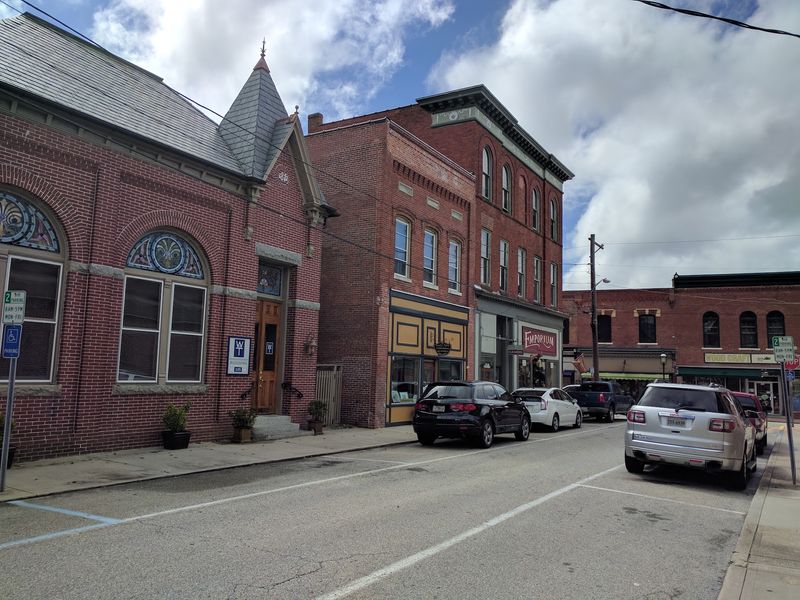
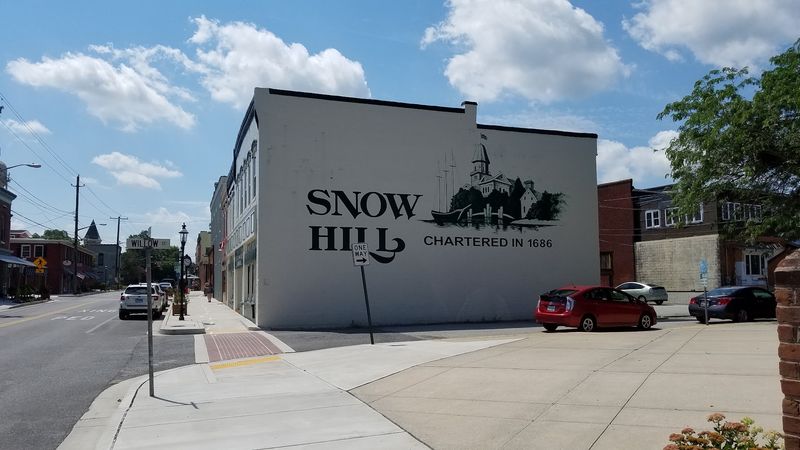
Plenty of oyster trips start at a crowded waterfront, but this one begins in a courthouse town. The destination is Snow Hill, Maryland 21863, USA, a small community on the state’s Lower Eastern Shore.
Snow Hill serves as the county seat of Worcester County. That title gives it a steady, practical role in the region, since county business flows through here.
Worcester County is also Maryland’s only county that touches the Atlantic Ocean. That coastal position is exactly why a seafood stop in town can lean so heavily on oysters from nearby Chincoteague Bay.
The town is part of the Salisbury, Maryland-Delaware Metropolitan Statistical Area. In everyday terms, that means Salisbury is the larger regional hub, and Snow Hill sits within its orbit while keeping its own small-town identity.
People who come for oysters often expect a tourist strip. What they find instead is a working town where seafood is part of regular life rather than a staged attraction.
The town keeps an official website at snowhillmd.com, which is a handy starting point for local updates. From there, the next question is who actually lives here and why the town feels the way it does.
Two Thousand Neighbors and a Shucking Counter
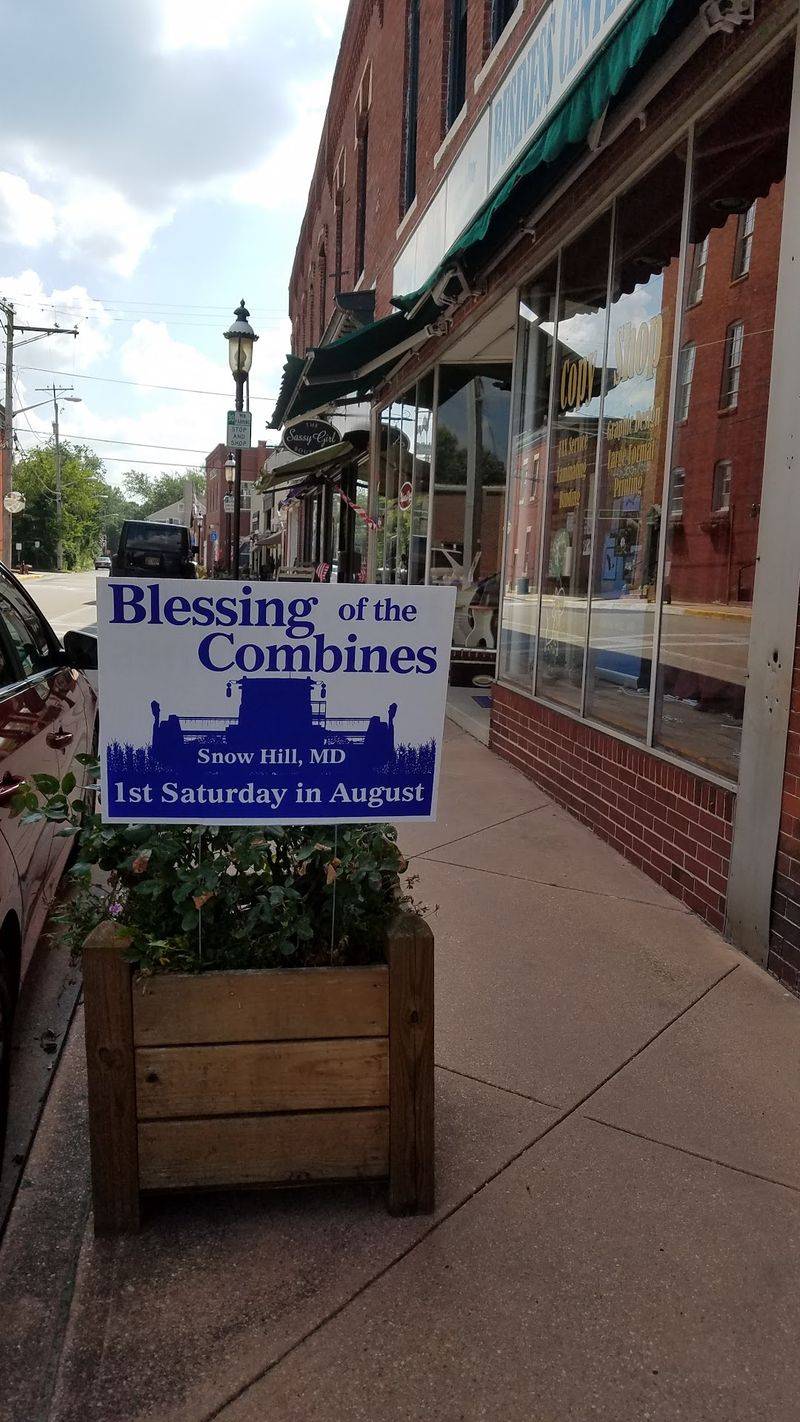
Numbers tell a quick story here. The 2020 census counted 2,156 people in Snow Hill.
That is a small crowd for a county seat. It also explains a lot about the seafood experience, because a town this size runs on familiarity rather than volume.
A market in a community like this is not built for bus tours. It is built for locals who stop by for dinner plans, and for travelers who happen to know about it.
The size also shapes expectations in a helpful way. Nobody should arrive hoping for a sprawling food hall with dozens of vendors.
What makes the trip worthwhile is the directness of it. Oysters come from the bay, get opened at the counter, and go straight to the person waiting.
There is a certain charm in a place where the shucker might recognize half the people in line. Newcomers simply become part of that routine for an afternoon.
Small towns also tend to reward patience and a friendly hello. A few questions about where the day’s oysters were harvested usually get a real answer, not a scripted one.
With the town’s scale in mind, the next piece of the puzzle is the water that supplies the oysters in the first place.
The Bay That Supplies the Shells
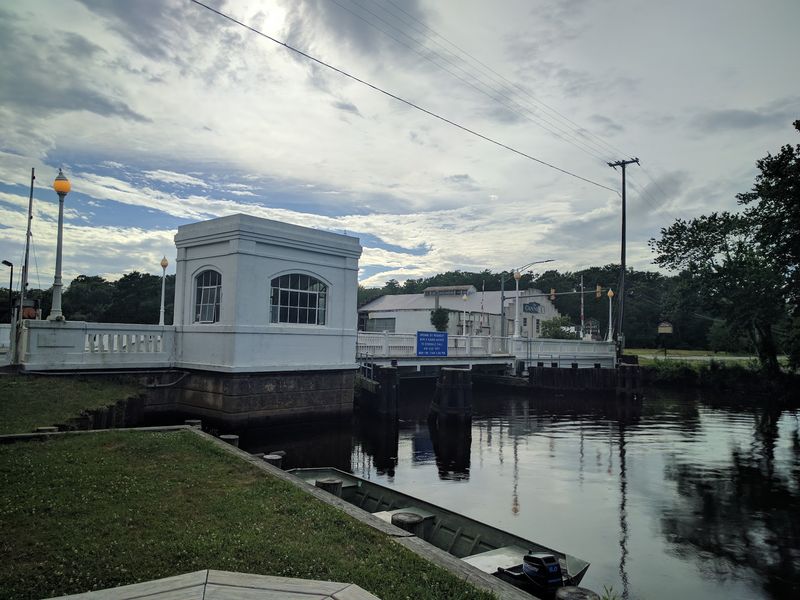
Chincoteague Bay is the headline act here, even though it never walks through the market door. The bay stretches along the coast of Worcester County and continues south toward Virginia.
It sits behind the barrier islands, which is part of what makes it such a well-known oyster area. Sheltered coastal waters like these have supported oyster harvesting for generations.
The name carries weight with seafood fans. Chincoteague oysters are often mentioned alongside other regional favorites, and many people seek them out specifically.
For a Snow Hill market, being in the same county as this bay is a real advantage. Oysters do not have to travel across the country to reach the counter.
That short trip matters. The less time between harvest and shucking, the more confidence buyers tend to have in what they are getting.
Many oyster lovers enjoy knowing the exact body of water behind their order. It turns a simple purchase into a small lesson in local geography.
So the next time someone asks where the oysters came from, the answer can be refreshingly specific. Knowing the bay, though, is only half the fun, because the real show happens once the knife comes out.
Front-Row Seats to the Knife Work
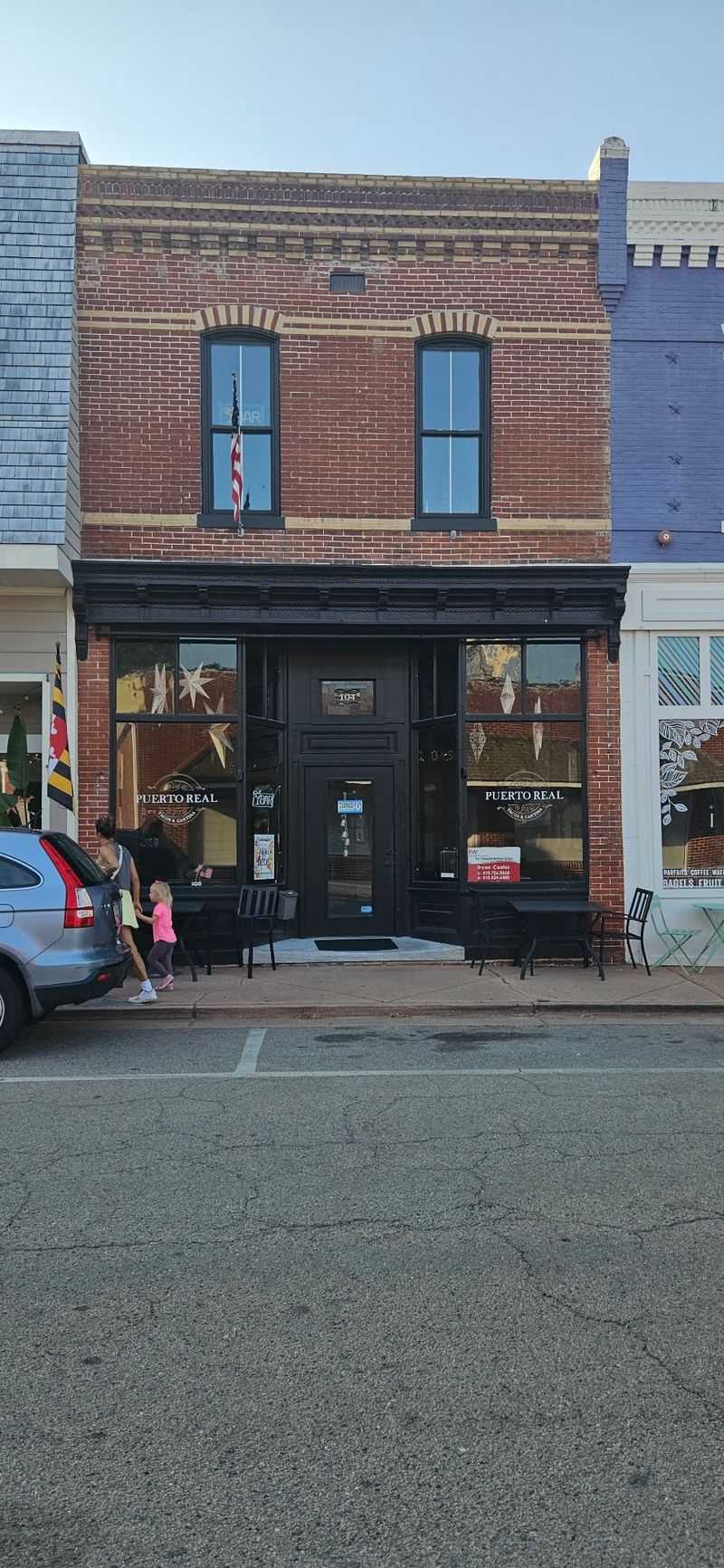
Watching someone shuck oysters is oddly hypnotic. At this Snow Hill seafood market, the whole process takes place right in front of the customer.
The shucker holds the oyster firmly, works the knife into the hinge, and pries the shell open. Then the top shell comes off and the oyster is loosened from the bottom shell.
It looks easy when a pro does it. Anyone who has tried at home knows it takes practice, a good grip, and a sturdy glove.
Seeing it done in person offers a free tutorial. Curious home cooks can pick up tips on angle and technique just by paying attention.
Shucking in view also builds trust. There is no back room and no guessing about when the oysters were opened.
Kids often find the process fascinating, too. It turns a quick errand into a small bit of live entertainment, no ticket required.
Of course, the shucker is working, not performing on a stage. A little patience during busy moments goes a long way.
After watching a few dozen shells pop open, most people start wondering why freshness gets so much attention in oyster circles. That question deserves its own look.
Why Seconds Matter With Oysters
Oysters are one of the few foods many people eat raw and unaltered. That simple fact explains why timing is such a big deal.
An oyster opened moments before it is served has had almost no time to sit around. Buyers get to see the oyster go from closed shell to ready in a matter of seconds.
Freshly shucked oysters also let customers check each one. A quick look at the oyster in its shell is part of the ritual for many regulars.
Shucking on the spot solves a common home problem as well. Plenty of people love oysters but have no interest in wrestling with a knife and a stubborn shell.
Having an expert handle that step makes oysters far more approachable. It also saves hands from the occasional slip that comes with learning.
For anyone new to oysters, this setup is a low-pressure way to try them. There is no fancy dining room, no dress code, and no need to know any special terms.
People who already love oysters often appreciate the straightforward approach even more. Nothing distracts from the shellfish itself.
Freshness gets the spotlight, but the setting around the counter matters just as much for the overall trip.
A Slow-Lane Stop for Shellfish Fans
Not every seafood outing needs a reservation and a waiting list. Snow Hill offers a calmer alternative for people who would rather keep things casual.
The small population sets the tone. Lines are usually more about neighbors catching up than tourists jostling for position.
This makes the market a fine fit for road trippers exploring the Eastern Shore. It works well as a planned stop or a flexible detour.
Families can make it an educational outing, since the shucking doubles as a quick lesson in how oysters reach the plate. Retirees and weekend wanderers tend to appreciate the unhurried pace.
Serious oyster enthusiasts will value the direct link to Chincoteague Bay. For them, the chance to buy oysters so close to their source is the main draw.
Travelers looking for nightlife or big entertainment should probably set other expectations. Snow Hill is a courthouse town, not a resort strip.
That quieter character is actually a selling point for many people. The whole experience centers on good seafood and friendly conversation rather than noise.
Once the oysters are sorted, there is still a whole town to wander, and it holds a few surprises of its own.
Riverside Streets Worth a Wander
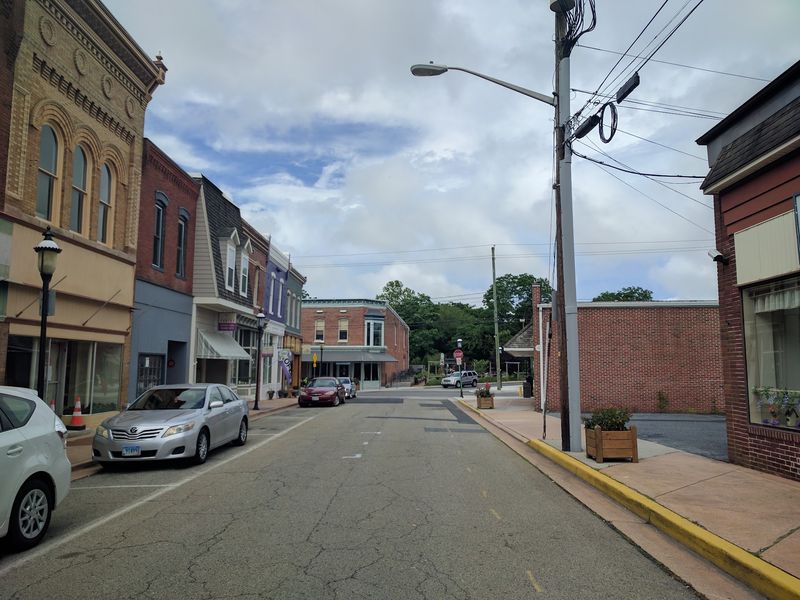
History runs deep in Snow Hill. The town dates back to the late 1600s, which makes it one of the older communities on Maryland’s Eastern Shore.
It sits along the Pocomoke River, a waterway that helped shape the town’s early role as a port. That river connection is still part of the town’s identity today.
A stroll through the older streets after an oyster stop is an easy way to extend the visit. The downtown is compact enough to explore on foot without much planning.
As the county seat, Snow Hill has a courthouse at the center of local life. The presence of county government gives the town a steady, lived-in feel.
Some people spend just an hour here, while others turn it into a half day. Either approach works in a town this size.
The river also offers a pleasant reason to linger outdoors. Paddlers and nature lovers often find the Pocomoke appealing for a calm afternoon.
Pairing a river walk with a bag of oysters feels like a very Eastern Shore way to spend the day. Timing that day well, though, depends a lot on the calendar.
Reading the Oyster Calendar

An old rule of thumb says oysters are best in months with the letter R. That points toward the cooler stretch from September through April.
Modern aquaculture and cold storage have changed the picture somewhat. Many markets now carry oysters for much more of the year than the old saying suggests.
Still, plenty of oyster lovers prefer to plan trips for fall and winter. Those months have long been associated with oyster season in Chesapeake and coastal Maryland traditions.
Cooler weather also makes the drive and the town stroll more comfortable. Summer on the Eastern Shore can get quite warm and humid.
Supply can shift from week to week depending on harvest conditions and weather. A market in a small town usually stocks what the bay and local suppliers can provide.
Calling ahead or checking local sources before a long drive is a smart move. Nobody wants to show up craving oysters only to find a limited selection that day.
Holiday weeks may bring bigger crowds, as oysters are a traditional choice for many seasonal gatherings. Arriving early in the day tends to make things smoother.
With timing sorted, the last big piece is simply getting to town and knowing what to expect on arrival.
Getting to Town and Planning Ahead
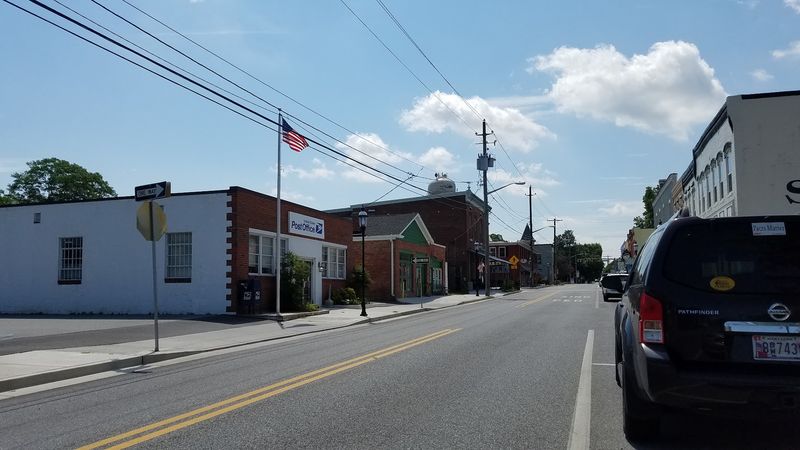
Reaching Snow Hill is part of the Eastern Shore experience. The town sits in Worcester County, within the Salisbury, Maryland-Delaware metro area.
Salisbury serves as the nearest larger hub, so many travelers pass through it on the way. From there, the route heads toward the southeastern corner of the state.
A car is the most practical way to get here. Public transit options in rural parts of the Lower Shore are limited, so driving gives the most flexibility.
Specific hours and prices for the seafood market can change with the season and the harvest. Checking current details before heading out is the best way to avoid surprises.
The town’s official website, snowhillmd.com, is a useful place to look for local news and community information. It can help with planning a broader visit around the oyster stop.
Bringing a cooler with ice is wise for anyone buying oysters to take home. Shellfish should stay cold during the drive back.
Cash and cards may both be welcome at many local shops, but carrying a little cash is a sensible backup in any small town.
All of that planning leads to one final question: is the trip actually worth it?
The Case for a Detour
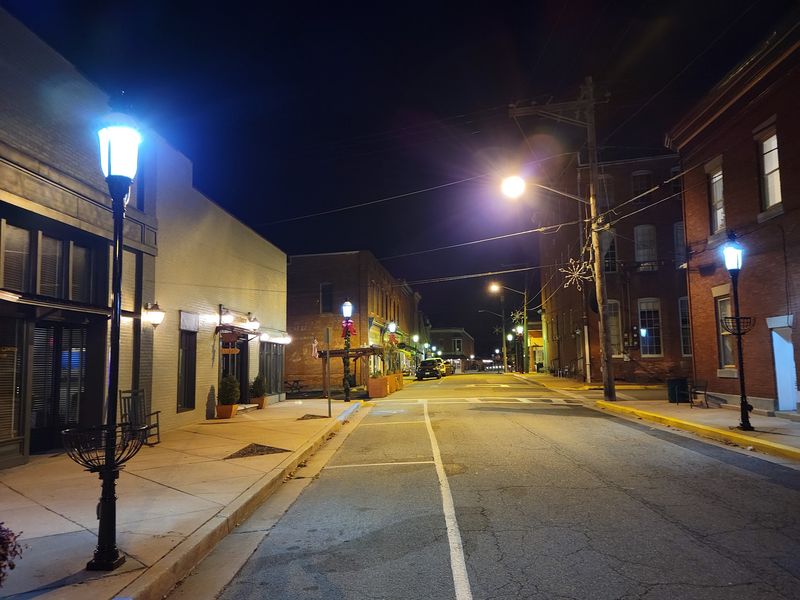
Some trips are about big sights, and some are about small pleasures done well. Snow Hill clearly lands in the second category.
The formula is refreshingly simple. Oysters from nearby Chincoteague Bay get opened right at the counter, and customers watch every step.
That transparency is the heart of the appeal. It connects the buyer to the bay, the shucker, and the town in one short visit.
Snow Hill itself sweetens the deal. A county seat with fewer than 2,200 residents, old roots, and a river at its edge makes a pleasant backdrop for a seafood errand.
This is not a destination for flashy attractions or late nights. It is a place for people who enjoy local food, quiet streets, and a slower rhythm.
Road trippers exploring Worcester County will find it an easy addition to the route. Oyster fans may decide it deserves a dedicated trip of its own.
Planning around the cooler months and checking current details ahead of time will make the visit smoother. A cooler in the trunk is never a bad idea.
In the end, the pearl of this trip is not a fancy dining room. It is a shucking knife, a fresh oyster, and a small Maryland town that lets both speak for themselves.
Enjoyed this story?
Add Fast Food Club as a preferred source to see more of our reporting on Google.