


Florida’s sunny weather and warm climate make it one of the best places in the country to grow bold, eye-catching plants. Whether your yard gets full sun all day or stays shaded by trees, there are plants that thrive in the heat and humidity while adding serious color.
Picking the right plants can turn a plain front yard into something neighbors stop to admire. Here are 23 plants that bring real color and fullness to Florida front yards.
Coleus
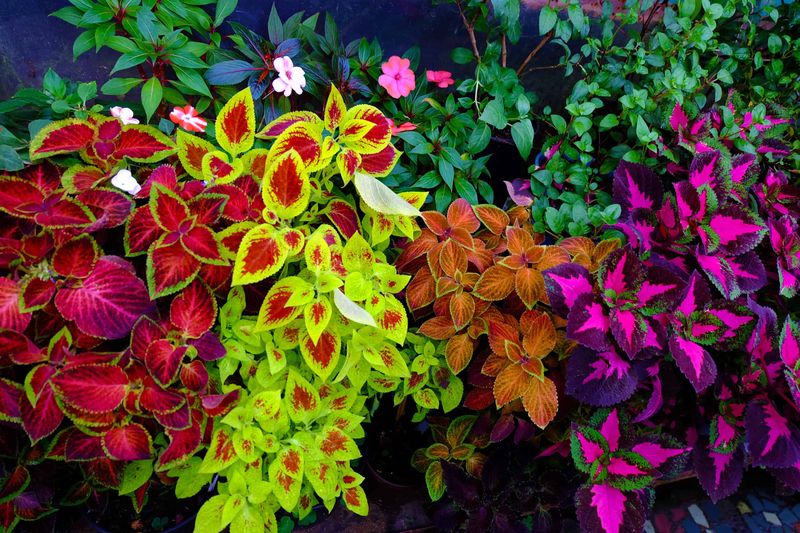
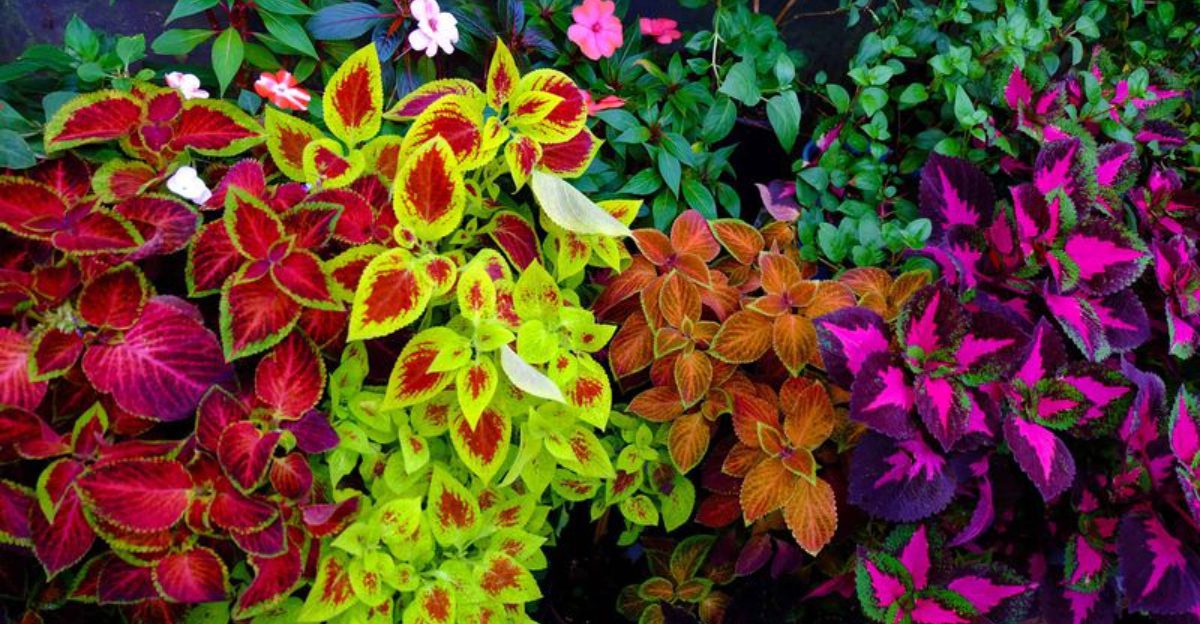
Few plants put on a leaf show quite like coleus. Its patterned foliage comes in wild combinations of red, purple, green, yellow, and pink, making it look like someone painted each leaf by hand.
Coleus grows well in both sun and shade, which makes it super flexible for different yard setups. Plant it in groups for a bold splash of color that lasts all season long without needing many flowers to impress.
Croton
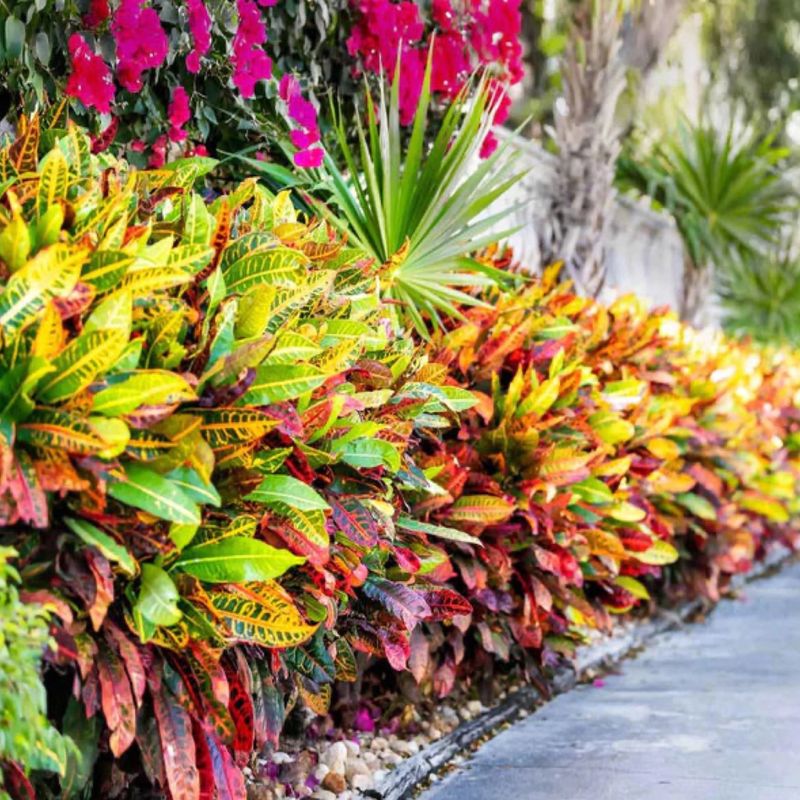
Croton is basically the fireworks show of the plant world. Its thick, glossy leaves burst with colors like orange, red, yellow, and green, all on the same plant at the same time.
It loves Florida’s heat and grows best in full sun, where the colors get even more intense. Croton works great as a border plant or a standalone statement piece near a front door or mailbox.
Pentas
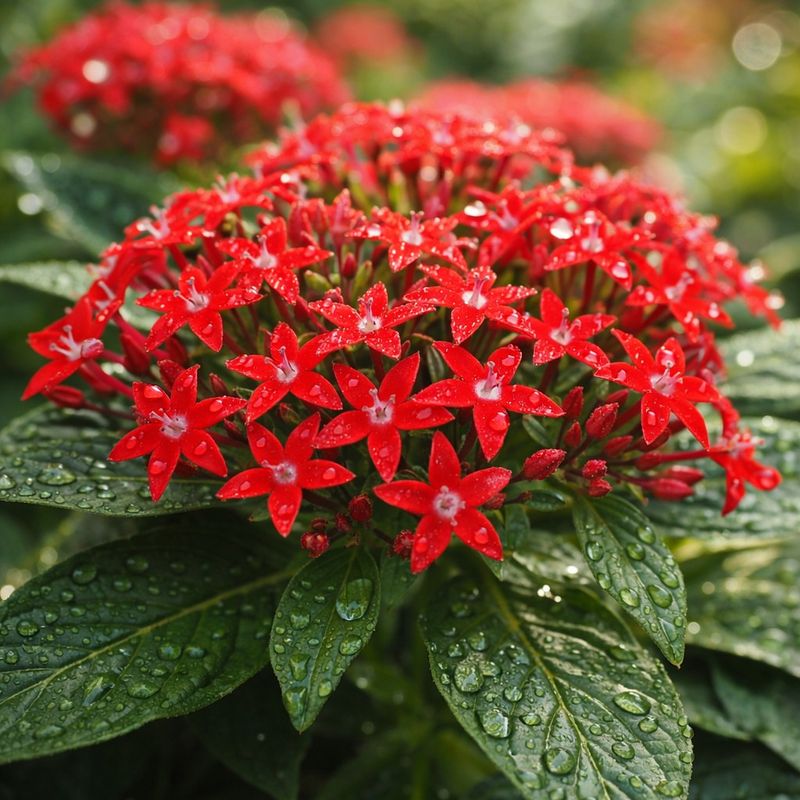
Butterflies absolutely cannot resist pentas, which makes it one of the most exciting plants to watch in any front yard. The star-shaped flower clusters bloom in red, pink, white, and lavender through Florida’s hottest months.
It handles heat and humidity without missing a beat. Plant pentas along walkways or in flower beds where you want steady color from spring all the way through fall with very little fuss.
Angelonia
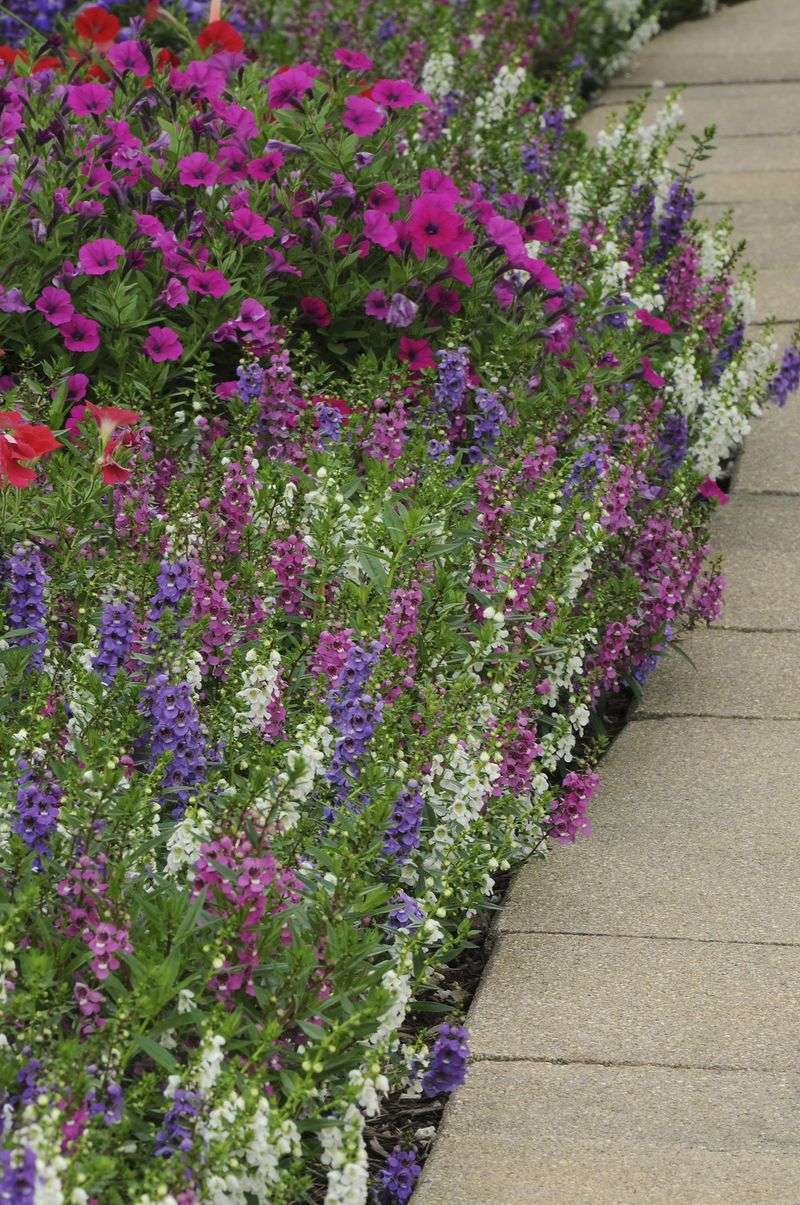
Sometimes called summer snapdragon, angelonia blooms non-stop even when temperatures climb past 90 degrees. Its slender flower spikes come in purple, pink, white, and bicolor shades that add vertical interest to flat garden beds.
It smells faintly like grape candy when you brush against the leaves, which is a fun surprise. Angelonia is drought-tolerant once established, making it a low-maintenance pick for busy Florida homeowners who still want a stunning yard.
Vinca
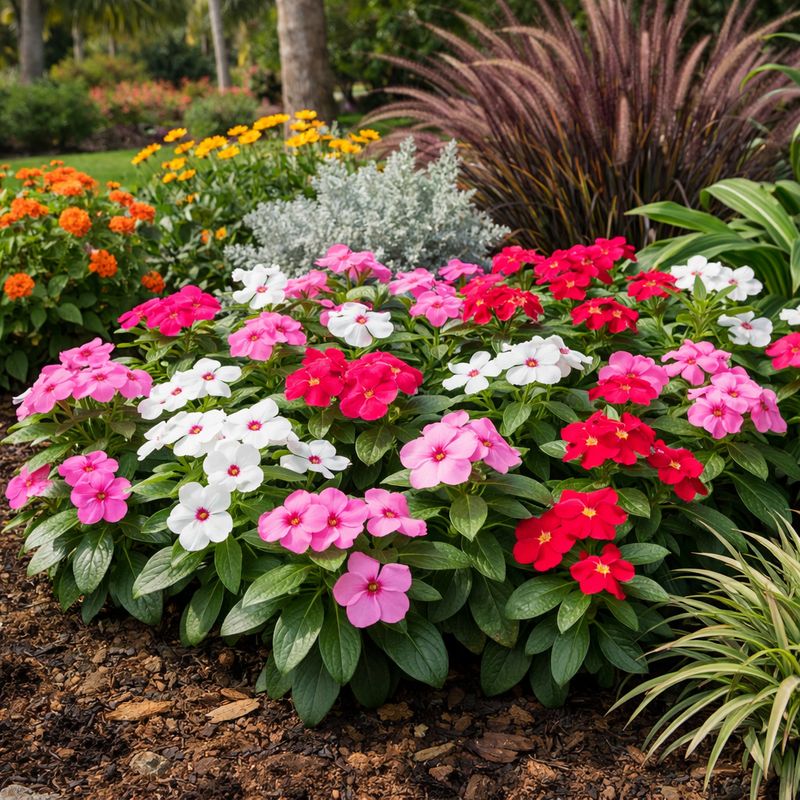
Vinca is the plant that just refuses to quit. Also called periwinkle, it pumps out cheerful flowers in shades of pink, red, white, coral, and purple all summer long, even in blistering Florida heat.
It is one of the most heat-tolerant flowering plants you can grow in the state. Mass plant vinca in sunny beds for a carpet of color that needs very little watering or attention once it gets settled in.
Lantana
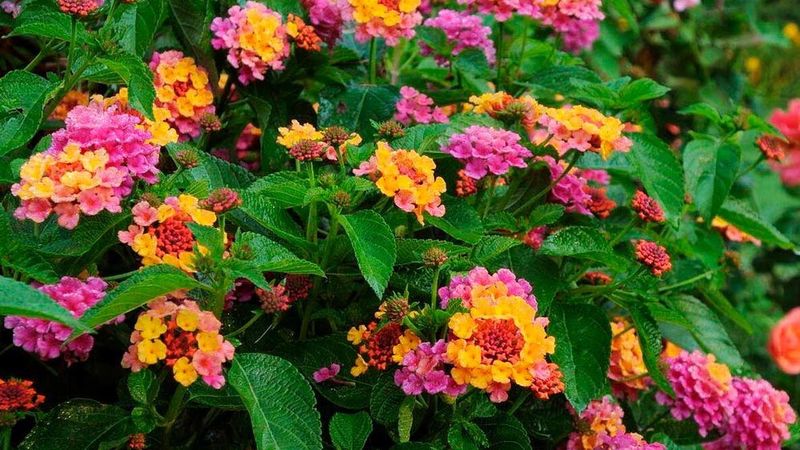
Lantana is a Florida favorite for good reason. Each flower cluster actually contains multiple tiny blooms in different colors, shifting from yellow to orange to pink as they age, creating a constantly changing display.
Butterflies and hummingbirds flock to it like it is the best restaurant in town. It thrives in full sun and poor soil, making it perfect for tough spots in the yard where other plants struggle to survive.
Caladium
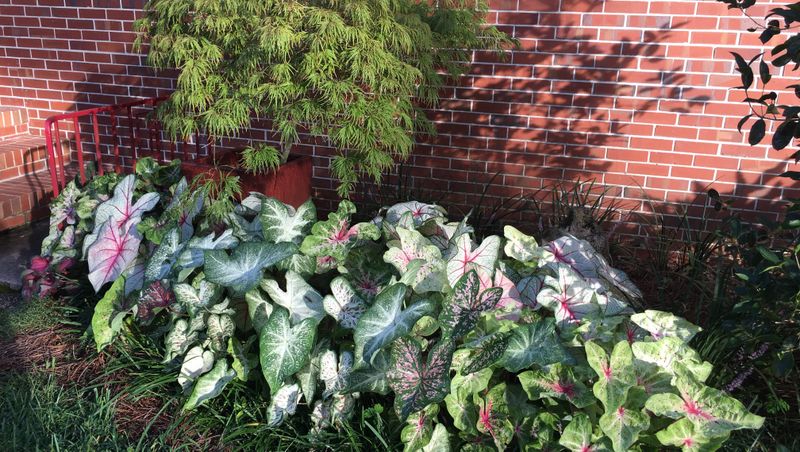
Caladiums are shade-loving superstars that bring tropical drama to spots where most colorful plants refuse to grow. Their heart-shaped leaves come in stunning combinations of white, pink, red, and green, almost like stained glass in plant form.
Florida’s warm, humid summers are practically perfect for caladiums. Tuck them under trees or along shaded porches where they can brighten up dark corners with their bold, painterly foliage all season long.
Cordyline
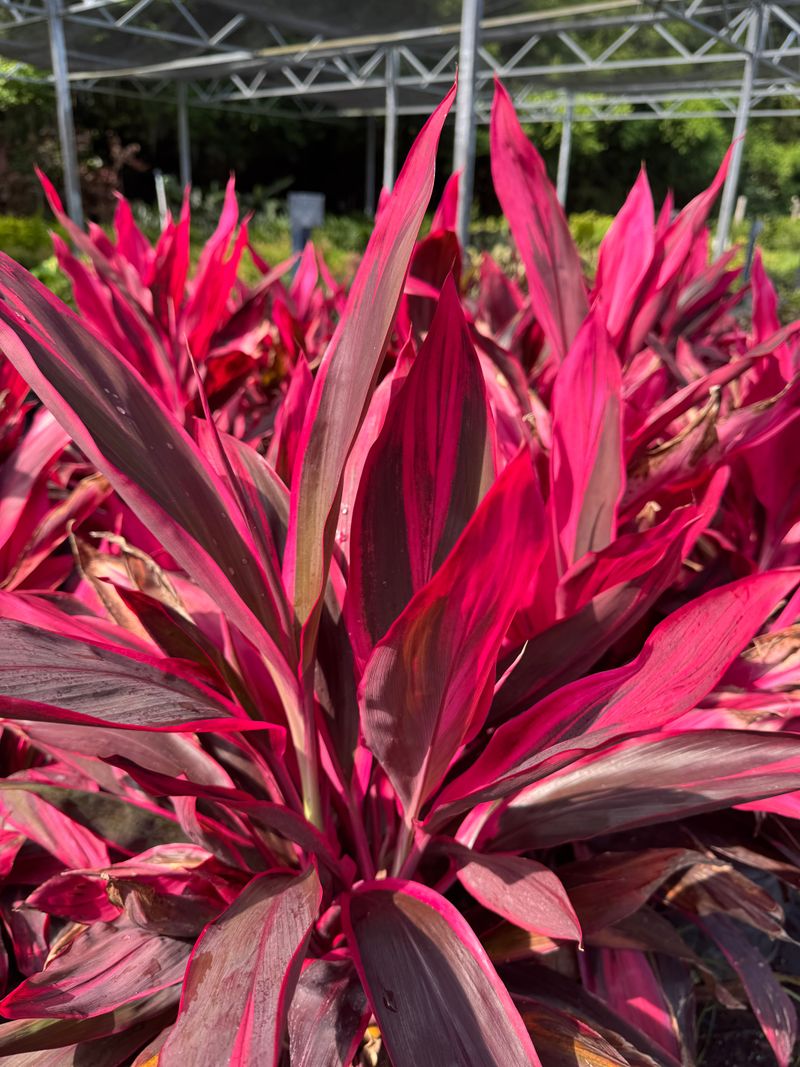
With sword-like leaves that shoot upward in shades of red, purple, pink, and green, cordyline brings dramatic structure to any front yard. It looks almost architectural, like nature designed it to be a living sculpture.
Cordyline handles Florida heat well and pairs beautifully with lower-growing colorful plants around its base. Use it as a thriller plant in containers or as a striking focal point in a mixed garden bed for maximum impact.
Alternanthera
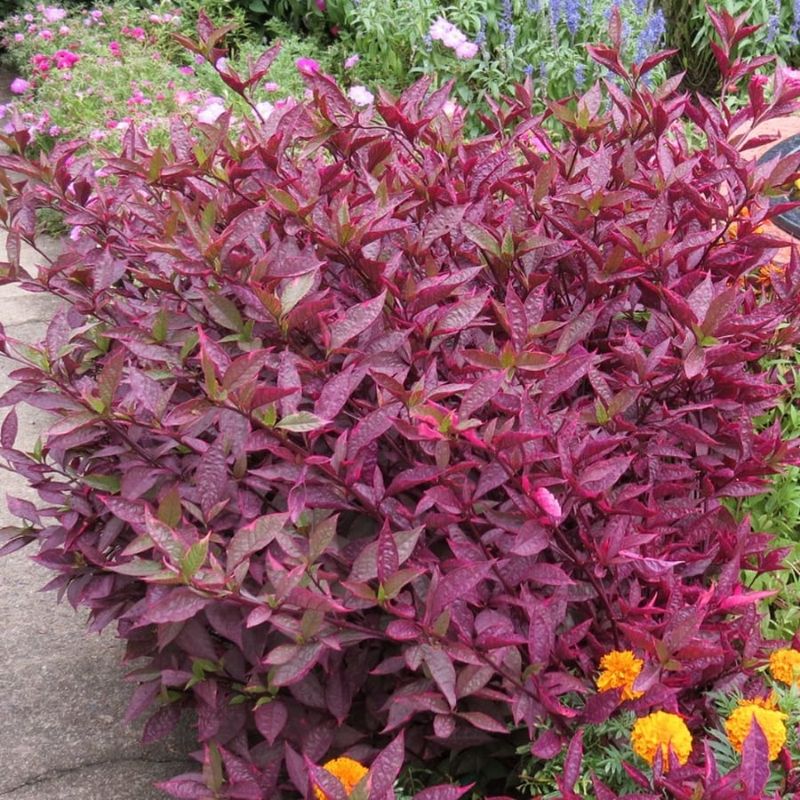
Alternanthera might be small, but it punches way above its size when it comes to color. Also called Joseph’s weed or calico plant, it forms dense, low mats of burgundy, red, orange, and yellow foliage that work beautifully as edging or ground cover.
It loves full sun and Florida’s warm weather. Use alternanthera to create crisp, colorful borders along walkways or to fill gaps between taller plants in your front yard beds.
Blue Daze
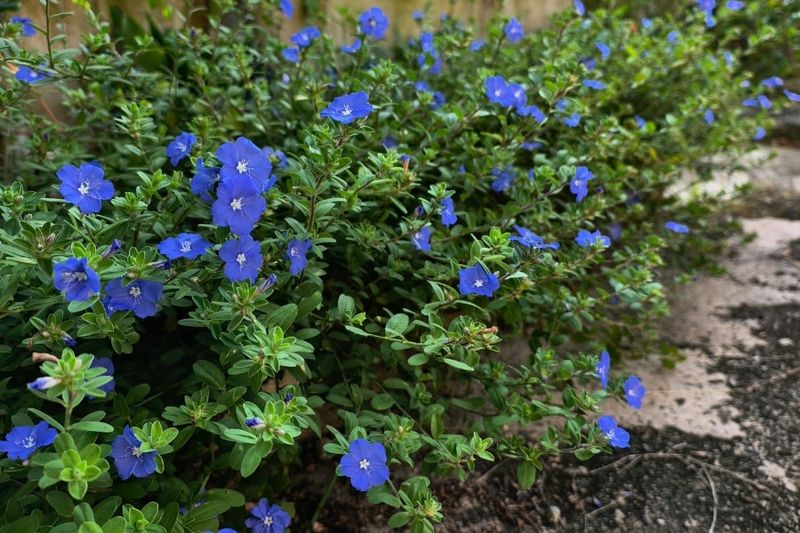
True blue flowers are rare in the garden world, which is exactly what makes blue daze so special. This low-growing plant produces a steady stream of sky-blue blooms with delicate silver-green foliage from spring through fall.
It thrives in full sun and handles Florida’s heat and humidity like a champ. Plant blue daze along the front of garden beds or let it spill over the edges of raised planters for a soft, airy look.
Firebush
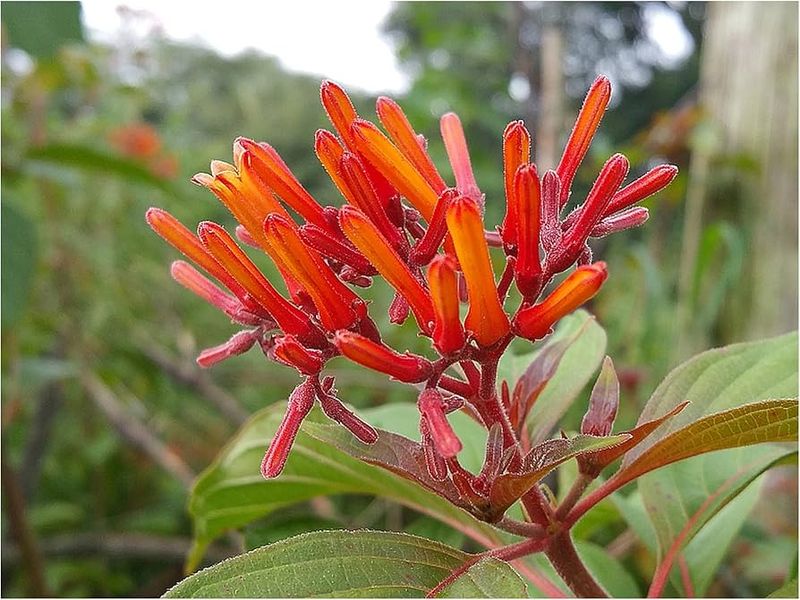
Firebush earns its dramatic name every single day it blooms. Clusters of slender, flame-orange and red tubular flowers cover this fast-growing shrub from summer through fall, drawing hummingbirds and butterflies in droves.
It is native to Florida, which means it is naturally adapted to the heat, humidity, and occasional drought. Firebush can grow quite large, so give it room to spread and use it as a bold, wildlife-friendly anchor in your front yard design.
Crossandra
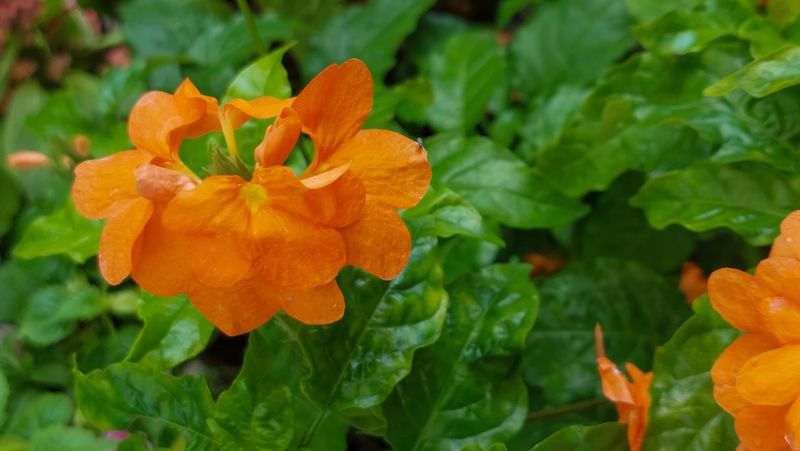
Crossandra is one of those plants that quietly steals the show. Its salmon-orange flower spikes pop against glossy, dark green leaves, and it blooms reliably in Florida’s warm months even in partial shade.
Unlike many flowering plants, crossandra actually prefers some protection from harsh afternoon sun, making it ideal for east-facing yards or spots under tree canopies. Pair it with caladiums or impatiens for a layered, tropical-looking front yard that feels lush and full.
Purslane
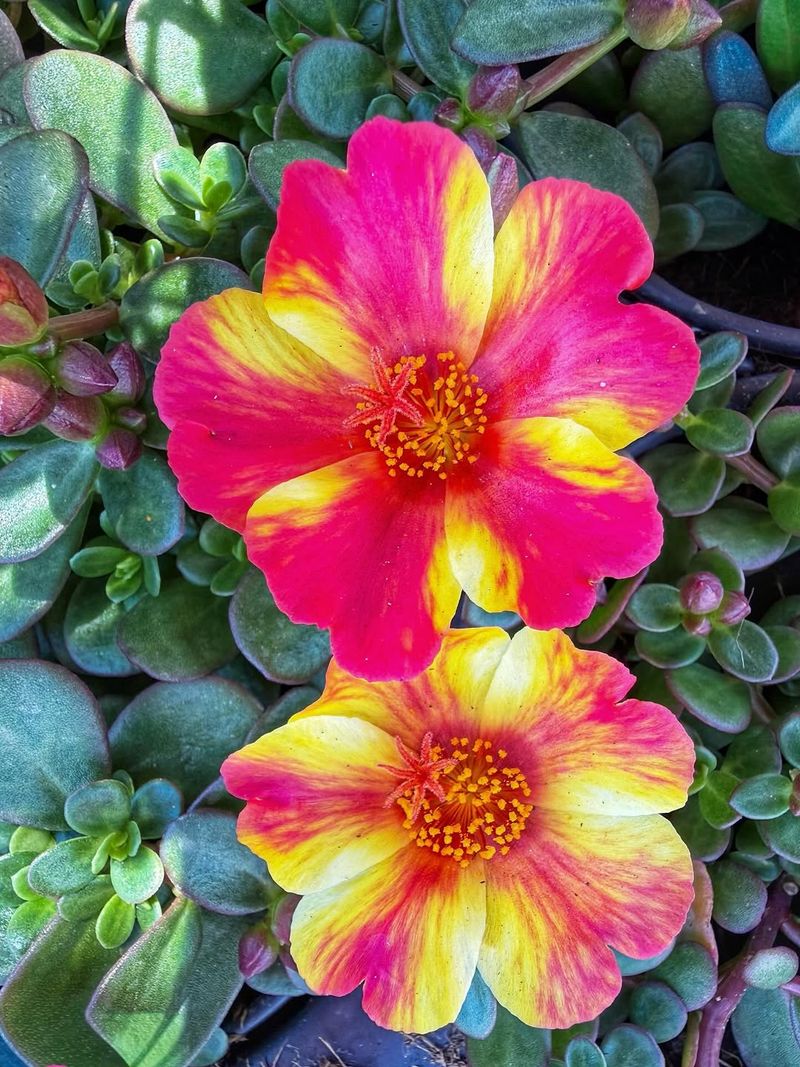
Purslane is practically indestructible in Florida’s summer heat, which makes it a gardener’s secret weapon. Its thick, succulent-like stems store water, helping it shrug off drought while still producing cheerful flowers in pink, yellow, orange, red, and white.
Flowers open in full sun and close at night, giving the plant a fresh look each morning. Use purslane in containers, hanging baskets, or sunny garden beds where other plants might wilt and give up by July.
Scaevola
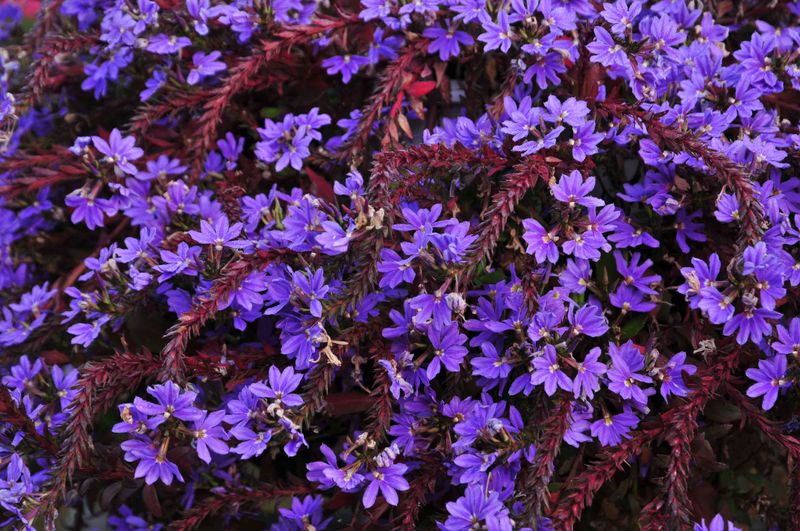
Scaevola, commonly called fan flower, has a quirky look that sets it apart from every other plant in the yard. Each bloom looks like a tiny hand-shaped fan, and they come in shades of purple, blue, pink, and white.
It originated in Australia, which explains why it handles Florida’s heat and coastal conditions so effortlessly. Scaevola is perfect for spilling over the edges of window boxes or planters near the front door for a soft, cascading effect.
Salvia
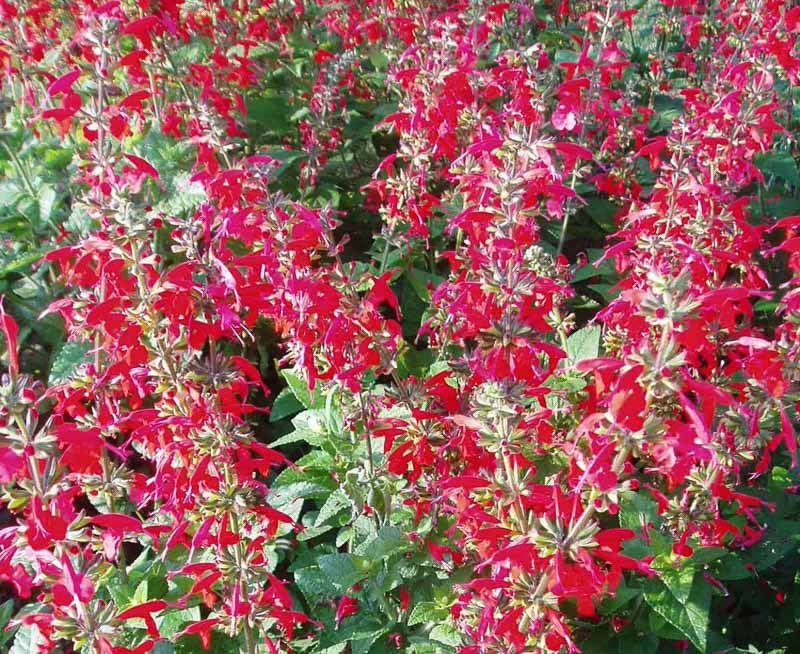
Salvia’s tall, colorful flower spikes add height and structure to garden beds in a way that few other plants can match. Red tropical salvia is especially popular in Florida because it blooms almost year-round and draws hummingbirds constantly.
There are many varieties to choose from, including purple, blue, coral, and bicolor types. Plant salvia toward the back of a bed to create a colorful backdrop for shorter plants in front, building a layered, professional-looking landscape.
Plumbago
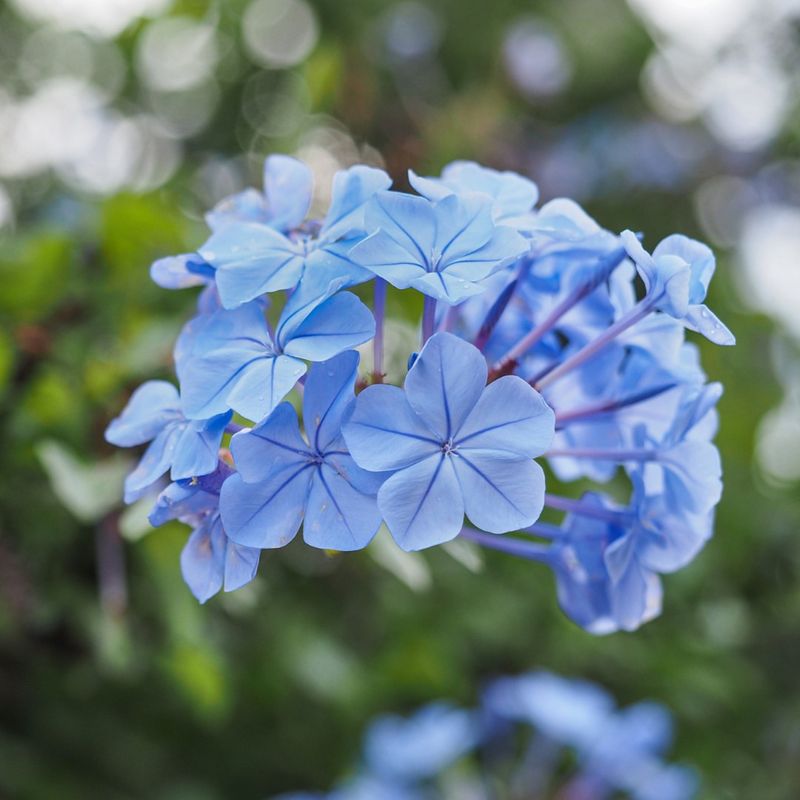
Plumbago is one of the most beloved flowering shrubs in Florida, and the reason is simple: those soft, powder-blue flower clusters are absolutely gorgeous against a green lawn or white house exterior.
It blooms almost year-round in South Florida and through the warmer months elsewhere in the state. Plumbago grows into a sprawling, full shrub that works great as a flowering hedge, a border plant, or a colorful backdrop along fences and walls.
Mexican Heather
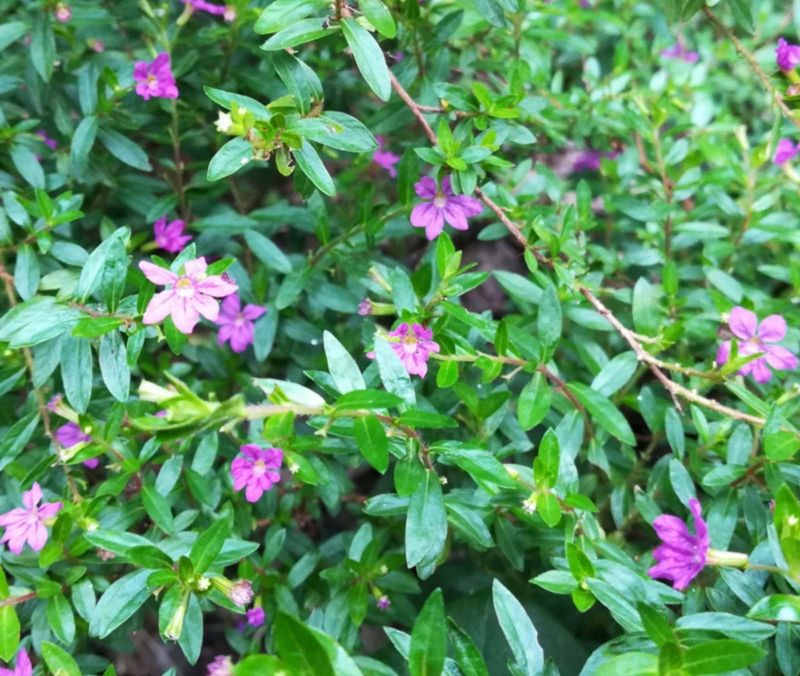
Do not let its delicate appearance fool you. Mexican heather is one of the toughest little plants you can grow in Florida, producing a non-stop display of tiny pink, purple, or white flowers even through summer’s most brutal heat.
Its fine-textured foliage gives it an airy, soft look that contrasts beautifully with bold-leafed plants nearby. Use Mexican heather as a border plant or mass it together in a bed for a fluffy, colorful ground-level display.
Begonia
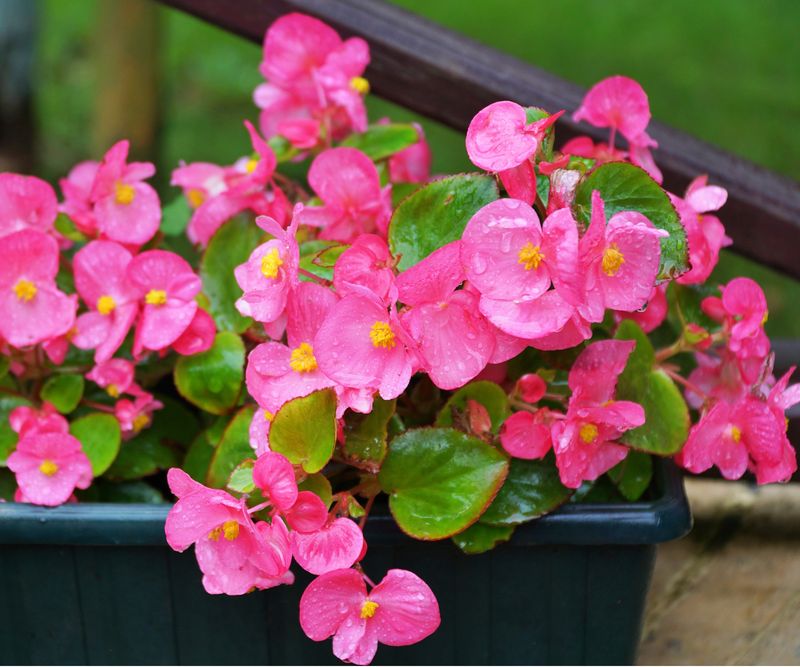
Begonias have been brightening up Florida yards for generations, and they still earn their spot every single season. Wax begonias, in particular, handle both sun and shade while pumping out flowers in red, pink, coral, and white without much care at all.
Their waxy leaves resist heat stress better than many other flowering plants. Plant them in masses for a full, carpet-like effect, or mix them into containers with taller plants for a layered, colorful front yard display.
Impatiens
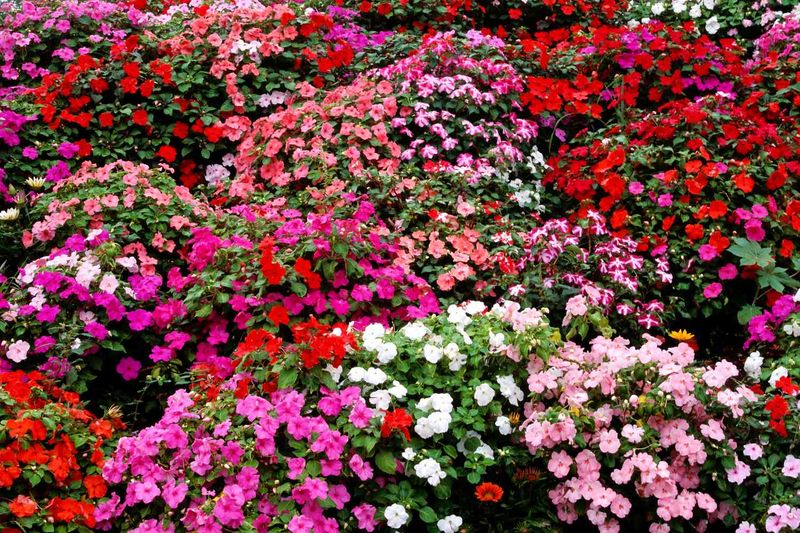
Impatiens have earned a legendary reputation as the go-to flower for shady spots, and Florida yards have plenty of those. They bloom in an almost ridiculous range of colors, including pink, red, orange, white, purple, and coral, creating a thick carpet of color under trees.
New Guinea impatiens can handle more sun than the standard type, making them a great option for partially sunny areas. Either way, impatiens fill in fast and keep the color going all season.
Ti Plant
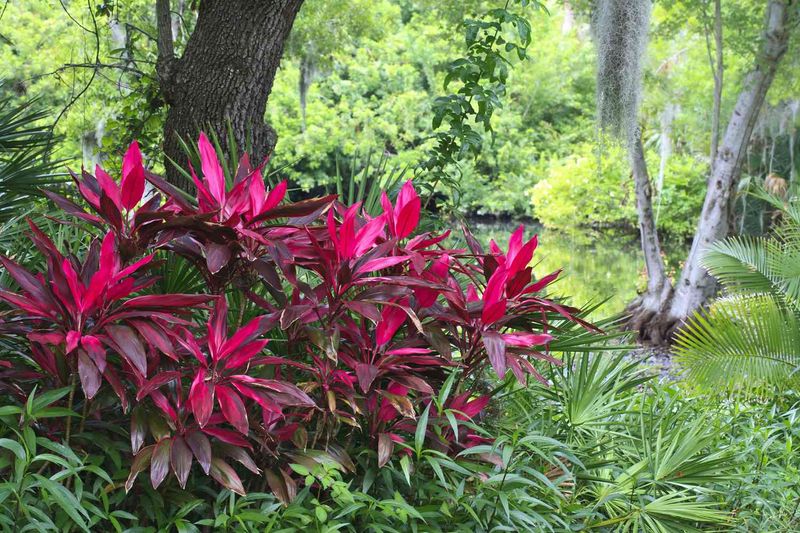
The ti plant looks like it belongs in a Hawaiian luau, and honestly, that tropical vibe is exactly what makes it so stunning in Florida yards. Its long, arching leaves come in rich shades of burgundy, red, purple, and green, sometimes all at once.
It grows well in both full sun and partial shade and adds serious vertical drama to any planting bed. Ti plants are also said to bring good luck in Hawaiian culture, so it is a beautiful and meaningful addition to your yard.
Joseph’s Coat
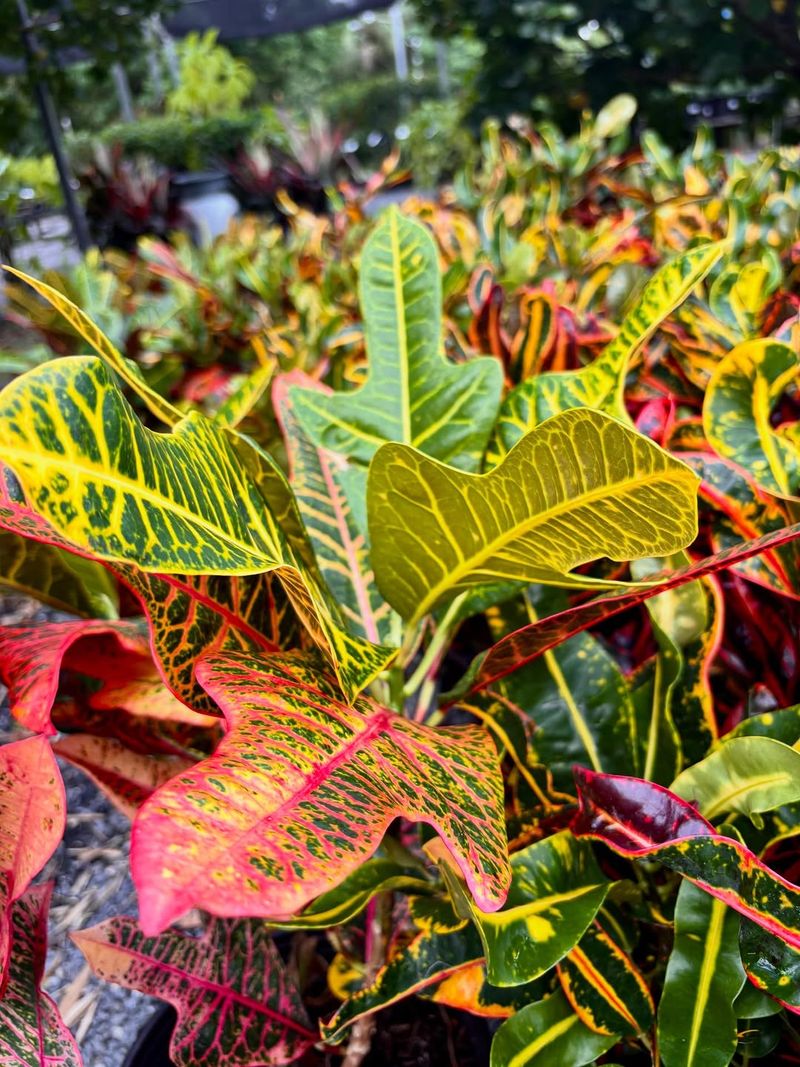
Joseph’s coat lives up to its biblical namesake with a coat of many colors in leaf form. This fast-growing plant produces foliage in wild combinations of red, orange, yellow, and green that almost glow in the Florida sun.
It thrives in heat and humidity, growing quickly enough to fill in bare spots in a matter of weeks. Use it as a low border, a ground cover, or a colorful filler between larger shrubs to add instant visual energy to the front yard.
Cuphea
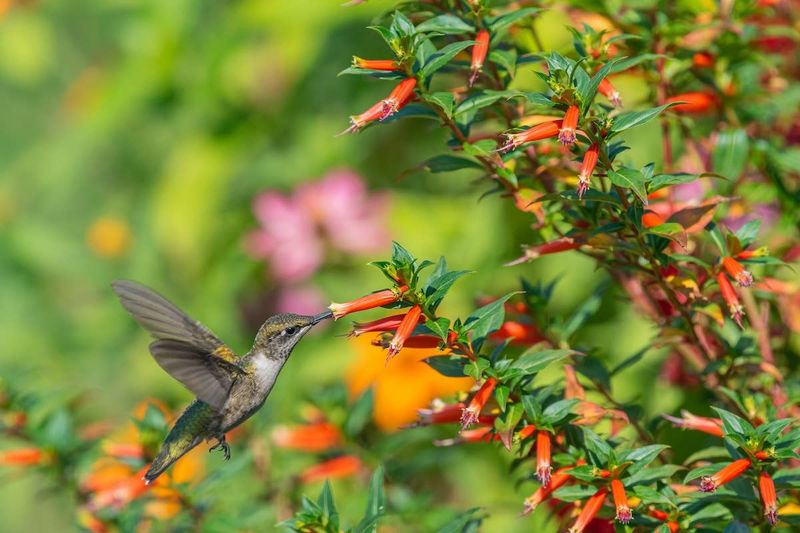
Cuphea is a quirky, fun plant with tiny tubular flowers that look like little cigars or candy wrappers, depending on the variety. Hummingbirds go absolutely wild for them, making any yard with cuphea feel alive with movement and color.
It blooms practically year-round in Florida’s warm climate and handles heat without complaint. Bat-faced cuphea is one popular variety with purple and red flowers that look almost like tiny cartoon faces peeking out from the plant.
Persian Shield
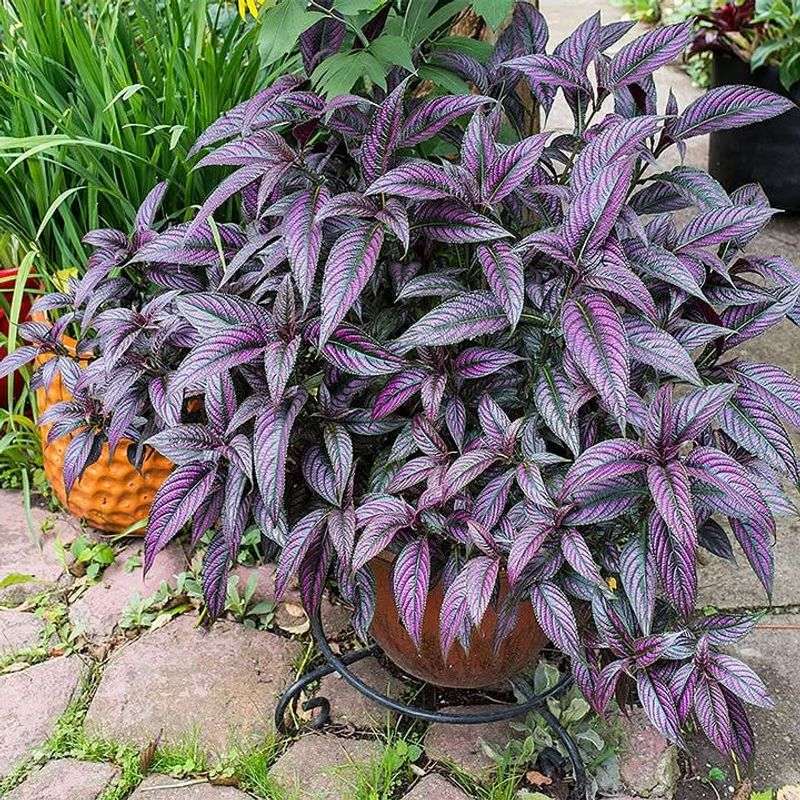
Persian shield might be the most glamorous foliage plant in all of Florida gardening. Its leaves shimmer with an iridescent purple and silver metallic sheen that changes slightly depending on the light, almost like a plant wearing a sequined outfit.
It prefers partial shade and warm, humid conditions, which makes Florida basically its dream home. Pair Persian shield with bright yellow or orange flowers nearby to create a jaw-dropping color contrast that makes your front yard unforgettable.
Enjoyed this story?
Add Fast Food Club as a preferred source to see more of our reporting on Google.