


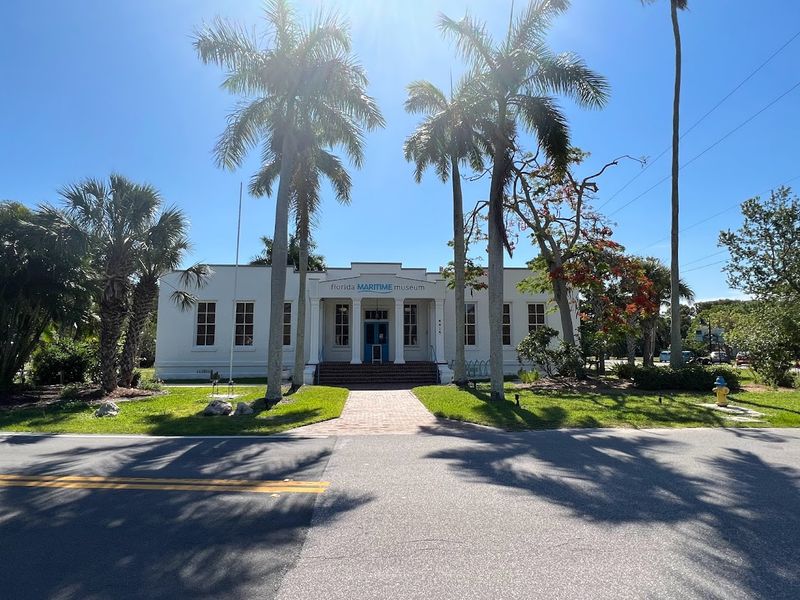
Most people race across the bridge to the sand and never look back. That is a small mistake worth fixing, because just before the beach sits a working waterfront with roots going back more than 140 years.
Boats still head out, nets still matter, and the families who settled here left a story that has outlasted plenty of flashier towns. The village is small, with only a few thousand residents, yet it carries a big piece of Florida history on its shoulders.
It sits on the mainland side of the water, right behind Bradenton Beach, in Manatee County. Keep reading to learn where it came from, why it still matters, and how to spend a thoughtful afternoon there without missing the details that make it special.
A Village on the Mainland Edge
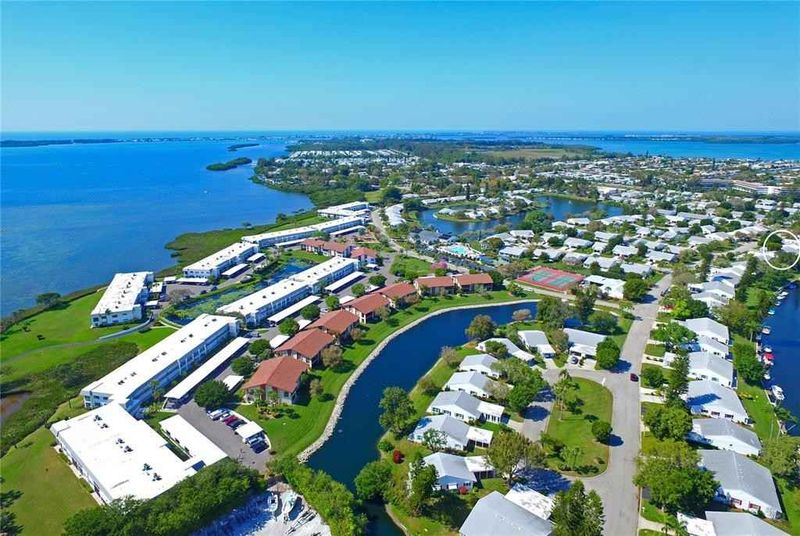
Cortez is a census-designated place in Manatee County, Florida, USA. It sits on the Gulf Coast side of the state, on the mainland, tucked just behind Bradenton Beach.
Many people pass close to it on their way to the islands. Few realize they are skirting one of the region’s longtime commercial fishing communities.
The official address is simply Cortez, Florida, USA. There is no single front door here, since the destination is the whole village.
That makes the visit a little different from a typical attraction stop. The draw is the community itself, its waterfront, and the way it has kept its working identity.
Its status as a census-designated place means it is not an incorporated city. It is a recognized community with its own name, history, and character within Manatee County.
For travelers heading to the beaches, that location is handy. The village sits close enough to fit into a beach day without much extra planning.
Consider it the quiet neighbor that has been here longer than most of the vacation crowd, and it is ready to tell its story to anyone willing to slow down.
Roots From North Carolina
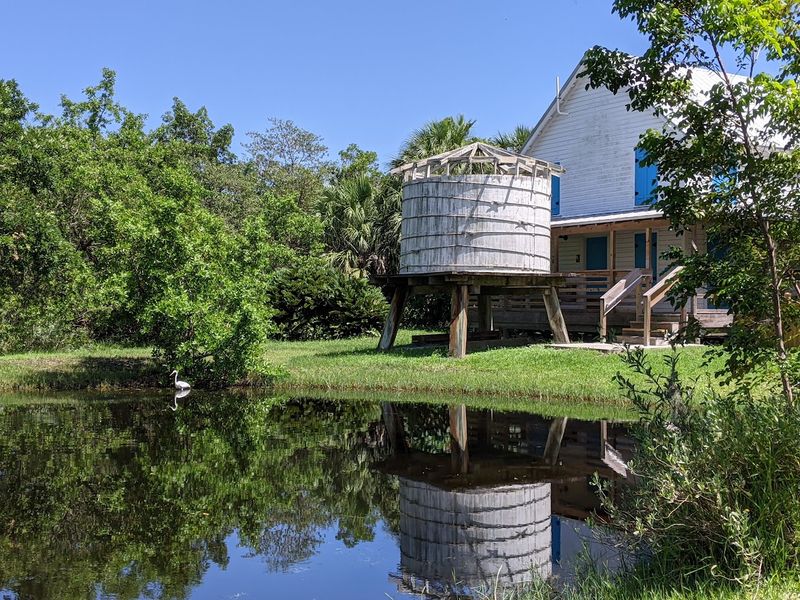
Here is a fun twist for a Florida town. The people who founded Cortez came from North Carolina.
Settlers from that state arrived in the 1880s. They built a community on the Gulf Coast centered on fishing.
That origin is a big part of why the village feels distinct today. It was not created as a resort or a retirement spot.
It began as a place where people made a living from the water.
The 1880s were an early chapter for much of this coastline. Plenty of nearby areas grew up much later around tourism.
Cortez started with a different purpose, and that purpose has stuck around. The founding story gives the village a sense of continuity that newer coastal towns cannot easily copy.
For history fans, this is the hook. A group of families traveled a long way south and chose this stretch of shoreline to put down roots.
More than a century later, their decision still shapes the identity of the place, which is a pretty strong legacy for a small fishing settlement.
Commercial Fishing at the Core
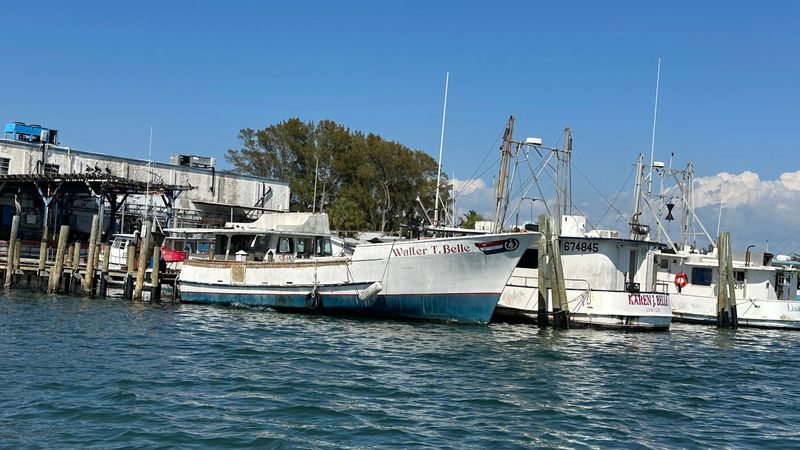
Some towns talk about their fishing past. Cortez is described as a commercial fishing village, present tense.
That label matters. It points to a working waterfront where fishing has been the backbone of the community since its founding.
Visitors should keep that in mind while exploring. The boats and docks are part of people’s livelihoods, not props set up for photos.
A respectful approach goes a long way. Watching from public areas and staying out of active work zones keeps everyone happy.
The working character is exactly what makes the village worth a detour. It offers a look at a side of the Gulf Coast that many beach trips skip entirely.
There is something grounding about a place that still does what it was built to do. While nearby coastlines changed with tourism, the fishing identity here has held on.
That staying power is the headline, and it is the reason the village still earns its old Gulf Coast reputation.
Small Numbers, Big Identity
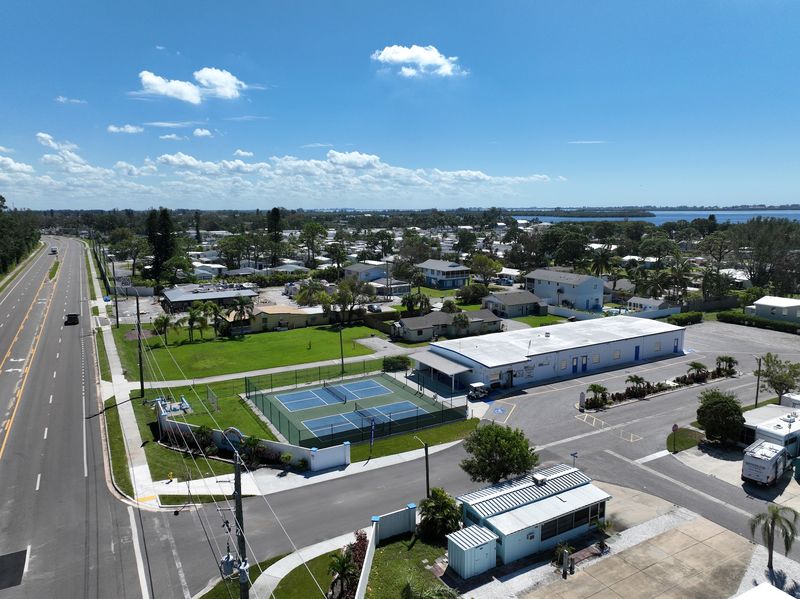
Numbers tell part of the story. Cortez had 4,121 residents at the 2020 census.
That was down slightly from 4,241 at the 2010 census. In other words, the community has stayed small and fairly steady.
A population of around four thousand gives the village a close-knit scale. It is not a sprawling city, and it does not try to act like one.
That size helps explain why the place keeps its character. There is less room for the kind of rapid growth that often reshapes coastal areas.
For visitors, the small scale is a plus. It makes the village easy to understand in a single outing.
It also means a little courtesy matters. Residents live and work here, so a low-key visit fits the setting better than a loud tour group approach.
Small towns often hold the strongest identities, and this one proves that a modest headcount can still carry a lot of history.
Life Behind Bradenton Beach
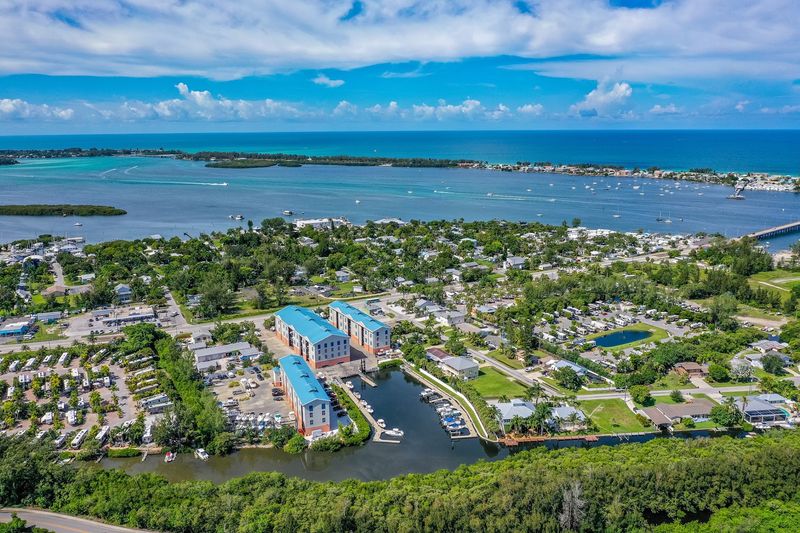
Geography does a lot of heavy lifting here. The village sits behind Bradenton Beach, on the mainland side of the water.
That position creates an interesting contrast. One side of the water is known for beach days, while the other holds a working fishing community.
The closeness makes it easy to see both in one trip. A morning in the village and an afternoon on the sand is a simple pairing.
Being tucked behind a popular beach area also explains why so many people overlook it. Travelers often focus on reaching the shoreline and keep moving.
Those who stop get a broader view of the area. They see how the region looked and worked long before it became a vacation favorite.
The setting rewards curiosity. A short pause on the way to the beach can add real depth to an ordinary coastal getaway.
Sometimes the best part of a trip is the place everyone else drives right past.
Part of Manatee County’s Story
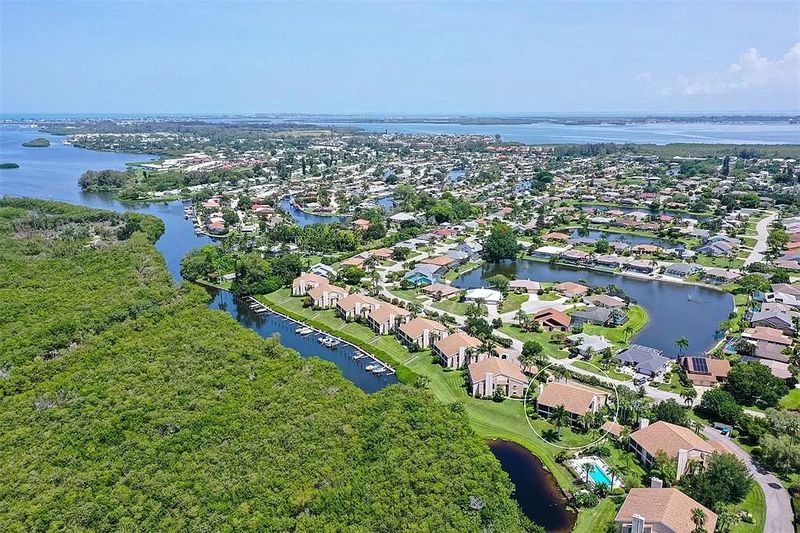
Zoom out a bit, and Cortez fits into a larger picture. It belongs to Manatee County on Florida’s Gulf Coast.
The county includes beach areas, mainland towns, and communities like this one with deep historical roots.
Within that mix, the village stands out for its fishing heritage. Its 1880s founding places it among the long-established communities in the area.
Travelers exploring the county can use it as a history stop. It adds context to the more tourism-focused places nearby.
Understanding the village helps explain the county itself. Fishing communities were part of how this coast developed in the first place.
That makes a visit feel like reading an early chapter before skipping to the modern pages.
Anyone mapping out a Manatee County itinerary would do well to pencil this one in near the top.
The Working Waterfront Up Close
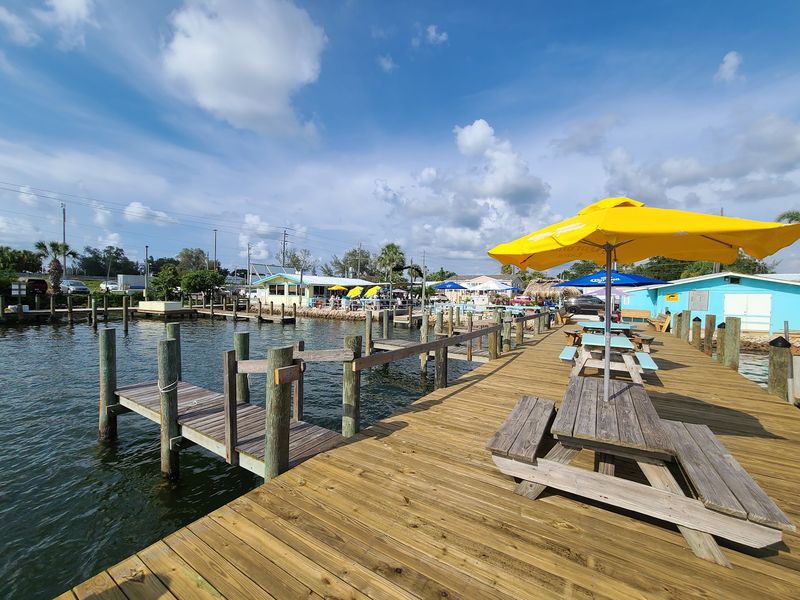
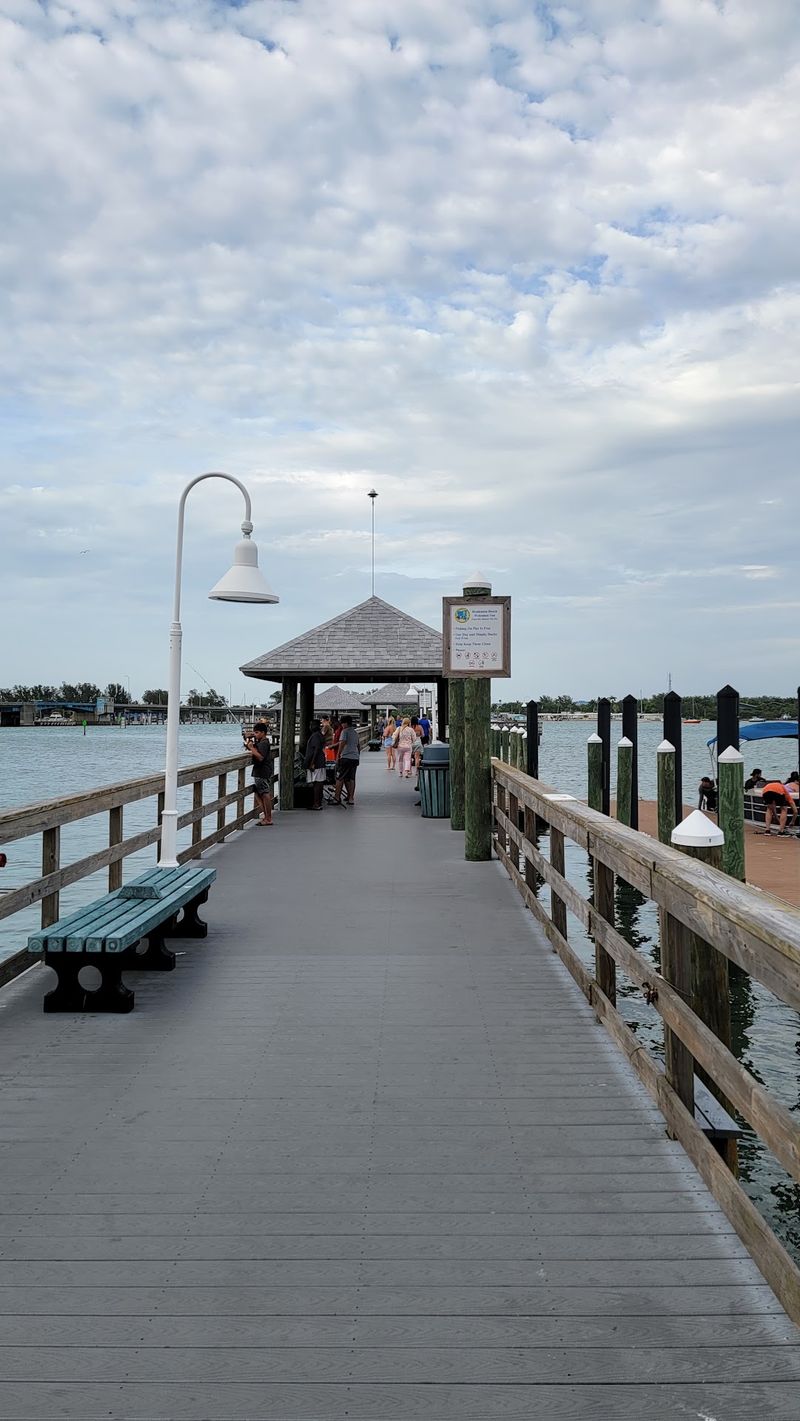
Docks, boats, and fishing gear are the true landmarks here. The waterfront is where the village’s identity is easiest to see.
A slow walk through public areas gives a clear look at how a fishing community is organized around the water.
There is no need to rush. The appeal comes from noticing details, like how close homes sit to the shoreline and how the boats shape the scene.
Photographers often find plenty to work with. Just remember that people may be busy, so staying out of the way is the polite move.
The waterfront is also where the village’s past and present overlap most clearly. Fishing started the community, and it still frames daily life.
That overlap is rare along much of Florida’s busy coast. Many shorelines have traded working docks for condos and resorts.
Here, the docks still hold their ground, and that is worth a few unhurried minutes.
A Slower Kind of Coastal Mood
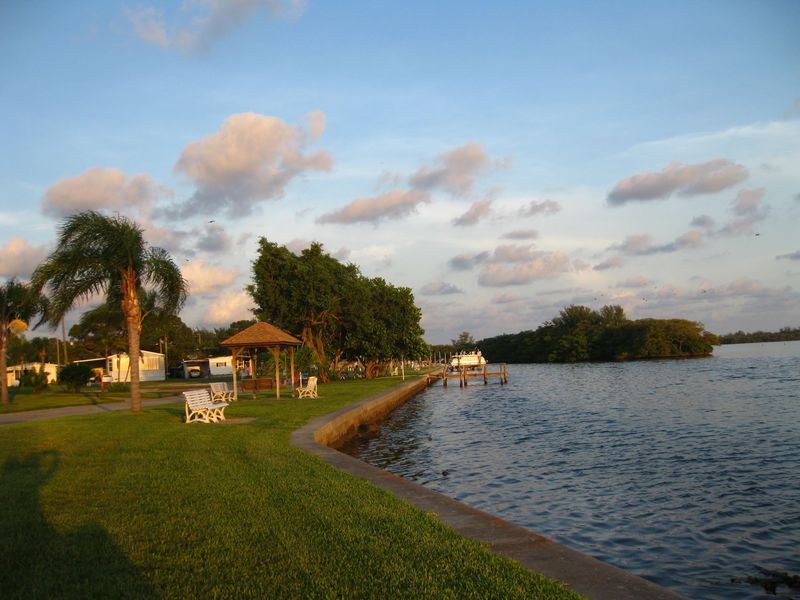
Not every coastal stop needs to be a party. Cortez offers a quieter, more down-to-earth mood.
The small population and working character set the tone. It feels more like a neighborhood than a destination built for crowds.
That calm pace suits travelers who like history, photography, and simple walks. It also suits anyone needing a breather from busier beach areas.
Families can treat it as an easy educational detour. Kids can learn how a fishing village works without sitting through a lecture.
Couples and solo travelers may enjoy it for the same reason. It is a low-pressure place to wander and think.
The village does not try to entertain anyone with gimmicks. Its appeal comes from being exactly what it is.
Call it a reset button for anyone whose vacation has started to feel like a schedule.
Who Will Love the Trip
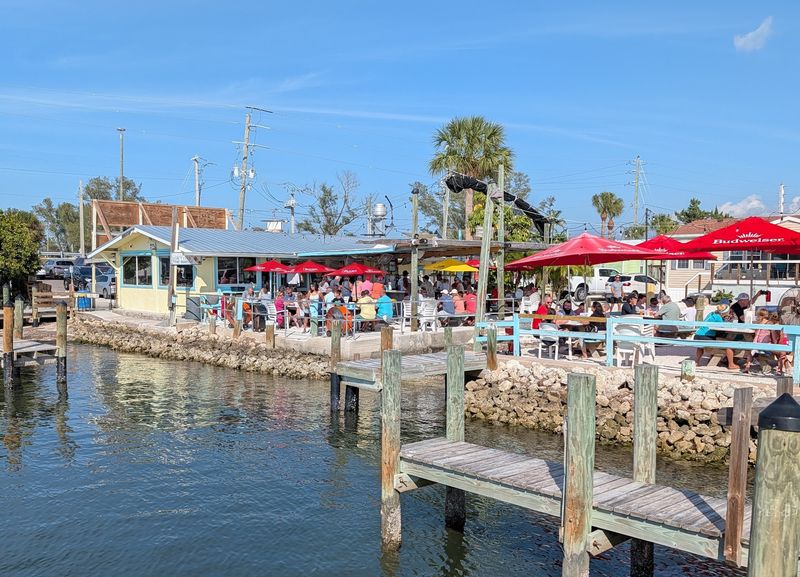
History buffs top the list. A village founded by North Carolina settlers in the 1880s offers a story that is easy to connect with.
Photographers come next. Working boats and a traditional waterfront make for authentic subjects.
Beachgoers looking for variety also win here. The village sits so close to Bradenton Beach that it pairs naturally with a sandy afternoon.
Travelers who prefer quiet spaces will appreciate the low-key setting. It is a welcome change from crowded attractions.
On the other hand, anyone hunting for big rides or nightlife will want to look elsewhere. This place keeps things simple.
Matching expectations makes the visit better. Arriving ready to observe and learn turns a short stop into a memorable one.
The right traveler leaves with a fuller sense of Florida’s coast, and maybe a camera roll full of boats.
Respect on the Docks
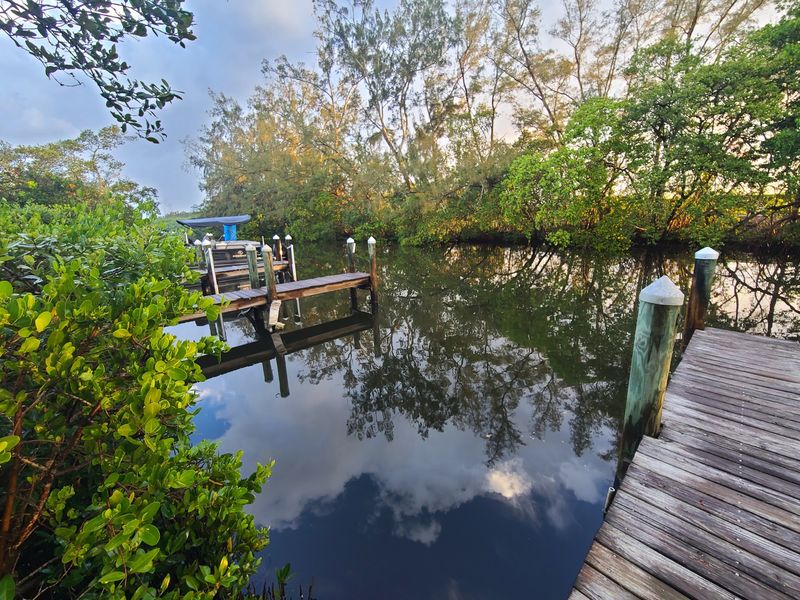
A little etiquette helps a lot in a working village. Cortez is home to people whose jobs depend on the water.
Staying in public areas is the first rule of thumb. Private docks and work zones belong to the people using them.
Keeping noise down near homes is another kind gesture. The community is small, and residents notice.
Parking thoughtfully also matters. Narrow spaces and active work areas should stay clear.
Photos are part of the fun, yet asking before photographing people up close is a good habit.
These small choices protect the very character that makes the village worth visiting. A working waterfront stays working only if visitors give it room.
Good manners cost nothing, and here they help keep a 140-year tradition afloat.
Getting There Without Fuss
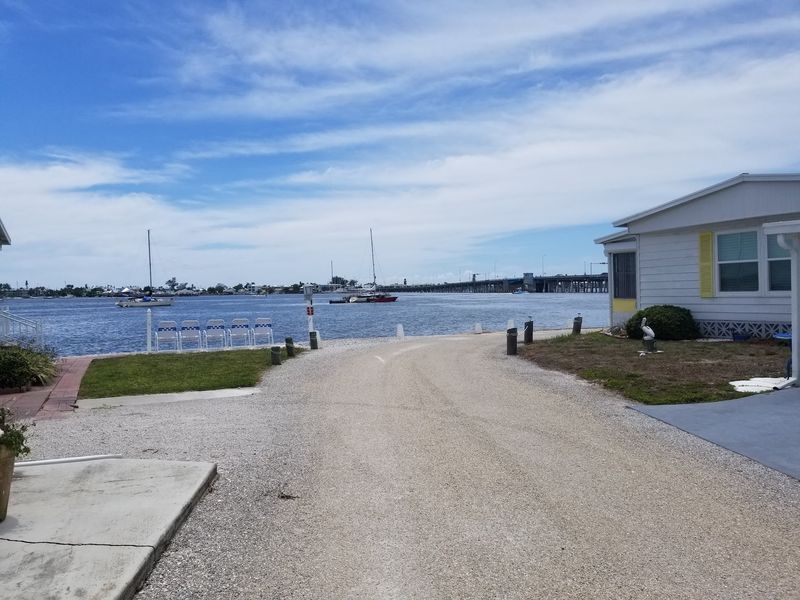
Reaching the village is straightforward for anyone already headed toward Bradenton Beach. It sits on the mainland just behind that beach area.
Most travelers arrive by car. A map search for Cortez, Florida, will point the way.
Because the village is a community rather than a single attraction, there are no posted general hours or entry fees for the place itself.
Individual businesses may keep their own schedules. Checking ahead for any specific stop is a smart move.
Planning the visit around a beach day is efficient. The short distance makes it easy to combine both.
Daylight hours work best for seeing the waterfront. It is also the easiest time to explore respectfully.
With minimal planning, the trip comes together quickly, which leaves more time for actually enjoying it.
Timing Your Visit
Clock-watching matters a bit in a fishing community. Activity on the waterfront tends to follow the rhythm of work.
Visiting during daylight gives the best chance to see the village as it truly operates.
Since the village does not have set attraction hours, flexibility is the key. Any day can work for a casual stroll.
Combining the stop with nearby beach plans keeps the day balanced. History in one part of the day and relaxation in another is a solid formula.
Short visits are fine. Even an hour can offer a real sense of the place.
Those who want more depth can linger longer and explore at an easy pace.
There is no wrong time to appreciate a village that has kept its course since the 1880s, so pick whatever slot fits the plan.
Why the Detour Pays Off
So, is it worth the turn off the beach route? For travelers who value history and authenticity, the answer leans toward yes.
Cortez offers something rare along this coast. It is a small commercial fishing village that has kept its identity since North Carolina settlers founded it in the 1880s.
Its population of about four thousand keeps it grounded and close-knit. Its location behind Bradenton Beach makes it easy to reach.
The visit does not demand much. A respectful walk, a few photos, and some curiosity are enough.
What travelers gain is perspective. They see a piece of the Gulf Coast that existed long before the vacation crowds arrived.
That kind of experience tends to stick. It adds meaning to the rest of a beach trip.
The beach will still be there afterward, but the story of this little village is the part many people wish they had discovered sooner.
Enjoyed this story?
Add Fast Food Club as a preferred source to see more of our reporting on Google.