


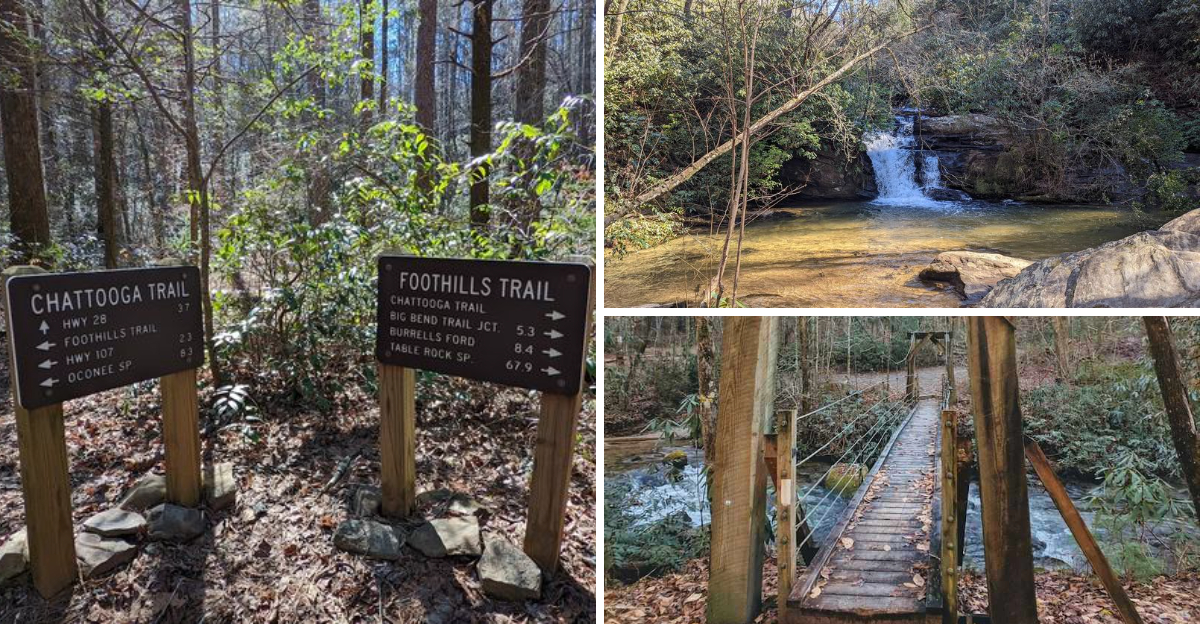
Tucked away in the upstate corner of South Carolina, the Foothills Trail at Cheohee Road Access near Mountain Rest is one of the most rewarding hiking experiences in the Southeast. This 77-mile trail winds through wild gorges, rushing rivers, and stunning mountain views, even crossing into North Carolina along the way.
Whether you are a seasoned backpacker or a curious first-timer, there is something here for every type of hiker. Get ready to lace up your boots and explore everything this incredible trail has to offer.
The Cheohee Road Access Starting Point
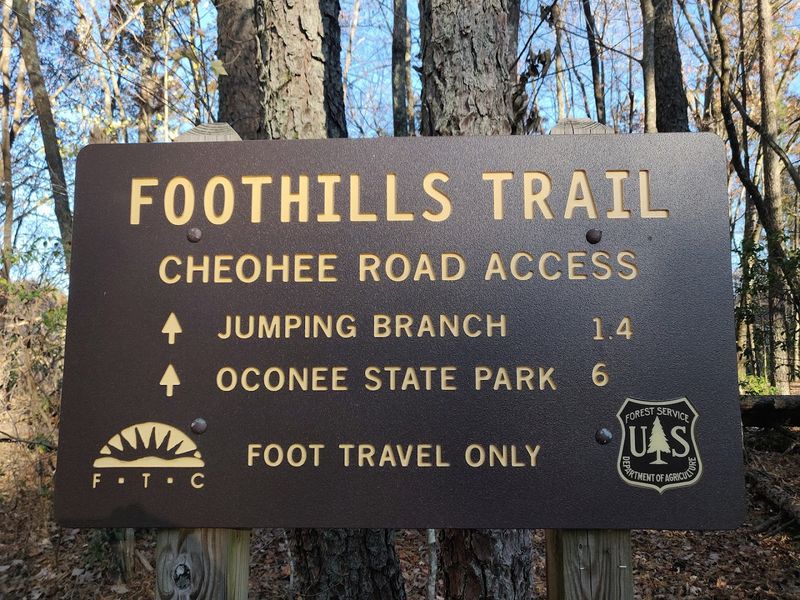
Not every great adventure starts with a grand entrance, and the Cheohee Road Access on Winding Stairs Road proves that perfectly. This modest trailhead features a small parking area that quietly opens the door to one of South Carolina’s most celebrated hiking routes.
From this access point, hikers can head west about two miles to reach a small but charming waterfall, or turn east toward the impressive Garnett Falls. White square trail markers painted on trees guide you along both directions, making navigation straightforward even for first-time visitors.
Parking here fills up faster than you might expect on weekends, so arriving early in the morning is a smart move. The road itself, known locally as Winding Stairs gravel road, offers beautiful views and a peaceful drive that sets the mood perfectly before you even hit the trail.
Crossing Into North Carolina Mid-Hike
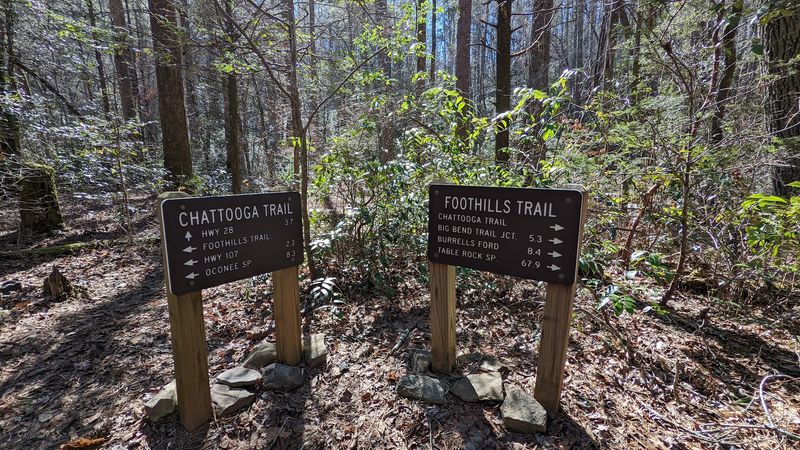
Few hiking experiences match the thrill of stepping from one state into another without ever getting in a car. The Foothills Trail at Cheohee Road Access makes this possible, with the route eventually crossing the South Carolina and North Carolina border through rugged Appalachian foothills terrain.
That single step across the state line carries a surprising sense of accomplishment, especially when you have earned it through miles of uphill climbs and river crossings. It transforms an ordinary afternoon hike into a genuine adventure story worth telling.
Hikers who plan a longer section from this access point can time their walk to reach the border crossing by midday, making it a realistic single-afternoon goal. Bring a camera because the forested ridgeline near the border offers sweeping, cinematic views that look almost too beautiful to be real.
Garnett Falls and the Eastern Route
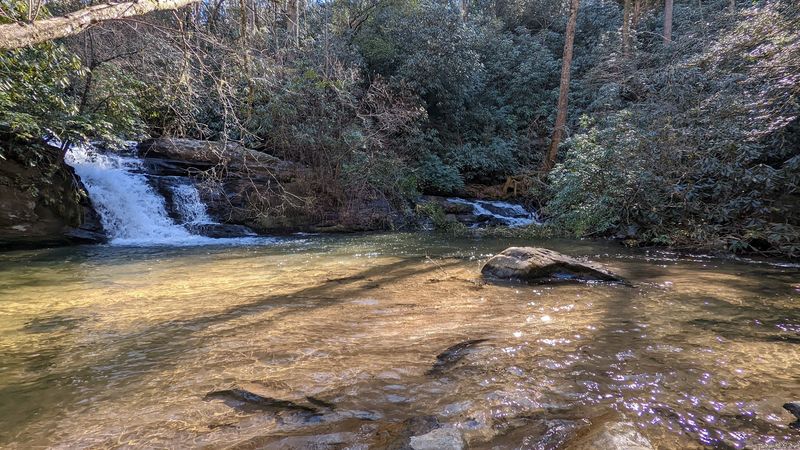
Garnett Falls is the kind of payoff that makes every steep climb feel completely worth it. Heading east from the Cheohee Road Access trailhead puts you on a path that rewards patient hikers with one of the most picturesque waterfall views along the entire Foothills Trail corridor.
The sound of rushing water grows louder as you approach, building anticipation with every step. When the falls finally come into view, the sight of water tumbling over smooth rock faces into a crystal-clear pool below is genuinely breathtaking, even for experienced hikers who have seen dozens of waterfalls before.
Trail conditions leading to Garnett Falls are generally well-maintained, though some rocky sections require careful footing. Wearing sturdy hiking shoes with good grip is strongly recommended.
Pack a snack and plan to linger at the falls because leaving quickly feels nearly impossible once you arrive.
The Western Route to the Small Falls
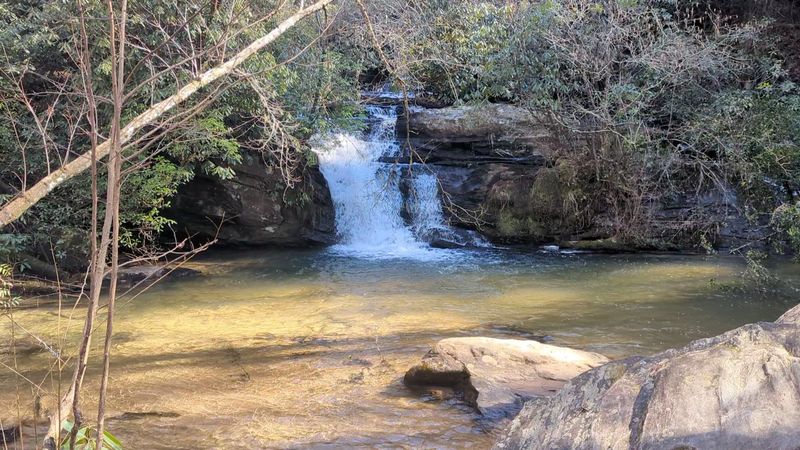
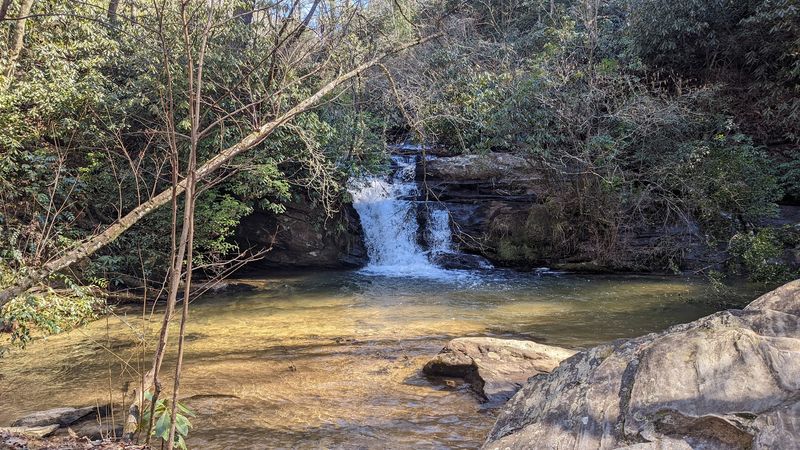
Two miles west of the Cheohee Road Access parking area lies a quiet little waterfall that does not get nearly as much attention as it deserves. Smaller in scale than Garnett Falls but equally charming, this western-route waterfall feels like a hidden secret shared only among hikers who know to look for it.
The path heading west follows a steady rhythm of gentle elevation changes through a mix of hardwood forest and open woodland areas. Hikers who visited after a recent controlled burn in the area reported noticing how the landscape looked strikingly different, with open skies where dense canopy once stood.
Recovery from controlled burns actually benefits trail ecosystems over time, encouraging new plant growth and improving habitat for local wildlife. Keep an eye out for wildflowers and young saplings reclaiming the forest floor, especially in spring when fresh greenery pushes through the charred undergrowth with surprising energy.
77 Miles of Backcountry Beauty
Stretching 77 miles from end to end, the Foothills Trail is South Carolina’s longest and most celebrated backcountry trail. It connects the Chattooga River on the western end to Oconee State Park on the east, passing through some of the wildest and most remote landscapes in the entire Southeast.
Along the way, hikers encounter everything from roaring whitewater rivers to quiet mountain meadows, steep ridge climbs to peaceful valley strolls. The sheer variety of terrain is what keeps hikers coming back year after year, whether they tackle the whole trail at once or chip away at it section by section.
One thru-hiker described it as waterfalls and more waterfalls, which honestly sums up the experience better than any map could. If you have ever dreamed of a multi-day backcountry adventure close to home, this trail deserves a serious spot on your bucket list.
Trail Markers and Navigation Made Simple
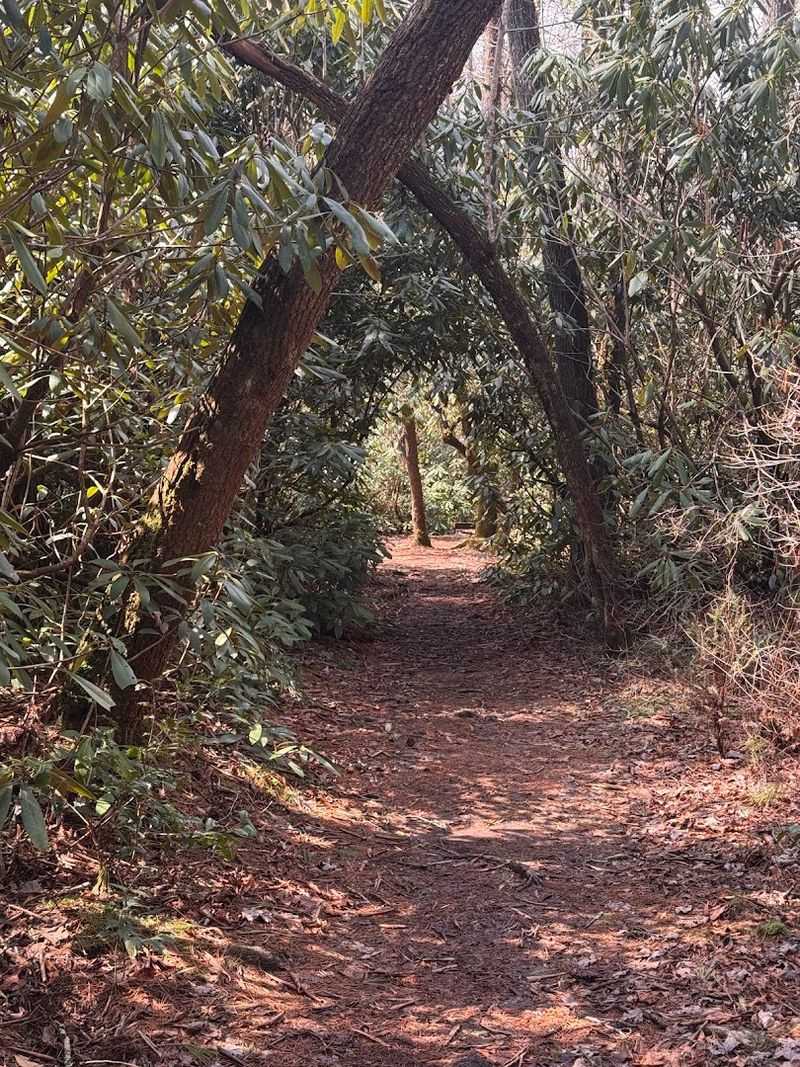
Getting lost on the Foothills Trail is surprisingly difficult, and that is entirely by design. The trail is marked with white squares painted directly onto trees at regular intervals, creating a reliable visual guide that keeps hikers on track even when the path itself becomes less obvious.
From the Cheohee Road Access point, these markers appear consistently in both the eastern and western directions, making it easy to follow your chosen route without constantly checking a map or GPS device. Still, carrying a downloaded offline map as a backup is always a wise habit on any backcountry trail.
The trail maintenance team behind the Foothills Trail is known for keeping blazes fresh and visible throughout the year. Multiple reviewers have specifically praised the trail maintenance as perfect, which is high praise in a region where heavy rainfall and rapid vegetation growth can quickly obscure trail markings.
Section Hiking for Every Skill Level
Not everyone has the time or stamina for a 77-mile thru-hike, and the Foothills Trail completely understands that. The trail is divided into numbered sections, each accessible from its own trailhead, which means hikers can choose exactly how much distance they want to cover on any given day.
One group tackled sections A8 through A12, covering an impressive 20 miles in a single day, while families with younger kids often opt for shorter two to five mile out-and-back routes from access points like Cheohee Road. The flexibility is one of the trail’s greatest strengths, welcoming everyone from casual walkers to hardcore long-distance runners.
The official Foothills Trail website at foothillstrail.org makes planning incredibly straightforward, with simple navigation and clear section maps that even first-time visitors can understand quickly. Checking the site before your trip helps you choose the right section for your group’s fitness level and available time.
Thru-Hiking Tips from the Trail Community
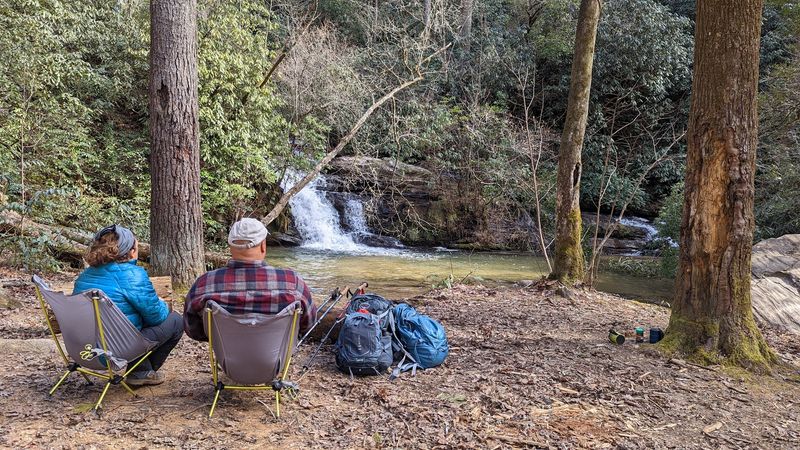
Experienced thru-hikers who have completed the full 77 miles share some genuinely useful advice for anyone planning to attempt the whole route. Going west to east is widely recommended for thru-hikers because it allows you to build trail legs gradually before hitting the more demanding steep sections near the eastern end.
Ultra runners, on the other hand, often prefer the east-to-west direction, tackling the toughest climbs while their legs are still fresh and saving the remote Jocassee Gorges section for the second half of the journey. Either direction offers an unforgettable experience, so the best choice really depends on your personal fitness strategy.
One important seasonal heads-up: yellow jackets can be aggressive along the trail during summer months. Wearing long socks and staying alert near ground-level vegetation dramatically reduces your chances of an unpleasant encounter during warm-weather hikes.
Waterfalls Around Every Corner
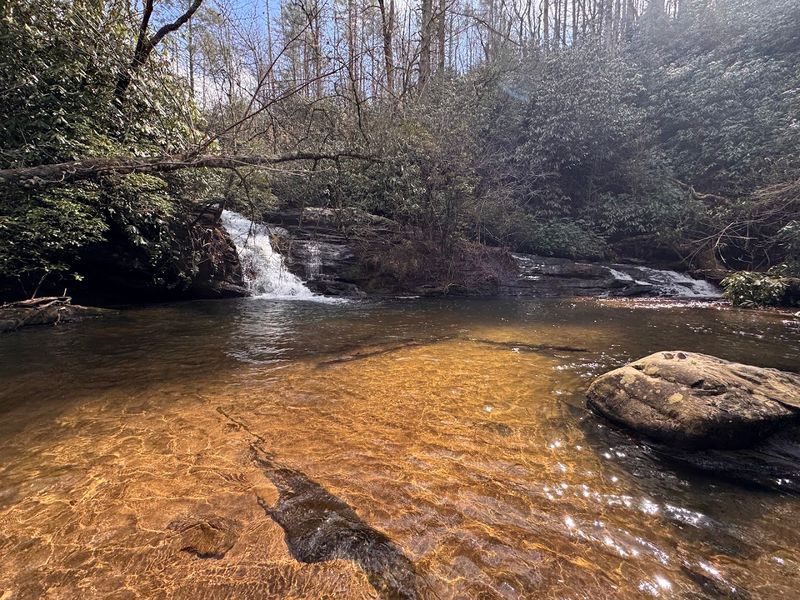
If waterfalls are your hiking motivation, the Foothills Trail at Cheohee Road Access might just become your favorite place on Earth. The trail corridor is packed with waterfalls of every shape and size, from dramatic multi-tiered cascades to quiet, mossy trickles that you almost stumble upon by accident.
Reviewers consistently rave about the sheer number of waterfalls encountered along the route, with one enthusiastic hiker describing the experience as waterfalls and more waterfalls in the most delightfully exasperated tone imaginable. The Chattooga River area and the Jocassee Gorges section are particularly well-known for their spectacular water features.
Spring and early fall tend to offer the best waterfall viewing, as snowmelt and seasonal rainfall keep water levels high and flows strong. Summer visits are still rewarding, though some smaller falls may slow to a trickle during dryer stretches of the season.
Camping Overnight Along the Route
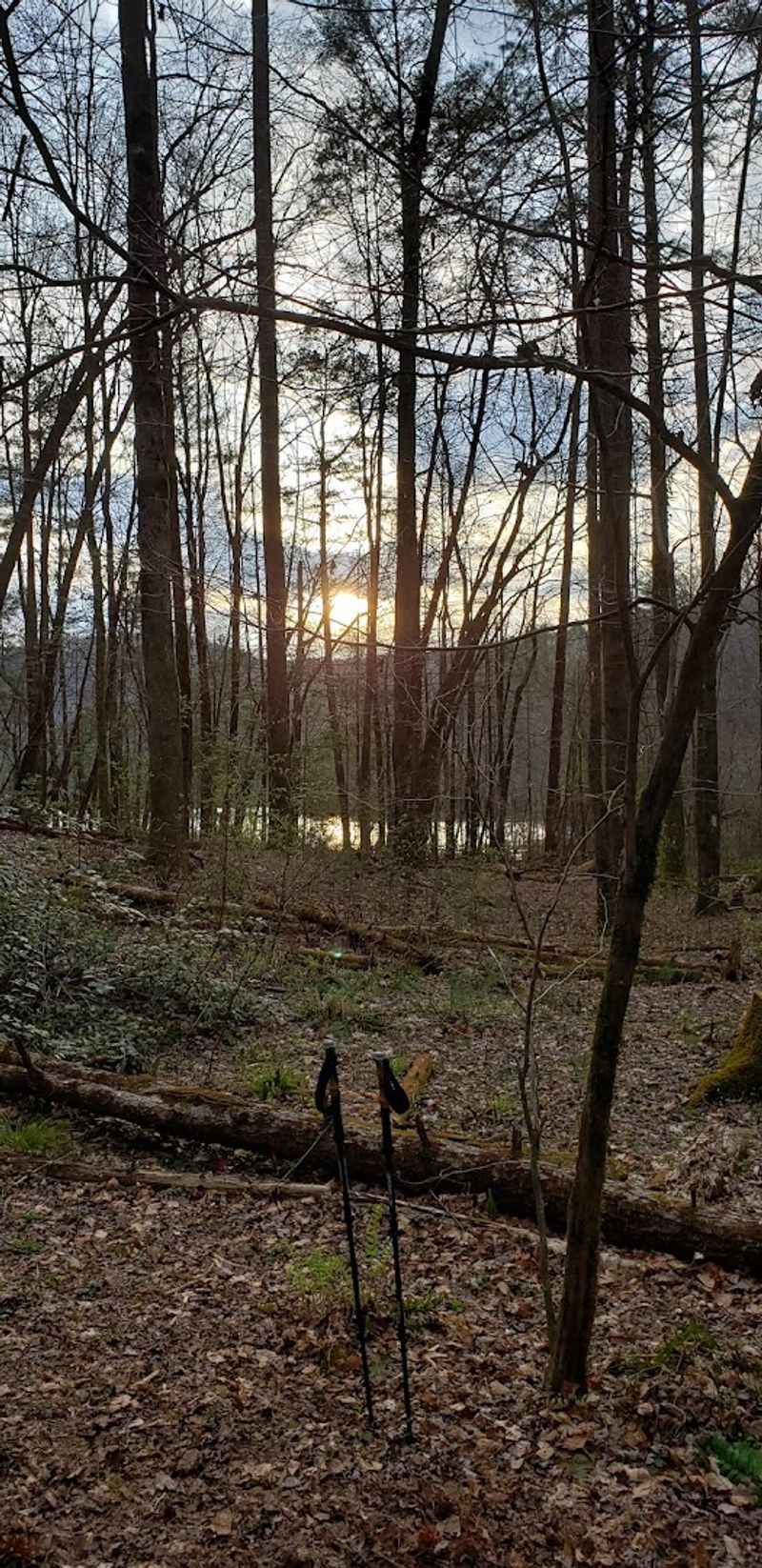
Spending a night on the Foothills Trail transforms the experience from a simple day hike into something that stays with you for years. Backcountry camping is permitted along much of the route, with designated camping areas offering spots that range from riverside clearings to elevated ridge sites with jaw-dropping evening views.
One overnight camper described the experience as simply beautiful, which understates things considerably given the remote, star-filled skies and near-total silence that settles over the trail after dark. Proper bear-safe food storage practices are essential, so bringing a bear canister or using the provided hanging systems at designated sites is strongly encouraged.
Camping gear should be packed light but thoughtfully, especially for multi-night trips. A quality sleeping pad, a weather-appropriate sleeping bag, and a reliable water filtration system are the three non-negotiables that experienced Foothills Trail campers consistently recommend bringing without exception.
The Chattooga River and Jocassee Gorges
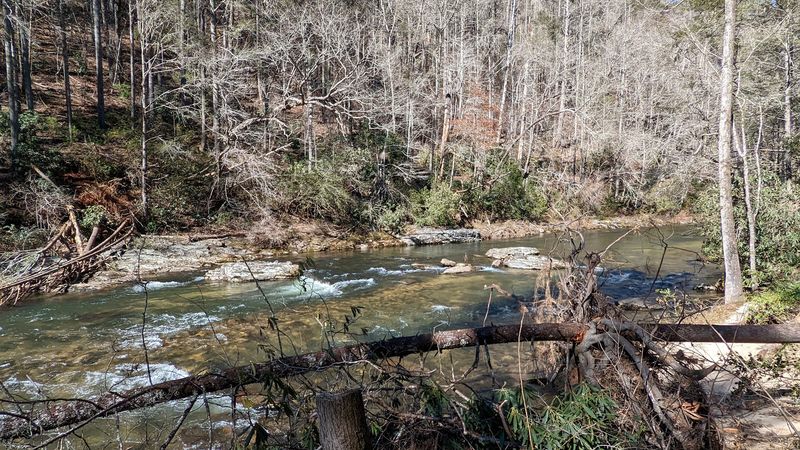
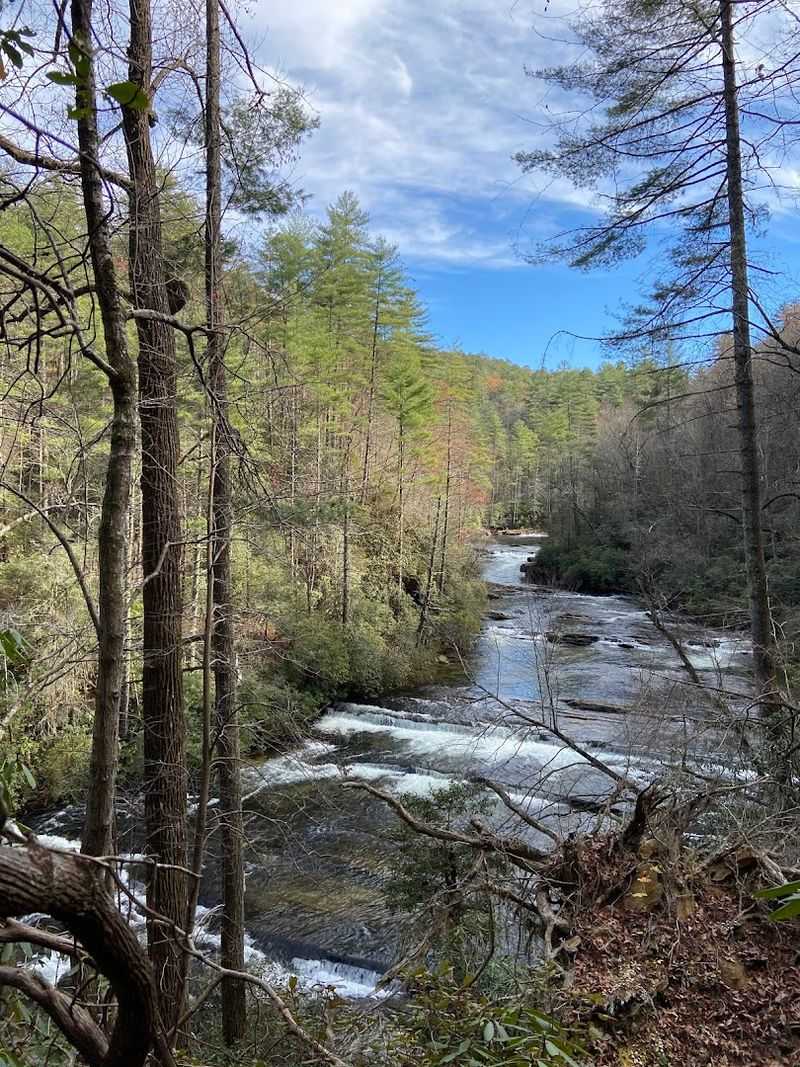
Starting from the banks of the wild Chattooga River on the western end, the Foothills Trail immediately announces itself as something special. The Chattooga is a federally designated Wild and Scenic River, famous for its powerful rapids and crystal-clear water rushing through ancient rock gorges carved over millions of years.
As the trail progresses eastward, it eventually enters the Jocassee Gorges region, a vast protected wilderness area that many outdoor enthusiasts consider the ecological crown jewel of the entire Southeast. The gorges harbor rare plant species, pristine streams, and wildlife that you simply cannot find in more developed areas.
Connecting these two iconic natural landmarks across 77 miles of trail is an achievement that makes the Foothills Trail genuinely one-of-a-kind. Hikers who complete the full route often describe the journey as feeling like traveling through an entirely different world with each passing mile.
Make-A-Wish Trailblaze Challenge Connection
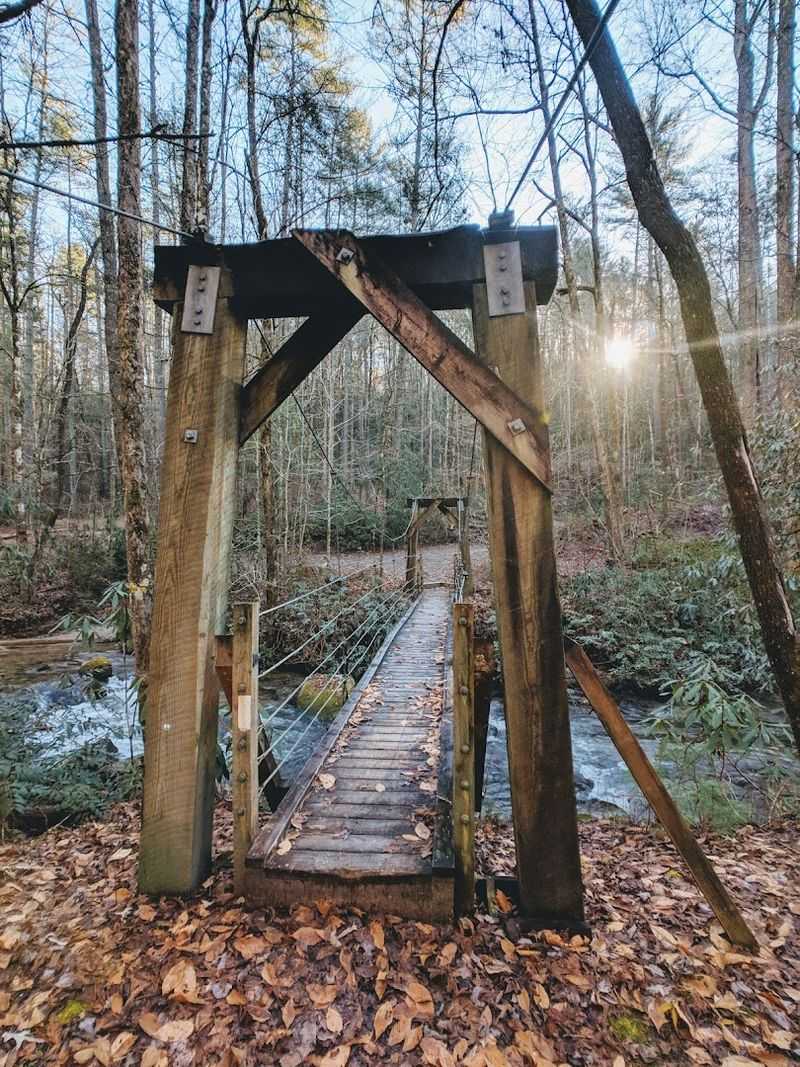
Here is something that makes the Foothills Trail even more meaningful than its scenery alone. Each spring and fall, the trail hosts the Make-A-Wish Trailblaze Challenge, a fundraising hiking event that brings hundreds of participants together to raise money for children with critical illnesses.
The event draws hikers of all ages and fitness levels, uniting the outdoor community around a cause that goes far beyond personal fitness goals. Participants cover significant mileage through the rolling hills between Whitewater Falls and Oconee State Park, cheering each other on through tough climbs and celebrating together at finish lines.
Being part of a trail community that actively supports charitable causes adds a powerful layer of purpose to every hike you take here. Even on an ordinary Tuesday afternoon walk, you are traveling the same path that hundreds of inspired fundraisers have covered in service of something truly worthwhile.
Year-Round Trail Conditions and Seasonal Tips
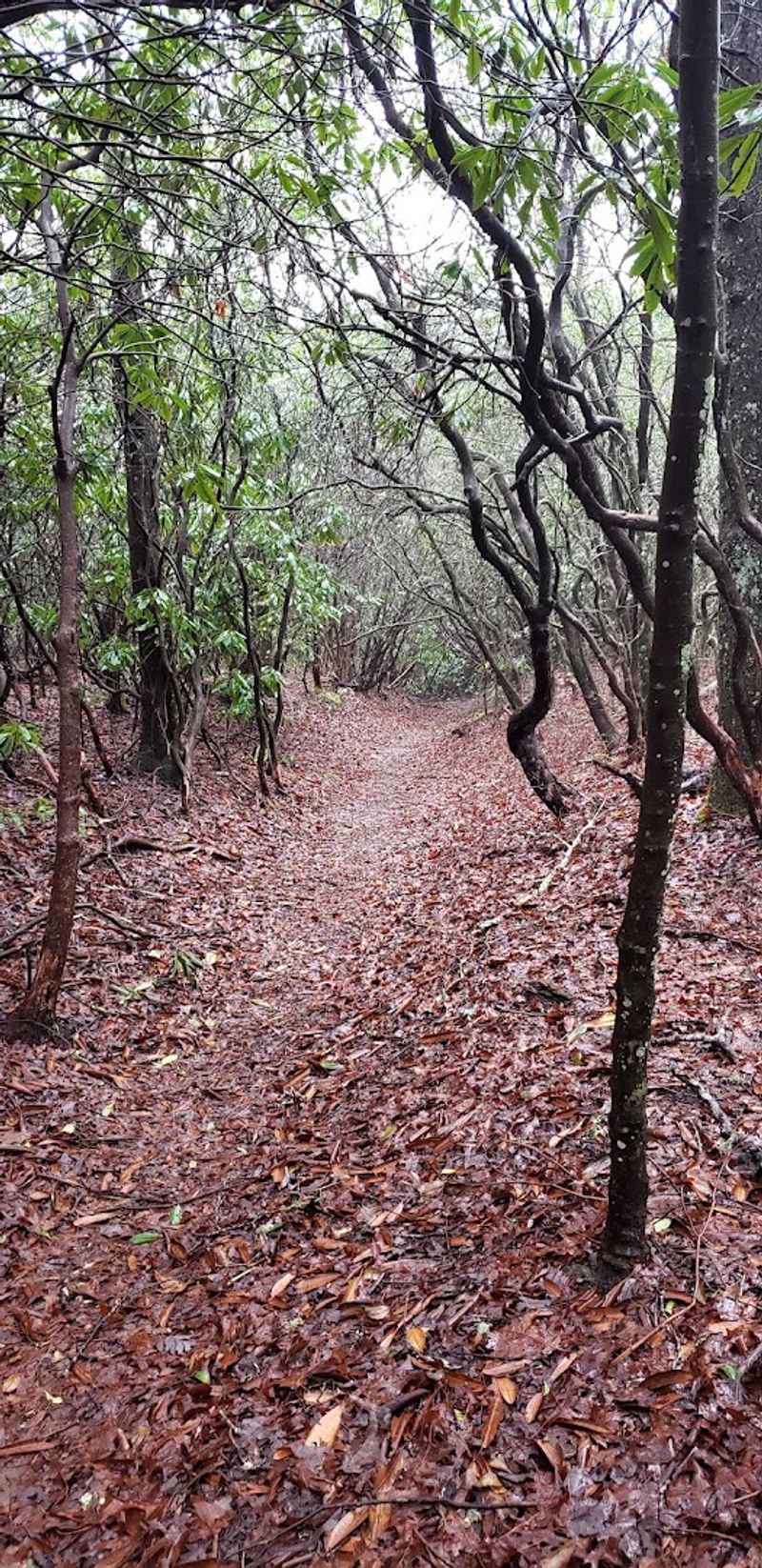
One of the most appealing qualities of the Foothills Trail is that it genuinely rewards visitors in every season. Fall brings a spectacular display of color as hardwood trees across the upstate transform into shades of orange, red, and gold, making October arguably the most popular month to visit the Cheohee Road Access area.
Winter hikes offer a completely different kind of beauty, with bare trees opening up long-distance views that dense summer foliage normally hides. Spring brings wildflowers and surging waterfalls, while summer offers lush green shade that keeps trail temperatures surprisingly comfortable even on hot South Carolina days.
Regardless of when you visit, wearing moisture-wicking layers and carrying more water than you think you need are habits that experienced Foothills Trail hikers swear by. The trail is open 24 hours every day of the year, giving you total freedom to plan your adventure around whatever weather and schedule works best.
Enjoyed this story?
Add Fast Food Club as a preferred source to see more of our reporting on Google.