


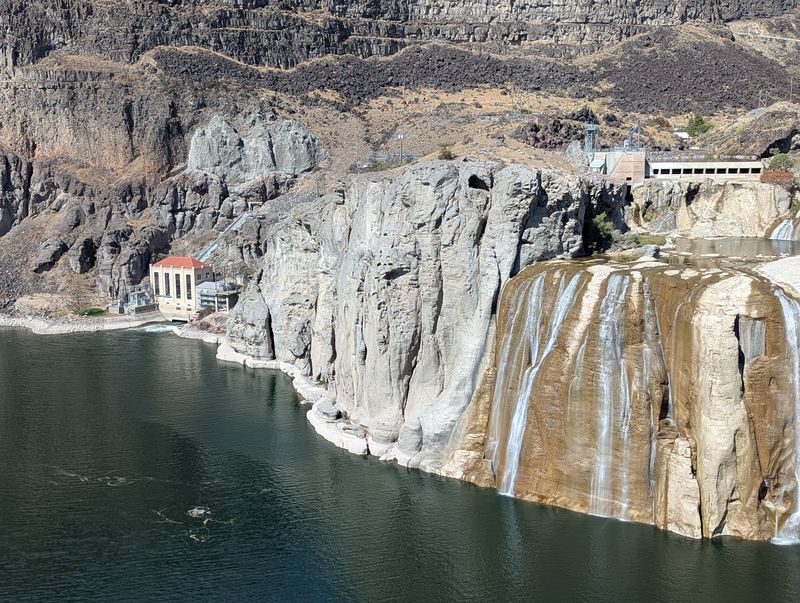
Driving around Twin Falls, the land looks flat for miles, and nothing hints at what is hiding just ahead. Then the ground drops away into a basalt canyon, and a waterfall taller than Niagara appears out of nowhere.
Most people show up in spring and summer, when the parking lot fills and the overlooks get packed. After Labor Day, the story changes.
The water may run lower, but the crowds fade, the gate fee stays low, and the rock ledges usually hidden under the flow come into full view. Some fall travelers even get the catwalk all to themselves.
This guide covers where to go, what to see, how much it costs, and why autumn might be the smartest time to plan a trip to this famous Idaho canyon.
A Canyon Hiding in Plain Sight
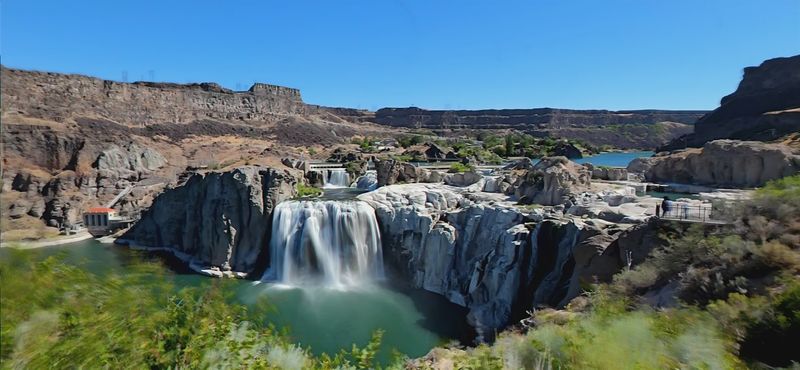
Few roadside stops in Idaho pull off a surprise quite like this one. Shoshone Falls Park sits at 4155 Shoshone Falls Grade Rd, Twin Falls, ID 83301, tucked into the Snake River Canyon on the edge of town.
The drive is short and simple. The park lies about six miles from the Twin Falls Visitor Center, on Shoshone Falls Grade Road just off Fall Ave E.
What makes the arrival so memorable is the contrast. The streets around Twin Falls look flat and ordinary, and then the canyon opens up all at once with a giant waterfall at its center.
The park is run as a city green space. It includes trails, picnic areas, a boat launch, a concession stand, and a scenic overlook aimed straight at the falls.
It has also earned serious affection from the public. The park holds a 4.8-star average across more than 12,000 Google ratings, which is a remarkable showing for a spot that costs just a few dollars to enter.
That popularity is exactly why timing matters. Knowing when the crowds peak, and when they drift away, can change the whole trip.
The Niagara of the West Nickname
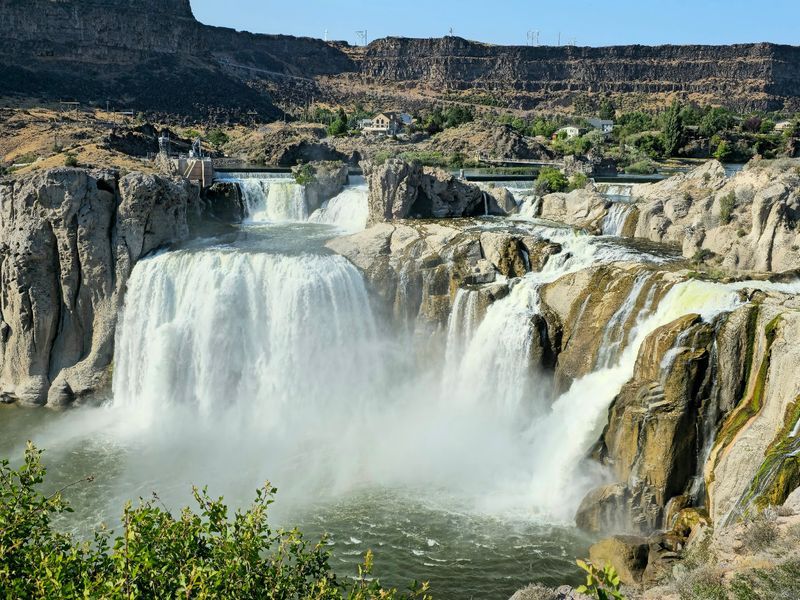
Bragging rights come easy when a waterfall outranks a world-famous rival in height. Shoshone Falls drops about 212 feet and stretches roughly 900 feet wide, which makes it taller than Niagara Falls.
That is how it earned the nickname Niagara of the West. The label sticks for good reason, even if the volume of water is a different story.
Travelers coming from the East Coast often make the comparison right away. The common verdict is that Shoshone is not as massive as Niagara, yet it is impressive in its own way.
Part of that charm is the setting. The Snake River cuts through dark basalt canyon walls here, carrying its water onward toward the Columbia River.
The falls also sit within a wider stretch of cascades. Smaller waterfalls dot the property and can even be spotted from the highway on the way down to the main event.
So the nickname is more than marketing. It is a fair shorthand for a canyon that packs height, width, and drama into one compact park.
Why Labor Day Changes Everything
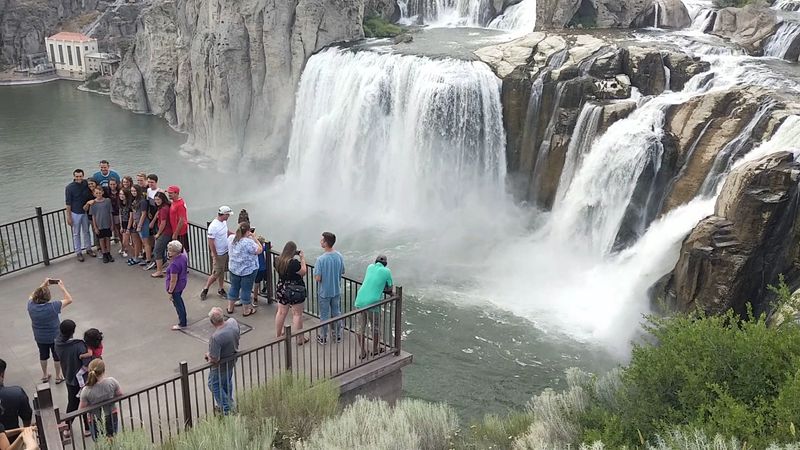
Summer weekends here can feel like a theme park line. Large crowds are part of the deal in the warm months, and even a Sunday morning can get fairly busy.
Once Labor Day passes, the pace slows down. Fall and winter count as the low season, and the difference shows up fast at the viewing areas.
Autumn travelers describe having the catwalk basically to themselves. That kind of breathing room is rare at a spot this popular.
The quieter months also make photography easier. Without a wall of people at the rail, it is simpler to find a clean angle on the falls and the canyon.
Early spring can offer the same perk. A March visit, for example, has been described as having nobody else around at all.
The tradeoff is the water level, which drops later in the year. Still, for anyone who values space over spectacle, the post-summer window is hard to beat, and the next section explains why lower water is not the letdown it sounds like.
Low Water, Big Rocks
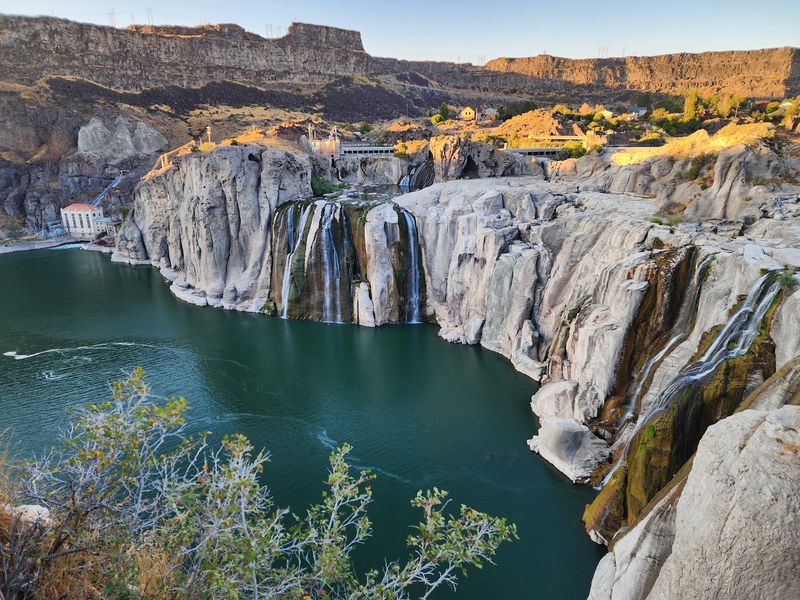
Here is the honest truth about fall at the falls. The water flow drops, and sometimes the falls are dammed or nearly dried up.
Water level is one of the most talked-about topics tied to this park. Spring brings the high flows, and that season is widely considered the peak for raw power.
Not everyone finds a thin trickle exciting. Some late-season trips leave people underwhelmed when the main falls run close to empty.
Plenty of others see it differently. With the usual torrent gone, the shape and definition of the rocks below finally come into view, and that is a sight spring crowds never get.
The falls also hold up better than many expect. Even in late summer, they still impress, and in October the sheer height remains striking.
The smart move is to set expectations before arriving. A fall trip is about canyon scenery, quiet overlooks, and rock formations, with the waterfall as one part of a larger picture rather than the only reason to go.
Overlooks, Stairways, and a Rainbow Bridge
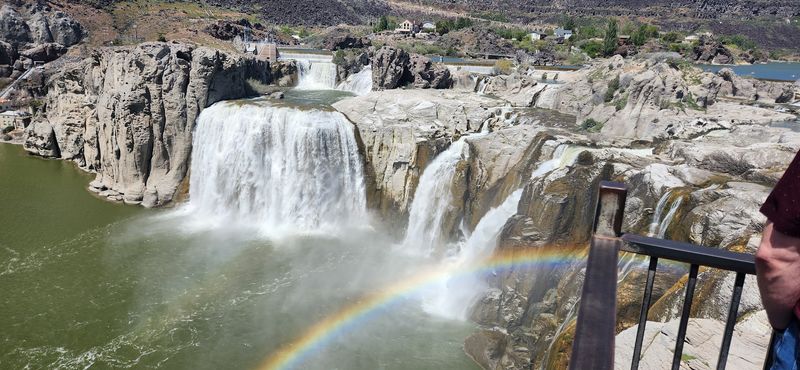
Getting a good look at the falls takes almost no effort. The main viewing areas sit a very short walk from the parking lot.
Several vantage points show the falls from different angles. Each one frames the canyon a little differently, so it pays to visit more than one.
A stairway near a grassy area leads down to a landing. From there, the view gets closer and more detailed, which makes it a favorite for photos.
On the right day, the bridge area can deliver a bonus. Some lucky travelers have caught a rainbow there, hovering right over the falls.
The overlooks also work well for panoramic shots. The full sweep of the canyon fits into the frame, which helps show just how big this place really is.
Since fall brings fewer people, these platforms become even more pleasant. There is time to linger without feeling rushed by the next group waiting for a turn at the rail.
Trails Along the Canyon Rim
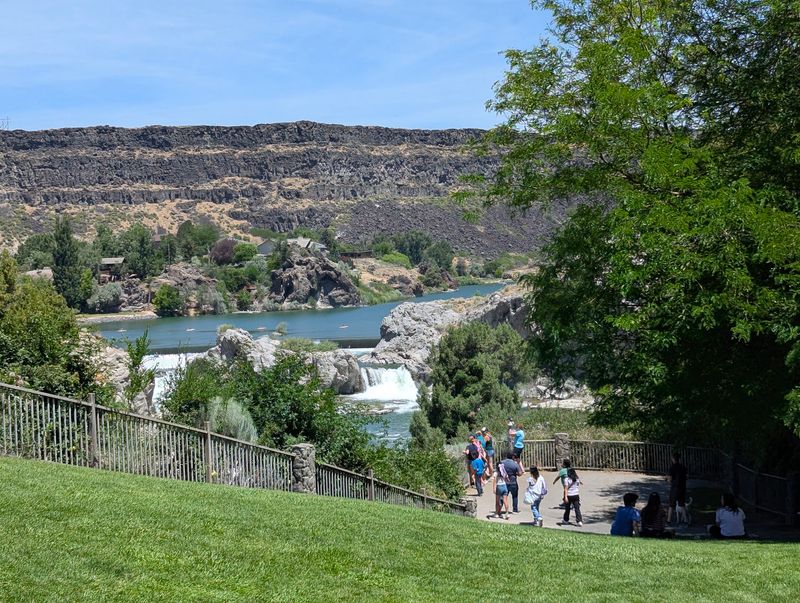
Stretching the legs is half the fun here. The park has a network of paths, and many of them are paved and well kept.
The Canyon Rim Trail, often called the CRT, gets strong praise. It climbs along the hillside and passes several lookout points along the way.
People use these paths for walking, running, and cycling. The paved sections are smooth enough for a mobility scooter, which makes the park friendlier for a wider range of guests.
Views from the higher trail reach the reservoirs sitting above the falls. That perspective is a nice change from the platforms below.
One fair warning involves signs. Trail markers are scarce, and a few scattered dirt paths can make it unclear which route is which until the paved trail turns up.
Bringing plenty of water is wise too. A cooler fall day helps on the uphill stretches, which is another small reason the post-summer season works so well for hikers.
Dierkes Lake Next Door
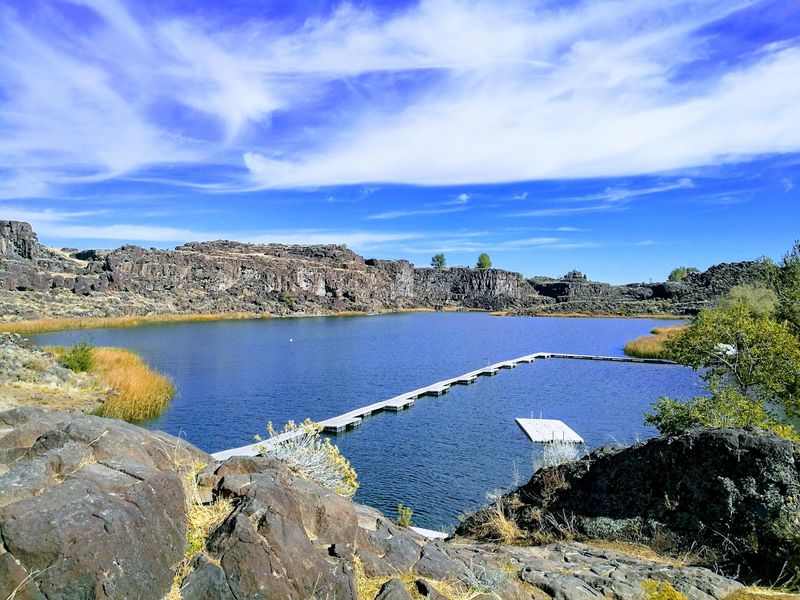
More than just the falls waits inside this park. Nearby Dierkes Lake adds a whole second reason to stay longer.
The lake area allows swimming and boating. It also has clean facilities and shady spots for relaxing, which makes it a popular break from the overlooks.
Paddlers take note. The river and lake setting has some travelers already planning to bring a kayak on the next trip.
The park description also lists a boat launch. That gives water lovers a way to explore the canyon from a different level.
One rule matters for pet owners. Dogs are welcome around the falls, but they cannot go to Dierkes Lake.
In autumn, the lake area tends to feel calmer. It is a good place to sit for a while before heading back to the rim for one more look at the canyon.
Hydroelectric History on the Snake
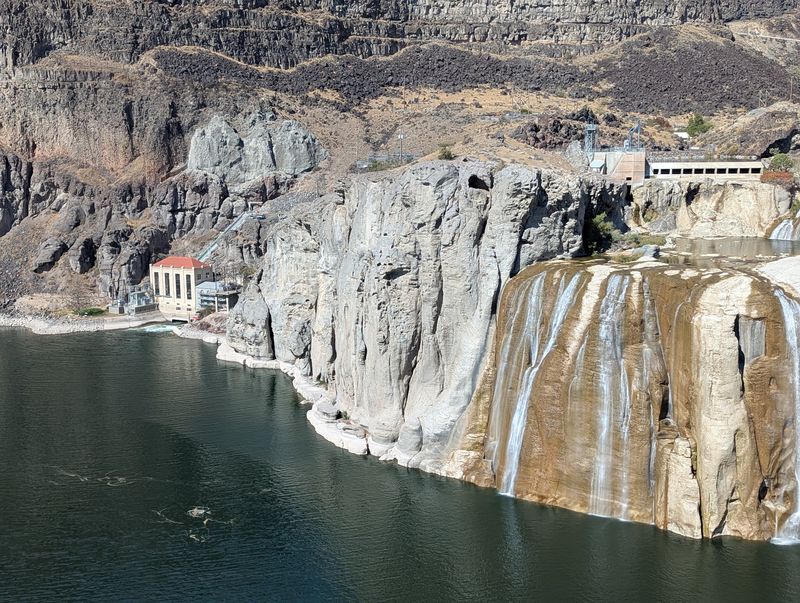
Electricity and waterfalls make an unusual pair, yet they share a long past here. Power operations at this site date back to the 1900s.
That history helps explain why the falls can run low. Water above the falls is managed, and in some seasons the flow is dammed.
From the upper trail, the reservoirs above the falls are easy to spot. They add context to the scene and show how the river has been put to work.
For history fans, this adds a layer beyond scenery. The park becomes a spot to learn about early hydroelectric development in Idaho.
It also reframes the fall water levels. A thinner waterfall is part of a bigger story about how the Snake River has been used for more than a century.
Knowing that backstory turns a quiet autumn visit into something more interesting. The rocks, reservoirs, and canyon walls all start to tell their own chapter.
Picnic Lawns, Shade, and a Souvenir Stop
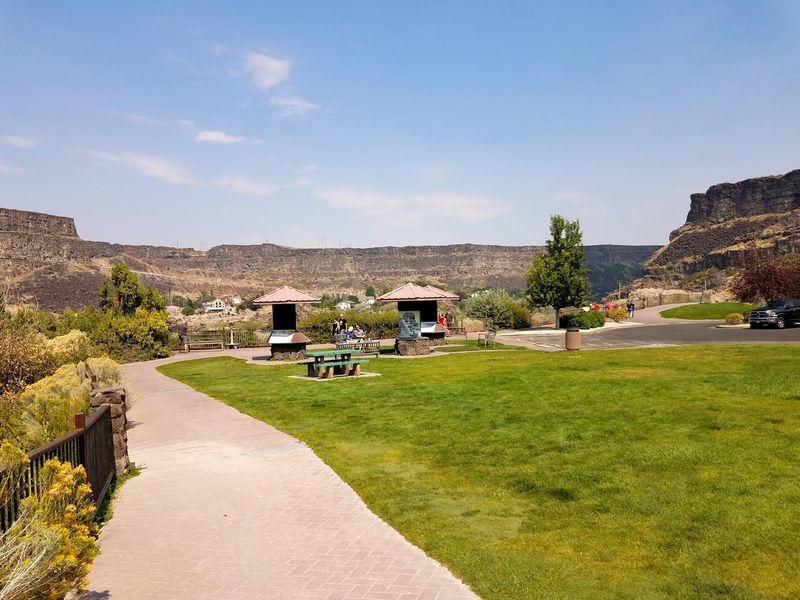
Packing a lunch might be the best decision of the day. The park offers picnic areas with tables, grassy spaces, and plenty of shade.
Many people spend hours here. Some simply sit on the lawns near the stairway and take in the canyon at their own pace.
Seating is spread throughout the grounds. That makes it easy to rest between overlooks or wait while others in the group hike ahead.
Restrooms get high marks for being clean and well maintained. That is a welcome detail on a long road trip.
A small gift shop sells souvenirs, and the park also lists a concession stand. It is a handy place to grab a keepsake before leaving.
Staff here tend to leave a good impression as well. Friendly gate workers and helpful park employees come up often, which adds to the easygoing mood of the place.
Fees, Parking, and a Fall Game Plan
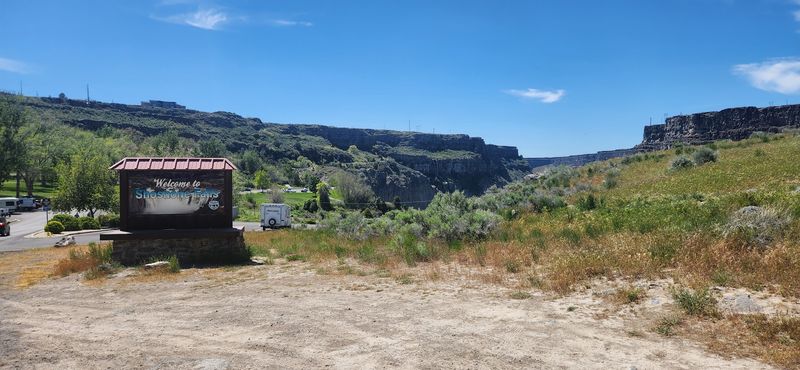
Five dollars buys a lot of canyon. Day use costs $5 per vehicle, and most people call it a bargain.
The America the Beautiful pass is not accepted here, except for senior citizens. Having cash or a card ready for the gate keeps things simple.
Parking is plentiful. Spots sit close to the falls, extra parking lies a short walk away, and there is room for RVs, campers, and even a semi without a trailer.
Keep in mind this is a day-use park only. There is no overnight camping on site, so plan lodging elsewhere.
For questions before a trip, the park can be reached through the City of Twin Falls website.
The verdict is easy. Spring brings the biggest flow, but fall delivers quiet overlooks, clear views of the rock ledges, and room to explore at a relaxed pace.
For anyone passing through southern Idaho after Labor Day, this canyon is well worth the short detour.
Enjoyed this story?
Add Fast Food Club as a preferred source to see more of our reporting on Google.