


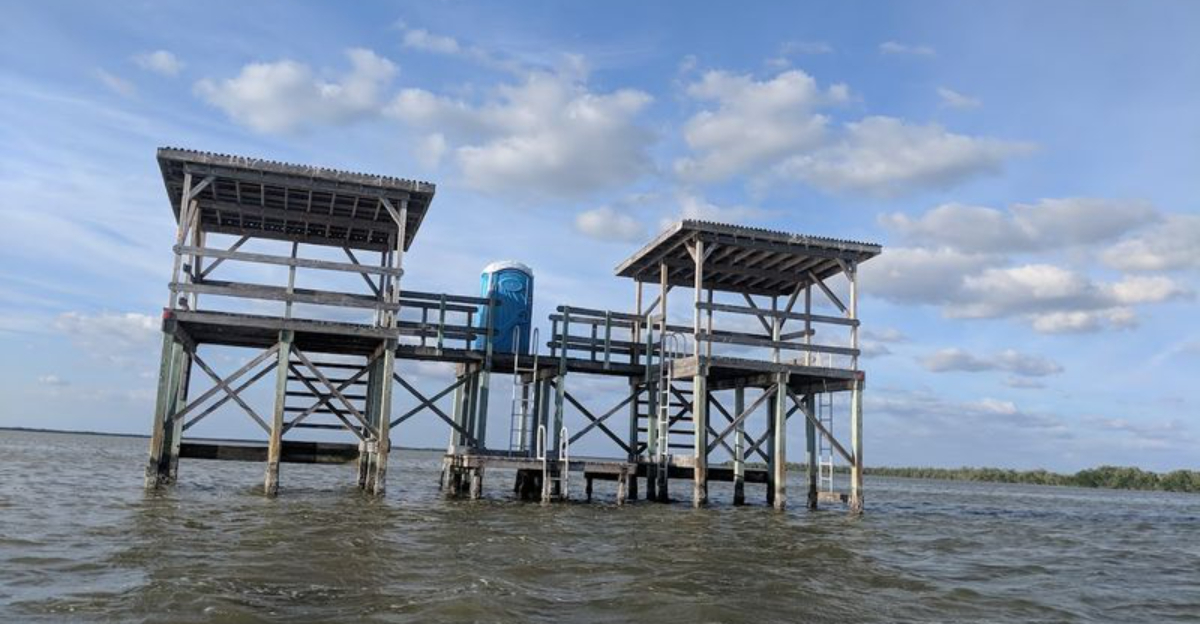
Tucked deep within the wild heart of Everglades National Park, Shark Point Chickee is unlike any campsite you have ever seen. Perched on a wooden platform above open water, this remote spot can only be reached by kayak or canoe, making every visit a true adventure.
With sweeping views of Florida Bay, constant ocean breezes, and a sky full of stars at night, it is the kind of place that stays with you long after you leave. Whether you are an experienced paddler or a curious explorer, Shark Point Chickee promises an unforgettable experience out on the water.
What Exactly Is a Chickee Campsite
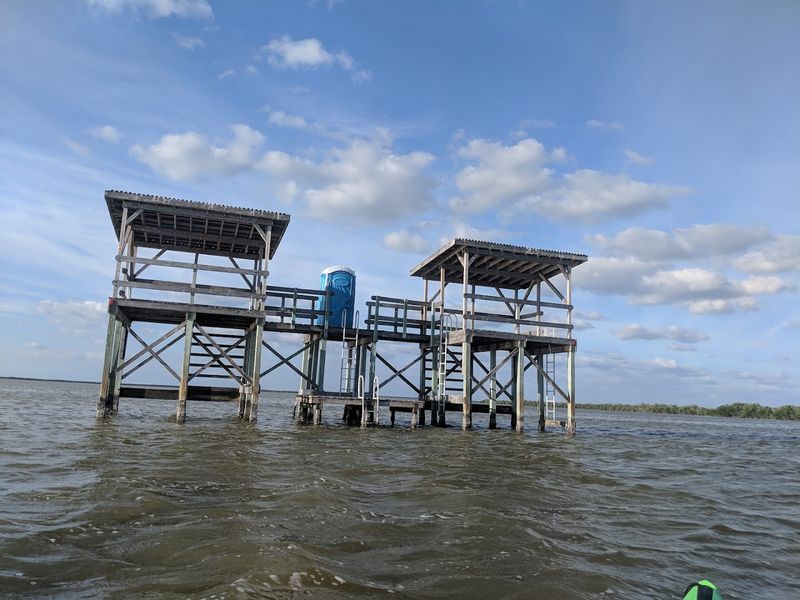
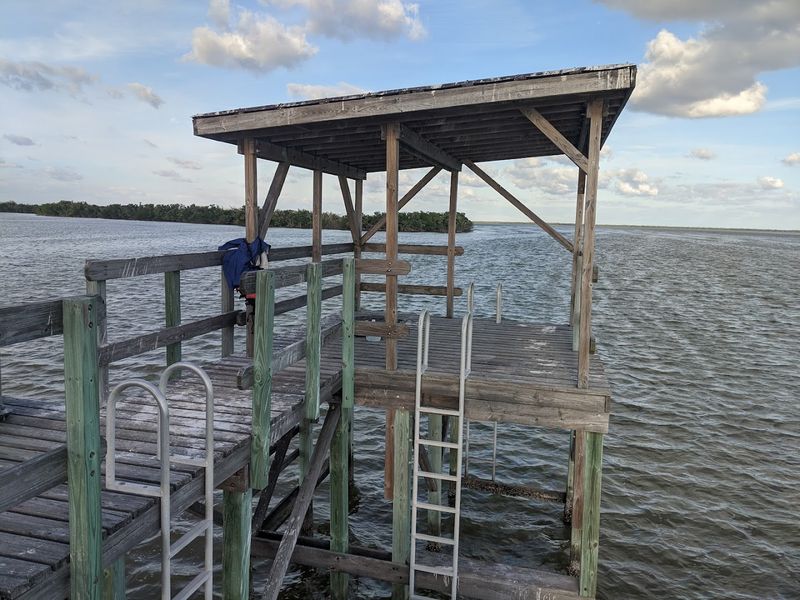
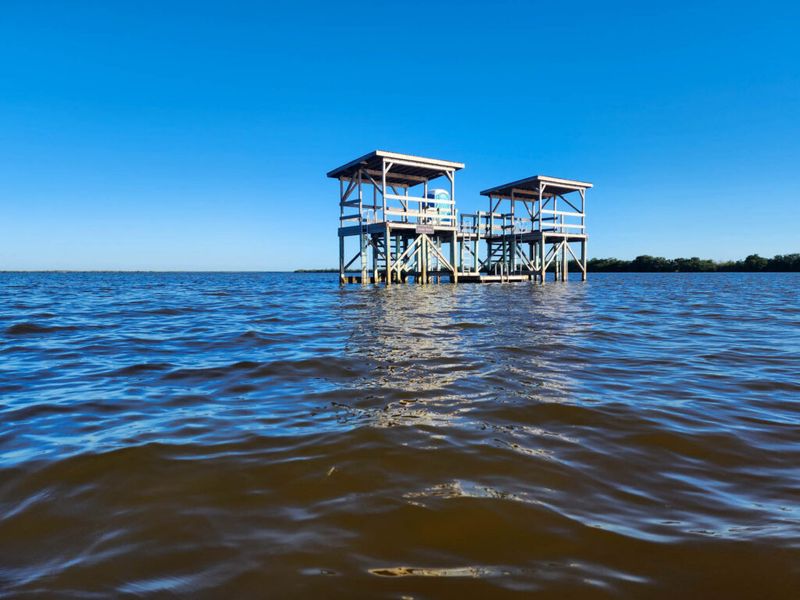
Not every campsite comes with a floor that floats above the sea. A chickee is a raised wooden platform built over open water, originally inspired by the traditional open-sided shelters used by the Seminole people of Florida.
At Shark Point Chickee, the platform sits just above the surface of Florida Bay, giving campers a front-row seat to one of the most stunning aquatic landscapes in the country.
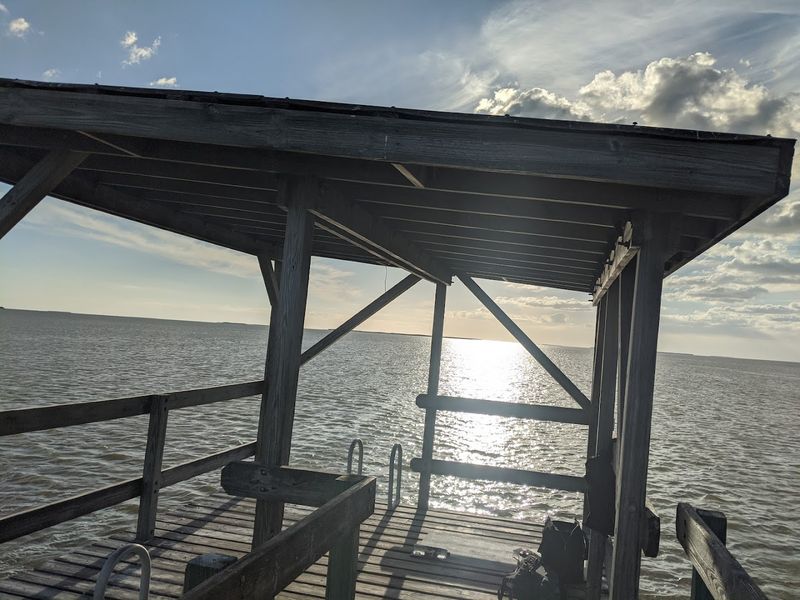
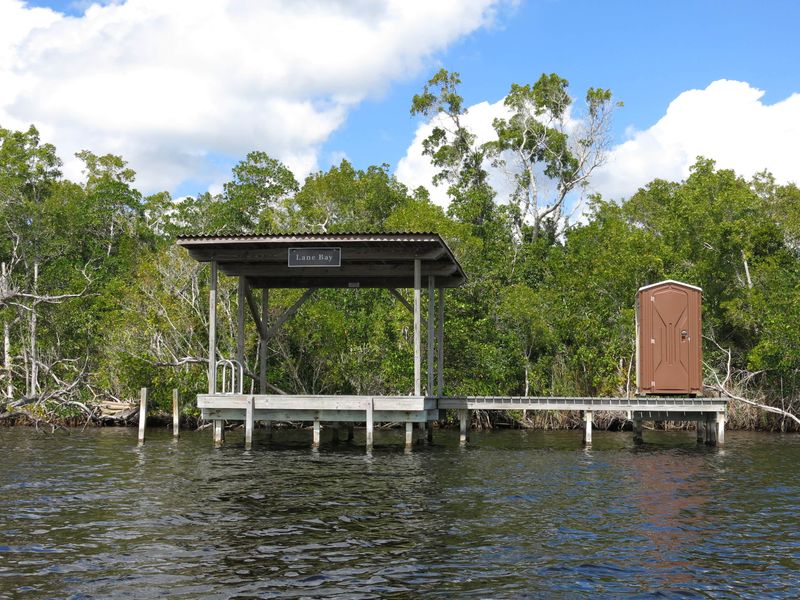
Each chickee platform typically includes a covered roof structure, a composting or portable toilet, and enough space for two tents. There are no walls, so the breeze flows freely around you all night long.
The open design also means you get unobstructed views in every direction.
Sleeping on a chickee feels like drifting on the water itself, with gentle sounds of lapping waves replacing the usual campfire crackle. It is a truly one-of-a-kind setup that redefines what camping can be.
Getting to Shark Point Chickee by Paddle Power
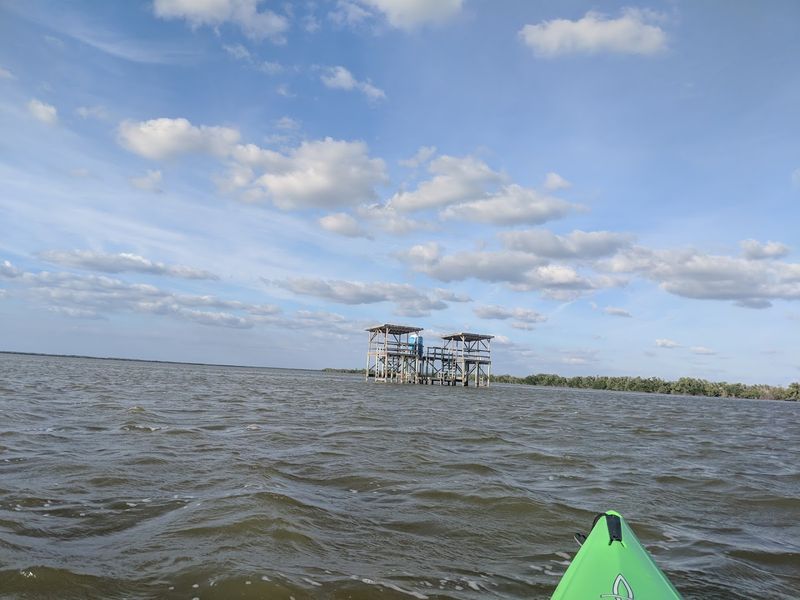
Reaching Shark Point Chickee is not as simple as driving up and pitching a tent. The only way to get here is by paddling, which means kayak or canoe is your transportation.
Most paddlers launch from Flamingo, the main visitor hub within Everglades National Park, and the journey typically takes around four to five hours depending on conditions and experience level.
The route winds through open bay waters and requires solid navigation skills, especially since channel markers can sometimes be missing after storms. Bringing a detailed waterproof map and a compass is strongly recommended, as cell service is nearly nonexistent out here.
One past visitor noted that after a hurricane, all the markers were down, making the paddle extremely challenging. Planning your trip carefully, checking weather forecasts, and starting early in the morning will give you the best chance of a smooth and safe arrival at the chickee.
The Jaw-Dropping Views From the Platform
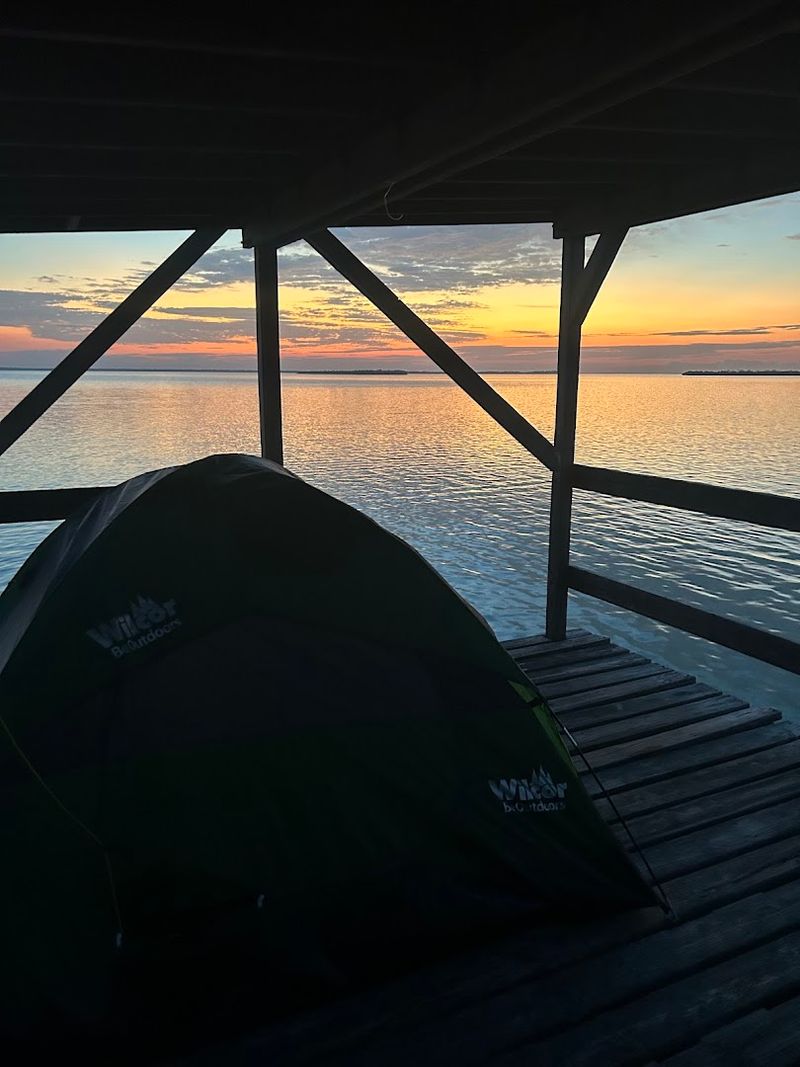
Standing on the deck of Shark Point Chickee, you quickly realize why campers rave about this place. The platform sits in the open waters of Florida Bay with no land or trees blocking the view in any direction.
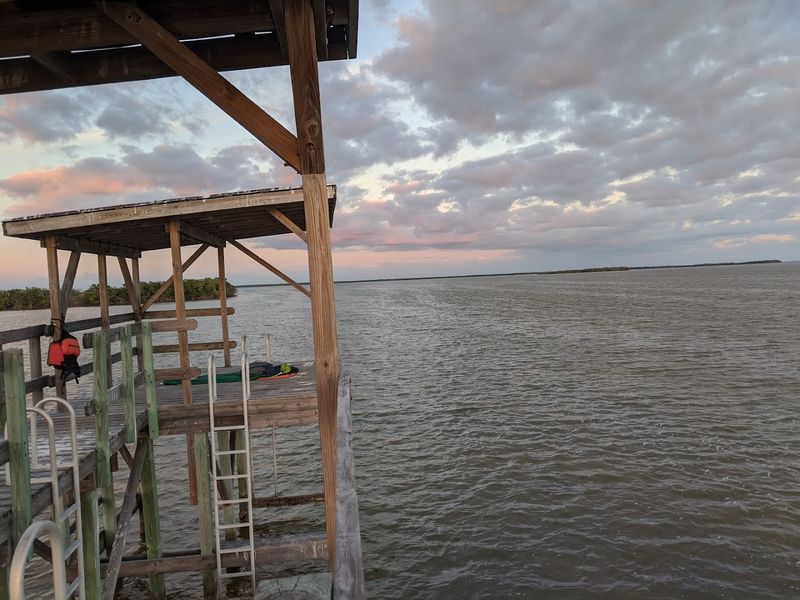
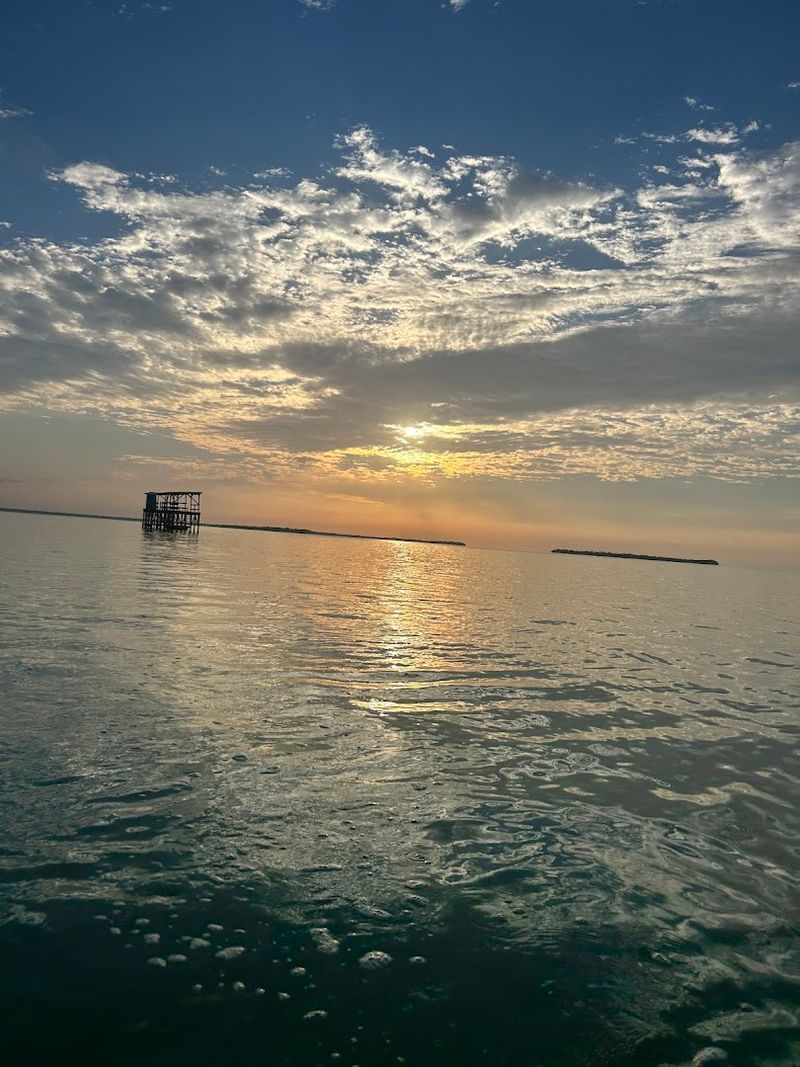
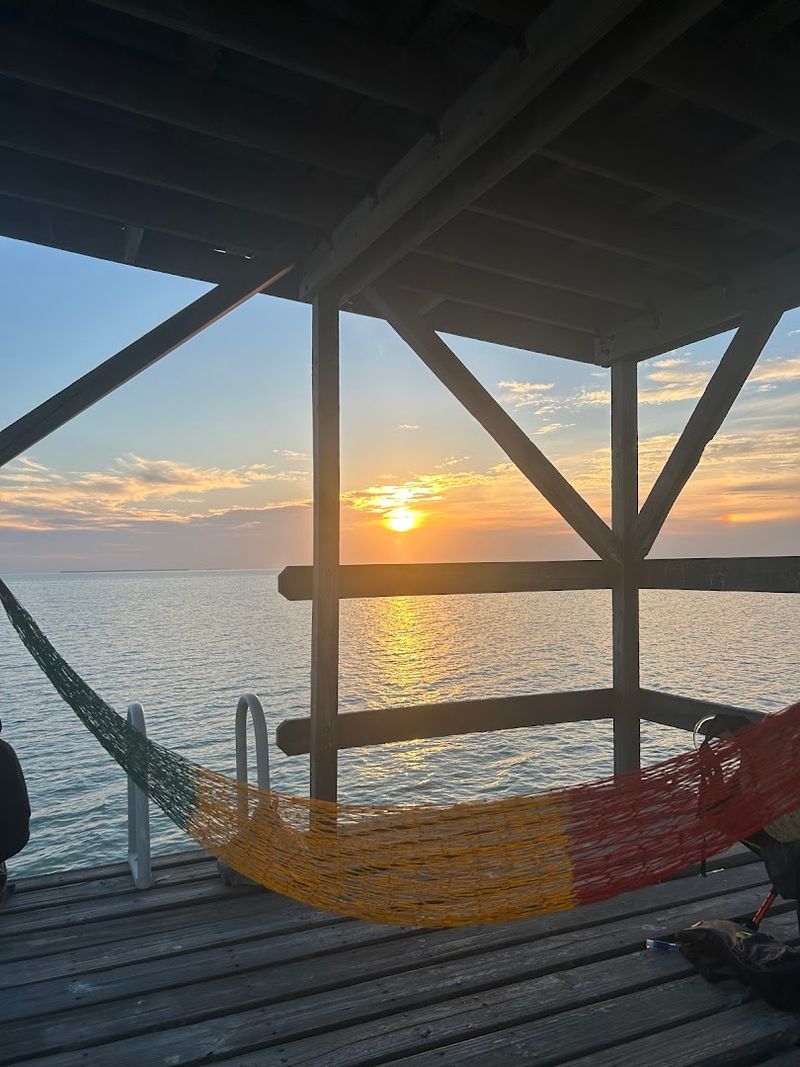
At sunrise and sunset, the sky turns into a canvas of orange, pink, and purple hues that reflect perfectly off the still water below.
One reviewer described it simply as a “glorious location,” and that understated praise feels completely accurate once you are out there. The wide-open horizon creates a sense of peaceful solitude that is almost impossible to find anywhere else in Florida.
On clear nights, the lack of nearby light pollution transforms the sky into a breathtaking display of stars. Campers who have spent the night here often describe looking up at the Milky Way as one of the most memorable moments of their entire trip.
Packing Smart for an Over-Water Camping Trip
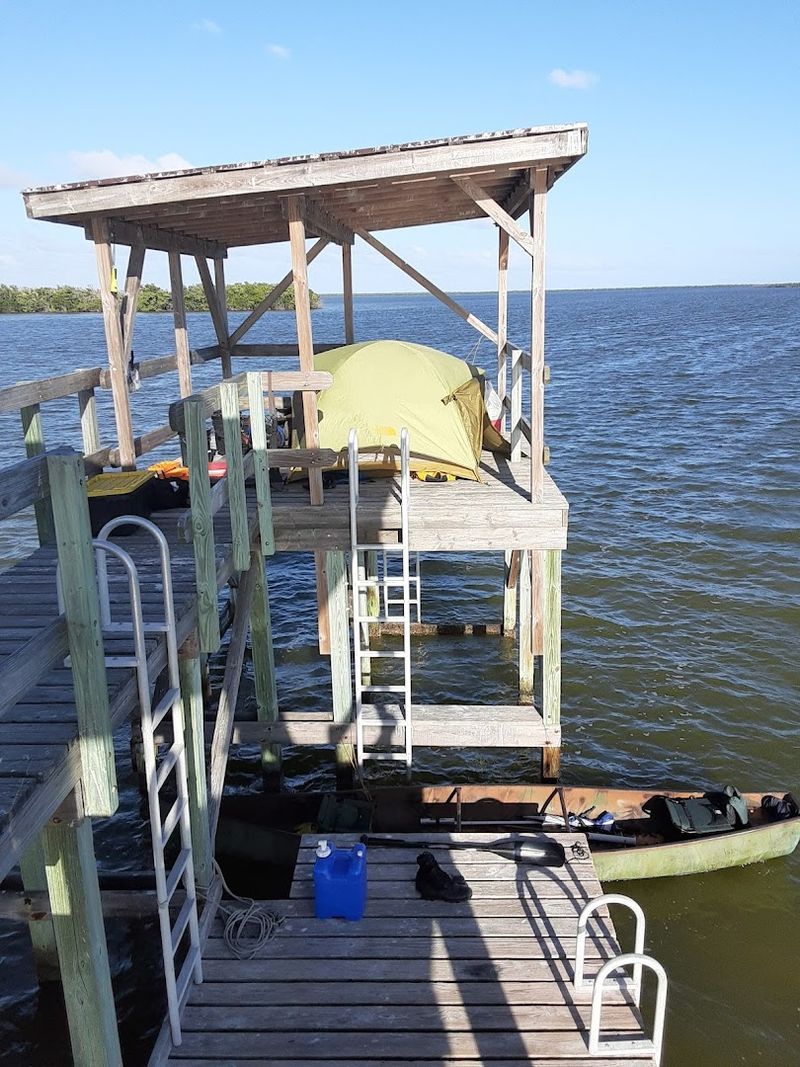
Packing for a chickee camping trip is a whole different challenge compared to a regular campground stay. Everything you bring needs to fit inside a kayak or canoe, and everything needs to stay dry.
Dry bags are absolutely essential for protecting your sleeping gear, clothing, food, and electronics from splashes and unexpected rain.
Water is another critical item since there is no fresh water source at Shark Point Chickee. Plan to bring at least two liters per person per day, plus extra for cooking.
Lightweight, high-calorie foods like trail mix, dehydrated meals, and energy bars work best when space is limited.
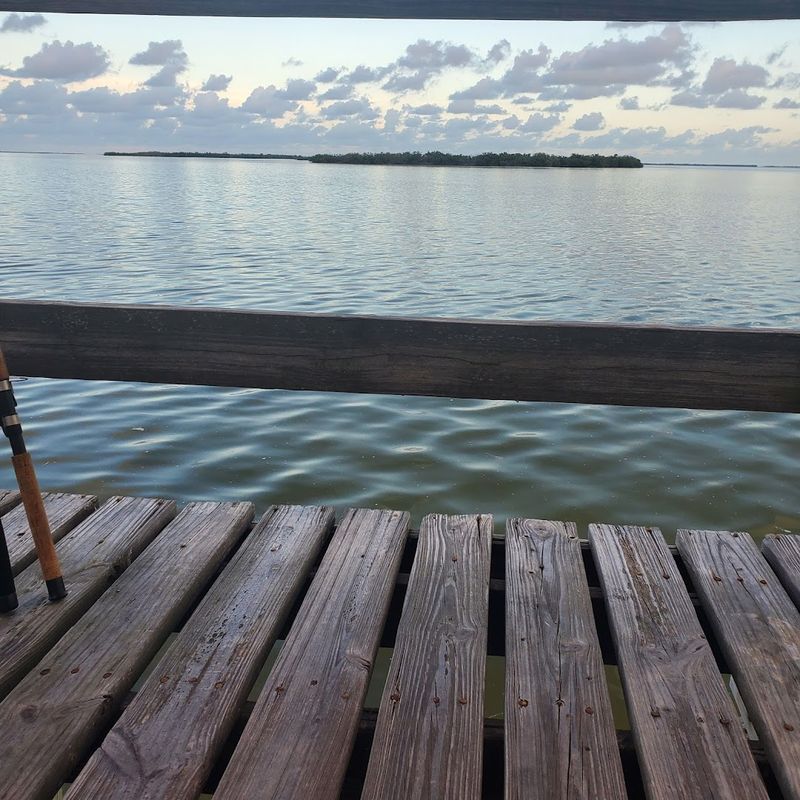
Tarps are also worth packing, as one reviewer pointed out that the loose boards and raised nail heads on the platform make a protective layer underneath your tent a smart idea. A little extra preparation goes a long way toward making the experience genuinely comfortable and enjoyable.
Bug Protection Is Absolutely Non-Negotiable
Ask anyone who has camped at Shark Point Chickee about the bugs, and they will give you a very honest answer. One reviewer put it bluntly: “Once the sun goes down the bugs will get you, bring protection.” Mosquitoes and no-see-ums are a serious presence in the Everglades, and they come out in full force after sunset.
The good news is that the chickee sits far from the mangroves, which means the bug situation is actually better here than at some other Everglades campsites. The constant breeze also helps keep insects at bay during the daytime and early evening hours.
Still, packing a strong DEET-based insect repellent, a head net, and lightweight long-sleeve shirts for the evening is a very wise move. A bug-proof tent with fully sealed mesh panels will also make a huge difference when it comes to getting a restful night of sleep out on the water.
Wildlife You Might Spot Around the Chickee
Shark Point Chickee sits in the middle of one of the most biodiverse ecosystems on the planet. The waters beneath the platform are surprisingly busy with life.
One reviewer noted seeing many mangrove snappers swimming directly under the dock, along with a few crabs making their way across the structure at low tide.
Birds are another highlight of any chickee stay. Great blue herons, roseate spoonbills, ospreys, and brown pelicans are all commonly spotted gliding past the platform.
Dolphins occasionally surface nearby, and if you are lucky, a manatee might drift underneath your kayak during the paddle out.
The Everglades is also home to American crocodiles, which are different from alligators and prefer saltwater environments like Florida Bay. While sightings near the chickee are not uncommon, these animals are generally shy and pose little threat to respectful, aware visitors who give them plenty of space.
Tidal Changes and What They Mean for Your Stay
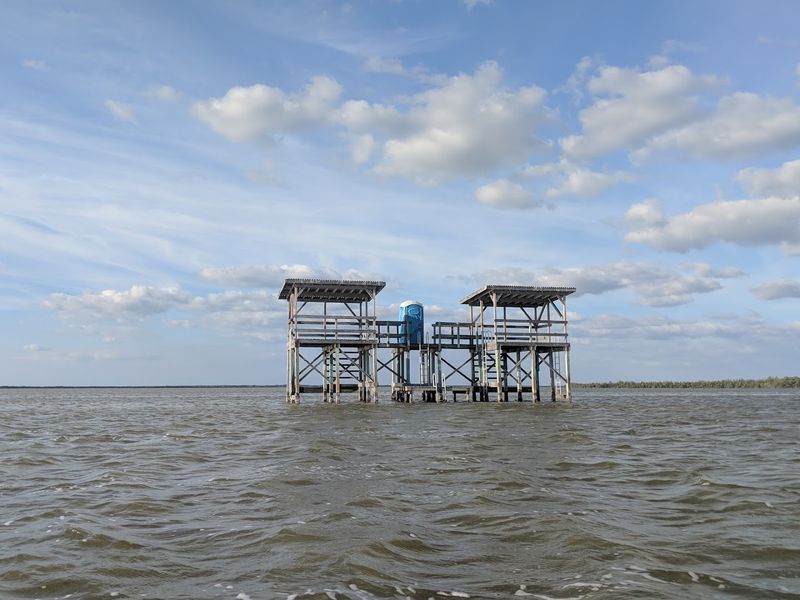
Tides play a surprisingly big role in the chickee camping experience at Shark Point Chickee. At high tide, the landing platform that you use to tie up your kayak and step onto the structure can flood, covering it with several inches of water.
Knowing the tide schedule for your specific camping dates is genuinely important for planning your arrival and departure times.
At low tide, the water beneath the chickee drops to around two feet, revealing the sandy and grassy bottom of Florida Bay. This makes it easier to see the fish and marine life hanging out directly below you, which is one of the more surprisingly entertaining parts of the whole experience.
Checking a reliable tide chart for the Flamingo area before your trip will help you time your paddle to arrive during manageable water levels. The National Park Service website provides up-to-date tide information specifically for Everglades National Park visitors.
How to Reserve Your Spot at Shark Point Chickee
Securing a night at Shark Point Chickee requires a backcountry camping permit from Everglades National Park. Permits cannot be booked online in advance through Recreation.gov the way many other campsites can.
Instead, you must pick up your permit in person at the Flamingo Visitor Center or the Gulf Coast Visitor Center, no more than 24 hours before your trip begins.
The permit fee is charged per person per night and is quite affordable compared to most camping options in Florida. Since the chickee only accommodates two tents and a limited number of campers, competition for spots can be surprisingly fierce during the cooler winter months between November and April.
Arriving early at the visitor center on the morning of your planned trip gives you the best shot at snagging an open permit. Rangers can also help you choose the best route and update you on any current hazards or closures affecting the waterway.
The Best Time of Year to Visit
Timing your visit to Shark Point Chickee can make the difference between a magical trip and a miserable one. The dry season, which runs from November through April, is widely considered the best window for exploring the Everglades backcountry.
Temperatures are comfortable, rainfall is minimal, and the bug population drops significantly compared to summer months.
Summer in South Florida brings intense heat, heavy afternoon thunderstorms, and an explosion of mosquitoes and no-see-ums that can make outdoor activities genuinely unpleasant. Hurricane season runs from June through November, which is why one reviewer shared the harrowing experience of paddling out after a storm when all the navigational markers had been knocked down.
A winter or early spring visit offers calm bay waters, cooler sleeping temperatures, and some of the best wildlife viewing of the year. Migratory birds flock to the Everglades during this period, making birdwatching from the chickee platform especially rewarding.
Safety Tips Every Paddler Should Know
Paddling to a remote over-water campsite in the Everglades is genuinely exciting, but it also comes with real risks that every visitor should take seriously. Florida Bay is shallow, but open water conditions can change quickly, with afternoon winds whipping up choppy waves that challenge even experienced paddlers.
Always check the marine weather forecast before launching.
Wearing a properly fitted personal flotation device at all times while on the water is non-negotiable. Bringing a whistle, a waterproof flashlight, and a fully charged handheld VHF radio for emergencies is also a smart move since cell service is essentially zero in this area.
Letting someone on shore know your exact route, expected arrival time, and return date is a basic but potentially life-saving step. The National Park Service also recommends filing a float plan with the visitor center staff before heading out into the Everglades backcountry.
Fishing Right From the Chickee Platform
Waking up and dropping a fishing line directly off the edge of your campsite is a privilege very few campers ever get to enjoy. At Shark Point Chickee, that is a perfectly normal part of the morning routine.
Mangrove snappers, also called mango snappers by locals, are known to congregate in large numbers directly beneath the dock, making for easy and exciting light-tackle fishing.
Florida Bay is a productive fishery that also holds bonefish, permit, redfish, snook, and tarpon depending on the season. Fly fishing enthusiasts in particular make special trips to this region for the chance to sight-cast to tailing fish on the nearby flats.
A Florida saltwater fishing license is required for anyone 16 and older, and it can be purchased easily online before your trip. Always check current regulations for the Everglades National Park fishing zone, as some areas have special restrictions to protect the ecosystem.
Connecting the Chickee to a Multi-Day Paddling Route
Shark Point Chickee does not have to be a standalone destination. Many paddlers use it as one stop on a longer multi-day journey through the Everglades backcountry water trail system.
One reviewer described paddling to Shark Point Chickee with a full week of gear, spending the night, and then moving on to Johnson Key Chickee the following morning, calling the whole experience one of the best of their life.
The Everglades backcountry includes dozens of chickee platforms, beach campsites, and ground sites spread across an enormous network of waterways. The famous Wilderness Waterway is a 99-mile route that connects Flamingo to Everglades City and passes near several chickee sites along the way.
Planning a route that links multiple chickees together allows you to experience different corners of this incredible ecosystem each day. The park service provides detailed route maps, and many experienced paddlers also recommend hiring a local guide for first-time multi-day trips.
Why Shark Point Chickee Leaves a Lasting Impression
Some places just stick with you, and Shark Point Chickee is absolutely one of them. Multiple visitors have described their night here as among the best experiences of their entire lives, and it is not hard to understand why.
There is something deeply freeing about sleeping on a wooden platform with nothing but open water around you and a sky full of stars overhead.
The combination of remoteness, natural beauty, wildlife, and the sheer effort required to reach the chickee makes arriving here feel like a genuine accomplishment. You earned this view, and the Everglades rewards that effort generously.
Even the small details stick in your memory, like the sound of fish jumping in the dark, the glow of sunrise over flat water, or the surprising cleanliness of a port-o-let in the middle of nowhere. Shark Point Chickee is the kind of adventure that quietly changes how you think about the outdoors.
Enjoyed this story?
Add Fast Food Club as a preferred source to see more of our reporting on Google.