


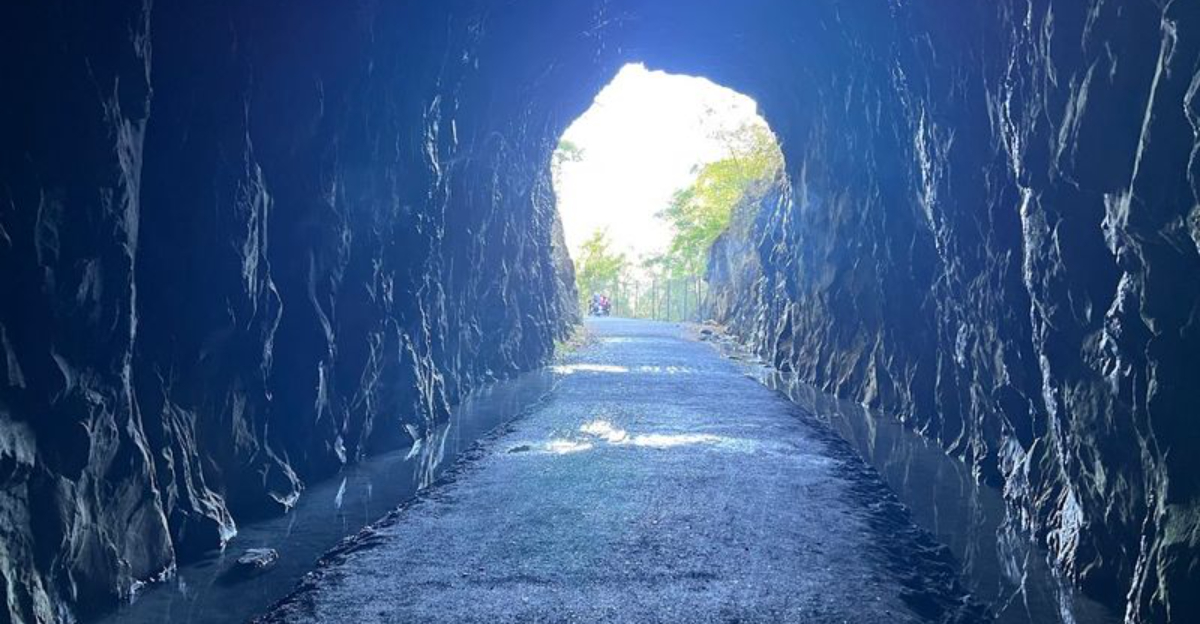
Tucked away in the Blue Ridge Mountains of Virginia, the Blue Ridge Tunnel Trail is one of those hidden gems that not enough people know about. This remarkable trail takes you straight through a historic mountain tunnel built over 150 years ago, offering a one-of-a-kind adventure unlike anything else in the state.
Whether you are hiking with your family, bringing your dog, or just looking for something new and exciting, this trail delivers history, nature, and a little bit of mystery all in one place. Get ready to explore everything that makes this underrated Virginia trail truly unforgettable.
The Historic Blue Ridge Tunnel Itself
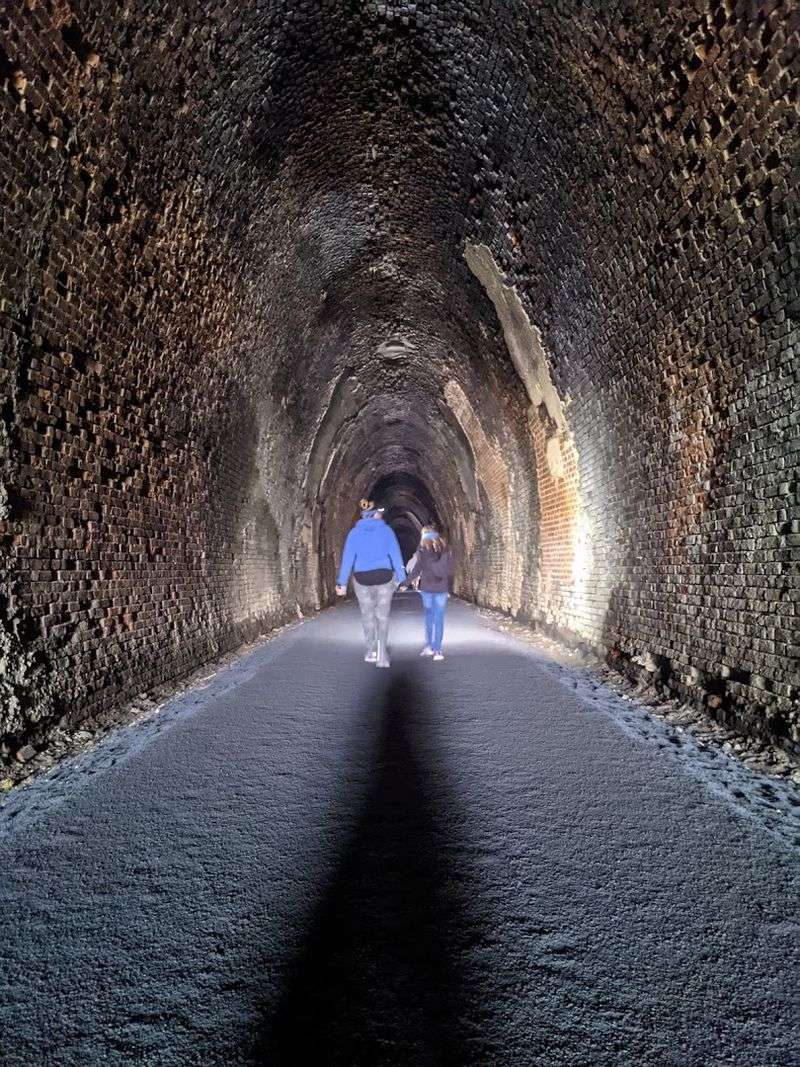
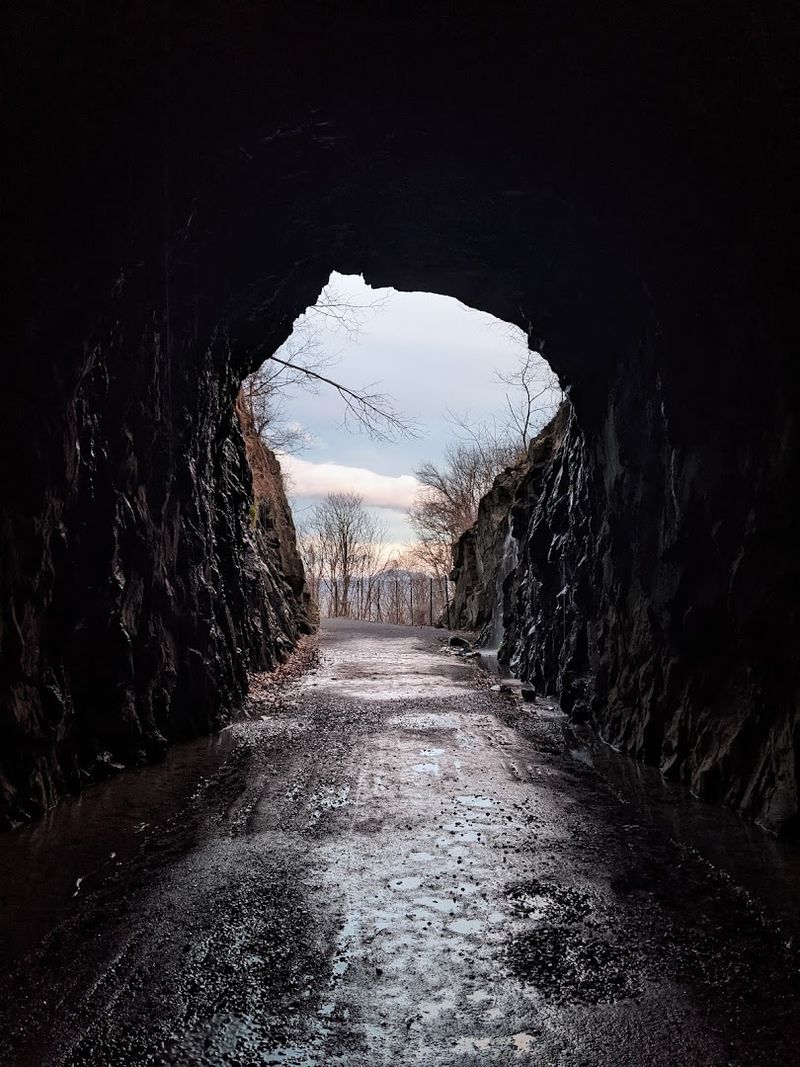
Walking straight through a mountain sounds like something out of a storybook, but at the Blue Ridge Tunnel Trail, it is completely real. This tunnel stretches about one mile through solid rock, and when you step inside, the temperature drops to a constant 50 degrees no matter what time of year you visit.
Built in the 1850s under the direction of Claudius Crozet, a French engineer and local notary, this tunnel was the longest in the entire country when it was first completed. That is a pretty incredible achievement for workers using hand tools over a century and a half ago.
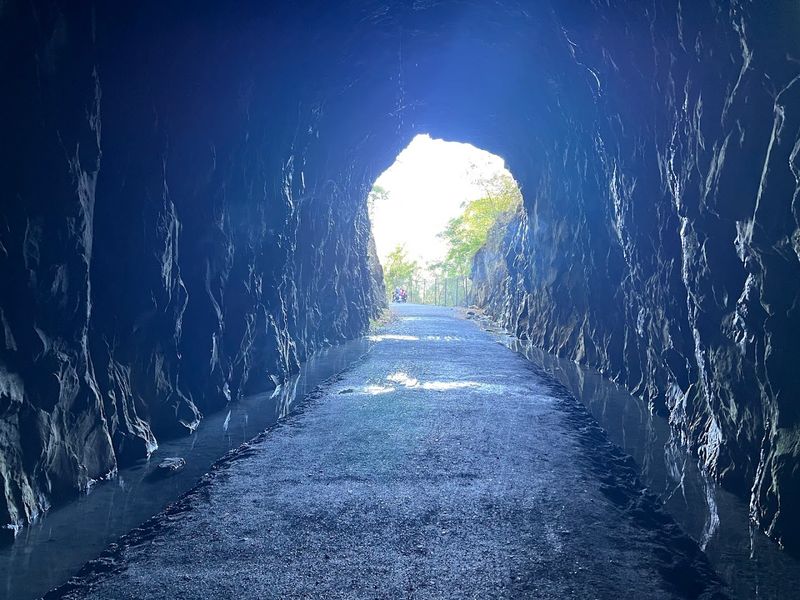
Dripping water, eerie silence, and the faint glow of the exit light ahead make the tunnel experience genuinely thrilling. Stop in the middle and listen closely — all you will hear is your own breathing.
Bring a flashlight because it gets very dark inside.
Packing the Right Flashlight or Headlamp
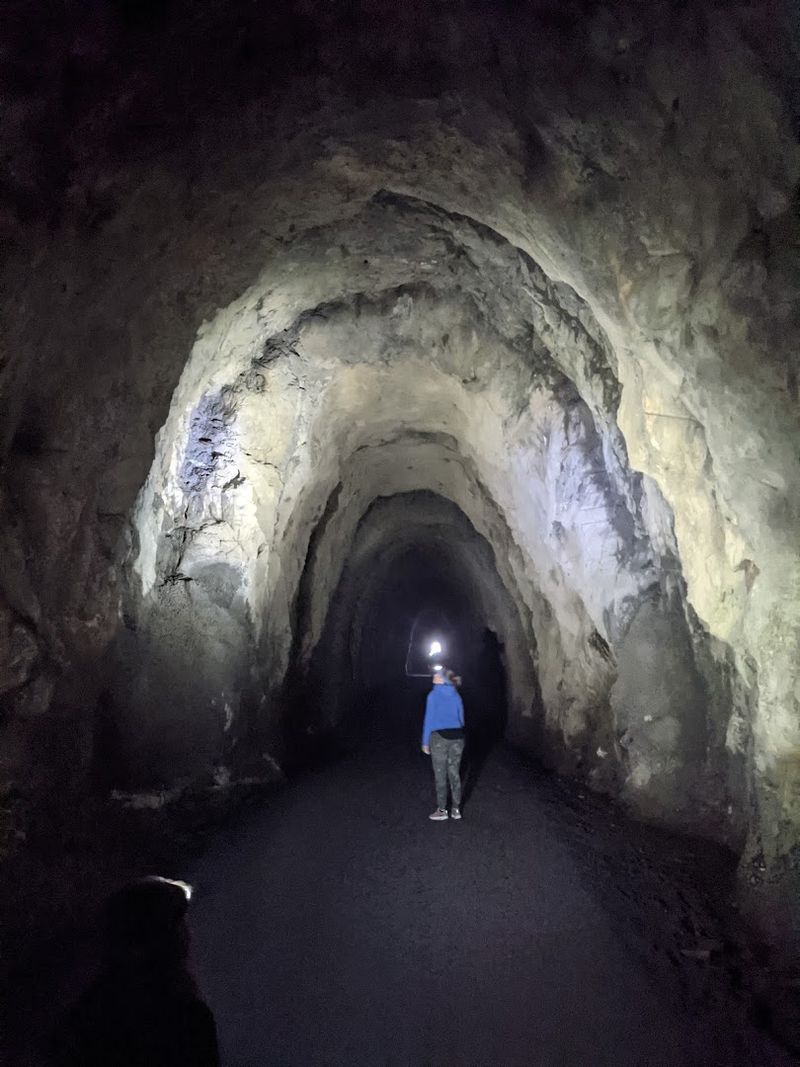
Almost every single visitor review for the Blue Ridge Tunnel Trail says the same thing: bring a flashlight. Even though you can technically see both entrances from inside the tunnel, the middle section gets extremely dark and disorienting without a good light source.
A headlamp is actually the smarter choice over a handheld flashlight because it keeps both hands free for balance, especially if you are carrying a child or helping a younger hiker through the puddles on the tunnel floor. LED headlamps are affordable, lightweight, and easy to pack.
If you forget your light and only have your phone flashlight, you will manage, but it is not ideal. The tunnel runs about a mile long, and fumbling with your phone the whole way gets old fast.
Toss a headlamp in your bag before you leave home — you will thank yourself later.
Starting from the West Trailhead in Waynesboro
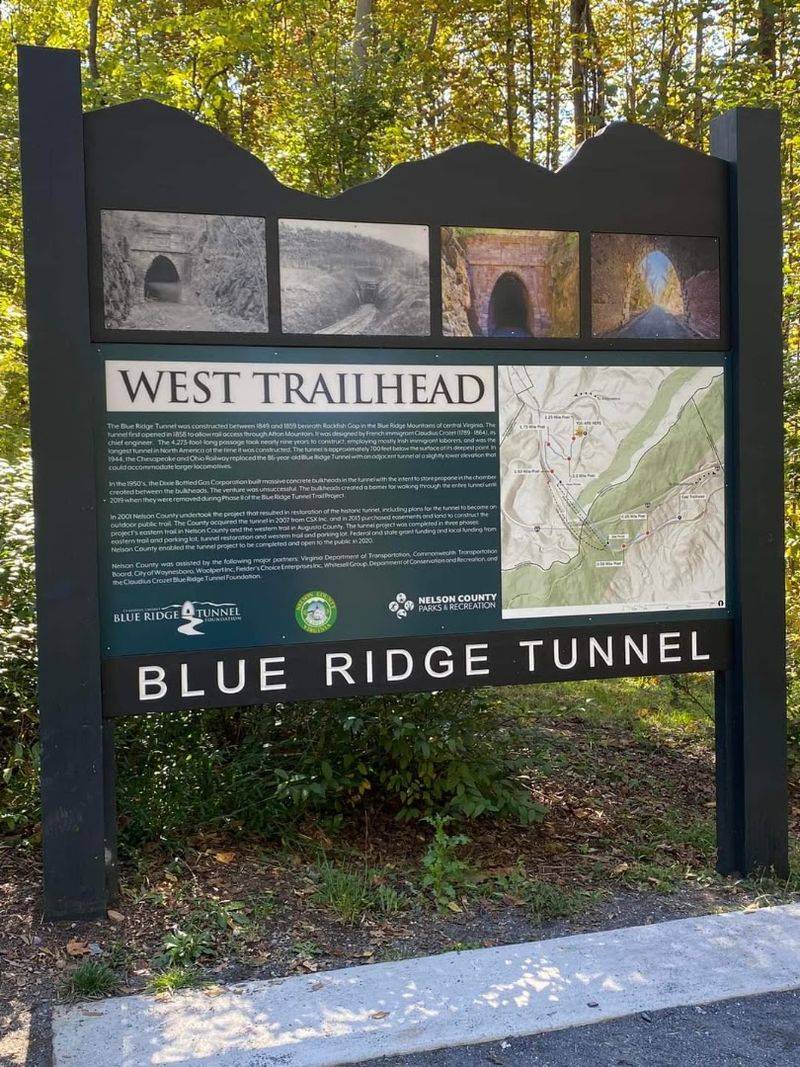
Right off Interstate 64 at exit 99 west, the Waynesboro trailhead offers a convenient and popular starting point for the Blue Ridge Tunnel Trail. Parking here is limited to about 20 spots, so arriving early on weekends is a smart move, especially when the weather turns nice in spring and fall.
Starting from the west side gives you a gentle downhill advantage for the first half of your hike, which makes the outbound leg feel easy and relaxed. Just know that the return trip back up from the east side involves more elevation gain, so pace yourself accordingly.
The gravel trail from the west trailhead to the tunnel entrance is roughly half a mile, lined with informational boards that share fascinating history about the tunnel’s construction. Reading those signs as you walk in really sets the mood for the adventure waiting ahead inside the mountain.
Exploring the East Trailhead at Afton Depot
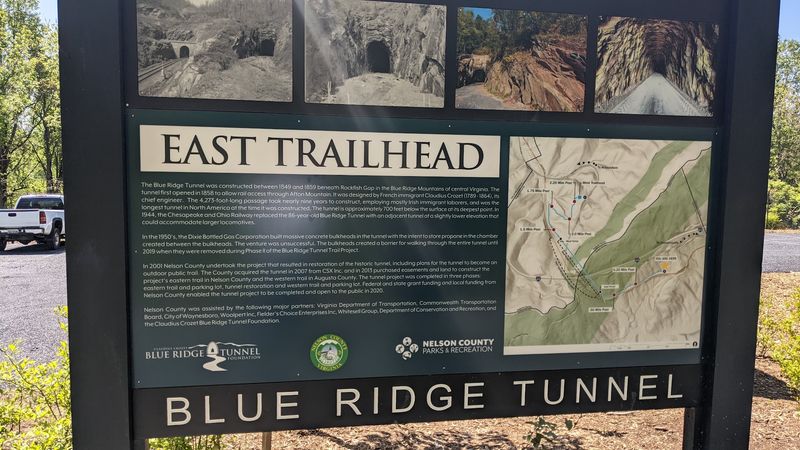
On the opposite end of the trail sits the east trailhead near the historic Afton Depot in Nelson County. Reviewers note that the east side entrance is generally considered the easier starting point because the trail from this direction involves fewer steep hills compared to the west side approach.
From the east trailhead, the walk to the tunnel entrance is a bit longer than from the west, but the terrain is flatter and more forgiving, making it a great choice for families with young children or anyone who prefers a more relaxed pace. The scenery along this stretch is lovely, especially in autumn when the leaves change color.
Porta-potties are available at both trailheads, which is helpful to know before you head out. There is no running water on the trail itself, so use the facilities at the trailhead before starting your hike.
The Full Round-Trip Hike Distance and Difficulty
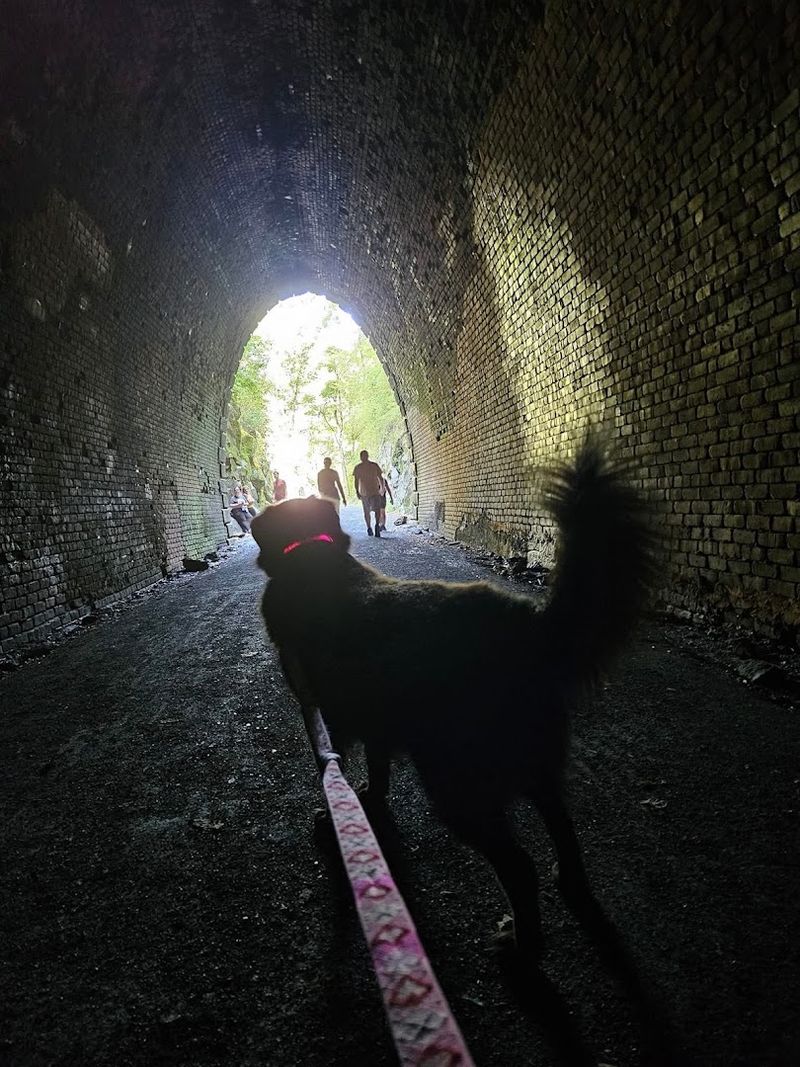
The full round-trip hike from the west trailhead to the east trailhead and back clocks in at roughly 4.5 to 5 miles total, making it a manageable adventure for most fitness levels. The trail itself is all gravel, wide, and well-maintained, so you do not need any special hiking boots or gear to enjoy it.
Most hikers complete the round trip in about two hours, though families with little ones or anyone who likes to stop and read the historical signs along the way should budget closer to three hours. One reviewer mentioned finishing the whole trail in just an hour going one way from the west downhill entrance.
The biggest challenge comes on the return leg when you are heading back uphill after already walking through the tunnel. Staying hydrated and taking breaks when needed makes that final stretch much more enjoyable for everyone in your group.
Dressing for the 50-Degree Tunnel Temperature
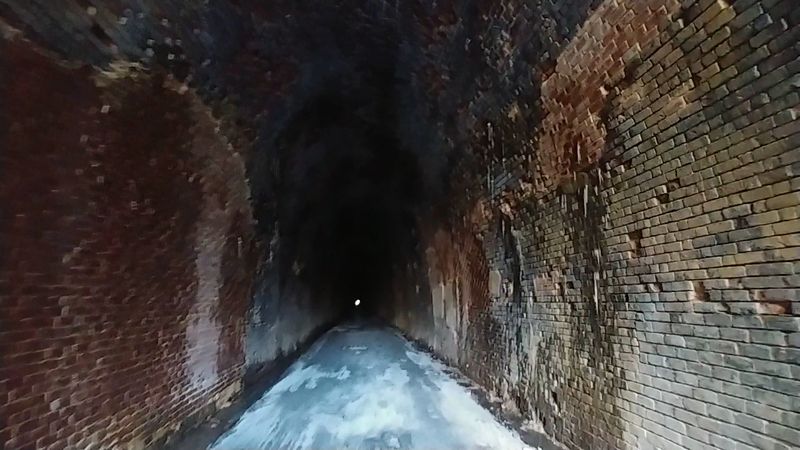
Here is something that surprises a lot of first-time visitors: no matter how warm it is outside, the inside of the Blue Ridge Tunnel stays at a constant 50 degrees Fahrenheit year-round, similar to the inside of a cave. On a hot summer day, that cold air feels amazing at first — but after a mile of walking, it can start to feel pretty chilly.
One experienced hiker in the reviews specifically recommended bringing a light jacket with a hood because the wind channeling through the tunnel can feel harsh on your ears. Even if you do not think you will need it, stuffing a thin layer into your daypack takes almost no space and can make a big difference.
Kids tend to feel the cold faster than adults, so dressing them in an extra layer before entering the tunnel is a wise move. Wet feet from puddles inside the tunnel can also add to the chill, so watch your step.
Bringing Dogs on the Blue Ridge Tunnel Trail
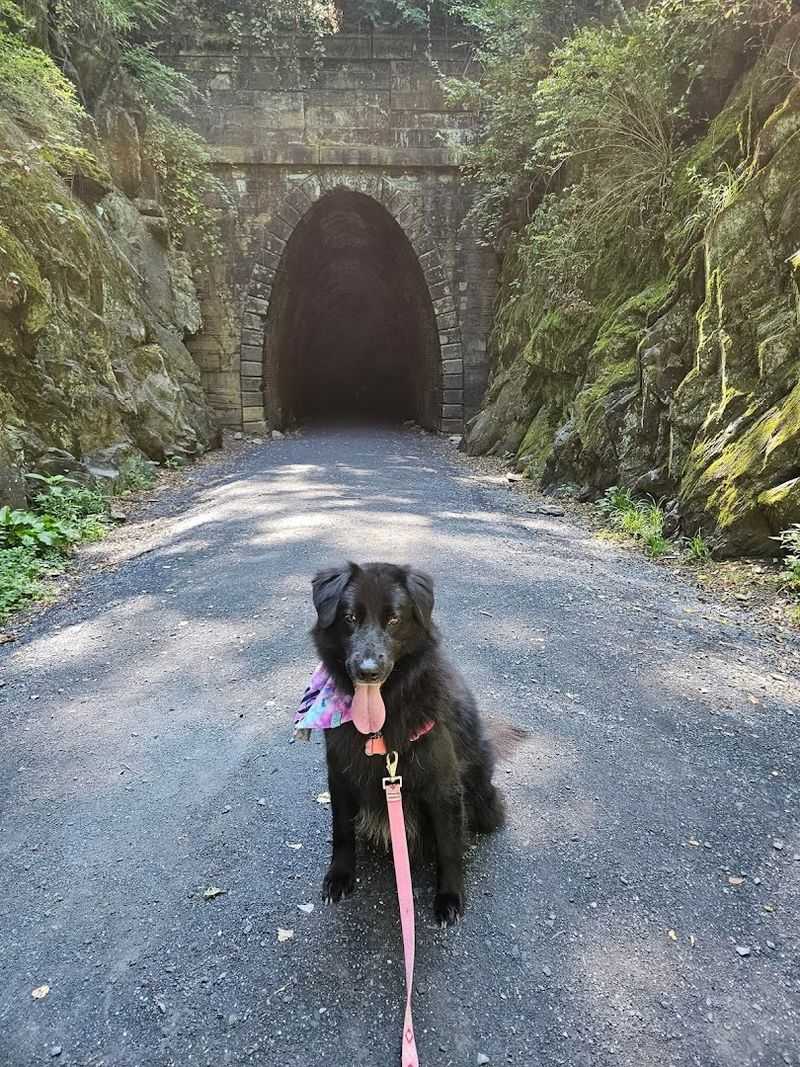
Good news for dog owners — the Blue Ridge Tunnel Trail is a fantastic place to bring your four-legged hiking buddy. Multiple reviewers shared that their dogs absolutely loved the experience, from the cool tunnel air to the shaded woodland trail on either side of the mountain.
Just keep in mind that the tunnel floor has puddles from dripping water, and the echo of footsteps can seem strange and disorienting to some dogs at first. Most pups adjust quickly and end up trotting right through without a second thought, but nervous dogs might need a little extra encouragement.
Always keep your dog on a leash for their safety and out of respect for other hikers sharing the trail. Bring enough water for your pet as well, since there are no water sources along the route.
A collapsible travel bowl fits easily in any hiking pack.
The Rich Civil War-Era History Along the Trail
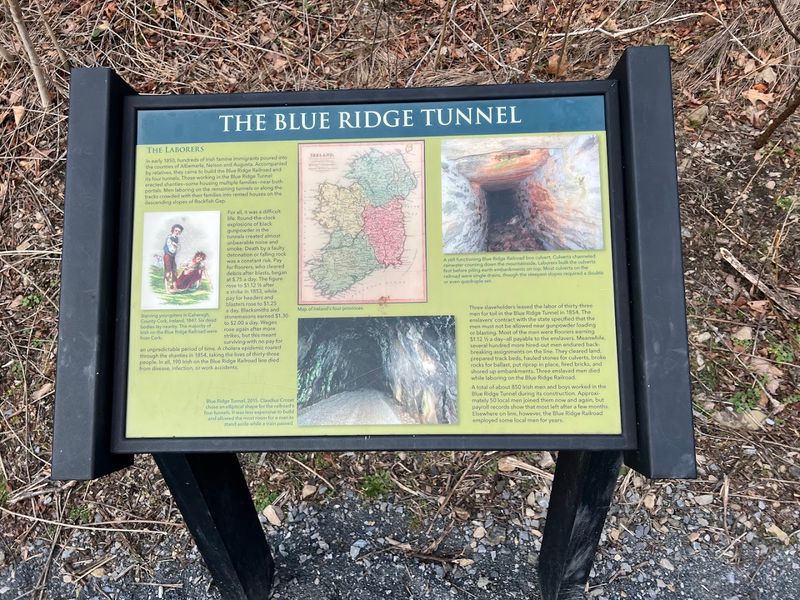
History buffs are going to feel right at home on the Blue Ridge Tunnel Trail. The path is lined with informational boards that tell the story of how this engineering marvel came to be, including details about the colorful and fascinating people who made it happen during the 1850s.
Claudius Crozet, a French-born engineer who also served as a local notary, oversaw the tunnel’s construction for the Blue Ridge Railroad. When it was completed, it stood as the longest tunnel in the entire United States — a jaw-dropping achievement given the tools and technology available at the time.
Reading about the workers, the challenges they faced, and the sheer determination it took to drill through a mountain by hand gives you a whole new appreciation for what you are walking through. One reviewer put it perfectly: the history alone is worth the trip, even before you step inside the tunnel.
Wildlife and Salamanders Inside the Tunnel
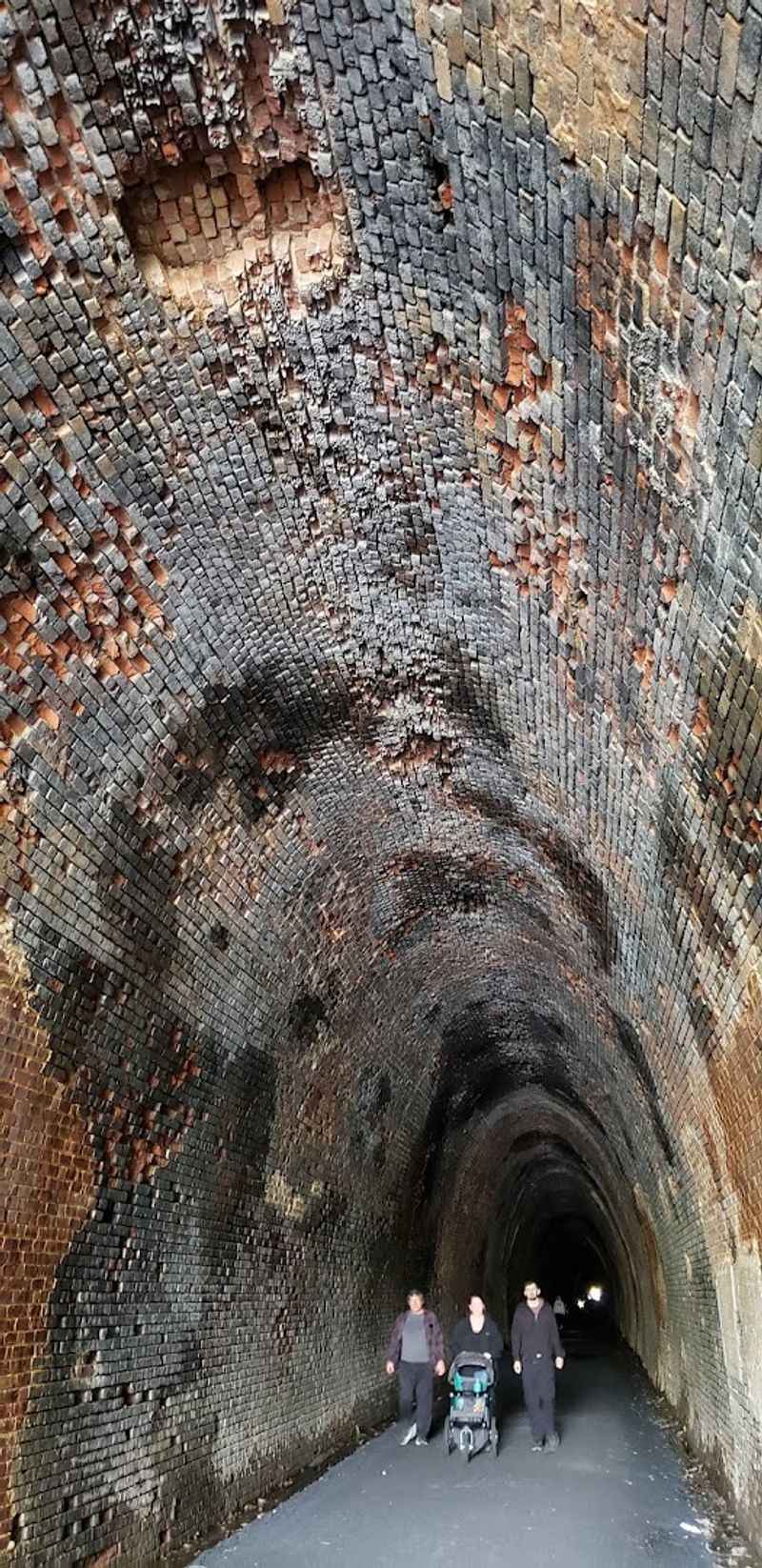
One of the most unexpected and delightful surprises waiting inside the Blue Ridge Tunnel is the wildlife. Salamanders have made their home on the damp brick walls inside the tunnel, and spotting one during your walk through is genuinely exciting, especially for kids who love discovering creatures in the wild.
The cool, moist environment created by the dripping water and constant temperature makes the tunnel a perfect habitat for these small amphibians. They tend to cling to the walls near the wetter sections of the tunnel, so keep your flashlight beam scanning the sides as you walk.
Beyond the salamanders, the trail outside the tunnel passes through woodland habitat where birds and other small animals are commonly seen. One recent reviewer specifically called out the tunnel wildlife as one of the coolest parts of the whole experience, and it is easy to see why this detail makes the trail feel extra special.
Fall Foliage Views on the Trail
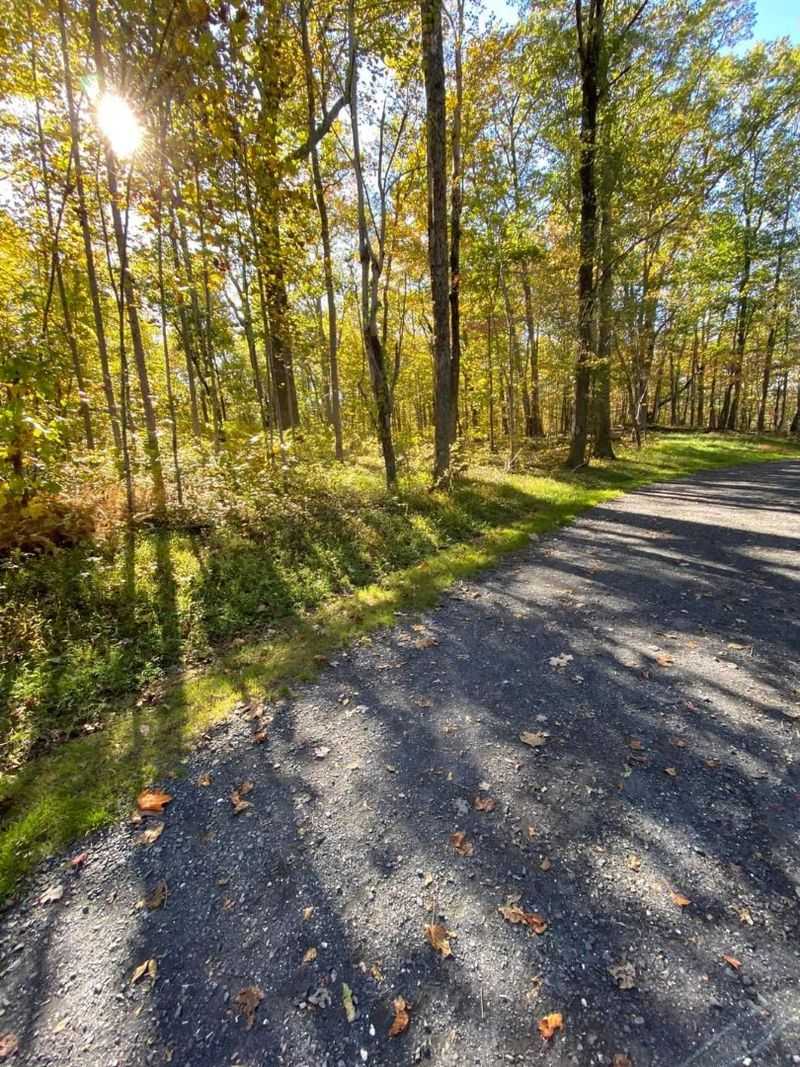
Visiting the Blue Ridge Tunnel Trail in autumn is a completely different kind of magic. The trail winds through woodland that transforms into a brilliant display of red, orange, and gold leaves as the season changes, making every step feel like you are walking through a painting.
One reviewer described a fall visit as a beautiful, relaxing, and quiet experience, perfect for soaking in the colorful leaf-changing scenery at a peaceful pace. The cooler fall temperatures also make the hike more comfortable compared to the heat of summer, and the tunnel’s 50-degree interior feels refreshing rather than cold when the outside air is already crisp.
Fall weekends can draw more visitors than usual because of the foliage, so arriving early in the morning gives you the best chance of enjoying the trail without large crowds. The combination of mountain scenery and tunnel adventure makes autumn the absolute prime time to visit this trail.
Hiking with Young Children and Toddlers
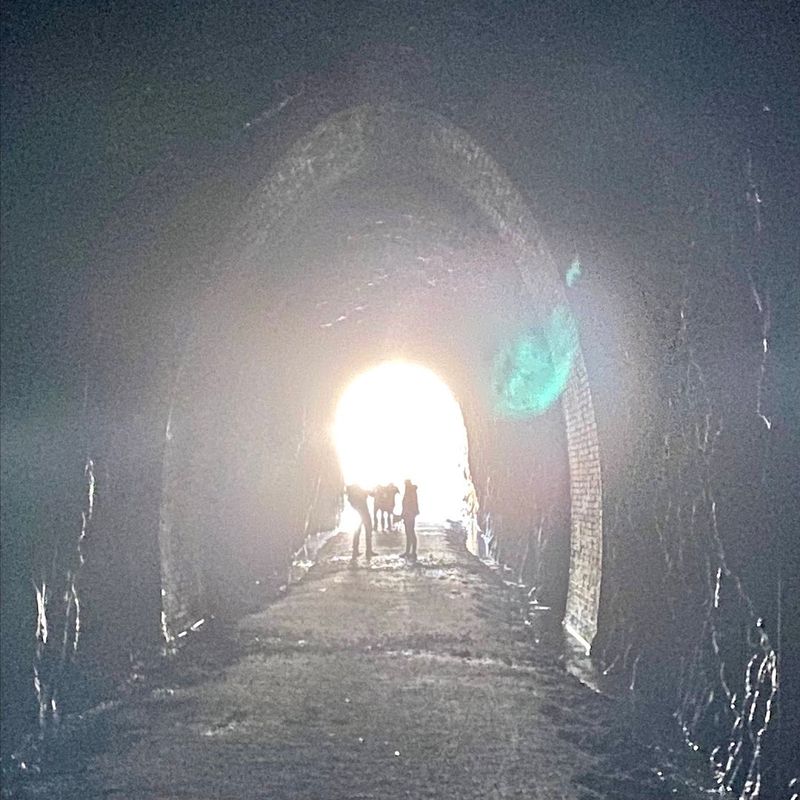
Parents wondering whether the Blue Ridge Tunnel Trail is suitable for little ones will be happy to know that many families have tackled it successfully with young children in tow. One reviewer brought a 22-month-old, a 3-year-old, and a 5-year-old on the trail, and all three made it through the tunnel.
That said, the return trek involves more uphill walking, which can be tough on toddler legs. The same reviewer noted that the youngest had to be carried back, and the 3-year-old needed some help on the steeper sections.
The 5-year-old, however, handled the whole thing without any trouble at all.
Packing a baby carrier or child carrier backpack is a smart idea if you have a child under 3. Bringing plenty of snacks and water keeps energy levels up during the return leg.
The tunnel itself is genuinely thrilling for kids of all ages, making the effort absolutely worthwhile.
Biking Through the Tunnel — What You Should Know
Cyclists are welcome on the Blue Ridge Tunnel Trail, but there are some important things to keep in mind before you load up your bike. One reviewer who rode from the west side described the approach as very hilly and challenging, and recommended the east side as the easier direction for biking.
Inside the tunnel, puddles on the floor from dripping water can be tricky to navigate on a bike, and the darkness makes it even harder to spot them in time. Bikers are expected to be very careful around pedestrian hikers sharing the tunnel space, and slowing down significantly when passing walkers is both courteous and necessary for everyone’s safety.
A bright bike-mounted light is absolutely essential for cycling through the tunnel — your standard phone flashlight will not cut it at cycling speed. If the trail is busy with foot traffic, consider walking your bike through the tunnel rather than riding to avoid any close calls.
Essential Gear and Tips for a Great Visit
A little preparation goes a long way toward making your Blue Ridge Tunnel Trail experience smooth and enjoyable. Beyond the must-have flashlight or headlamp, packing at least one water bottle per person is strongly recommended since there are no water sources along the trail itself, only porta-potties at the trailheads.
Wearing comfortable walking shoes with decent grip helps on the gravel trail and inside the tunnel where the floor can be slippery from dripping water. Layered clothing is smart since the temperature difference between the sunny trail outside and the 50-degree tunnel interior is surprisingly significant.
Arriving early on weekends means better parking options and a quieter trail experience. The west trailhead has limited parking, so weekday visits or early morning arrivals on weekends are your best bet.
Snacks for kids and a small first aid kit round out the perfect pack for a day on this remarkable and truly underrated Virginia mountain trail.
Enjoyed this story?
Add Fast Food Club as a preferred source to see more of our reporting on Google.