


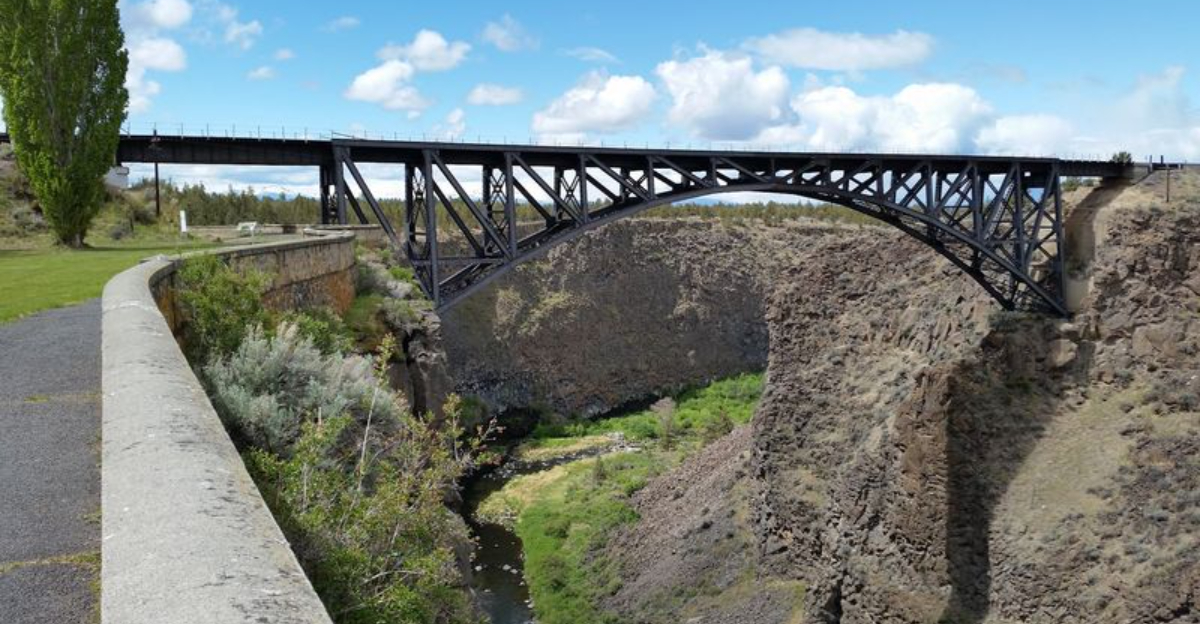
Just outside the small community of Terrebonne, Oregon, lies one of the most underrated natural treasures in the entire Pacific Northwest. Peter Skene Ogden State Scenic Viewpoint sits above the dramatic Crooked River Gorge, where three high bridges span a canyon so deep it will take your breath away.
Most travelers speed past on Highway 97 without realizing what they are missing. If you love stunning views, fascinating history, and the kind of adventure that does not require a long hike, this overlooked gem near Terrebonne deserves a spot on your must-visit list.
The Historic Crooked River High Bridge
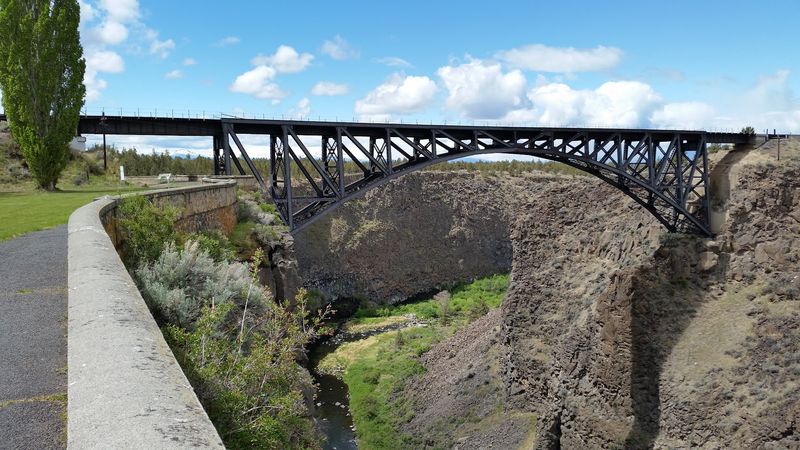
Standing 297 feet above the Crooked River, this steel arch bridge is one of the tallest railroad bridges in the United States. Built in 1911 by the Oregon Trunk Railway, it was an engineering marvel of its time, helping open Central Oregon to commerce and settlement.
Trains still cross it today, making it a living piece of history you can actually watch in action.
Visitors can view the bridge from the state park overlook, and the sight of a freight train rolling across it high above the gorge is genuinely unforgettable. The bridge stretches roughly 340 feet across the canyon, connecting two sheer walls of dark volcanic rock.
Early morning visits offer the best light for photos. The combination of rugged basalt cliffs, the silver shimmer of the river below, and the bold steel structure above creates a scene that feels almost cinematic.
The Highway 97 Crooked River Bridge
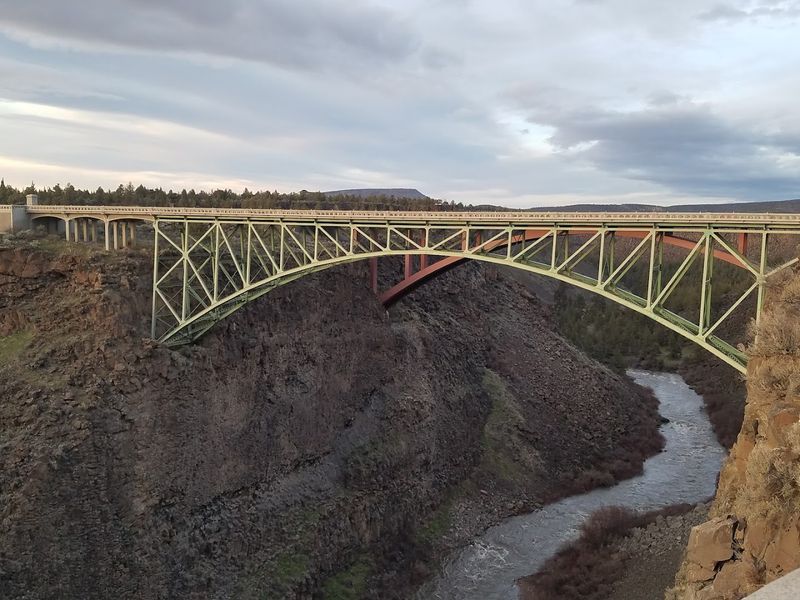
Not every road trip moment arrives with fanfare, but crossing this bridge on Highway 97 is one that quietly sticks with you. The current highway bridge rises 304 feet above the gorge floor, making it even taller than the famous railroad bridge beside it.
It replaced an older 1926 structure that served travelers for decades before being retired.
What makes this crossing special is how ordinary it feels from inside your car, and yet how extraordinary it looks from the viewpoint below. Glancing up from the canyon rim, the bridge looks almost impossibly slender against the wide Oregon sky.
The Peter Skene Ogden viewpoint gives you a perfect angle to appreciate the full scale of the structure. Standing at the overlook railing and watching cars silently pass overhead while the river rushes far below is a perspective shift that few people expect to find just off a major highway.
The Original 1911 Oregon Trunk Line Bridge Ruins
History does not always disappear cleanly, and at Peter Skene Ogden State Scenic Viewpoint, that is a good thing. The ruins of the original 1911 bridge construction efforts are still visible within the gorge, offering a rare glimpse into the challenges engineers faced over a century ago.
Competing railroad companies raced to build across this canyon during the so-called Railroad War of Central Oregon.
The Deschutes Railroad and the Oregon Trunk Railway both pushed toward Bend, and this gorge was a critical bottleneck. Evidence of that fierce competition remains etched into the canyon walls and rocky floor below.
For history fans, spotting these remnants from the overlook adds a whole new layer to the visit. You are not just admiring scenery but reading a chapter of Oregon’s industrial past written in stone and steel.
Bring binoculars for a closer look at the canyon floor details.
Peter Skene Ogden State Scenic Viewpoint
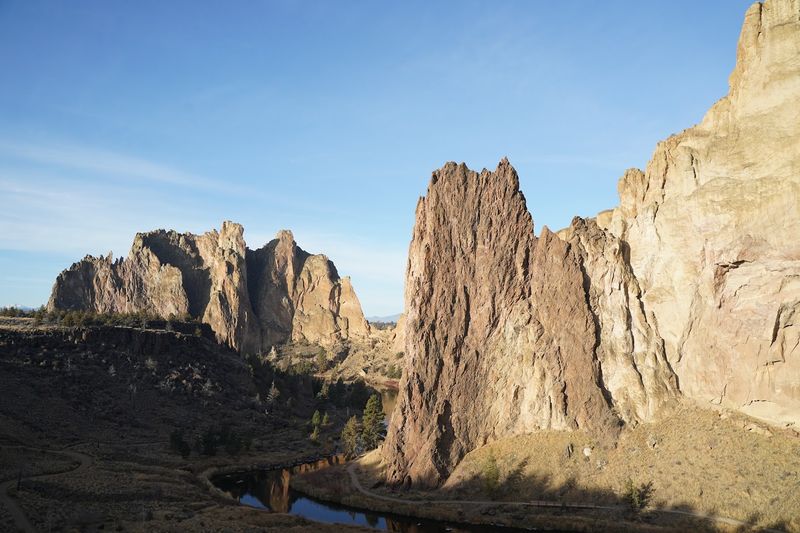
Named after the fur trapper who explored this region in the 1820s, Peter Skene Ogden State Scenic Viewpoint is the gateway to everything spectacular about this area. The park sits right along Highway 97 between Redmond and Madras, making it incredibly easy to reach from Terrebonne.
Yet somehow, most drivers pass right by without stopping.
The viewpoint features paved paths, safety railings, and interpretive signs that explain the geology, history, and engineering you are looking at. It is accessible and family-friendly, requiring almost no physical effort to enjoy breathtaking views.
Sunsets here are particularly stunning, painting the basalt canyon walls in shades of orange and purple. Whether you are a casual sightseer, a photography enthusiast, or a curious traveler who enjoys learning something new, this little park punches well above its weight.
Plan to spend at least 30 to 45 minutes soaking it all in.
The Crooked River Gorge Geology
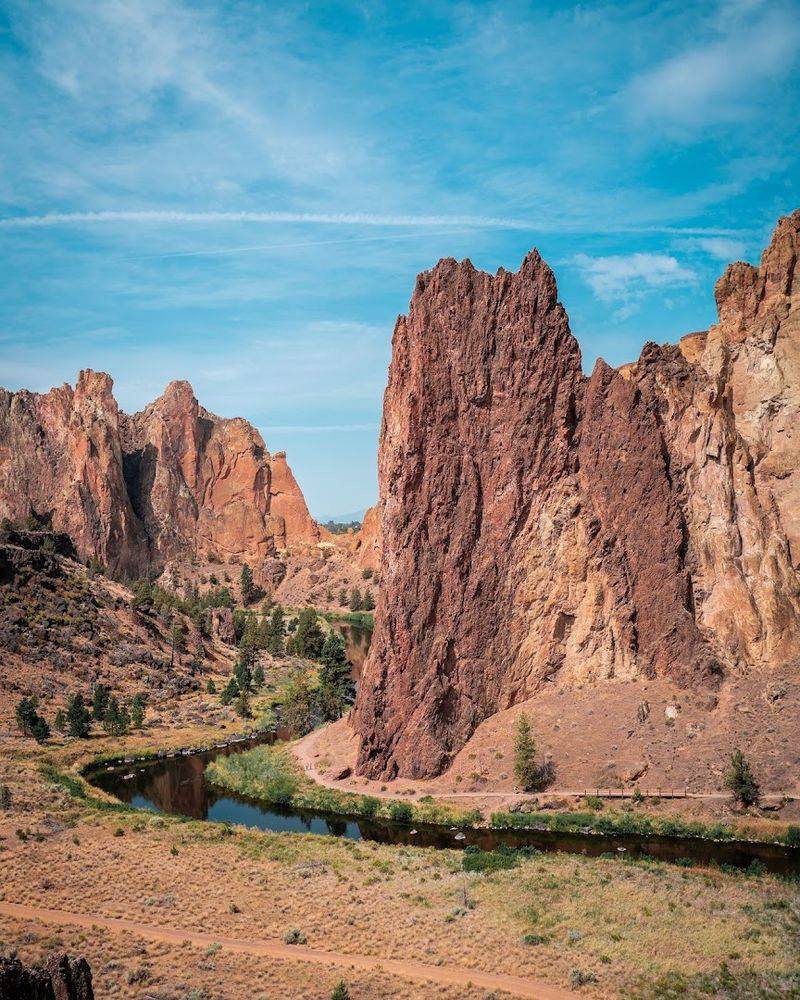
Few places in Oregon reveal the raw power of ancient volcanic activity quite like the Crooked River Gorge. The canyon walls are composed of dark columnar basalt, formed millions of years ago when massive lava flows cooled and cracked into geometric columns.
Over time, the Crooked River carved downward through these layers, creating the dramatic gorge visitors see today.
The depth of the canyon reaches nearly 300 feet in places, and the contrast between the dark rock and the bright turquoise water below is genuinely striking. Geologists consider this area a textbook example of river incision through volcanic terrain.
You do not need a science background to appreciate the spectacle. Just standing at the rim and looking down gives you a gut-level sense of how powerful both fire and water can be over long stretches of time.
The gorge tells a story millions of years in the making.
Wildlife Watching in the Gorge
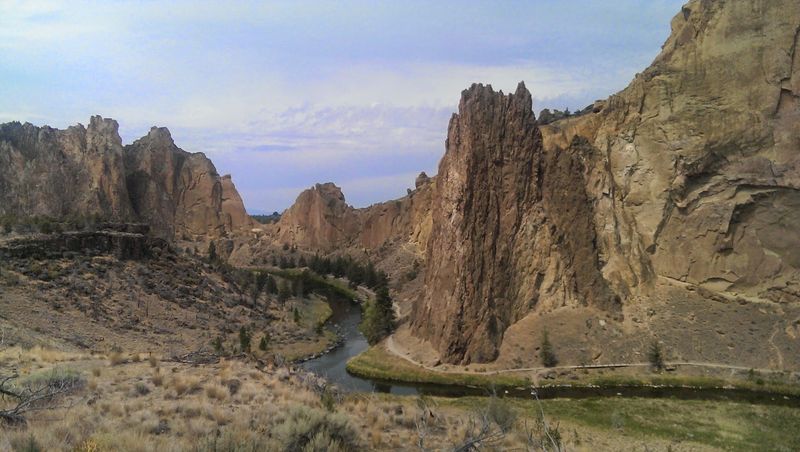
The canyon walls at Peter Skene Ogden Viewpoint are not just geological wonders, they are also home to a surprising variety of wildlife. Golden eagles and prairie falcons are frequently spotted riding thermal currents above the gorge, making this one of the better raptor-watching spots in Central Oregon.
Bring binoculars and patience, and you will likely be rewarded.
Mule deer, coyotes, and various lizard species also inhabit the surrounding high desert scrubland. The juniper and sagebrush ecosystem around Terrebonne supports a rich food web that extends right to the canyon rim.
Early morning visits tend to yield the most wildlife activity before the midday heat drives animals into shade. Even if you never spot a single creature, the ambient sounds of wind through the canyon and the distant rush of the river below create a sensory experience that feels genuinely wild and remote despite being steps from a major highway.
The Railroad War of Central Oregon
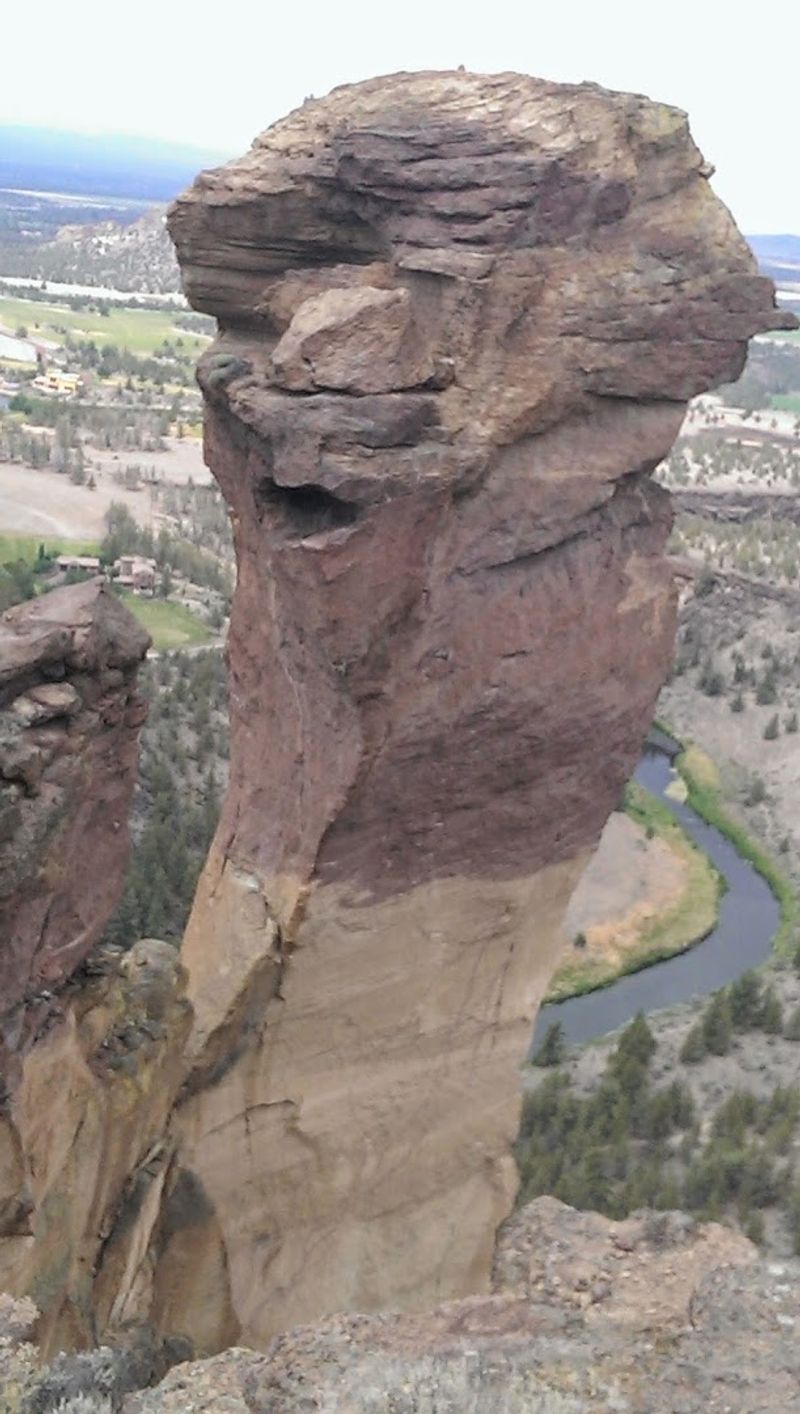
Around 1909 to 1911, two powerful railroad tycoons waged a bitter battle to control the rail route through Central Oregon. E.H.
Harriman of the Union Pacific and James J. Hill of the Great Northern both sent crews racing up the Deschutes River Canyon toward Bend, sometimes working within shouting distance of each other.
The Crooked River crossing was one of the most contested points of the entire campaign.
Workers faced extreme conditions, blasting through basalt cliffs and constructing bridges over terrifying drops. Sabotage, legal battles, and physical confrontations were all part of the story.
Hill’s Oregon Trunk Railway ultimately won the race to Bend, completing the high bridge over Crooked River as part of that victory.
Interpretive signs at the viewpoint tell this gripping story in accessible detail. It reads like an adventure novel but every word of it actually happened right here in the canyon below your feet.
Photography Tips for the Bridges and Canyon
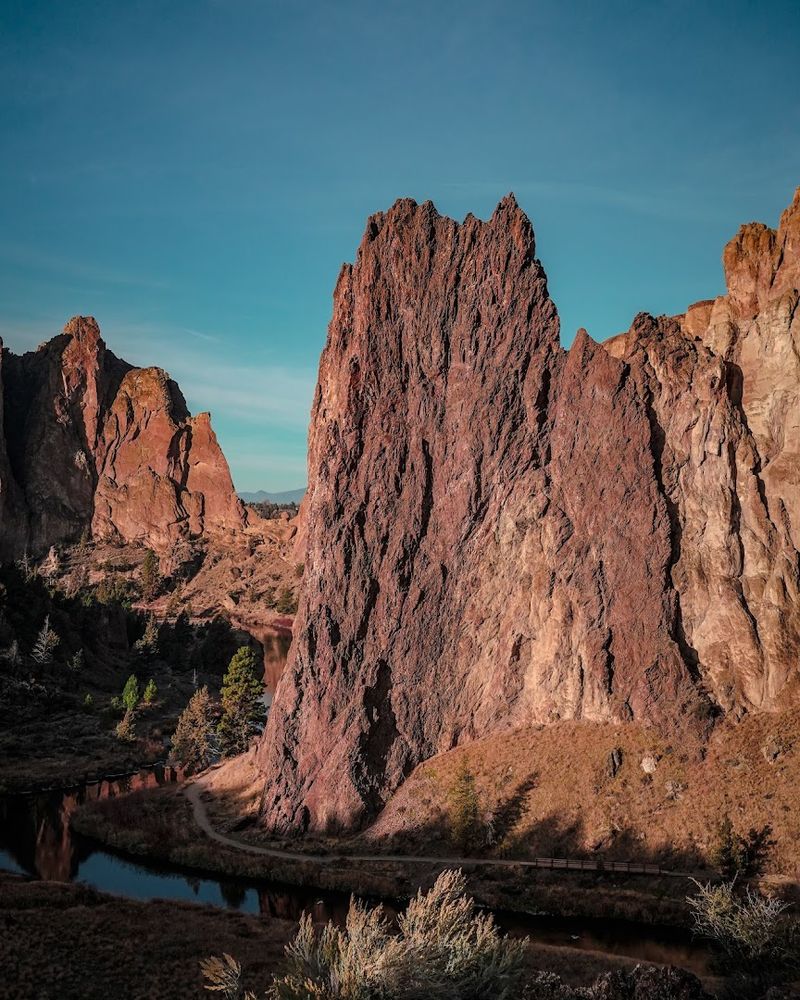
Getting a great photo here is easier than you might think, but a few tips will take your shots from good to genuinely impressive. The golden hour, roughly 30 to 60 minutes after sunrise or before sunset, bathes the basalt canyon in warm amber light that makes every texture pop.
Position yourself at the main overlook railing for the classic three-bridge composition.
A wide-angle lens works beautifully to capture the full sweep of the gorge, while a zoom lens lets you isolate the railroad bridge against the sky. If you visit when a train is scheduled to cross, that shot is worth waiting for.
Smartphone cameras perform surprisingly well here because of the high contrast between the dark rock and bright sky. Turn on HDR mode if available.
Midday light tends to be harsh and flat, so early morning or late afternoon visits will consistently produce the most dramatic and rewarding images.
Visiting Terrebonne Before or After the Park

Terrebonne is a small but welcoming community of about 1,400 people located in Deschutes County, just a short drive from the state scenic viewpoint. The town has a handful of local shops and restaurants worth exploring before or after your bridge adventure.
It is part of the greater Bend metropolitan area, so amenities are close without the crowds of the city.
Smith Rock State Park, one of Oregon’s most famous landmarks, is also just minutes away, making Terrebonne a smart home base for a full day of outdoor exploration. The combination of two world-class natural sites in one small area is hard to beat.
Fuel up at a local spot in town before heading to the viewpoint. The community has a friendly, low-key atmosphere that reflects the broader character of Central Oregon.
A visit here feels genuinely off the beaten path even though it sits right along a major highway.
Accessibility and Family Friendliness
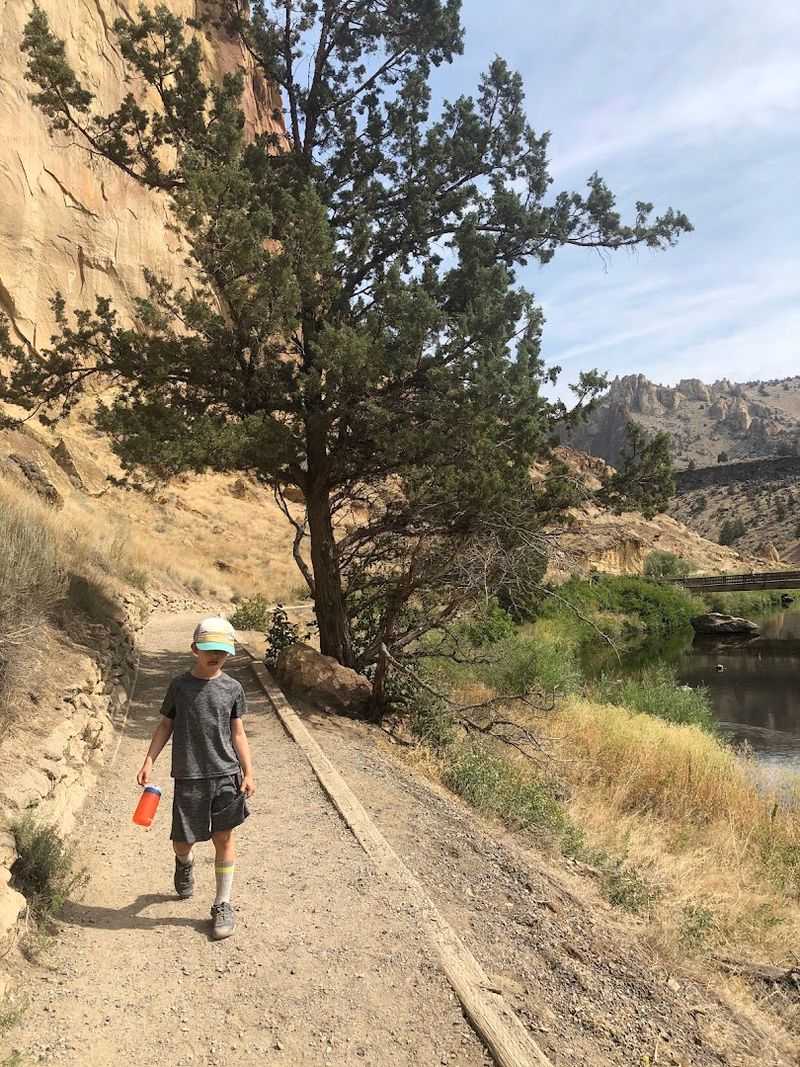
One of the most underappreciated things about this viewpoint is how easy it is for everyone to enjoy. The paved walkways and sturdy railings make the overlook accessible for visitors using wheelchairs or strollers.
You do not need to be an experienced hiker or outdoor enthusiast to have a memorable experience here.
Kids tend to love the dramatic drop of the canyon and the thrill of spotting a train crossing the bridge far overhead. The interpretive signs are written clearly enough for younger readers to follow and engage with the history.
Parking is free and conveniently located right off Highway 97. Restroom facilities are available on site.
The entire experience from parking to overlook and back takes about 30 to 45 minutes, making it a perfect quick stop on a longer road trip. Families traveling between Bend and Madras should absolutely add this to their itinerary.
Best Times of Year to Visit
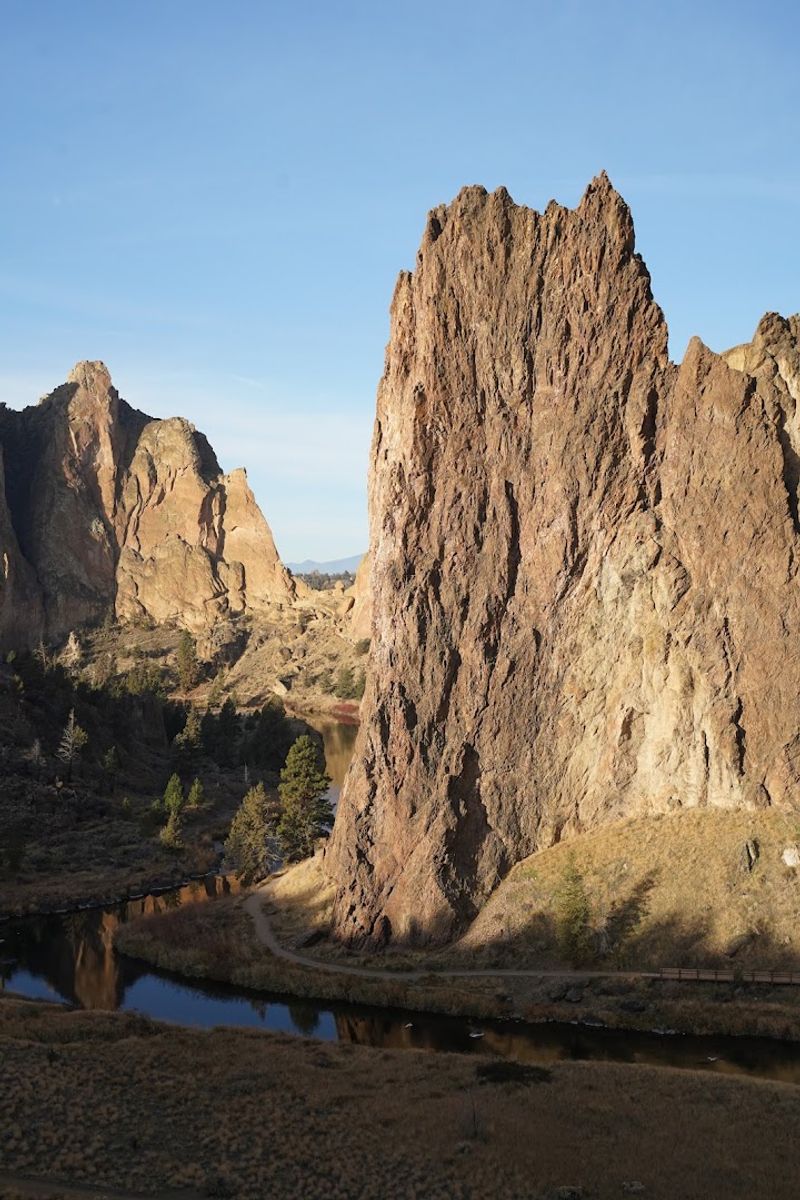
Central Oregon’s high desert climate makes this viewpoint enjoyable in almost every season, but some times of year are more rewarding than others. Spring and fall offer mild temperatures, fewer crowds, and softer light that is ideal for photography.
Summer visits are popular but can bring intense midday heat, so plan for early morning or evening arrivals.
Winter visits have their own quiet appeal. Snow occasionally dusts the canyon rim, creating a stark and beautiful contrast with the dark basalt walls below.
The viewpoint remains accessible most winter days since Highway 97 is a major route that stays well maintained.
Late March through May is particularly lovely when wildflowers bloom across the surrounding sagebrush flats. October brings crisp air and golden afternoon light that makes every photo look polished.
Whenever you choose to visit, the bridges and canyon will deliver a view worth the stop regardless of the season.
Nearby Smith Rock State Park Connection
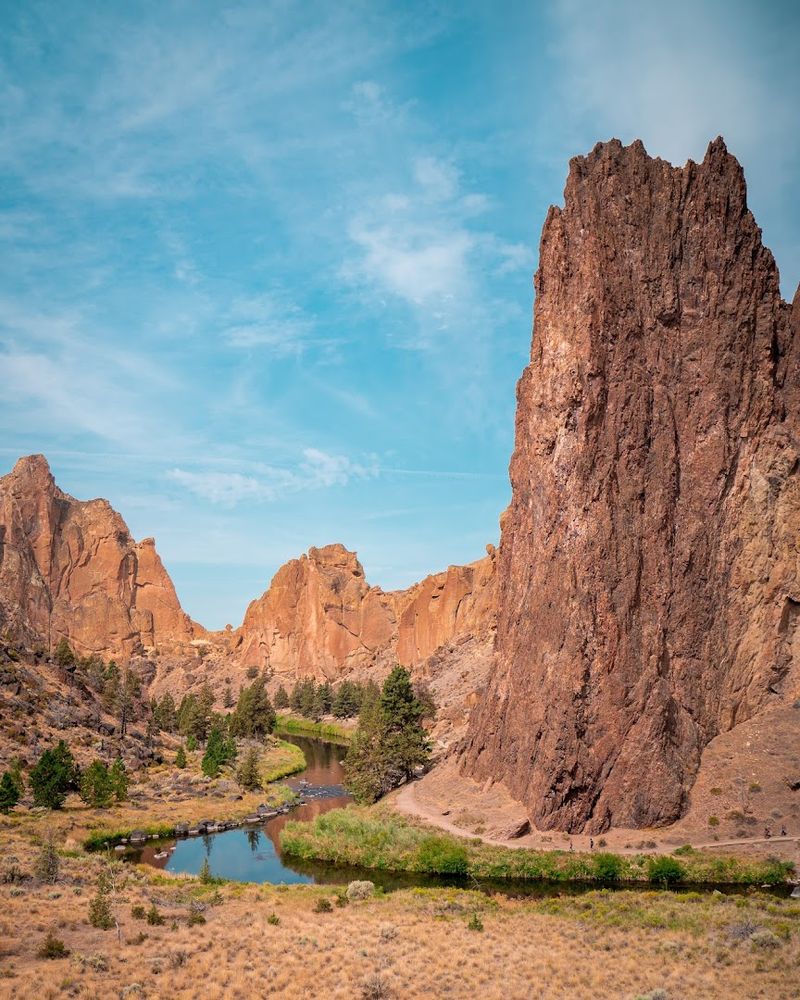
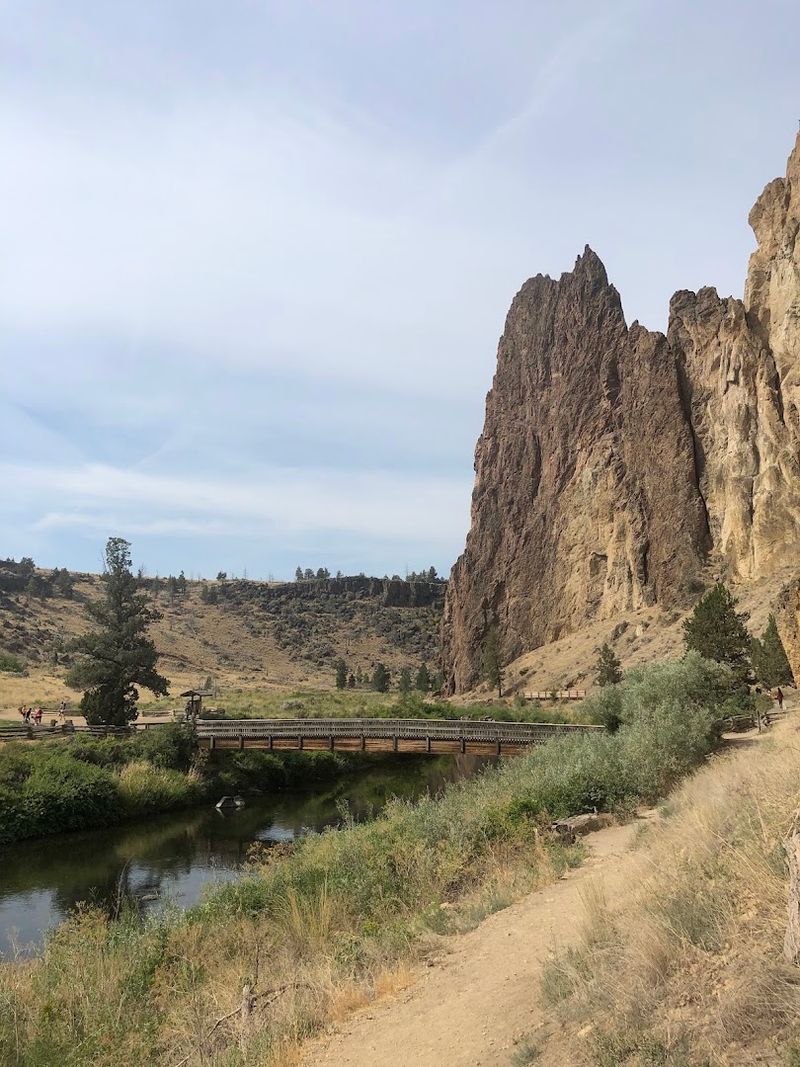
Smith Rock State Park sits just a few miles from Peter Skene Ogden Viewpoint, and combining both in a single day trip is one of the smartest moves any Central Oregon visitor can make. Smith Rock is world-famous among rock climbers, with over 1,000 climbing routes scaling its iconic orange and red volcanic spires.
Even non-climbers find the park absolutely stunning.
The Crooked River actually flows through Smith Rock as well, connecting the two parks in a geographic and geological sense. Hiking trails at Smith Rock range from easy riverside walks to strenuous ridge climbs with panoramic views of the Cascades.
Starting your day at Smith Rock and ending with a sunset stop at the Crooked River High Bridge viewpoint makes for a deeply satisfying Oregon adventure. Both sites sit within minutes of Terrebonne, making this small community a surprisingly excellent base camp for exploring the best of Central Oregon’s natural wonders.
How to Get to the Viewpoint from Terrebonne
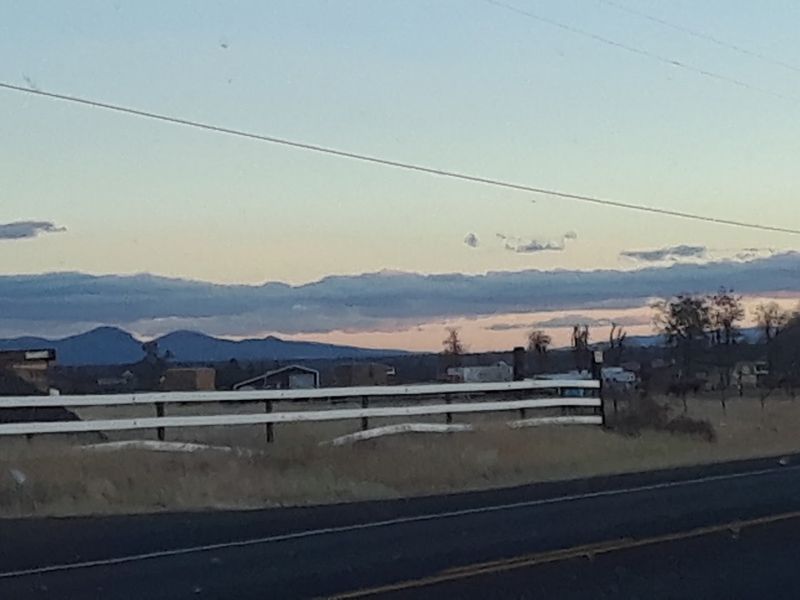
Getting to Peter Skene Ogden State Scenic Viewpoint from Terrebonne is refreshingly simple. Head north on Highway 97 from the center of Terrebonne for roughly three miles and watch for the signed turnoff on the right side of the road.
The parking area is clearly marked and easy to find even on your first visit.
The drive itself is pleasant, passing through classic high desert scenery with views of the Cascade Mountains to the west on clear days. No four-wheel drive or special vehicle is needed since the access road is paved and well maintained year-round.
If you are coming from Bend, the viewpoint is about 20 miles north on Highway 97, passing through Redmond and then Terrebonne along the way. GPS navigation works reliably in this area.
The short distance from the highway means you can stop even if you only have 20 or 30 minutes to spare on a road trip through Central Oregon.
Enjoyed this story?
Add Fast Food Club as a preferred source to see more of our reporting on Google.