


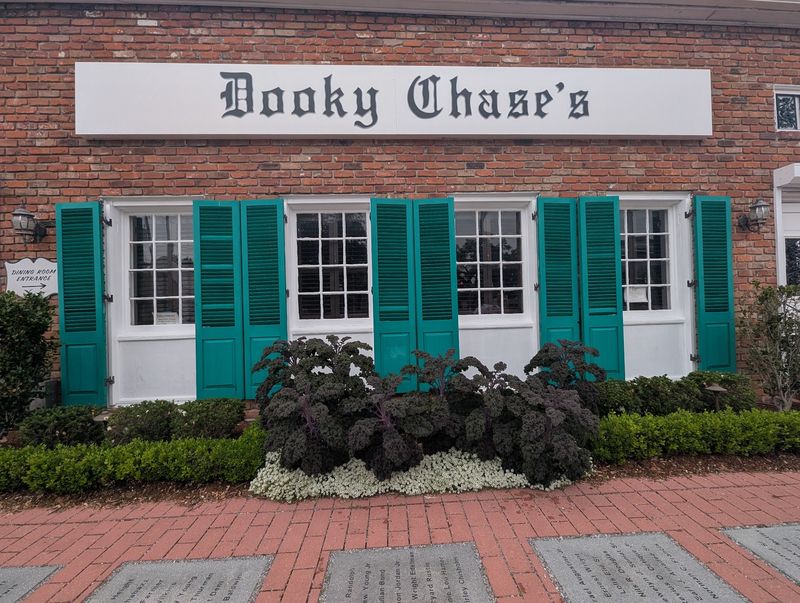
Some restaurants feed a city, and a rare few help shape it. In the Tremé neighborhood of New Orleans, one family dining room has been serving Creole comfort food for generations, and the walls carry as much story as the plates.
Two dishes still pull people across the country to its door: a bowl of gumbo and a plate of fried chicken. Those two items carry the name of a chef who became known far beyond Louisiana.
Tables here are hard to land, so planning matters as much as appetite. The menu runs deep, the art collection is serious, and the family still greets guests at the door.
Keep reading for the story behind the place, what to order, when to go, and how to snag a seat before the crowd does.
A Corner of Orleans Avenue Worth the Trip
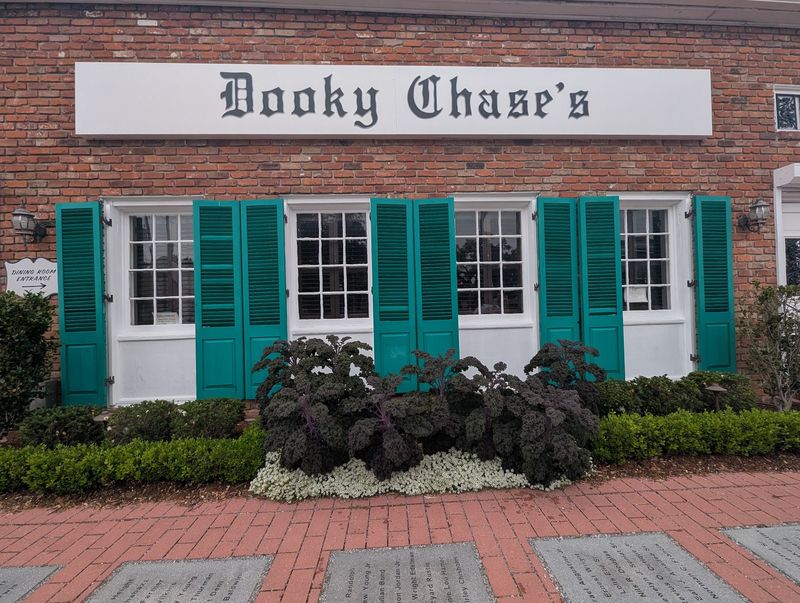
Some addresses earn their fame slowly, one plate at a time. Dooky Chase Restaurant sits at 2301 Orleans Ave, New Orleans, LA 70119, in the city’s historic Tremé neighborhood.
The restaurant is classified as a Creole spot, and its focus is clear. It is a destination for Creole comfort fare, built around down-home staples served in a vibrant, art-filled space.
Tremé matters to the story here. The restaurant is not tucked inside the busy French Quarter, so a trip here feels like a deliberate choice rather than a stop on the way to somewhere else.
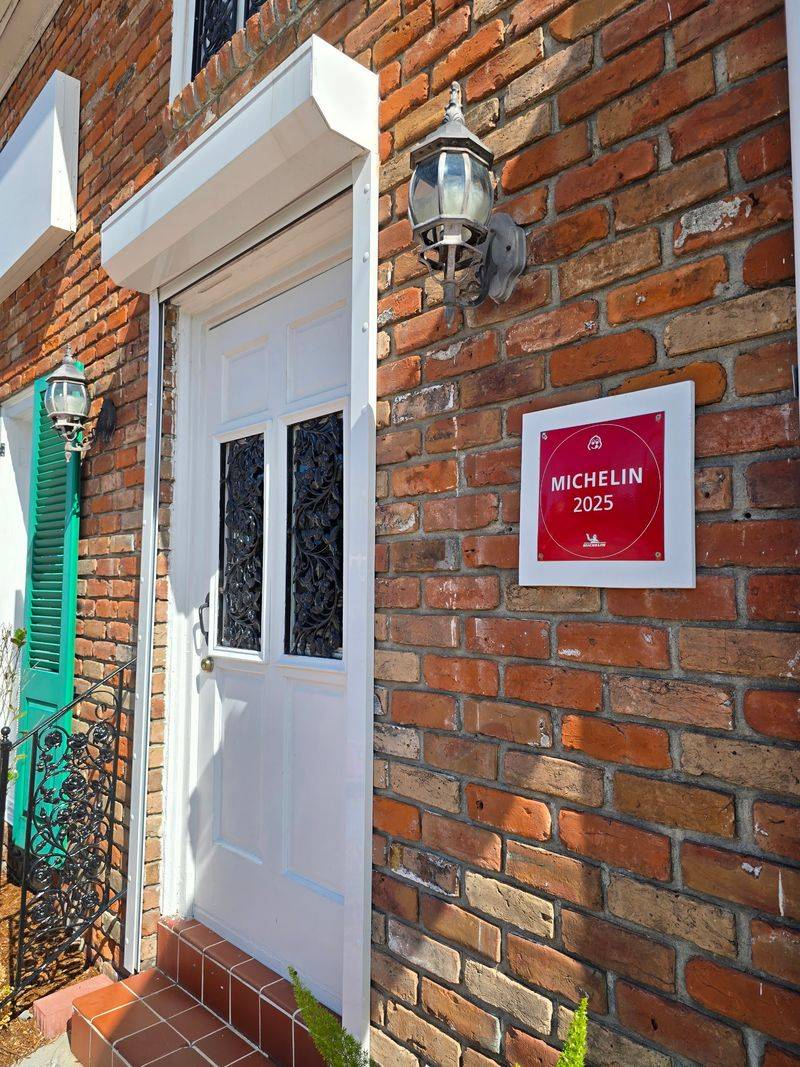
Plaques outside the building share pieces of its past. Many guests pause to read them before heading inside, which is a fitting first step at a place so tied to history.
A small parking lot sits right next to the building. Spots can be limited, but having parking on site helps in a city where curbside space is often scarce.
The restaurant has gathered thousands of opinions over the years, with an average sitting at a solid 4.4 out of 5. That kind of steady standing across so many diners says plenty about its staying power.
So the location is settled. The bigger question is who built this place into a name people plan whole trips around.
The Chef Behind the Legend
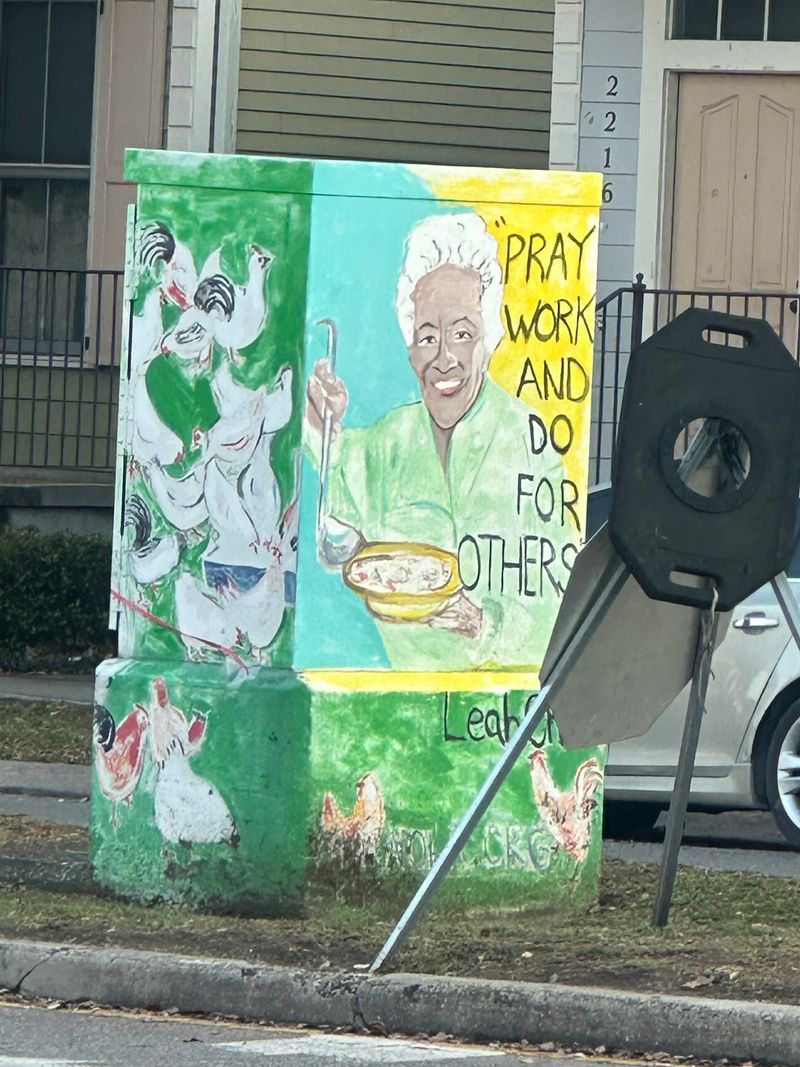
Leah Chase is the name that turns a meal here into something closer to a pilgrimage. The restaurant itself describes her as a legendary Creole chef who built its reputation on down-home staples.
Her influence still shapes the menu. The gumbo and fried chicken that guests travel for are the dishes most tied to her legacy.
The family connection has not faded either. Members of the Chase family are often present in the dining room, greeting guests and checking on tables.
Some diners have even met Leah Chase’s daughter during their meal and posed for a photo. Moments like that make the visit feel personal rather than polished.
That family presence goes beyond handshakes. Owners have been spotted helping servers, clearing tables, and wiping silverware during busy service.
It is the kind of detail that explains why so many people describe the experience as eating at a family’s home. In a real sense, that is exactly what it is.
The legacy lives on in the kitchen, but it also lives on the walls, which hold a story of their own.
Gumbo That Started the Buzz
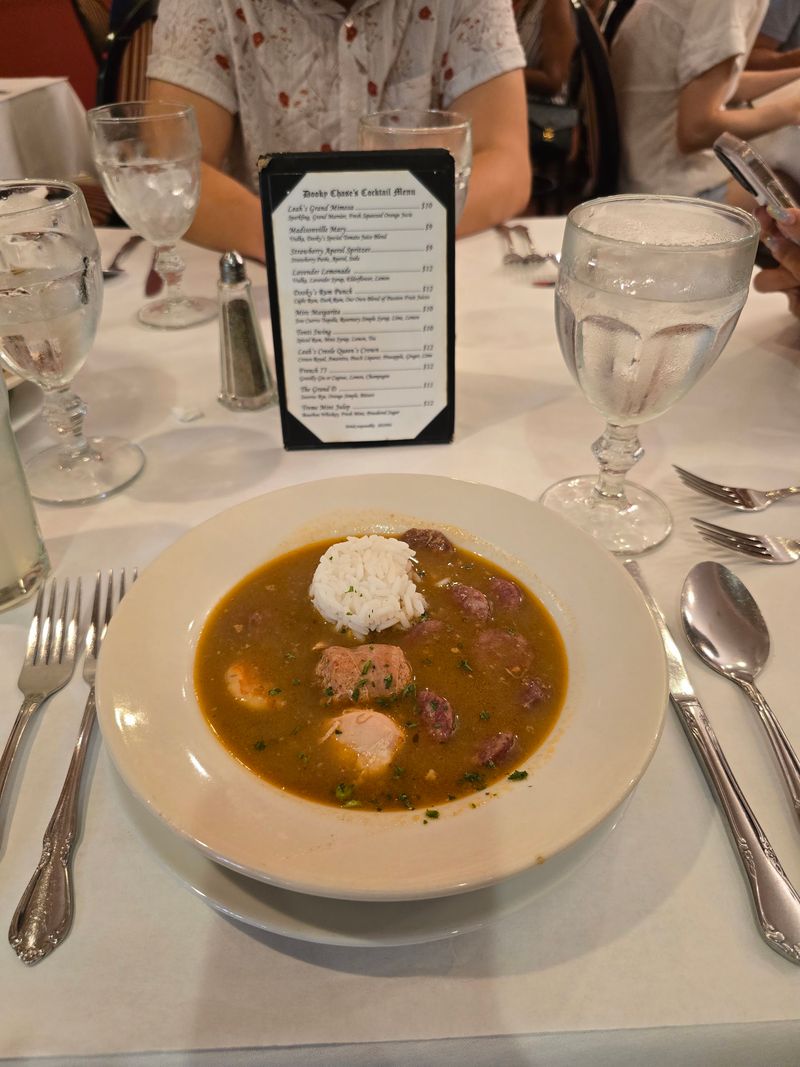
Out of every dish on the menu, gumbo is the one mentioned most often. It comes up in hundreds of conversations about this restaurant, edging out even the famous chicken.
Plenty of guests try gumbo in the French Quarter first. Many say none of those bowls compare to the version served here.
Portions are generous. Even a cup comes as a hefty serving, which leaves diners curious about the full bowl.
Not every opinion is a rave, and that honesty helps set expectations. A few diners call it good but not life-changing, while others rank it among the best they have had in the city.
The gumbo also pairs well with other house favorites. People often order it alongside fried chicken, stuffed shrimp, or Shrimp Clemenceau to sample several classics at once.
For a first visit, starting with gumbo makes sense. It is the dish most closely linked to the restaurant’s reputation, and it gives a clear look at the Creole cooking style the kitchen is known for.
Of course, a pot of gumbo rarely travels alone, and its partner on this menu is just as famous.
Fried Chicken With a Following
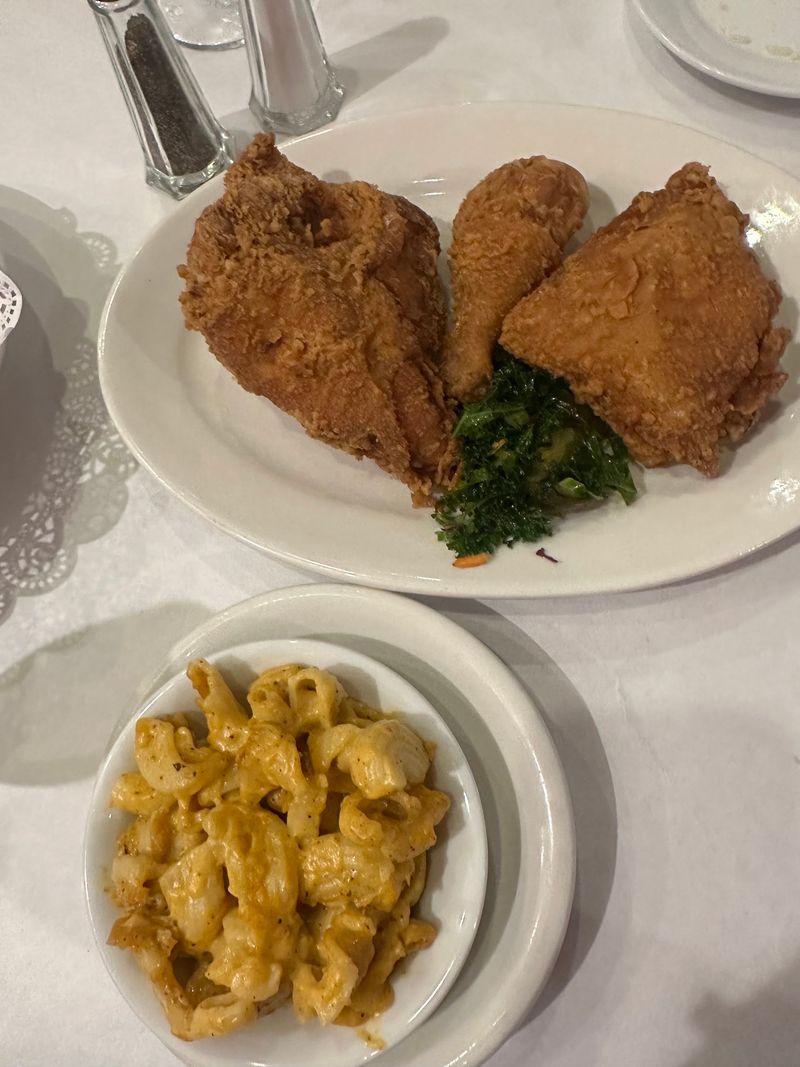
Nearly three hundred mentions is a lot of attention for one plate of chicken. The fried chicken here is the second most talked-about item, close behind the gumbo.
Fans call it some of the best fried chicken they have ever had. Others note it arrives hot and fresh, straight from the kitchen.
It also works as a flexible order. Some guests add a single piece of fried chicken as an à la carte side next to a seafood dish, which is a smart way to try it without committing to a full plate.
Many pair it with red beans and rice, another popular choice that shows up often in conversations about the menu. Macaroni and cheese and candied sweet potatoes are other common partners.
One fair note: experiences with fried items have not been perfect for every table. A small number of diners felt some fried dishes missed the mark, so results can vary on a busy night.
Still, the chicken is a big reason the restaurant stays booked. Calling it a signature dish is no stretch, and the gumbo-and-chicken combo remains the classic order.
After the headliners, the rest of the menu deserves a closer look.
Creole Classics Beyond the Big Two
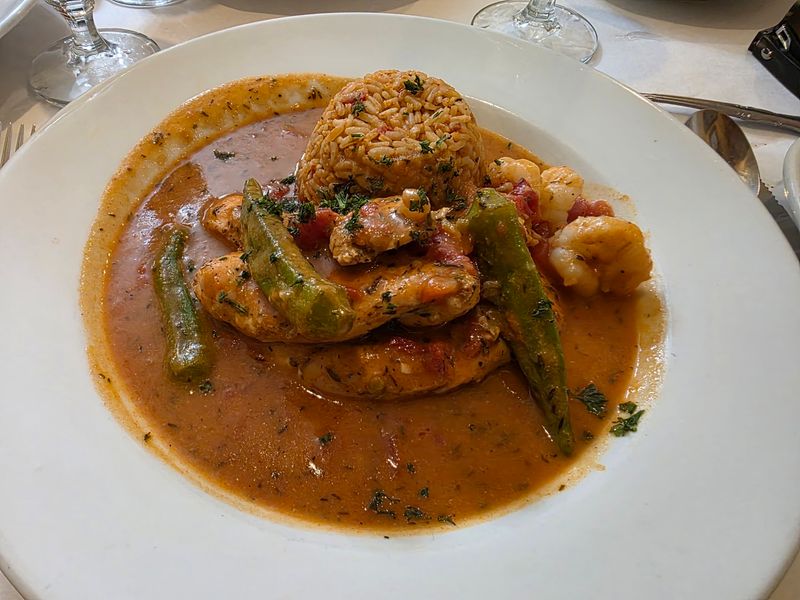
Ordering only the famous pair would mean missing a deep bench. The menu runs through a long list of Creole staples that regulars return for.
Shrimp Clemenceau is a standout. It comes with shrimp, potatoes, and green peas in a garlic butter sauce, and portions of shrimp are generous.
Chicken Creole is another favorite. Diners point to its rich sauce and tender chicken as reasons to order it again.
Stuffed shrimp, shrimp creole, and BBQ shrimp prepared Creole style also earn steady praise. The BBQ shrimp is described as savory rather than sweet.
Seafood lovers can split a seafood platter, which shows up often at larger tables. Crab cakes, crawfish étouffée, and a beet salad with fried oysters also appear on the menu.
Not every dish wins every guest. Some find the jambalaya and potato salad less impressive than the headliners, and a few say certain dishes can lean salty.
The kitchen also accommodates vegetarian diners, which is helpful for mixed groups. And then there are the sides, which quietly steal attention of their own.
Sides That Hold Their Own
Candied yams may be the most underrated item in the building. Even diners who were unhappy with other parts of their meal singled them out as a highlight.
The yams are known for being well spiced. They show up again and again as a favorite side, often next to fried chicken.
Red beans and rice draws plenty of fans too. It ranks among the most mentioned items on the whole menu, which says a lot for a side dish.
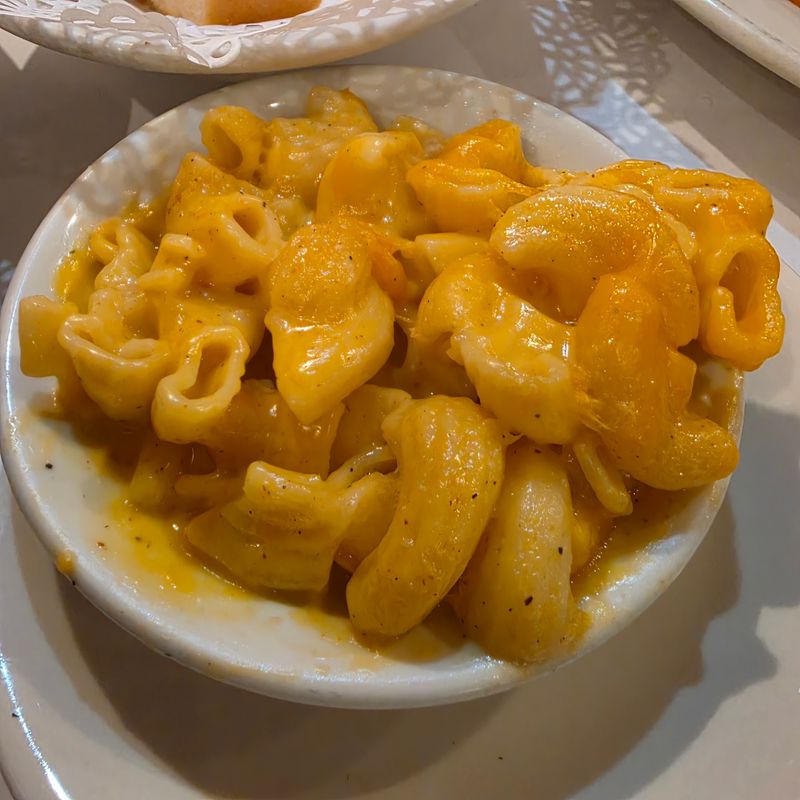
Macaroni and cheese is another regular pick. Many guests call it a high point, though a few found it less memorable on a busy day.
Smothered okra and greens round out the comfort food lineup. These are the kinds of plates that make the meal feel like a family dinner.
A practical tip: sides make it easy to build a shared table. Ordering several and passing them around lets a group try more without overdoing it.
Leave a little room, though, because the dessert menu has its own loyal following.
Cobbler, Bread Pudding, and Sweet Endings
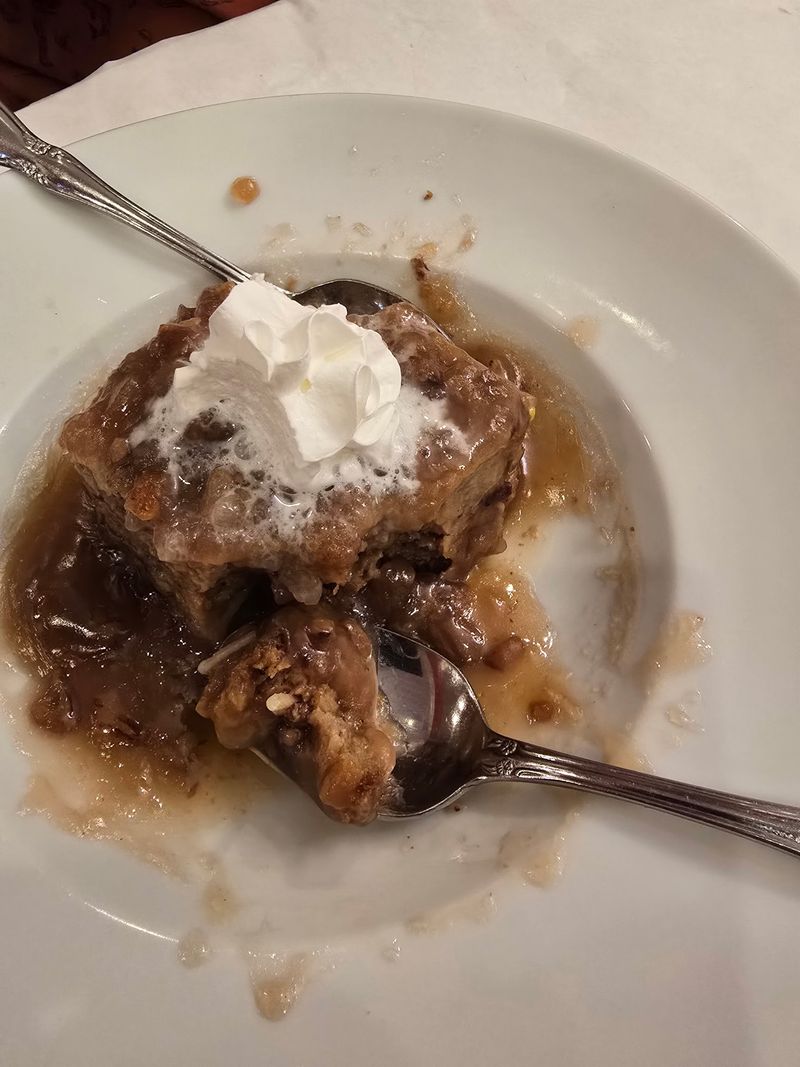
Dessert here is not an afterthought. Peach cobbler is one of the most talked-about items on the entire menu.
The praline bread pudding gets its own spotlight. Some guests say it stole the show from everything else they ordered.
Both the bread pudding and peach cobbler are made in-house. That detail matters to diners who like to know what comes straight from the kitchen.
One heads-up for picky eaters: the bread pudding includes shaved coconut. Anyone who avoids coconut will want to know before ordering.
Other options have included cheesecake and a brownie à la mode. Families often order a few desserts to share, which is a fun way to end a big Creole meal.
Bread pudding is served hot. It tends to be one of the most consistent items on the menu, even on days when other plates vary.
With dessert sorted, it is worth turning to the room itself, which may be the real showpiece.
Dining Inside an Art Gallery
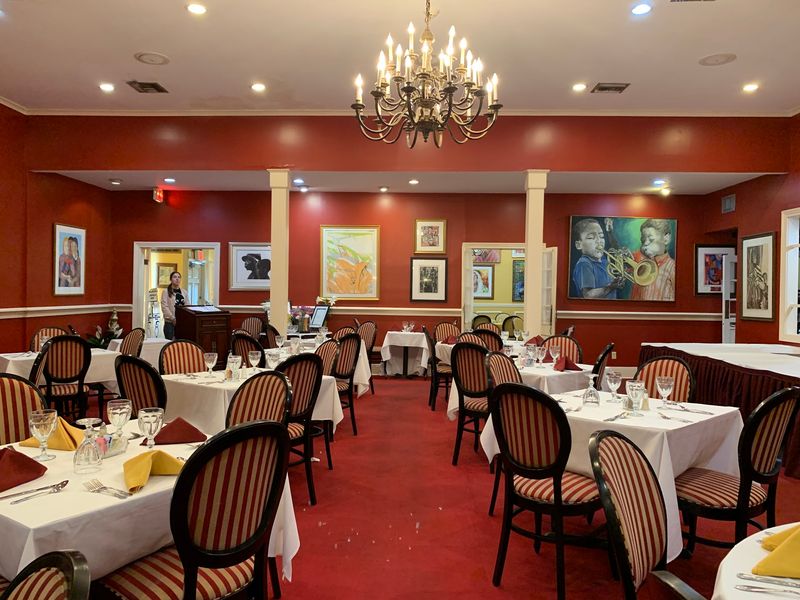
Art covers nearly every wall, and it is not just decoration. Many guests say eating here feels like dining inside an art exhibit.
The collection is a key part of the restaurant’s identity. Its own description calls the space vibrant and art-filled.
Some of the pieces were created by members of the Chase family. That personal touch connects the art directly to the people running the place.
Photographs also line the walls, sharing the history of the restaurant and its community. Diners often spend time studying them between courses.
The overall look manages to be classy and colorful at once. It is polished enough for a special occasion, yet lively enough to feel fun.
A few guests find the room a bit formal for their taste. Others love that contrast with the more casual spots around the city.
Choose a seat with a view of the walls if possible. And for an even closer look at the past, one particular room is worth asking about.
The Original Yellow Room
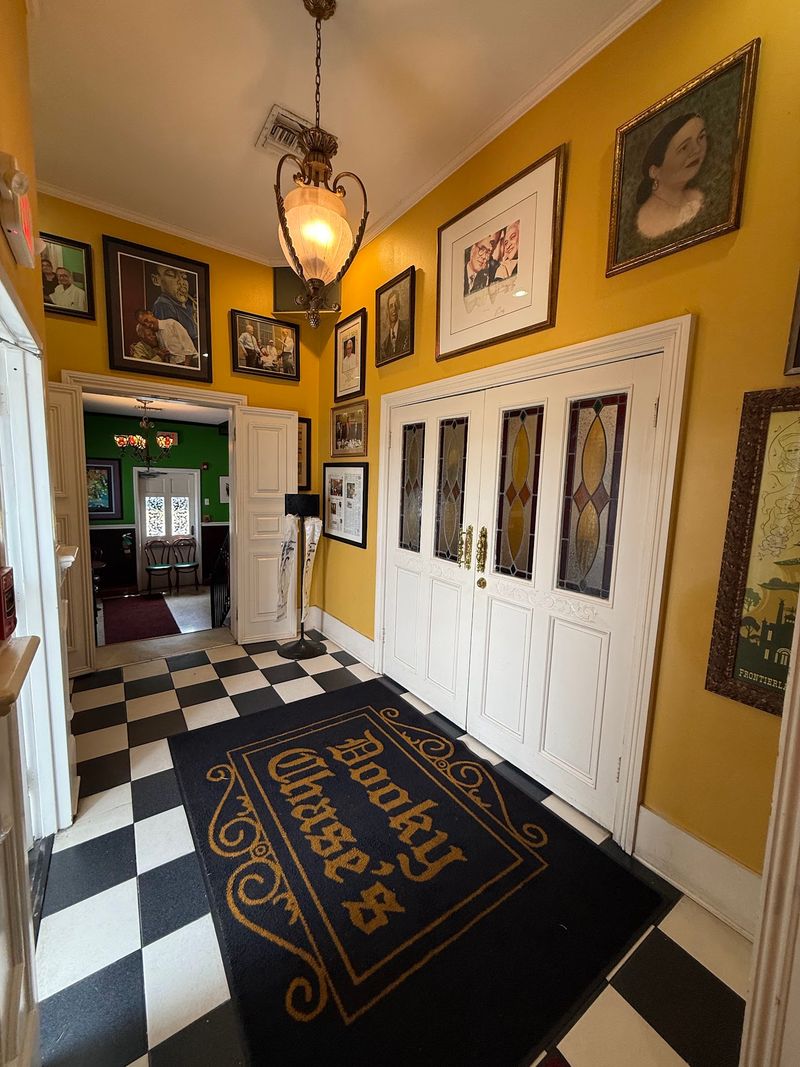
Not every table here sits in the same kind of space. The original dining room is a smaller yellow room toward the left side as guests come through the door.
Seats in that room are a nice bonus for history fans. It gives a sense of how the restaurant felt in earlier days.
The building itself carries real historic significance. Plaques outside and photos inside both help tell that story.
Many diners describe a deep sense of history in the room. For some, the visit feels as meaningful as any museum stop in the city.
The space is also accessible. Ramps inside and outside help guests who use wheelchairs get to their tables.
A table in the yellow room cannot always be guaranteed. Still, asking at the host stand never hurts, especially for a celebration or a first visit.
History sets the stage, but the people working the floor shape how each meal actually goes.
Hospitality With a Family Touch
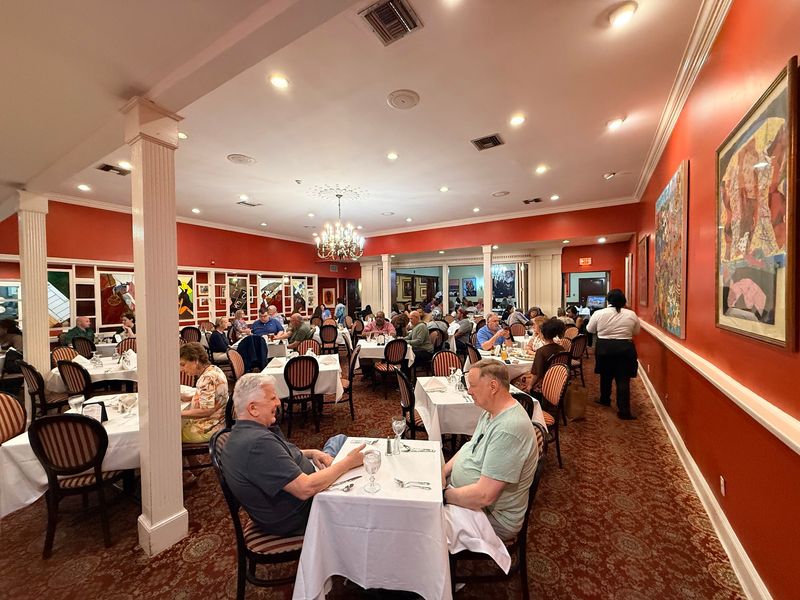
A greeting at the door sets the tone here. Members of the Chase family often welcome guests personally, and some even stop by tables.
Servers are known for knowing the menu well. They readily suggest dishes for first-timers who feel overwhelmed by choices.
Many guests describe the staff as friendly, patient, and attentive. The feeling of being treated like family comes up often.
Service is not perfect every time, though. Some diners mention slow moments, especially during peak hours, so arriving with patience is wise.
A few tables felt overlooked once their food arrived. Others had the opposite experience, with hosts checking in throughout the meal.
The best approach is simple. Plan a relaxed meal, not a rushed one, and treat the visit as an event rather than a quick bite.
Speaking of events, some evenings here come with a soundtrack.
Celebrations, Jazz Nights, and Special Occasions
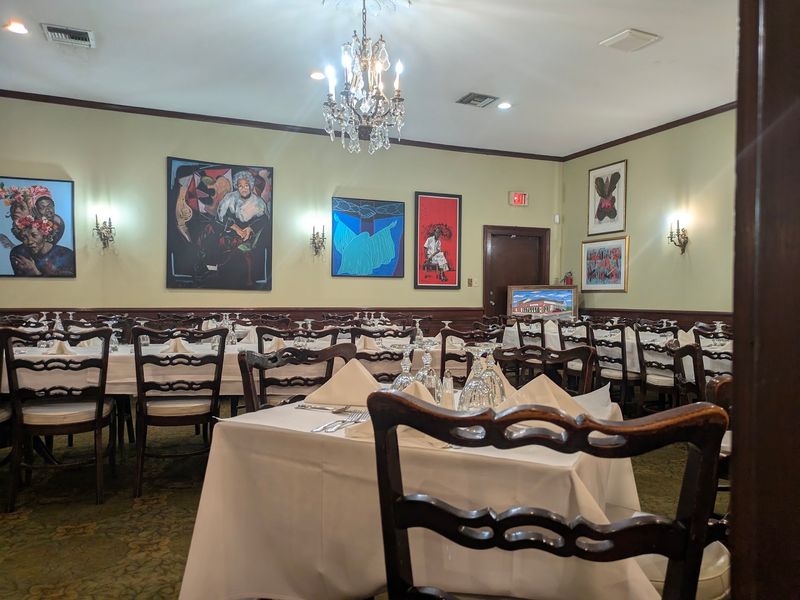
Anniversaries, wedding lunches, and milestone trips all find a home here. The restaurant has hosted celebrations big and small.
A Summer Nights event has featured talented young local musicians playing jazz during dinner. It adds a very New Orleans layer to an already special meal.
Couples have marked long anniversaries in this dining room. Friends have held wedding reception lunches here too.
The space suits these moments well. Its mix of elegance and warmth makes it feel dressed up without being stiff.
A dress code is in place, so guests should plan their outfits ahead. Showing up dressed for the occasion fits the room and avoids surprises.
Groups of various sizes, including parties of seven, have been seated with a reservation. Larger groups should book well in advance.
Which brings up the most important planning step of all: actually getting a table.
Reservations, Hours, and Timing
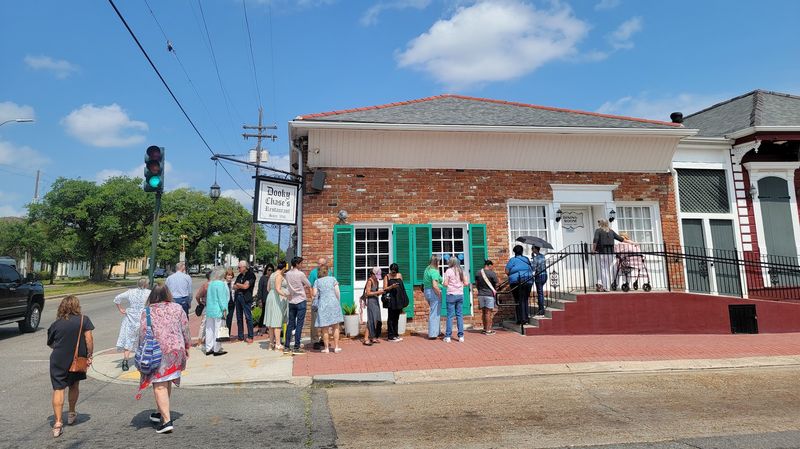
Walking in without a plan is a gamble. Reservations are strongly recommended, and some days the restaurant runs on a reservation-only basis.
Some guests have been turned away more than once without a booking. Others waited weeks to secure a table, so booking early pays off.
Lunch is served Tuesday through Friday from 11 am to 3 pm. Dinner runs Friday and Saturday from 5:30 to 9 pm.
The restaurant is closed on Sunday and Monday. Saturday is dinner only, which makes Friday the one day with both lunch and dinner service.
Weekday lunch can offer a little more flexibility. A few walk-ins have been added to a waitlist and seated within minutes, though that is never promised.
Arriving right at opening may mean a quieter room. Peak hours bring the biggest crowds and slower service.
Once the table is set, the next question tends to be about the bill.
Value, Portions, and a Fair Verdict
Big plates and fair prices make a strong pair. Many diners call the portions large and the cost reasonable for the quality.
One group ordered plenty and spent about $100 before tip. That gives a rough sense of what a shared meal can run.
Leftovers are common, so take-home containers are worth requesting. The portions often outlast the appetite.
Opinions are not all glowing. A few guests felt nostalgia may lift expectations, and some meals fell short on a busy day.
Even so, the strong overall standing speaks for itself. Most people leave with a full stomach, a sense of history, and plans to return.
For the classic experience, book ahead, order the gumbo and fried chicken, and save room for cobbler. Then take a few extra minutes with the art on the walls.
Some restaurants serve dinner. This one serves a chapter of New Orleans history, one plate of gumbo at a time.
Enjoyed this story?
Add Fast Food Club as a preferred source to see more of our reporting on Google.