


Arizona’s blazing summers and dry desert air can make gardening feel like a challenge, but the right plants can turn any yard into a stunning landscape. Choosing drought-tolerant species means less watering, lower water bills, and a yard that looks great year-round.
These plants have adapted over thousands of years to survive intense heat and minimal rainfall, making them perfectly suited for Arizona’s climate. Whether you’re a seasoned gardener or just starting out, this list has something for everyone.
Saguaro Cactus
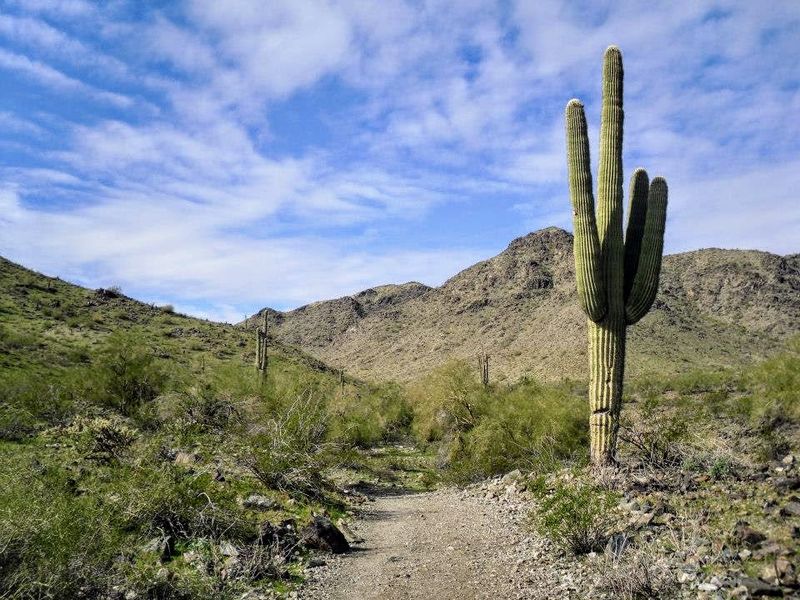
Standing up to 40 feet tall, the saguaro cactus is the undisputed king of the Sonoran Desert. This slow-growing giant can live over 150 years and doesn’t even grow its first arm until it’s around 75 years old.
Talk about patience!
Saguaros store hundreds of gallons of water inside their thick, ribbed trunks after a good rain. They’re protected by Arizona law, so you’ll need a permit to transplant one.
Plant them in full sun with well-draining soil and enjoy a truly iconic landscape feature.
Barrel Cactus
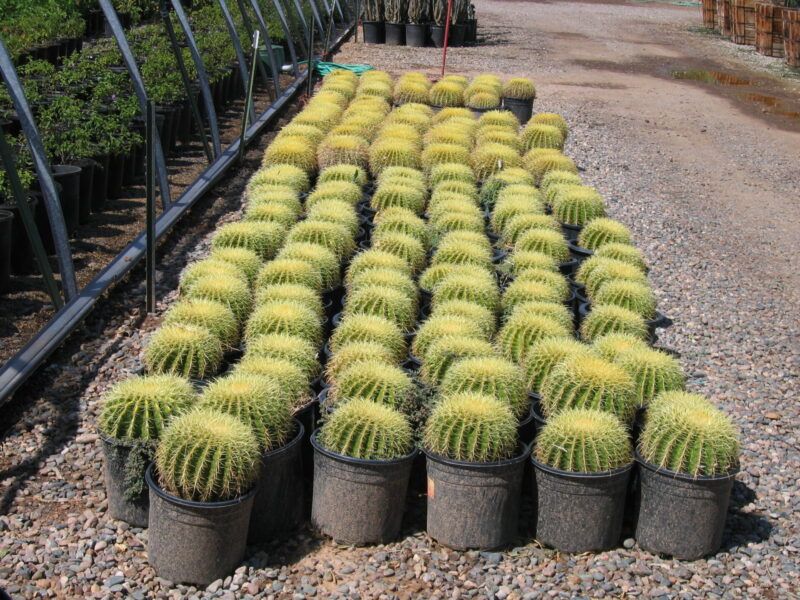
Built like a water tank, the barrel cactus earns its name from its round, plump shape that stores moisture through long dry spells. It’s a tough survivor that thrives in full sun and rocky, well-draining soil with almost no maintenance required.
In spring and summer, bright yellow or orange flowers bloom right at the top, adding a cheerful pop of color to any desert garden. Barrel cacti grow slowly, reaching about 2 to 4 feet tall, making them a great low-maintenance focal point for smaller Arizona yards.
Prickly Pear Cactus
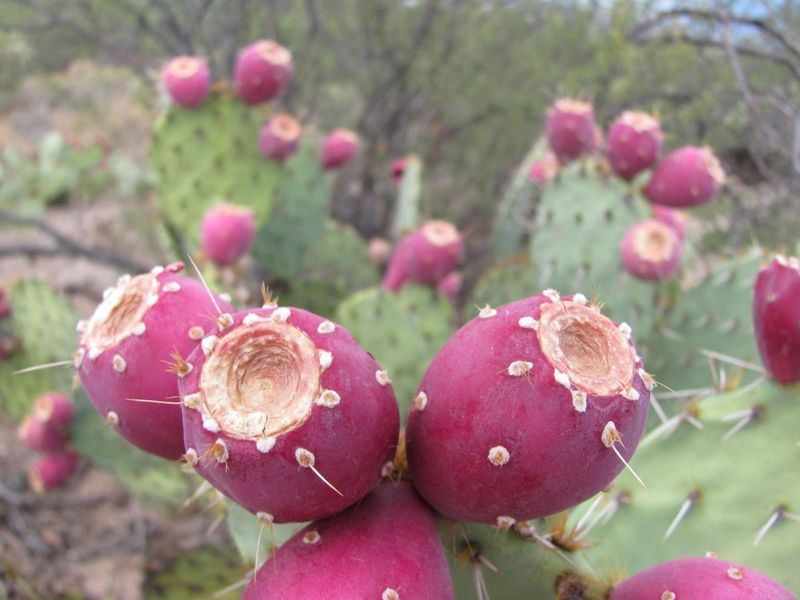
Few plants pull double duty quite like the prickly pear. Its flat, paddle-shaped pads are covered in spines, but the real reward comes in summer when it produces gorgeous yellow flowers followed by sweet, edible red or purple fruit called tunas.
Prickly pear is incredibly hardy and can handle Arizona’s heat, cold snaps, and drought without complaint. It spreads easily, so give it room to grow.
Gardeners love it for its low water needs, wildlife value, and the fact that its fruit can be made into jam or juice.
Ocotillo
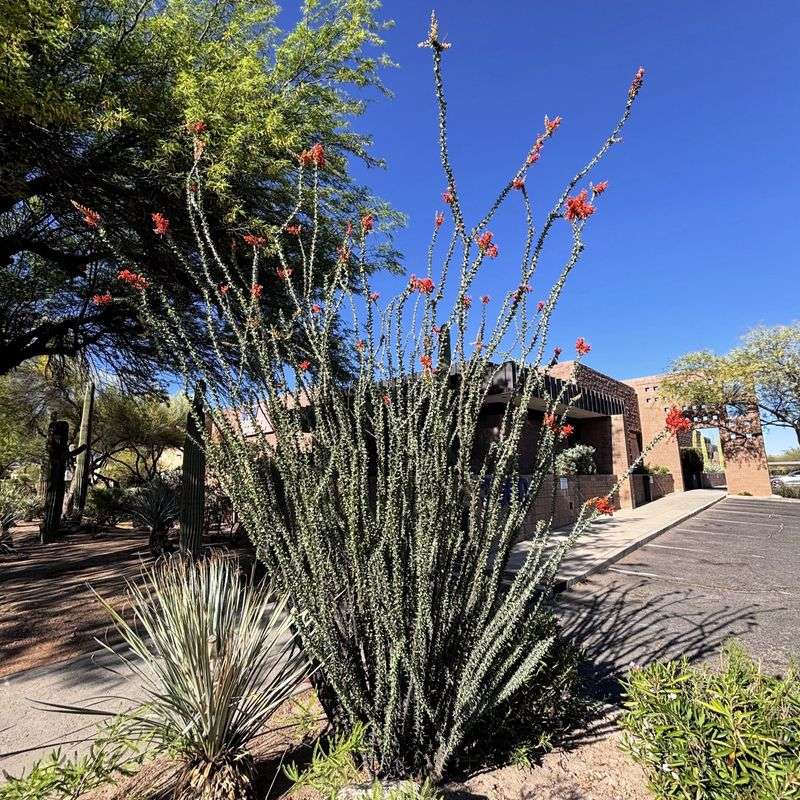
Ocotillo looks like a bundle of thorny wands shooting straight up from the ground, and most of the year it appears completely dead and leafless. But after even a small amount of rain, it bursts to life with tiny green leaves almost overnight.
Come spring, fiery red-orange flower clusters bloom at the tips of each cane, attracting hummingbirds from miles around. Plant ocotillo in full sun with excellent drainage and almost no supplemental water once established.
It’s a dramatic, sculptural plant that gives any yard a wild desert personality.
Palo Verde
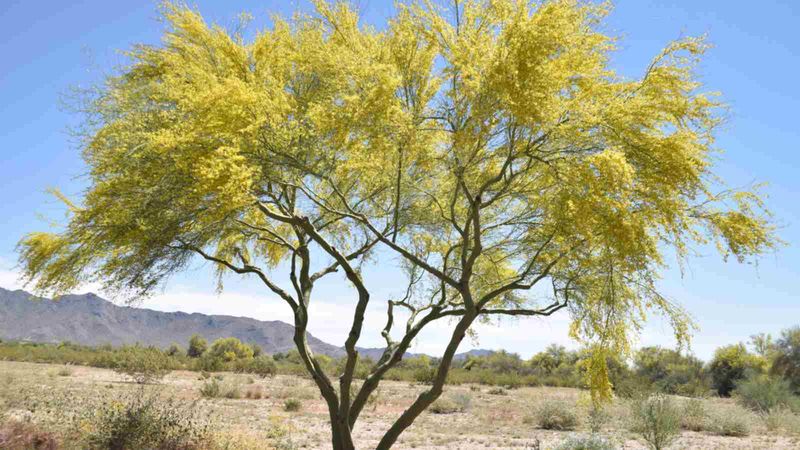
Arizona’s state tree, the palo verde, is famous for its smooth green bark that actually photosynthesizes, meaning it makes food from sunlight even when it has no leaves. When it blooms in spring, the entire tree turns a dazzling shade of yellow that can be spotted from blocks away.
Palo verde grows fast and provides welcome shade in hot yards without guzzling water. It’s bird-friendly, supports native bees, and drops its leaves during drought to conserve energy.
Plant it in full sun and watch it transform your landscape with very little effort.
Mesquite Tree
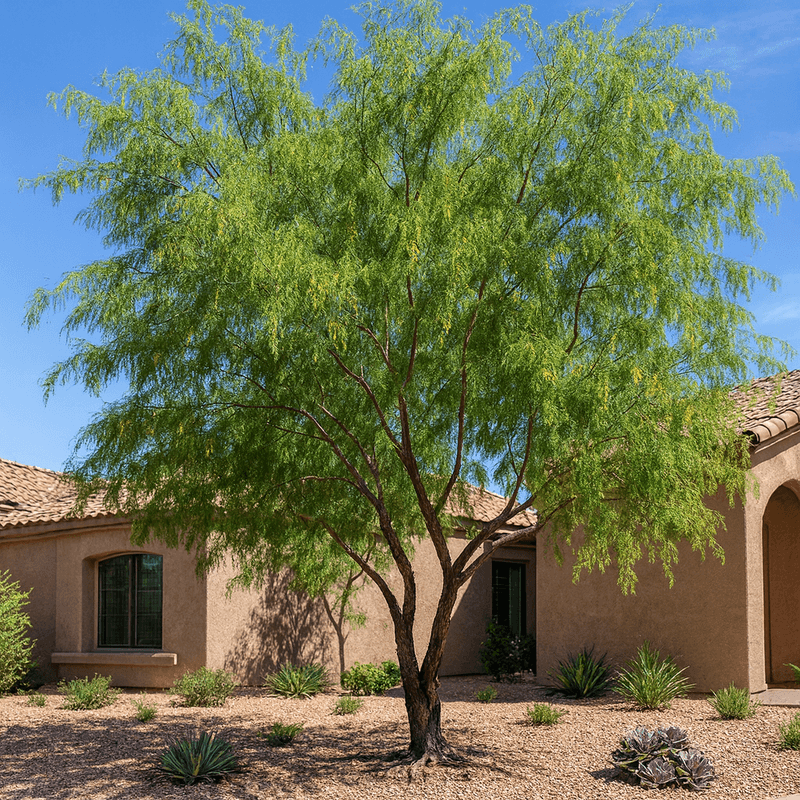
Mesquite trees have deep taproots that can reach water far underground, which is exactly why they laugh in the face of Arizona droughts. They’re fast-growing, shade-providing workhorses that have fed wildlife and people in the desert for thousands of years.
Their seed pods are sweet and were historically ground into flour by Native American communities. Mesquite wood is also prized for grilling because of its rich, smoky flavor.
In the yard, they provide generous shade, attract pollinators, and require almost no irrigation once their roots are established in the ground.
Creosote Bush
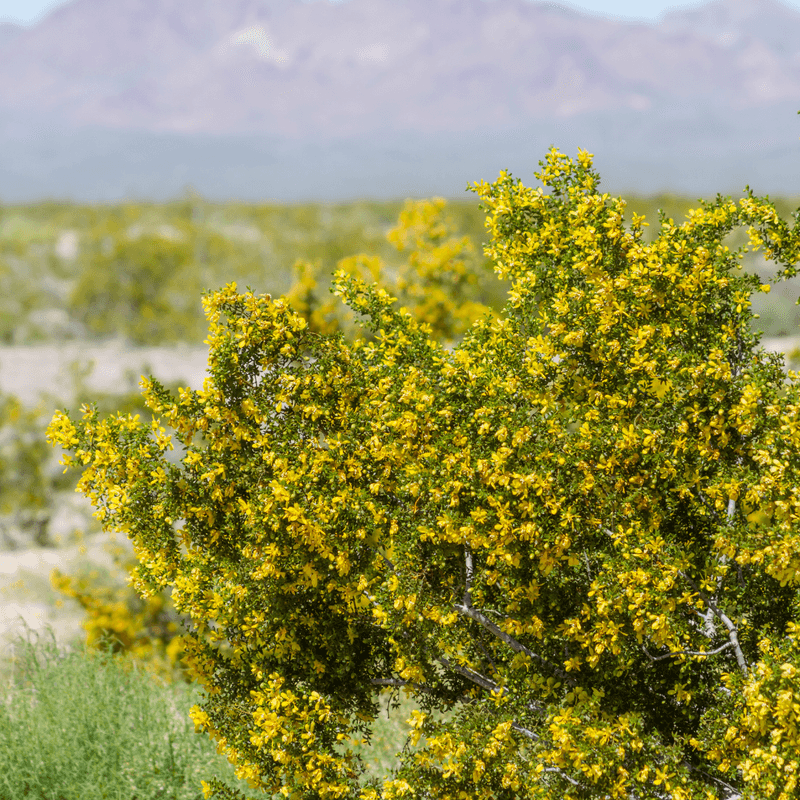
After a desert rain, take a deep breath near a creosote bush and you’ll catch one of the most distinctive smells in the Southwest. That sharp, earthy scent has made it one of the most recognized plants in Arizona’s desert ecosystem.
Creosote is practically indestructible. It survives extreme heat, freezing nights, and months without rain by coating its leaves in a resinous wax that reduces water loss.
Small yellow flowers and fuzzy seed balls add seasonal charm. Plant it in full sun with zero fuss, and it will reward you for decades.
Desert Willow
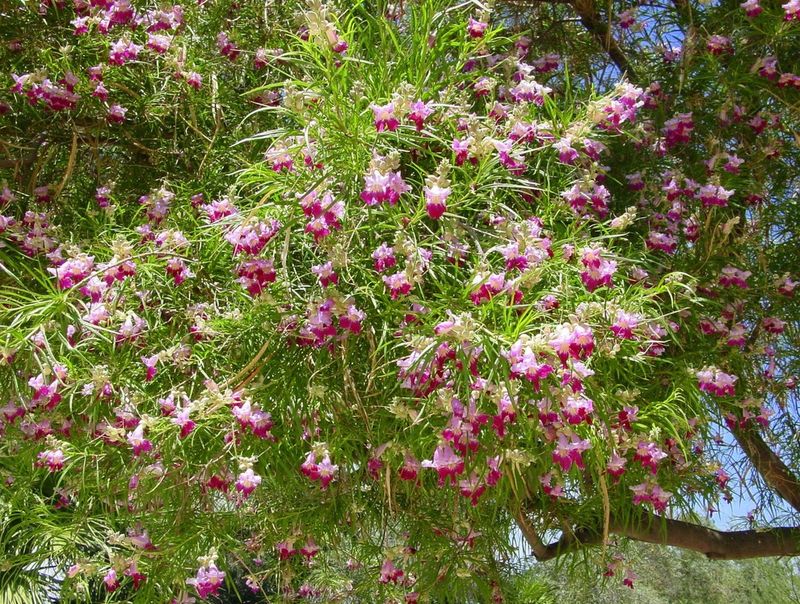
Despite its name, the desert willow isn’t related to true willows at all. What it does share is graceful, arching branches and long, slender leaves that sway gently in the breeze, giving it a soft and elegant look that’s rare in desert landscapes.
From late spring through fall, it produces stunning trumpet-shaped flowers in shades of pink, purple, and white that hummingbirds absolutely adore. Desert willow grows quickly to about 15 to 25 feet and thrives in full sun with minimal water once established.
It’s a must-have for any Arizona pollinator garden.
Texas Ranger
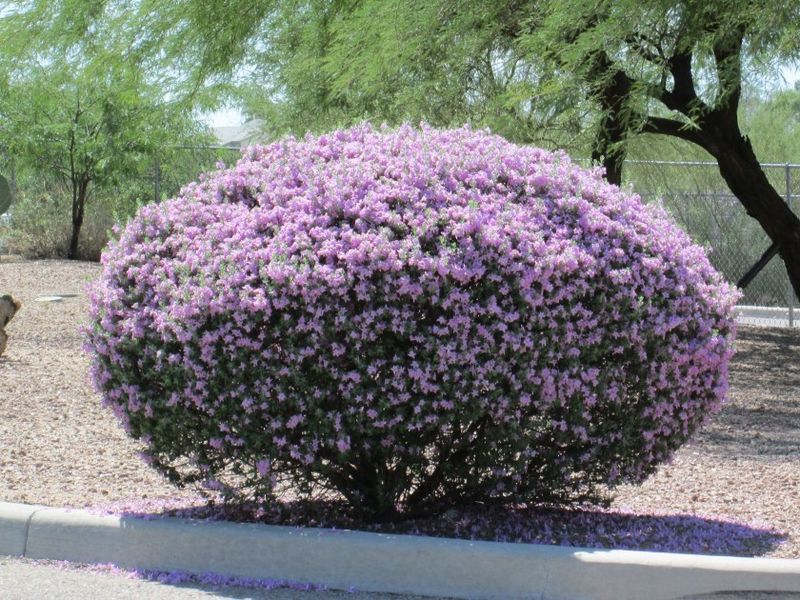
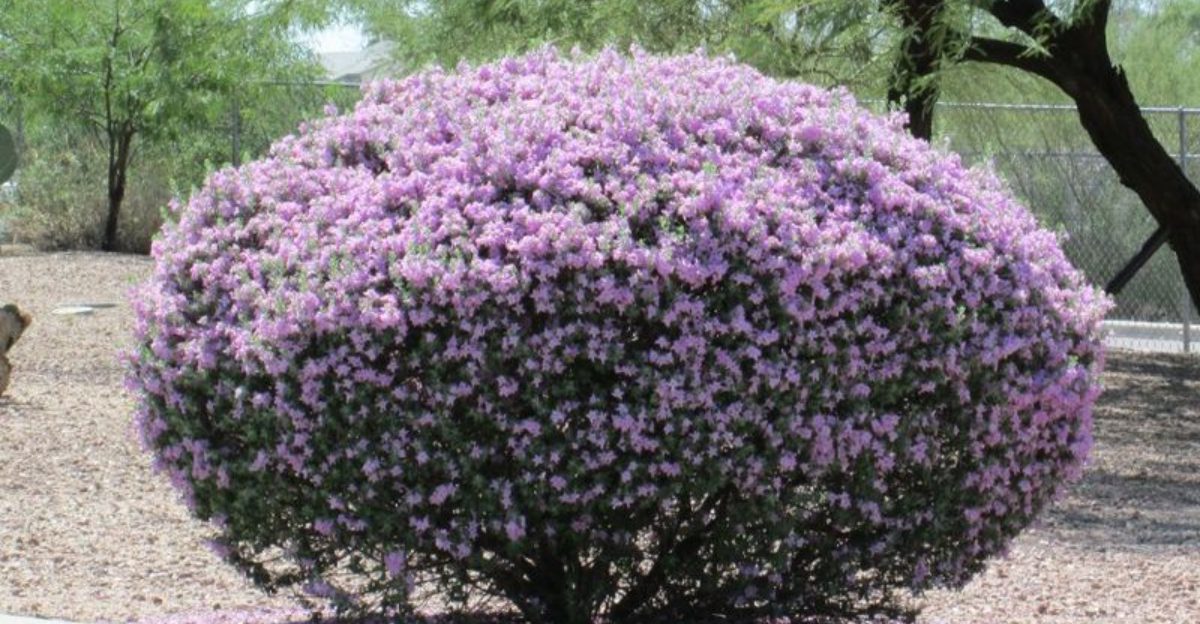
Sometimes called the barometer bush, Texas ranger has an almost magical trick: it bursts into purple bloom just before or right after monsoon rains, as if it can sense the moisture in the air. Neighbors often joke that it’s a better weather forecast than the evening news.
Its silvery-gray leaves reflect sunlight and reduce water loss, making it beautifully adapted to Arizona’s intense summers. Texas ranger grows 4 to 8 feet tall and wide, needs very little water, and makes an excellent privacy hedge or standalone accent shrub in full sun locations.
Brittlebush
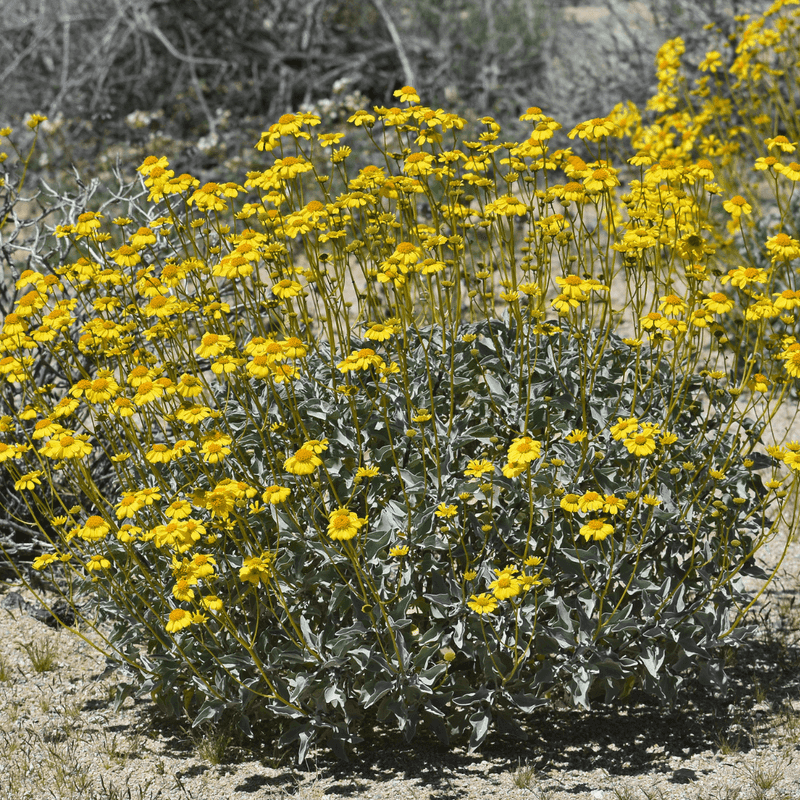
Every spring, Arizona roadsides explode with golden yellow flowers, and brittlebush is largely responsible for that show. This cheerful, mounding shrub covers itself in bright daisy-like blooms that make it one of the most beloved wildflowers in the entire Southwest.
During dry spells, brittlebush drops its leaves to conserve moisture, then regrows them when rain returns. It grows about 2 to 4 feet tall and wide, loves full sun, and needs almost no supplemental water after its first season.
It’s also a favorite of native bees seeking nectar in early spring.
Elephant Tree
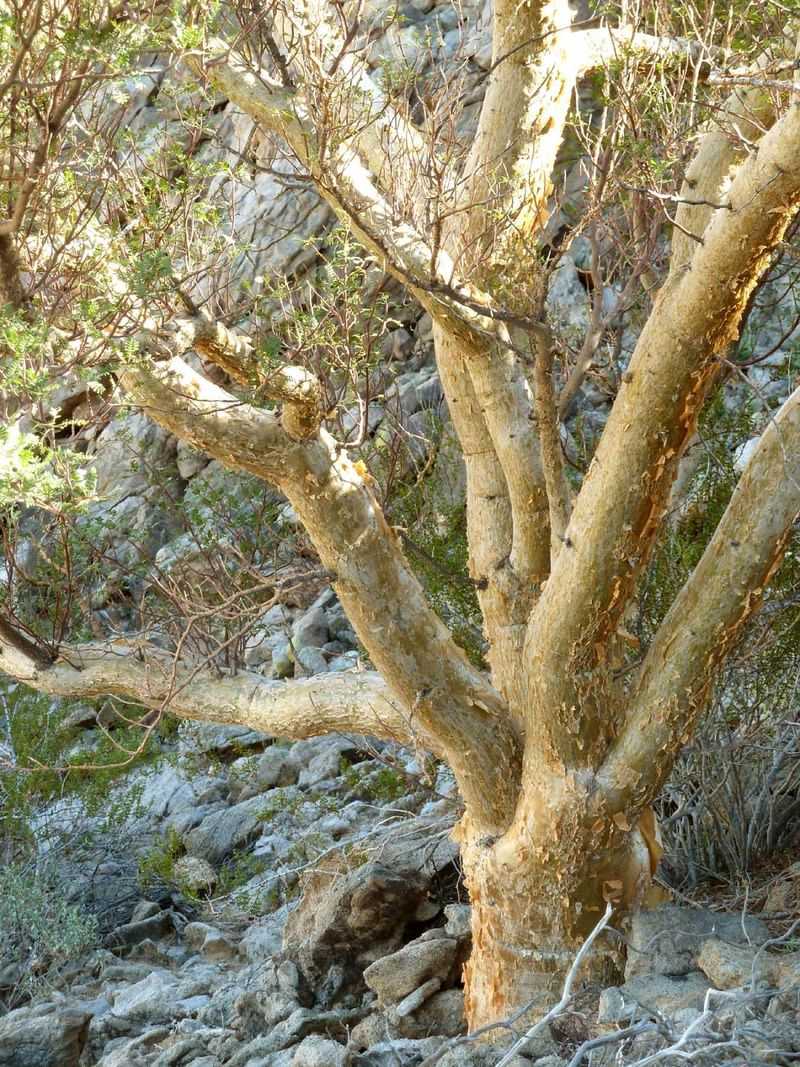
The elephant tree gets its quirky name from its thick, swollen trunk that looks like an elephant’s leg, storing water and nutrients to survive brutal desert conditions. It’s one of the rarest native trees in the United States, found mainly in rocky desert slopes in southern Arizona.
Its peeling, papery bark and resinous, aromatic sap give it an exotic look that makes it a true conversation starter in any landscape. Elephant trees stay relatively small, around 10 to 15 feet, and thrive in full sun with excellent drainage and minimal irrigation once established.
Mormon Tea
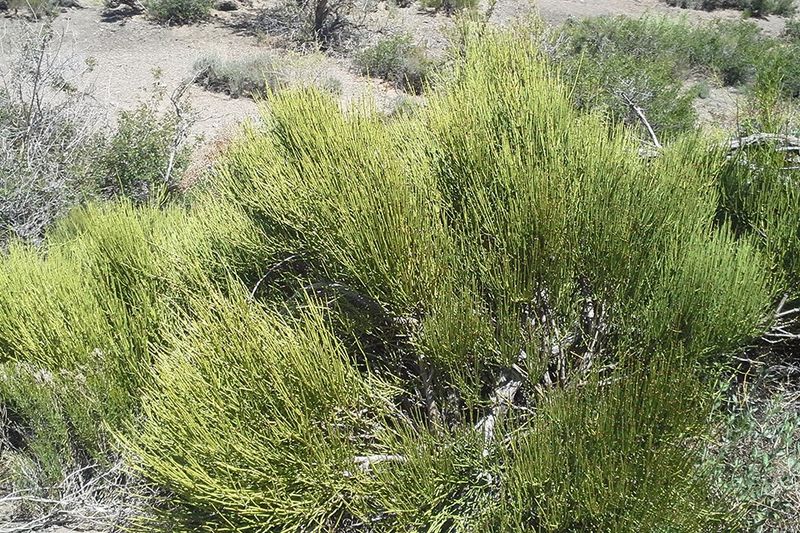
Mormon tea looks like something from another planet, with clusters of bright green jointed stems and no real leaves to speak of. Early settlers brewed those stems into a tea believed to have medicinal properties, which is exactly how this unusual plant got its memorable name.
It’s one of the most drought-adapted plants you’ll ever find, surviving on almost no water by photosynthesizing through its green stems instead of leaves. Mormon tea grows 2 to 4 feet tall, handles full sun and poor rocky soil like a champ, and needs zero supplemental watering once established.
Hop Bush
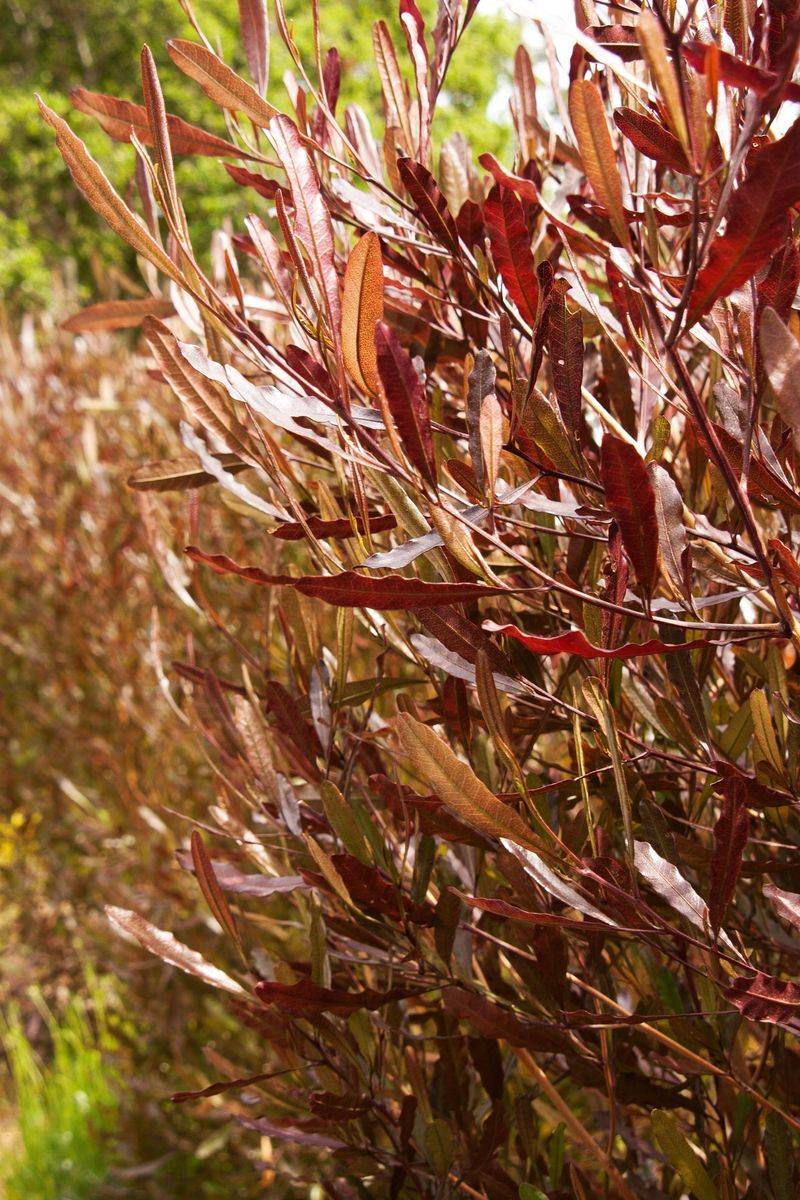
Hop bush is one of those hardworking shrubs that earns its place in an Arizona yard without demanding much in return. Its papery, three-winged seed pods turn shades of pink, red, and purple in summer, providing color long after most plants have given up on looking attractive.
It grows quickly into a dense, rounded shrub reaching 6 to 12 feet tall, making it excellent for privacy screens or windbreaks. Hop bush handles drought, heat, and poor soils with ease.
Plant it in full sun or partial shade and water it occasionally during its first year.
Arizona Rosewood
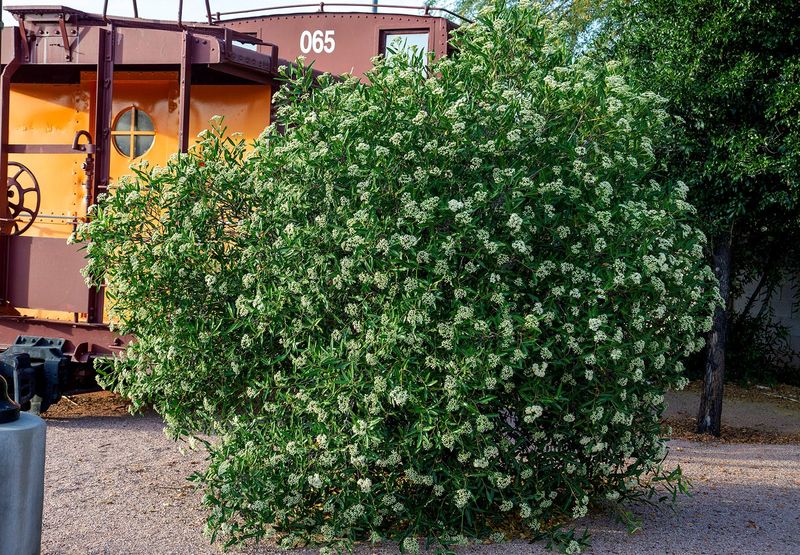
Tucked into shaded canyons and rocky hillsides across southeastern Arizona, the Arizona rosewood is a quiet gem that many gardeners overlook. Its dense, dark green foliage and small fragrant white flowers give it a refined, polished look that fits beautifully into both natural and formal garden designs.
Unlike many desert plants, it tolerates some shade, making it perfect for spots under larger trees where other drought-tolerant shrubs might struggle. Arizona rosewood grows slowly to about 10 to 15 feet and needs only occasional deep watering once its root system has settled into the ground.
Wolfberry
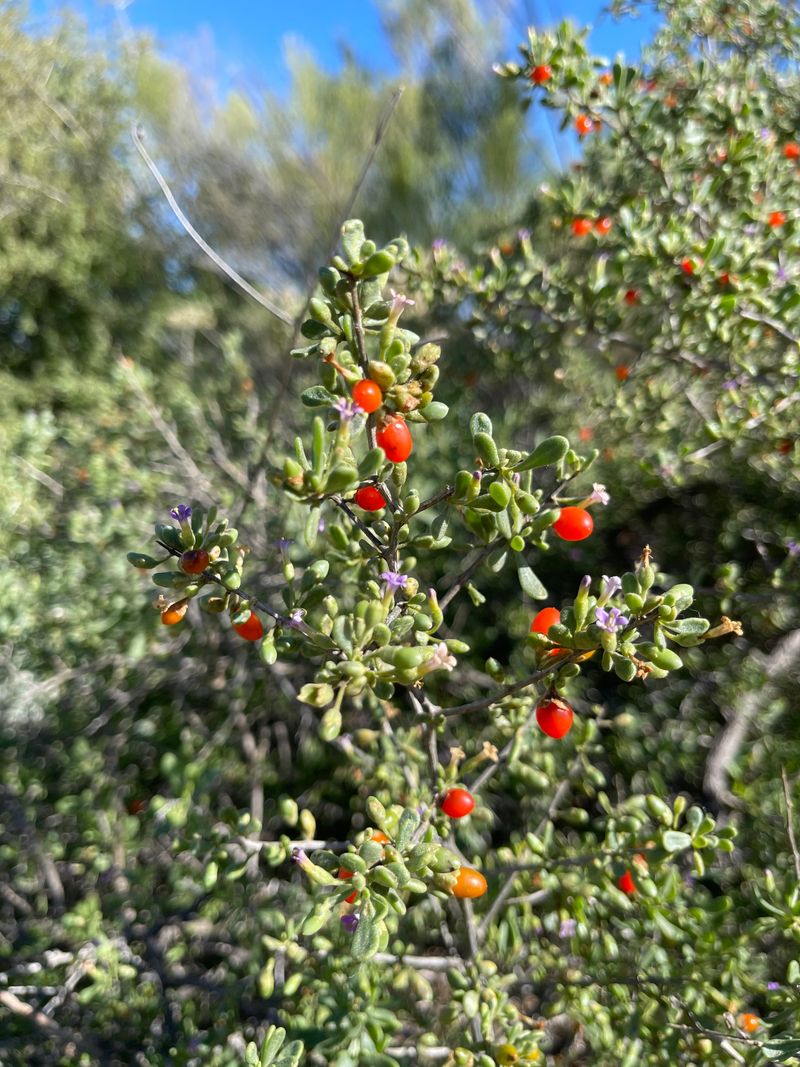
Wolfberry might not be the flashiest plant in an Arizona yard, but wildlife absolutely loves it. Its small orange-red berries feed birds, coyotes, and other desert animals throughout the fall and winter, making it a powerhouse for backyard habitat gardening.
Related to the trendy goji berry, wolfberry produces edible fruit that has been eaten by indigenous communities in the Southwest for centuries. It’s a spiny, spreading shrub that grows 3 to 6 feet tall, thrives in full sun, tolerates poor soils, and needs very little water once established in the landscape.
Saltbush
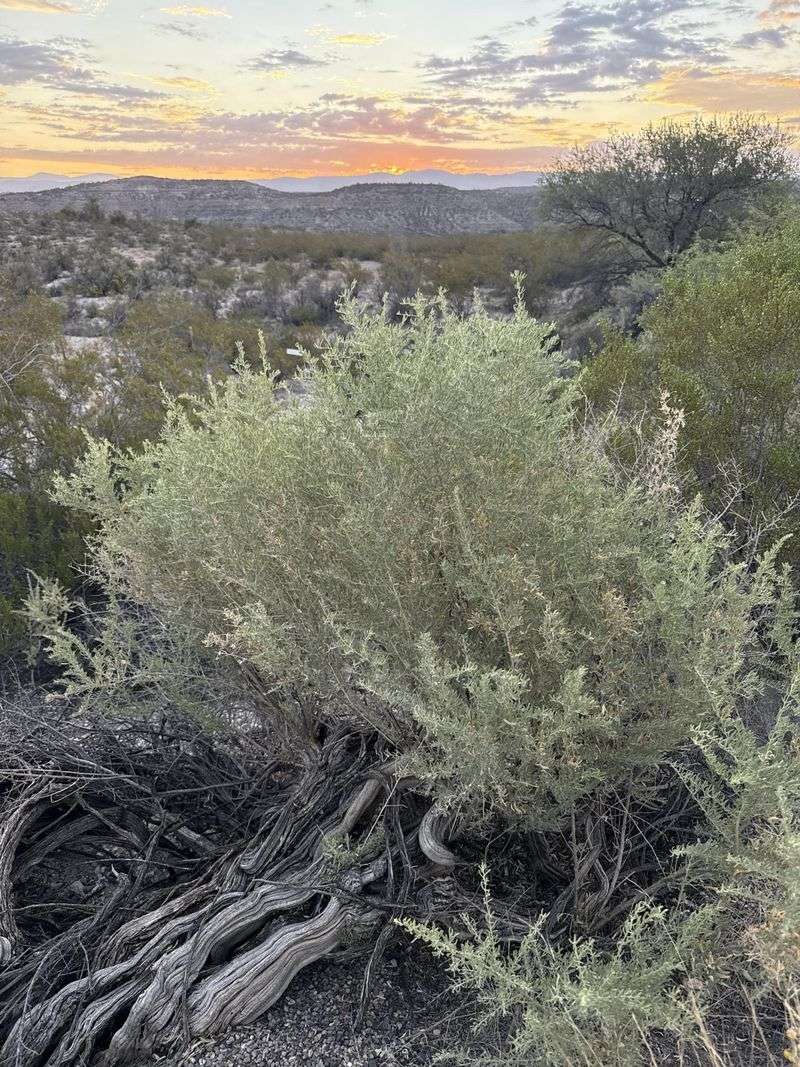
Saltbush earned its name by thriving in salty, alkaline soils that would kill most other plants. That makes it an absolute lifesaver for Arizona gardeners dealing with tough caliche soil or areas where water collects and evaporates, leaving behind mineral deposits.
Its silvery foliage reflects heat and gives the landscape a cool, soft look even in midsummer. Female plants produce clusters of papery seed bracts that quail and other birds eagerly snack on.
Saltbush grows 3 to 6 feet tall, handles full sun, and barely needs any water once established.
Indigo Bush
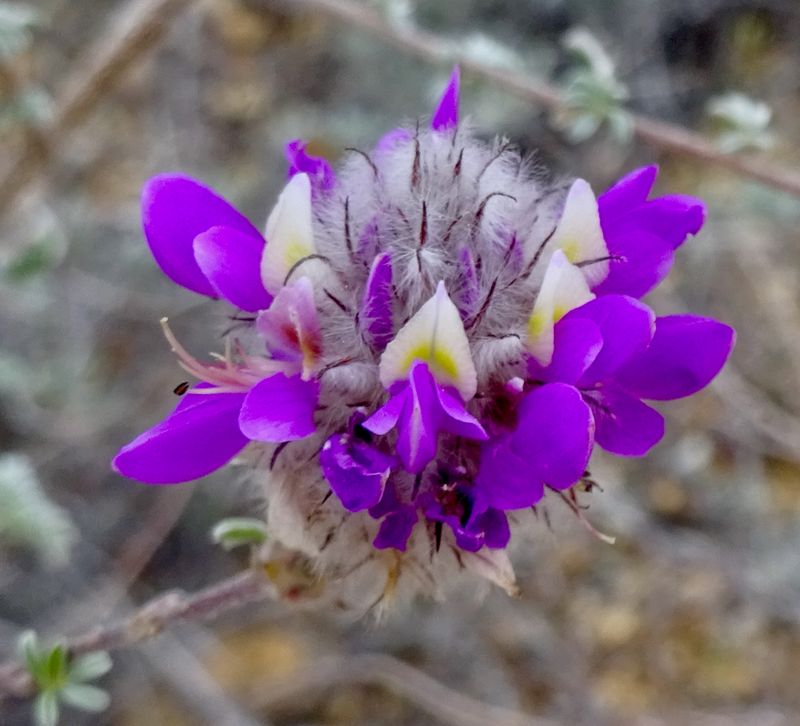
When indigo bush blooms in spring, it looks like someone draped a purple curtain over a mound of green stems. The clusters of tiny, rich violet flowers are so dense and vivid that the plant practically glows, making it one of the most eye-catching native shrubs in Arizona.
It grows naturally along desert washes where it gets occasional flooding, so it handles both drought and temporary wet conditions better than most plants. Indigo bush reaches 3 to 6 feet tall and wide, loves full sun, and provides excellent cover and food for native bees and butterflies.
Jojoba
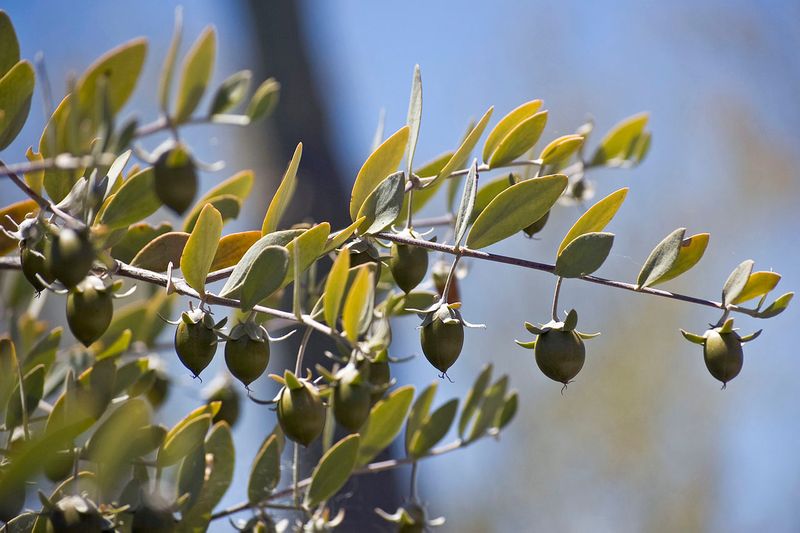
Jojoba is famous worldwide for the liquid wax inside its seeds, which is used in cosmetics, shampoos, and even as a machine lubricant. But beyond its commercial fame, it’s also one of the most reliable and attractive evergreen shrubs you can plant in an Arizona yard.
Its stiff, leathery leaves are built to handle blistering heat and months without rain. Jojoba grows 3 to 6 feet tall, stays green all year, and provides dense cover for birds and small wildlife.
Plant it in full sun with well-draining soil and water it sparingly after the first year.
Desert Hackberry
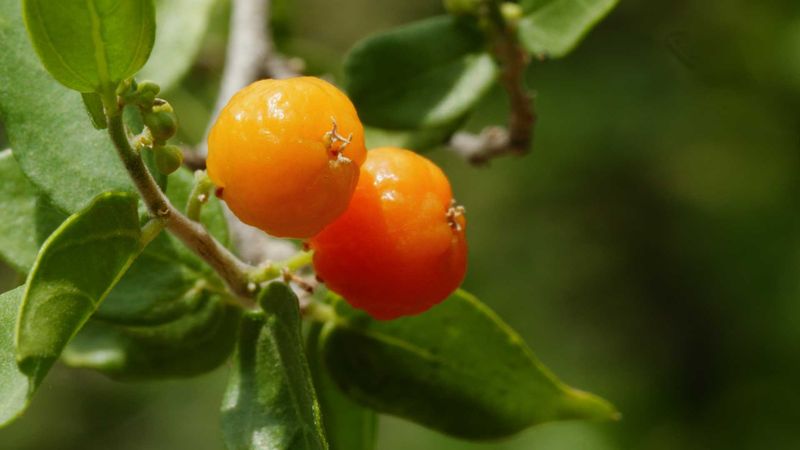
If you want to turn your yard into a bird magnet, plant a desert hackberry and watch what happens. Its small orange and red berries ripen in fall and attract dozens of bird species, from mockingbirds to thrashers, making it one of the best wildlife plants for Arizona gardens.
Desert hackberry is a tough, thorny shrub that grows 6 to 12 feet tall and handles full sun, drought, and rocky soil without complaint. Its dense branching structure also provides excellent nesting cover for birds.
It’s a scrappy, reliable plant that gives back far more than it takes.
Catclaw Acacia
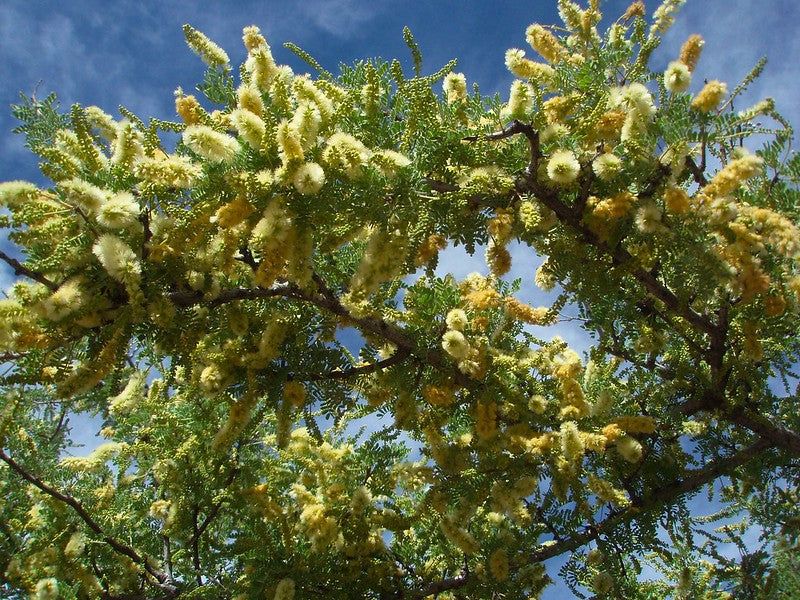
Catclaw acacia gets its name from its sharp, curved thorns that grab onto clothing and skin like tiny cat claws. It’s not a plant you want to brush up against accidentally, but in the right spot, it’s one of the toughest and most wildlife-friendly shrubs in the entire Southwest.
Fuzzy yellow flower spikes bloom in spring and early summer, drawing bees and other pollinators in large numbers. Catclaw grows 5 to 15 feet tall, fixes nitrogen in the soil to benefit nearby plants, and survives on rainfall alone once established in Arizona’s desert landscape.
Ironwood Tree
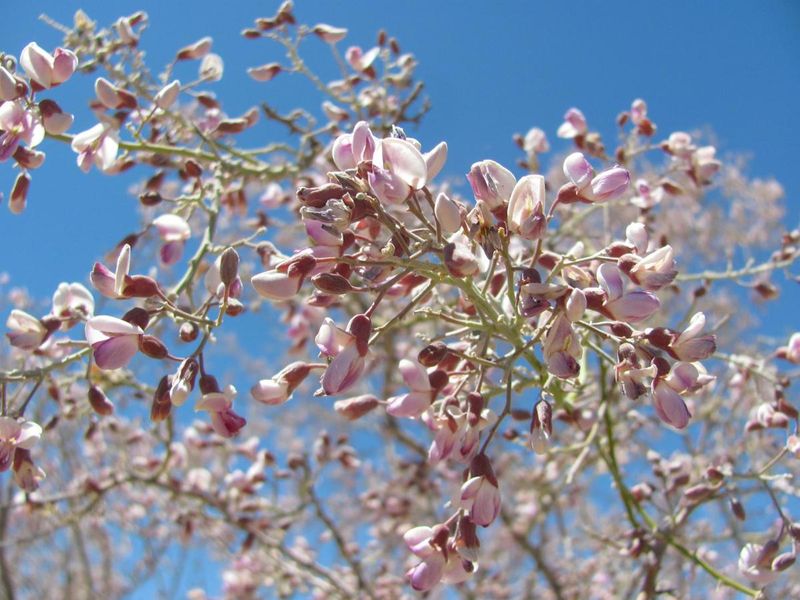
The desert ironwood holds a remarkable title: its wood is so dense that it actually sinks in water, making it one of the hardest woods in North America. This slow-growing tree can live for over 800 years, quietly shaping the desert ecosystem around it for centuries.
In late spring, ironwood explodes with lavender-pink flowers that rival anything you’d find in a formal garden. It acts as a nurse plant, sheltering younger cacti and shrubs beneath its canopy.
Ironwood thrives in full sun, needs no supplemental water once established, and grows 15 to 30 feet tall.
Senna
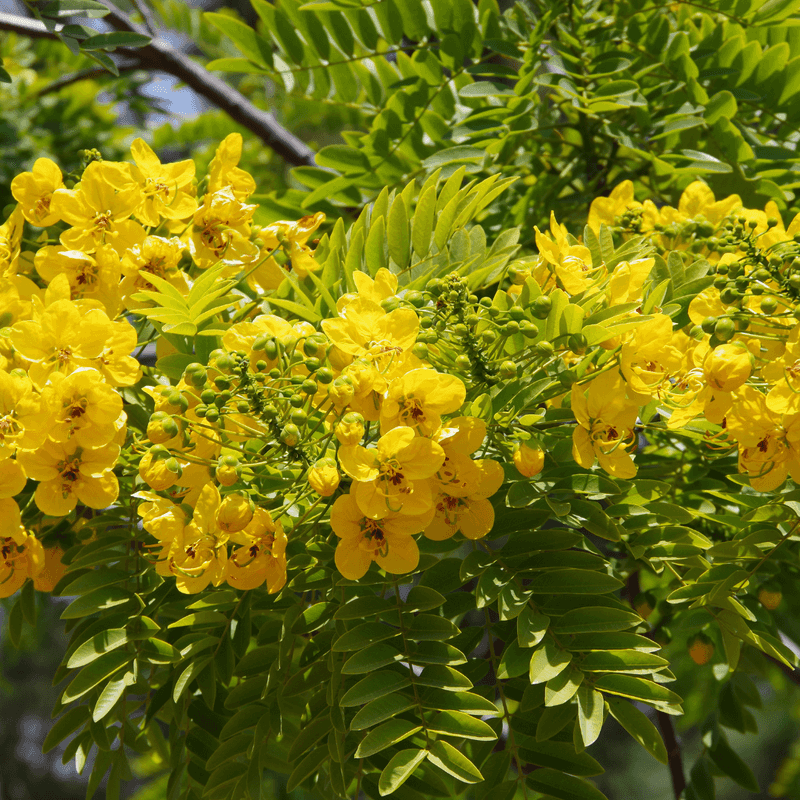
Senna brings a burst of sunshine to Arizona yards with its cheerful clusters of bright yellow flowers that bloom from late summer through fall, right when many other plants are winding down for the season. That late-season color is exactly what makes it so valuable in desert gardens.
There are several native senna species suited to Arizona, most growing 3 to 5 feet tall and wide. All of them love full sun, tolerate poor dry soils, and attract sulfur butterflies that use the plant as a host for their caterpillars.
Water occasionally the first year, then step back and enjoy.
Enjoyed this story?
Add Fast Food Club as a preferred source to see more of our reporting on Google.