


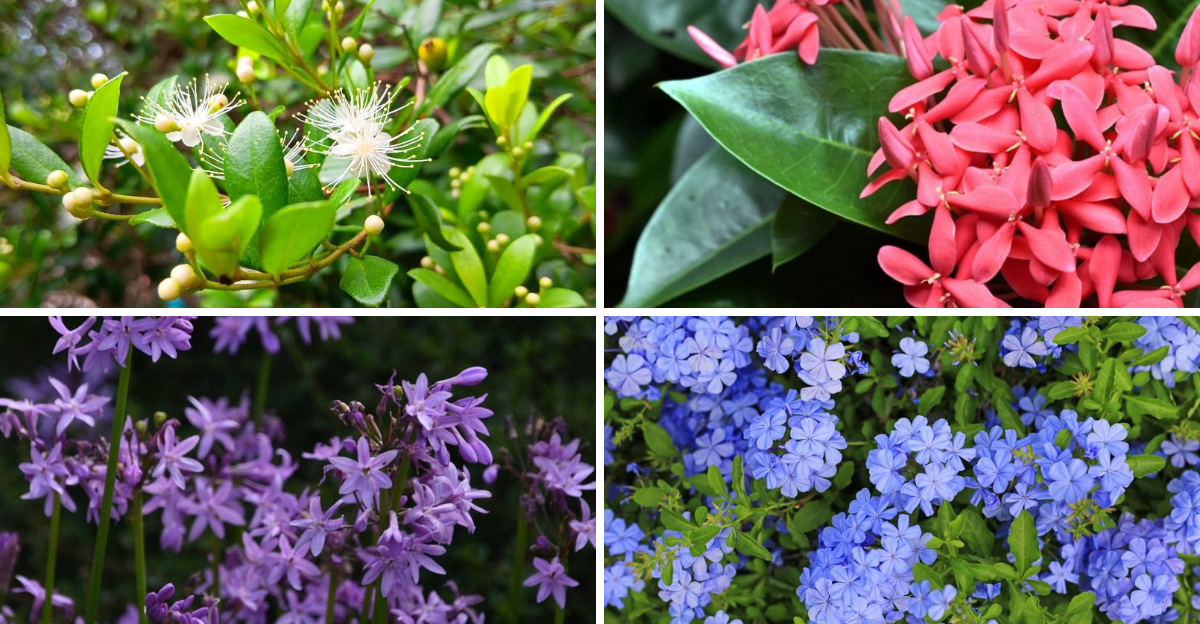
Florida’s warm climate and sunny skies make it one of the best places in the country to grow a stunning garden. The right plants can turn an ordinary yard into something that looks like it was designed by a professional landscaper.
You don’t need to spend hours every week watering or pruning to get that polished look. These 22 low-maintenance plants are tough, beautiful, and perfectly suited for Florida’s unique growing conditions.
Podocarpus
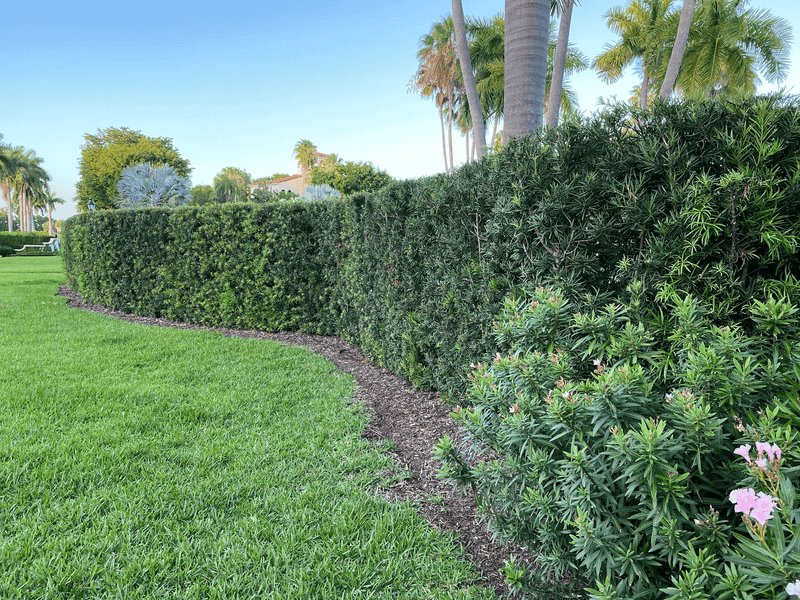
Want a hedge that stays neat without constant trimming? Podocarpus is one of Florida’s most popular choices for creating clean, formal borders.
Its dense, dark green foliage holds its shape beautifully with just occasional pruning.
It tolerates full sun and partial shade, making it flexible for different yard layouts. This plant also handles Florida’s sandy soils and salty coastal air surprisingly well.
Plant it as a hedge, screen, or accent shrub for an instantly polished appearance.
Clusia
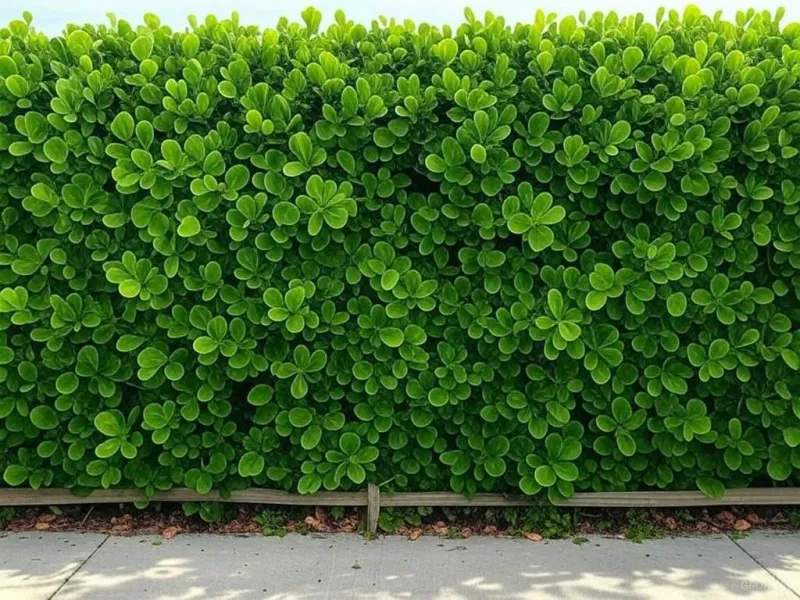
Clusia has earned the nickname “autograph tree” because you can scratch your name into its thick, waxy leaves and the marks stay. Beyond that fun trick, it’s one of the toughest hedging plants Florida gardeners can choose.
Its glossy, paddle-shaped leaves look elegant year-round.
Salt-tolerant and drought-resistant once established, Clusia thrives in coastal and inland yards alike. It grows into a dense, impenetrable screen that gives any landscape a clean, structured edge.
Few plants deliver this much style with so little effort.
Muhly grass
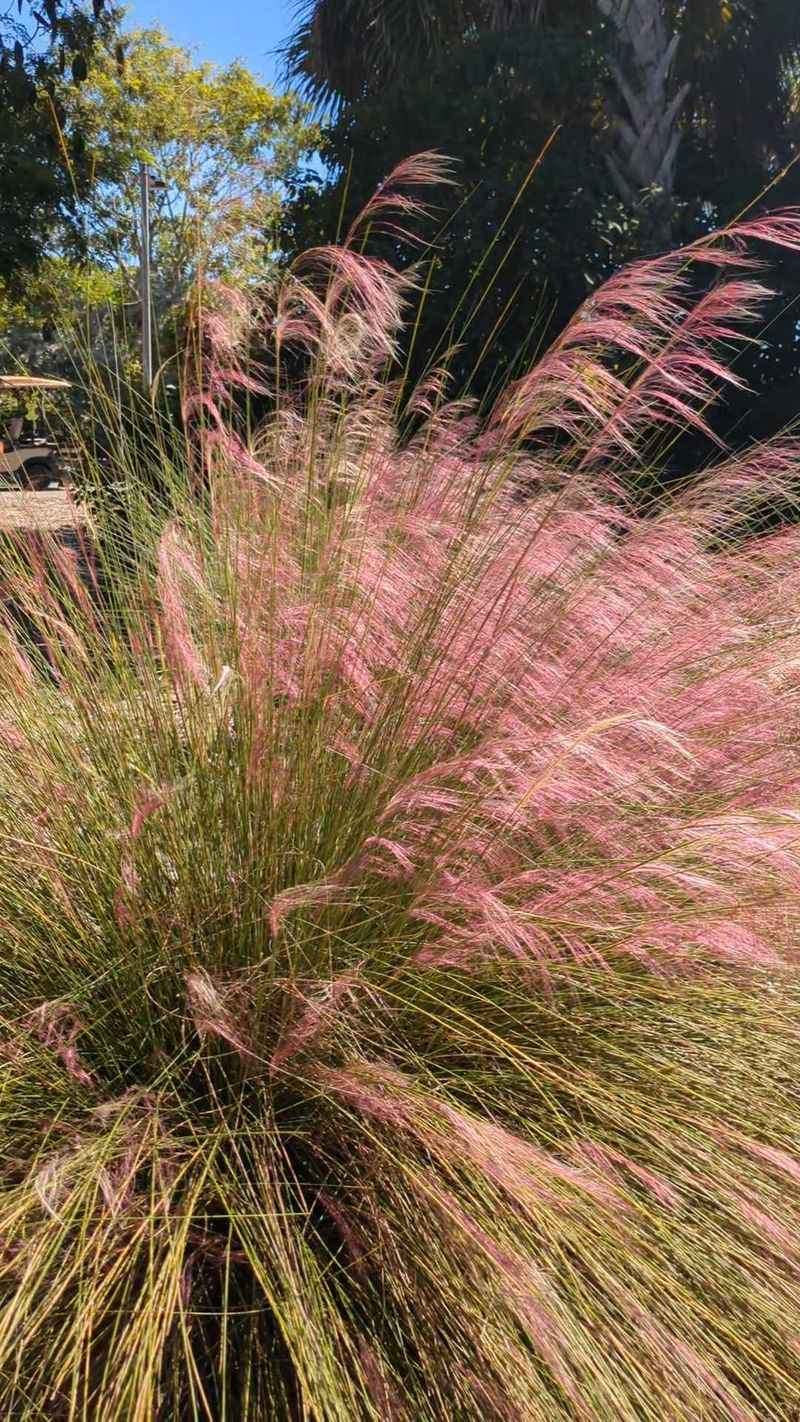
Every fall, Muhly grass puts on a show that stops people in their tracks. Its feathery pink and purple plumes rise above slender green blades, creating a soft, dreamy texture that looks almost magical.
It’s the kind of plant that makes neighbors ask what it is.
Muhly grass is drought-tolerant, loves full sun, and requires almost no care once it’s settled in. Cut it back in late winter and it bounces right back.
Group several together for a dramatic, professional-looking display.
Coontie
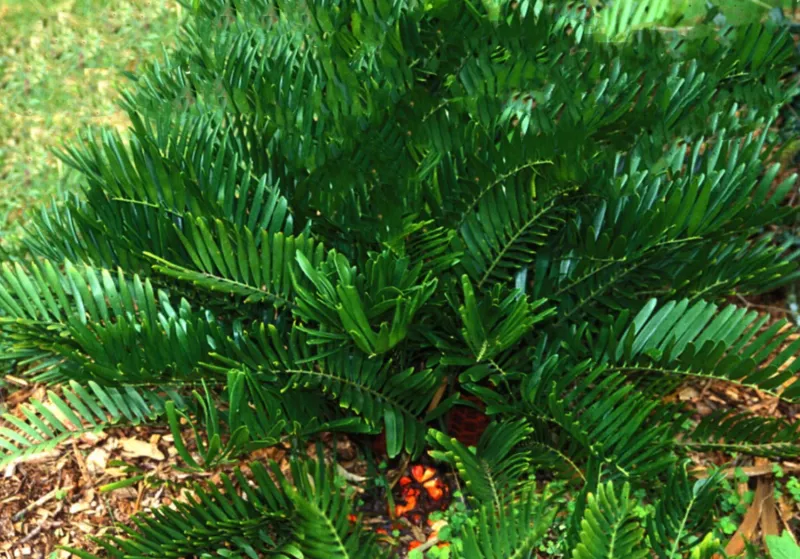
Coontie is Florida’s only native cycad, and it’s been growing here since long before anyone was designing gardens. This ancient plant has a prehistoric charm with its stiff, feathery fronds and compact form.
It looks architectural and refined without trying too hard.
Butterfly gardeners love it because it’s the sole host plant for the Atala butterfly, a stunning species once thought extinct. Coontie tolerates drought, shade, and poor soils with ease.
It’s practically indestructible, which makes it a landscaper’s quiet secret weapon.
Pentas
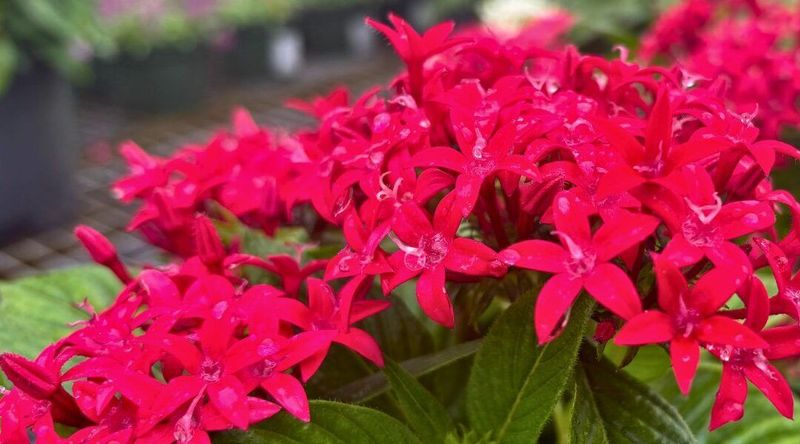
Butterflies flock to Pentas like it’s an all-you-can-eat buffet. The star-shaped flower clusters come in vivid shades of red, pink, white, and lavender, blooming almost nonstop throughout Florida’s long warm season.
A garden bed filled with Pentas looks professionally planted and full of life.
It thrives in full sun and handles heat without wilting dramatically. Deadheading spent blooms encourages even more flowers, though the plant performs well even if you forget.
For continuous color with minimal effort, Pentas is hard to beat.
Lantana
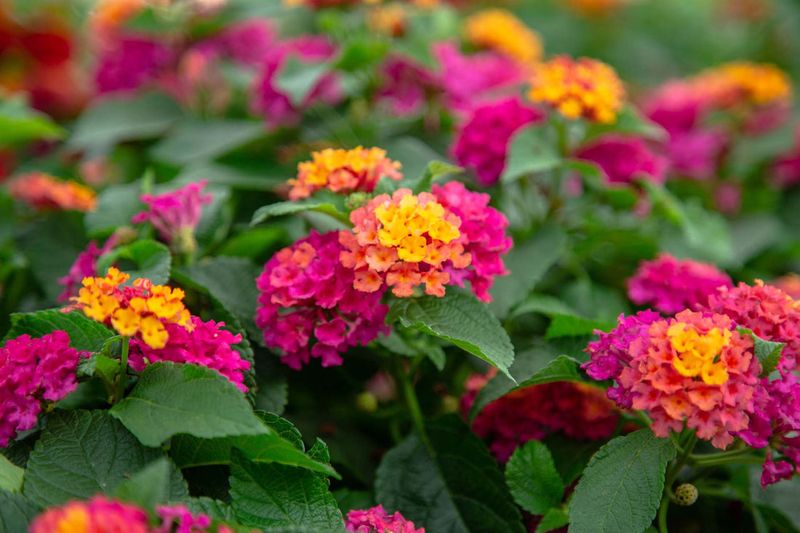
Lantana blooms in cheerful clusters of orange, yellow, pink, and red, often mixing multiple colors on a single flower head. This tough shrub laughs at Florida’s summer heat and keeps flowering when other plants give up.
It’s a pollinator magnet, drawing butterflies and hummingbirds all season long.
Once established, Lantana needs very little water and handles dry spells without complaint. Trim it back occasionally to keep its shape tidy and encourage fresh growth.
Choose native varieties to support local wildlife while keeping your yard looking vibrant.
Blue daze
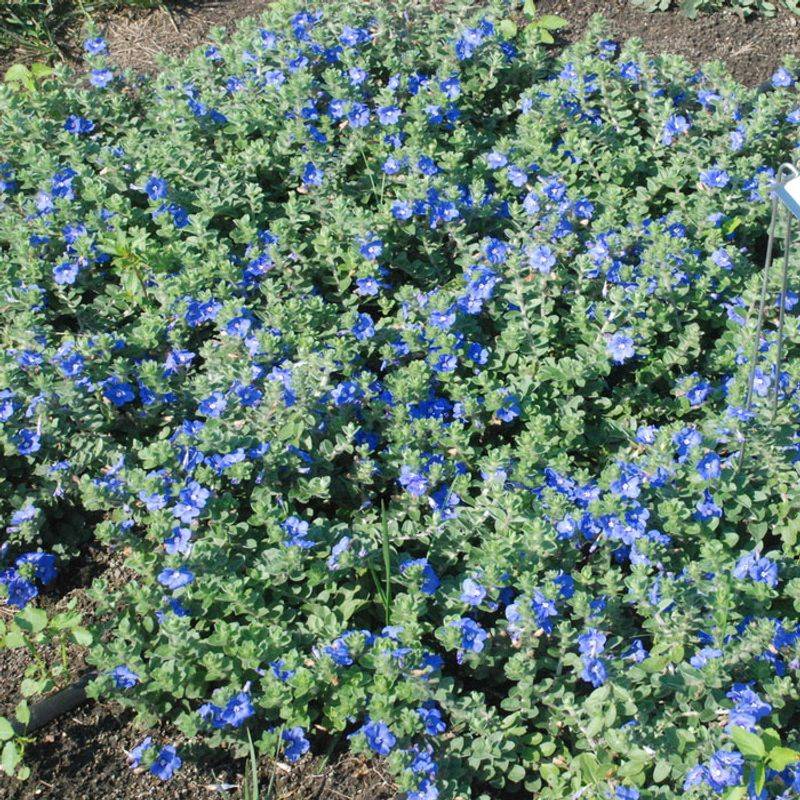
Few ground covers match the quiet elegance of Blue daze. Its small, sky-blue flowers open each morning and close by afternoon, creating a daily rhythm that feels almost poetic in the garden.
The silvery-green leaves add texture even when the blooms are resting.
Blue daze spreads into a tidy, low mat that works beautifully along borders or in front of taller plants. It loves full sun and handles Florida’s heat and humidity without skipping a beat.
This plant gives garden beds a finished, layered look effortlessly.
Firebush
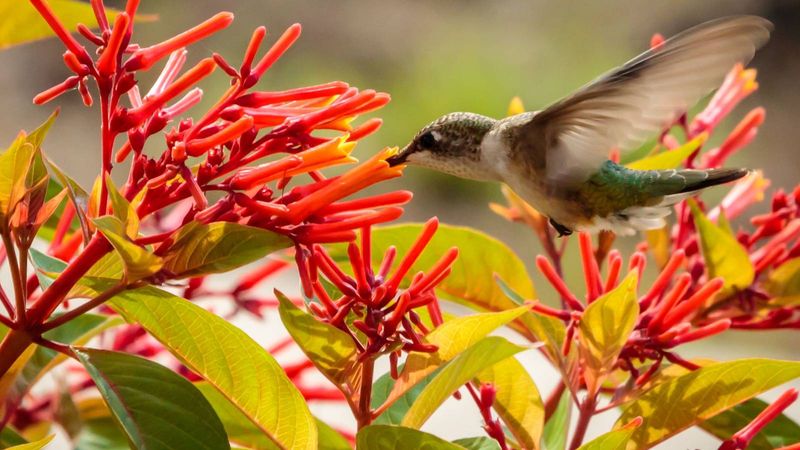
Firebush earns its name honestly. The tubular orange-red flowers practically glow against the dark green foliage, and hummingbirds can’t seem to resist them.
Native to Florida, this shrub blooms from spring through fall and fills the garden with vivid, warm-toned color.
It handles drought, heat, and poor soils like a champion once established. Firebush can grow quite large, so give it room to spread or trim it into a more compact form.
Either way, it brings an unmistakable energy and tropical flair to any yard.
Croton
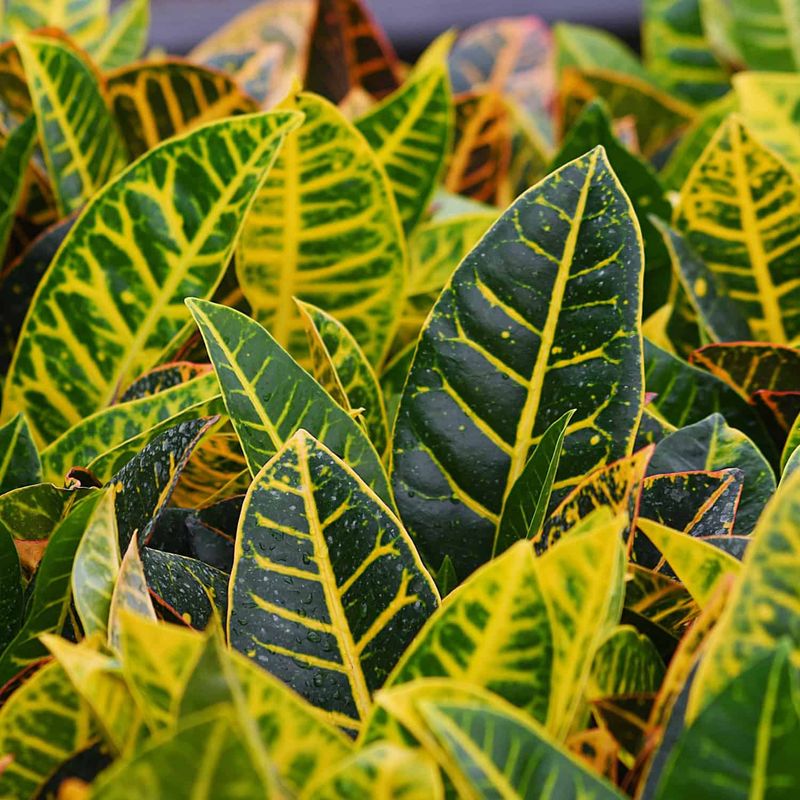
Croton is basically nature’s way of proving that foliage can be just as exciting as flowers. The leaves come in wild combinations of orange, red, yellow, green, and purple, often all on the same plant.
In Florida’s sunny climate, the colors intensify to stunning levels.
Plant Croton where it gets plenty of direct sun for the boldest color display. It grows into a full, lush shrub that adds instant tropical drama to borders and foundation plantings.
Minimal pruning keeps it shapely and looking intentional rather than wild.
Cordyline
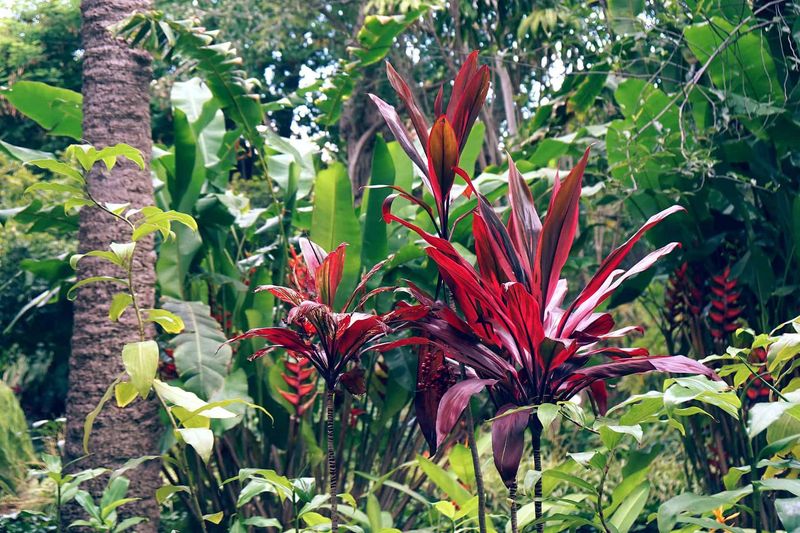
Cordyline commands attention the moment you plant it. Its long, sword-shaped leaves in shades of burgundy, green, pink, or tricolor combinations create a bold architectural focal point that professional designers rely on heavily.
It looks like it belongs in a resort landscape.
Surprisingly easy to grow, Cordyline handles Florida’s heat and occasional dry spells without fuss. It works equally well in containers or directly in the ground as a dramatic accent.
Pair it with softer plants like Blue daze or Pentas for a striking contrast that looks intentional and polished.
Bird of paradise
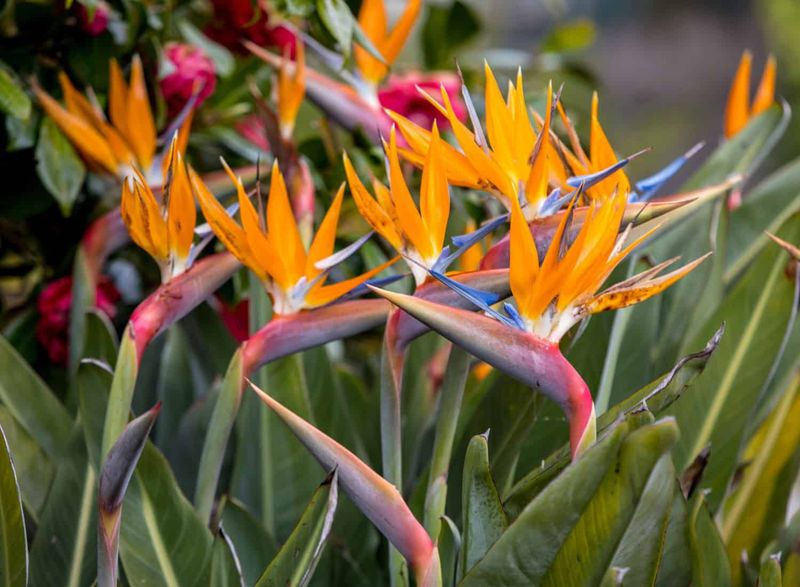
Named for the flower that looks exactly like a tropical bird in mid-flight, Bird of paradise is one of the most recognizable plants in Florida landscaping. The bold, paddle-shaped leaves alone make a strong statement even before the blooms appear.
When it does flower, it’s genuinely breathtaking.
This plant thrives in full sun and well-drained soil, asking for very little once established. It grows slowly but lives for decades, becoming more impressive every year.
A single mature specimen can anchor an entire garden design with effortless sophistication.
Plumbago
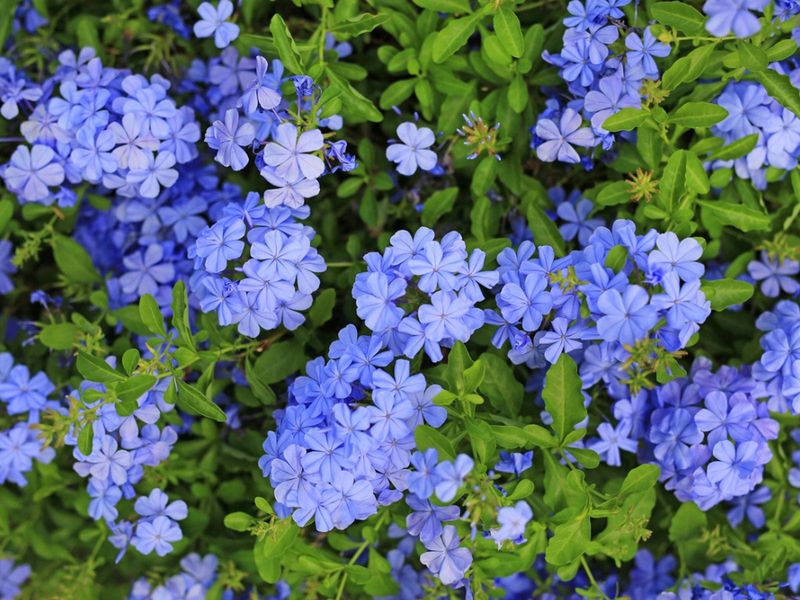
There’s something undeniably refreshing about Plumbago’s soft, powder-blue flower clusters. They bloom prolifically through Florida’s warm months, creating a cool, airy effect that balances out bolder tropical colors nearby.
Butterflies visit frequently, adding even more movement and life to the planting.
Plumbago grows quickly into a full, rounded shrub and responds well to occasional trimming to maintain a neat shape. It tolerates heat, drought, and partial shade, making it adaptable to many garden spots.
For a reliable splash of blue in a Florida-friendly garden, this is the go-to choice.
Bulbine
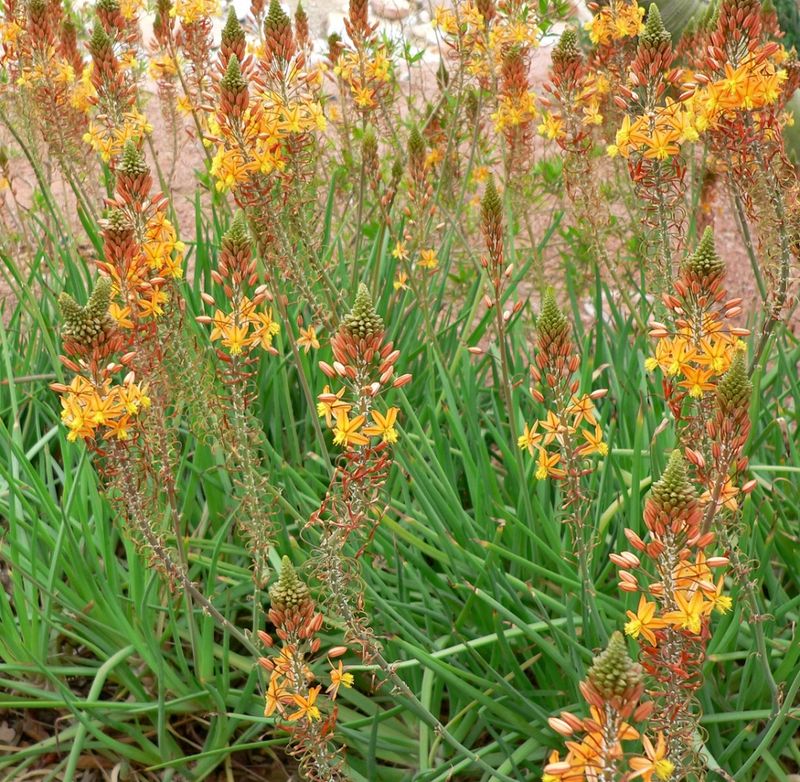
Bulbine is the kind of plant that makes you wonder why more people don’t use it. The cheerful orange and yellow star-shaped flowers rise on slender stalks above succulent-like foliage, blooming for months on end in Florida’s climate.
It looks like something from a boutique nursery catalog.
Incredibly drought-tolerant once established, Bulbine thrives in sandy soils with minimal irrigation. It spreads slowly into tidy clumps that work beautifully as border edging or mass plantings.
Cut back the spent flower stalks occasionally to keep new blooms coming steadily.
Society garlic
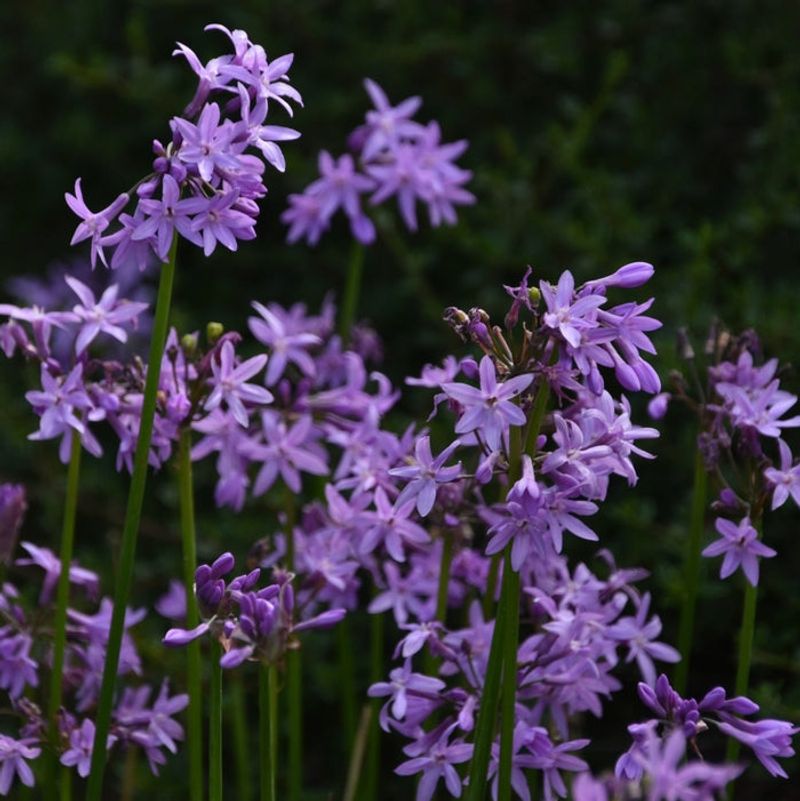
Society garlic has a slightly misleading name since it won’t flavor your pasta, but it will absolutely elevate your garden’s appearance. The slender, grass-like leaves produce clusters of soft lavender-purple flowers that bloom repeatedly throughout the warm season.
Up close, the foliage carries a mild garlic scent.
Deer tend to avoid it, which is a quiet bonus for Florida gardeners dealing with wildlife. It’s drought-tolerant, loves full sun, and forms neat clumps that look organized and intentional in borders.
Low-maintenance and consistently attractive, it earns its place in any polished landscape.
Cocoplum
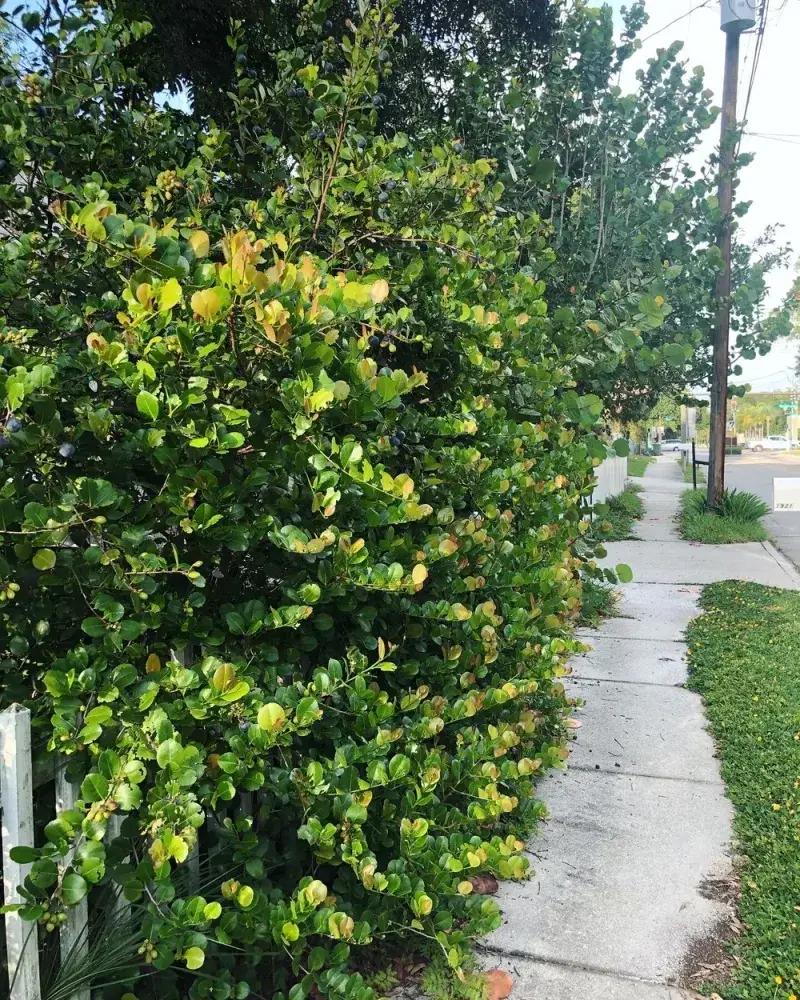
Cocoplum is a Florida native that does double duty as both a handsome hedge and a wildlife habitat. Its glossy, rounded leaves create a dense, attractive screen that stays green year-round.
Small fruits appear seasonally, drawing birds and other wildlife to the yard.
Coastal gardeners especially appreciate Cocoplum for its impressive salt and wind tolerance. It shapes easily into formal hedges or can be allowed to grow more naturally for a relaxed look.
Either style appears intentional and well-planned, giving any property a cared-for, professional edge.
Simpson’s stopper
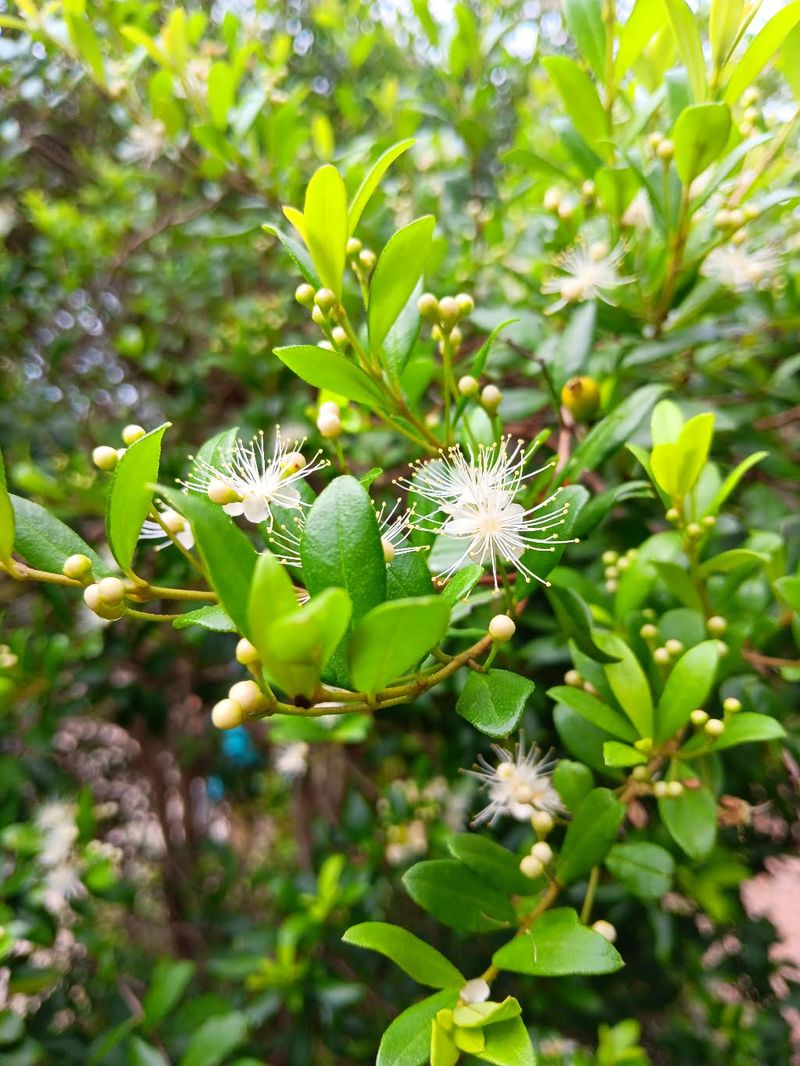
Simpson’s stopper is a Florida native that landscape professionals have quietly relied on for years. Its small white flowers are sweetly fragrant, and the tiny orange-red berries that follow attract mockingbirds and other native birds.
The reddish, peeling bark adds an unexpected decorative detail.
Adaptable to sun or shade, this shrub fits into almost any garden spot. It grows at a moderate pace into a tidy, rounded form that rarely needs much corrective pruning.
For a native plant that looks refined and supports local wildlife, Simpson’s stopper is an excellent pick.
Walter’s viburnum
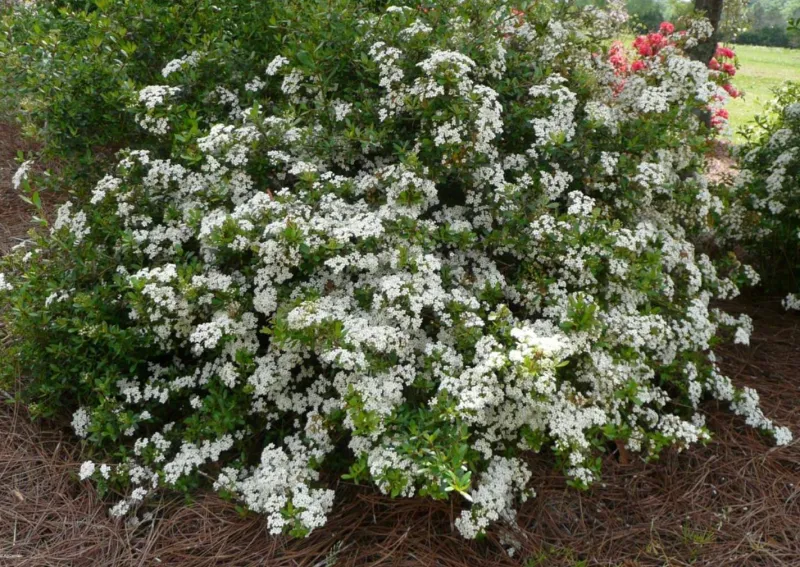
Walter’s viburnum might be one of Florida’s most underappreciated native shrubs. In spring, it covers itself in clusters of fragrant white flowers that attract pollinators from all directions.
The glossy, dark green leaves stay attractive throughout the rest of the year.
It grows quickly into a large, full shrub or small tree, making it ideal for screening or as a specimen planting. Salt-tolerant and drought-resistant once established, Walter’s viburnum suits both coastal and inland Florida gardens.
It brings a clean, lush structure that makes any yard look thoughtfully designed.
Ixora
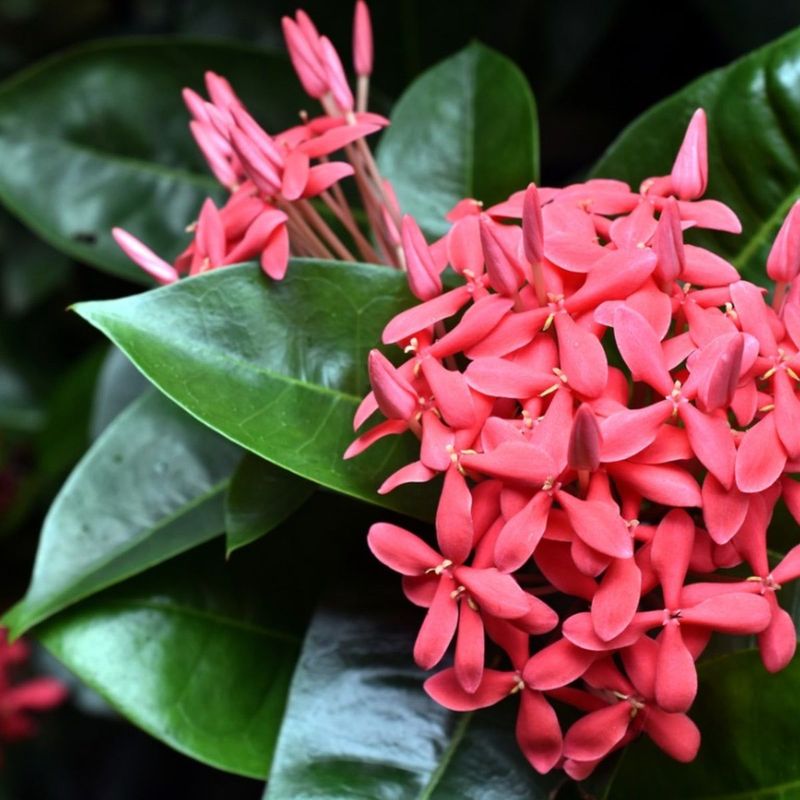
Ixora is practically synonymous with Florida landscaping, and for good reason. The dense, rounded clusters of tiny flowers in shades of red, orange, yellow, or pink create a vivid, long-lasting display that looks professionally maintained.
It blooms most heavily in warm months, which in Florida means most of the year.
Give it full sun and slightly acidic soil for the best flower production. Avoid over-pruning, since Ixora blooms on new growth and aggressive trimming can reduce flowering.
Used as a low hedge or foundation planting, it delivers consistent color and a tidy, structured form.
Areca palm
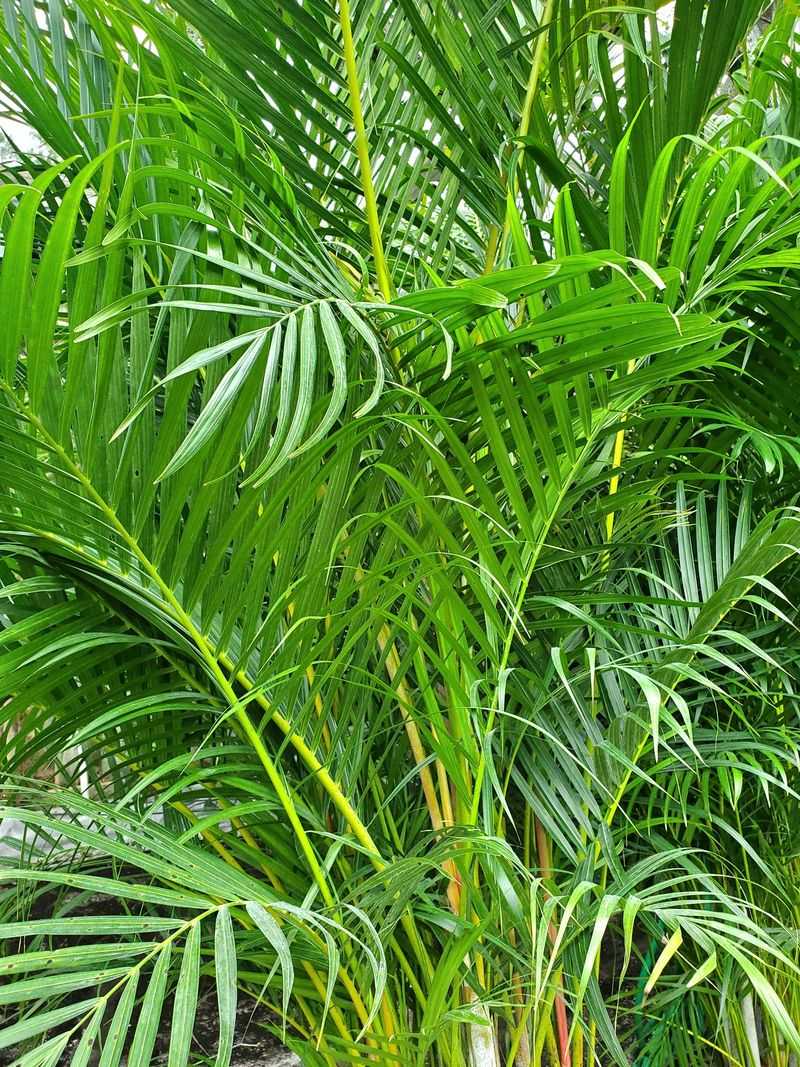
Walk past any upscale Florida property and you’ll likely spot Areca palms framing the entrance or lining the fence line. Their arching, feathery fronds create an unmistakably tropical atmosphere that’s both lush and elegant.
They grow in graceful clusters, each cane topped with a fountain of soft green foliage.
Areca palms thrive in Florida’s heat and humidity, preferring well-drained soil and bright light. They grow at a moderate rate, eventually forming an impressive privacy screen.
Regular fertilizing with a palm-specific fertilizer keeps the fronds a healthy, vibrant green rather than yellowing.
Bromeliads
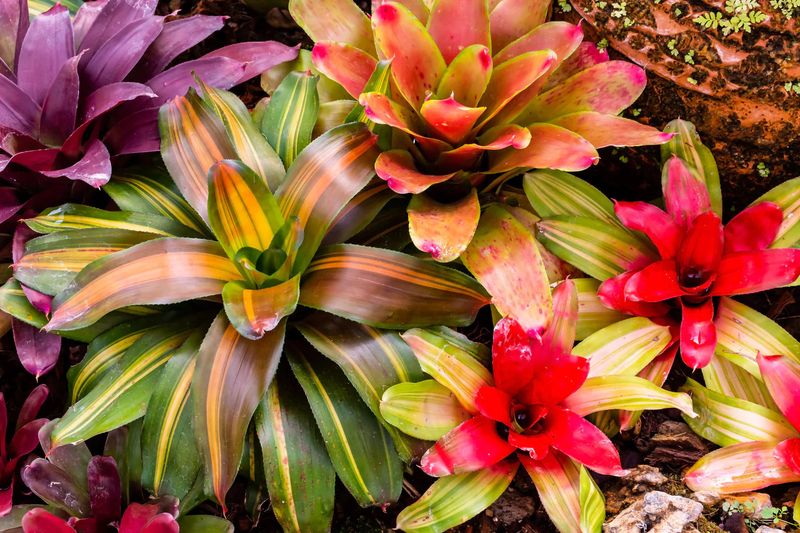
Bromeliads look like they were designed by an artist. Their bold, architectural rosettes come in an almost unbelievable range of colors, from deep burgundy to vivid coral to electric yellow.
Tucked under trees or arranged in shaded garden beds, they create a layered, tropical look that’s hard to replicate with other plants.
Most Bromeliads need very little care beyond occasional watering in their central cup. They thrive in Florida’s humid climate and work beautifully as ground covers under palms or oaks.
The variety of forms and colors available means every garden can have a unique, curated display.
Ti plant
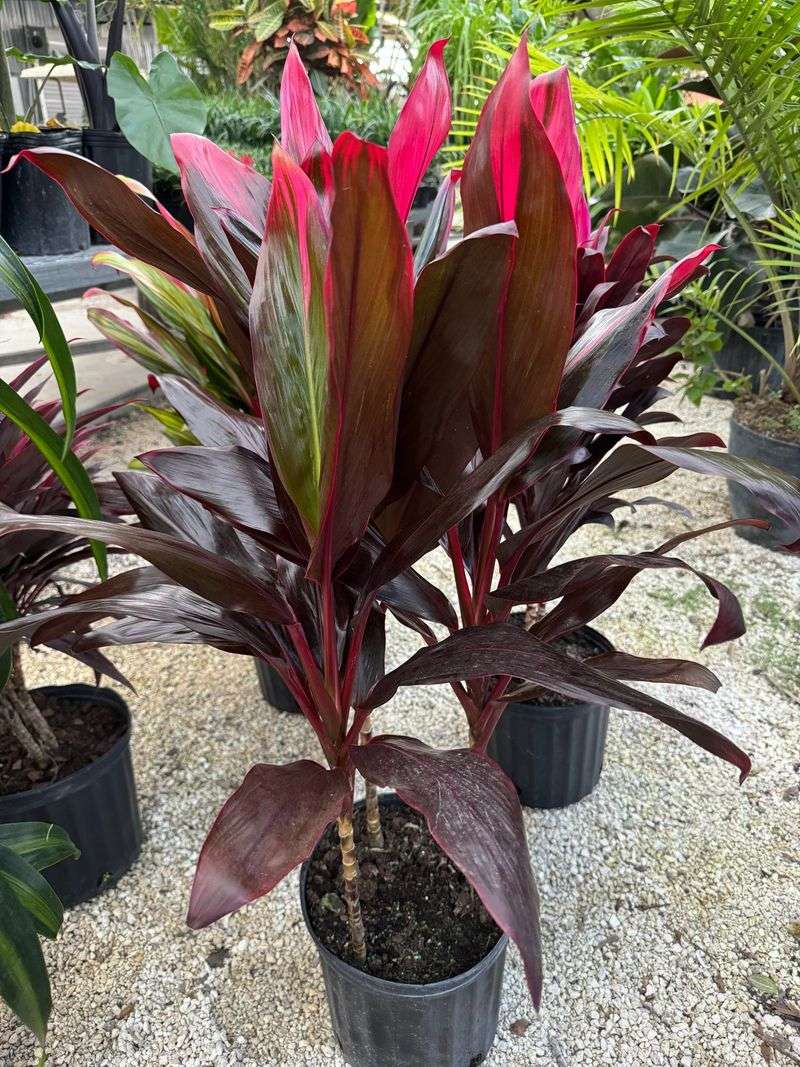
In Hawaiian culture, the Ti plant is considered a symbol of good luck, and Florida gardeners might agree once they see what it does for a landscape. The long, strappy leaves in shades of deep red, burgundy, green, or pink create a bold, tropical statement that draws the eye immediately.
Ti plants grow well in Florida’s warm, humid climate with minimal fuss. They prefer partial shade but tolerate full sun with adequate moisture.
Use them as dramatic accents near entryways or mixed into tropical-style borders for a resort-inspired look that feels intentional and impressive.
Scaevola
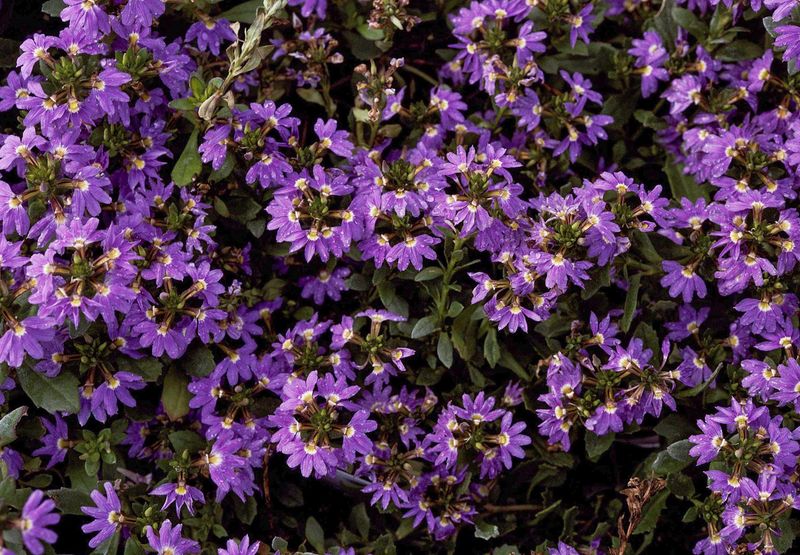
Scaevola goes by the charming nickname “fan flower” because each bloom looks like a tiny, perfectly formed half-fan. Native to coastal Australia, it has adapted brilliantly to Florida’s beach and garden environments.
The flowers come in shades of purple, lavender, pink, and white, blooming continuously in warm weather.
Few plants handle salt spray and sandy soils as gracefully as Scaevola does. It spreads into a low, cascading mound that softens hard edges along walkways, walls, or raised beds.
Virtually no deadheading is needed, making it one of the easiest ways to add lasting, polished color to any Florida garden.
Enjoyed this story?
Add Fast Food Club as a preferred source to see more of our reporting on Google.