


A Florida yard can look polished and high-end without turning into a weekend job you secretly resent. The trick is choosing plants that thrive in heat, humidity, sandy soil, and sudden rain while still looking intentional.
These easy picks bring structure, color, texture, and tropical drama with very little fuss. If you want curb appeal that feels expensive but stays realistic, start with these dependable favorites.
Podocarpus
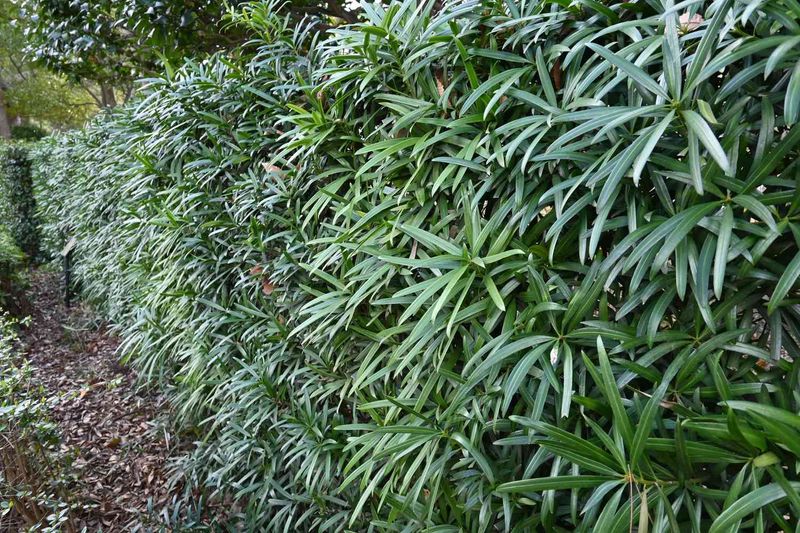
Podocarpus is one of those plants that instantly makes a Florida yard look tailored, even if you barely fuss with it. Its narrow, deep green leaves create a clean hedge, privacy screen, or foundation planting that feels polished and expensive.
You can let it grow tall for a living wall or keep it clipped into a crisp shape near walkways and entries. It handles heat, humidity, and regular pruning well, which makes it a practical choice for busy homeowners.
Plant it in well-drained soil with sun to part shade, then water regularly while it gets established. Once settled, Podocarpus asks for little beyond occasional trimming, and the payoff is a neat, resort-style backdrop year-round.
Clusia
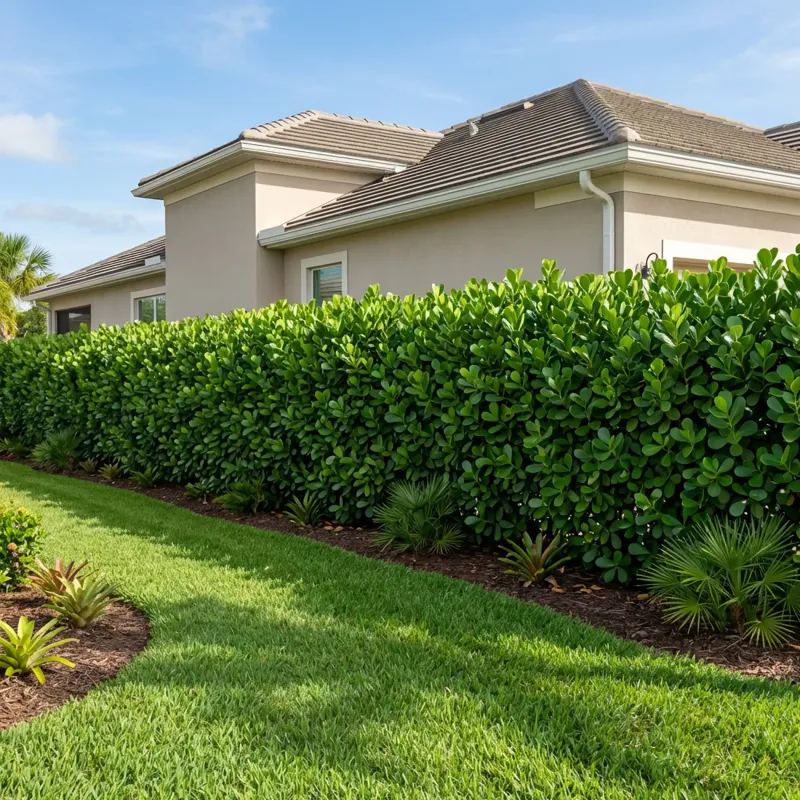
Clusia gives you that glossy, designer hedge look without making yard care feel complicated. Its thick paddle-shaped leaves stay lush and bright, creating a bold privacy screen that looks especially good beside modern Florida homes.
This plant tolerates sun, salt, heat, and occasional drought once established, so it is a favorite near coastal neighborhoods. You can shape it into a formal hedge or allow it to grow fuller for a relaxed tropical wall.
Clusia does best in well-drained soil and appreciates regular watering during its first season. After that, a few trims each year usually keep it handsome, dense, and camera-ready, giving your yard a strong architectural edge.
Croton
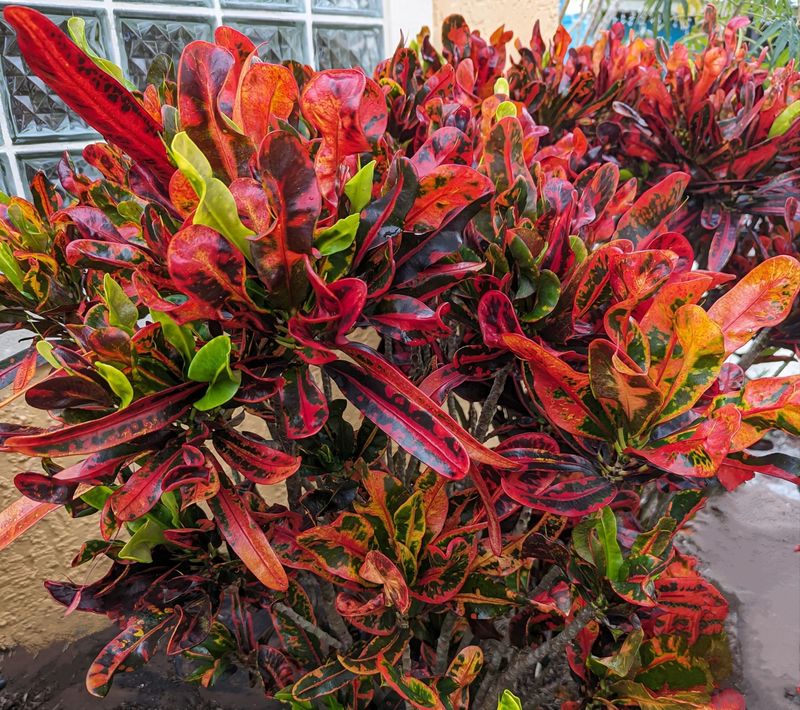
Croton is the plant to use when you want color without relying on flowers. Its leaves can flash red, orange, yellow, burgundy, and green, so a simple bed suddenly looks layered and custom-designed.
In Florida, crotons shine near entries, patios, pool cages, and mixed tropical borders where their bold foliage can be seen up close. They prefer warm conditions, bright light, and protection from hard freezes in cooler parts of the state.
Give croton well-drained soil and consistent moisture while it settles in, then enjoy the color show with minimal effort. A few plants grouped together can make even a plain yard feel intentional, lively, and surprisingly upscale.
Cordyline
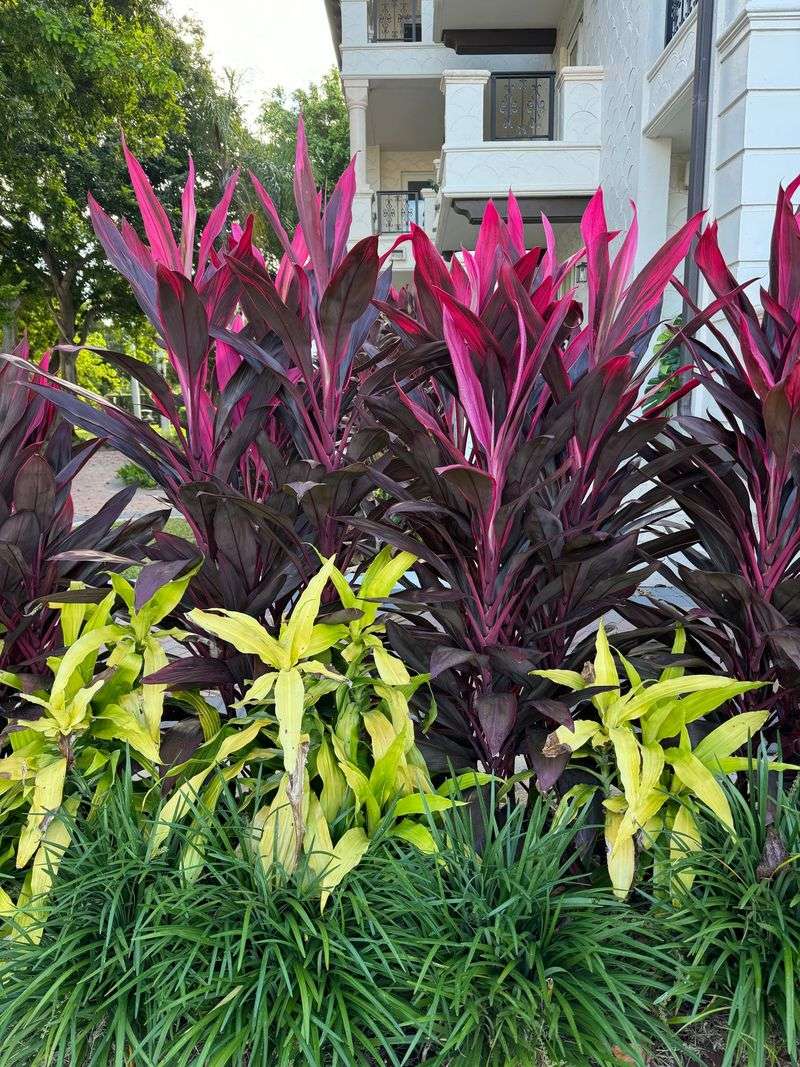
Cordyline brings a sharp, stylish look to Florida landscapes with upright leaves in burgundy, pink, bronze, or green. It adds height and color at the same time, which makes small beds feel professionally layered.
You can use cordyline as an accent near a front door, around a pool, or tucked among softer shrubs for contrast. Its slim, fountain-like shape is especially useful when you want drama without taking up too much space.
Plant it in sun to part shade, depending on the variety, and keep the soil lightly moist while roots develop. Once established, cordyline is fairly easygoing, and removing tired leaves keeps the whole plant looking fresh and expensive.
Bird of paradise
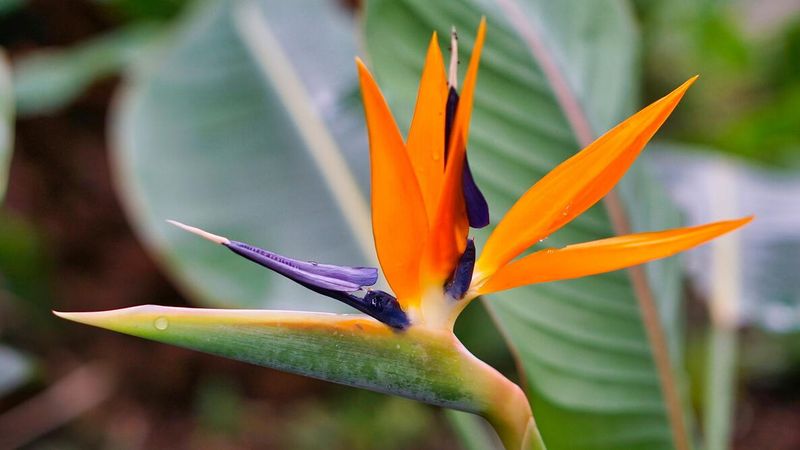
Bird of paradise gives Florida yards that resort feeling almost instantly. The large banana-like leaves create bold tropical structure, and the orange and blue flowers look like something from a vacation postcard.
This plant works beautifully near pools, patios, entrances, and blank walls that need a dramatic living accent. Even when it is not blooming, the foliage makes the landscape feel lush, sculptural, and much more expensive.
Give bird of paradise full sun to part shade, rich well-drained soil, and room to spread. Water it consistently while young, then maintain it by removing damaged leaves and spent flowers.
With basic care, it becomes a standout feature that feels both relaxed and elegant.
Areca palm
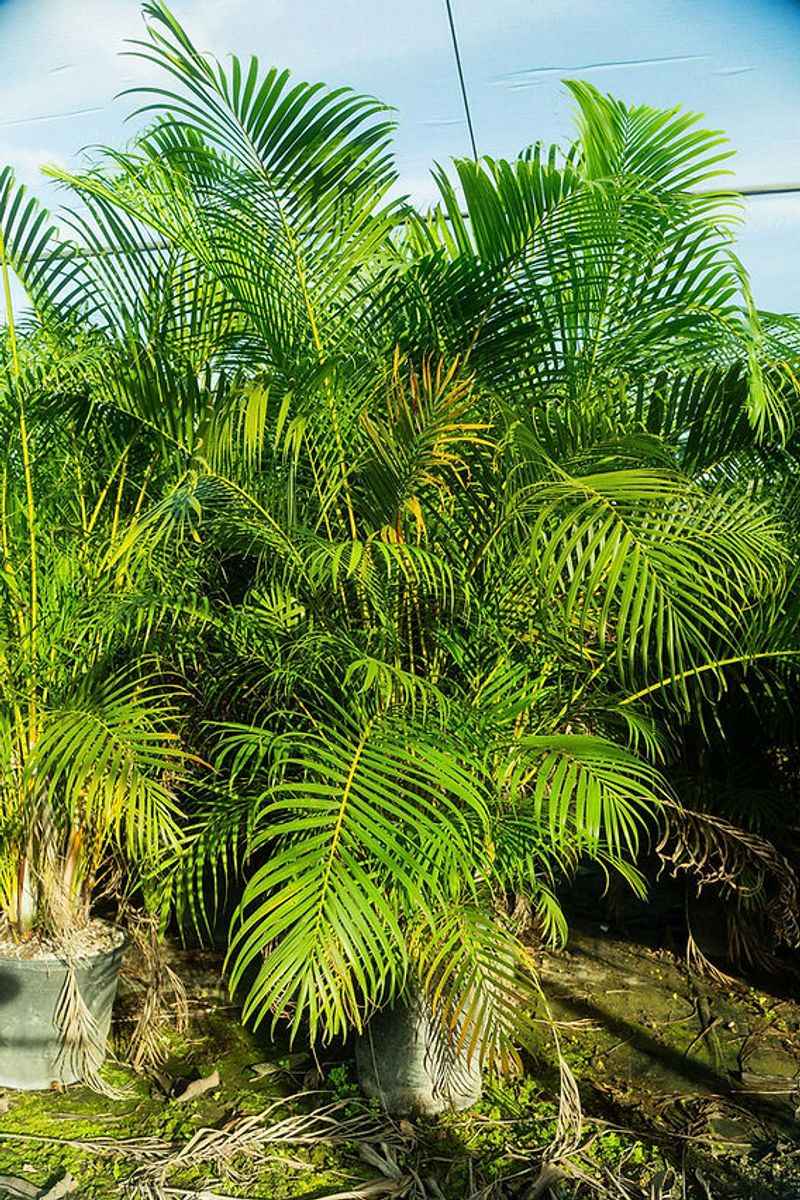
Areca palm is a classic Florida choice when you want soft privacy and instant tropical charm. Its feathery fronds create movement, shade, and a layered backdrop that looks beautiful around pools, patios, and property lines.
Unlike some palms that feel stiff or formal, areca has a relaxed, resort-style shape that makes outdoor spaces feel more inviting. It can be planted in clusters to screen neighbors or soften fences without looking heavy.
Areca palms prefer bright light, well-drained soil, and regular water while they establish. Occasional trimming of brown fronds keeps them clean, but avoid over-pruning.
With space and simple care, they deliver a lush, high-value look for very little effort.
Coontie
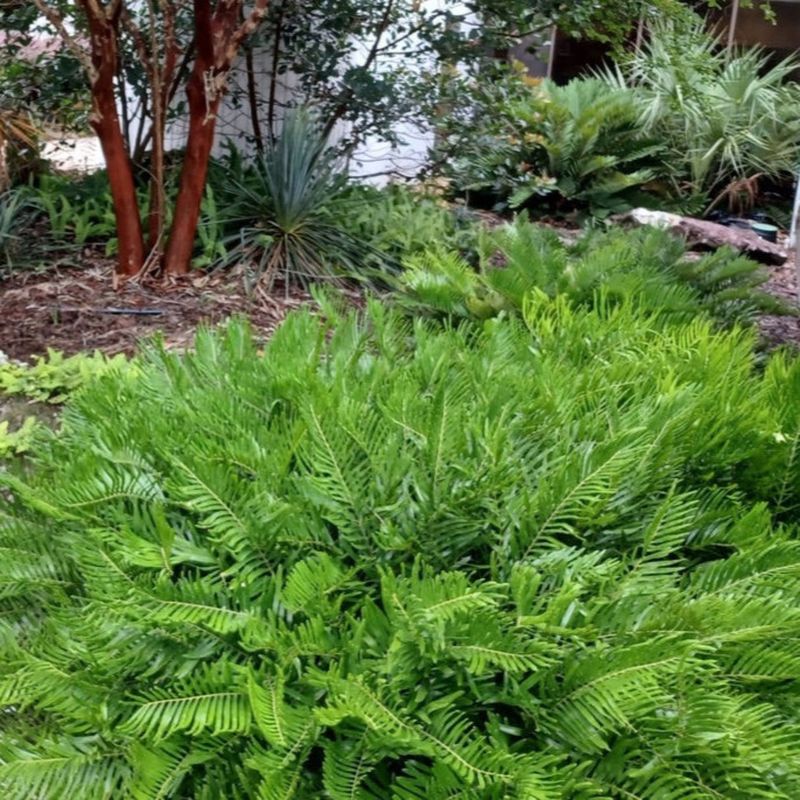
Coontie is a tough native plant that looks refined without needing much attention. Its deep green, fern-like foliage forms tidy mounds that fit beautifully along walkways, under palms, or in low-maintenance foundation beds.
Because it stays compact and naturally neat, coontie is perfect when you want a finished landscape without constant trimming. It is also the host plant for the atala butterfly, bringing a little wildlife magic to the yard.
Plant coontie in sun or shade with well-drained soil, and it will handle drought once established. It grows slowly, which is a benefit if you dislike frequent maintenance.
The result is a clean, native, expensive-looking ground layer that stays dependable year-round.
Muhly grass
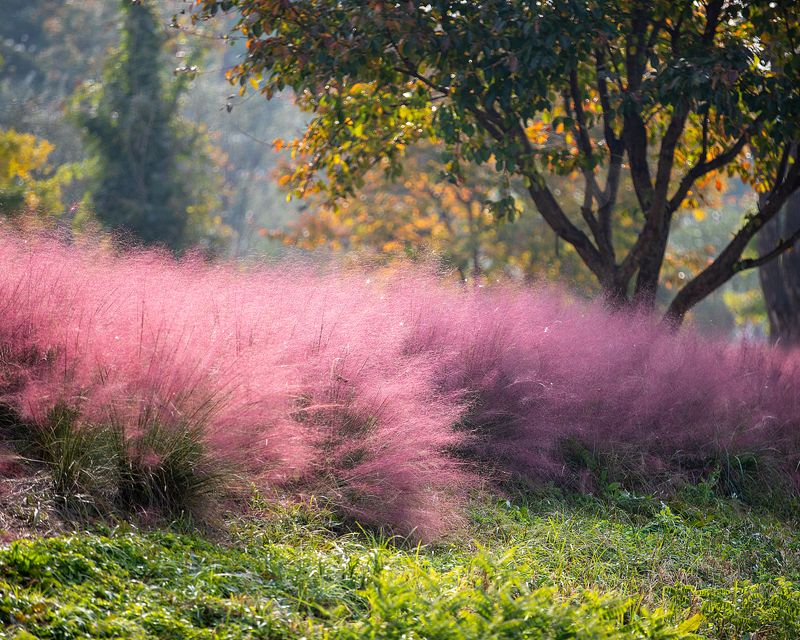
Muhly grass makes a yard look designed because it adds softness, movement, and seasonal drama. For much of the year, it forms a tidy green clump, then bursts into airy pink plumes that glow in sunlight.
It is especially striking when planted in groups along driveways, sidewalks, or open sunny beds. The texture pairs well with palms, agave, coontie, and clean gravel or mulch, giving a modern Florida look.
Muhly grass loves full sun and well-drained soil, and it is drought tolerant once established. Cut it back once a year before new growth appears, and that is usually enough.
For such simple care, the autumn color feels surprisingly luxurious.
Plumbago
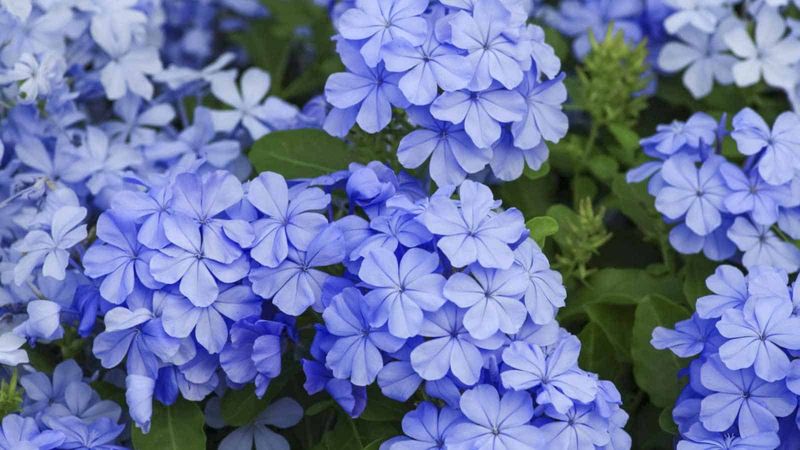
Plumbago is an easy way to bring soft blue color into a Florida yard without constant replanting. Its loose, airy growth and clusters of pale blue flowers make beds feel relaxed, coastal, and cheerful.
You can use it as a low hedge, a filler around palms, or a spilling plant along walls and slopes. The color pairs beautifully with white, coral, yellow, and deep green foliage, so it looks designer without much planning.
Plant plumbago in full sun for best flowering and give it well-drained soil. It appreciates water while establishing but becomes fairly drought tolerant with age.
Trim it occasionally to shape it, and it rewards you with months of easy color.
Firebush
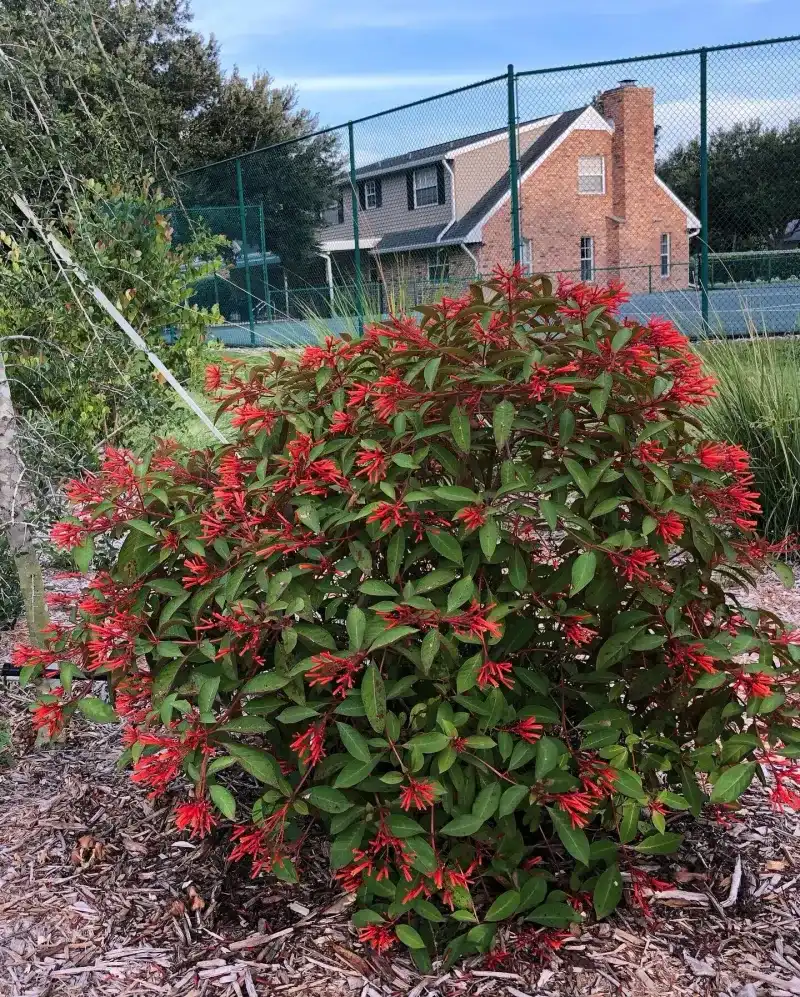
Firebush is a Florida favorite for anyone who wants color, wildlife, and low maintenance in one plant. Its orange-red tubular flowers attract hummingbirds and butterflies, making the yard feel alive and welcoming.
The shrub has a naturally relaxed shape that works well in native gardens, tropical borders, and sunny backyard corners. In warm areas it can bloom for much of the year, giving you a steady pop of color.
Firebush thrives in full sun to part shade and handles heat, humidity, and sandy soil well. Water it during establishment, then let it become more self-sufficient.
A light pruning controls size, but its informal beauty is part of the charm.
Ixora
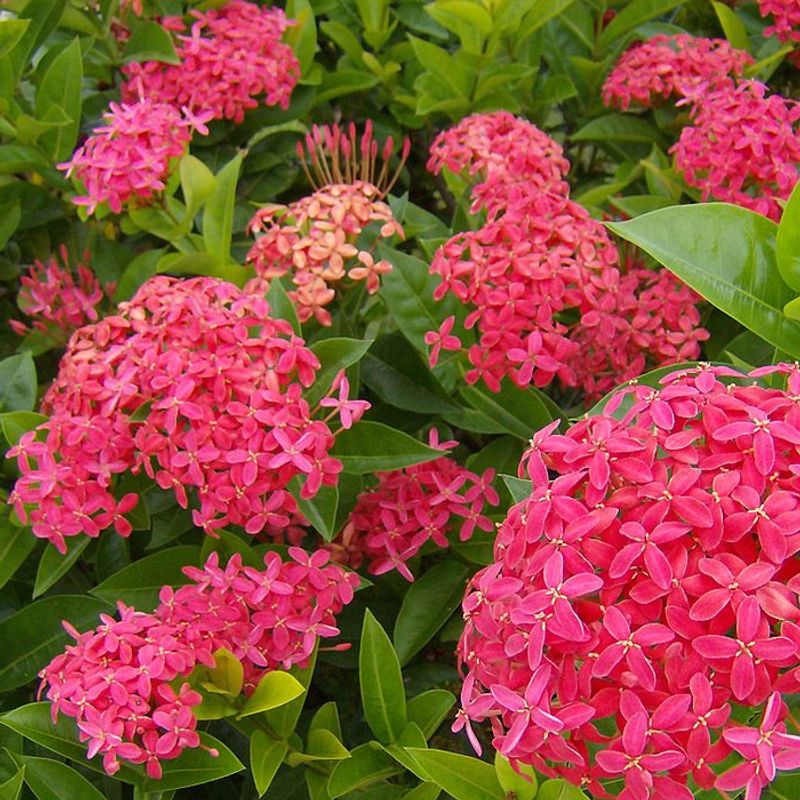
Ixora delivers the kind of bold tropical color that makes a Florida yard look cheerful and well cared for. Its glossy green leaves and dense clusters of red, orange, pink, or yellow flowers create instant curb appeal.
Use ixora as a low hedge, foundation shrub, or bright accent near walkways and patios. It looks especially polished when planted in repeated groups, which gives beds a cohesive, professional feel.
Ixora prefers full sun to light shade, acidic well-drained soil, and regular water while it establishes. In alkaline areas, it may appreciate fertilizer made for acid-loving plants.
With occasional trimming and feeding, ixora keeps blooming beautifully and makes your landscape feel lush without looking overworked.
Bromeliad
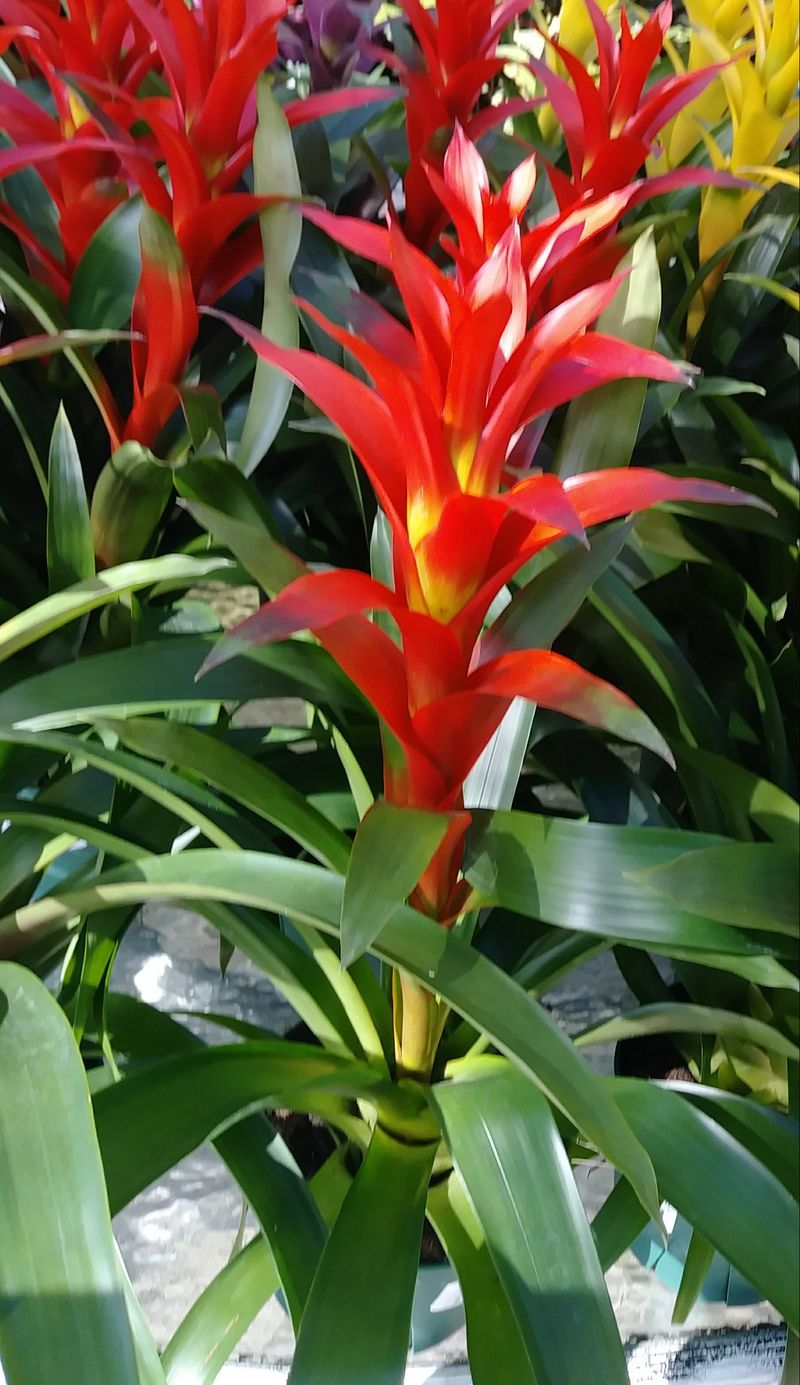
Bromeliads make Florida beds look collected and stylish because their rosettes feel almost sculptural. Many varieties offer colorful centers in red, pink, orange, or purple, so they add interest even when nothing else is blooming.
They are perfect under palms, around tree bases, in containers, or tucked into shady tropical beds. Because they stay compact and tidy, bromeliads help fill awkward spaces with texture and color.
Most landscape bromeliads like bright shade or filtered light, though some tolerate more sun. Plant them in well-drained areas and avoid burying the center cup too deeply.
Once settled, they need little care beyond removing old plants after pups appear, which keeps the display fresh and full.
Ti plant
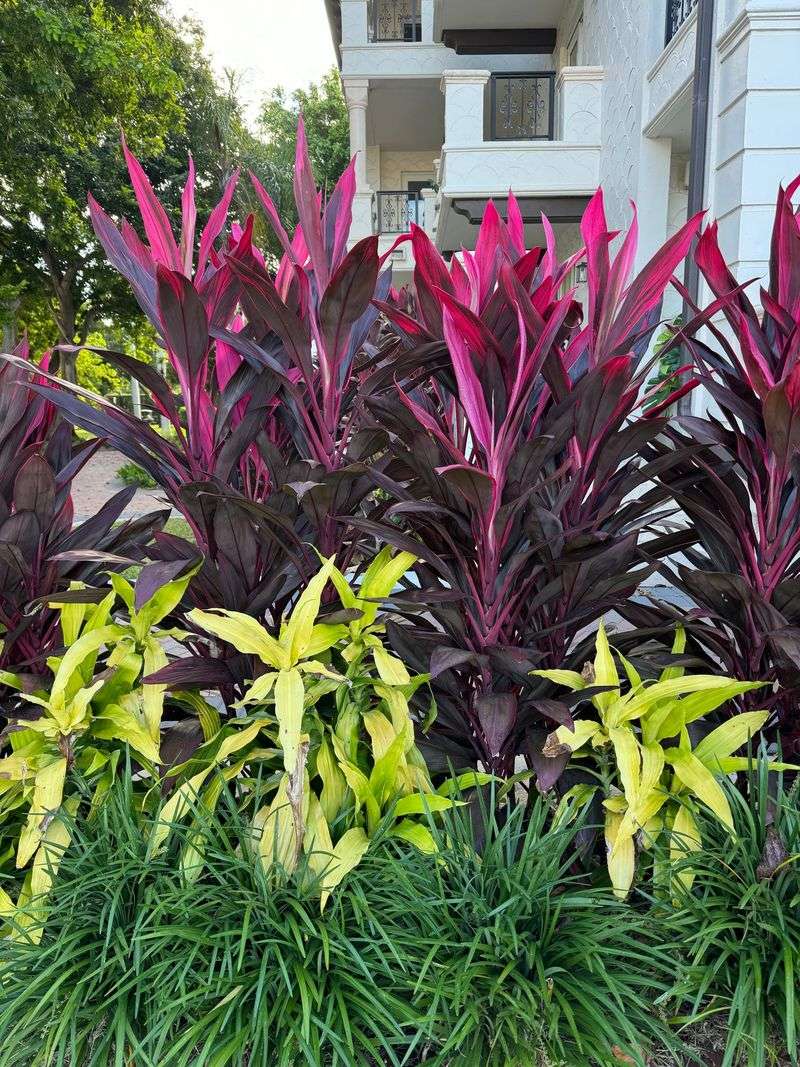
Ti plant is a quick way to make a Florida landscape feel tropical, colorful, and intentional. Its broad leaves come in rich shades of burgundy, pink, red, green, and cream, creating drama without depending on flowers.
Use ti plant near entries, patios, lanais, or as a bright accent in mixed borders. It looks especially good against white walls, dark mulch, and deep green shrubs where the foliage can really stand out.
Give it part sun to bright shade, depending on the variety, and keep soil evenly moist but not soggy. Protect it from hard freezes in cooler regions.
With occasional cleanup of older leaves, ti plant stays vibrant and gives the yard an easy designer touch.
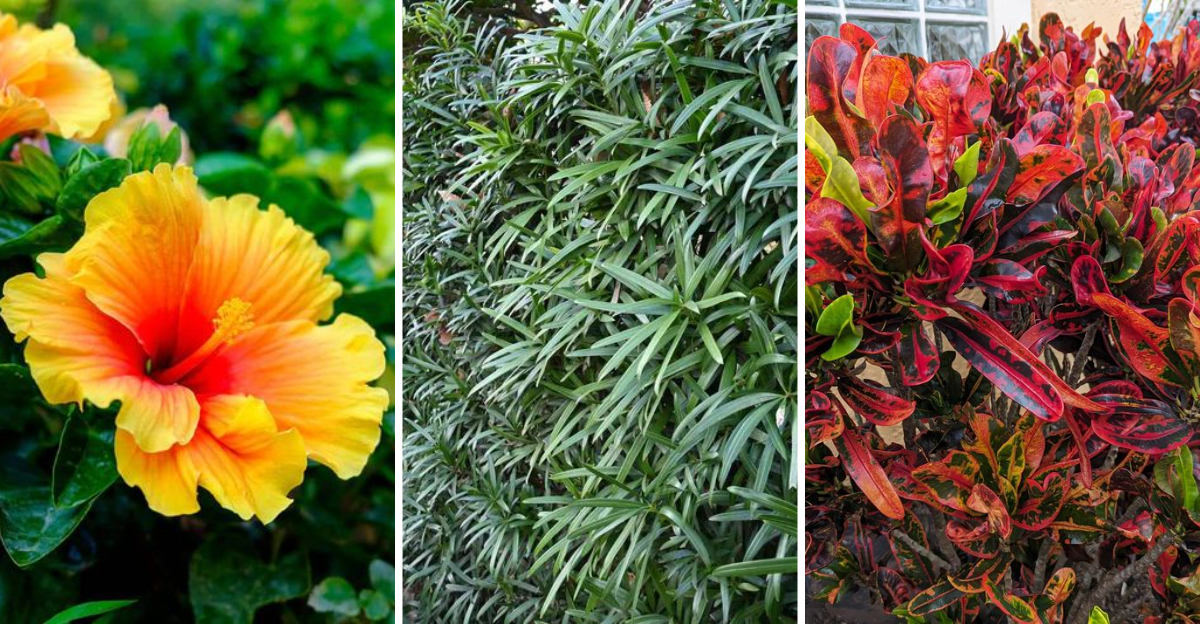
Hibiscus
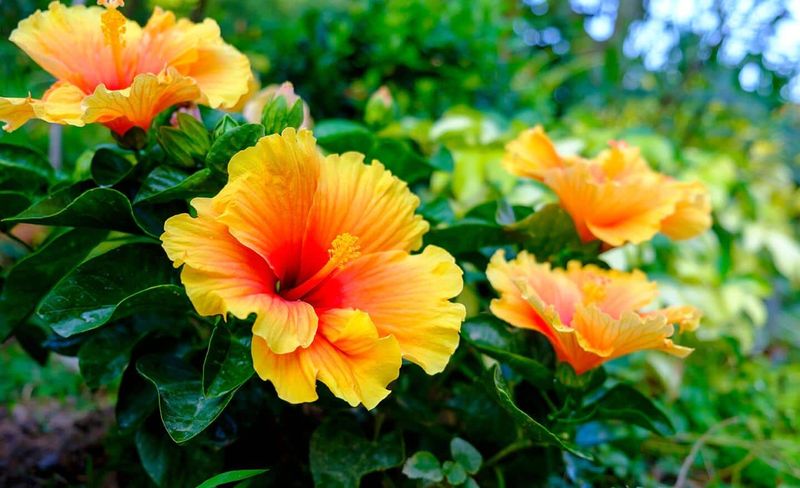
Hibiscus brings big, glamorous blooms to Florida yards with very little convincing. The flowers can be red, pink, yellow, orange, or peach, and they instantly make a landscape feel tropical and welcoming.
This shrub works well near front entries, patios, fences, and pool areas where the flowers can be enjoyed up close. Even a single hibiscus can become a focal point, while a row creates a colorful living border.
Plant hibiscus in full sun with rich, well-drained soil and water it regularly during dry spells. Feed during the growing season to support steady blooms.
Prune lightly to shape, and you get that lush vacation look without needing a complicated garden plan.
Walter’s viburnum
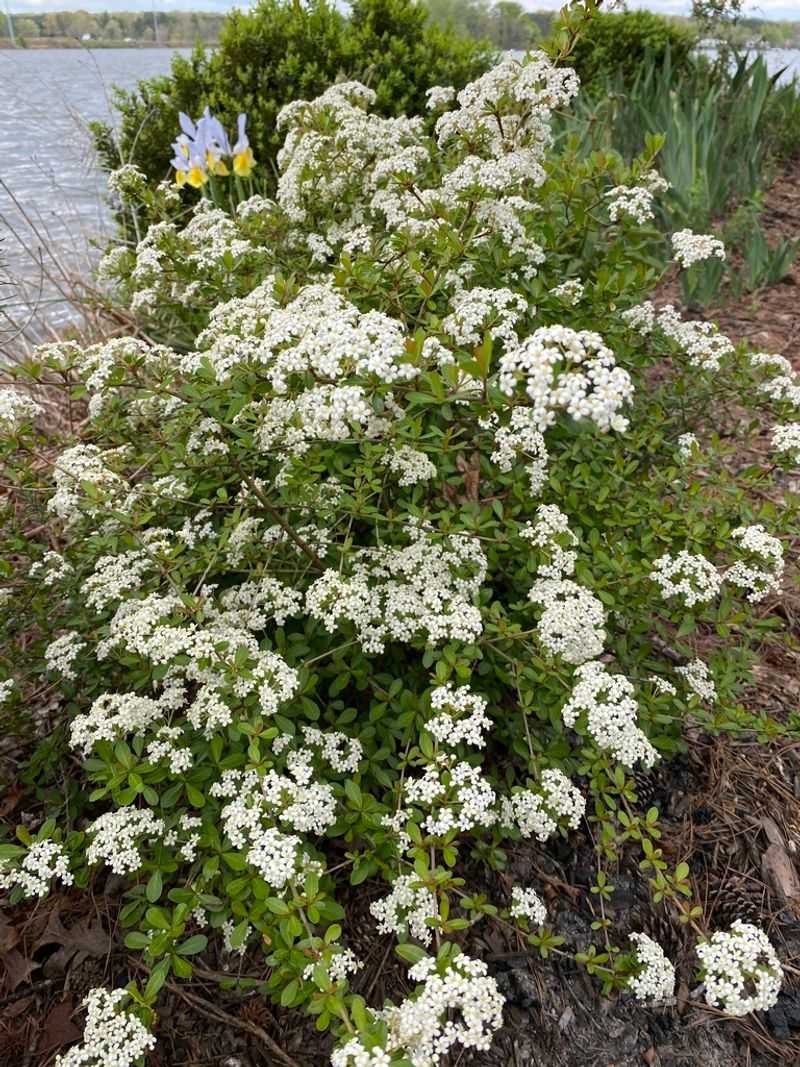
Walter’s viburnum is a native shrub that gives structure, flowers, and wildlife value without demanding constant attention. Its small leaves create a refined texture, and spring brings clusters of white blooms that look delicate and fresh.
You can grow it as a hedge, screen, specimen, or informal border, depending on the variety and pruning style. It feels more natural than a rigid hedge but still gives the yard a finished appearance.
This plant handles sun to part shade and adapts well to many Florida soils once established. Birds appreciate the berries, and pollinators visit the flowers.
Trim as needed for size, or let it grow naturally for an elegant native landscape.
Simpson’s stopper
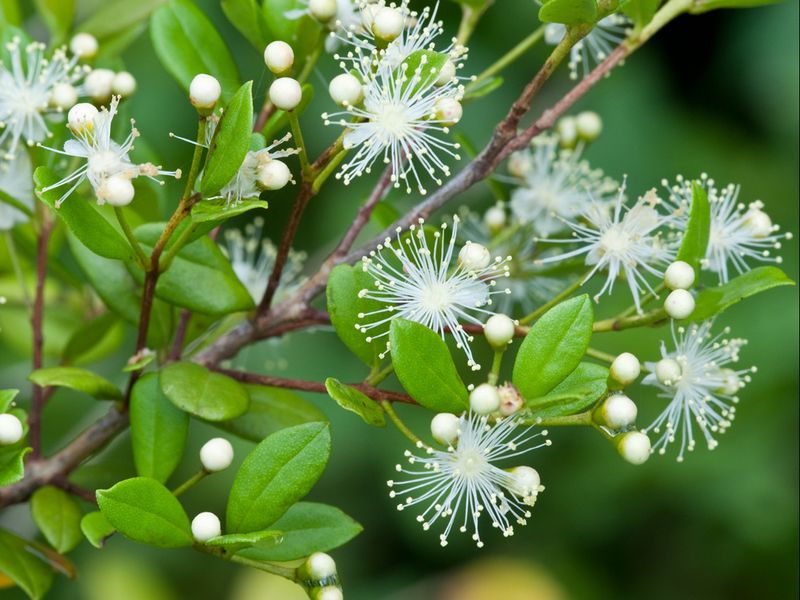
Simpson’s stopper is a polished native shrub that looks good in both formal and relaxed Florida landscapes. Its glossy leaves, small white flowers, and bright red berries give it year-round interest without looking messy.
It can be trained as a hedge, small tree, privacy screen, or foundation plant, making it surprisingly versatile. The flowers attract pollinators, while the berries help bring birds into the yard.
Plant Simpson’s stopper in sun to part shade with well-drained soil, then water regularly until established. After that, it is fairly drought tolerant and easy to maintain.
Prune it lightly for shape, and it rewards you with a clean, native look that feels quietly expensive.
Cocoplum
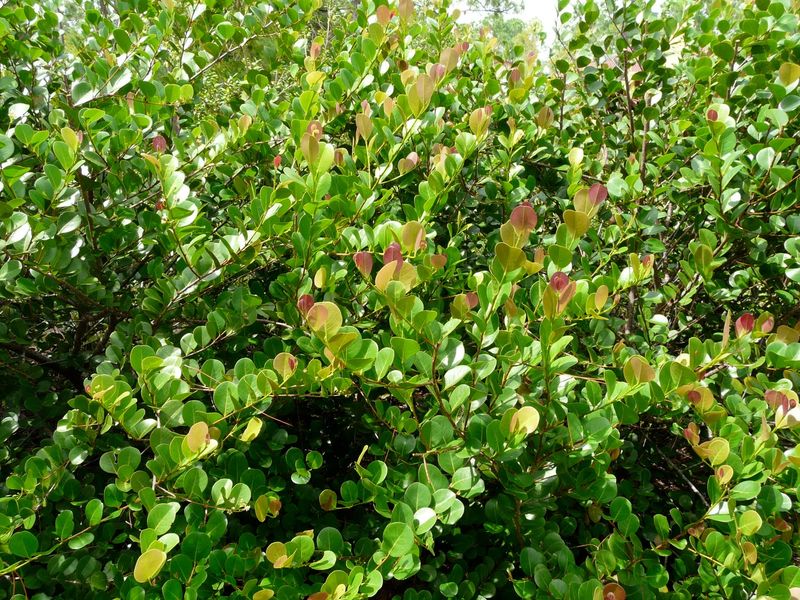
Cocoplum gives Florida yards a lush coastal look with glossy rounded leaves and attractive new growth that can flush red or bronze. It is commonly used as a hedge, screen, or foundation shrub because it fills in beautifully.
The plant has a relaxed tropical feel, but it can also be clipped into a neat shape for a more formal property edge. It handles heat, salt, and sandy soils, which makes it especially helpful near the coast.
Plant cocoplum in full sun to part shade and provide regular water while it establishes. Once rooted, it becomes much easier to manage.
A few trims each year keep it dense, handsome, and perfect for privacy.
Dwarf yaupon holly
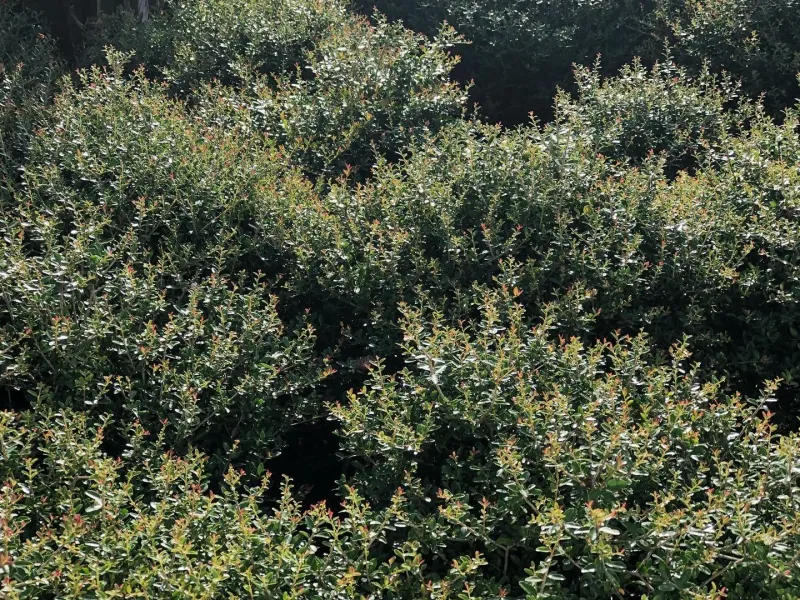
Dwarf yaupon holly is ideal when you want neat evergreen structure without constant shaping. Its small leaves and naturally compact habit make it perfect for low hedges, borders, foundation beds, and tidy front yard designs.
Unlike fussier shrubs, it handles heat, humidity, poor soil, and pruning with impressive patience. The rounded form gives beds that clipped, expensive look even when you only trim a few times a year.
Plant dwarf yaupon holly in full sun to part shade with well-drained soil. Water regularly during establishment, then let it become a durable backbone plant in the landscape.
It pairs beautifully with grasses, bromeliads, agave, and flowering shrubs for contrast.
Lady palm
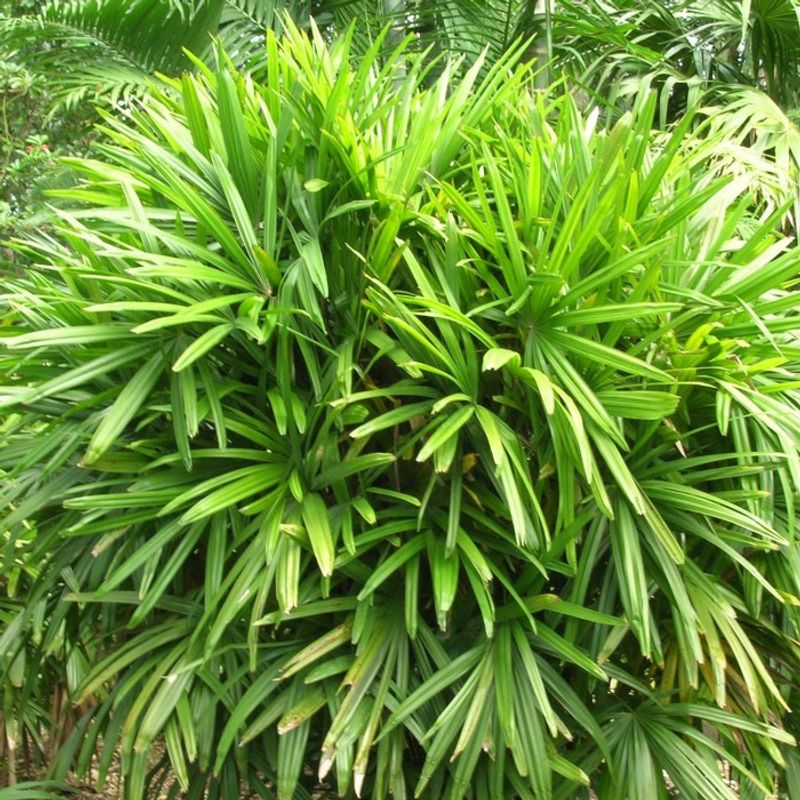
Lady palm brings an elegant, upscale feel to shaded Florida spaces. Its fan-shaped leaves grow in layered clusters, creating a refined tropical look that works beautifully near entries, courtyards, patios, and covered lanais.
This palm is slower growing than many others, which is a blessing if you want something graceful that will not take over. It also performs well in containers, making it useful for renters or small spaces.
Give lady palm bright shade or filtered light, rich well-drained soil, and regular moisture. Avoid harsh afternoon sun, which can burn the leaves.
With occasional removal of older stems and fronds, it stays clean, lush, and quietly luxurious for years.
Shell ginger
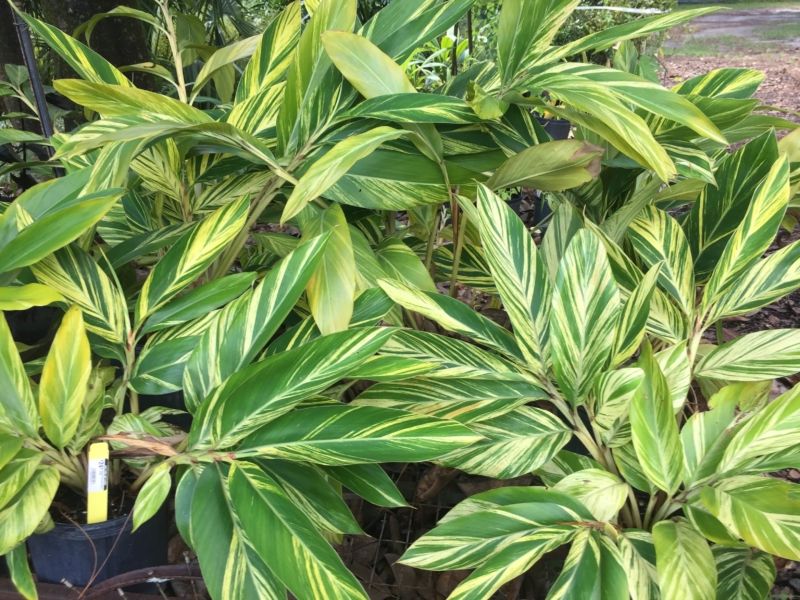
Shell ginger adds lush tropical texture that makes shady Florida beds feel full and expensive. The broad leaves, especially on variegated types, brighten darker corners with green, cream, and gold striping.
It is wonderful along fences, beside patios, under high tree canopies, or in layered tropical gardens where height is needed. Mature plants may produce hanging clusters of shell-like flowers that add extra charm.
Shell ginger prefers part shade, moist well-drained soil, and protection from hard freezes. It can spread over time, so give it room or divide clumps when needed.
For minimal effort, you get bold foliage, graceful movement, and a rich garden backdrop that looks carefully planned.
Agave
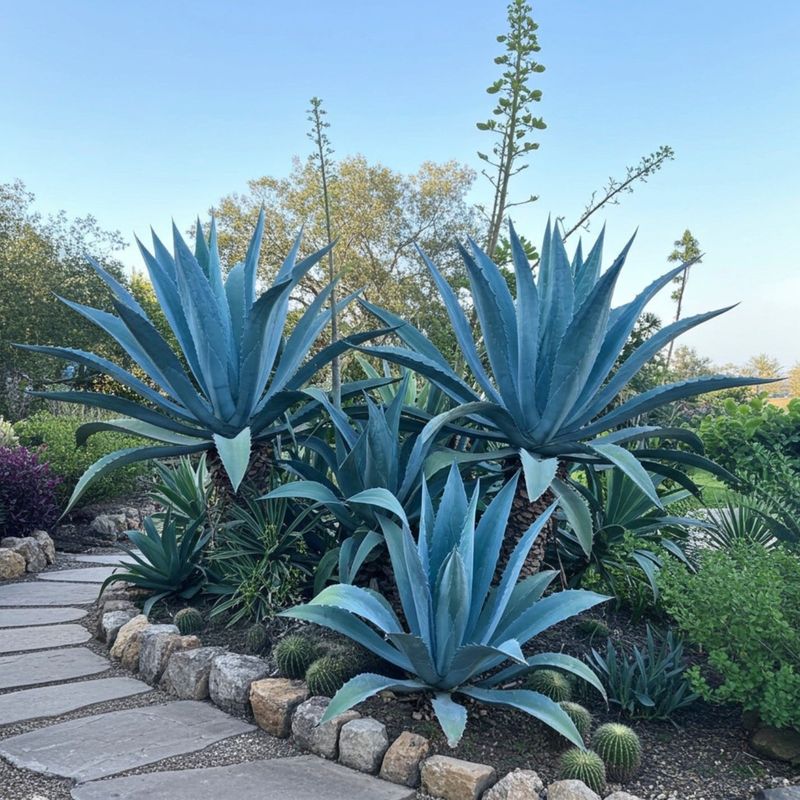
Agave gives Florida yards a modern, sculptural look with almost no pampering. Its bold rosettes and sharp architectural lines make gravel beds, sunny entries, and poolside landscapes feel instantly more designed.
This plant is especially helpful if you want expensive-looking curb appeal but do not want thirsty plants. Blue, green, and variegated varieties pair beautifully with rocks, muhly grass, coontie, and palms.
Agave needs full sun and excellent drainage, so avoid soggy spots that stay wet after rain. Once established, it is highly drought tolerant and usually needs little more than cleanup of old leaves.
Give it space away from busy walkways, since many types have pointed tips.
Japanese blueberry
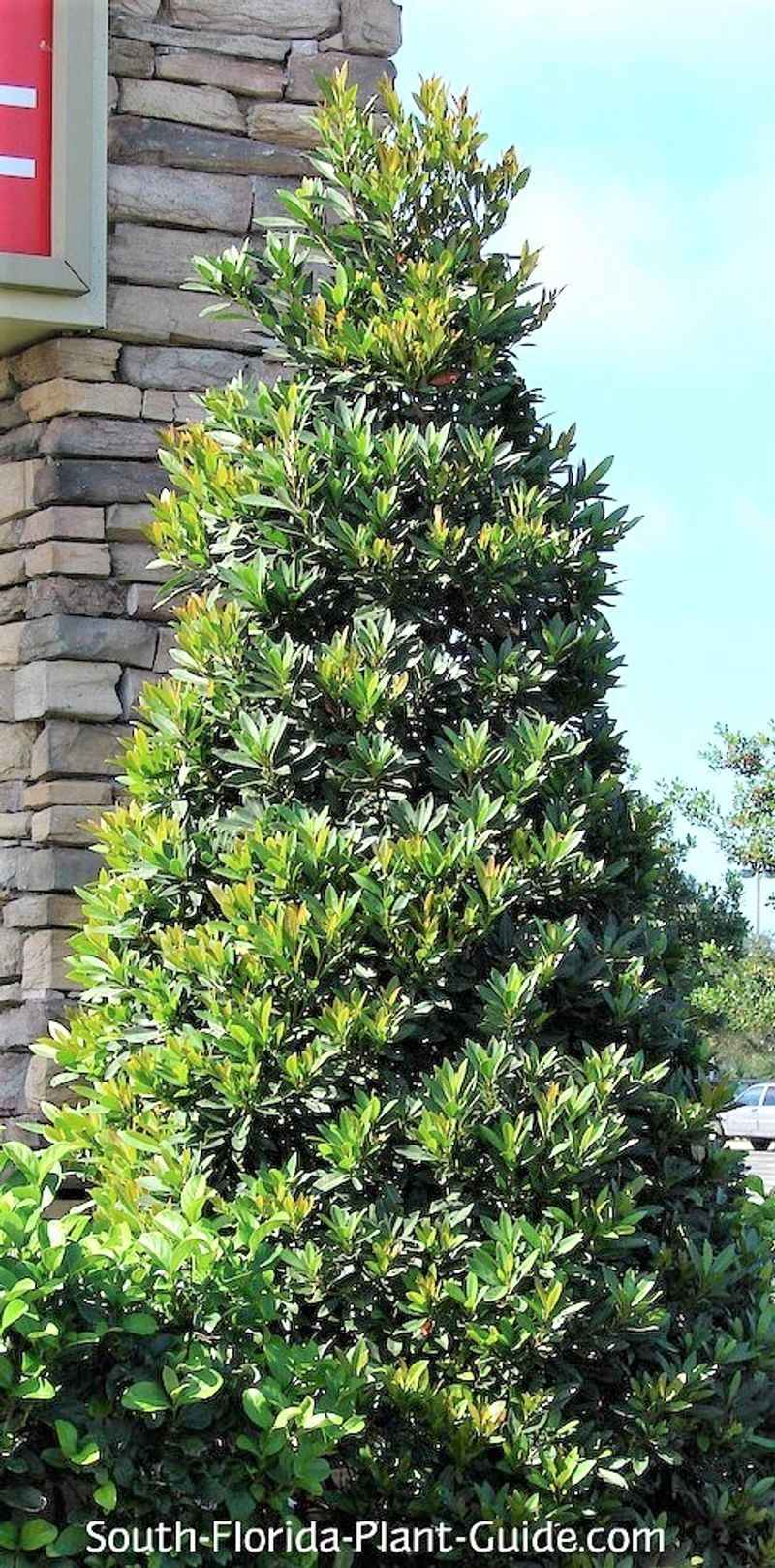
Japanese blueberry is a handsome evergreen tree that can make a Florida property feel formal and high-end. Its dense glossy foliage creates a rich green screen, and new growth often appears bronze before maturing.
Use it as a privacy tree, driveway accent, or vertical backdrop behind lower shrubs. The upright shape works well in landscapes where you want height without the loose look of some tropical plants.
Plant Japanese blueberry in full sun to part shade with well-drained soil and enough room for mature growth. Water regularly while young, then maintain with occasional pruning to shape the canopy.
When placed well, it gives the yard a stately, polished presence that feels far more expensive than it is.
Enjoyed this story?
Add Fast Food Club as a preferred source to see more of our reporting on Google.